1/2
form found design explores robotics + fabric in façade construction
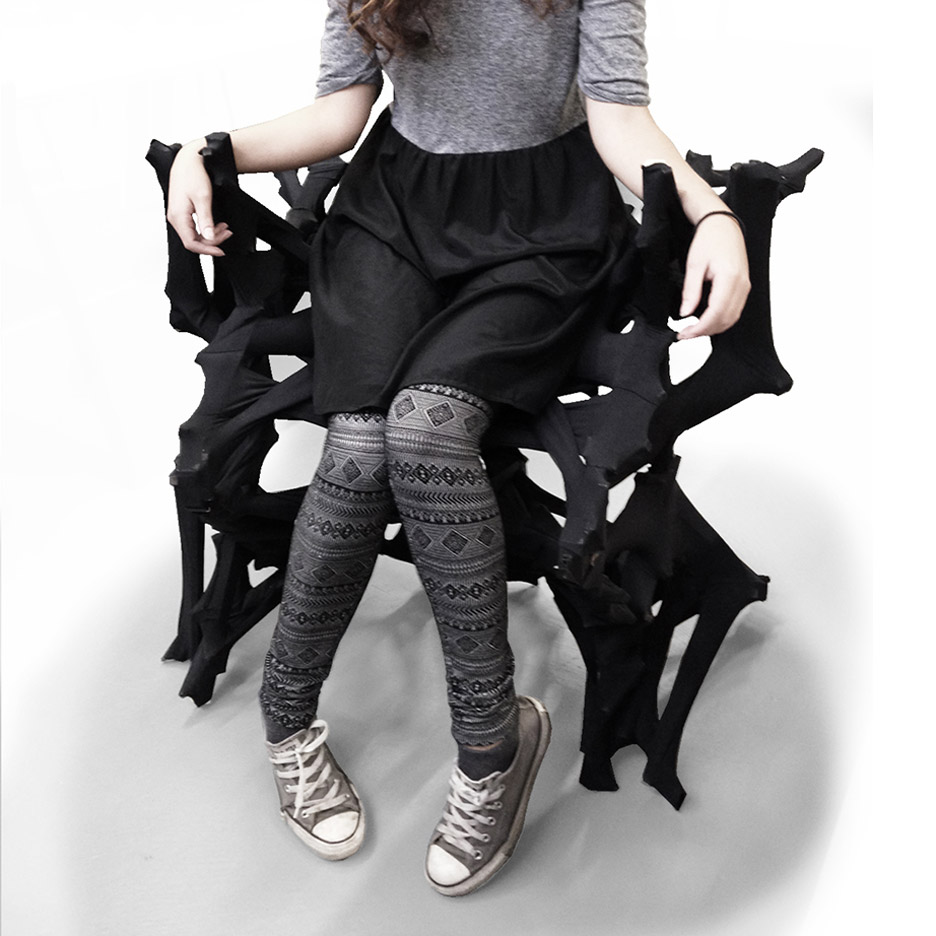
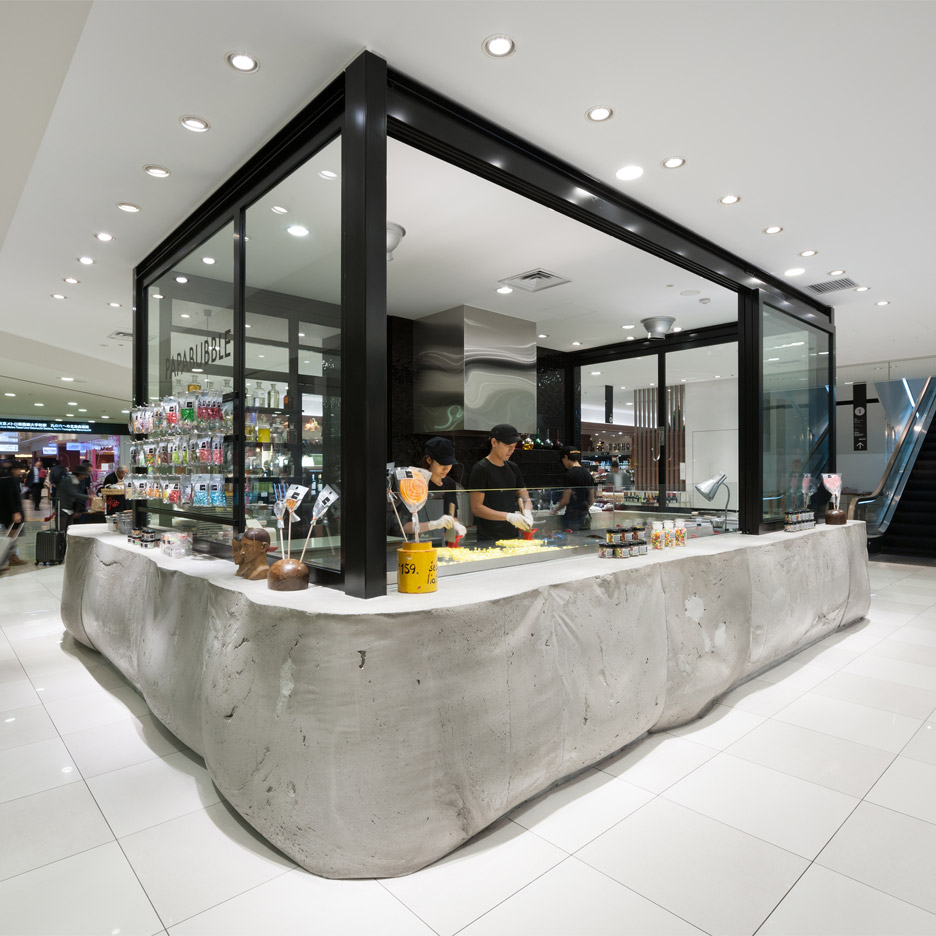
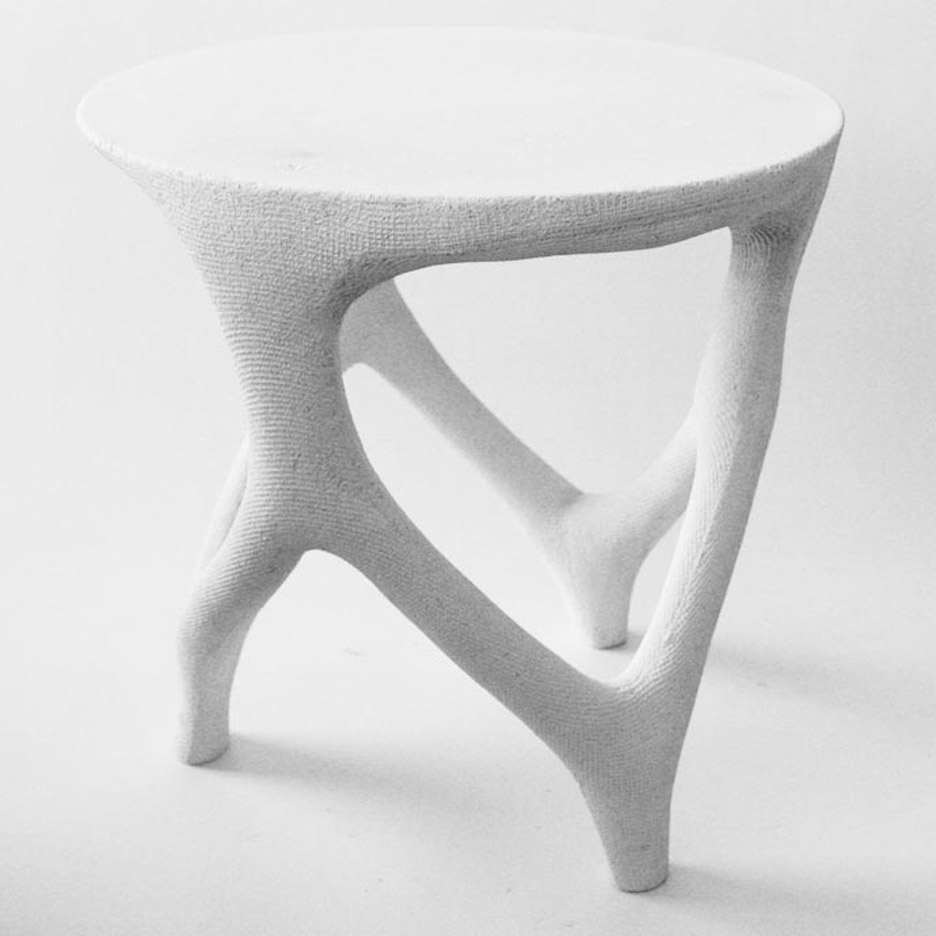
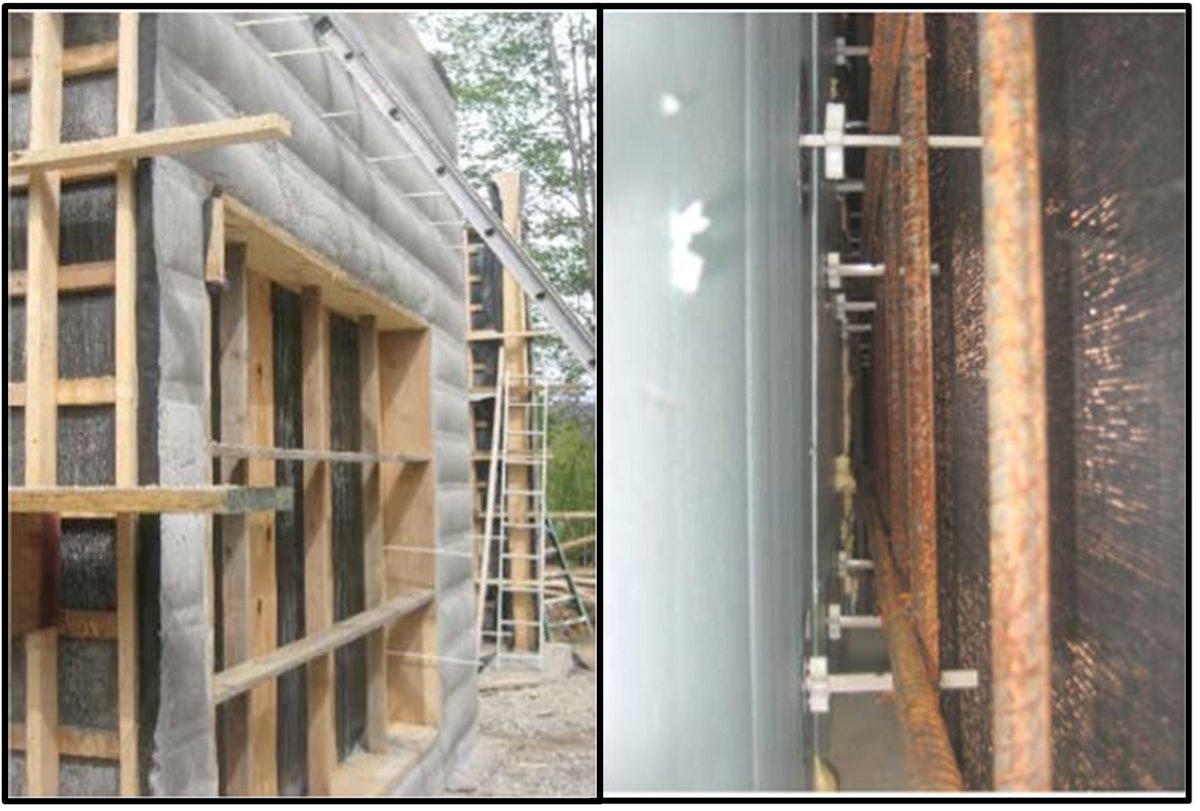
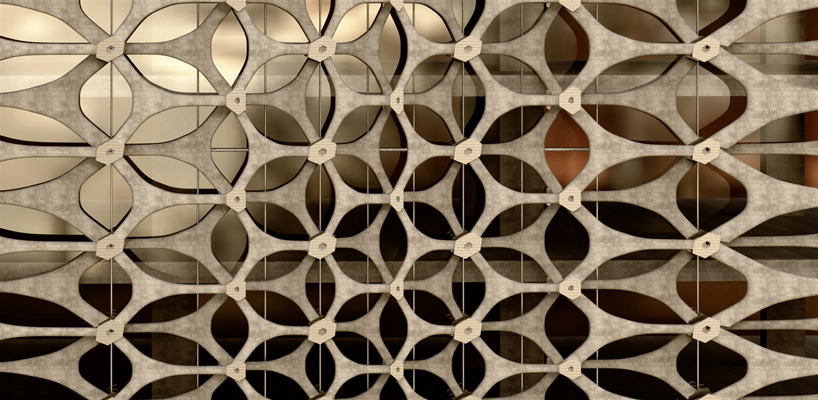
Ron Culver and Joseph Sarafian from Form Found Design have innovated a self-supporting façade shading system that diverges from the geometric repetitiveness inherent in traditional concrete casting methods. Their approach integrates robotics and fabric to create more effective and varied designs. This method leverages a parametric workflow that combines the precision of six-axis industrial robots with the flexibility of fabric, which acts as a mold for concrete pours. The resulting cast forms a wishbone-like pattern that covers the entire façade, moving away from conventional, often arduous, and inaccurate concrete casting techniques that struggle with complex, organic geometries.
The project was showcased at significant industry events such as the Façade Tectonics World Congress in Los Angeles and the Now Next Future conference by the AIACC, highlighting its potential to bring variation and efficiency to the façade industry. The traditional use of concrete for complex shapes has historically been unsustainable and inefficient, primarily due to the difficulties in achieving intricate designs cost-effectively. Form Found Design addresses this challenge by employing a precise digital-physical workflow, ensuring that their parametric designs are not only aesthetically unique but also economically viable and compliant with conventional construction standards. This innovative process enables the creation of façades that are both structurally sound and visually dynamic, pushing the boundaries of what is possible in architectural design.
A key aspect of this technique involves the integration of reinforcing cables directly within the bone-like shapes of the façade during the casting process. These cables are crucial for delivering tensile forces between the structural members, enhancing the overall strength and stability of the self-supporting system. This method ensures that the final structure is robust and durable, capable of withstanding various environmental stresses. The practical application of this technology is further demonstrated by the ongoing construction of the Palm Springs Pavilion. This self-supporting compression structure, built using the same innovative process, is set to debut in March 2017. The pavilion project, spearheaded by Sarafian and Culver alongside Steve Fuchs, serves as a tangible example of the successful implementation of their robotic-fabric casting technique in a real-world architectural context. It highlights the potential for this method to revolutionize façade construction by offering unprecedented design freedom and structural integrity. Through the combination of robotic precision, material flexibility, and strategic reinforcement, Form Found Design is paving the way for a new era of architectural possibilities, characterized by customized, efficient, and visually striking building envelopes.
#Robotics #FabricConstruction #FacadeDesign #ConcreteCasting #ParametricDesign #ArchitecturalInnovation #ConstructionTechnology #DigitalFabrication #Robotics #FabricConstruction #FacadeDesign #ConcreteCasting #ParametricDesign #ArchitecturalInnovation #ConstructionTechnology #DigitalFabrication
0 comment in total
 No comments yet
You may also like
Six examples of fabric-cast concrete that are breaking the mould
Generative Space Design: Exploring 8 Transformative Tools in Architecture

Dynamic façades: Solving the High Performance Building Challenge without Design Compromise

RISD profs' tool allows anyone to create custom woven fabrics online

Building facades and vertical shade

Housing by MHN Design Union has optical-illusion windows
Meeting of minds - 5 Jun 2025 - Homes and Gardens - UK Magazine

Facade Panel – Twine from Rieder Smart Elements GmbH & Co KG
Inside and out
joris laarman bits and crafts: a digital fabrication exhibition at friedman benda
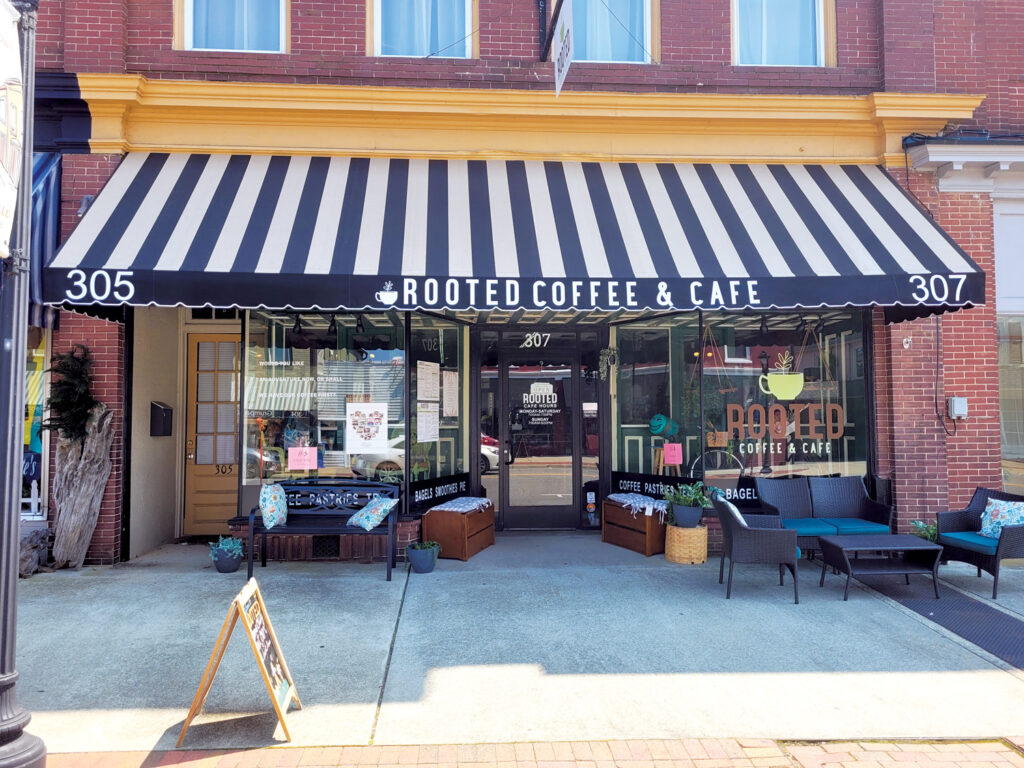
Fabric awnings vs. metal
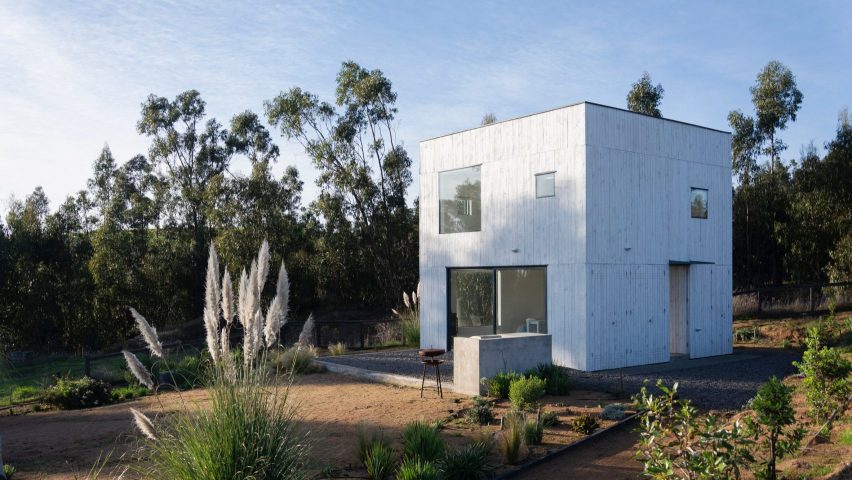
Distinctive house cladding from Dezeen's Pinterest
Is There a Future for Fabric-Formed Concrete Structures?

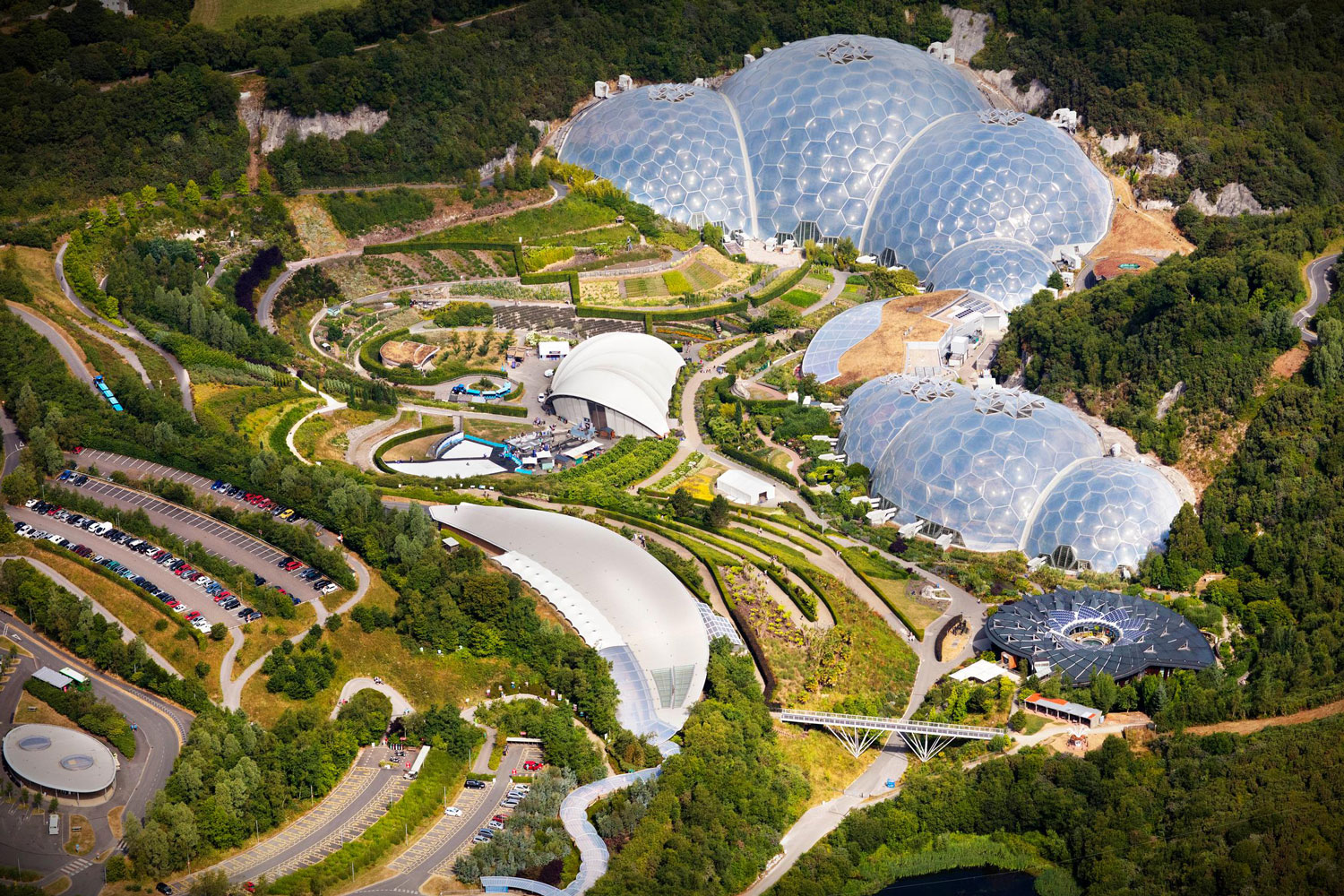
Nature-Inspired Design: Biomimicry in Architecture
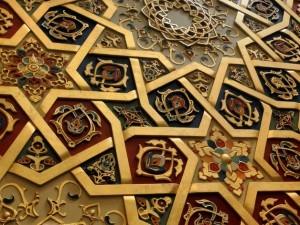
Aztec Scenic Design Creates Custom 3D Printed Arabian-Inspired Ceiling and it’s Amazing!

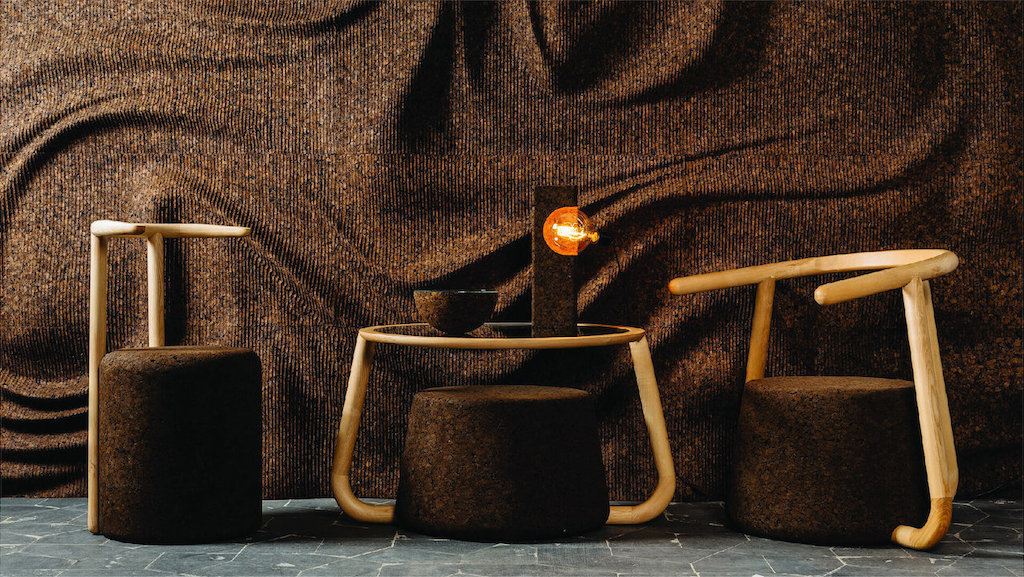
A new vision for cork, that is attractive and utilizes contemporary digital designs


Facade Systems
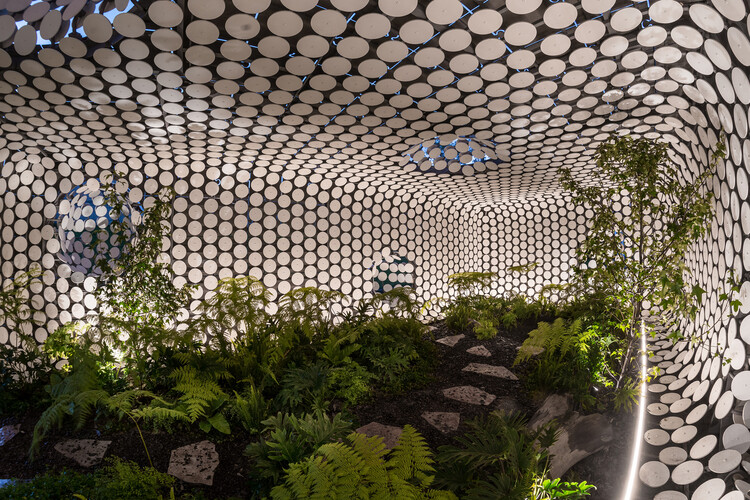
The Circular Potential of Fiber Cement Cladding
Back to Basics
Portico shade structure opens up new possibilities