1/12
7 Years of Design Decisions Went Into This Architect Couple’s Breezy Bungalow
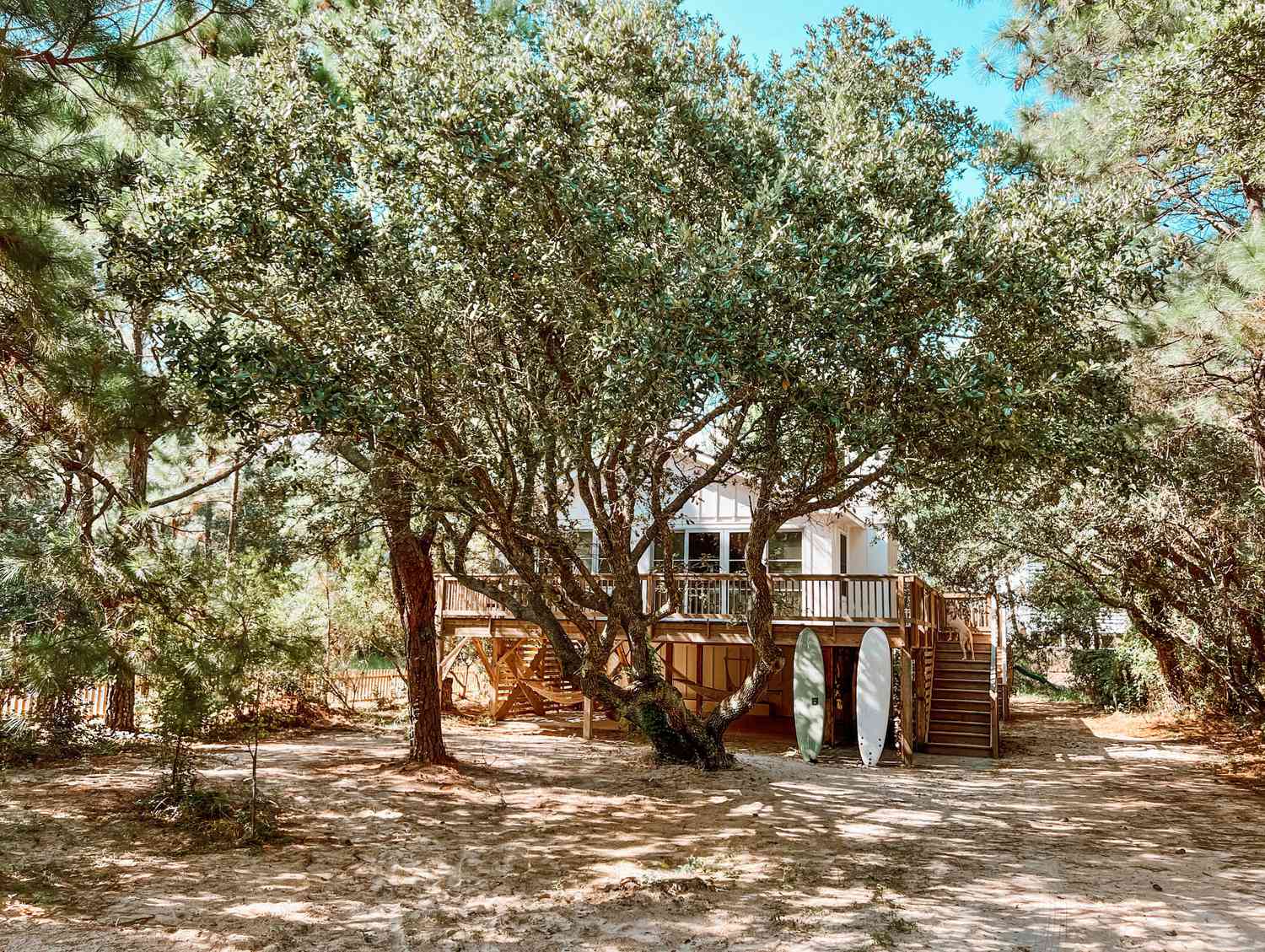
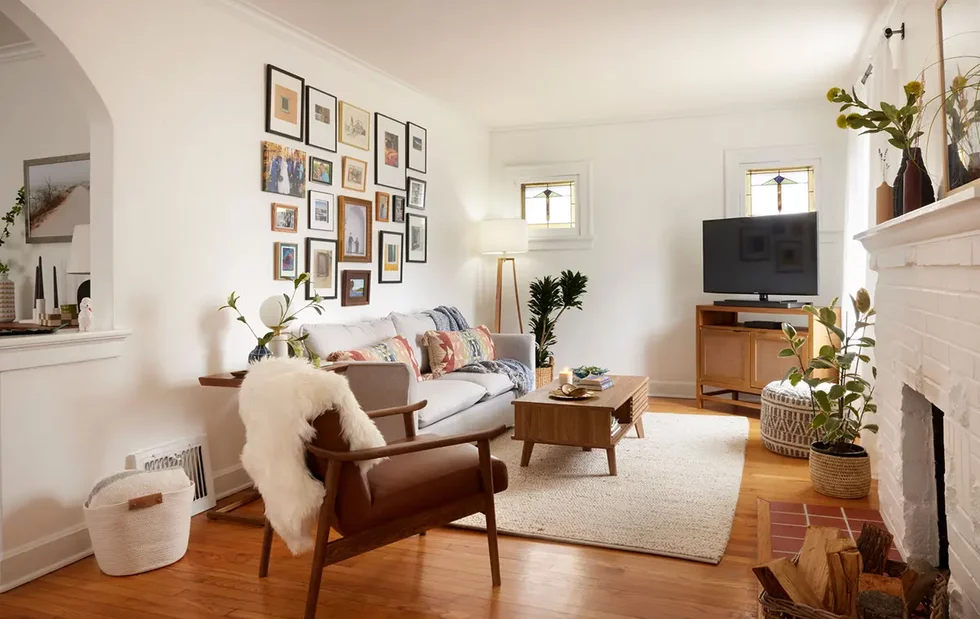
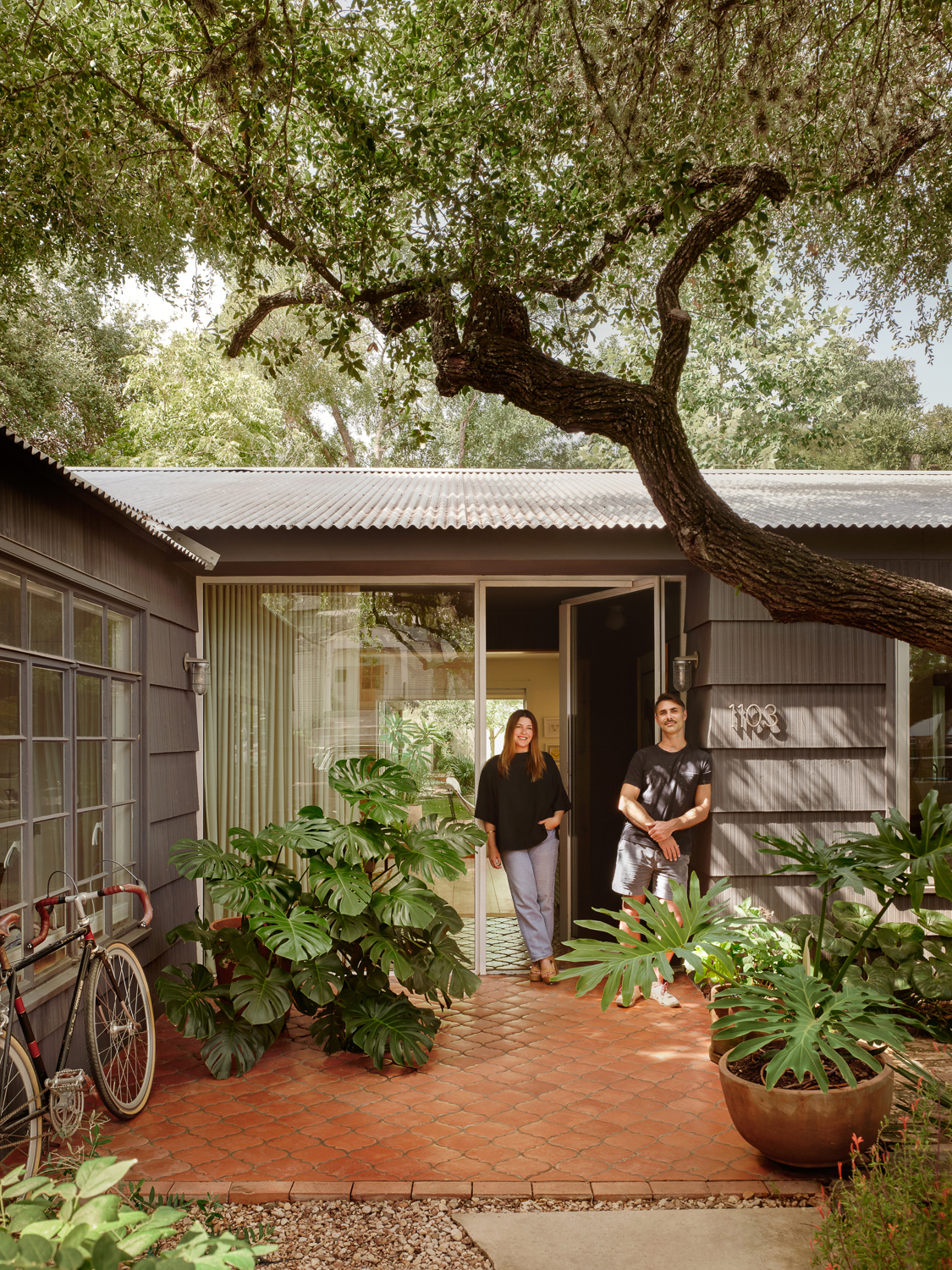
Architects Annie-Laurie Grabiel and Arthur Furman, founders of Austin-based firm Side Angle Side, embarked on a seven-year-long renovation of their 1939 H-shaped bungalow in Texas. Their initial attraction to the property was its footprint, specifically its double-courtyard layout that allowed natural light to permeate from multiple angles, a characteristic appealing to architects. Despite the presence of a large oak tree shading the front yard and the bungalow having only two bedrooms for their family of four, the potential for light and the inherent charm of courtyard homes drew them in.
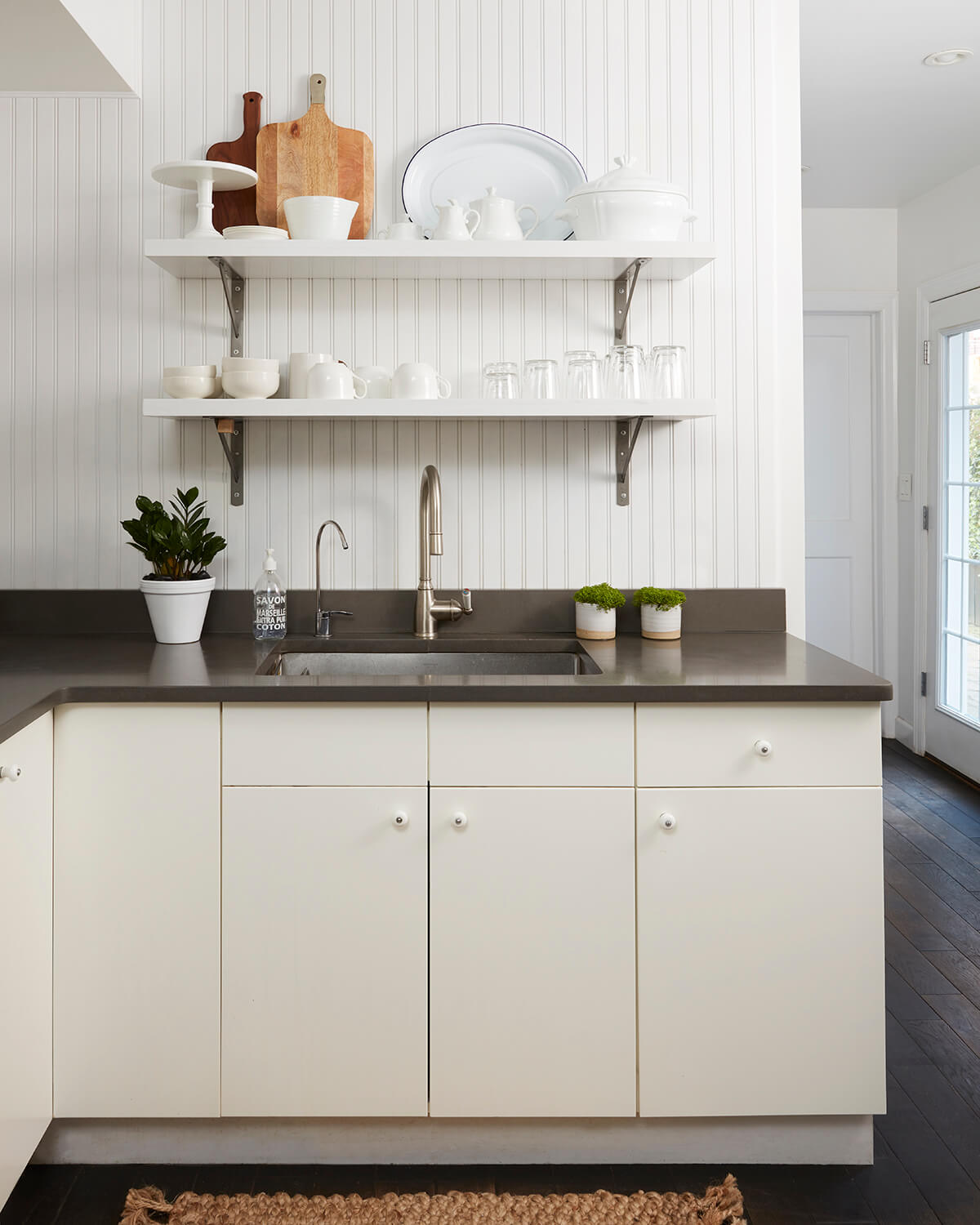
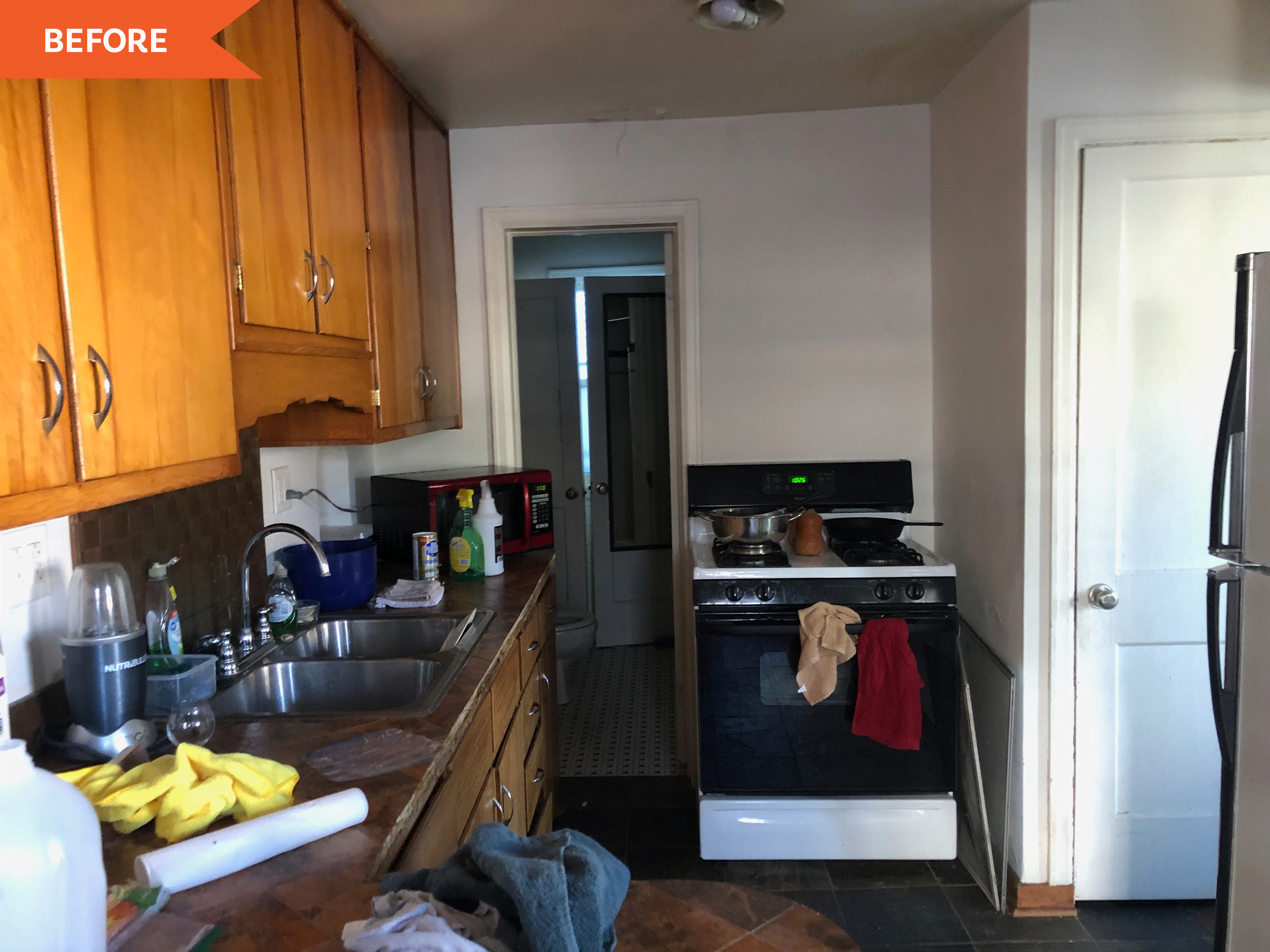
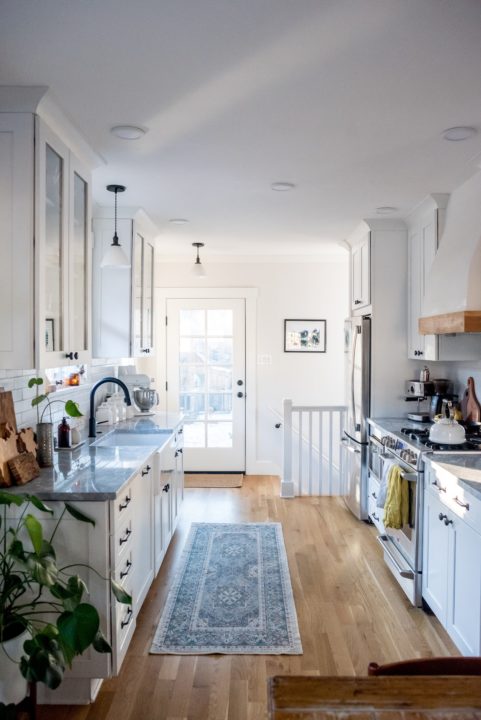
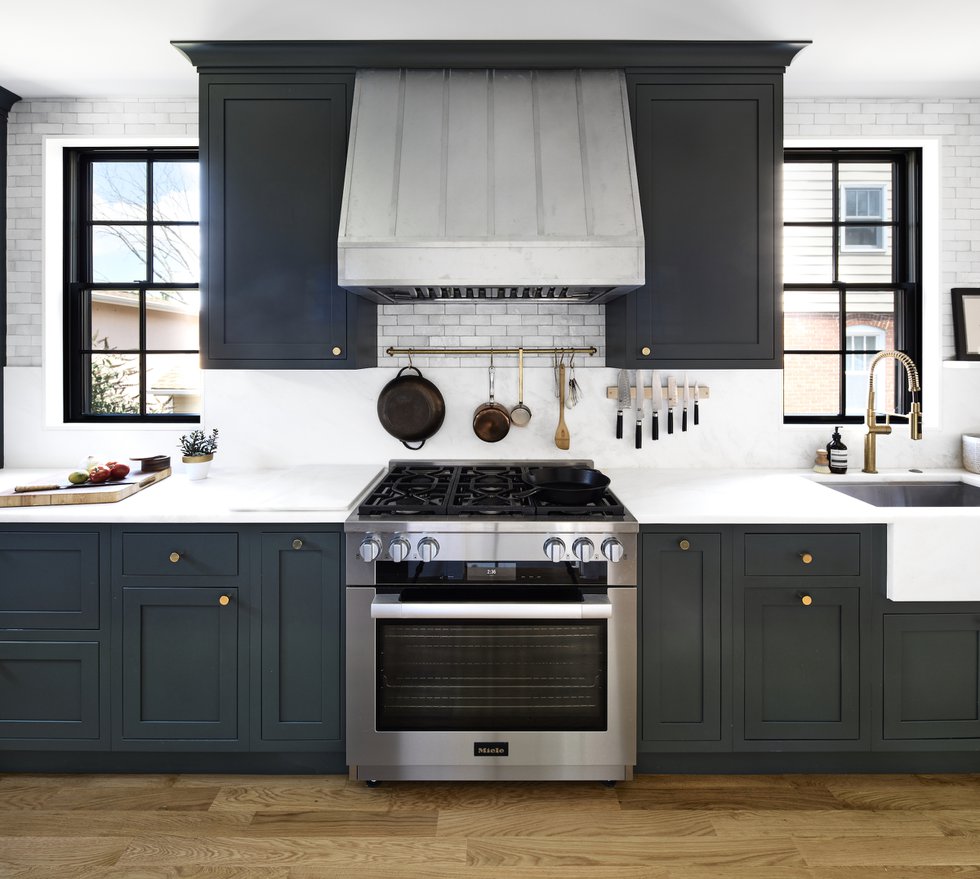
The extensive renovation was unexpectedly triggered by the failure of a quirky, portable dishwasher. This appliance, which required a sink hook-up and was notoriously noisy, became a focal point. When it finally ceased to function, the couple's decision to replace it evolved into a more ambitious project. They reasoned that if they were updating cabinets for a new dishwasher, they might as well tackle countertops and lighting. This domino effect led to considering electrical upgrades, vaulting ceilings, and eventually, a full roofing overhaul.
The sheer scale of their ideas initially led to a feeling of paralysis. However, Furman initiated the renovation by dismantling cabinets, creating a situation that necessitated moving forward. They enlisted the help of Waller Building Co. and Fort Structures to execute their vision. A significant change involved a temporary relocation from the house to facilitate a 200-square-foot addition. This seemingly modest expansion enabled the creation of an extra bedroom and bathroom, significantly improving the functionality of their home for a growing family. During construction, the couple demonstrated a commitment to sustainability and historical preservation by reusing many of the original steel casement windows.
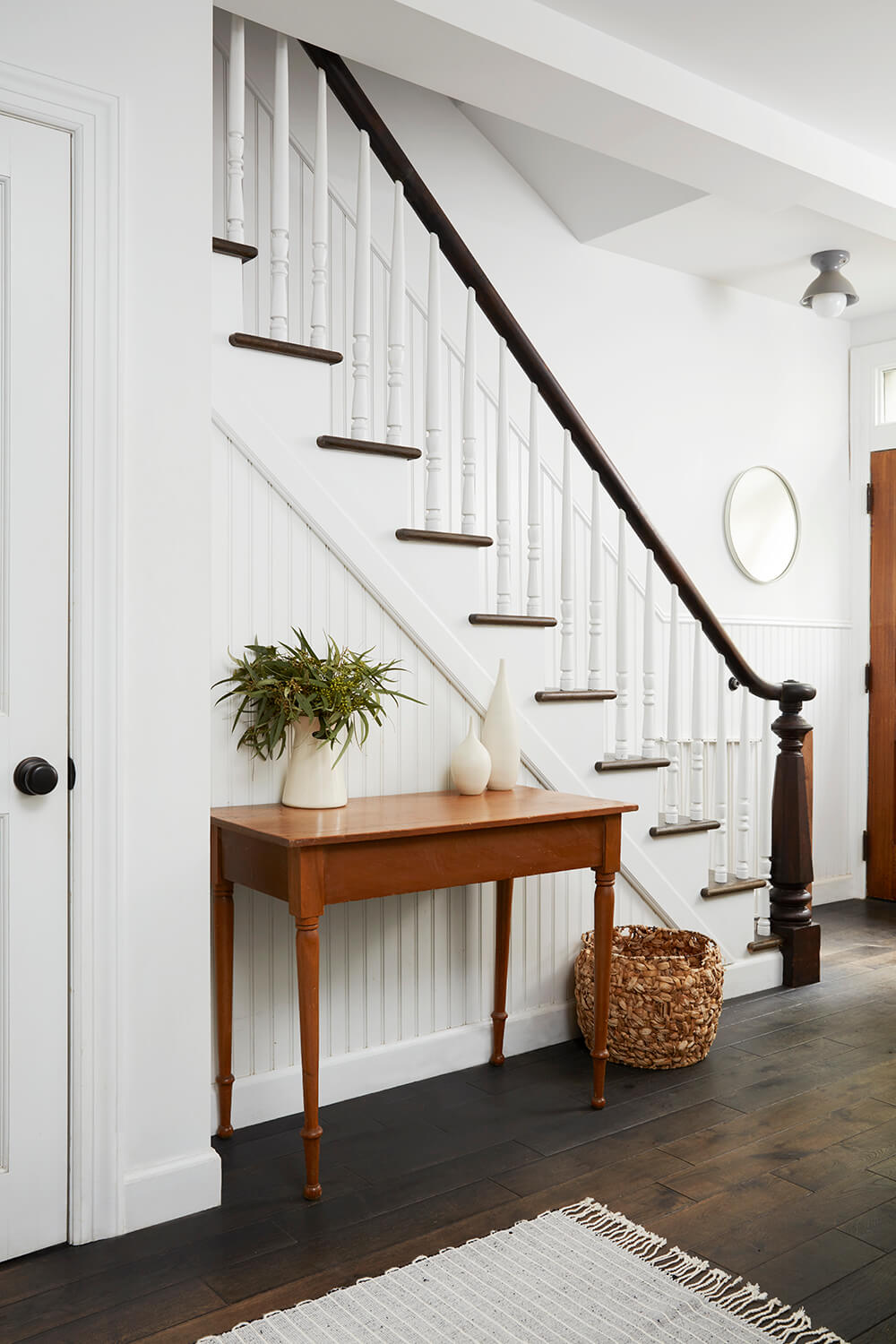
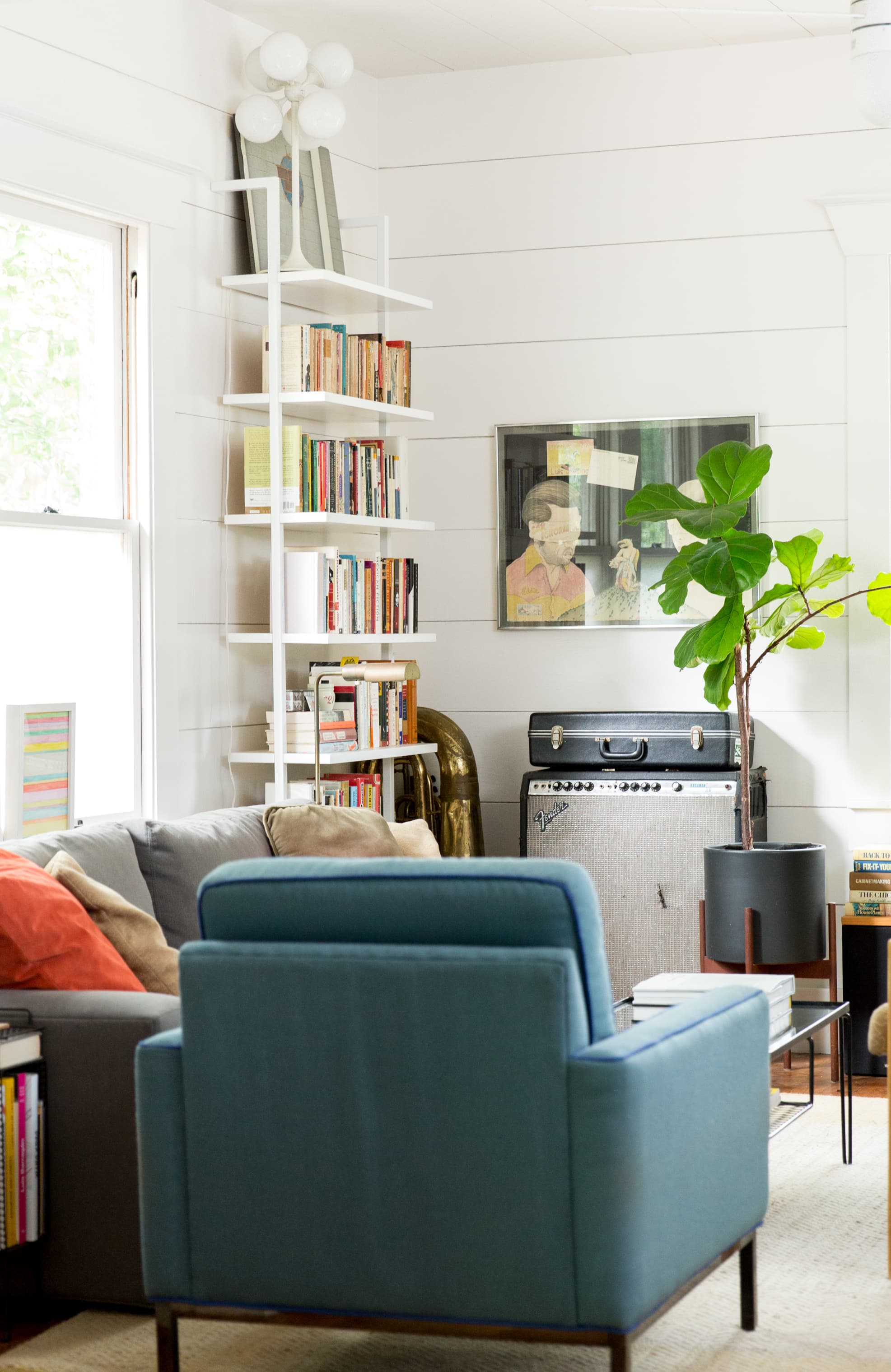
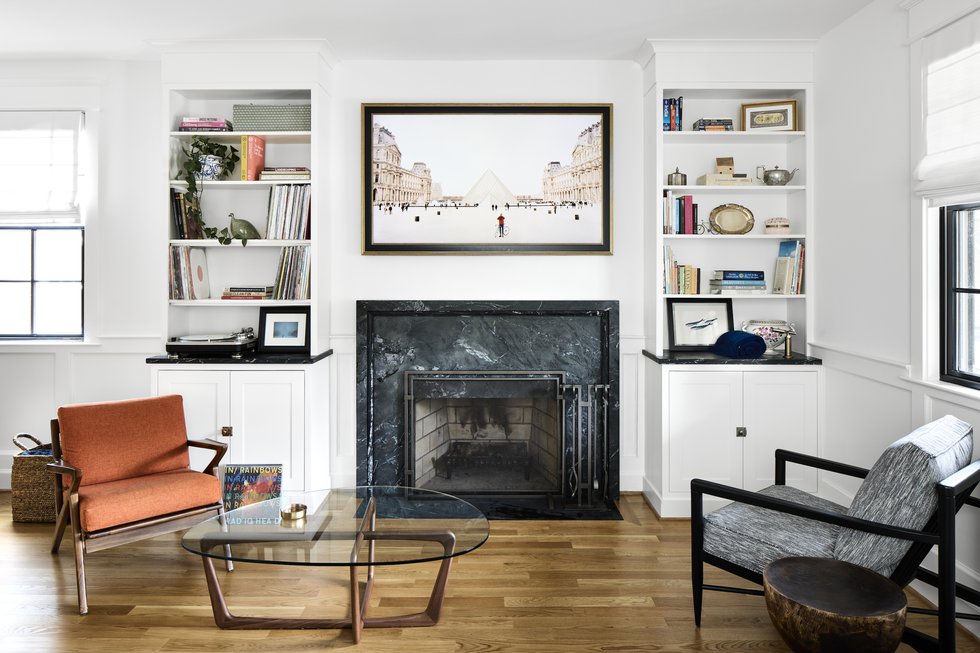
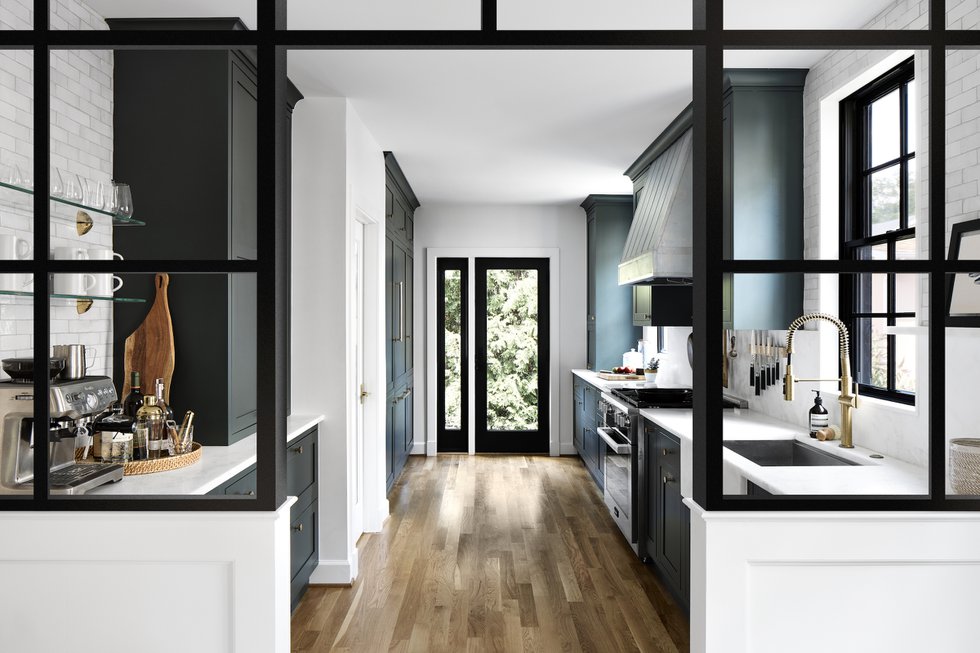
One innovative design choice was incorporating the home's original facade into the new foyer, maintaining a sense of honesty and creating an intentional sequence of arrival, as described by Grabiel. The exterior, once a faded blue, received a modern update with Sherwin-Williams Peppercorn, a black-gray shade with blue undertones. Internally, the design emphasized material consistency to avoid decision fatigue, with Saltillo tile used across the entryway, kitchen, bathrooms, and exterior courtyards. Reclaimed longleaf pine boards added warmth to the living areas and bedrooms, while crisp white kitchen cabinets and countertops provided a clean backdrop that allowed vibrant greenery, art, and daily objects to stand out.
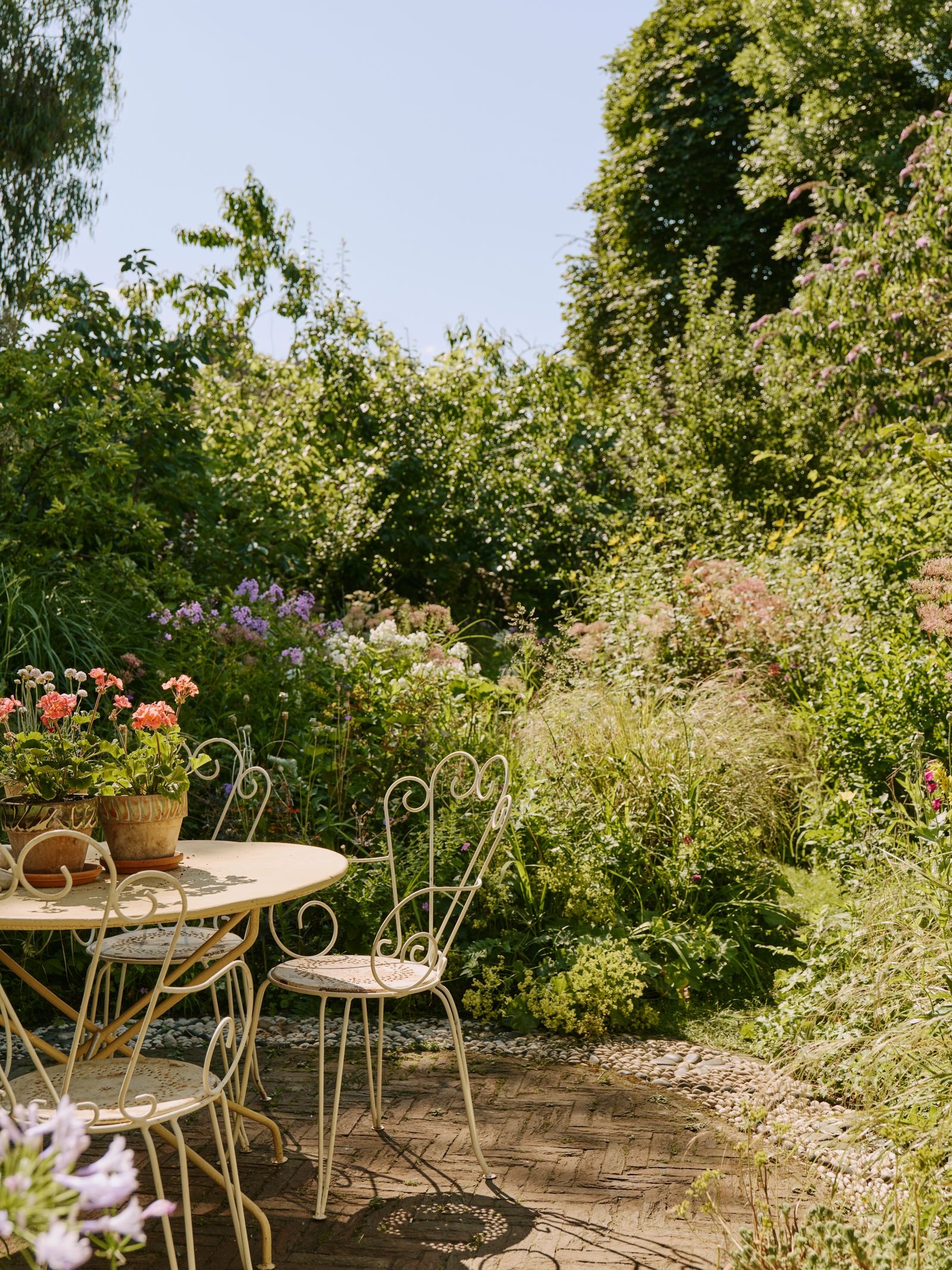
The project culminated with the addition of a swimming pool constructed from chukum, a Mexican resin known for its versatility. This material allowed for a seamless application across all pool surfaces, eliminating the need for coping or waterline tile. The challenging topography of their property, with a rear half climbing over 10 feet, required significant excavation—30 dump trucks of dirt were removed—to accommodate the pool, terraces, and cement retaining walls. Despite initial fears that nothing would grow again, the excavated area transformed into a mini oasis. The architects' goal was to create an inviting outdoor space for relaxation and social interaction, allowing for conversations to be heard without the noise of the old dishwasher, fostering a beloved outdoor lifestyle common in Texas.
#ArchitecturalDesign #HomeRenovation #Bungalow #CourtyardHome #AustinHomes #InteriorDesign #SustainableDesign #OutdoorLiving #ArchitecturalDesign #HomeRenovation #Bungalow #CourtyardHome #AustinHomes #InteriorDesign #SustainableDesign #OutdoorLiving
0 comment in total
 No comments yet
You may also like
Designer-Architect Couple Transform ‘Burg Bachelor Pad Into Cozy, Kid-Friendly Home
A 70-year-old family home inspires the layout of the owners' new bungalow in Kerala

Inside a Filmmaker’s Zen 727-Square-Foot Weekend Retreat in Laguna Beach


Get inspired by the Rivergum Homes’ new Bondi design
These Newlyweds Turned Their First Home Into a Cozy Bungalow
A cozy new look for a bungalow in Webster Groves


An unlivable suburban bungalow is now a light-filled modern home
See How a Designer Took This Project From Abandoned Mobile Home to Modern Family Oasis
This Denver Duo Found a Bright New Way To Renovate a Classic Craftsman Bungalow
Nature-infused guesthouse features a living room that functions as a "covered porch"

A Late-in-Life Home Designer Just Created a Bachelor’s Paradise—in Utah

Transformation for a Del Ray Bungalow
This 740-Square-Foot Bungalow Proves Just The Right Fit For A Family Of Seven
You’ll Likely Want to Move into a Bungalow After Seeing These 11 Homes
Patten Custom Homes’ Husband/Wife Duo Edge Out the Competition on Design, Detail, And Service

A designer's idyllic urban cottage where nature and intuition inform every detail
A once "unattractive" 1970s home takes a leap with colour and soaring ceilings

It took seven years to renovate this house

A Globetrotting Couple’s Light and Bright Tiny Home Is Born Out of a Love for Adventure
Dream House Design — Great Falls Family Ends Up With Perfect Home 12 Years Later