
1/5
Kitchen island vs no kitchen island – two reasons designers choose this layout, and two reasons they don't
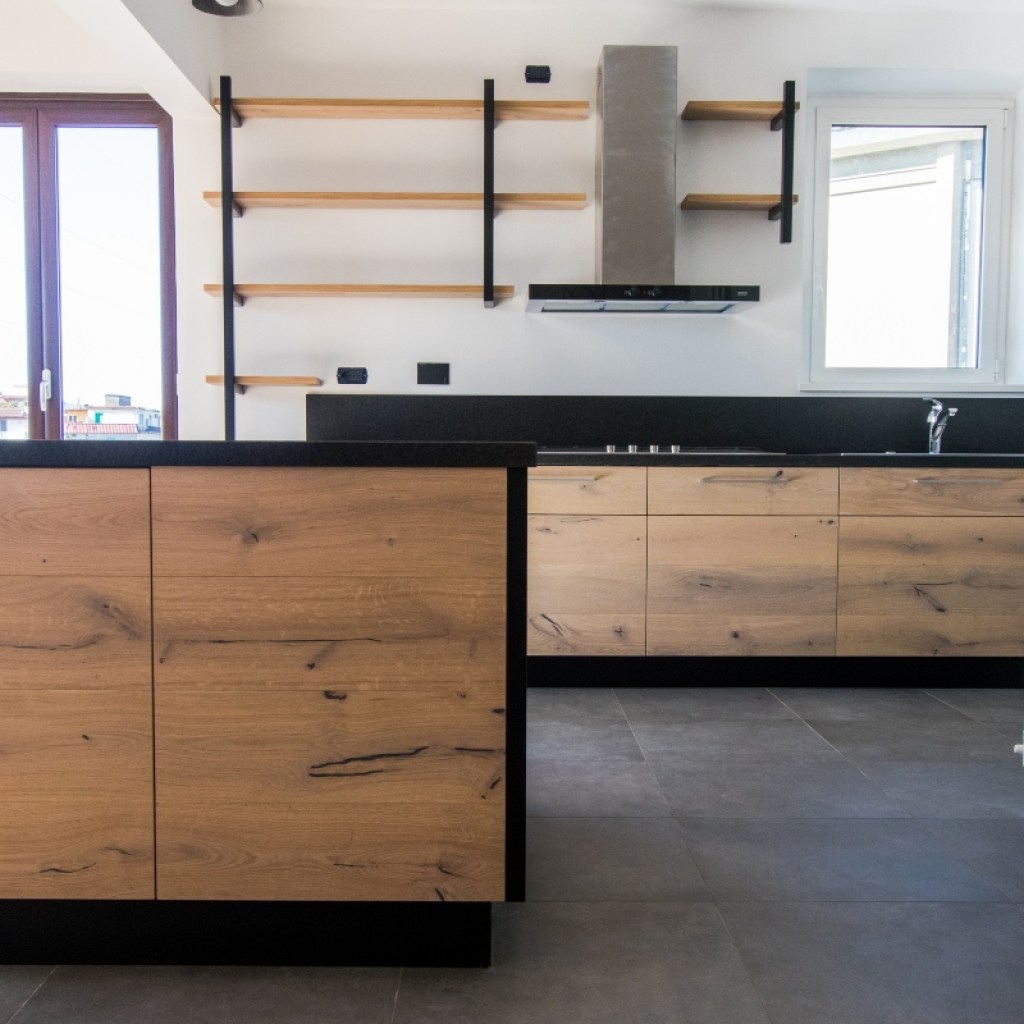
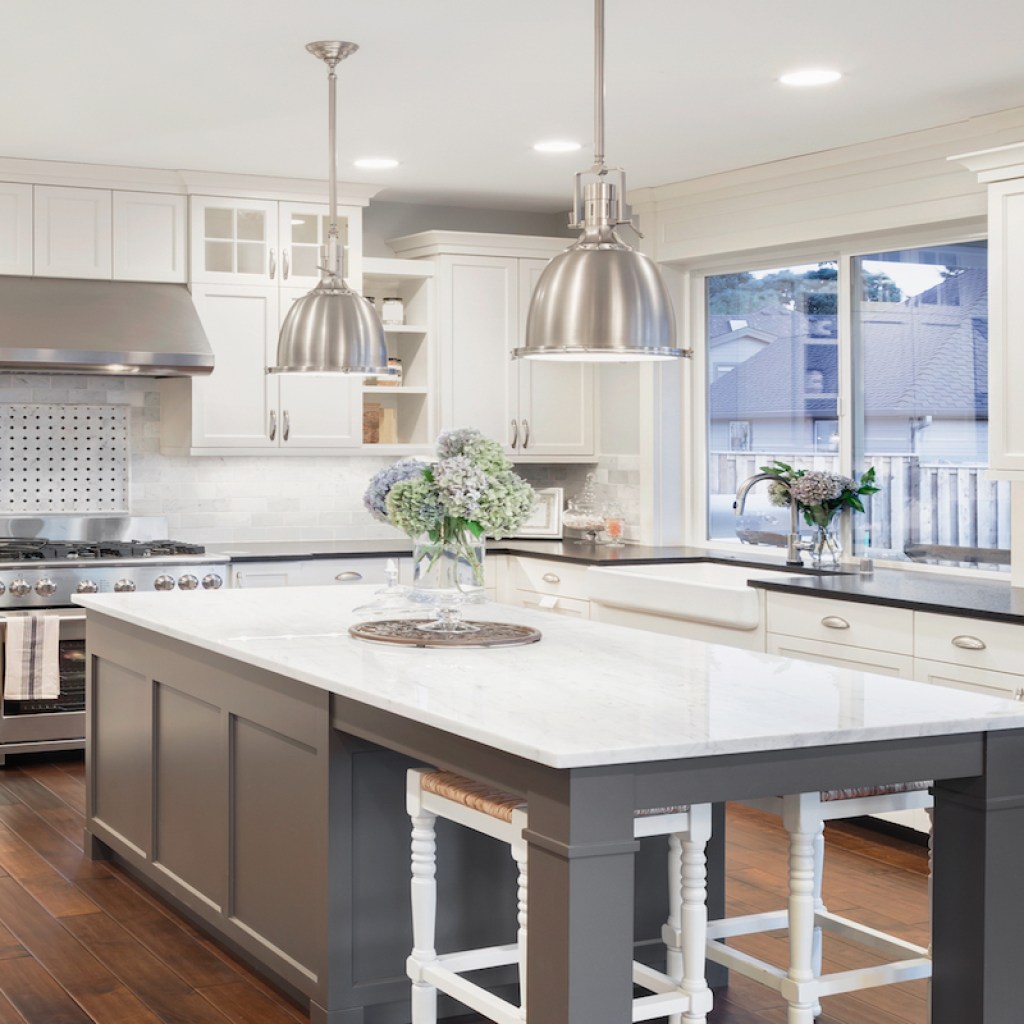
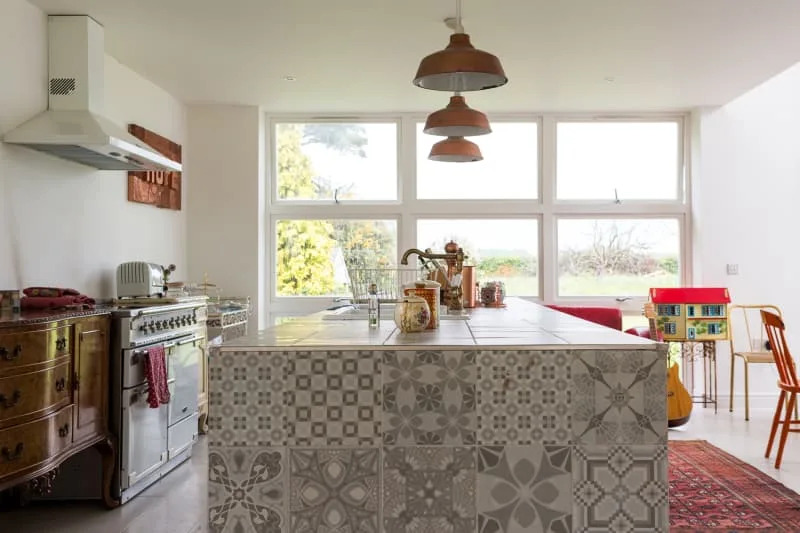
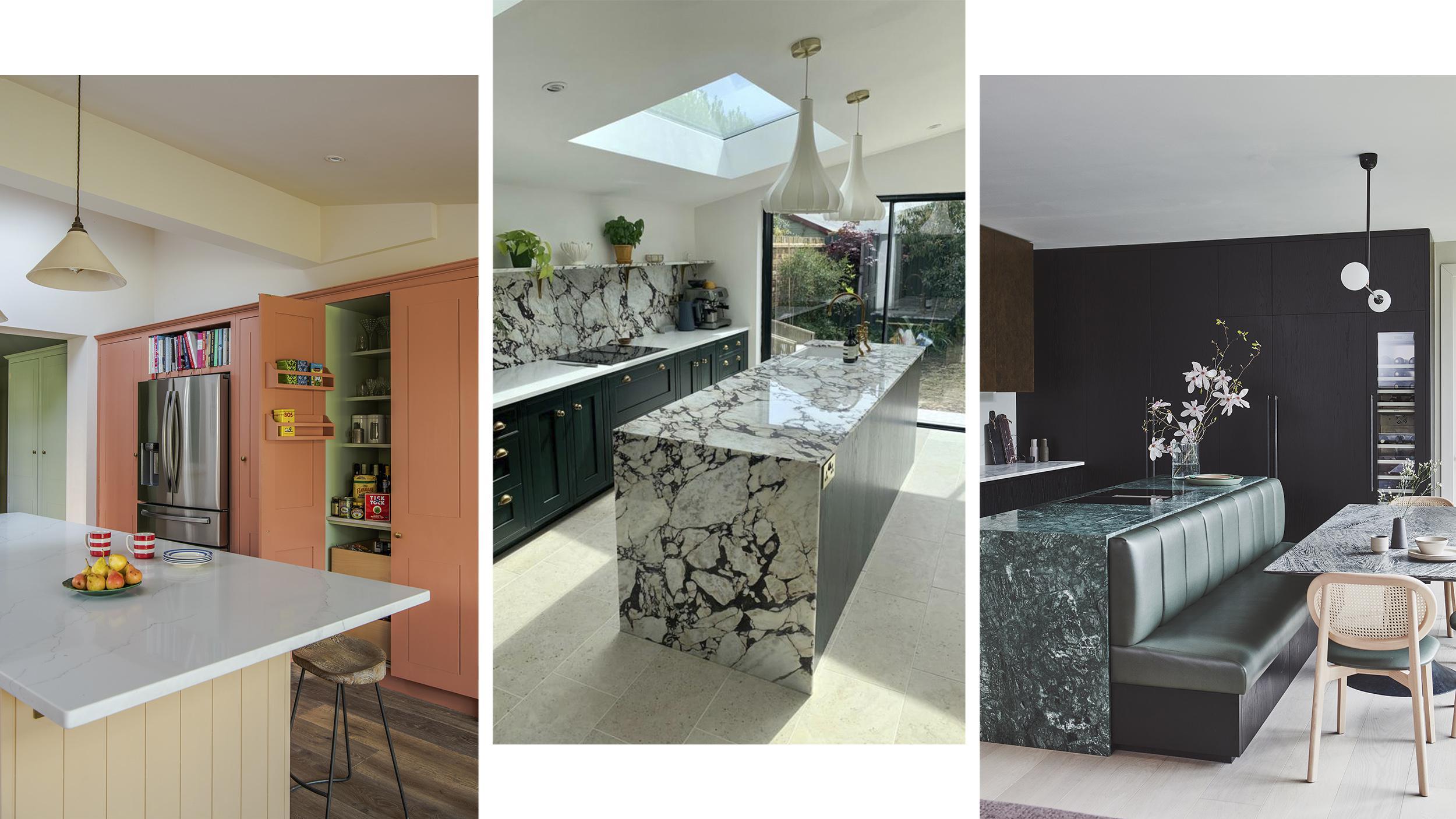
The kitchen island has a long history, with its earliest forms appearing as wooden worktables in European homes in the 1800s. Its popularity surged with the rise of the open kitchen concept in the 20th century. While seemingly a straightforward choice due to the additional counter space and social connectivity it offers, the kitchen island also presents significant drawbacks. This article explores the advantages and disadvantages of incorporating a kitchen island, drawing on insights from interior designers globally.
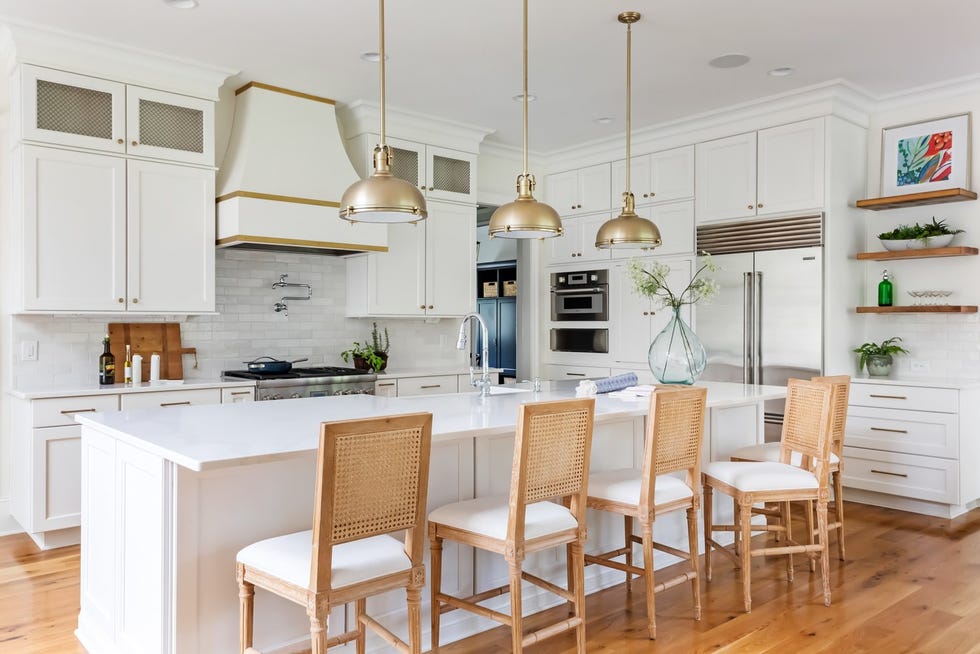
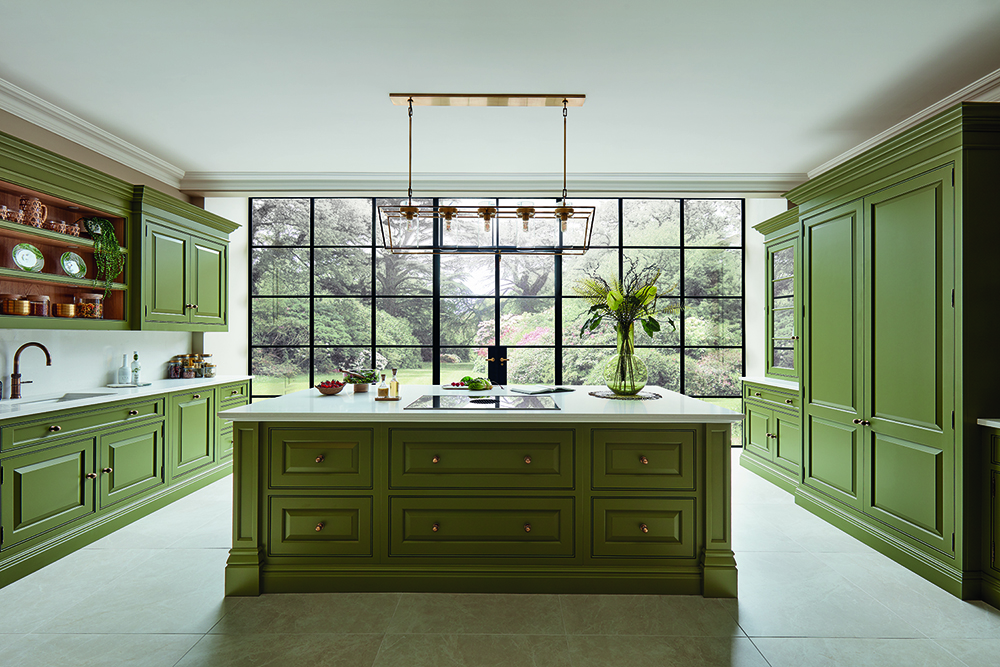
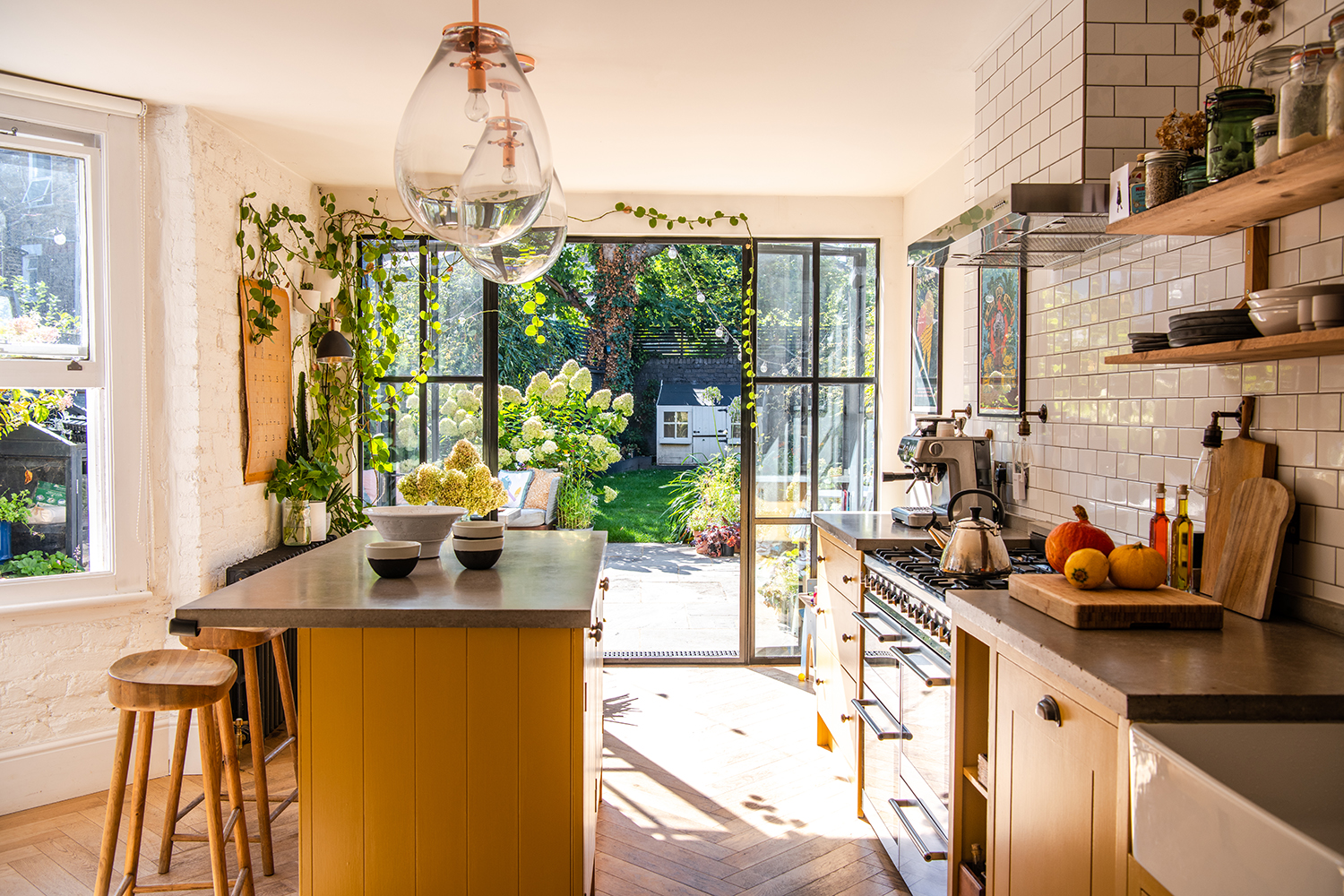
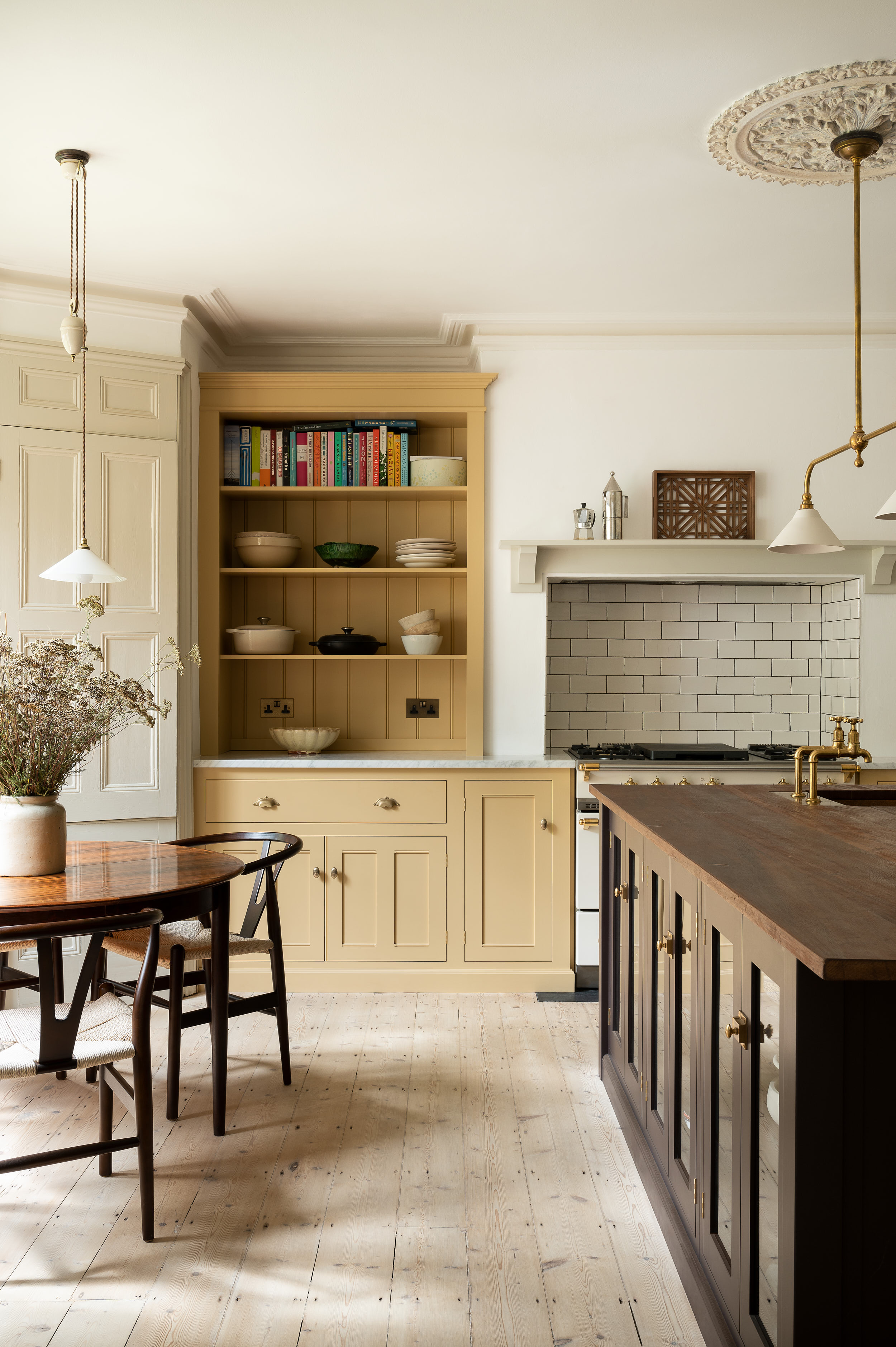
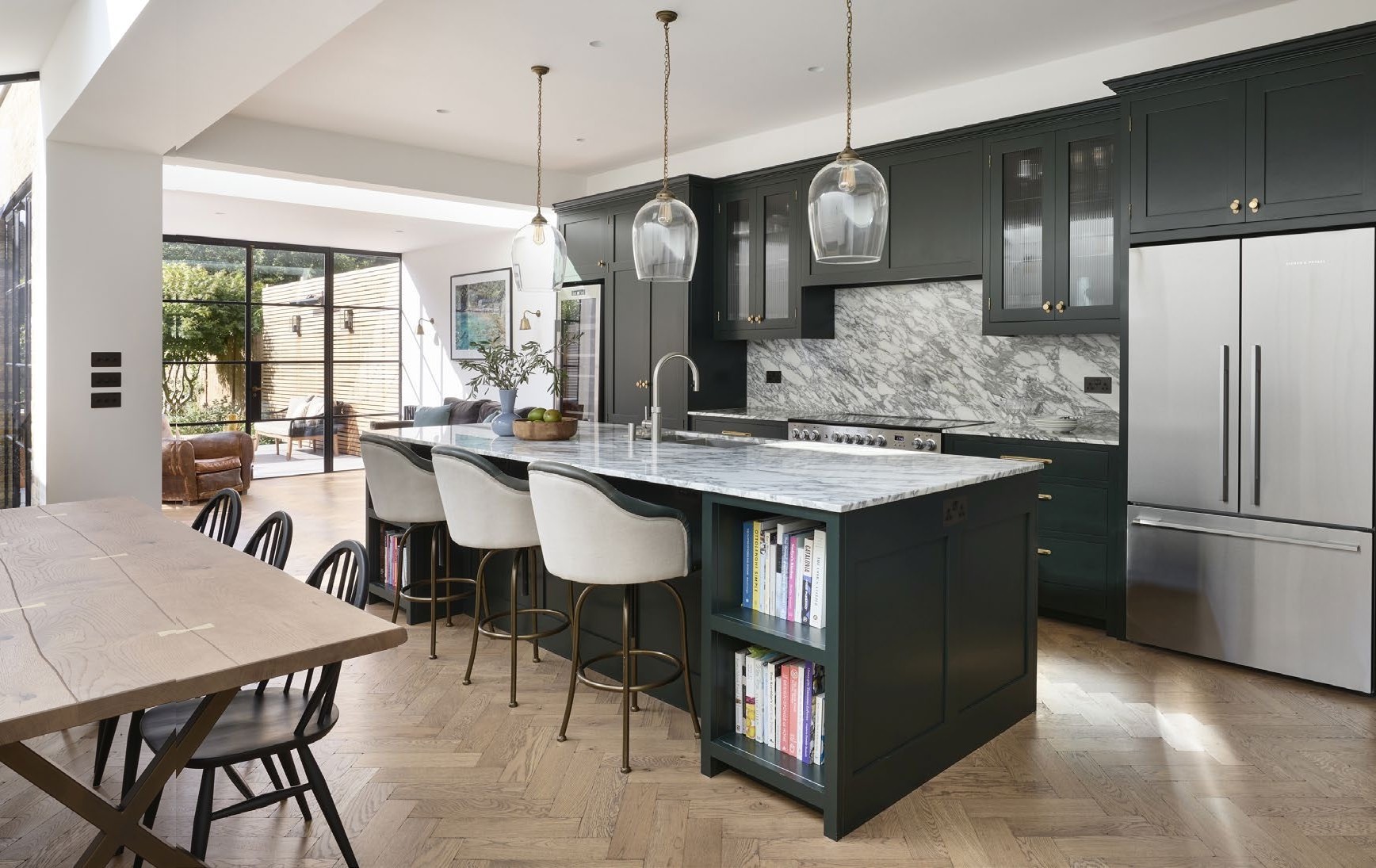
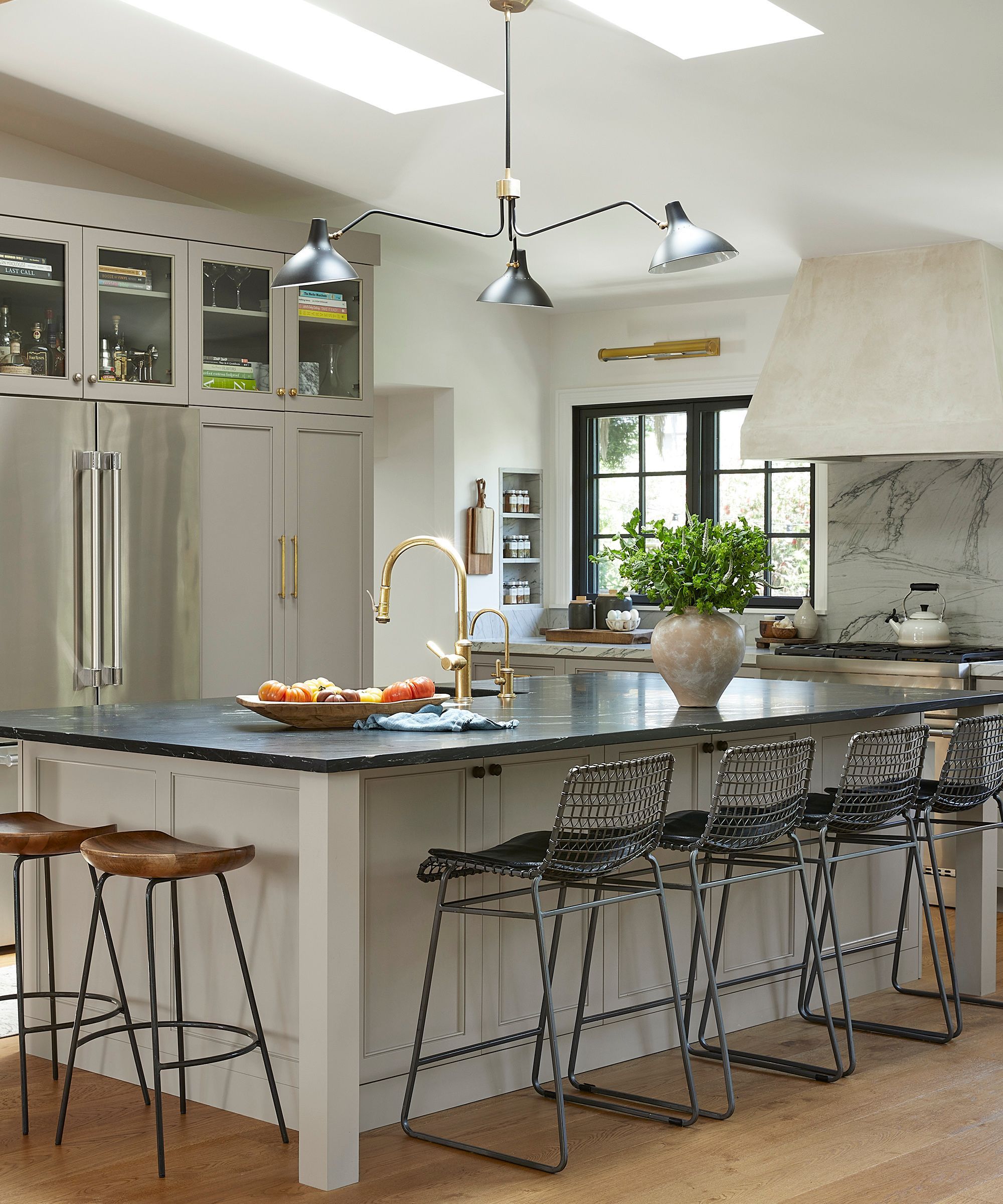
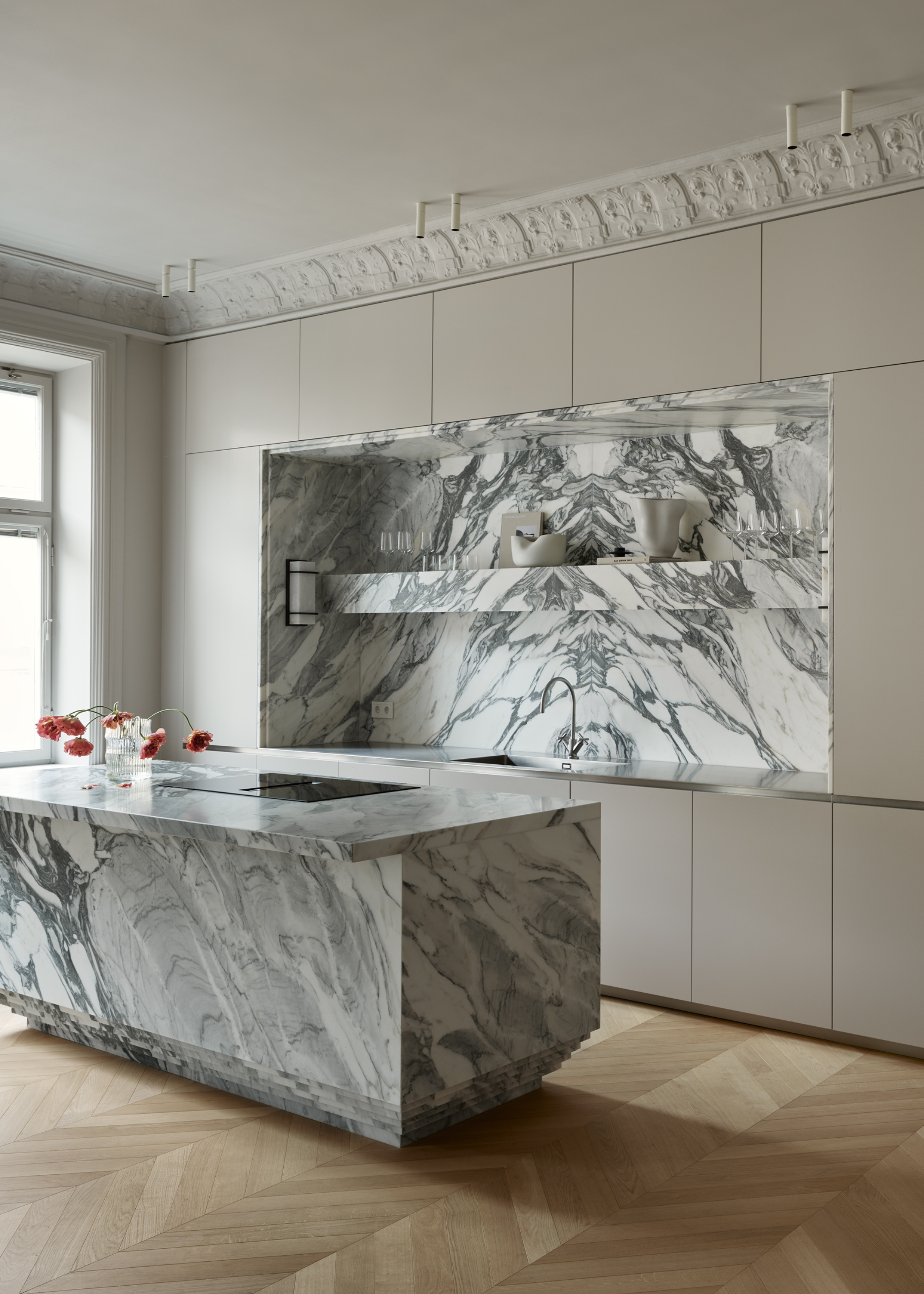
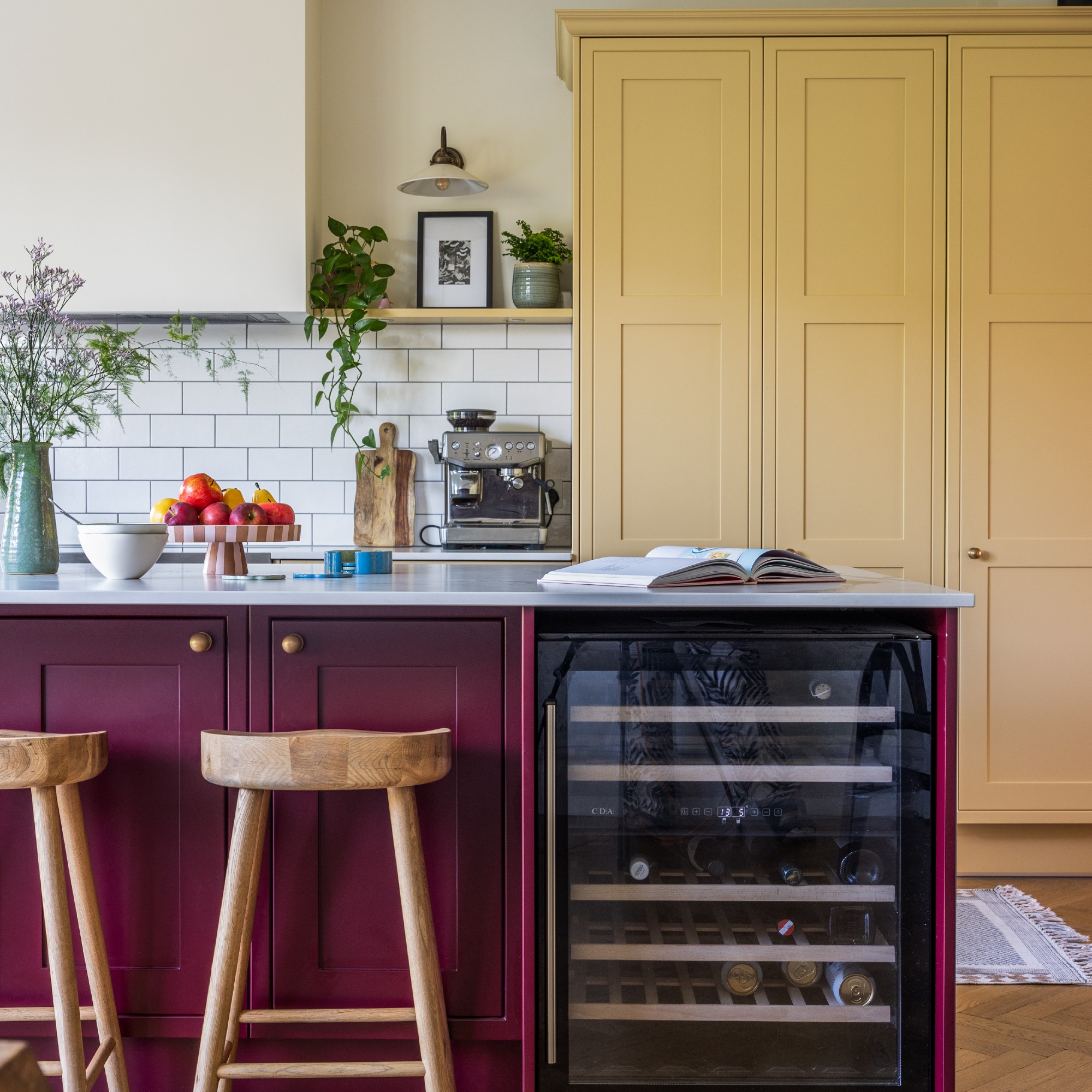
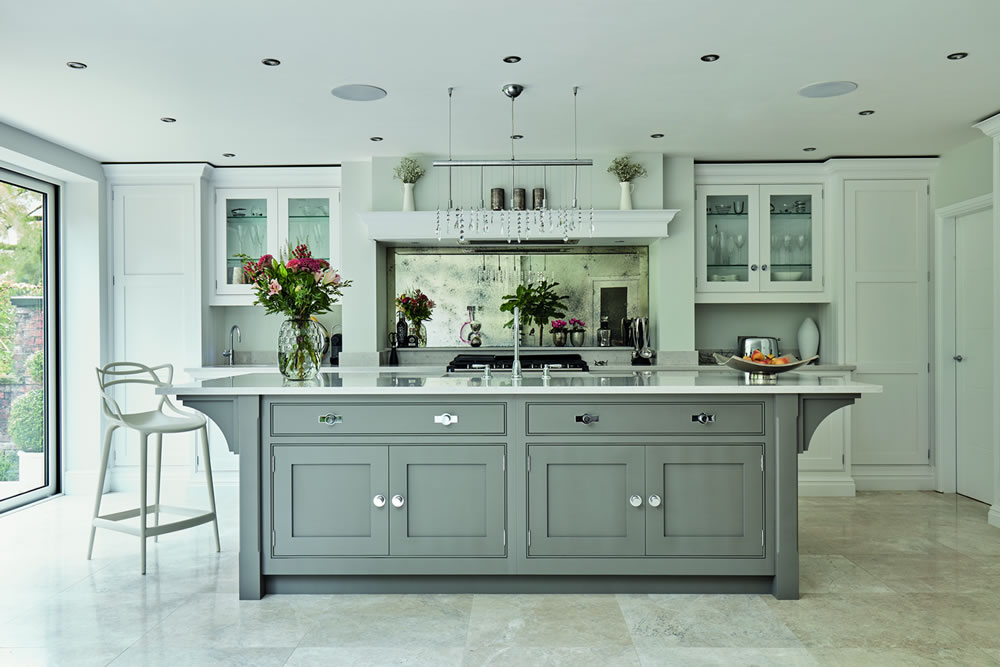
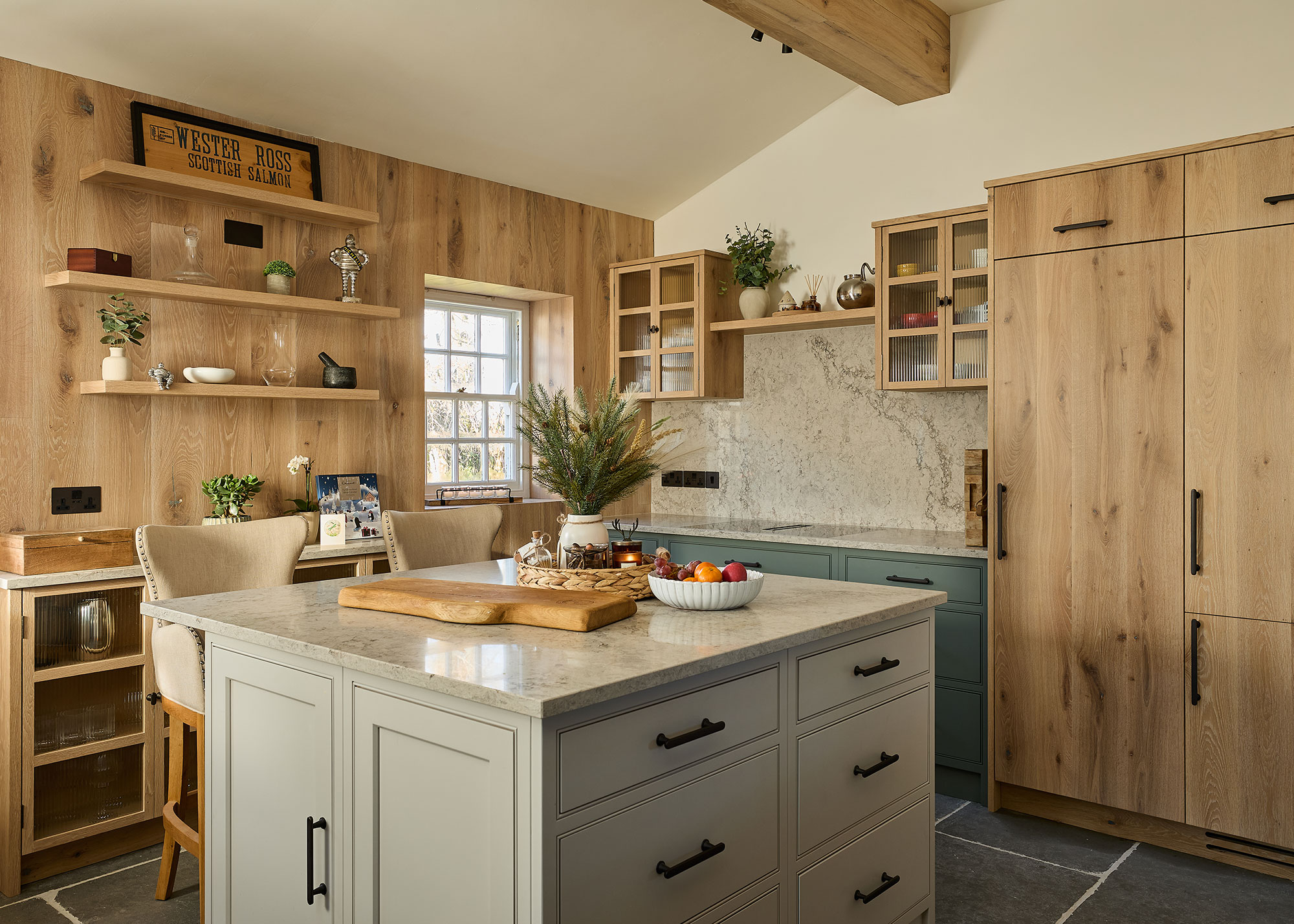
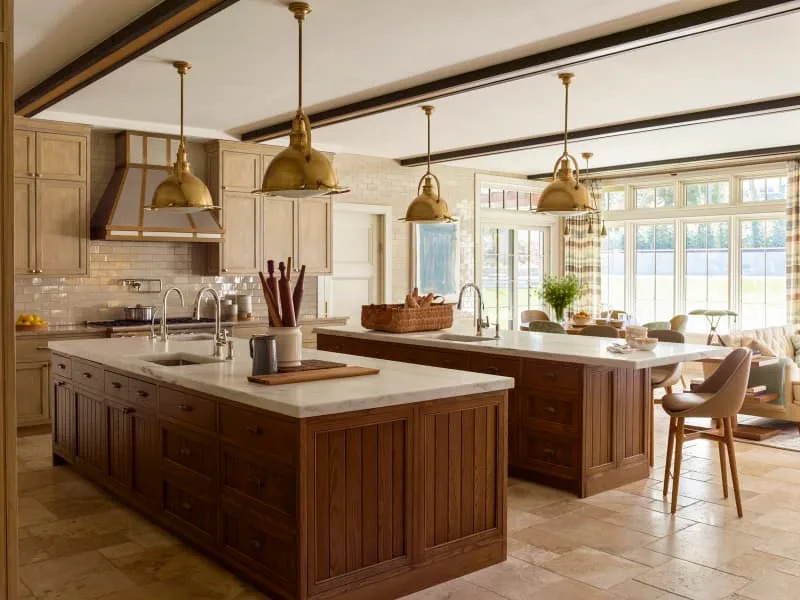
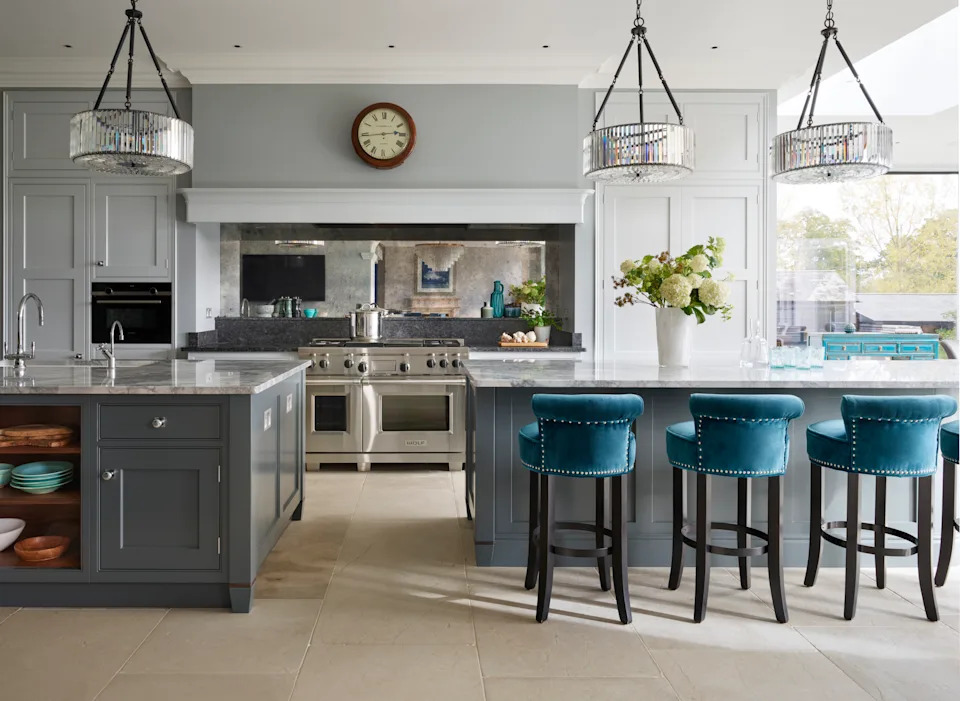
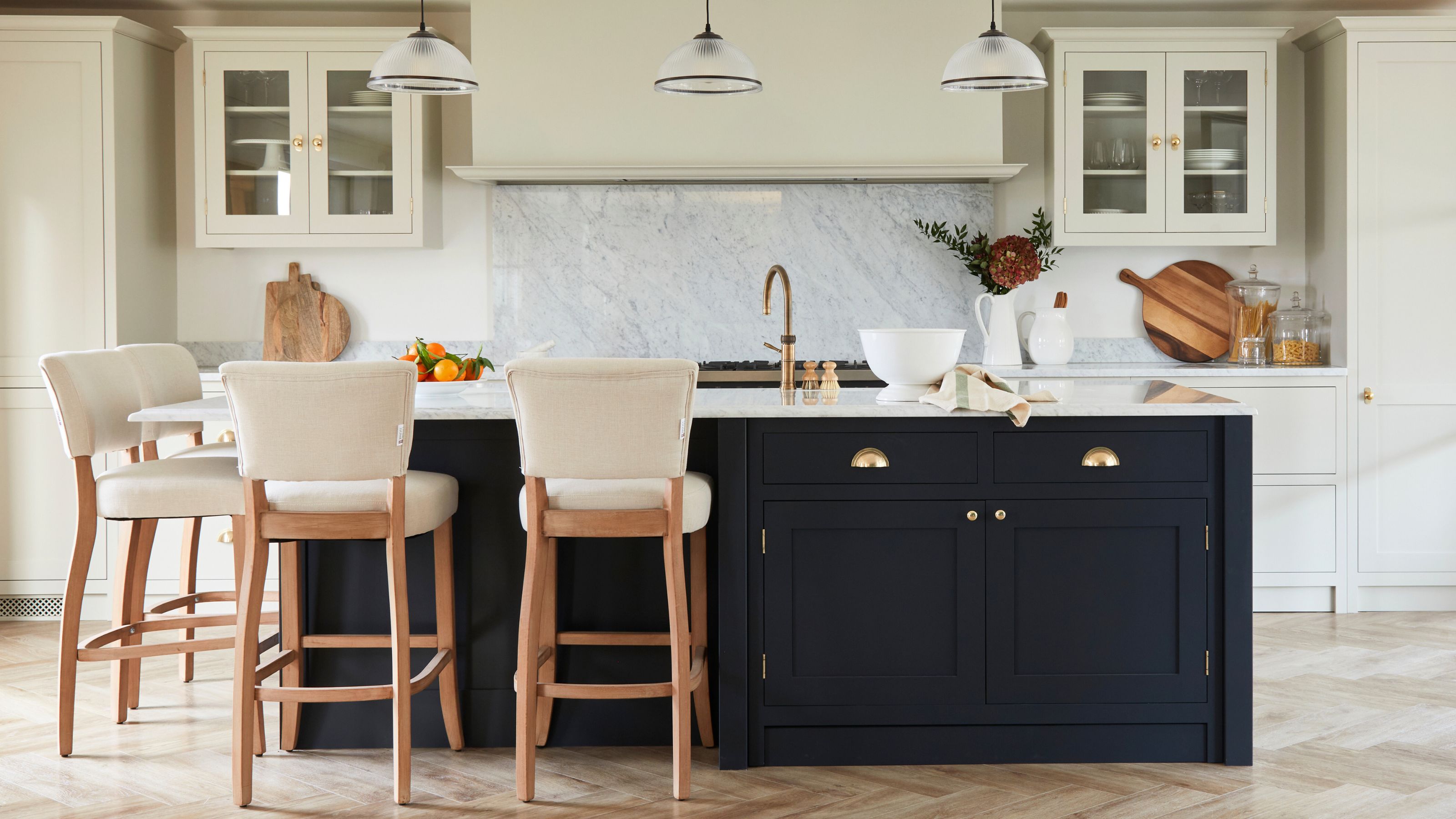
One primary benefit of a kitchen island is its utility as a focal point for entertaining and social interaction. Designers emphasize that the kitchen often serves as the heart of the home, a place where family and friends gather to cook, socialize, and connect. An island, strategically placed, facilitates this interaction, allowing hosts to remain engaged with guests while preparing meals. This aspect transforms the kitchen from a purely functional space into a vibrant communal hub, encouraging spontaneous conversations and fostering a welcoming atmosphere.
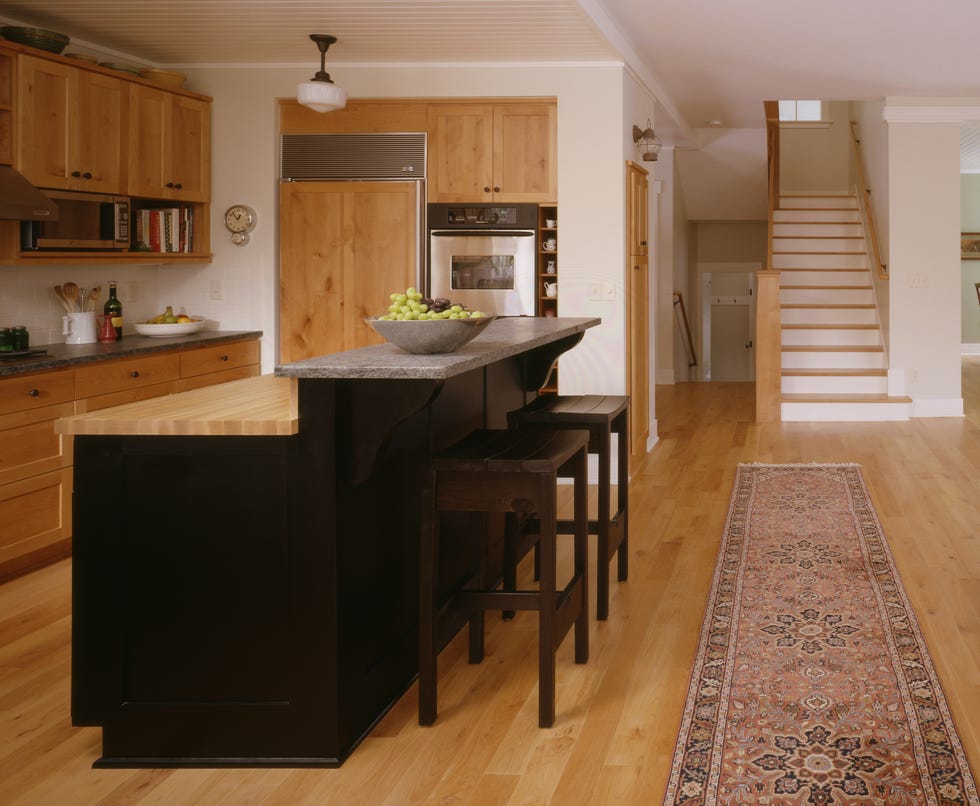
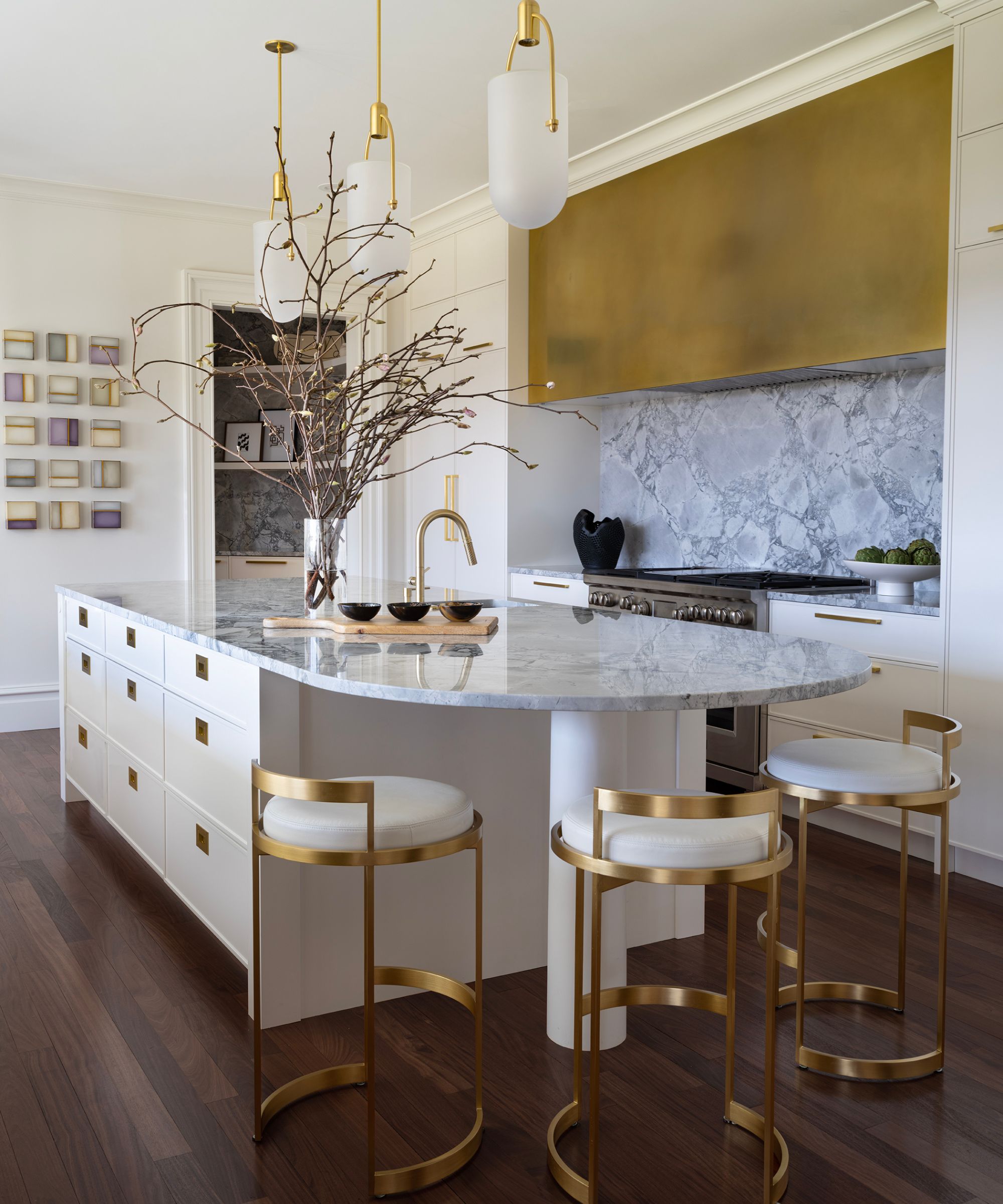
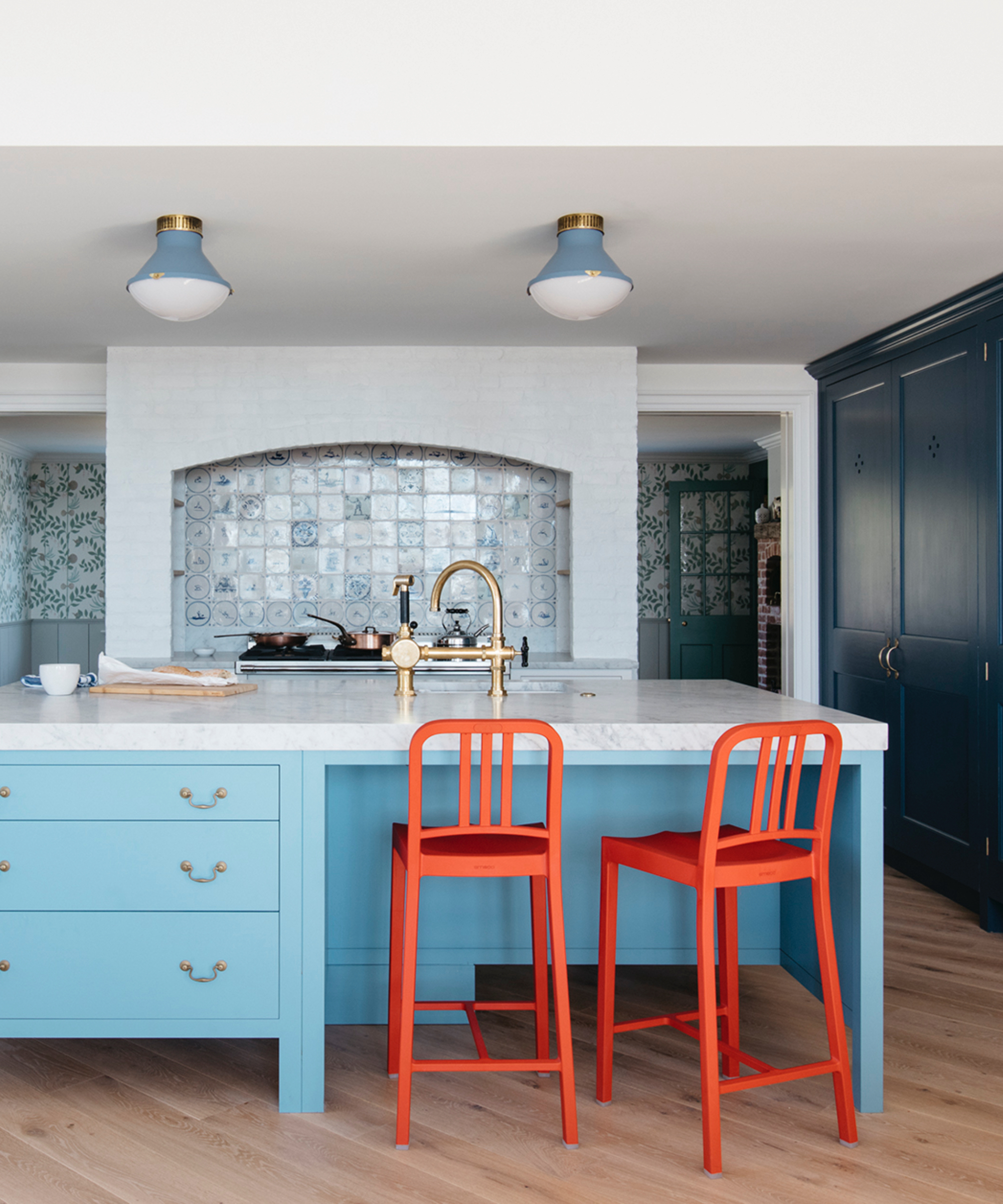
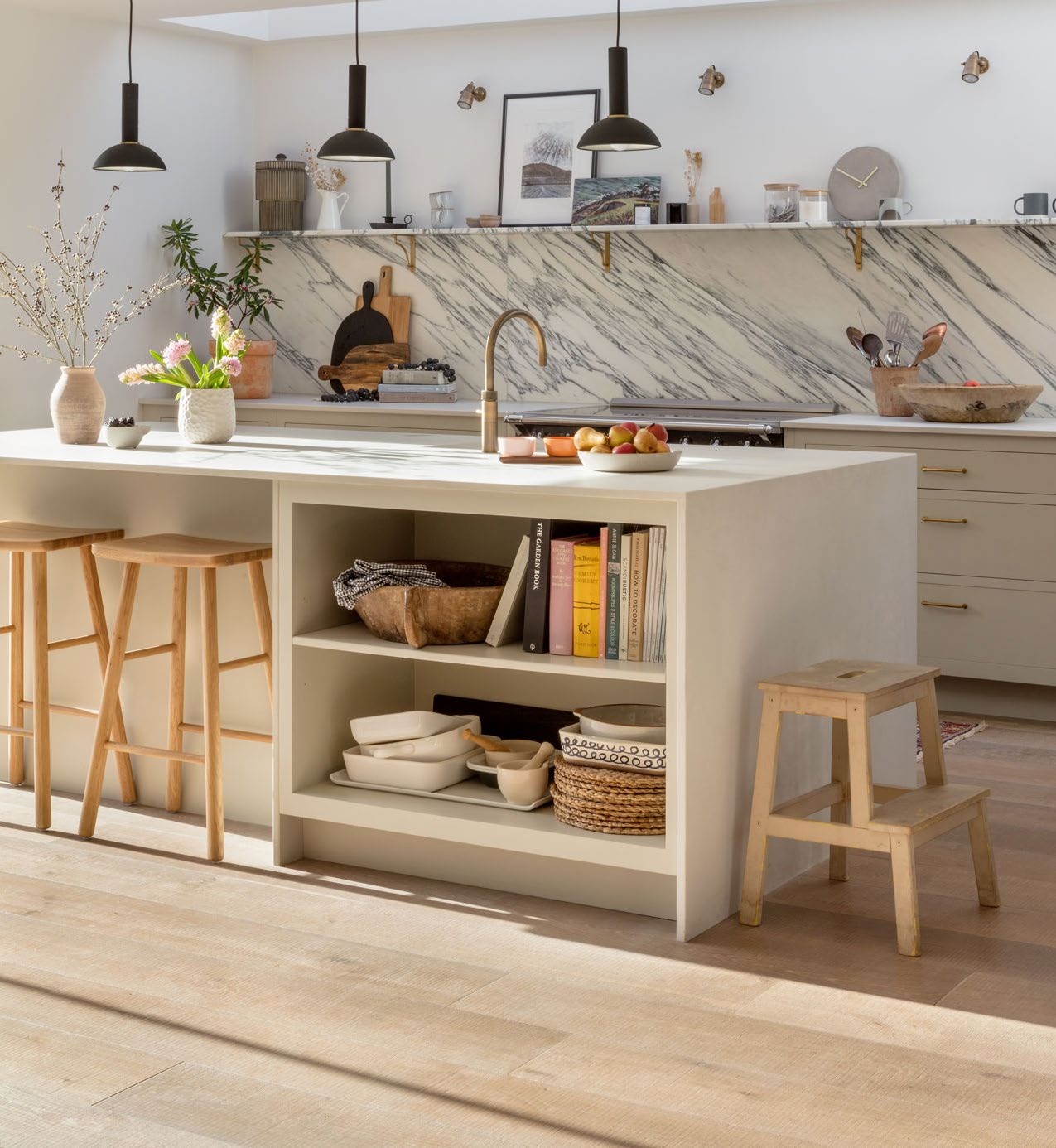
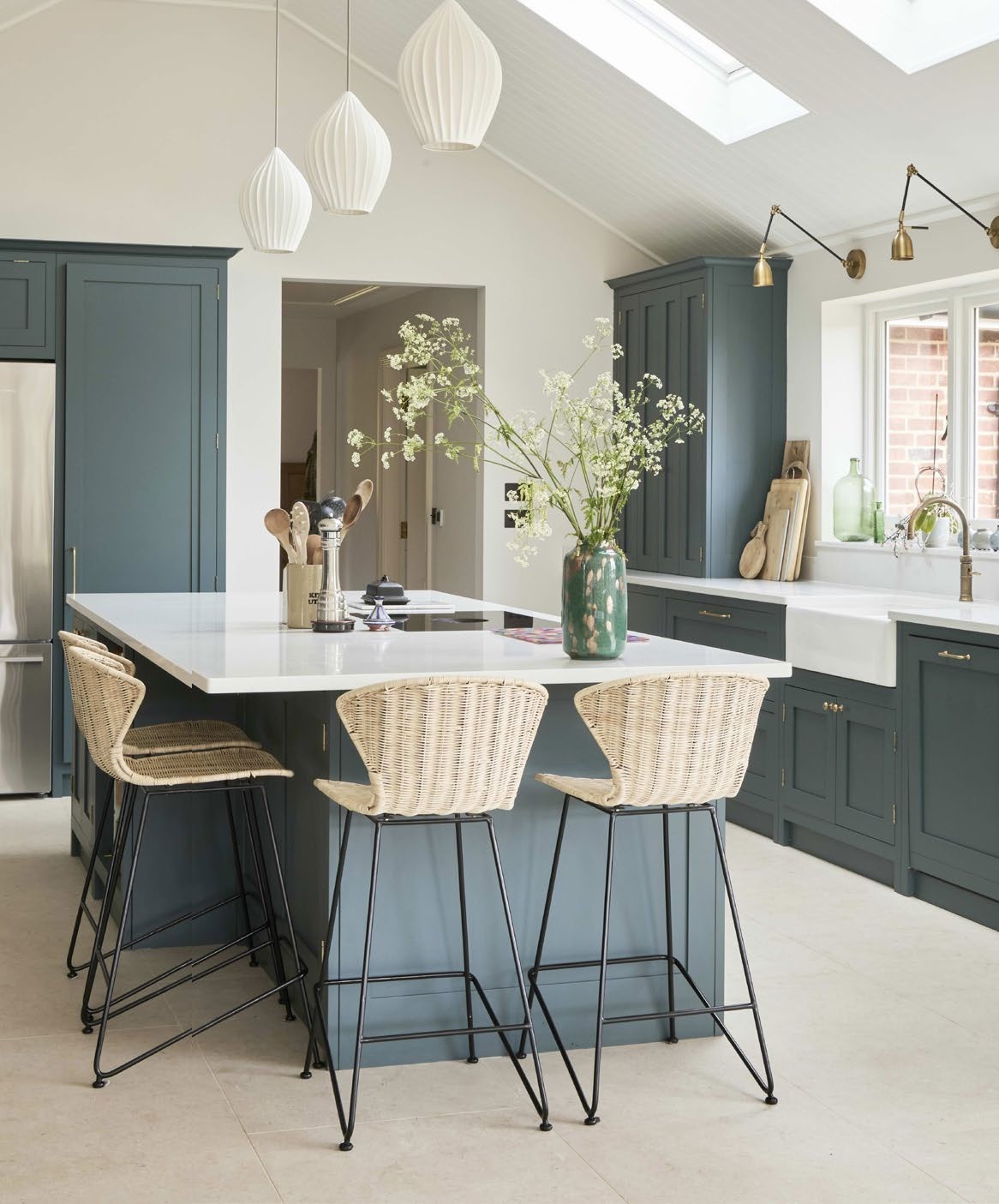
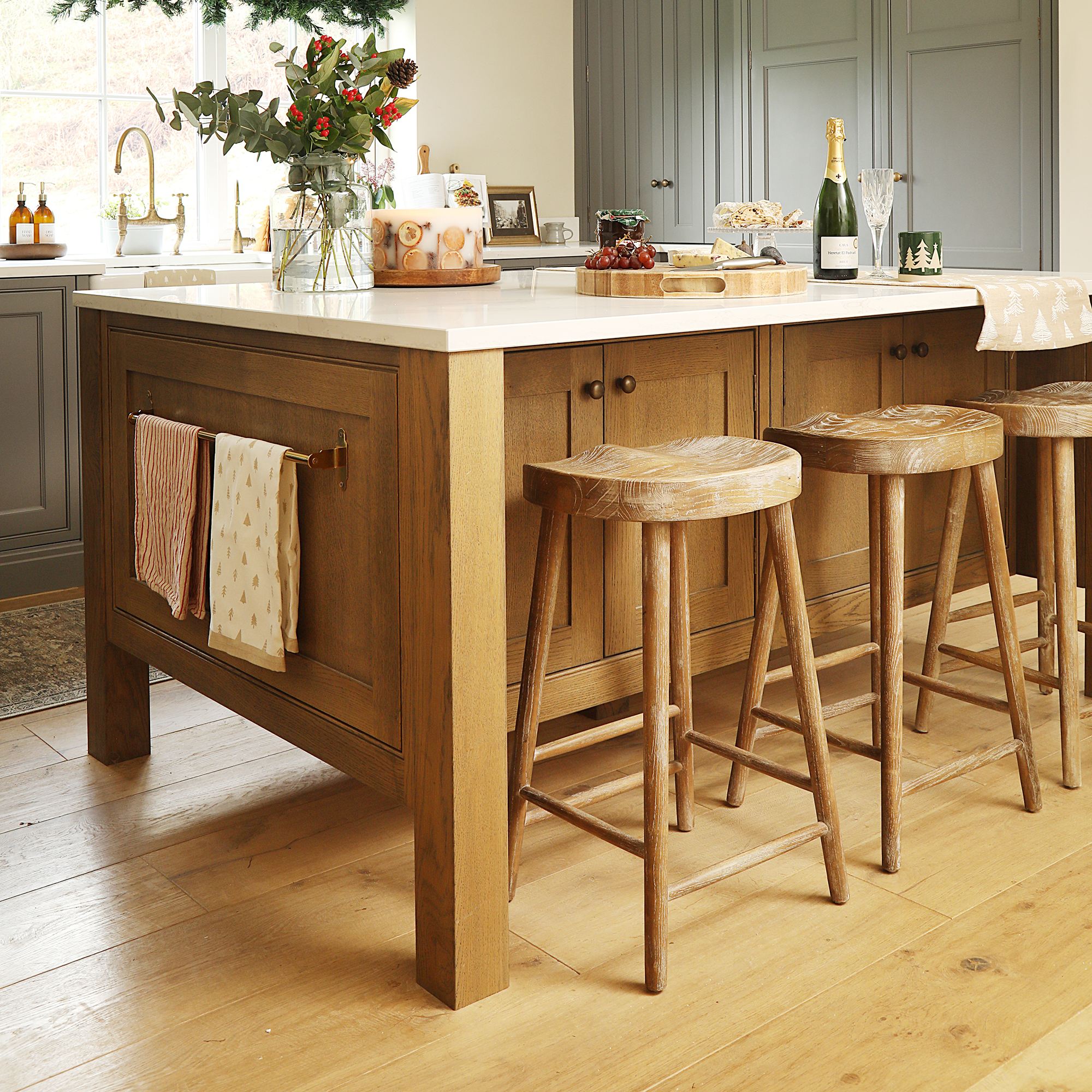
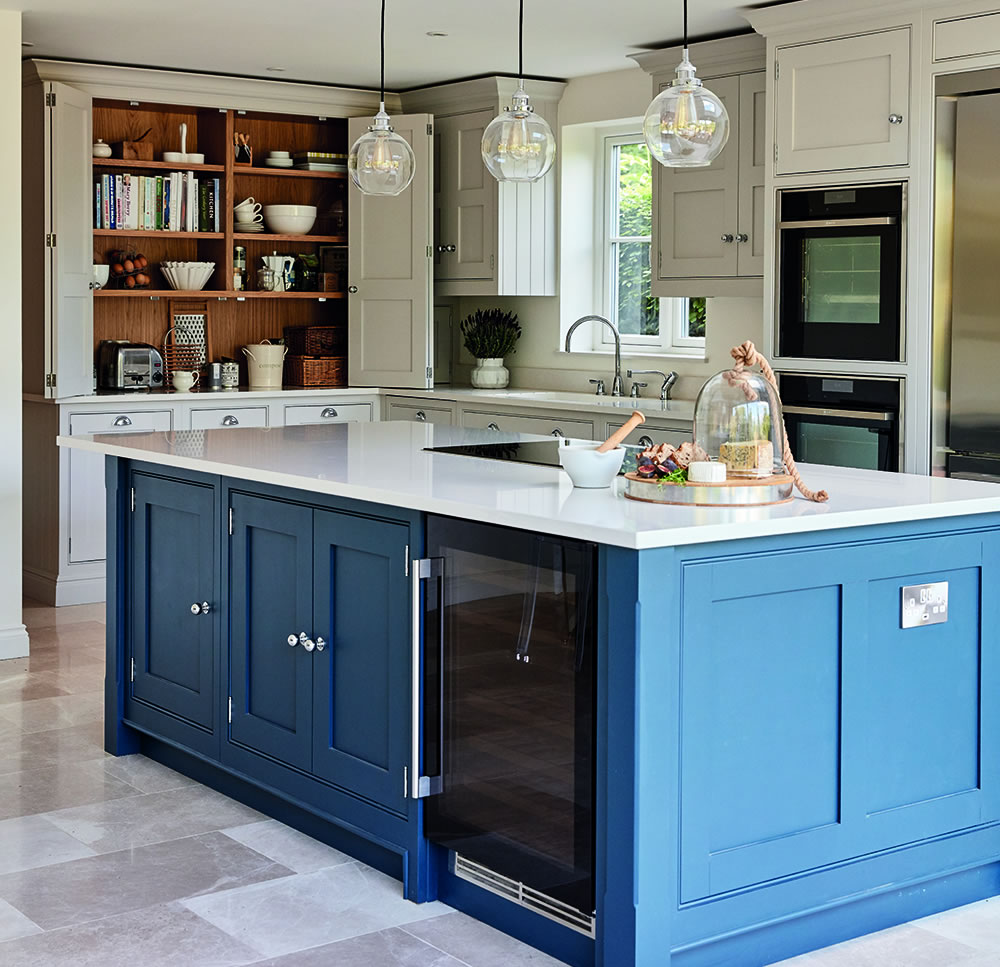
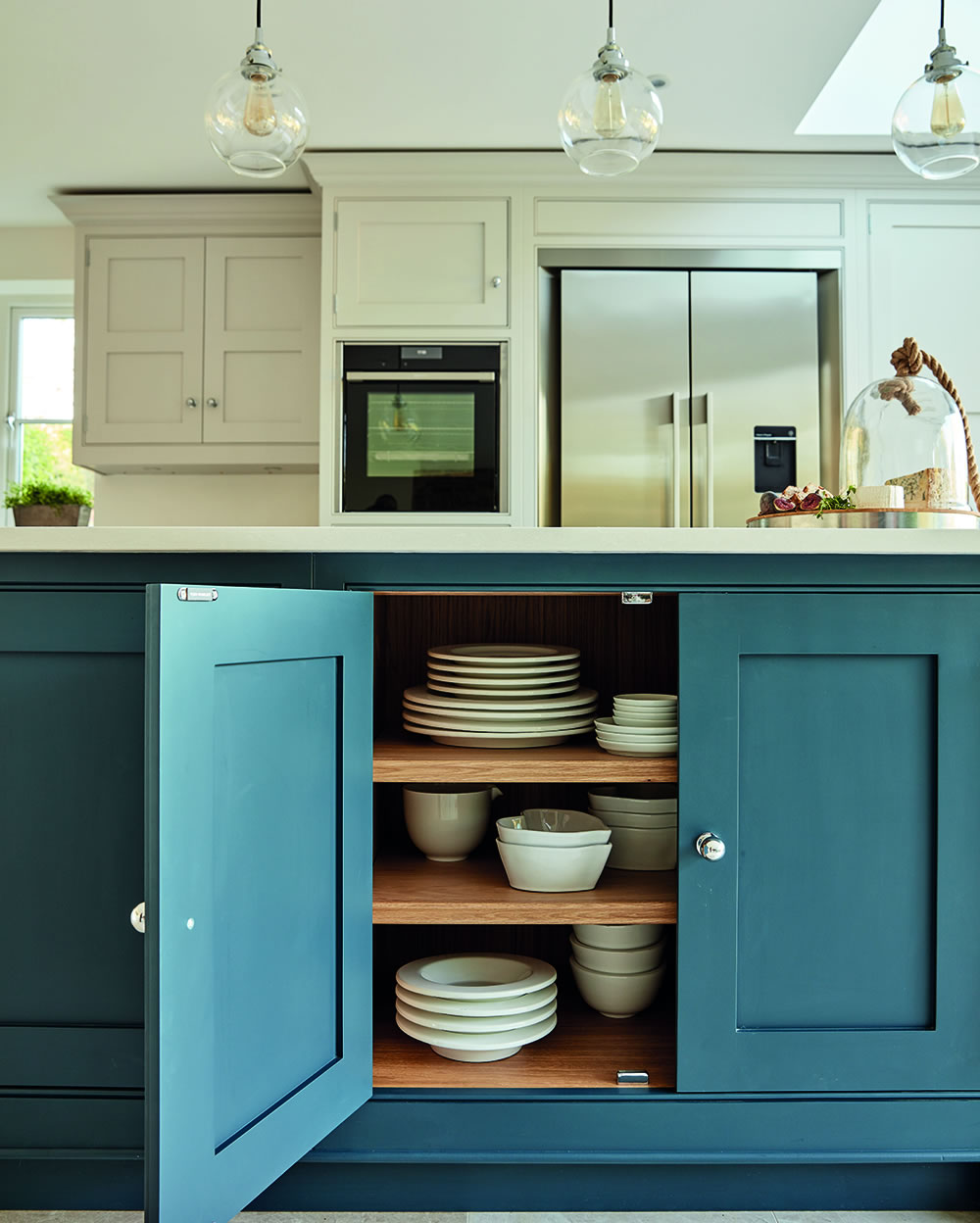
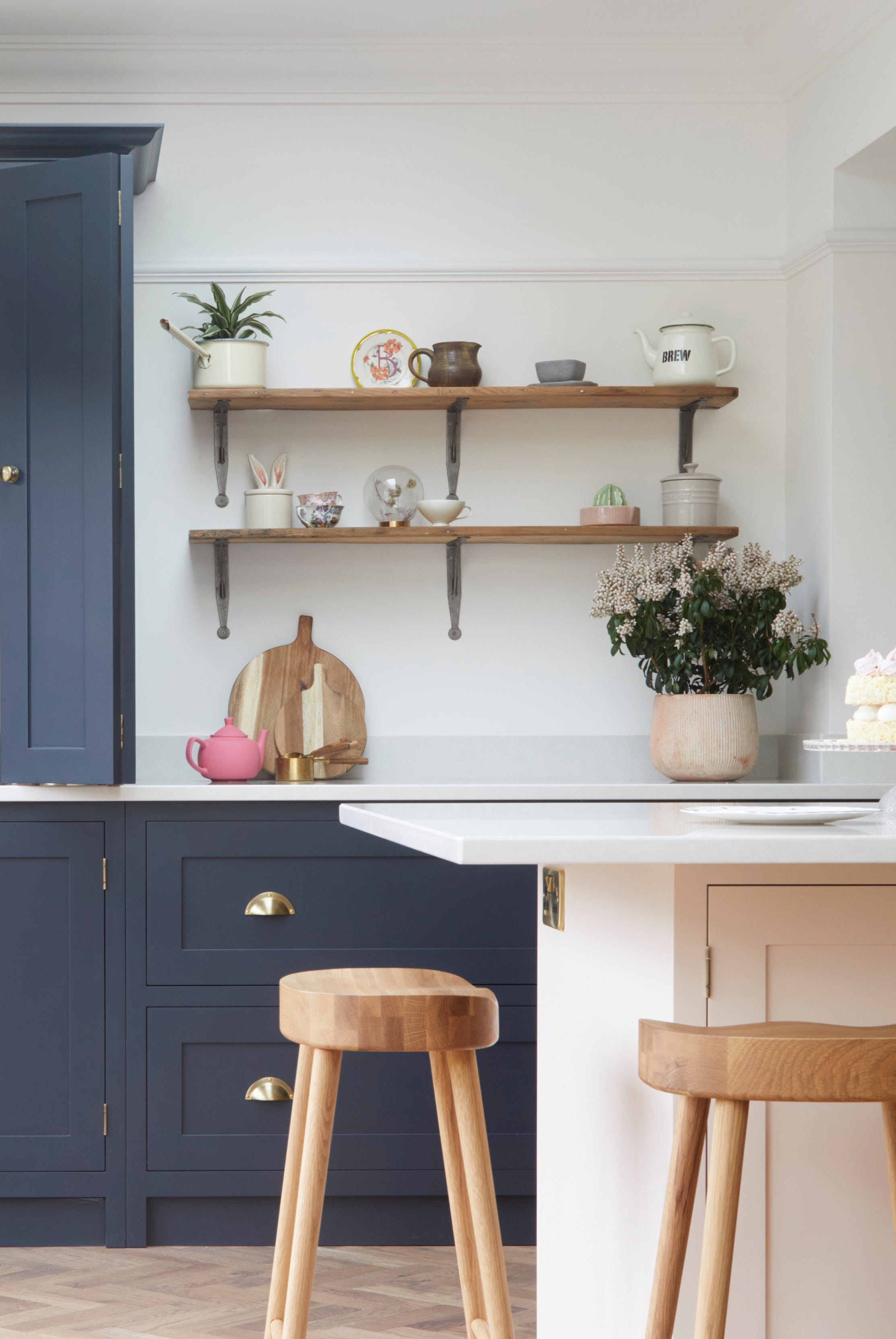
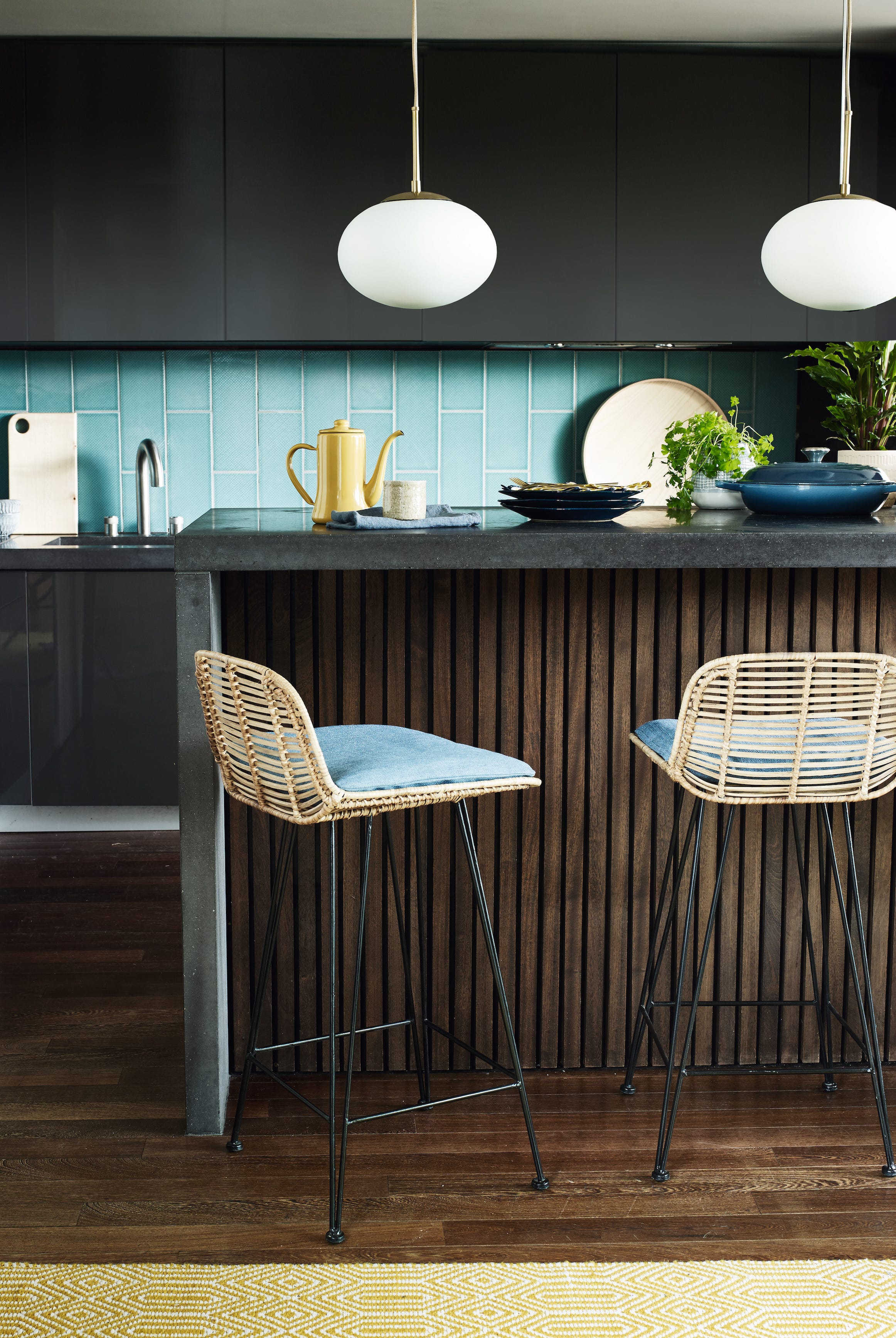
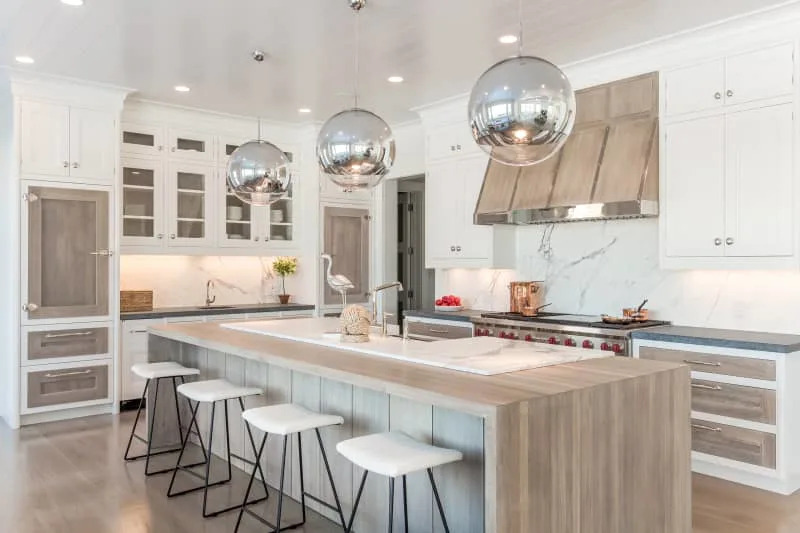
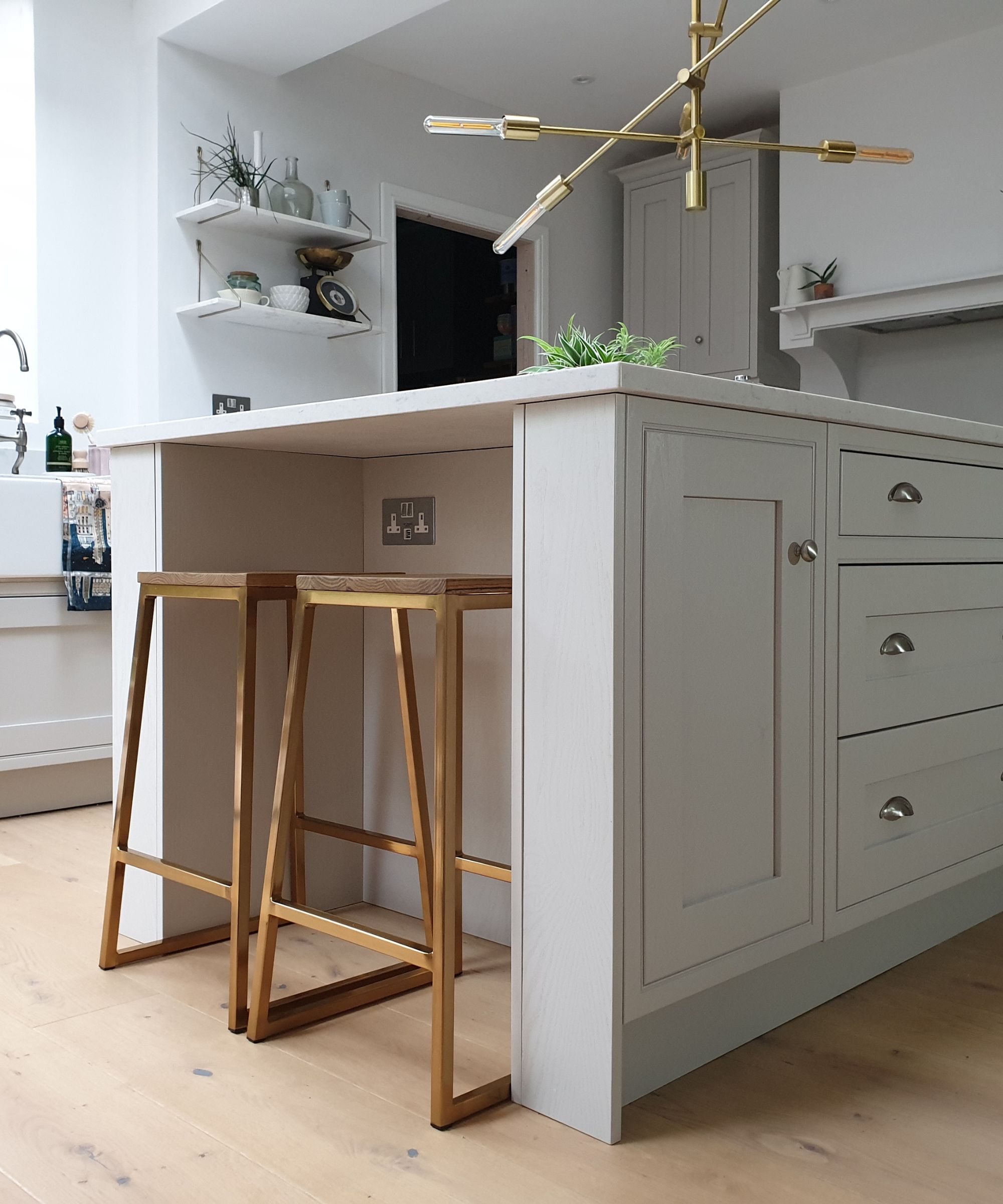
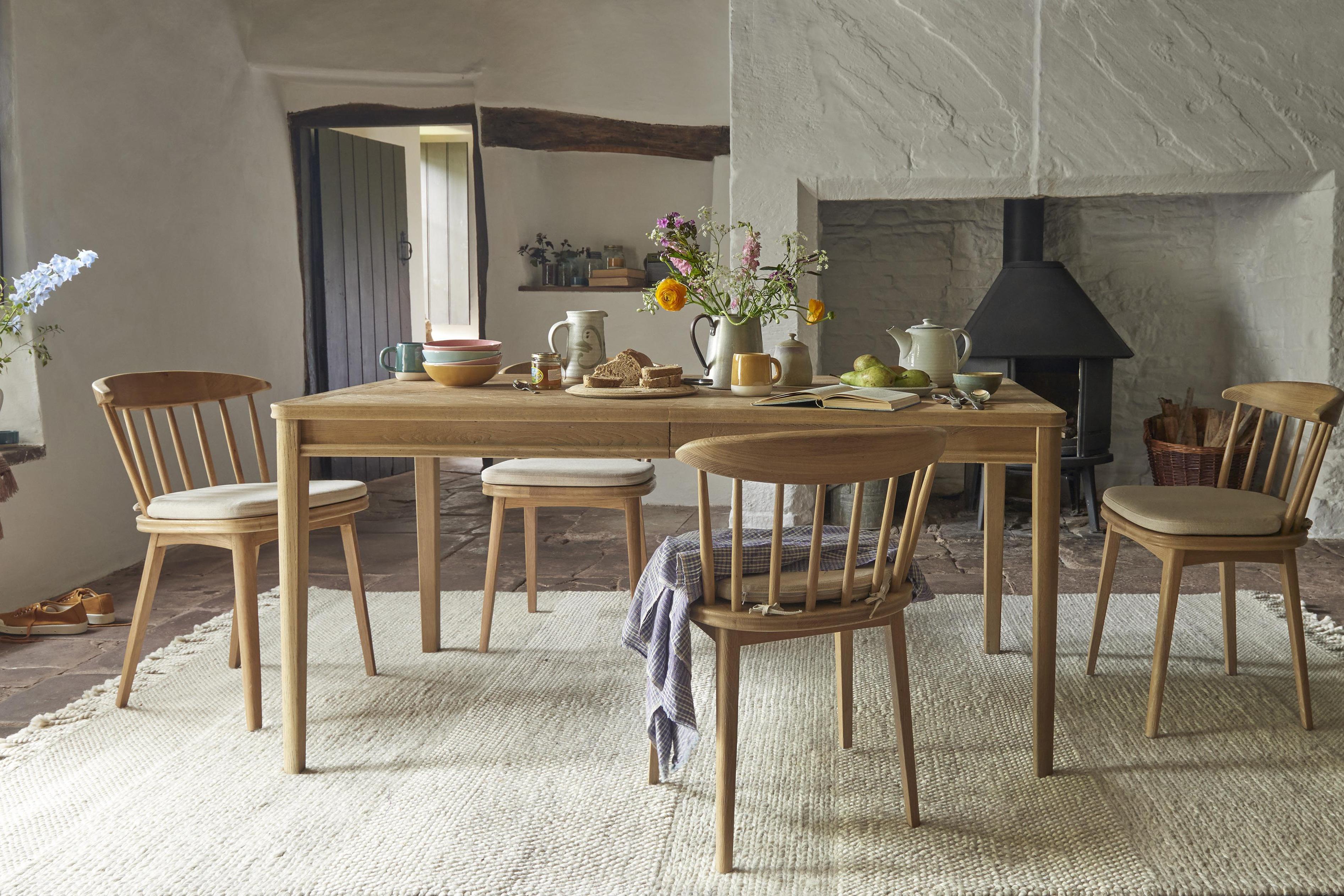
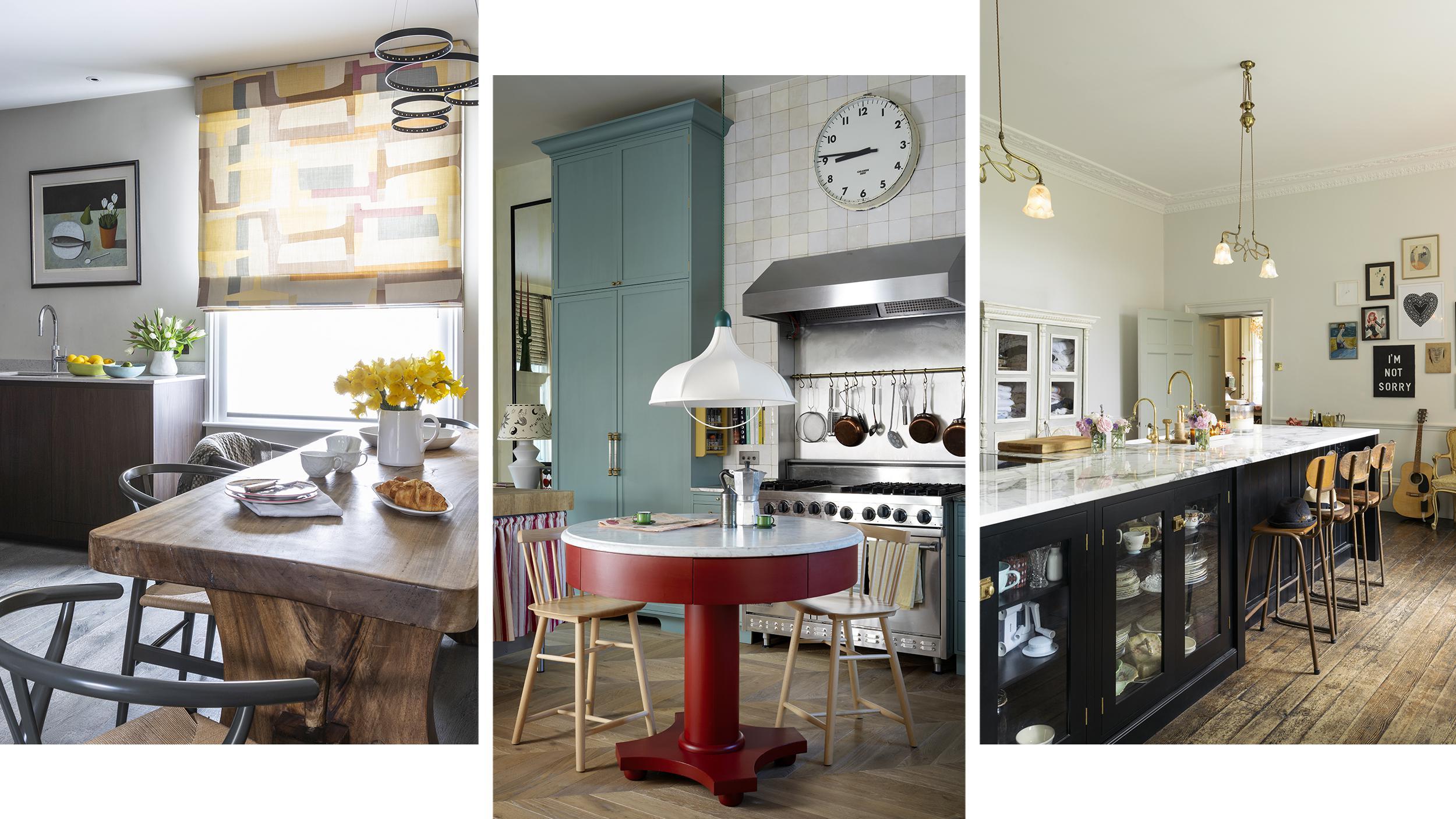
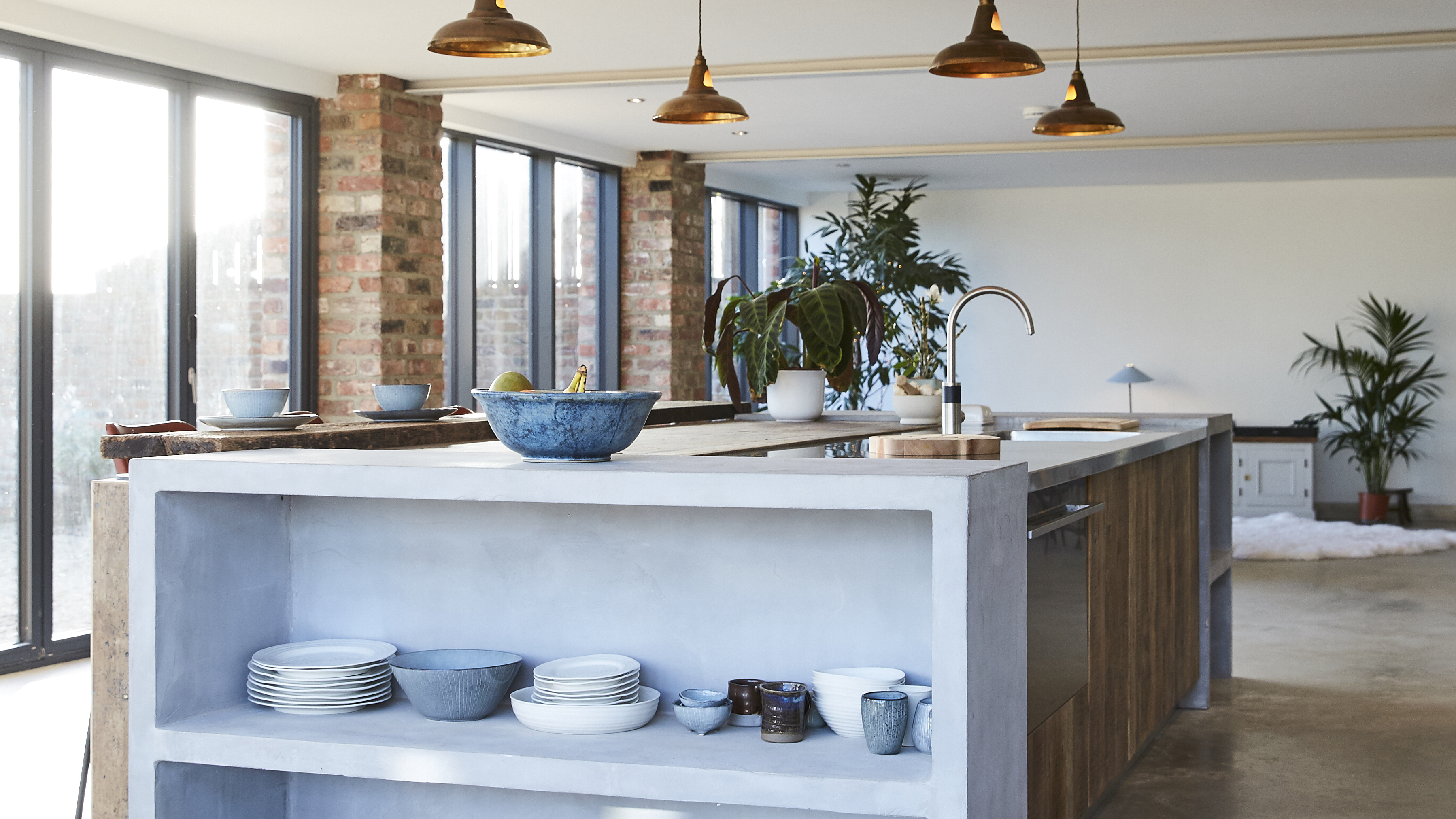
Another significant advantage is the multifunctionality of kitchen islands. In an era where home spaces are increasingly flexible, islands offer versatility to adapt to various needs. They can provide additional seating, which is particularly beneficial in modern lifestyles where formal dining spaces are less common. This allows for a casual dining experience that integrates seamlessly with the kitchen's aesthetic. Furthermore, islands offer practical benefits such as expanded storage capacity and extra countertop space, serving as a grounding visual element in the room.
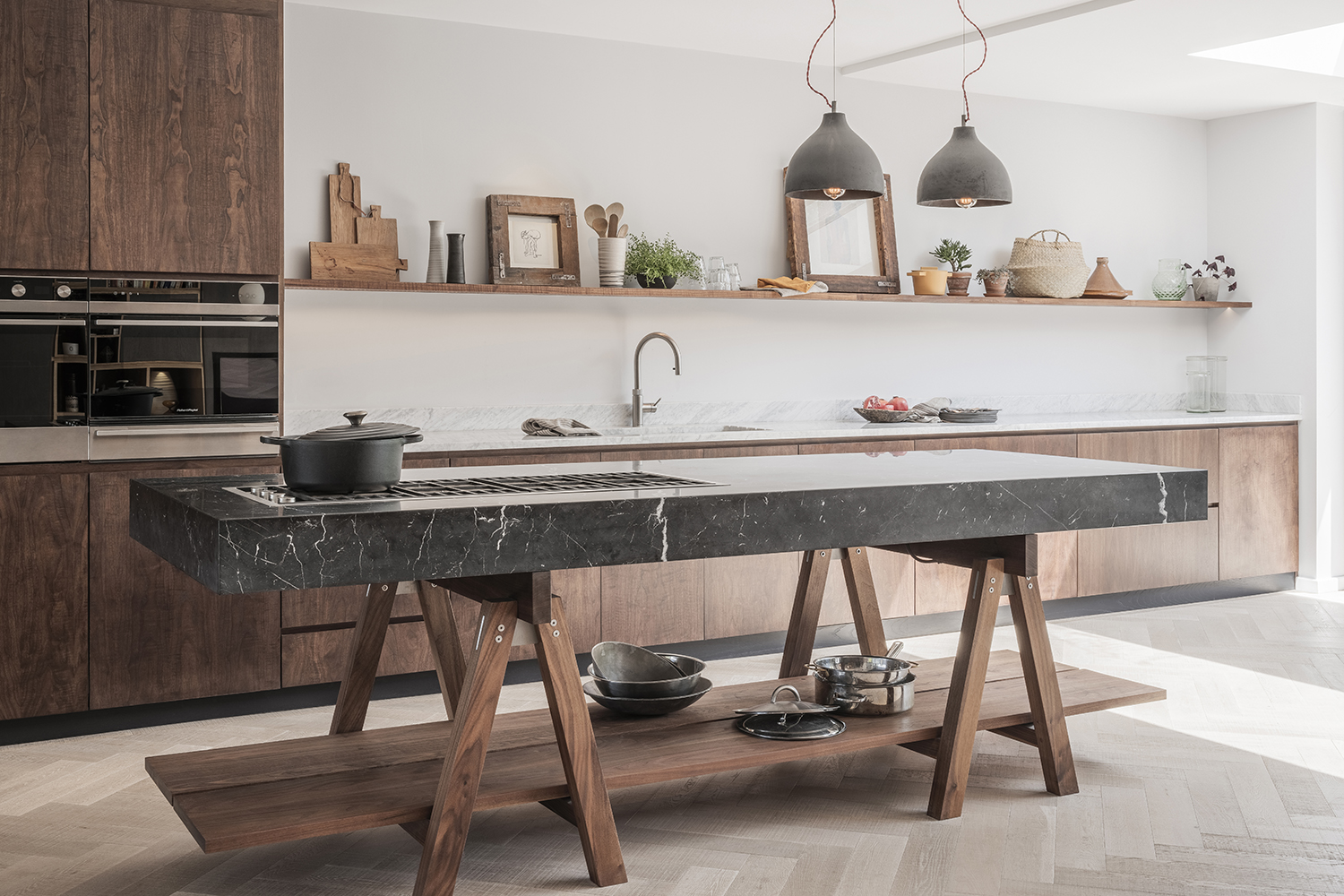
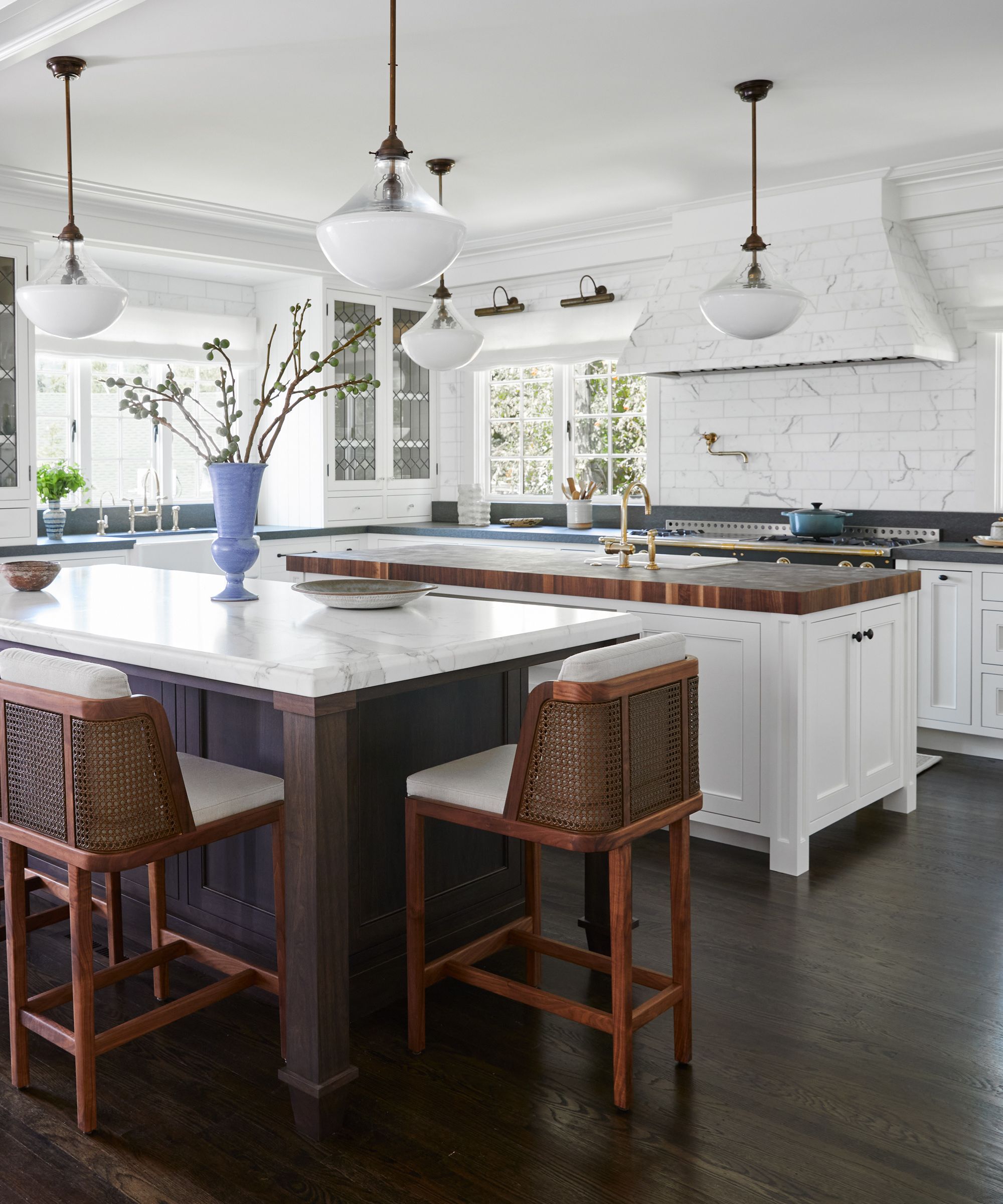
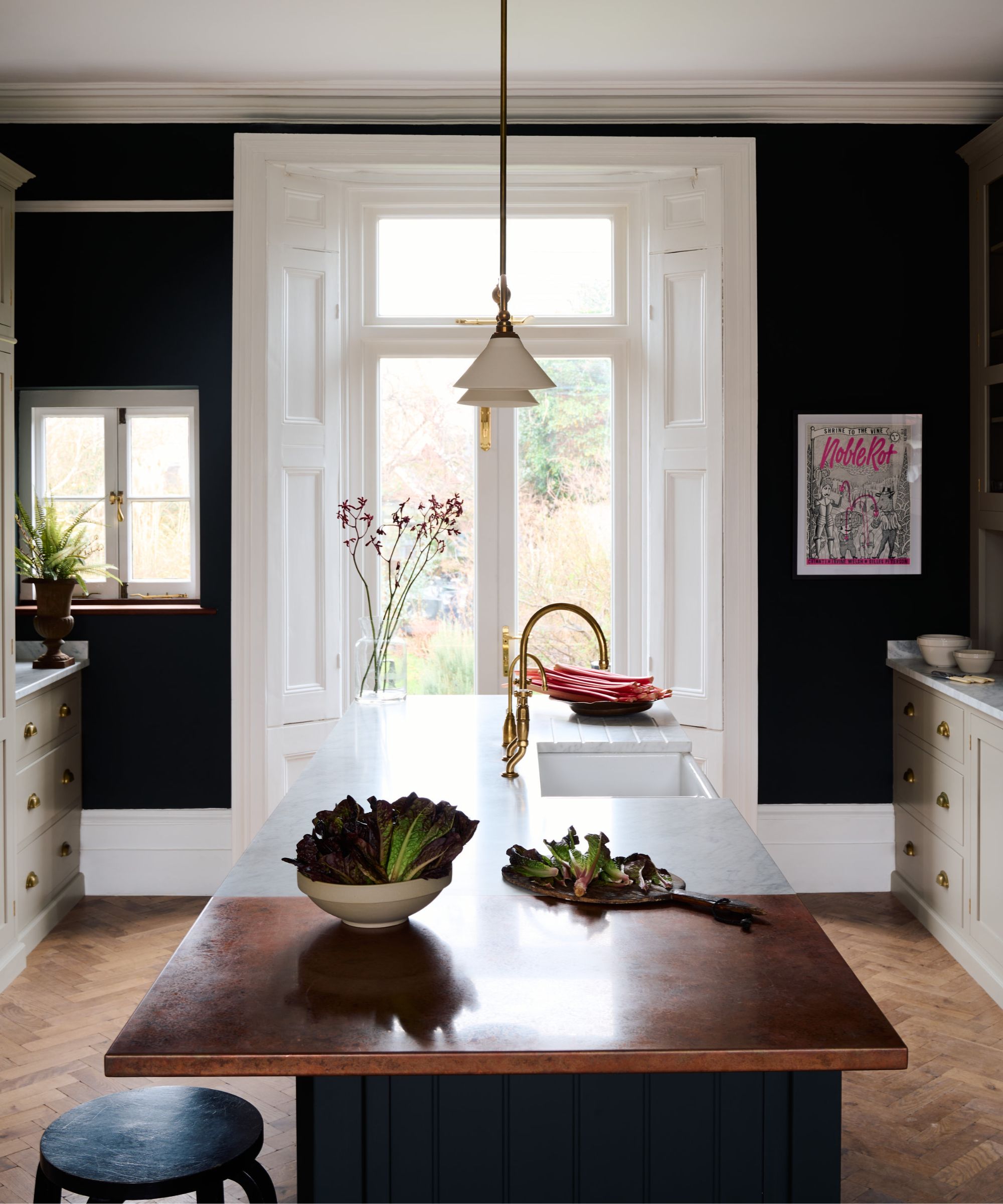
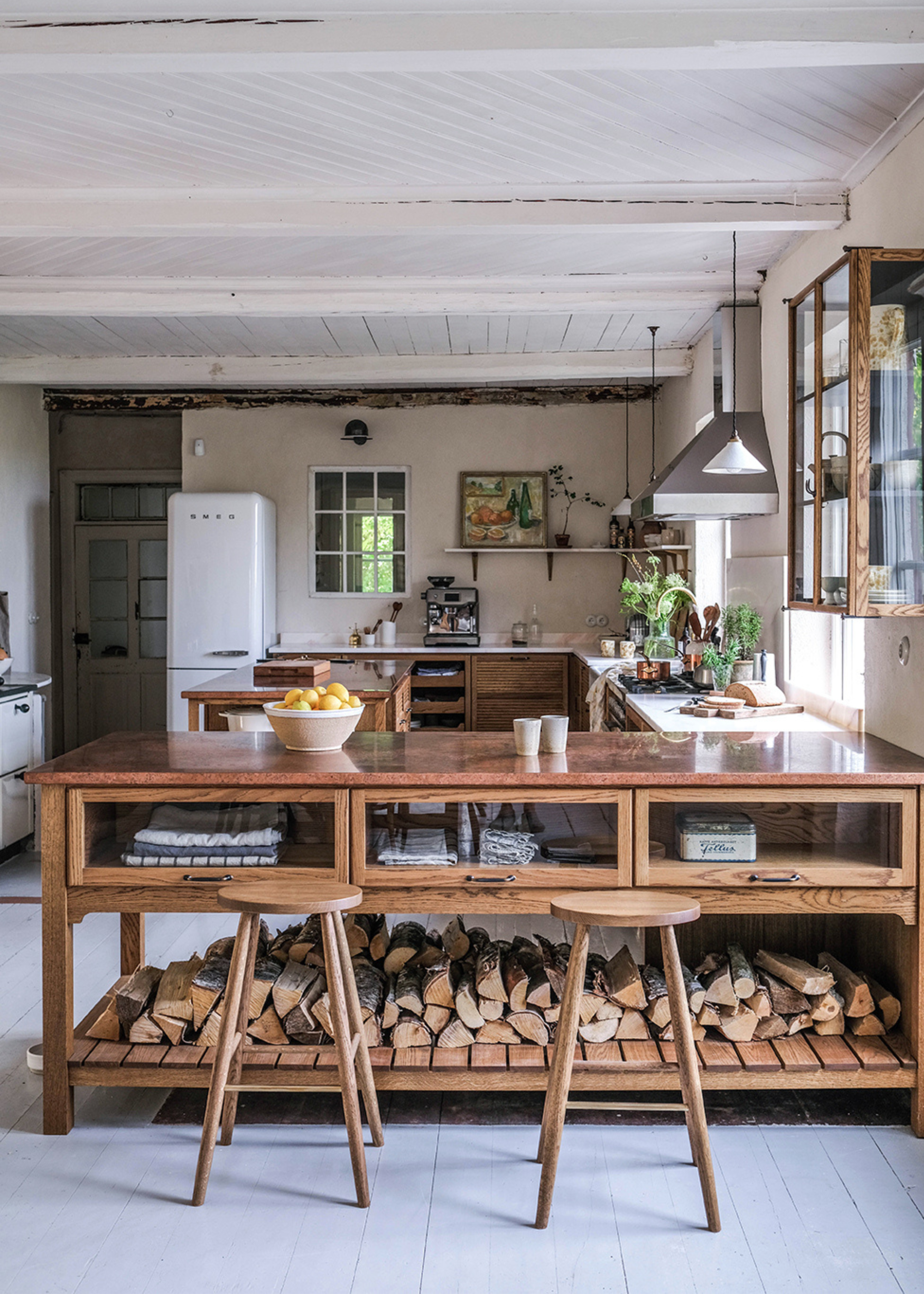
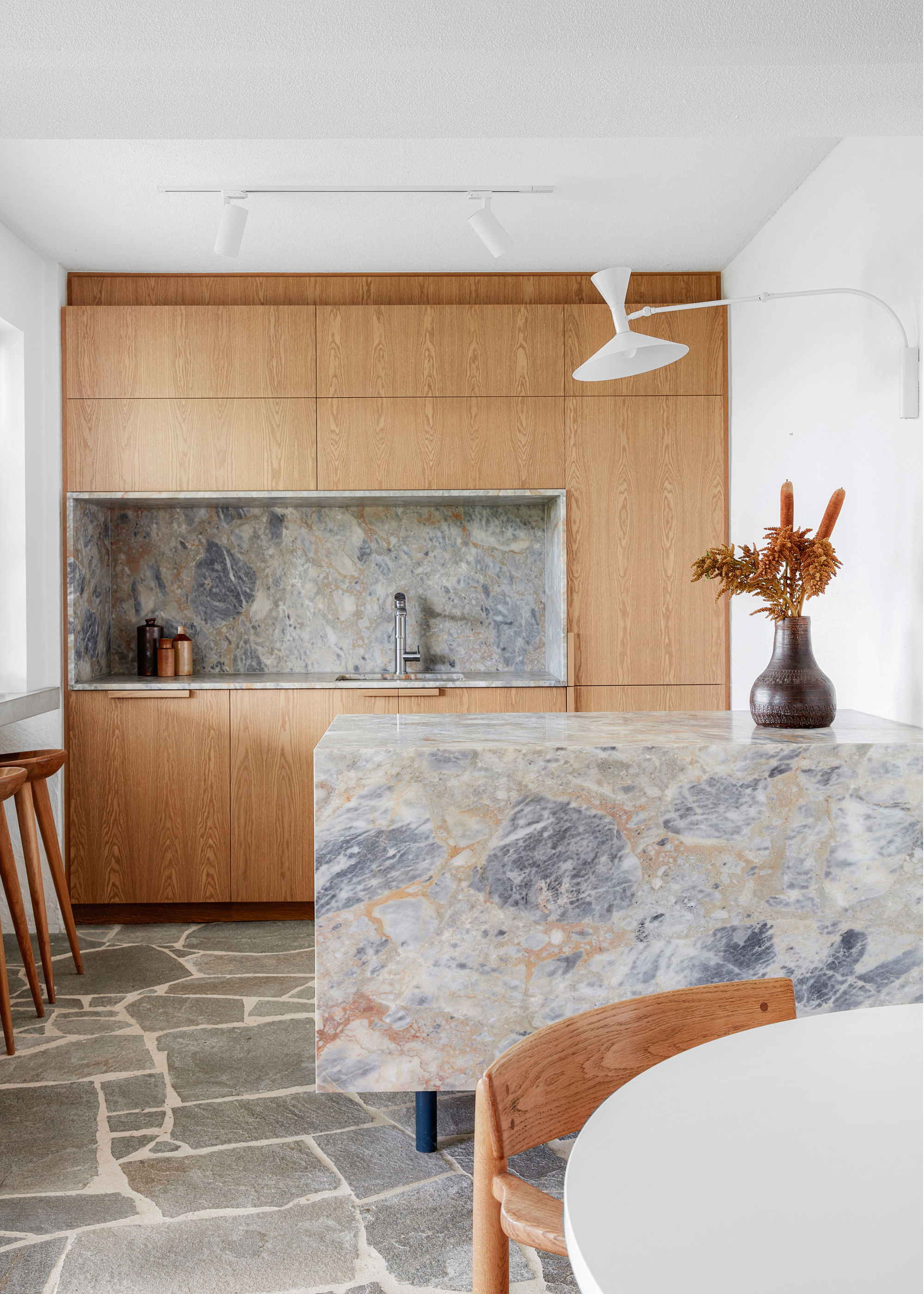
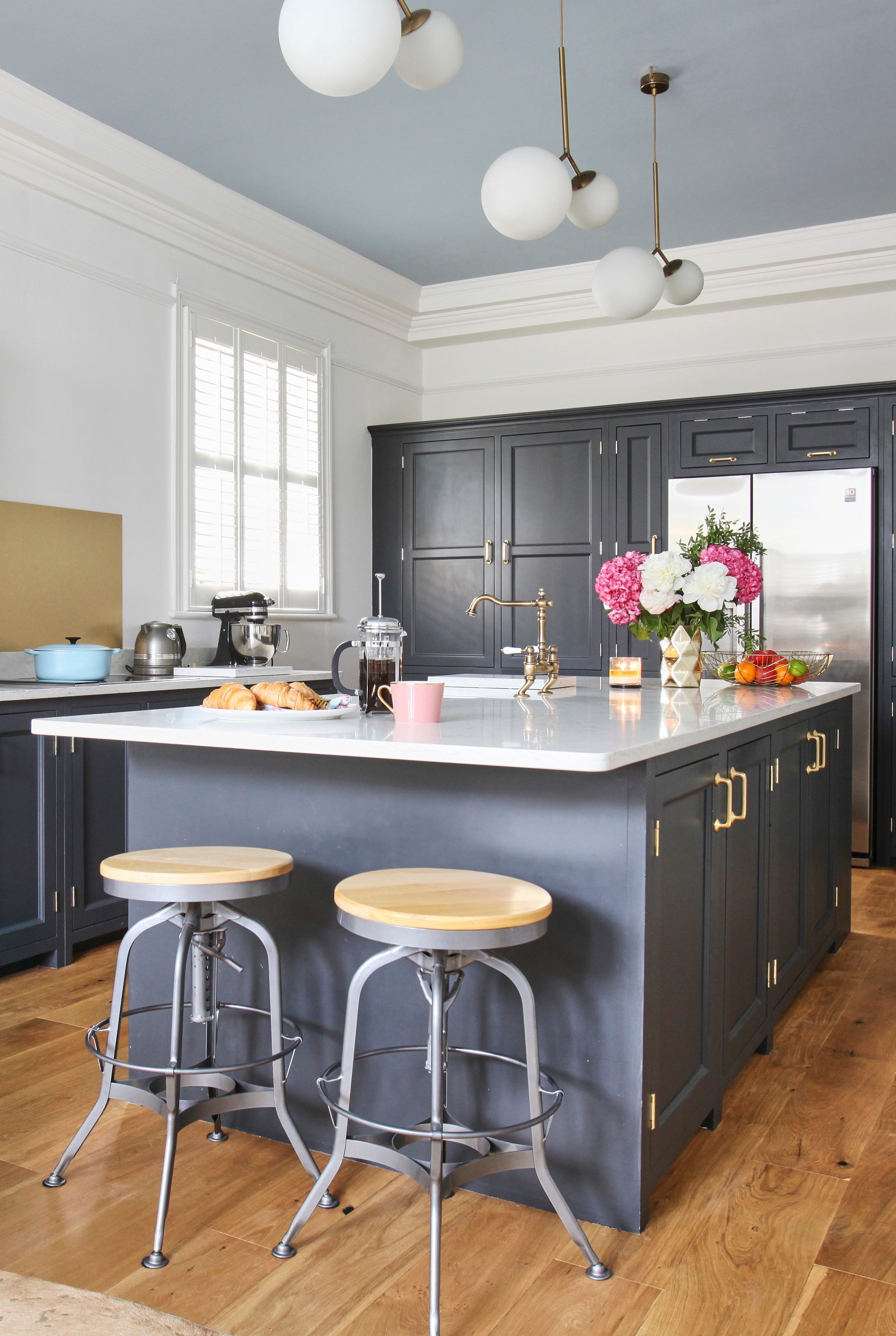
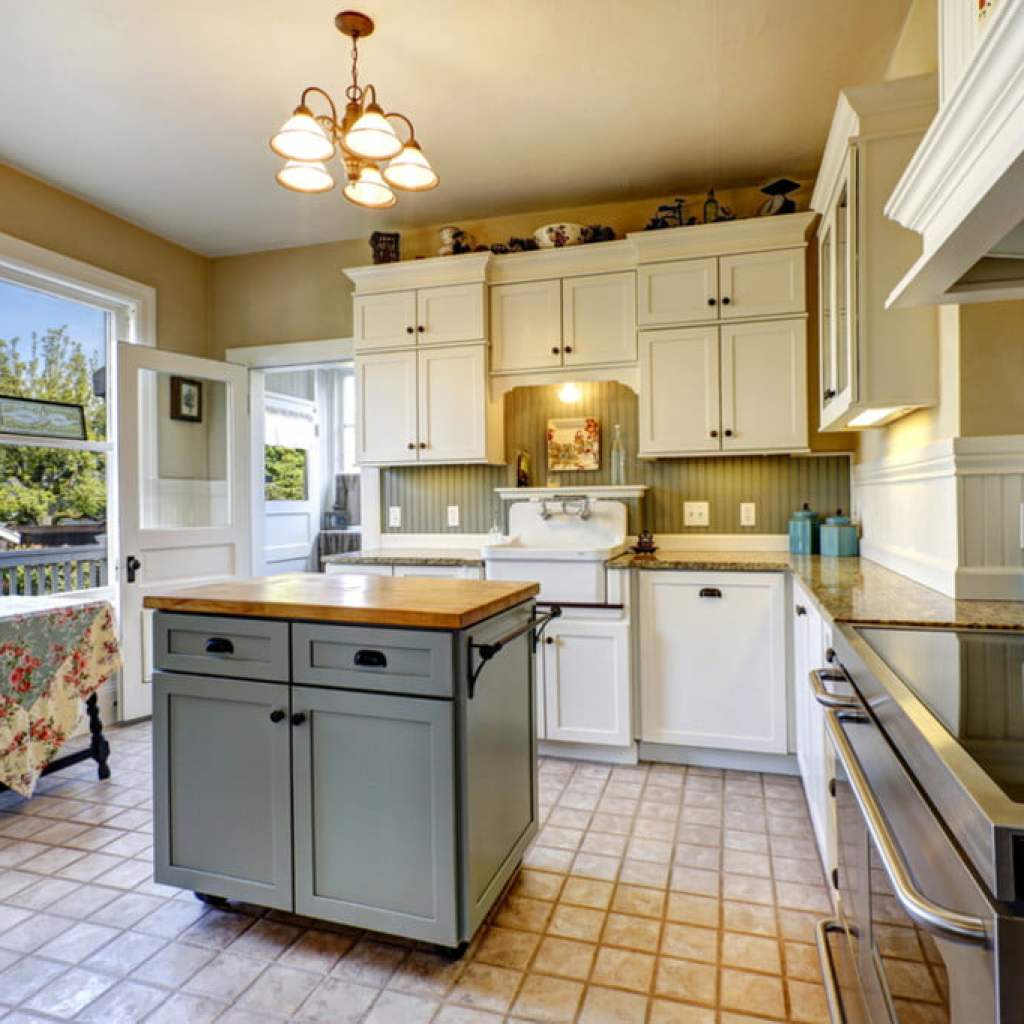
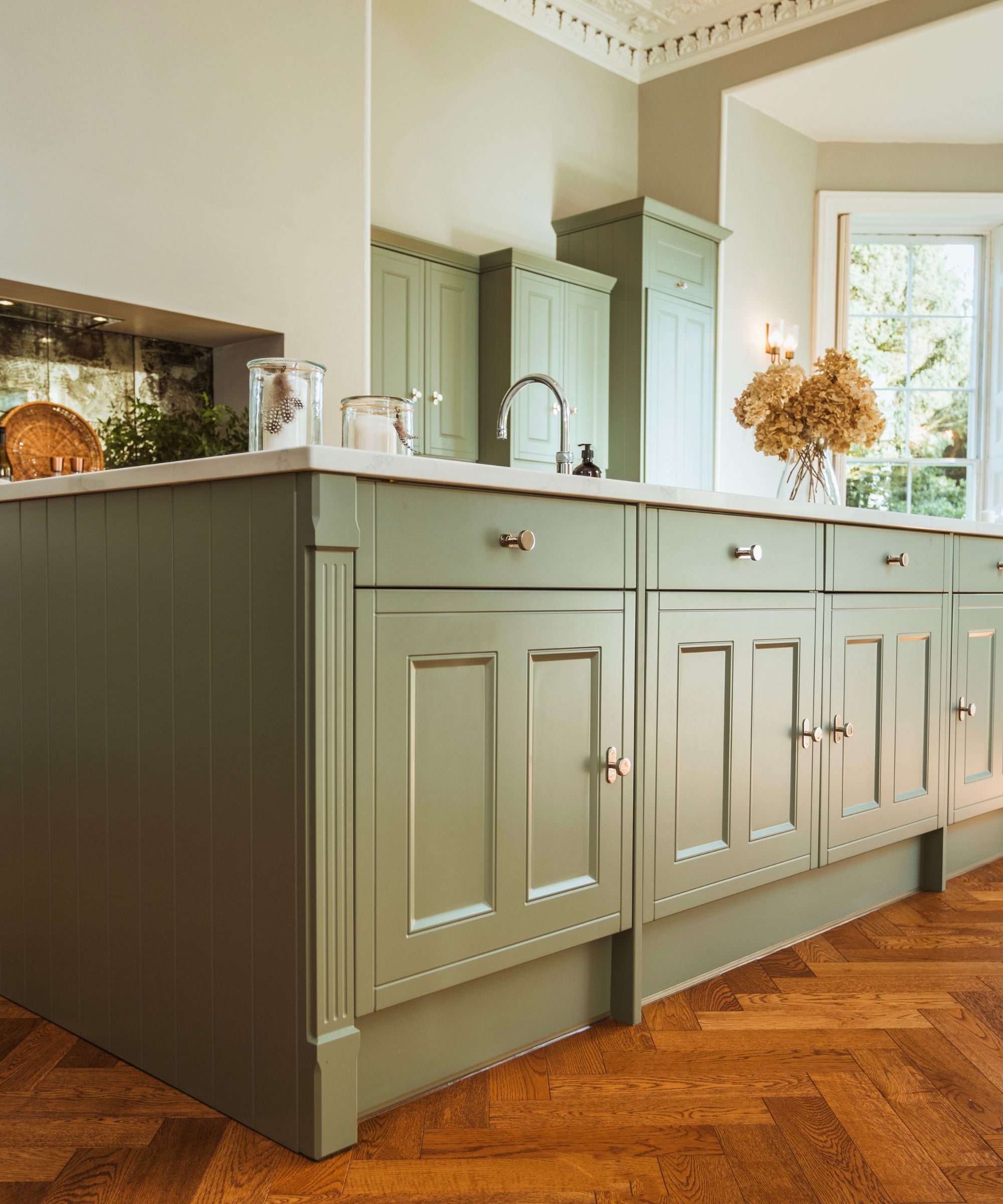
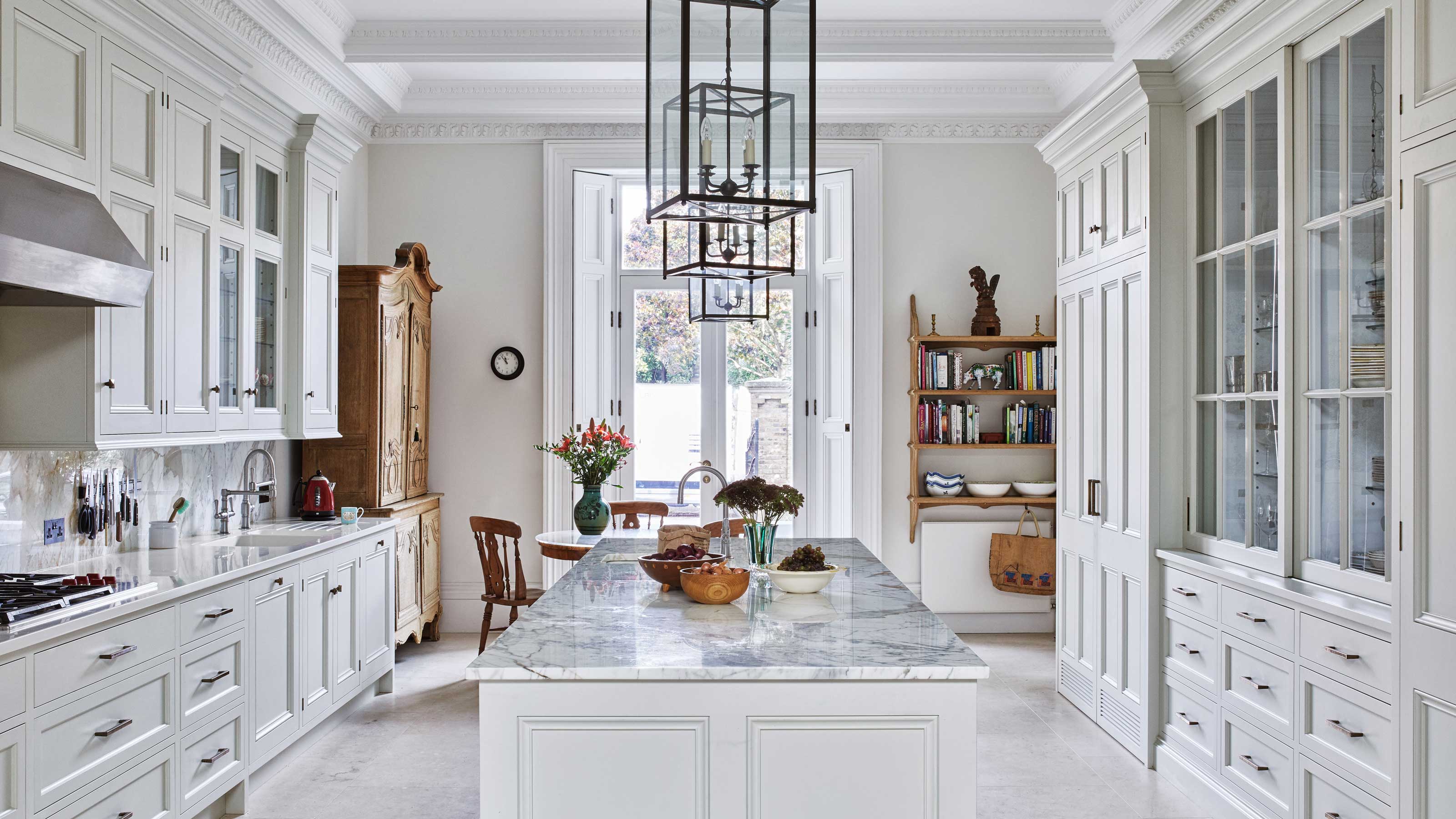
Despite these benefits, kitchen islands come with notable drawbacks, primarily concerning space constraints. Islands demand considerable floor area, and without careful planning and proportional consideration, they can make a kitchen feel cramped and visually heavy. This can impede ease of movement, both for residents and guests, potentially making the space less functional rather than more. The visual weight an island adds can also contribute to a constricted feeling, especially in smaller kitchens. This has led to an increasing interest in alternative kitchen island solutions, such as traditional worktables or smaller, more adaptable structures.
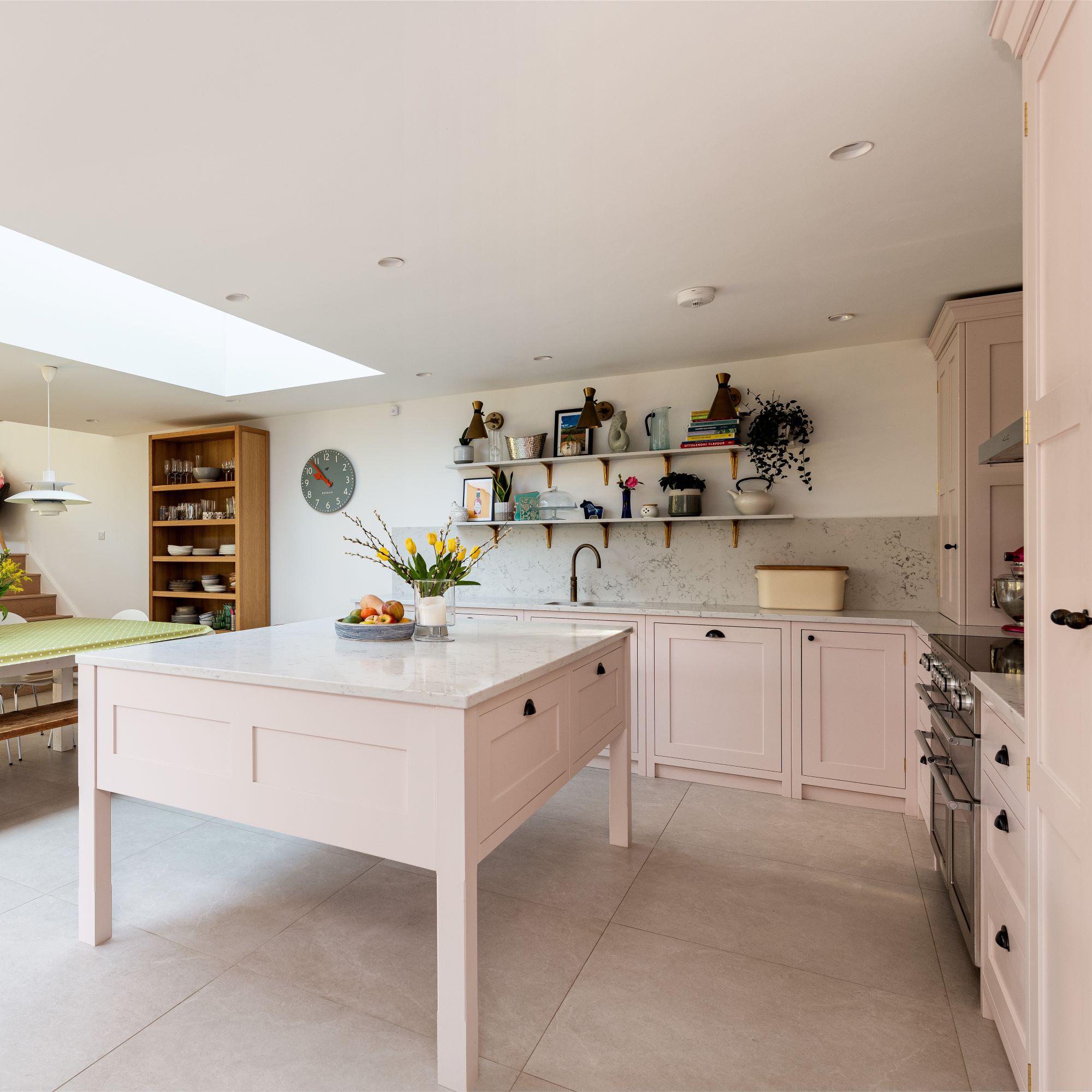
A further disadvantage of kitchen islands is their tendency to attract clutter, particularly for families or individuals with busy lifestyles. While convenient, the large, accessible surface of an island can become a magnet for miscellaneous items, requiring constant organization and decluttering to maintain a tidy appearance. For those prioritizing a minimalist aesthetic or seeking to minimize maintenance, a kitchen island might introduce an additional chore rather than simplify life. In such cases, alternative kitchen layouts like galley kitchens or U-shaped configurations, which inherently offer less open counter space, or the inclusion of banquettes for more contained seating, might be more suitable options to mitigate clutter. Ultimately, the decision to include a kitchen island depends on a careful assessment of individual lifestyle, spatial availability, and design priorities.
#KitchenIsland #InteriorDesign #KitchenLayout #HomeRenovation #MultifunctionalSpaces #EntertainingAtHome #SpacePlanning #ClutterManagement #KitchenIsland #InteriorDesign #KitchenLayout #HomeRenovation #MultifunctionalSpaces #EntertainingAtHome #SpacePlanning #ClutterManagement
0 comment in total
 No comments yet
You may also like
Why You Should Never, Ever Put an Island in Your Kitchen

7 successful kitchen island layout ideas experts swear by

Should a Kitchen Island Be Centered? "There Is No One-Size-Fits All" Solution, Say the Experts
Double island kitchens – 10 ideas for more counter and storage space

Kitchen island layout ideas – what to consider when incorporating your dream island
Kitchen Island vs Peninsula — Which Is Better and Which Are Designers Choosing in 2025?
Your Kitchen Island Doesn't Have To Be A Rectangle: How To Pick The Right Shape For Your Space
The 7 kitchen island mistakes designers always avoid — and what you can try instead

Do you need a kitchen island? Designers weigh in on are they an essential or are islands becoming outdated
Should You Have a Sink on a Kitchen Island? Designers Love (and Hate) This Layout, so Here's How to Decide
37 stunning kitchen island ideas to transform any space into a dream kitchen

Should you get a kitchen island, a breakfast bar or a table?
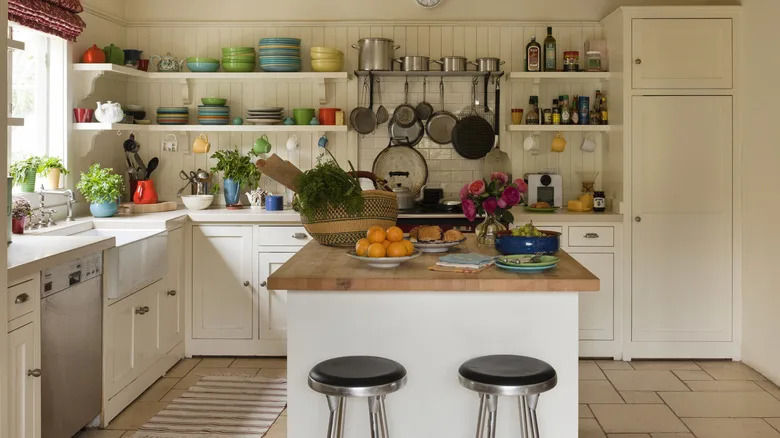
Why You Shouldn't Have An Island In A Small Kitchen
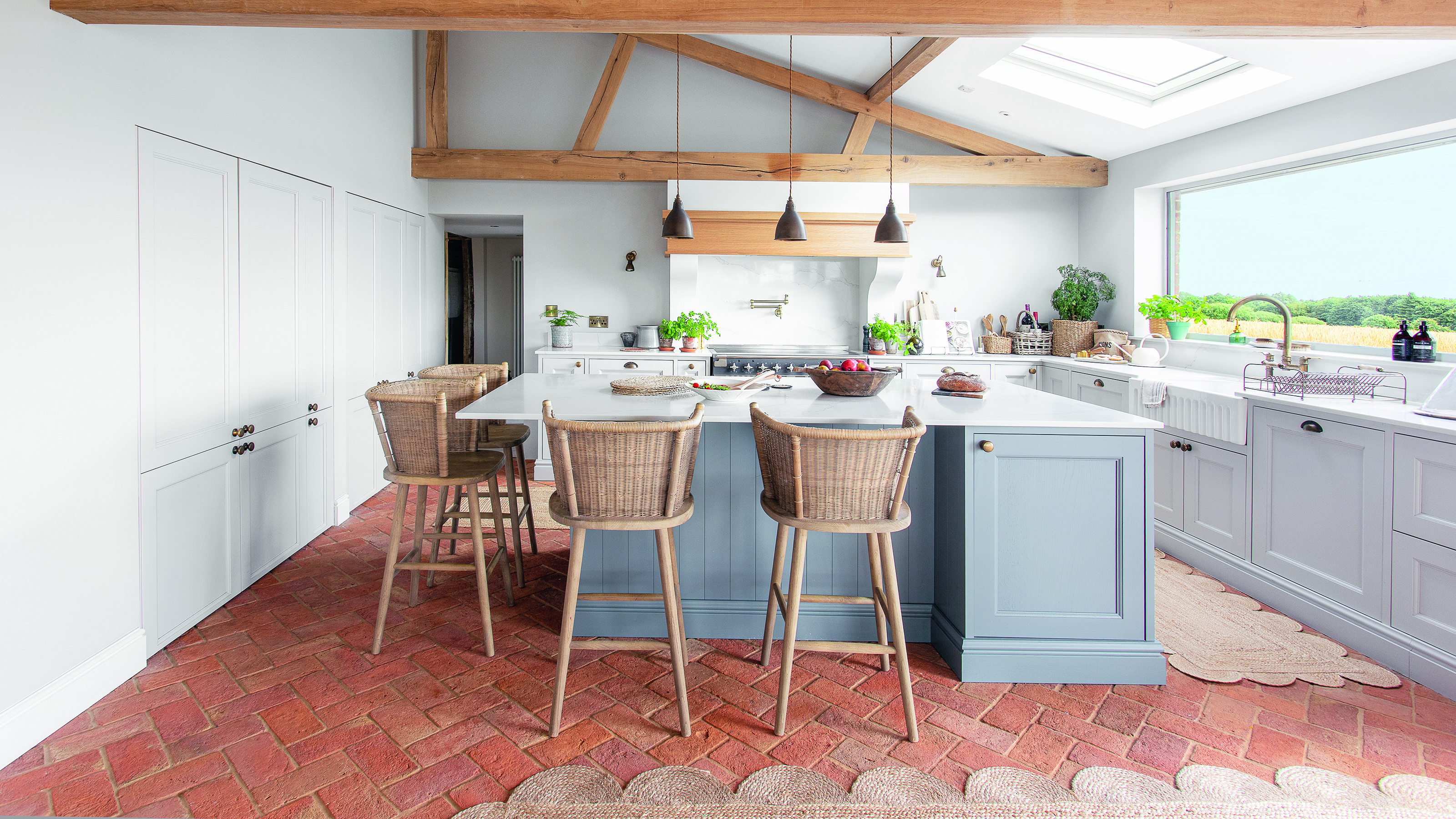
25 kitchen island ideas to make it the most used, and most stylish, area of your cooking space
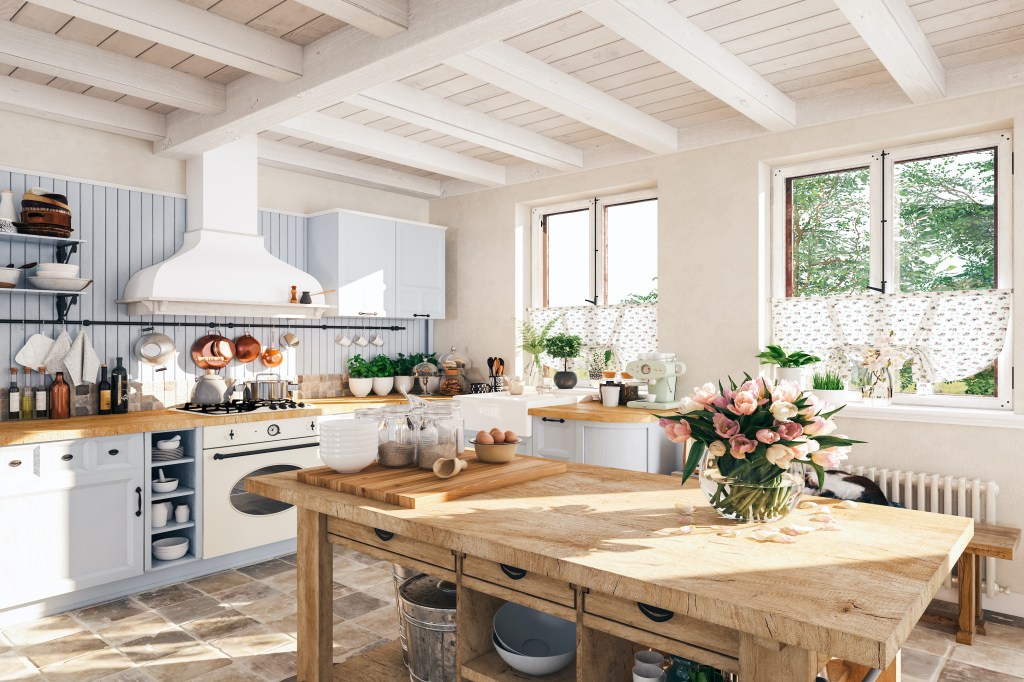
The best kitchen island ideas for a captivating (and functional) prep space

15 Modern Kitchen Island Ideas

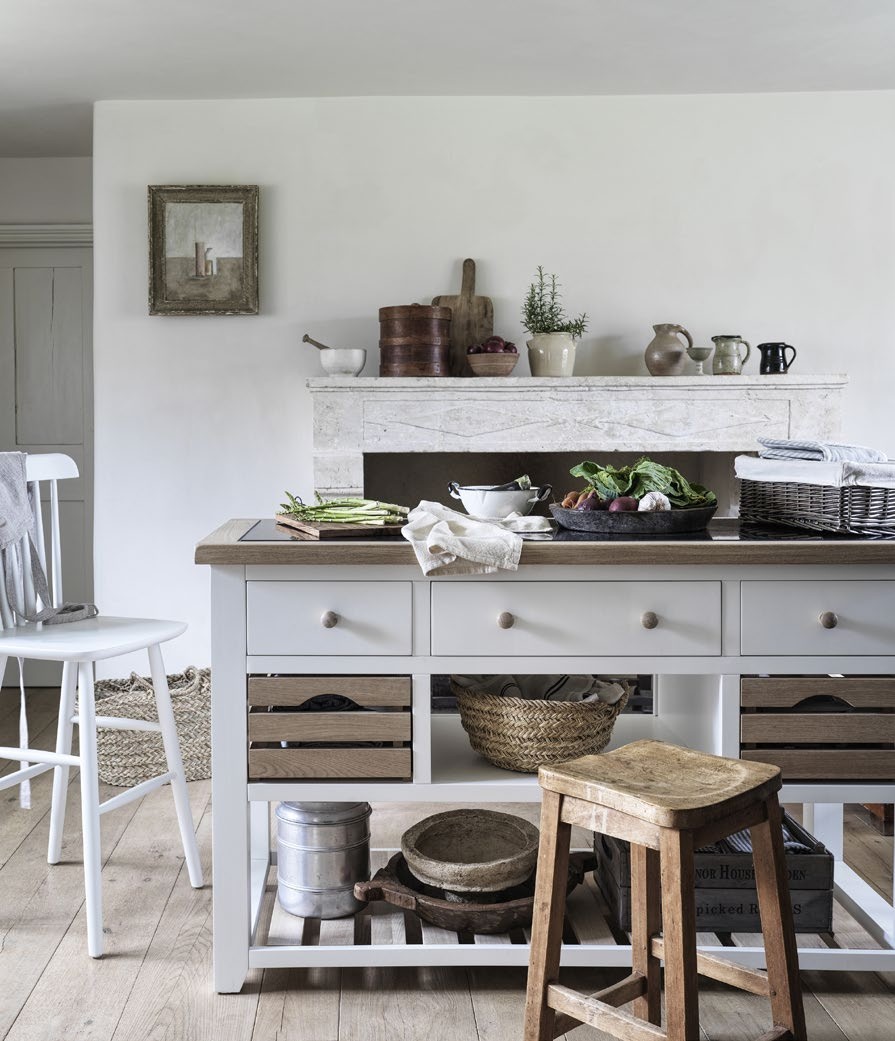
Kitchen island design - 7 Nov 2024 - Homebuilding & Renovating Magazine

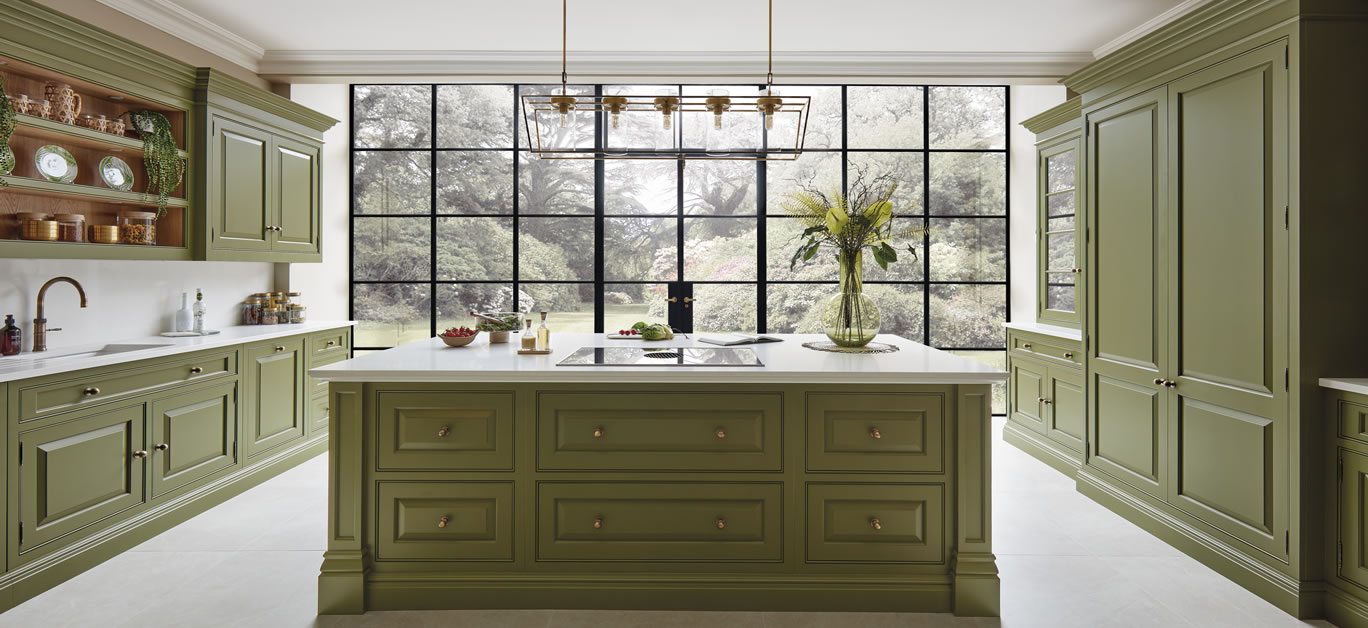
Kitchen island design: The design tips you should know

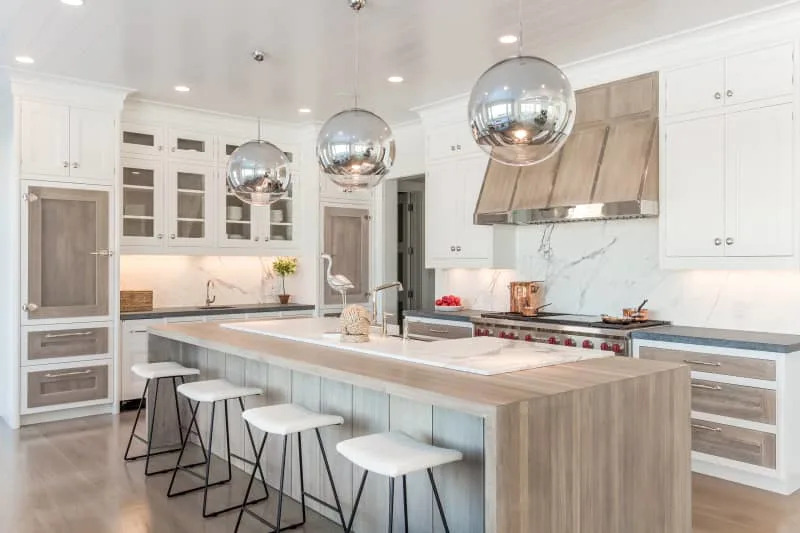
3 Kitchen Island Trends That Interior Designers Love (and 2 to Skip)
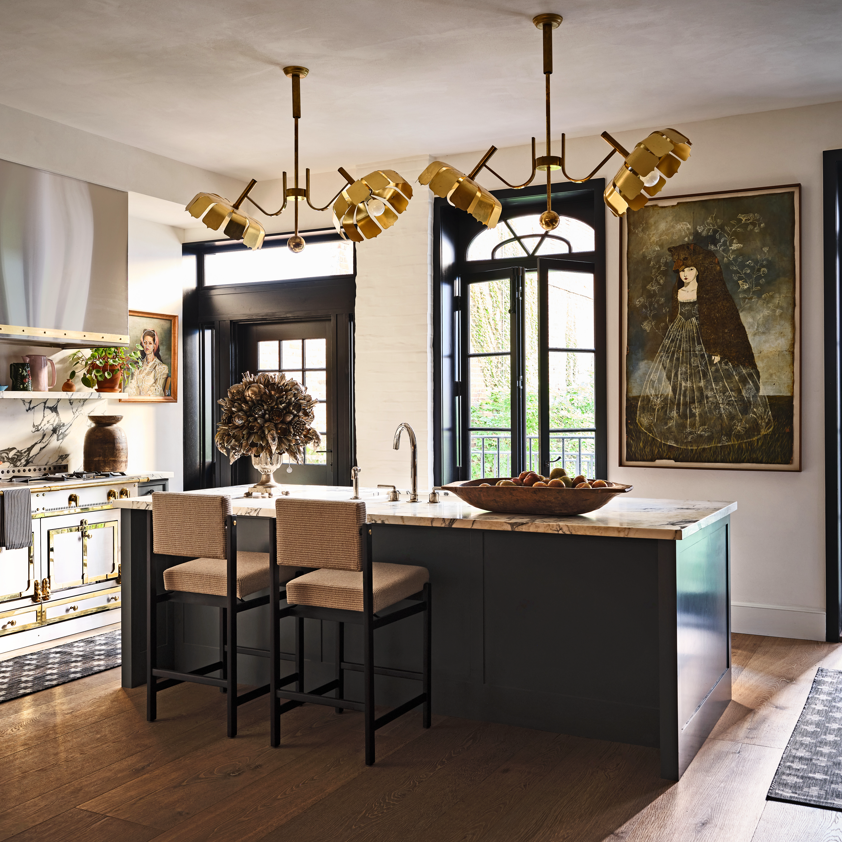
There’s Nothing Worse Than an Awkward Kitchen Island—Here’s How to Calculate Correctly