1/9
8 Remarkable Buildings That Use Trees as a Design Element
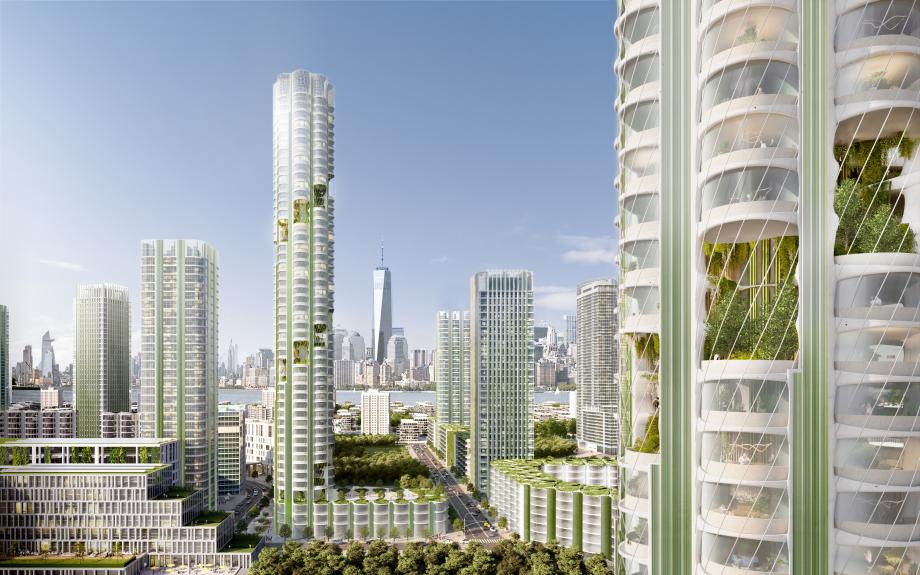
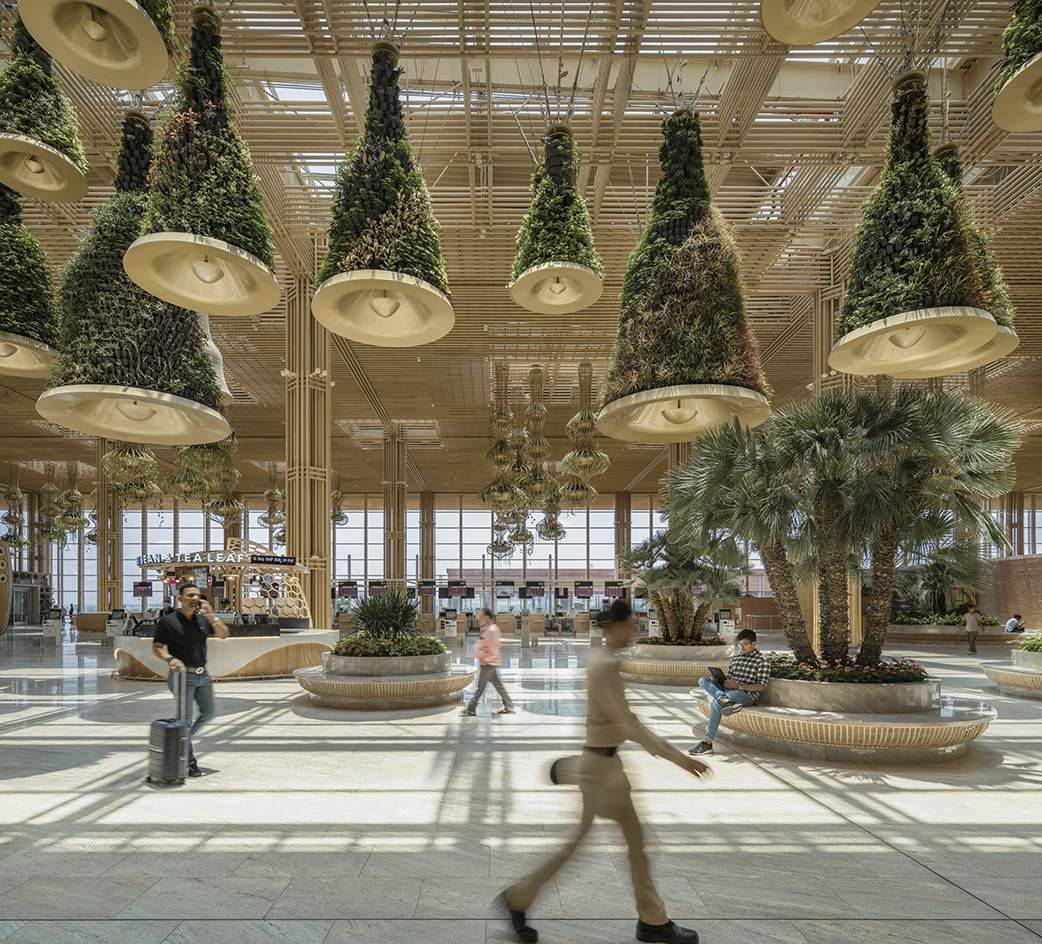
Architectural firms globally are increasingly integrating trees and greenery into building designs, driven by both aesthetic and practical considerations. This arboreal architectural trend is not merely decorative but serves critical environmental functions, such as providing shade, improving air quality, and reducing the reliance on artificial cooling systems like air-conditioning. These innovative structures are emerging worldwide, with notable projects under construction or recently completed in diverse locations from Singapore to Switzerland, and cities like Taipei and Dallas.
One prominent example is the future Rolex headquarters in Dallas, designed by architect Kengo Kuma. Breaking ground in 2015, this building draws inspiration from the traditional stone walls of Japanese castles, featuring a design that twists to incorporate landscaped terraces and a tree-lined rooftop event space. In Los Angeles, Bjarke Ingels's firm, BIG, has embarked on its first project, 670 Mesquit. This extensive 2.6 million-square-foot mixed-use development comprises two concrete cube buildings, each topped with thoughtfully landscaped terraces, demonstrating a commitment to green spaces within urban environments.
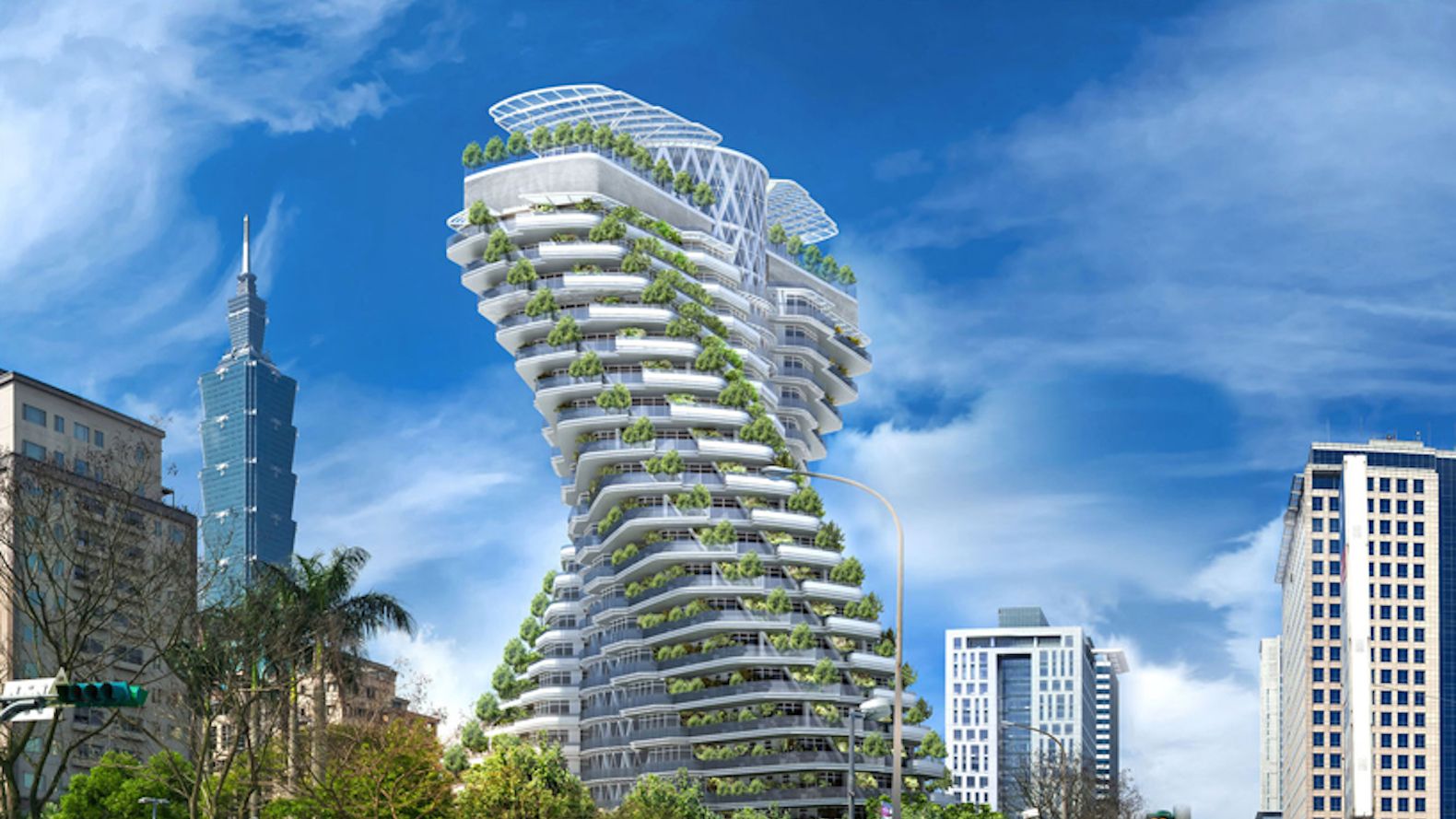
Taipei is home to Vincent Callebaut’s Agora Gardens Tower, an eco-friendly building anticipated for completion in 2017. Its design, inspired by the double-helix structure of DNA, is characterized by plants and trees on every floor, which are intended to absorb carbon dioxide and even enable residents to cultivate their own food, promoting sustainability and self-sufficiency. Similarly, Vo Trong Nghia Architects has conceptualized a tree-lined campus for FPT University in Ho Chi Minh City. This expansive campus, covering 14 square miles, is designed to appear as an elevated forest surrounding a large central courtyard.
Singapore showcases two significant projects that exemplify this green architectural movement. The ParkRoyal on Pickering, a hotel designed by WOHA, received the Urban Habitat Award in 2015 from the Council on Tall Buildings and Urban Habitat, acknowledging its extensive integration of greenery. German-based Ingenhoven Architects are also contributing to Singapore's green skyline with Marina One, a new high-rise development that incorporates substantial planting. Meanwhile, in Lausanne, Switzerland, Italian architect Stefano Boeri has unveiled plans for the 36-story Tower of Cedars. This ambitious project will house an impressive 18,000 plants, 6,000 shrubs, and 100 trees, all strategically placed to shield residents from noise pollution and dust.
Another innovative development by Vo Trong Nghia Architects in Ho Chi Minh City features a complex of three 22-story buildings, each covered in bamboo and interconnected by foliage-shaded bridges. This complex is situated on a 90,400-square-foot plot and is designed to accommodate approximately 720 residences, all of which will have access to a communal rooftop garden. These projects collectively highlight a growing architectural trend where natural elements, particularly trees, are not just ornamental but are fundamental to the building's structural integrity, environmental performance, and overall liveability, reshaping modern architecture with a focus on ecological sustainability and enhanced urban living conditions.
#InnovativeDesign #GreenArchitecture #SustainableBuildings #UrbanForestry #BiophilicDesign #EnvironmentalSustainability #ModernArchitecture #EcoFriendlyBuildings #InnovativeDesign #GreenArchitecture #SustainableBuildings #UrbanForestry #BiophilicDesign #EnvironmentalSustainability #ModernArchitecture #EcoFriendlyBuildings
0 comment in total
 No comments yet
You may also like
Ten projects that seamlessly integrate wood into the design
Architectural Lighting That Celebrates Wood as a Material
41 famous buildings you should visit before you die

Tree Forks As Natural Composite Joints In Architecture

9 amazing wooden homes that go against the grain | loveproperty.com

These 82 Christmas Tree Ideas That Will Make Your Neighbors Jealous

tale of a tree | d+a - architecture
Sustainable architecture: 46 innovative and inspiring building designs

12 designs made from wood that showcase the versatility of the material
wood and timber architecture and design Archives
17 contemporary ideas for homes with wooden beams

8 of the best indoor plants with patterned leaves

9 stunning timber feature walls to inspire

What mirrored ants, vivid blue butterflies and Monstera house plants can teach us about designing buildings

Eight buildings bejewelled with glass bricks and blocks
49 DIY Treehouses Made From Reclaimed Materials

Wood slats are everywhere. Why are designers such fans?
Biophilic architecture: 11 projects where nature meets concrete

11 Breathtaking Ideas for a Wood Ceiling
How Bensonwood Builds a Wall That Works