The Best Way to Ventilate Siding
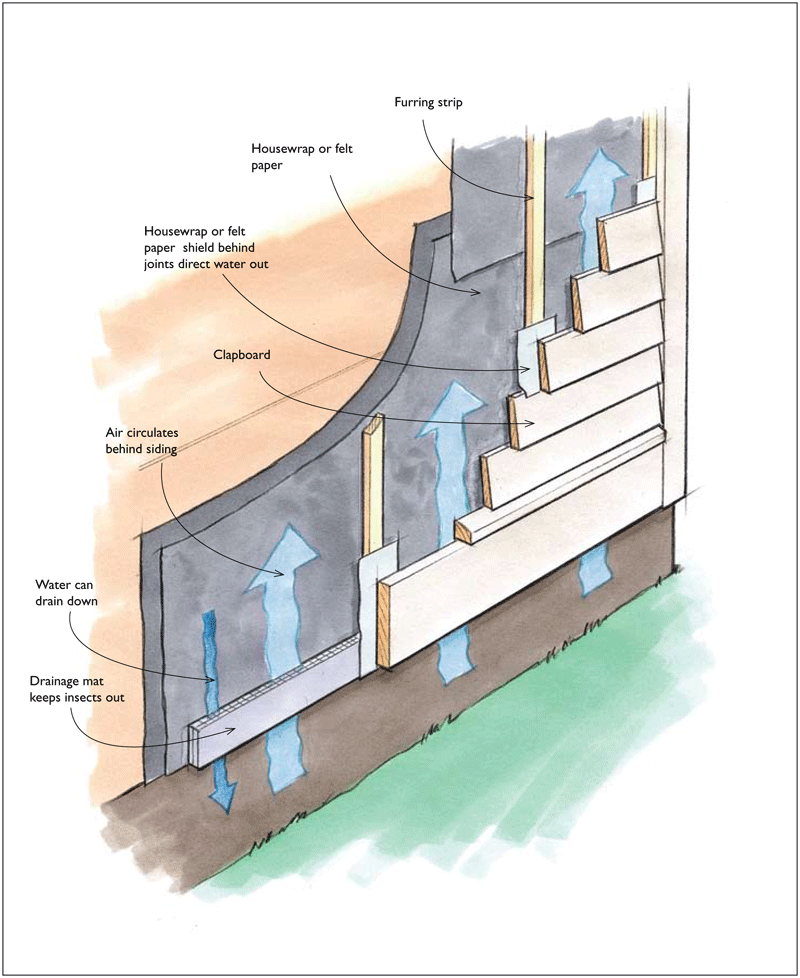
The durability and performance of building exteriors, particularly siding and sheathing, are significantly enhanced by proper ventilation. This is crucial for moisture management and extending the lifespan of exterior finishes, such as paint. A common misconception attributes cladding leaks primarily to wind pressure; however, research indicates that while wind can deposit rain on walls, it is not the primary cause of leakage. Instead, the main purpose of venting is to promote airflow, which aids in drying out the cladding and underlying sheathing.
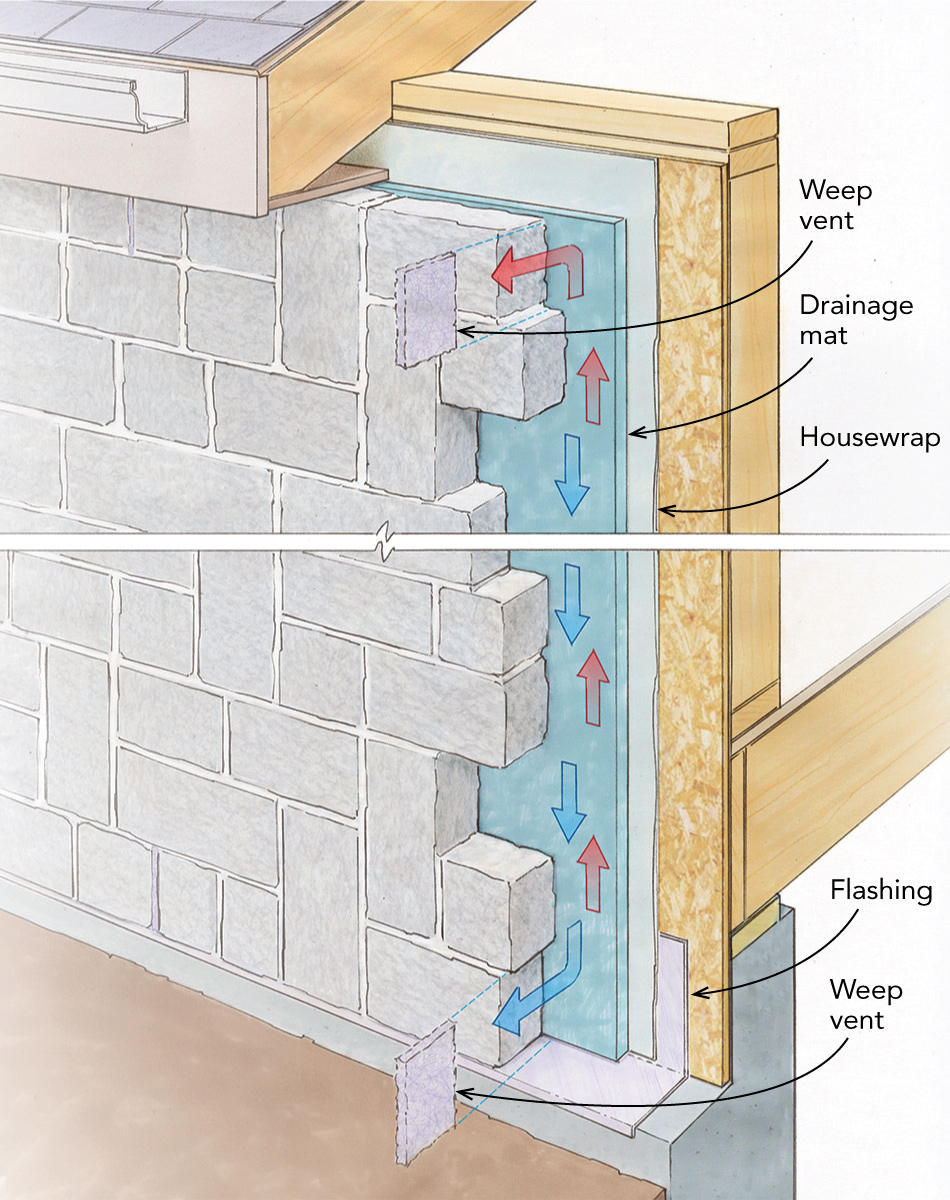
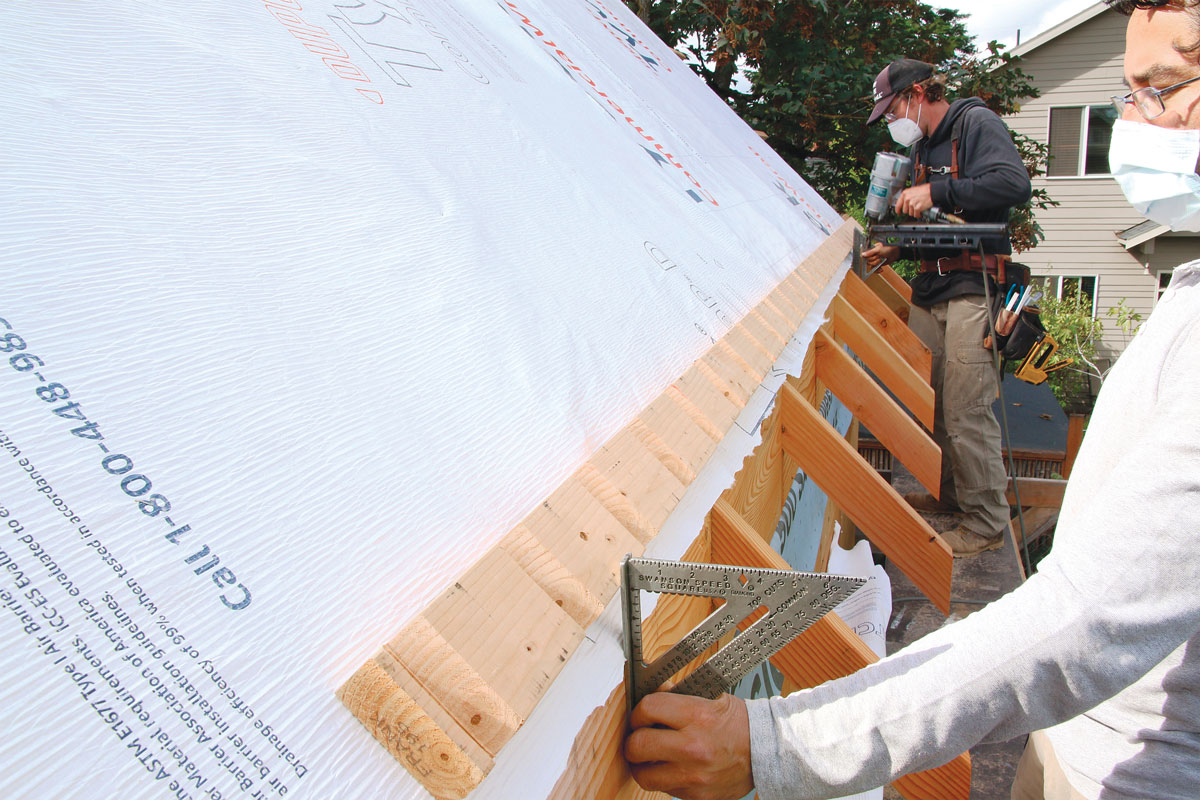
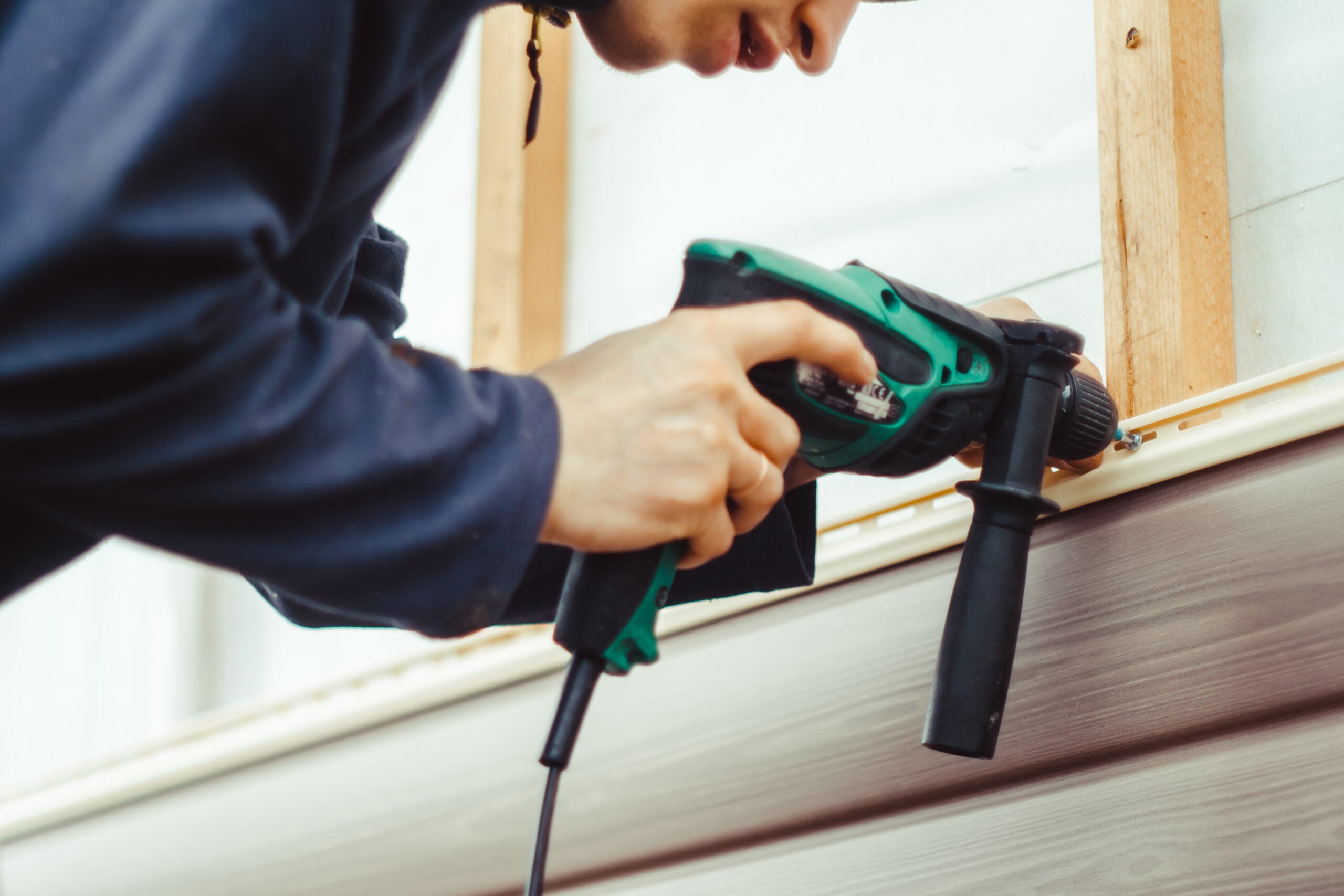
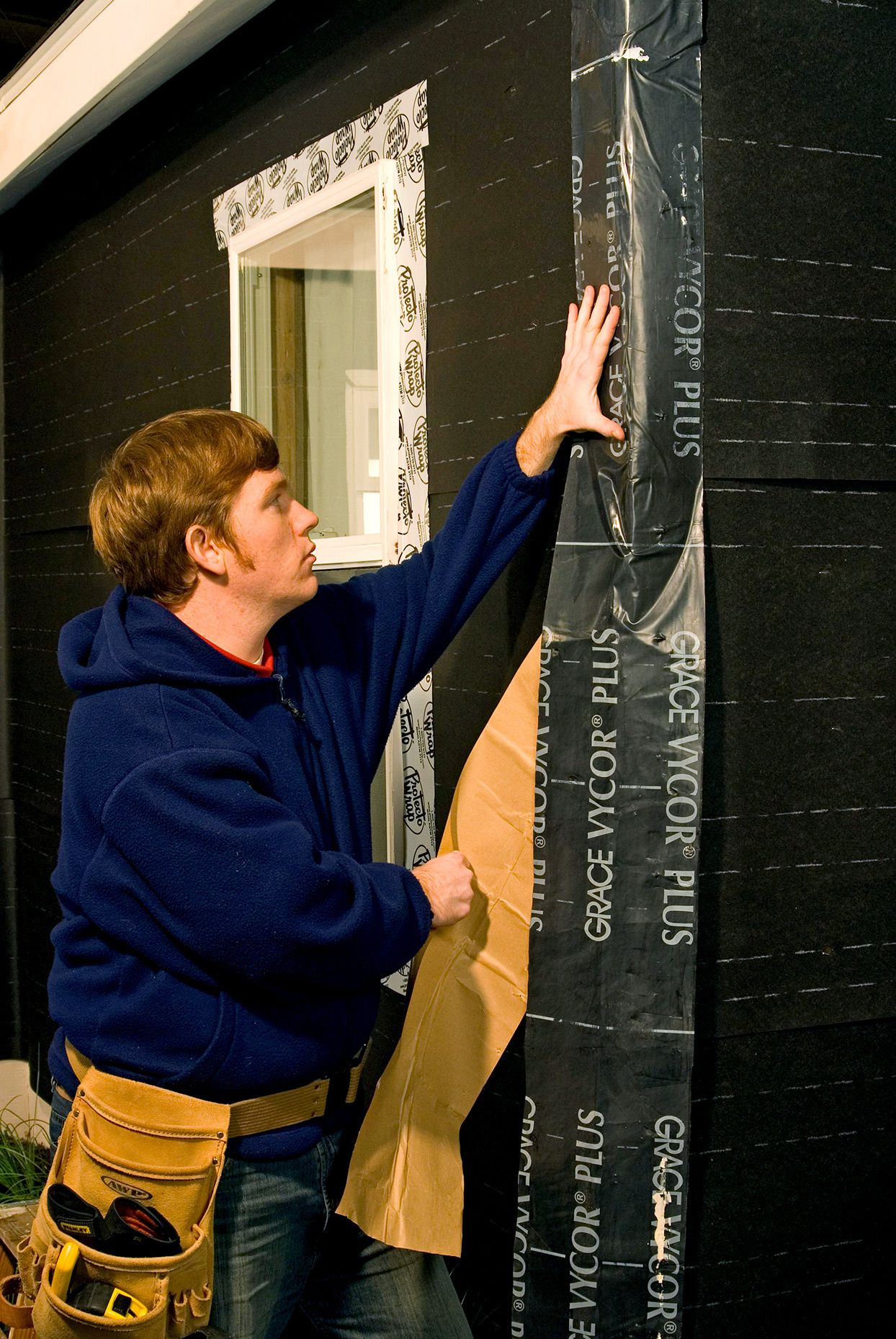
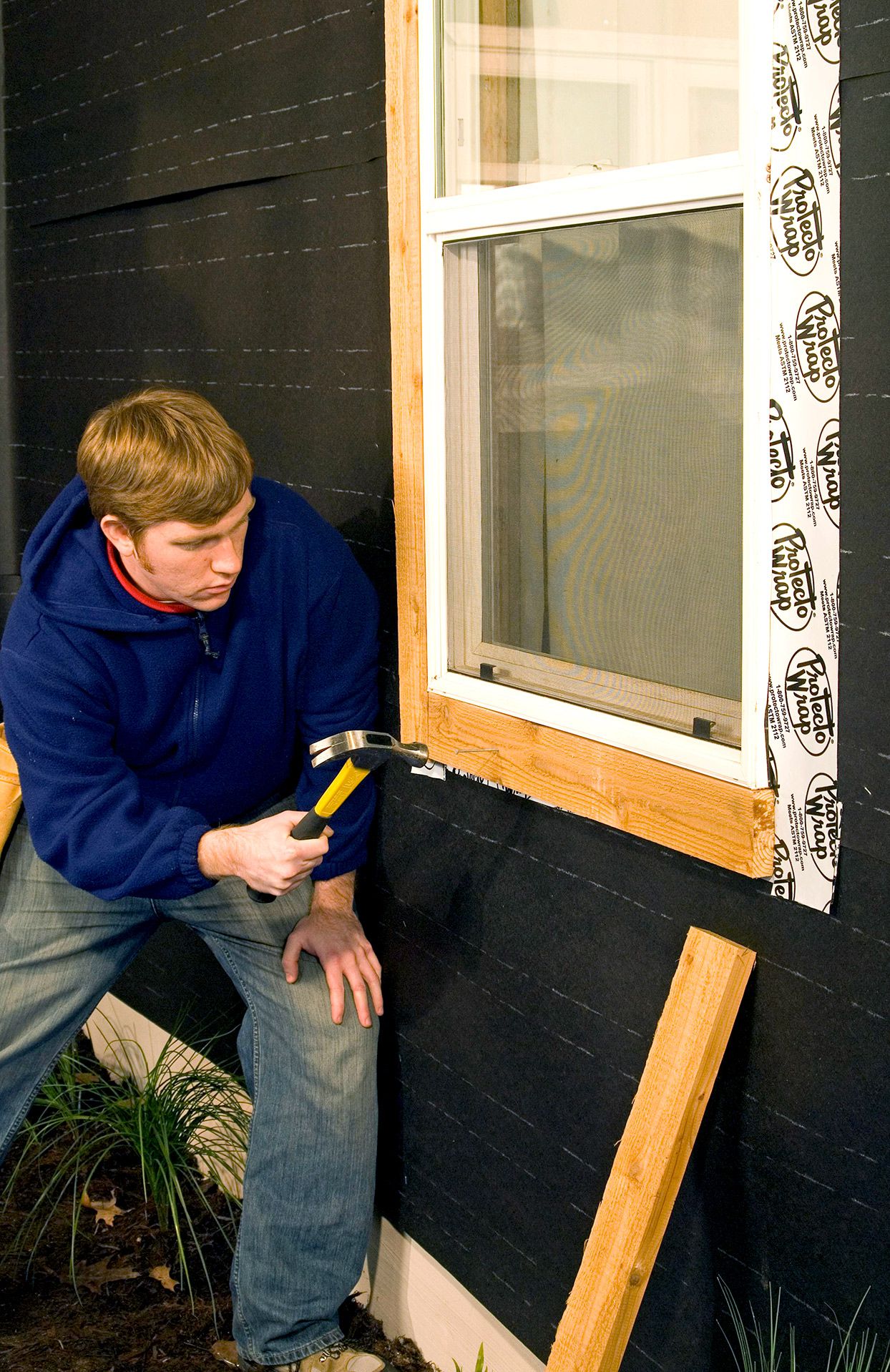
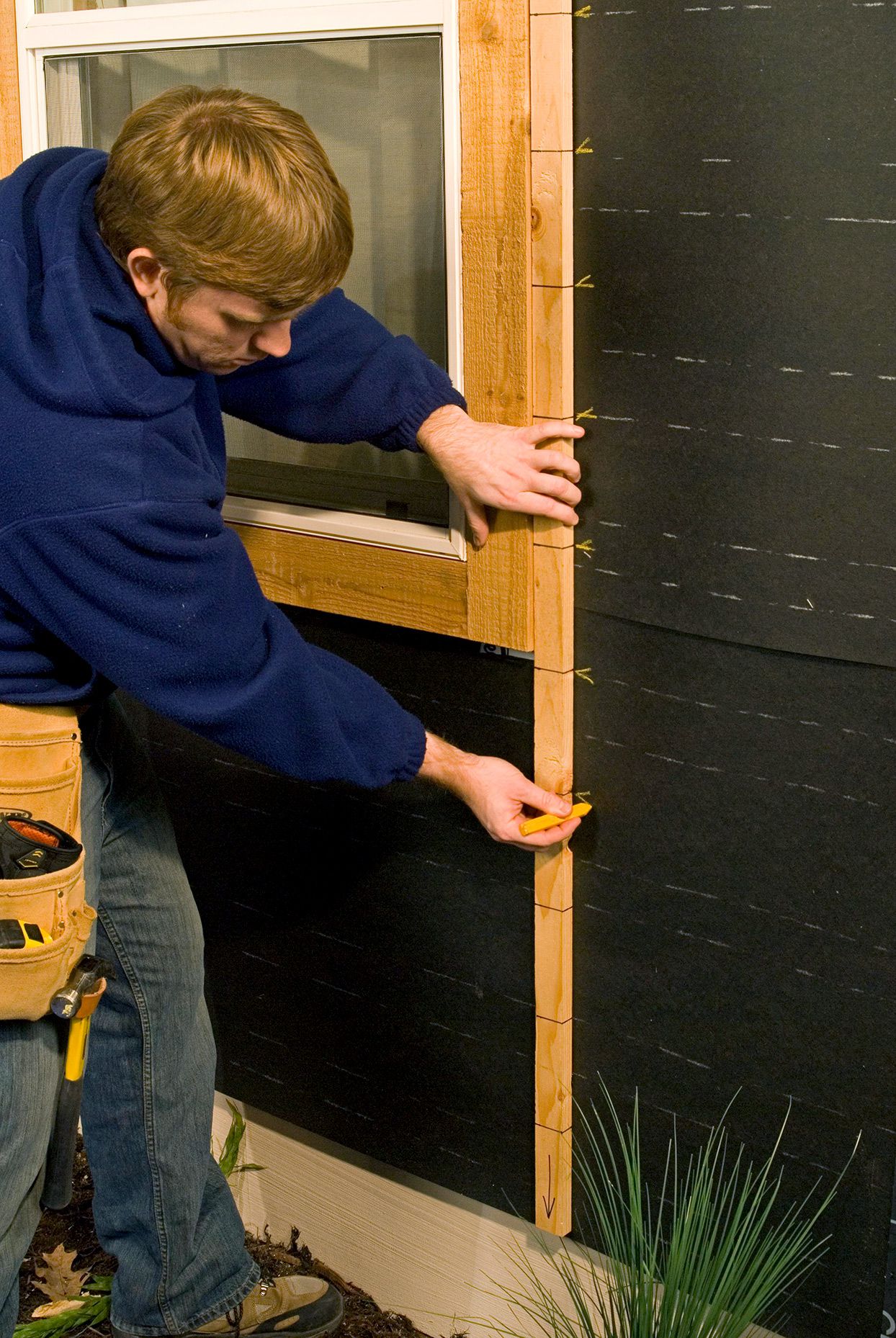
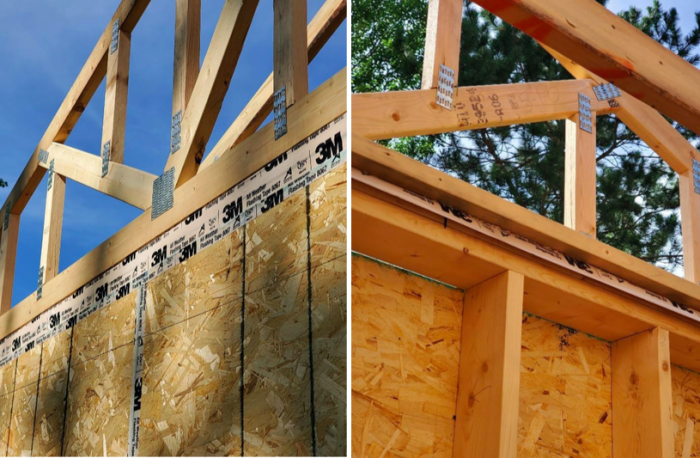
Effective ventilation involves creating a continuous air path behind the siding, allowing water to drain downwards and air to circulate upwards. This process ensures that the back of the siding dries at a rate similar to the front, which helps maintain the material's stability and prevents premature degradation of paint, siding, and sheathing. The integration of vertical strapping is a practical method to achieve this desired airflow and drainage.
Two key questions often arise regarding vented rainscreens: whether venting should be continuous around corners or segmented, and if the exhaust should be linked to roof venting or exit under soffits. While a definitive answer regarding continuous versus segmented venting around corners is not explicitly provided, the emphasis is placed on establishing effective airflow. Regarding exhaust, studies have demonstrated that venting at both the top and bottom of a wall consistently leads to a drier environment compared to venting only at the bottom. This is because through-flow of air is essential for maximizing the benefits of ventilation. Walls with vents at both top and bottom show superior drying capabilities for injected water, reinforcing the importance of comprehensive ventilation strategies.
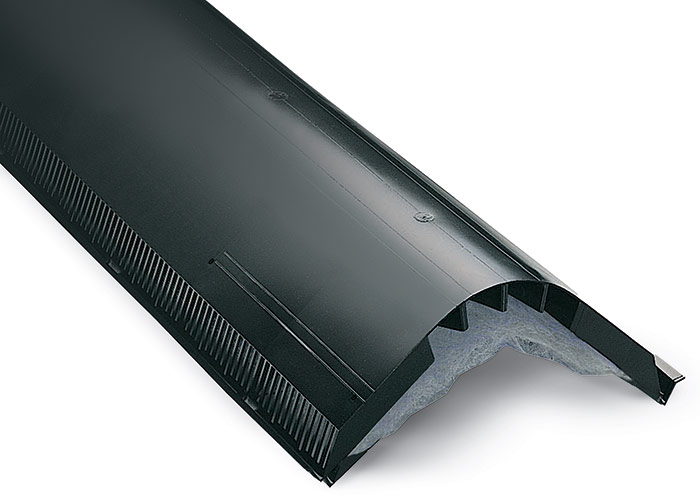
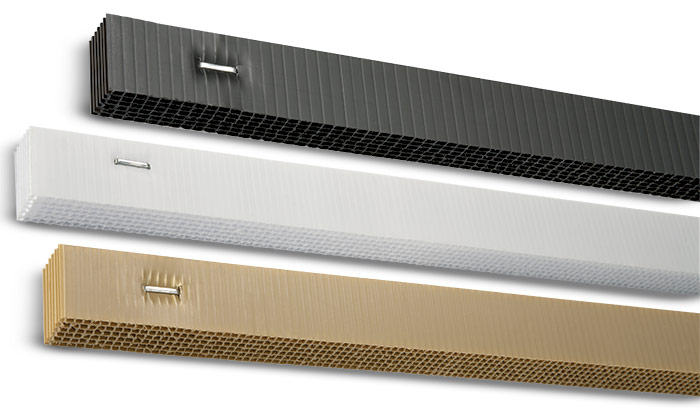
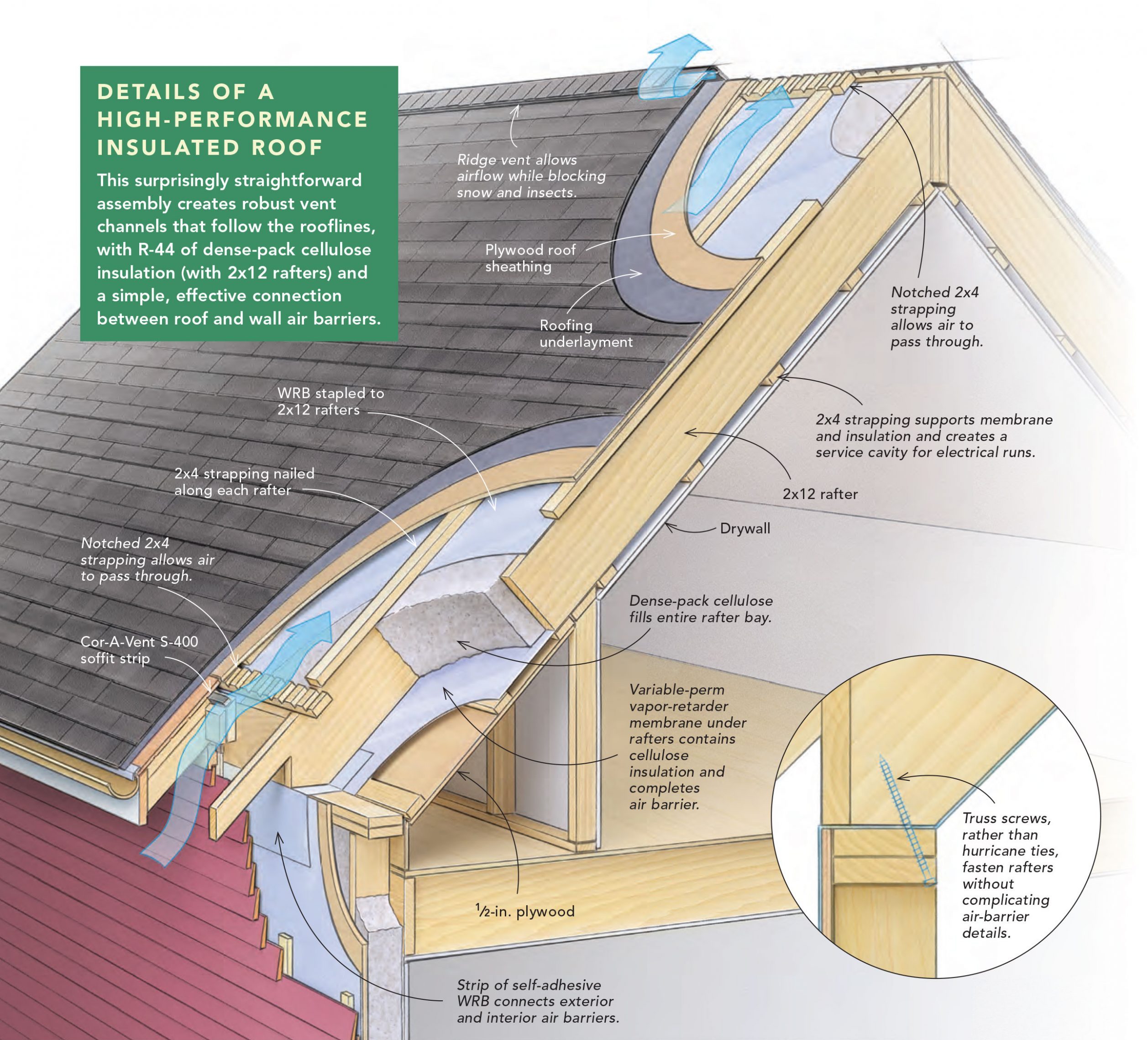
While critics might question the identical construction of test walls in such studies, replicating the experiment by altering vent configurations on the same walls yielded consistent results, confirming the superiority of top and bottom venting. The underlying physics supports the notion that widely distributed vents provide substantial benefits, whereas isolated vents offer minimal improvement. Issues such as insect intrusion and condensation can be mitigated with proper detailing, such as using drainage mat materials like Cedar Breather or ridge vent materials like Cor-A-Vent, and ensuring proper sealing.
In summary, the primary role of siding ventilation is not pressure equalization but rather to facilitate drying, which is vital for the longevity of moisture-sensitive materials. A robust ventilation system should allow for continuous air movement, ideally with vents at both the top and bottom of the wall sections, to ensure efficient drying and prevent moisture-related damage to the building envelope.
#SidingVentilation #HomeBuilding #BuildingScience #MoistureManagement #RainscreenSystems #ExteriorDurability #WallDrying #ConstructionTechniques #BuildingEnvelope #SidingVentilation #HomeBuilding #BuildingScience #MoistureManagement #RainscreenSystems #ExteriorDurability #WallDrying #ConstructionTechniques #BuildingEnvelope
0 comment in total
 No comments yet
You may also like
How to ventilate a basement – expert tips to reduce damp and mold

A New Take on Insulating a Roof

Avoid insulating these spots as it can cause damp and mould
Insulate Your Basement, Part 2

5 Easy Ways to Improve Kitchen Ventilation

6 types of attic insulation and how to pick one for your home
New Construction: What you need to know about siding your home
Podcast 563: Caulking Old Siding, Tearing Into Leaky Walls, and HVAC in Unconditioned Attics

Understanding Types of Roof Vents
Should I Vent a Roof Insulated With Spray Foam?
Revamp Your Exterior with Our How-to Guide to Installing Siding Shingles

Cold-Climate Attic Air-Sealing
How to Remediate A Damp Exterior Wall Cavity
Surprisingly, Our Favorite Window Insulation Isn’t the Thickest

8 budget fixes for drafty windows — including a $2.99 beauty product I use every single day


Attic Ideas, Storage and Insulation

You Can Save Thousands of Dollars With a DIY Vinyl Siding Installation

Back to Basics: Natural Ventilation and its Use in Different Contexts

Radiant Barriers

How To Choose The Best Siding For Your Home