1/2
How to Remediate A Damp Exterior Wall Cavity
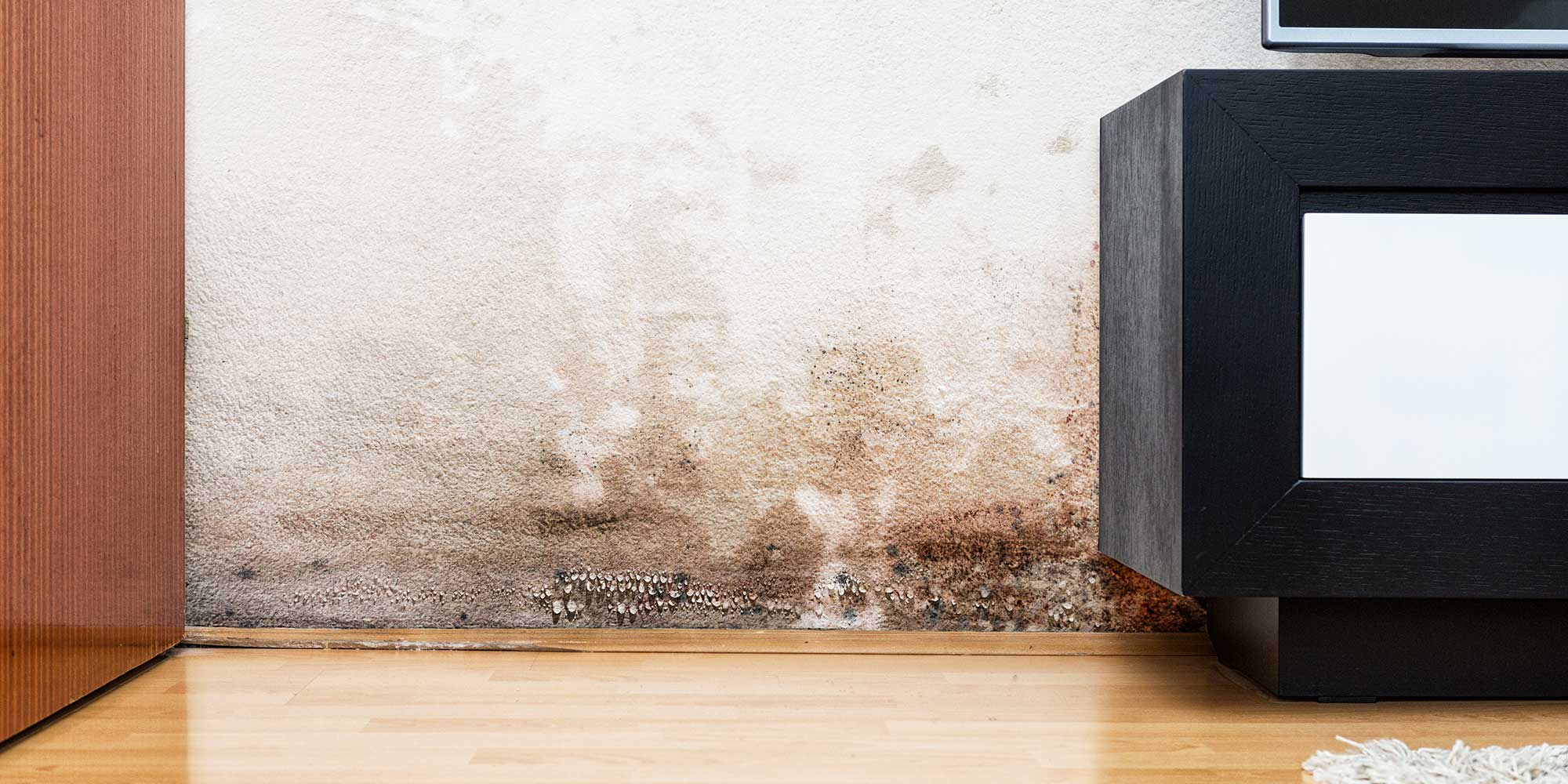
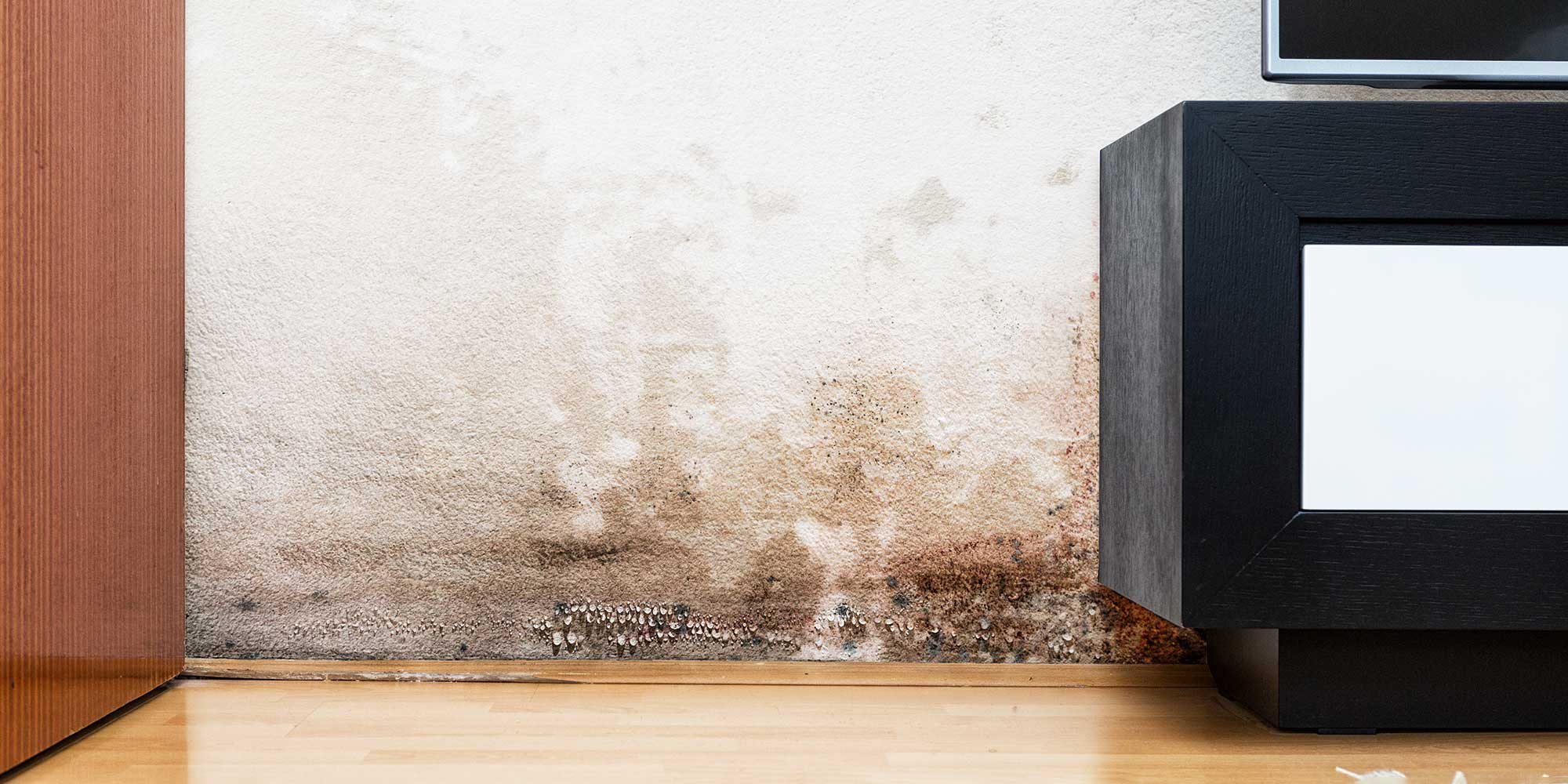
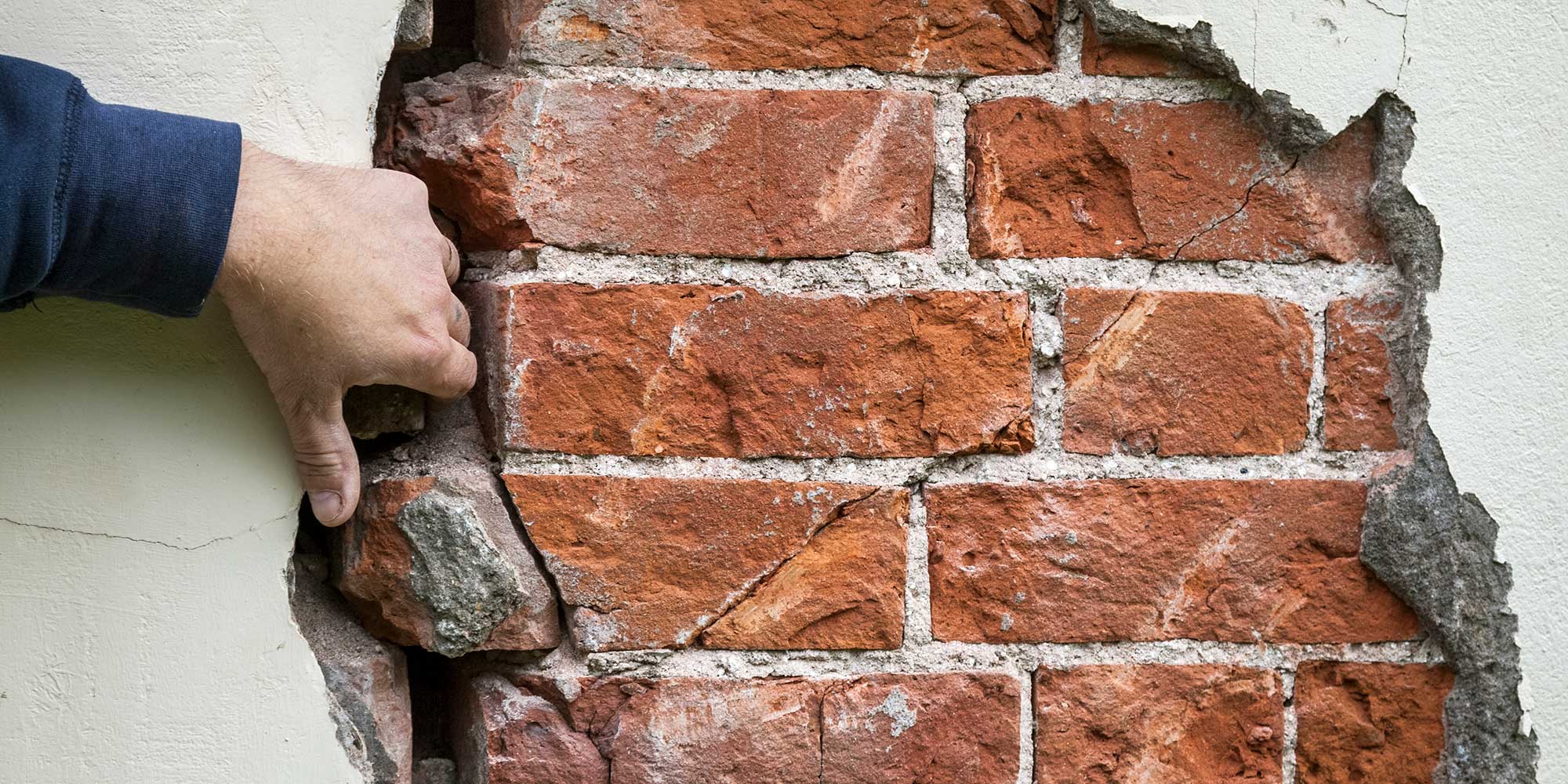
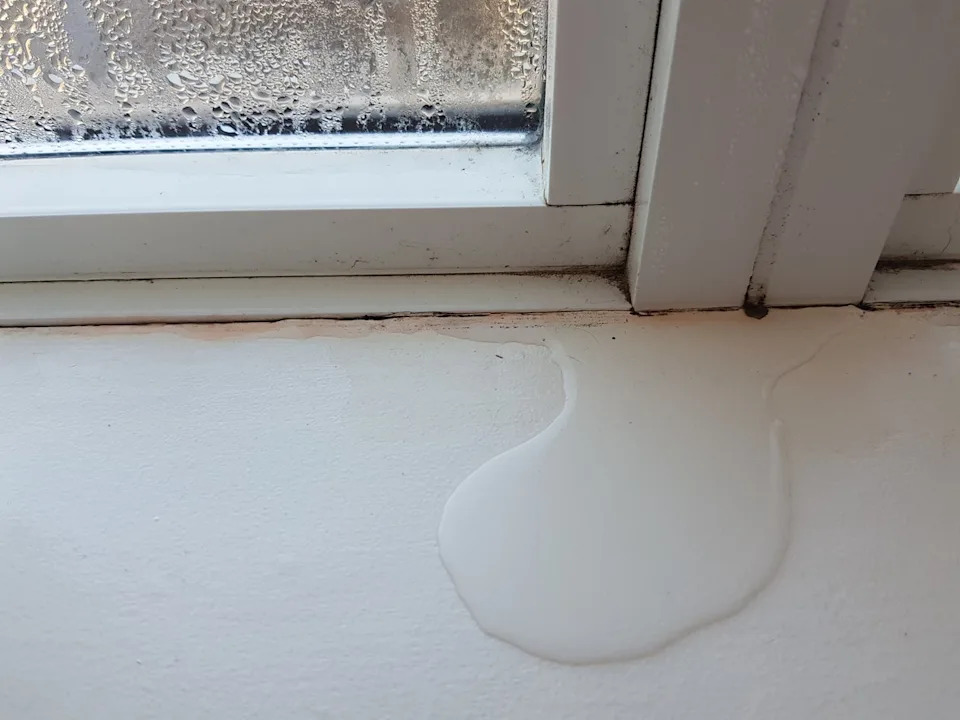
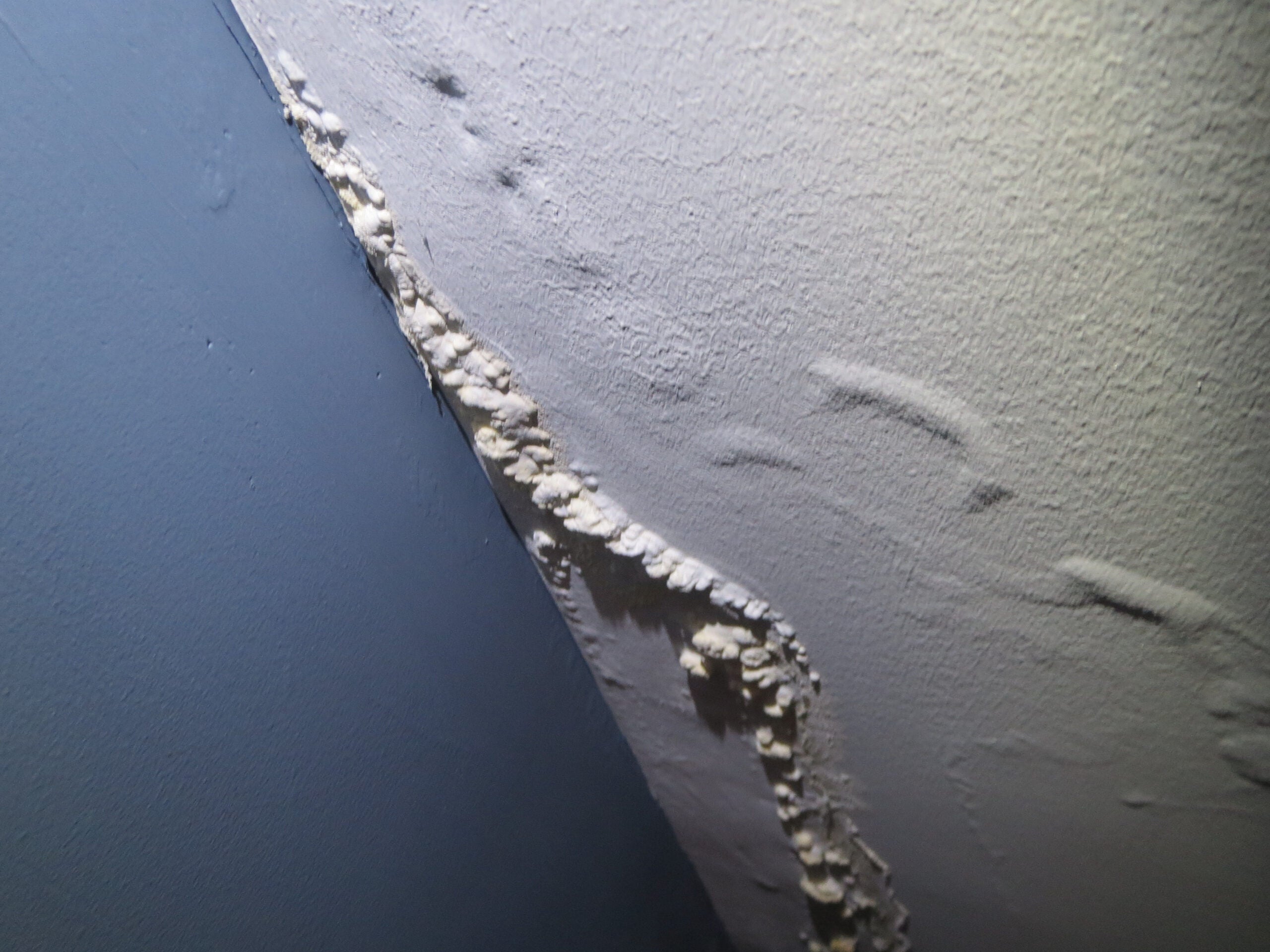
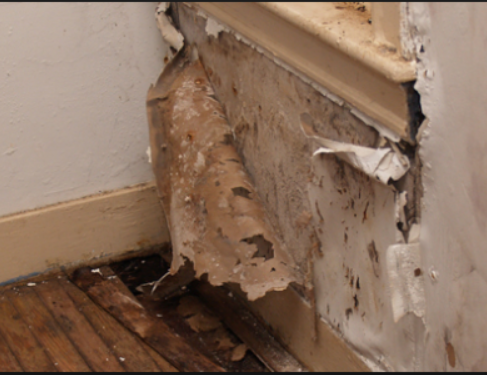
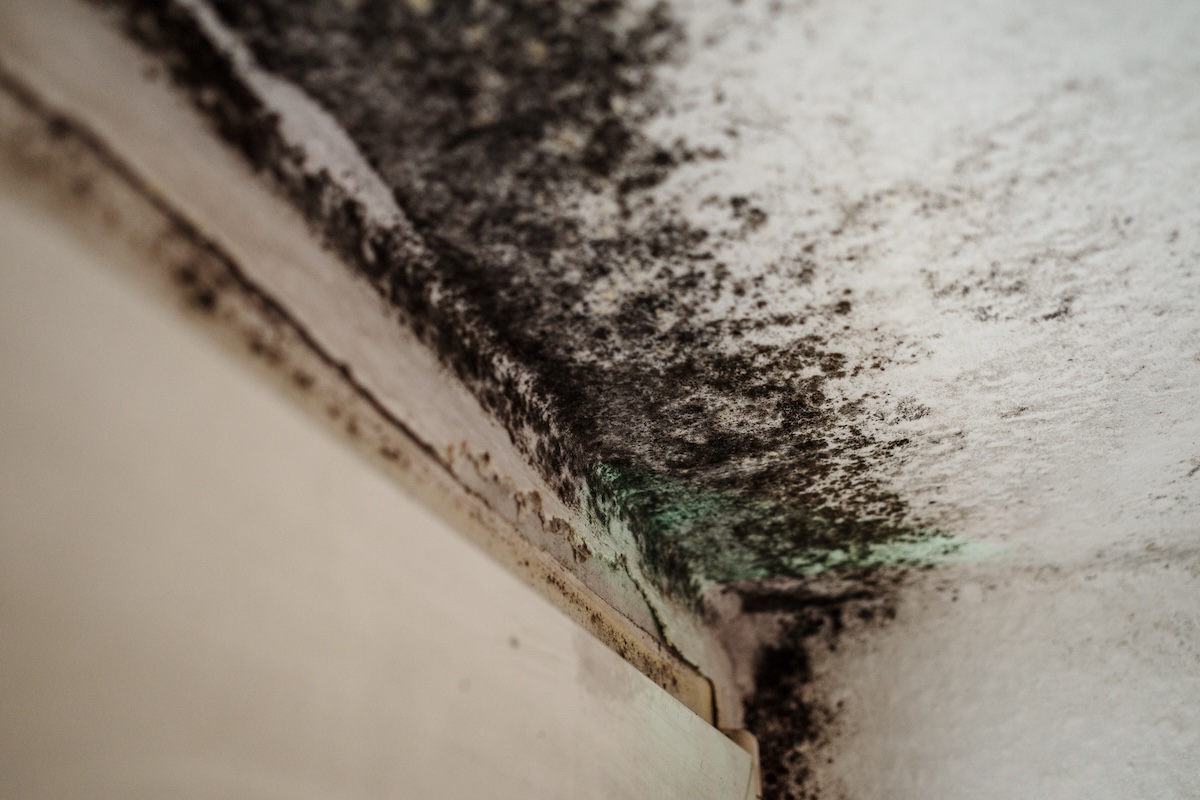
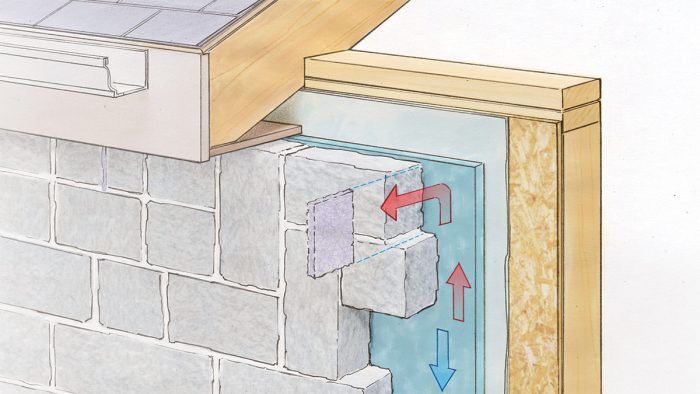
This article addresses a common issue in home construction: damp conditions in an exterior wall cavity, specifically experienced in a newly built home near Nashville. The homeowner observed moisture in the drywall of a south-southwest facing wall, despite no visible liquid water, suggesting high-humidity air condensing within the wall structure. The wall's composition includes limestone cladding, a nonwoven polyester drainage mat (CavClear), housewrap, OSB sheathing, batt insulation, and drywall.
Steven Fechino, an engineering and construction manager at Mortar Net Solutions, identifies the problem as a vapor-driven moisture issue. He explains that sunlight and warm temperatures on the south-facing wall cause moisture in the cavity between the stone and the sheathing to convert into vapor. This vapor, seeking equilibrium with the cooler interior air, is then driven into the home, leading to the damp drywall.
The primary solution proposed is the proper installation and spacing of weep vents. Fechino emphasizes that while building codes often mandate weep vents at the bottom of the wall, typically spaced no more than 33 inches apart, he recommends a tighter spacing of 16 to 24 inches for enhanced performance. Furthermore, he strongly advocates for installing weep vents at both the top and bottom of the wall, even though top vents are not yet code-mandated. Weep vents at the bottom allow liquid water to escape, while those at the top, along with bottom vents, significantly improve the drying and evaporation performance within the wall cavity, thereby reducing the likelihood of moisture penetrating the interior.
For existing structures where weep vents are absent or inadequately spaced, new vents can be retrofitted. This process involves drilling or chiseling out sections of mortar and inserting purpose-designed weep vents into the head joints. The article mentions that weep vents are available in various colors to match the mortar, and it names Keene Building Products and Hohmann & Barnard as two manufacturers of these products. This proactive approach to moisture management is crucial for preventing condensation and maintaining the integrity and dryness of interior walls, particularly in climates susceptible to solar-driven vapor diffusion.
#WallCavity #MoistureControl #WeepVents #ExteriorWalls #VaporDrive #BuildingScience #HomeConstruction #MasonryWalls #DampRemediation #WallCavity #MoistureControl #WeepVents #ExteriorWalls #VaporDrive #BuildingScience #HomeConstruction #MasonryWalls #DampRemediation
0 comment in total
 No comments yet
You may also like

How to get rid of damp

How to waterproof a basement – 5 steps from experts to safeguard this space

Waterproof Your Windows with Liquid Flashing
How to Get Rid of That Musty Basement Smell, According to Experts

What Kind Of Damp Is Affecting My Home?
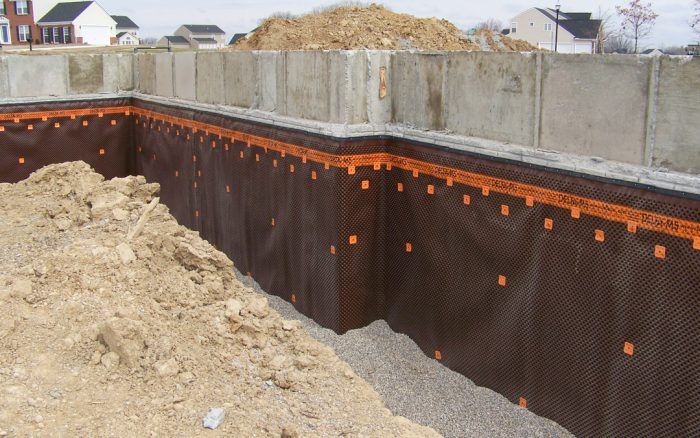
Dampproofing and Waterproofing for Foundation Walls
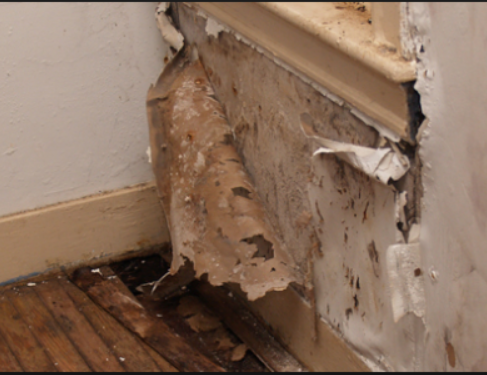
Advice on Damp problems – are these damp specialists trying to make a quick buck?
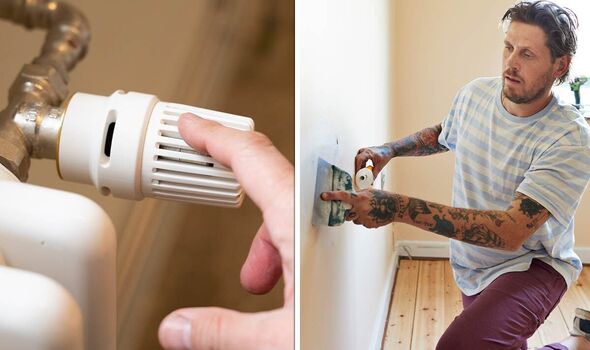
How to 'warm up' cold walls and 'protect' your home from condensation and mould growth
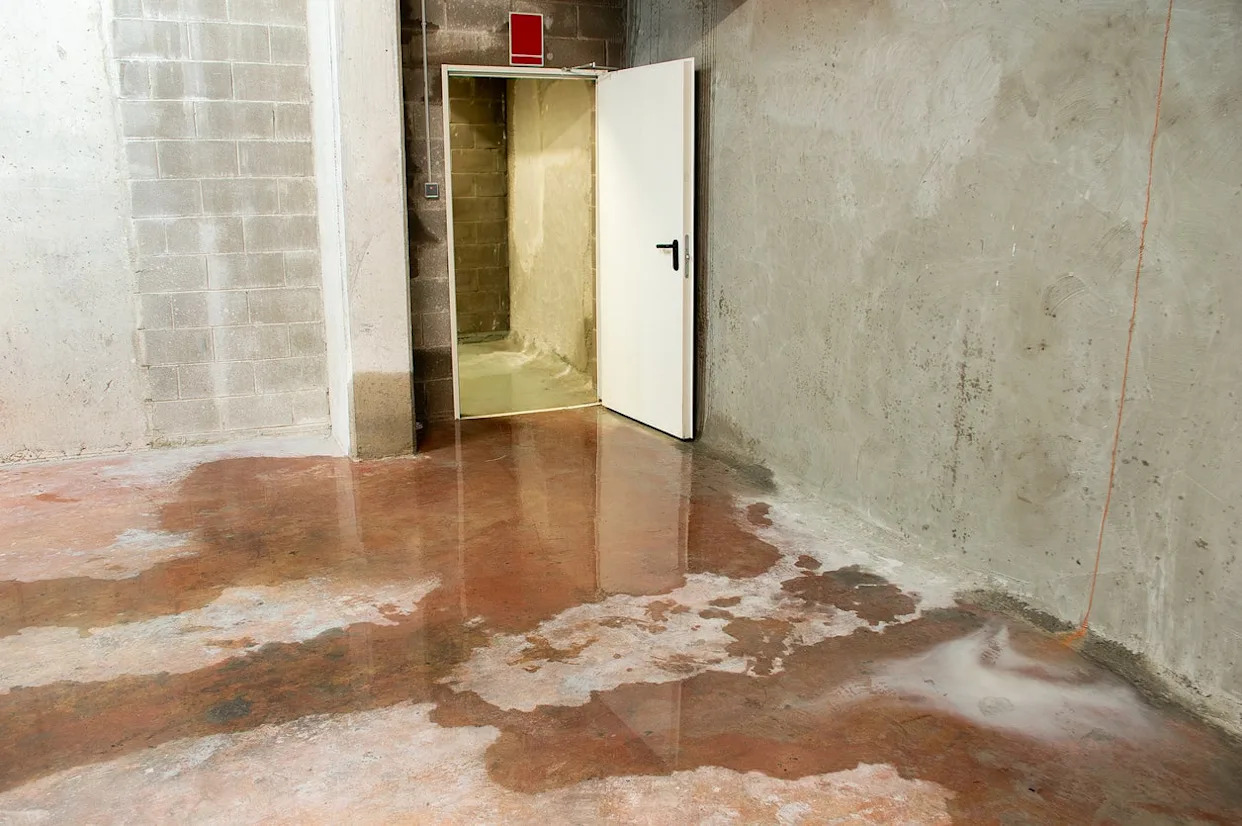
Solved! Here's What to Do About Water Leaking Into the Basement After Heavy Rain
What a damp basement can do to brick

How to ventilate a basement – expert tips to reduce damp and mold
The Ins and Outs of Working with Liquid Flashing

How to fix wet walls, mold, and other damage caused by winter


This is the only thing keeping my windows condensation-free
Lots of rain can mean mould, this is how to get rid of it. - ABC Emergency

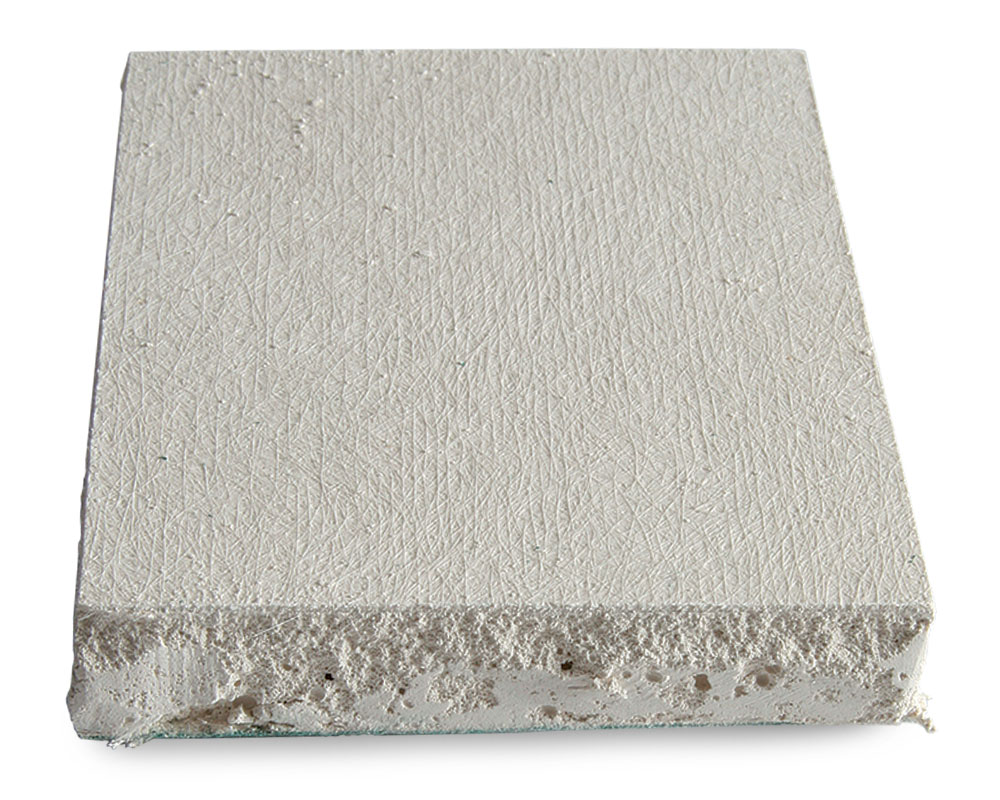
Fight Mold With Paperless Drywall

Can a dehumidifier dry out damp walls? Expert tips you need to know to drive out unwanted moisture this winter
Solved! Why Is Water Seeping Through My Basement Floor?

How to Get Rid of the Musty Smell in Your Basement
Story from Arizona Painting Company: Heavy desert rain can create more home repair problems than just roof leaks