camarim arquitetos restores lisbon house with decorative facade of patterned tiles
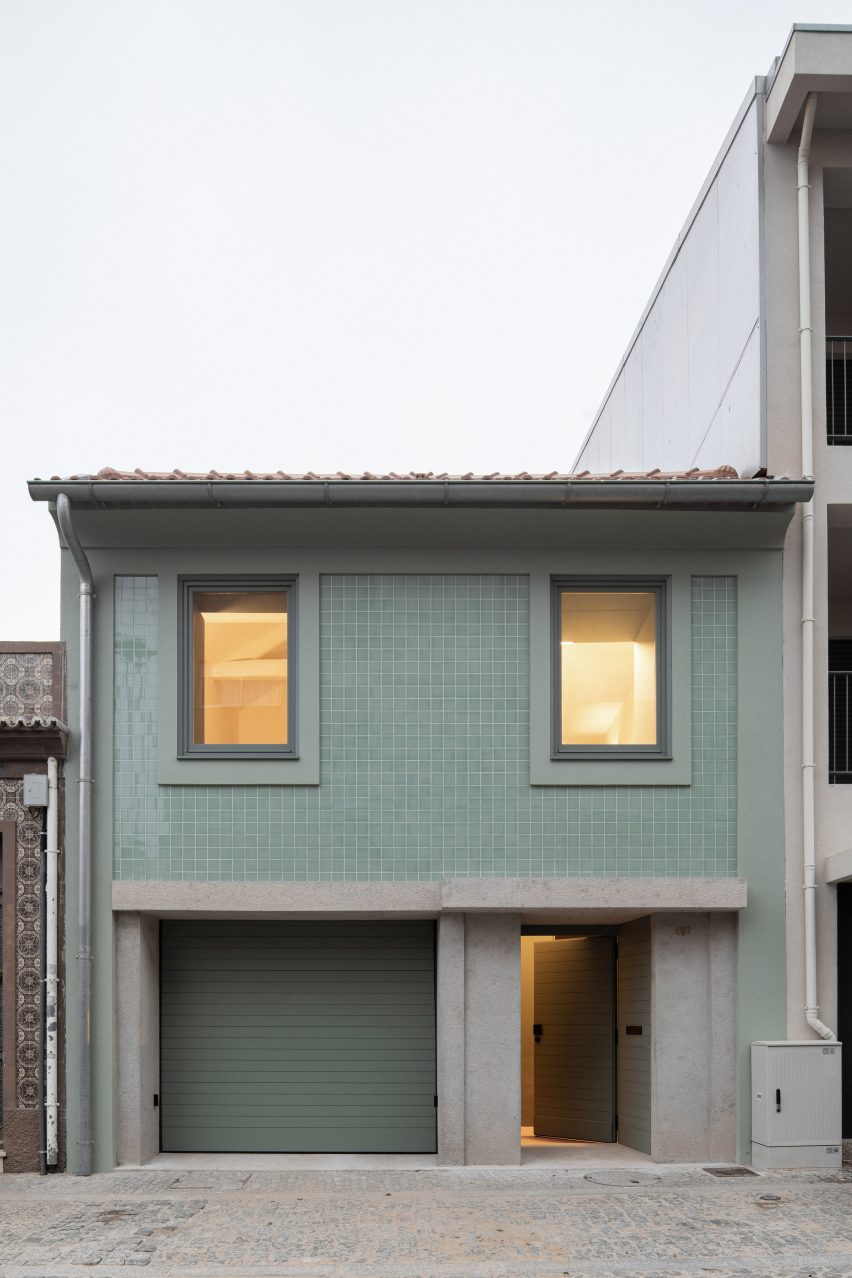
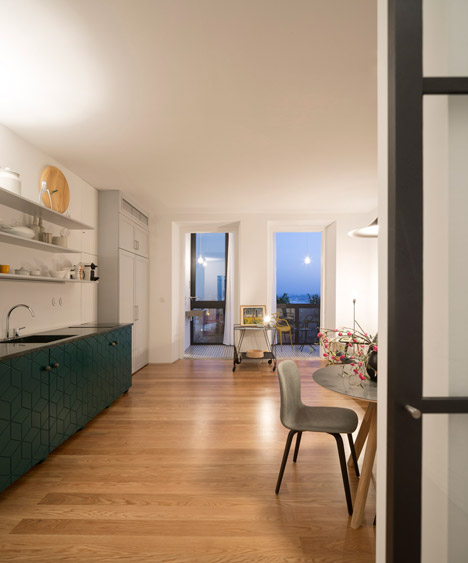
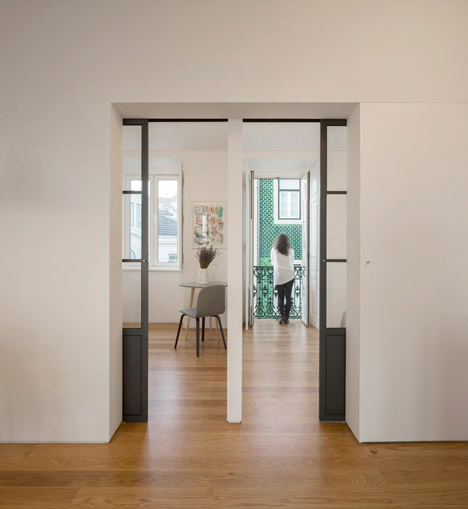
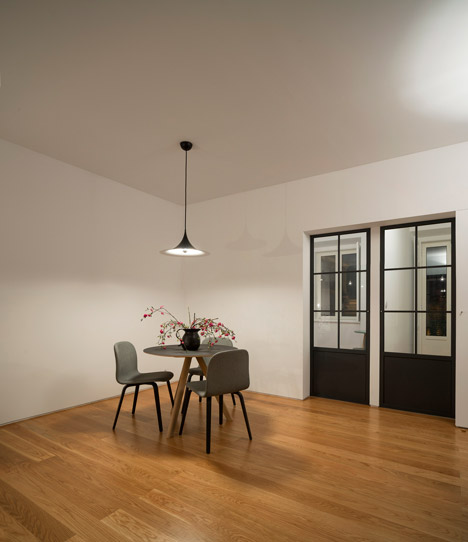
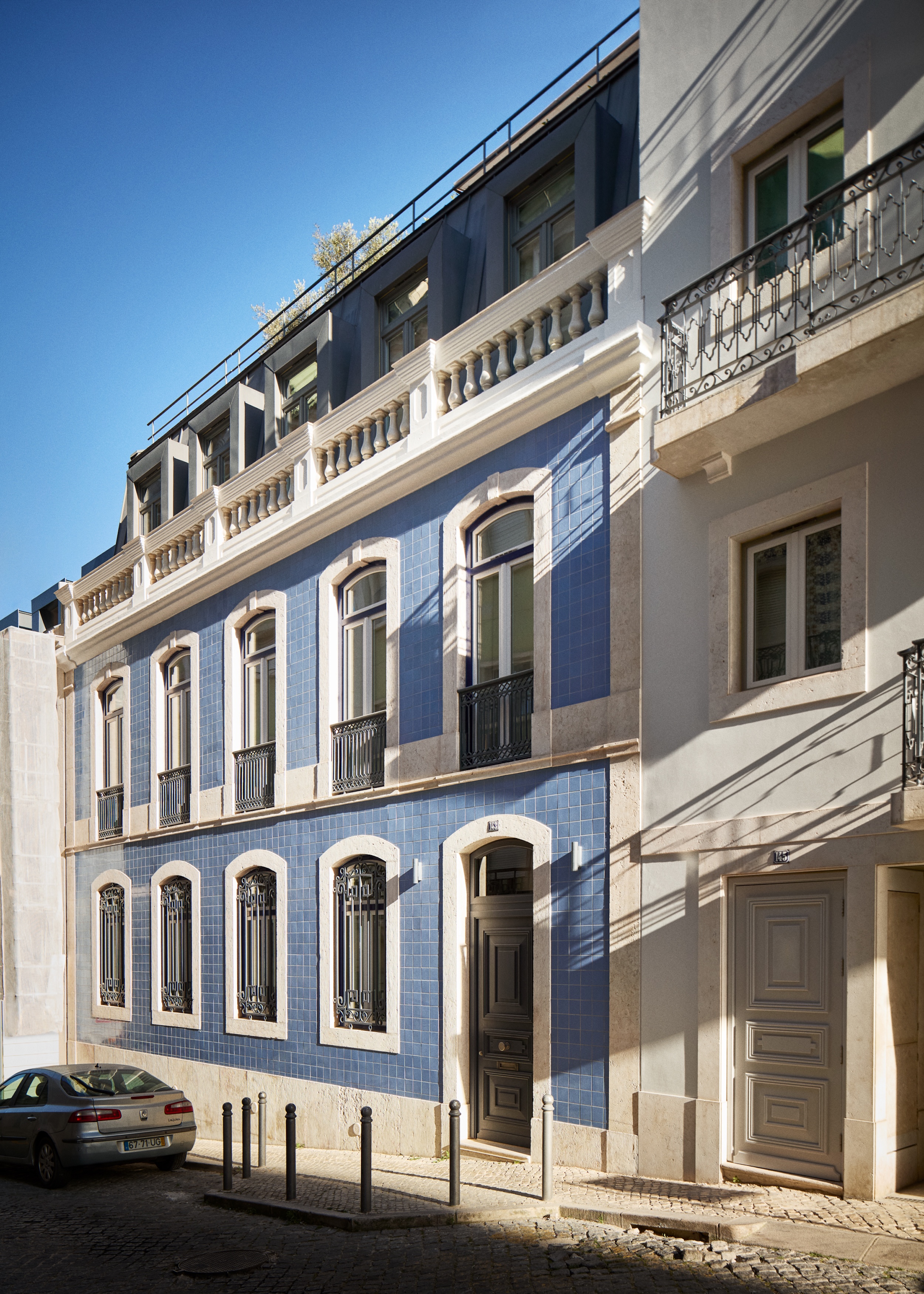
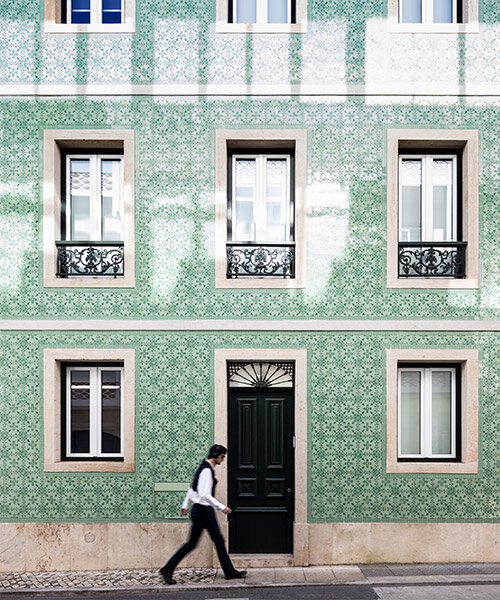
Camarim Arquitetos has completed the renovation of House No. 11, a historic residential building located in Lisbon's Santa Isabel neighborhood. This project involved transforming a century-old collective housing structure into a private residence, with a distinctive facade characterized by green patterned tiles, a nod to traditional Portuguese architecture. The building's original state included an ornamental front facade, while its side and rear elevations were more utilitarian. The architects' vision aimed to integrate the building more deeply into its unique surroundings, which include an industrial school and a cemetery, as well as considering the wider context of the street, a gardened cemetery, a private garden, and a distant river.
The renovation process involved a substantial deconstruction of the building's interior, along with its east and rear facades. The design team drew inspiration from the preserved front facade to develop a new compositional program that redefined the building's edges. This approach focused on either refining existing architectural and decorative elements or introducing new ones to create a 'chronological' design that reflects the building's historical layers and its transformation. The material palette for the exterior combines traditional and modern elements, featuring copper-coated zinc, dark-green wrought iron, engraved ceramic tiles, terracotta flat roof tiles, and both replica and restored traditional ceramic tiles.
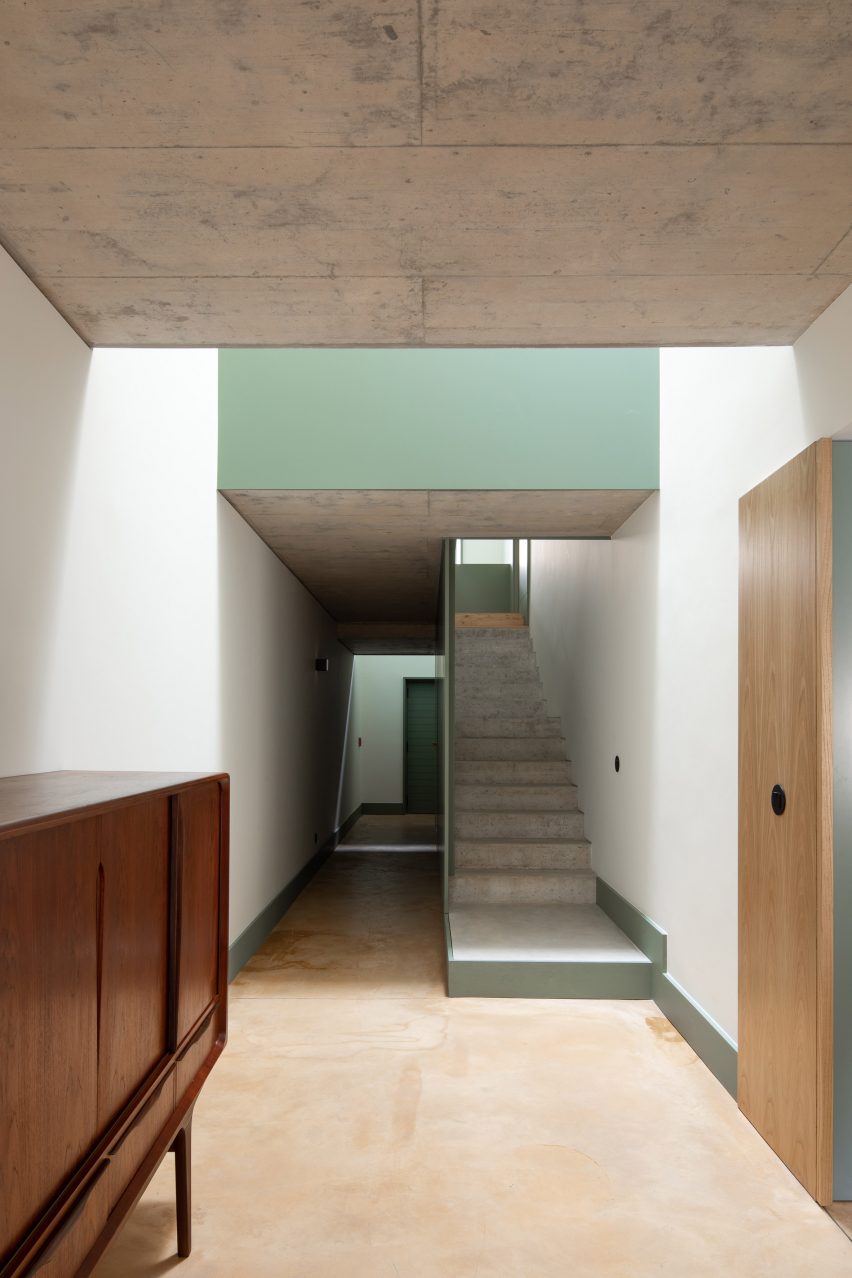
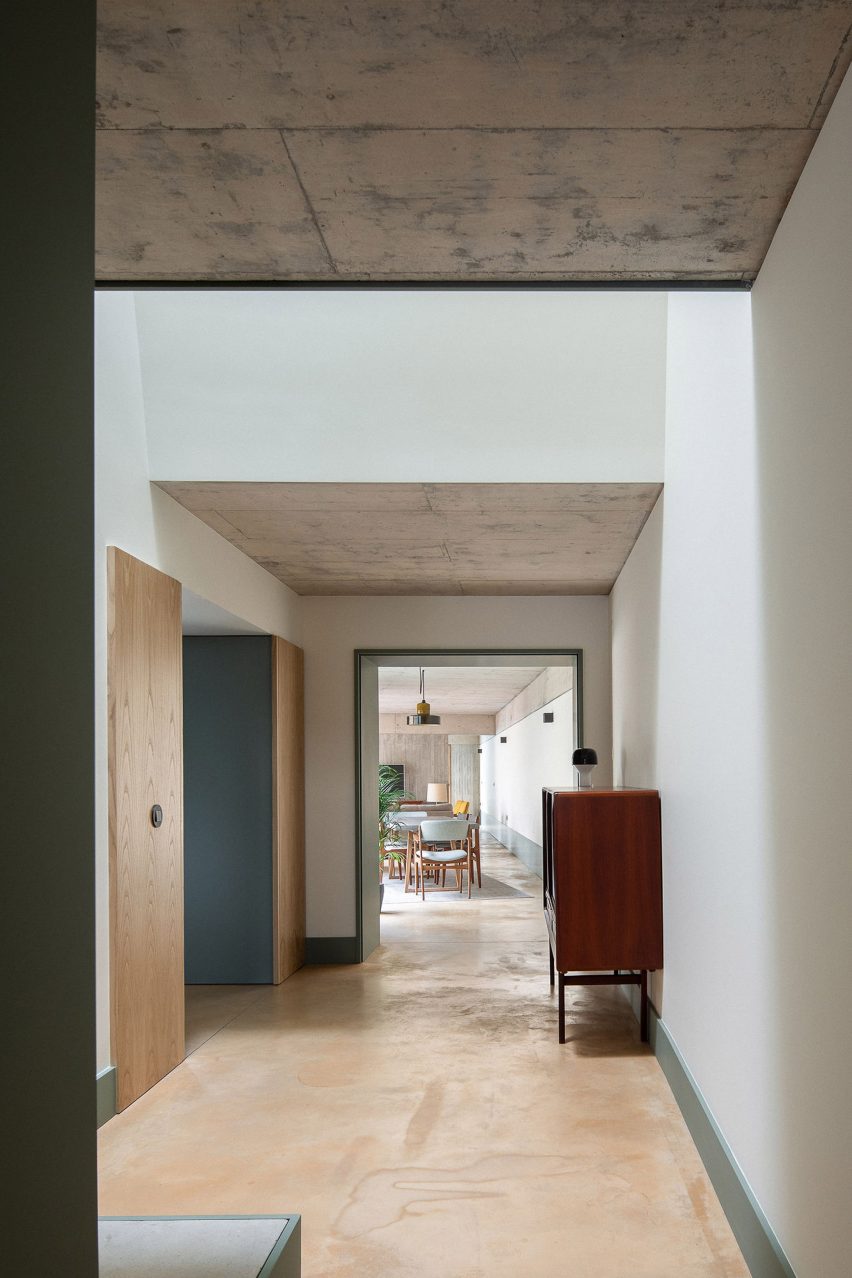
A key aspect of the project was to establish a continuous flow that defines the experience of the house, both inside and out. The rear facade, in particular, offers a clear expression of the interior layout, which is organized around a central atrium. This atrium is designed to dynamically vary in height, contributing to the sense of flow and spatial interest within the residence. The project reflects a careful balance between preserving the historical essence of the structure and adapting it to contemporary residential needs, all while ensuring a contextual response to its diverse urban and natural environment.
House No. 11 narrowly avoided demolition in 1942, underscoring its historical significance as an example of early 20th-century collective housing. The architects sought to imbue the transformed building with a strong sense of context, a quality they believed was potentially lacking in its original construction. The careful selection of exterior materials and the thoughtful reshaping of the facades aim to create a harmonious blend of past and present, making the residence a notable example of architectural renovation in Lisbon. The project, photographed by Nelson Garrido, showcases Camarim Arquitetos' commitment to integrating architectural heritage with modern design principles.
#HouseNo11 #CamarimArquitetos #LisbonArchitecture #ResidentialRenovation #PortugueseTiles #FacadeDesign #HistoricBuilding #ArchitecturalTransformation #HouseNo11 #CamarimArquitetos #LisbonArchitecture #ResidentialRenovation #PortugueseTiles #FacadeDesign #HistoricBuilding #ArchitecturalTransformation
0 comment in total
 No comments yet
You may also like
Spellbinding 17th-Century Frescoes Await in this $3.7M Lisbon Flat

Lisa Tharp Gives a 19th-Century Greek Revival Home a Contemporary Makeover

Portuguese tradition and California cool merge in this zen-like home in Lisbon

Why London homeowners are turning back to traditional coving styles
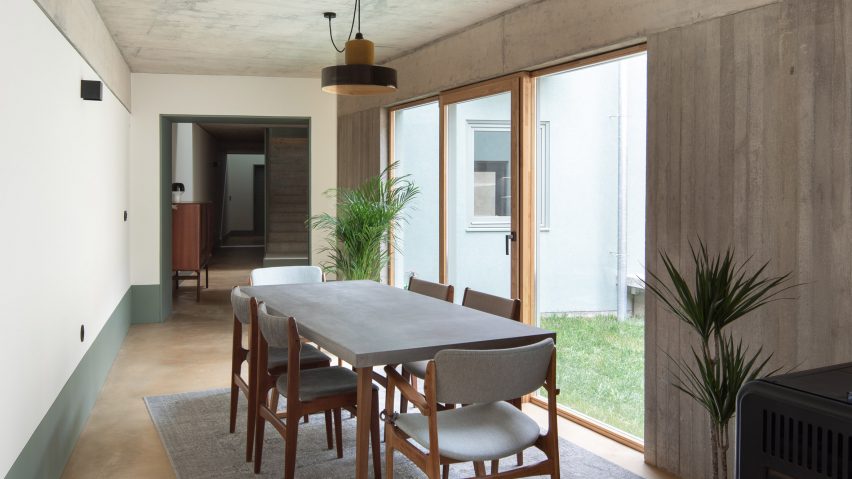
DepA Architects clads traditional Portuguese house in sage-green tiles
Inside a soulful Spanish Revival home in Los Angeles

Inside the Eclectic Home of a French Antique Dealer

This Beautiful Mexican Painter’s Studio Is So Charming, It Even Has Its Own Donkeys
Here's How to Give an Old House a Modern Makeover Without Stripping Away the Charm
An Interior Designer’s Take on a Heritage Remodel
This London maisonette has been revived with vibrant and energetic colour and pattern
This redesigned 1950s home is a lesson in how to tile in style – Scandi-style

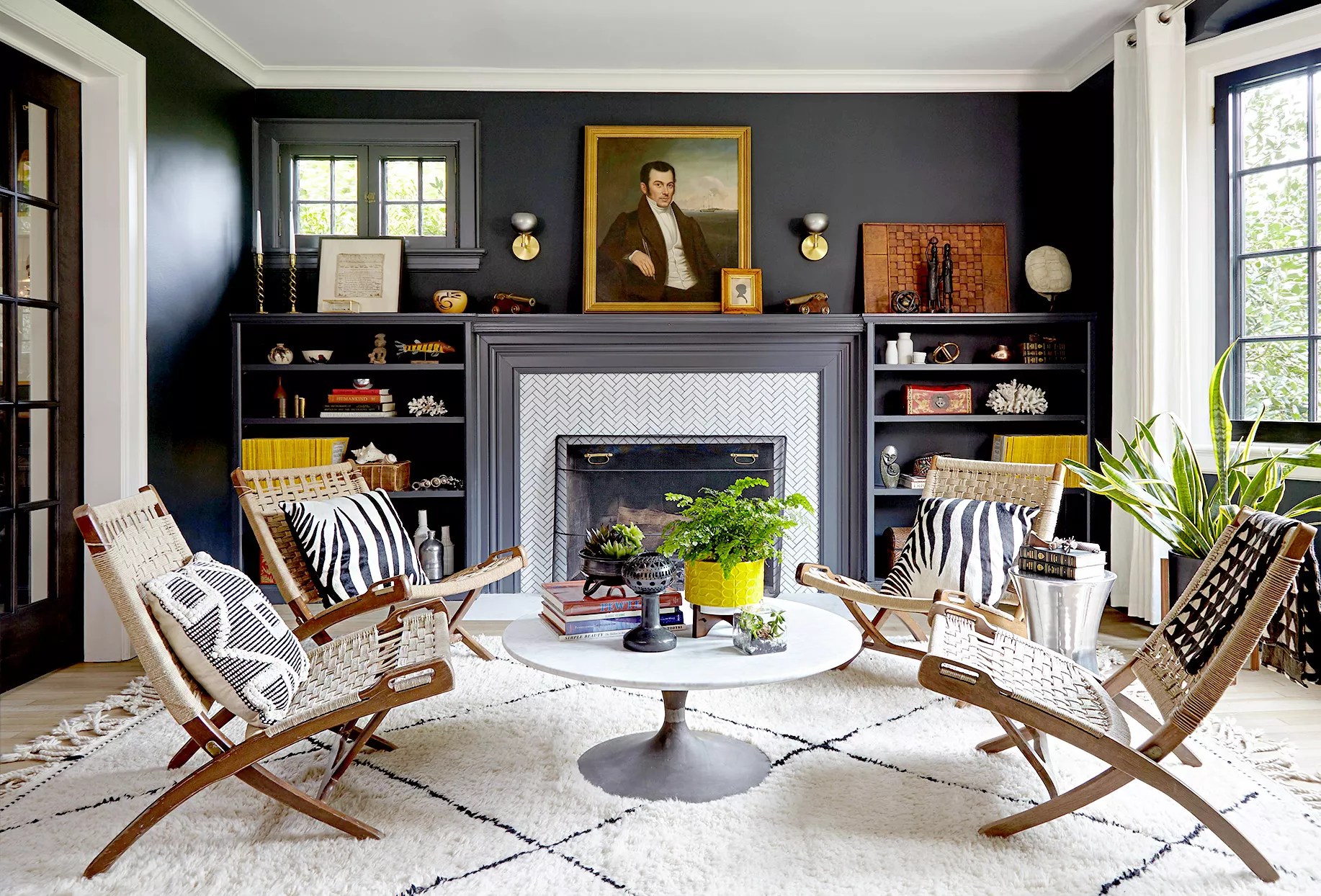
Renovating a Home? Here's How to Modernize Without Losing Character

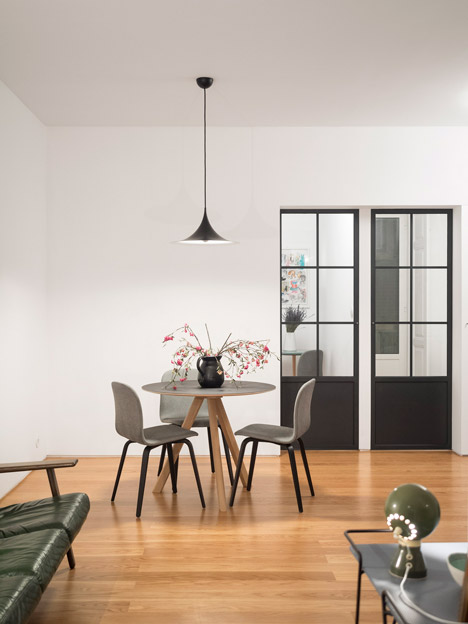
Fala Atelier guts Lisbon apartment to create bright open-plan home
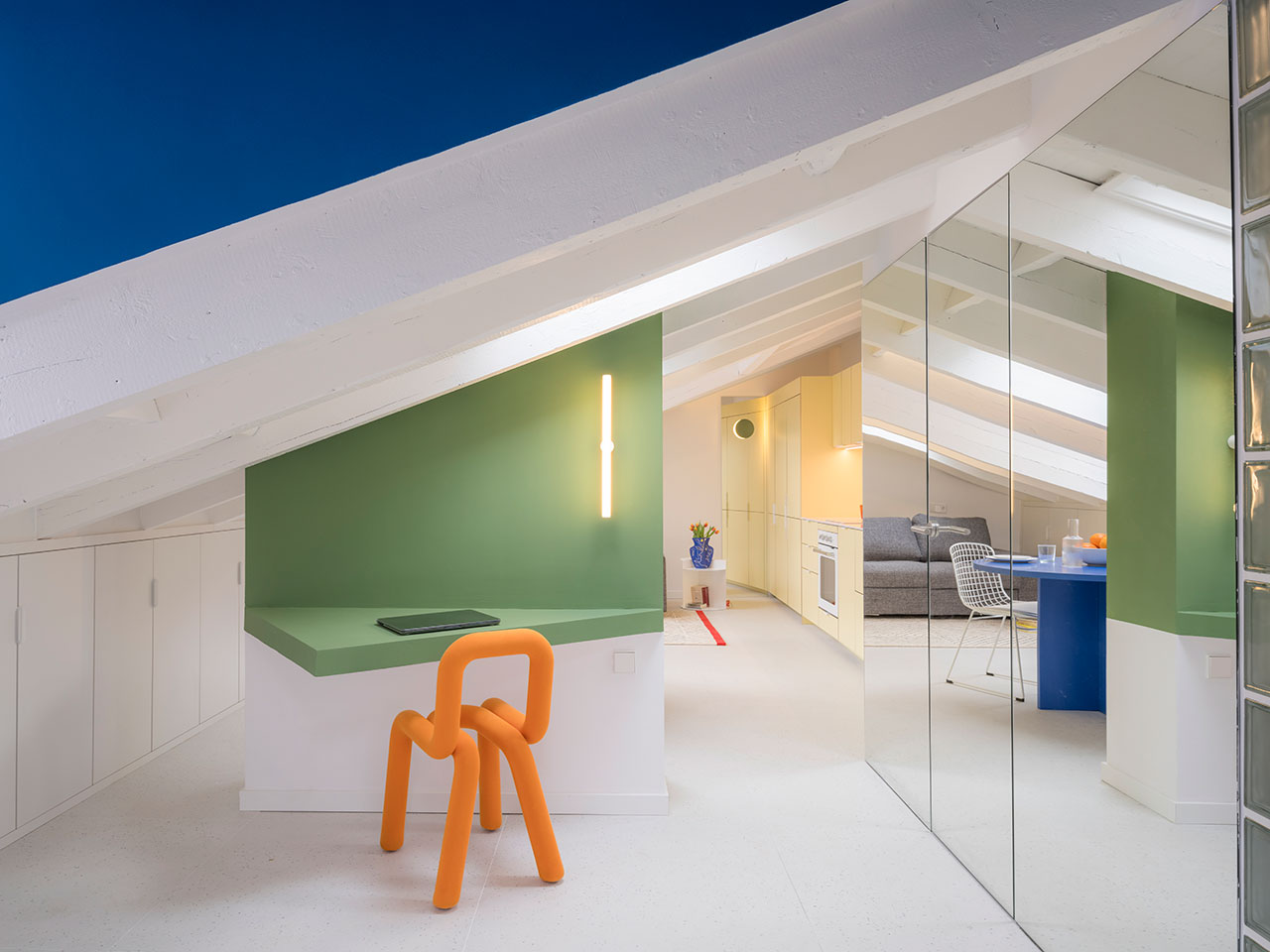
Casa Flix: A Drab Attic in Madrid Undergoes Colorful Renovation
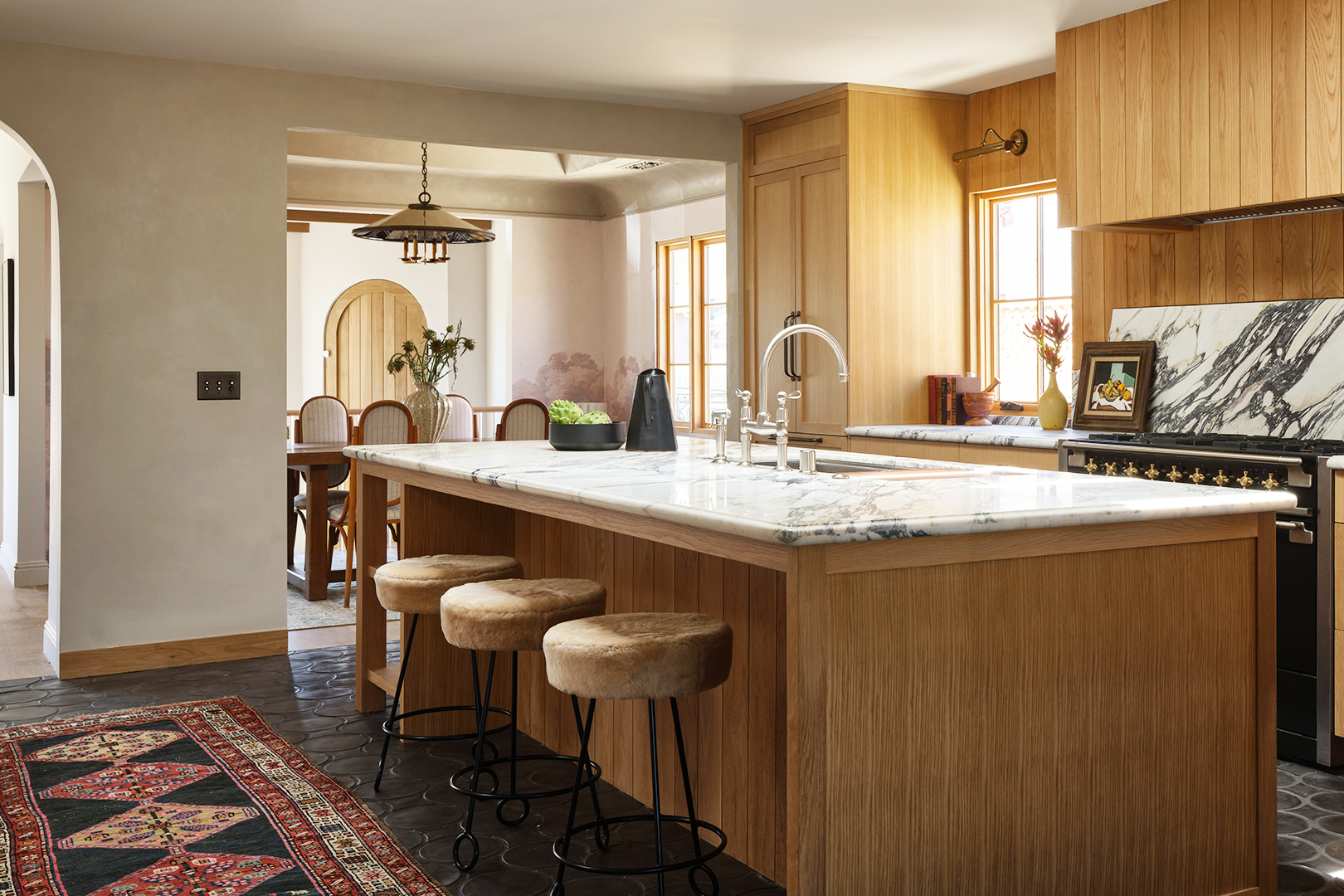
Even the ADU at This Spanish-Inspired Cali Home Puts a Fresh Spin on the Ubiquitous Style

This Storybook Spanish Revival Features Floral Motifs and Whimsical Tile in Almost Every Room
Summer Interiors Inspiration: A Portuguese Villa, Brought Back To Life
Reviving a 1927 Spanish Colonial Home for Modern Living
Imperial Design Elegance in Cambridge Home