1/2
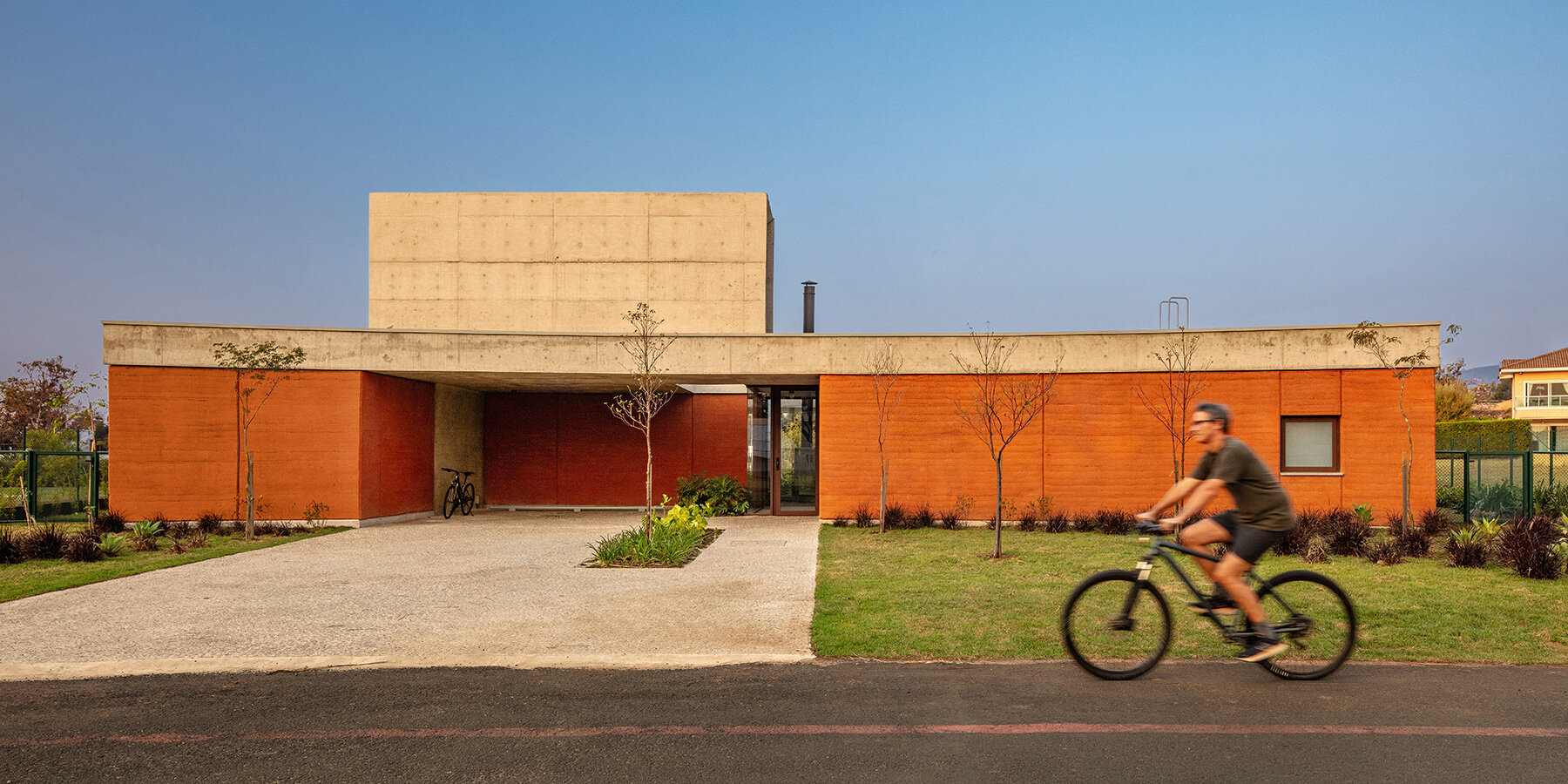
made of rammed earth, azulpitanga's vv house fuses with araripe national forest in brazil
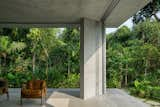
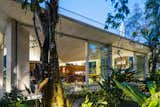
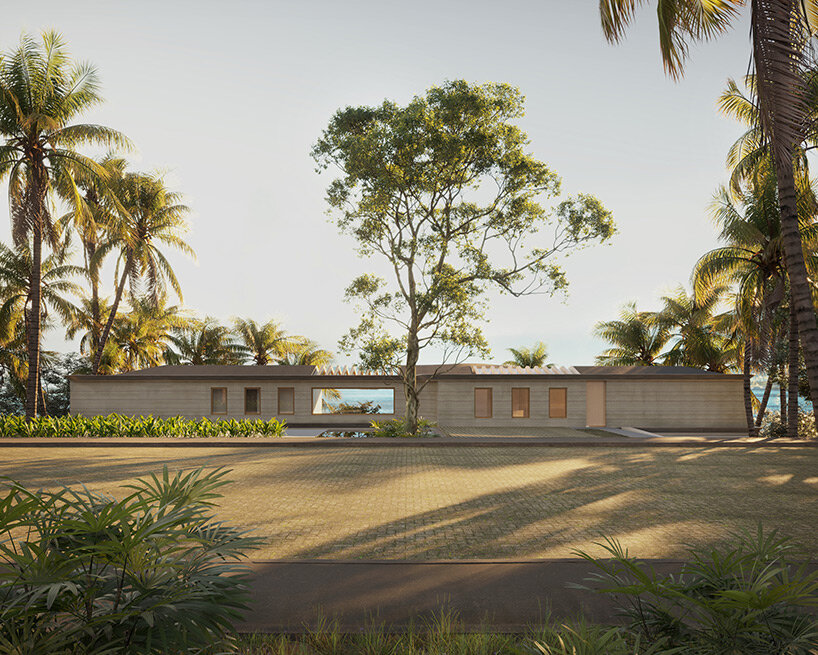
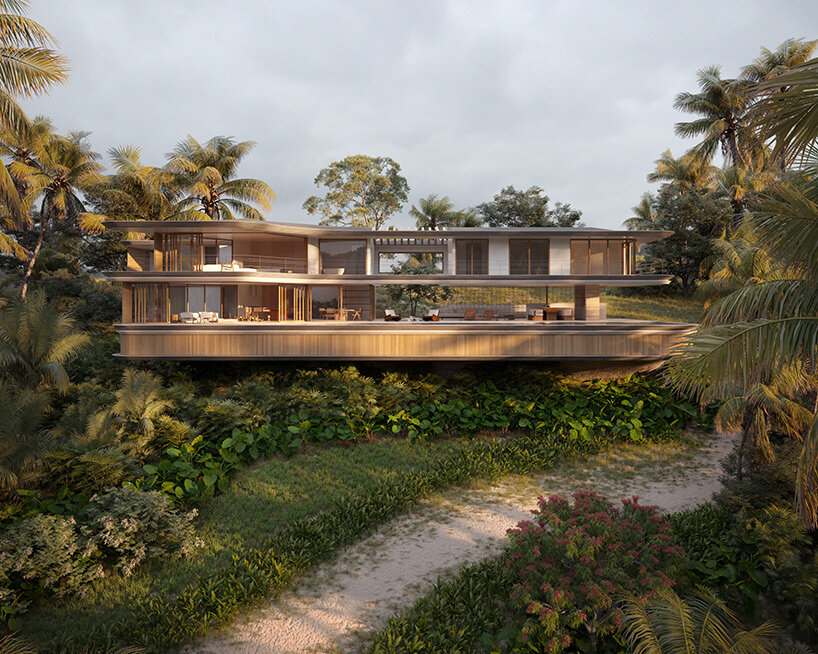
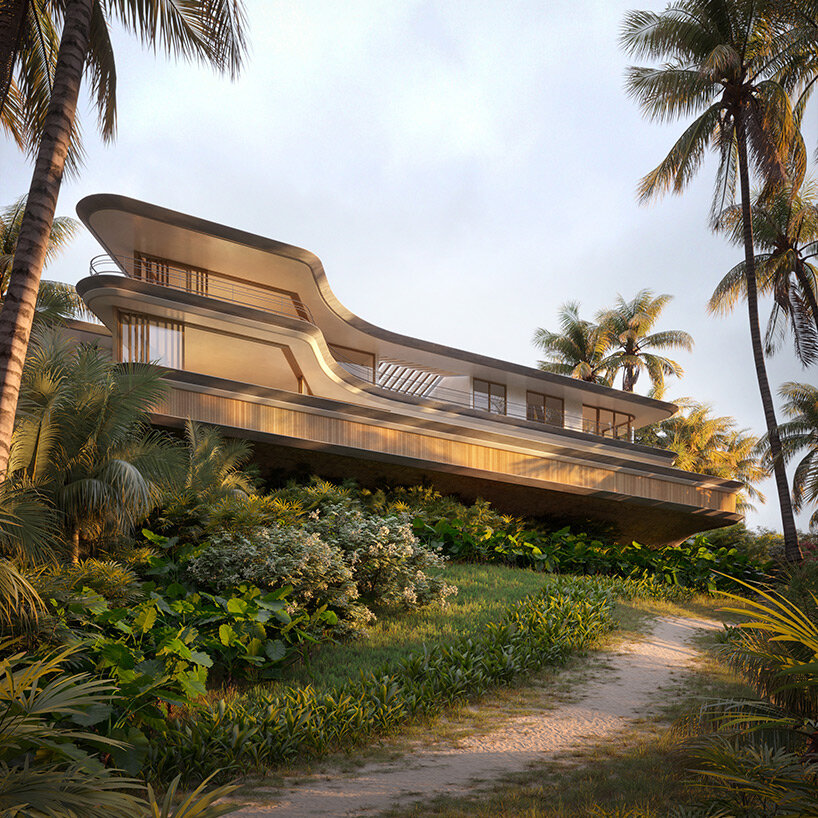
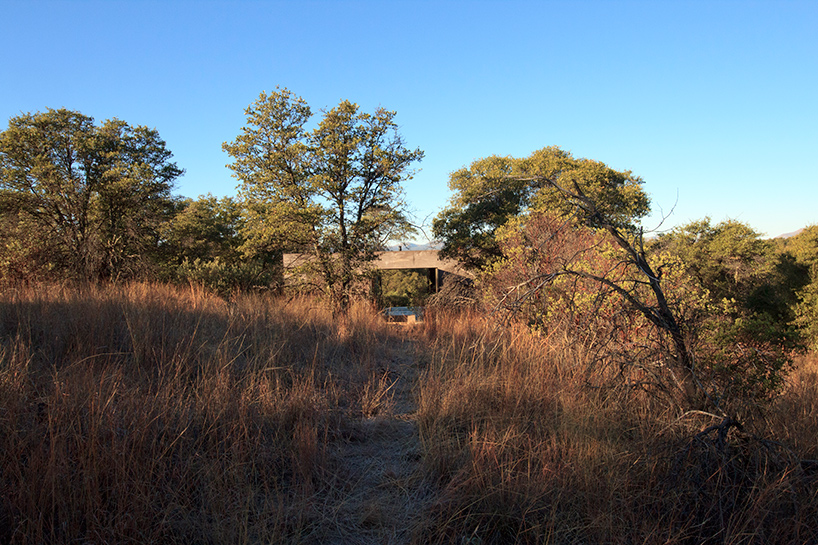
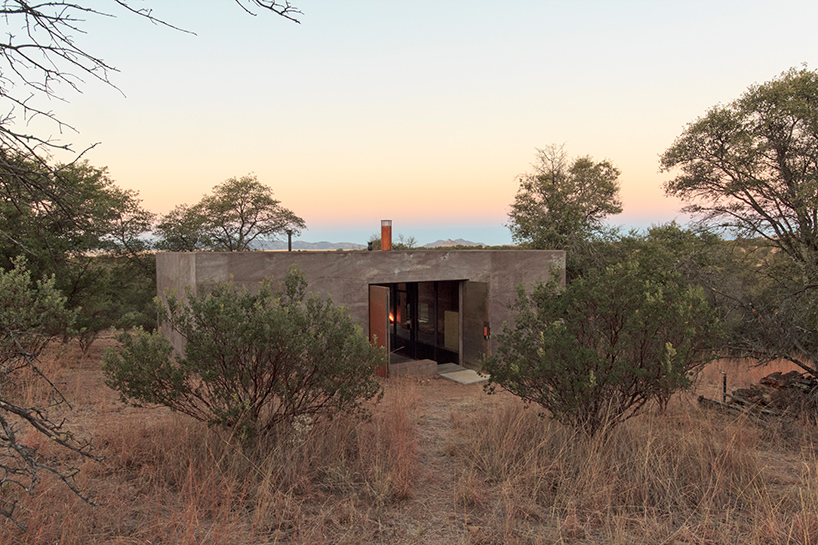
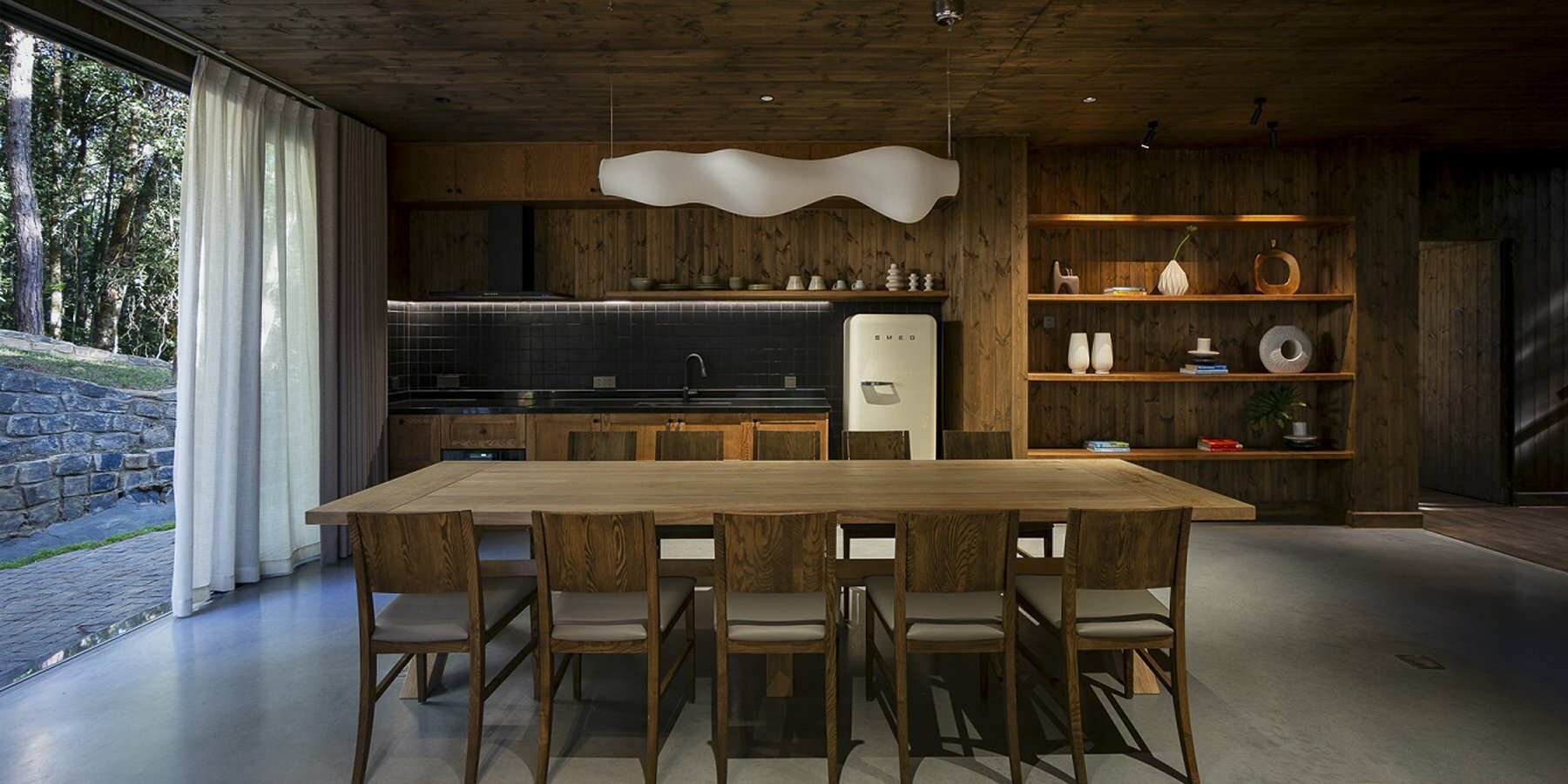
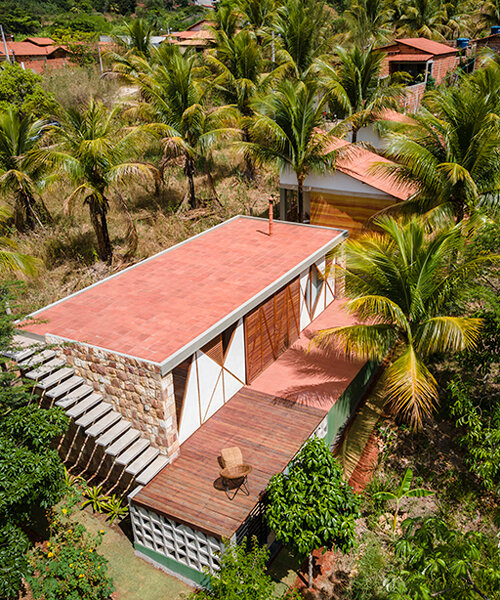
VV House, designed by AzulPitanga, is situated amidst coconut trees at the base of Chapada Nacional do Araripe in Barbalha, Ceará, Brazil. The design approach emphasizes integration with the natural environment through careful material selection and architectural planning. The house uses local materials, including Barbalha stone and rammed earth, to achieve a harmonious blend with the landscape. This residential project is thoughtfully fragmented into four distinct structures, which are interconnected by external pathways. These pathways serve to guide both residents and visitors, fostering both physical movement and visual engagement with the surroundings. The four structures comprise a social block, a private suite for the couple, a guest suite, and an open space specifically designed for the storage of a vintage Beetle car.
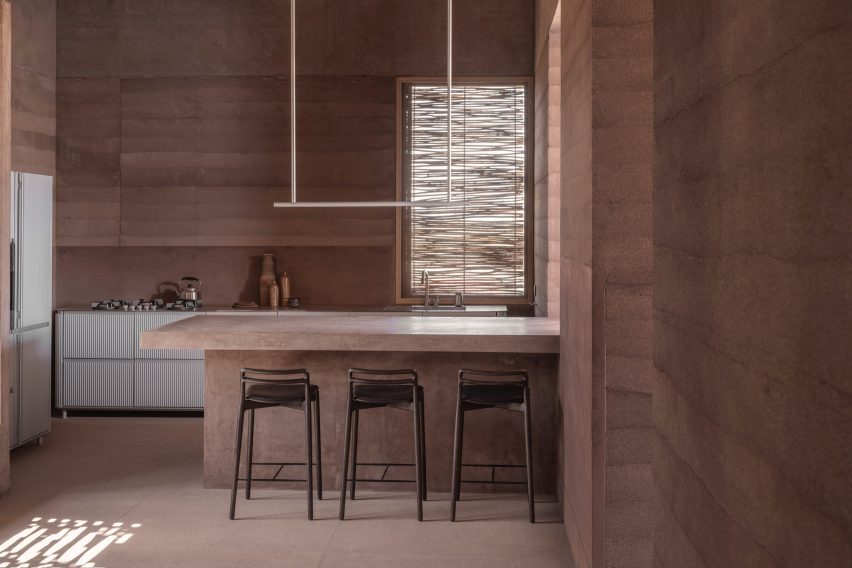
The social block, which acts as a central gathering point, incorporates a gathering room, a kitchen, a storage room, a toilet, and a gazebo. The gazebo offers expansive panoramic views of the surrounding natural landscape, enhancing the connection between the interior and exterior environments. Instead of presenting a single, imposing structure, the design strategically fragments the house. This fragmentation is a deliberate choice to minimize disruption to the existing natural flows of energy, animal movements, water, and wind across the site. By adopting this approach, the house effectively camouflages itself within the vast and rich natural landscape of the Araripe National Forest.
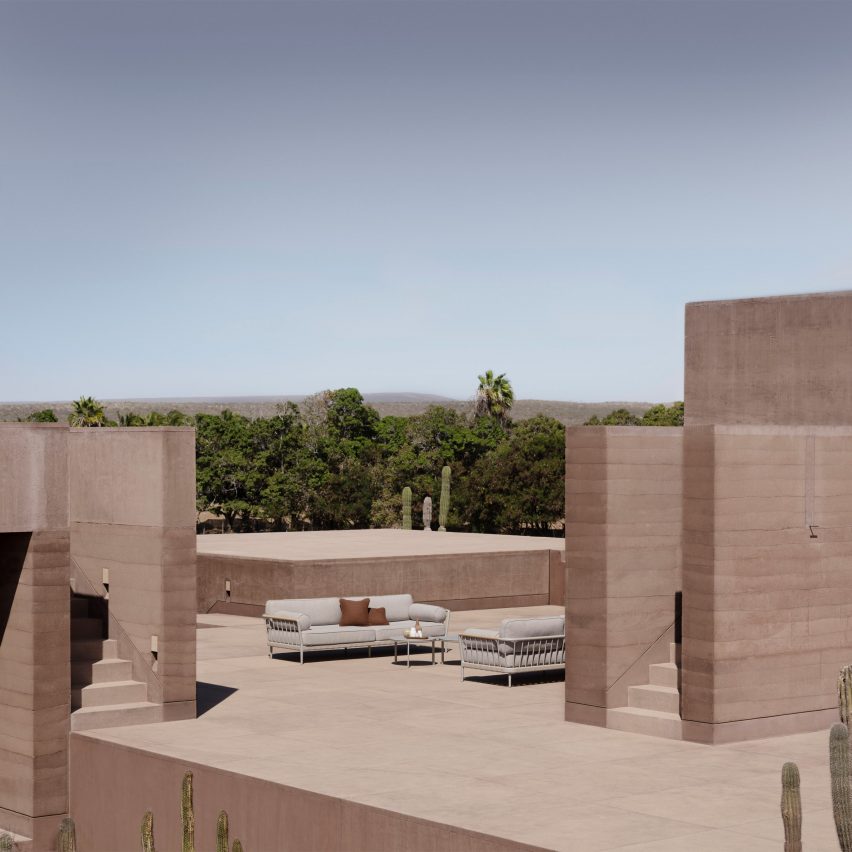
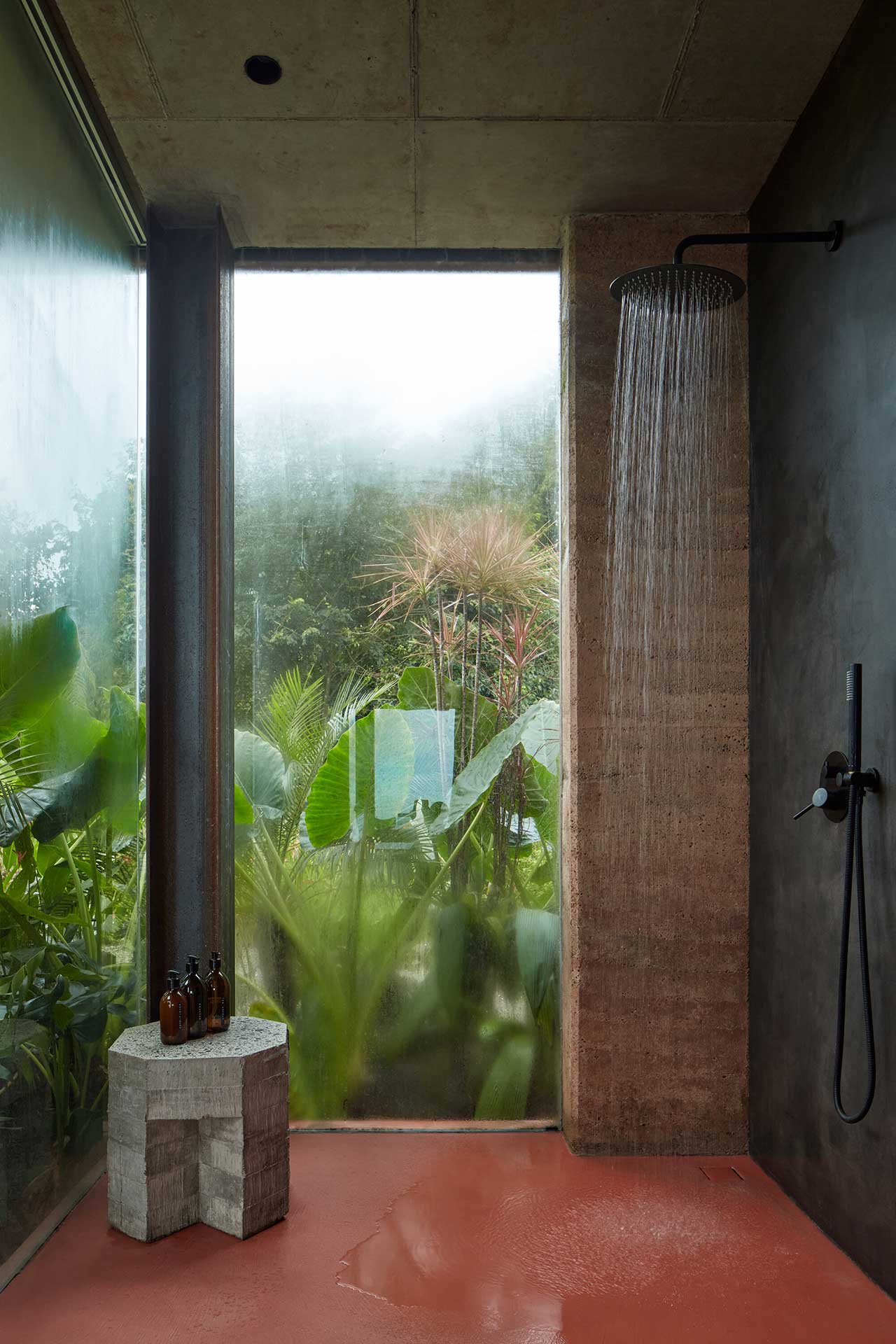
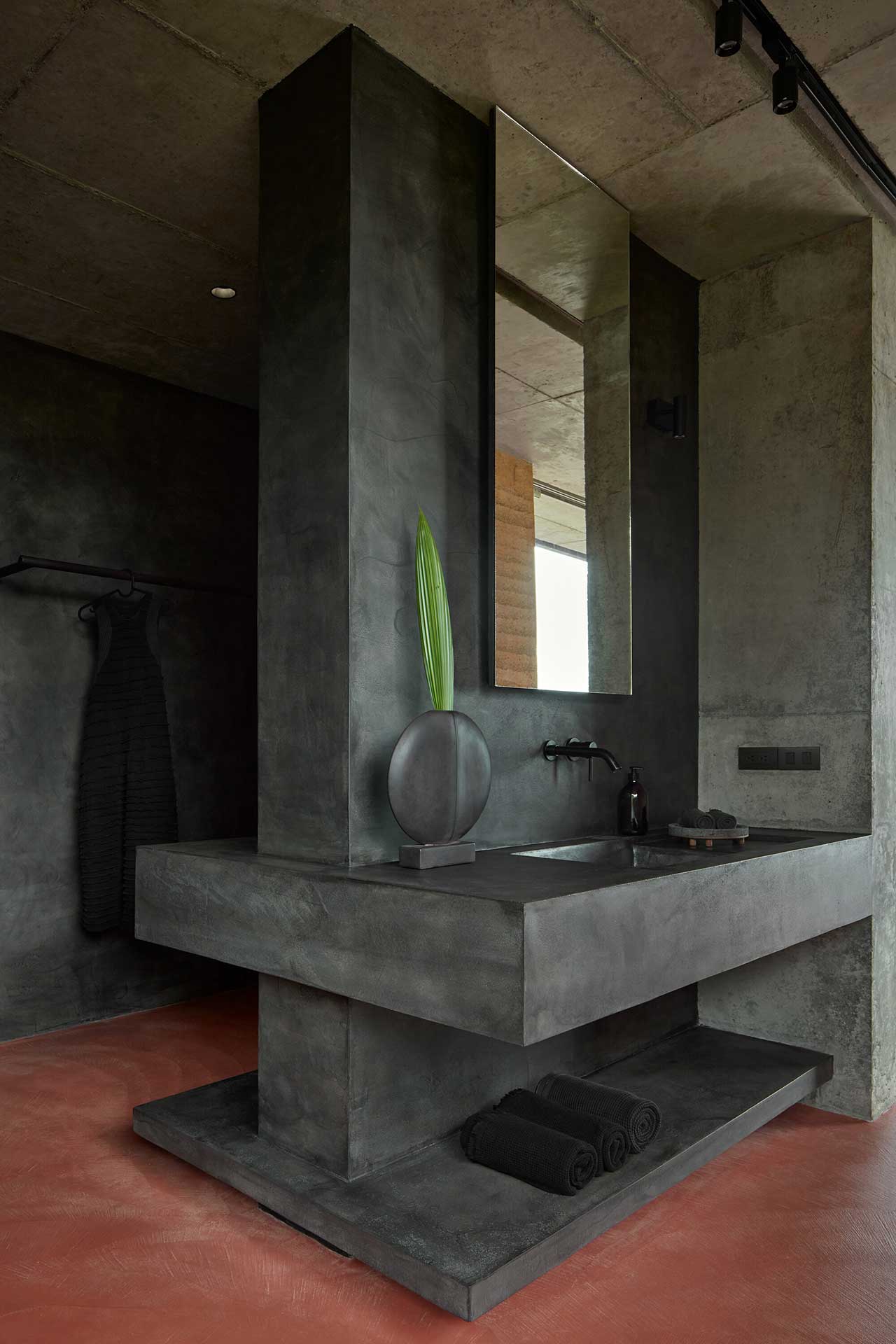
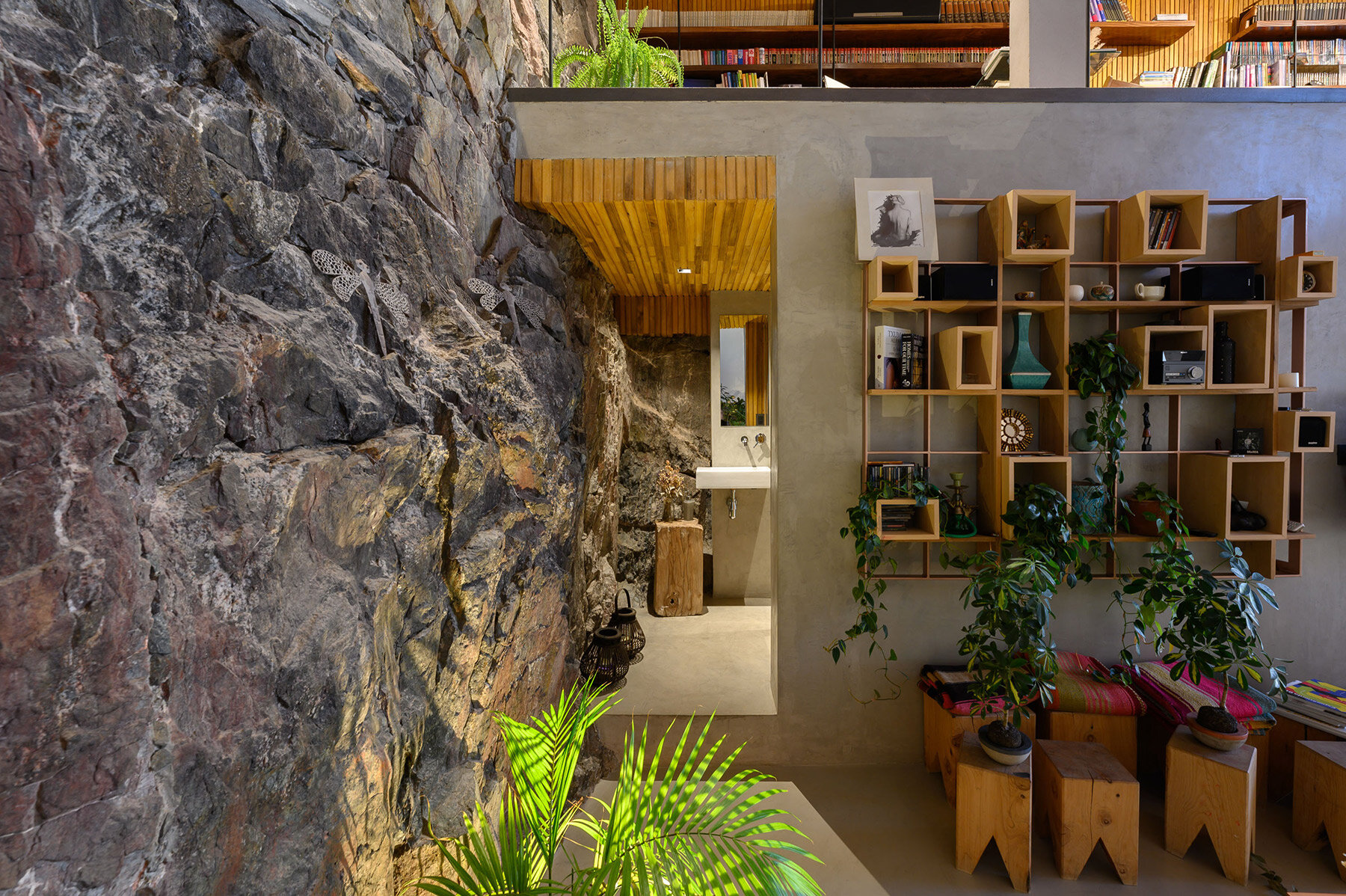
AzulPitanga's design team meticulously chose rammed earth walls for their inherent thermal inertia, a quality that aids in effectively regulating the interior temperatures of the house. The orientation of the rooms is optimized to capture sunlight from the east and west, while specific architectural elements like small balconies and closets are strategically placed to shield the interiors from the intense western sun. Bathrooms in VV House are designed with large windows that open directly onto the landscape, fulfilling the residents' desire for an immersive, nature-connected bathing experience. This connection is further accentuated by the use of natural stone flooring within these bathrooms.
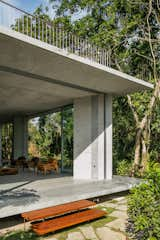
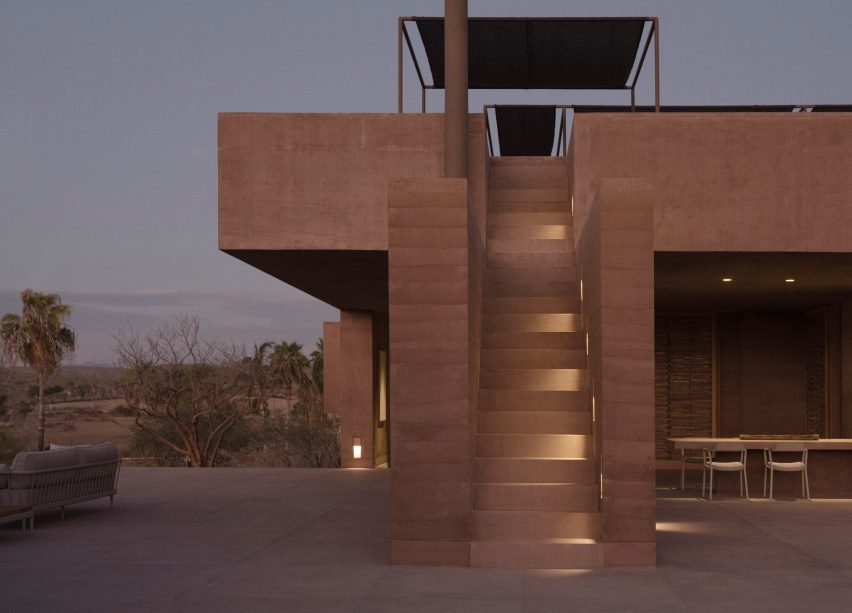
The social block's architectural identity is defined by two parallel walls constructed from Barbalha stone and a large, rectangular slab roof. This roof is supported by four recessed pillars, contributing to the block's open and integrated feel. The east and west facades of the house feature a half-timbering technique, utilizing massaranduba wood bars. These bars are either sealed with reinforced mortar, fitted with fixed glass, or integrated as wooden shutters, providing versatility in light and ventilation control. The design also incorporates large sliding shutter doors, which facilitate a seamless transition between indoor and outdoor spaces. An external stone wall staircase leads to a rooftop viewpoint, offering another vantage point for appreciating the natural surroundings.
VV House also demonstrates a commitment to ecological preservation by respecting and maintaining a natural water line that traverses the property during rainy seasons, ensuring the continued flow of water to the Arajara River. The house's circulation axis is carefully aligned with the natural topography, integrating ramps and terraces that meander among the existing trees. This design philosophy ensures that the house organically emerges from its site, honoring and sustaining the pre-existing natural patterns and elements. The project encapsulates the clients' desire for a lifestyle deeply intertwined with natural energies, a philosophy reflected in the house's minimalist architectural style and its Mediterranean influences. VV House exemplifies a sensitive and sustainable architectural approach, achieving seamless integration with its environment while providing both functional and aesthetically pleasing living spaces that balance traditional building methods with modern design principles.
#RammedEarth #SustainableArchitecture #BrazilianArchitecture #EcoFriendlyDesign #NaturalMaterials #IntegratedLandscape #MinimalistArchitecture #ResidentialDesign #AraripeNationalForest #RammedEarth #SustainableArchitecture #BrazilianArchitecture #EcoFriendlyDesign #NaturalMaterials #IntegratedLandscape #MinimalistArchitecture #ResidentialDesign #AraripeNationalForest
0 comment in total
 No comments yet
You may also like
A Concrete Home in Brazil Lets the Owners Practically Live in the Jungle

coastal brazilian 'cacao residence' is planned by victor ortiz in rammed-earth
A Sustainable Rammed Earth Home in New Mexico
APS concept studio nestles wooden villa into vietnamese countryside
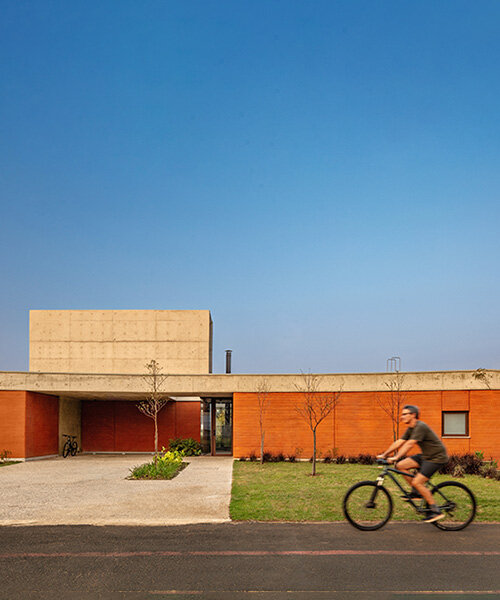
UNA barbara valentim wraps japi house with curved rammed earth walls in são paulo
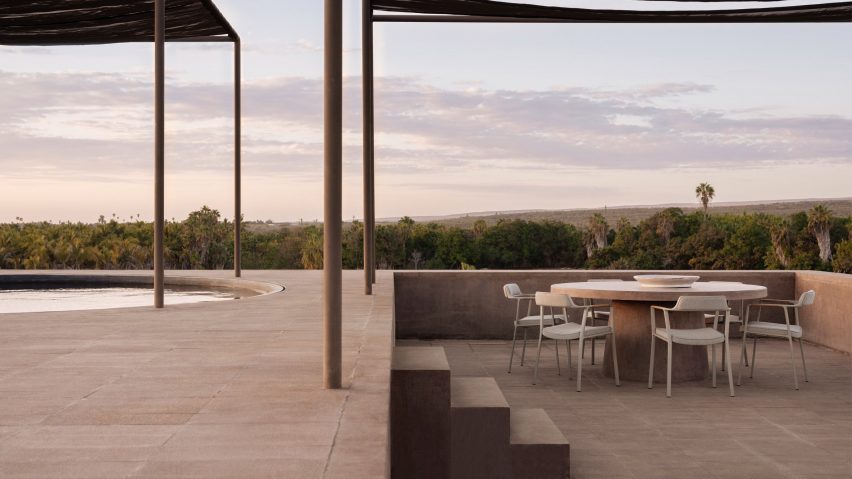
PPAA designs rammed-earth guesthouse in Mexico to "blend seamlessly with the terrain"
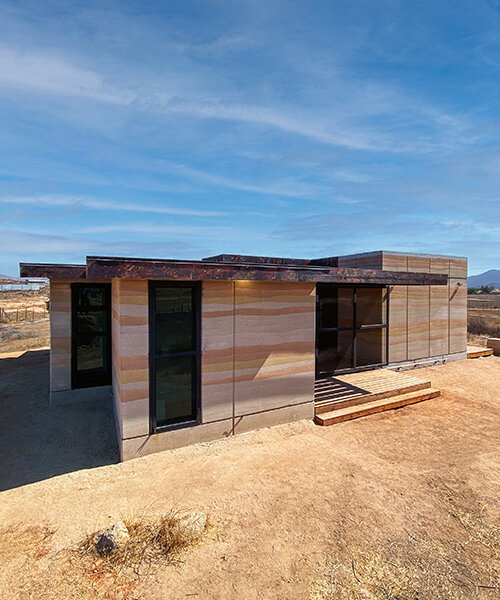
clad in rammed earth + burnt wood, 'santerra house' echoes the arid mexican landscape
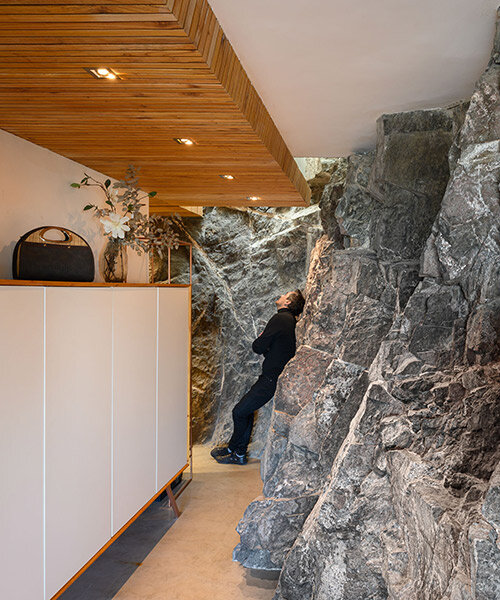
minimalist architecture meets raw stone: a house in argentina is built into the earth
A Dramatic Floating Roof Crowns This Rammed Earth Home in Arizona
rammed earth, chukum and local materials complete residence in historic mexican hacienda
DUST custom builds an off-grid arizona dwelling from volcanic rock
rammed-earth residence unfolds around central planted courtyard on mexico's coast
rammed earth sculpts azulpitanga's tiny shelter in the araripe forest of brazil
Rammed Earth Walls Tie This Eco-Friendly Home to the Desert
compressed earth blocks and a vaulted roof complete this intermediate house in paraguay
red brick and concrete stacked blocks shape vão house in brazil
Two Levitating, Rammed Earth Villas in a Costa Rican Jungle

red timber-clad skin embraces park house's art nouveau facade in aveiro