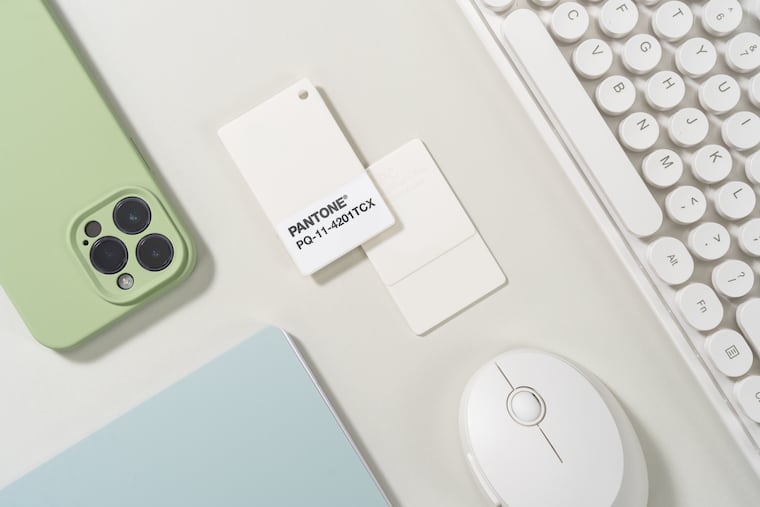
White is the 2026 Pantone Color of the Year. They say the choice isn’t political.
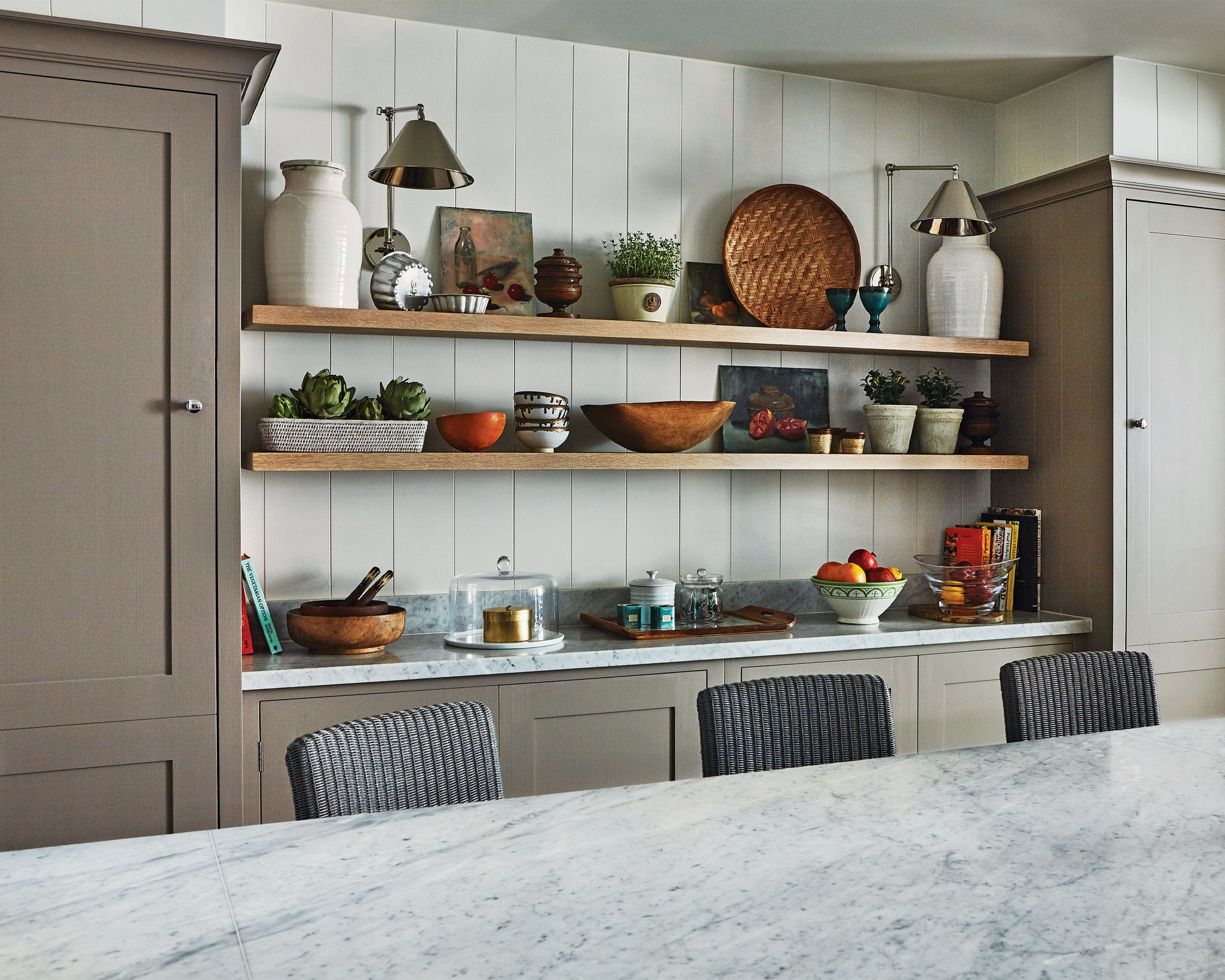
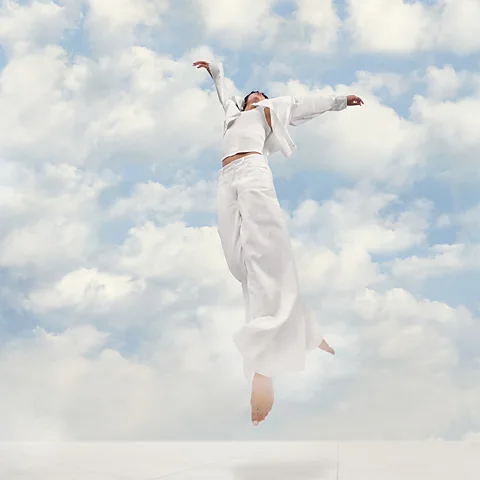
The Pantone Color Institute, based in New Jersey, has named Cloud Dancer—a soft, balanced white—as its 2026 Color of the Year. Pantone states that this choice reflects a collective desire for calmness, a clean slate, serenity, and focus, aiming to provide relief from the overstimulation of daily news, AI-generated content, and hustle culture. Laurie Pressman, vice president of the Pantone Color Institute, emphasizes that white offers respite, allowing for clear thought, refocusing, and charting new futures, embodying a pause for reflection and a future free of toxicity and excess, promoting contentment, peace, unity, and cohesiveness.
White is celebrated for its versatility and classic appeal in various aspects of life, from fashion to interior design. Leatrice Eiseman, executive director of the Pantone Color Institute, highlights white's natural, organic, and sustainable qualities, describing it as ethereal, dreamy, and symbolic of new beginnings. The article acknowledges the aesthetic and practical benefits of white, such as its comfort in fashion (e.g., architectural white shirts, clean sneakers) and its association with purity and hope.
However, the author, a Black woman living in what she describes as "Trump’s America" in 2026, expresses concern that Pantone's selection of Cloud Dancer might carry an unintentional, subliminal political message. She suggests that the choice could be a harbinger of a power structure in America that implicitly values "whiteness," referencing actions by the Trump administration that have been perceived as undermining diversity, equity, and inclusion, attempting to "whitewash" American history, deporting immigrants of color, and adopting white supremacist values. The author posits that fashion and style often foreshadow future societal trends, and despite Pantone's denial of political motivation, the timing of a predominantly white color choice feels significant in the current political climate.
The article also traces the evolution of Pantone's Color of the Year from primarily influencing fashion trends in the early 2000s to increasingly reflecting collective moods and societal shifts in recent years. Examples include the 2016 dual colors of Rose Quartz and Serenity, symbolizing blurring gender lines; Ultimate Gray and Illuminating Yellow in 2021, representing hope during the pandemic; Viva Magenta in 2023, signifying vibrant post-pandemic life; and Mocha Mousse in 2025, linked to the rising prominence of Black women. The author notes a perceived downturn in the status of Black women in 2025, attributing it to Trump administration policies impacting employment and DEI initiatives, further fueling her unease with the "clean slate" narrative.
Pantone's rationale for choosing white is reiterated by Pressman, who states that people are yearning for blank slates, seeking something different, new, and authentic, which Cloud Dancer aims to provide. Yet, the author critically juxtaposes this desire for a "clean slate" with a series of Trump administration actions, such as dismantling the Department of Education, cutting arts funding, eliminating civil rights departments, and impacting medical research, suggesting these actions also represent a form of "clean slate" but one that raises questions about who truly benefits. The article also points out historical contexts, like the "Golden Era" of fashion, where white was prominent, but societal discrimination against Black individuals was also pervasive. The author concludes by stating that she is not ready to surrender, seeing white as a symbol of hope and freedom, and views Pantone's choice as a signal, prompting her to remain vigilant and engaged in social activism.
#PantoneColorOfTheYear #CloudDancer #ColorPsychology #PoliticalCommentary #SocialIssues #FashionTrends #InteriorDesign #TrumpAdministration #CulturalSignificance #PantoneColorOfTheYear #CloudDancer #ColorPsychology #PoliticalCommentary #SocialIssues #FashionTrends #InteriorDesign #TrumpAdministration #CulturalSignificance
0 comment in total
 No comments yet
You may also like
2026 Color of the Year Announcements Have This In Common
Which Neutral Is Replacing White in 2025? Experts Reveal

Designers Say These 12 Paint Colors Will Be Everywhere in 2026

Move Over, Beige—This Unexpected Neutral Is Taking Over in 2026

Every 2026 Color of the Year That Has Been Announced So Far

Clark + Kensington’s 2026 Color of the Year Is Deliciously Neutral

UPDATE: Here Are All the 2026 Colors of the Year—Including Pantone’s Shocking Pick
What 2026's Colors of the Year Say About You—And All Of Us

What color is replacing white? Interior designers prefer this neutral for 2024
We're Calling It: Blues And Greens Are The New Neutrals For 2025
What This Sour Yellow-Green Says About Color for 2026
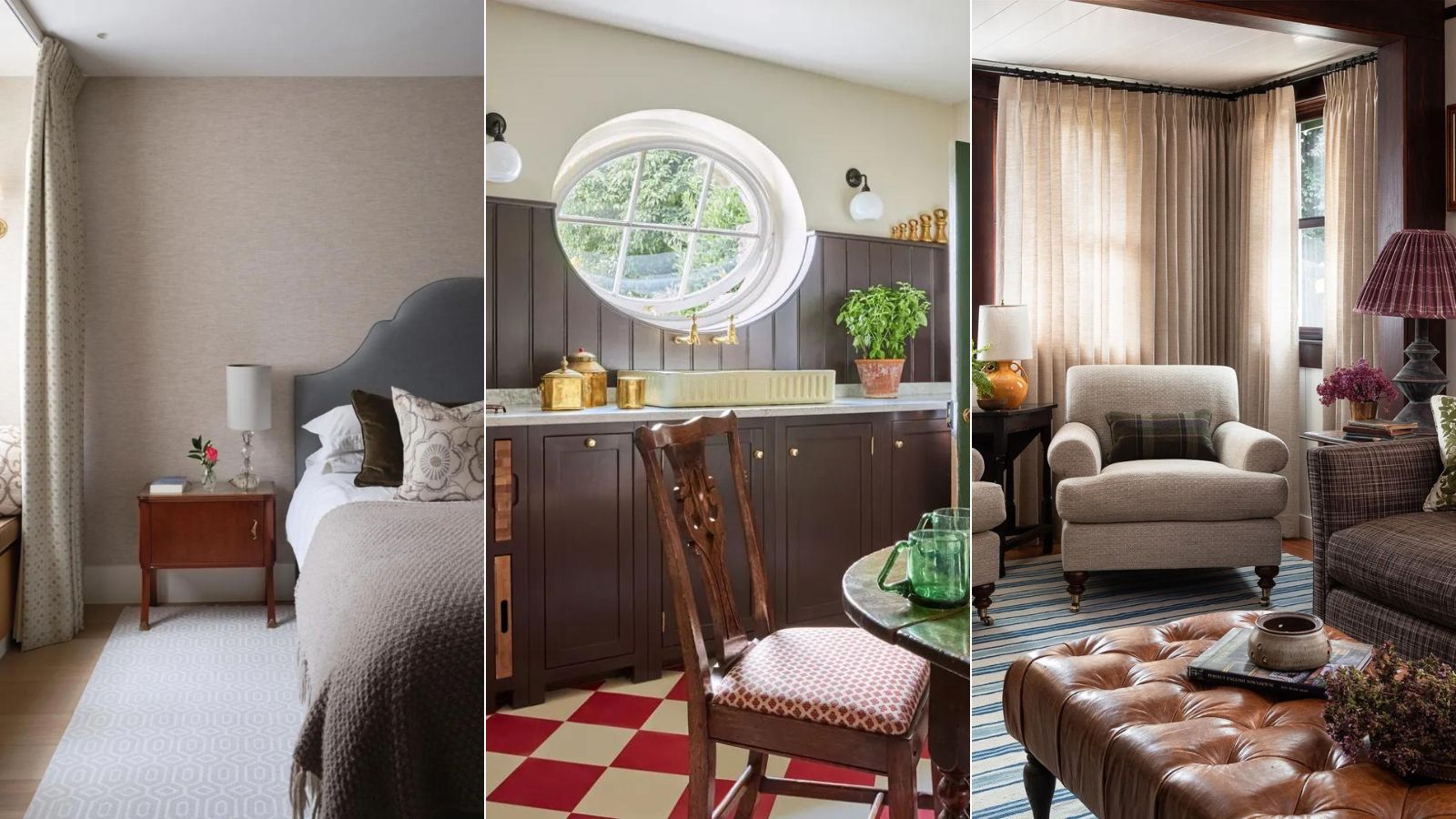
What color is replacing beige? This is the one color we prefer to use instead of beige in 2024, say designers
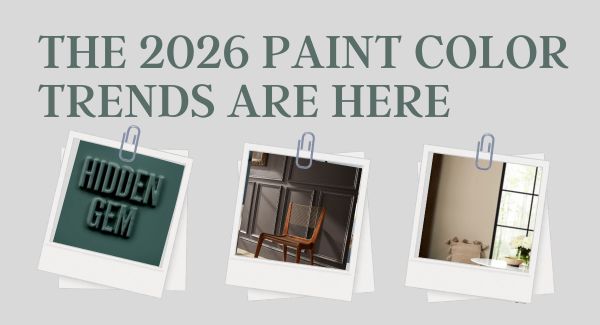
The 2026 paint Colors of the Year Have Been Announced

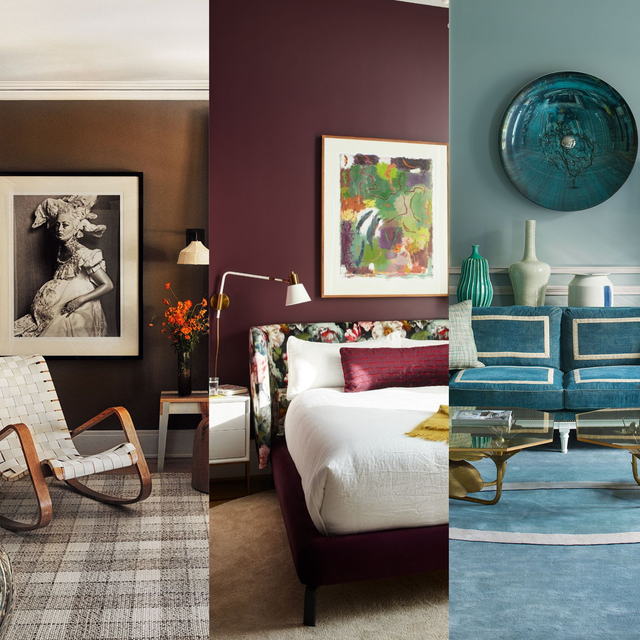
We’re Calling It: These Are the Official Color Trends of 2025
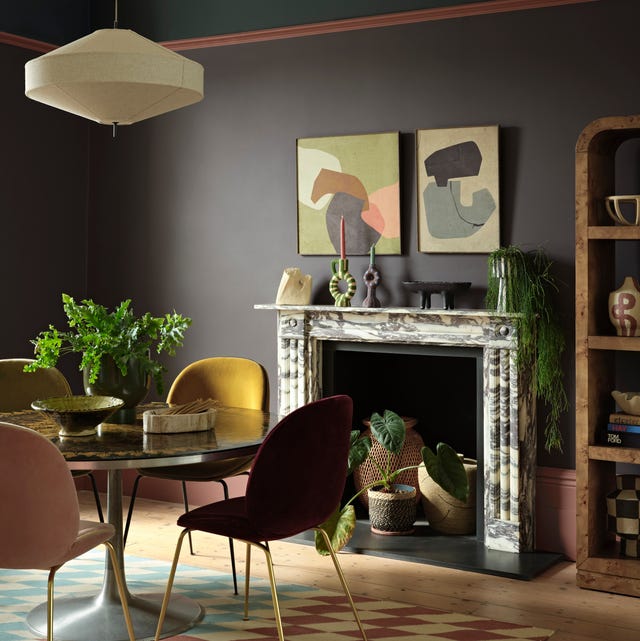
Benjamin Moore’s 2026 Colour Of The Year Is A Rich, Warm Neutral With Staying Power

'Cloud Dancer' to Claret: Eight paint colours that can easily transform your home

Behr's 2026 Color of the Year Is Here—And It’s Moody

Sherwin-Williams Just Announced the Color of the Year
Pick Your Favorite 2024 Color of the Year

The 2025 Colors of the Year Are Here—and They All Have One Thing in Common