1/7
Why the Correct Trim Color Can Totally Transform Your Home
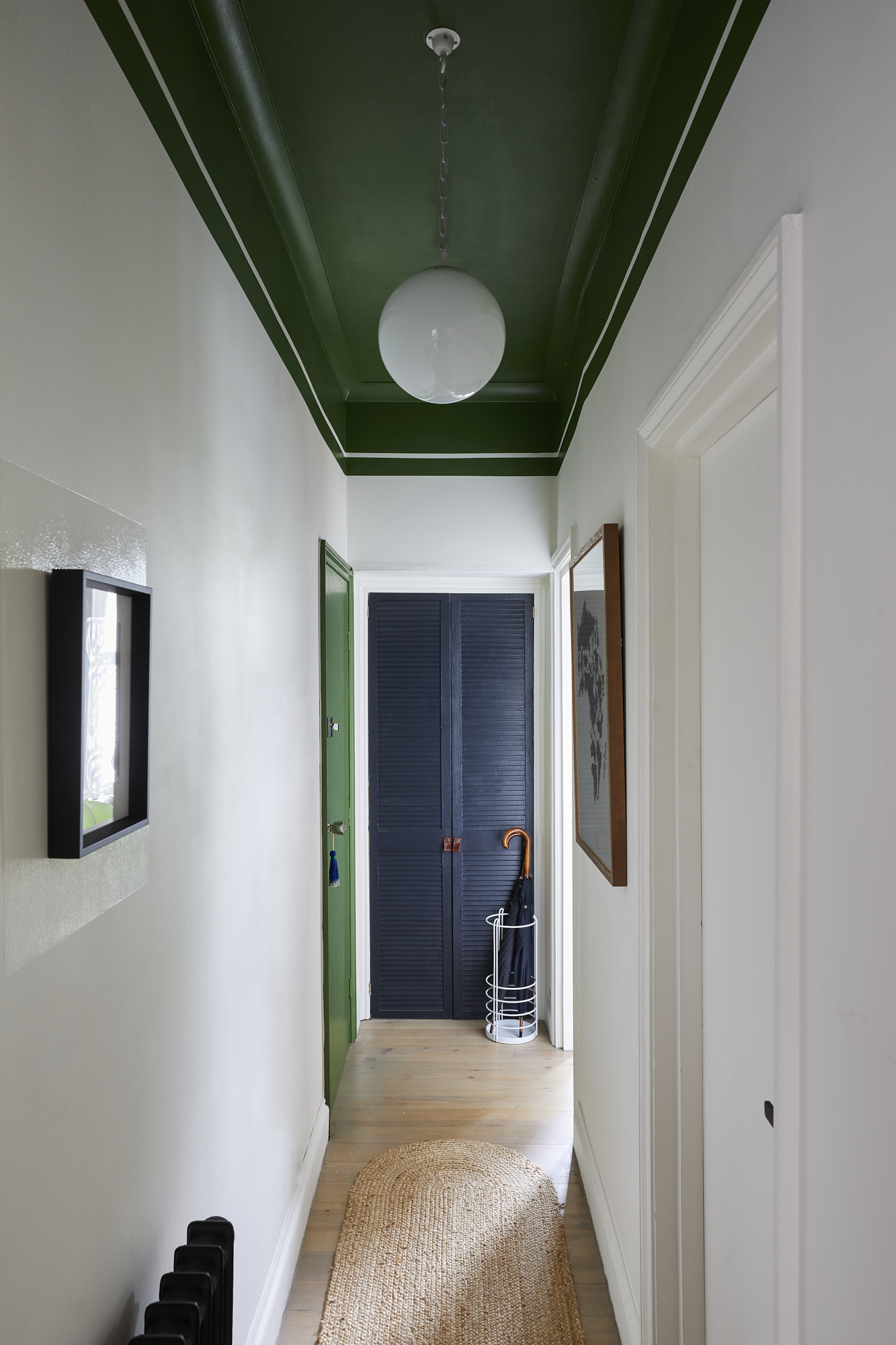
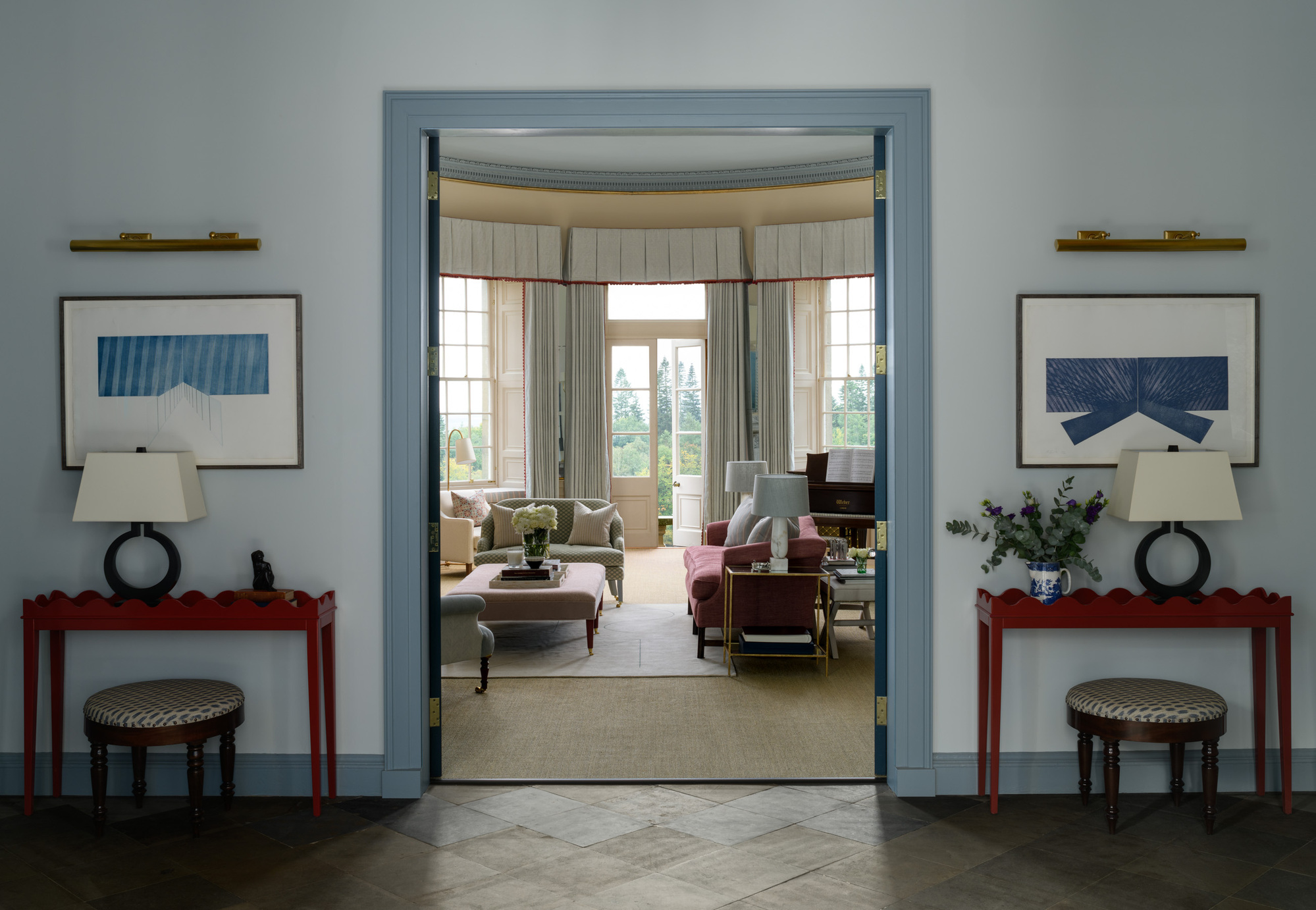
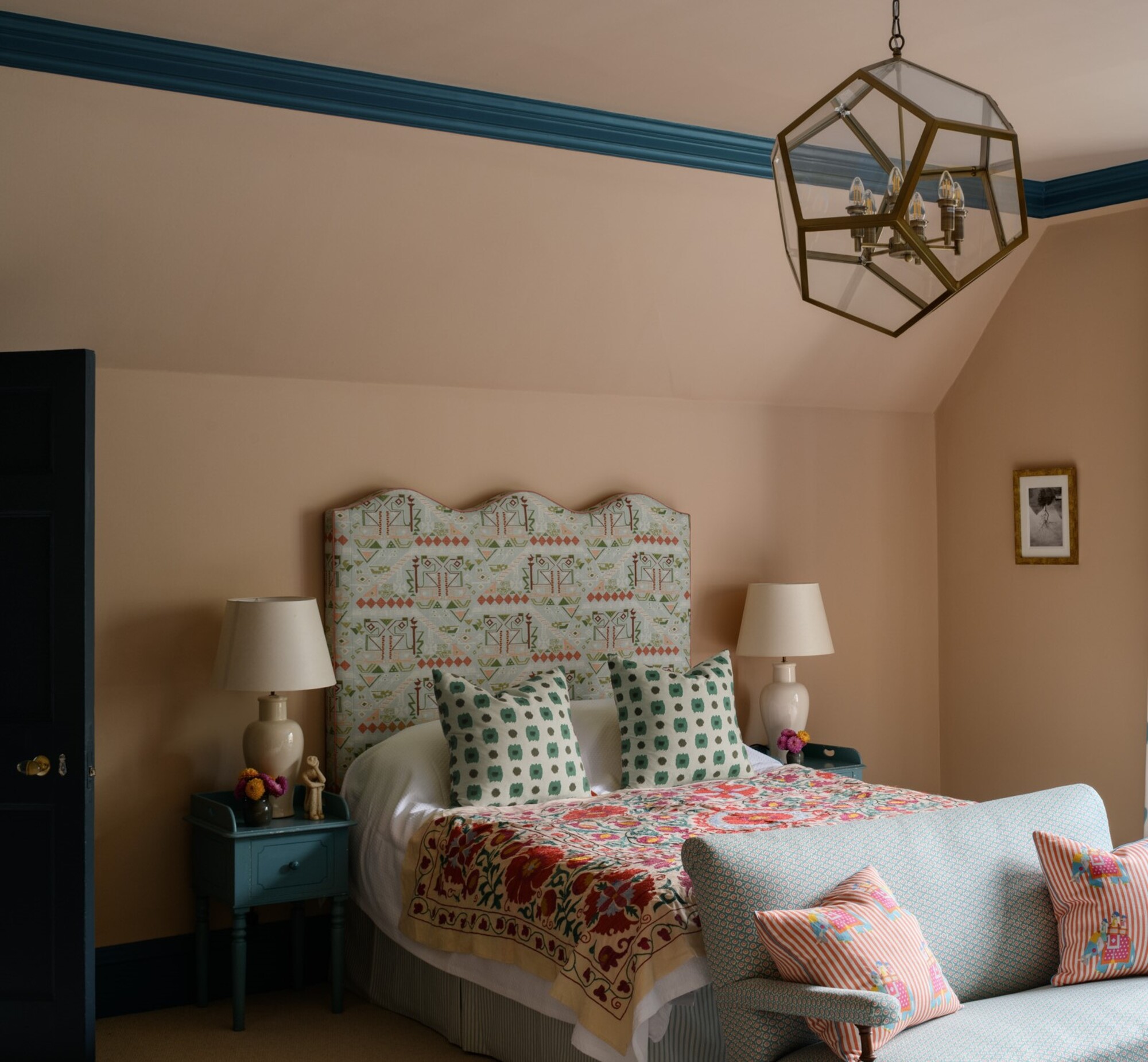
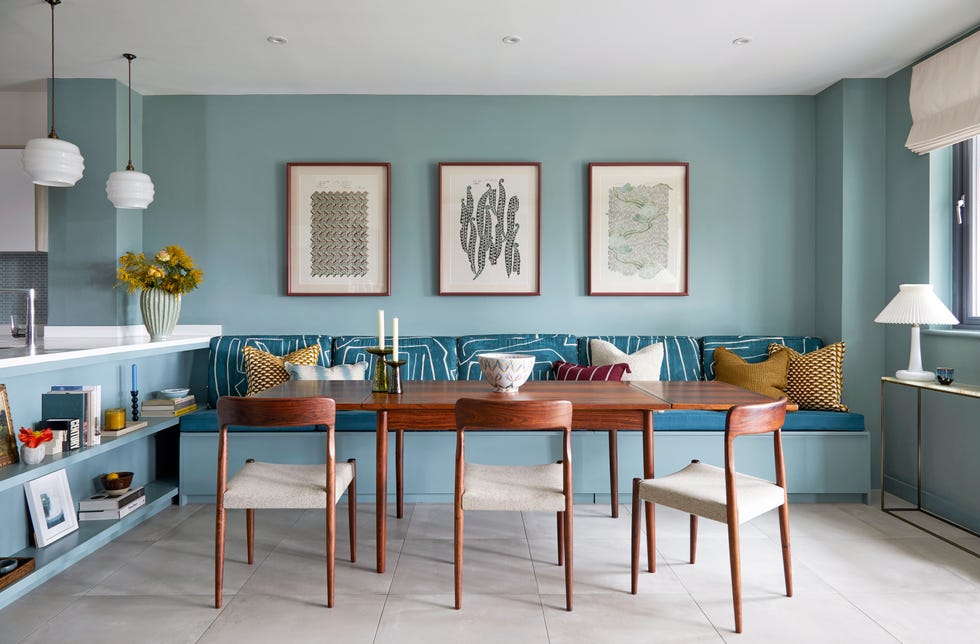
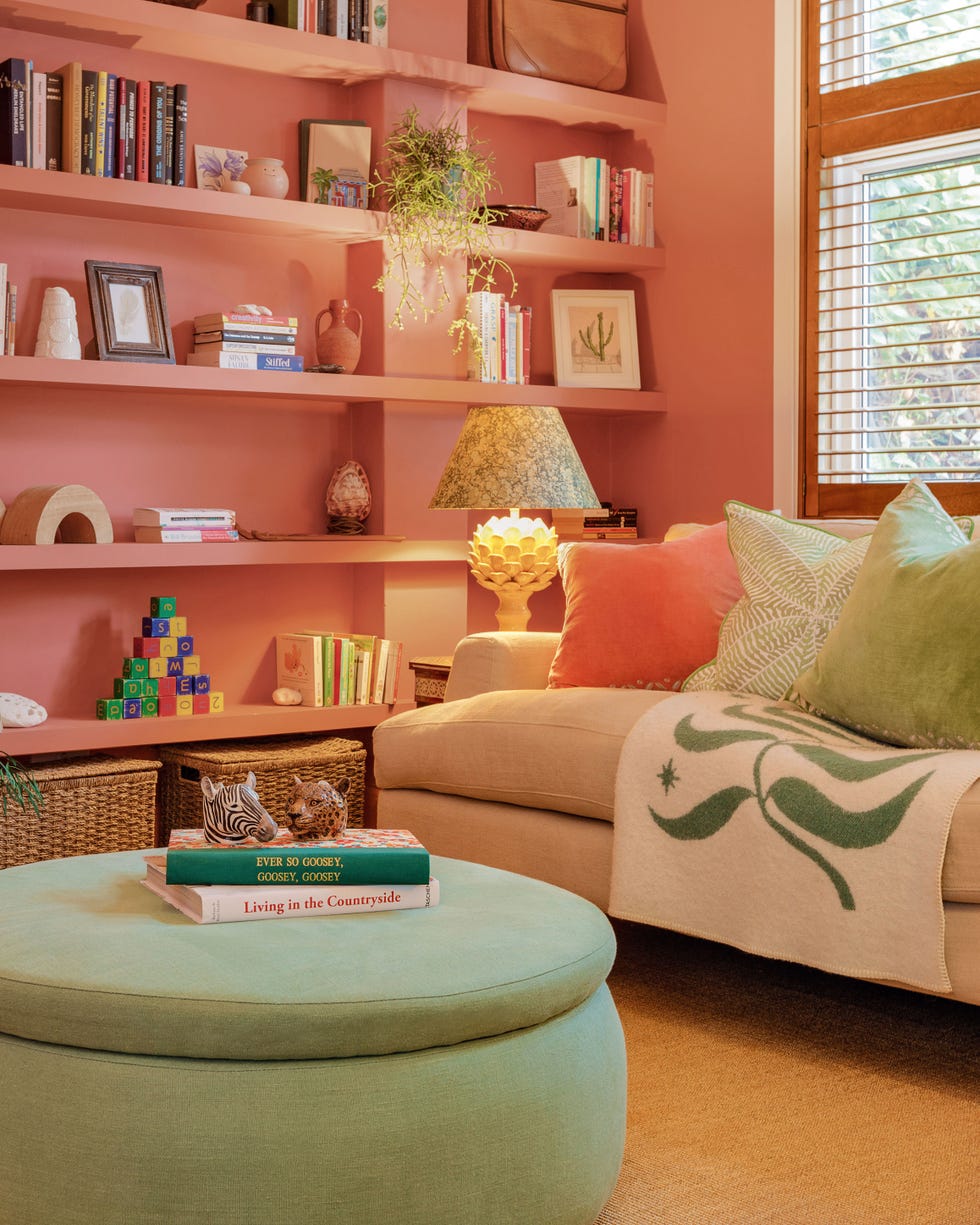
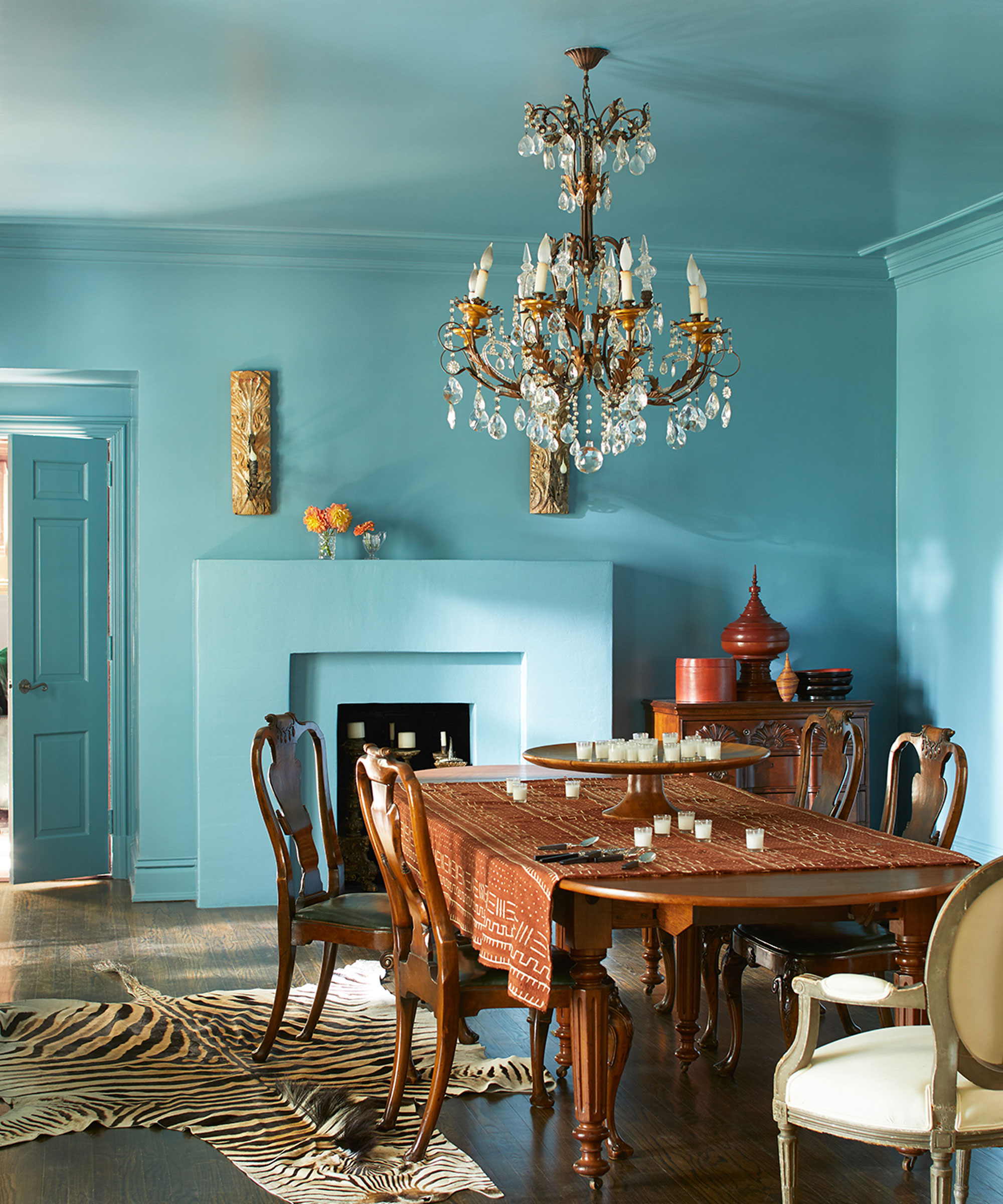
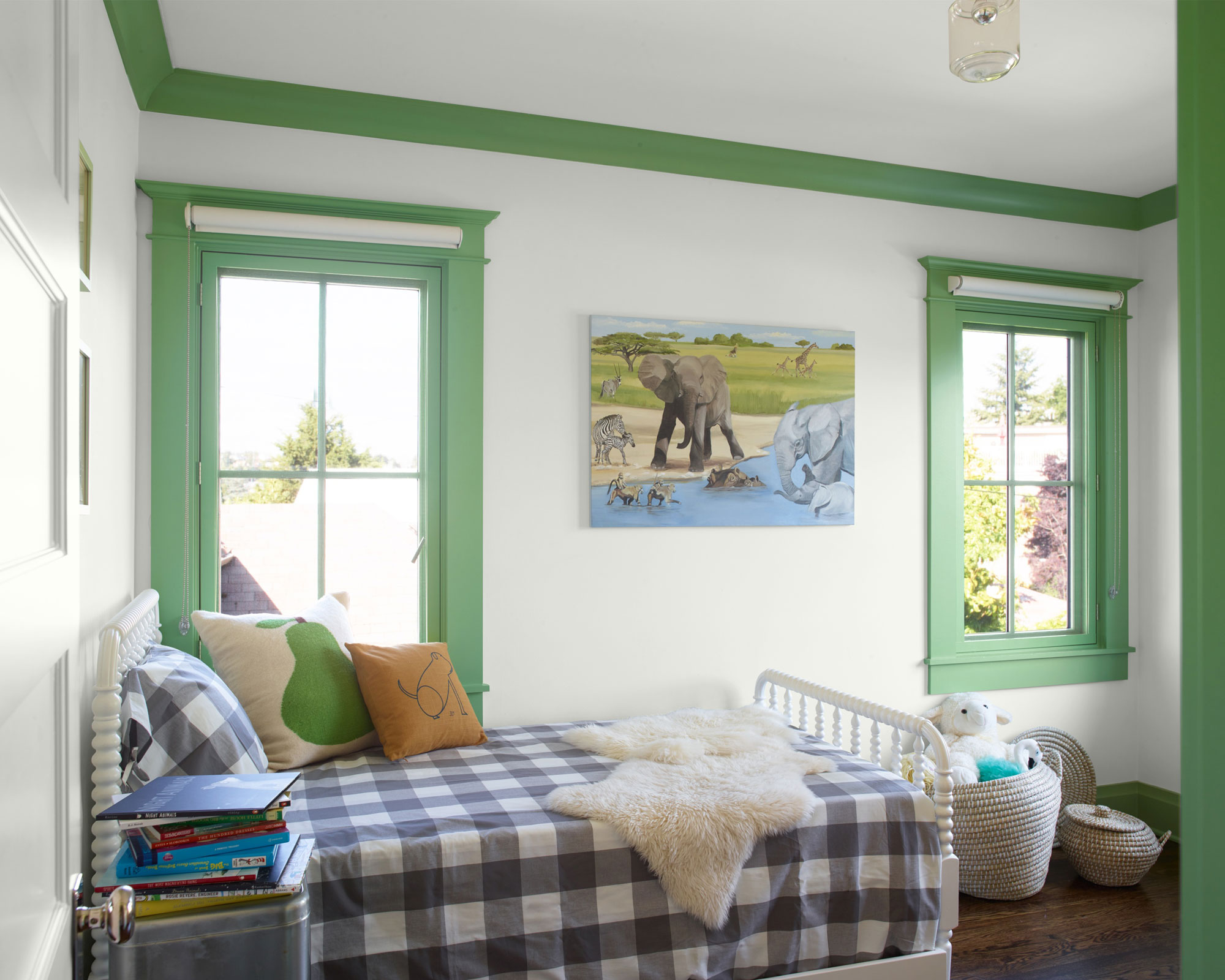
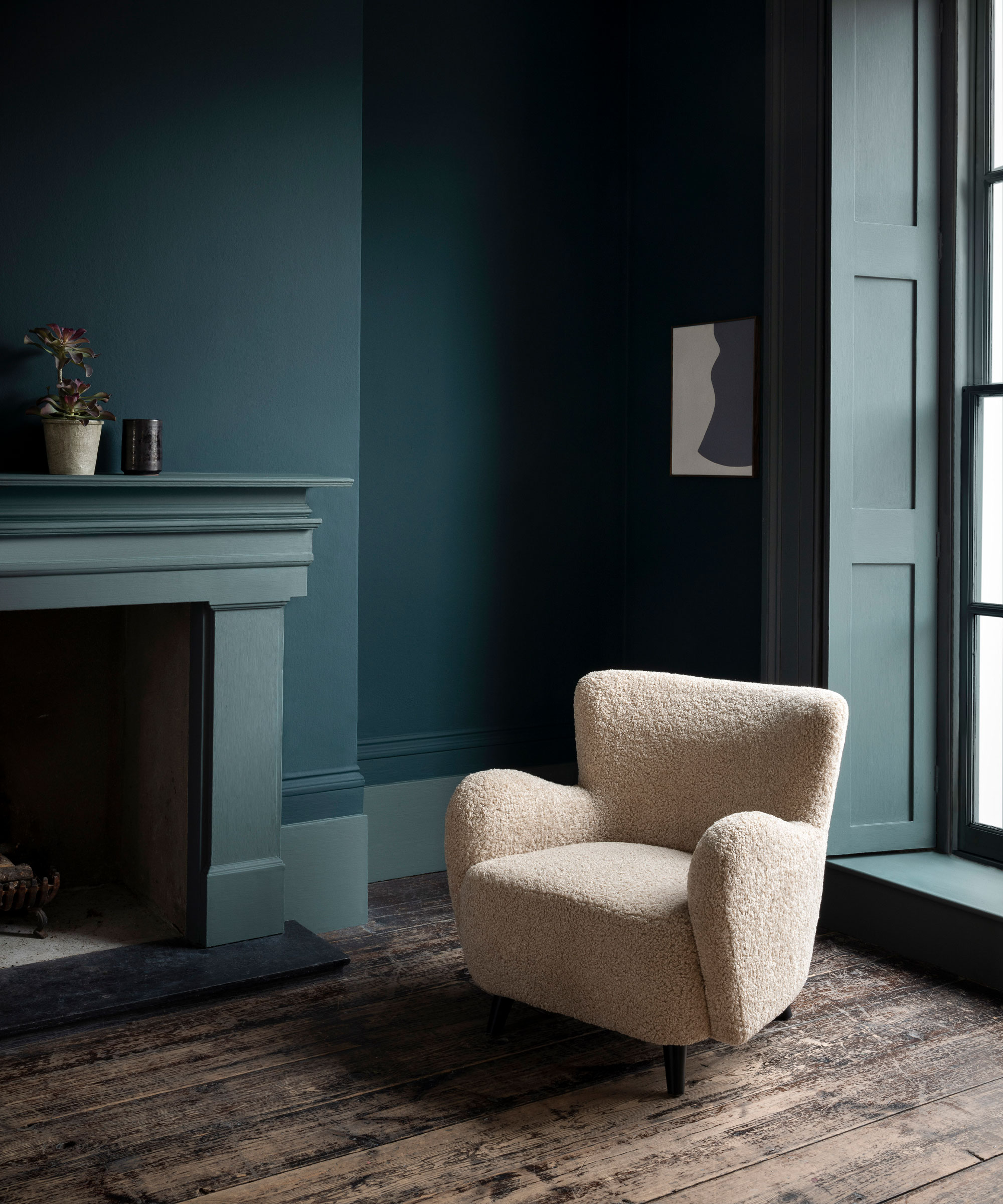
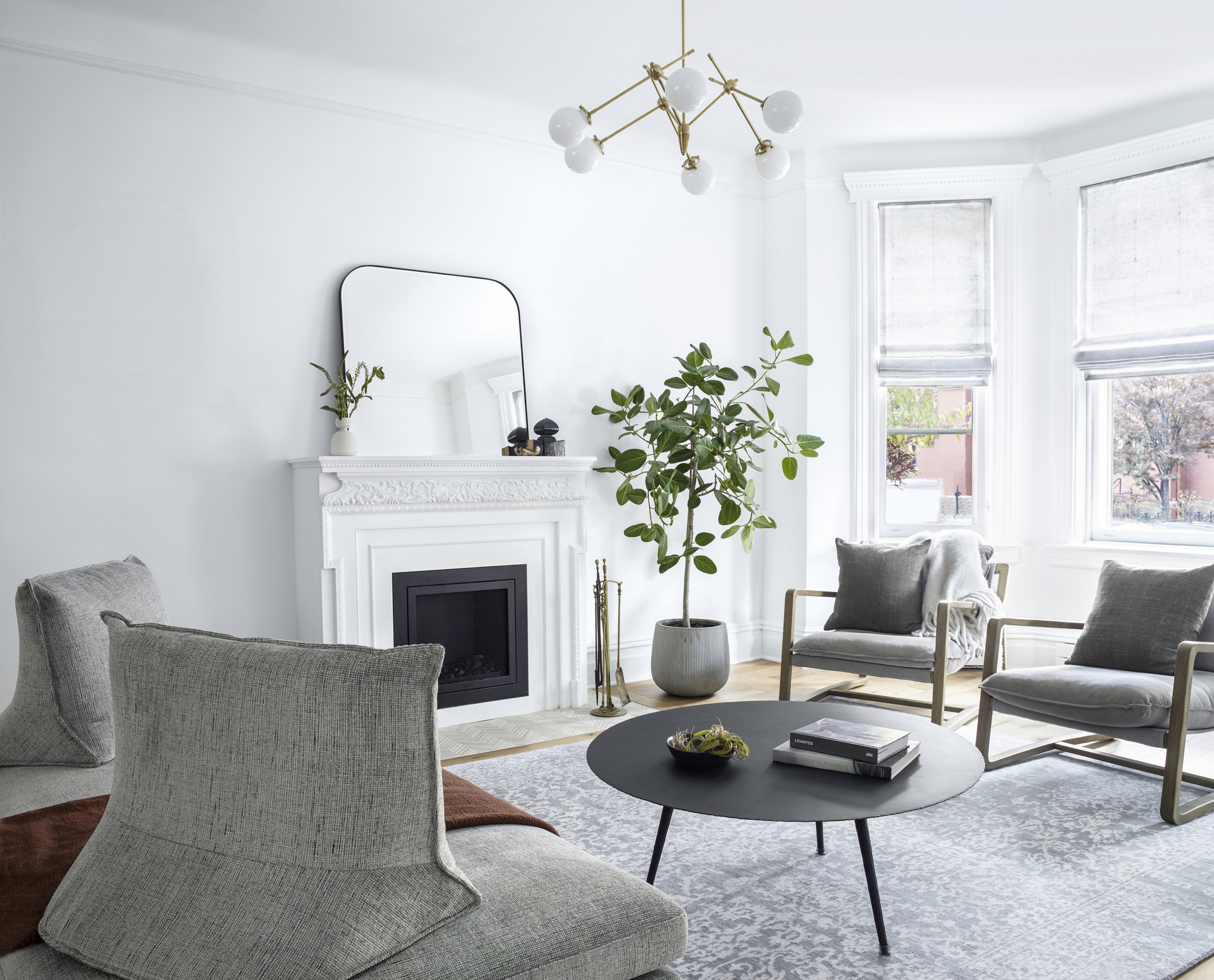
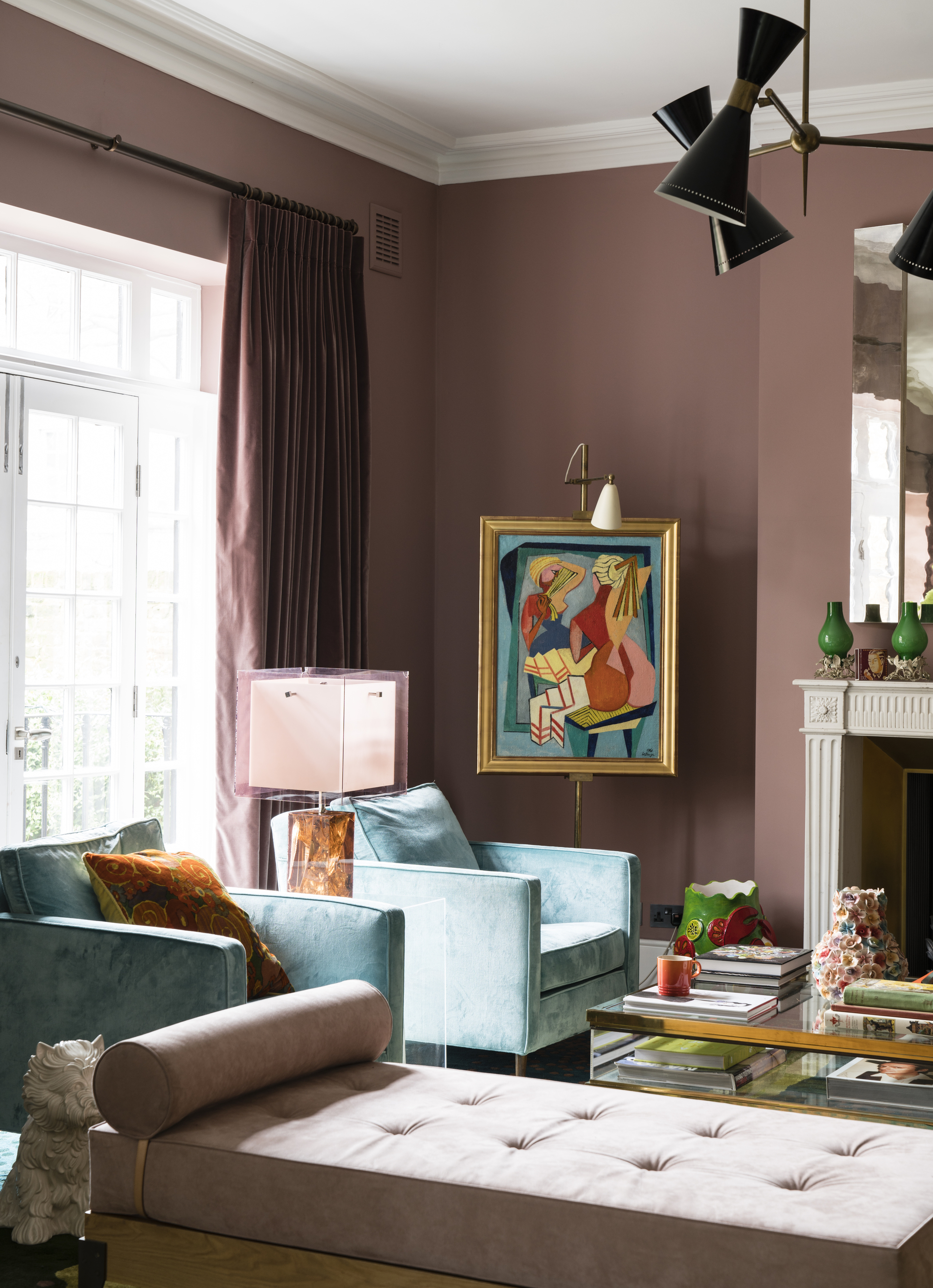
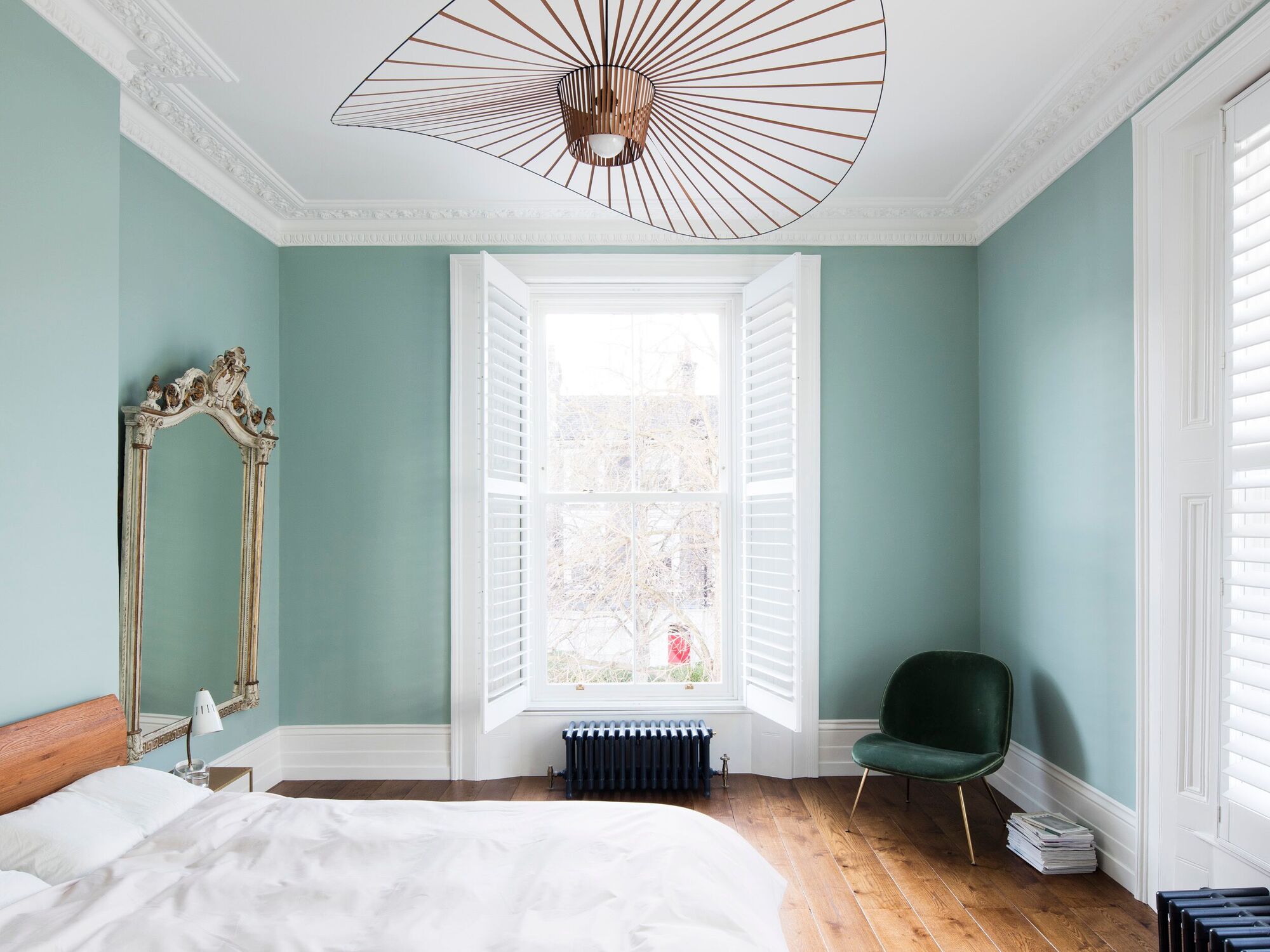
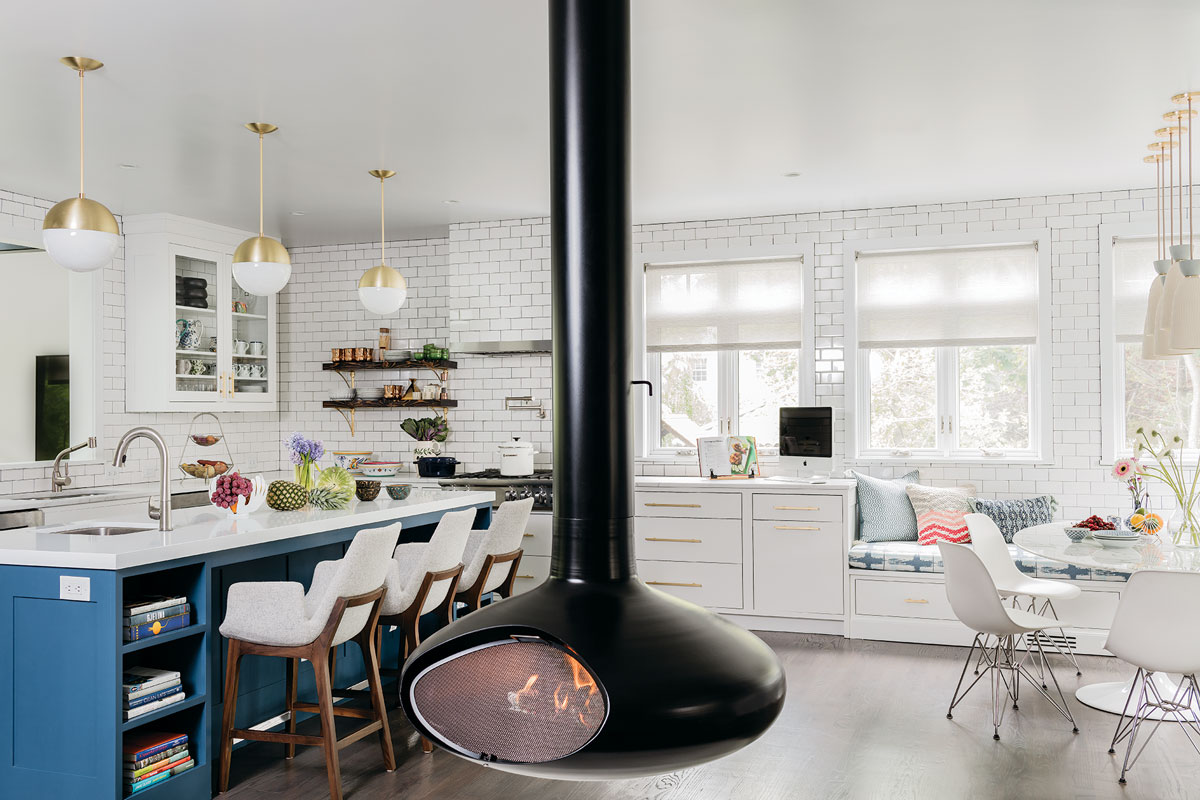
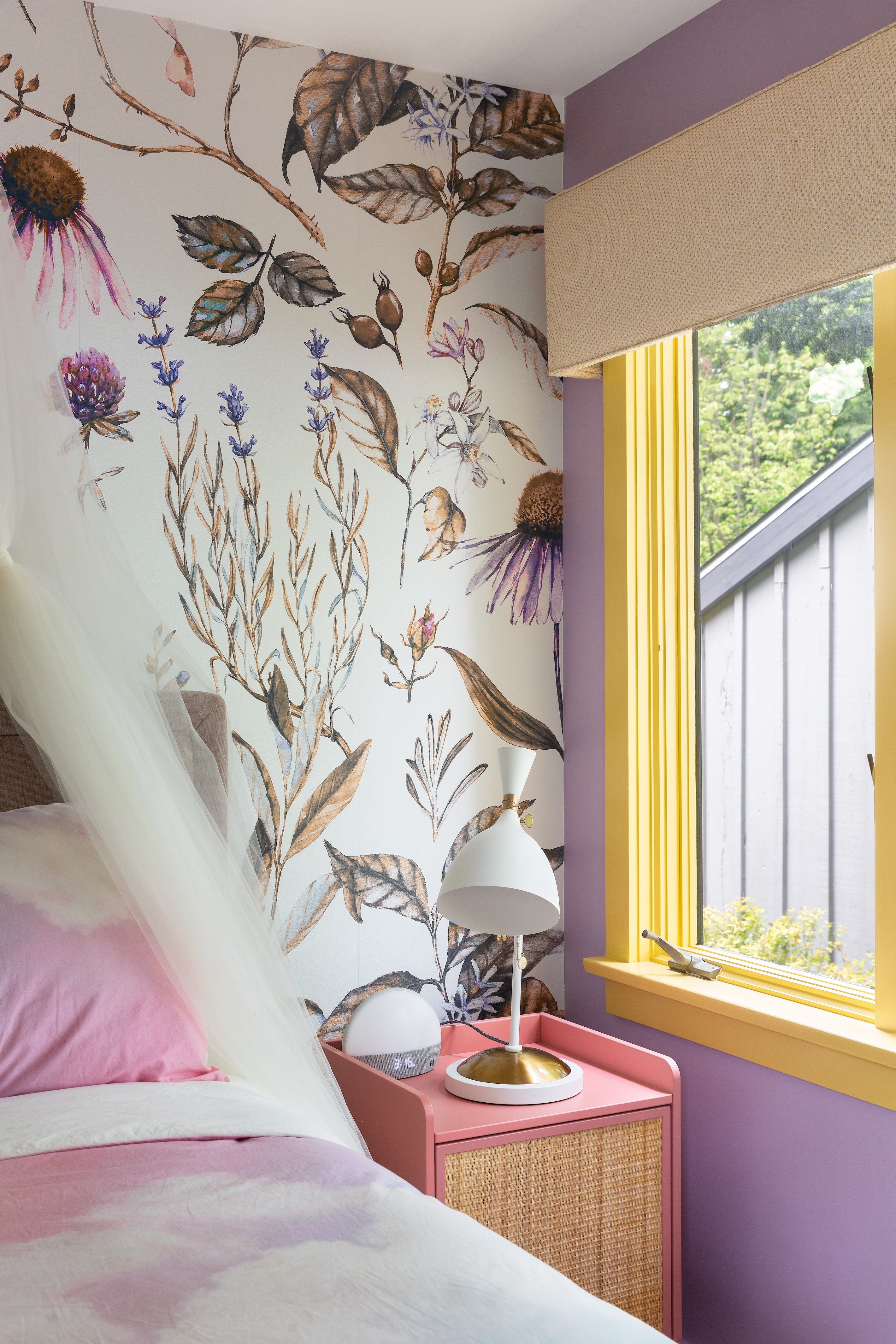
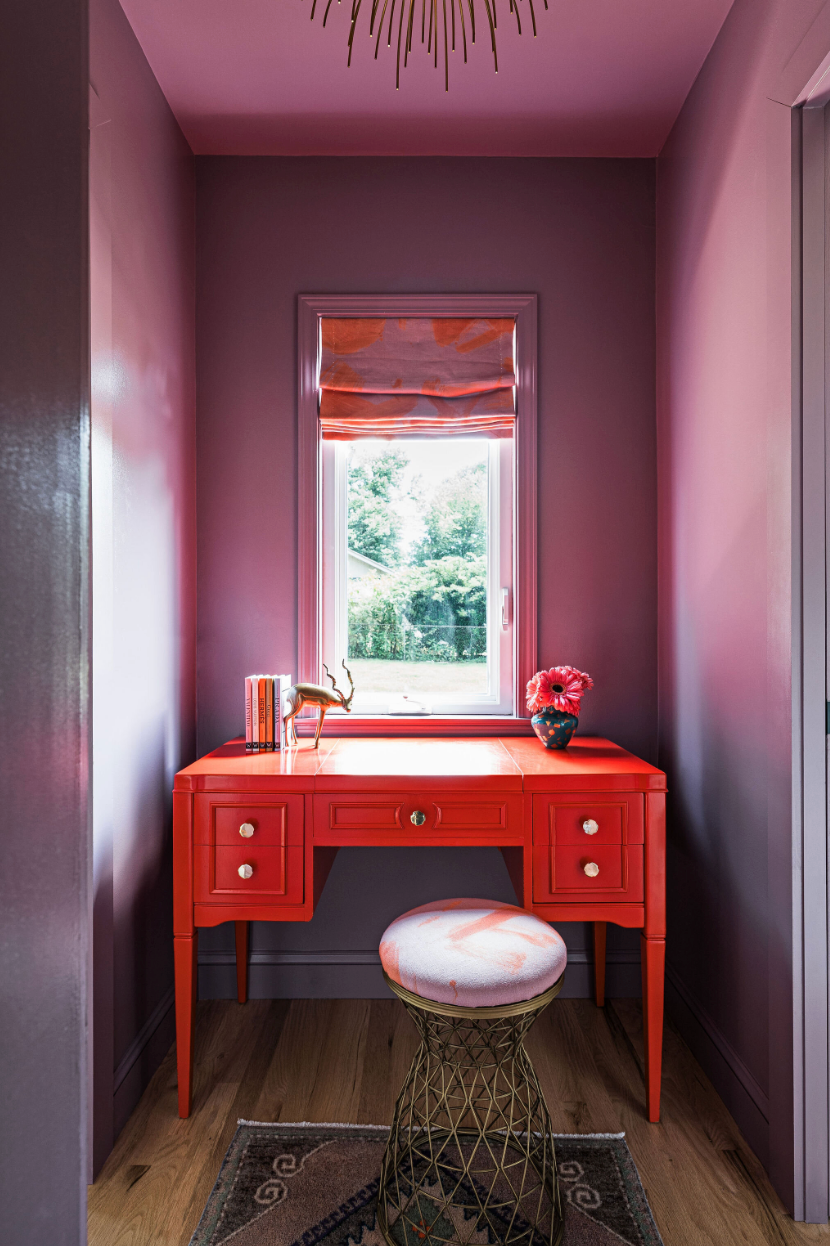
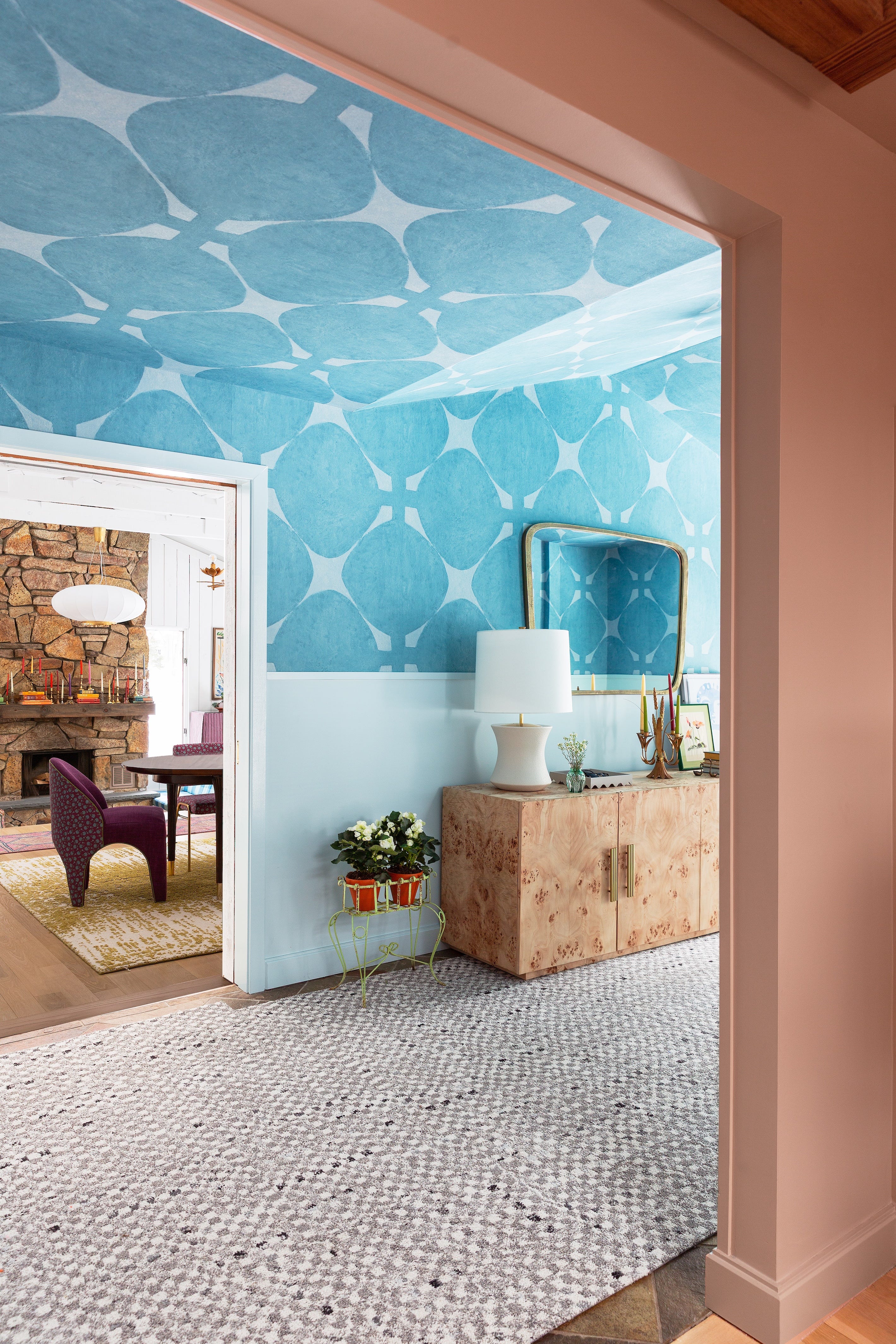
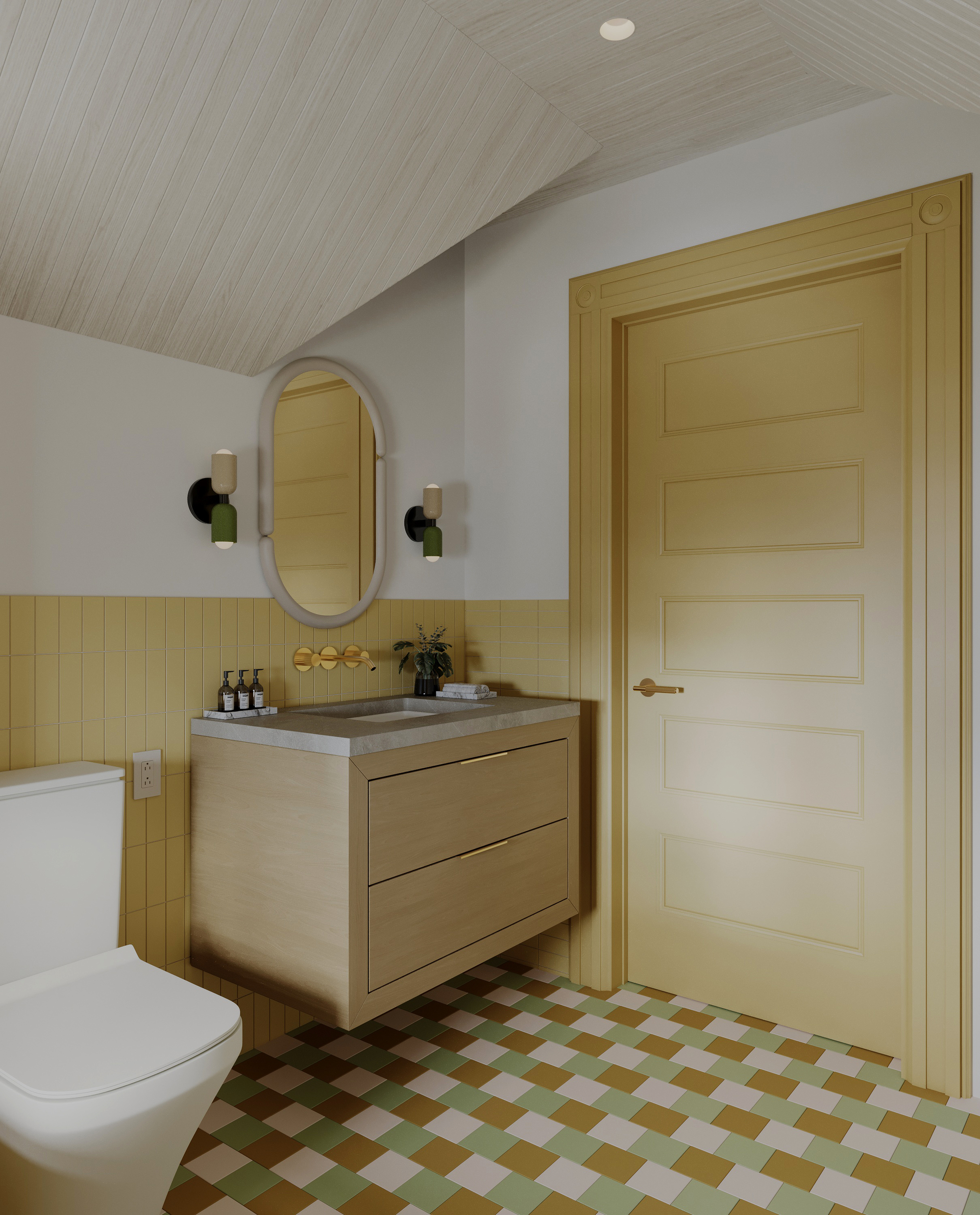
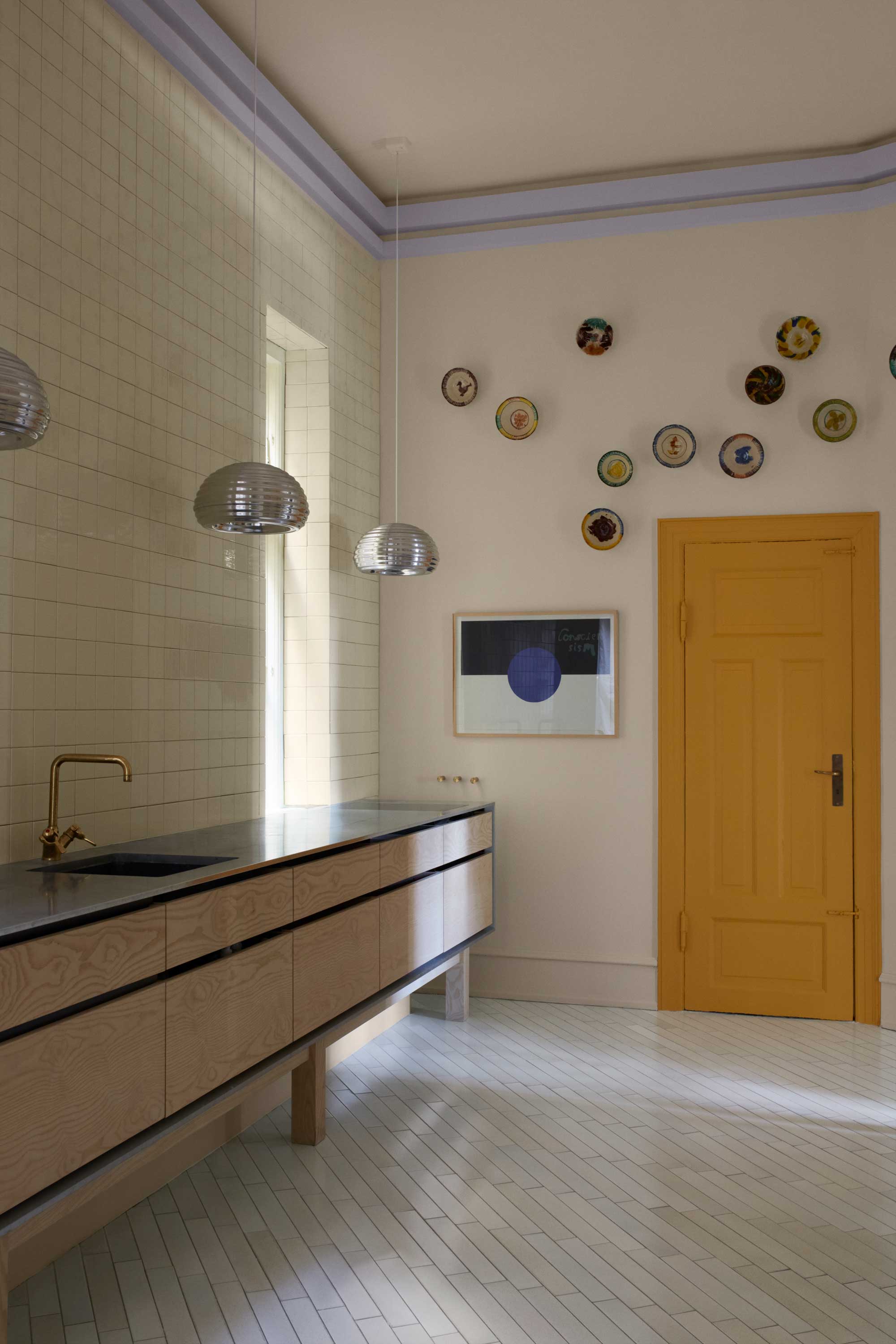
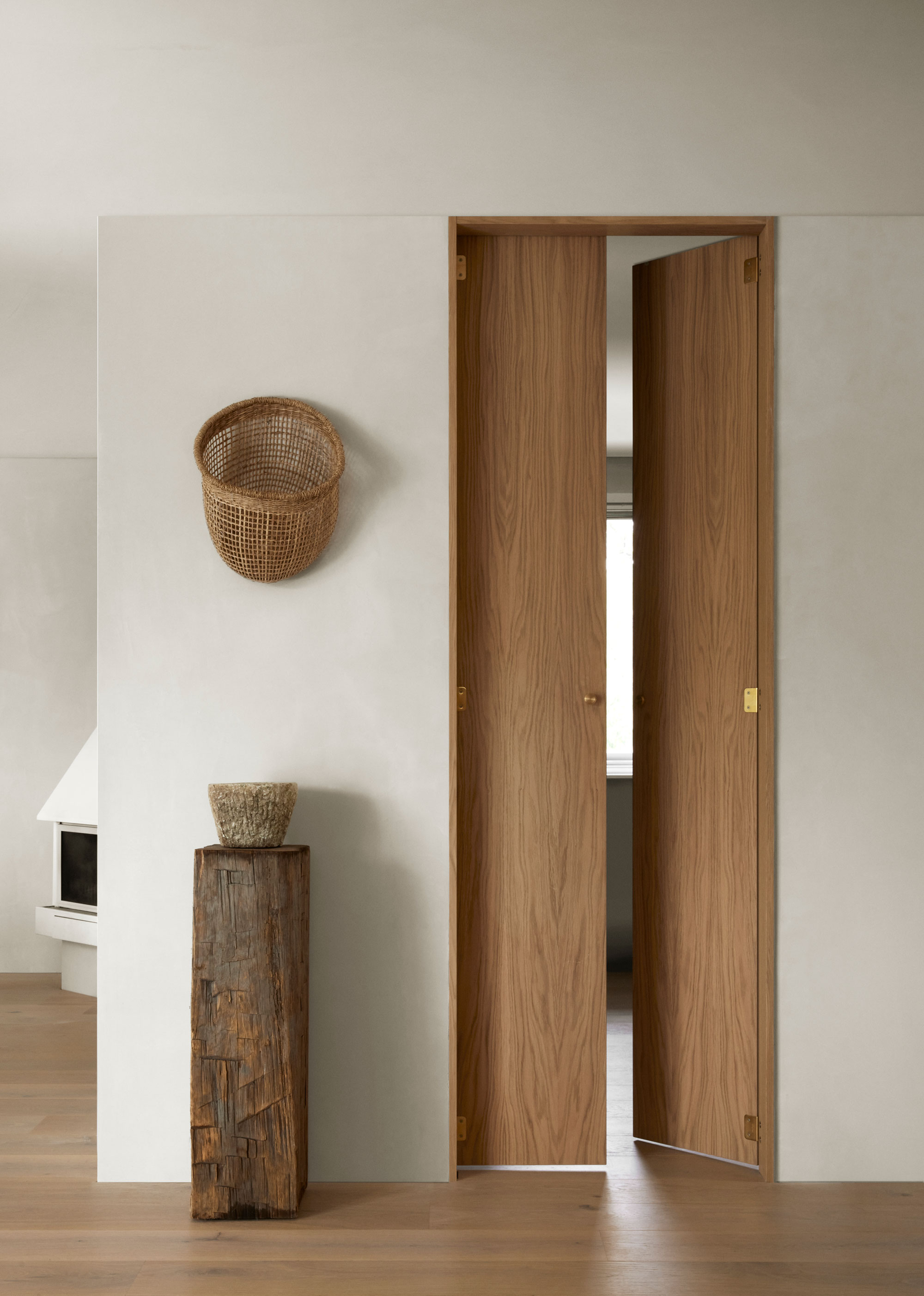
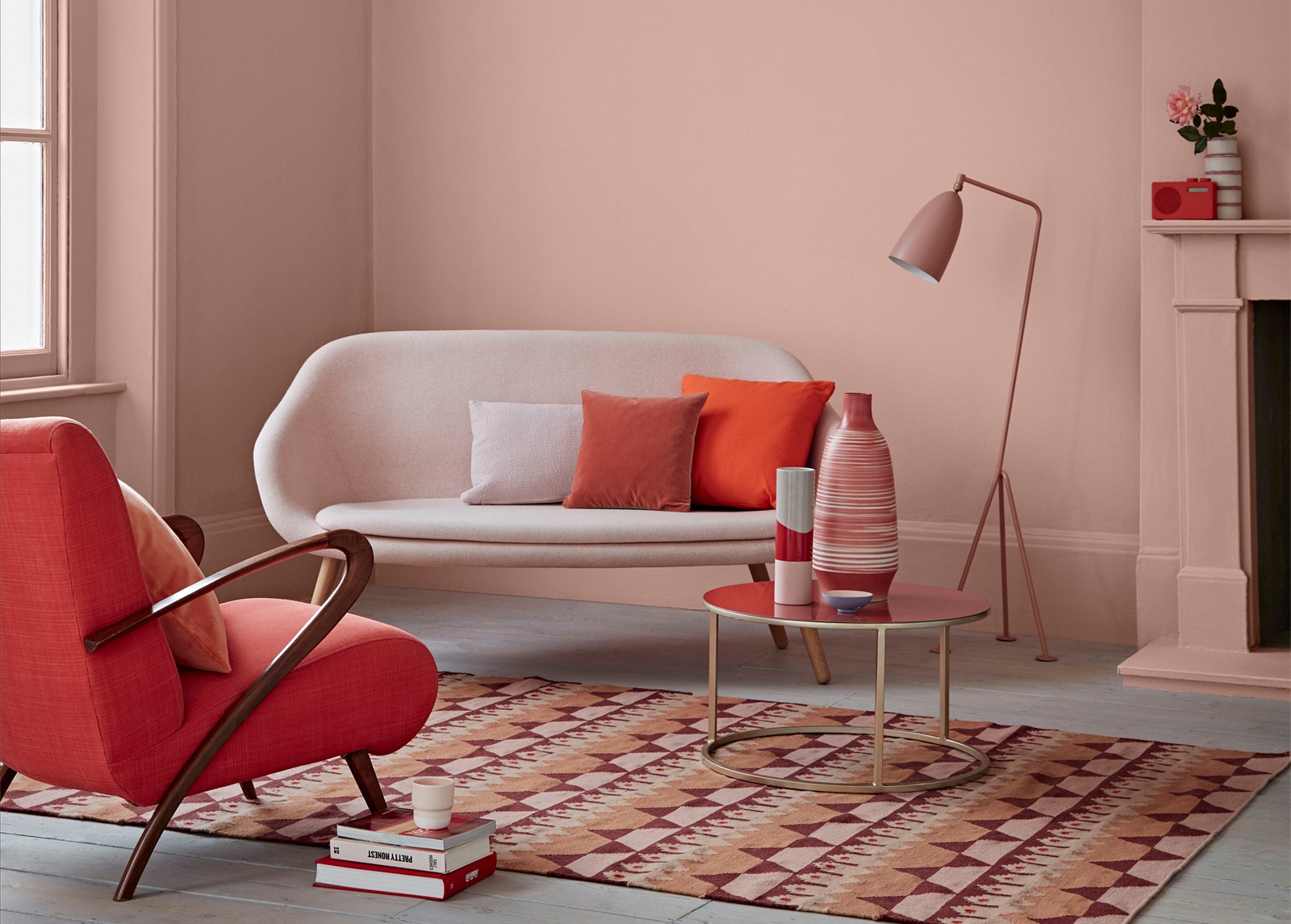
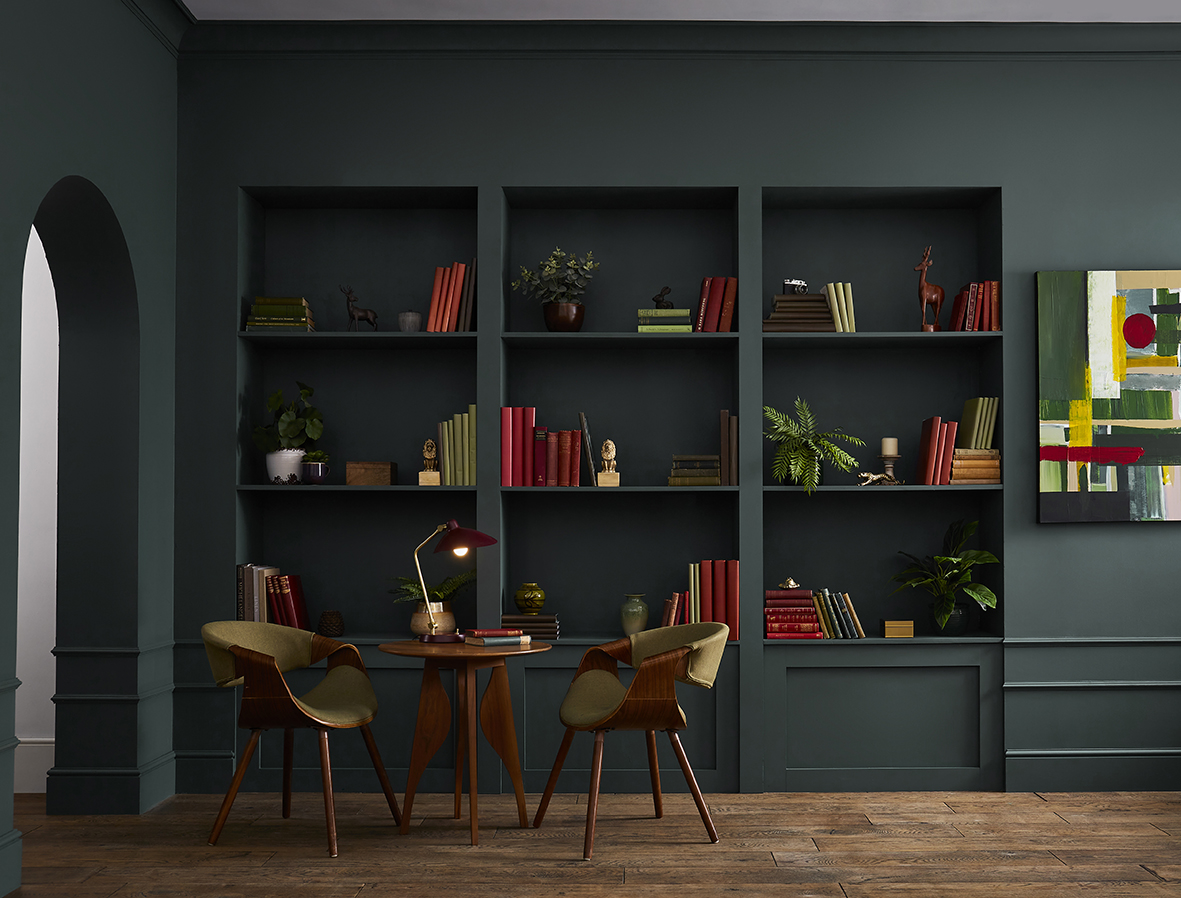
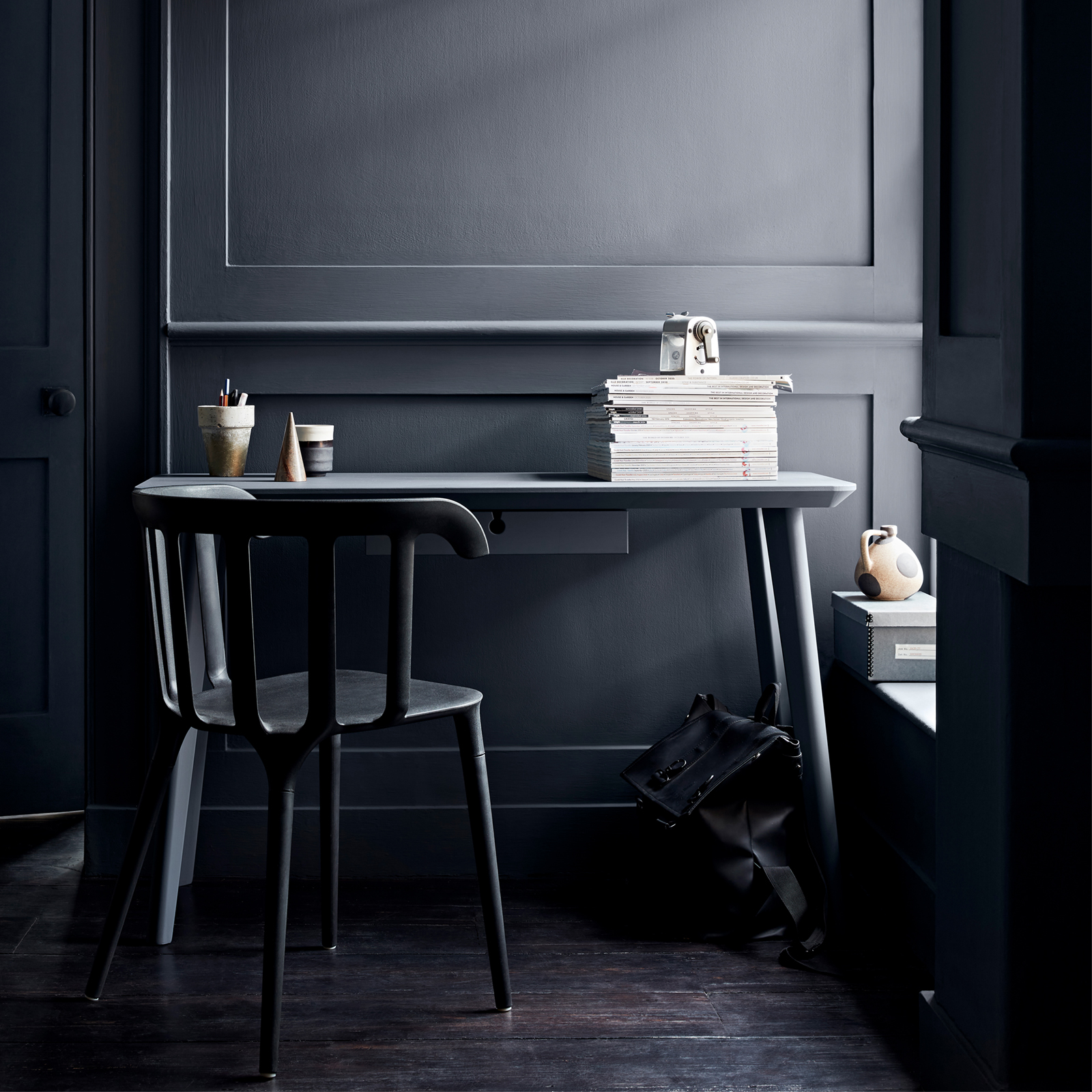
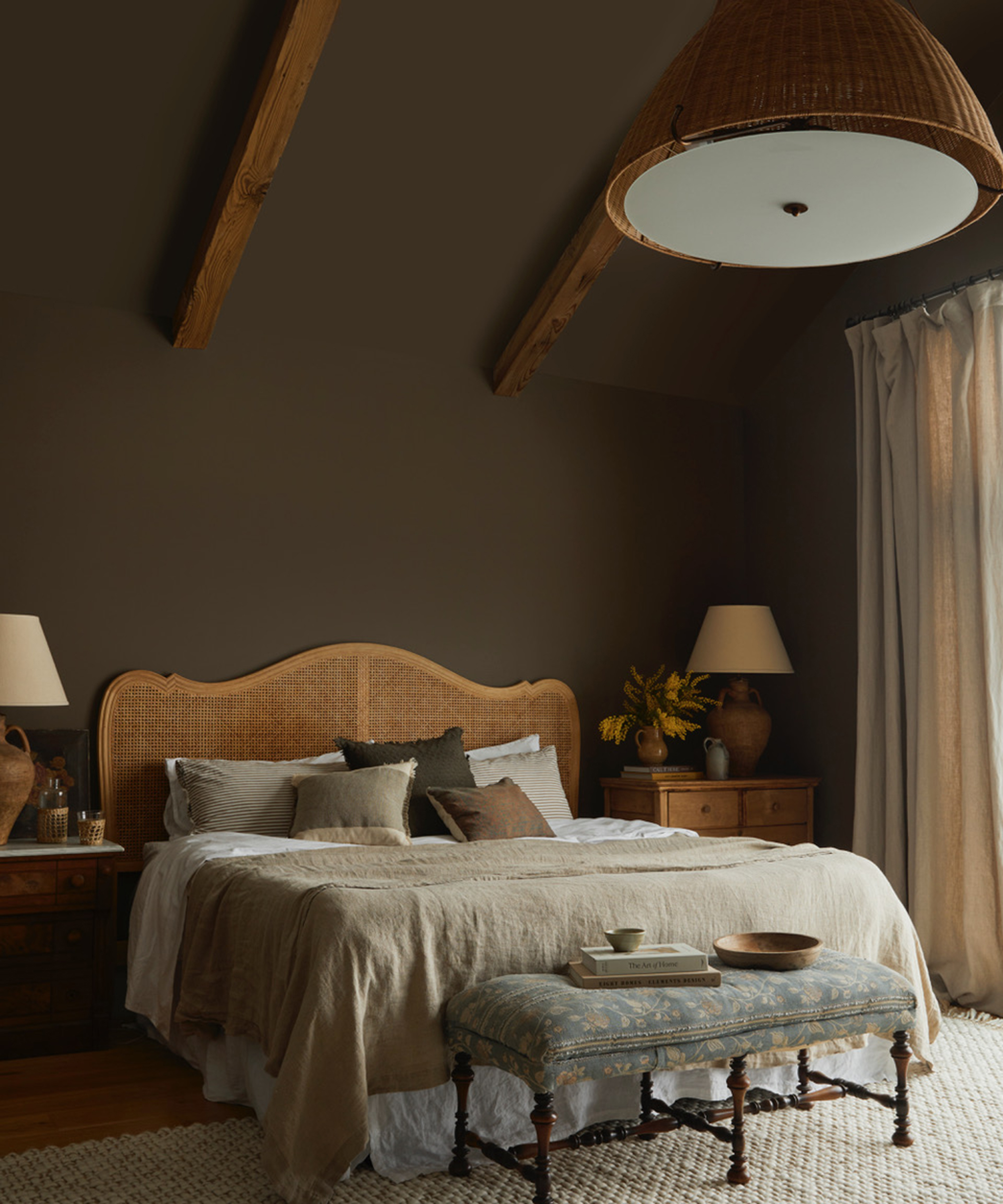
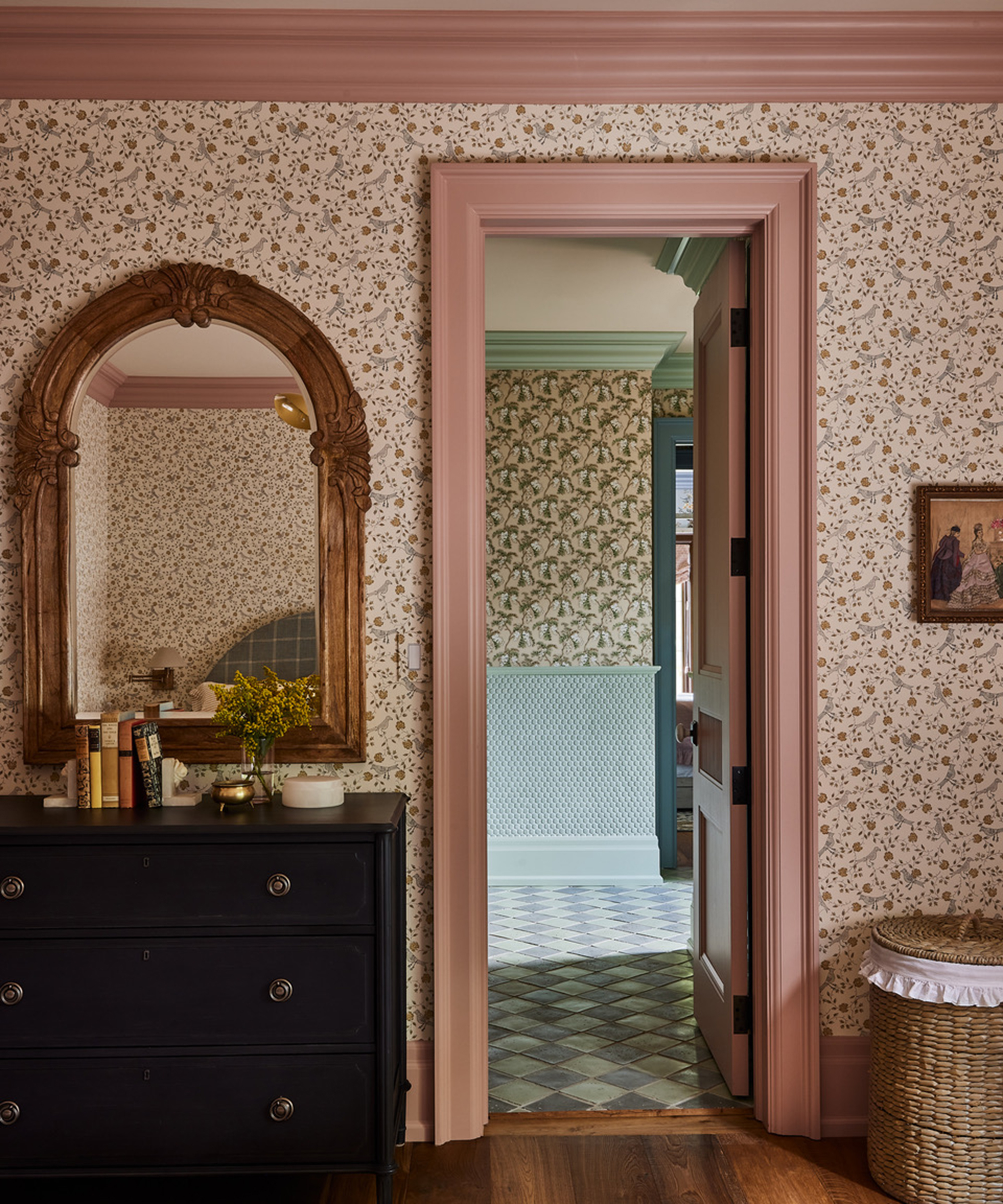
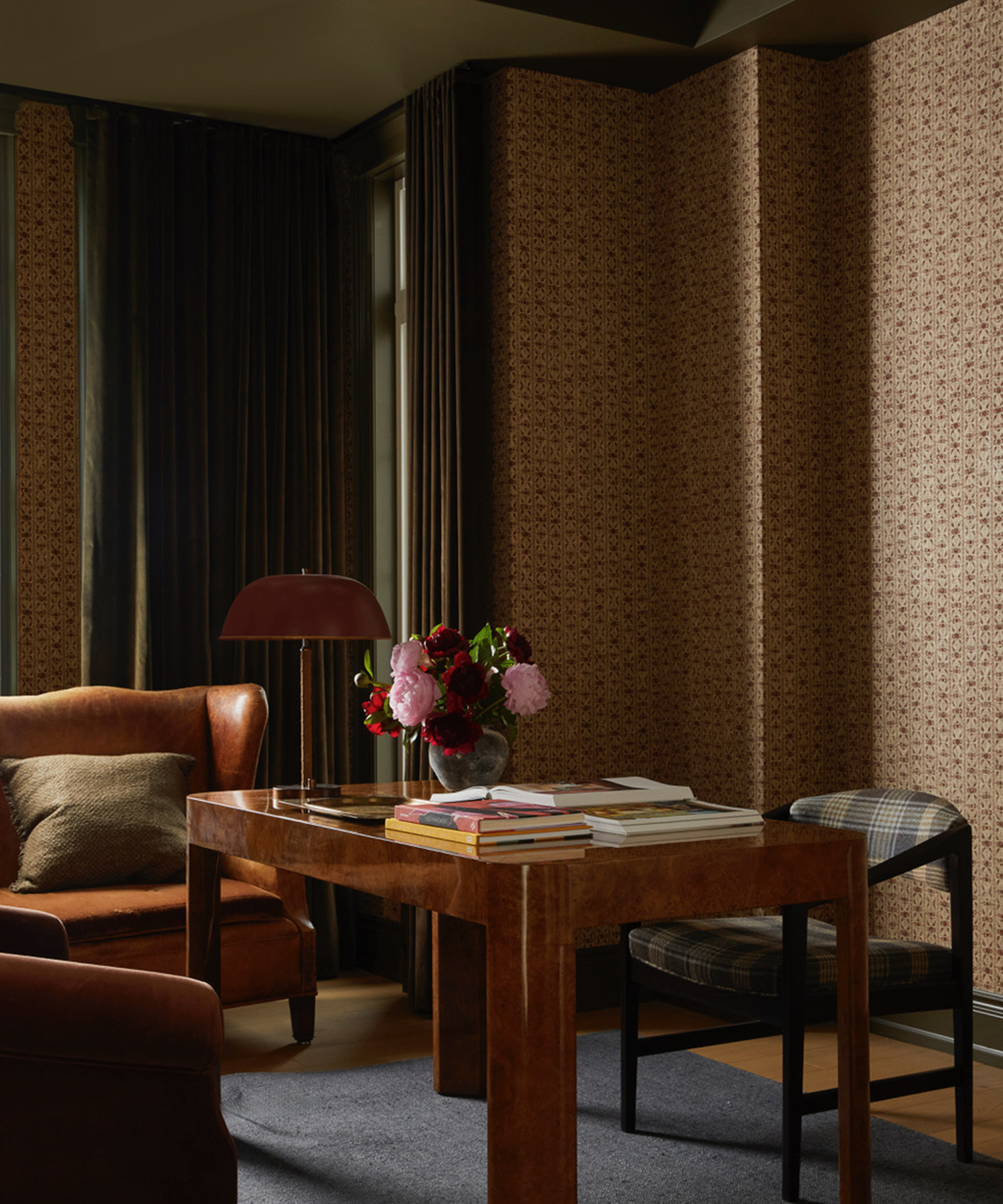
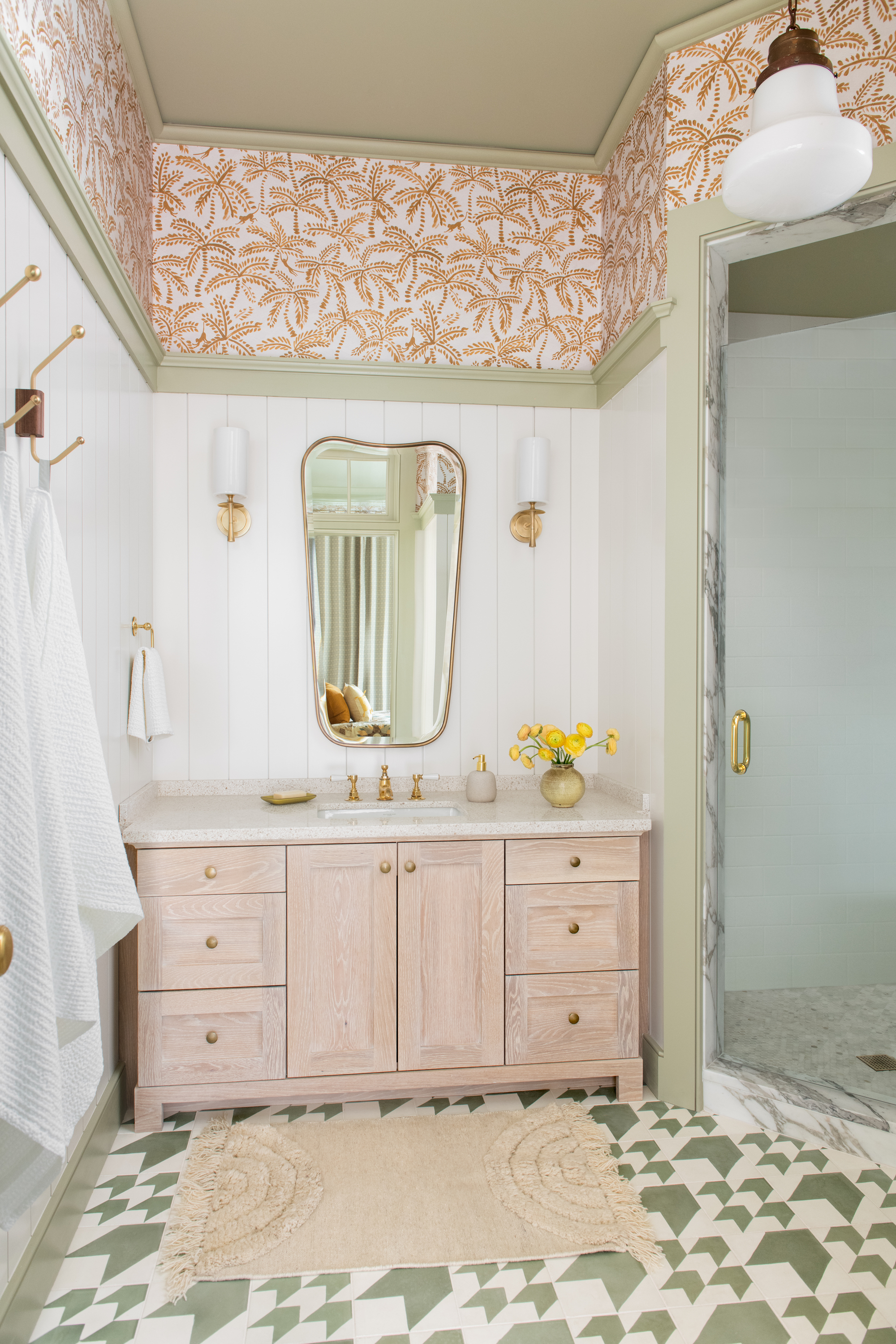
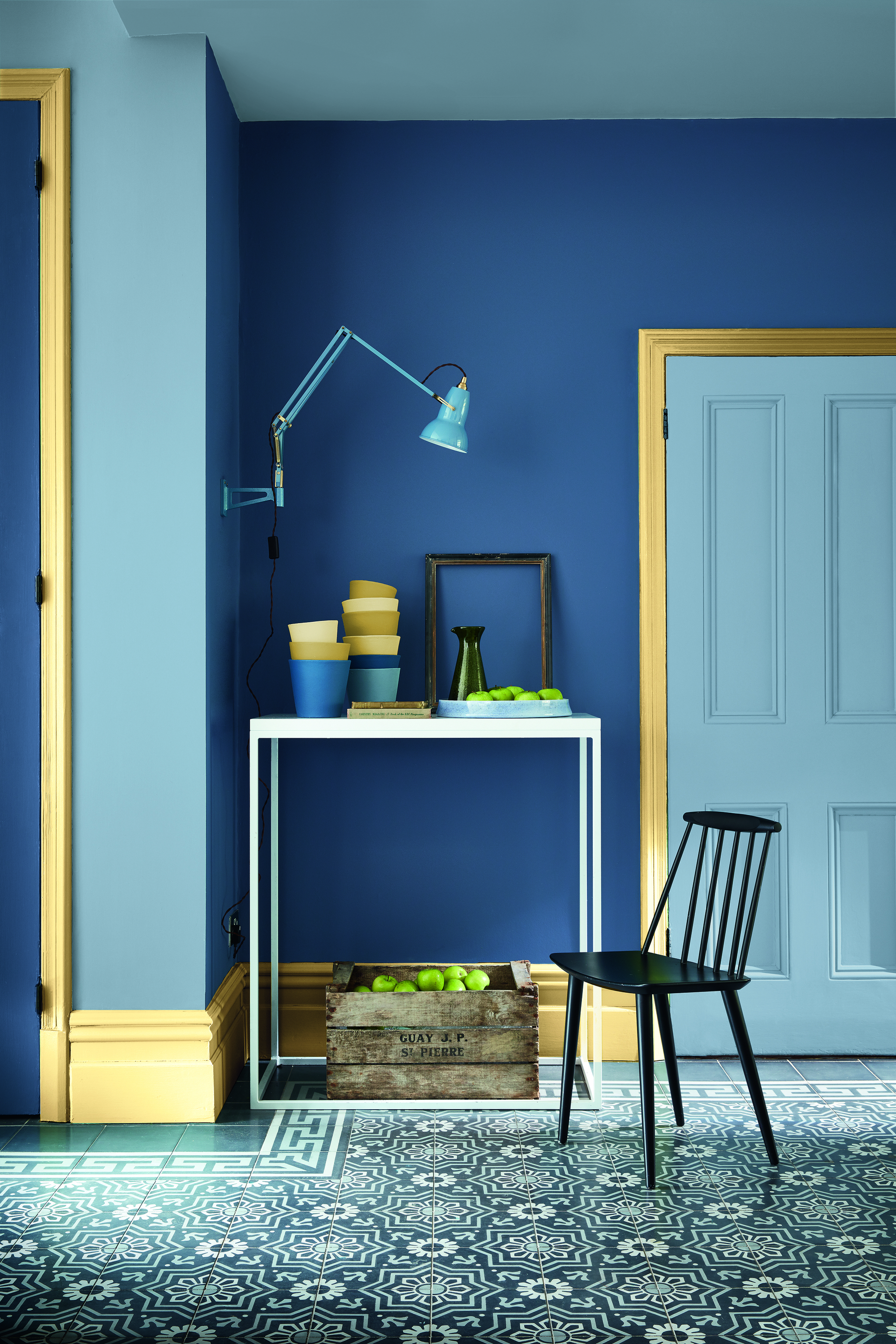
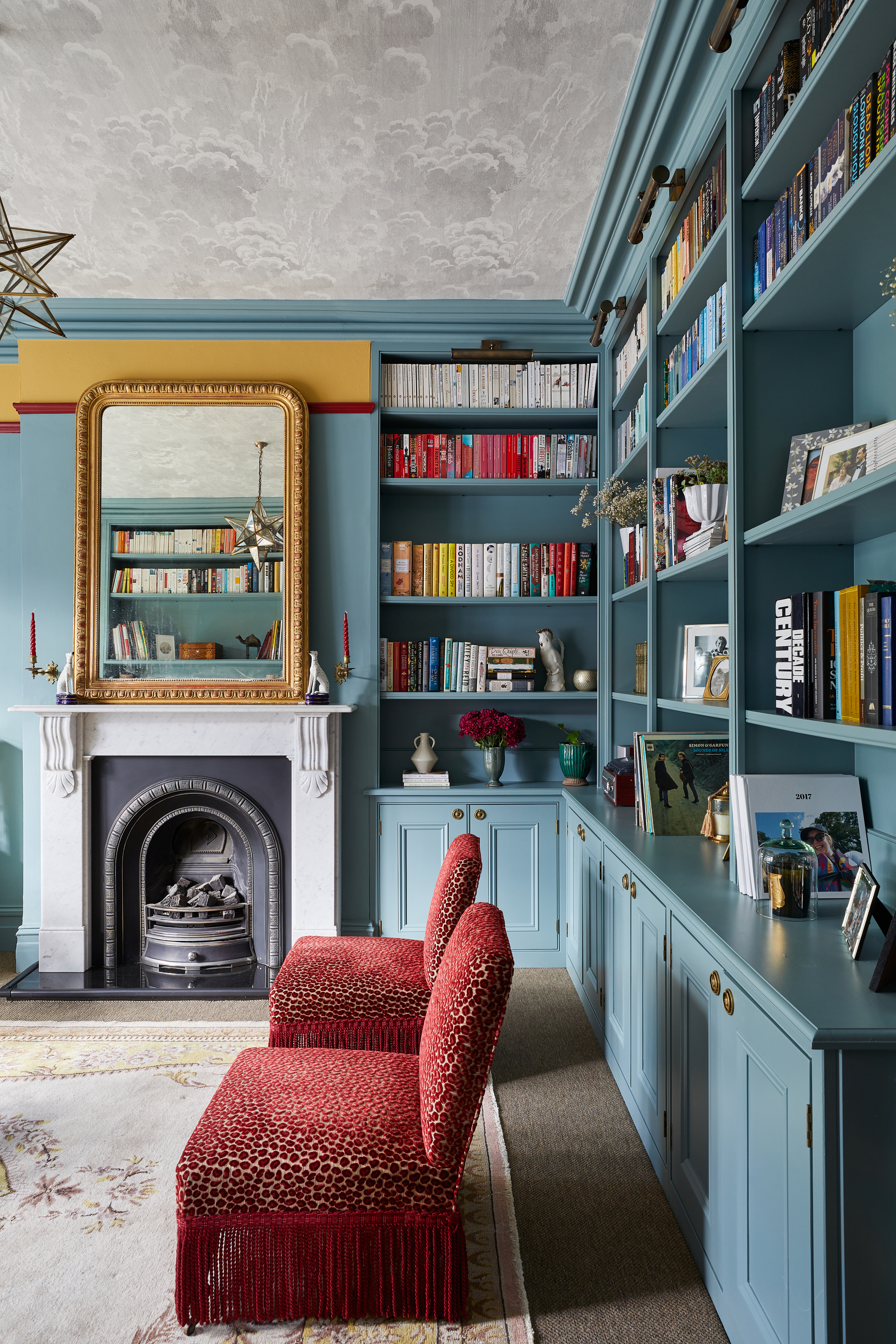
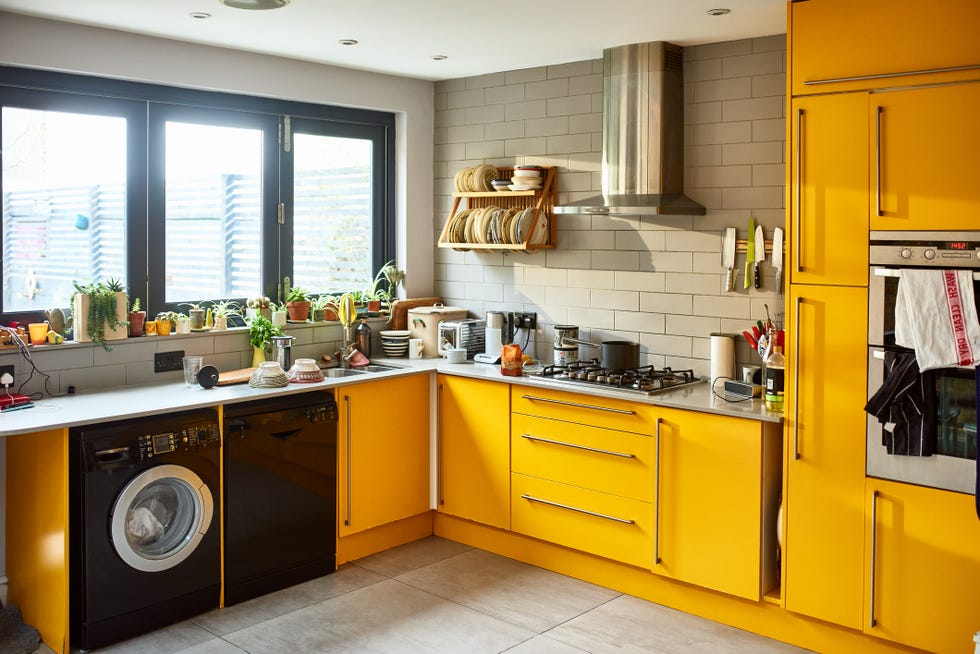
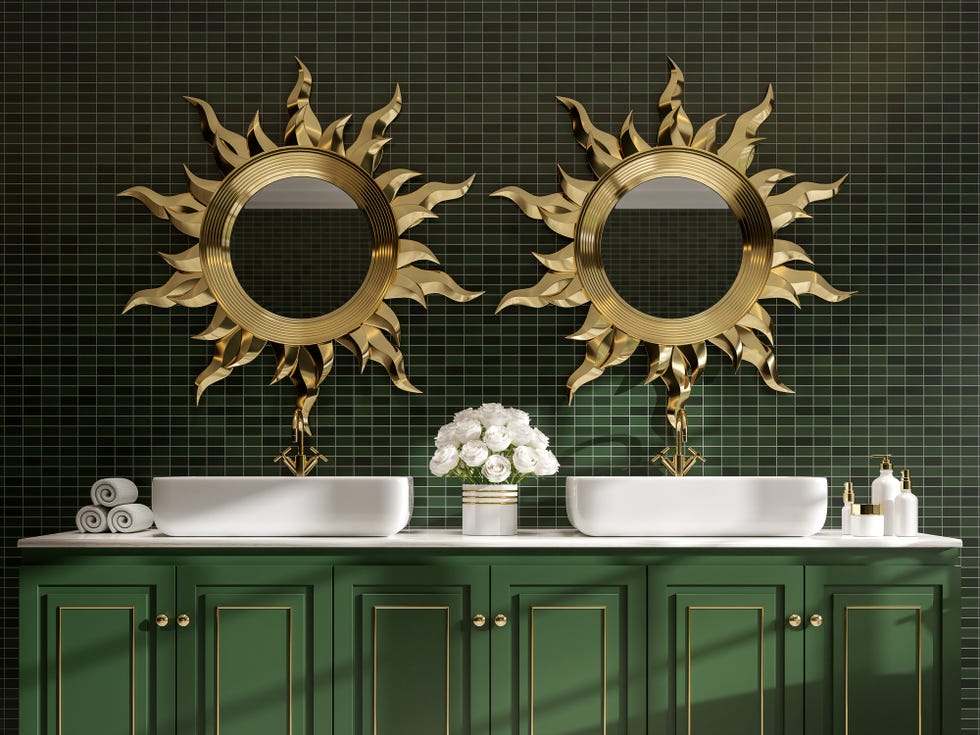
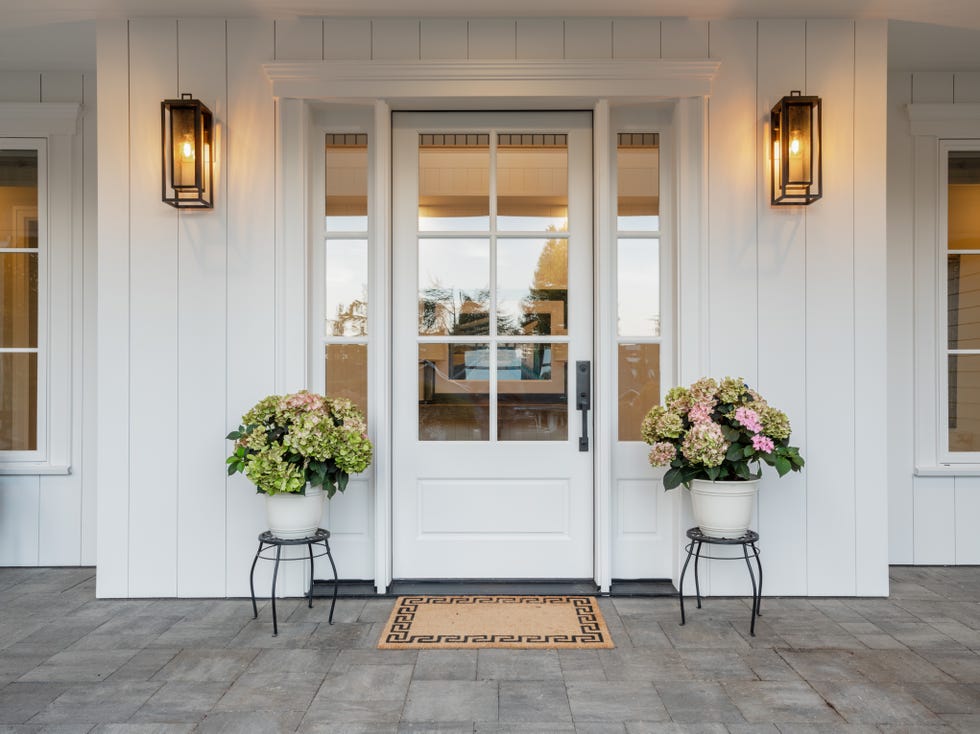
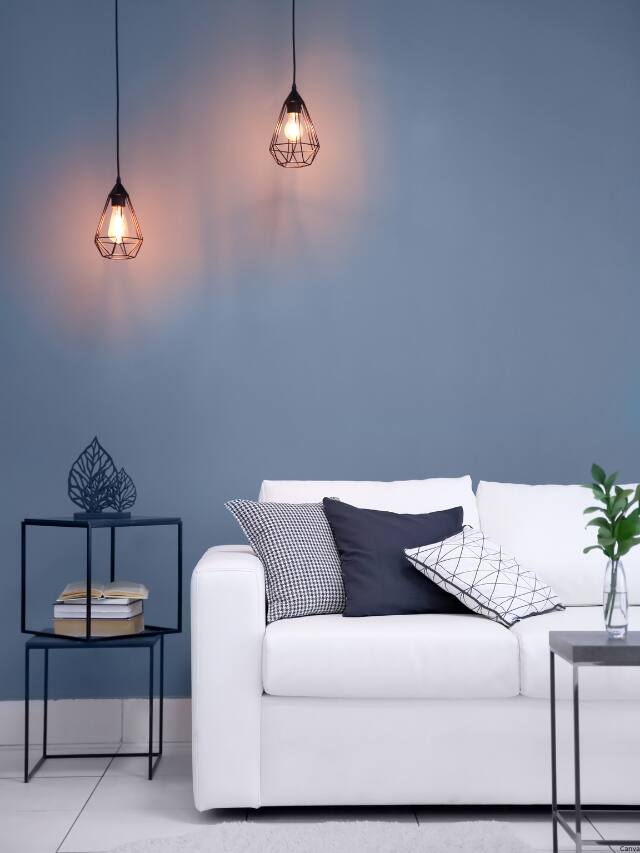
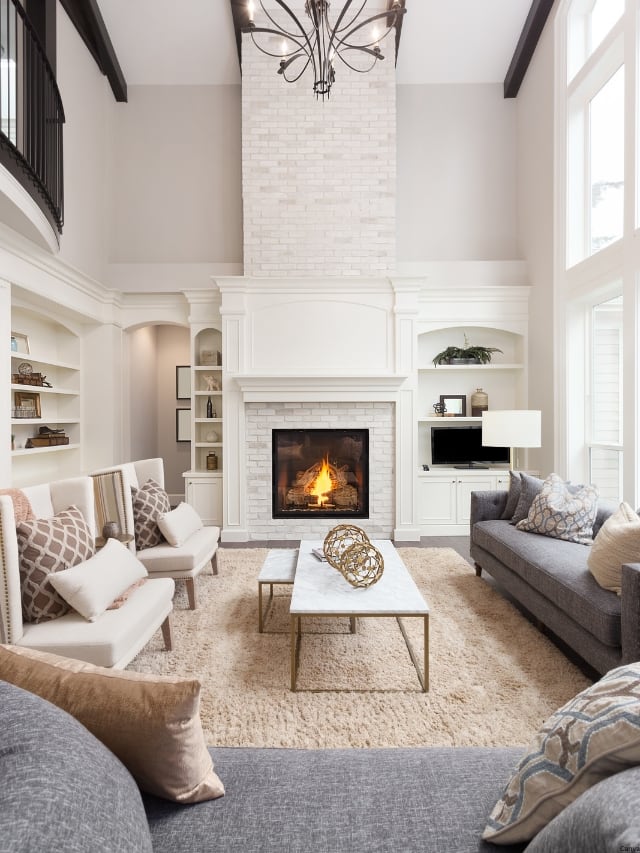
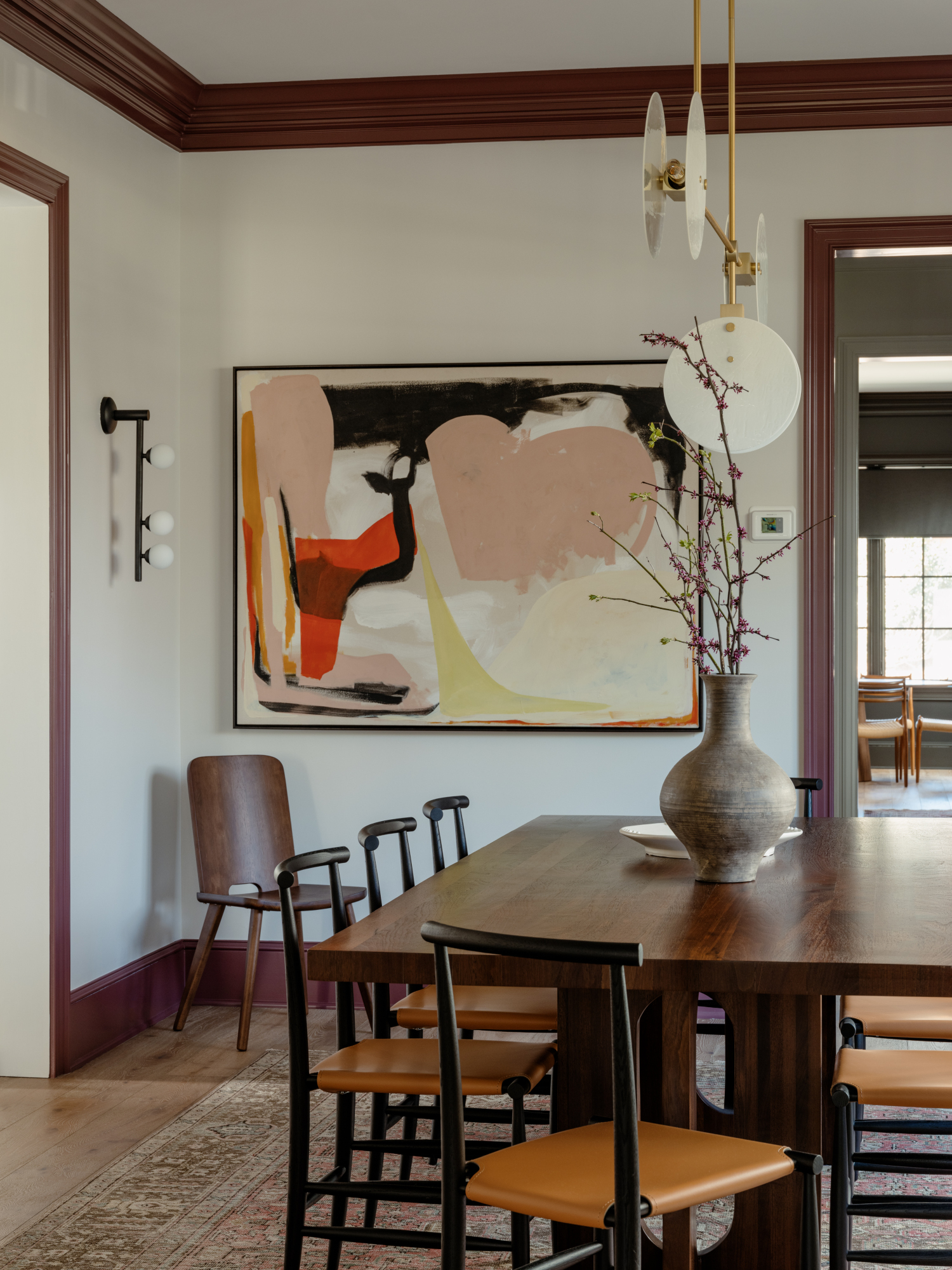
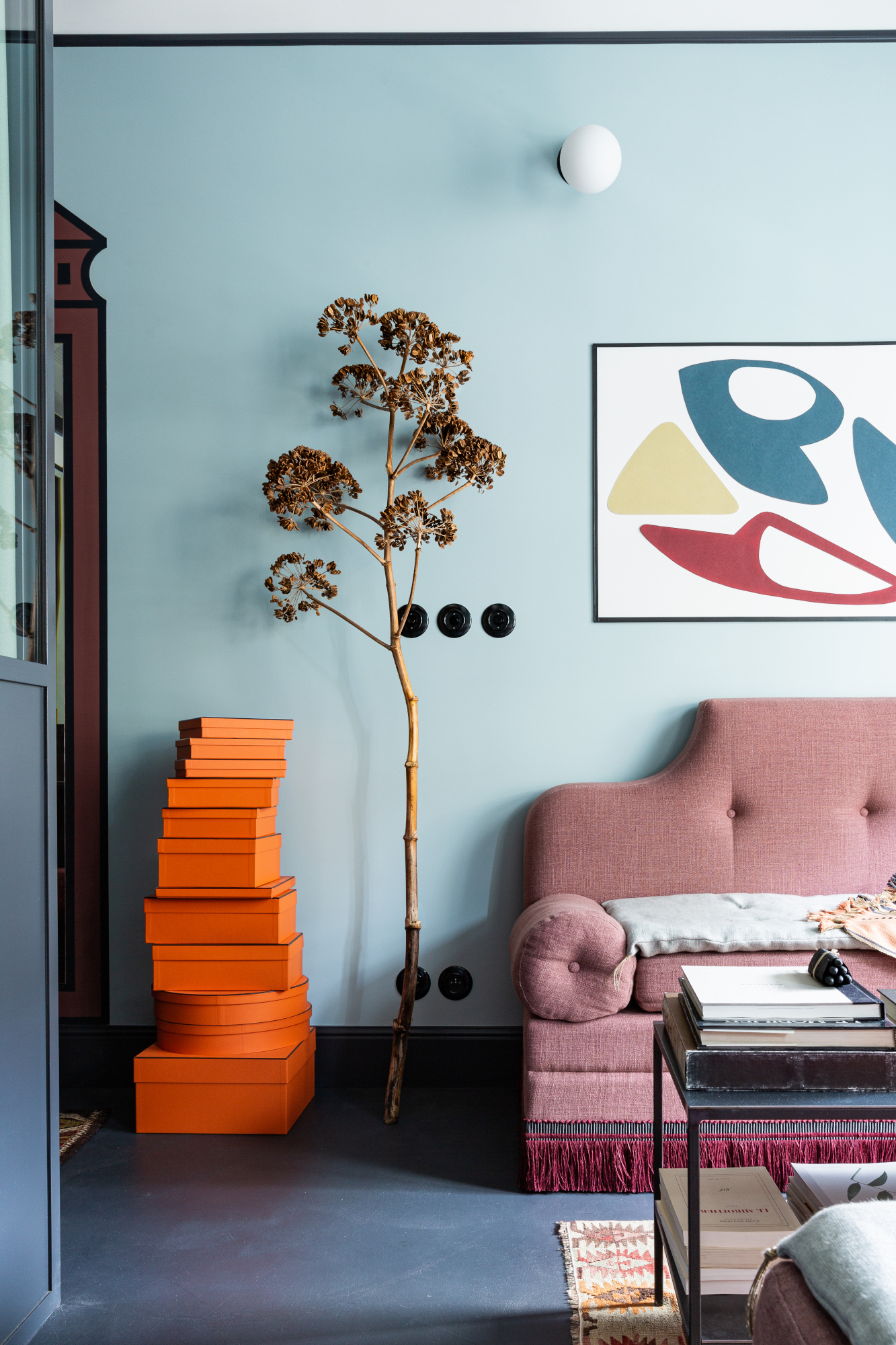
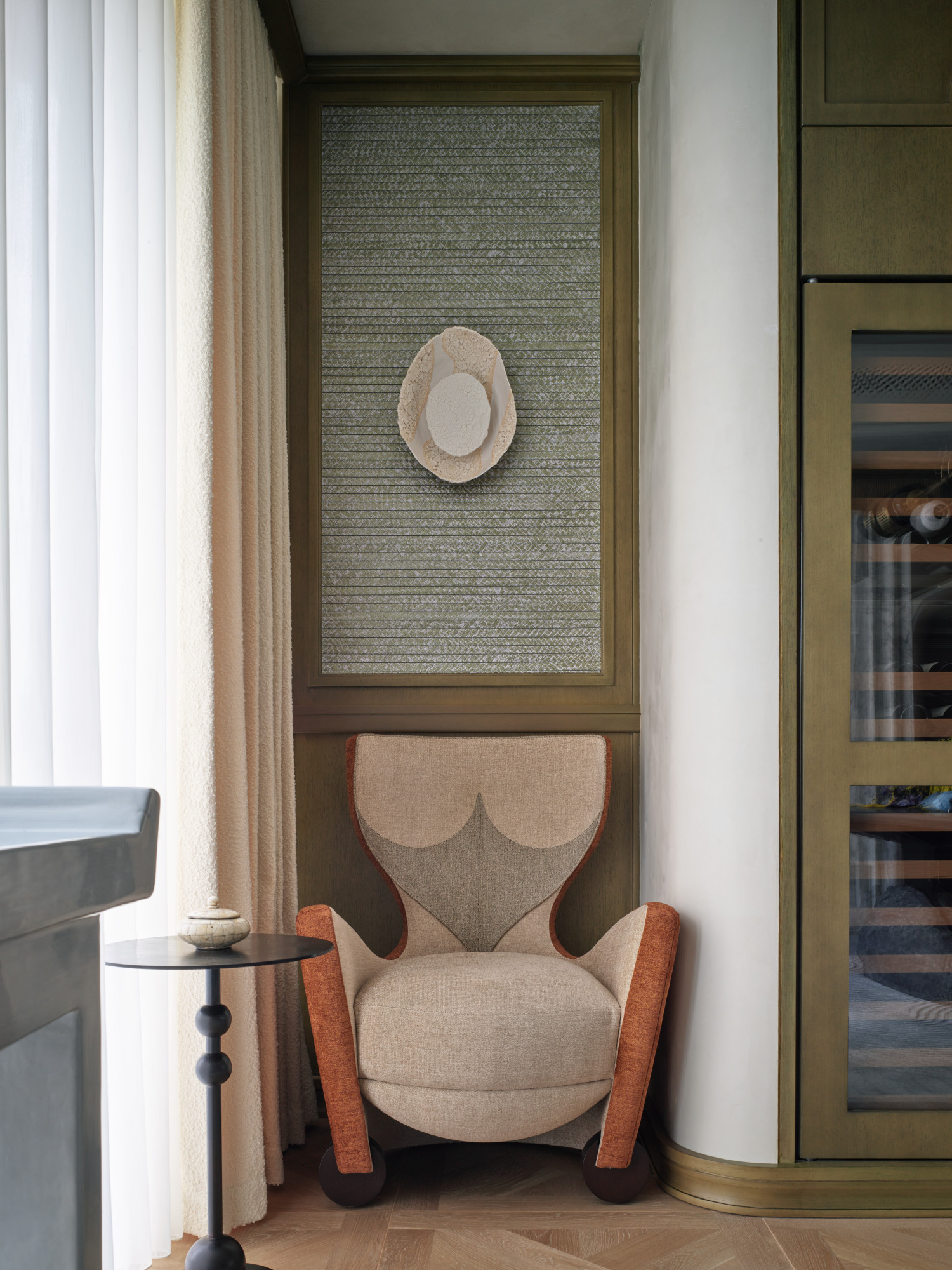
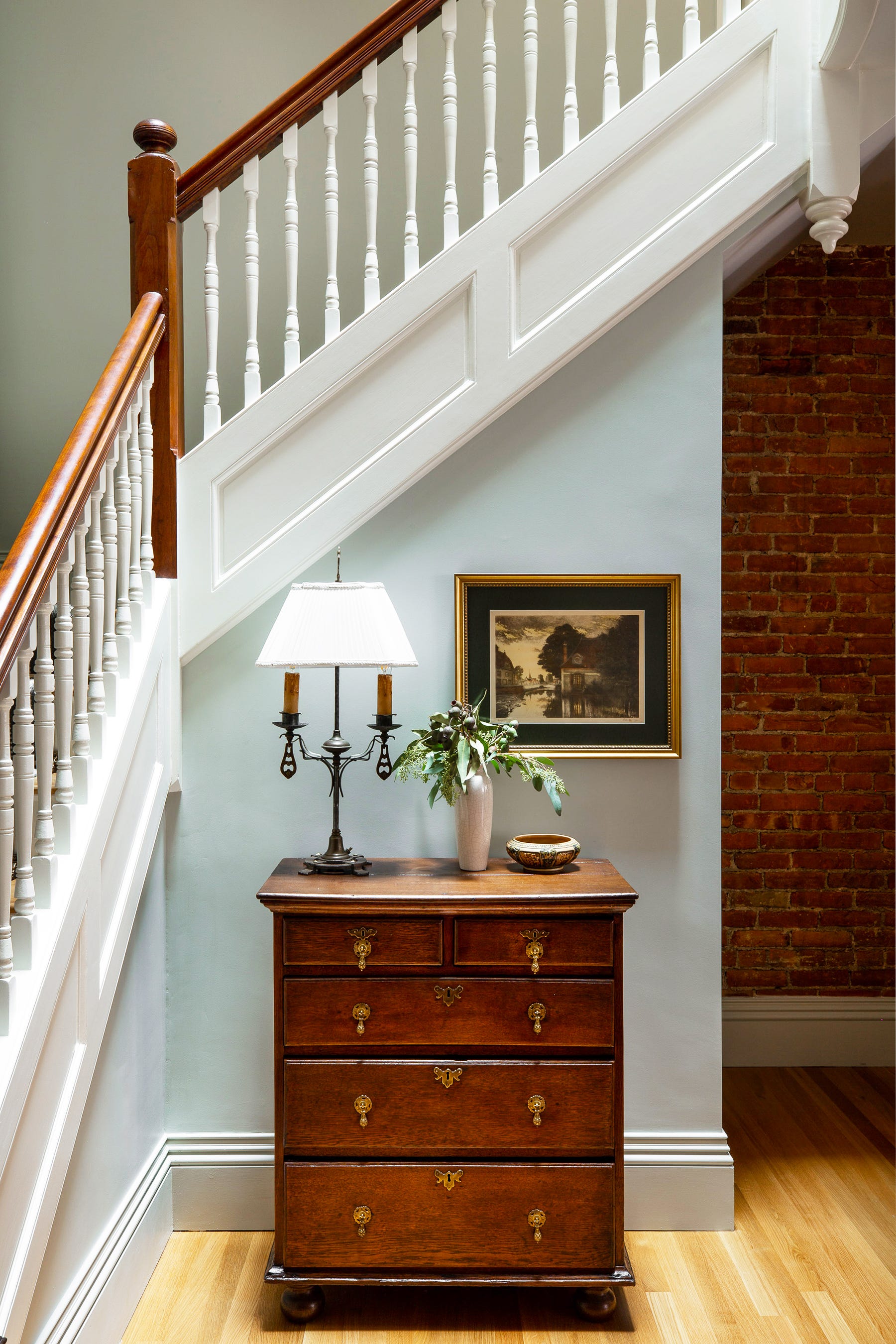
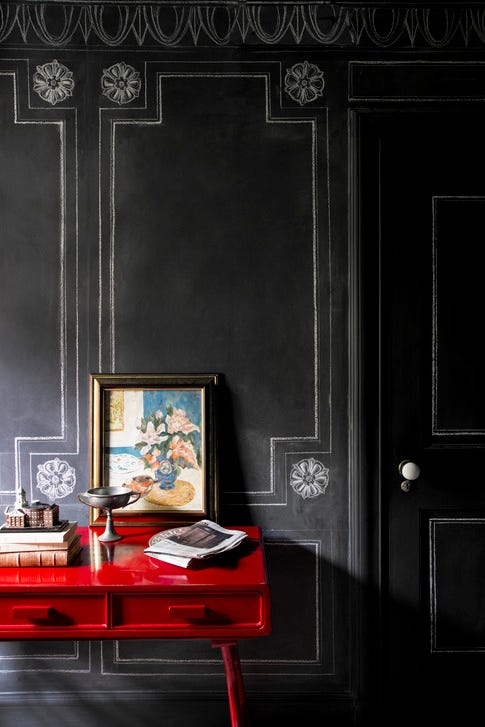
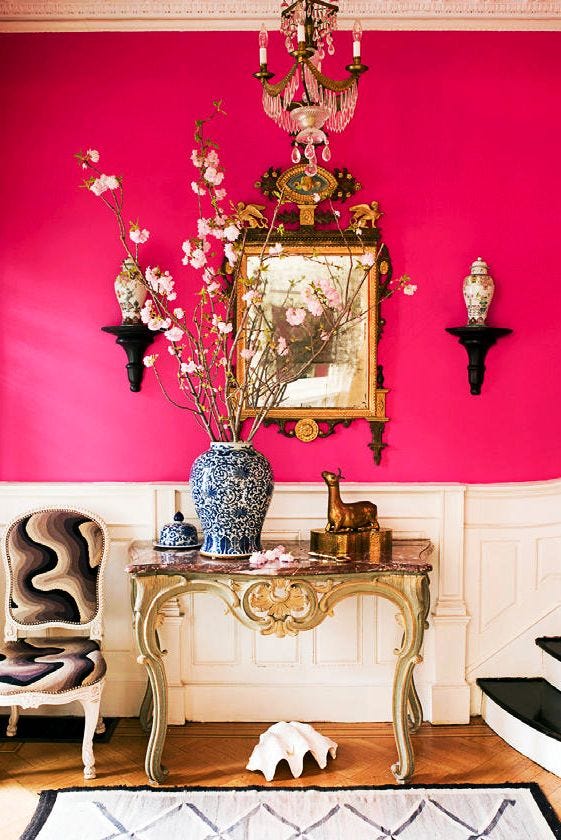
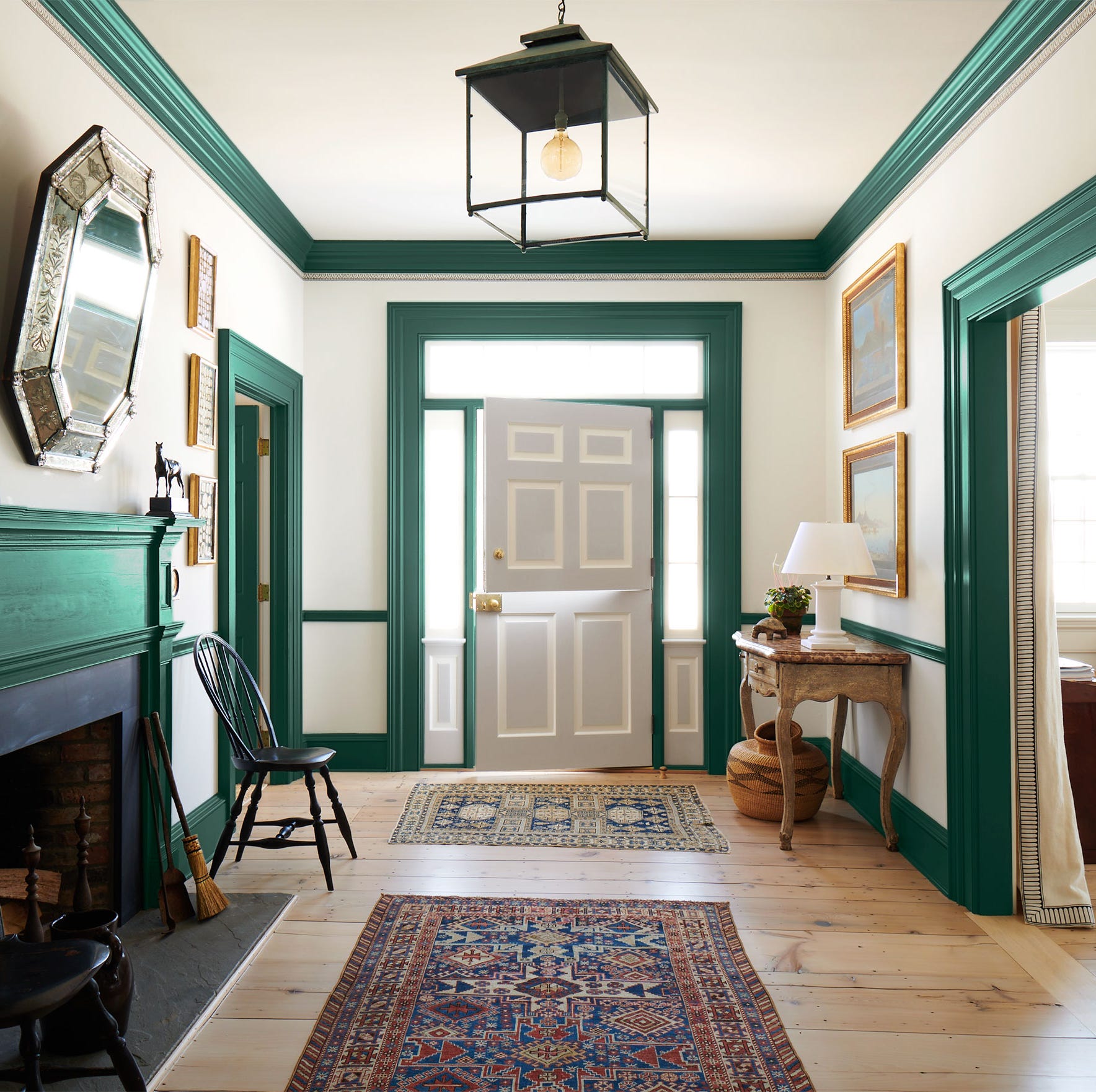
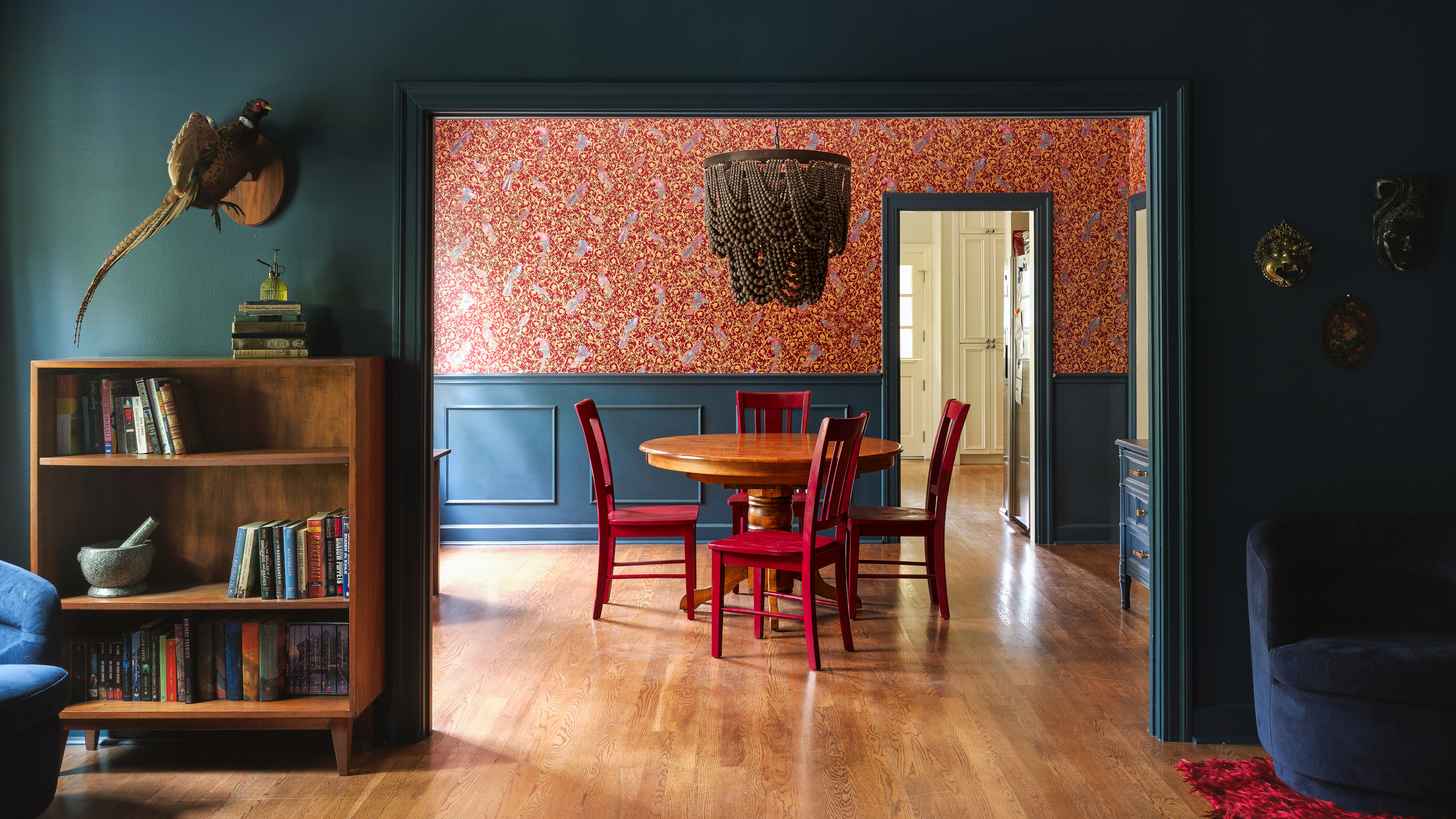
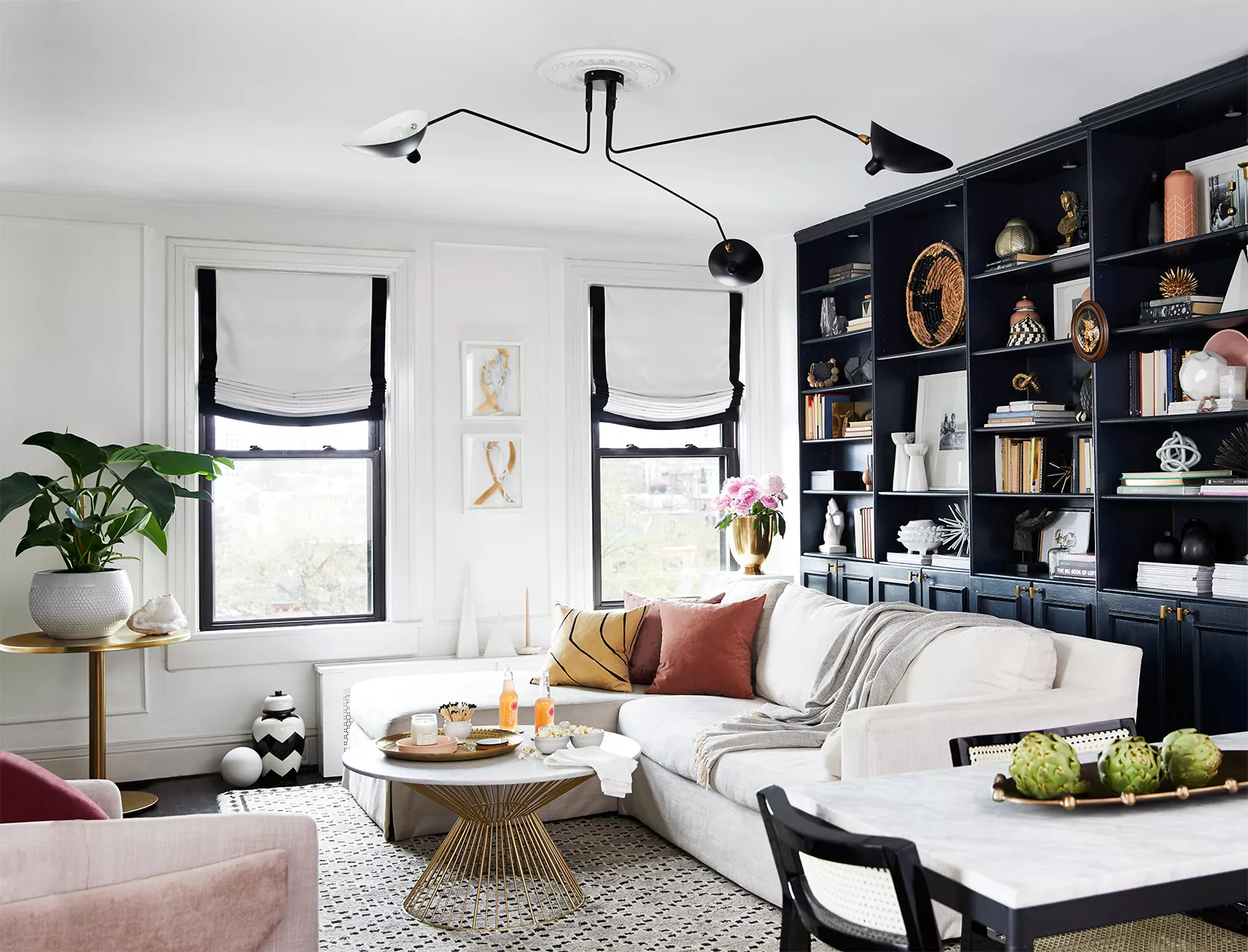
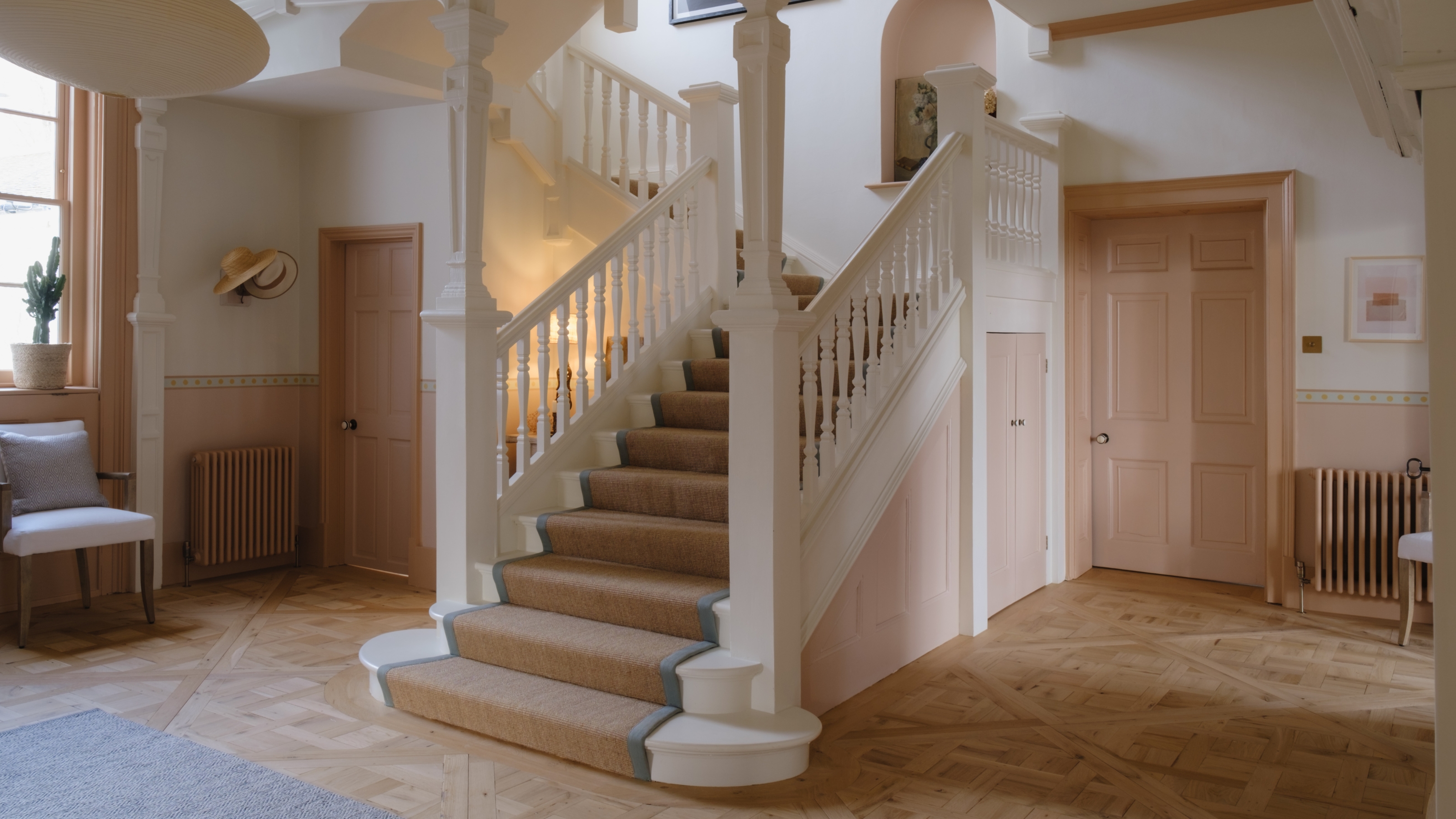
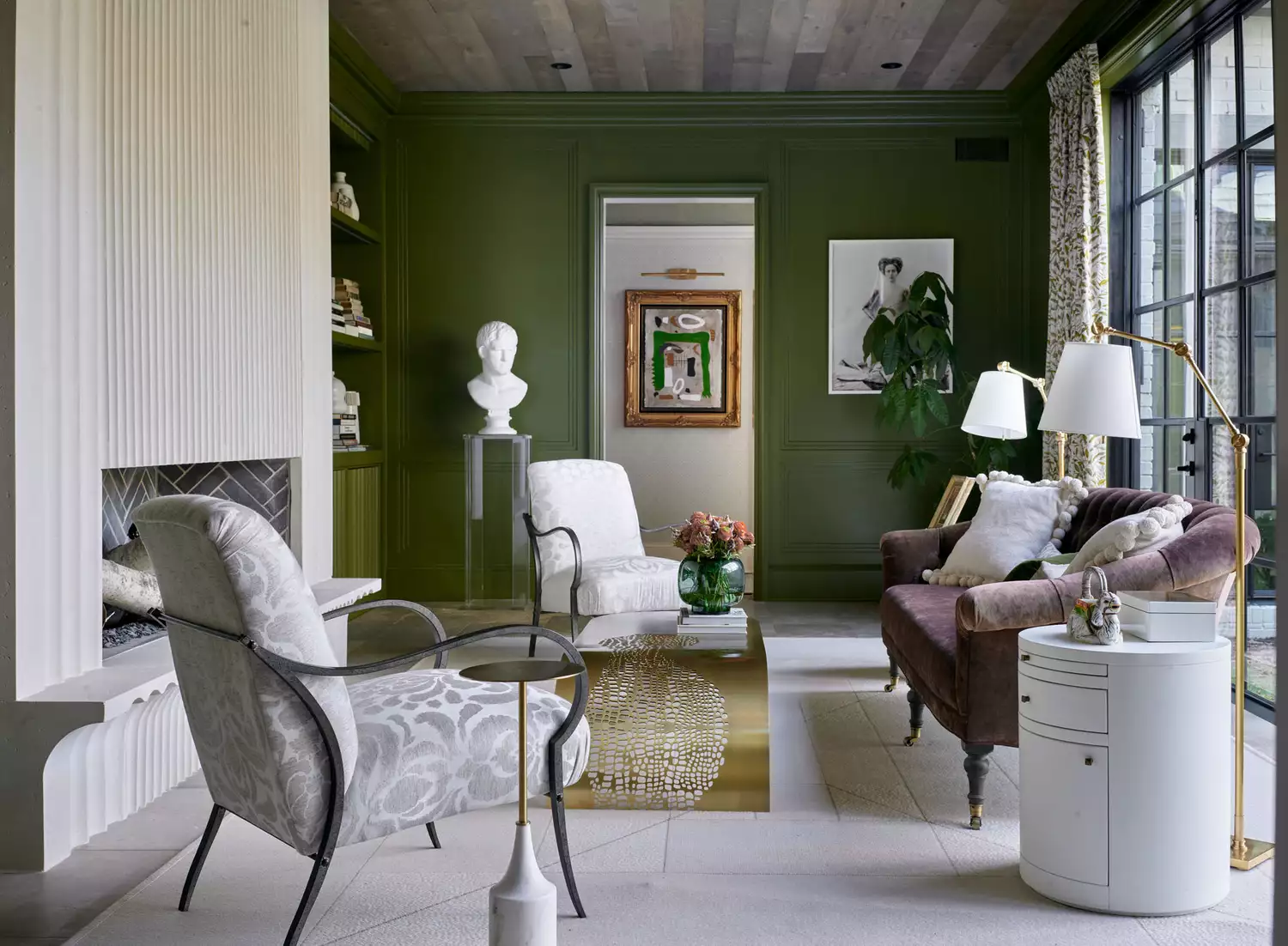
Choosing the right interior trim color is a crucial design decision that can significantly impact a room's aesthetic and overall feel. This guide, drawing insights from color experts Bachman Brown Clem and Beth Kooby, explores various approaches to selecting trim colors, defining trim, and offering practical advice for different scenarios. Trim, encompassing molding and millwork around walls, ceilings, windows, and doors, can either subtly enhance a room's architecture or become a focal point. When a room lacks character, trim can provide an "easy boost" and establish a "point of view." The choice of trim color is deeply connected to the desired mood of a room. For instance, a contrasting trim color can introduce vibrance and drama, as exemplified by a dark blue trim used to add intensity to a duplex's walls and fireplace surround. Alternatively, matching trim to the wall color but using a slightly different finish can create a serene and enveloping atmosphere. Considering the room's existing architecture is also vital. Modern aesthetics might benefit from neutral trim colors, while traditional spaces can afford more daring choices. Incorporating an accent color from existing art, furniture, or wallpaper into the trim is a good strategy, though it's recommended to limit trim colors to no more than two per room to avoid an overwhelming effect. Some colors, like green, are surprisingly versatile and can pair well with a wide range of hues, including pink, mustard, blue, tan, and rust. It's always advisable to test paint samples at different times of the day to observe how lighting affects the chosen color. When considering consistency, using the same trim color throughout a home, especially in interconnected areas, promotes cohesion. However, individual rooms with distinct color schemes or wallpapers, such as bedrooms or powder rooms, offer opportunities for variation. Doors and passageways also present chances for creative mixing, where the outer trim matches the house's general scheme, while the inner portion aligns with the specific room's colors. Beyond paint, trim materials like marble or stone can introduce sophisticated textures, particularly when matched with flooring. For a classic look, white trim remains a popular choice, but selecting the right white is essential. If walls have gray undertones, a warmer, creamier white trim can create balance, while walls with yellow or orange hues might pair well with a white trim that has a slight gray tint. Combining white walls with white trim, using different finishes like satin for walls and semi-gloss for trim, can add dimension. The paint finish of the trim is also a critical factor. Trim endures more wear and tear than walls, so durable finishes, typically in a satin or semi-gloss range, are recommended over matte or flat options. Matching trim and ceiling colors to wall colors, but in contrasting high-gloss finishes, can create a striking effect. Natural wood trim can be embraced, depending on the architectural style, such as Arts and Crafts or chalet homes. While some modern interiors might favor all-white, natural wood, particularly a clear-coated walnut, can add a rich, paneled aesthetic. Dark trim can add significant drama, but caution is advised as it can make rooms appear smaller. In larger rooms, a darker trim can help temper the space, making it feel less industrial. Conversely, in smaller rooms, dark trim can enhance coziness and intimacy. Painting only the mullions of a window darker can make them recede, while medium tones draw more attention to them. Darker trim than walls can create a dramatic look, especially when opting for a richer hue from the same color family as the walls. Ultimately, paint is relatively easy to change, encouraging experimentation with bold choices.
#InteriorDesign #HomeRenovation #PaintColors #TrimDesign #ColorSchemes #ArchitecturalDetails #HomeDecor #DesignTips #PaintFinishes #InteriorDesign #HomeRenovation #PaintColors #TrimDesign #ColorSchemes #ArchitecturalDetails #HomeDecor #DesignTips #PaintFinishes
0 comment in total
 No comments yet
You may also like
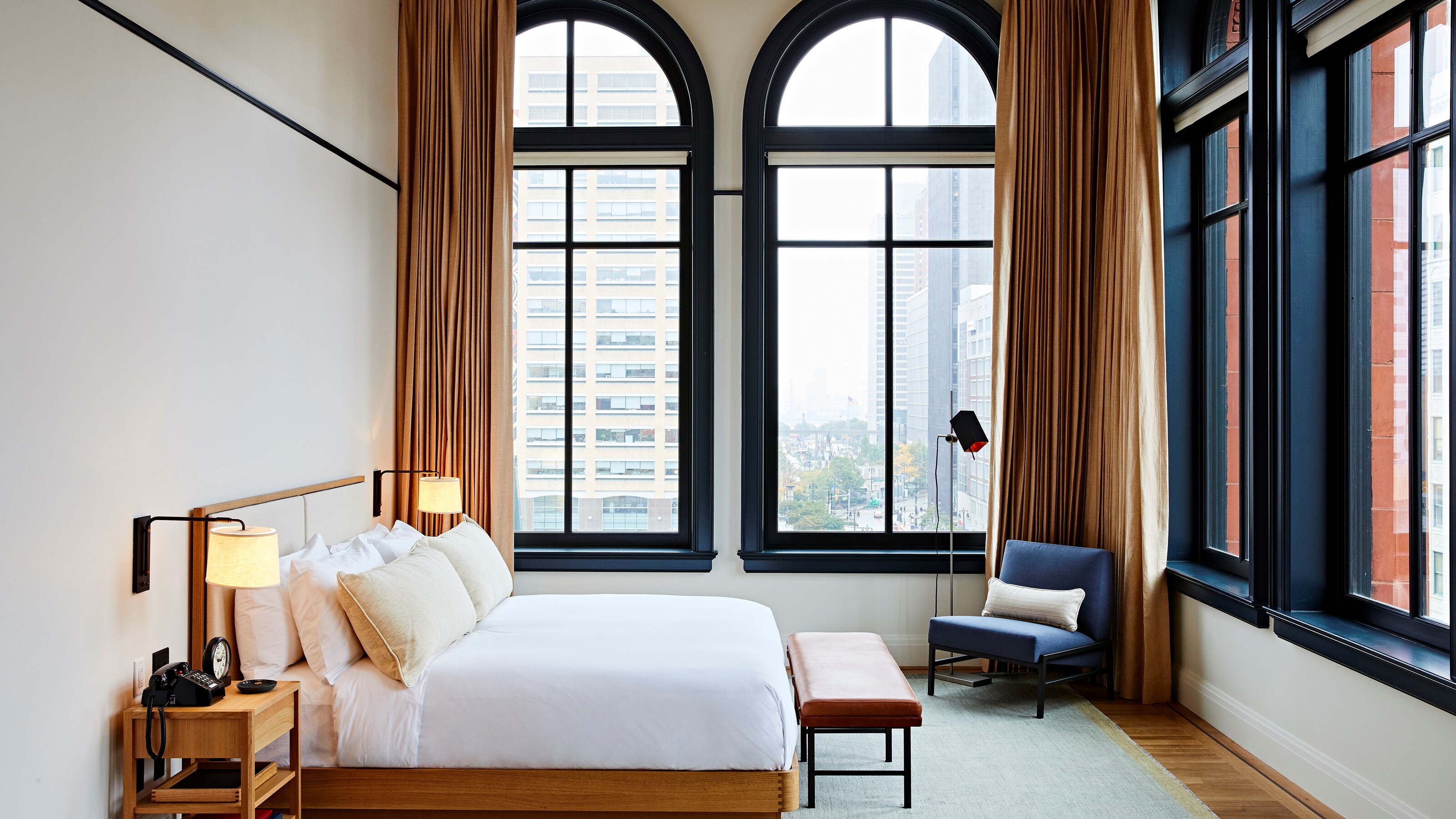
I'm so over white trim! But I love these color combos designers are using to elevate rooms instead

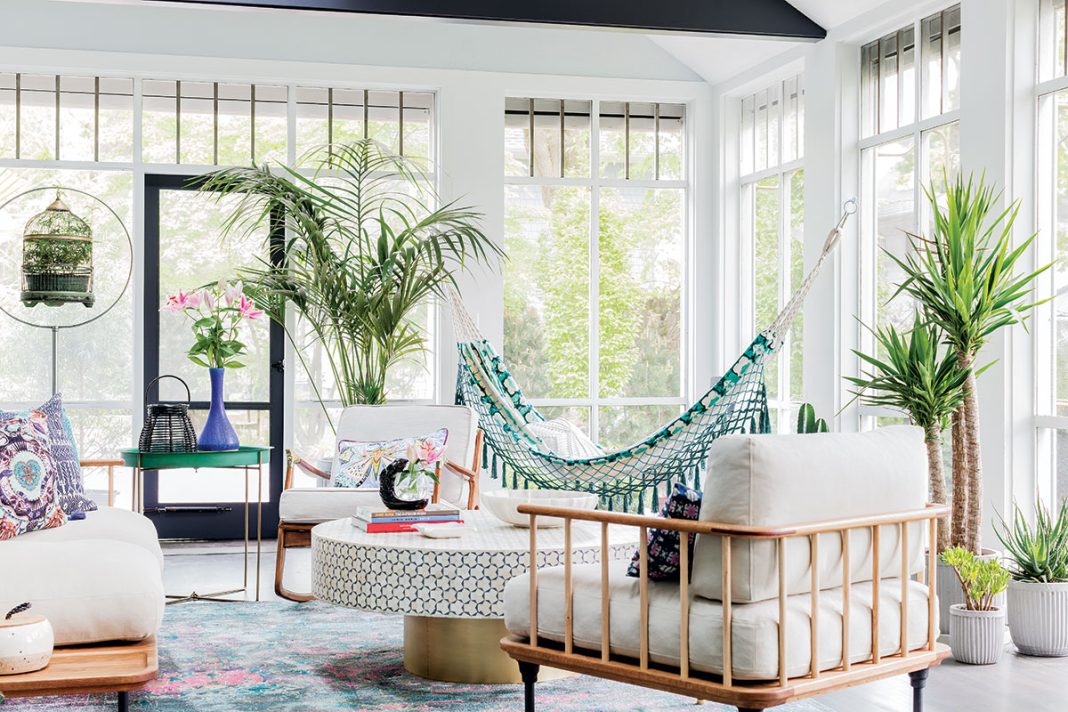
Creative, Captivating Use of Color Helps This Home Redesign Shine

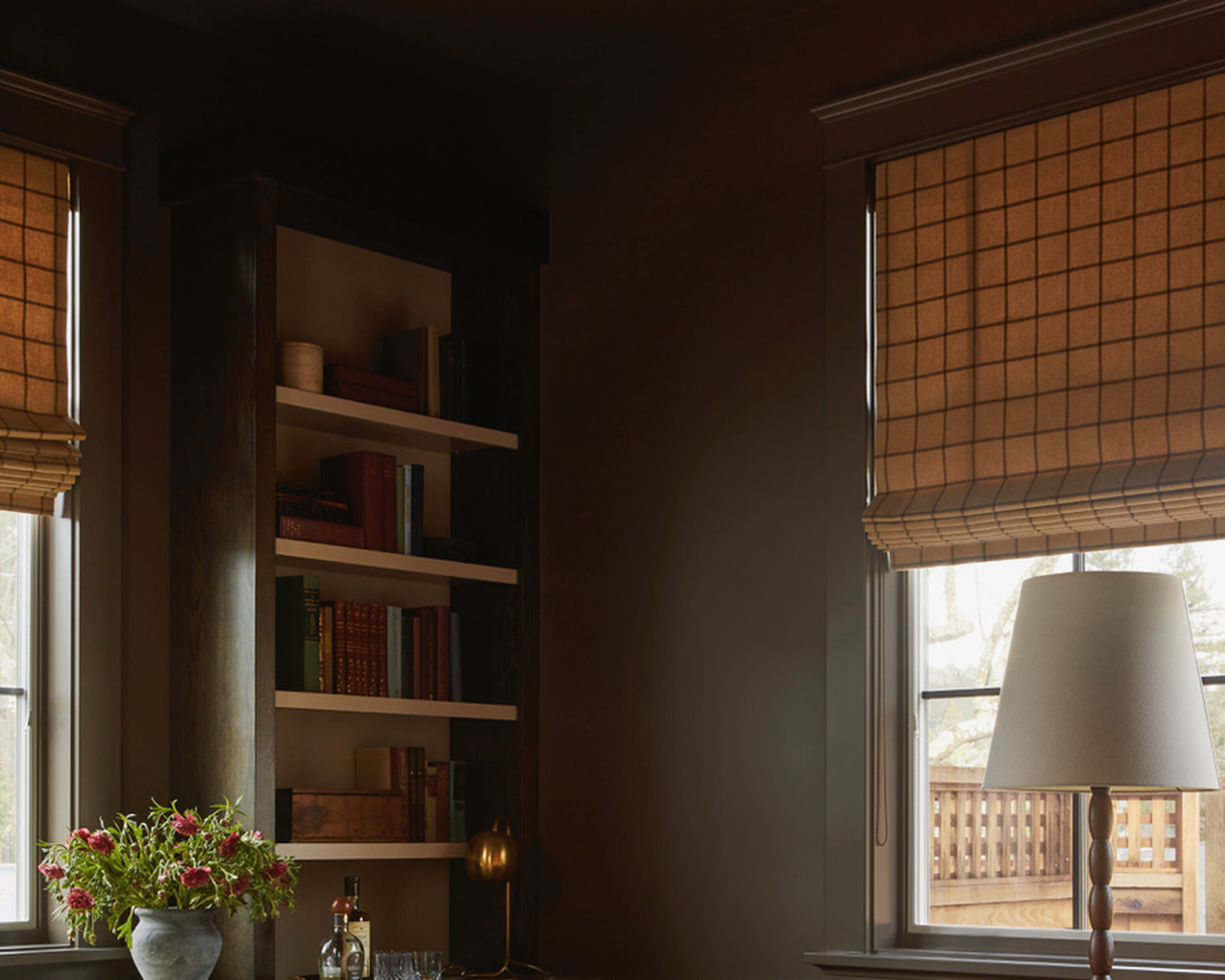
As a designer, I can tell you: this one simple change can transform any home’s decor

Before Choosing A Paint Color, Ask These 5 Questions

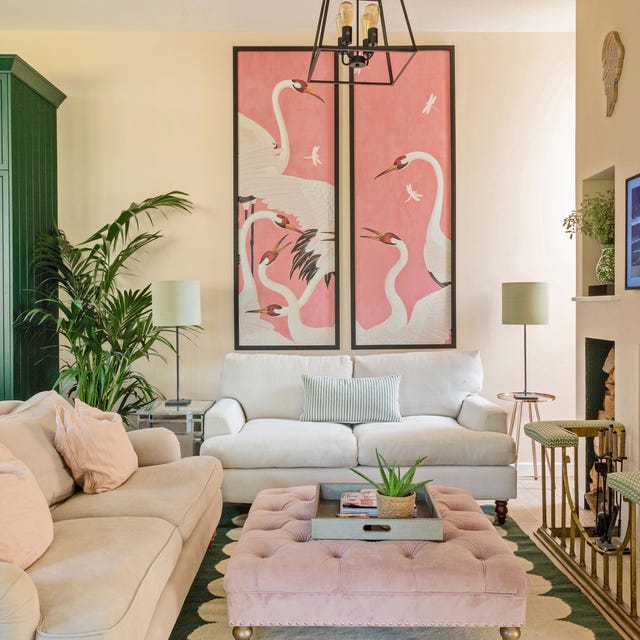
How to make your home look instantly more stylish with clever use of colour

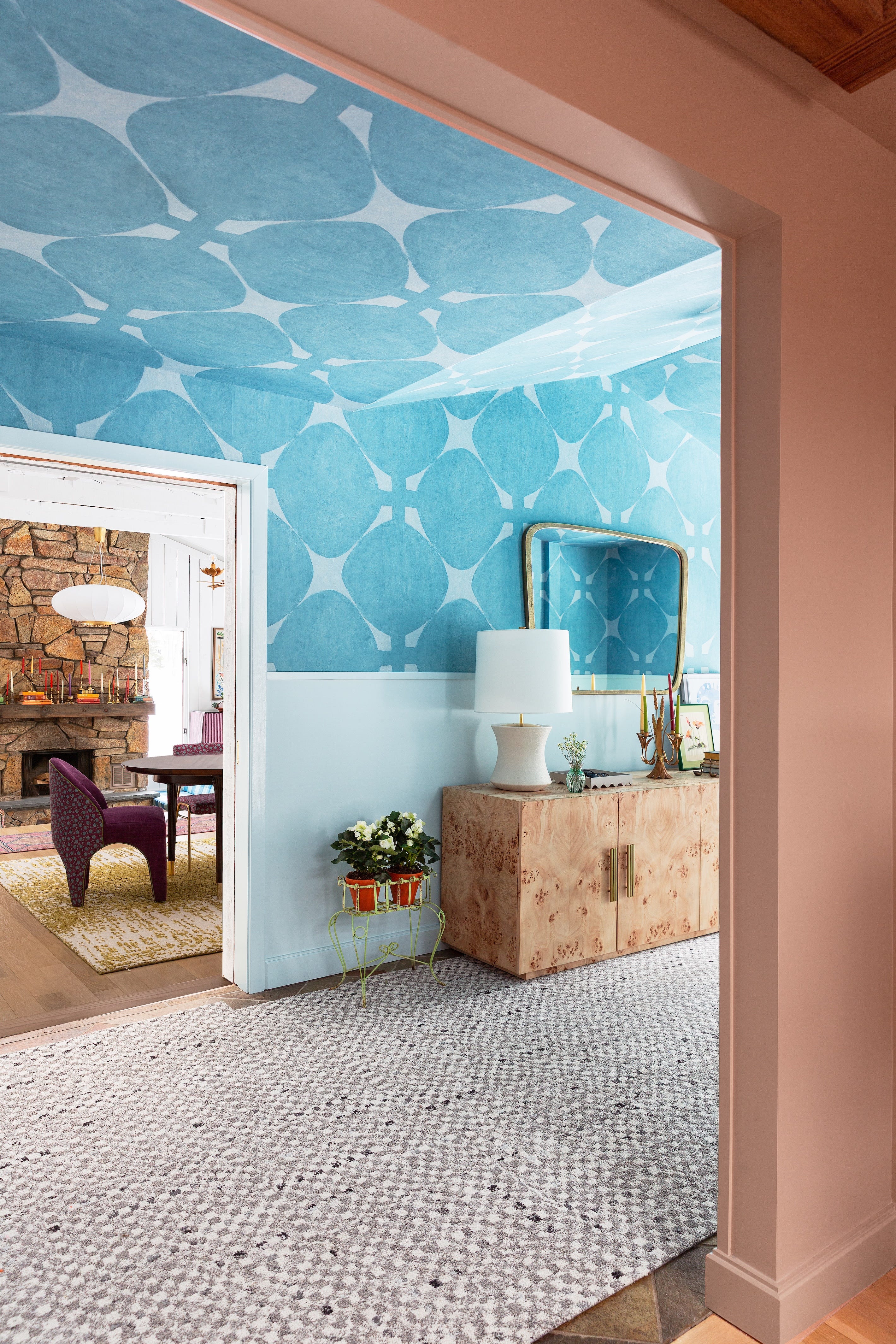
Designers Say These Unusual Paint Color Combos Will Transform Your Home

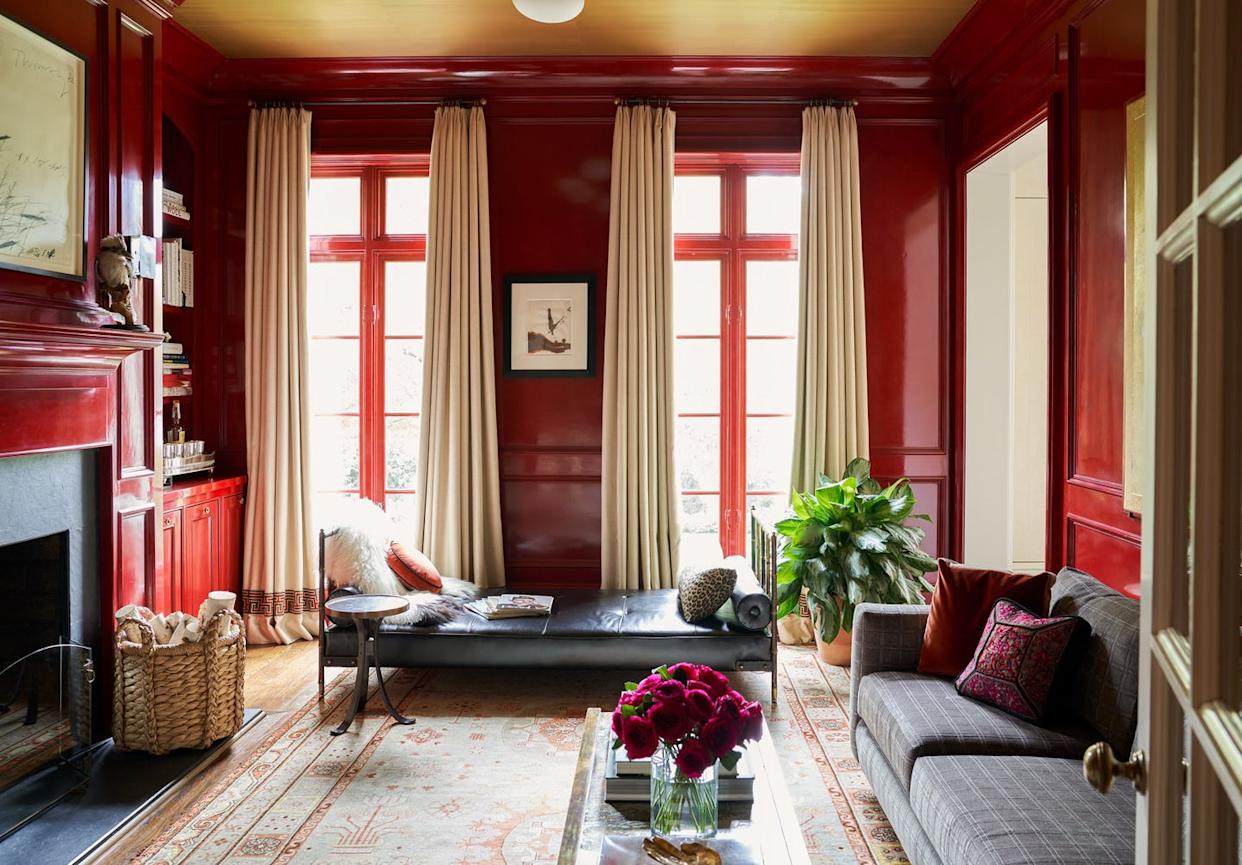
Why This Hue Is Suddenly Dominating Every Designer's Wishlist—Plus, How to Style It

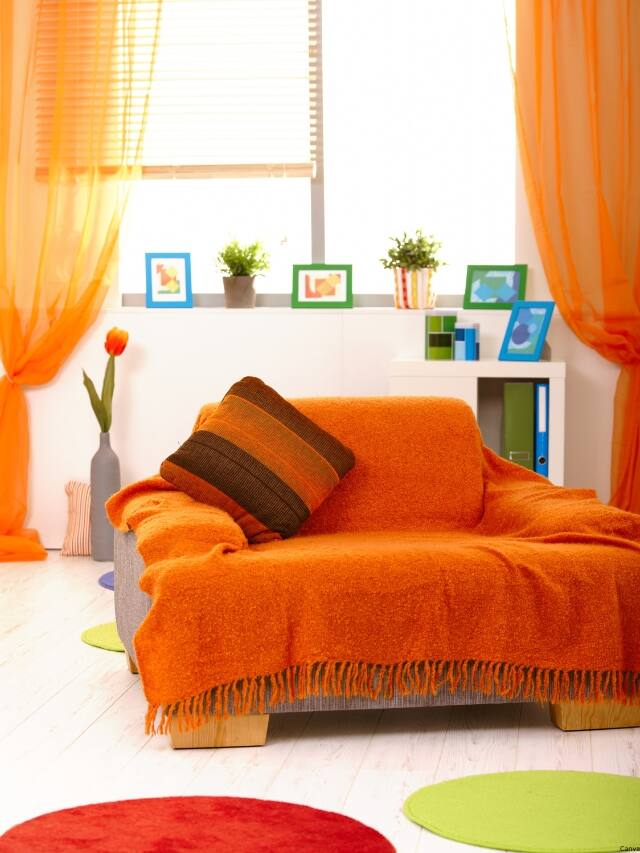
7 colour tricks to transform your mood and living room design

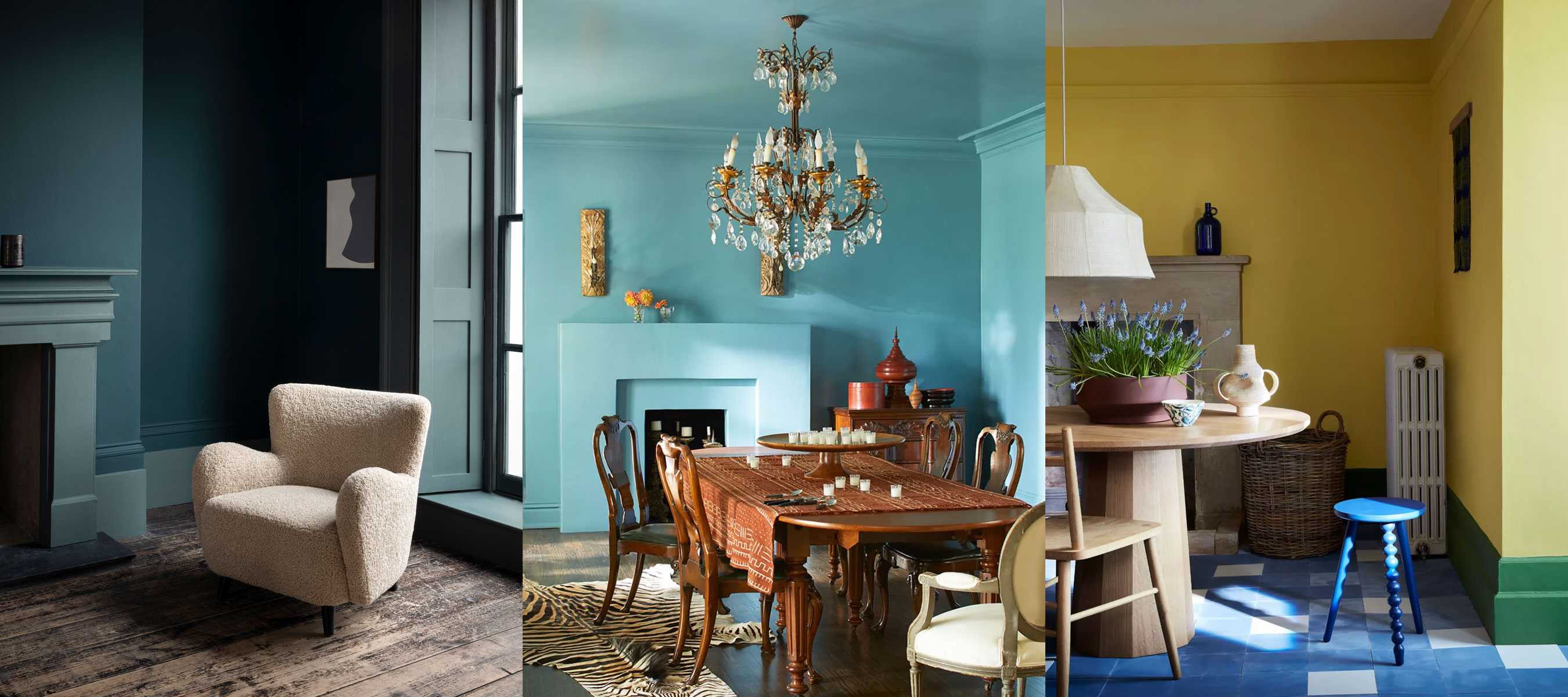
Should your trim match your wall color? Experts reveal 6 color tips that can lead to decorating success


How To Choose The Right Paint Color For Your Home, According To An Interior Design Expert
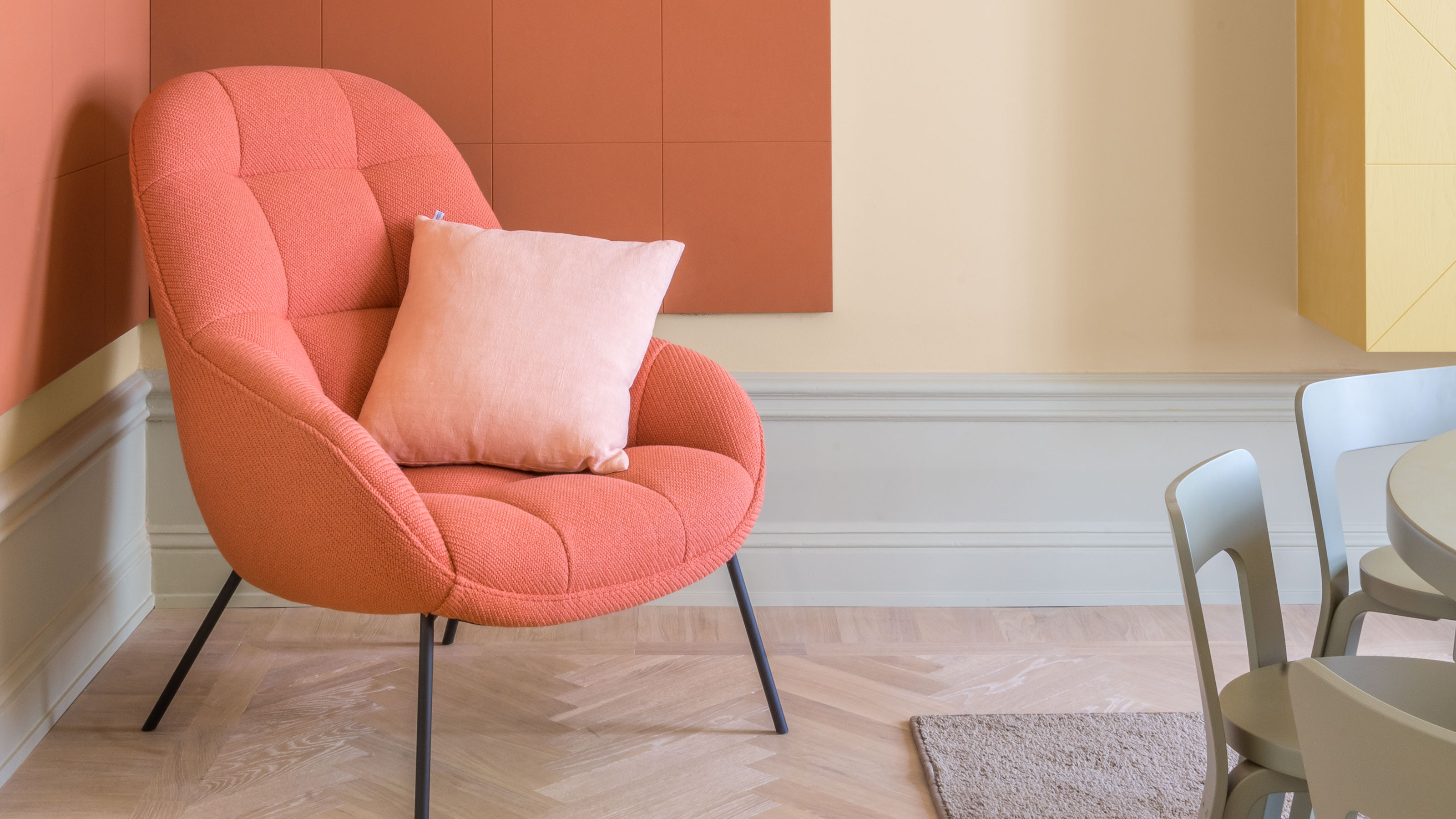
What are the best trim colors? 7 alternatives to white paint to elevate your room's palette
8 dark trim paint color schemes from interior designers that nail the look - 'they're cozy, cocooning and dramatic'
6 Outdated Trim Colors Designers Say to Avoid—and What to Use Instead

Should Doors and Trim be the Same Color? In 2025, Here's What Designers Are Doing
Incorporate Color Drenching Into Your Home Design
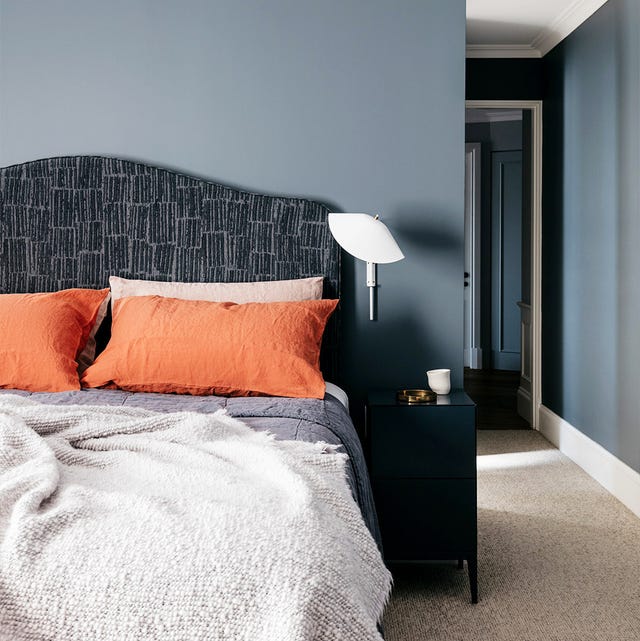
35 Paint Colors to Consider for Every Room in Your House

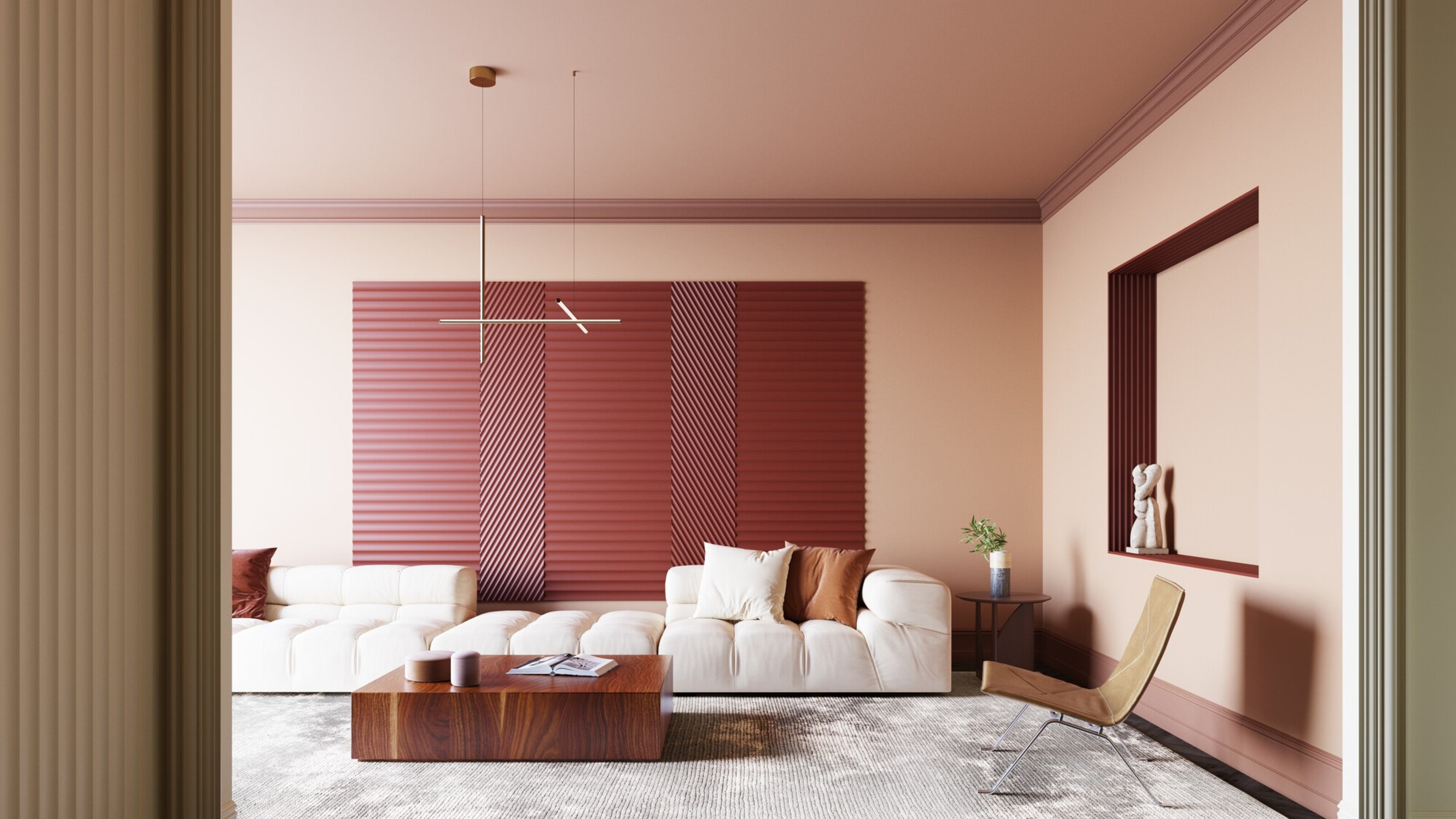
Should I paint my wall trim white? The pros and cons to painting your molding
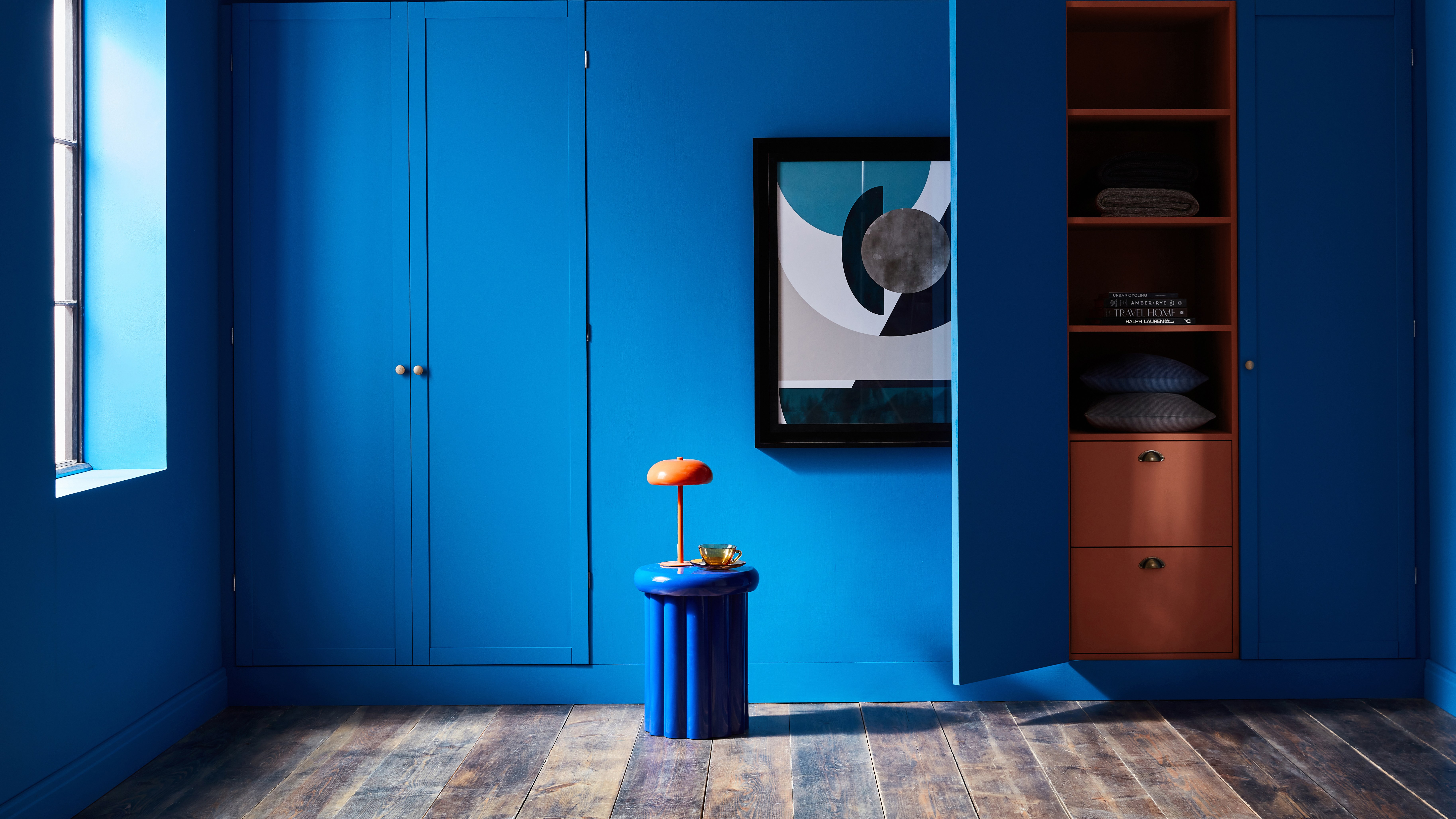
How to transform your rooms with colour drenching
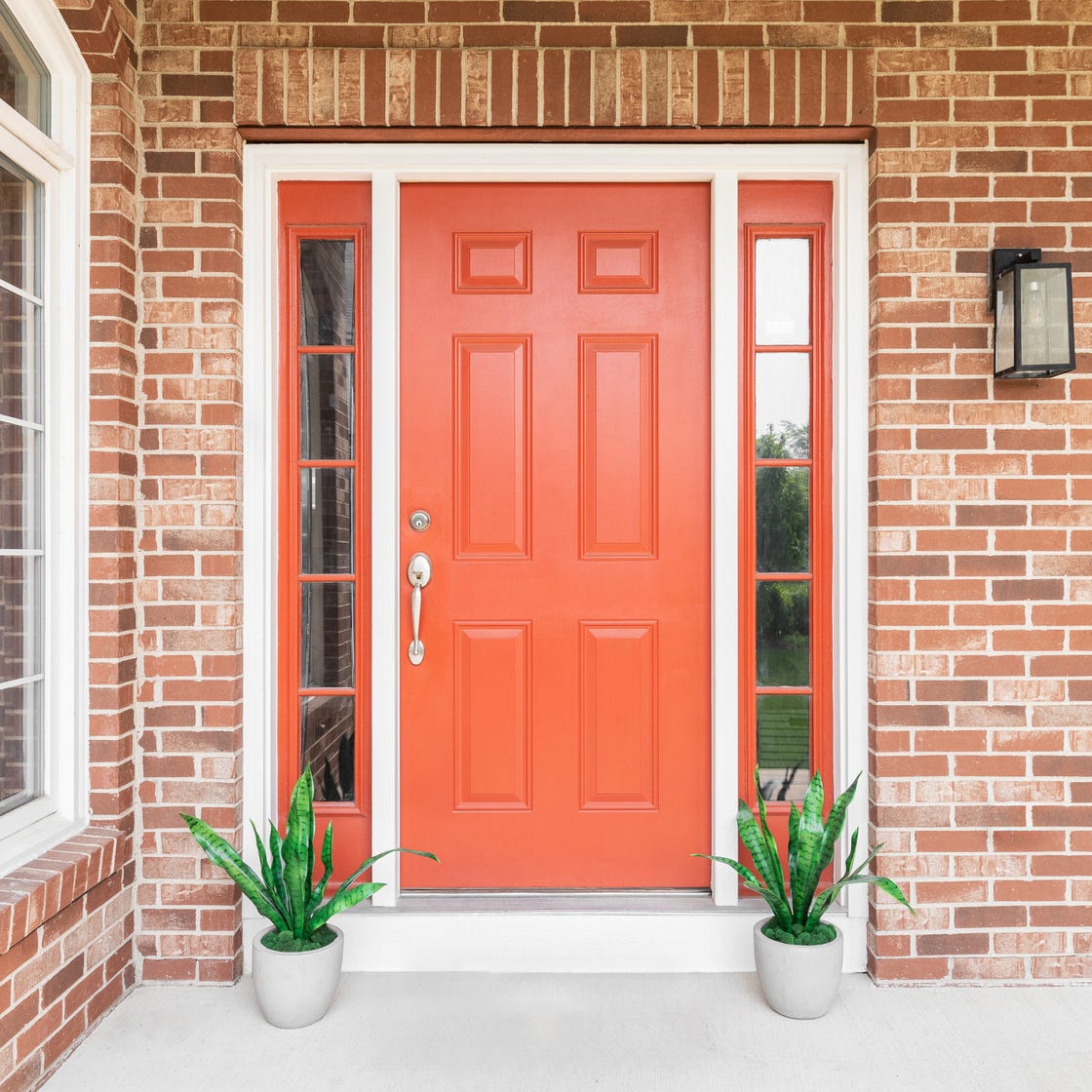
8 Surprising Colors That Will Decrease Your Home's Value, According to Experts
Should You Paint Your Trim And Walls The Same Color?