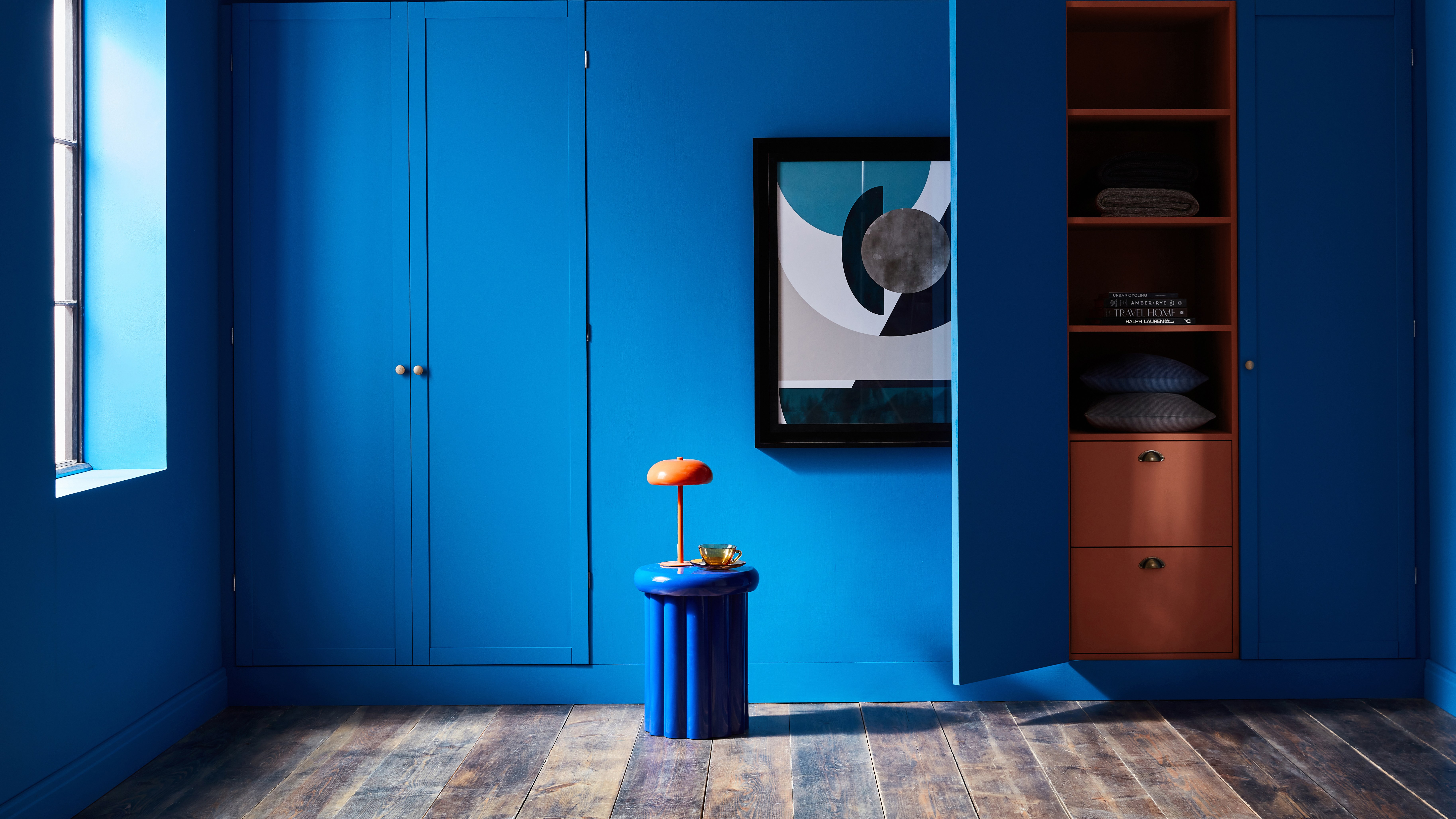
1/10
How to transform your rooms with colour drenching
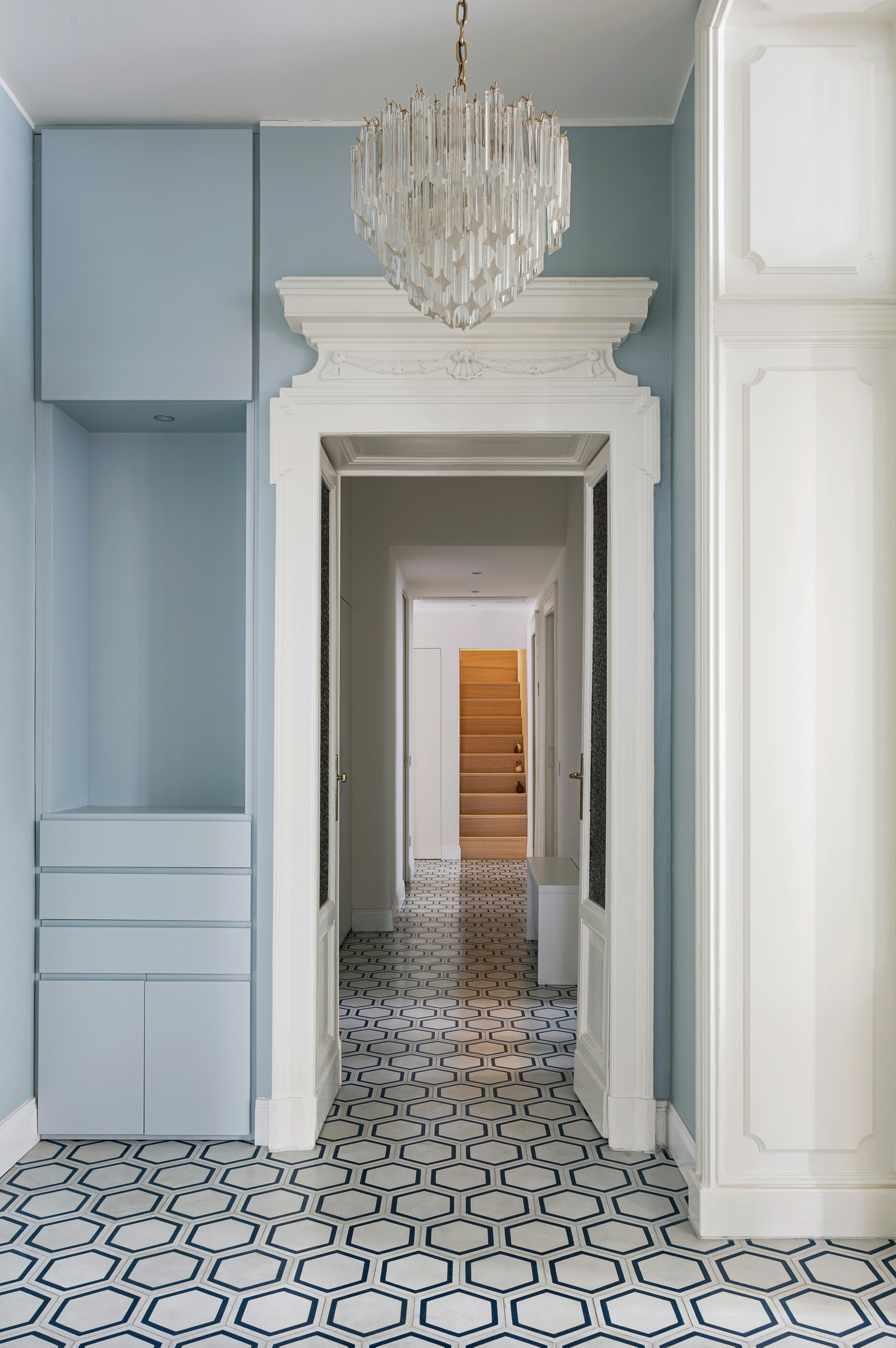
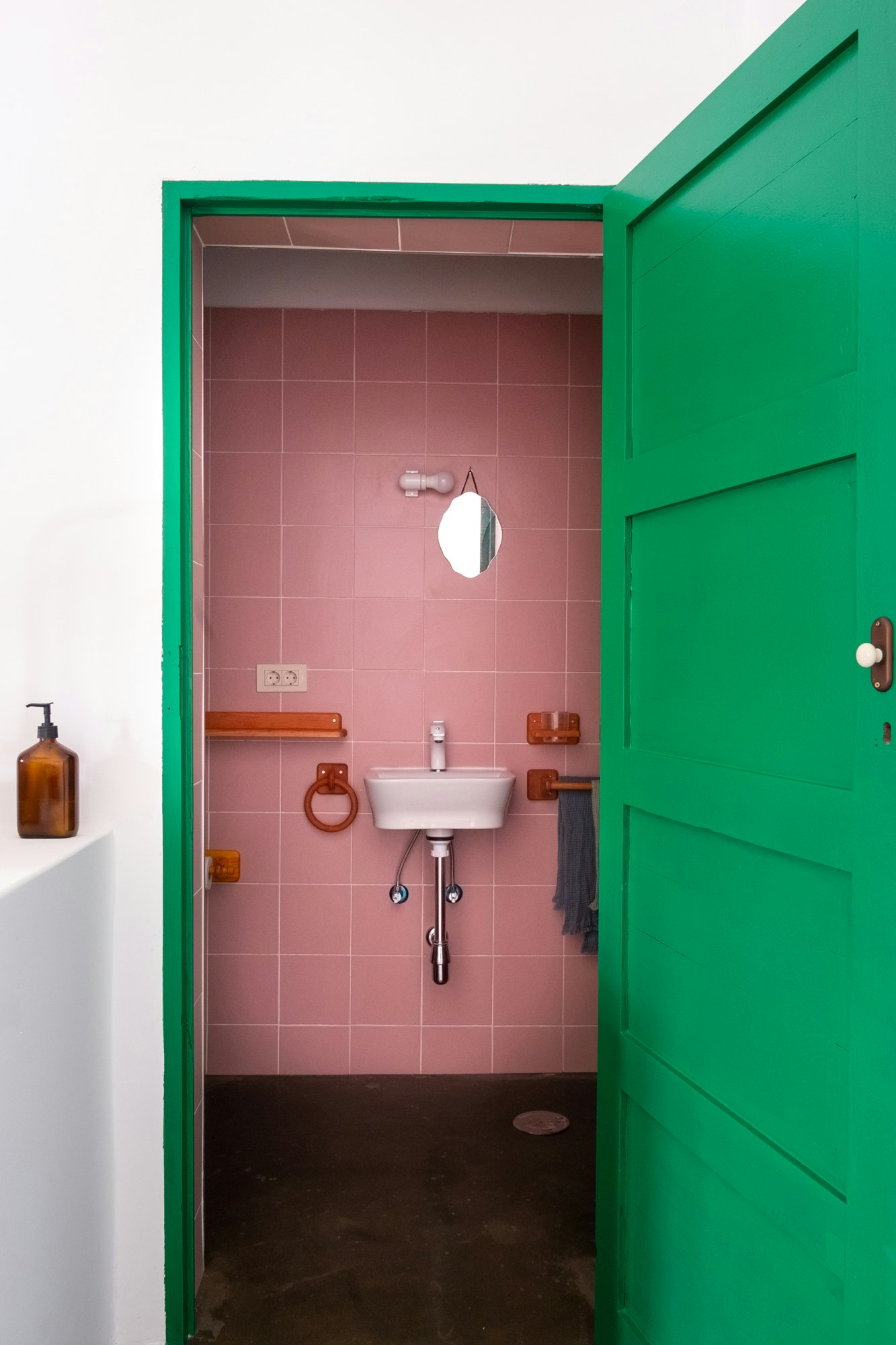
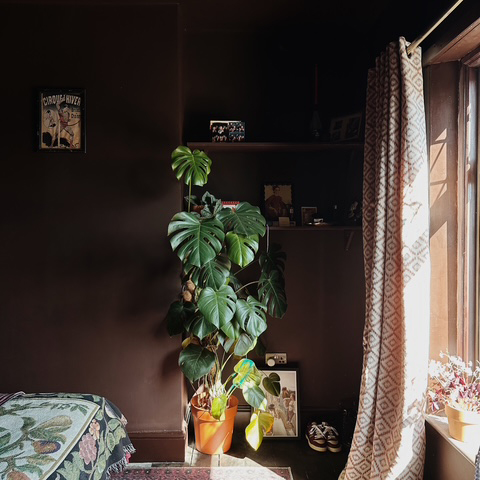
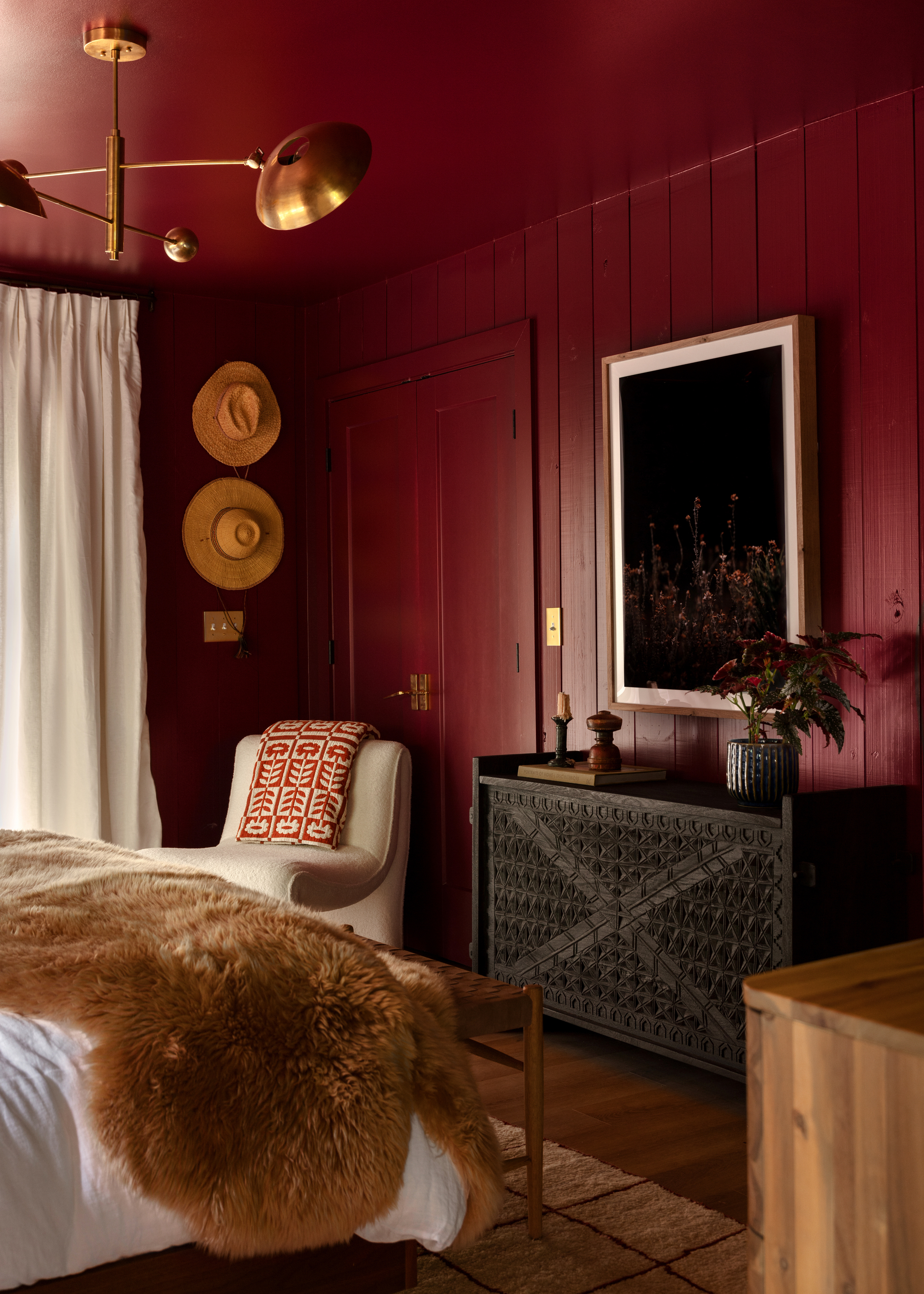
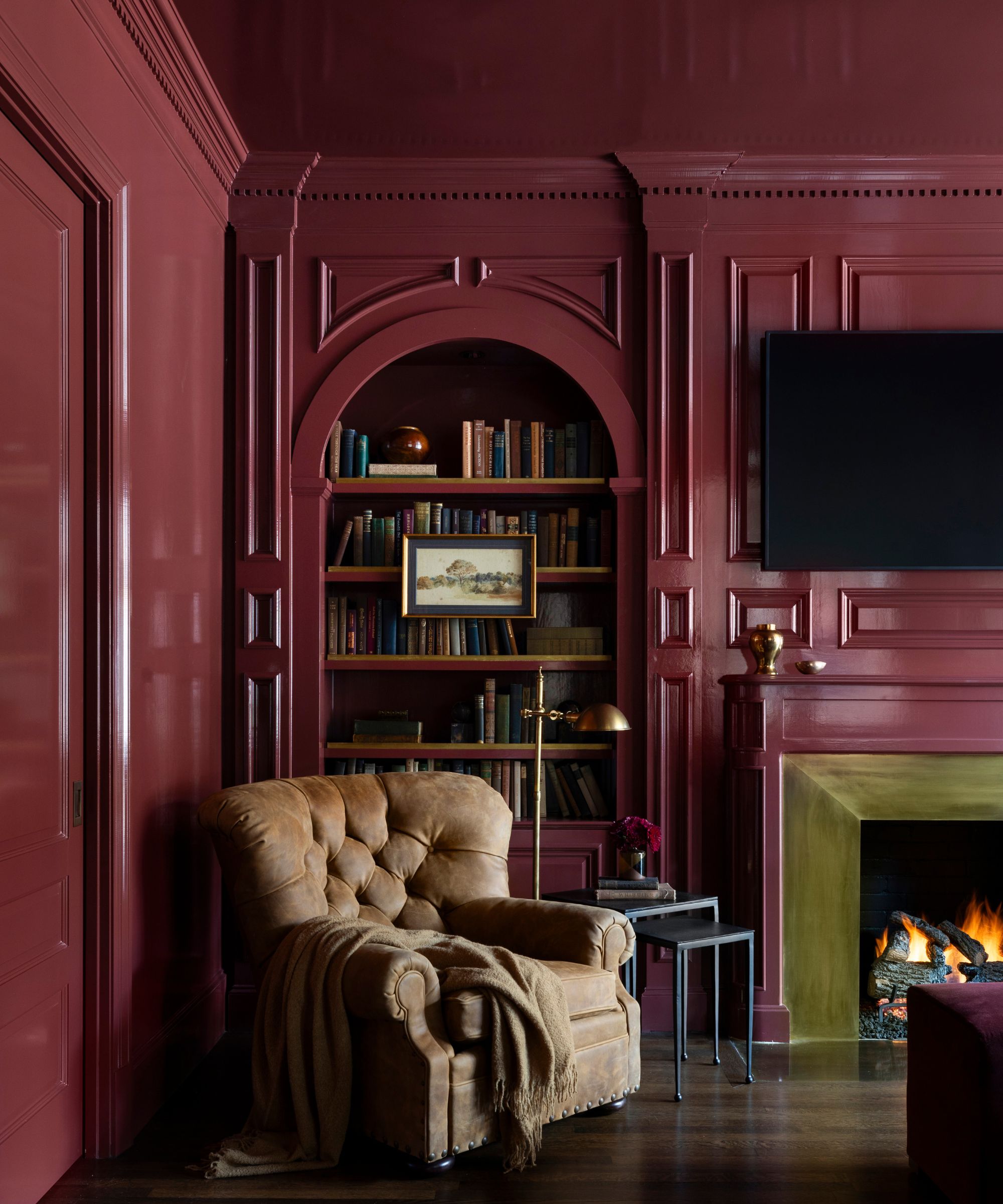
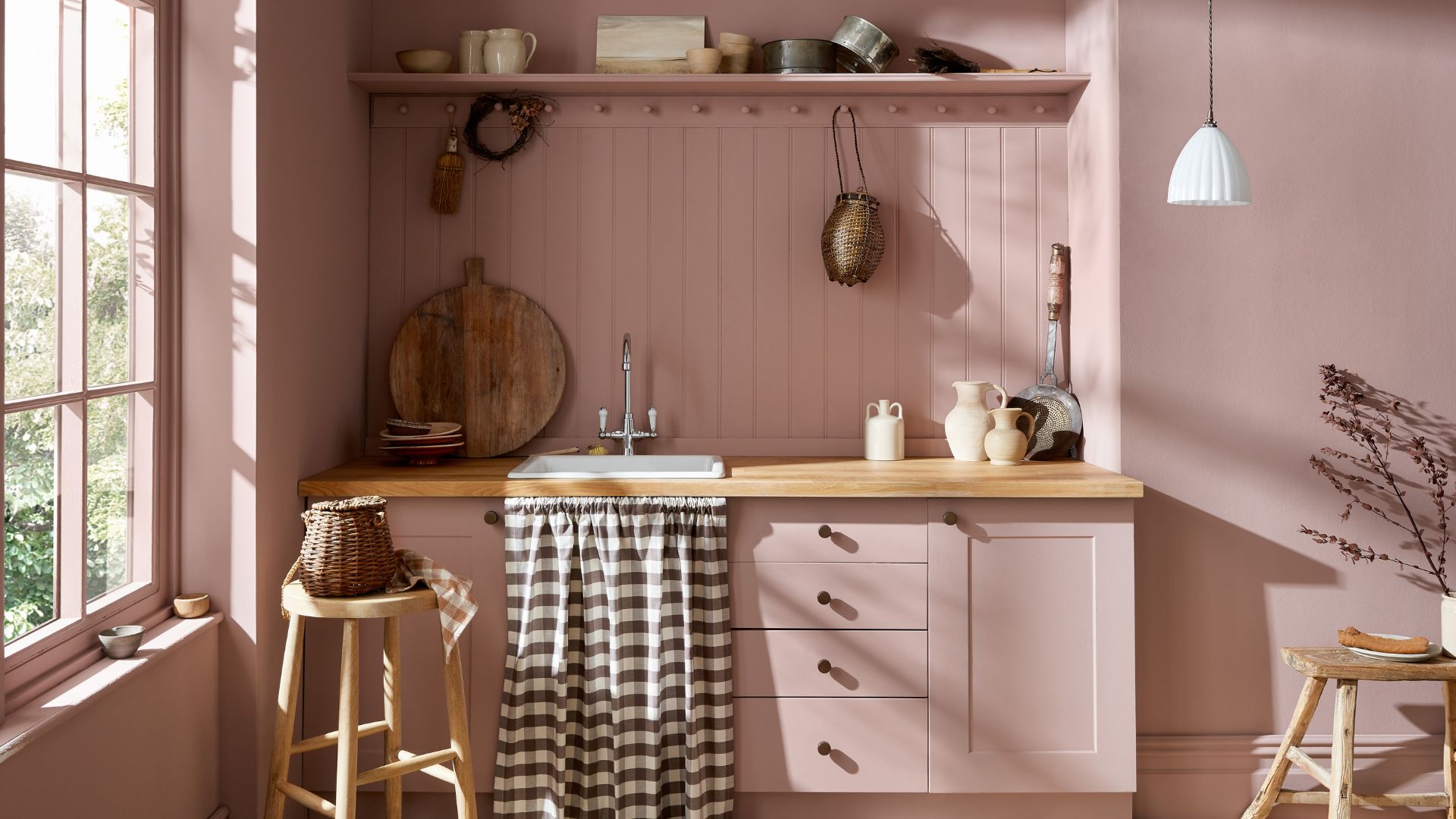
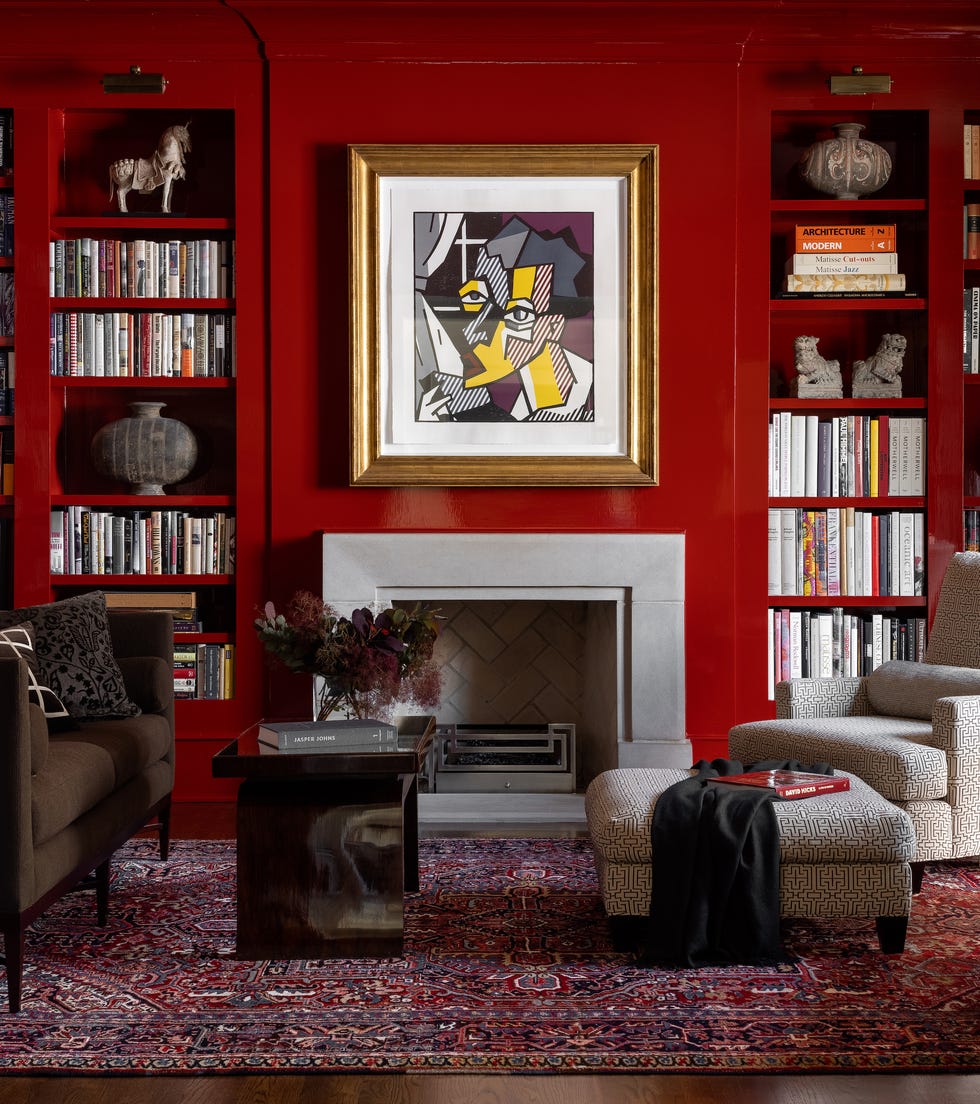
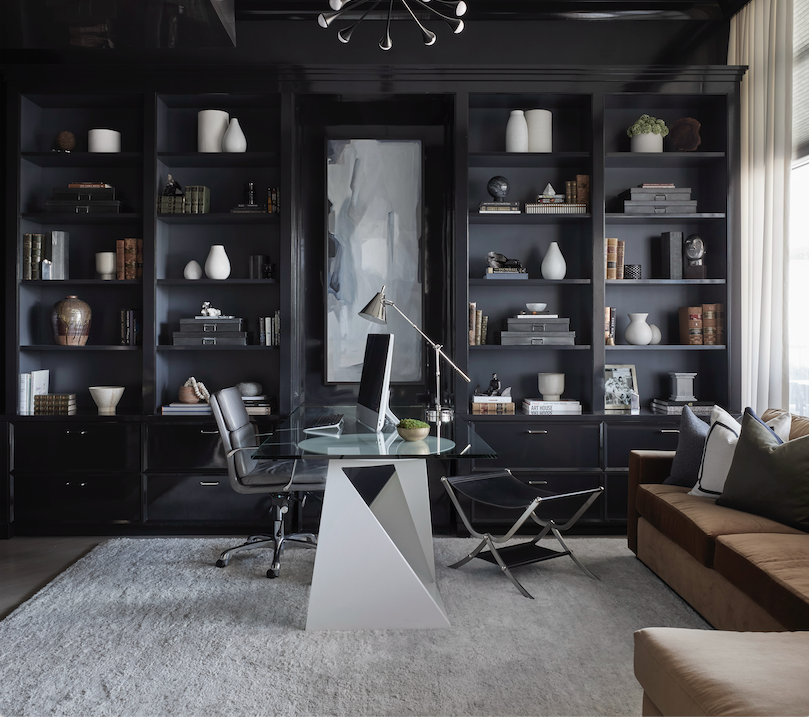
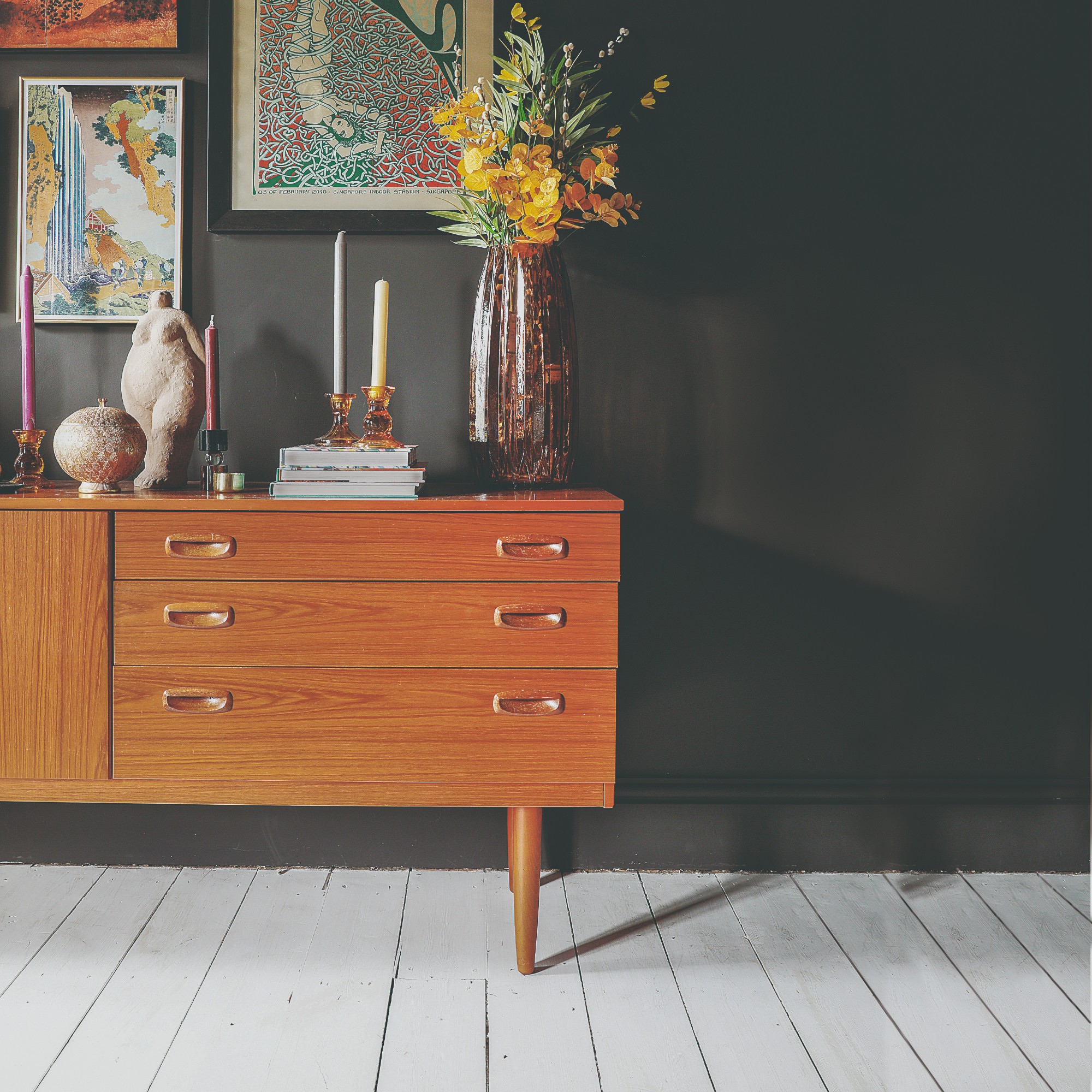
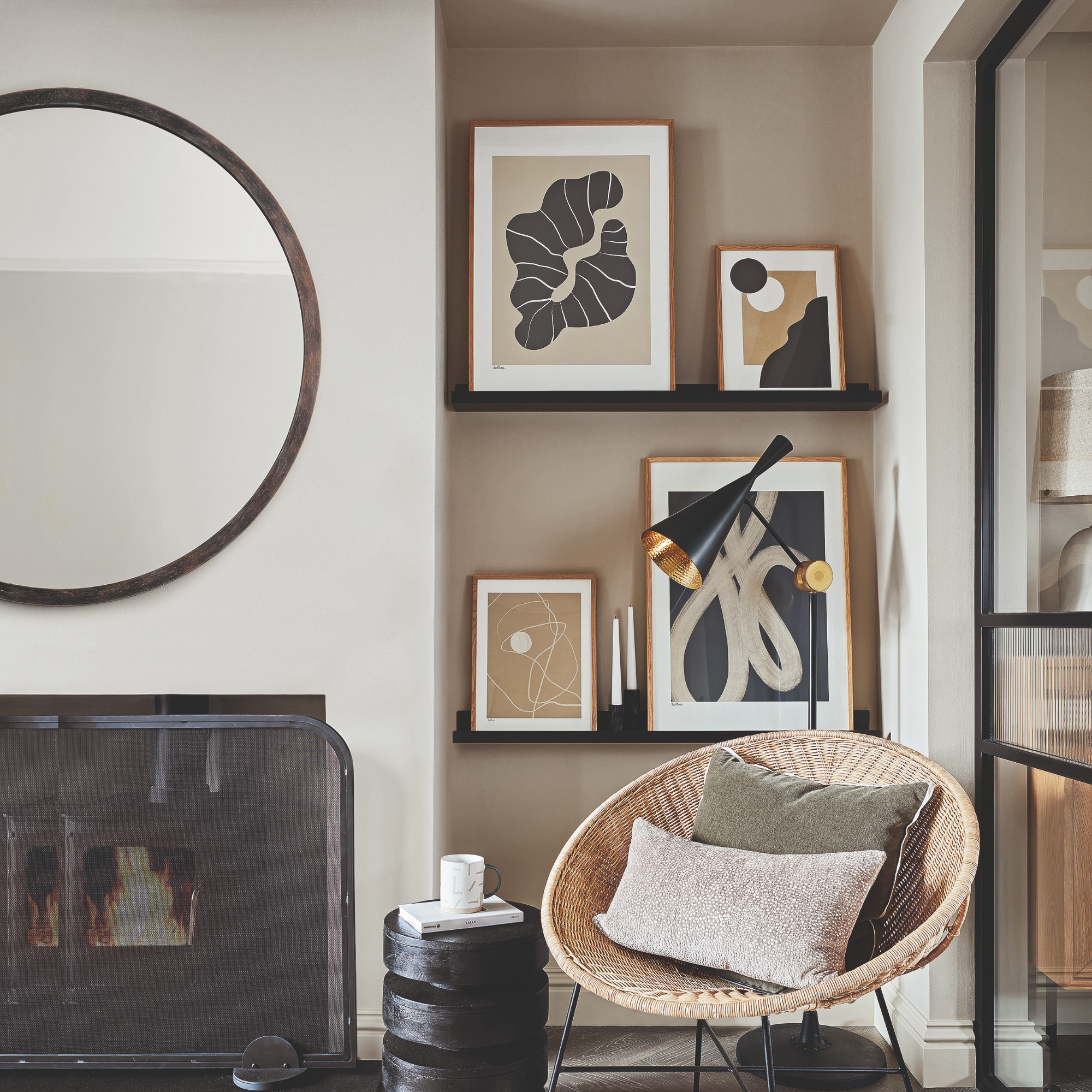
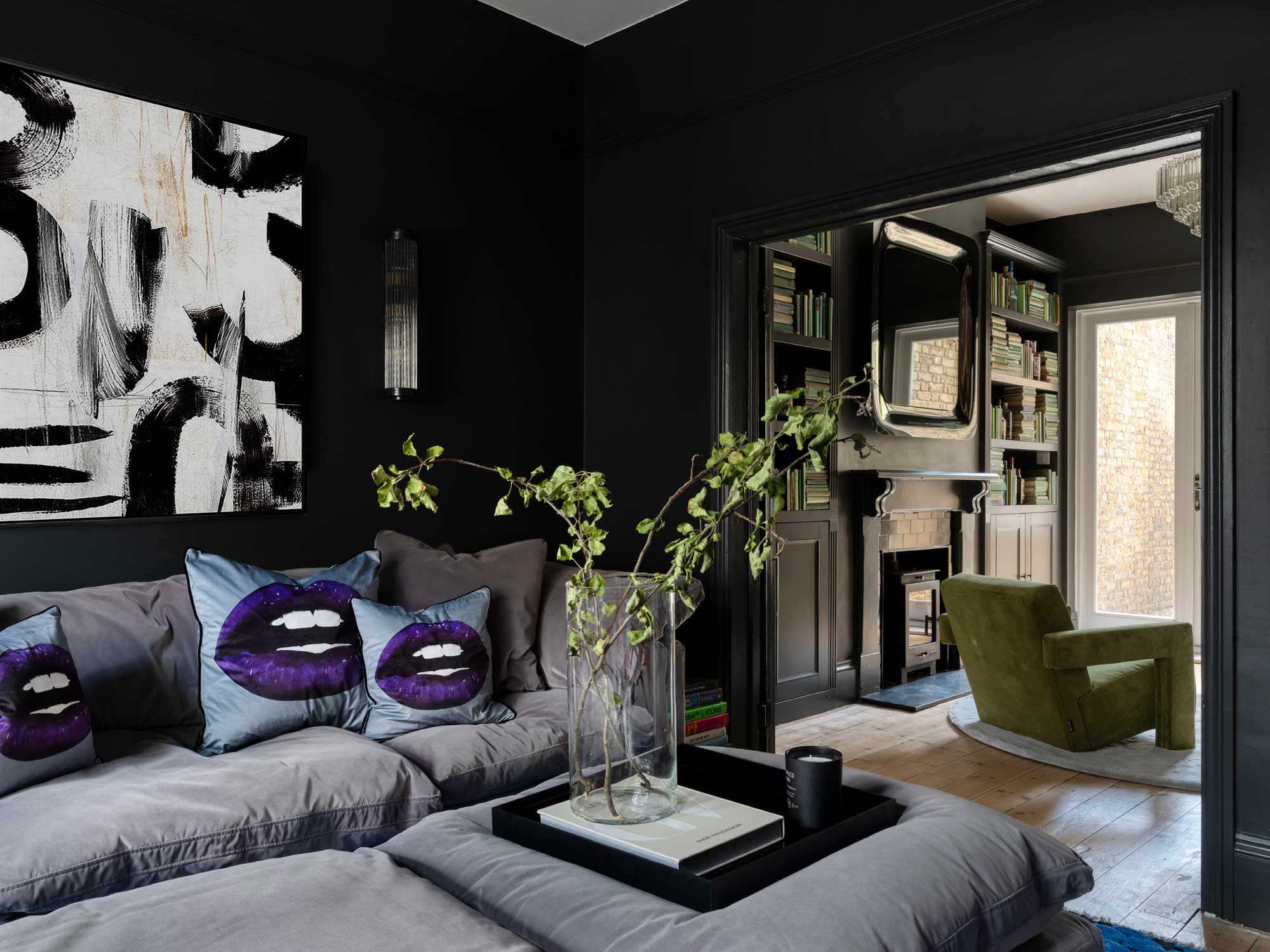
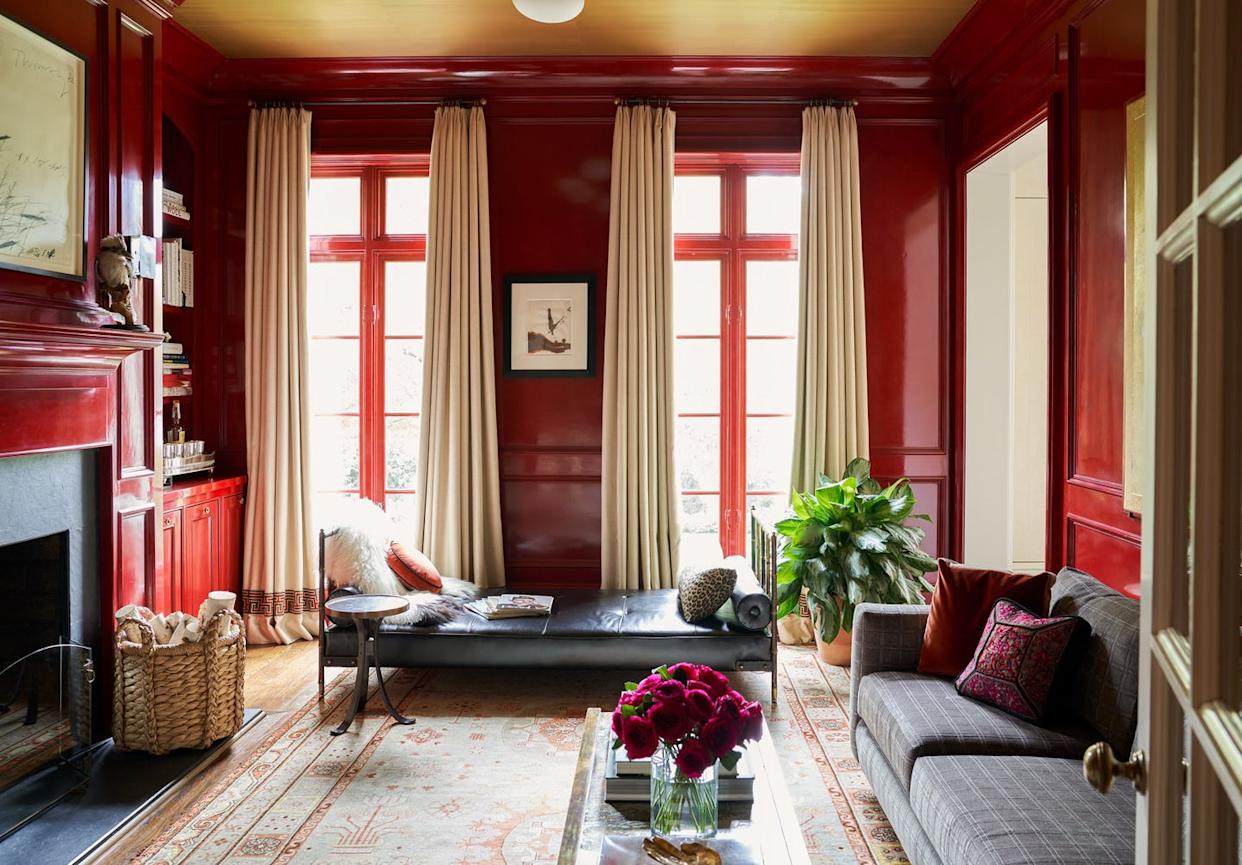
Colour drenching, a design trend involving painting walls, ceilings, and woodwork in a single hue, is gaining popularity for its ability to create depth, flow, and a sense of calm in a home. This monochromatic approach blurs boundaries and expands visual space, contributing to a feeling of cocooning and comfort. By eliminating visual distractions like white radiators or sharp ceiling lines, colour drenching reduces visual noise, offering a serene environment amid the constant stimulation of modern life.
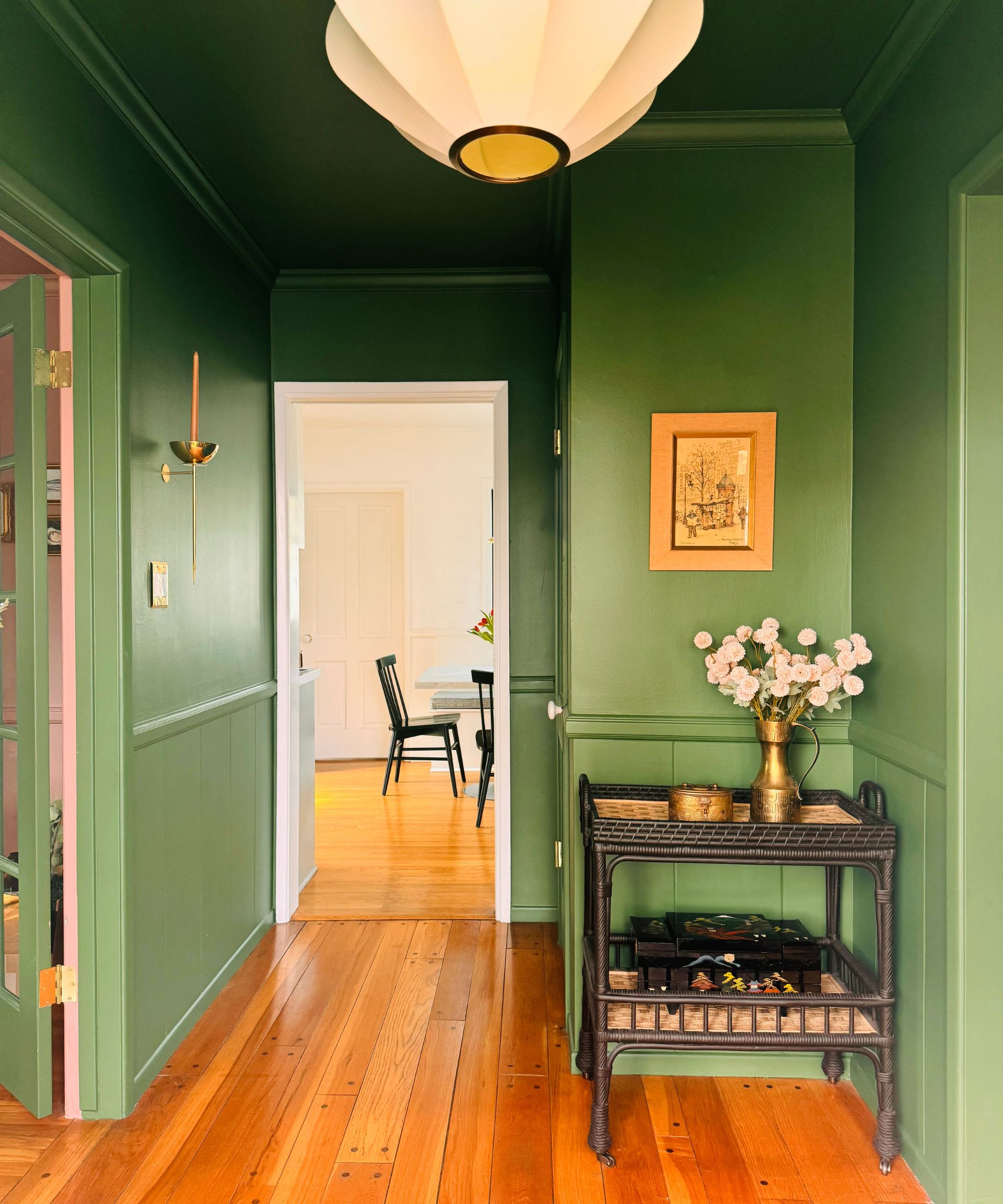
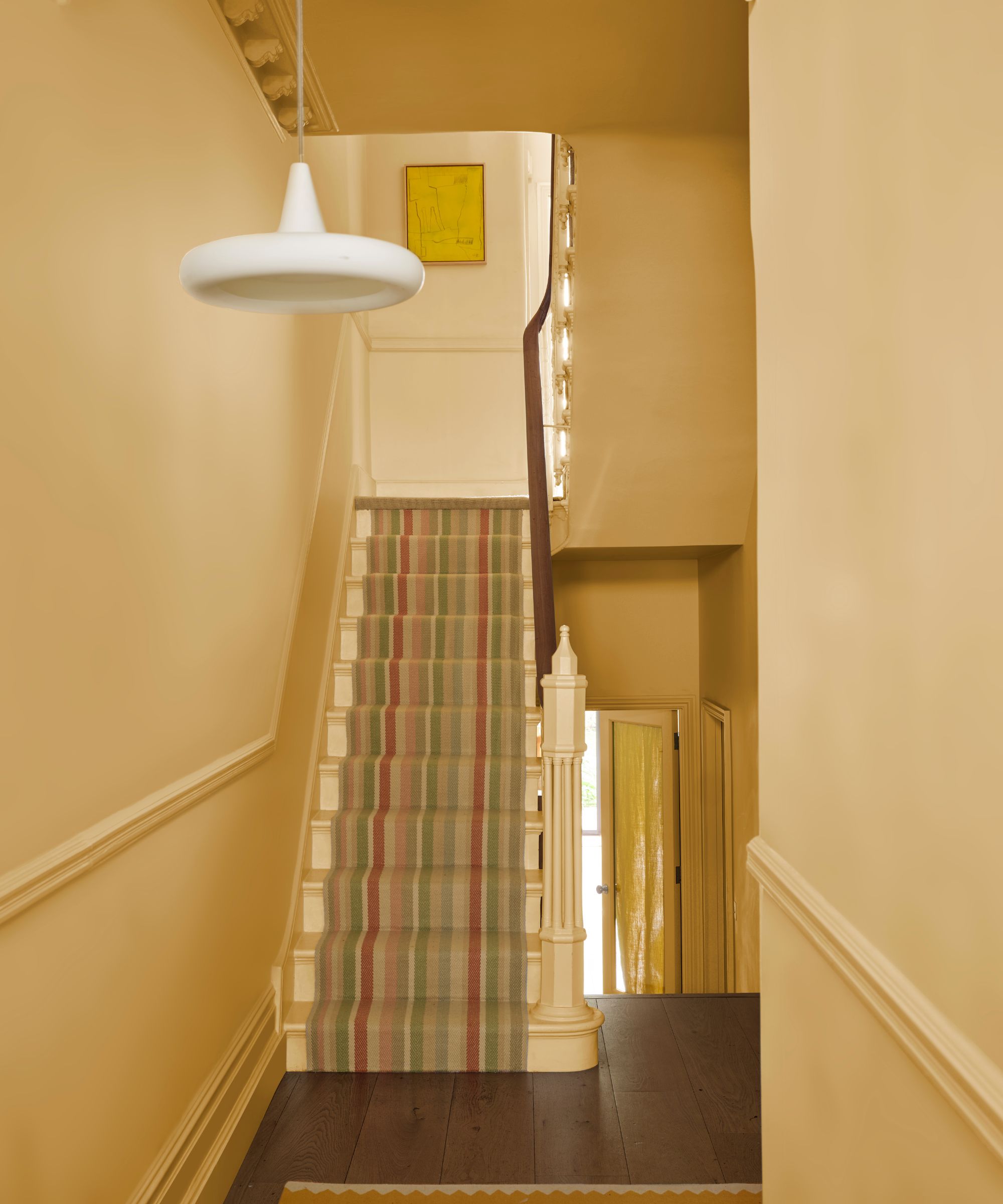
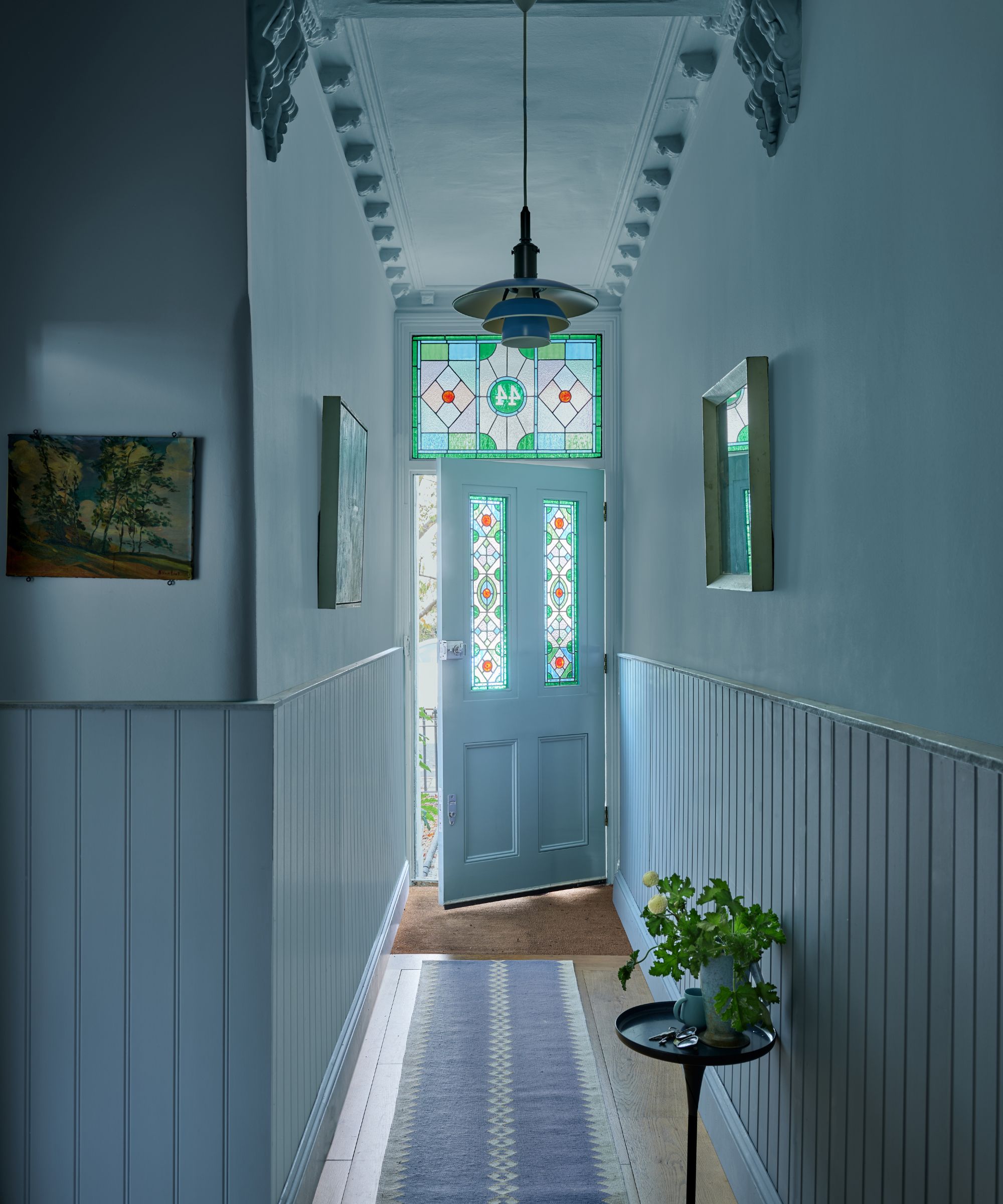



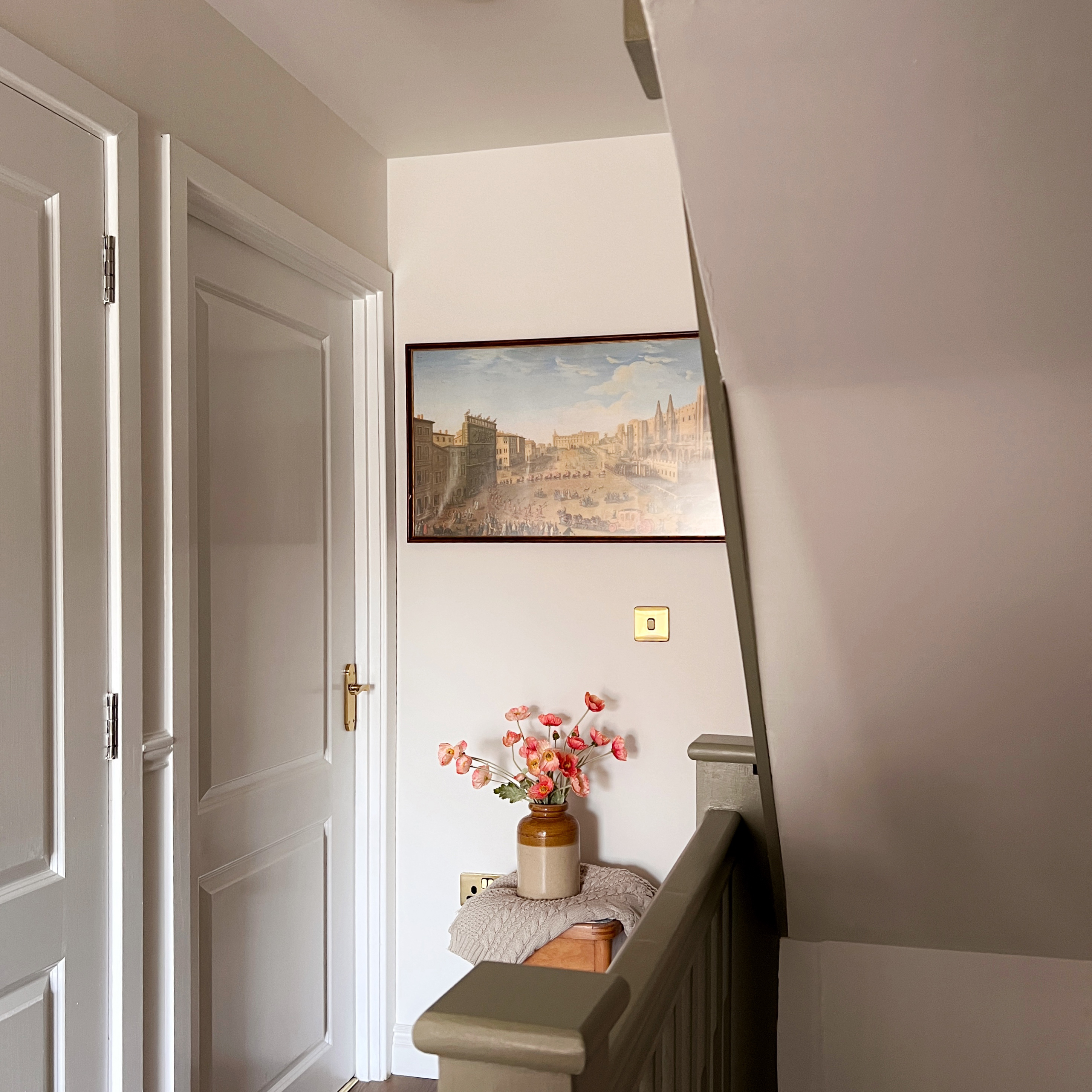
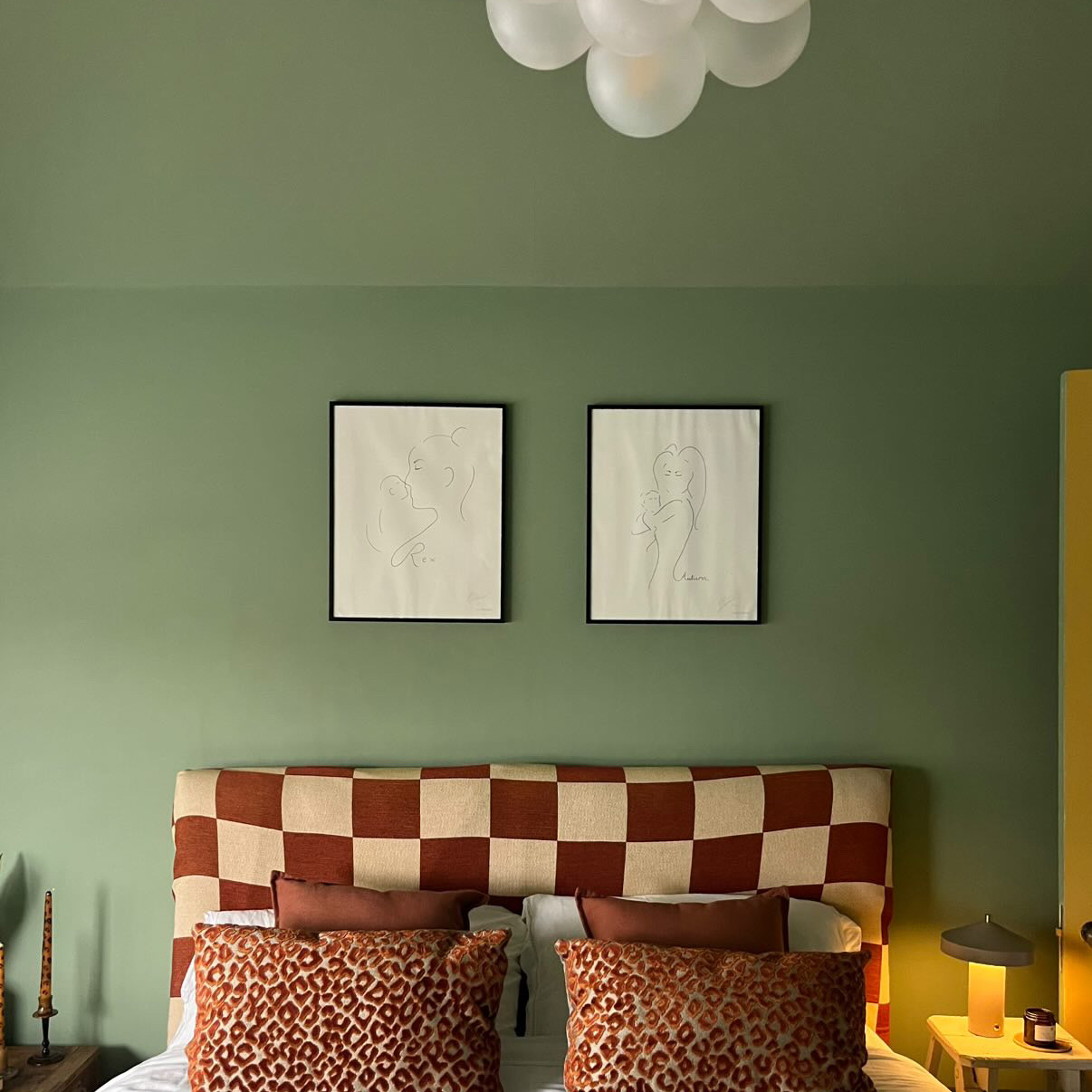
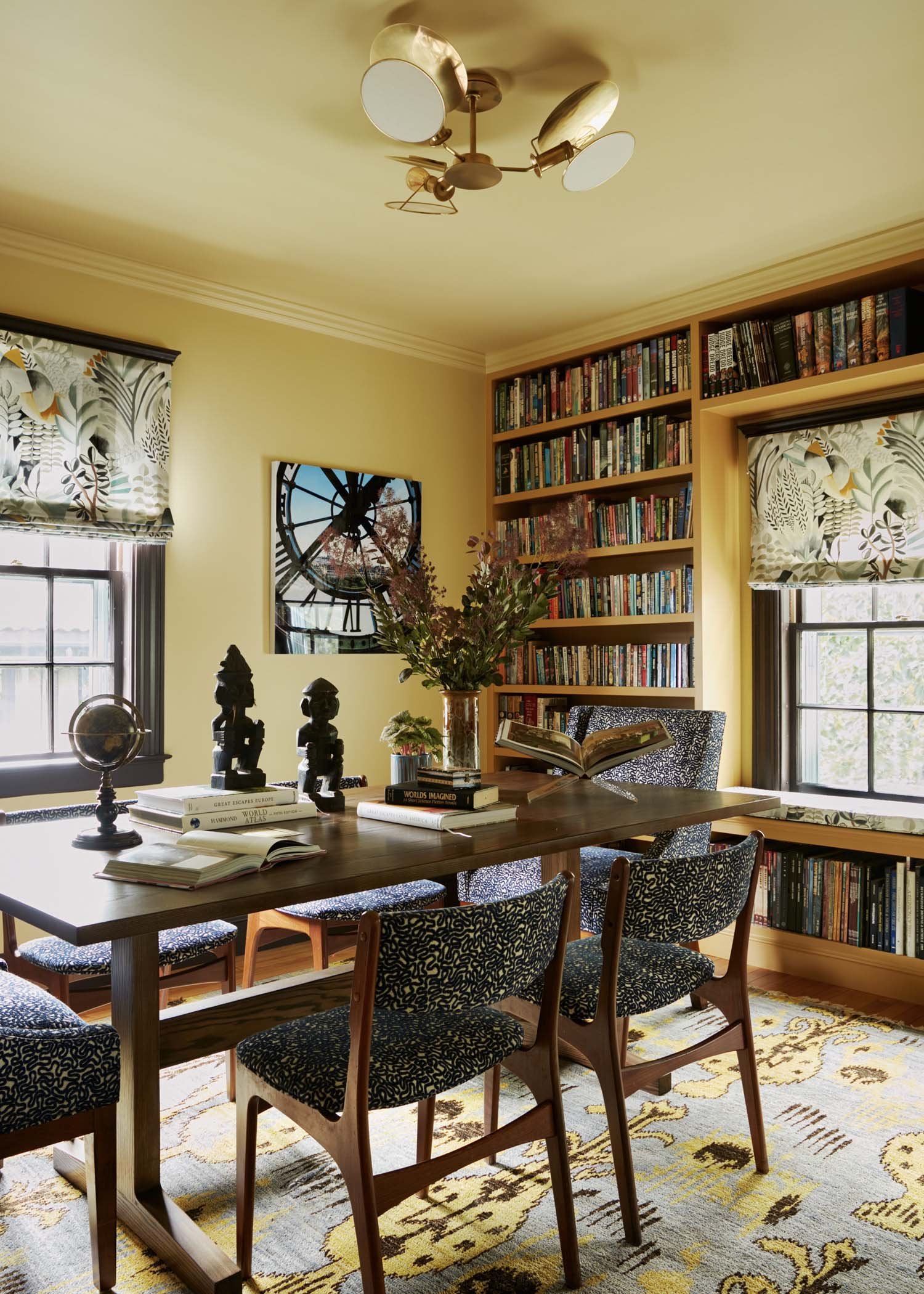
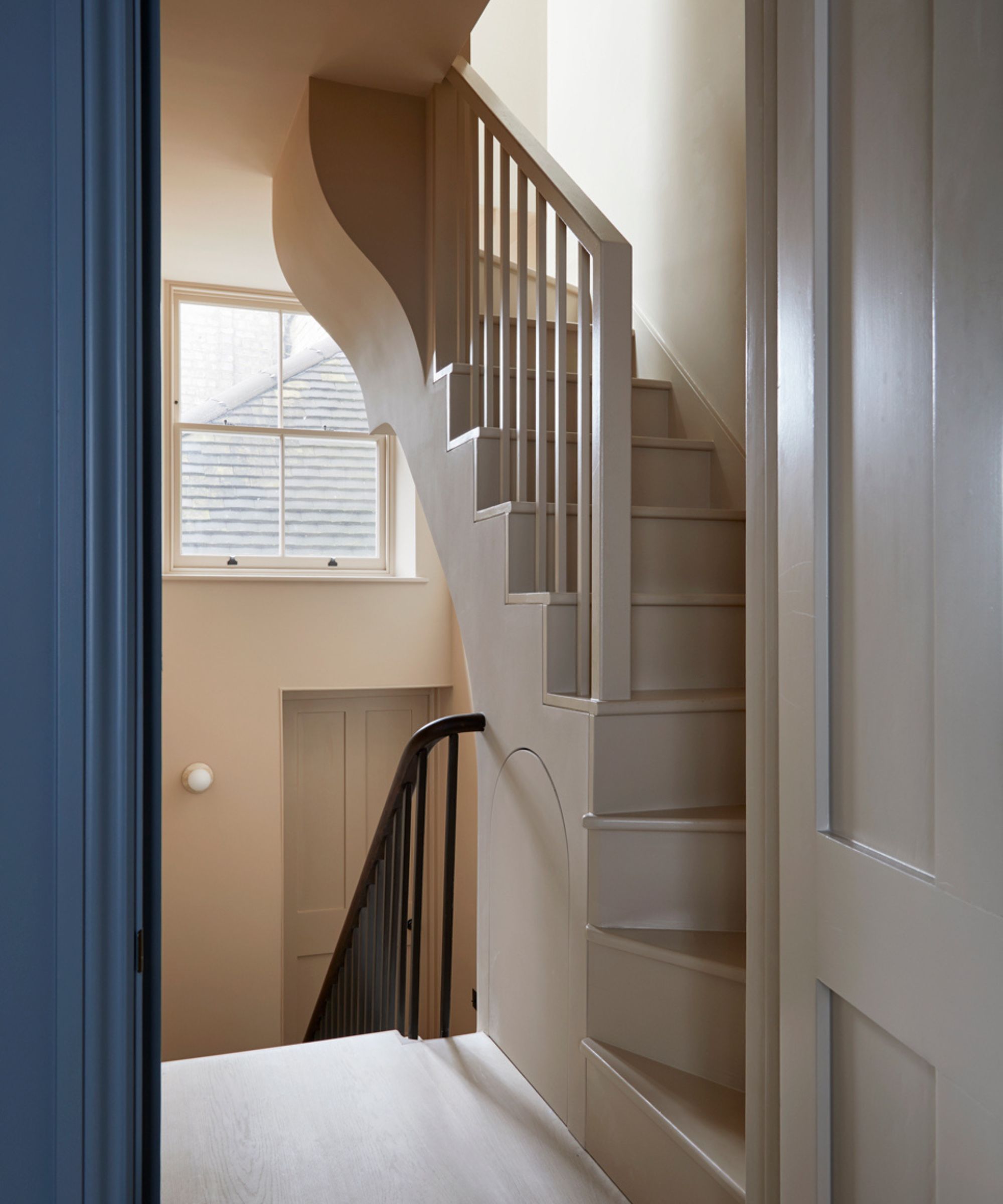
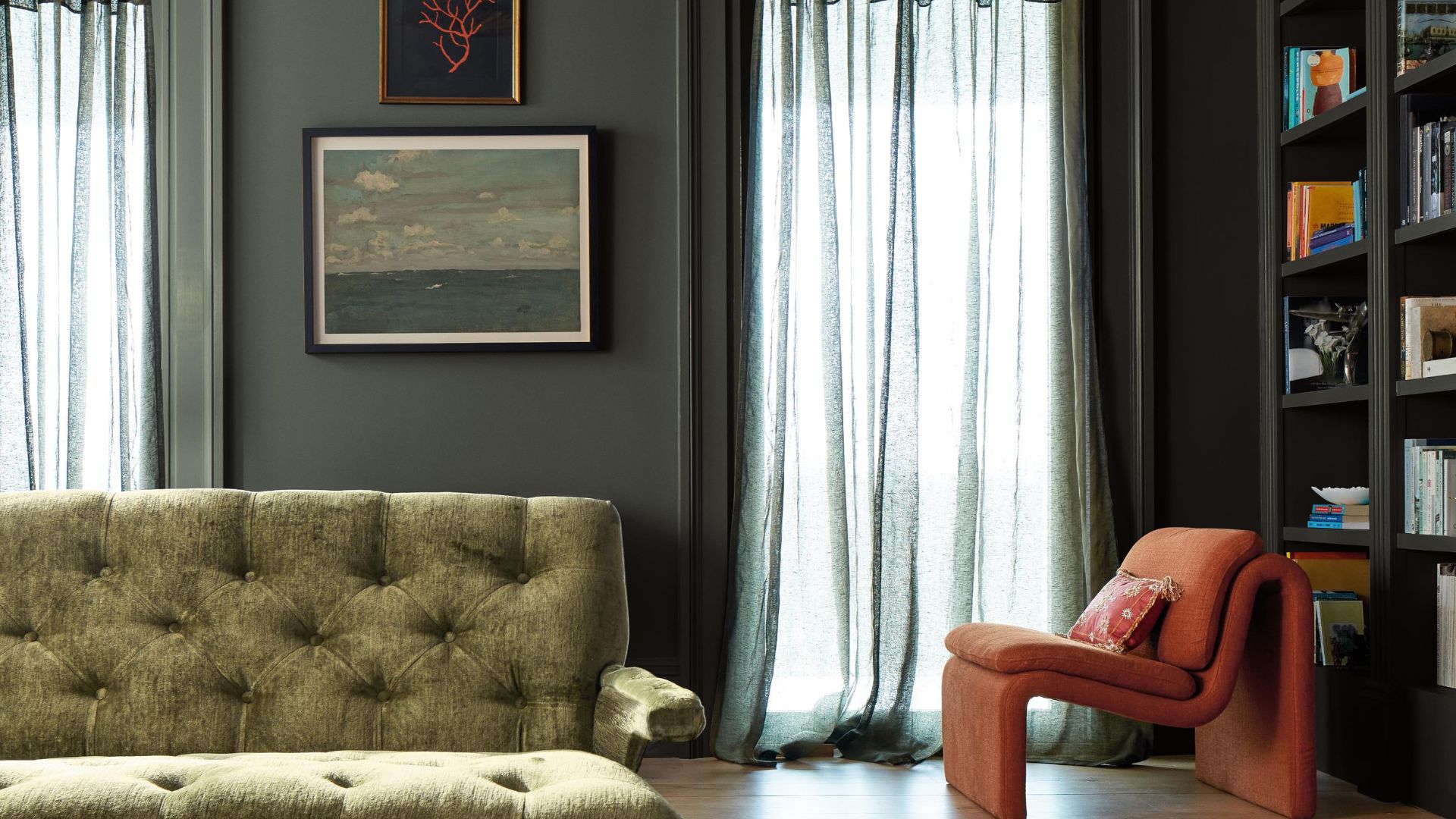
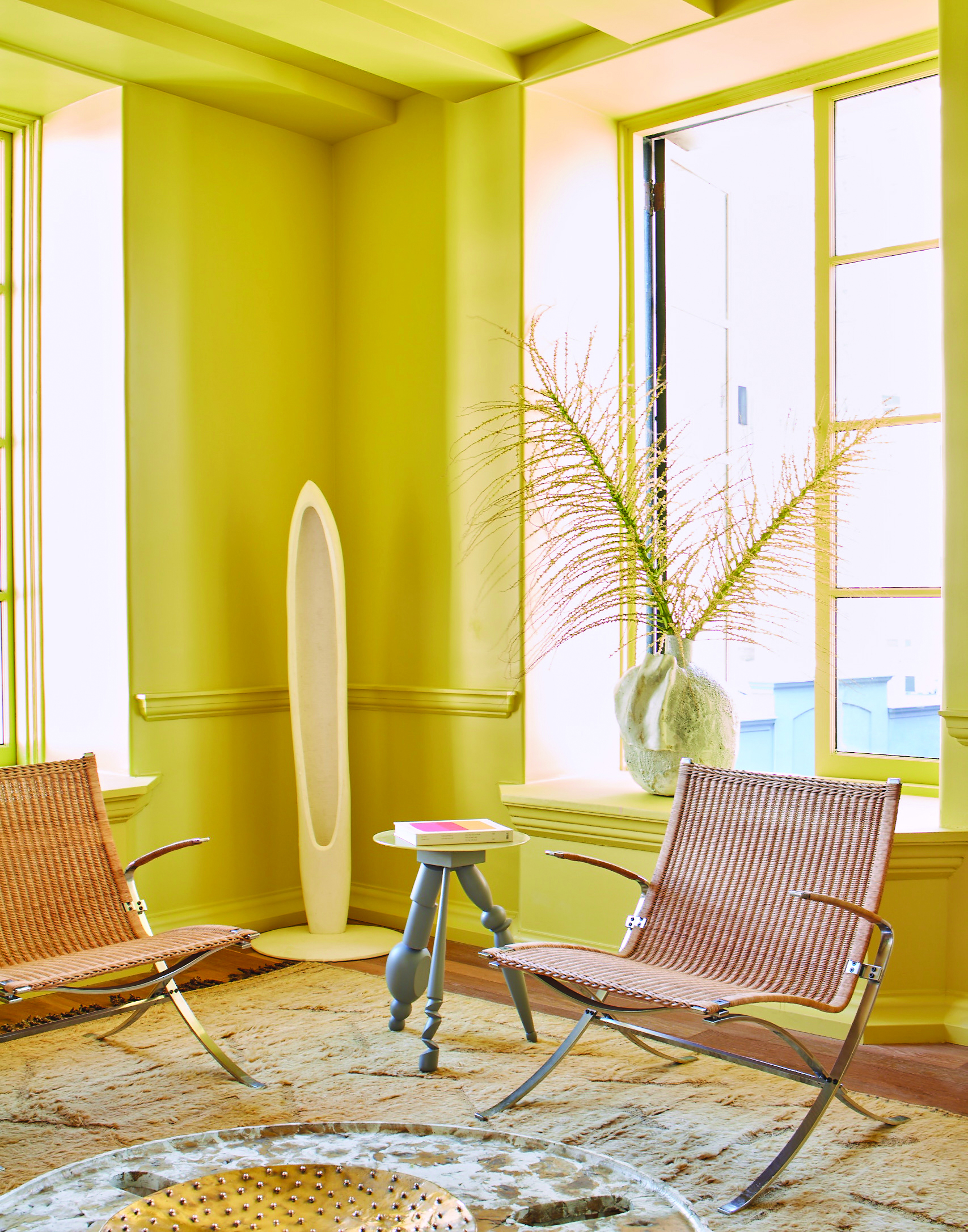
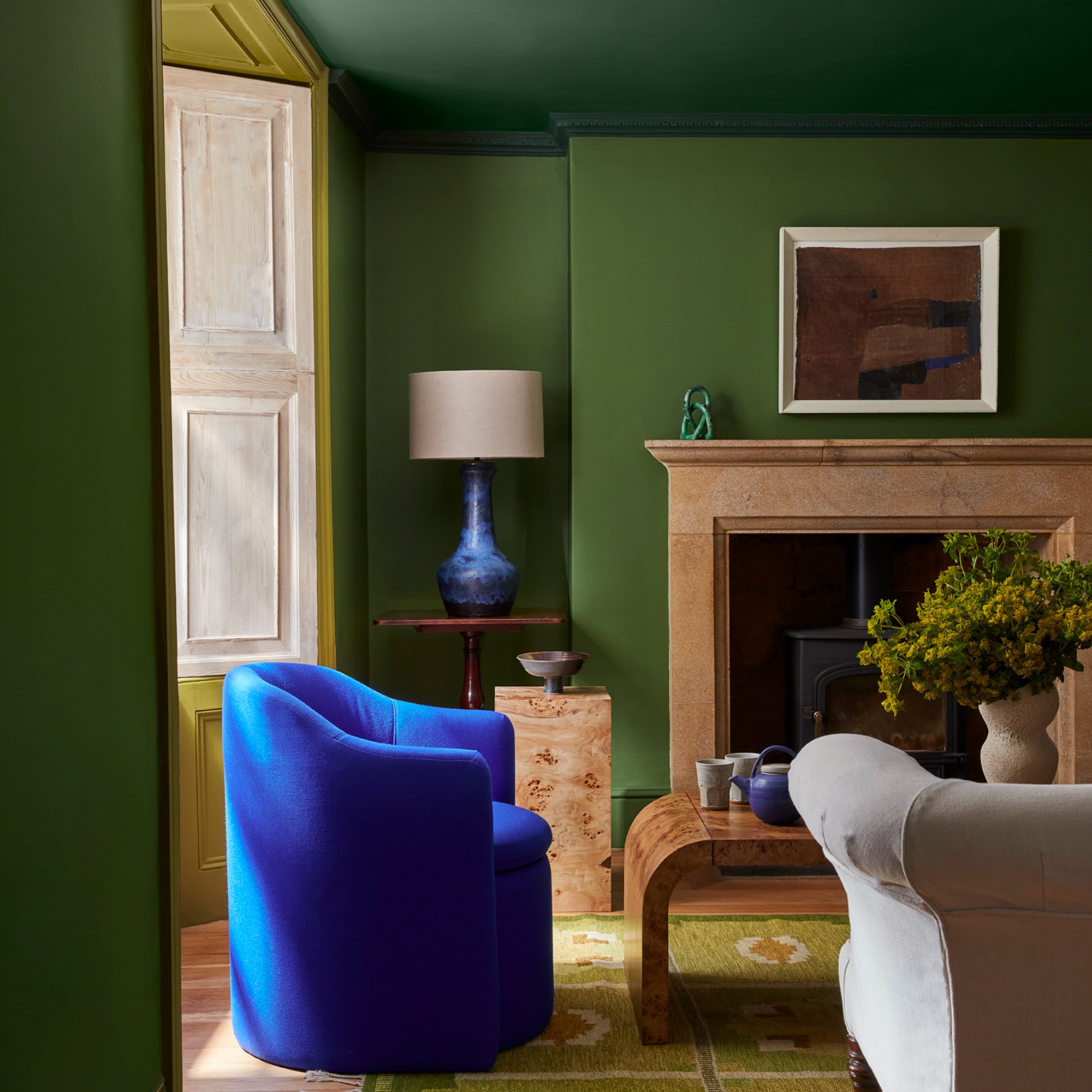
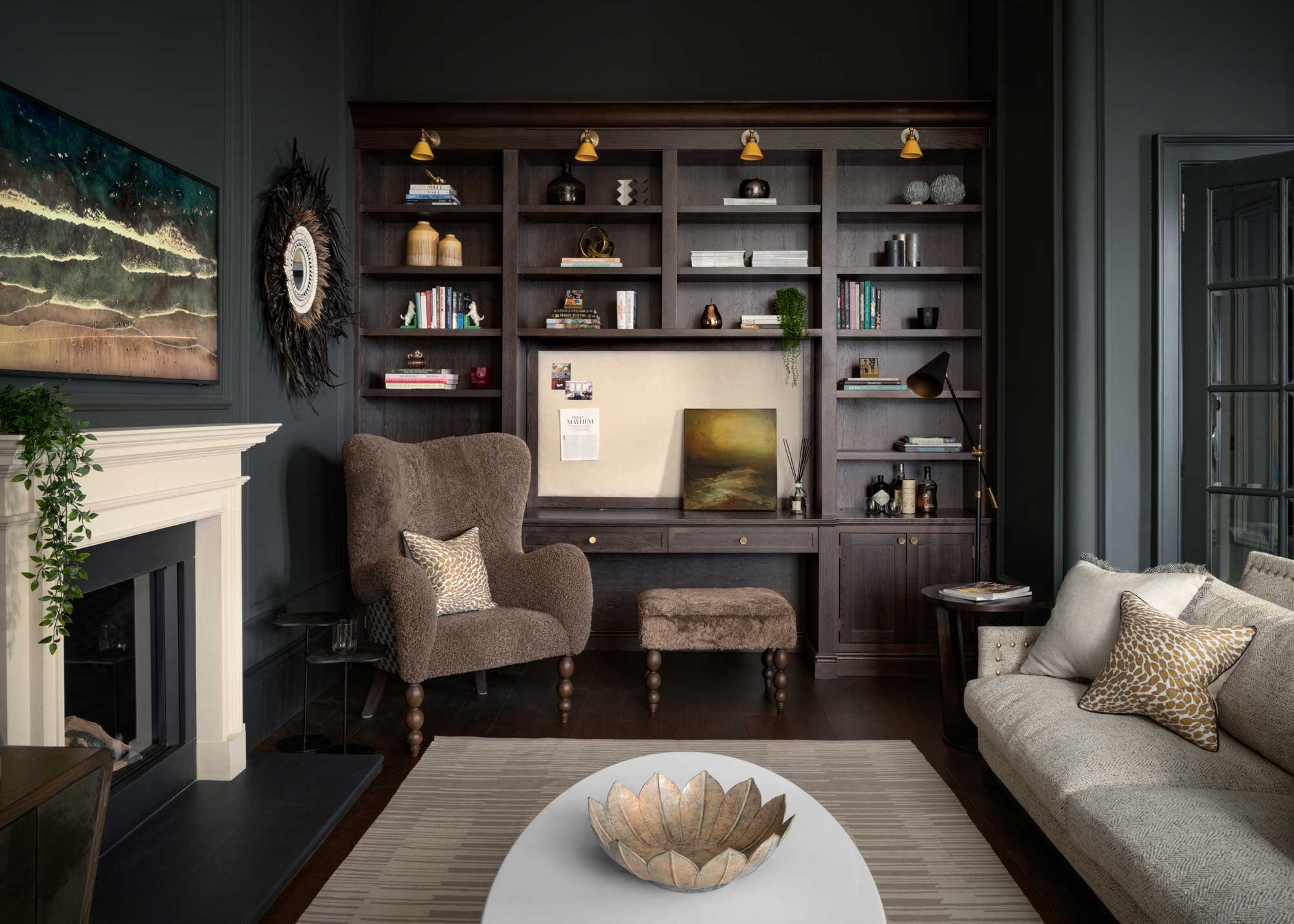
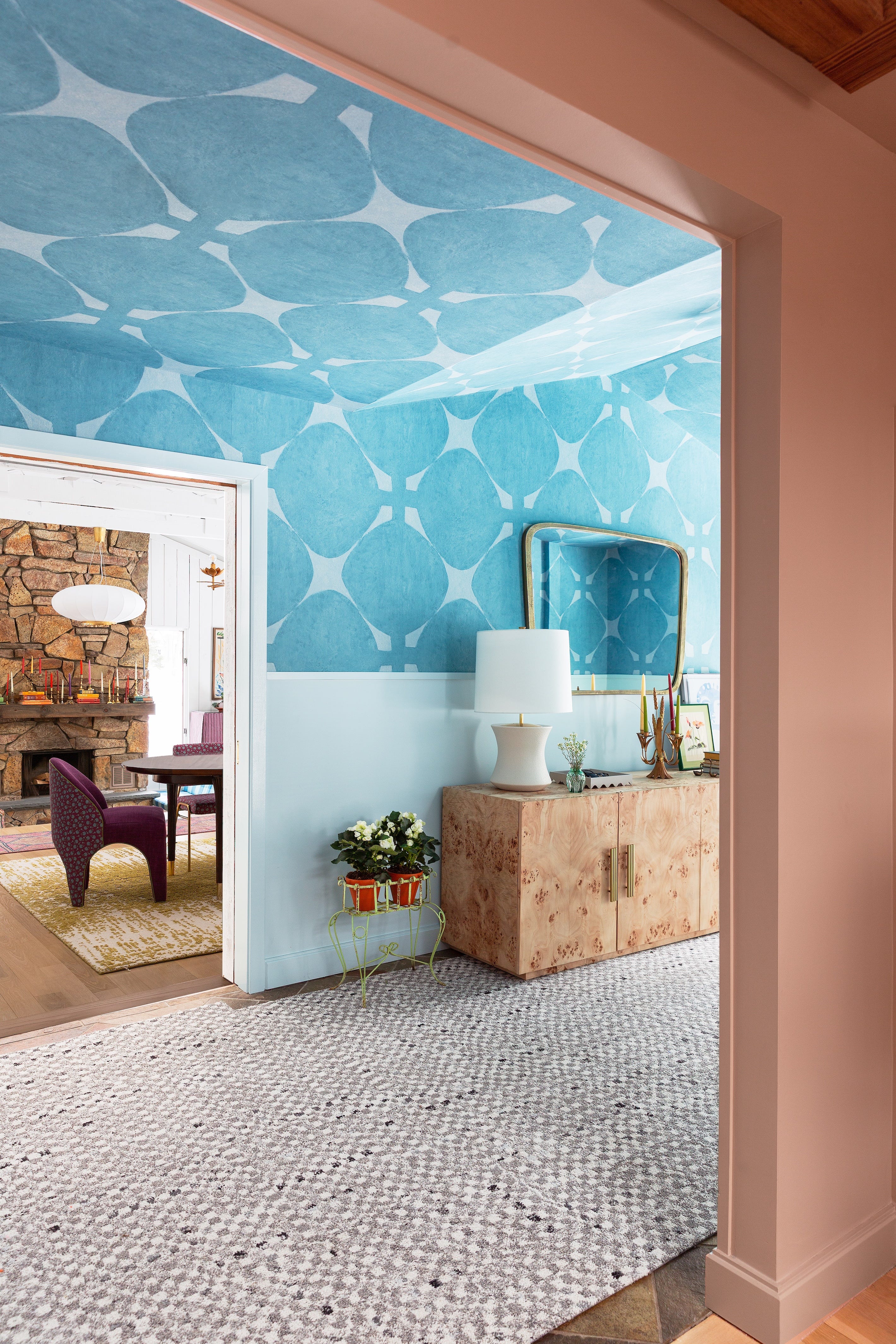
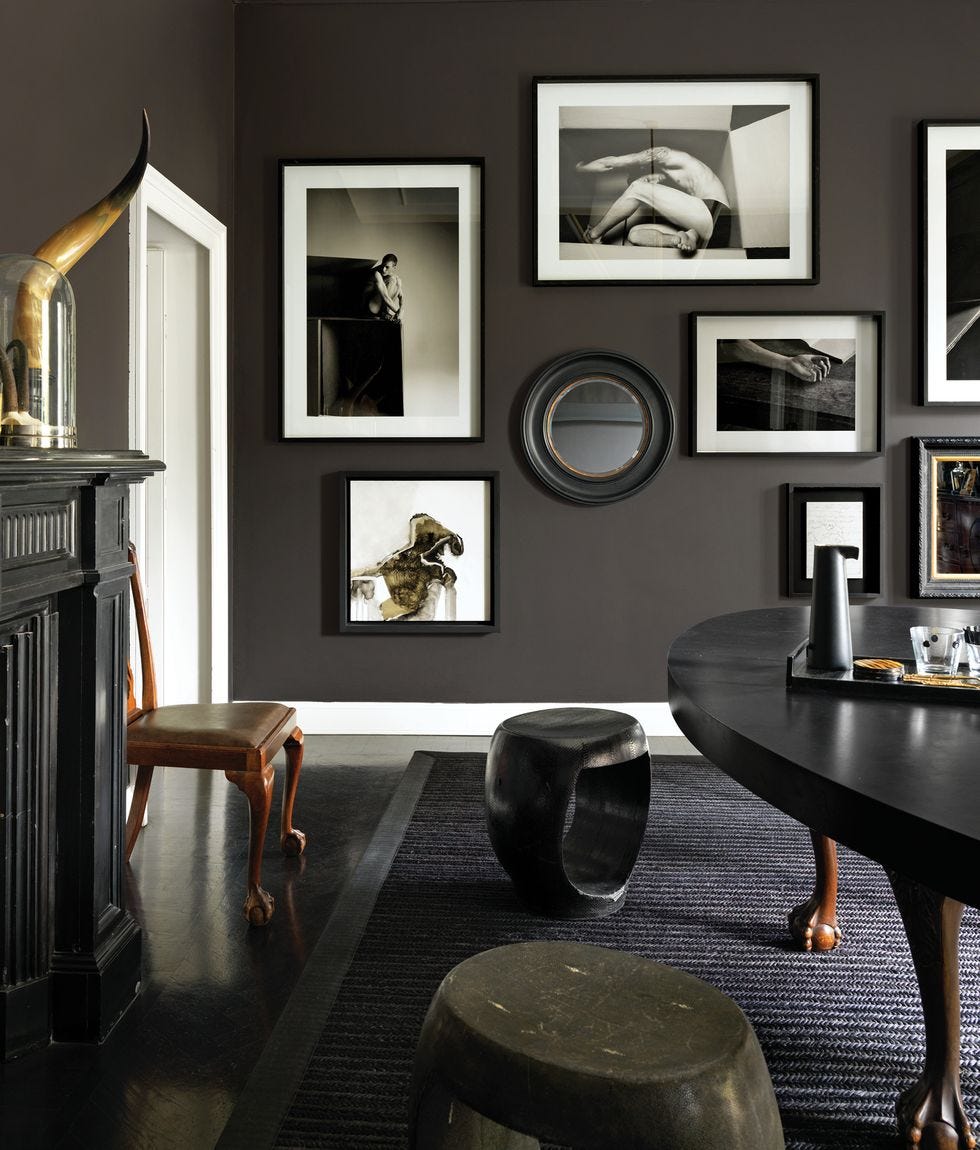
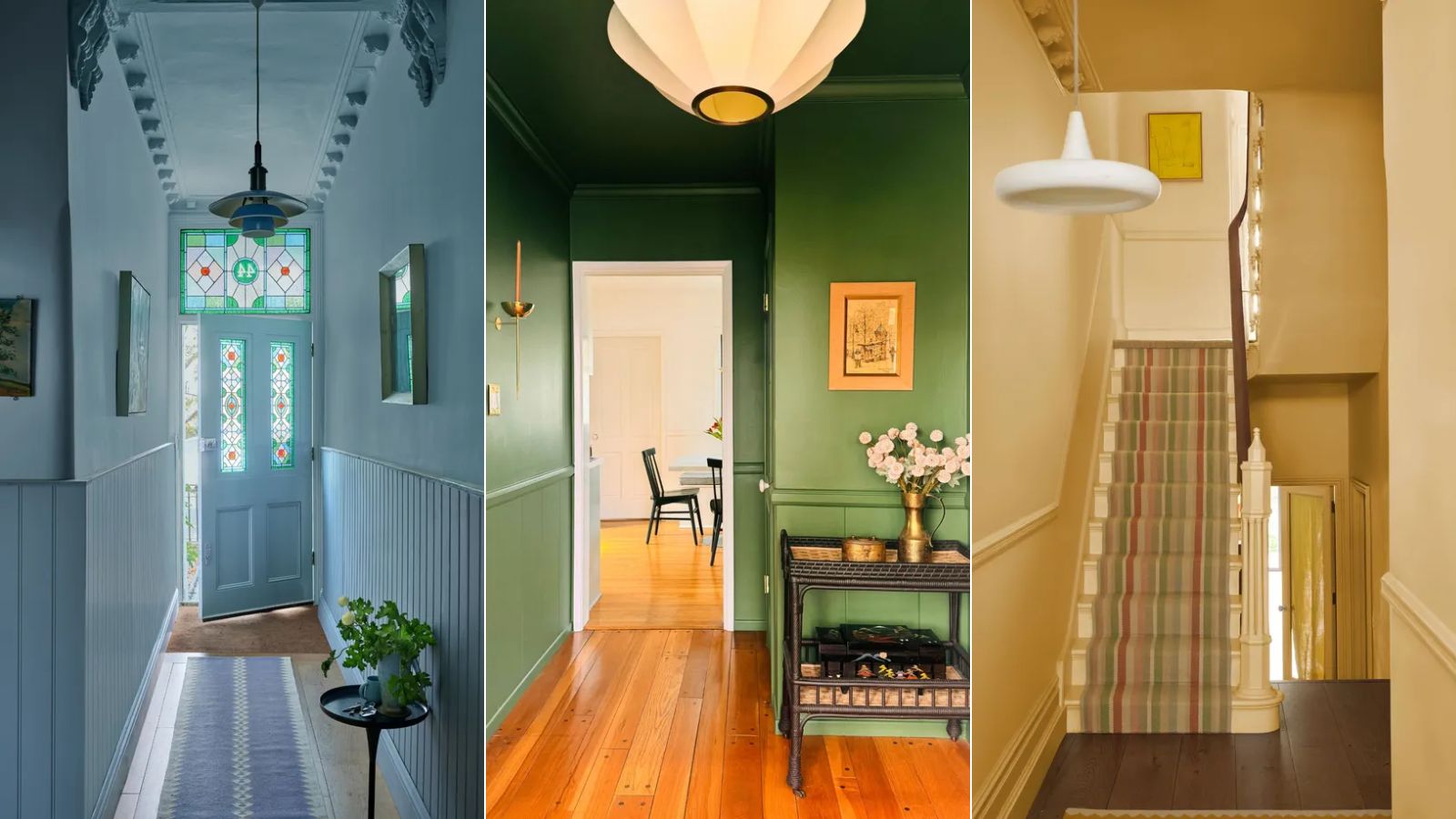
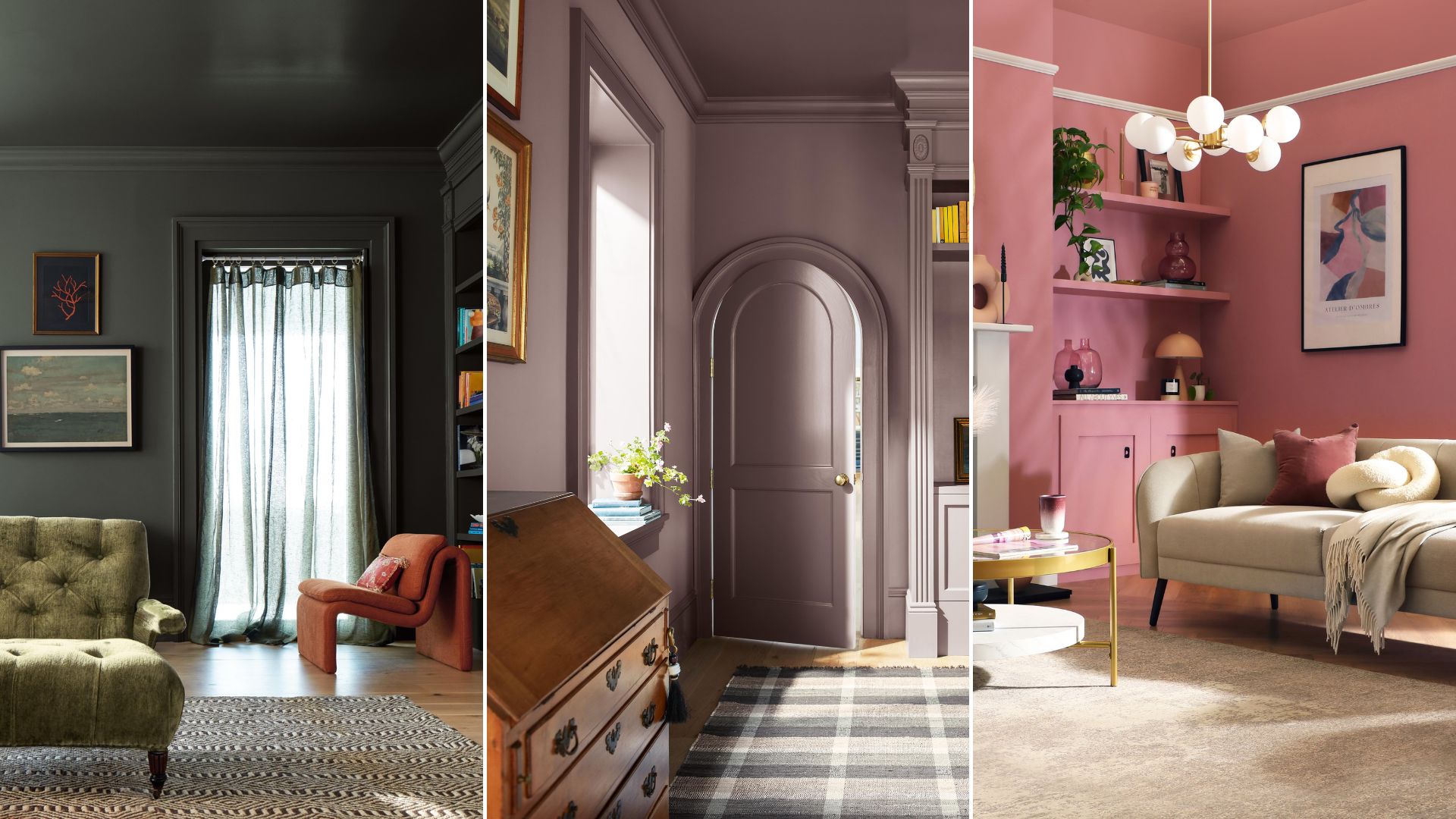
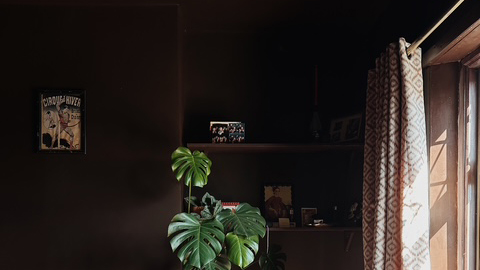
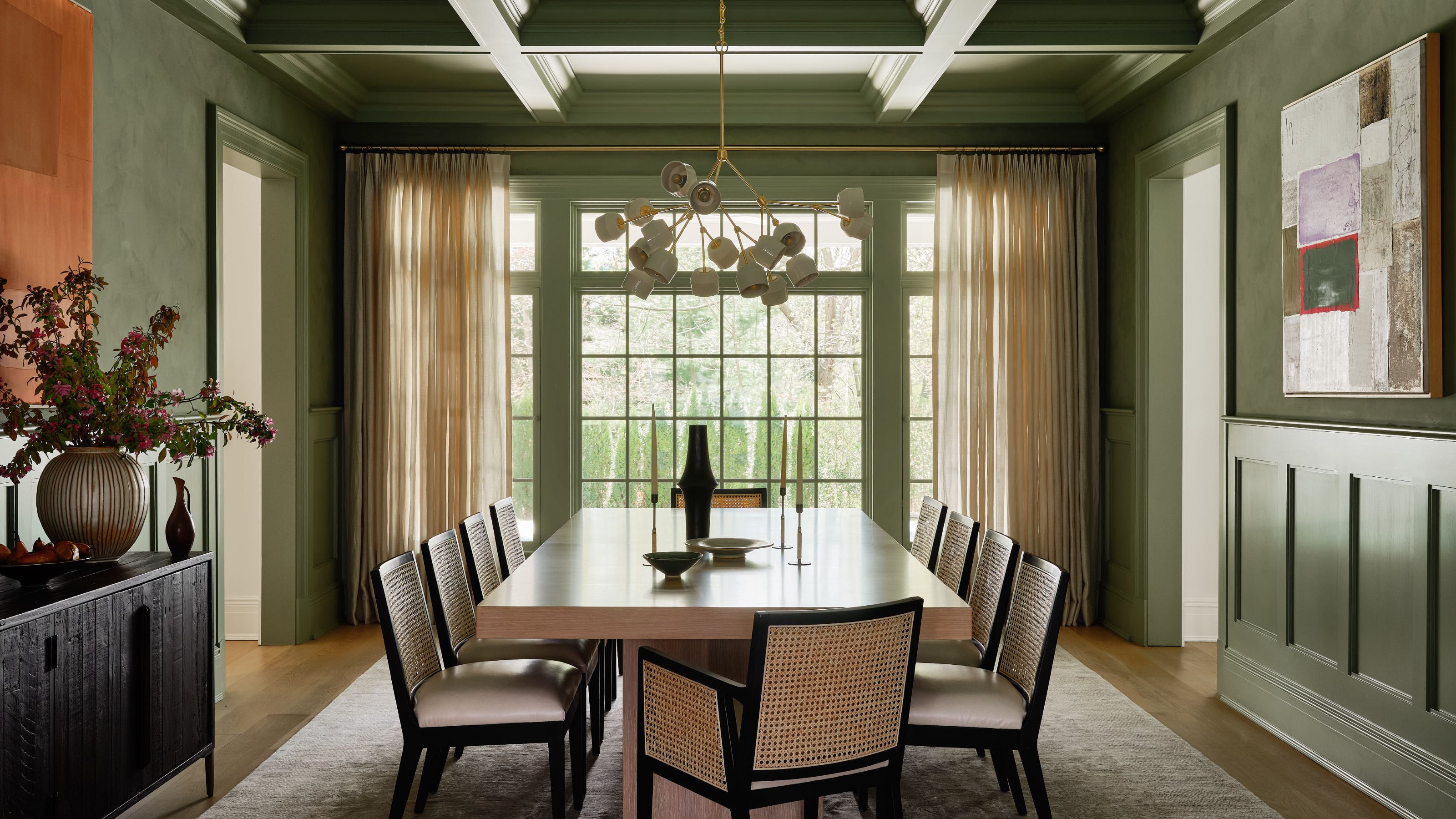
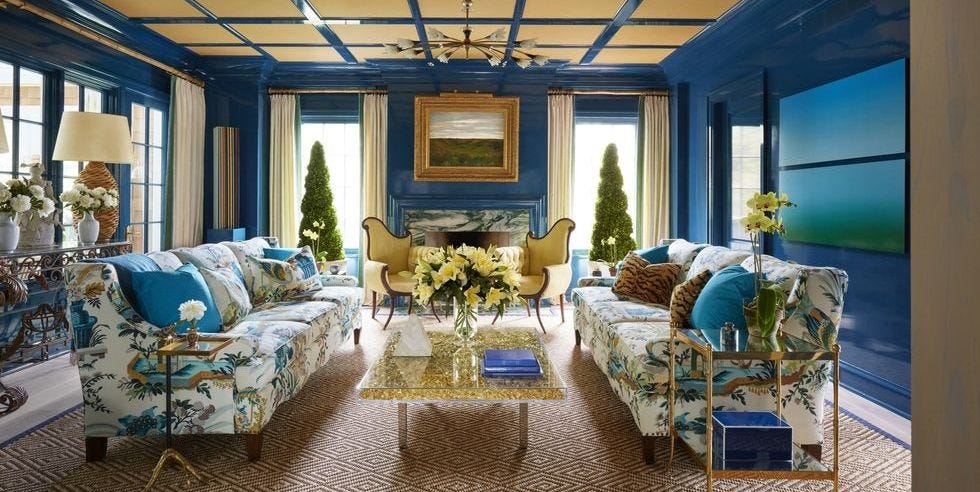
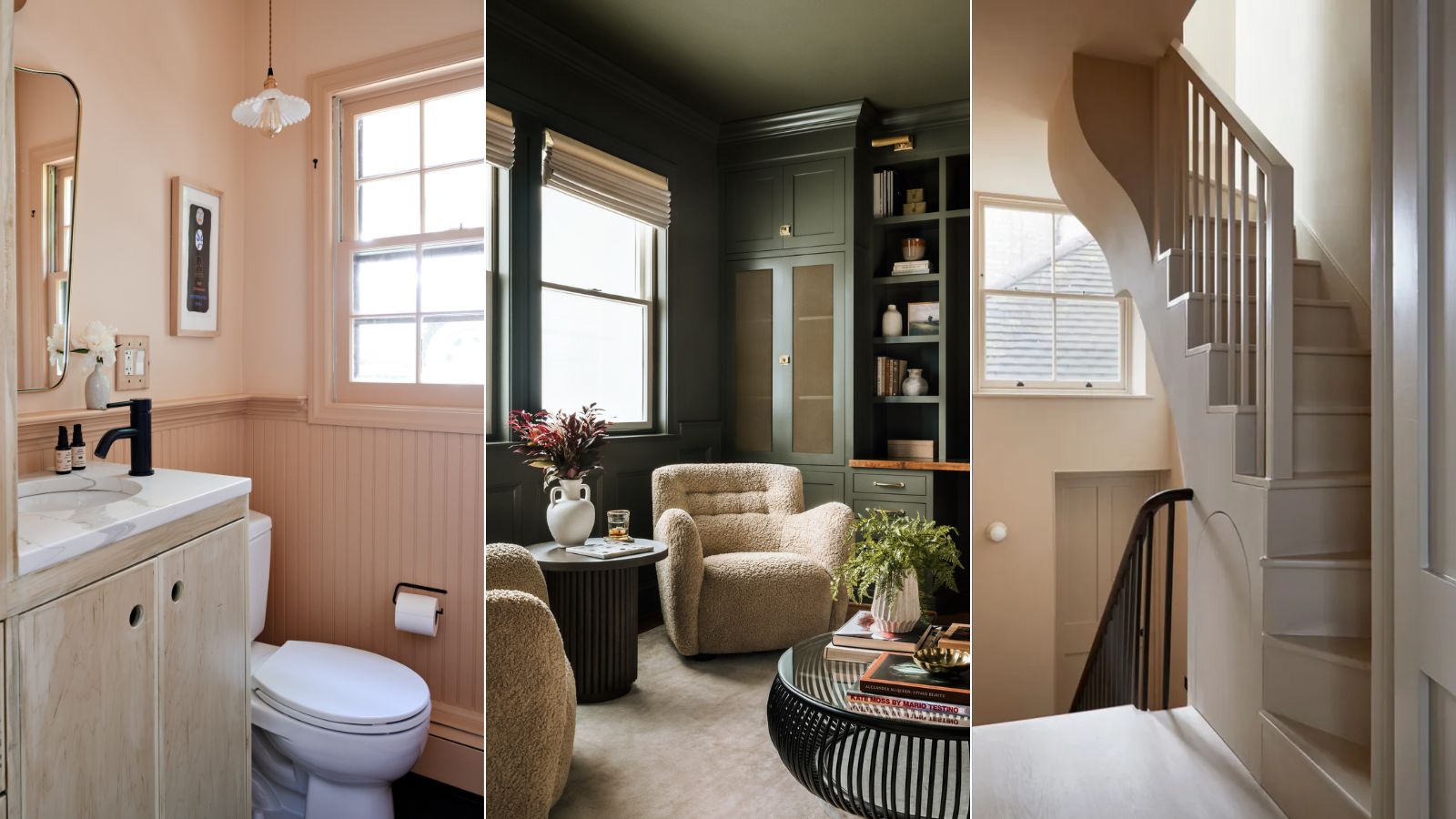
To effectively implement colour drenching, it is crucial to include the ceiling, often referred to as the fifth wall, to maximize the feeling of spaciousness. Bold, rich, and earthy shades like dark olive green can create a chic atmosphere, while trending colours such as butter yellow infuse positivity and warmth. This technique is particularly beneficial for awkward spaces, including narrow hallways or rooms with unusual angles, as it helps to seamlessly blend surfaces and create a cohesive look.
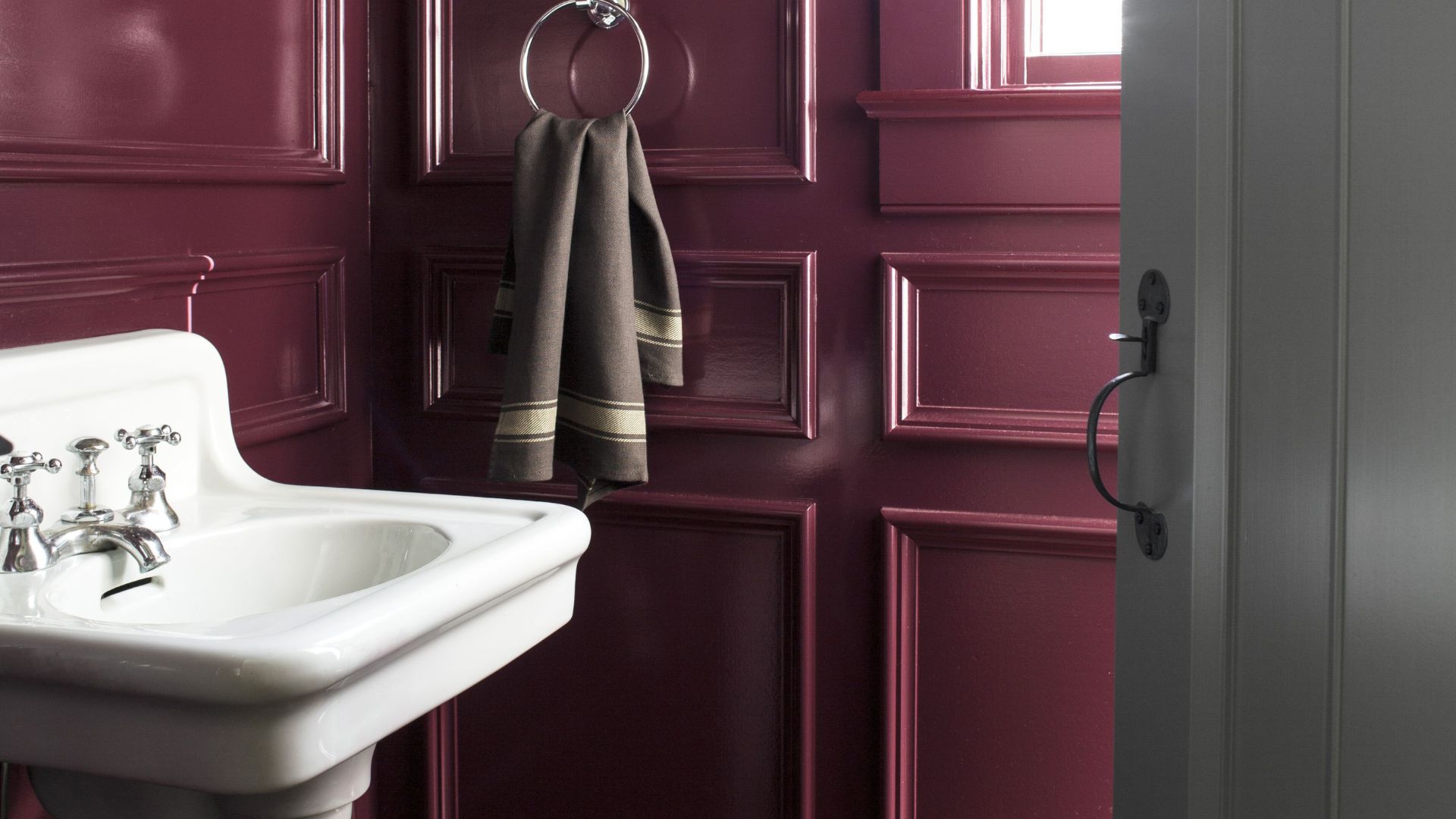
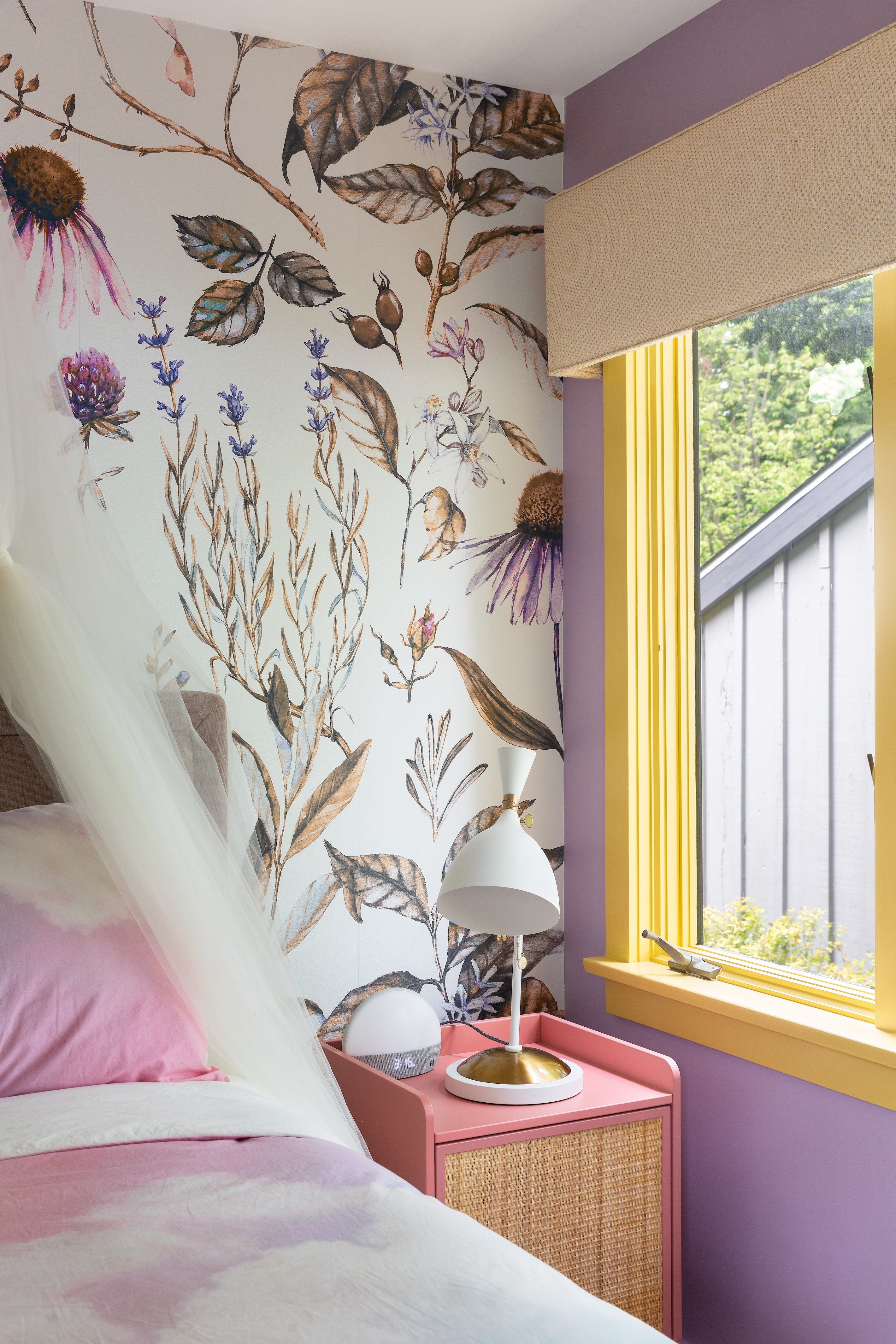
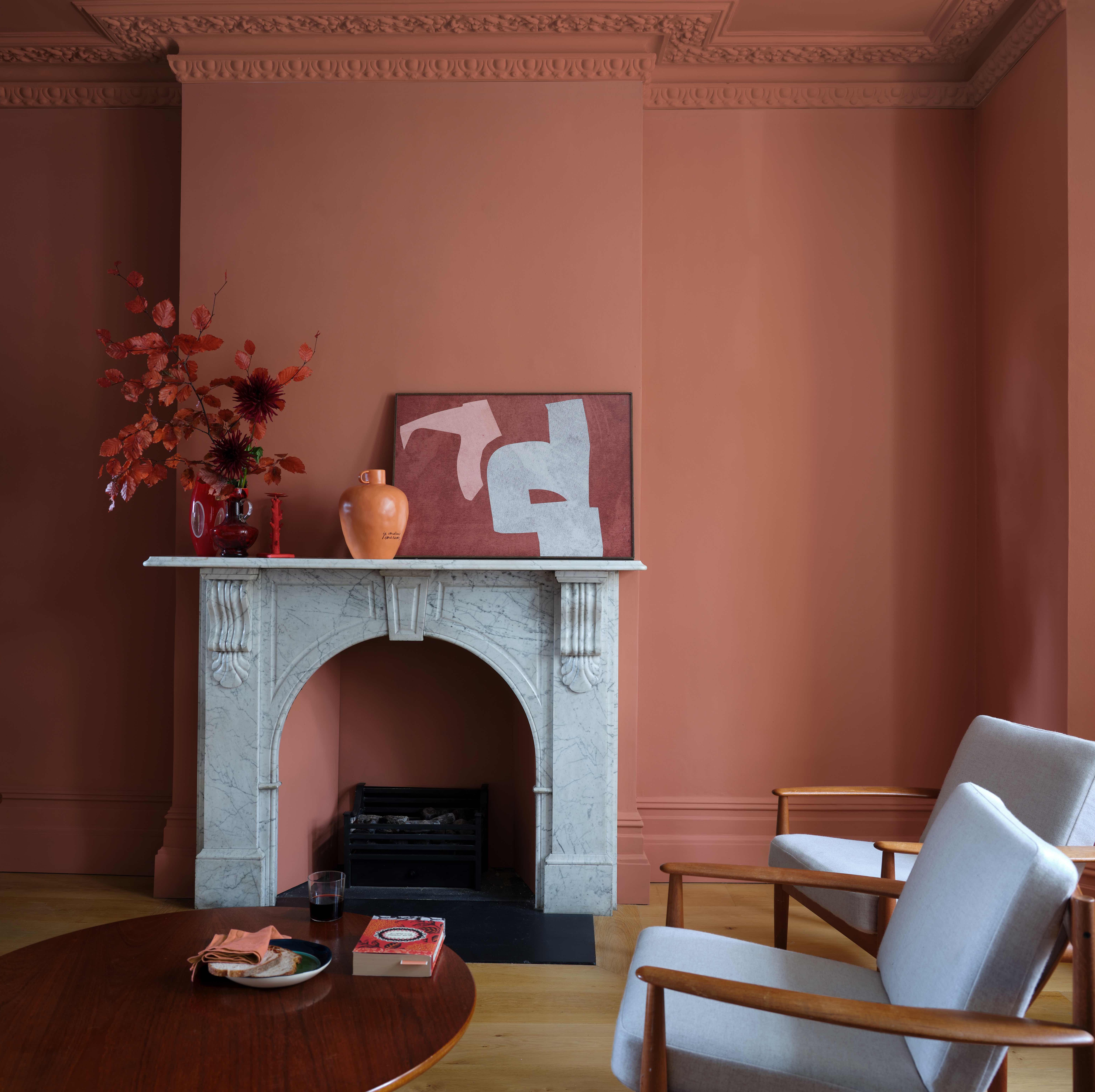
Incorporating all features, such as doors, window frames, and skirting boards, into the colour-drenched scheme further enhances the expansive effect. Historically, trim elements were often highlighted with contrasting colours, but painting them the same shade as the walls allows them to recede, making the room appear larger and more unified. Examples include muted greens like Forest Vista and purple options like Colourfast, which help achieve this seamless integration.
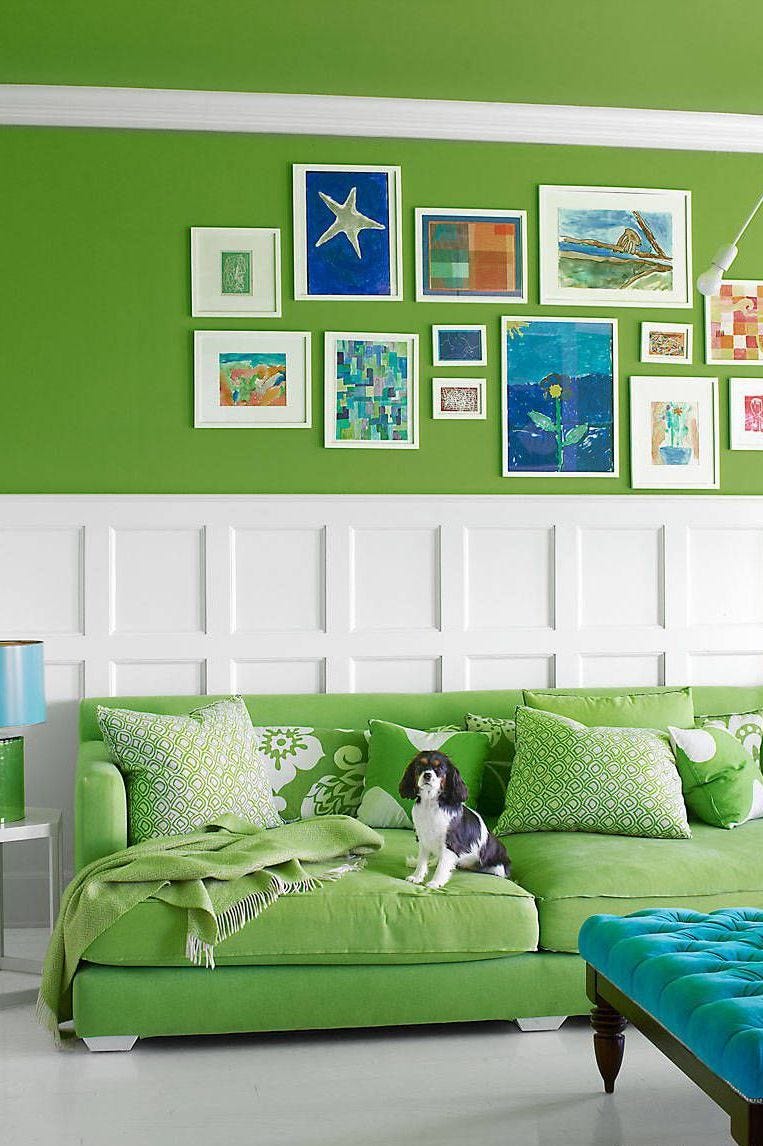
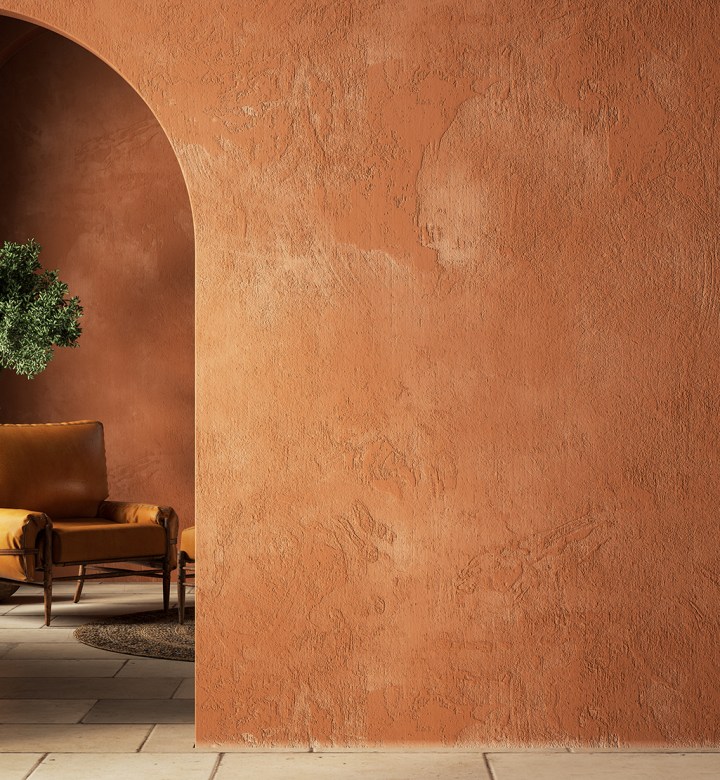
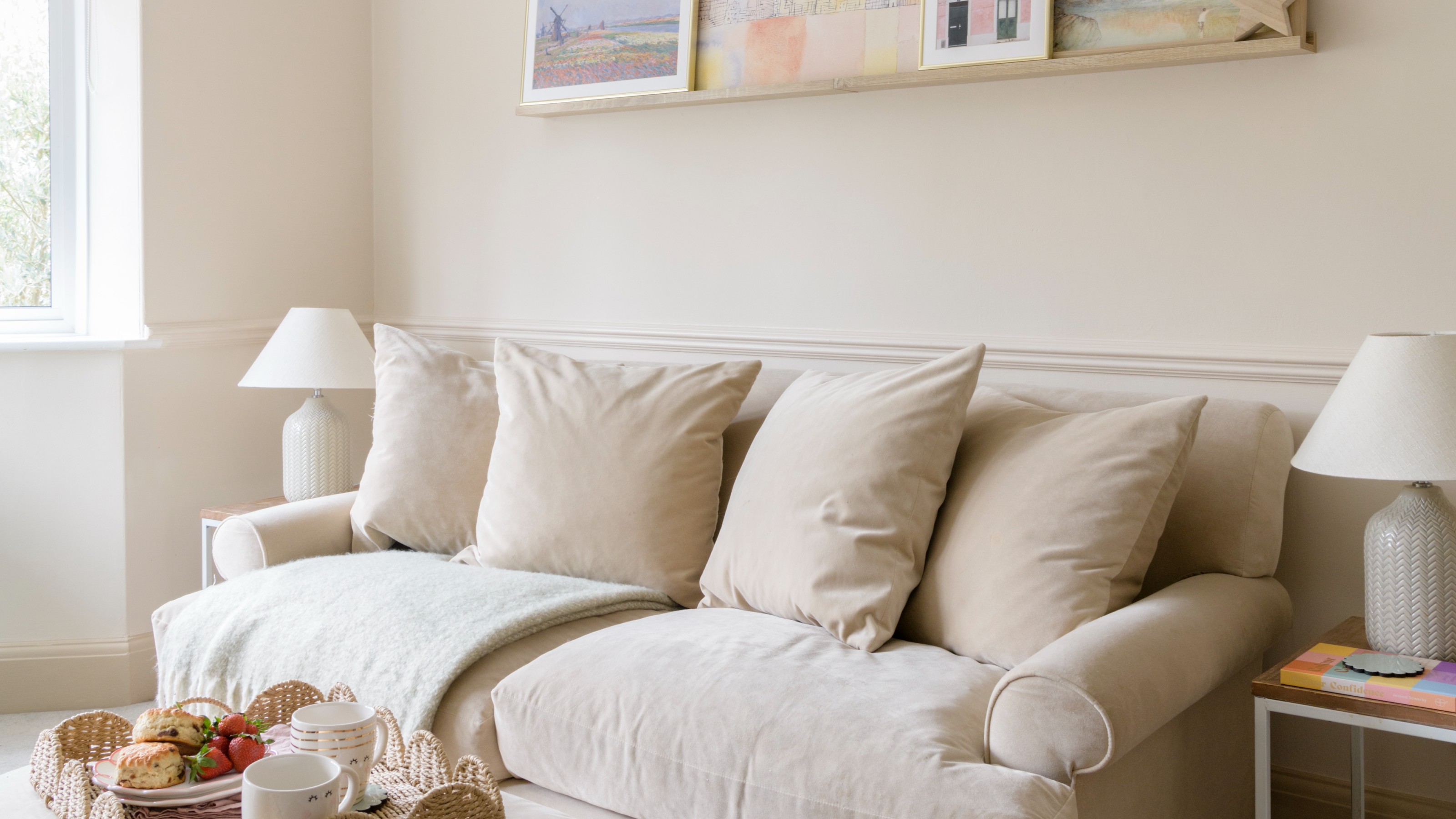
Colour drenching does not necessitate a monotonous appearance; subtle variations can be introduced through layering different levels of shine and texture, from chalky plaster finishes to high-gloss surfaces. Utilizing slightly different tones and intensities of the same colour can also add visual interest without disrupting the monochromatic theme. For instance, combining various shades of green, such as Ecuador, Amalfi, and So Swamped, can evoke a peaceful, refreshing, and eco-friendly ambiance.
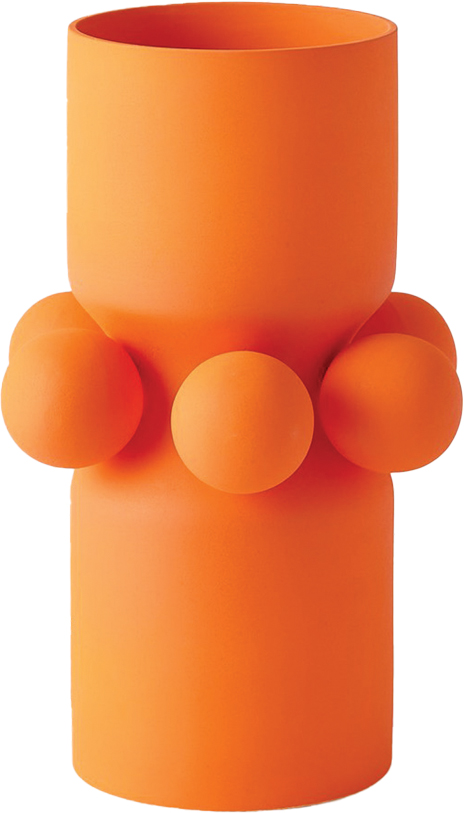
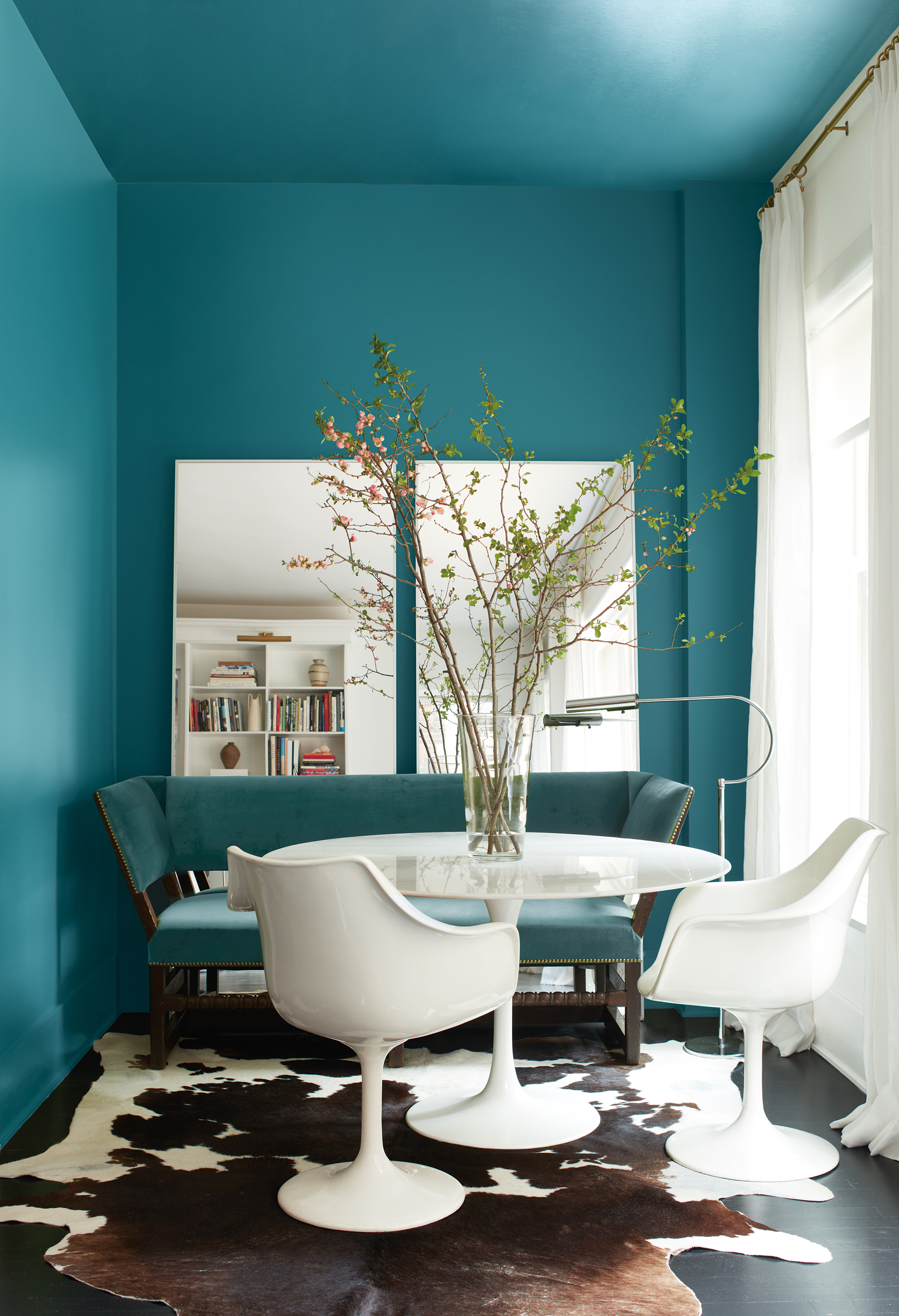
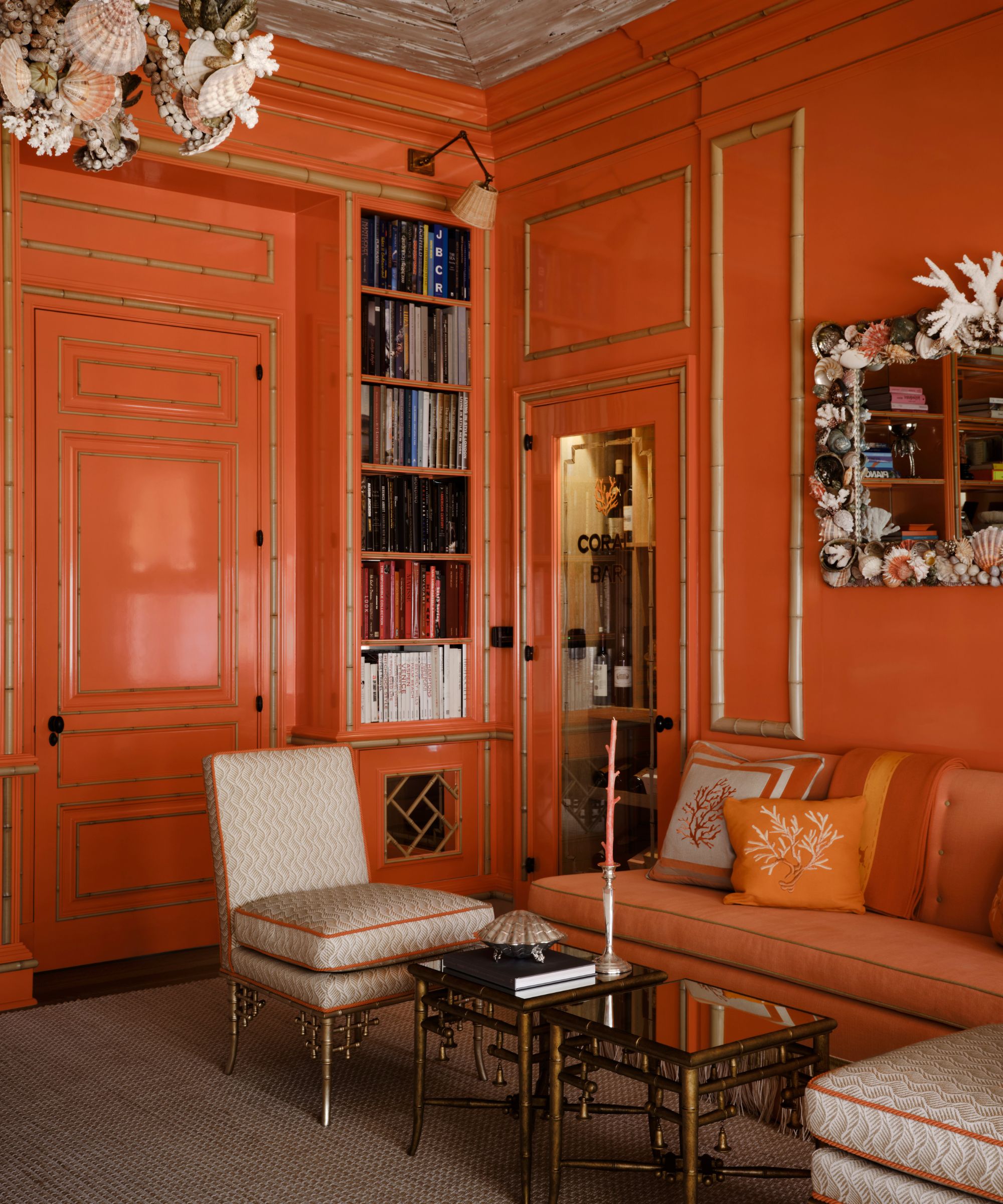
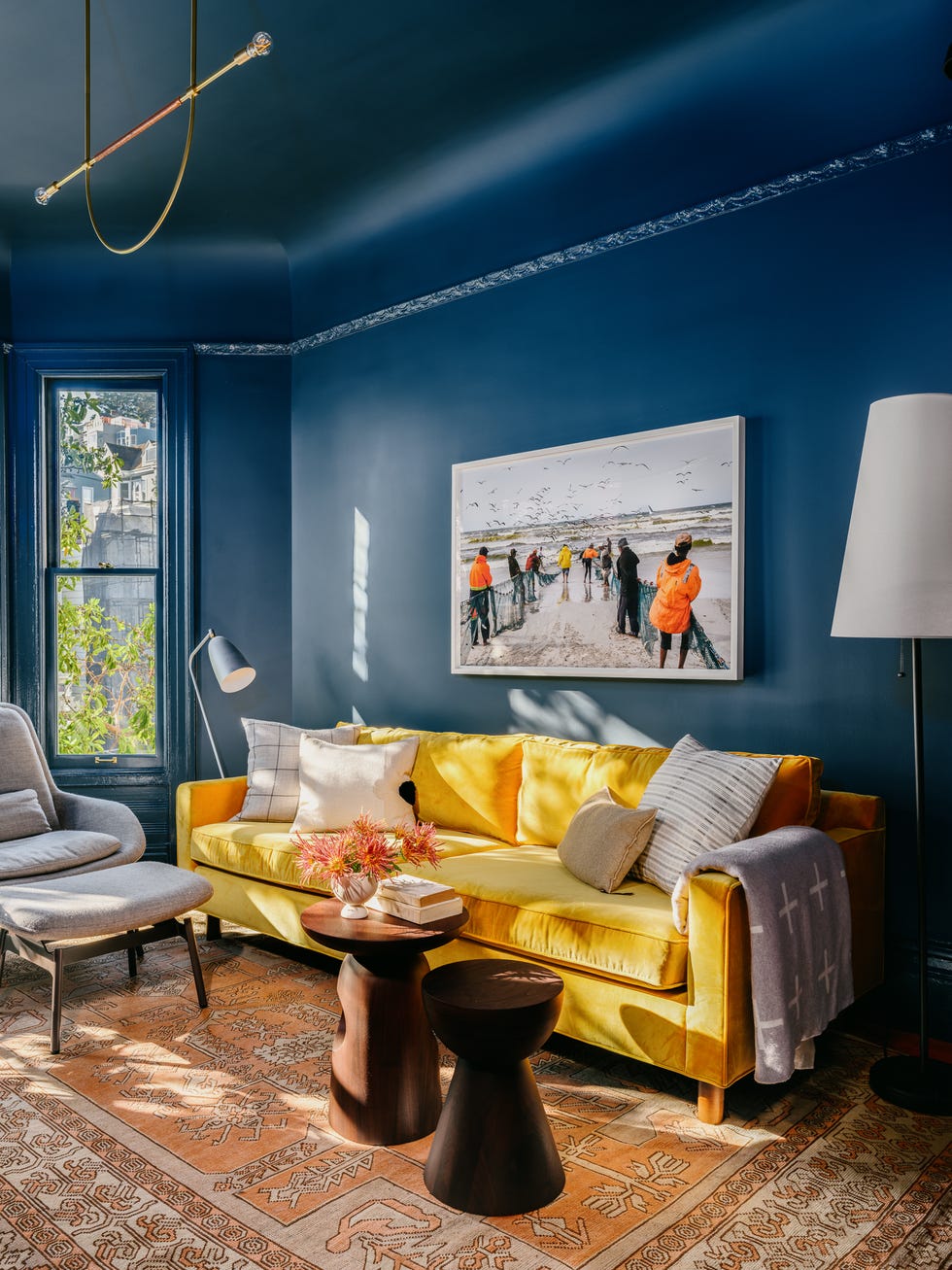
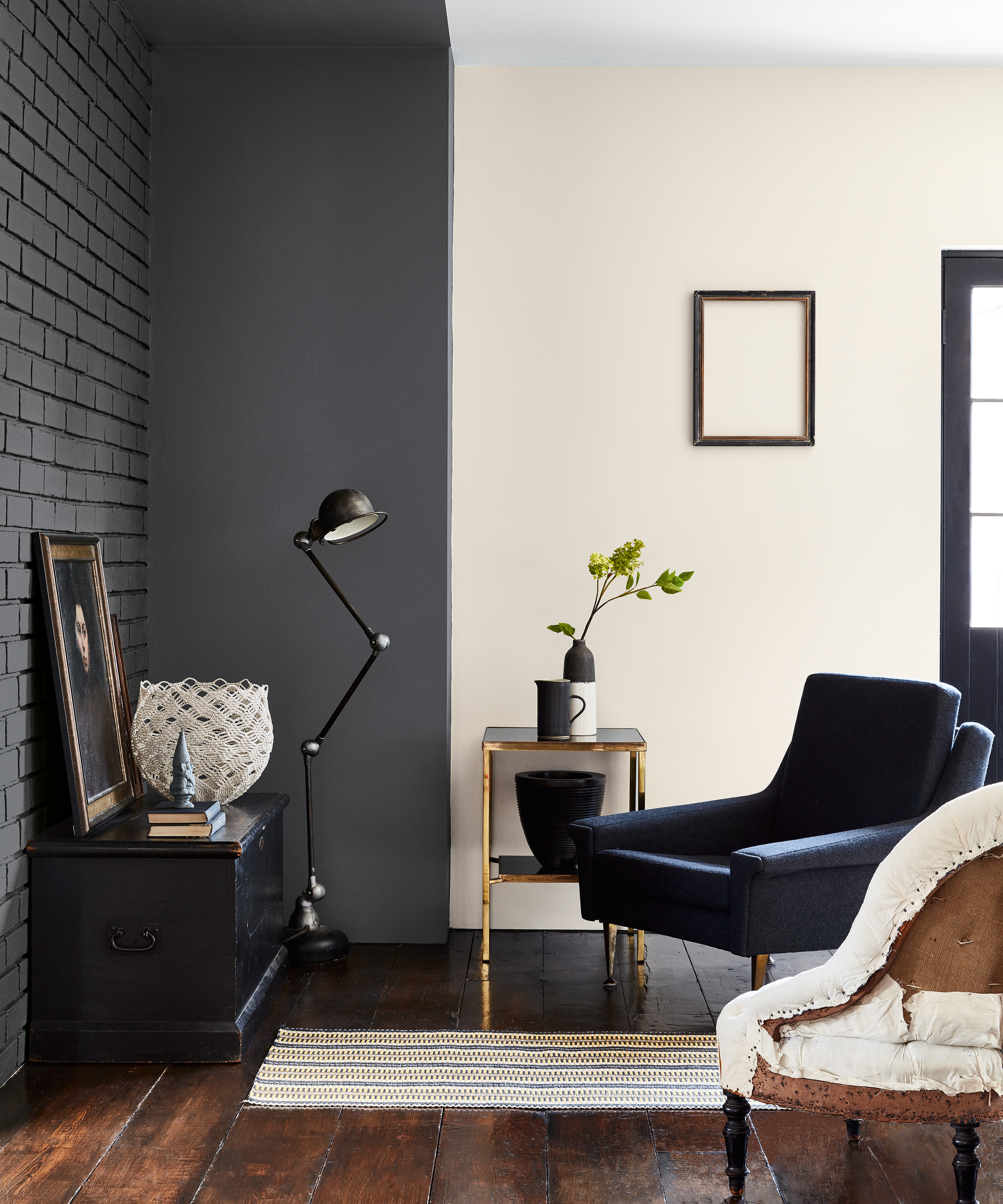
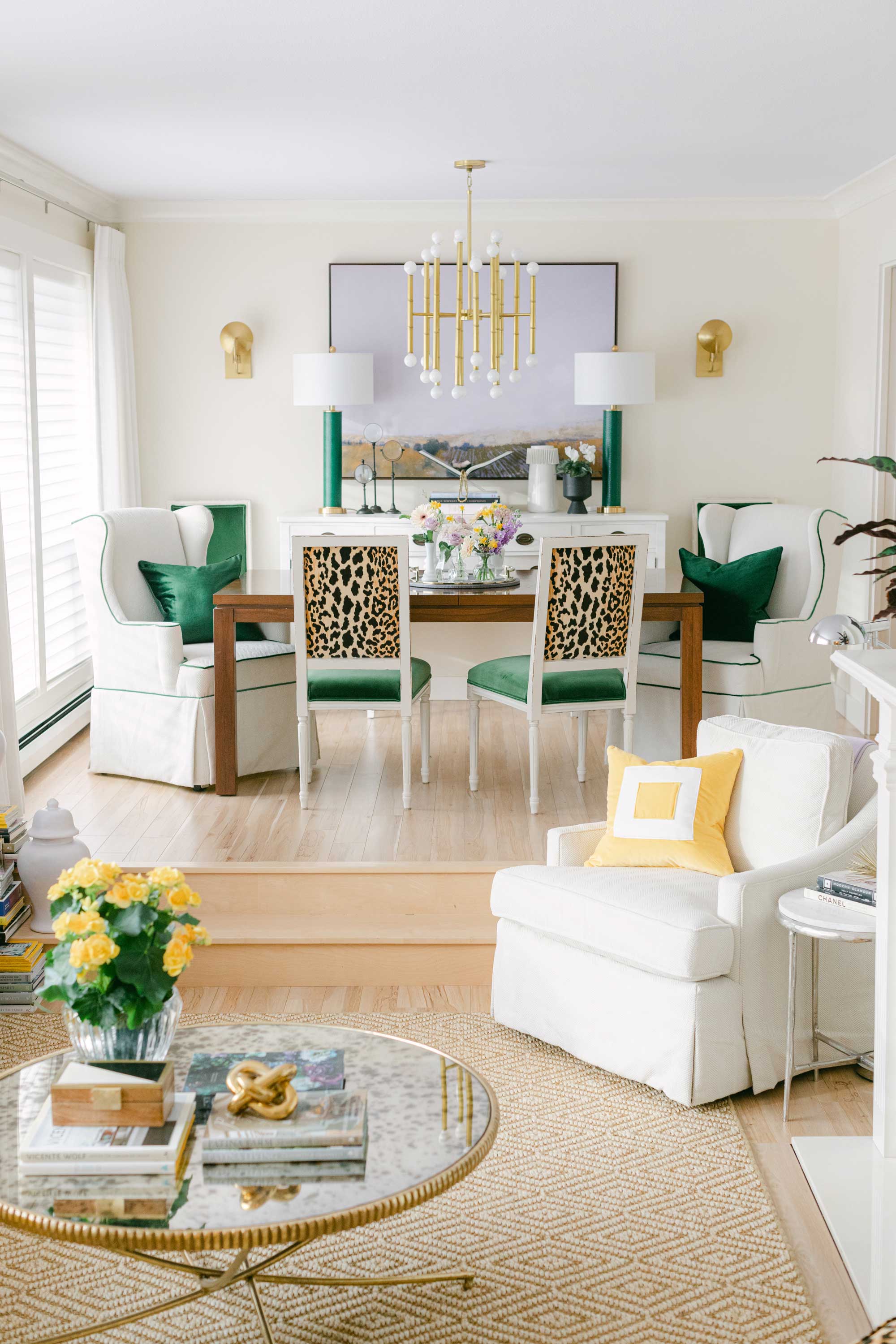
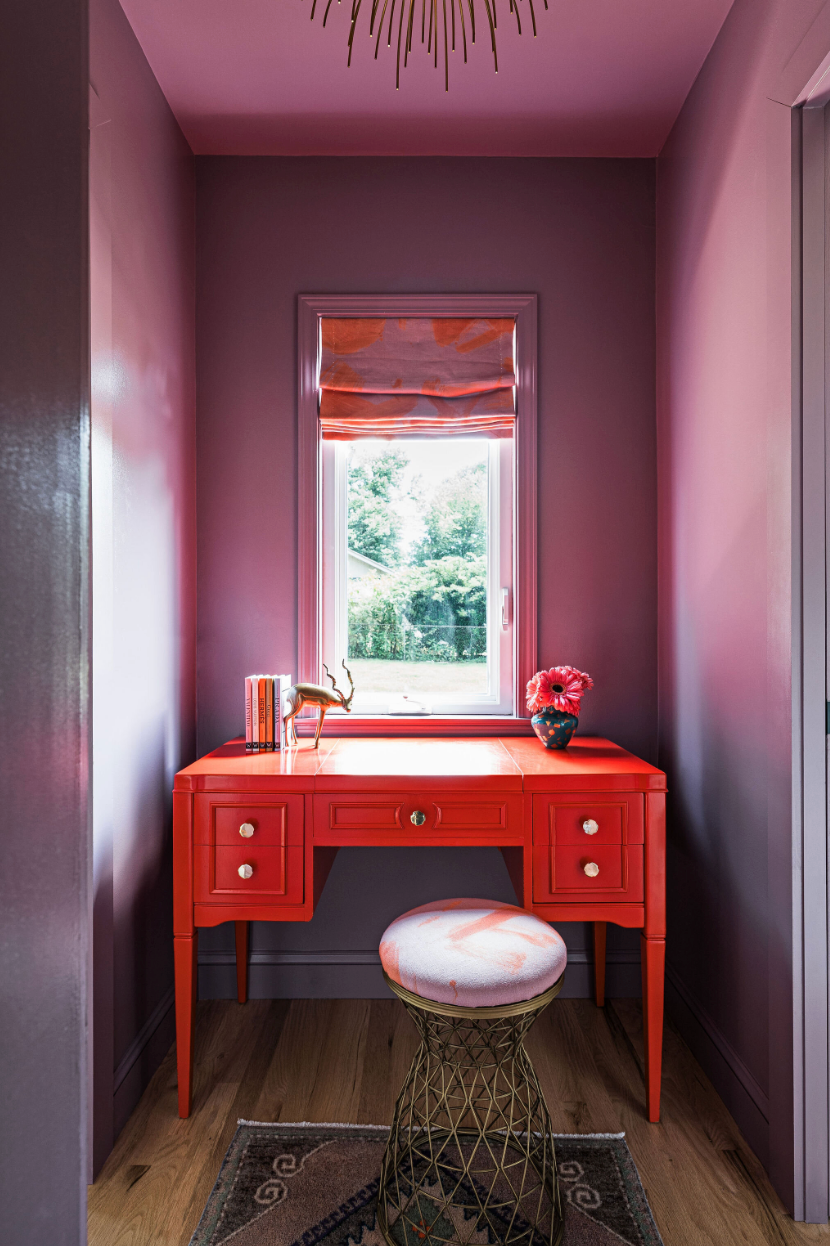
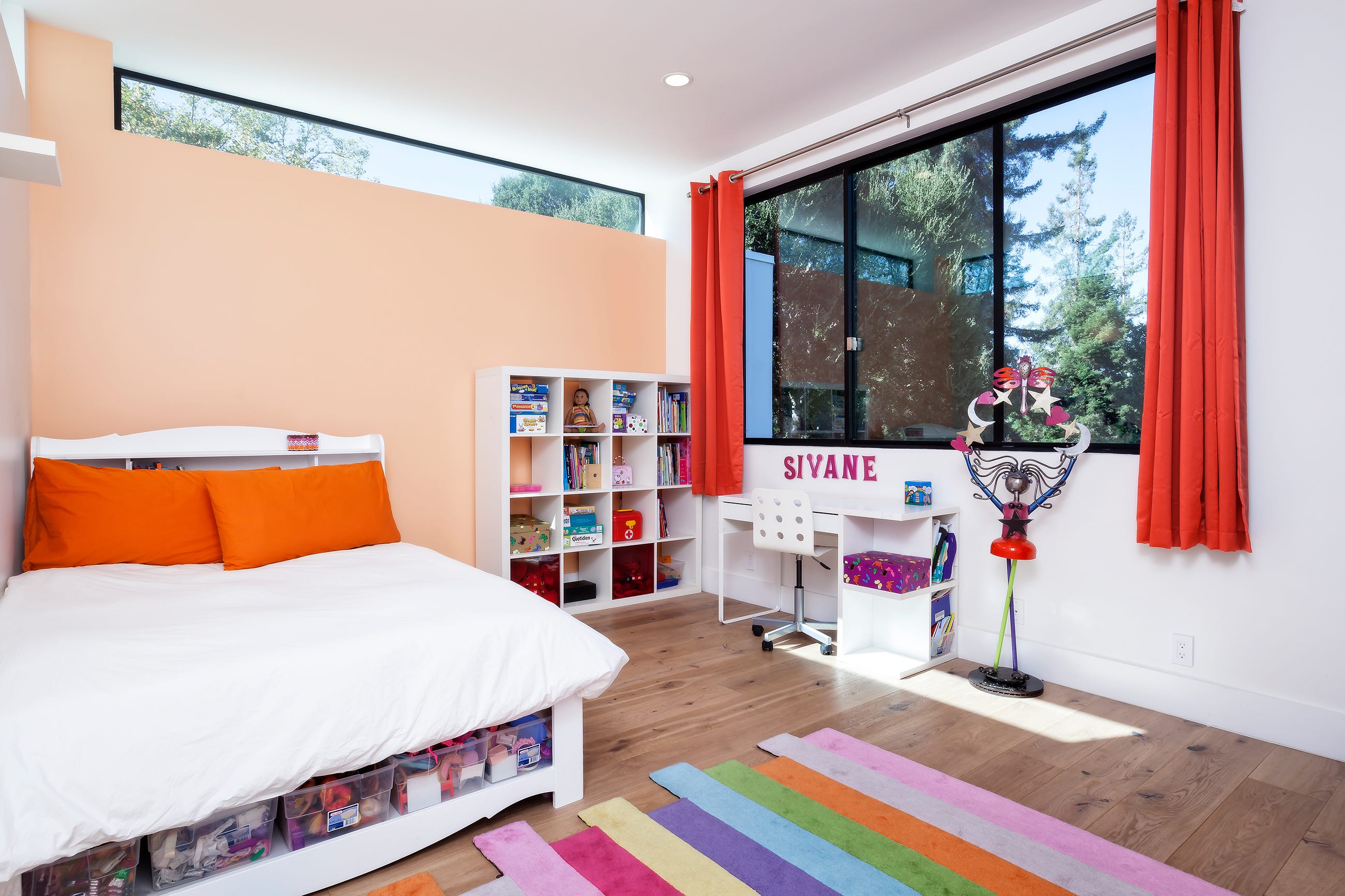
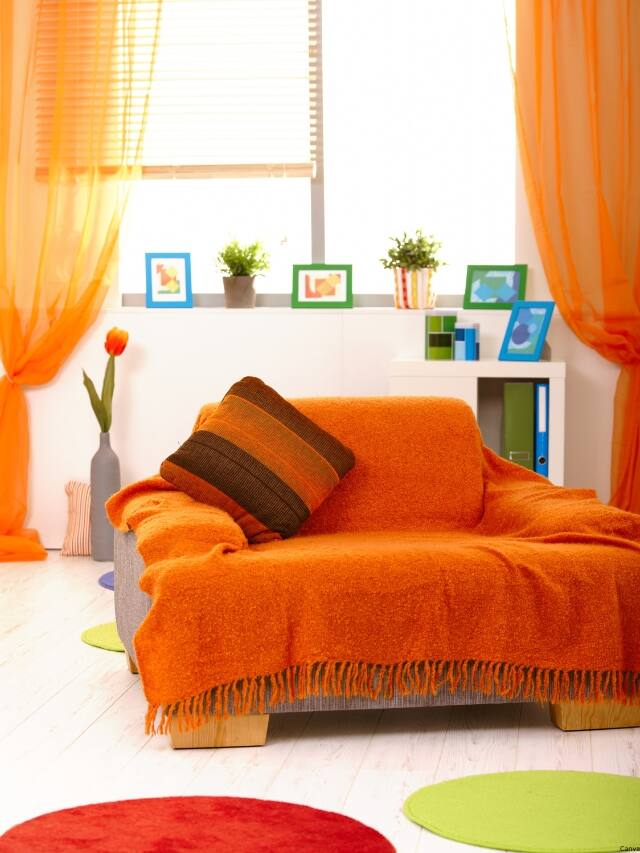
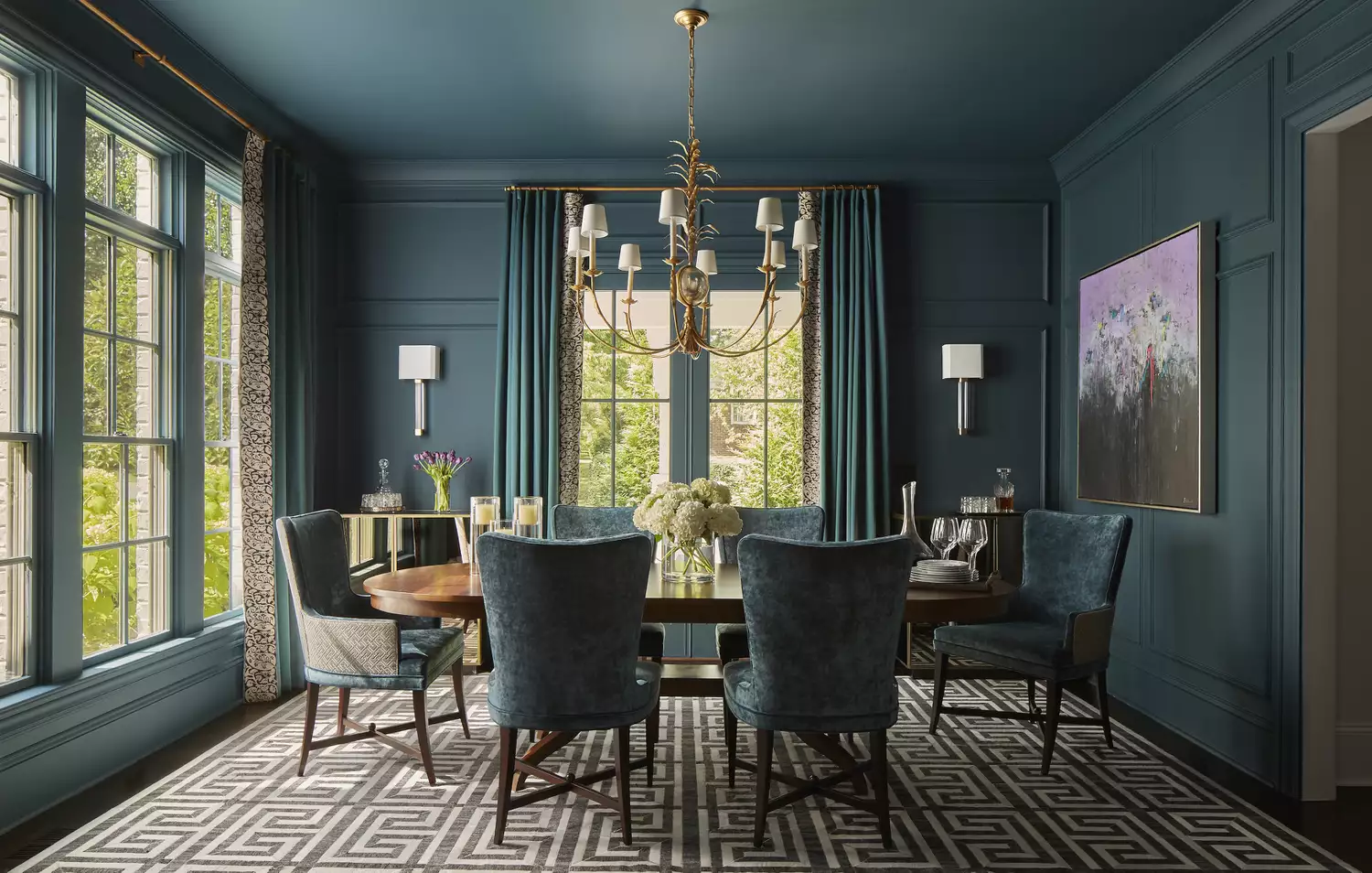
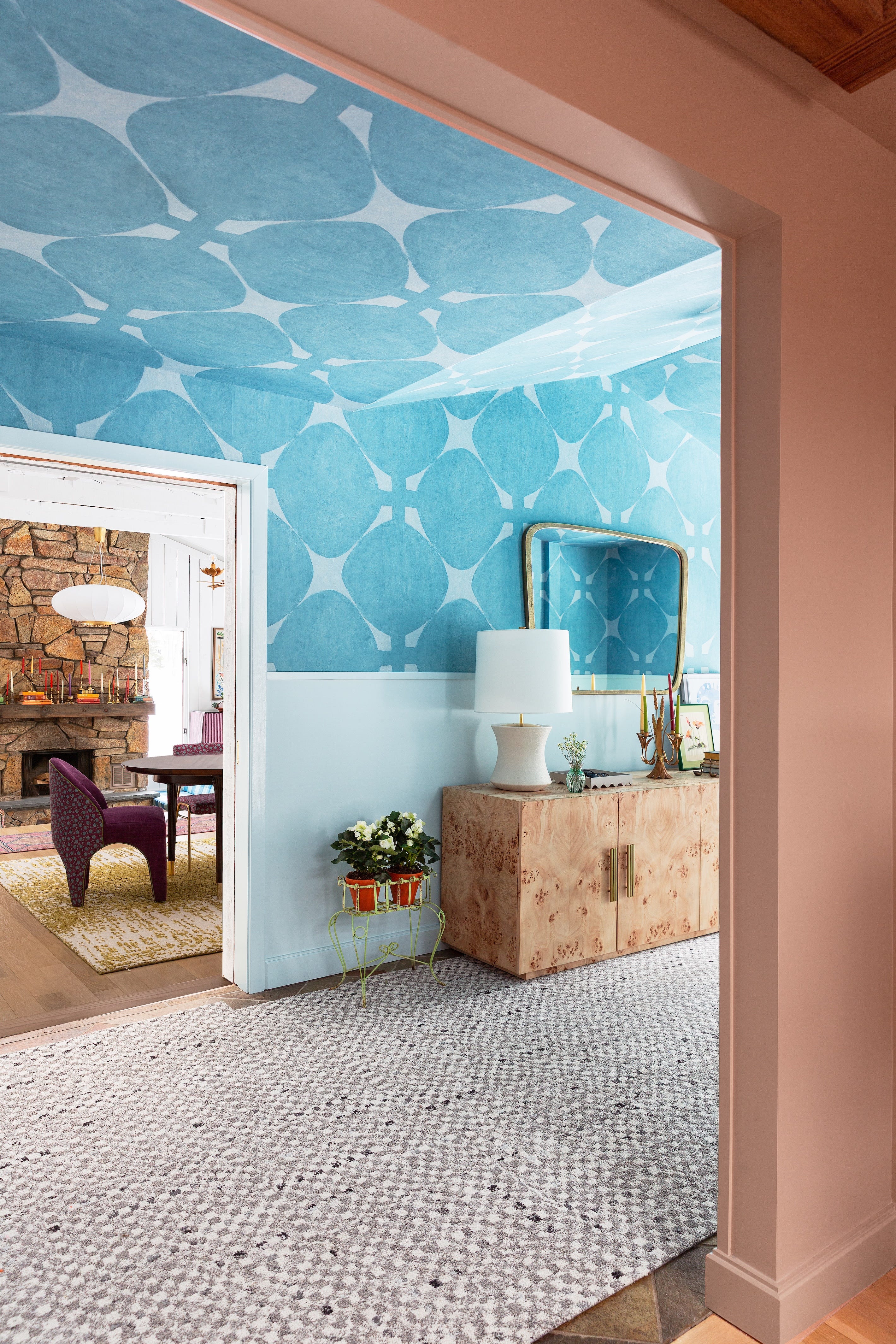
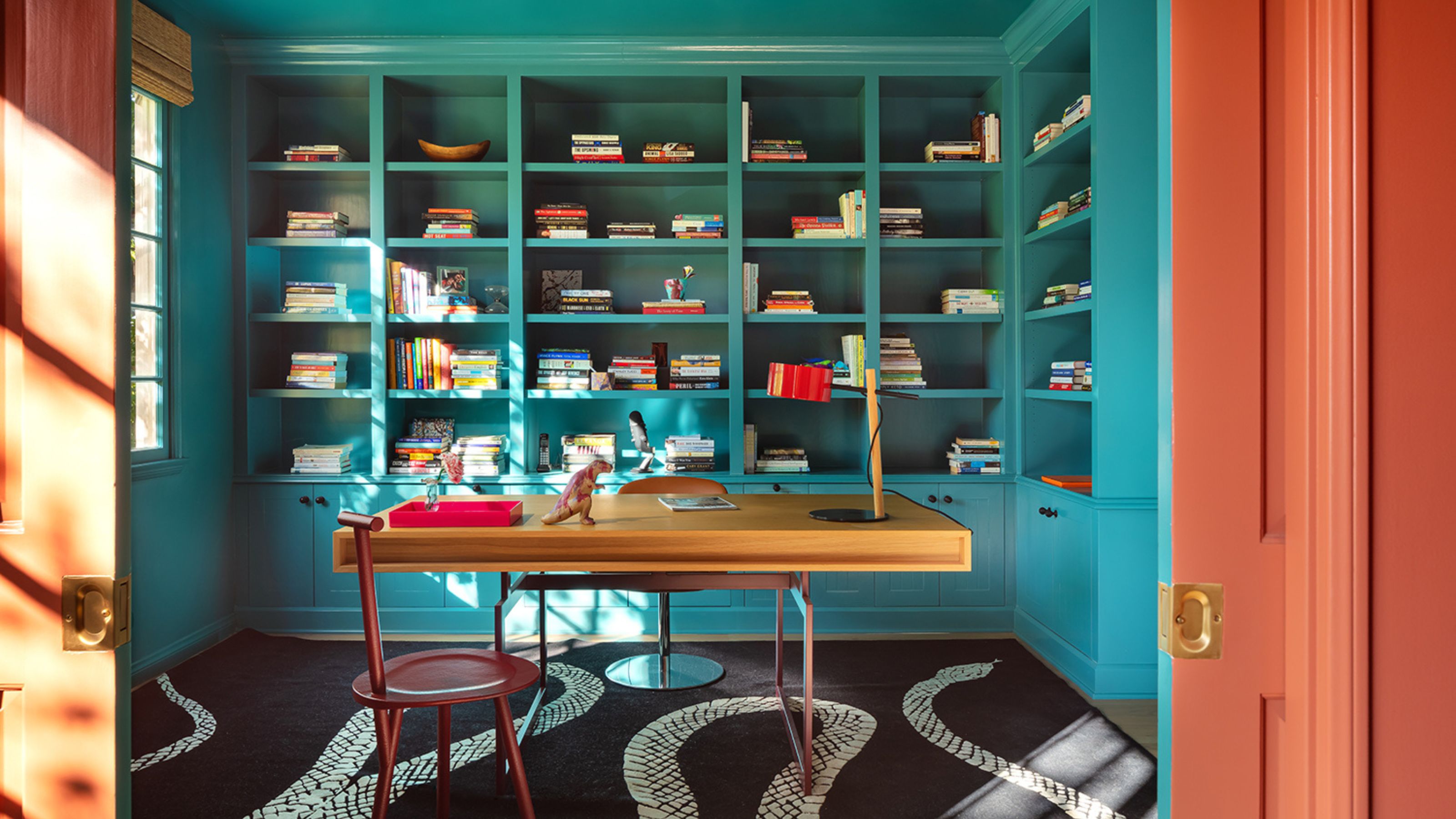
To make a colour-drenched area truly stand out, contrasting furniture or accents that incorporate the chosen colour can be introduced. This can range from subtle additions, like red elements in a blush-toned room, to bold statements, such as orange pieces in a blue room. Accessories like house plants provide pops of greenery, while decorative bowls or candlesticks in metallic tones, like gold, add sophisticated touches. Wallpaper can also be integrated to add interior interest without compromising the colour scheme, especially when coordinating paint and wallpaper from the same manufacturer to ensure a perfect colour match.
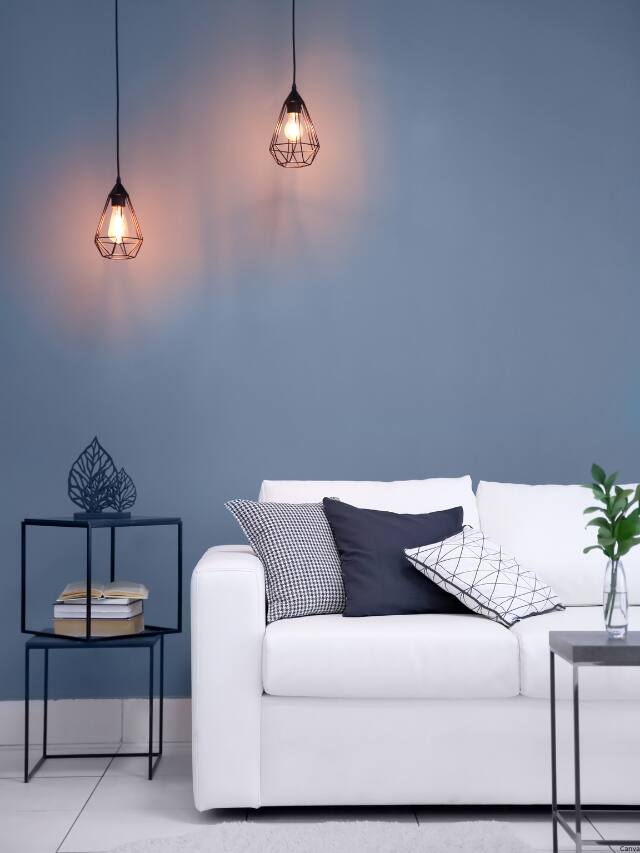
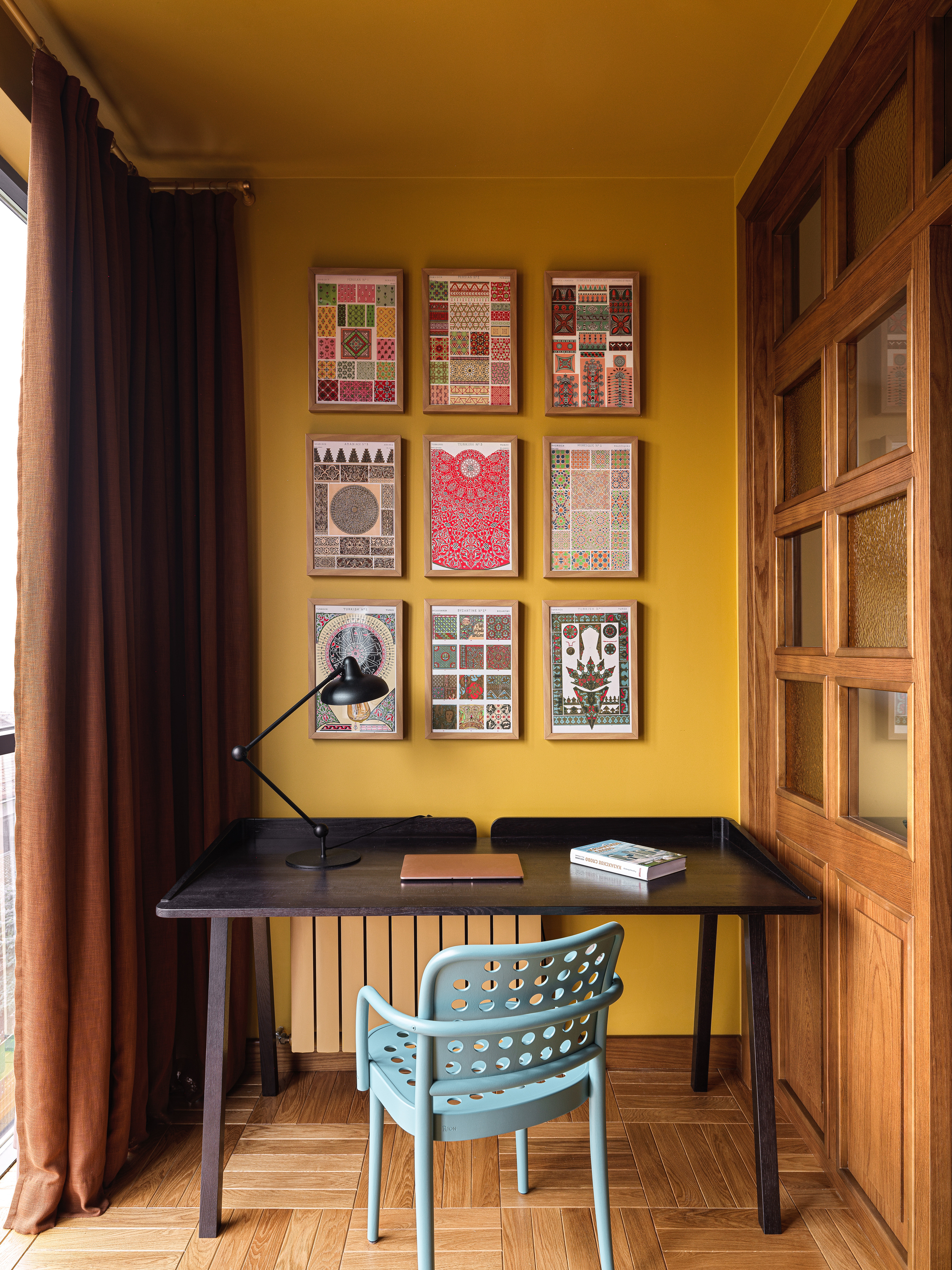
For those with limited space seeking more definition and contrast, colour zoning offers an alternative approach. This technique involves drenching a specific area within a room in a single shade to create a distinct zone. For example, a blue theme can define a home office or study corner, using a cohesive paint colour and complementary furniture to delineate the space effectively.
#ColorDrenching #InteriorDesign #HomeDecor #MonochromaticScheme #ColorPsychology #SpaceMaximization #HomeImprovement #PaintTrends #ColorDrenching #InteriorDesign #HomeDecor #MonochromaticScheme #ColorPsychology #SpaceMaximization #HomeImprovement #PaintTrends
0 comment in total
 No comments yet
You may also like
If you color drench any room make it this one

Dress Up Your Space With Contrasting Colors

Experts explain the 'colour drenching' trend – sharing 7 thoughtful ways to try it in your home

Why This Hue Is Suddenly Dominating Every Designer's Wishlist—Plus, How to Style It

7 colour tricks to transform your mood and living room design

Is colour drenching really a radical new way to decorate, or is it just lazy decorating?
10 Color Drenching Ideas That Highlight the Beauty of This Paint Trend
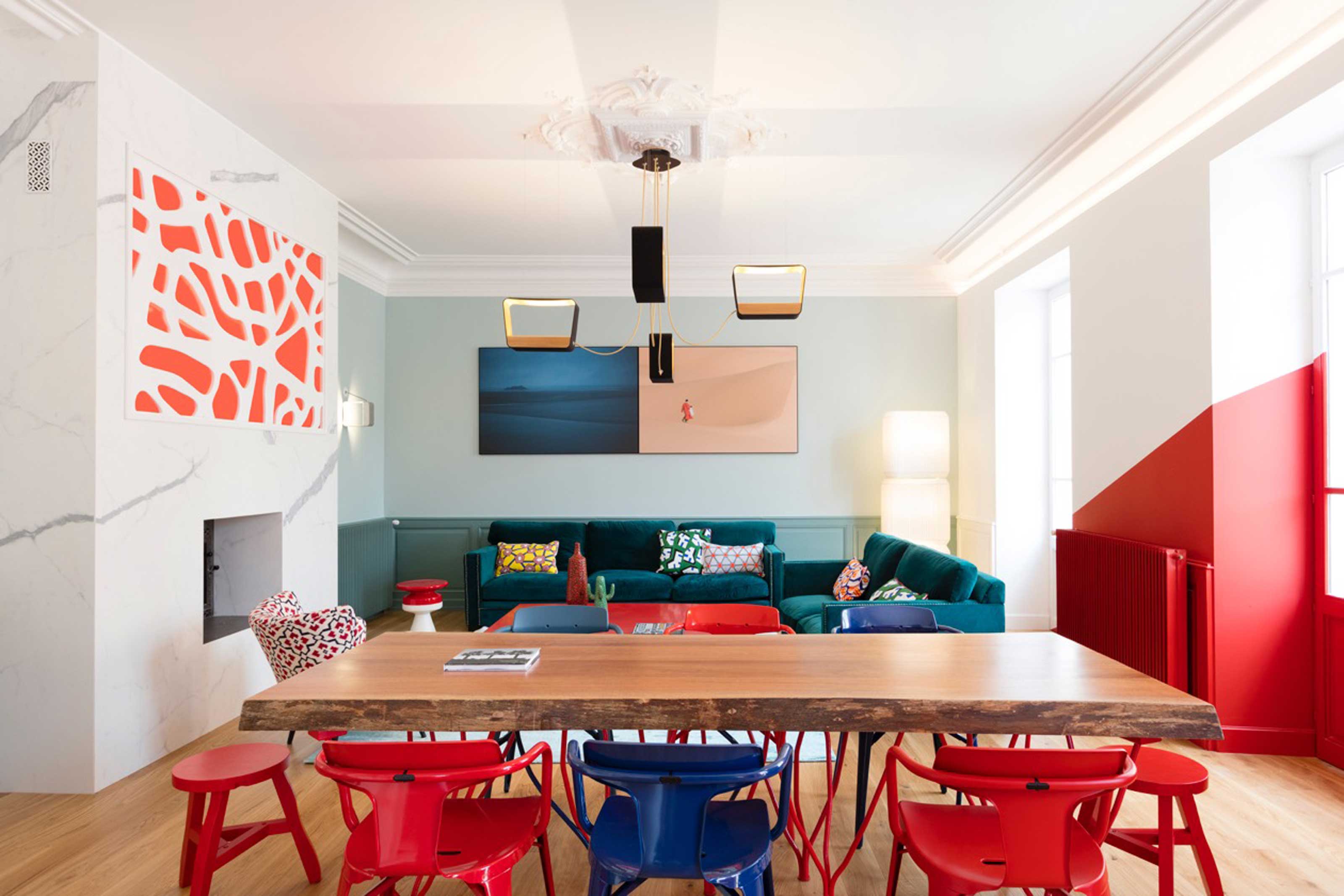
How to use paint to change the size and shape of your room

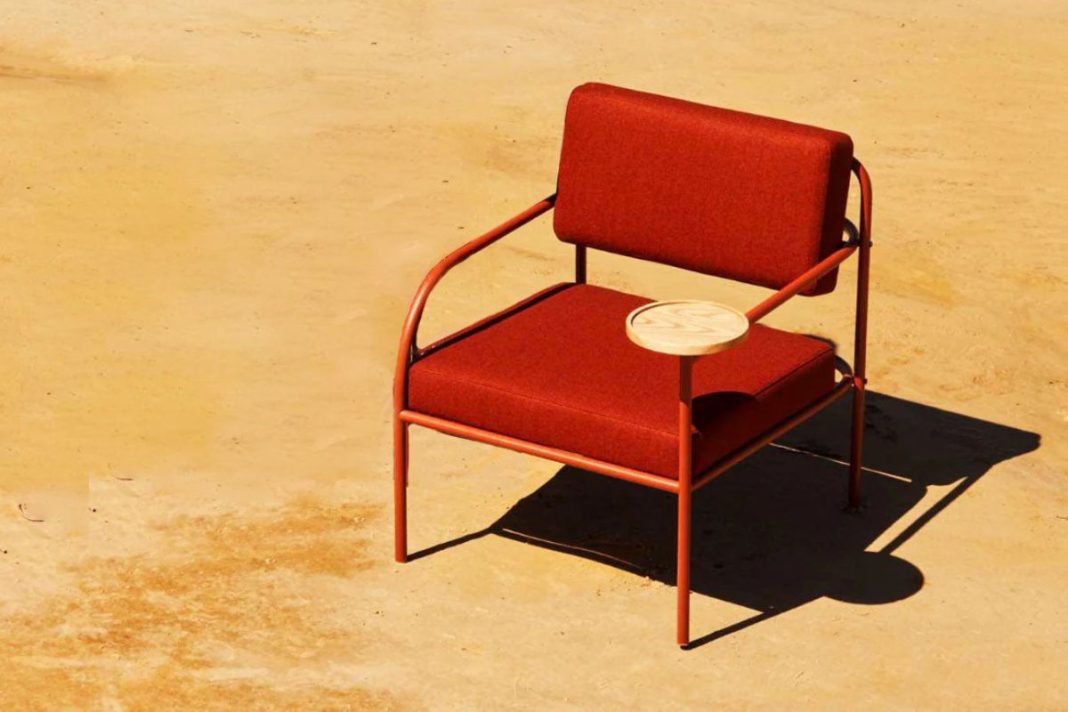
Incorporate Color Drenching Into Your Home Design

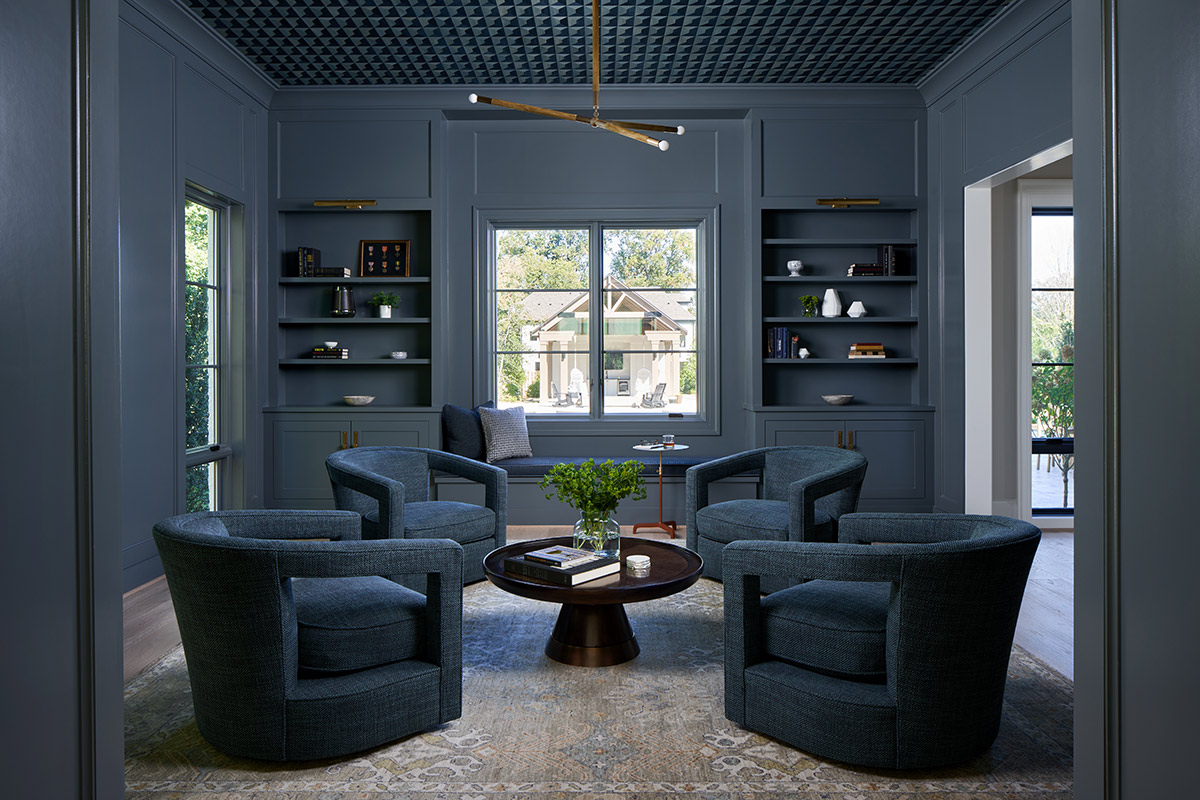
How to Incorporate Color Drenching in Your Home Design
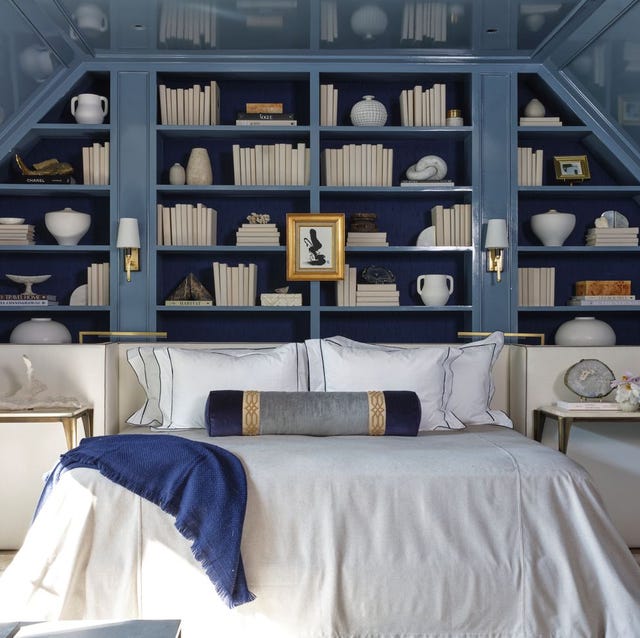
The Color Drenching Paint Trend Isn't Going Anywhere

Designers Say These Unusual Paint Color Combos Will Transform Your Home

Color Drenching Might Be Everywhere, But My Mom’s Been Doing It Since the ’90s
A Complete Guide to Color Drenching a Room — The Tone-On-Tone Paint Style Taking Over Our Homes
Should You Paint Ceilings and Walls the Same Color? Experts Give Their Verdict
These Accent Color Ideas Will Transform Any Room

6 great ways to use colour drenching in your home
9 rooms that prove color drenching makes small spaces look bigger
Living room paint ideas – 27 easy ways to bring your lounge to life with stylish and creative colours and techniques

How to paint a room and give it a refresh