1/8
So You Want To Undo Your Open-Concept Kitchen? Here’s How To Make Open Plan Feel More Defined
While open-plan spaces, combining kitchens, dining areas, and living rooms, have been popular for promoting flow and connection, there is a growing trend towards more defined, closed-concept living. This shift addresses the desire for intimacy and distinct functional zones within a home. Fortunately, homeowners with existing open-plan layouts can achieve this sense of definition without extensive remodeling, utilizing various design strategies.
Designers emphasize that balance is crucial in open-plan homes. Clear zoning allows for both connectivity and containment, offering the social benefits of open living alongside a sense of privacy. This approach makes rooms feel calmer, more purposeful, and harmonious, preventing them from becoming overwhelming. Several methods can be employed to define zones, ranging from structural alterations to decorative elements.
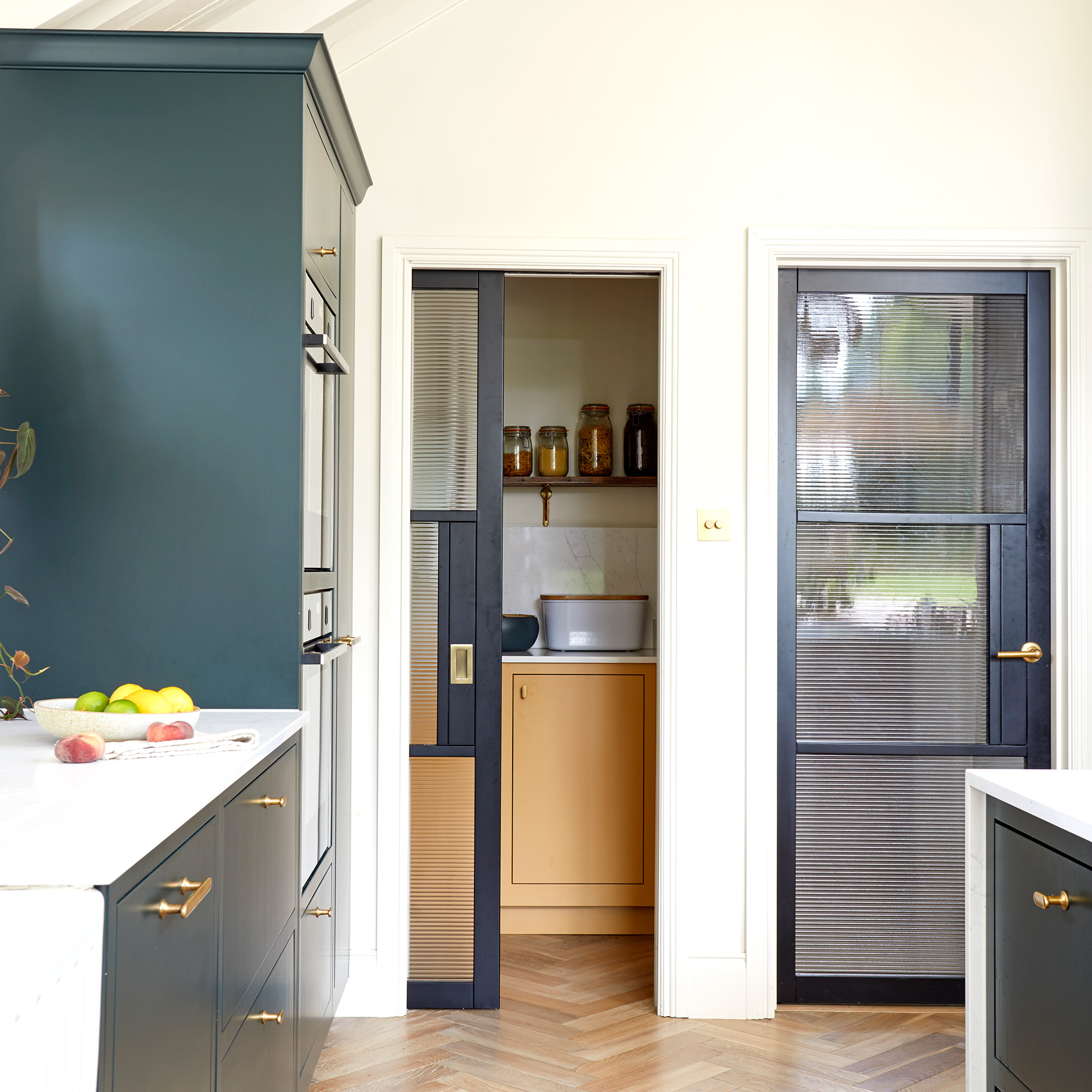
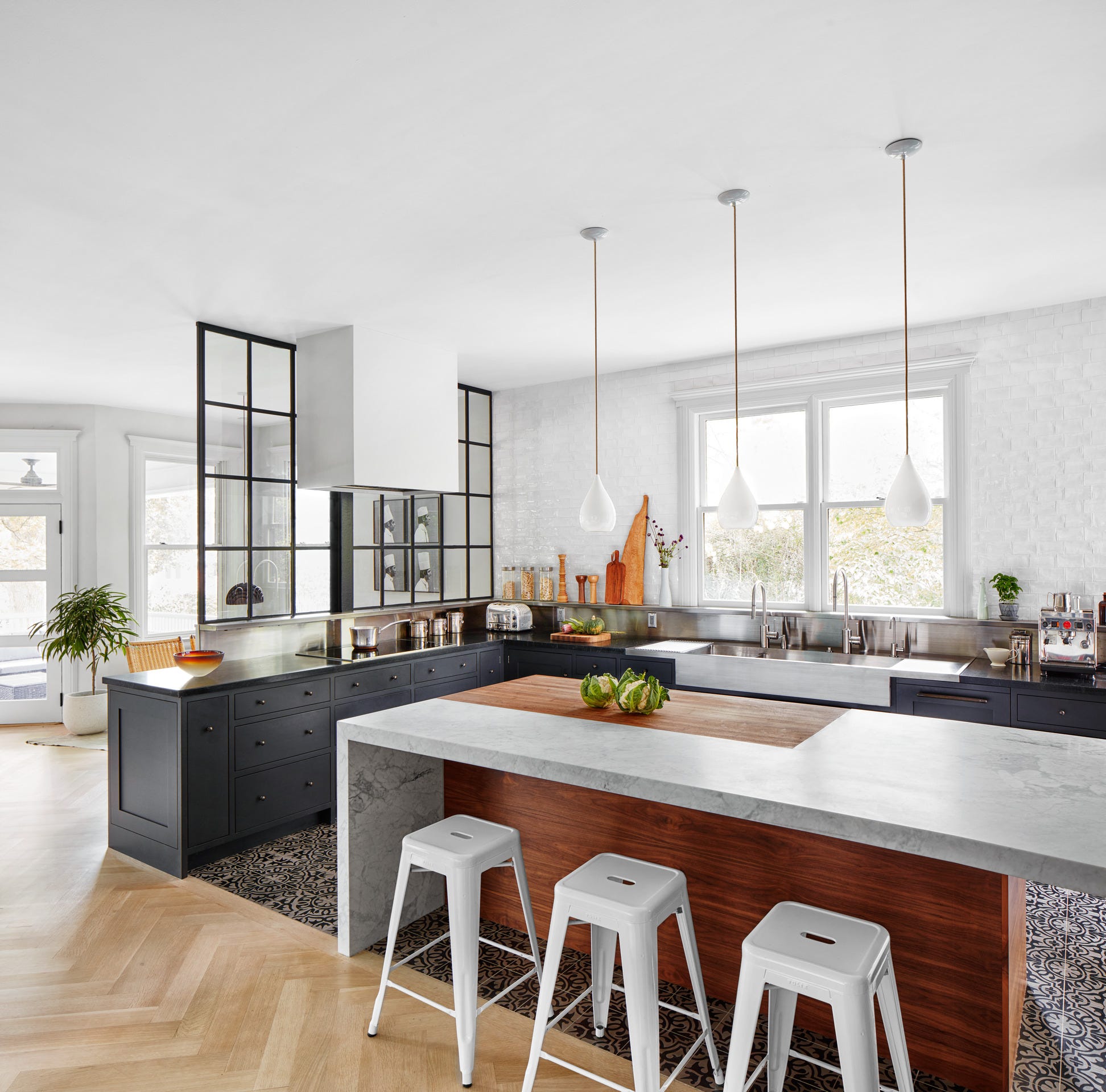
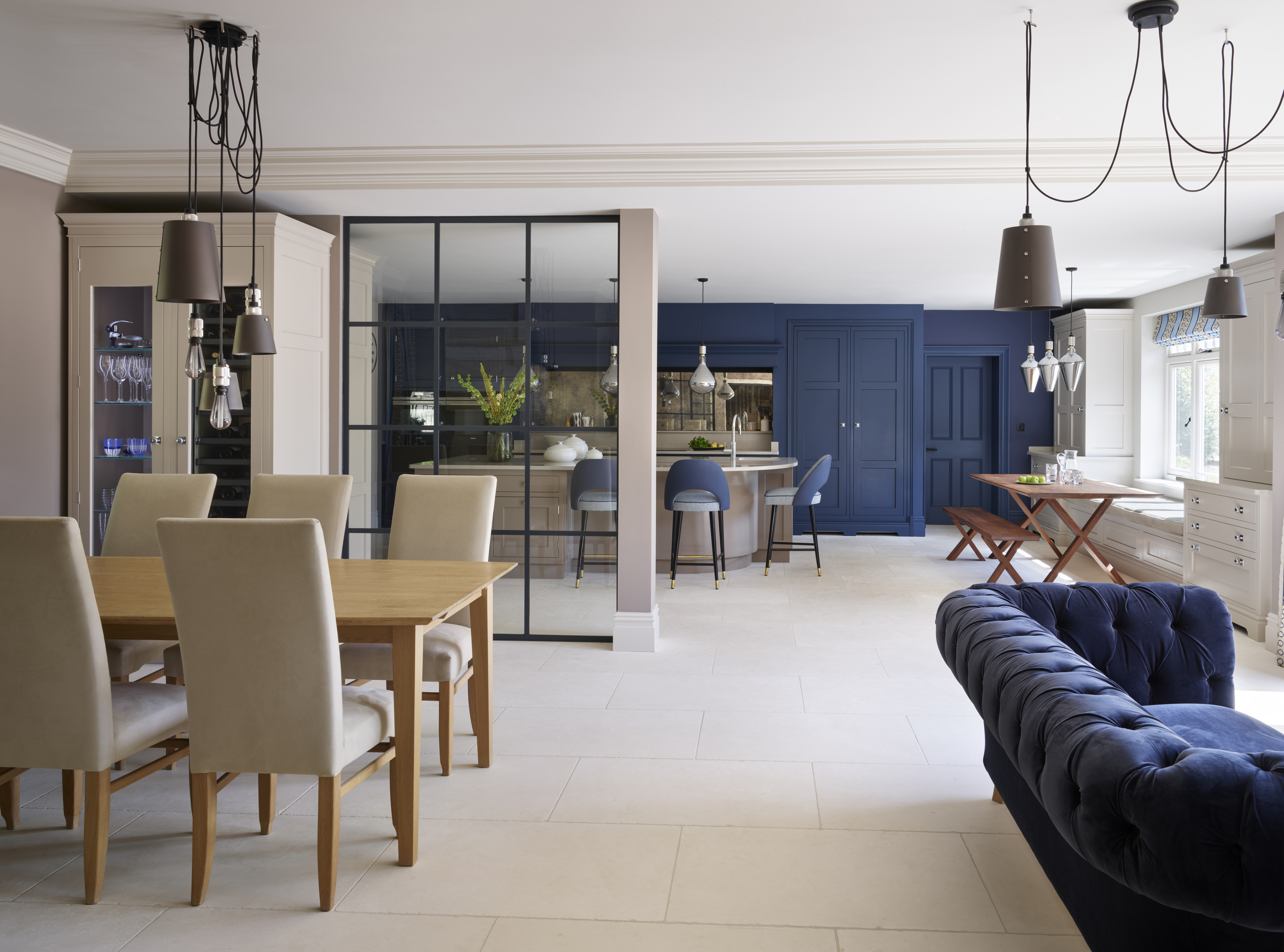
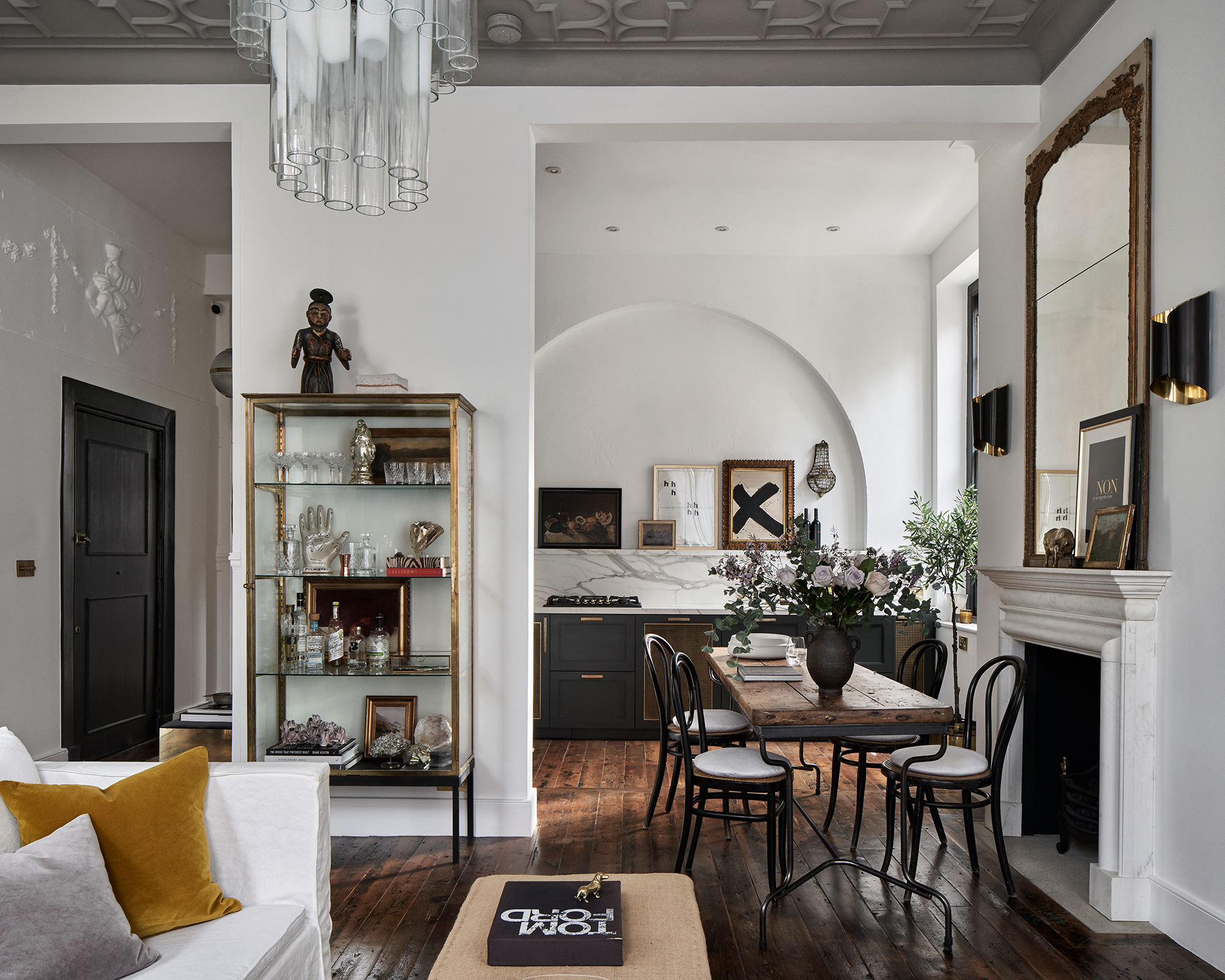
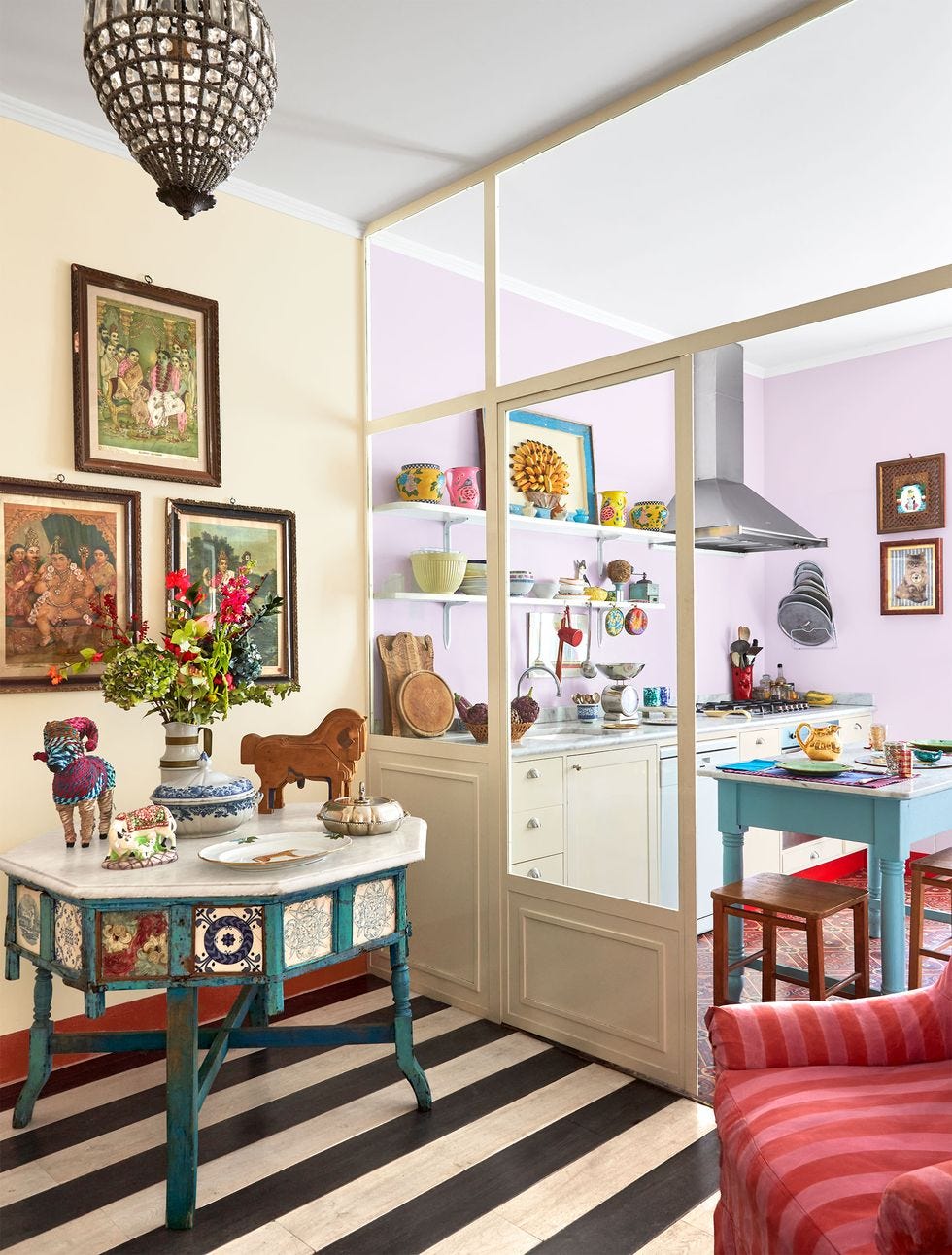
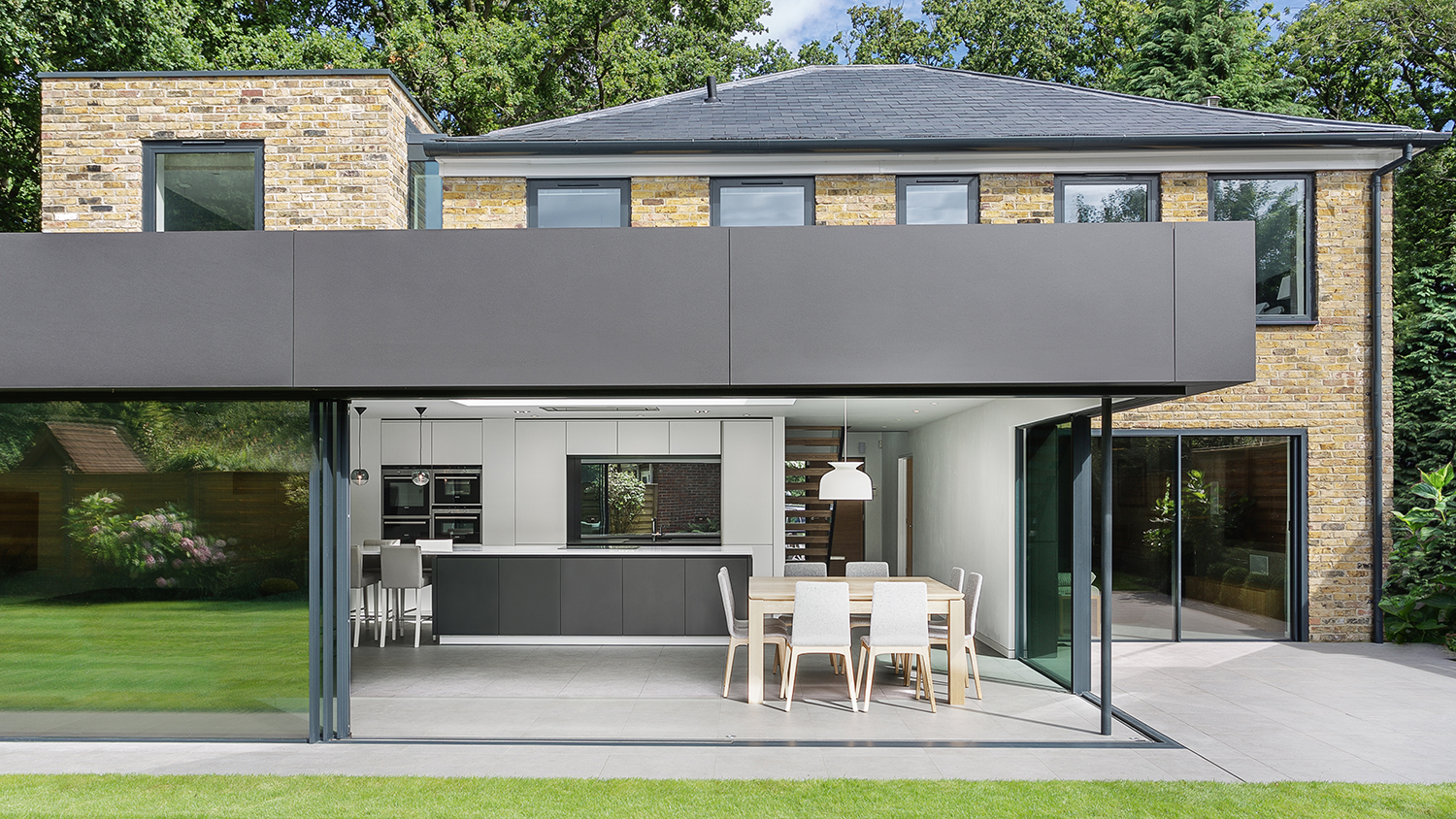
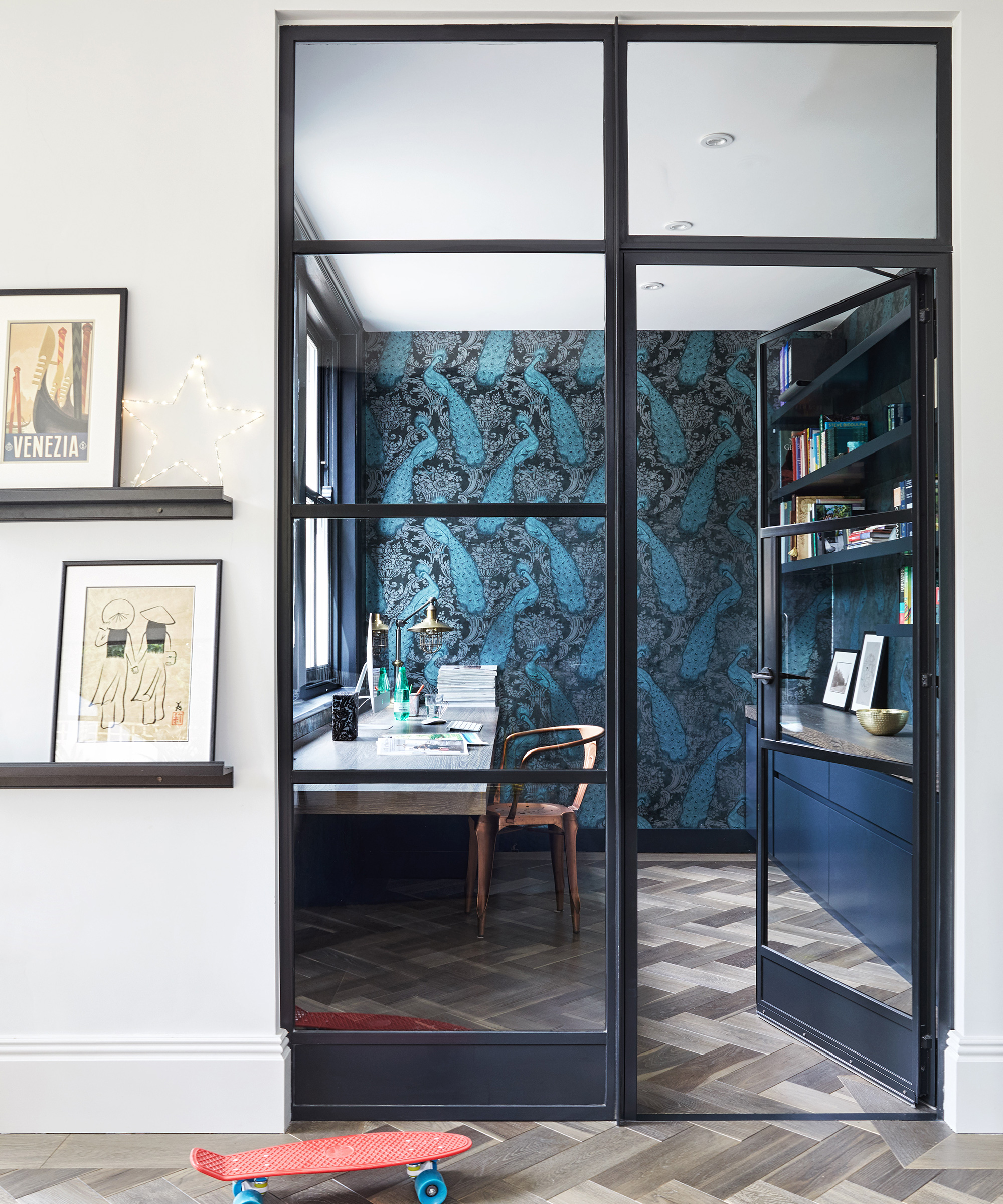
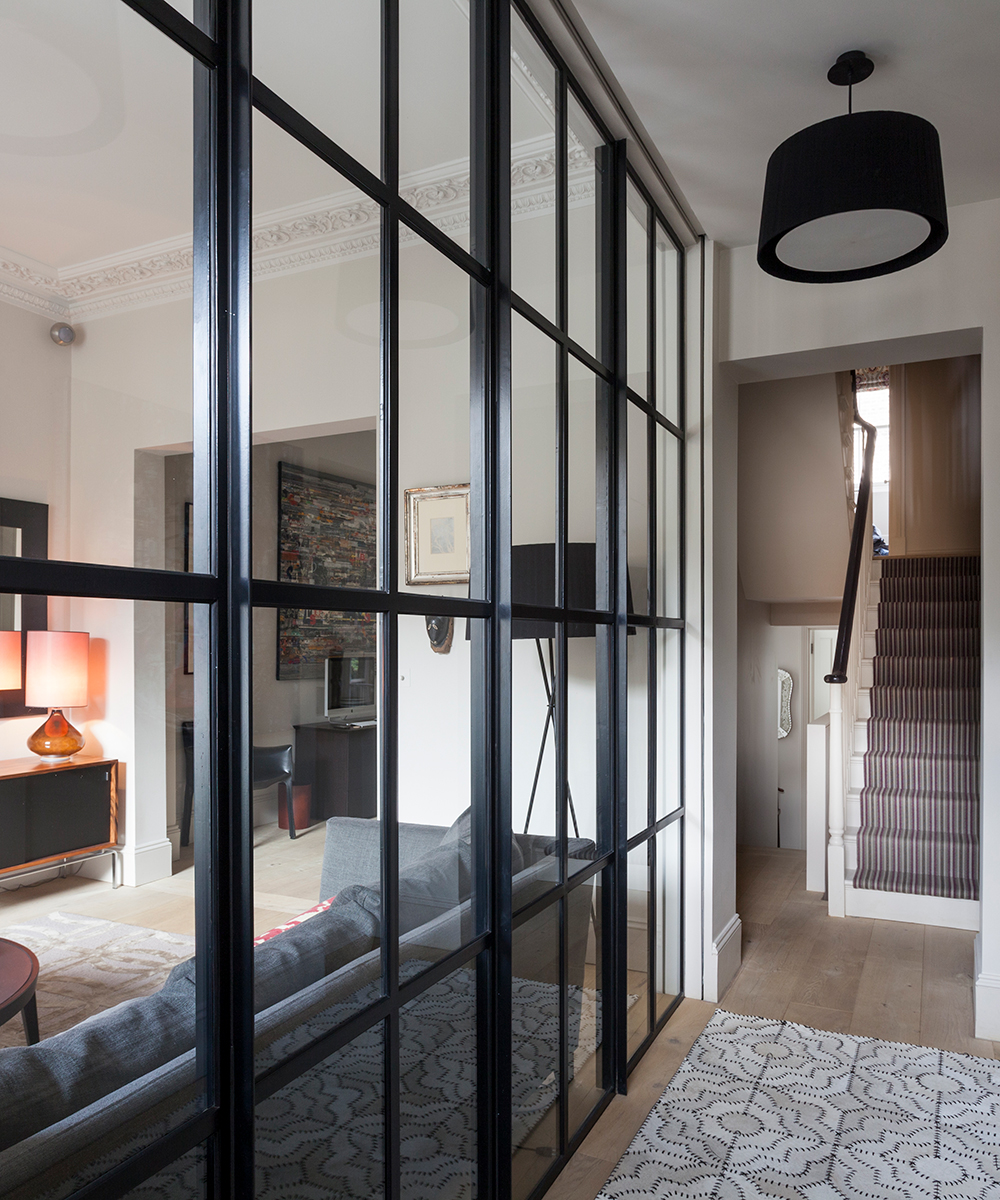
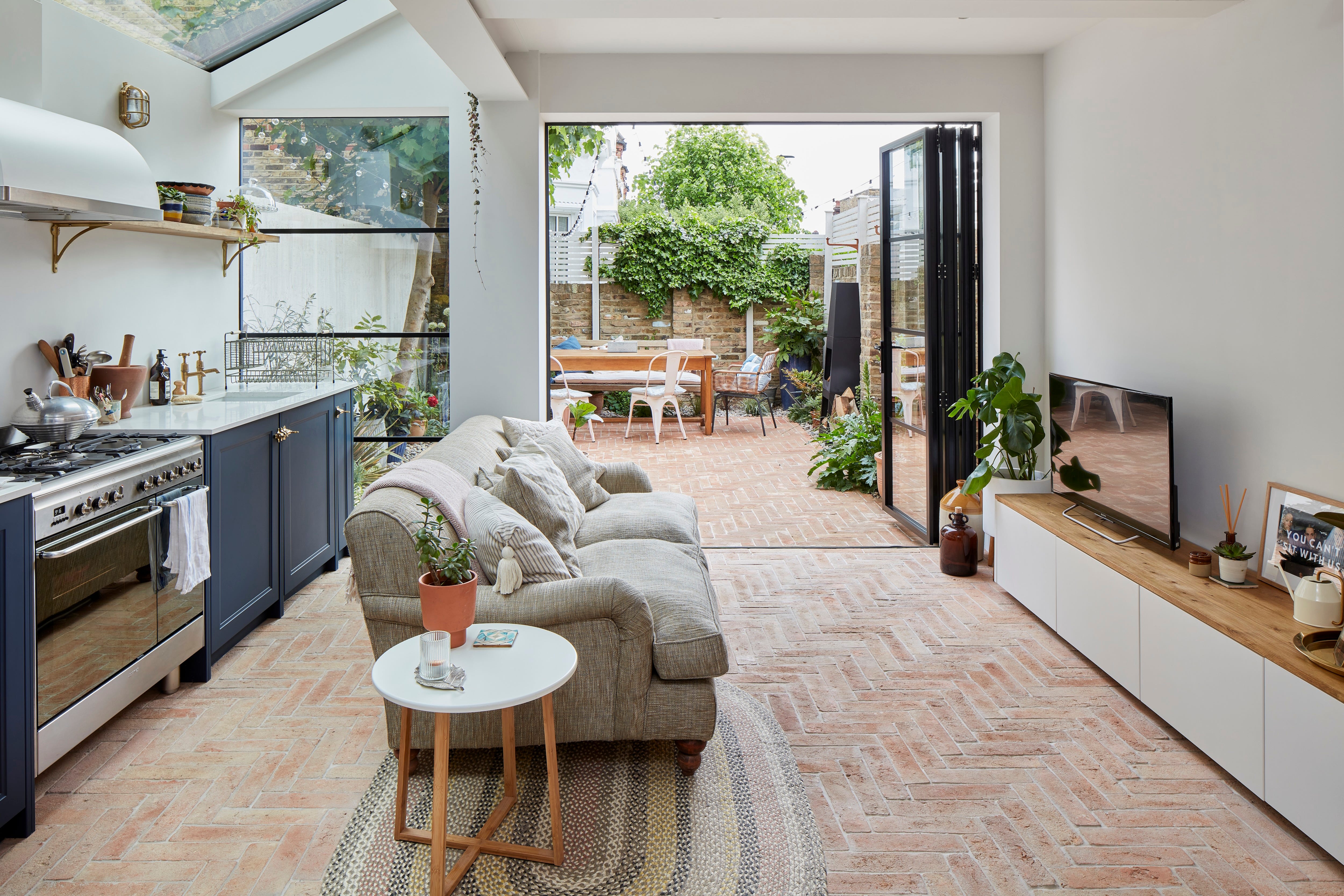
One significant approach involves introducing dividers and architectural features. Glass dividers are particularly effective as they create separation without obstructing natural light, maintaining a visual connection between spaces. For more substantial renovations, varying ceiling heights or different flooring materials can subtly delineate areas while preserving an open feel. These architectural gestures provide structure and definition.
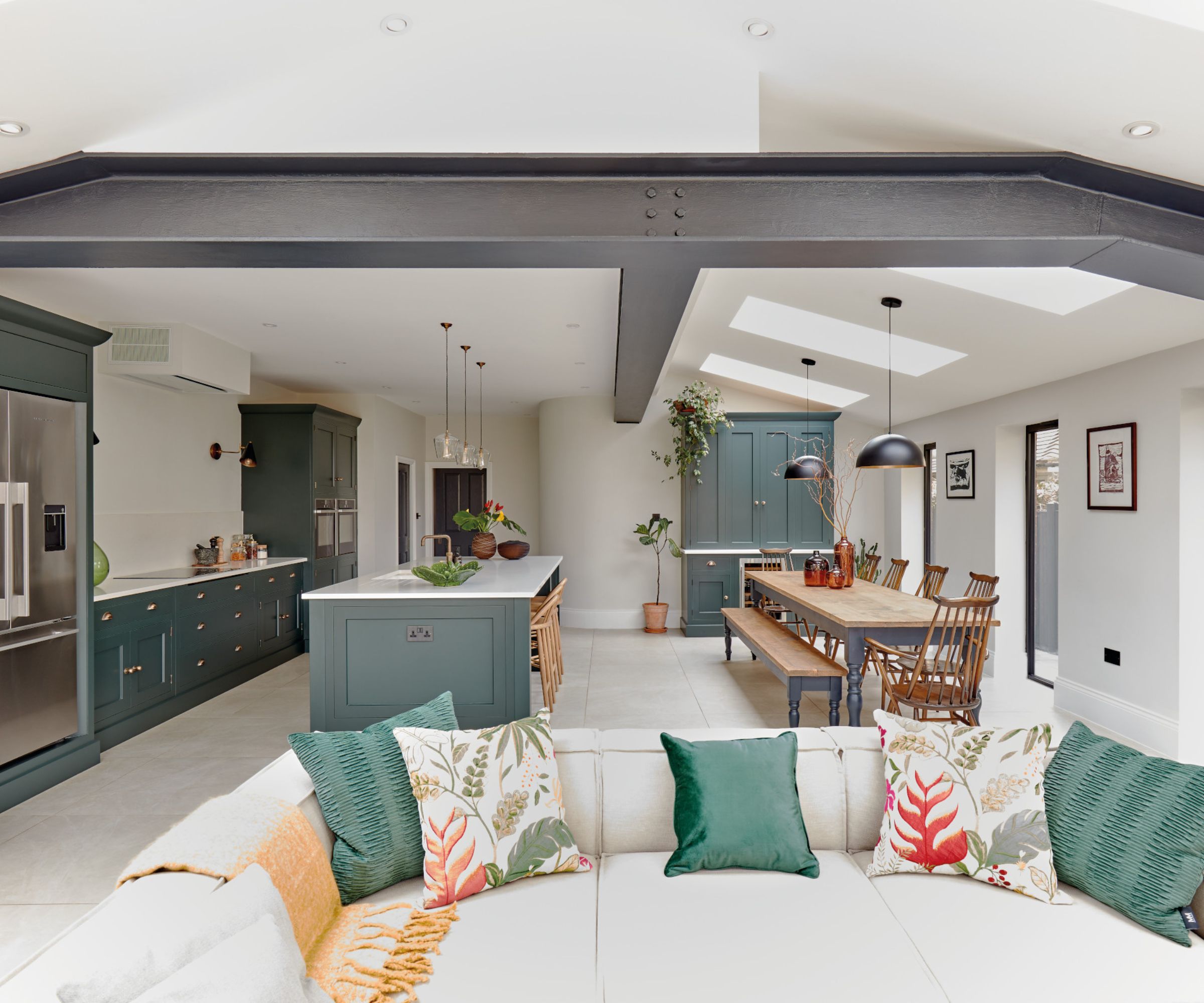
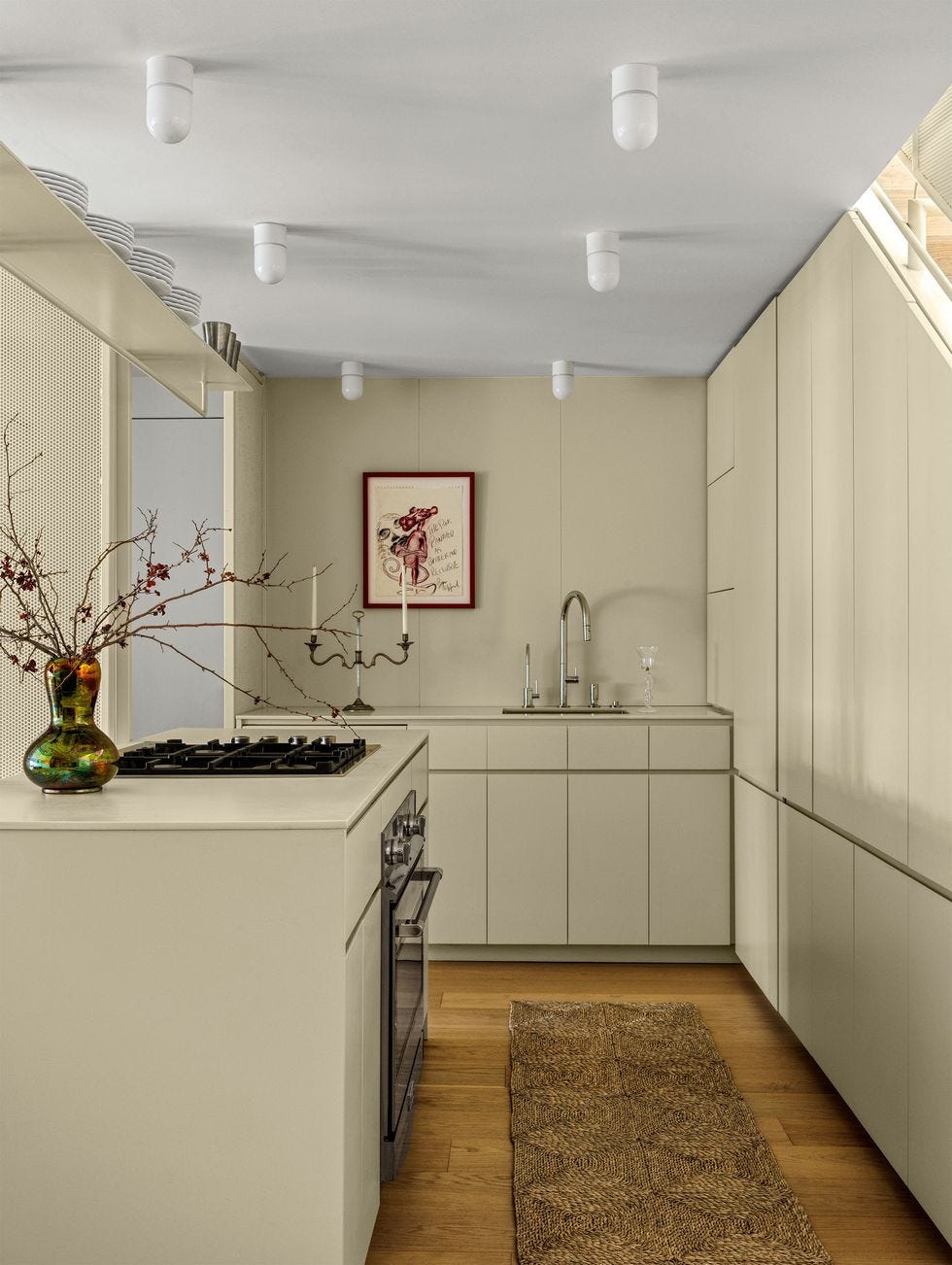
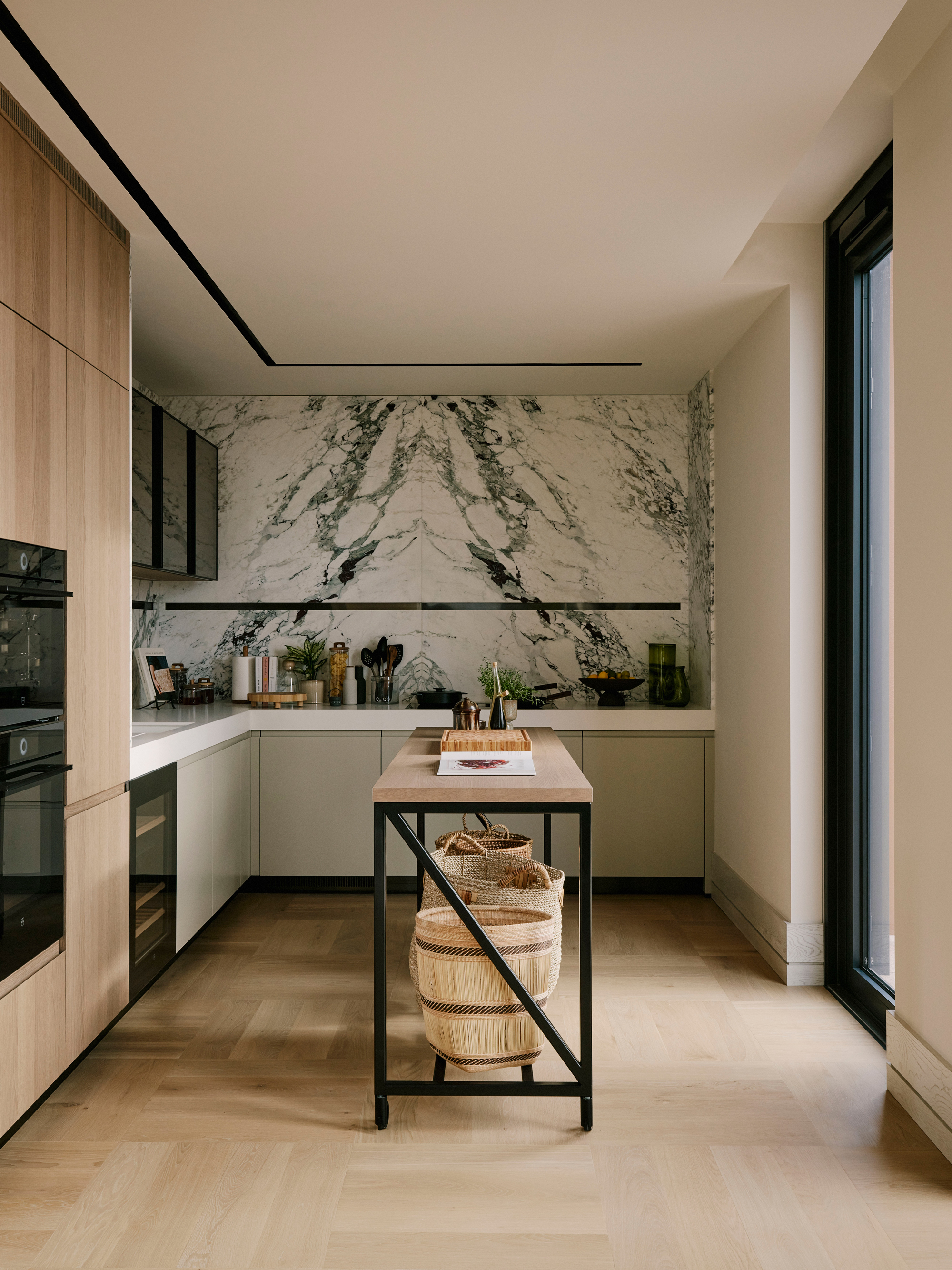
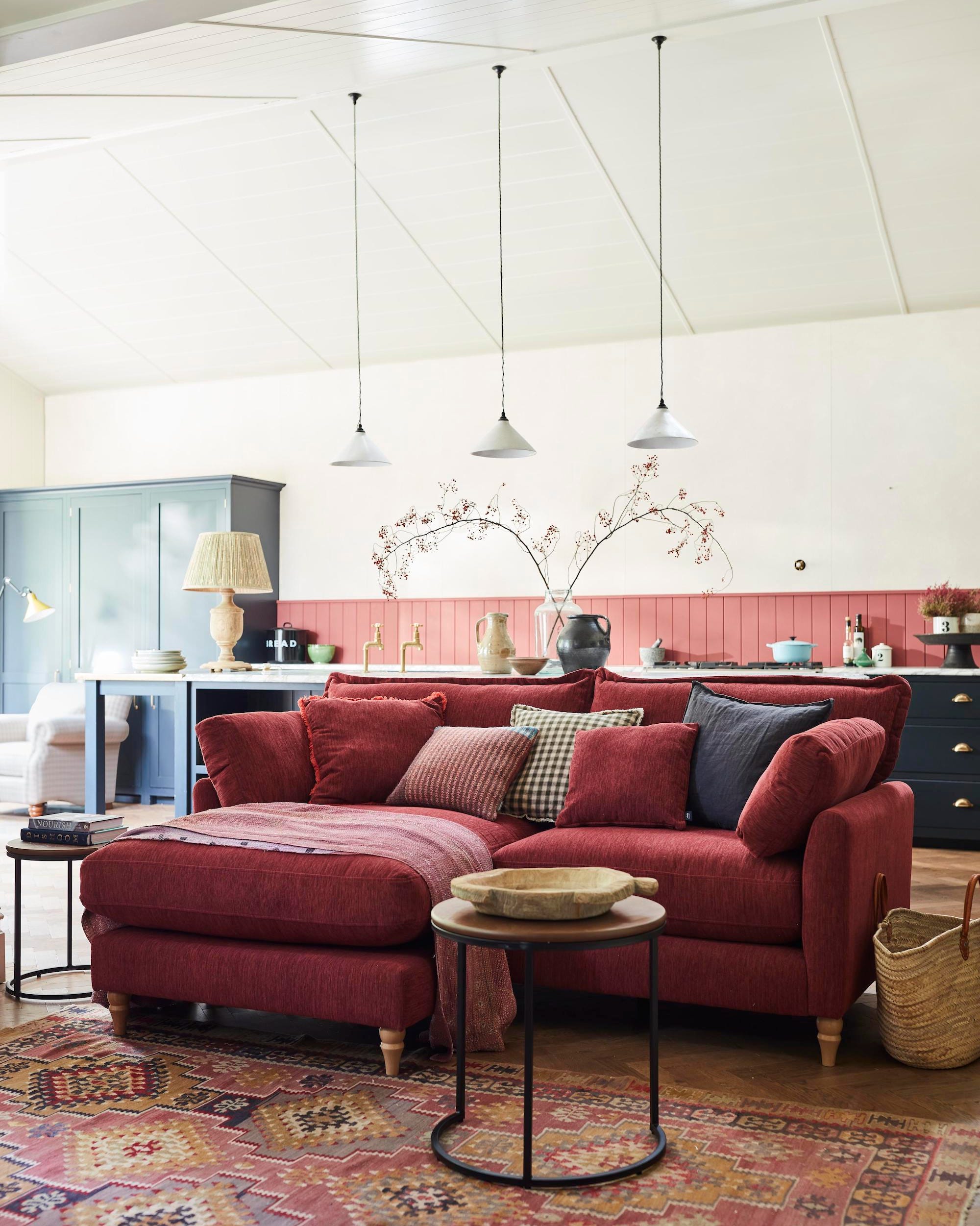
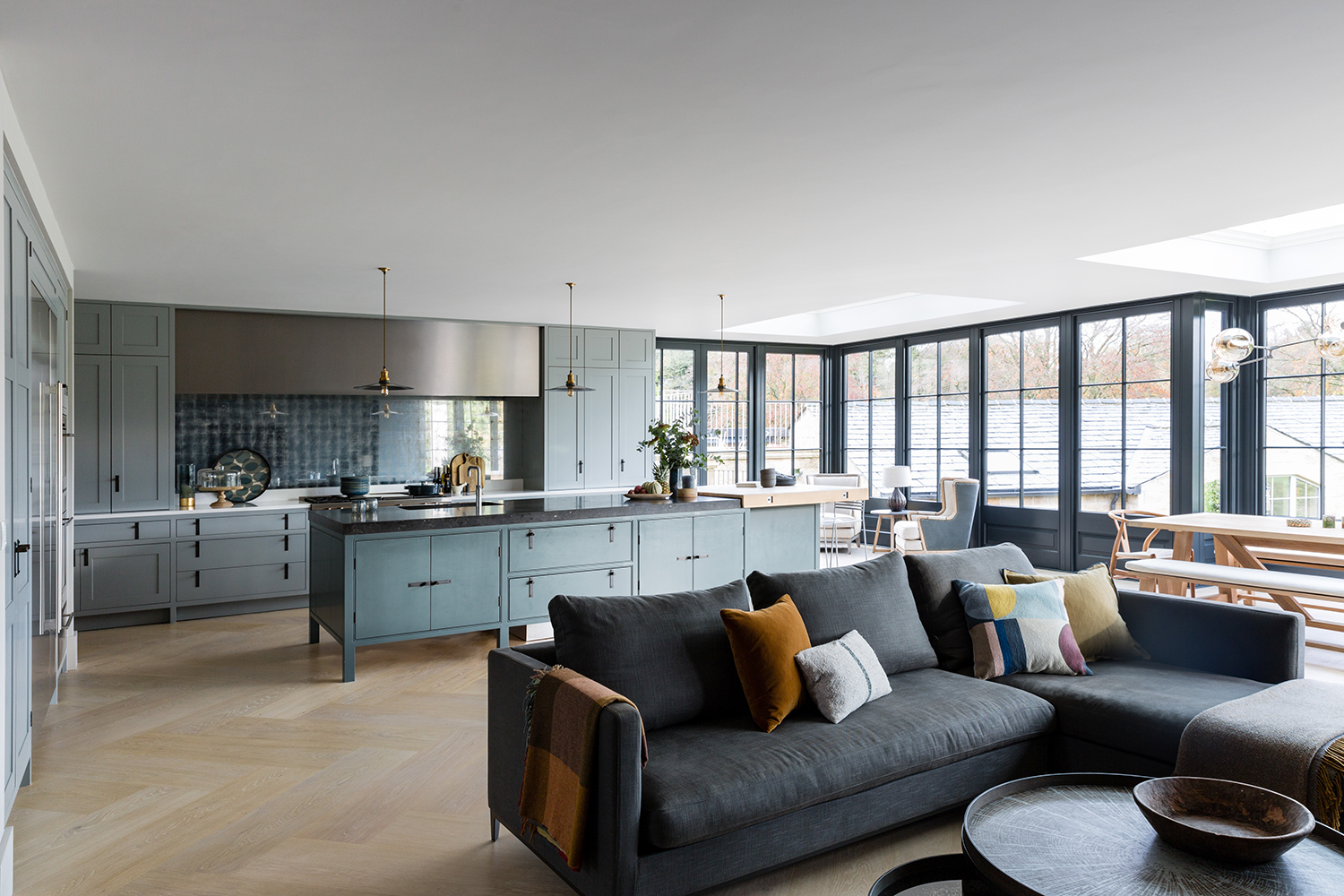
Another impactful strategy is to reorient furniture. Simple adjustments to furniture placement can dramatically alter the perception of a space. For instance, positioning the back of a sofa to face away from the kitchen or dining area creates a natural barrier. Similarly, kitchen islands can serve as visual transitions between cooking and living zones. Console tables and credenzas can also effectively divide areas, offering both functionality and a clear demarcation.
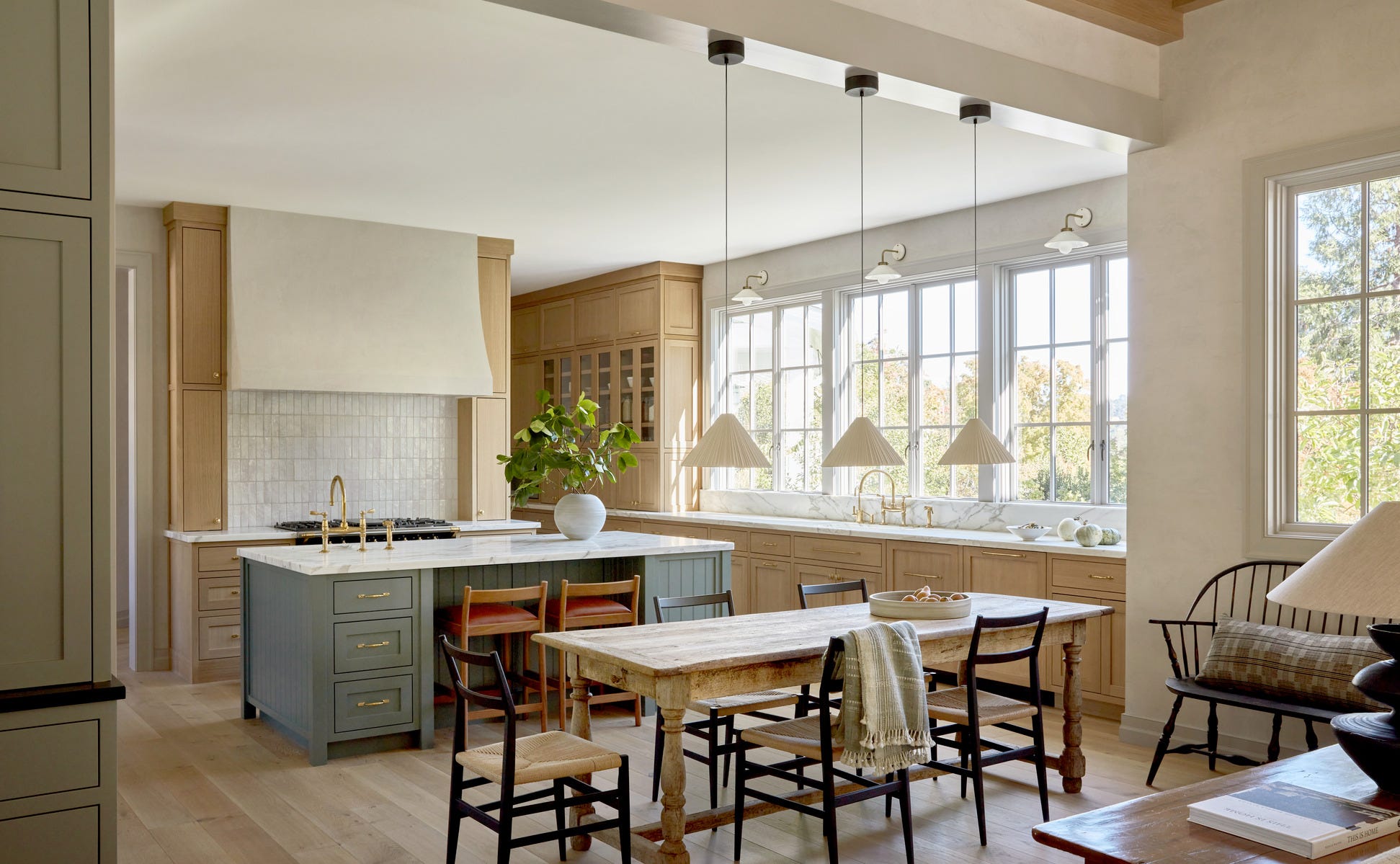
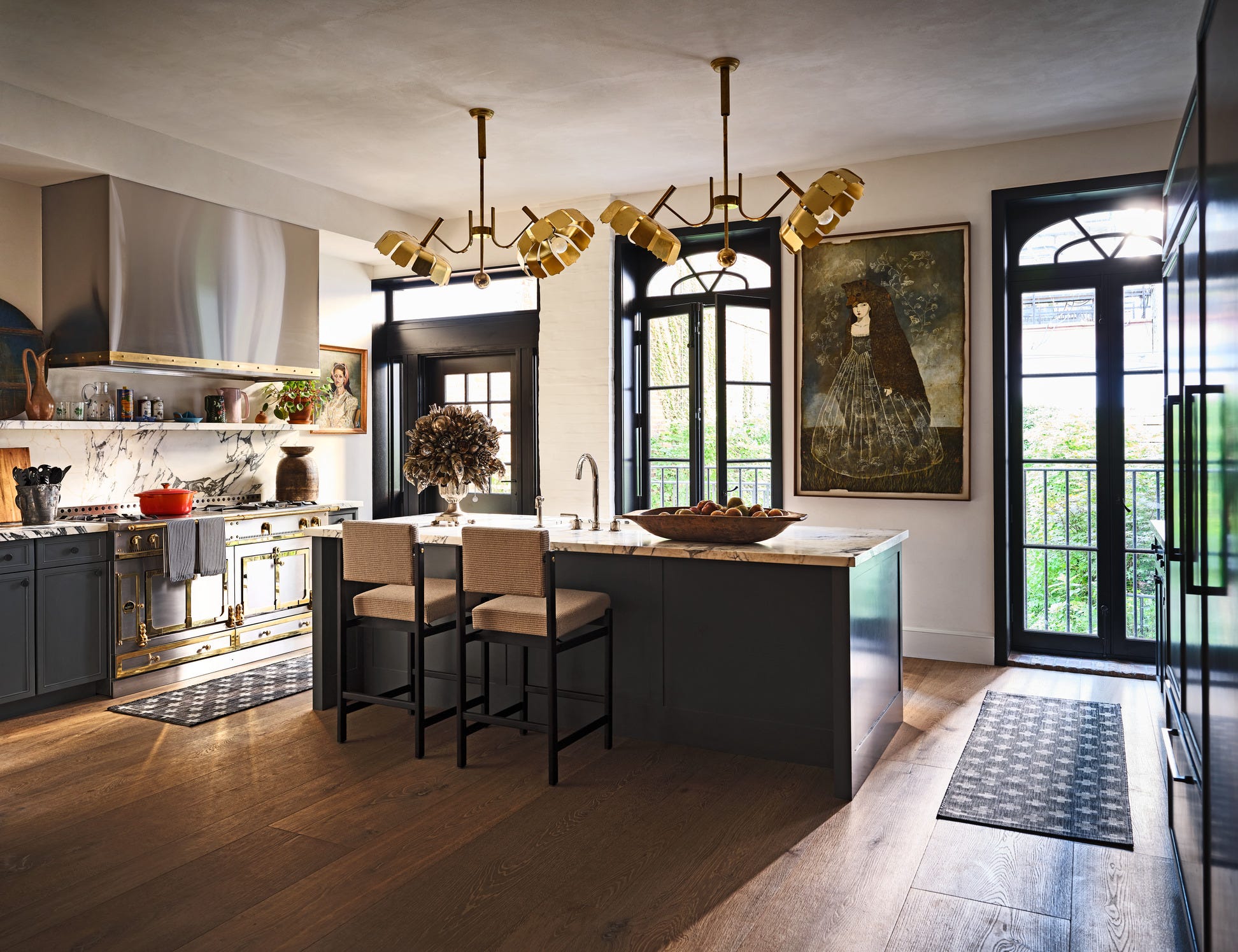
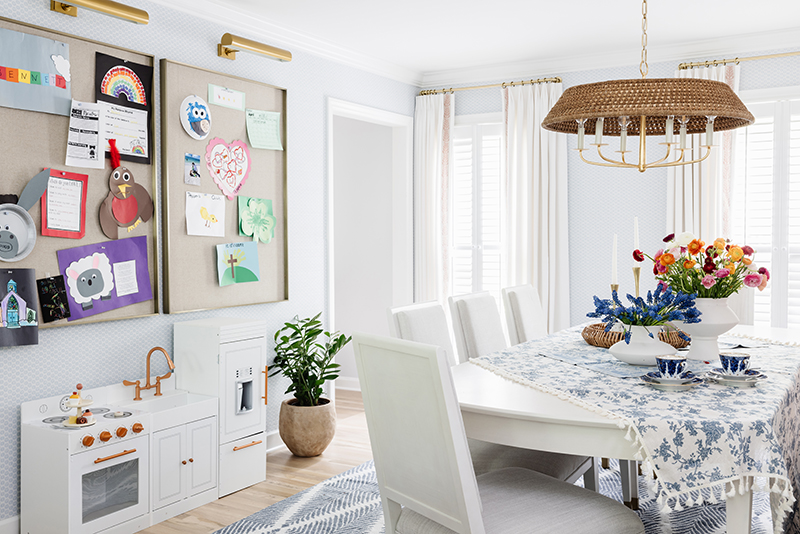
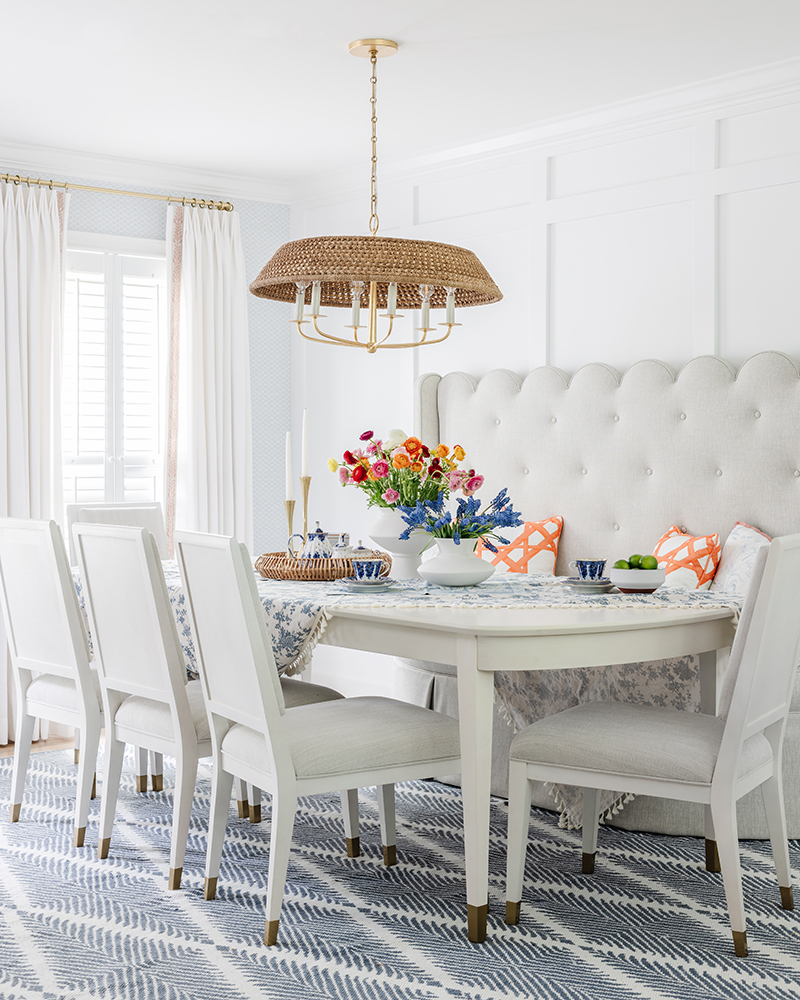
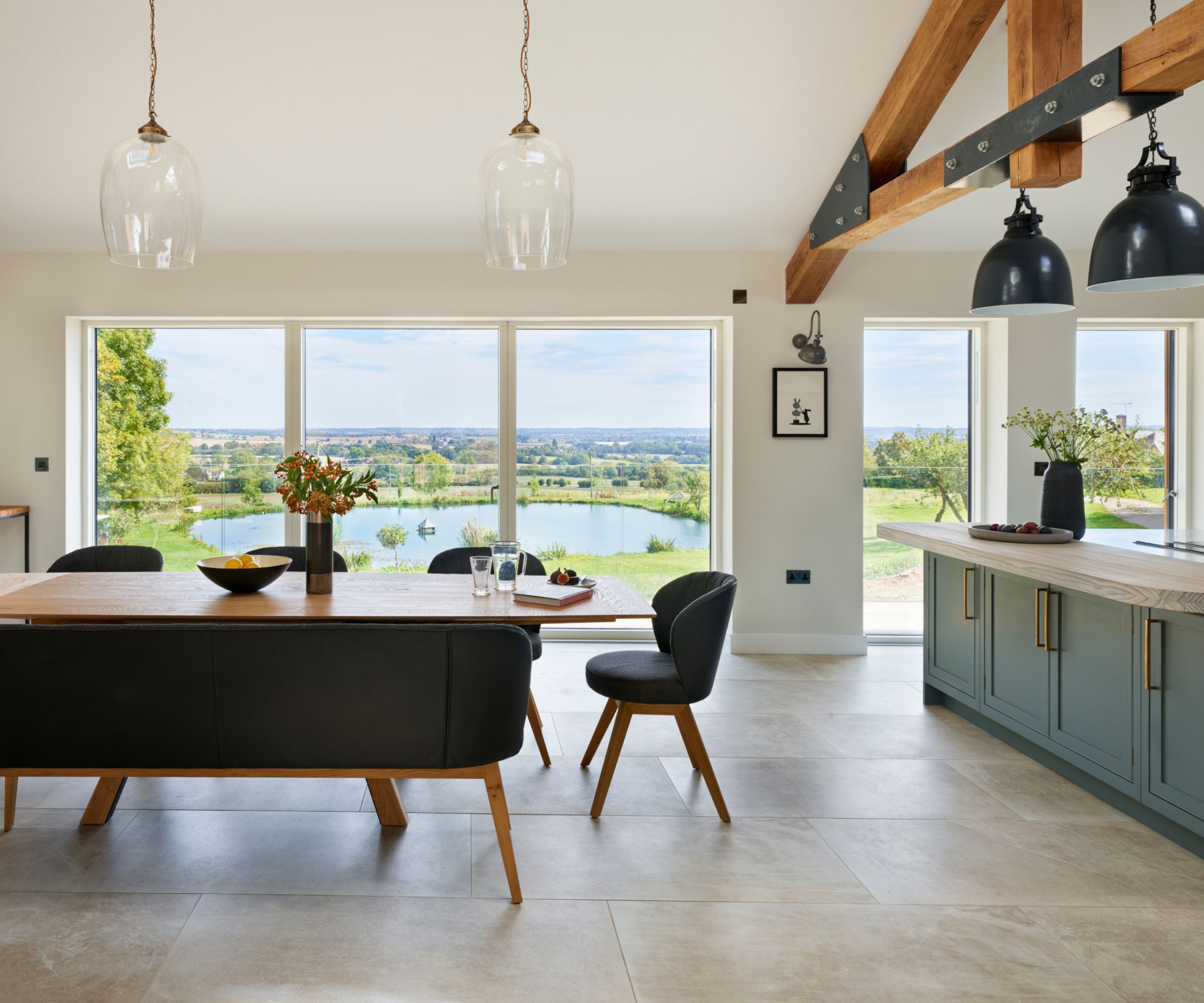
Lighting plays an often-underestimated role in defining zones. Layering different types of lighting, such as pendant lights over a dining table, wall lights in a sitting area, and task lighting in the kitchen, can distinguish various zones and establish unique atmospheres. This strategic lighting not only defines areas but also enhances the character and mood of each space.
Rugs are an excellent solution for creating defined zones, especially in layouts where large furniture might not be feasible or desired. A carefully chosen rug can act as a visual indicator, clearly marking a living or dining area. It is important to select rugs of appropriate size; a rug that is too small can make a space feel disjointed, while one that is too large might undermine the zoning effect. Vintage rugs, in particular, can add warmth and texture while defining an area.
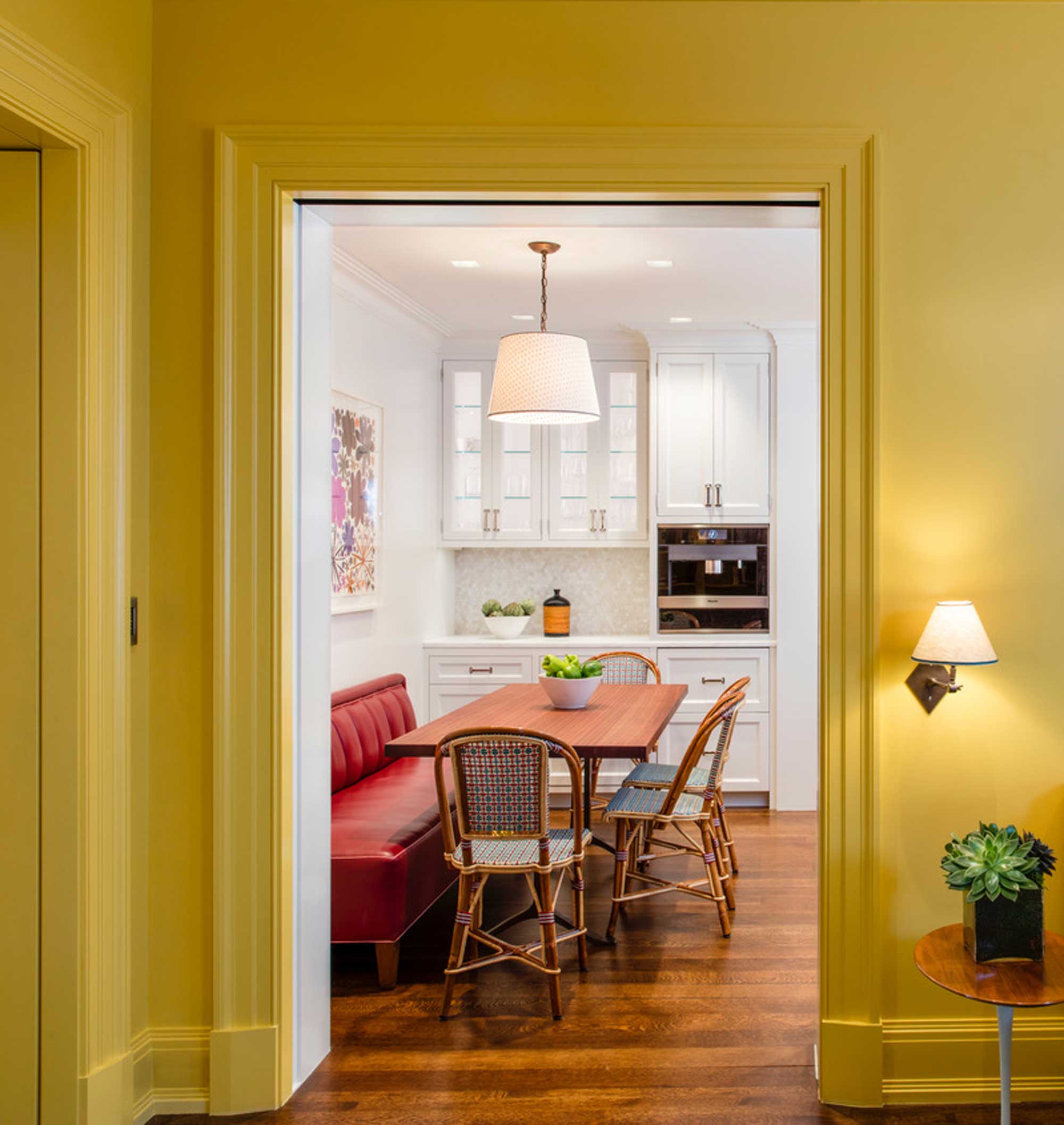
Incorporating banquette seating offers another way to introduce a closed-concept feel. This style of seating naturally creates cozy, cocooning nooks, effectively carving out a dedicated space within a larger open area. Curved banquettes are especially adept at softening linear layouts and adding visual interest.
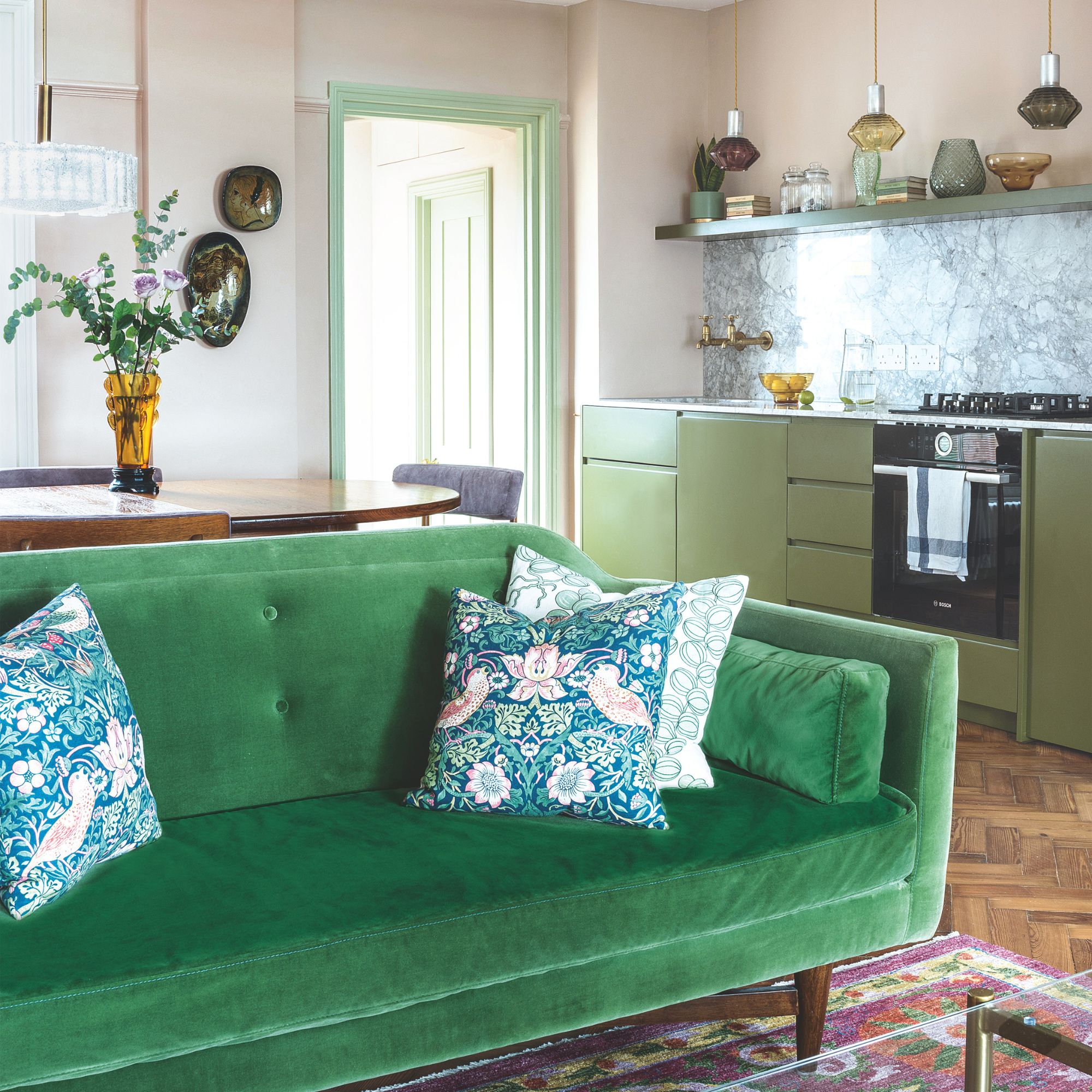
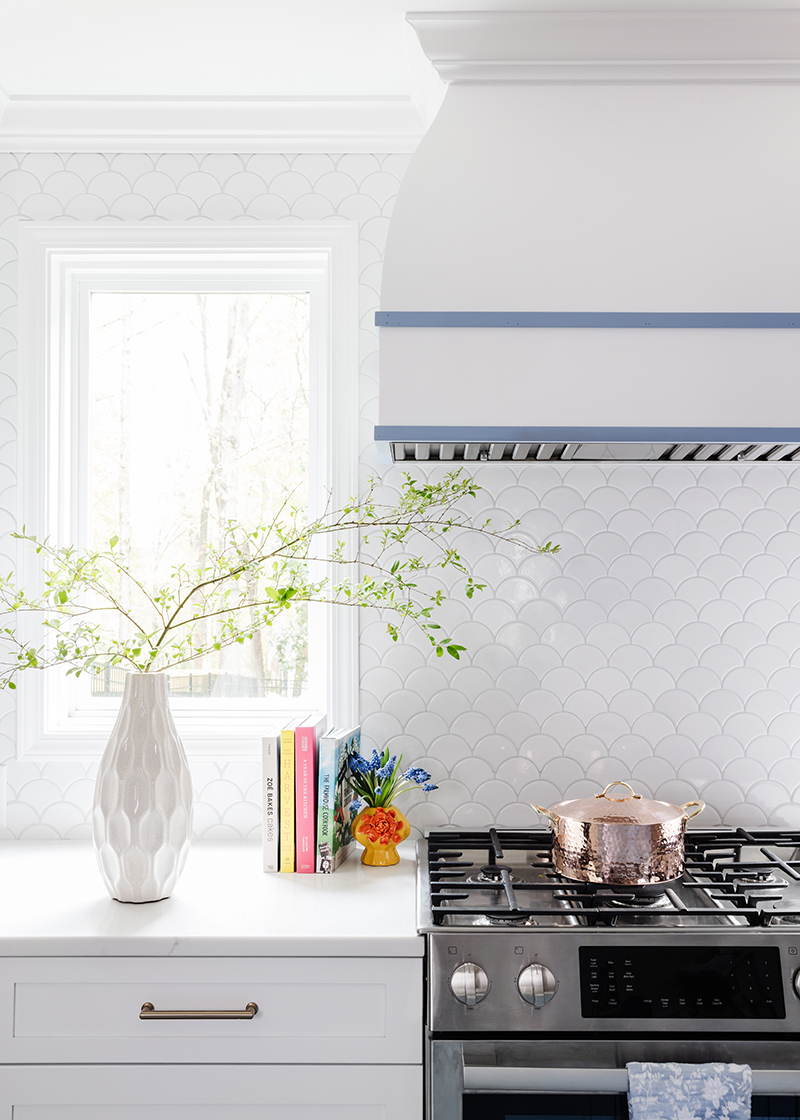
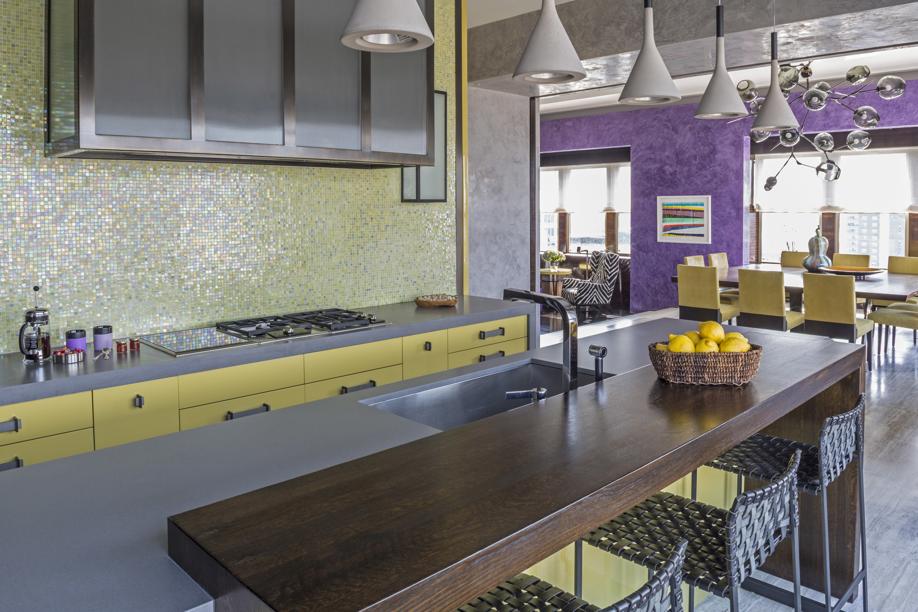
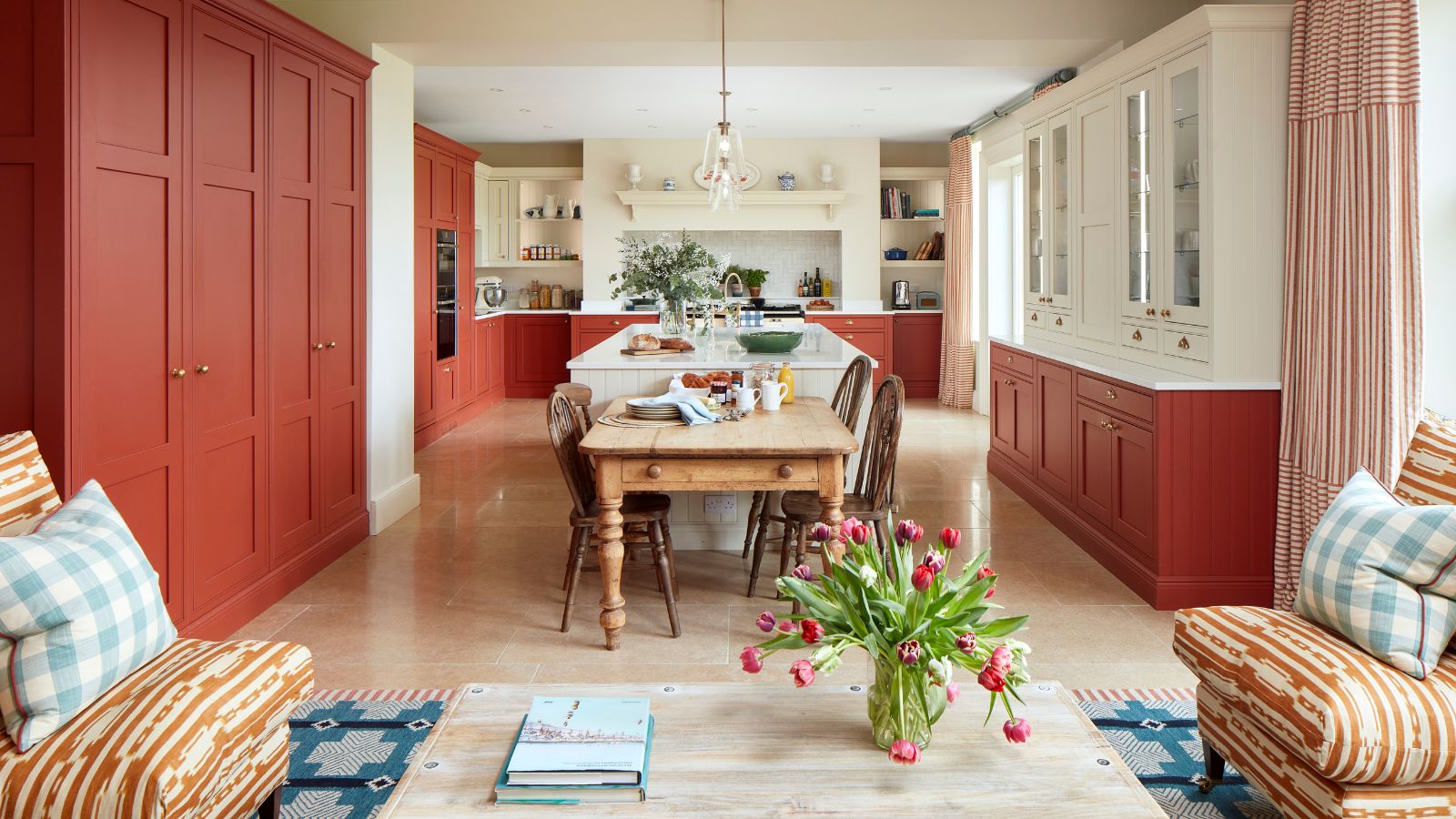
Color can also be utilized to give each area its own identity. Instead of applying a uniform color palette throughout an open-plan space, using different colors for cabinetry, walls, or textiles in distinct zones (kitchen, dining, living) can visually separate them. These subtle color changes signal that each area has its own function and aesthetic, even within a shared layout.
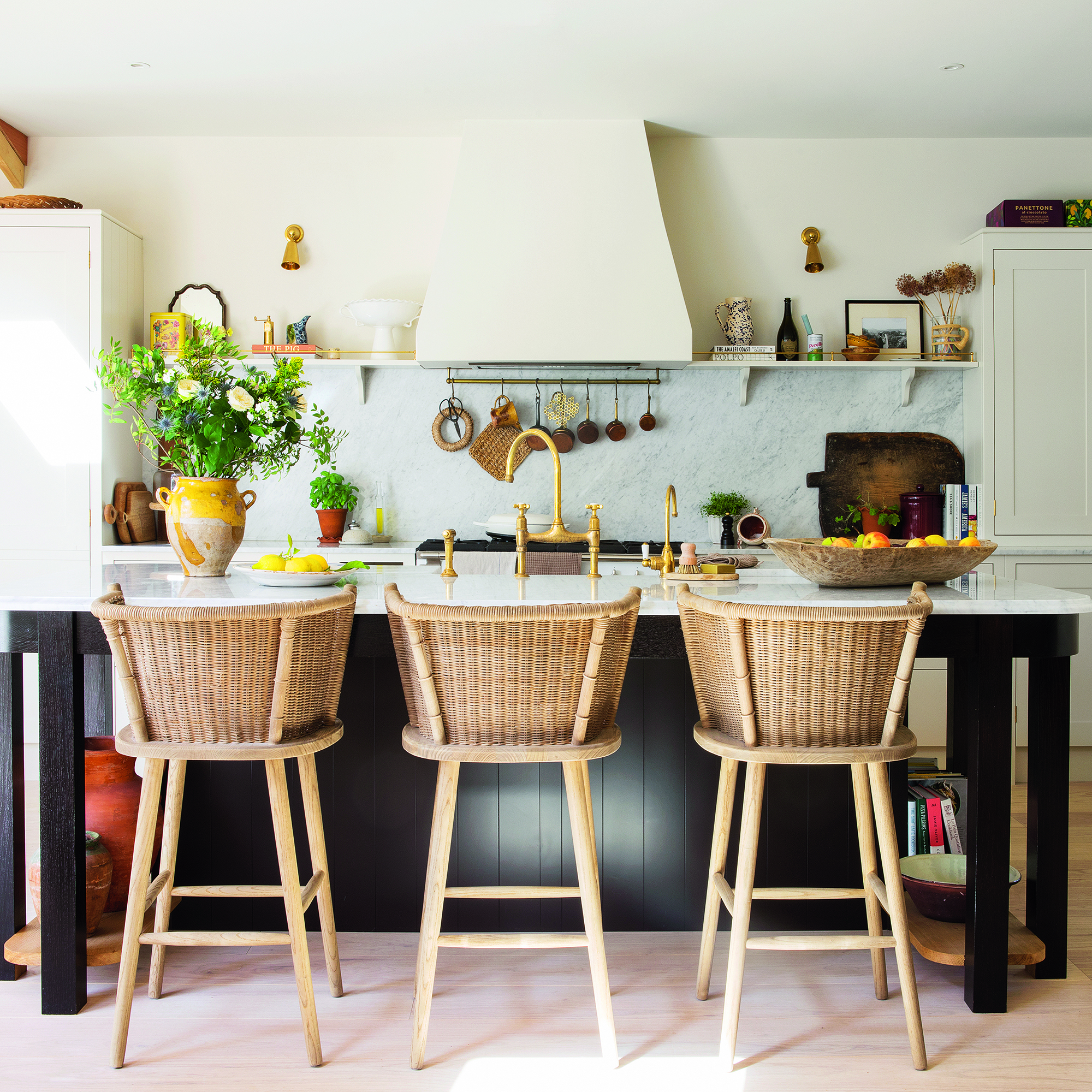
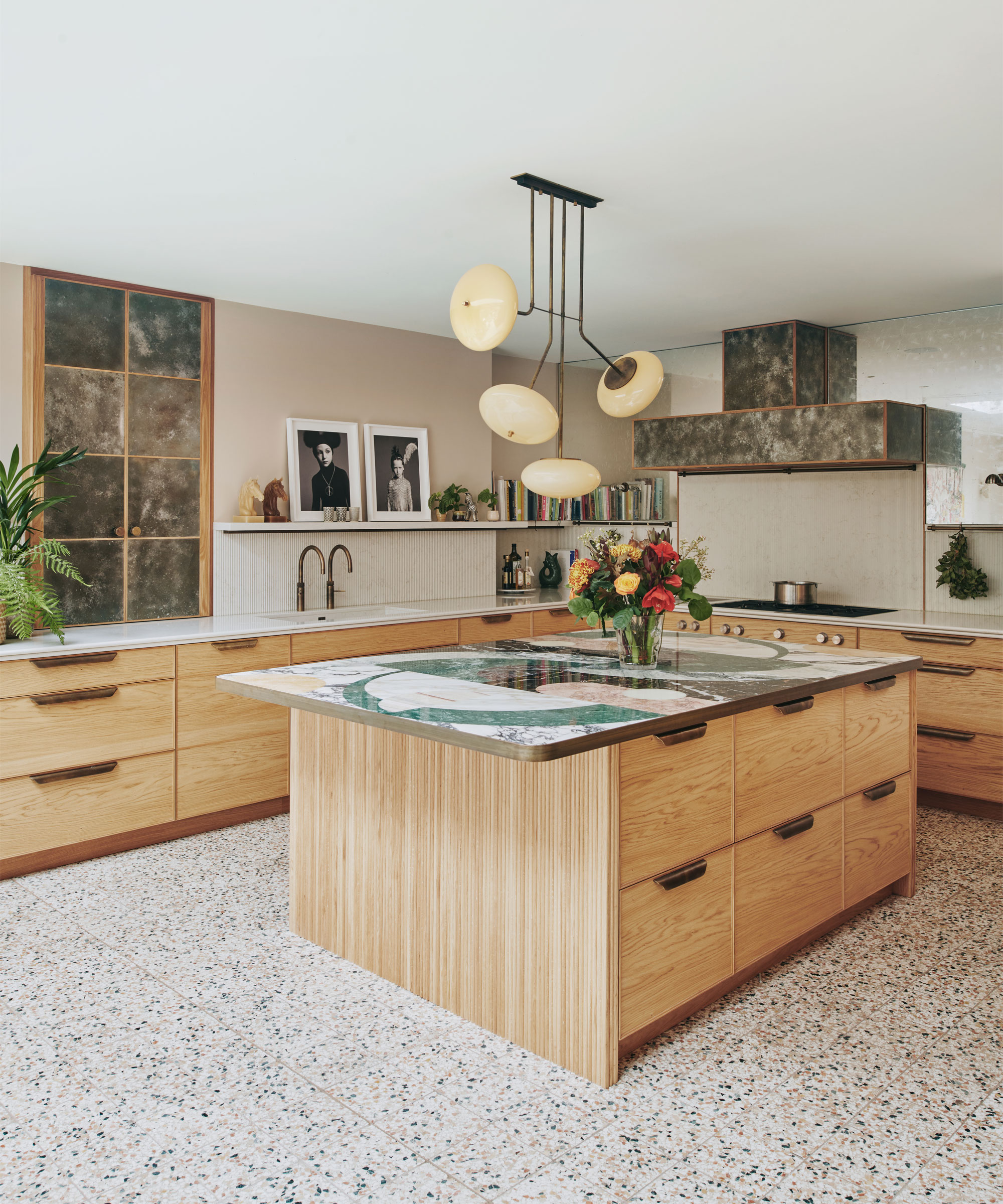
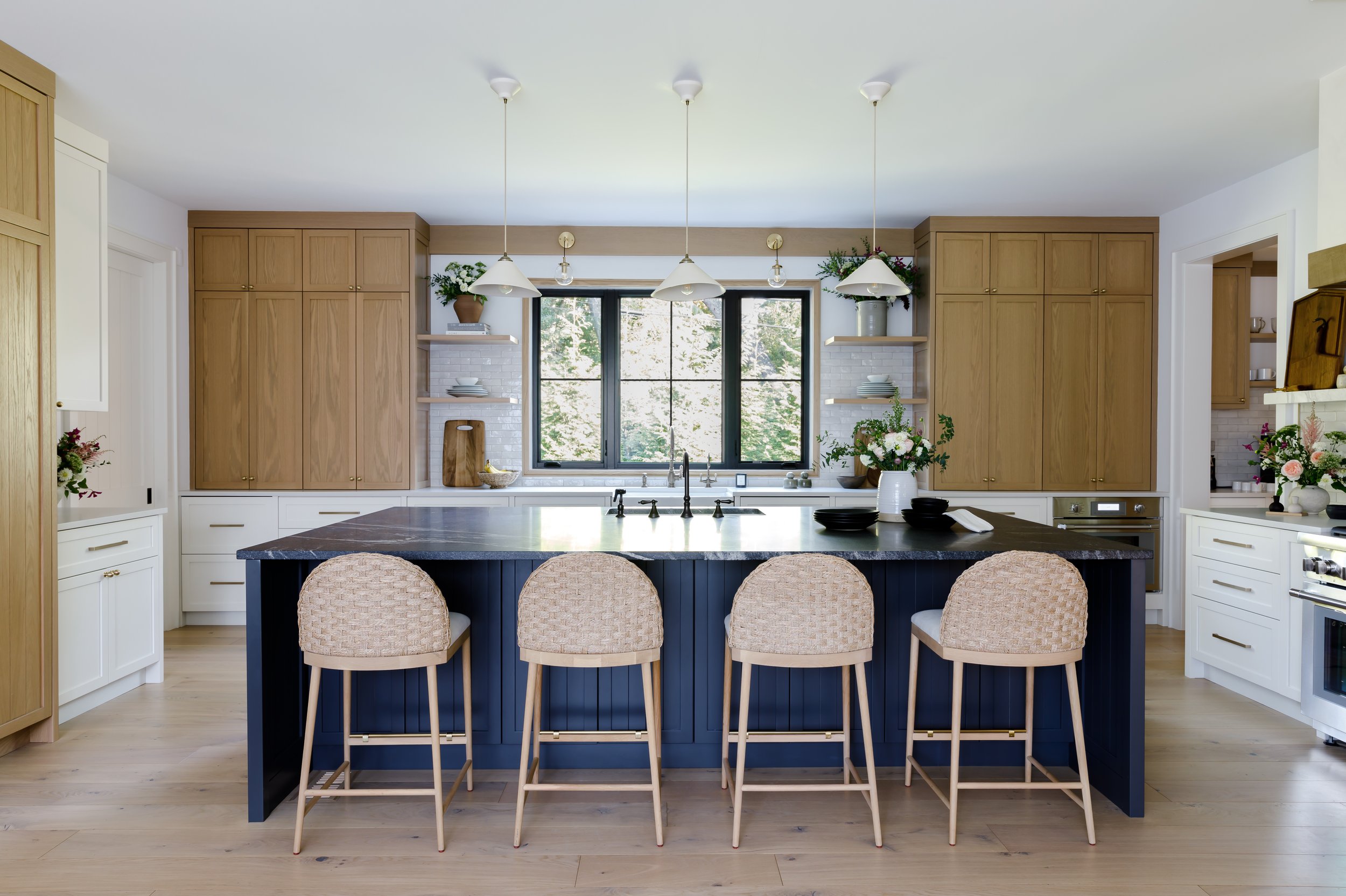
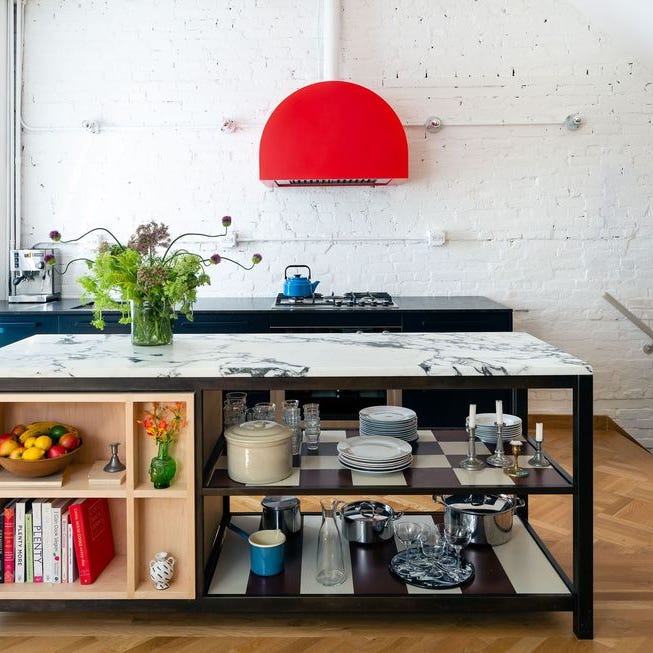
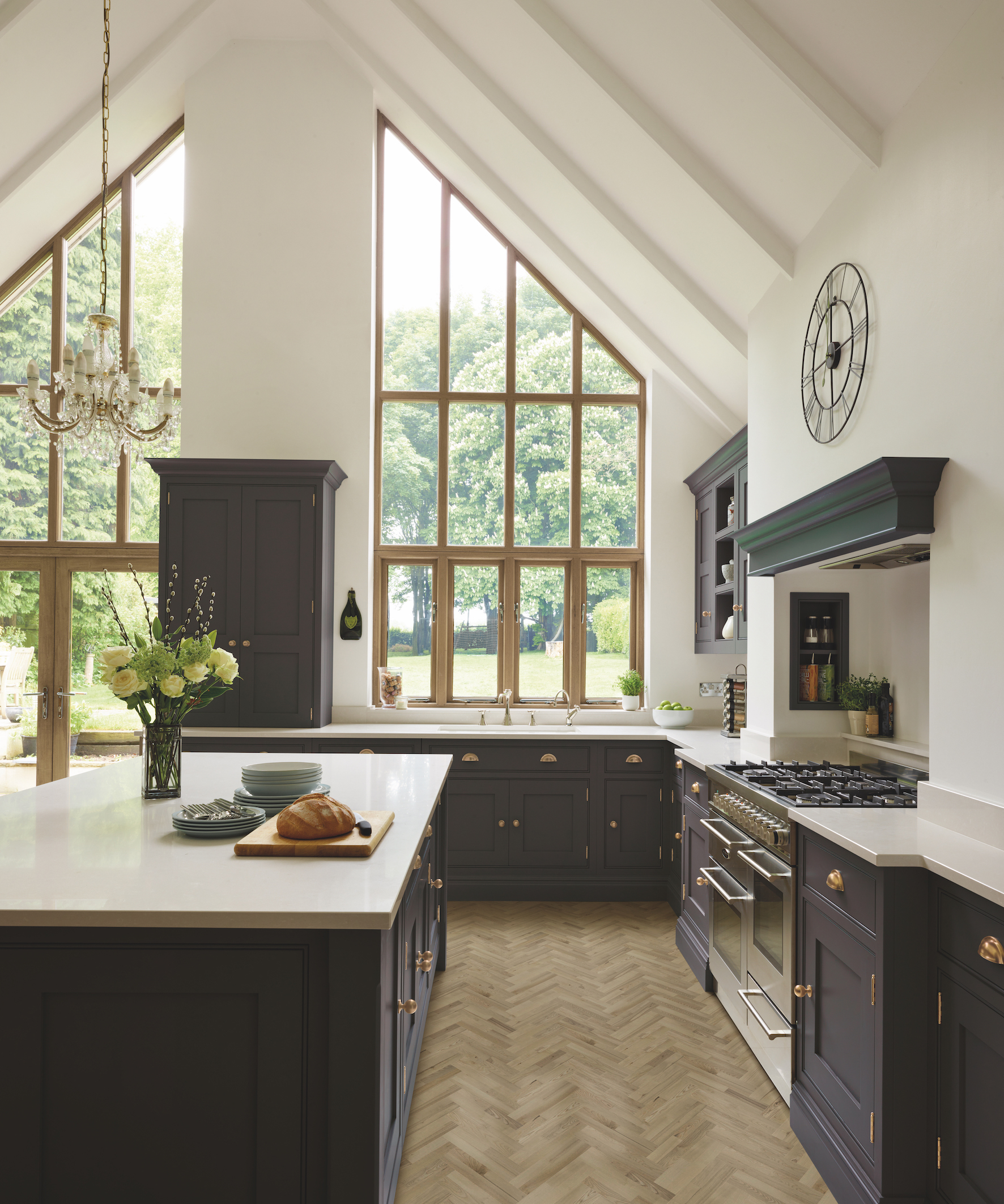
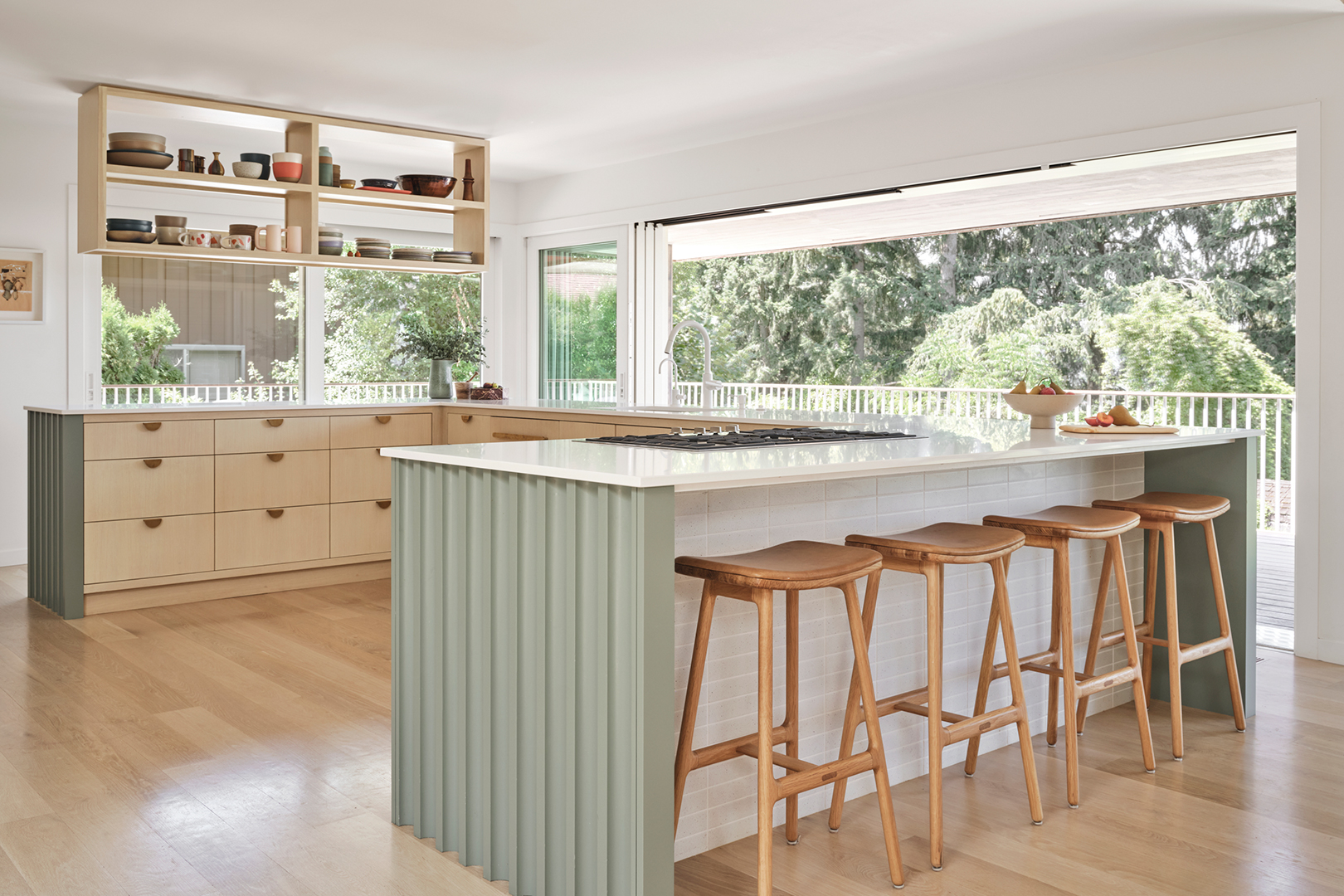
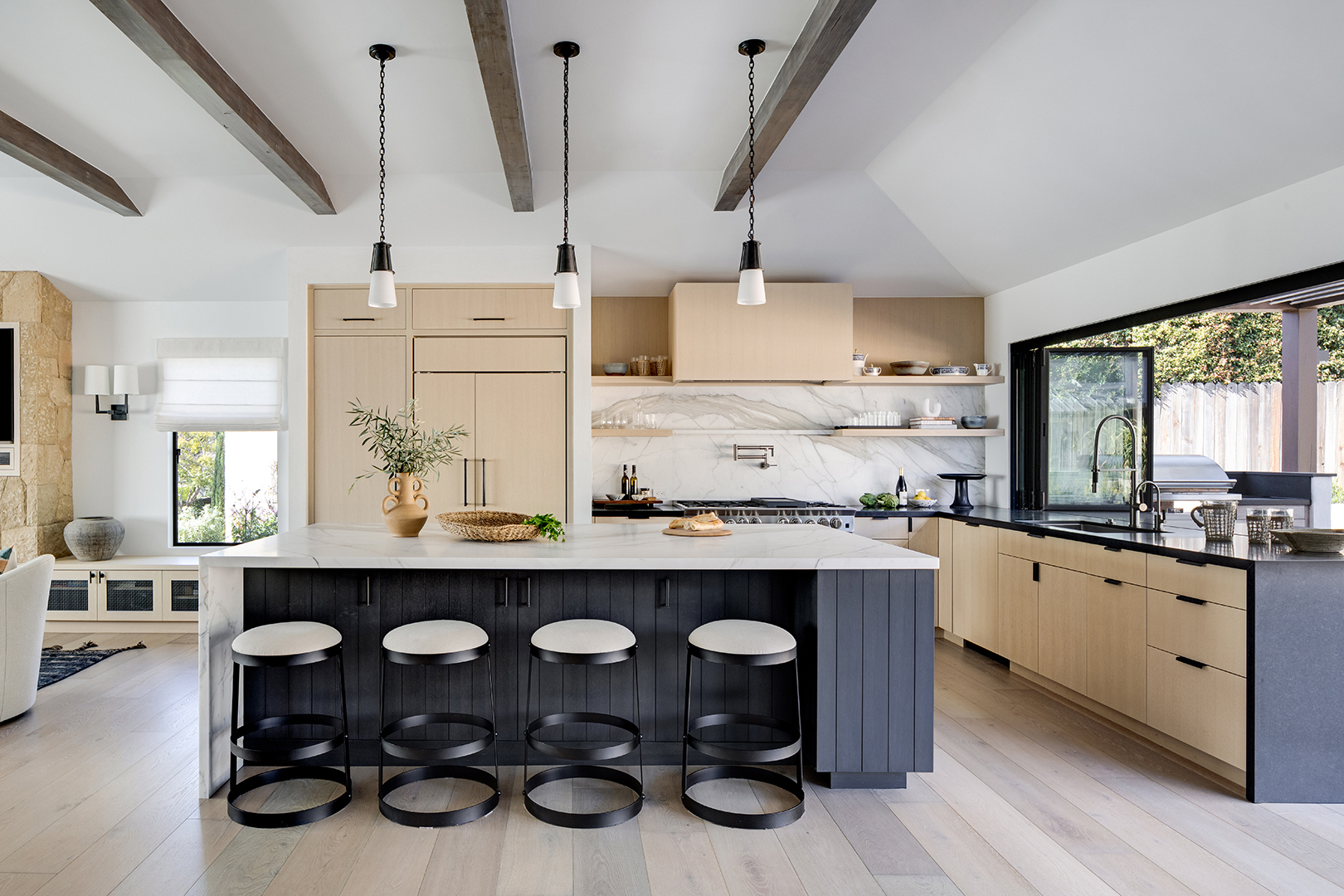
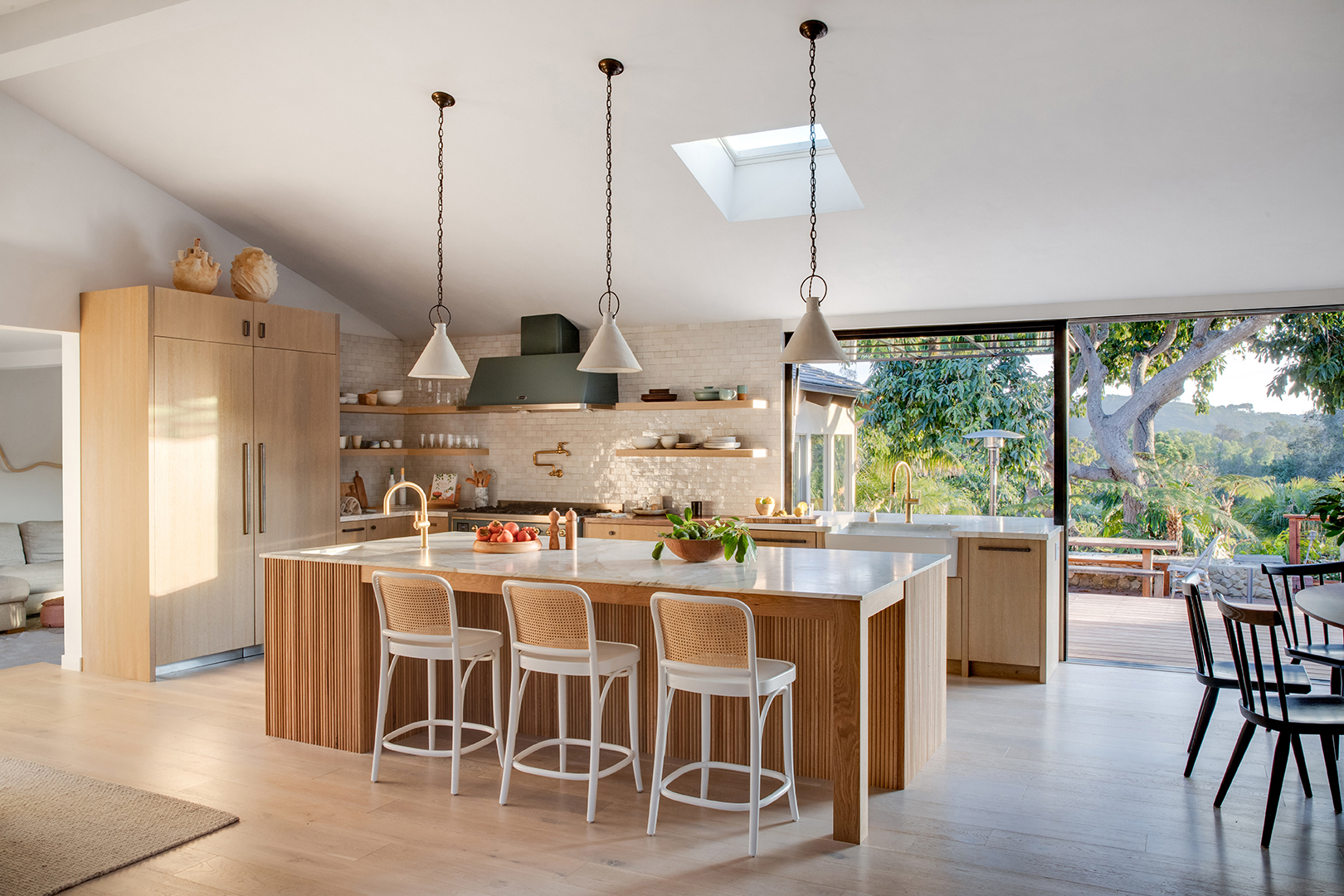
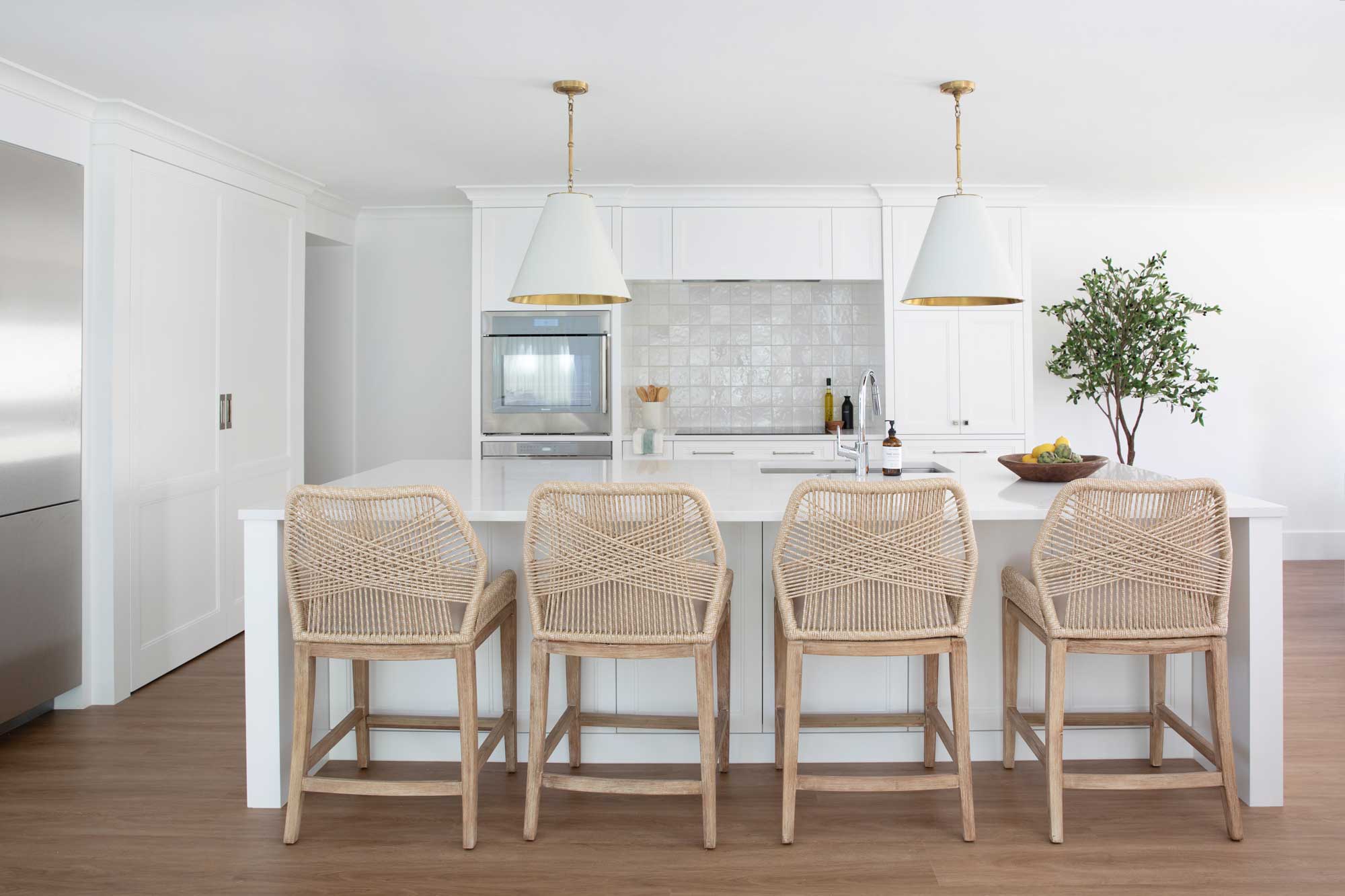
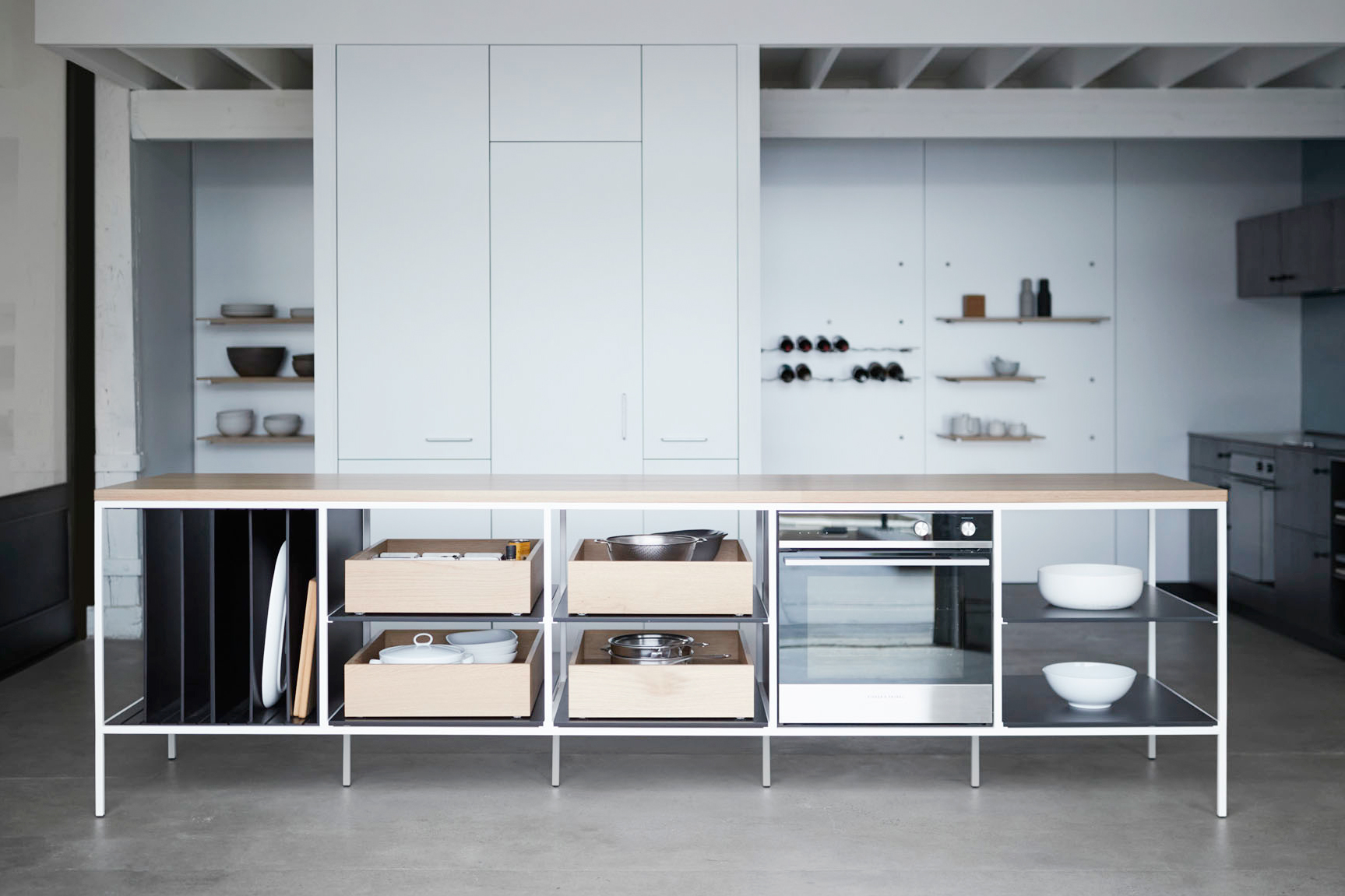
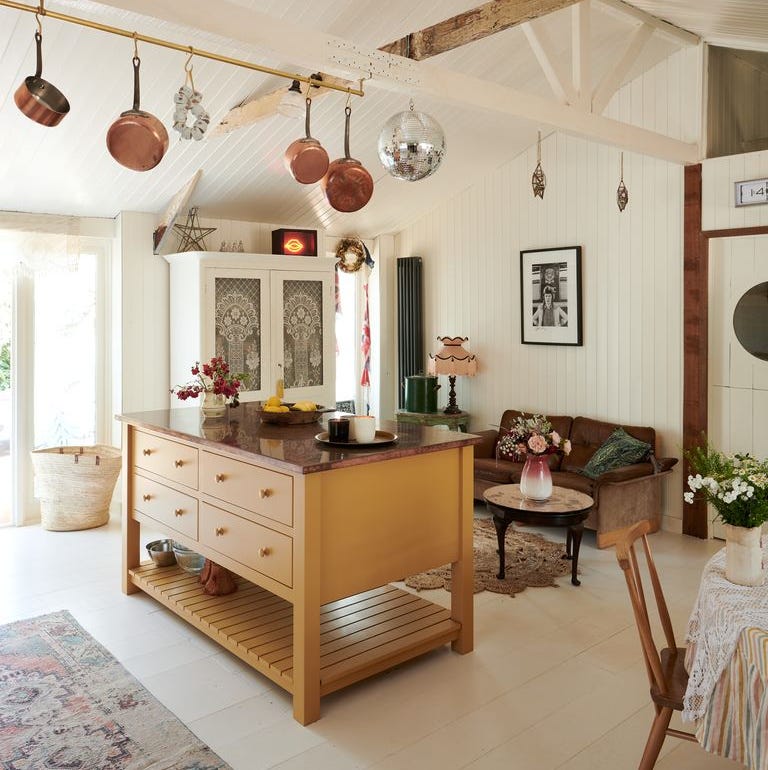
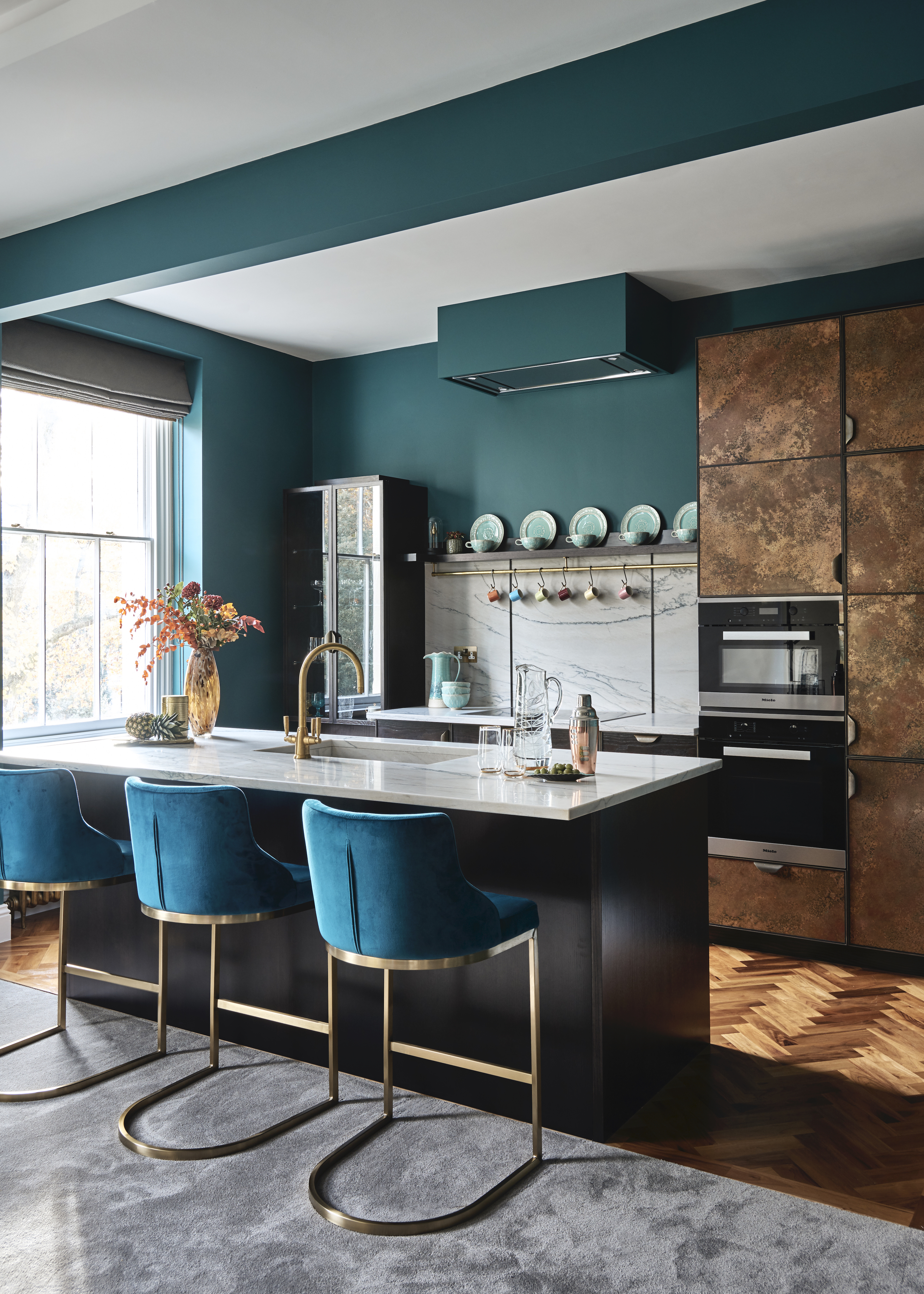
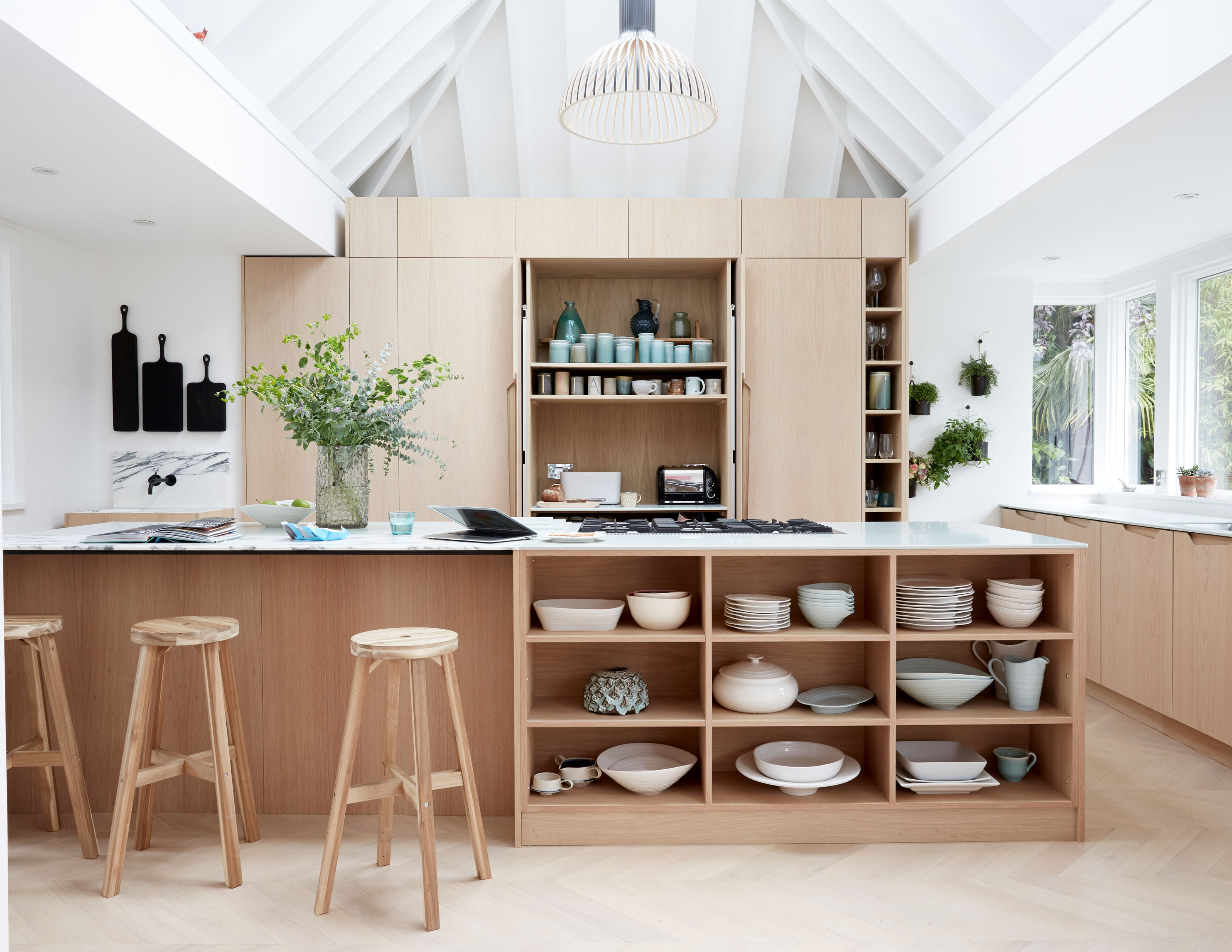
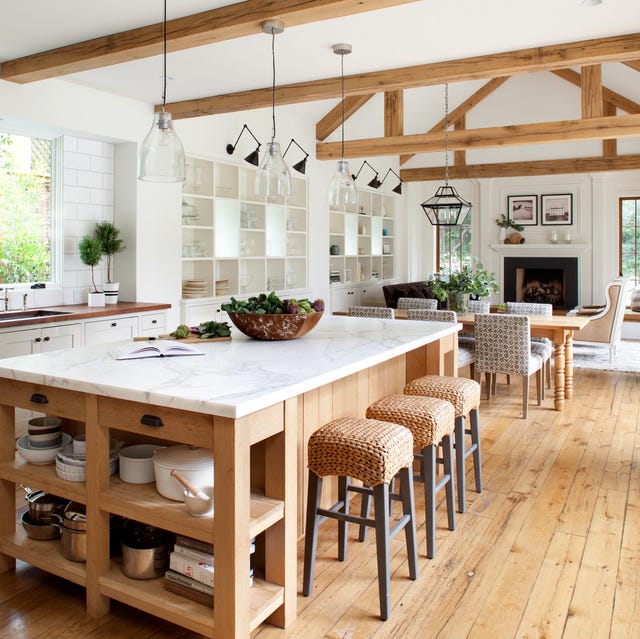
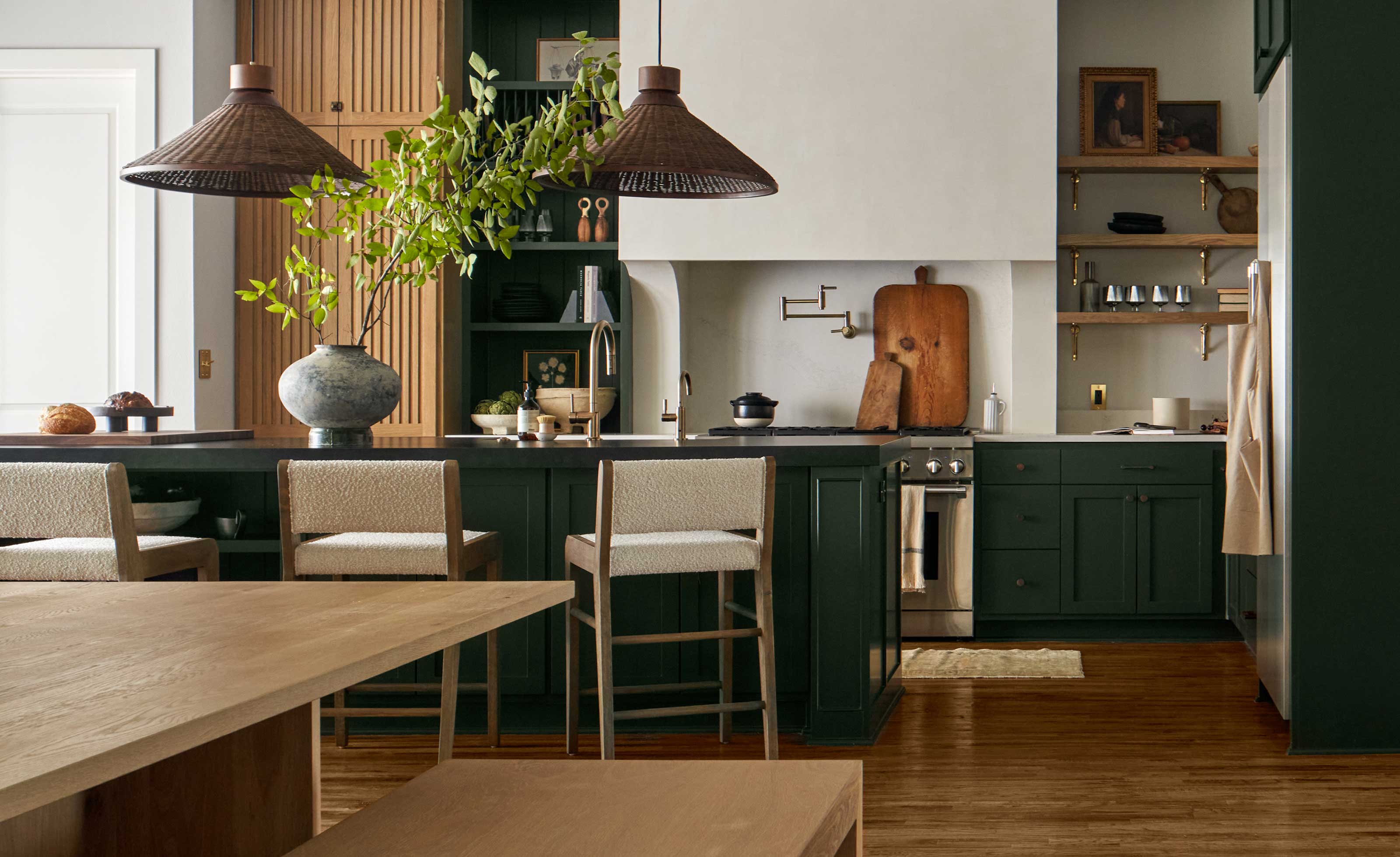
Finally, a custom kitchen island can serve as a prominent divider in open-plan spaces where the kitchen is a central feature. An island acts as both a functional workspace and a clear visual boundary, particularly when paired with statement lighting above it. Freestanding islands offer flexibility and can be positioned to effectively separate cooking from relaxing zones while maintaining an open sightline. By applying these diverse strategies, even expansive open-plan rooms can achieve a sense of coziness and defined purpose, merging the advantages of both open-plan and closed-concept designs.
#OpenConceptKitchen #HomeDesign #InteriorDesign #ZoningTechniques #KitchenDesign #LivingSpaceDefinition #FurnitureArrangement #LightingDesign #RugsForZoning #OpenConceptKitchen #HomeDesign #InteriorDesign #ZoningTechniques #KitchenDesign #LivingSpaceDefinition #FurnitureArrangement #LightingDesign #RugsForZoning
0 comment in total
 No comments yet
You may also like
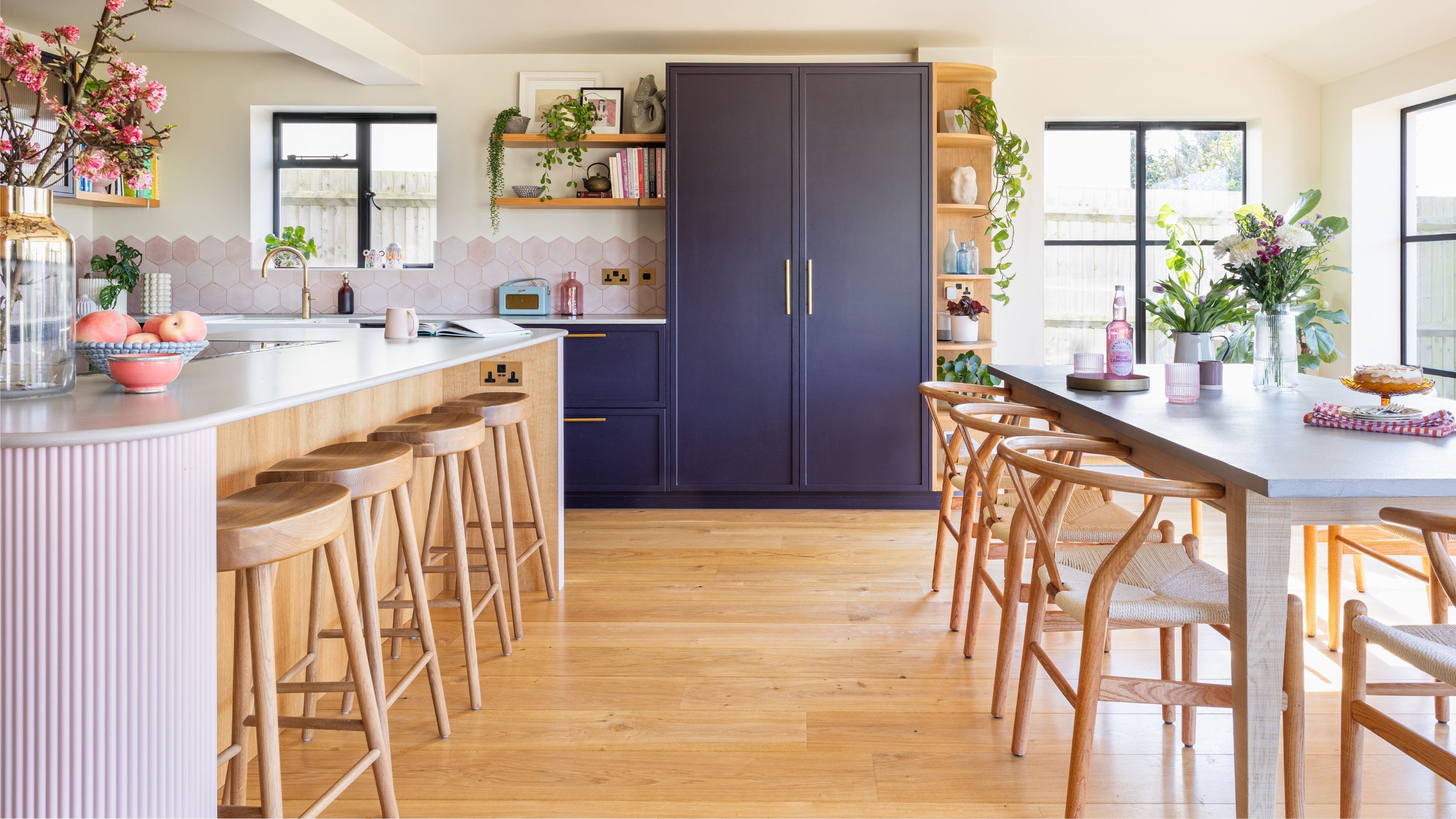
Open plan kitchens aren't always the best layout - these 5 design tips will make an open space feel more defined
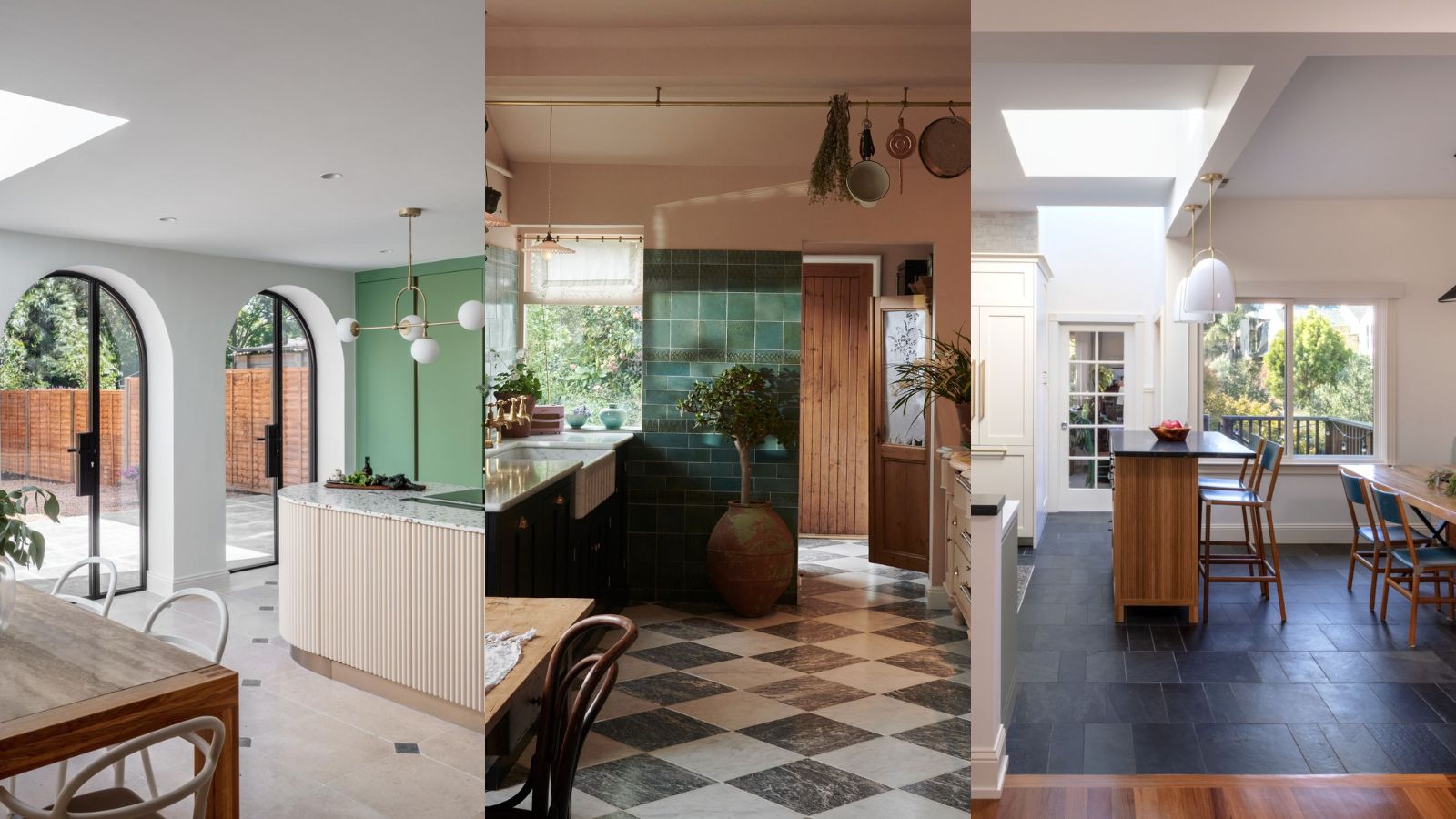
Open plan kitchen ideas – 26 design tricks to enhance single space living
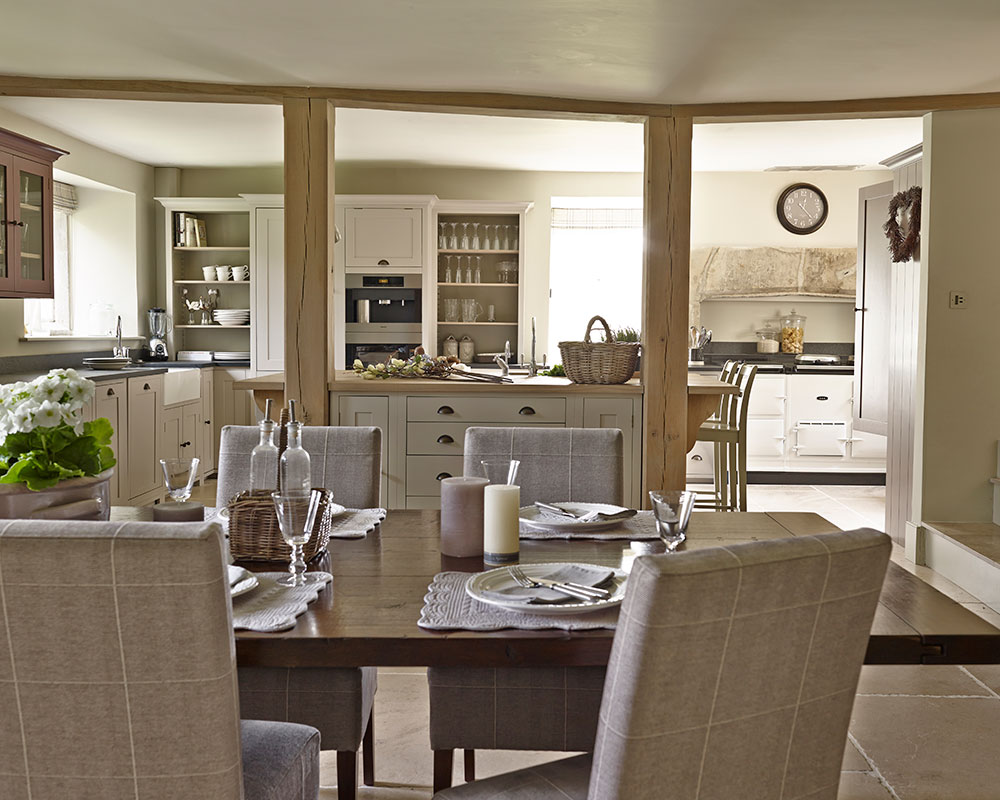
Have broken-plan kitchens replaced open-plan? This is how to get on board with the new trend
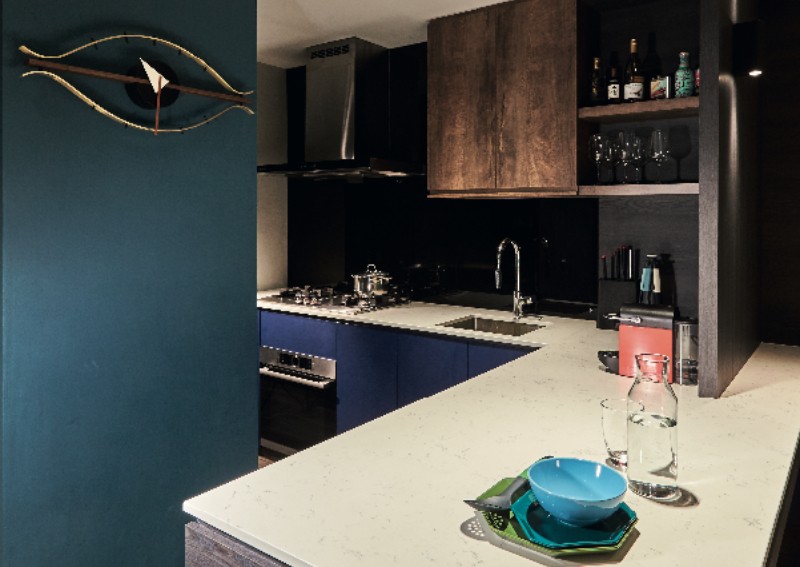
5 things to know for an efficient open kitchen layout, Lifestyle News
The Designer Trick That Makes an Open Concept Kitchen Work

7 clever ways to lay out an open-plan kitchen according to interior designers
29 Open Kitchen Design Ideas If Your Layout Never Feels Fully Connected to the Living Space

You’re Familiar With Open Kitchen Shelving, But What About an Open Island?

DESIGN: An Open Concept Kitchen Transformation

36 Open Kitchen Ideas for Easy Cooking and Entertaining
This Ever-Popular Kitchen Layout Is Back (Again)

How can you master the art of open-plan living? We asked the experts for answers

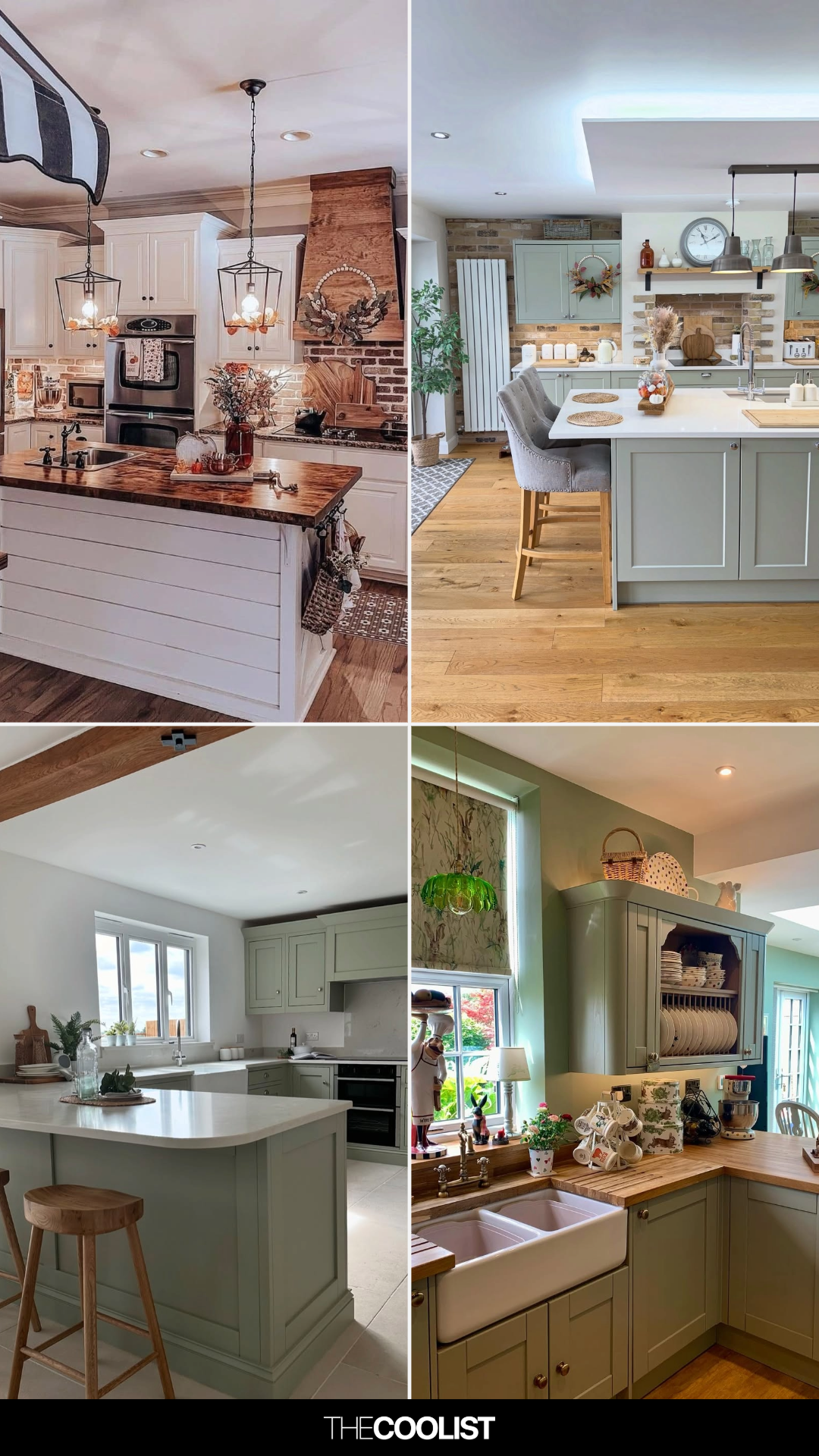
30 Open Kitchen Ideas Using Simple Layout Tweaks to Make Cooking and Hosting Way Easier
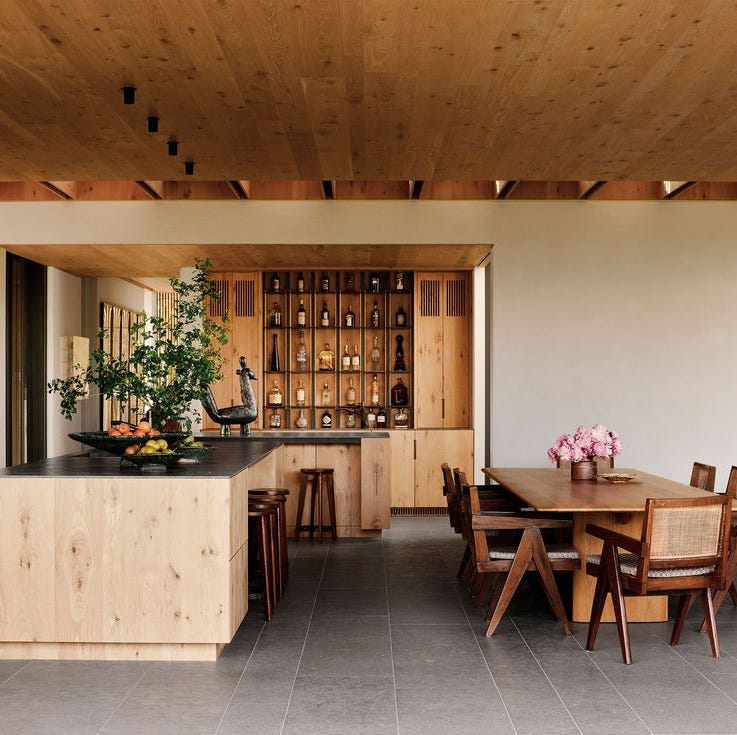
35 Open Kitchen Ideas For the Ultimate Entertaining Home

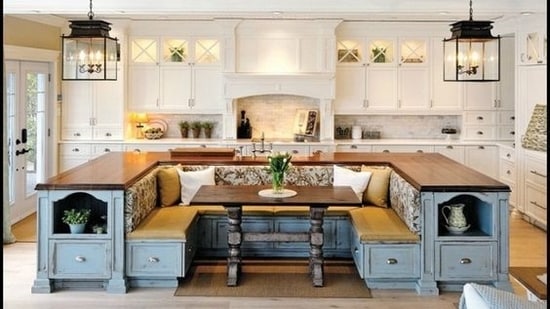
Modern, minimal and Insta-ready: The open kitchen trends you need right now | Hindustan Times

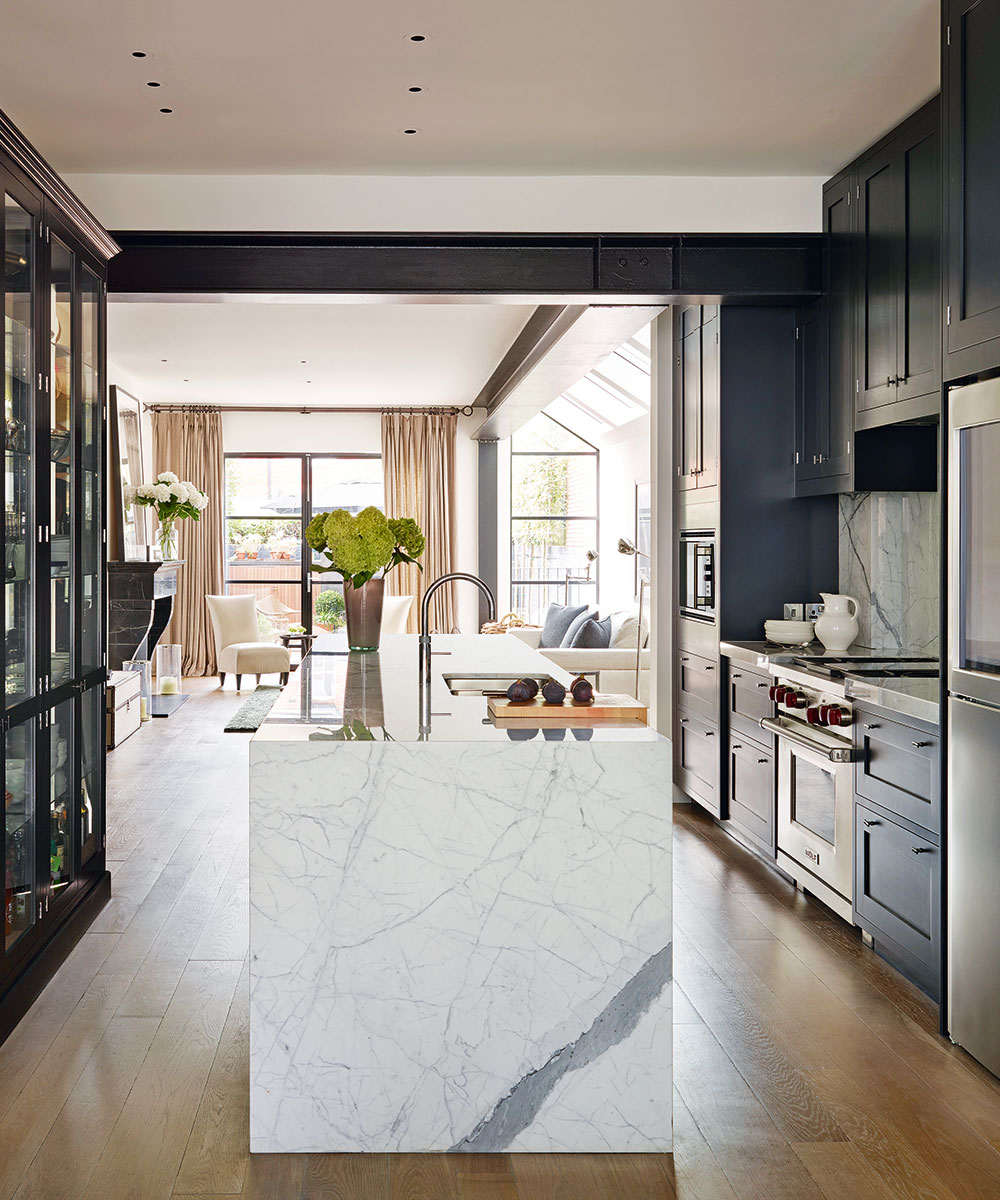
6 mistakes to avoid when designing an open-plan kitchen – revealed by an expert
The Open-Plan Kitchen: Is It Right for You?

Open plan kitchen extensions – ideas and design advice from the experts to get them right

Open vs closed kitchens – which floorplan is really better for the modern kitchen?
Low profile, high style: Kitchens that go with the flow