Air-to-Water Heat Pump Experience
This article details a session of "30 Mechanical Minutes" featuring Mike Miller of Taco Canada and Mark Strangways of The Hydronics Team, focusing on the residential installation of an air-to-water heat pump. Miller initiated the discussion by outlining the increasing interest in heat pump technology across Canada. He attributed this surge to regional efforts aimed at reducing reliance on fossil fuels and the introduction of government incentives for homeowners to adopt electric heat pump systems. He also referenced the European market, where heat pump sales have recently surpassed those of fossil fuel-based heating equipment.
The discussion then shifted to a common challenge associated with air-to-water heat pumps: their performance in colder climates. Miller acknowledged that the thermal energy output of these systems, typically limited to 140°F or below, decreases as outdoor temperatures drop, necessitating an auxiliary heat source. However, he emphasized that for a significant portion of the year in Canada, a heat pump alone can adequately meet both heating and cooling demands. Miller also highlighted the efficiency of heat pumps, noting their high coefficient of performance (COP), which indicates a superior ratio of energy input to thermal output compared to fossil fuel alternatives.
Strangways then addressed design and installation considerations, particularly emphasizing the impact of lower water temperatures. He explained that radiant in-floor heating systems are inherently designed for lower water temperatures, making them suitable for heat pump integration. For forced-air systems, however, he stressed the importance of ensuring the heating coil has a sufficiently large surface area to generate adequate BTUs for heating and to effectively manage latent and sensible heat removal for cooling.
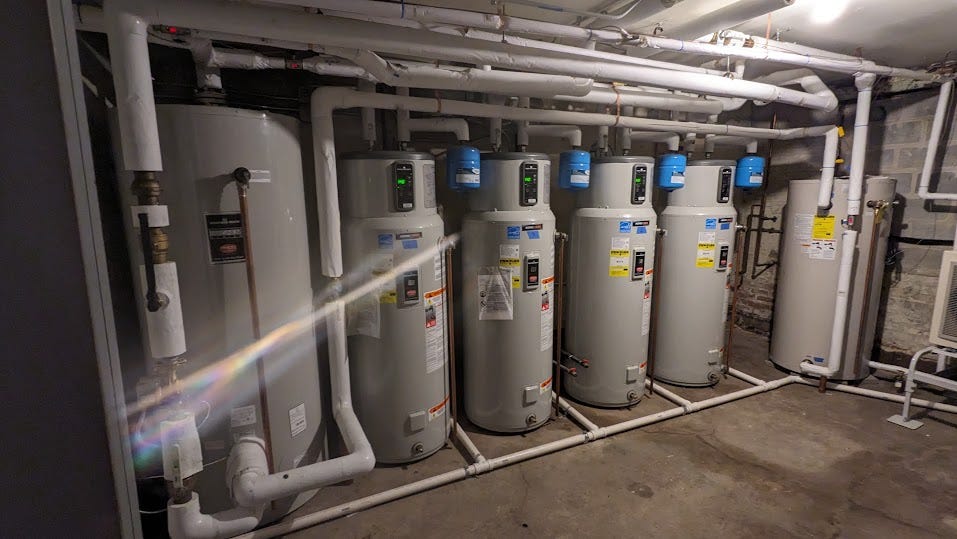
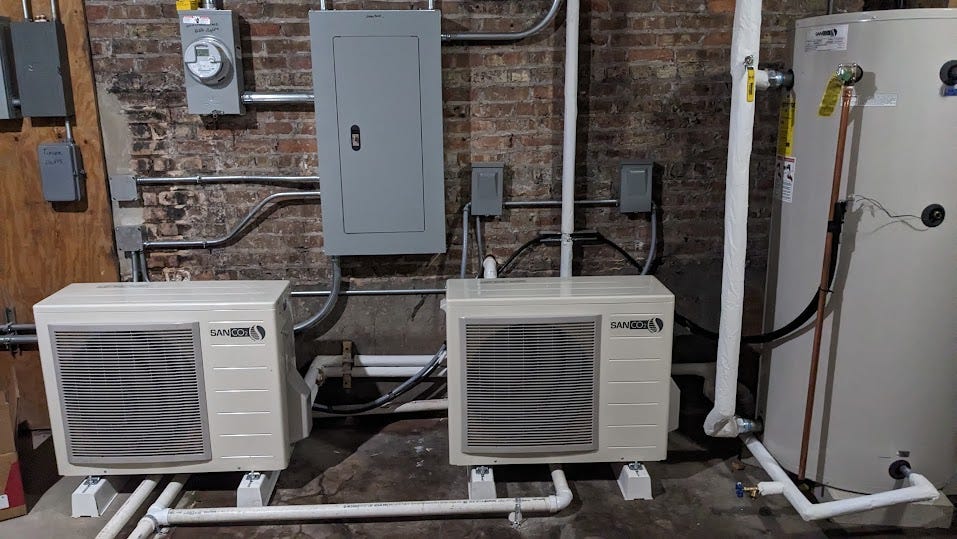
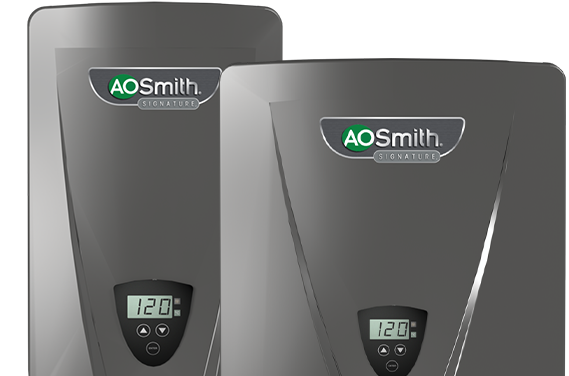
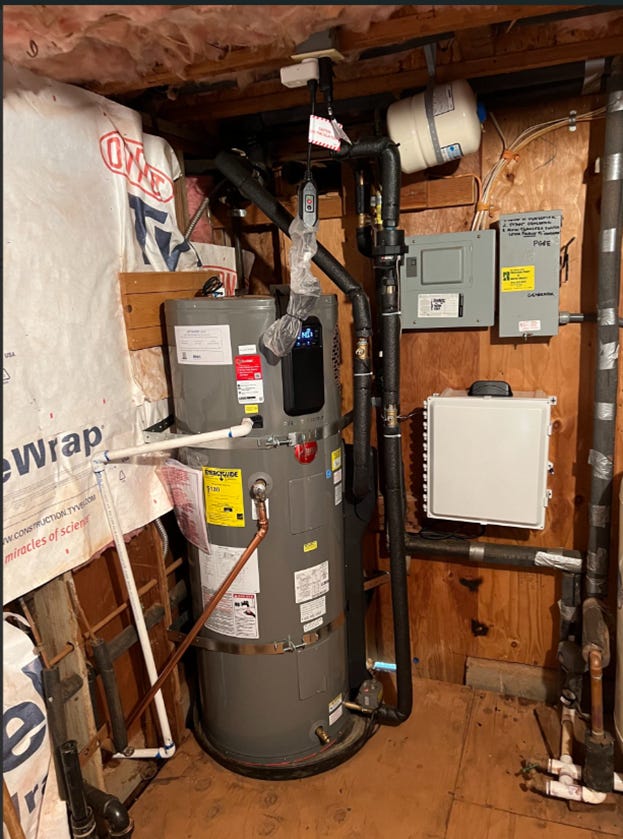
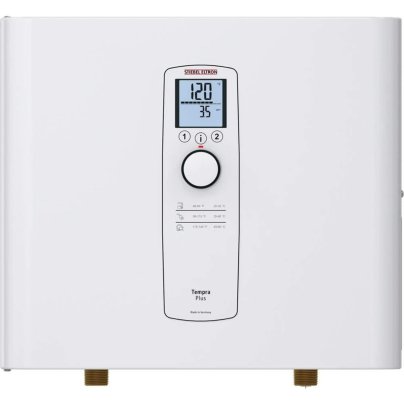
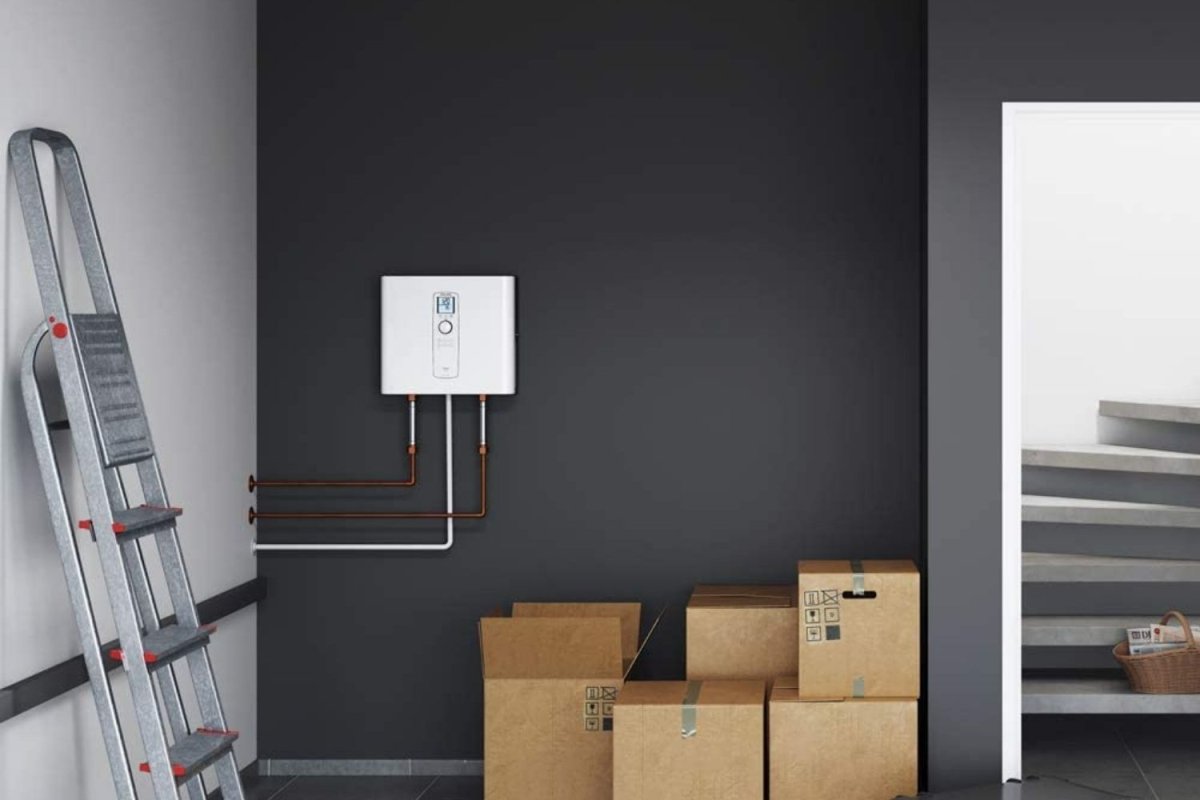
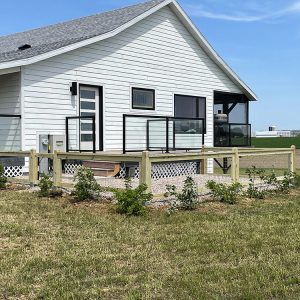
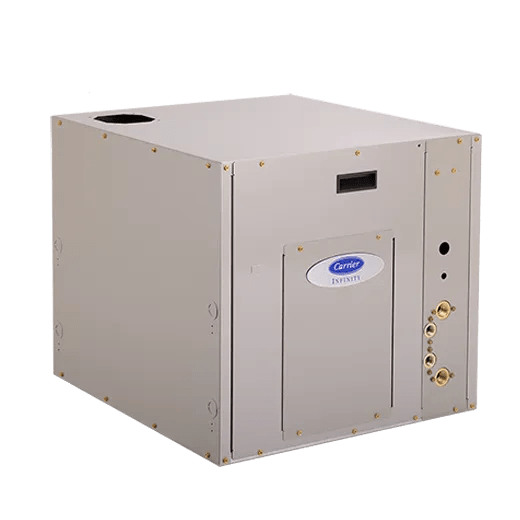
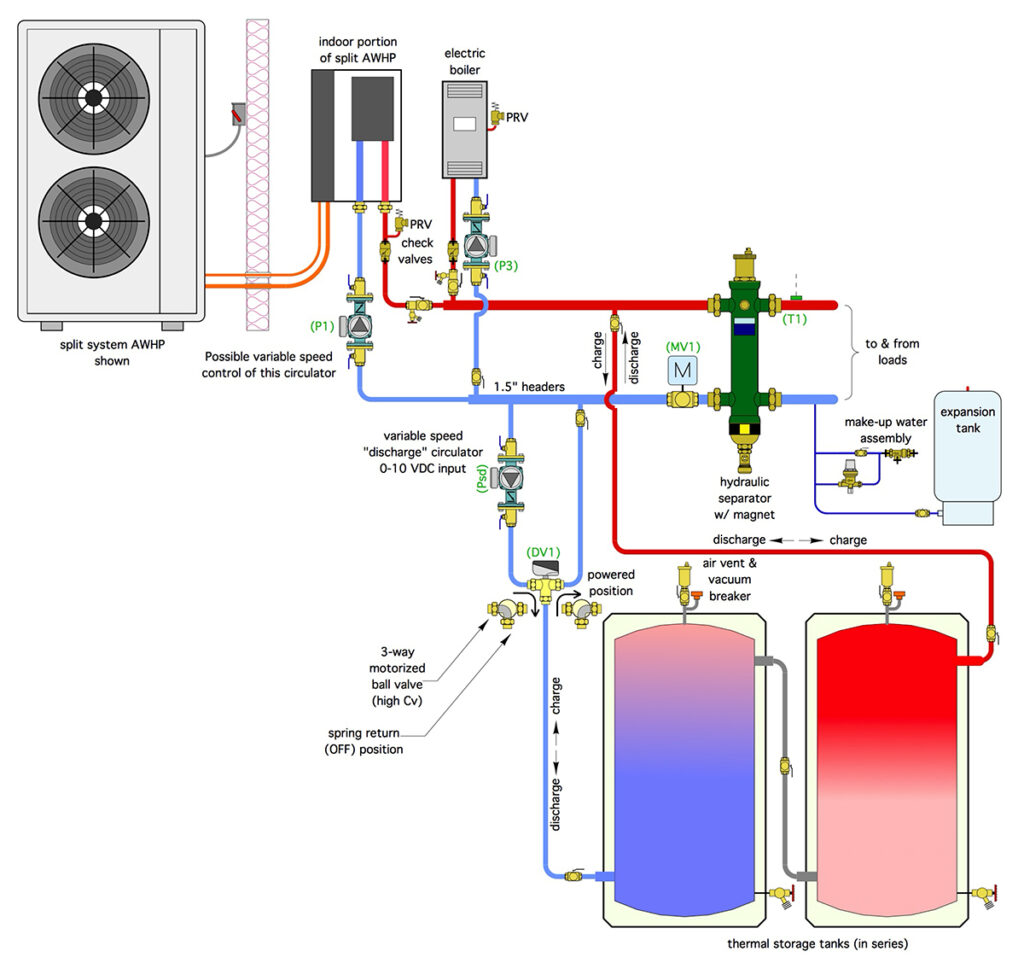
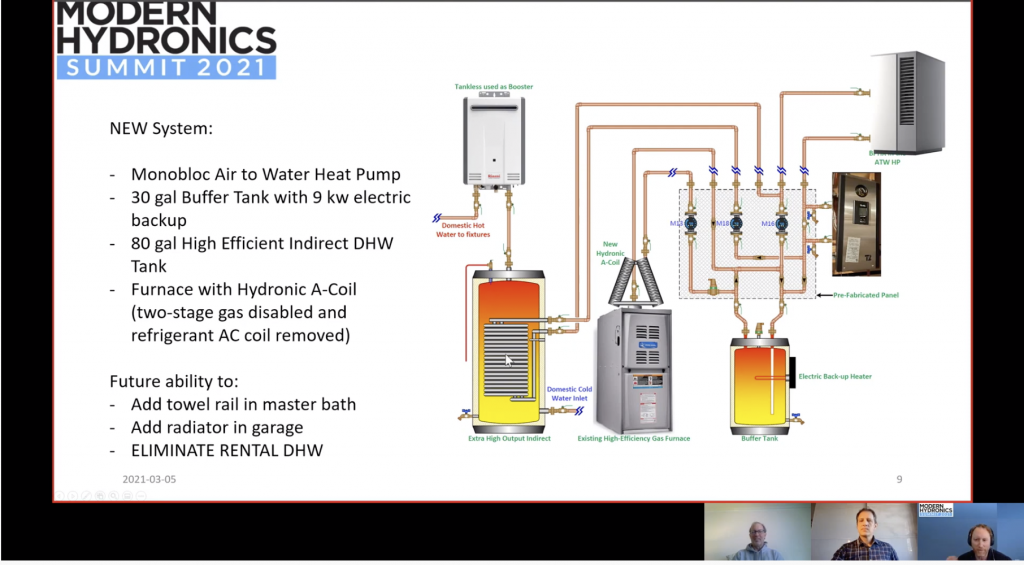
The article further elaborates on a specific air-to-water heat pump installation at Miller's own home. In this setup, the existing gas furnace was retained but modified by replacing its DX coil with a re-sized hydronic coil. The original furnace fan and ductwork were repurposed for air distribution. The system's design incorporates an electric boiler for supplementary heating, a buffer tank, and an indirect tank for domestic hot water (DHW). An existing tankless water heater remains as a backup but has not been required since the system became operational. Miller detailed the intricate piping arrangement, which includes multiple check valves and a specialized piping configuration to ensure the physical isolation of different loops. For heating, water flows through the electric boiler, down into the buffer tank, and then back to the heat pump. For DHW, the flow originates from the heat pump supply, passes through the electric boiler, then through a pump that services the indirect coil, returning to the heat pump. A separate pump draws water from the buffer tank to the furnace coil for both heating and cooling functions within the house.
Miller expressed satisfaction with the technology, noting a significant improvement in indoor air comfort. He observed that the system delivers tempered air for both heating and cooling, providing a more consistent and balanced indoor environment compared to the "scorched hot air" from the previous system. Furthermore, he reported a reduced need for winter humidification, as the heat pump system does not remove humidity to the same extent as flame-based heating methods.
#AirToWaterHeatPump #ResidentialHVAC #HydronicSystems #EnergyEfficiency #SustainableHeating #HomeComfort #SystemDesign #CanadianHeating #AirToWaterHeatPump #ResidentialHVAC #HydronicSystems #EnergyEfficiency #SustainableHeating #HomeComfort #SystemDesign #CanadianHeating
0 comment in total
 No comments yet
You may also like
This Central Heat Pump Water Heater In Chicago Was One Of The First To Be Installed In A Cold Climate
The Best Day of the Year — Heat Pump Water Heater Day — Is October 23
The 9 Best Water Heaters for Efficiency and Performance

Radiant Floors and Ceilings Make Geothermal Even Better
Today's Water Heaters Aren't Built Like They Once Were—They're Better

Is a Heat Pump Right for Your Home? Here's What You Need to Know.

Installing The New Ruud® Hybrid Water Heater

Geothermal heat pumps for sustainable living.
What Do a National Lab, a Home Builder, and an Elephant Have in Common?

Cooling AI Infrastructure: What Mechanical Contractors Should Know


Podcast 469: Blue Goo on Framing, Painting Open Soffits, and Whole-House Dehumidifiers

Hydronic radiant wall heating, still the greatest trade secret in the U.S.

What Did Your Heat Pump Water Heater Installation Cost? We Want to Know
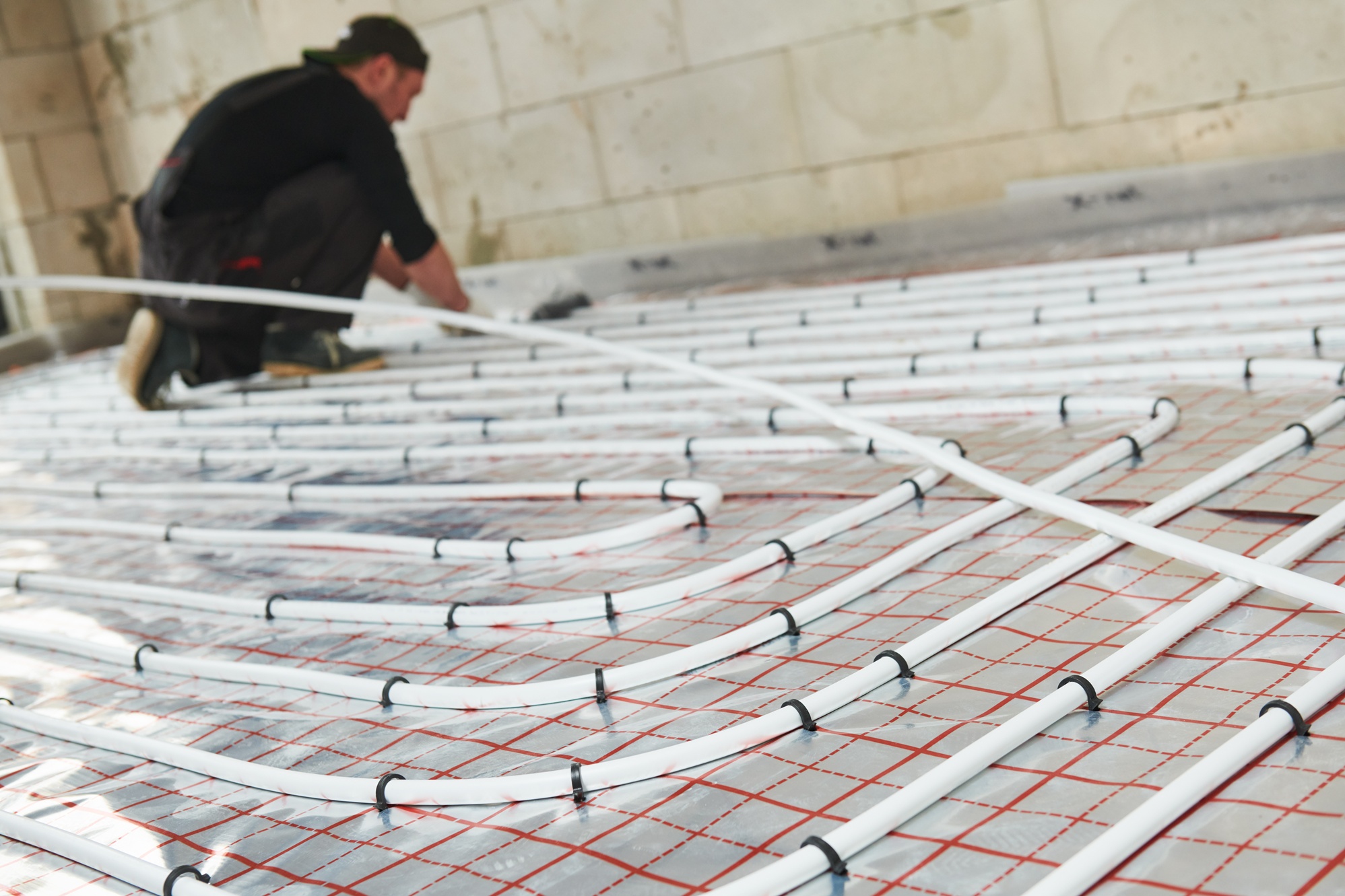
How Radiant Heat Can Transform Your Home for the Better With Barron Heating, AC, Electrical & Plumbing

Good Plumbing Performs High-Efficiency Boiler Replacement for Catholic Church

Comfort: Heating & Cooling

The Best Heat Pumps for Cold Climates

A Heat Pump Might Be Right for Your Home—Here’s What to Know | Reviews by Wirecutter


How to hide a heat pump - 4 ways to conceal your exterior unit without compromising on efficiency or functionality
![Electric Boilers: When and Where? [30 Mechanical Minutes]](https://gstatic.ideal.house/news/images/8a8383b4d3c94743abed2d0d30617505.jpg)
Electric Boilers: When and Where? [30 Mechanical Minutes]