1/2
Cooling AI Infrastructure: What Mechanical Contractors Should Know
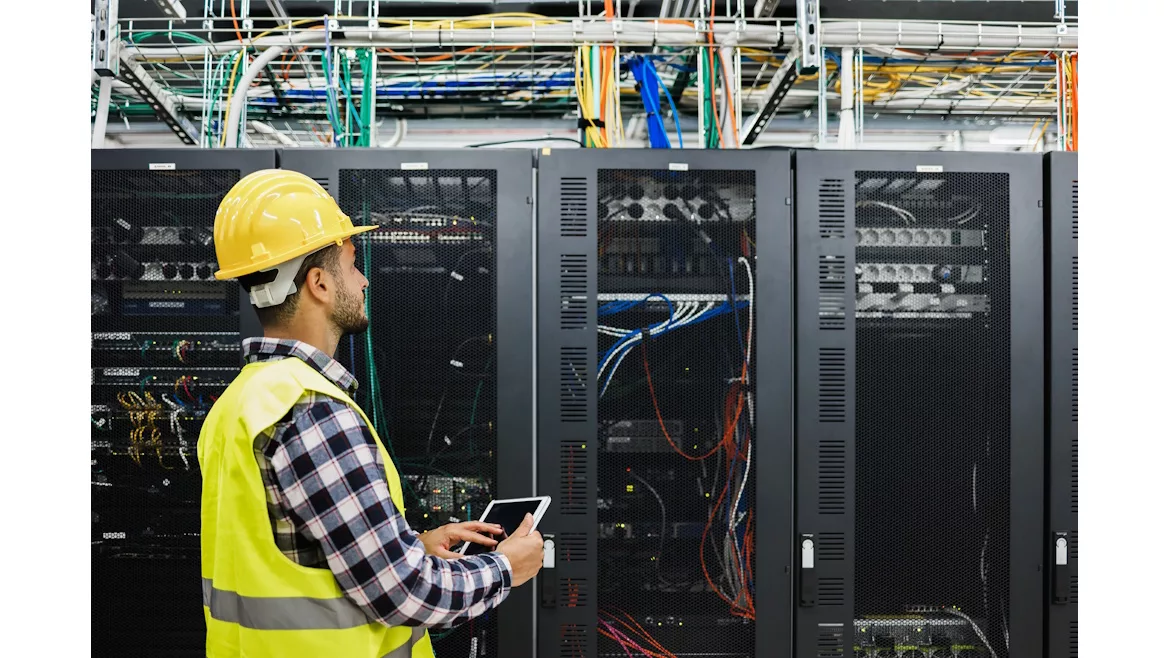
The increasing demand for artificial intelligence (AI) is transforming data center infrastructure, particularly in the realm of thermal management. AI workloads generate significantly higher concentrated thermal loads compared to traditional computing, rendering older cooling systems insufficient. Mechanical contractors are now at the forefront of this shift, facing complex decisions regarding cooling design, water usage, and long-term service implications, all while balancing cost, sustainability, and reliability. This evolution necessitates a deep understanding of new cooling technologies and strategic planning.
The core challenge in modern data center cooling lies in the trade-off between energy and water efficiency. Evaporative cooling systems offer superior thermal performance per unit of energy but require substantial water, a resource facing increasing constraints due to regulations, costs, and environmental concerns. Conversely, air-cooled systems reduce water dependency but often lead to higher power consumption and decreased heat rejection efficiency in warmer climates. Water's thermal conductivity is approximately 25 times greater than that of air, highlighting its efficiency in heat removal. Optimal solutions increasingly involve hybrid configurations that can switch between air- and water-cooling modes based on operational conditions and regional resource availability.
Several common missteps have emerged in cooling system design as data center operators and mechanical contractors adapt to higher heat densities. These include underestimating water quality requirements, where inadequate water treatment can rapidly degrade system performance through scaling, corrosion, and microbial activity. Even closed-loop systems, including direct-to-chip technical cooling loops, require diligent monitoring. Another frequent issue is rushing or skipping startup and passivation protocols during compressed construction timelines. Proper cleaning, passivation, and water treatment from the outset are crucial for preventing long-term maintenance problems and efficiency losses. Neglecting local water regulations, such as municipal discharge limits and blowdown restrictions, can result in costly retrofits or compliance issues post-commissioning. Finally, assuming design efficiency automatically translates to operational efficiency is a mistake; maintaining optimal performance requires continuous coordination among mechanical contractors, facility operators, and water treatment partners to manage water chemistry and flow conditions.
Integrating water reuse and treatment strategies is becoming essential due to rising sustainability expectations. This often involves incorporating point-of-entry treatment systems or plumbing that allows for the recycling of water from blowdown, condensate, or rainfall for cooling tower makeup or other non-potable uses. While mechanical contractors are not expected to be water treatment experts, understanding the interface between these systems and mechanical infrastructure, and collaborating with treatment providers, is vital to prevent conflicts in piping, control sequences, and monitoring. For sites with limited water reuse options, onsite polishing loops offer an alternative to maintain water quality within closed systems, particularly important for hyperscale and AI-driven facilities where uptime and equipment longevity are paramount.
AI infrastructure is driving the adoption of direct-to-chip and liquid cooling technologies, which are more efficient at transferring heat from servers. These systems operate at higher pressures and require distinct materials and maintenance practices compared to traditional chilled water or air-cooled systems. Mechanical contractors must now consider material compatibility between metals, elastomers, and heat exchange fluids, as well as stringent water purity requirements to prevent fouling or corrosion in microchannel plates. The integration of secondary cooling loops to isolate sensitive components, precision startup, flushing, and filtration procedures, and sufficient footprint for water treatment, chemical storage, and system monitoring equipment are also critical. Contractors who develop expertise in liquid cooling installation and maintenance will gain a competitive edge as these technologies become more widespread, helping bridge the gap between advanced data center design and operational realities.
#AIInfrastructure #DataCenterCooling #MechanicalContractors #WaterEnergyTradeoff #LiquidCooling #HVACRetrofits #WaterTreatment #Sustainability #ThermalManagement #AIInfrastructure #DataCenterCooling #MechanicalContractors #WaterEnergyTradeoff #LiquidCooling #HVACRetrofits #WaterTreatment #Sustainability #ThermalManagement
0 comment in total
 No comments yet
You may also like
Bitable: AI in the design and build world

Why Use Predictive Maintenance of Dewatering and Concrete Pumps

How AI Is Rewiring OT Security From Alerts To Answers

Exploring the Impact of AI on Sustainable Building Design and Construction

Updating And Maintaining Your Workplace’s HVAC System
The Future Of HVAC
Spare a thought for air-conditioning repair people. As the planet warms, they’re really up against it


AI and Digital Twins: The Key to Scaling Digital Transformation in Plumbing
How AI Empowering Concrete Contractors to Build Smarter

Use These AI Tools Before Your Next Home Renovation Project

Electrical Contractors: Meeting The Demands of Our Interconnected World

20 Years of Concrete Contractor Magazine