
Why Use Predictive Maintenance of Dewatering and Concrete Pumps
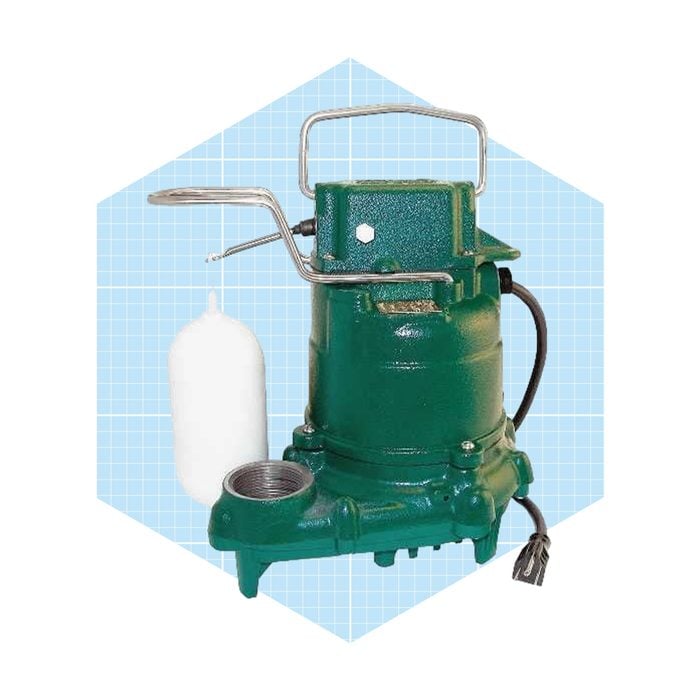
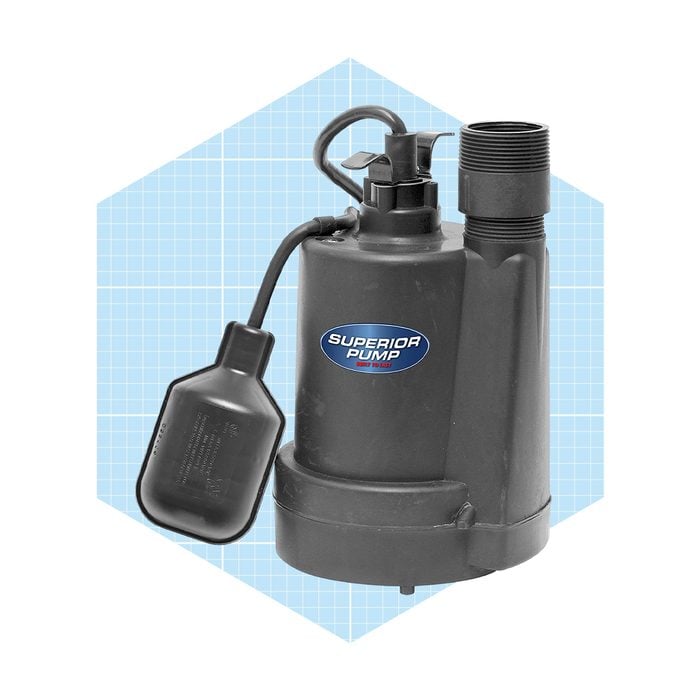
The article discusses the importance of predictive maintenance for dewatering and concrete pumps in the construction industry. These pumps, categorized as centrifugal for light liquids and positive displacement for thicker substances like mud and slurries, are critical for removing water and hazardous materials from excavation sites and supporting processes like cement injection. The unexpected failure of these pumps can lead to significant construction delays, cost overruns, and safety and environmental hazards.
Traditional maintenance approaches, such as frequent inspections and preventative maintenance, are often inefficient. Preventative maintenance can result in unnecessary component replacements, leading to wasted resources and diverting personnel from more urgent tasks. While condition-based maintenance (CBM) offers insights into the current state of an asset, it does not provide early warnings of impending failures, thus having minimal impact on reducing unplanned downtime.
Predictive maintenance emerges as a superior alternative by leveraging current sensor data, historical performance data, domain expertise, and machine learning/AI algorithms. This approach creates a health model for pumps, enabling the identification of potential issues before they escalate into failures. This proactive strategy allows for maintenance activities to be scheduled precisely when needed, optimizing resource allocation and minimizing disruptions.
A case study involving a worldwide oil and gas contractor highlights the effectiveness of predictive maintenance. The contractor faced dangerous and environmentally hazardous mud pump leak events, causing unplanned downtime. By collaborating with a predictive analytics company, a health monitoring solution was developed using a year's worth of historical data and real-time sensor data from piston, suction, and discharge mechanisms. Advanced signal processing and vibration-based pattern recognition were employed to extract key features and develop health models capable of predicting pump seal failures days in advance. This solution significantly improved productivity, reduced hazards, saved costs, and prevented environmental and worker safety issues.
Several key considerations are crucial when implementing a pump predictive monitoring solution. Firstly, performing a criticality analysis helps prioritize pumps whose failure would cause the most significant disruptions, ensuring that monitoring efforts focus on assets that provide the highest return on investment. Secondly, collaboration between the company and the predictive solution provider is essential to identify key failure modes, gather relevant maintenance records, and utilize existing data from pump controllers. Lastly, careful consideration of sensor placement and the potential need for additional sensors is vital to collect the comprehensive data required for an effective predictive maintenance system. The adoption of predictive maintenance represents a significant advancement over traditional methods, offering enhanced operational efficiency, safety, and cost savings in the construction sector.
#PredictiveMaintenance #DewateringPumps #ConcretePumps #ConstructionTechnology #AssetManagement #MachineLearning #IoT #OperationalEfficiency #WorksiteSafety #PredictiveMaintenance #DewateringPumps #ConcretePumps #ConstructionTechnology #AssetManagement #MachineLearning #IoT #OperationalEfficiency #WorksiteSafety
0 comment in total
 No comments yet
You may also like
Best Management Practices to Maintain Catch Basins to Prevent Pollution
Solved! Why Is Water Seeping Through My Basement Floor?

6 Smart Ways to Prevent a Soggy Yard with Every Rain Shower

AFS Foundation Repair & Waterproofing Specialists

Solved! Here's What to Do About Water Leaking Into the Basement After Heavy Rain

Don't wait until spring! Ignoring this 'critical' driveway maintenance task in the fall can land you with a big repair bill – an easy, DIY fix now is all you need

How Often To Test Your Sump Pump To Prevent Costly Water Damage
So Your Basement Is Severely Flooded. Now What?
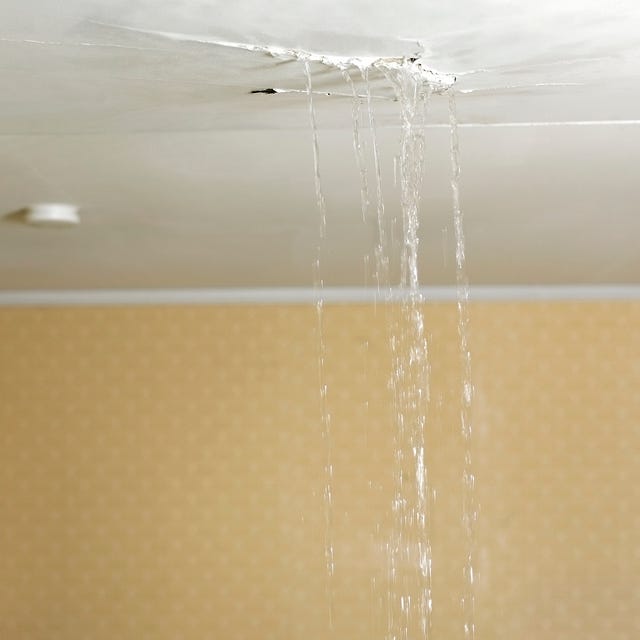
The BEST Ways to Protect Your Home From Water Damage, According to Experts


Concrete Screed Maintenance Checklist

How to waterproof a basement – 5 steps from experts to safeguard this space
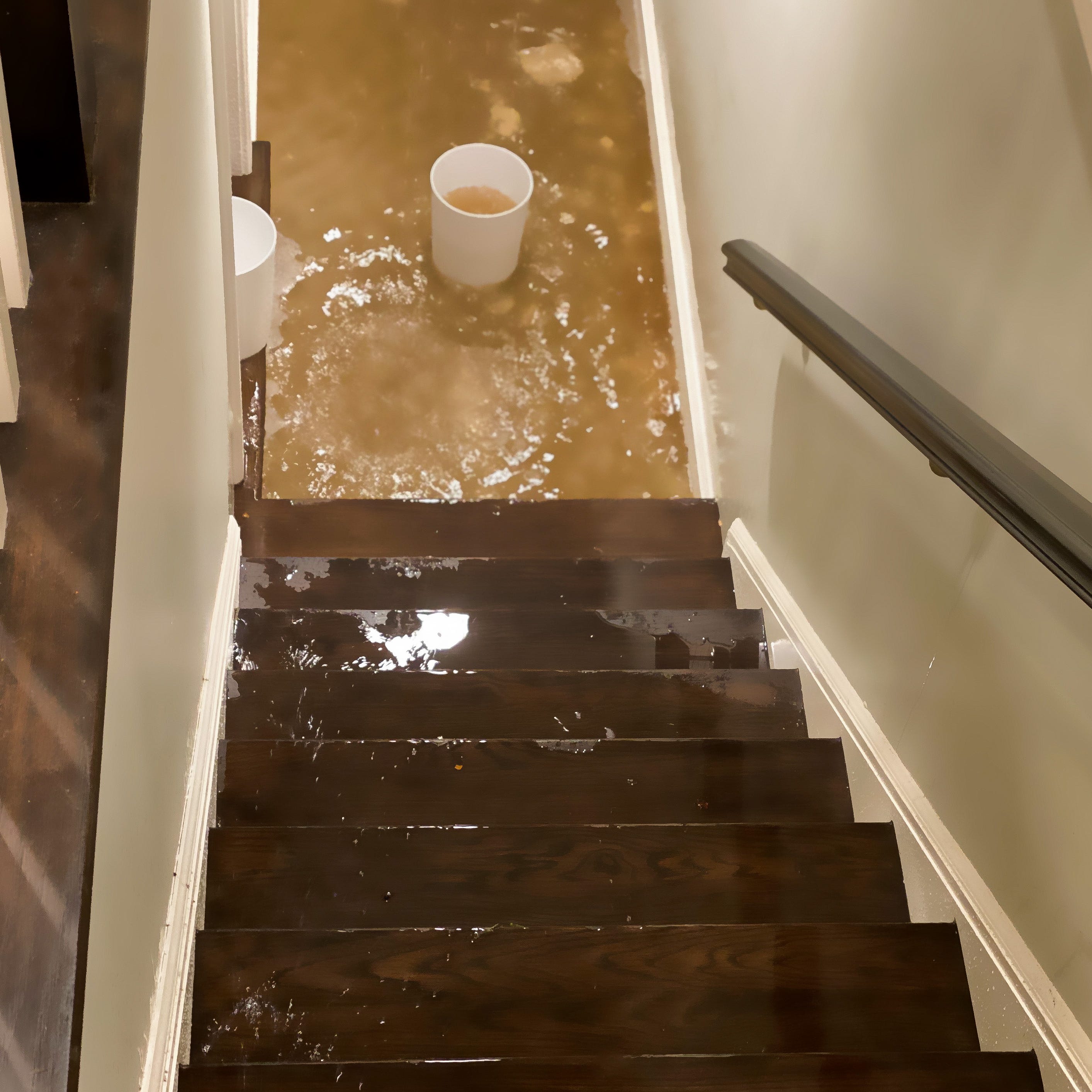
What to Do If Your Basement Floods During a Storm, According to Experts
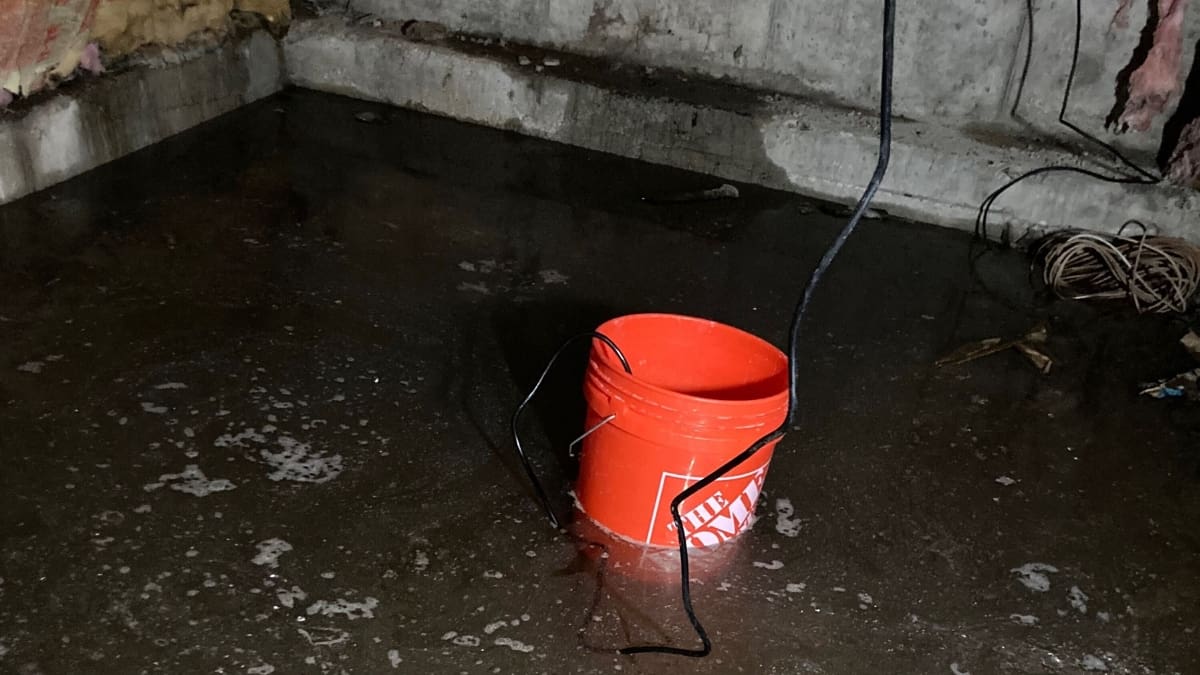
Sump pump savvy: Beating the snowmelt before it beats your basement
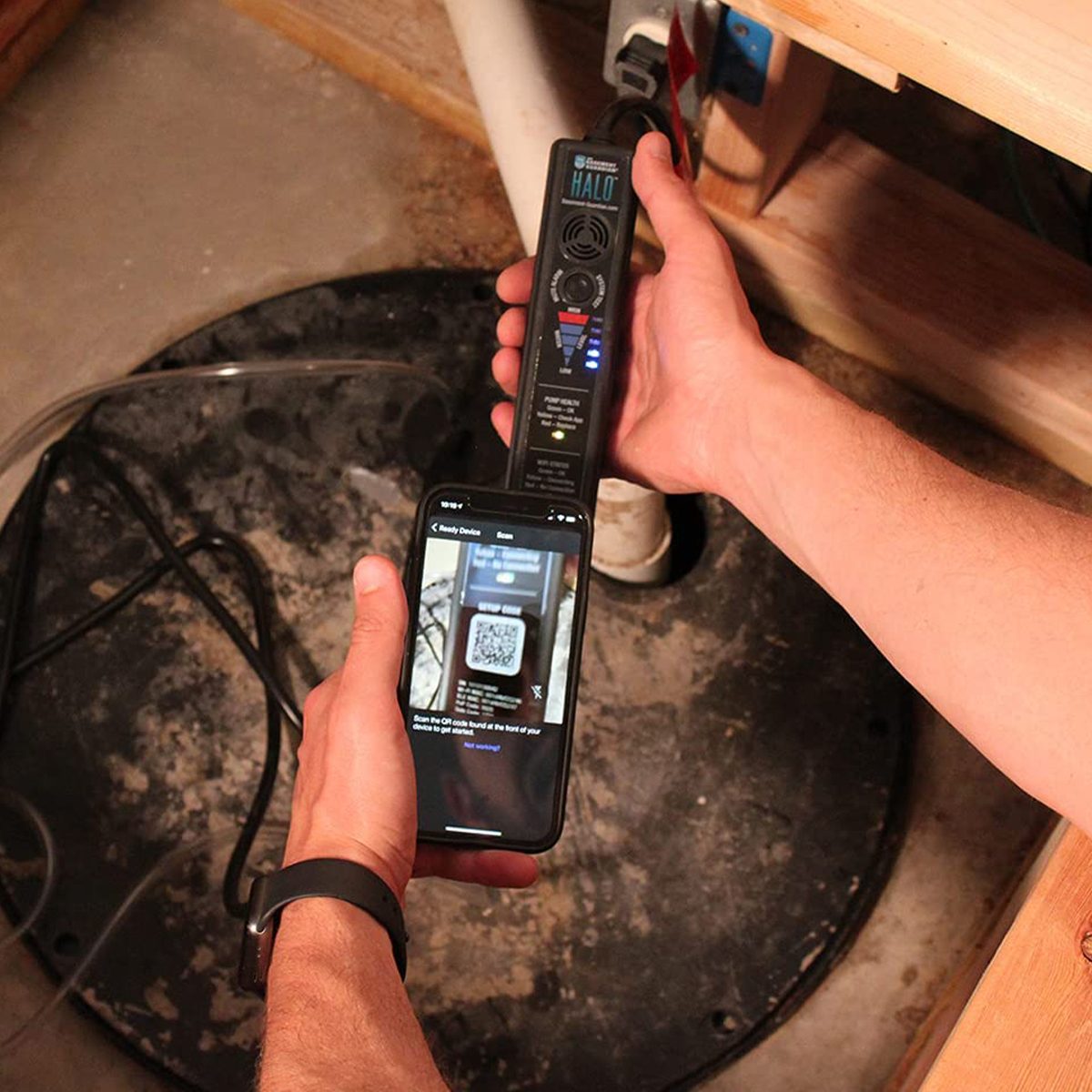
6 Best Sump Pumps to Flood-Proof Your Basement

Our Tests Reveal The Best Downspout Extensions for Directing Water Away From Your Home
How to Decide Whether to Rent or Buy Drain Cleaning Equipment

The Best Sump Pumps for Crawl Spaces and Basements, Tested

Everything I Did to Flood-Proof My Old House | Reviews by Wirecutter
To Break Or Not To Break: A Drain Cleaning Tools Survival Guide

Foundation Waterproofing Membrane