1/8
Best Management Practices to Maintain Catch Basins to Prevent Pollution
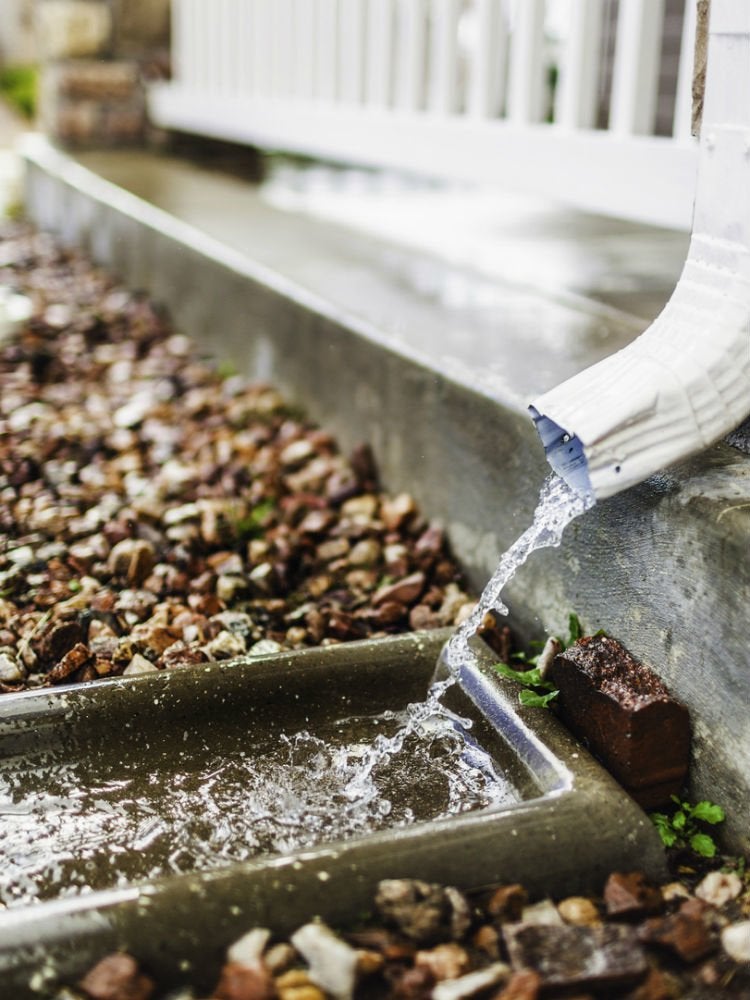
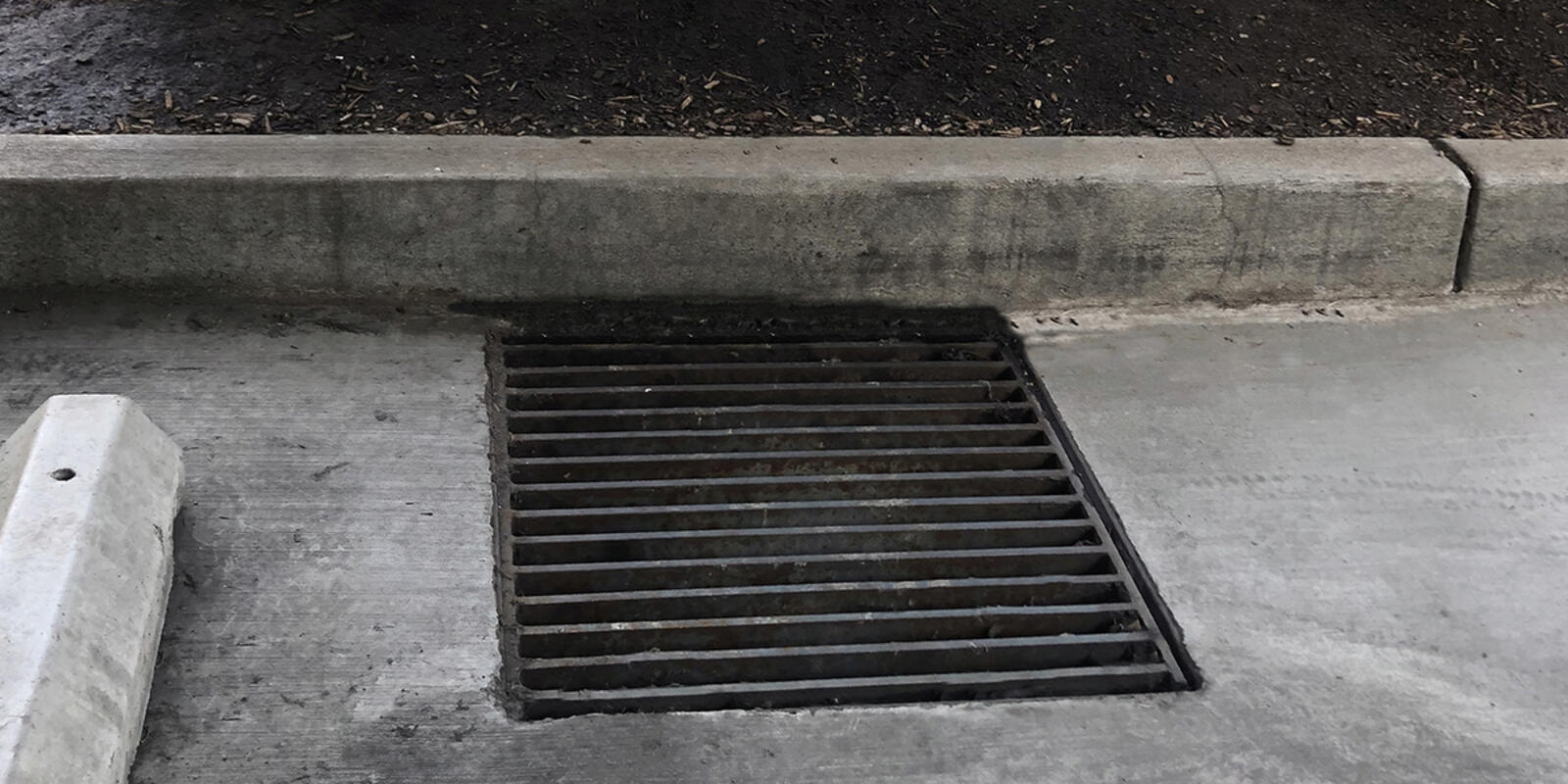
Catch basins are crucial infrastructure components designed to manage stormwater runoff and prevent pollutants from entering natural water bodies such as rivers and streams. These structures typically feature a grate for stormwater entry, a sump to collect sediment and debris, and an outlet pipe tee or downturned elbow to trap floating pollutants like oils. While some catch basins connect to combined sewer systems leading to treatment plants, and others discharge underground via drywells or underground injection control (UIC) structures, it is a recommended best practice to assume that stormwater entering any catch basin will eventually reach a river or stream. This assumption underscores the importance of proactive pollution prevention.
Regular and effective maintenance of catch basins is essential for their proper functioning and for environmental protection. Such maintenance ensures continuous drainage, preventing localized flooding and keeping stormwater pipes clear of blockages. Critically, it also minimizes the discharge of sediment, organic material, and associated pollutants into surface waters. Many harmful substances, including heavy metals, adhere to sediment particles. If these contaminated sediments are allowed to flow into aquatic ecosystems, they can severely impair water quality and harm fish and other aquatic organisms. Therefore, consistent removal of these accumulated materials is a vital step in safeguarding the health of our waterways.
To ensure optimal performance and minimize stormwater pollution, several best management practices are recommended. For catch basin grates, it is important to regularly remove leaves and trash to prevent clogging. Furthermore, installing “Dump No Waste, Drains to Stream” decals or stencils near grates serves as a visual reminder to the public about the direct connection between catch basins and natural water bodies, encouraging responsible waste disposal. The City of Portland’s Environmental Services provides free decals and stencils to facilitate this public awareness effort.
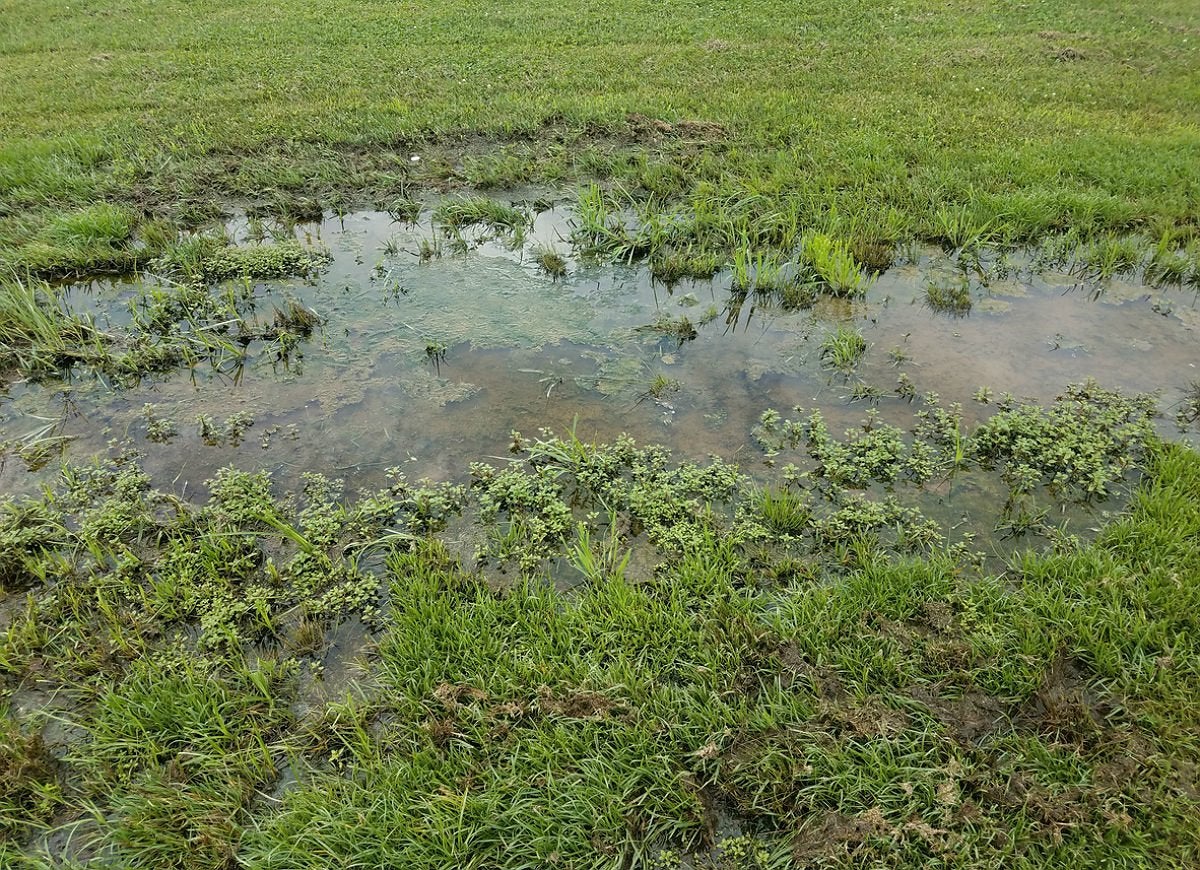
Regarding the catch basin sump, cleaning is recommended when the depth of accumulated solids reaches one-third of the basin’s depth from the bottom to the invert of the lowest pipe. Signs such as slow drainage or standing water around a catch basin grate indicate an immediate need for maintenance. While professional vactor truck contractors can be hired for cleaning, individuals can also perform the task using tools like a shop vacuum, pump, or bucket to remove water, and a shovel to extract sediment. The removed water should be disposed of into the sanitary sewer, and the solids should be allowed to dry before proper disposal, ensuring they do not re-enter the catch basin or contaminate property.
Waste management for removed solids requires careful consideration, particularly for commercial or industrial sites. Although solids from such locations are generally not classified as hazardous waste, a solid and hazardous waste determination must be made by the waste generator, considering potential chemical or hazardous material exposure. The Oregon Department of Environmental Quality offers technical assistance for this determination. Additionally, repairing or installing an outlet pipe tee/downturned elbow is a cost-effective measure to enhance the catch basin’s ability to trap floating debris. Safety precautions during maintenance are paramount, including careful removal of heavy grates, never leaving an open catch basin unattended, avoiding entry into drainage structures without proper training, and implementing traffic safety procedures. General tips include regular sweeping of pavements to reduce sediment accumulation, installing filter inserts and oil-absorbent pillows, preventing exposure of stored chemicals and waste to rain, and exclusively using catch basins for rainwater, not for disposing of other materials or washing vehicles/equipment.
#CatchBasinMaintenance #StormwaterManagement #PollutionPrevention #WaterQuality #EnvironmentalProtection #UrbanInfrastructure #SedimentControl #BestManagementPractices #CatchBasinMaintenance #StormwaterManagement #PollutionPrevention #WaterQuality #EnvironmentalProtection #UrbanInfrastructure #SedimentControl #BestManagementPractices
0 comment in total
 No comments yet
You may also like
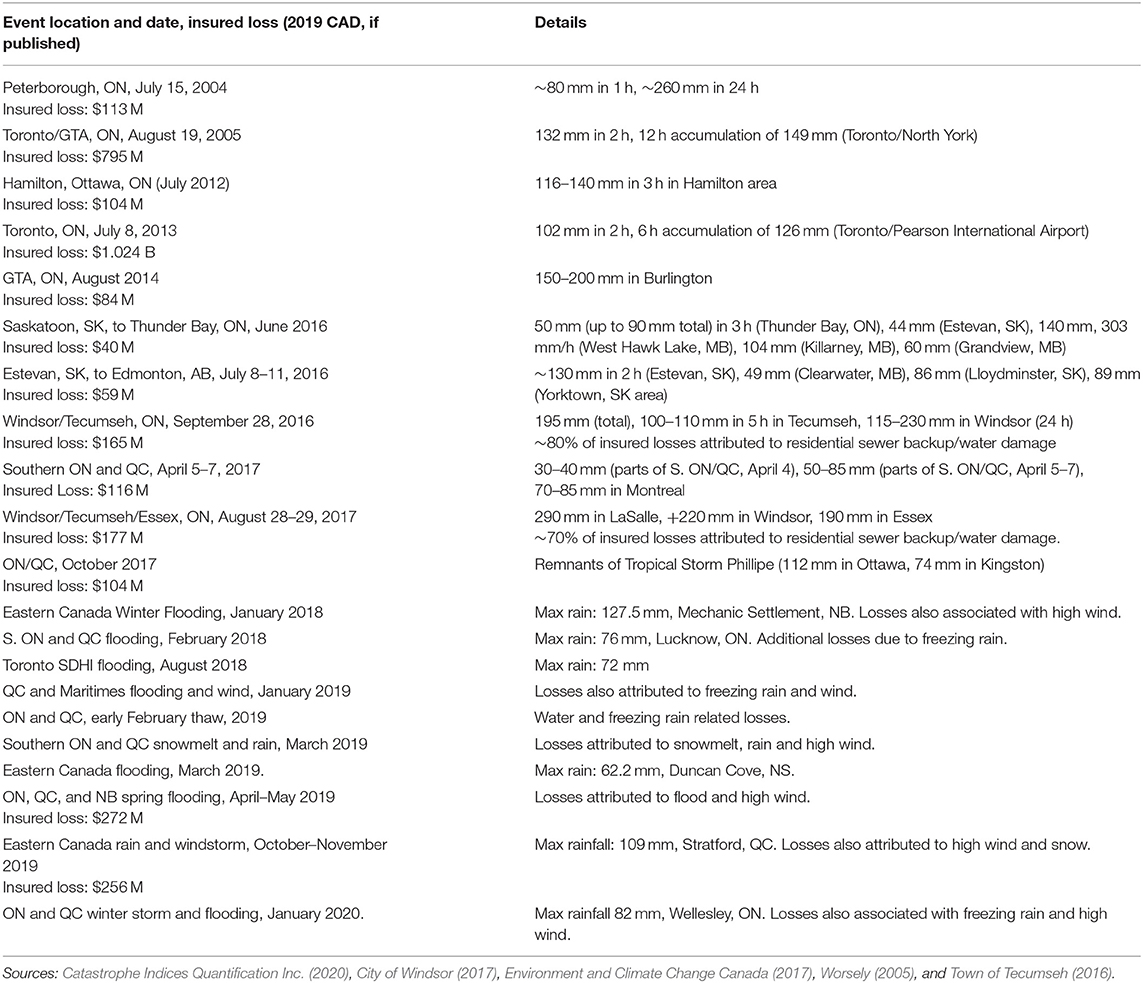
Reducing Urban Flood Risk Through Building- and Lot-Scale Flood Mitigation Approaches: Challenges and Opportunities

Drainage system
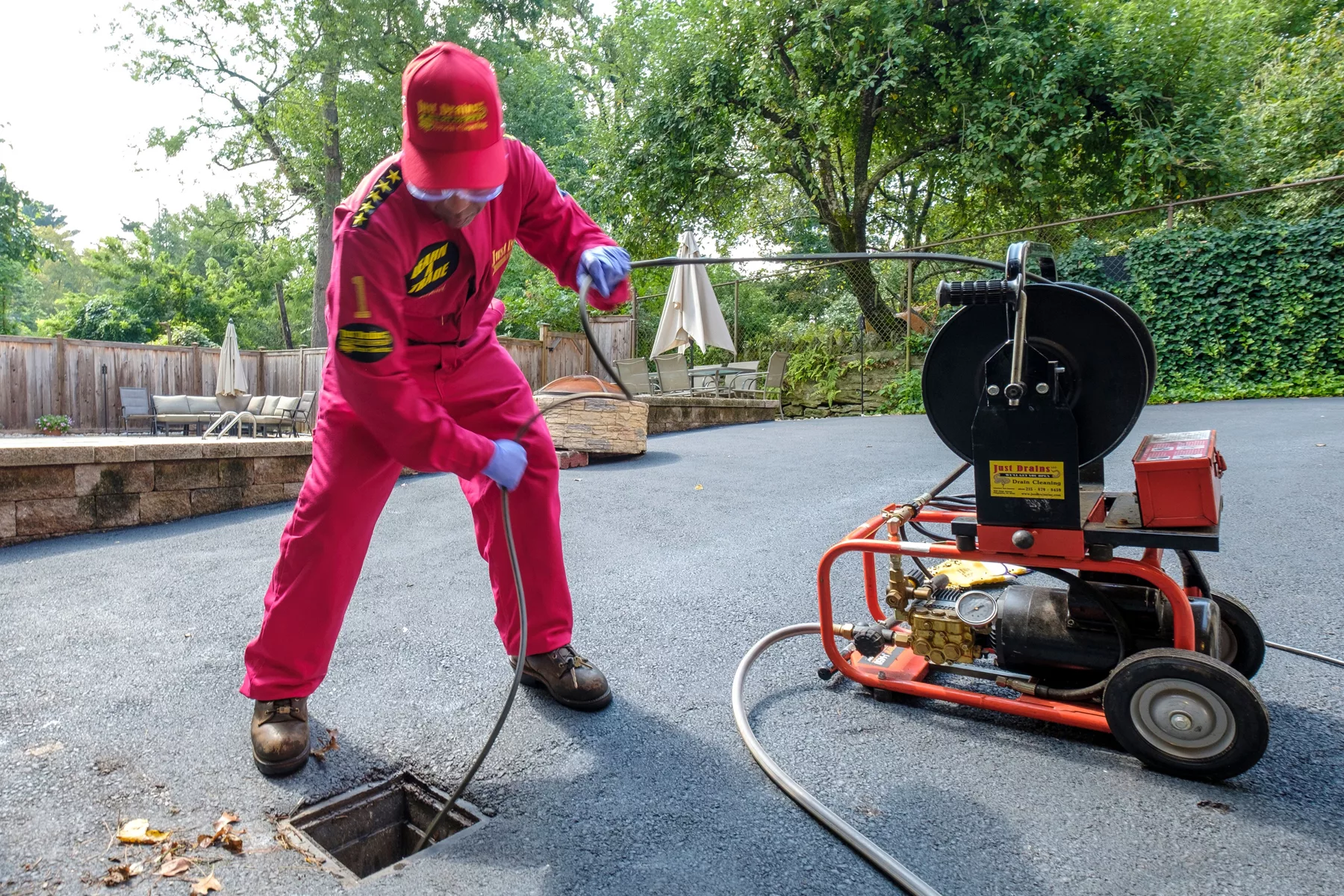
To Break Or Not To Break: A Drain Cleaning Tools Survival Guide
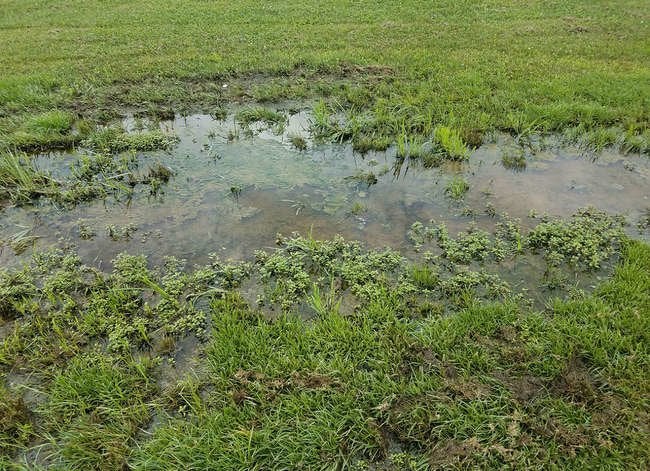
6 Smart Ways to Prevent a Soggy Yard with Every Rain Shower

The BEST Ways to Protect Your Home From Water Damage, According to Experts


Why Use Predictive Maintenance of Dewatering and Concrete Pumps


How to stop your shed smelling musty – 9 expert-approved methods to banish bad odors


Backyard Ponds Need Seasonal TLC, Too—Here’s How to Keep Yours Thriving

Top Tips for Maintaining an Above Ground Pool


Strategies and Tactics to Keep Pipes Flowing

Lots of rain can mean mould, this is how to get rid of it. - ABC Emergency

How to Decide Whether to Rent or Buy Drain Cleaning Equipment