Backyard Ponds Need Seasonal TLC, Too—Here’s How to Keep Yours Thriving
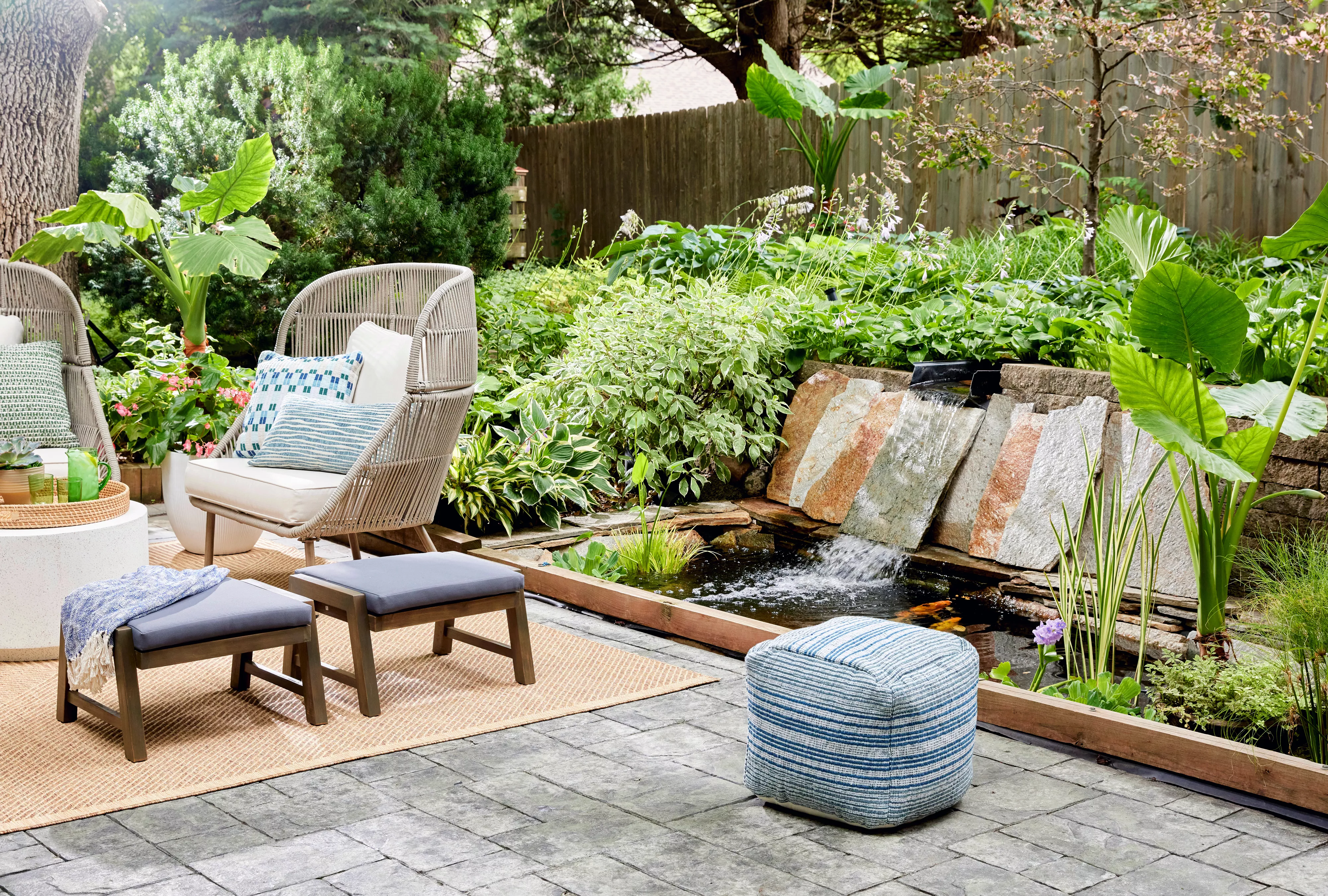
Maintaining a backyard pond requires consistent effort to ensure it remains a clean and healthy environment for both aquatic life and visual appeal. While larger ponds generally demand less frequent attention than smaller ones due to their greater ecological stability, all ponds necessitate weekly care, with intensified tasks during the spring and fall seasons in colder climates. This comprehensive maintenance guide outlines essential tasks across the year, focusing on preserving water quality, managing plant growth, and safeguarding fish health.
Spring marks a crucial period for pond upkeep, as the water transitions from winter dormancy to warmer temperatures. Key spring tasks include reinstalling pumps and filters, addressing any accumulated algae with fish-safe algicides or natural methods like barley straw bales, and carefully topping off the water level to prevent mineral buildup. Additionally, introducing new floating and submerged plants once water temperatures exceed 50°F and frost danger has passed is vital for algae control. Fish, whose metabolism quickens in spring, should be fed high-carbohydrate foods to support their increased activity.
During summer, the primary focus shifts to monitoring water chemistry, controlling algae, and managing plant overgrowth. Weekly testing of water chemistry for ammonia, chloramines, and chlorine is crucial to prevent harm to fish. Filters and pump intakes require regular cleaning to avoid clogs. Trimming dead leaves, flowers, and overgrown plants is necessary to prevent them from overwhelming the pond's ecosystem. Pest control for plants helps maintain healthy flora. Algae can be managed with manual removal using brushes or rakes. Adding a fountain or bubbler is recommended to enhance aeration, especially as warmer water can become oxygen-depleted. Consistent, small additions of water are preferred over large, infrequent ones to maintain proper water balance and prevent salt and mineral accumulation.
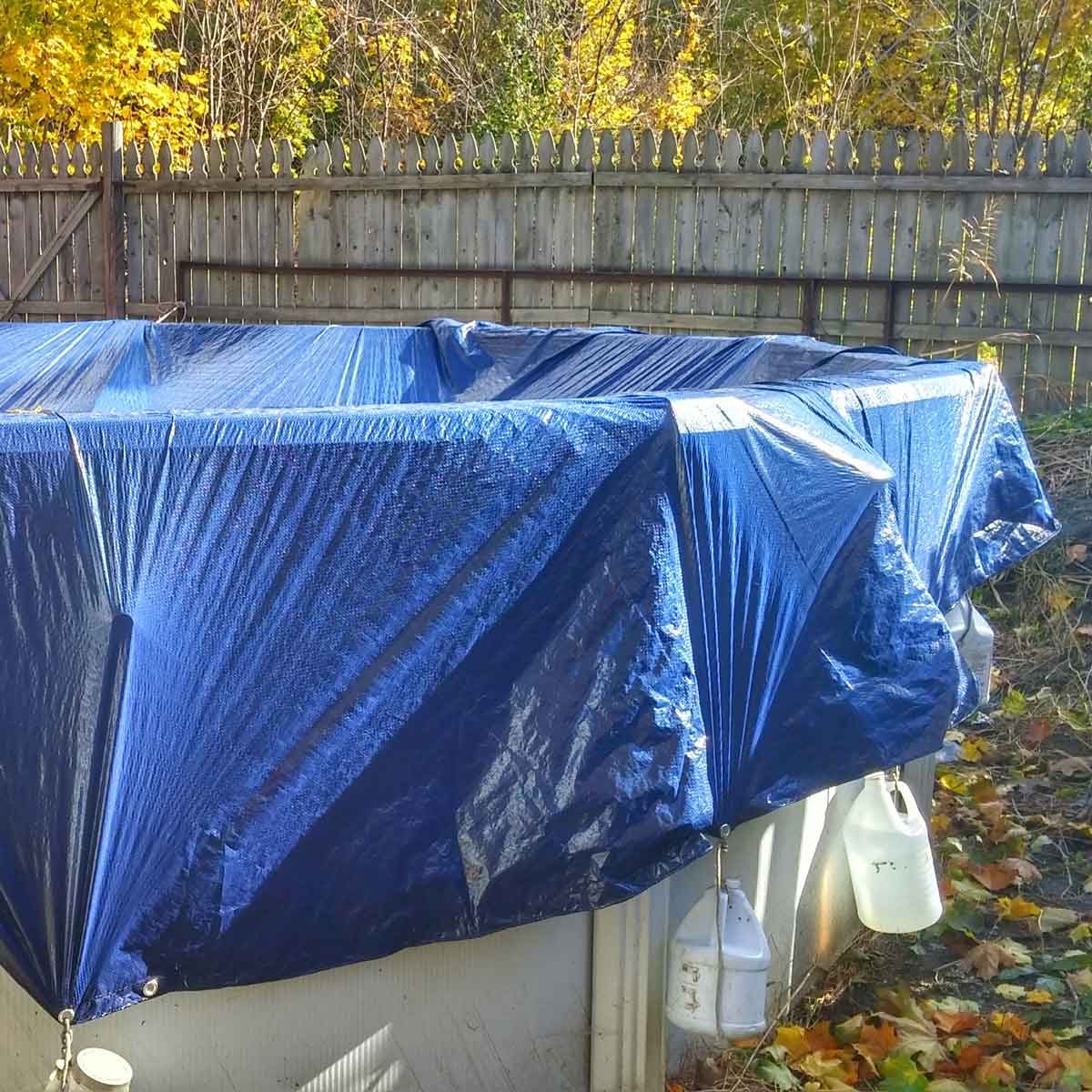
Autumn emphasizes leaf removal, a critical task throughout the year that becomes especially important as foliage falls. Excessive leaves can clog filters and pose a risk to fish. Gardeners should skim or net falling leaves and consider covering the pond with a net secured by bricks or rocks for easier cleanup. Before winter sets in, water filters and pumps should be disconnected, drained, and stored indoors, and water lines and fountains drained. Non-hardy plants should be moved indoors, while hardy submerged plants and water lilies should be relocated to the pond's deepest sections after trimming their foliage. Fish feeding should be gradually reduced and ceased entirely when water temperatures drop below 50°F.
Winter maintenance is less intensive, particularly in cold climates, with the main objective being the survival of koi. Floating a pond heater ensures open water areas, providing fish access to oxygen. Fish should not be fed during winter due to their slowed metabolism and inability to digest food. Placing wood or a ball on the pond's surface helps absorb pressure from expanding ice, preventing damage. Adhering to these seasonal guidelines ensures the pond remains a vibrant and healthy feature of the backyard year-round.
#BackyardPond #PondMaintenance #WaterFeature #KoiFishCare #GardenLandscaping #SeasonalGardening #AlgaeControl #WaterChemistry #AquaticPlants #BackyardPond #PondMaintenance #WaterFeature #KoiFishCare #GardenLandscaping #SeasonalGardening #AlgaeControl #WaterChemistry #AquaticPlants
0 comment in total
 No comments yet
You may also like
'Too hot or cold and you risk damaging the plant' – this is the ideal watering temperature for healthy houseplants

These Low-Maintenance Perennial Flowers Bloom Every Season


What You Need to Know About Watering Houseplants — The Rules for a Healthy Indoor Garden
How To Clean And Maintain Your Patio During Harsh Winter Weather

These 33 Houseplants Are Easy to Grow in Water
Lettuce Grow Farmstand Review: Is this Hydroponic Plant Stand Worth the Investment?

Cornerstone Homebuyers Expands "Sell Water Damaged House" Service Throughout Florida
What can you grow in a hydroponic garden? Experts explain how to use them for lush indoor planting

5 Genius Tricks for Slow Watering Your Houseplants, so You Can Go on Holiday Without Worrying About Your Indoor Garden

How to Transition From Fall Cleanup to Winter Care Tips for a Smooth Seasonal Shift
How to wrap potted plants for winter – and keep them warm in frost and snow


5 Houseplants That Just Don't Like Winter — And How to Keep Them as Happy as Possible During the Colder Months

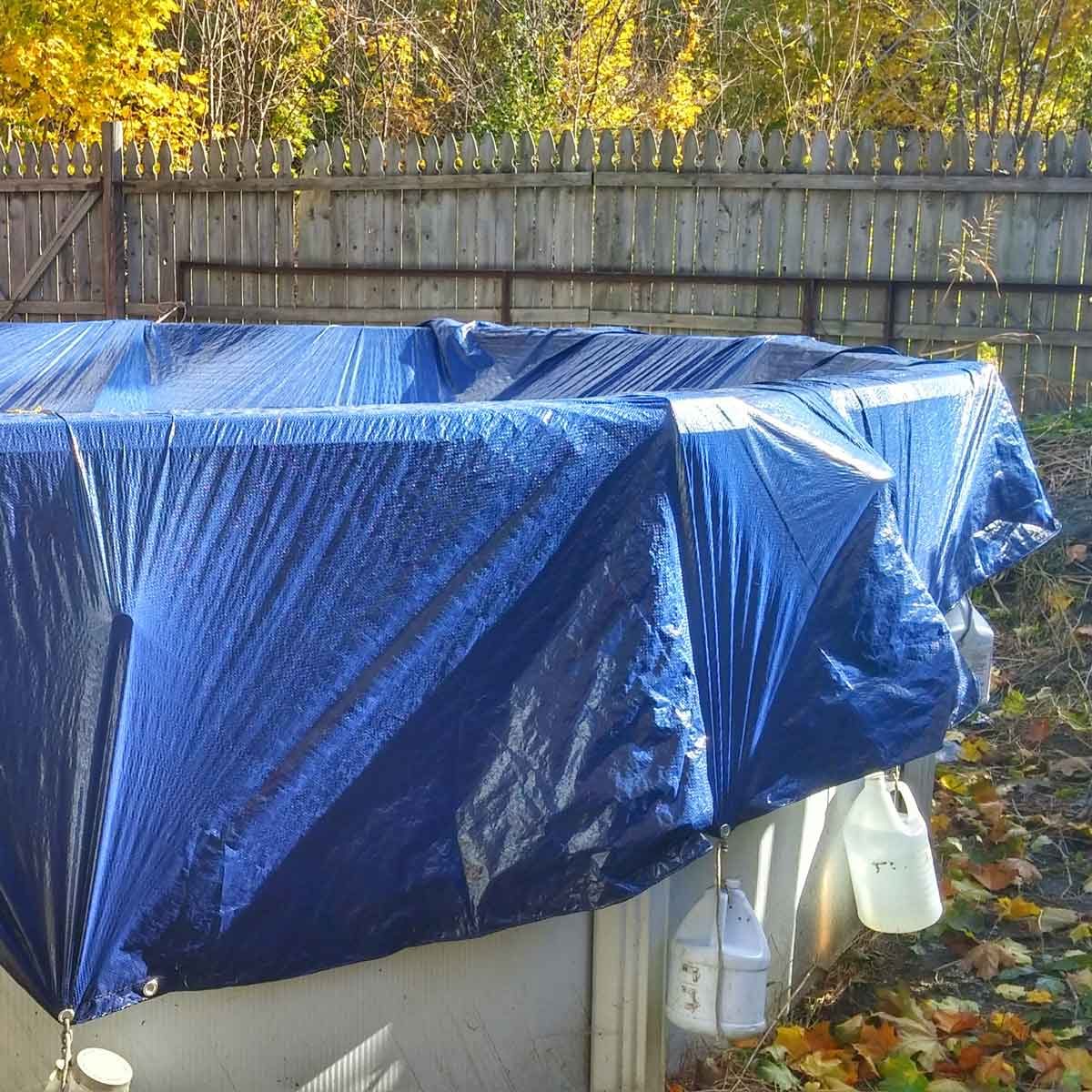
Top Tips for Maintaining an Above Ground Pool
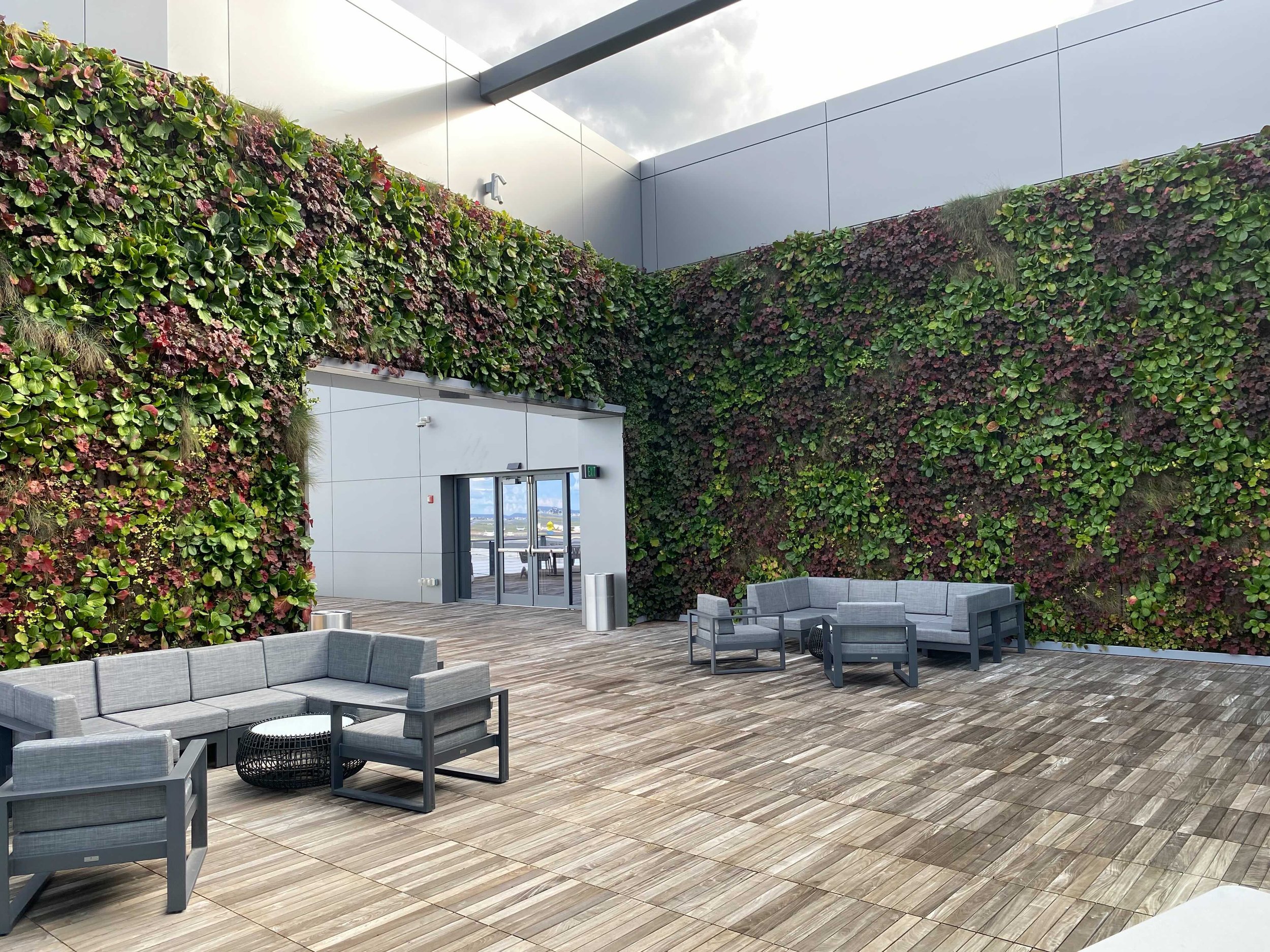
How to Keep Exterior Green Walls Alive in the Winter

How To Clean And Prepare Your Patio For Warmer Months Ahead

How I Made a Stock Tank Pool My Backyard Oasis | Wirecutter

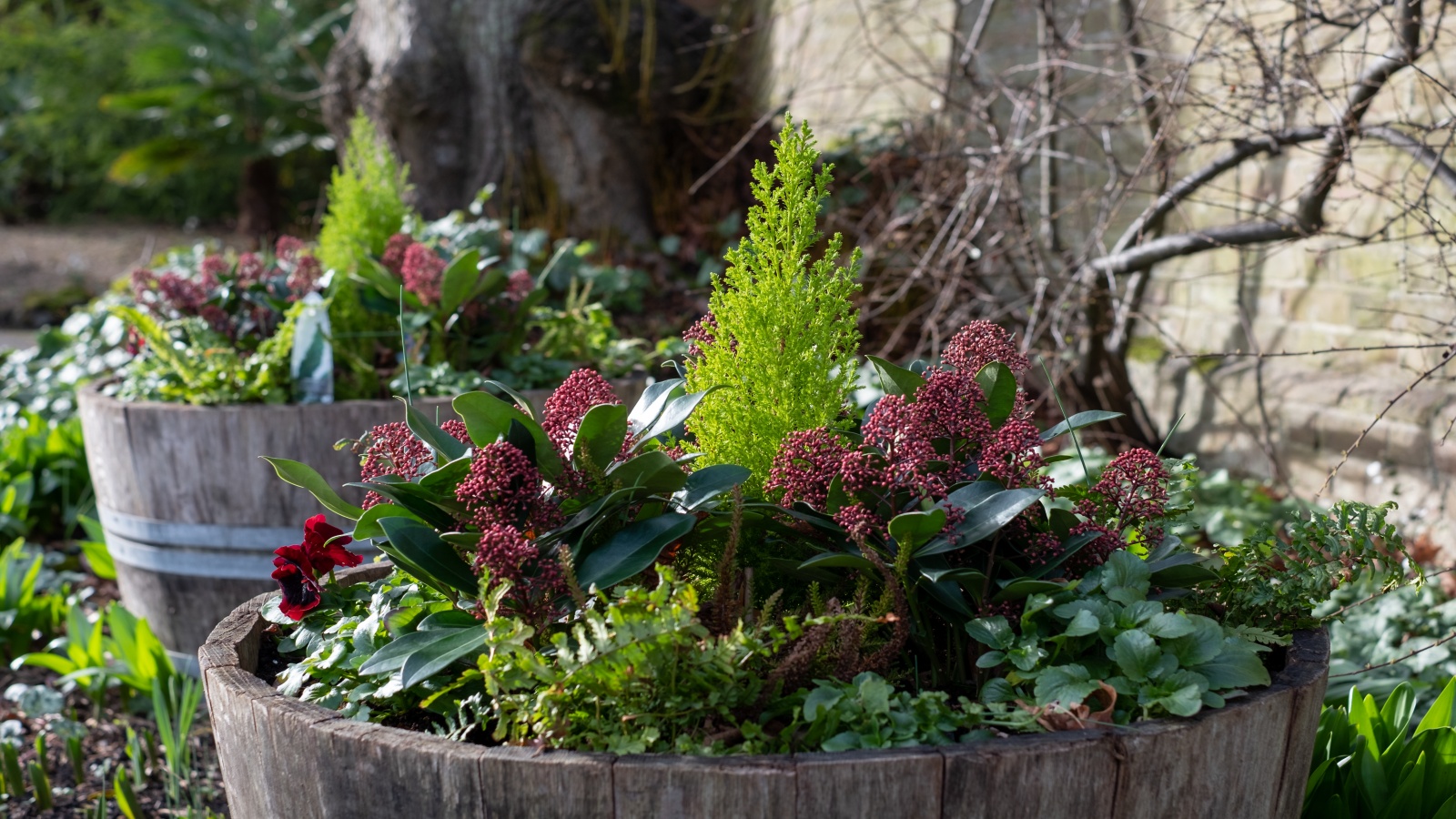
Garden Designers Share Simple Yet Stylish Ways to Spruce Winter Containers
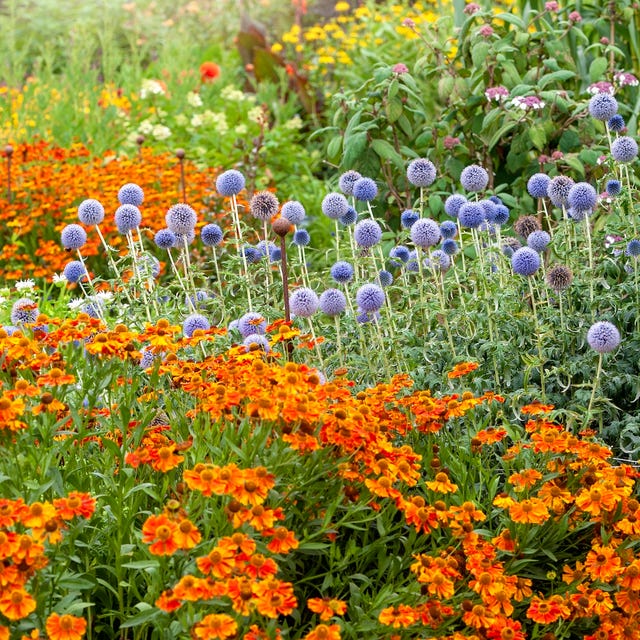
Gardeners, These Low-Maintenance Perennial Flowers Bloom Every Season

Attn: These Self-Watering Planters Will Turn You Into a Responsible Plant Mom
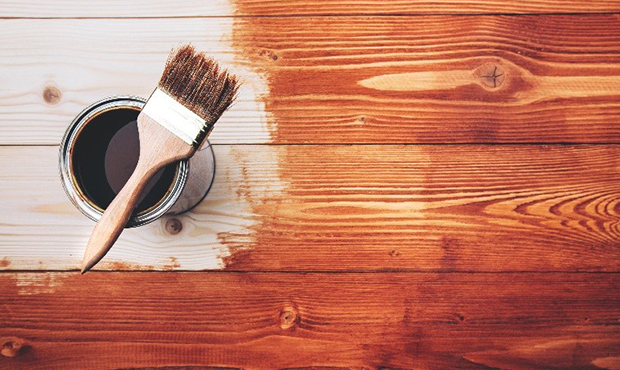
Here’s how to treat and maintain your wood deck and balcony