1/2
Top Tips for Maintaining an Above Ground Pool
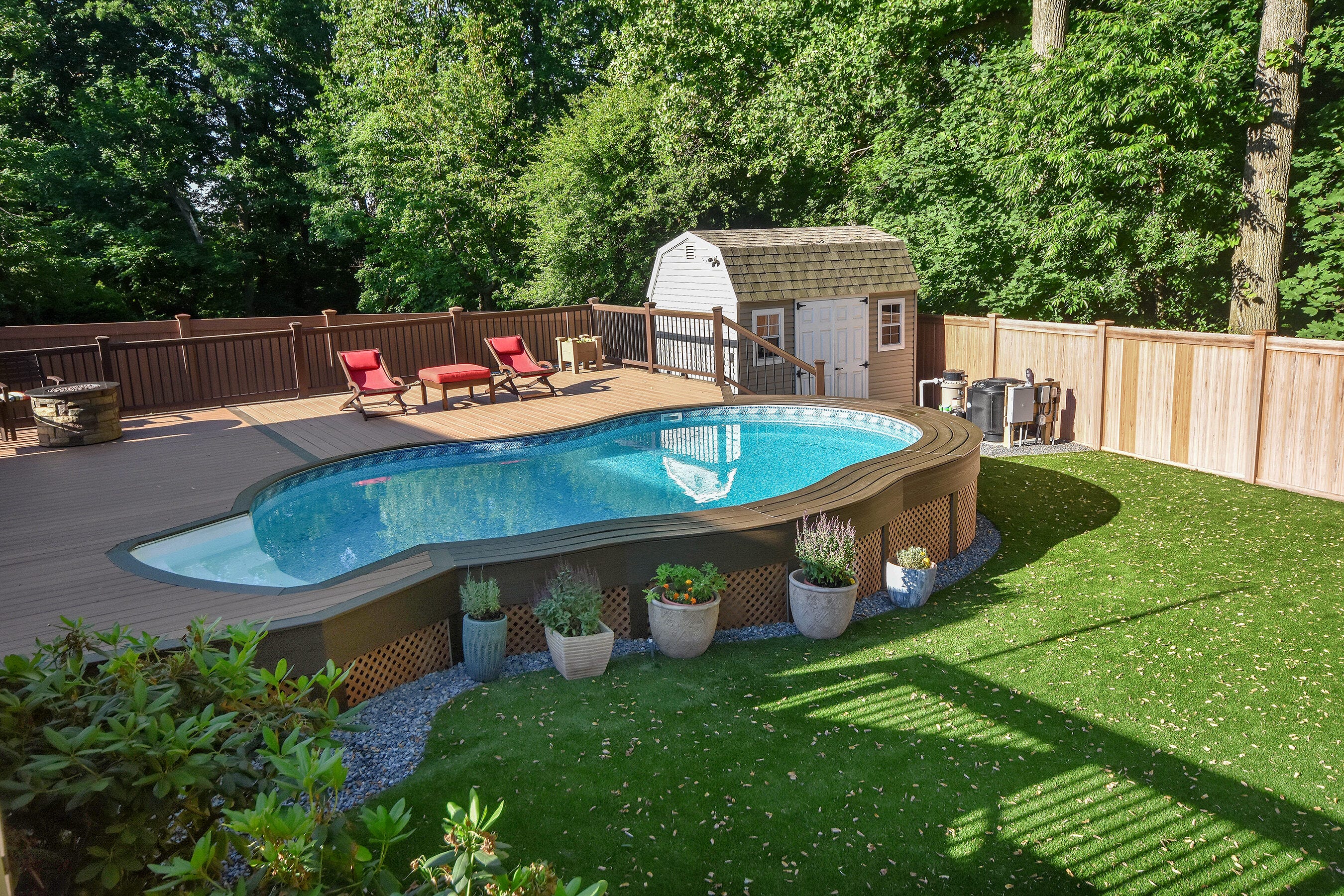
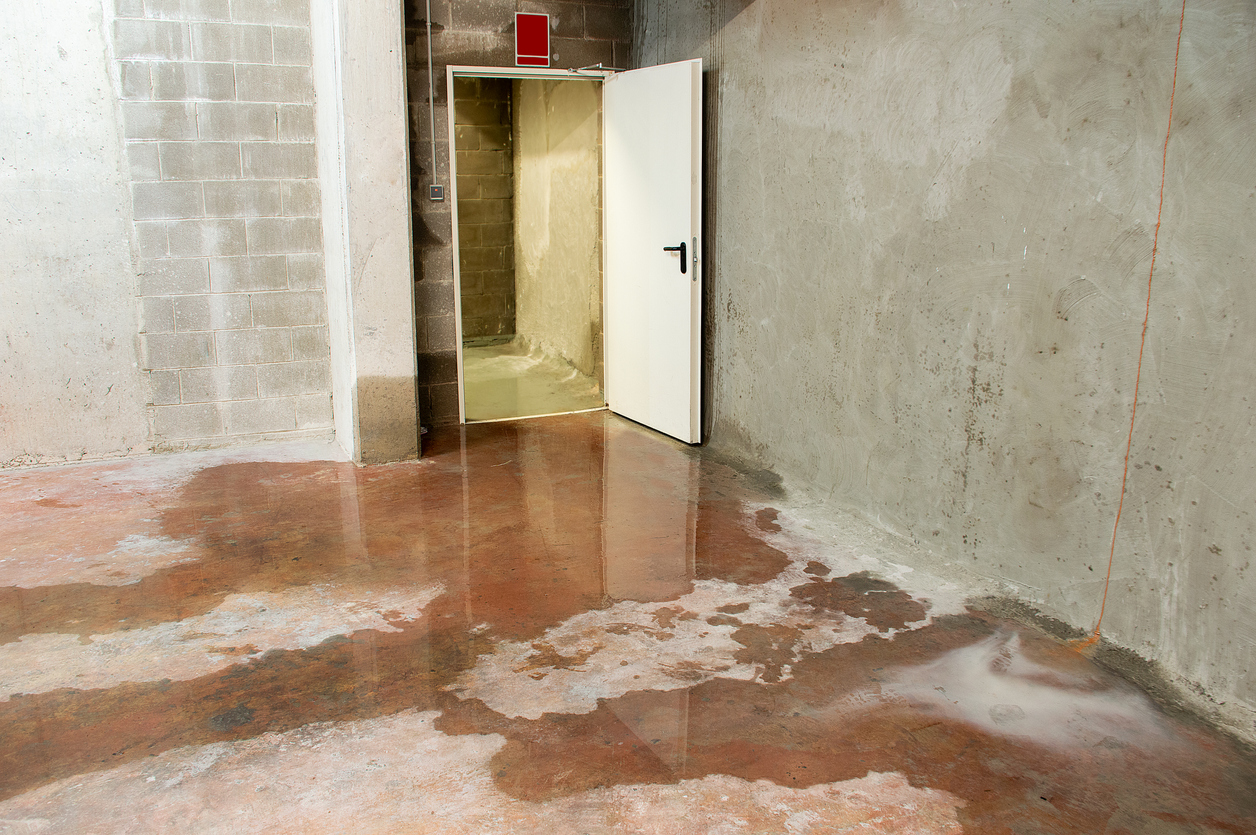
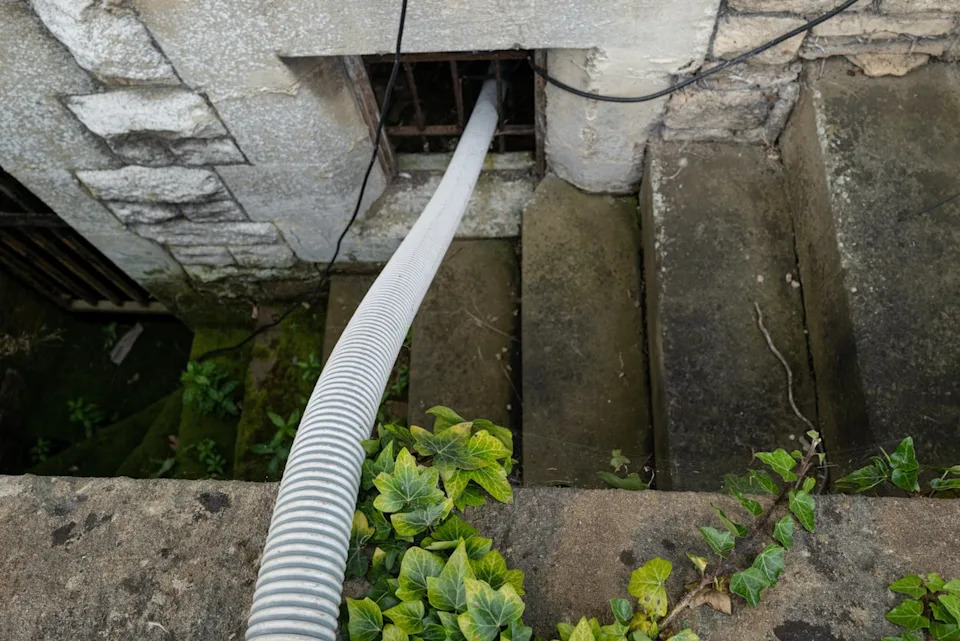
Maintaining an above ground pool effectively involves a series of regular steps to ensure its longevity and the quality of its water. These pools offer a more affordable and simpler alternative to in-ground pools, generally requiring less complex maintenance. A crucial, though indirect, tip for pool owners is to install a sump pump in the basement of their house. This preemptive measure can prevent significant water damage and the growth of hazardous mold and mildew should a pool leak occur, as highlighted by Chuck Naish of City Residential Foundation Repair.
Water chemistry is paramount, starting with regular chlorine level checks. Chlorine is vital for sanitizing pool water by eliminating algae, bacteria, and other microorganisms. Since sunlight, sunscreen, and sweat can degrade chlorine, levels should be tested every other day, aiming for two to four parts per million (ppm). Following this, weekly shock treatments are recommended, typically involving a powdered chlorine form. Laurie Wilkins of Call Outdoors blog emphasizes that this process oxidizes contaminants, thereby allowing the regular chlorine to function more effectively in cleaning the water.
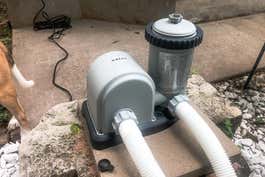
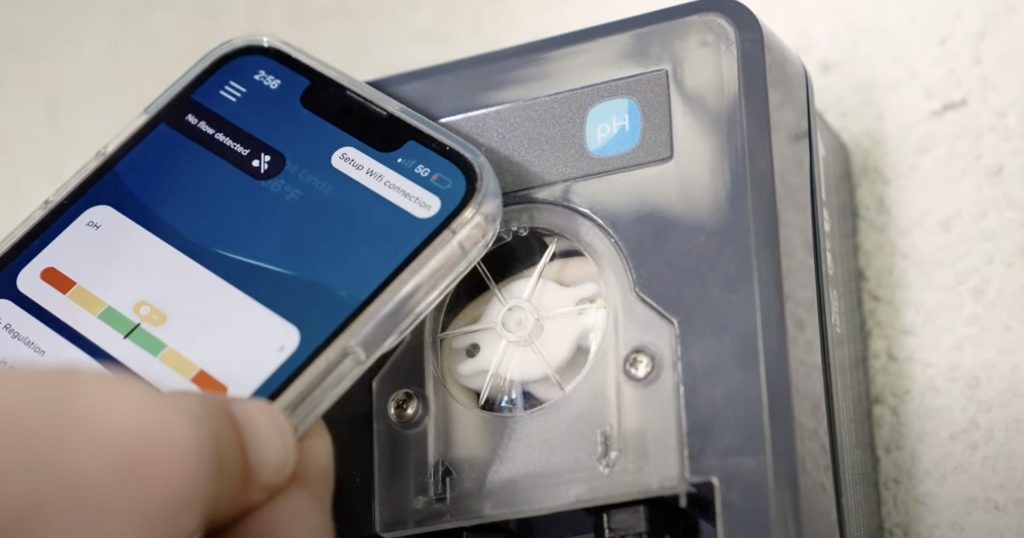
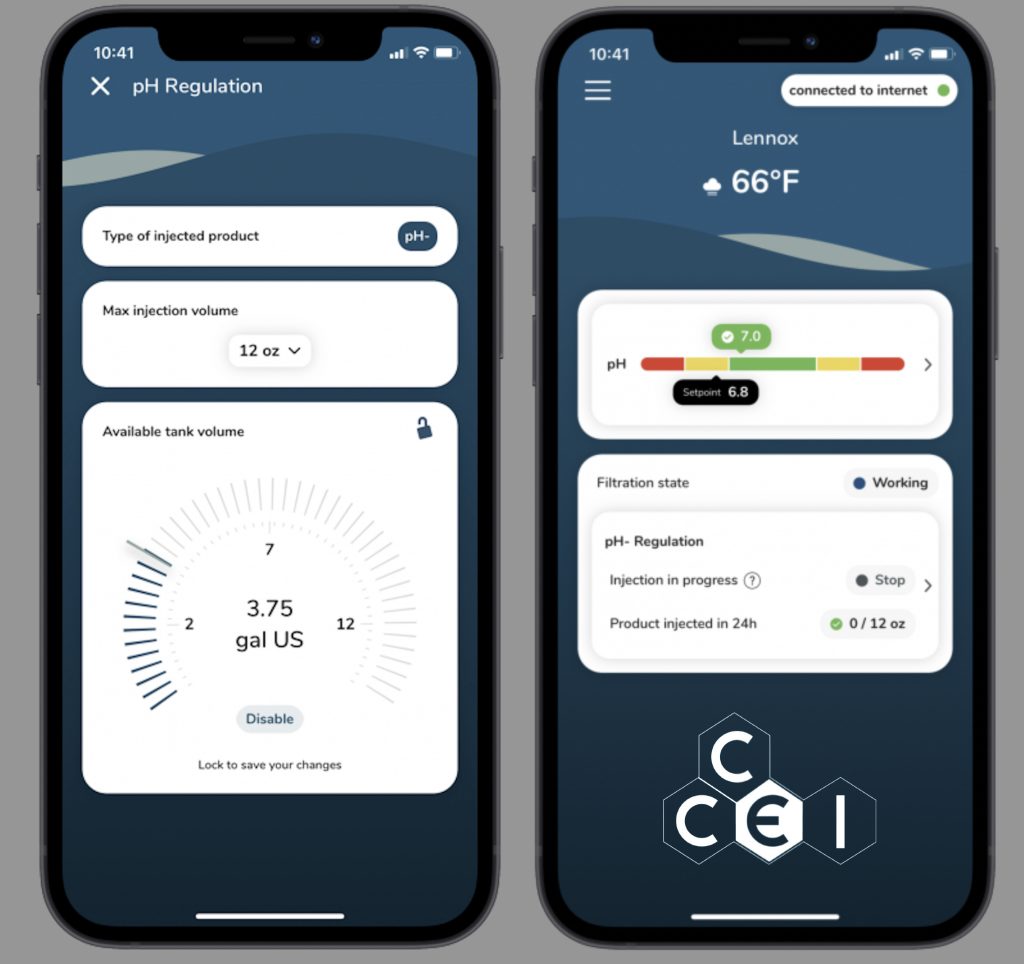
Equally important is maintaining the pool's pH level, which should ideally be between 7.2 and 7.6. pH levels outside this range can diminish the efficacy of pool chemicals. Digital pH readers can simplify this task, with testing advised every other day. Mechanical maintenance is also key; the pool's pump should operate for at least eight hours daily to ensure continuous water circulation. Moving water deters algae growth and directs debris towards the filter, contributing to cleaner, clearer water. The specific running time for a pump should be confirmed in its owner's manual.
Pool filters, regardless of their type, serve the essential function of capturing debris. They require weekly cleaning by hosing down the cartridge and timely replacement according to manufacturer guidelines. Pump and skimmer baskets, which trap larger debris, should also be cleaned at least once a week, or more frequently if environmental factors like nearby trees contribute to more debris. It is critical to turn off the pool pump and heater before cleaning these baskets.
Even with a robust filtration system, some debris will remain, necessitating regular vacuuming. Using a pool vacuum at least once a week helps maintain water clarity, prevents algae, and enhances the effectiveness of chemical treatments. Robotic vacuums, such as the Dolphin E10, are often preferred for above ground pools. A solar blanket is another beneficial accessory, protecting the pool from rain and debris while leveraging solar energy to heat the water and significantly reduce evaporation. Steve Goodale, a technical specialist, notes that a solar blanket can reduce thermal loss by 95 percent, leading to energy cost savings. It should be used whenever the pool is not in use.
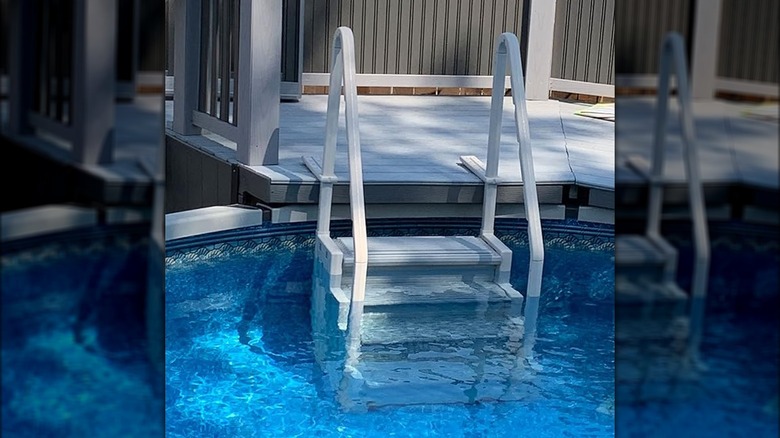
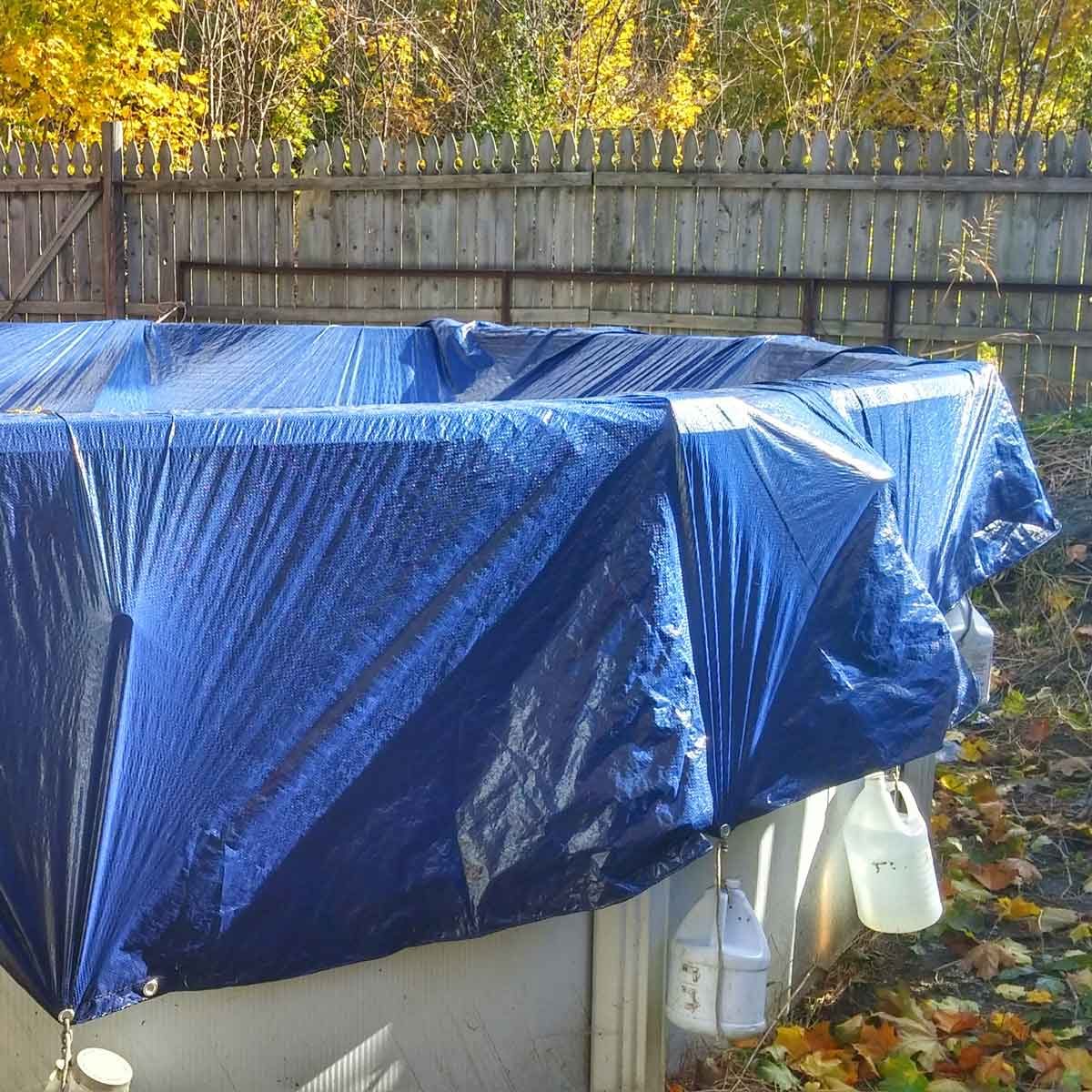
Finally, proper winterization is crucial for pools that cannot be disassembled. This involves a thorough final cleaning, balancing chemicals, adding specific winterizing chemicals, clearing and storing pool lines, removing or protecting the skimmer, and packing away accessories like filters, pumps, and ladders. The water level should be lowered if the skimmer is not removed, and the pool should be covered with an air pillow and cover. Contrary to common belief, pool professionals advise against draining above ground pools completely before winter, suggesting passive winterization methods instead.
#AboveGroundPoolMaintenance #PoolCare #WaterChemistry #ChlorineTreatment #pHBalance #PoolFiltration #PoolCleaning #SolarBlanket #Winterization #AboveGroundPoolMaintenance #PoolCare #WaterChemistry #ChlorineTreatment #pHBalance #PoolFiltration #PoolCleaning #SolarBlanket #Winterization
0 comment in total
 No comments yet
You may also like
Above-Ground Pools Are Having a Serious Style Moment

Best Management Practices to Maintain Catch Basins to Prevent Pollution
5 flooring sounds you shouldn't ignore - and what they mean
Plunge Pools Are the Popular Upgrade That Will Keep You Cool All Summer

How to waterproof a basement – 5 steps from experts to safeguard this space

How I Made a Stock Tank Pool My Backyard Oasis | Wirecutter

27 Above-Ground Pools With Decks for Your Outdoor Space

Getting Pools up to date in 2025

Solved! Why Is Water Seeping Through My Basement Floor?

Backyard Ponds Need Seasonal TLC, Too—Here’s How to Keep Yours Thriving
8 low-maintenance gravel garden ideas
Your Primer for Preparing Surfaces for Plaster, Pebble and Other Interior Finishes

How to vacuum a pool – expert advice for keeping your swimming pool spotless

Where to put a pool in your backyard – 5 essential tips from the experts
8 low-maintenance gravel garden ideas
Is This TikToker's DIY For Above-Ground Pool Steps One To Try Or Skip This Summer?

Solved! Here's What to Do About Water Leaking Into the Basement After Heavy Rain
What You Need to Know About Watering Houseplants — The Rules for a Healthy Indoor Garden

10 pool landscaping ideas to splash-proof your outdoor space

5 Ways to Clean and Protect Your Floors