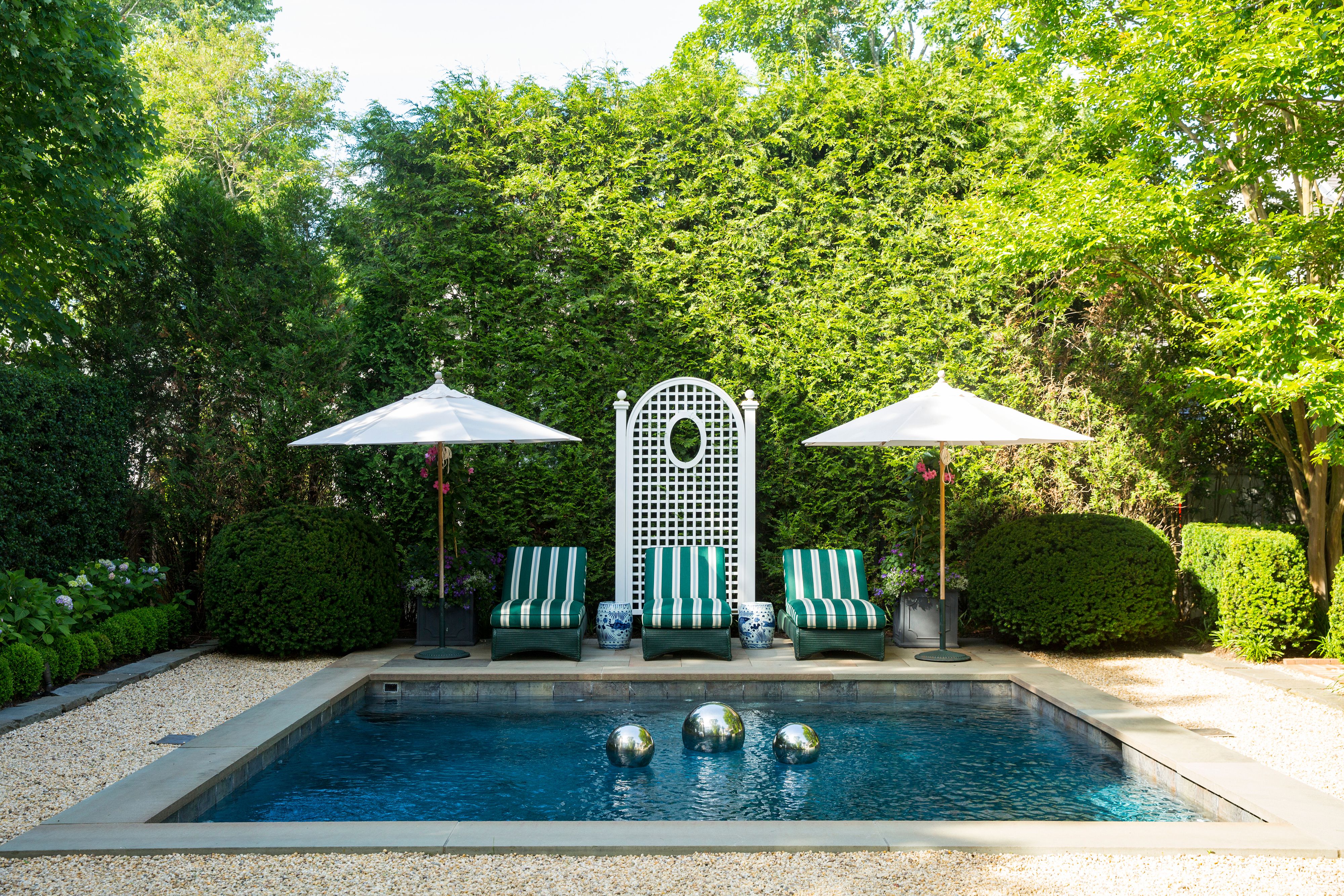
Plunge Pools Are the Popular Upgrade That Will Keep You Cool All Summer
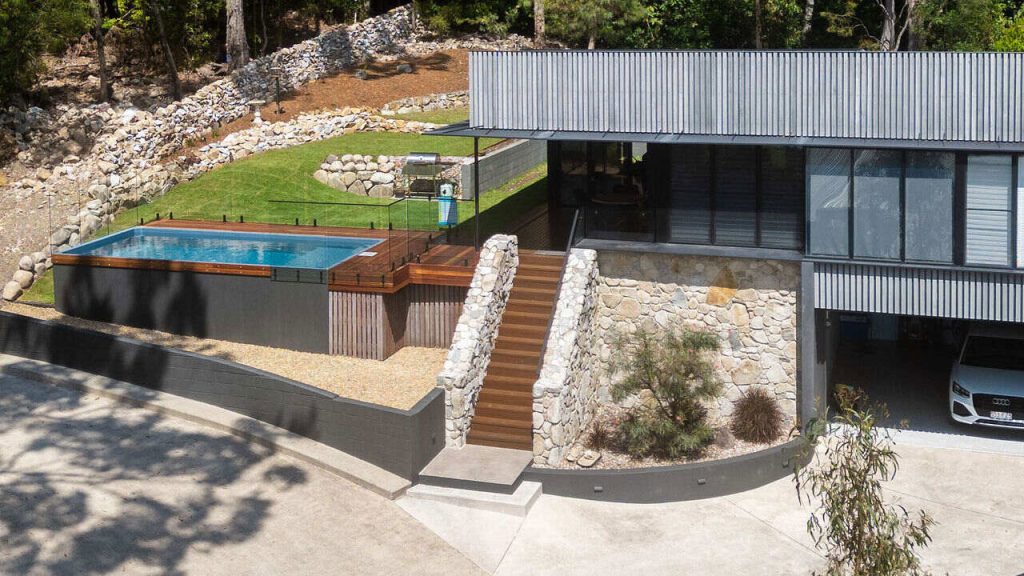
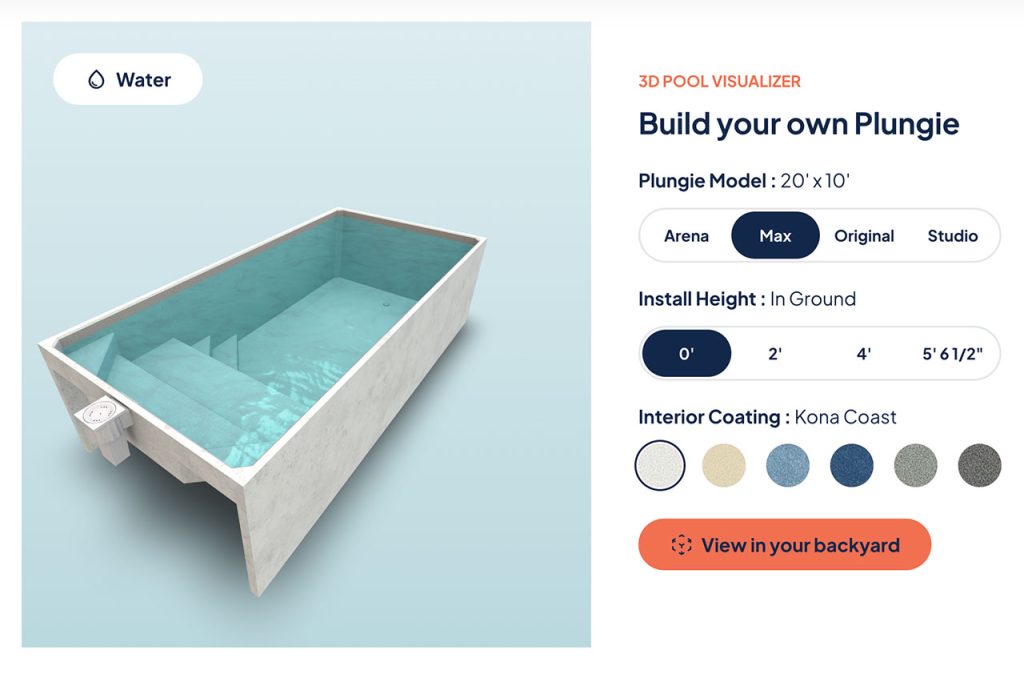
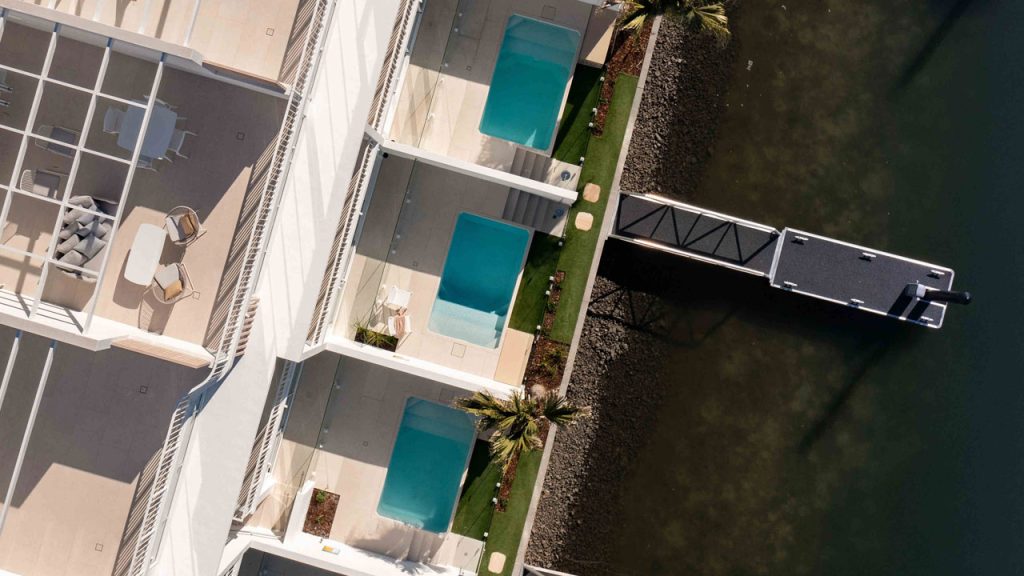
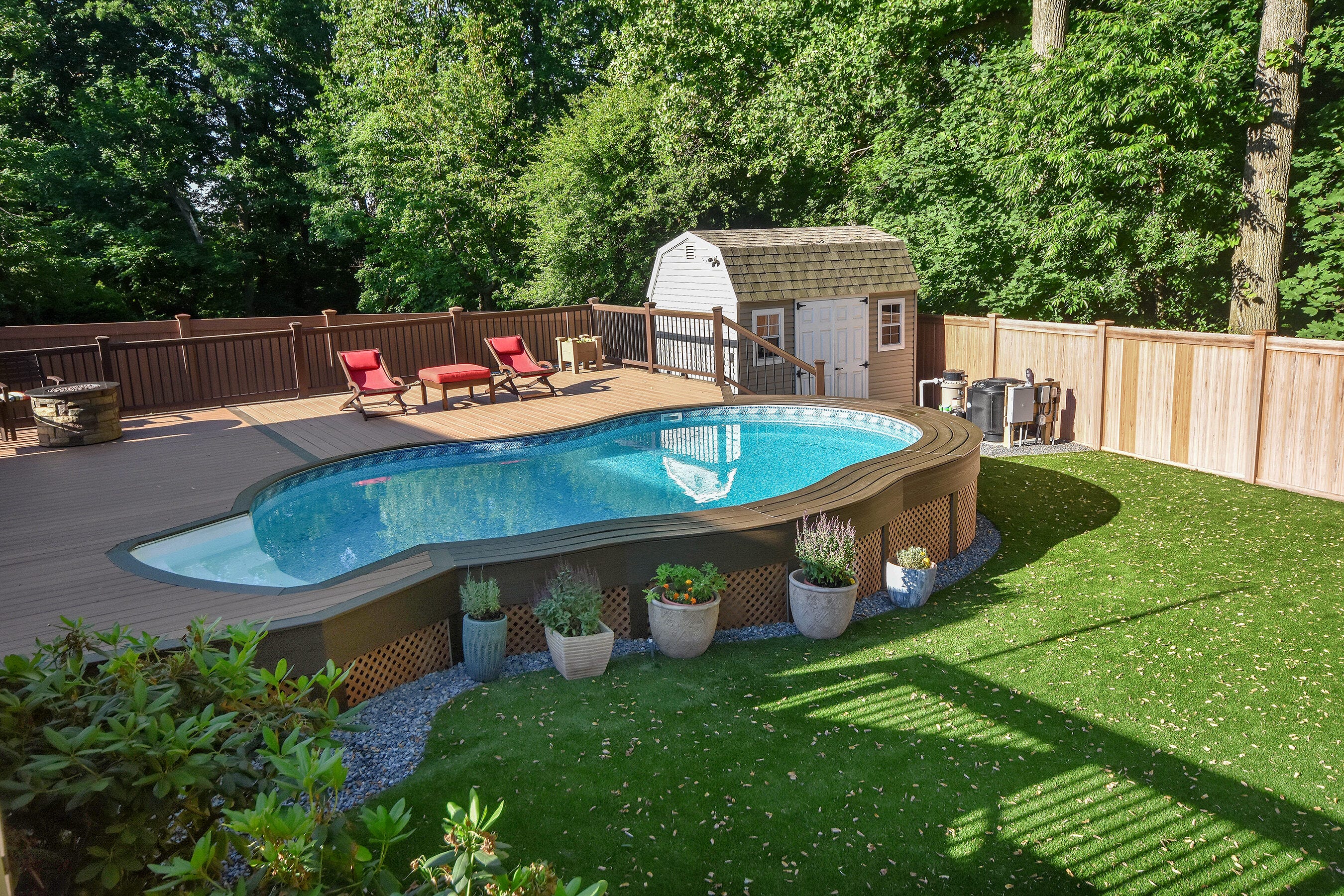
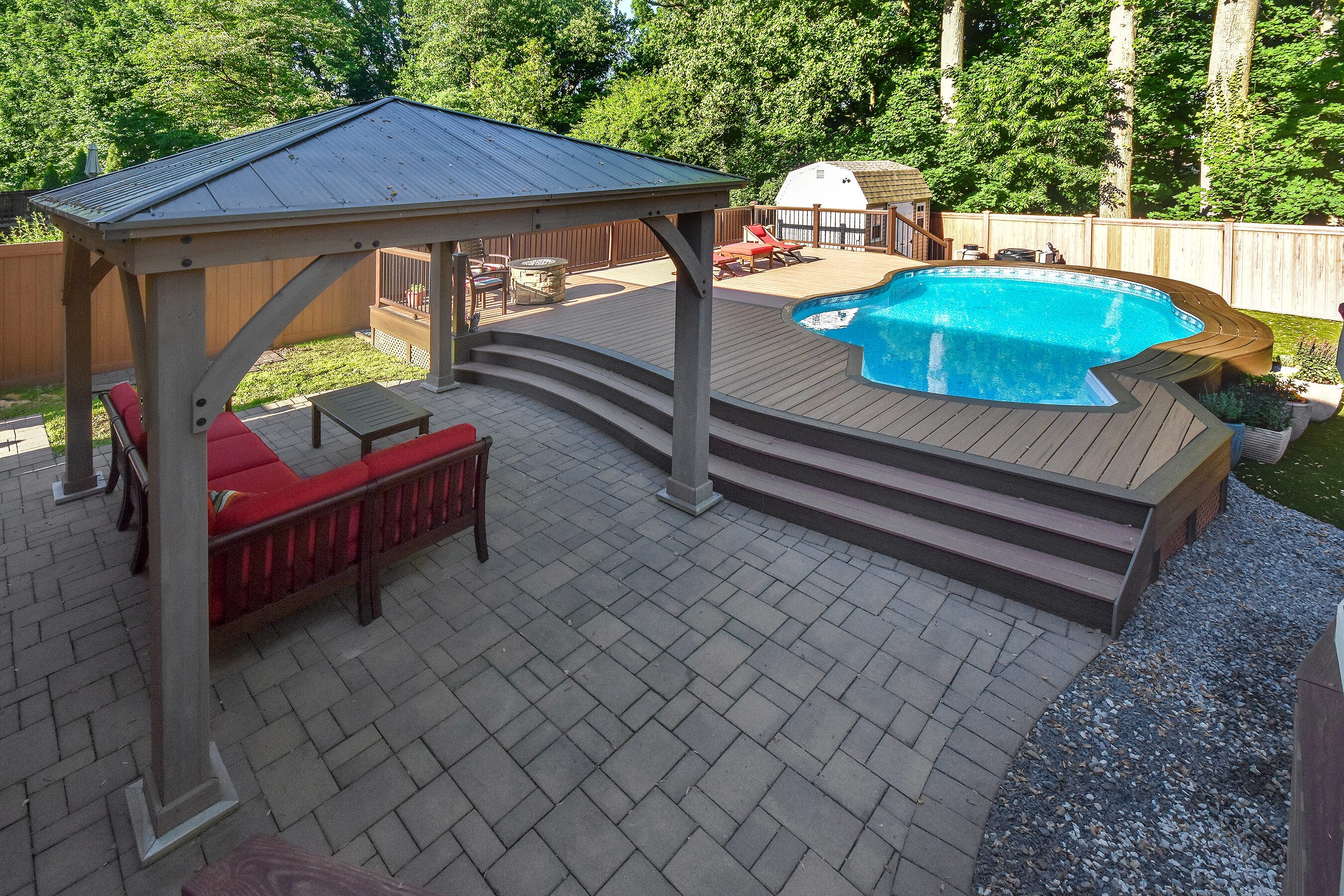
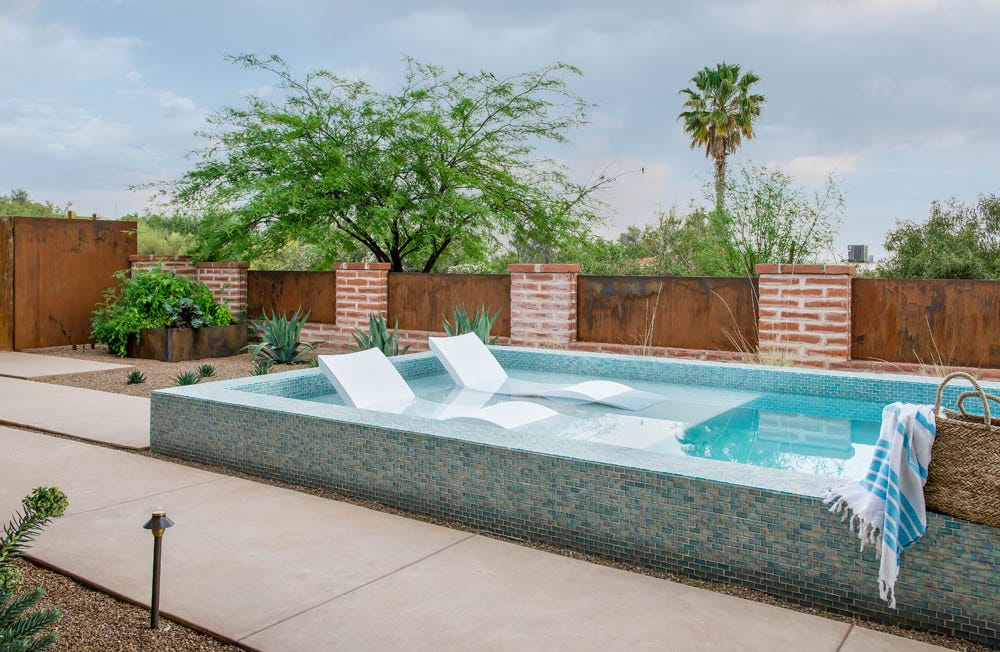
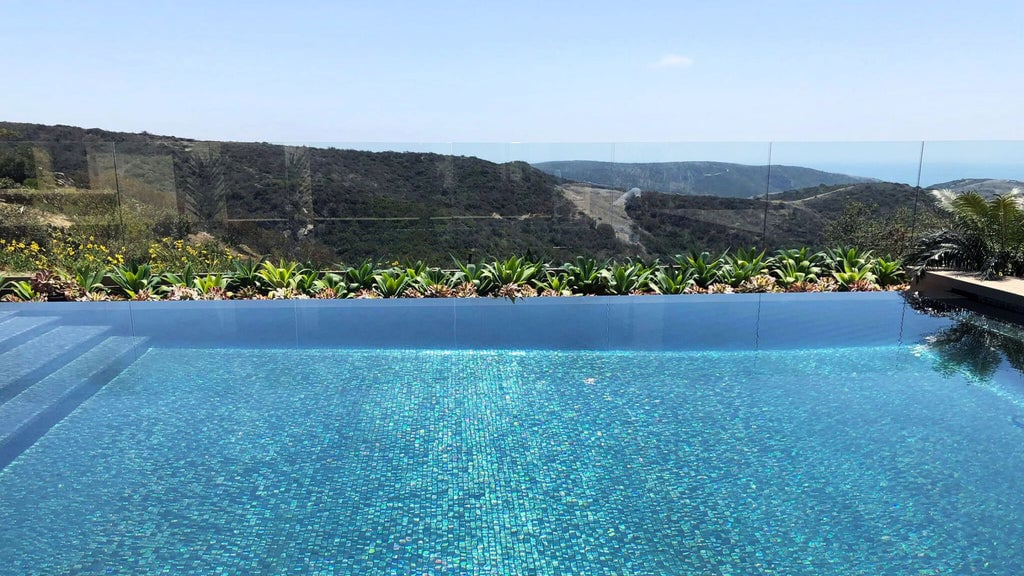
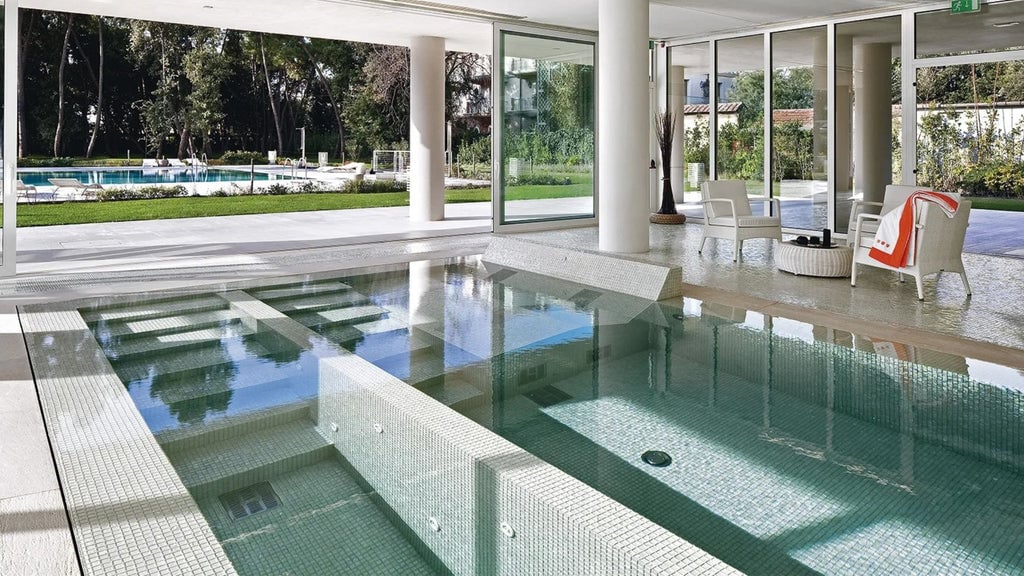
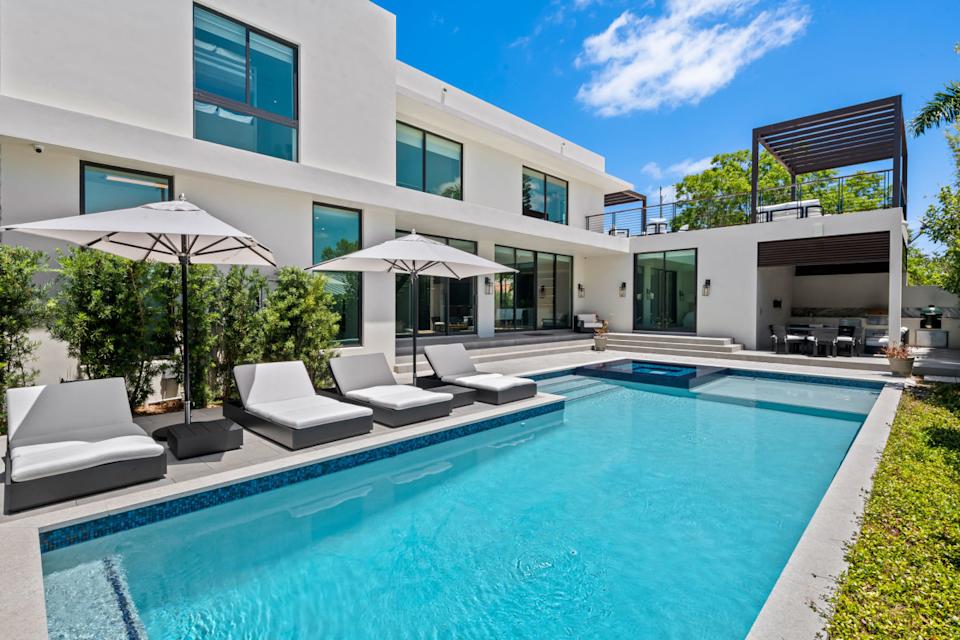
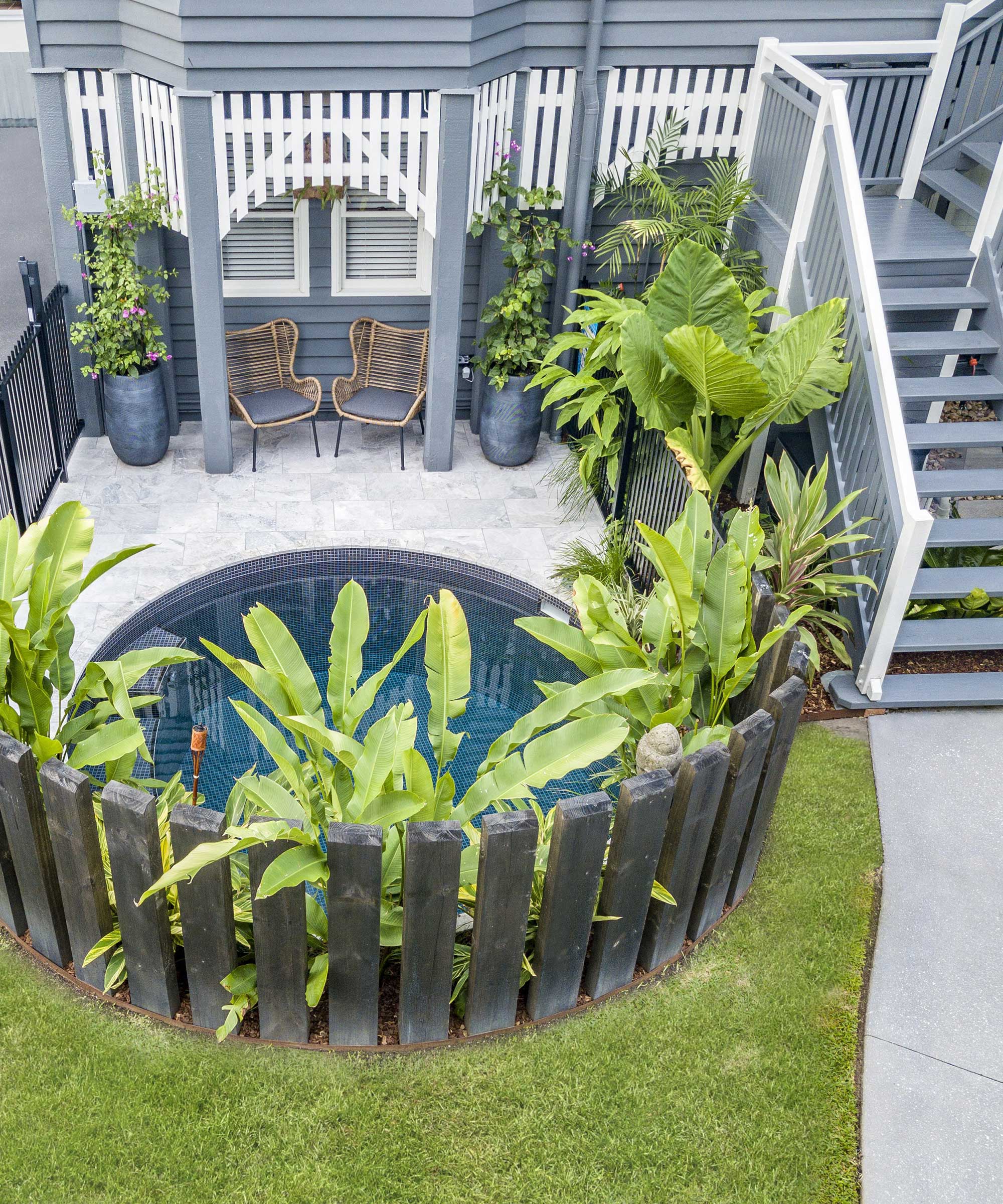
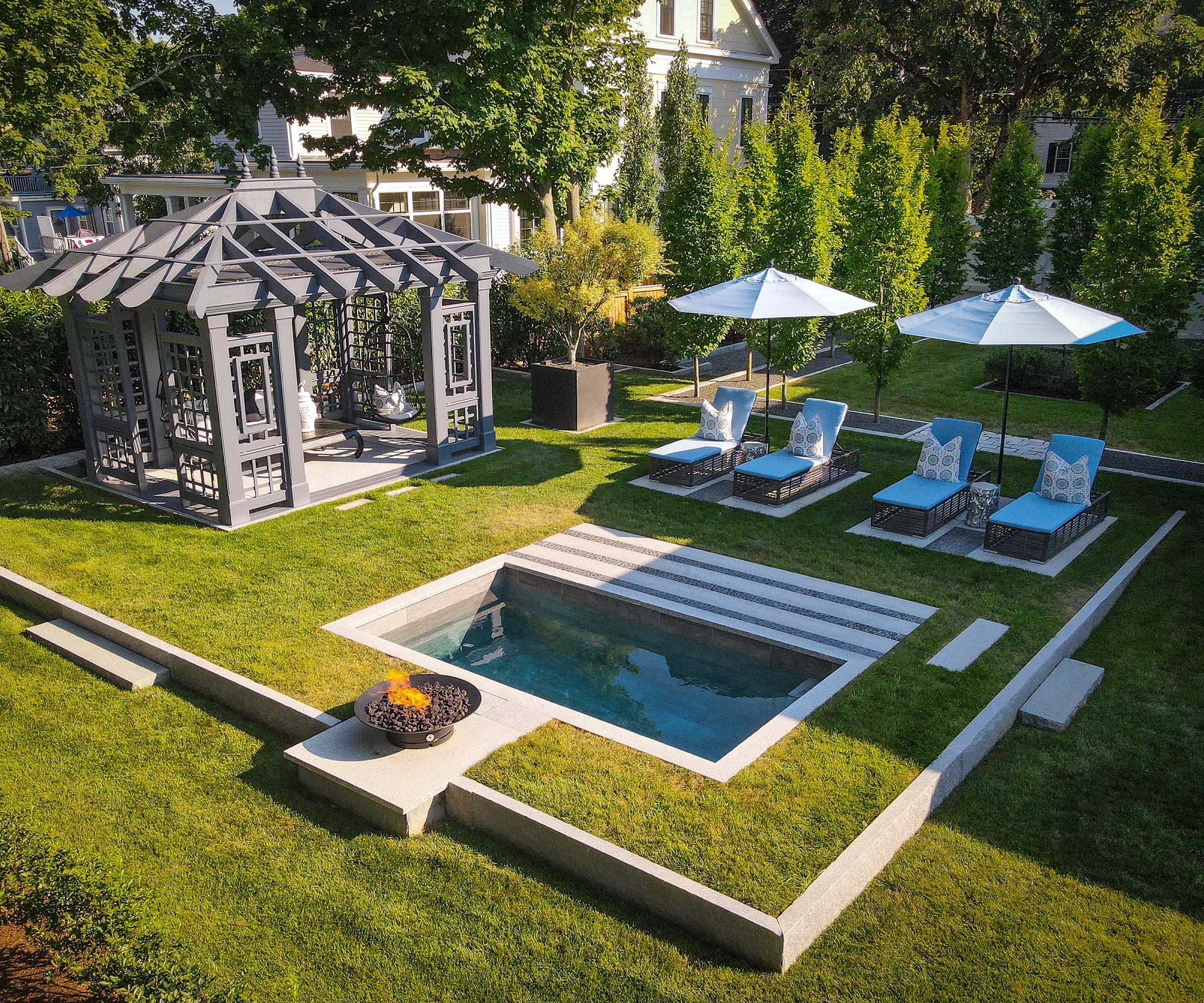
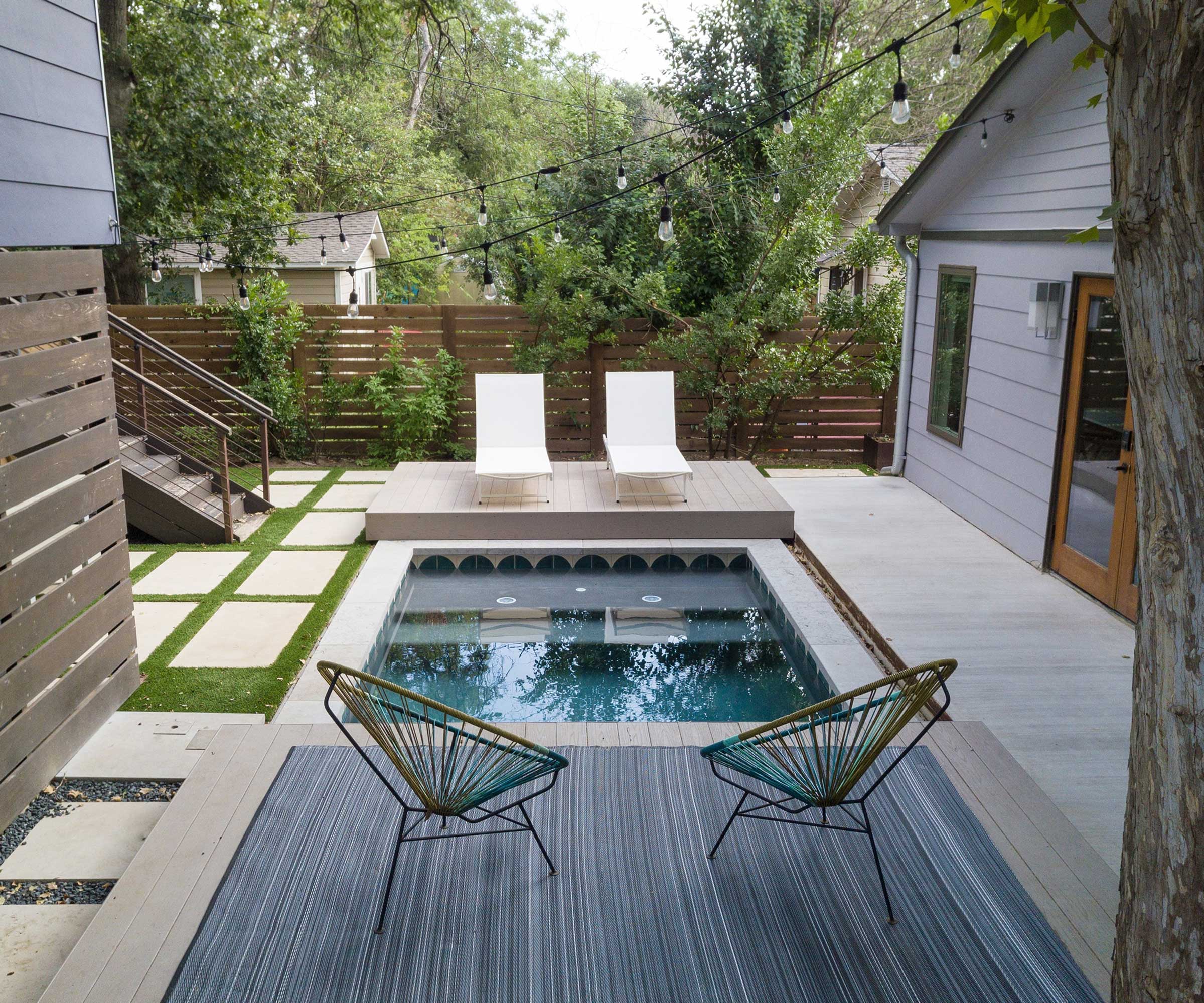
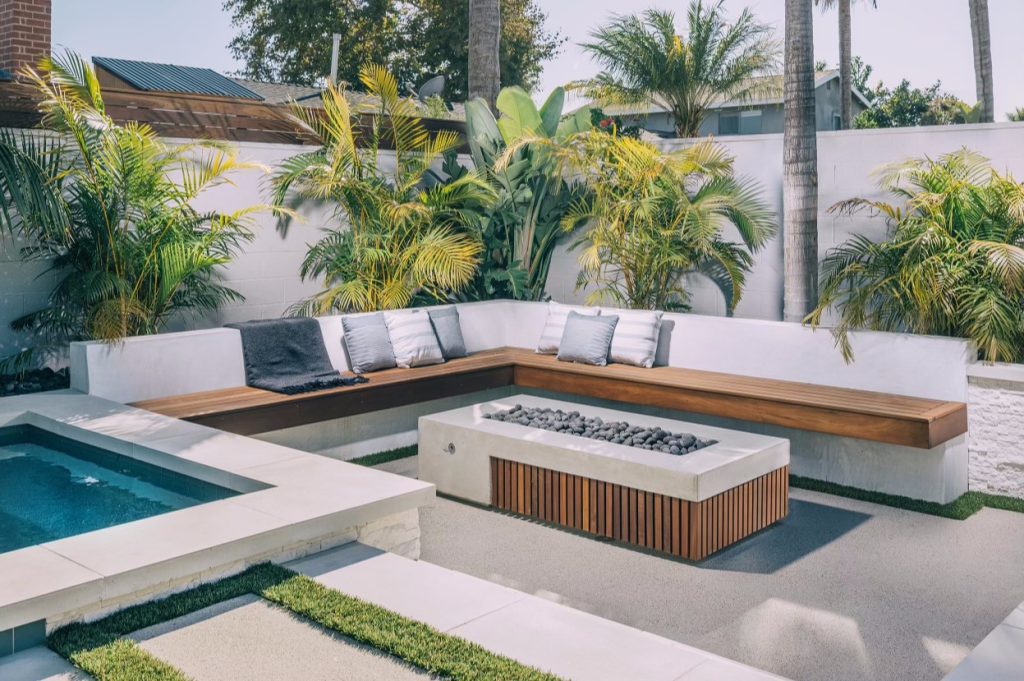
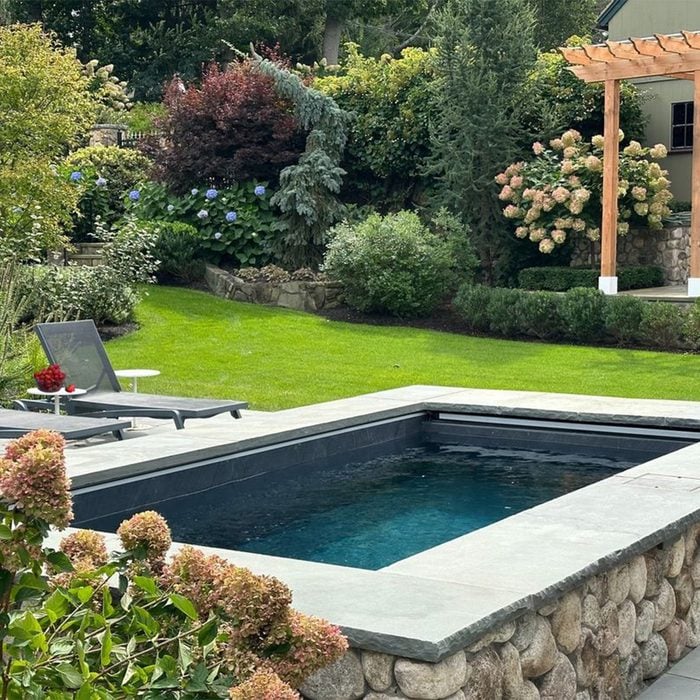
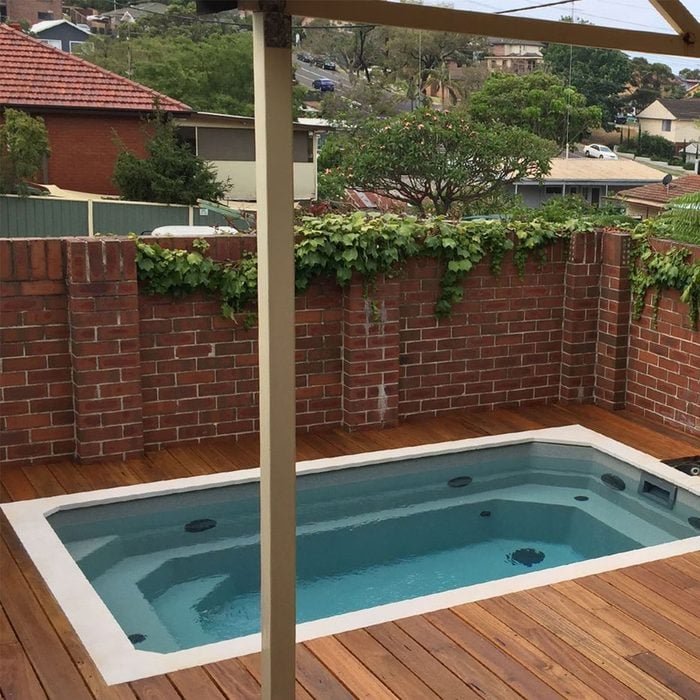
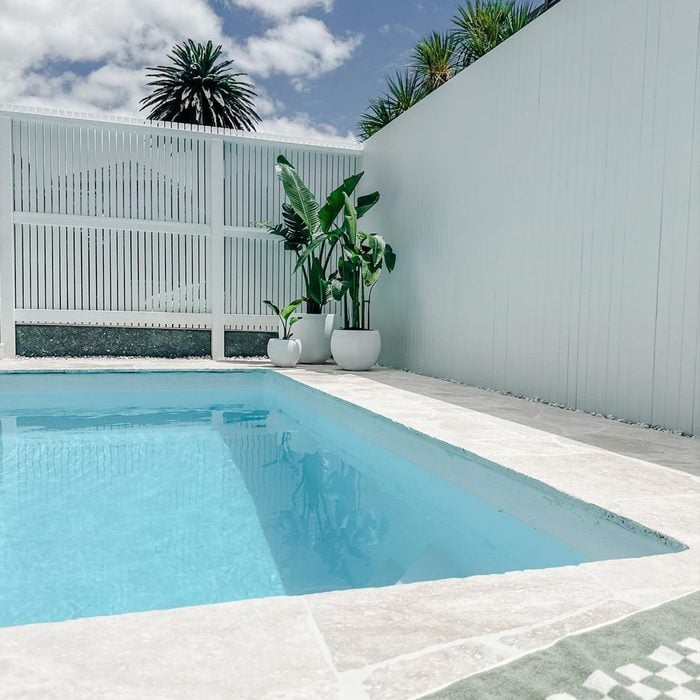
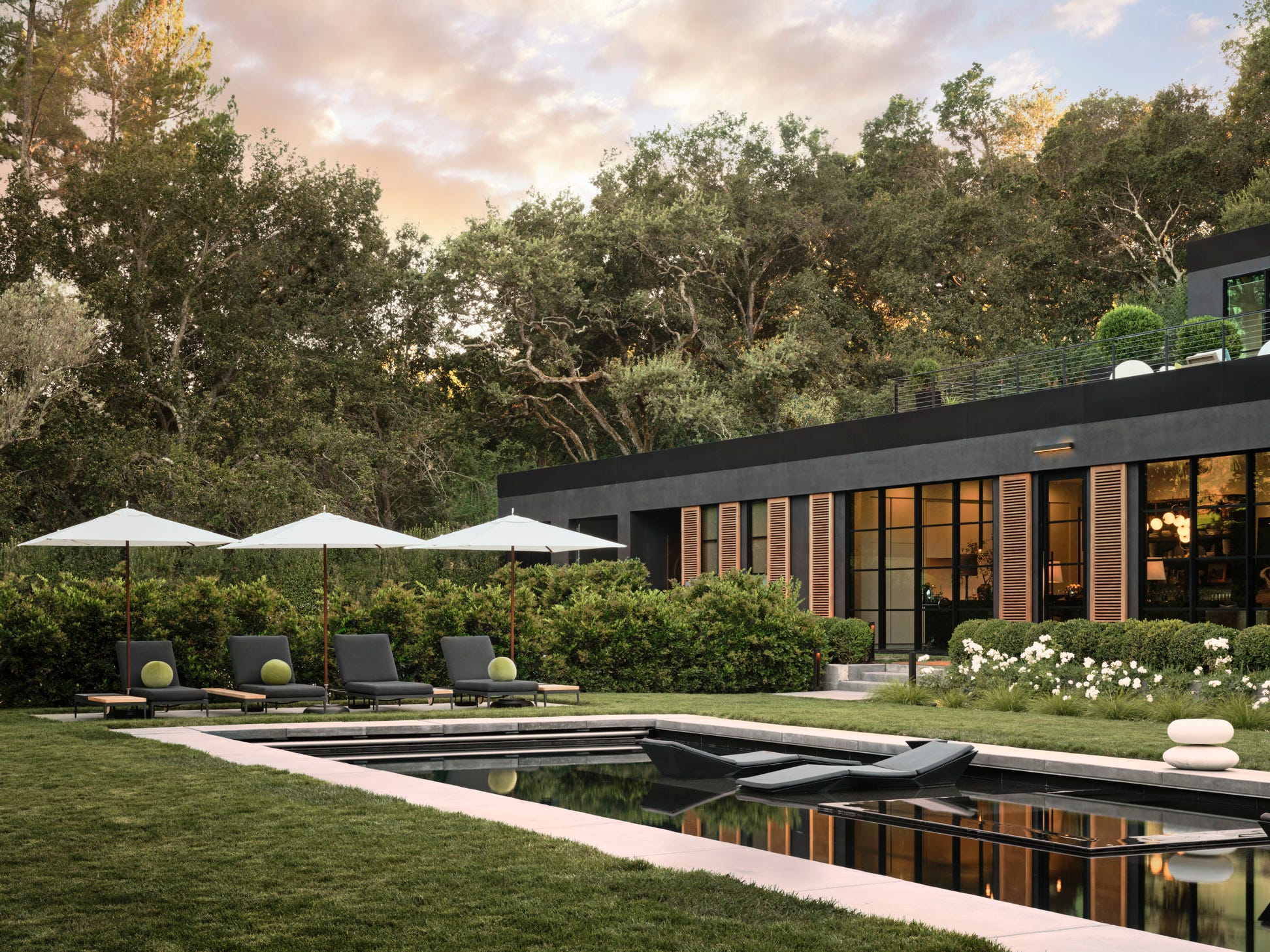
Plunge pools offer a compact and stylish alternative to traditional swimming pools, making them an increasingly popular choice for homeowners with various backyard sizes. These pools typically range from 200 to 400 square feet, offering sufficient space for relaxation, quick dips, or water aerobics without consuming a large footprint. They can be installed as in-ground, above-ground, or semi-above-grade structures, with options for varying depths from wading (3-4 feet) to deeper (5-7 feet) configurations, generally featuring a flat bottom instead of a sloped one. Their smaller dimensions allow for greater flexibility in backyard design, enabling homeowners to integrate other coveted features such as vegetable gardens, outdoor dining areas, or lounge spaces.
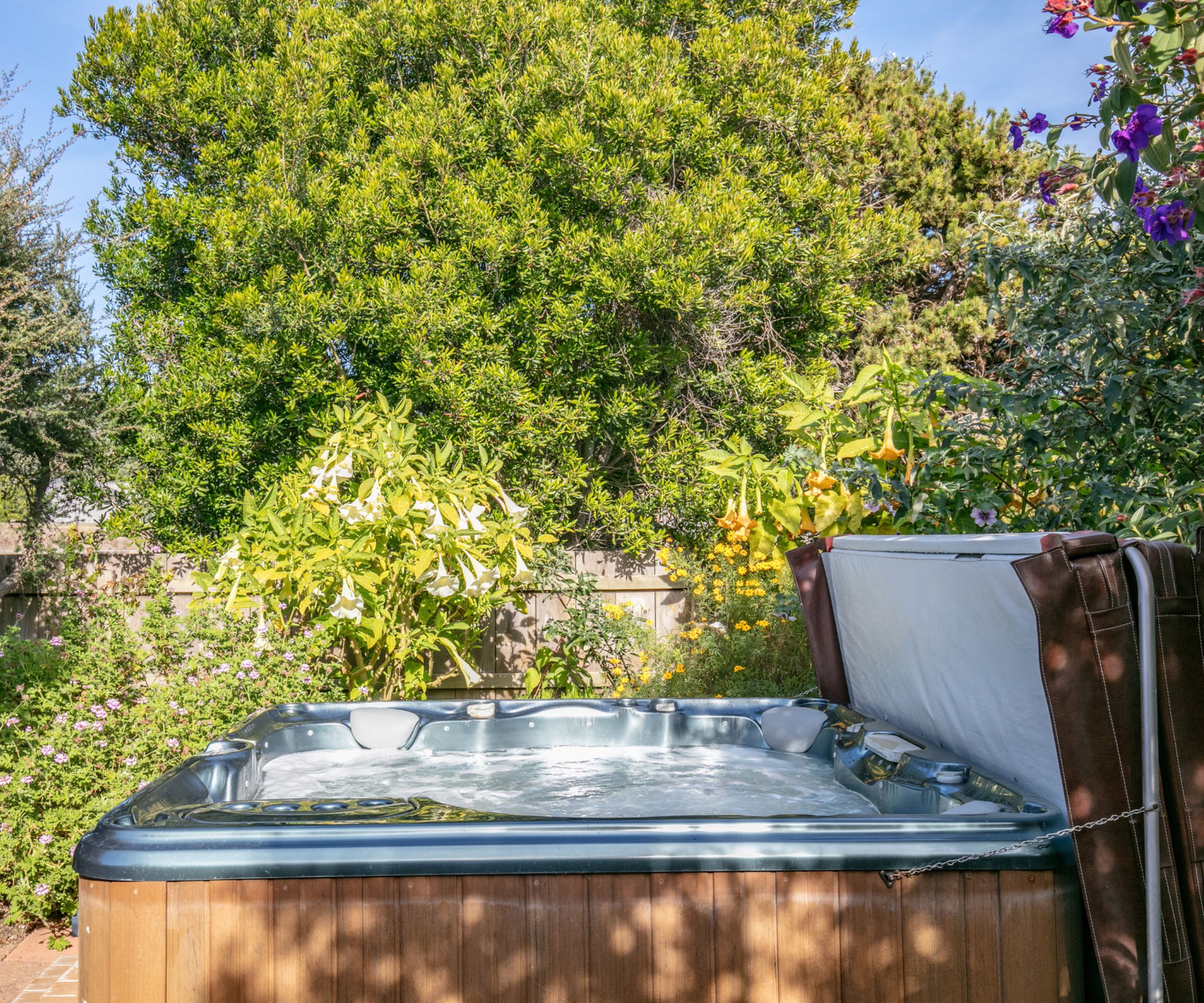
Allison Messner, CEO of Yardzen, highlights the versatility of plunge pools, noting that custom concrete pools offer the most customization but are also the most expensive and time-consuming to install. Vinyl pools provide a variety of patterns and colors and are quicker to install, while precast fiberglass pools are the fastest due to their pre-engineered shapes and colors. Some prefabricated models even serve dual purposes as cold-water pools in summer and hot tubs in winter, enhancing year-round usability.
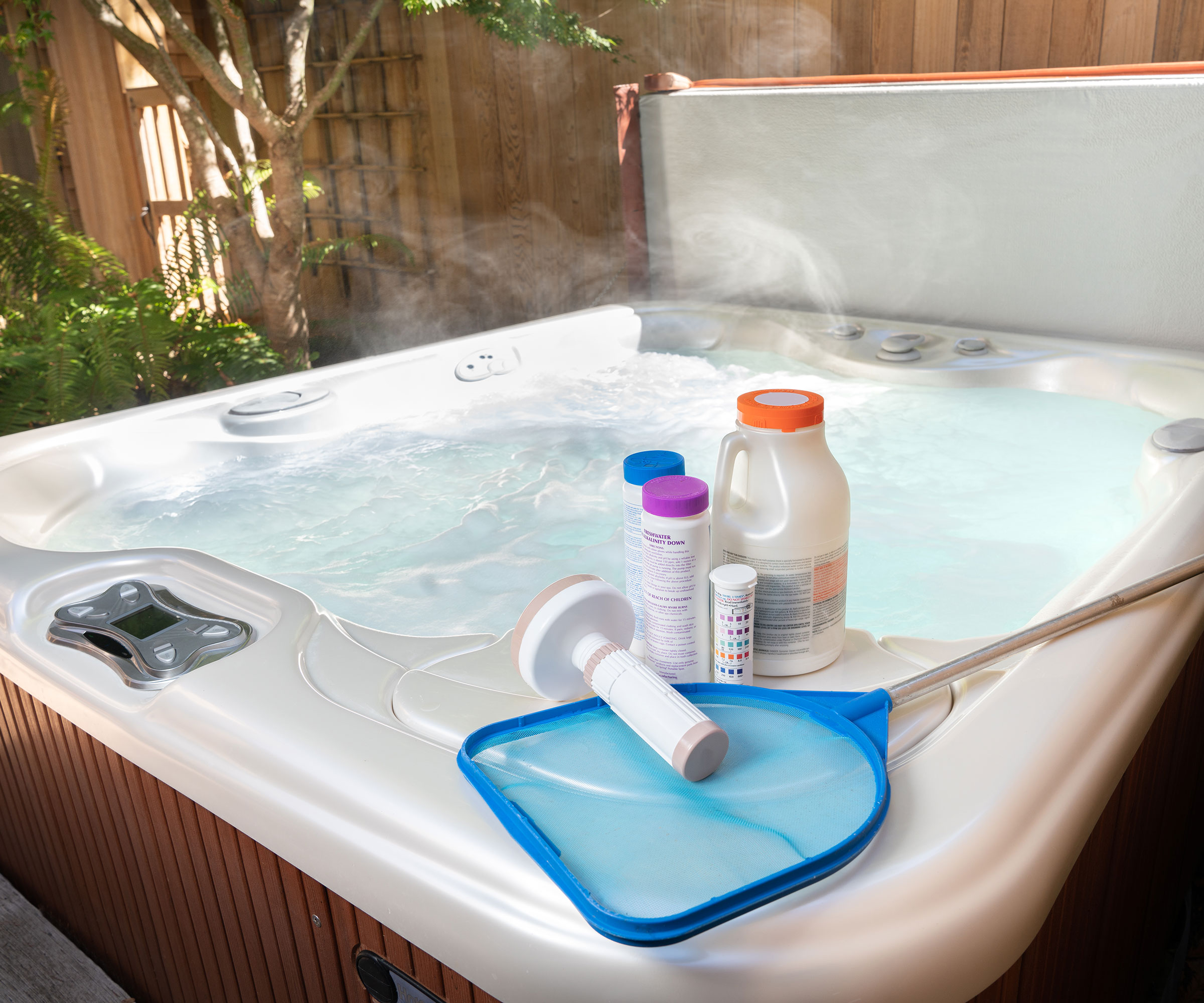
The advantages of plunge pools include their small size, which prevents them from overwhelming a backyard, and their modern aesthetic, often evoking the feel of a luxurious spa or boutique hotel. They are also more water-efficient, requiring less water than traditional pools, which is a significant benefit in drought-prone regions. Maintenance is also simplified, as they require less energy for heating (if applicable) and fewer chemicals for treatment, leading to potential long-term cost savings. Furthermore, their smaller surface area makes them easier and quicker to clean compared to larger pools, appealing to homeowners with limited time or patience for extensive pool upkeep.
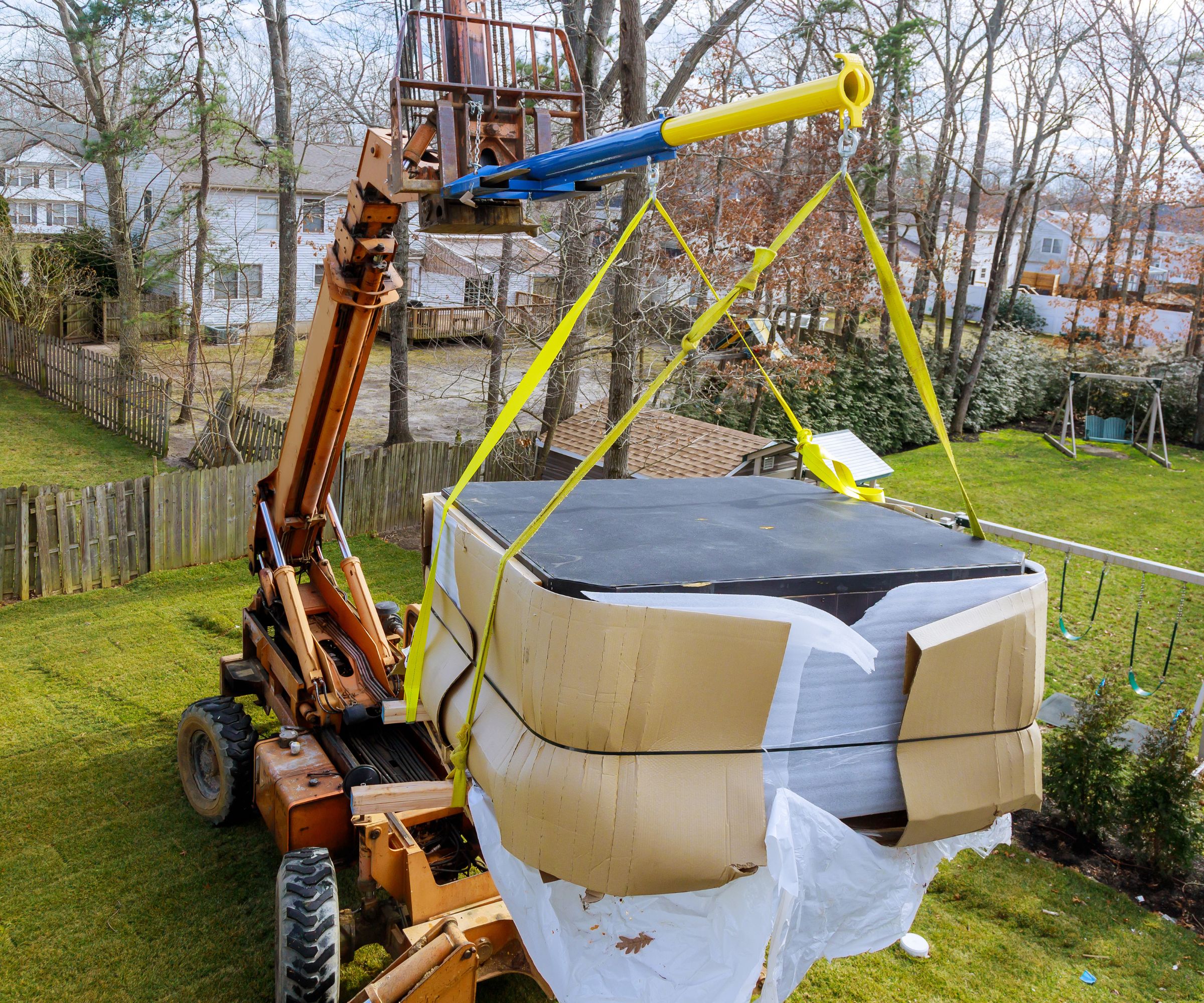
However, plunge pools do have limitations. Their compact size restricts activities like swimming laps, diving, or cannonballs. This also means a limited capacity, comfortably accommodating only a few people at a time. Despite their smaller scale, professional installation is usually necessary, and local regulations may still require safety features like perimeter fences, particularly for households with young children. The average cost for a plunge pool is around $22,650, but this can vary based on materials, size, location, and desired customizations. While concrete options tend to be pricier, above-ground, precast fiberglass, or vinyl insert pools offer more budget-friendly alternatives. Custom features such as seating, water features, lighting, and heating elements will increase the overall investment.
#PlungePools #BackyardDesign #HomeImprovement #OutdoorLiving #PoolInstallation #SmallSpaces #PoolMaintenance #PropertyUpgrade #SummerCooling #PlungePools #BackyardDesign #HomeImprovement #OutdoorLiving #PoolInstallation #SmallSpaces #PoolMaintenance #PropertyUpgrade #SummerCooling
0 comment in total
 No comments yet
You may also like
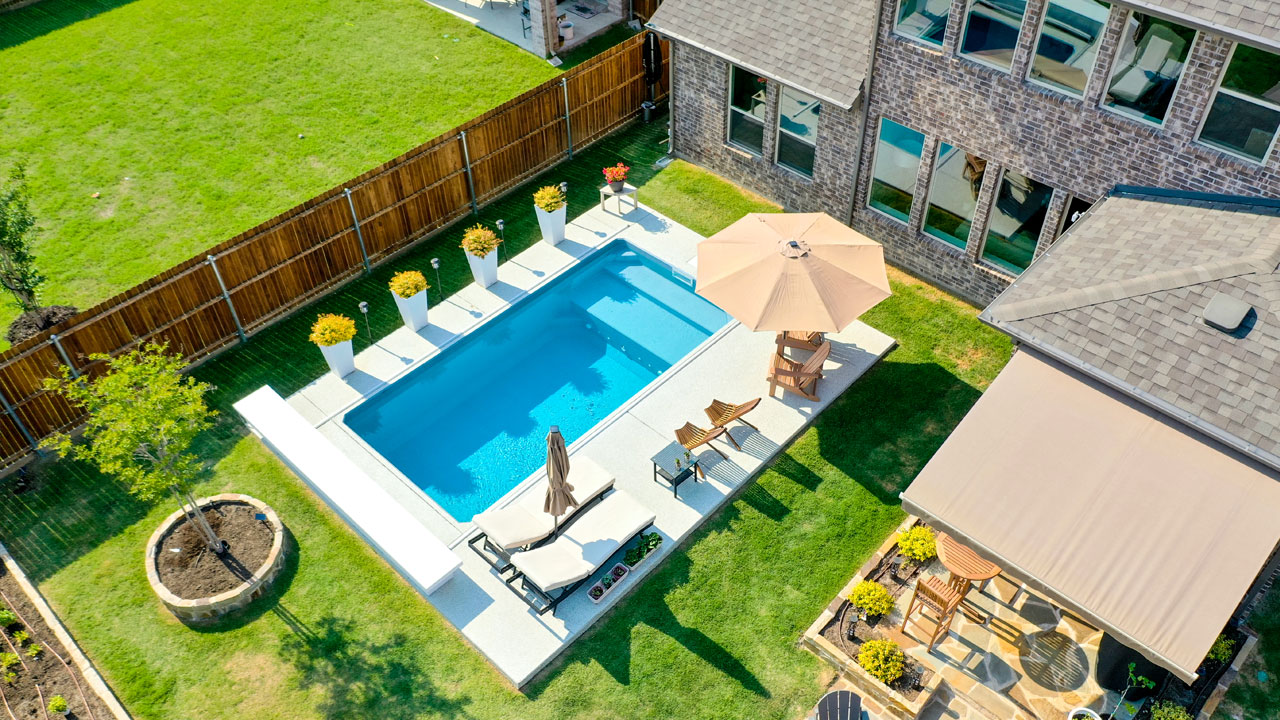
Plungie Pools: A Turn-Key Solution For Builders & Consumers

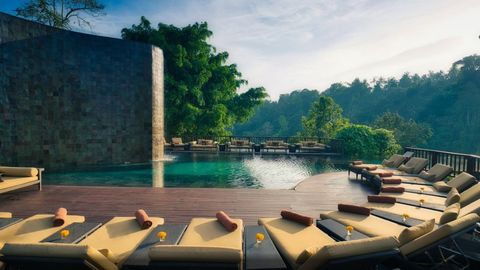
10 Of The World's Coolest Pools To Dive Into Right Now
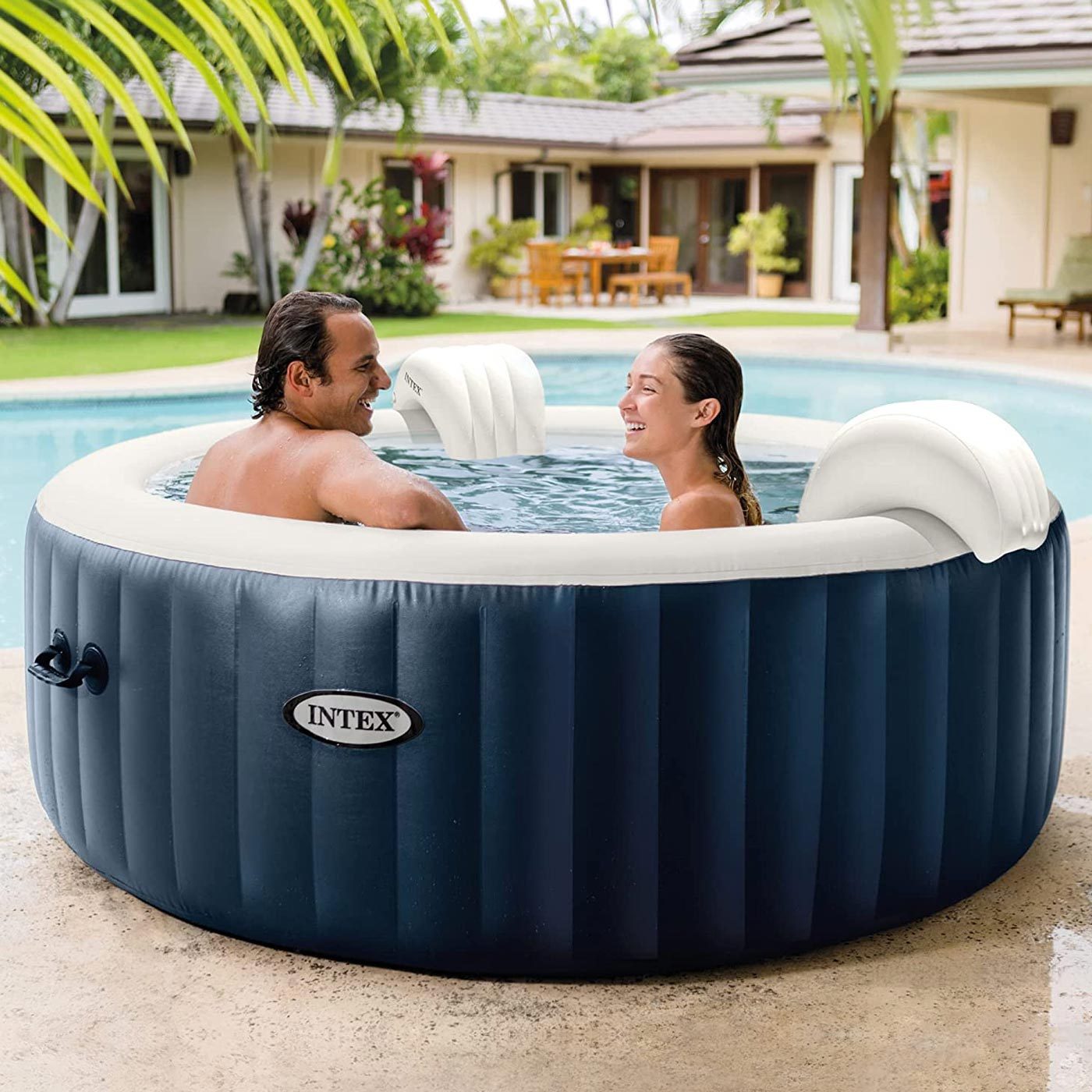
6 Best Inflatable Hot Tub Picks for Ultimate Relaxation

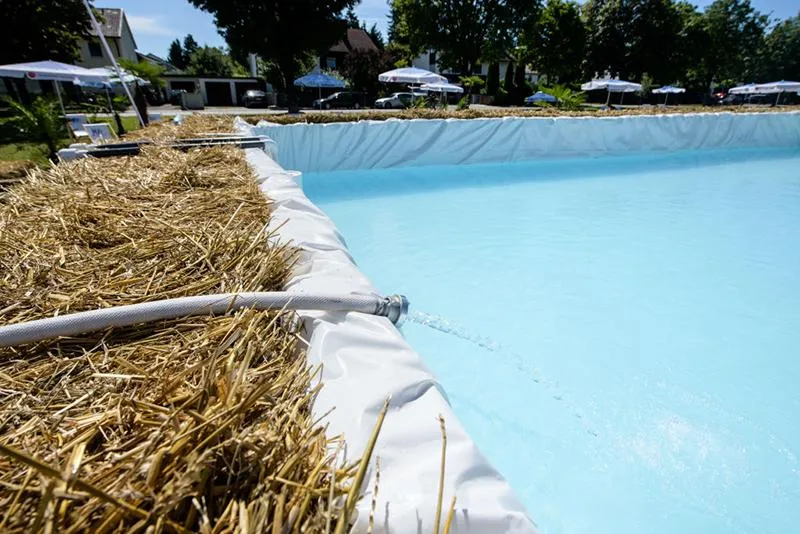
Seven Ideas for Do-It-Yourself Backyard Pools
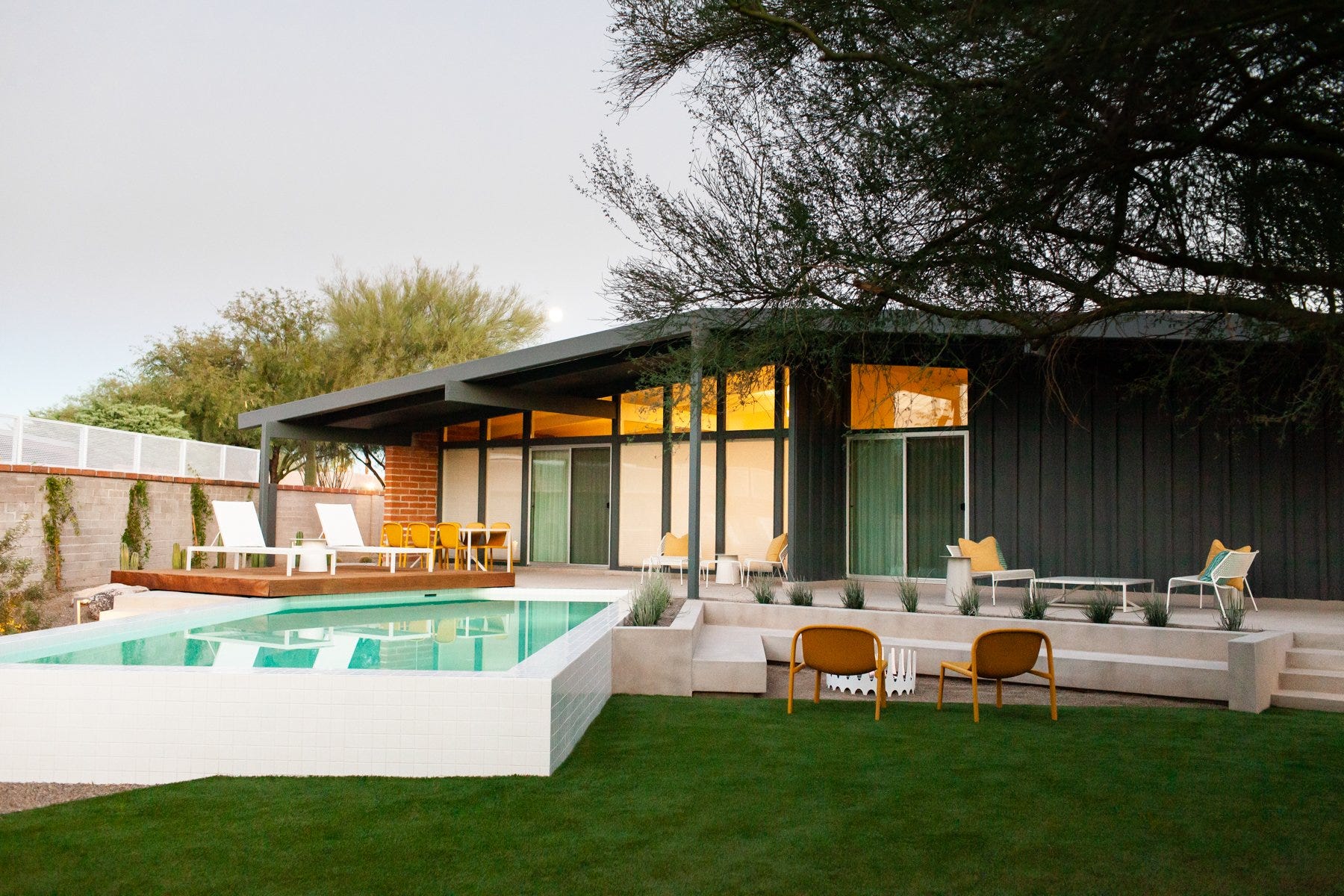
Above-Ground Pools Are Having a Serious Style Moment

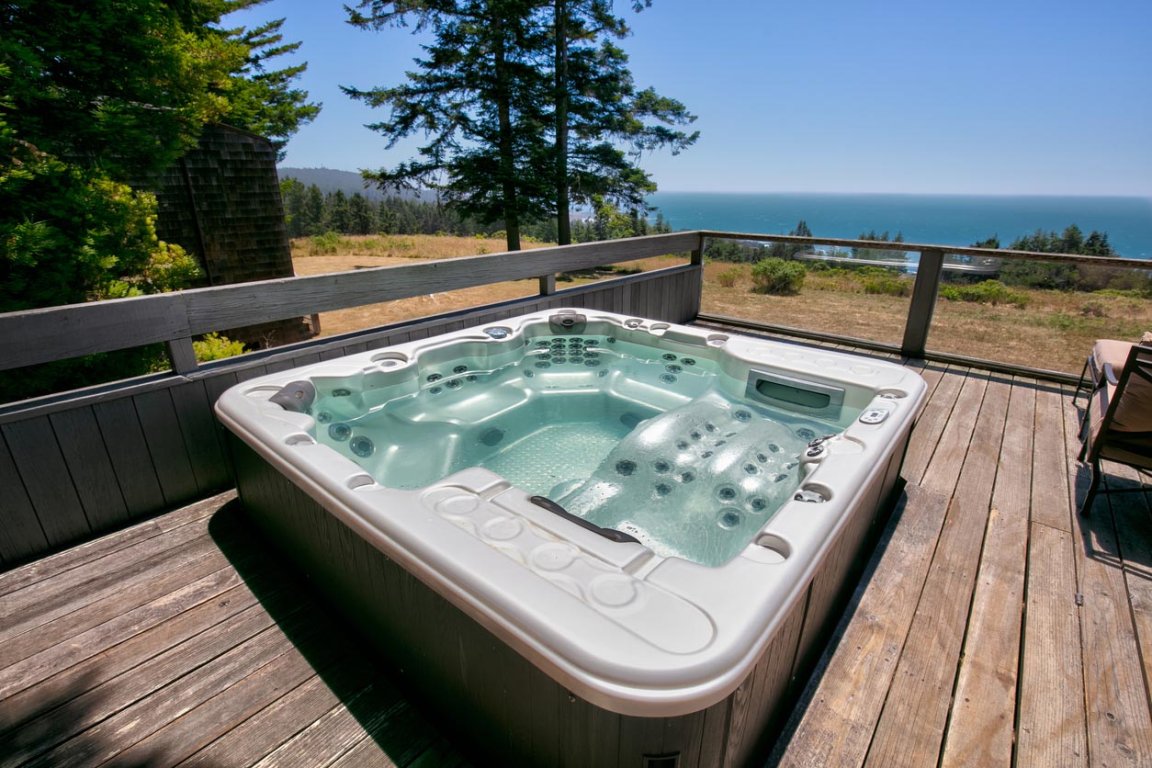
11 of Today’s Best Hot Tub Brands

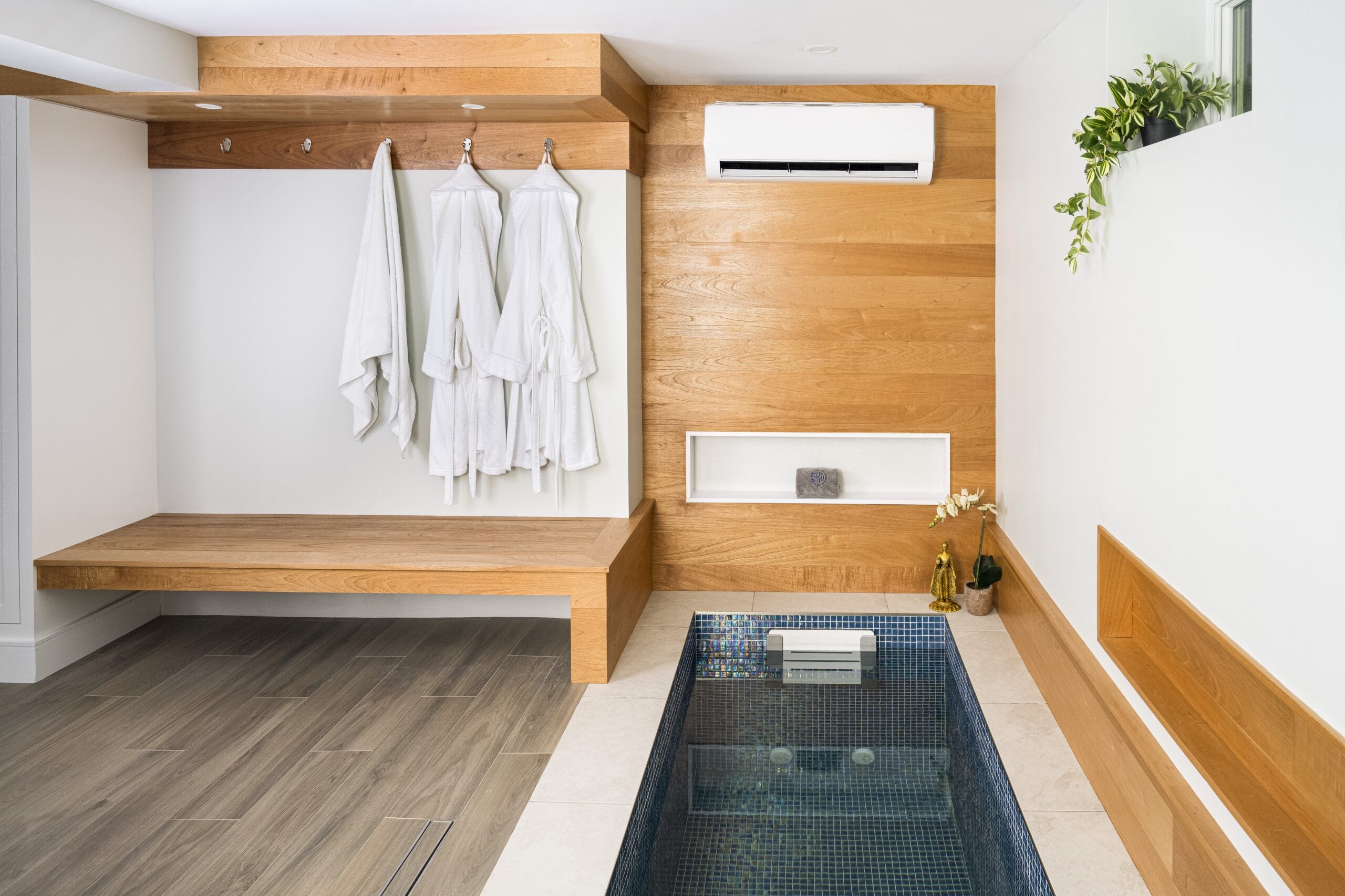
Taking the plunge on a basement renovation — literally
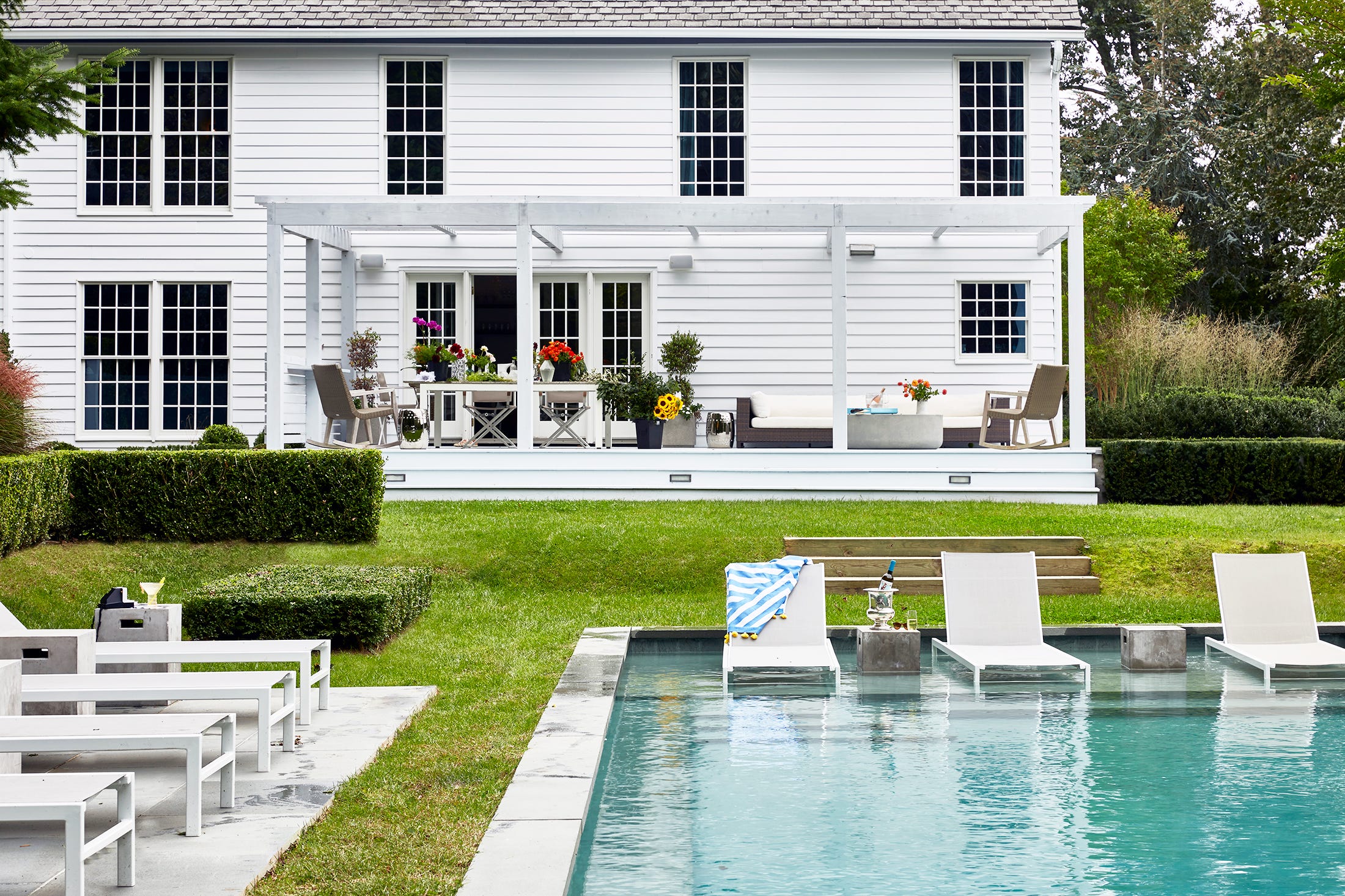
50 Dreamy Pool Designs to Inspire Your Own Outdoor Escape
Hottest Pool Tile Trends of 2024
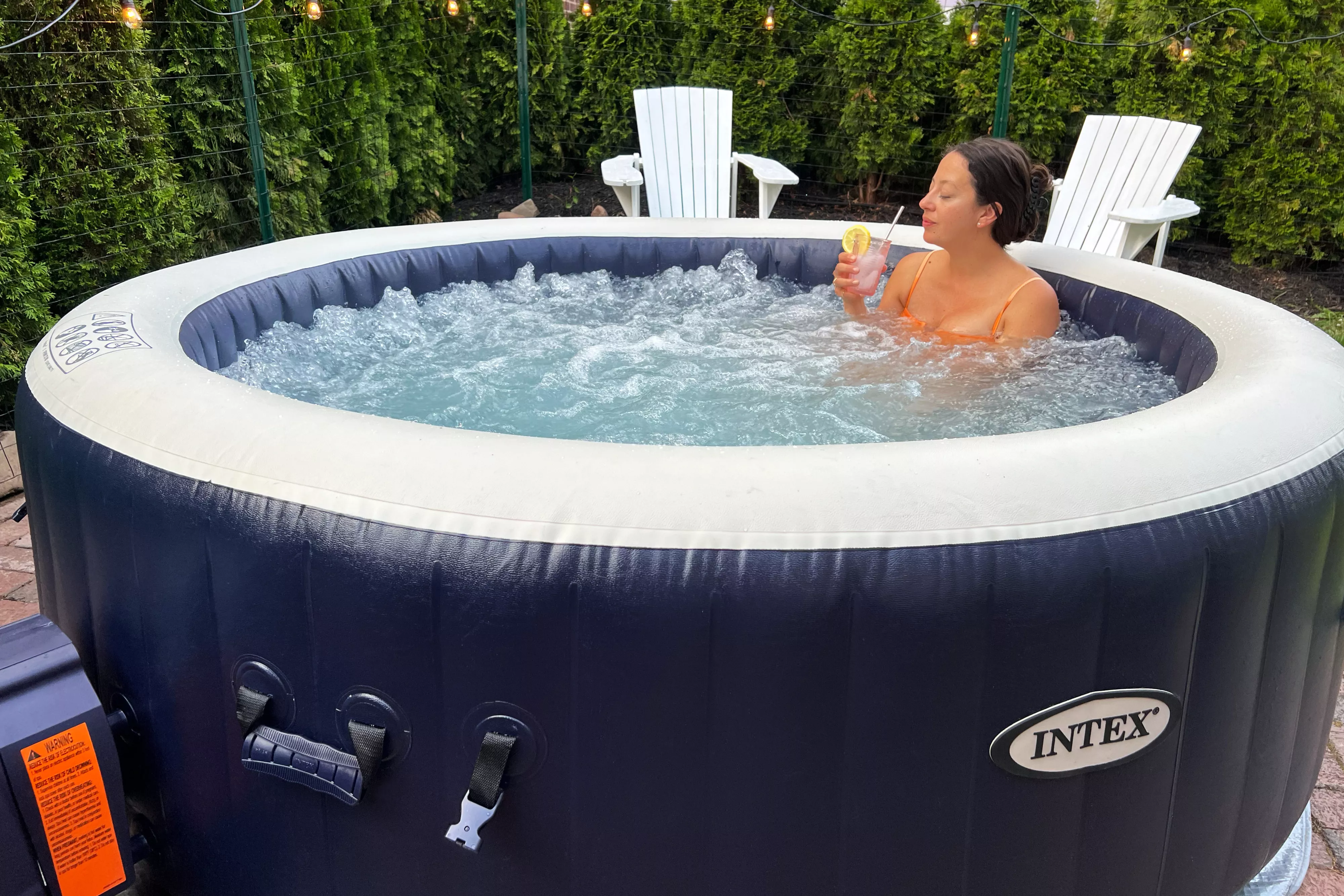
Looking for a Hot Tub? These 6 Performed the Best in Our Tests
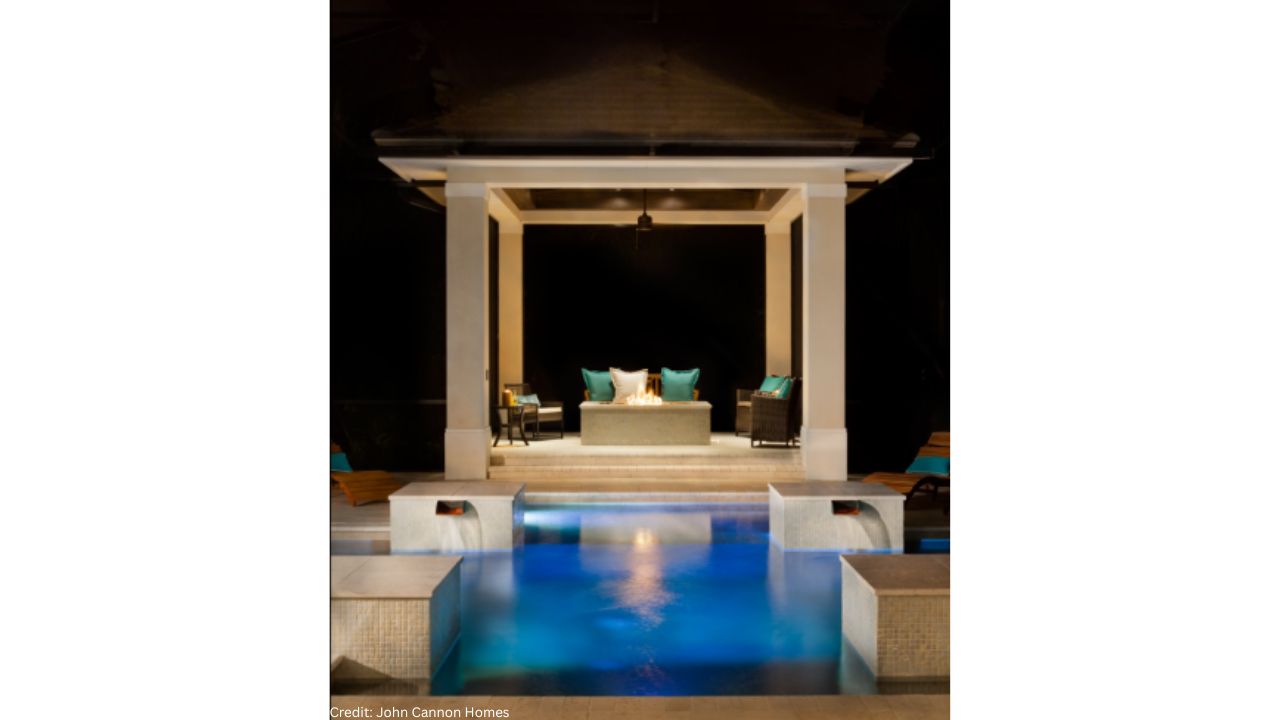
BEYOND SUMMER: Redefining the Pool Season with Fire and Light
Experts reveal the 8 'nightmare' mistakes that can ruin a hot tub – and how to avoid making them


Cutting-Edge Innovations in Pool Construction

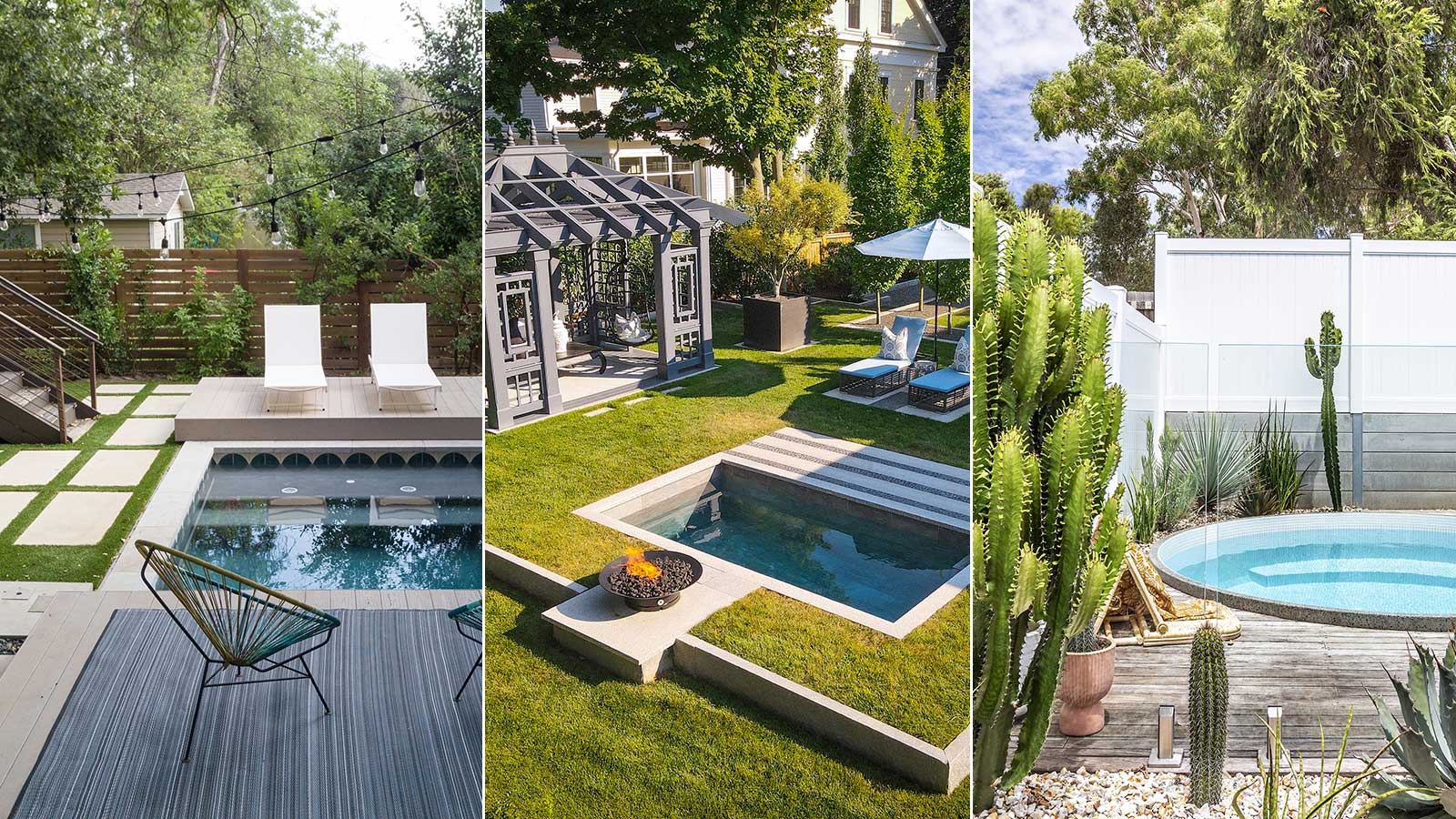
11 compact plunge pool ideas that will revitalize both you and your yard
This Is the Coolest Design Feature You Could Have This Summer
The Best Pool Floats of 2025

Beat the Summer Heat With One of Our Favorite Whole-House Fans

This Pretty Pink Flamingo Wallpaper Will Take You One Step Closer to Nature

What Is a Plunge Pool? 9 of the Best Plunge Pool Ideas
Your Hot Tub Is Ready for an Upgrade, so Snag These Accessories for Fun and Function