
1/6
A Heat Pump Might Be Right for Your Home—Here’s What to Know | Reviews by Wirecutter
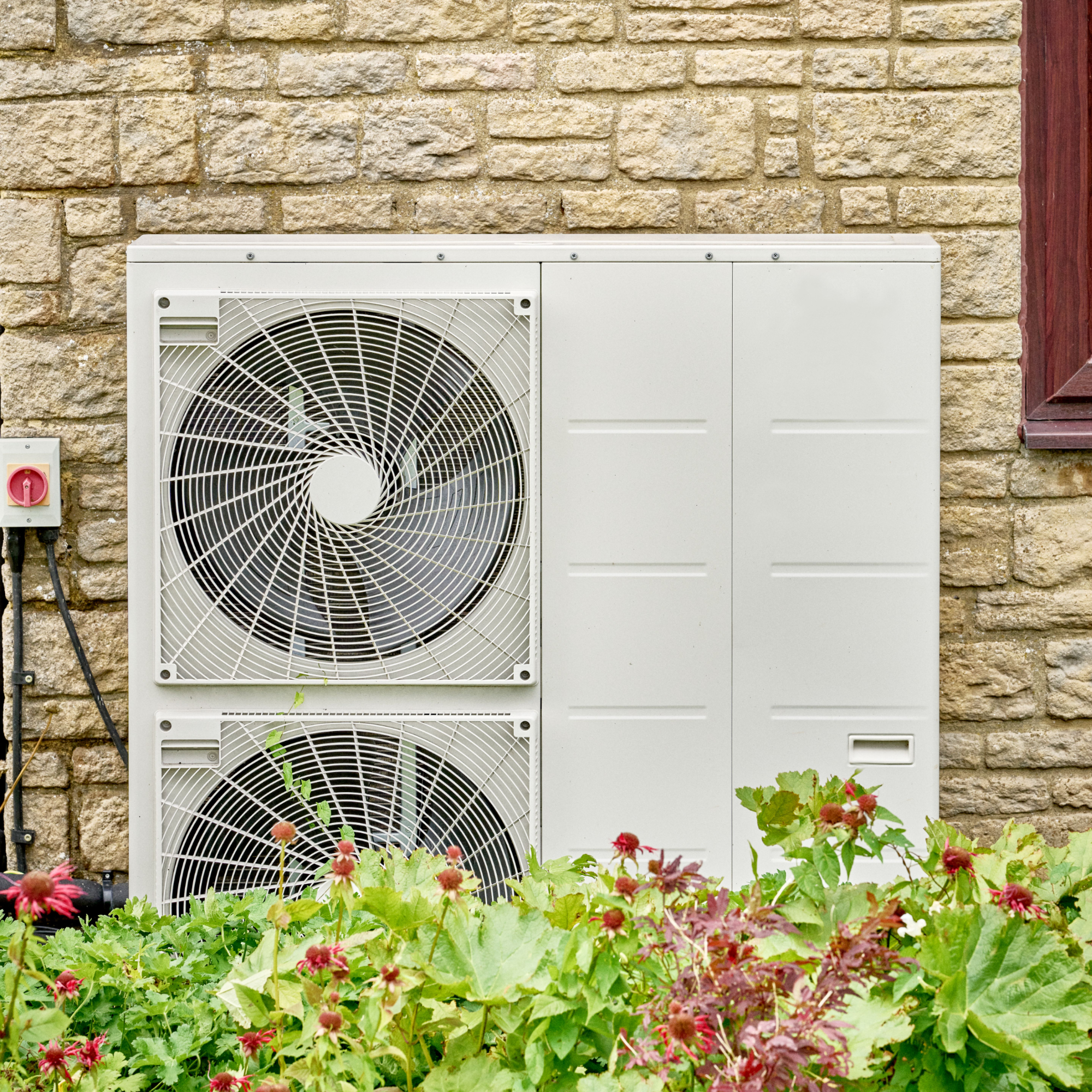
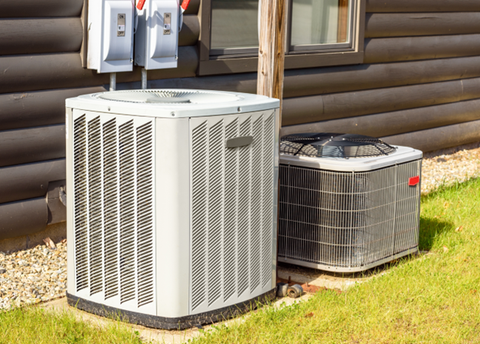
Heat pumps offer an energy-efficient and often more affordable solution for both heating and cooling a home, presenting significant environmental benefits by reducing carbon footprints. These systems operate by transferring heat, acting as two-way air conditioners. In warmer months, they remove heat from indoor air, and in cooler months, they extract heat from outdoor air to warm the interior. This heat transfer mechanism is considerably more efficient than traditional heating methods that generate heat through combustion, often using only a quarter of the energy. According to a 2024 study by the National Renewable Energy Laboratory, over 92% of American homes could achieve annual utility bill savings ranging from $300 to $650 by installing a heat pump. Furthermore, heat pumps can reduce carbon emissions by up to 93% across all US states.
While the initial investment in a heat pump system can appear substantial, various tax credits, rebates, and financing incentives, such as zero-interest loans, can significantly offset the upfront costs, making them comparable to or even less expensive than traditional systems in the long run. Many homeowners, including those in older homes, have successfully transitioned to heat pump systems, experiencing enhanced comfort and lower energy bills. The decision to install a heat pump often involves navigating confusing terminology and misinformation, necessitating a comprehensive understanding of the process.
Selecting the appropriate heat pump involves several key considerations. The size of the heat pump is crucial, dependent on the home's size, layout, energy needs, and insulation. While a general rule of thumb suggests 1 ton of air conditioning (12,000 Btu) per 500 square feet, a professional contractor should perform a detailed load calculation, often using standards like Manual J, to account for factors such as insulation, air filtration, windows, and local climate. Correct sizing is vital not only for optimal performance but also for qualifying for state incentives, as inefficiently sized systems can lead to disqualification from rebates and increased energy consumption.
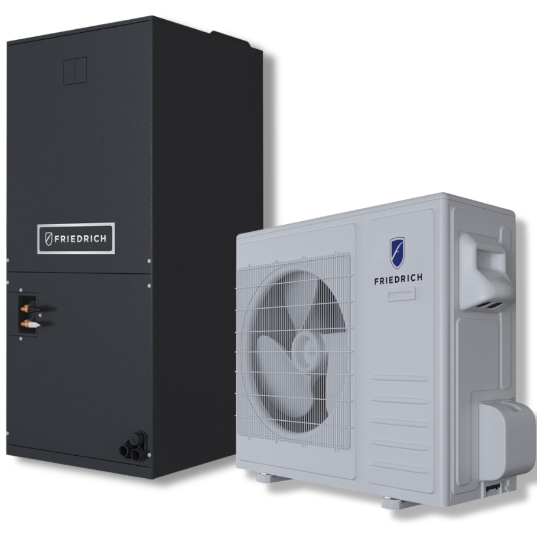
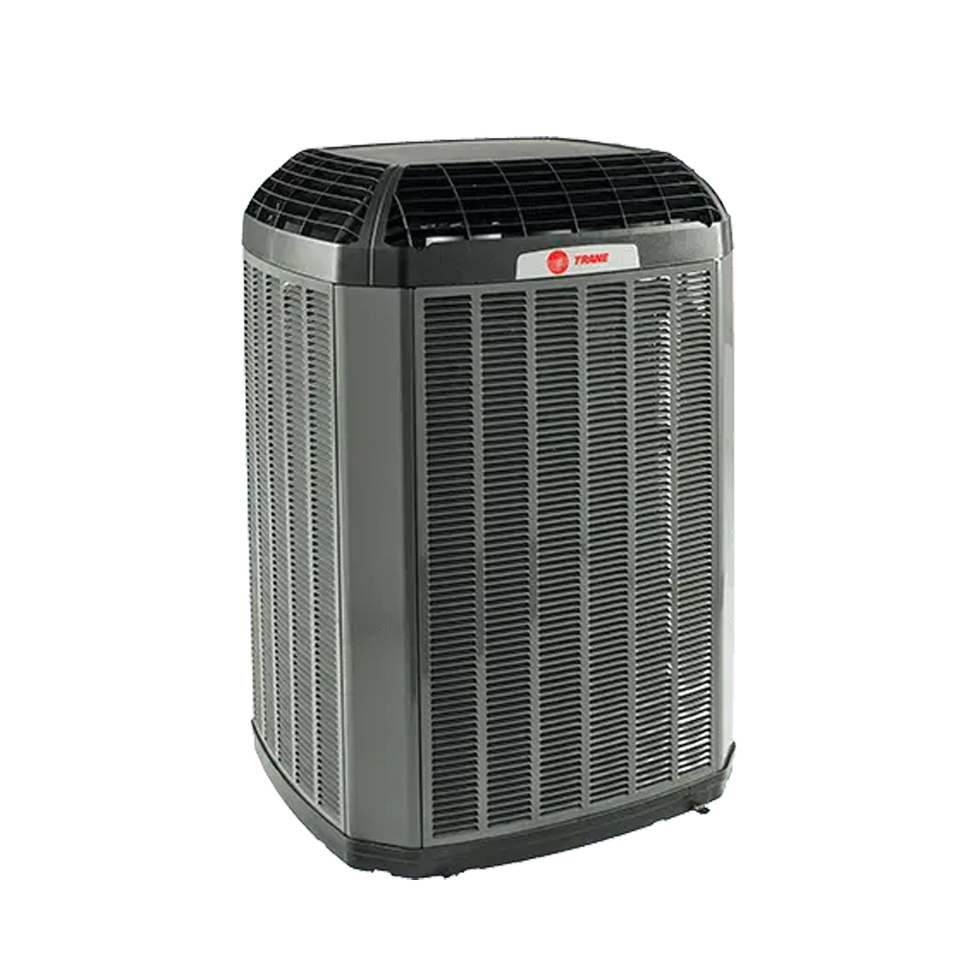
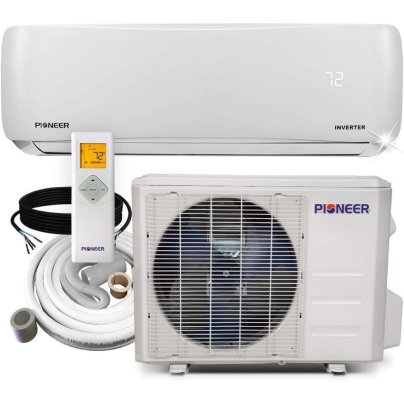
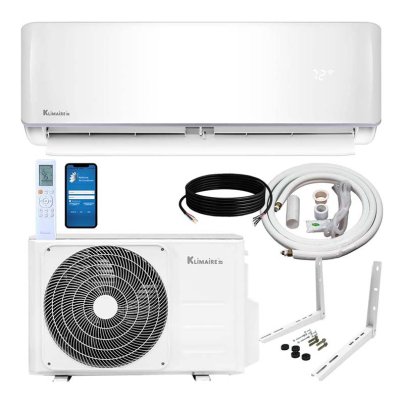
Heat pumps are highly adaptable and can be integrated into almost any home, regardless of its age or existing infrastructure. They can utilize existing ductwork or be installed as ductless mini-split systems, offering versatility for interior mounting. For homes without duct systems, or those seeking flexible zoning options, ductless units are a viable solution. Reputable brands like Daikin, LG HVAC, Fujitsu, Mitsubishi, Carrier, and Rheem offer robust warranties, typically spanning 10 to 12 years. However, the choice of brand often depends on the contractor's expertise and their access to parts and services for specific models. It is recommended to prioritize finding a skilled and experienced contractor, ideally one recognized as a 'preferred dealer' by manufacturers, who can guide the selection and installation process.
Efficiency ratings, such as SEER2 (cooling capacity) and HSPF2 (heating capacity), provide indicators of a heat pump's performance. While aiming for high ratings is generally beneficial, the most efficient system for a particular home depends on its specific characteristics and the local climate. The Northeast Energy Efficiency Partnership (NEEP) provides a comprehensive database for comparing heat pump performance under various weather conditions. Weatherization is another critical factor; even the most advanced heat pump will underperform in a drafty home, potentially negating energy savings. Many incentive programs mandate proper weatherization as a prerequisite for rebates or loans.
Modern heat pumps, especially those with inverter technology, maintain high efficiency even in cold temperatures, though their performance might decrease slightly below freezing. Inverter compressors allow the system to run continuously at variable speeds, optimizing energy usage and maintaining consistent comfort. For regions experiencing extreme cold, hybrid-heat or dual-heat systems, which combine a heat pump with a fossil-fuel backup, can be a cost-effective and environmentally conscious solution. These systems can leverage the efficiency of heat pumps for most conditions and switch to fossil fuels during the coldest periods, potentially reducing overall carbon emissions and energy costs.
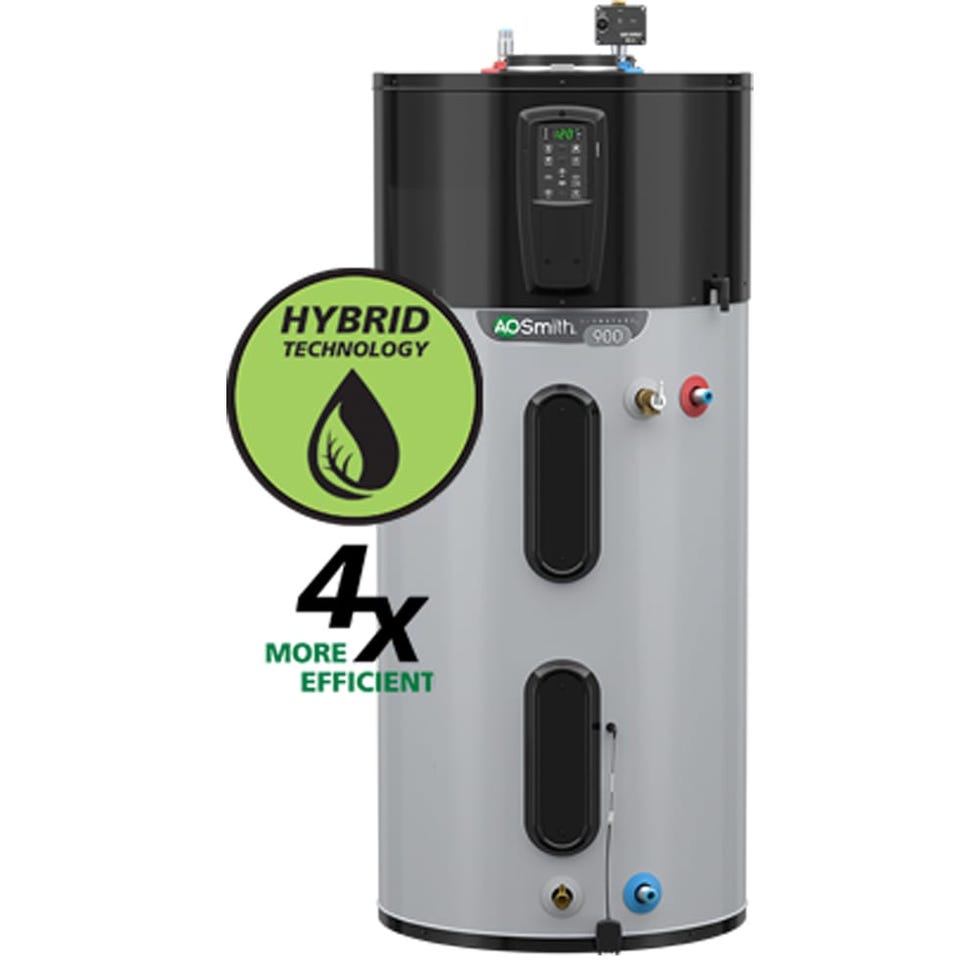
For homeowners unable to undertake permanent installations due to rental agreements, historic district restrictions, or budget constraints, packaged window heat pumps offer a compelling alternative. These units, such as those from Gradient and Midea, can be installed in hung windows, providing efficient heating and cooling for individual rooms and plugging into standard outlets. While typically more affordable than whole-home systems, they still represent a significant investment and may require professional installation. Portable or window AC units with heat pump capabilities can also serve as temporary or seasonal solutions for milder climates.
Ground source or geothermal heat pumps represent another highly efficient option, drawing heat from the consistent temperatures of the earth. These systems require the installation of underground wells, which can involve extensive permitting and drilling. Despite higher upfront costs and complex installation, geothermal systems boast significantly longer lifespans and lower maintenance costs than air-source heat pumps, offering predictable energy bills regardless of extreme weather. Resources like EnergySage, GeoExchange, and the International Ground Source Heat Pump Association can help locate qualified contractors for geothermal installations. The journey to installing a heat pump benefits from early planning, seeking recommendations, researching incentives, ensuring proper weatherization, and thoroughly vetting multiple contractors to secure a reliable and efficient system for long-term comfort and savings.
#HeatPump #EnergyEfficiency #HomeHeatingCooling #CarbonFootprint #HVACSystem #HomeImprovement #EnergySavings #RenewableEnergy #HeatPump #EnergyEfficiency #HomeHeatingCooling #CarbonFootprint #HVACSystem #HomeImprovement #EnergySavings #RenewableEnergy
0 comment in total
 No comments yet
You may also like
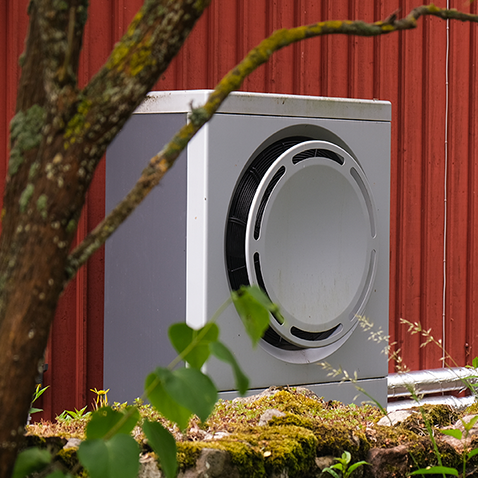
Is a Heat Pump Right for Your Home? Here's What You Need to Know.

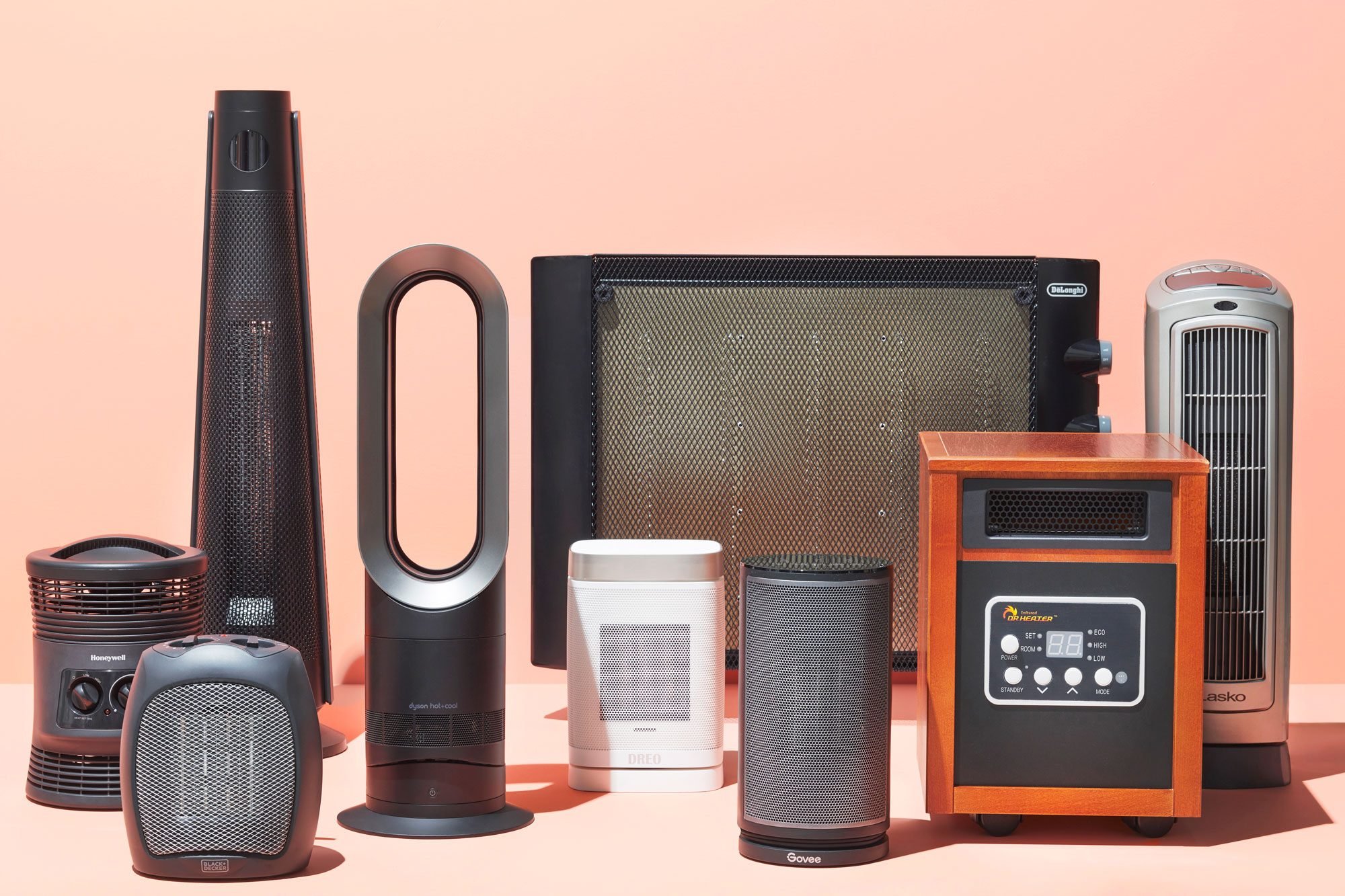
The 7 Safest Space Heaters: Tested and Reviewed

The best space heaters in 2025

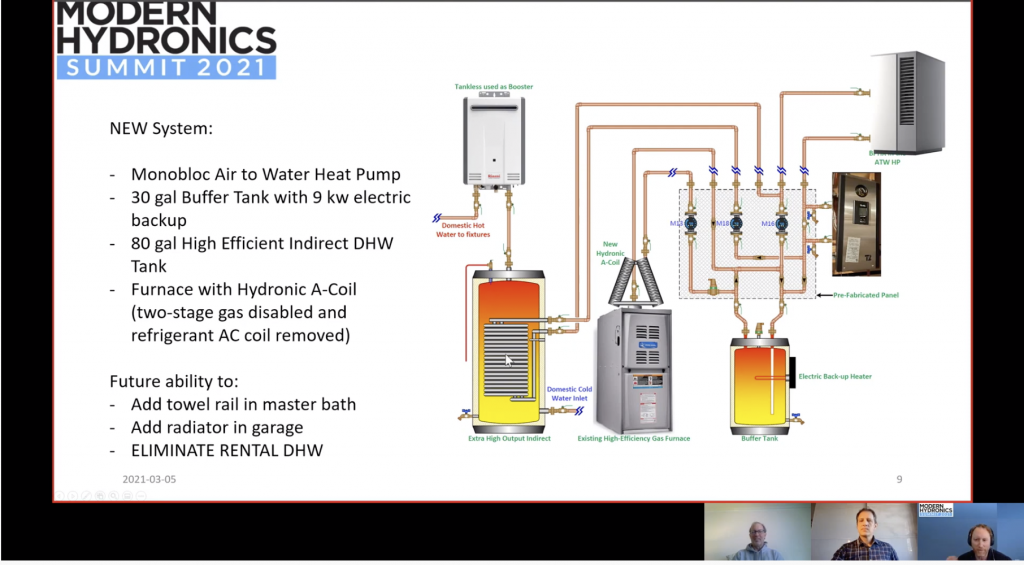
Air-to-Water Heat Pump Experience
The Best Heat Pumps for Cold Climates

Today's Water Heaters Aren't Built Like They Once Were—They're Better

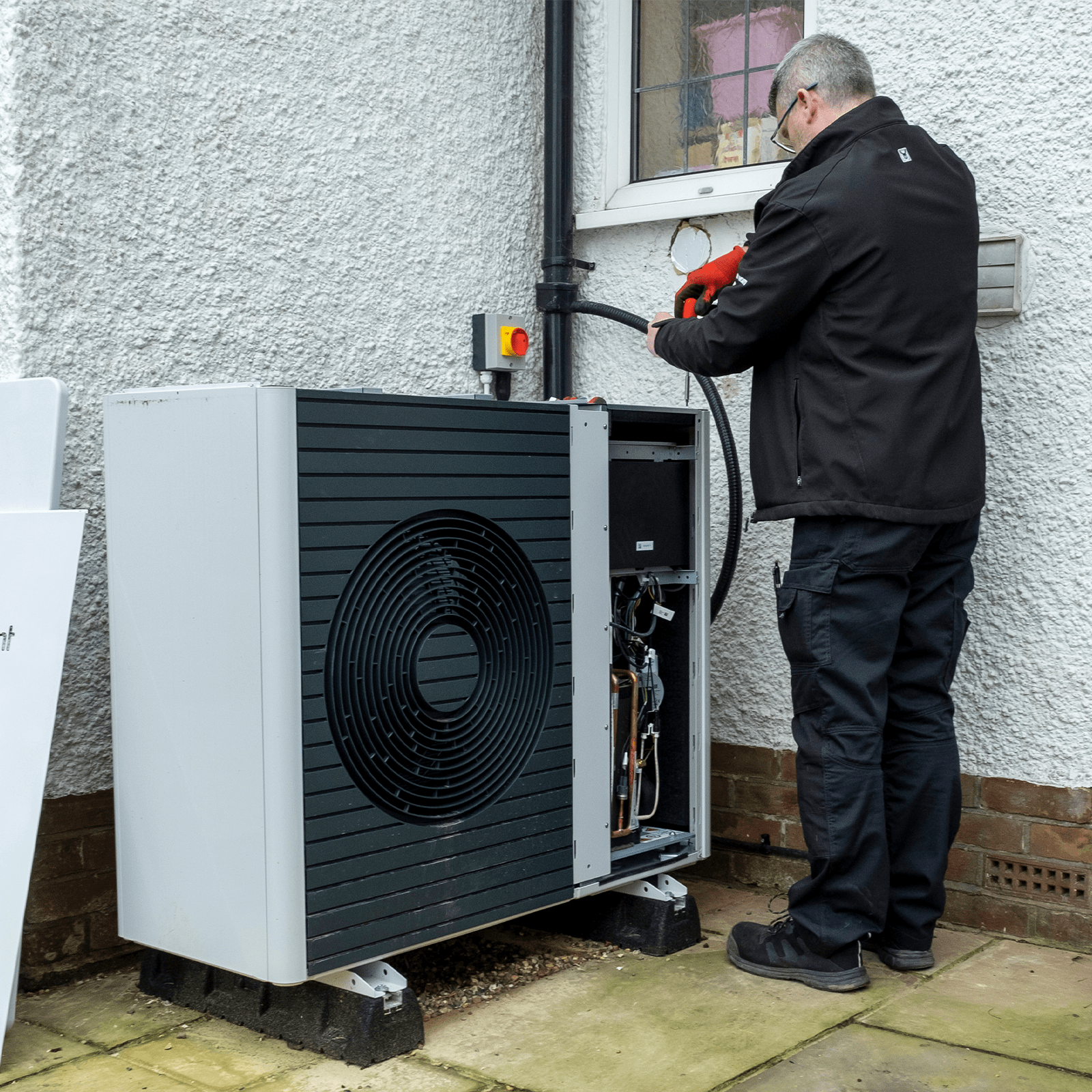
3 Eco-Friendly Heating Systems for Your Home in 2024
![Homeowner shares personal utility costs one year after swapping their gas boiler for a heat pump: 'Hope that [this] is helpful for someone'](https://gstatic.ideal.house/news/images/5791e9b0f91d49288ec66c1fc4ccecd4.jpg)
Homeowner shares personal utility costs one year after swapping their gas boiler for a heat pump: 'Hope that [this] is helpful for someone'


Choosing a heater

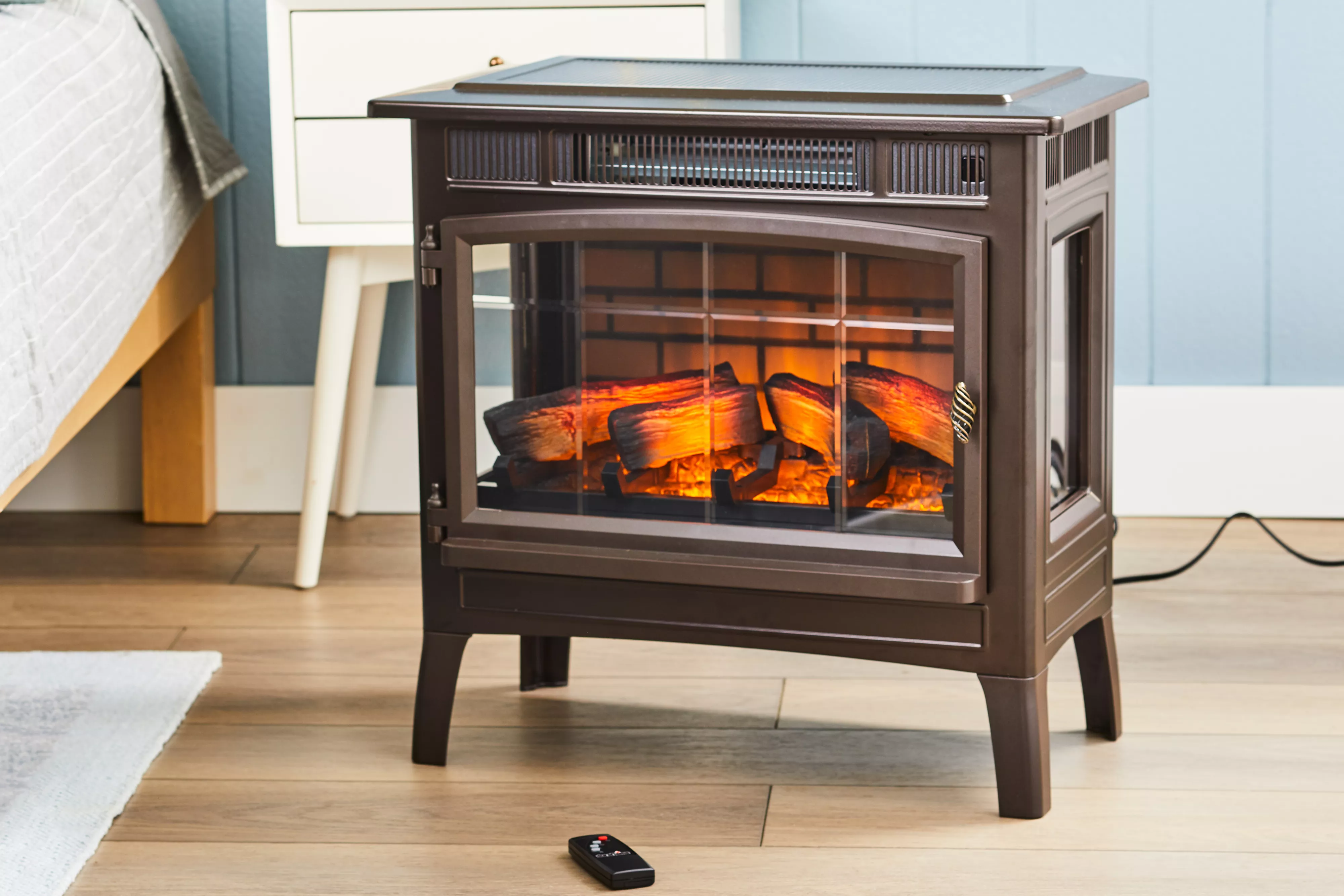
These 5 Space Heaters Will Keep You Extra Toasty This Winter

Podcast 469: Blue Goo on Framing, Painting Open Soffits, and Whole-House Dehumidifiers

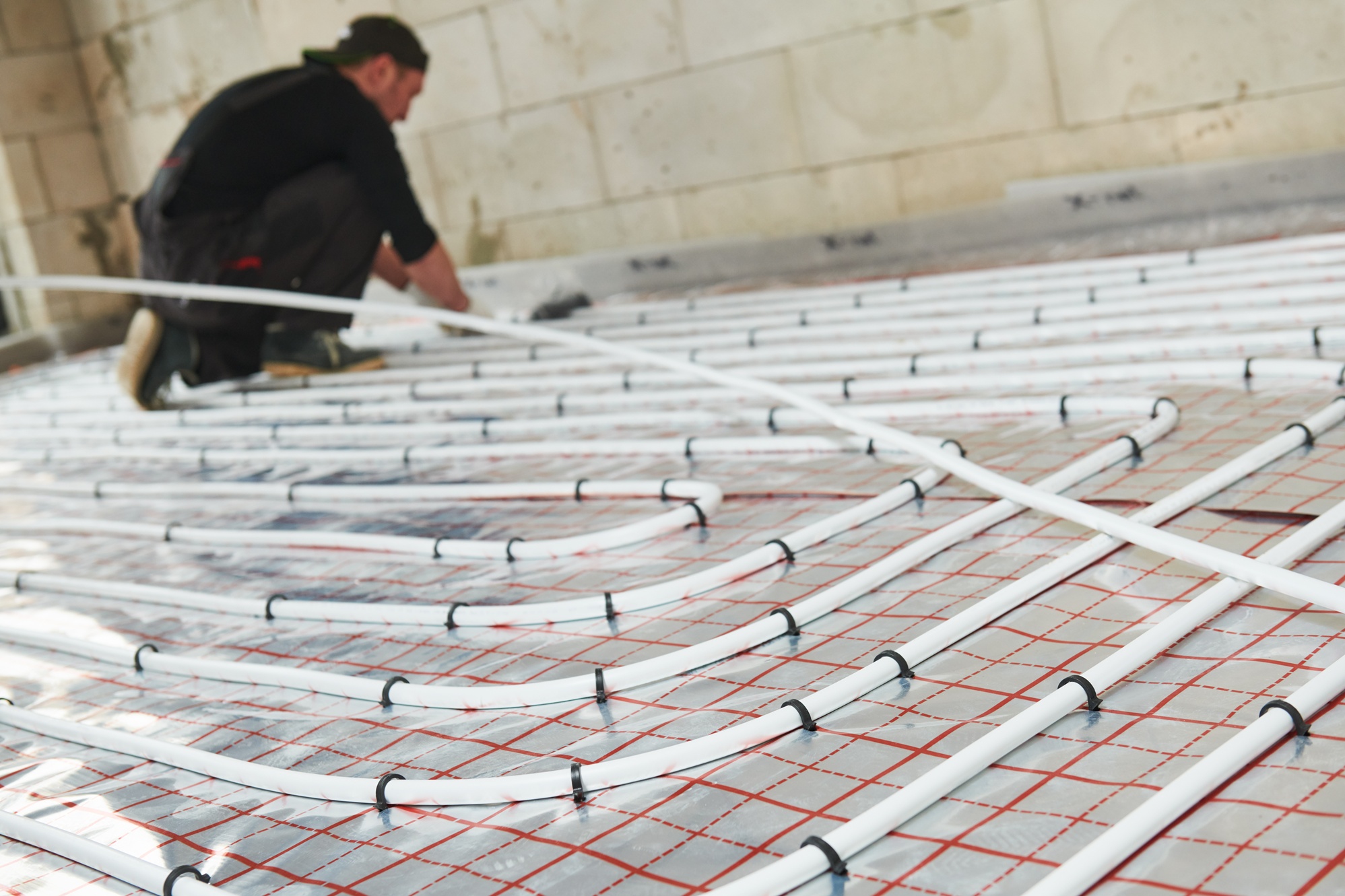
How Radiant Heat Can Transform Your Home for the Better With Barron Heating, AC, Electrical & Plumbing

Upgrade your heating system to reduce bills and energy usage


How to hide a heat pump - 4 ways to conceal your exterior unit without compromising on efficiency or functionality
The electric heaters to avoid buying

Experts Urge Homeowners to Avoid This Radiator Mistake That 'Exaggerates' How Well It Will Heat Your Home

Our Favorite Energy-Efficient Space Heater Adds Style to Our Homes While Heating

What’s the most efficient way to heat a house? How to heat your home for less, according to experts

What Do a National Lab, a Home Builder, and an Elephant Have in Common?
Why Bigger Isn’t Better When It Comes To HVAC Systems