1/2
Why Bigger Isn’t Better When It Comes To HVAC Systems
In American society, the belief that "bigger is better" often prevails. However, this mindset can be detrimental when applied to HVAC (Heating, Ventilation, and Air Conditioning) systems. A U.S. Department of Energy (DOE) report indicates that improper HVAC installation is common, affecting approximately 65% of systems, with 31% being oversized. Further research by Air Doctors Heating and Cooling in 2021 found that 98% of surveyed systems were oversized by at least 200% in heating capacity, and at least 33% were oversized in cooling capacity.
Oversized HVAC systems lead to several problems, drawing an analogy to putting a heavy-duty pickup truck engine into a compact car. While seemingly offering more power, such a mismatch is inefficient and harmful. Furnaces and boilers operate most efficiently when they reach their steady-state operating temperature, typically within five to ten minutes. Oversized units frequently shut off before reaching this optimal state, leading to incomplete fuel combustion, energy waste, and higher utility bills. Similarly, oversized air conditioners and heat pumps also short-cycle, consuming more electricity to start the compressor repeatedly rather than running continuously. This short-cycling not only wastes energy but also reduces the system's ability to dehumidify effectively, potentially causing discomfort, material degradation, and promoting mold growth.
Short cycling is a major consequence of oversizing, accelerating wear and tear on critical components, shortening the system's lifespan, and increasing the frequency of repairs. This can be compared to the stress on a vehicle from constant stop-and-go city traffic versus smoother highway driving. Additionally, oversized HVAC systems often fail to maintain consistent indoor temperatures, leading to rapid cooling or heating cycles followed by periods of uneven temperatures. Homeowners often exacerbate this issue by continually adjusting thermostats, creating a cycle of inefficiency and discomfort.
The critical solution to these problems lies in accurate load calculations. This process precisely determines the heating and cooling requirements for a specific space, ensuring appropriate equipment selection, duct sizing, and airflow balancing. Errors in load calculations can lead to energy waste, discomfort, premature equipment failure, and increased service calls.
Amply Energy is a company that addresses these issues with software designed for heat pump professionals. Their sales and design copilot integrates real-time ACCA Manual J load calculations, 3D floor plans, virtual installations, and professional sales documents. This technology aims to simplify and improve the accuracy of HVAC system design. Co-founders Eric Fitz and Ed Smith highlight that installing systems without proper load calculations is still common, especially in retrofit situations. They emphasize that poor sizing results in uneven temperatures, higher utility bills, shorter equipment lifespan, and diminished indoor air quality, with oversized systems being particularly ineffective at dehumidification and air filtration. The founders built Amply to make proper design fast and intuitive, encouraging contractors to adopt accurate load calculations as a standard practice within the sales process. Ultimately, the article concludes that a smarter, precisely sized HVAC system is superior to an oversized one, offering better performance, comfort, and energy efficiency.
#HVACSystems #EnergyEfficiency #LoadCalculations #Oversizing #ShortCycling #HomeComfort #AmplyEnergy #HeatPumps #HomePerformance #HVACSystems #EnergyEfficiency #LoadCalculations #Oversizing #ShortCycling #HomeComfort #AmplyEnergy #HeatPumps #HomePerformance
0 comment in total
 No comments yet
You may also like

Experts Urge Homeowners to Avoid This Radiator Mistake That 'Exaggerates' How Well It Will Heat Your Home

The best air conditioners, and why we still recommend the Midea U

5 Design Mistakes Making Your Heating Less Effective in Your Home — And the Easy Ways to Fix Them
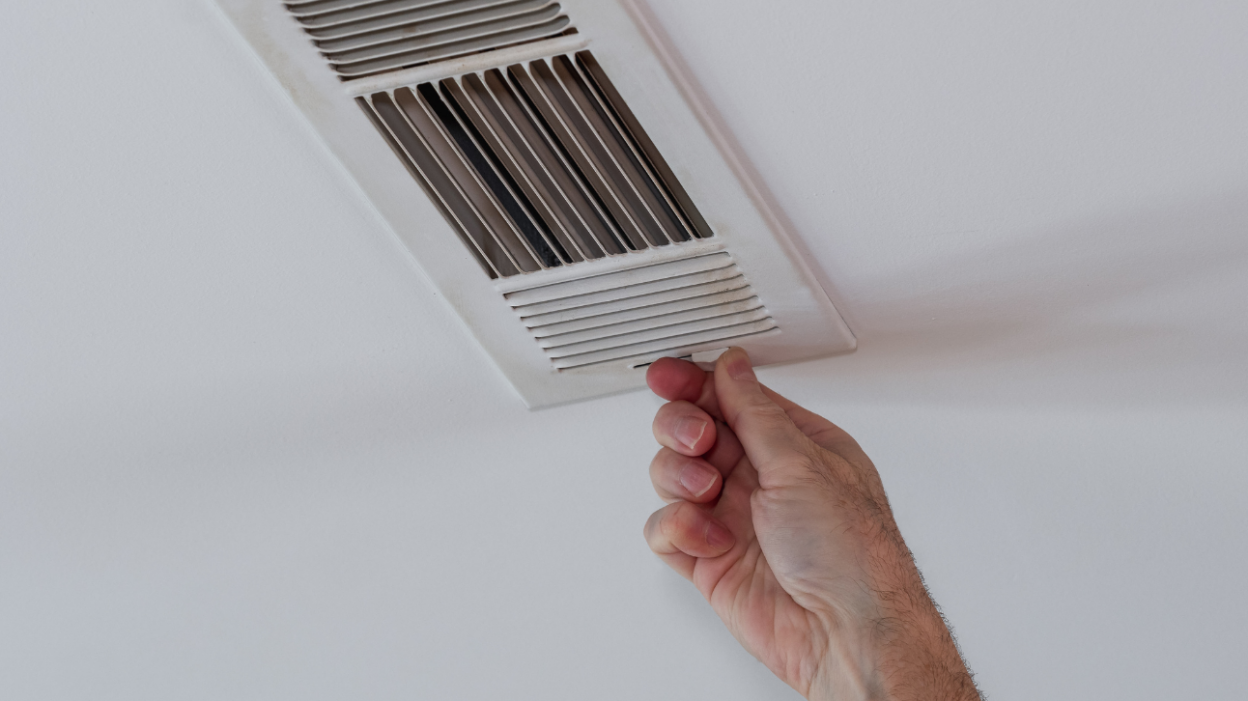
You Need to Balance Your HVAC System

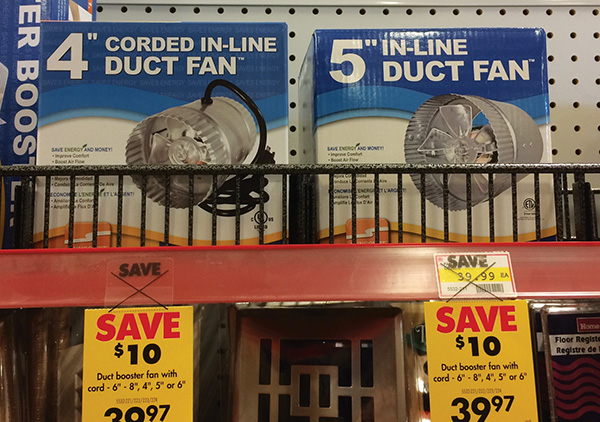
Whole house ducted HVAC: The end is near?
How to get the most life out of your AC and Heating system

Story from Advantage Heating & Air Conditioning: 5 dark truths about the HVAC industry and how they can cost money
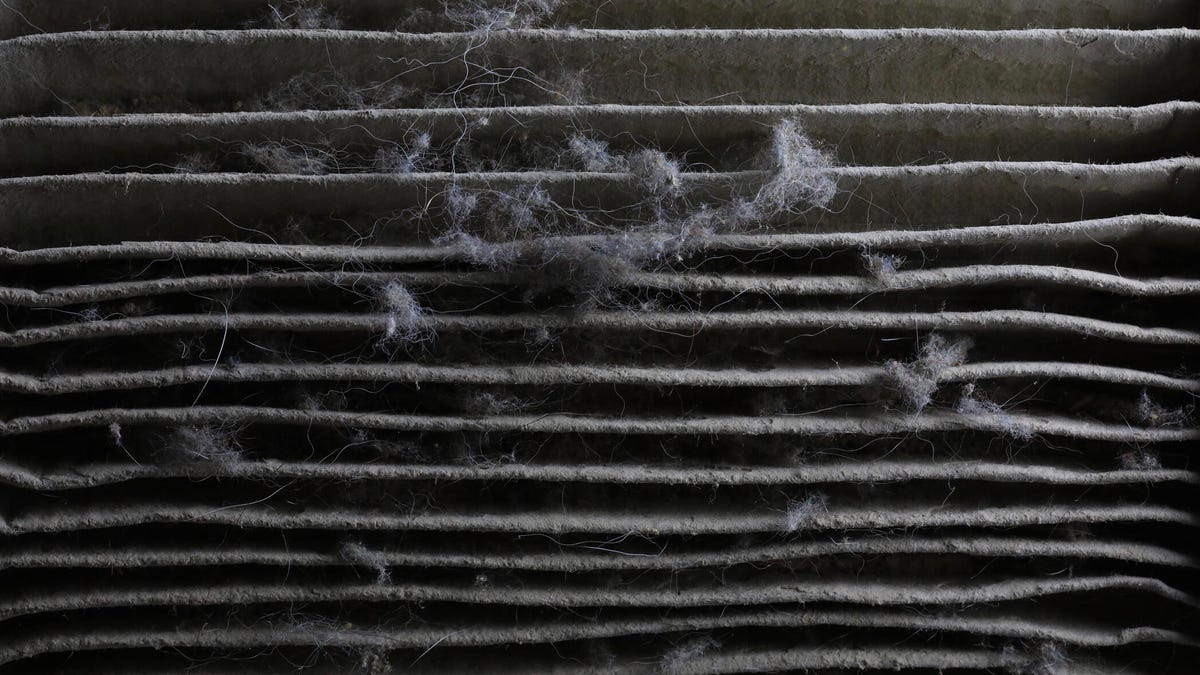
HVAC Maintenance Guide: What to DIY and When to Call a Pro

6 Small Window ACs That Take Minutes to Install and Seconds to Start Cooling

Practical Advice for Installing an Air Conditioner


Comfort: Heating & Cooling

The Best Through-the-Wall Air Conditioners

HVAC unit: Is yours properly sized? If not, do this in 2025
These Are the 5 Best Mini Split Brands, According to HVAC Experts
5 Best Ductless Air Conditioners of 2025
Our Favorite Energy-Efficient Space Heater Adds Style to Our Homes While Heating

For Indoor Comfort Without Central HVAC, a Mini-Split Might Be the Answer
HVAC pros reveal if you should close vents in unused rooms – the answer feels counter-intuitive but it's true

The Best Heat Pumps for Cold Climates
Is Your First Floor Always Cold? 8 Easy Fixes That Work, According to HVAC Pros