You Need to Balance Your HVAC System
The article explains the importance of balancing an HVAC system, particularly when a home experiences uneven heating and cooling in different areas. This issue, characterized by certain rooms being consistently warmer or cooler than others, often points to an unbalanced HVAC system, even if obvious causes like uninsulated walls or drafty windows are absent. Air balancing is described as an essential process for optimizing a home's heating and cooling system to achieve greater efficiency and consistent temperatures throughout all rooms. The primary goal is to ensure each room receives an appropriate amount of heated or cooled air based on its size and usage.
Several HVAC experts highlight that uneven temperatures are the most common sign an HVAC system needs balancing. Other indicators include whistling noises from vents or loud air handlers, which suggest airflow issues. Various factors can cause these imbalances, such as the distance of rooms from the HVAC unit, the size and layout of ductwork, and natural heat gain or loss within different parts of the home. Over time, ductwork can become blocked or develop leaks. Home renovations or additions can also alter airflow patterns. Additionally, shifts in foundations or insulation can render the original HVAC design suboptimal. A less obvious cause mentioned is a closed supply register, which can unintentionally reduce total system airflow, stressing the blower motor, increasing energy usage, and potentially leading to premature system failure. This effect is comparable to that of a dirty or clogged air filter.
Air balancing is crucial not only for comfort but also for financial and health reasons. An unbalanced system forces the HVAC unit to work harder, increasing energy consumption and utility bills. This overwork also strains the system, potentially causing components to break down more frequently, leading to costly repairs and shortening the system's lifespan. Furthermore, a well-maintained HVAC system can increase a property's value. Beyond financial implications, proper air circulation is vital for indoor air quality. An unbalanced system may fail to effectively circulate air in certain areas, leading to moisture accumulation, mold growth, or stagnant air, all of which can negatively impact health.
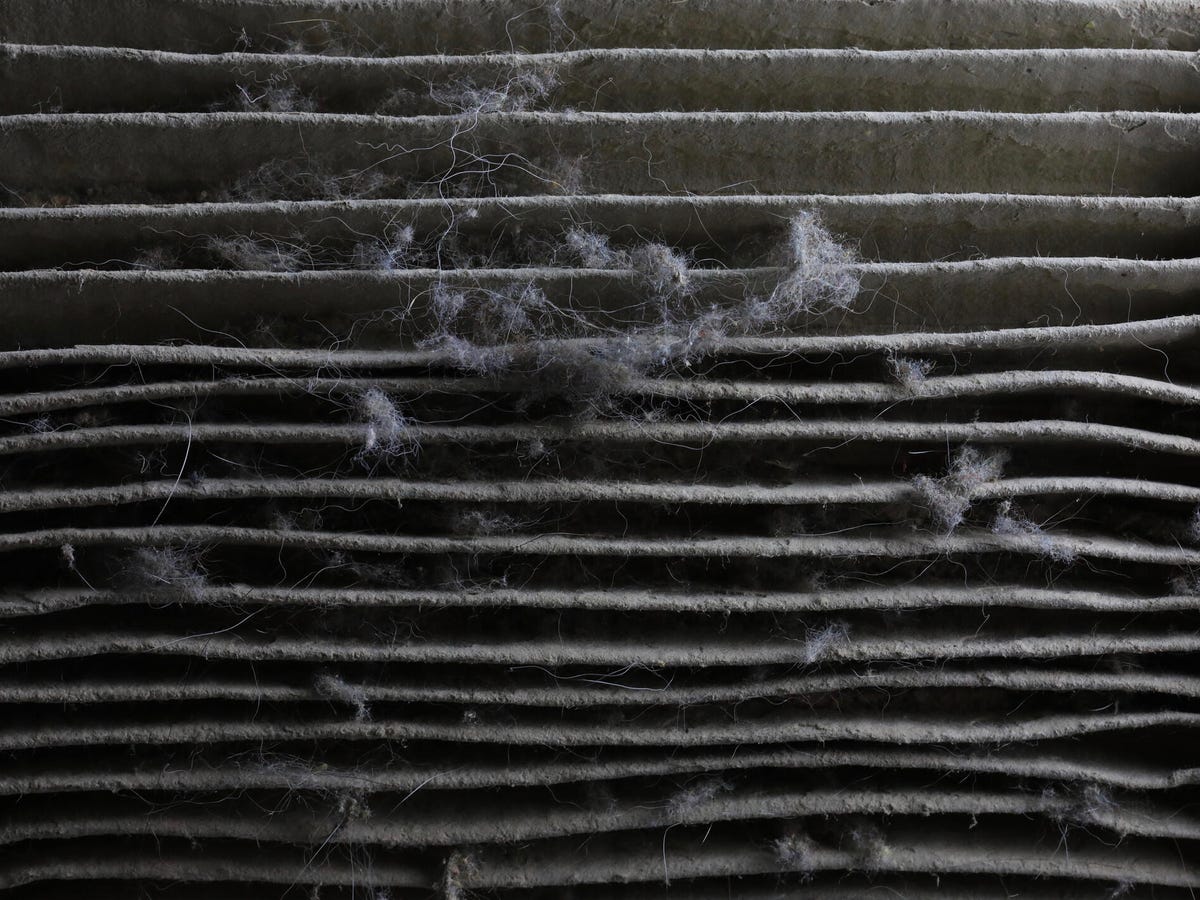
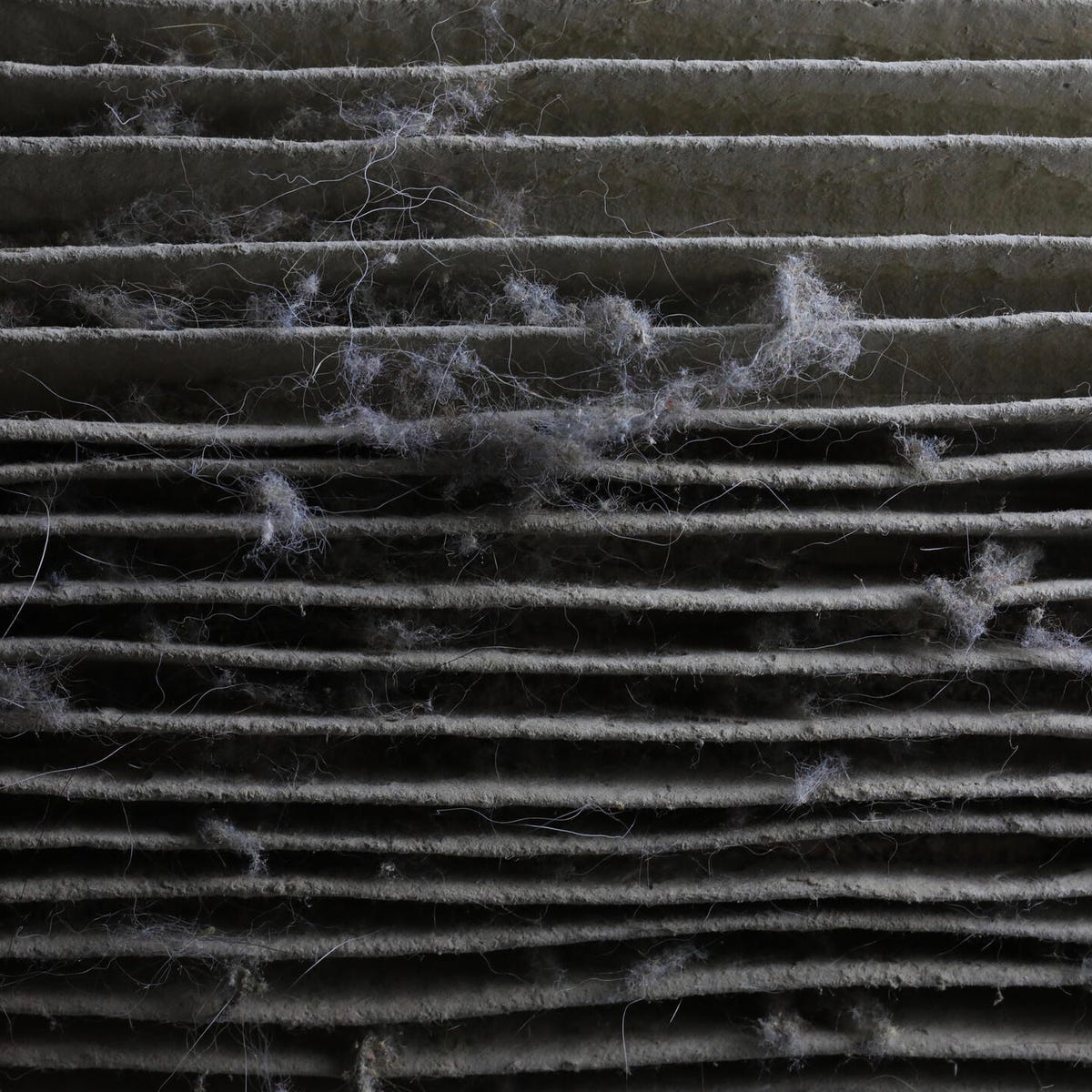
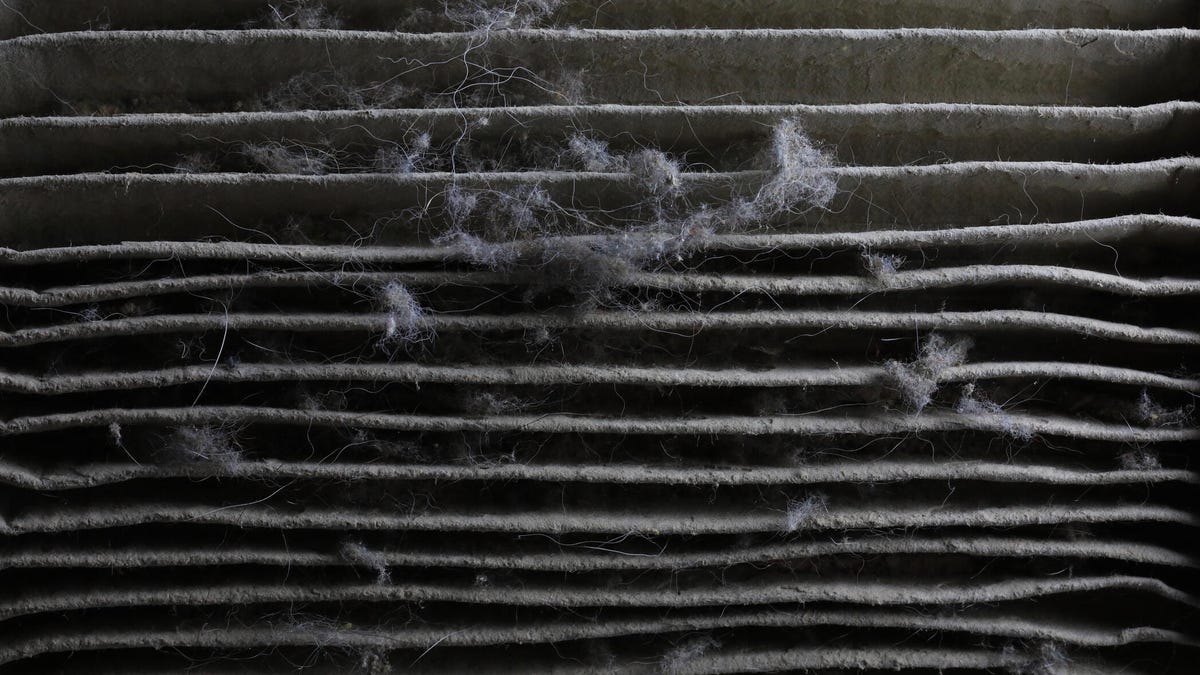
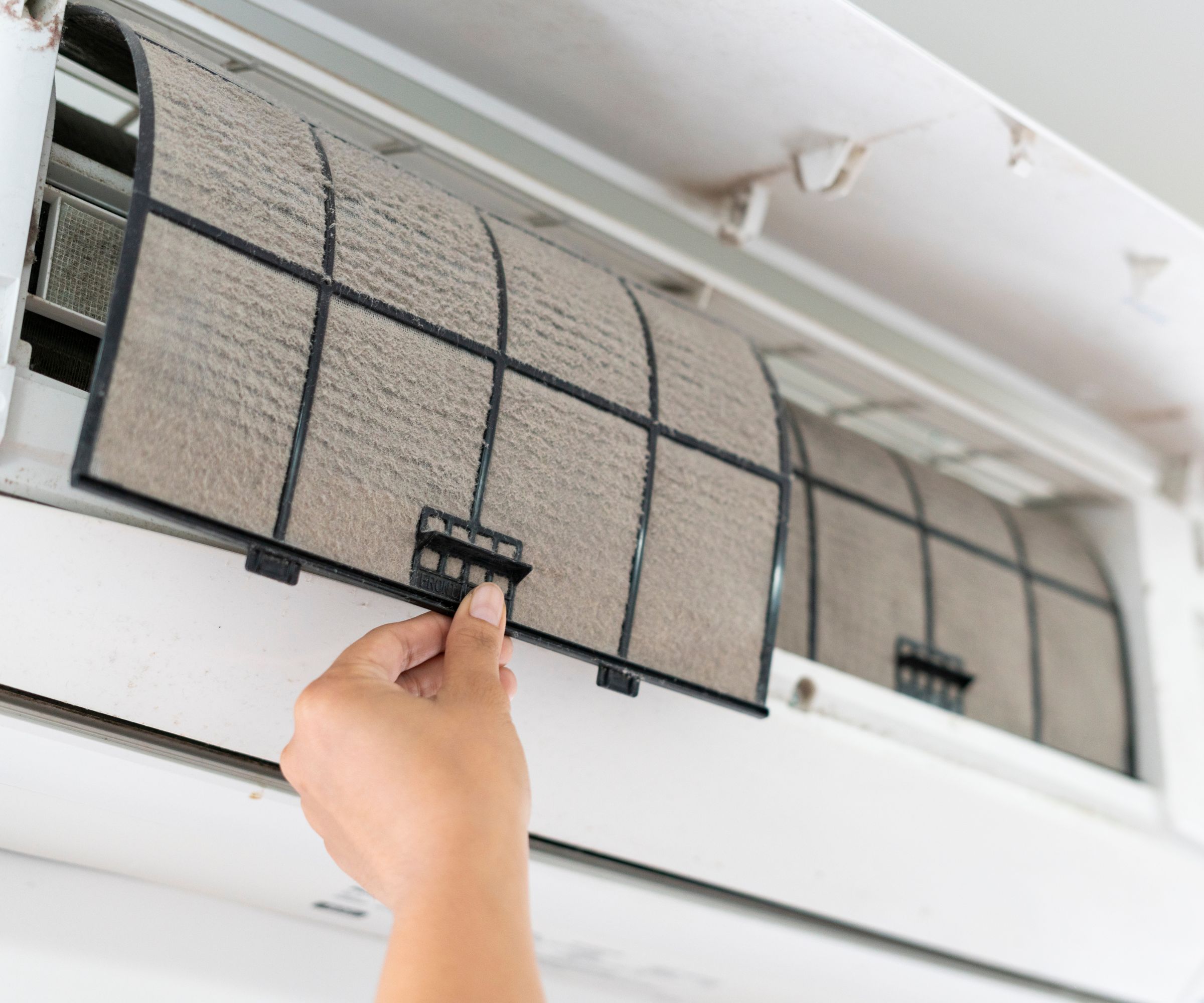
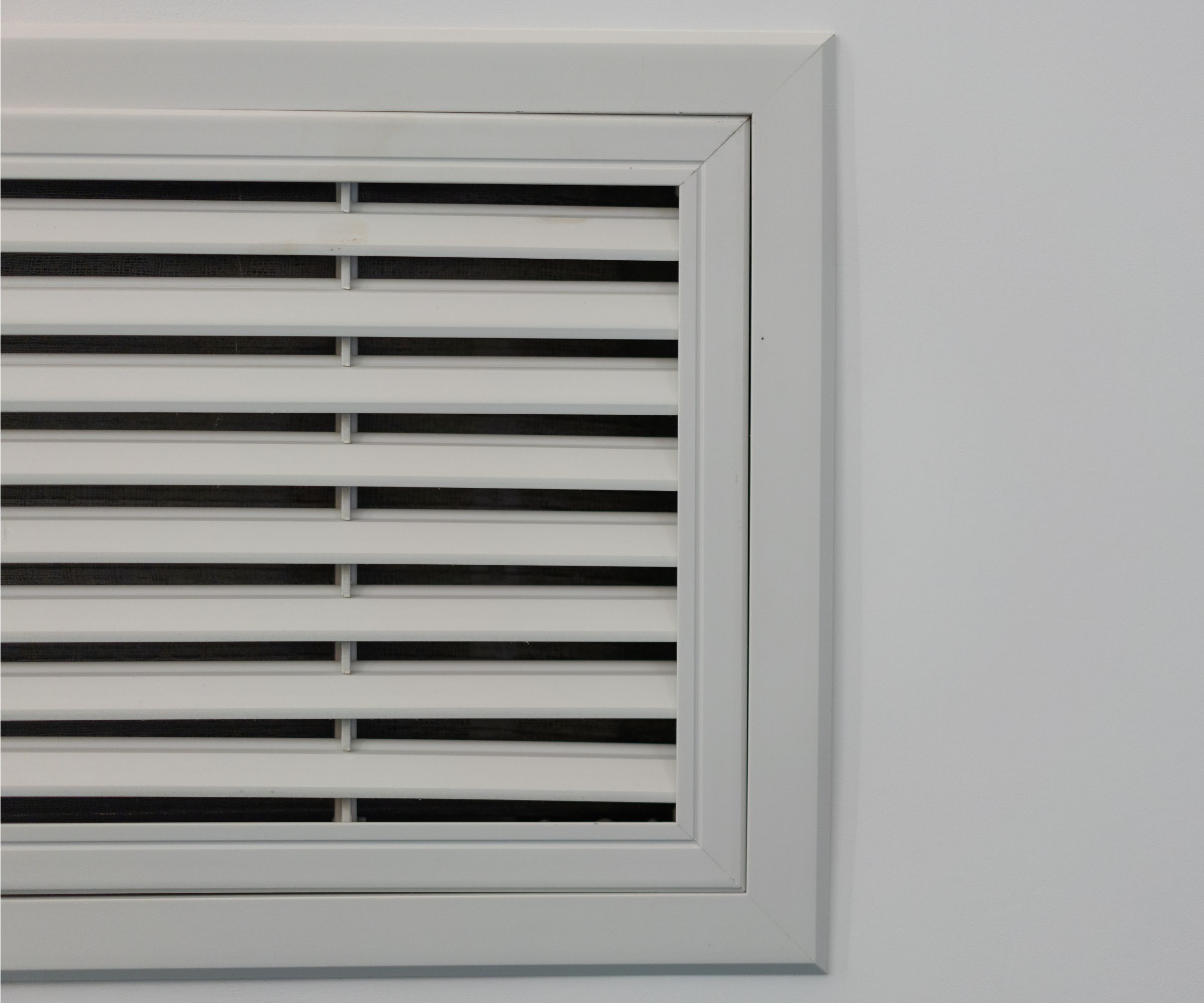
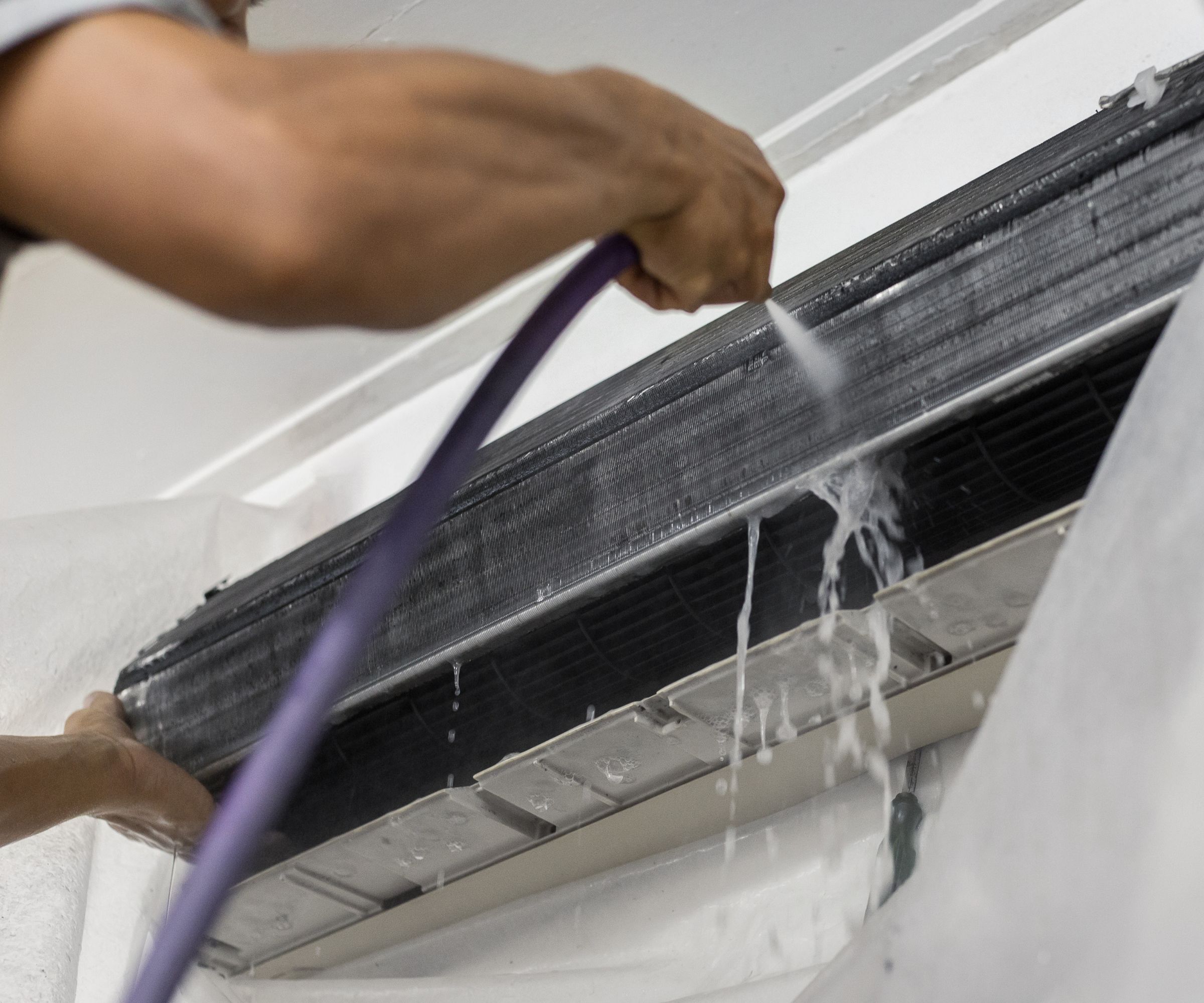
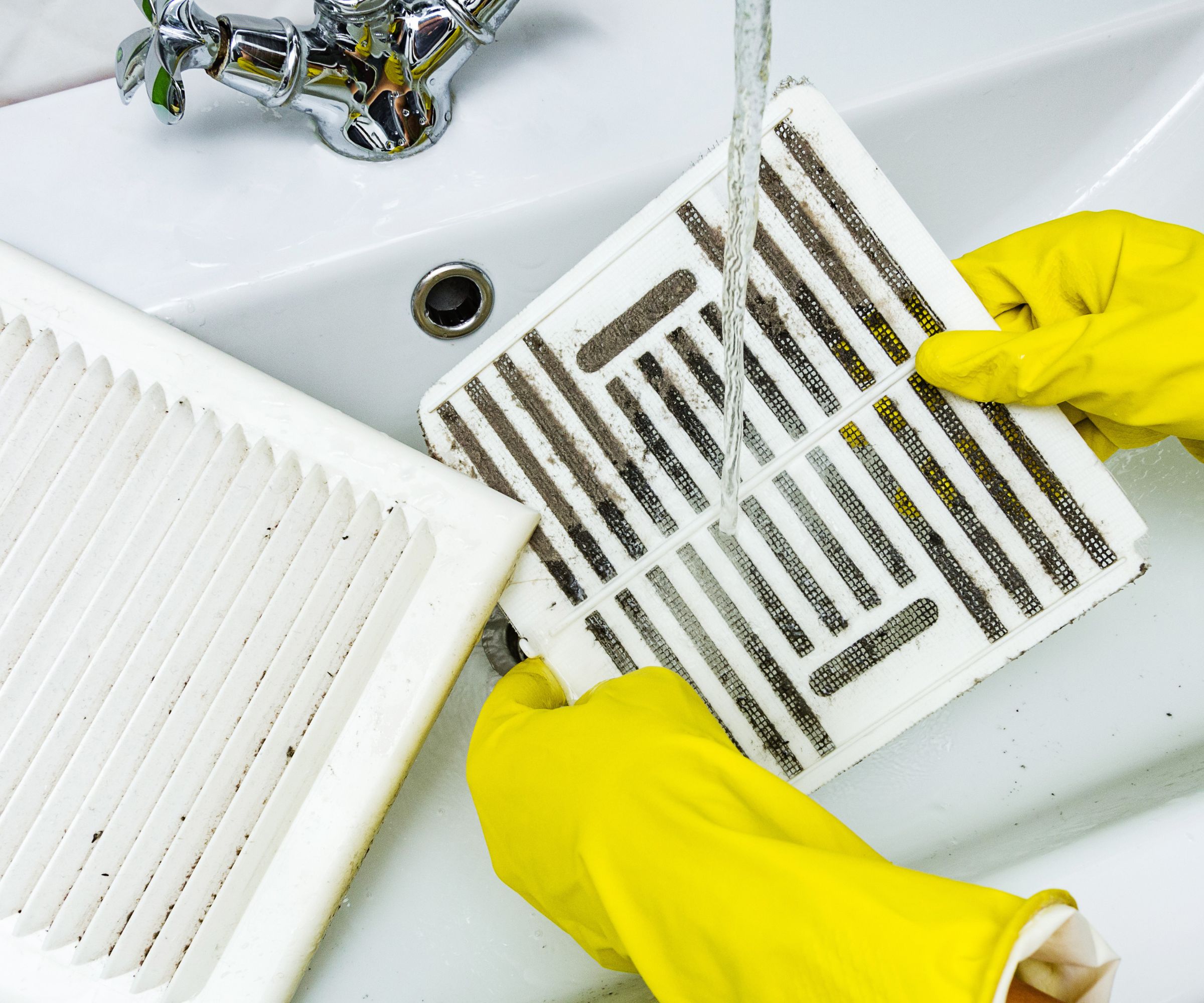
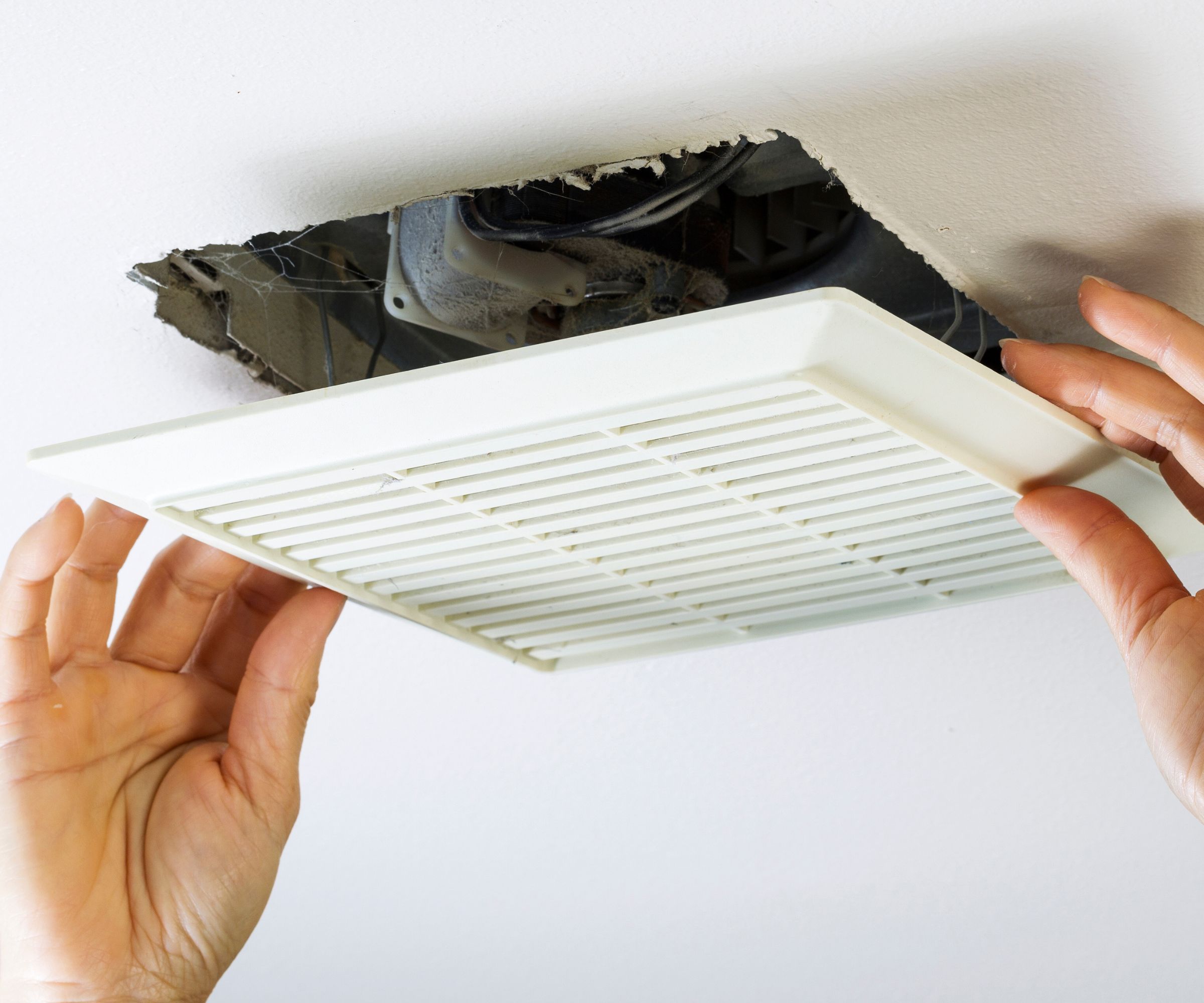
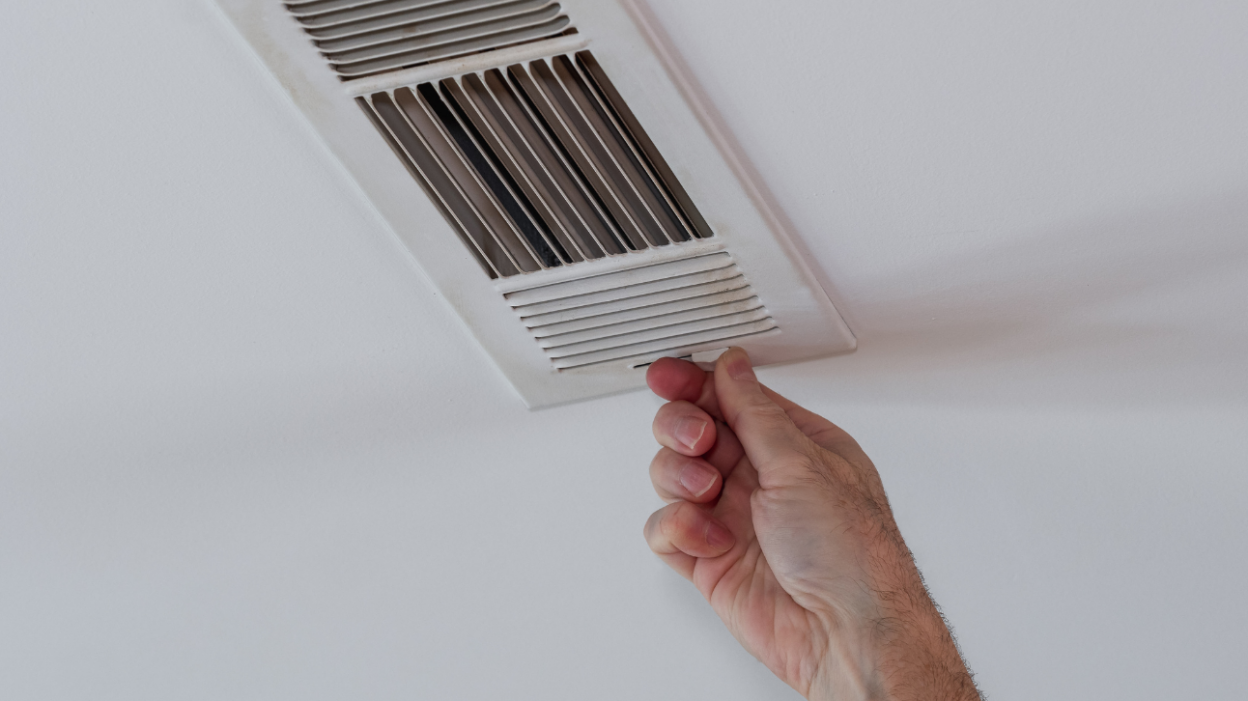
The article provides practical DIY steps for homeowners to attempt before calling a professional. The first step involves checking and replacing HVAC filters regularly, as dirty or clogged filters restrict airflow and contribute to uneven temperatures. Homeowners should clean filters every two weeks and replace them every three to four months. Next, homeowners should inspect all supply and return vents to ensure they are open and unobstructed. Dust and dirt in vents should be cleaned, as this can impede airflow. A temperature check using an infrared thermometer is recommended to identify rooms or areas that are too hot or too cold when the HVAC system is running. Finally, homeowners can locate and adjust dampers within the ductwork. Dampers, typically found where ducts branch from the main line, control airflow to different rooms. By slightly closing dampers in rooms receiving too much air and opening them more in rooms not receiving enough, homeowners can balance airflow. Small adjustments (10-20%) are advised, with a few days between adjustments to observe their impact. The article emphasizes that patience and experimentation are key, as each home and HVAC system is unique.
#HVACSystem #AirBalancing #HomeComfort #EnergyEfficiency #IndoorAirQuality #DIYHomeMaintenance #TemperatureControl #Ductwork #HVACSystem #AirBalancing #HomeComfort #EnergyEfficiency #IndoorAirQuality #DIYHomeMaintenance #TemperatureControl #Ductwork
0 comment in total
 No comments yet
You may also like
HVAC pros reveal if you should close vents in unused rooms – the answer feels counter-intuitive but it's true

HVAC Buying Guide: What to Know When You're Shopping


Why is my upstairs always hot even with AC on? Experts reveal why and how to fix it

Are Your Return Air Vents Facing the Wrong Way? Here's How to Check

How to get the most life out of your AC and Heating system

Comfort: Heating & Cooling

Story from Advantage Heating & Air Conditioning: 5 dark truths about the HVAC industry and how they can cost money
I had air con installed in my bedroom and was shocked how quick and easy it was
HVAC Maintenance Guide: What to DIY and When to Call a Pro
Are Your Return Air Vents Facing the Wrong Way? They Could Be Making Your Home Hotter


The Best Heating & Air Conditioning Companies in Midland, MI

The Best Through-the-Wall Air Conditioners


Updating And Maintaining Your Workplace’s HVAC System

How to clean your HVAC system – 6 expert tips to make this essential task DIY-friendly
Our Favorite ACs Keep You Cool Quietly and Efficiently
The Best HVAC Service Companies in America

What is a zoned heating HVAC system? We get the lowdown from the pros
The best air conditioners, and why we still recommend the Midea U

5 mistakes you're making that are compromising your home's air quality – and how to fix it like a HVAC pro
Practical Advice for Installing an Air Conditioner