1/7
Whole house ducted HVAC: The end is near?
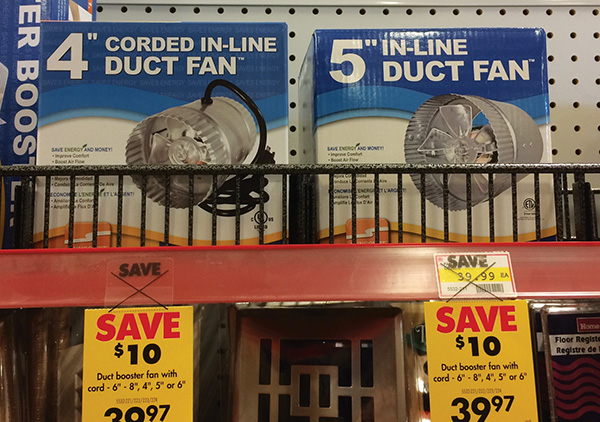
Traditional whole-house ducted heating, ventilation, and air conditioning (HVAC) systems, particularly those found in older homes, often present significant challenges in achieving optimal comfort and efficiency. While homeowners may upgrade furnaces or cooling units, the underlying ductwork, designed for older, less efficient systems, frequently remains unaddressed, leading to persistent comfort issues. The presence of aftermarket solutions like duct booster fans or adjustable floor registers in hardware stores indicates a widespread problem of uneven temperature distribution and discomfort in various rooms.
Automotive analogies can help illustrate this point: just as an old car with a new engine still struggles to meet modern standards due to its outdated chassis, an older house with a new HVAC unit is hampered by its original duct system. These duct systems were not designed for the performance levels of contemporary units, leading to inefficiencies. Even with new windows and insulation, the limitations of the original duct system can negate the benefits of newer HVAC equipment. Unlike cars, replacing an entire house is not a simple option.
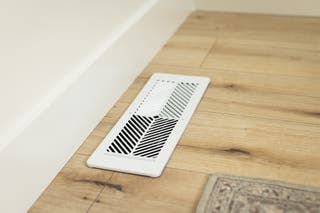
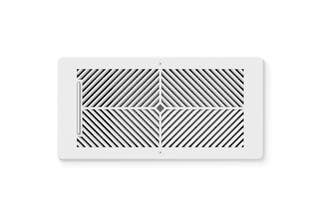
A fundamental issue lies in the design and placement of supply registers and return grilles. Proper floor registers are engineered products that consider factors such as air pressure drop, throw (the distance air travels), noise levels, and air mixture. For effective air mixing and comfort, an air throw of at least eight feet is typically required. Insufficient air changes per hour, often seen in bedrooms, further exacerbate comfort problems. For example, a master bedroom might only achieve 4.4 air changes per hour when 5-6 are recommended, leading to inadequate thermal regulation.
Beyond inherent system limitations, various household factors can compromise HVAC performance. These include poorly insulated attics and walls, leaky windows, lack of shading on south-facing windows, open drapes or blinds, furniture blocking registers, and inadequate return air, especially on upper floors. Decorative floor registers that lack proper throw and handyman modifications to the duct system during renovations also contribute to discomfort and inefficiency. The issue is compounded in multi-story homes, where significant temperature differences often exist between floors, with second-story bedrooms frequently being sources of complaint due to poor cooling performance.
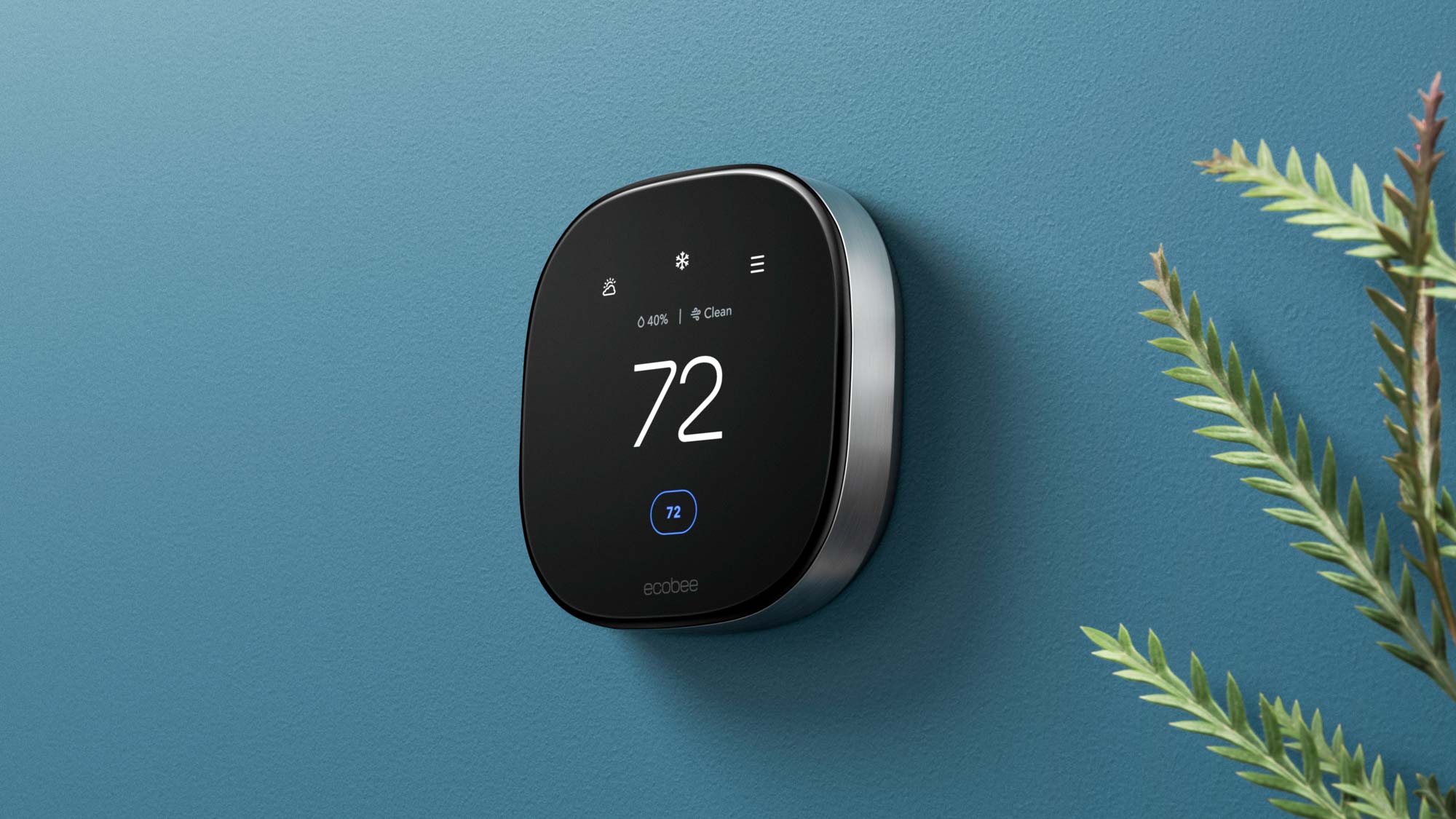
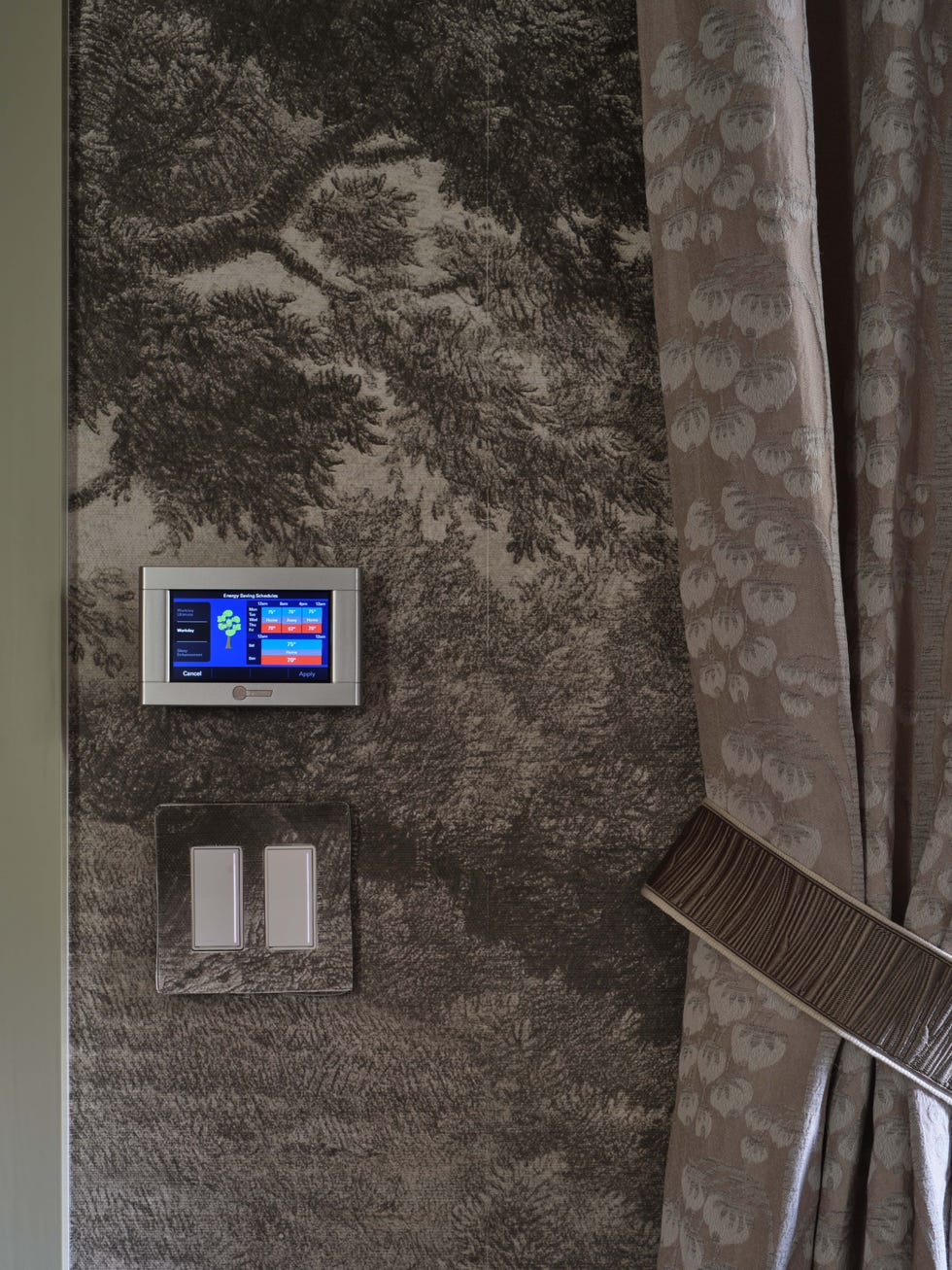
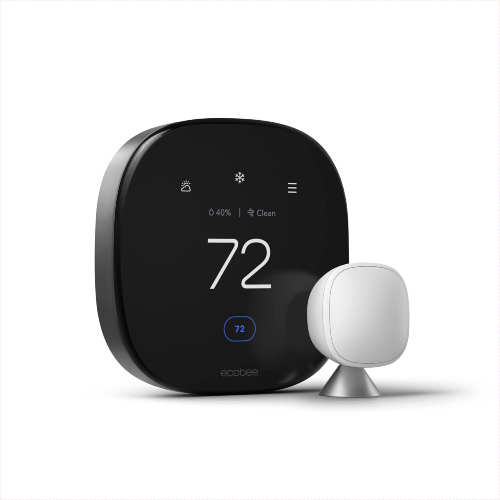
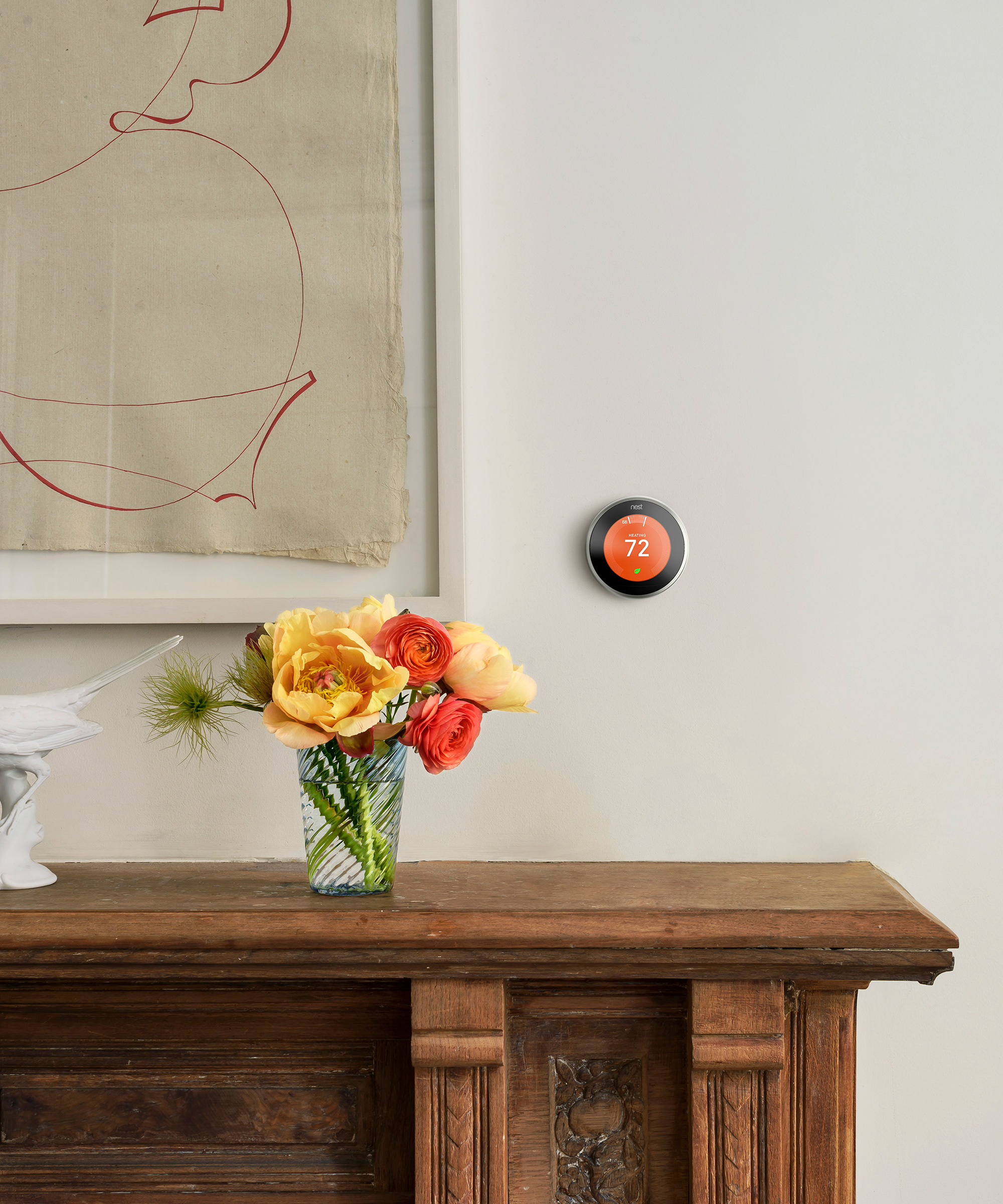
The placement of the thermostat is another critical factor. Often located in a central, first-floor area, it may not accurately reflect the temperature and comfort levels in other parts of the house, such as a master bedroom. This means that even with smart thermostats, localized comfort issues can persist. Homeowners are often unwilling to invest in costly renovations to improve existing duct systems or to alter their lifestyle habits, such as moving furniture or changing window coverings, to optimize HVAC performance.
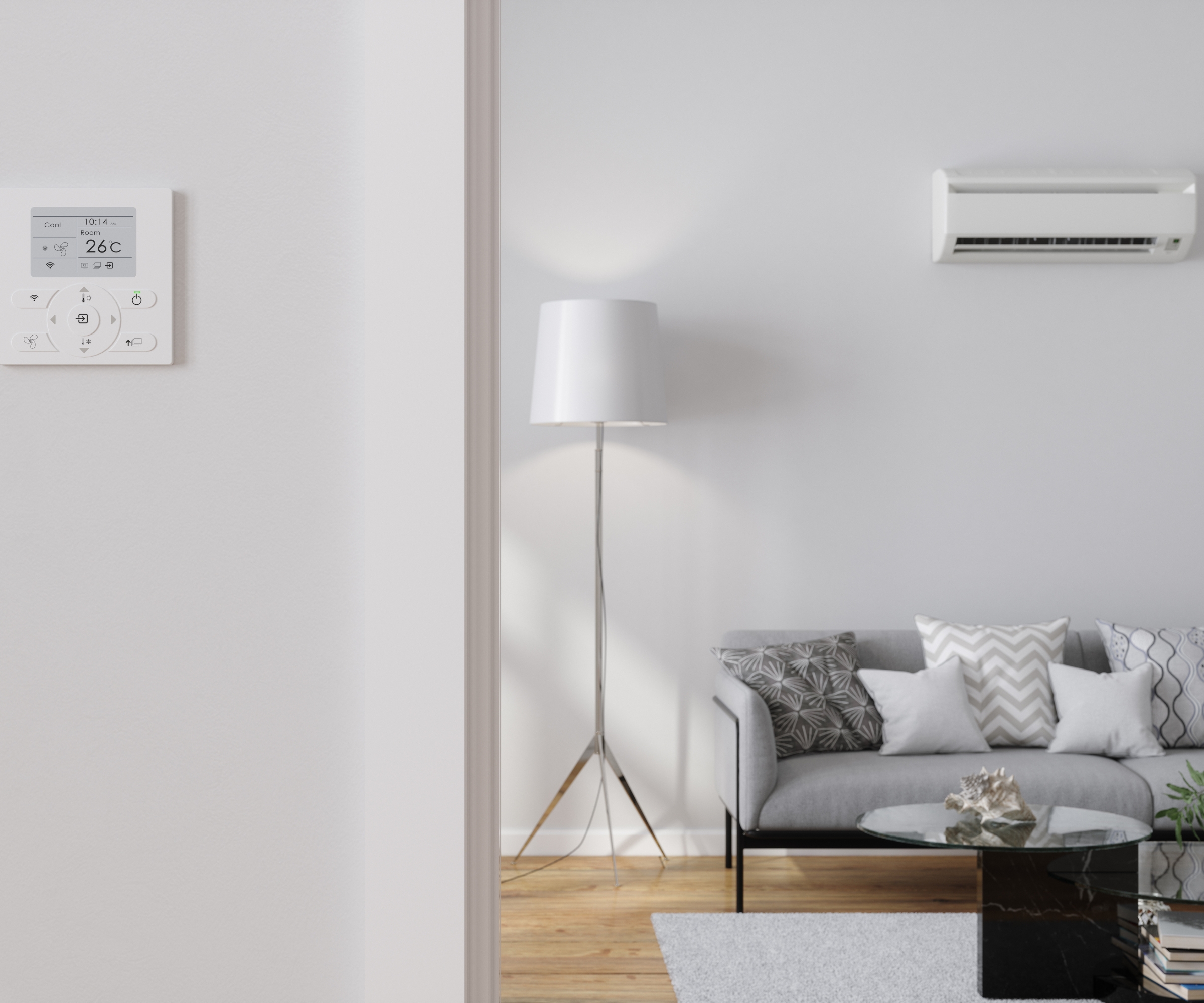
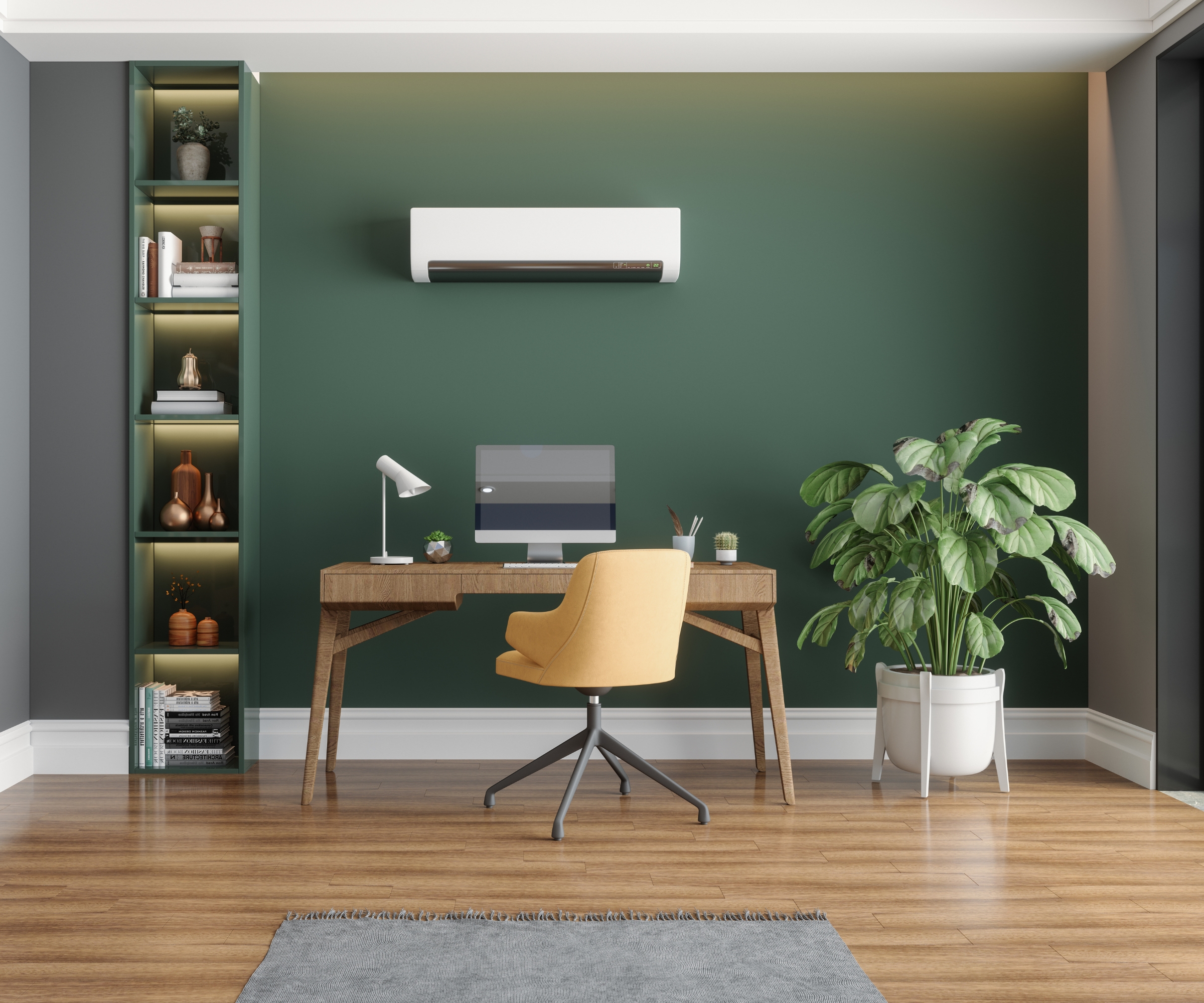
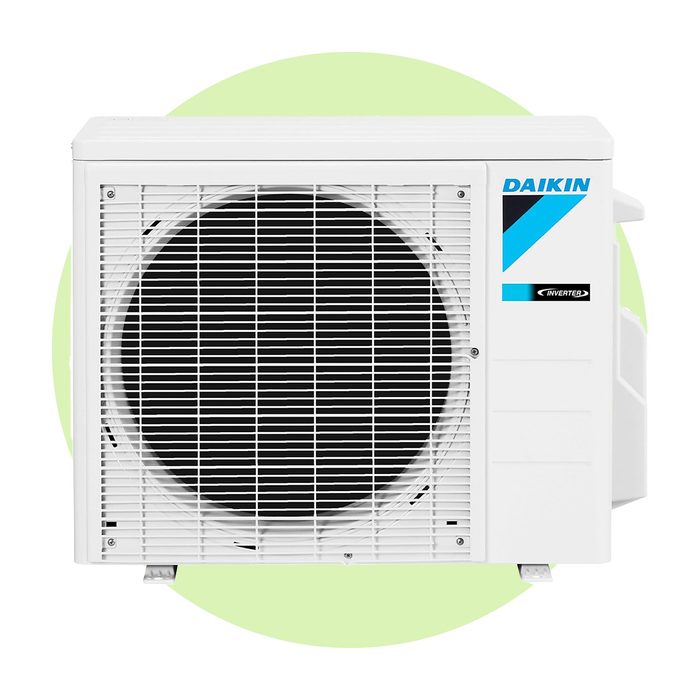
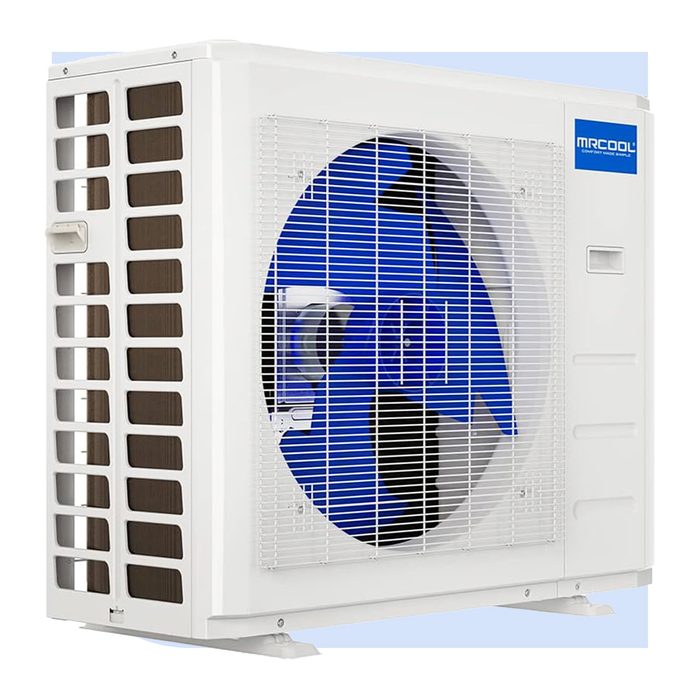
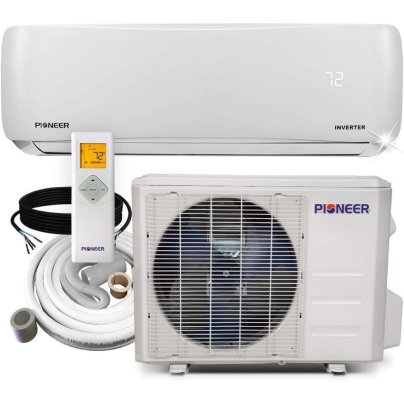
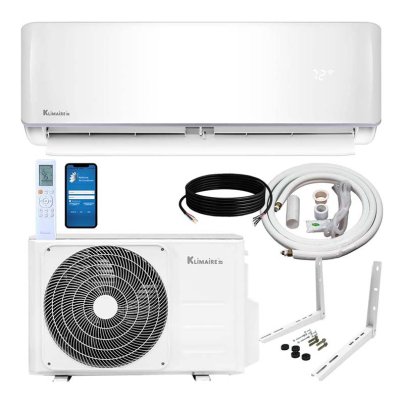
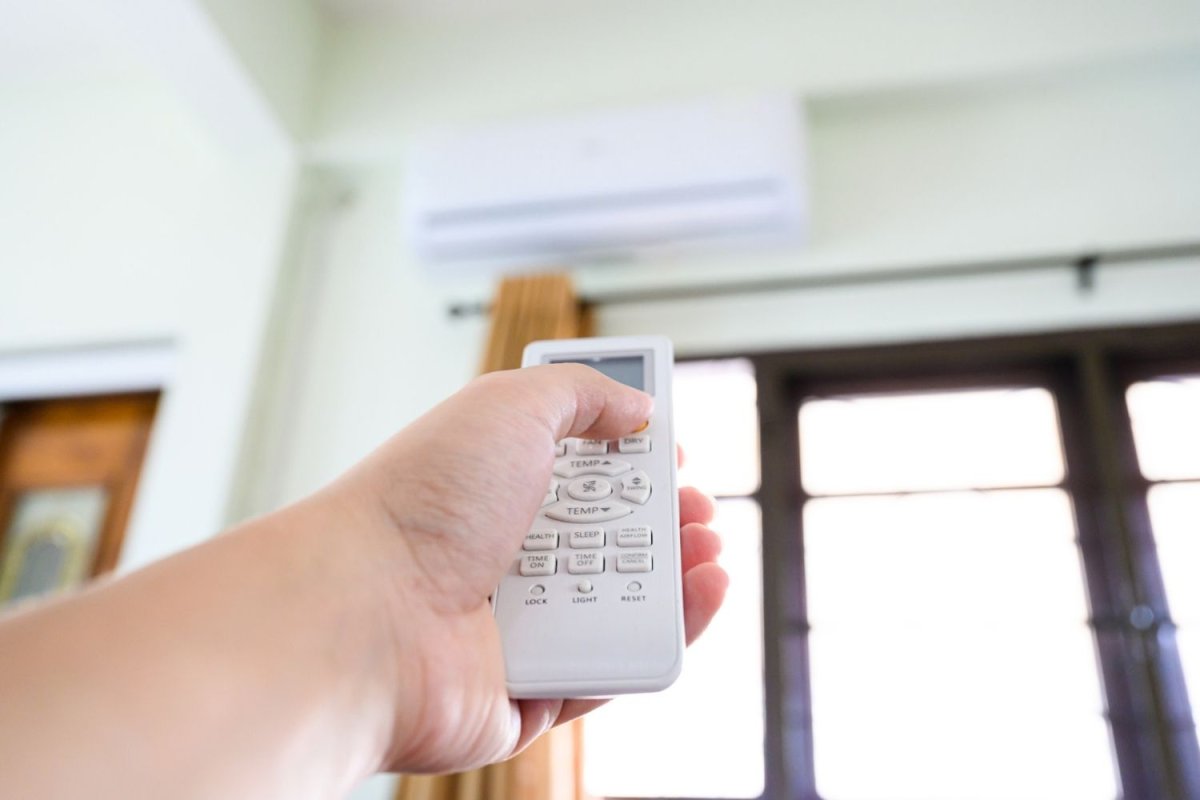
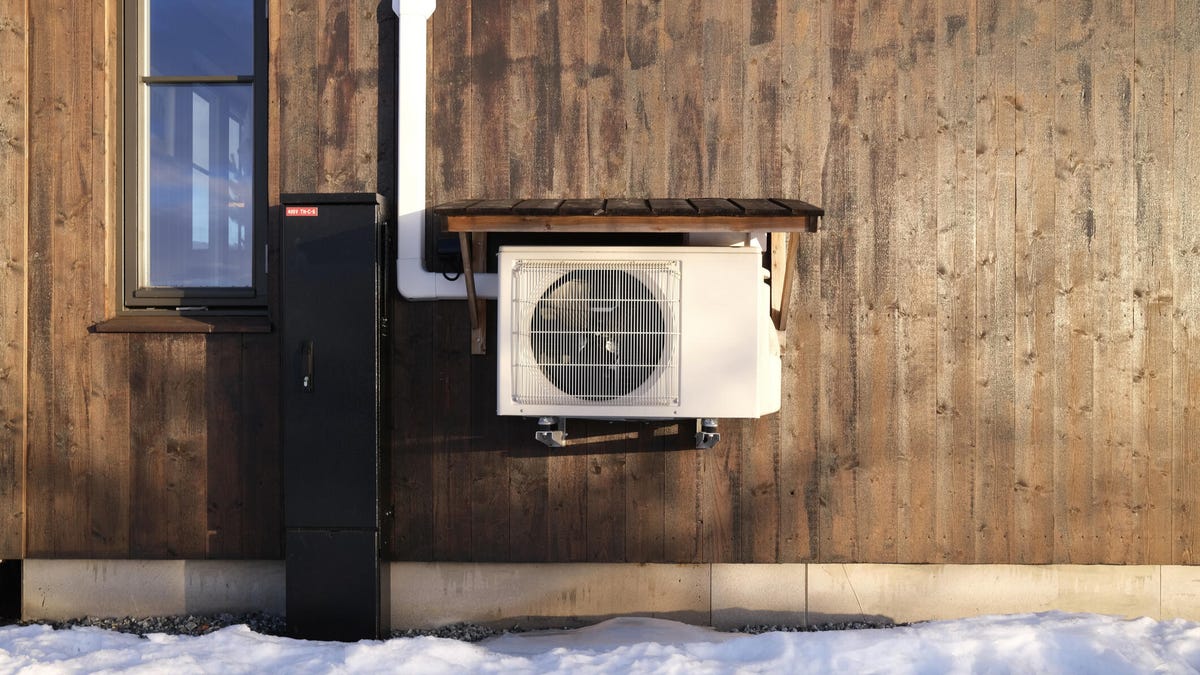
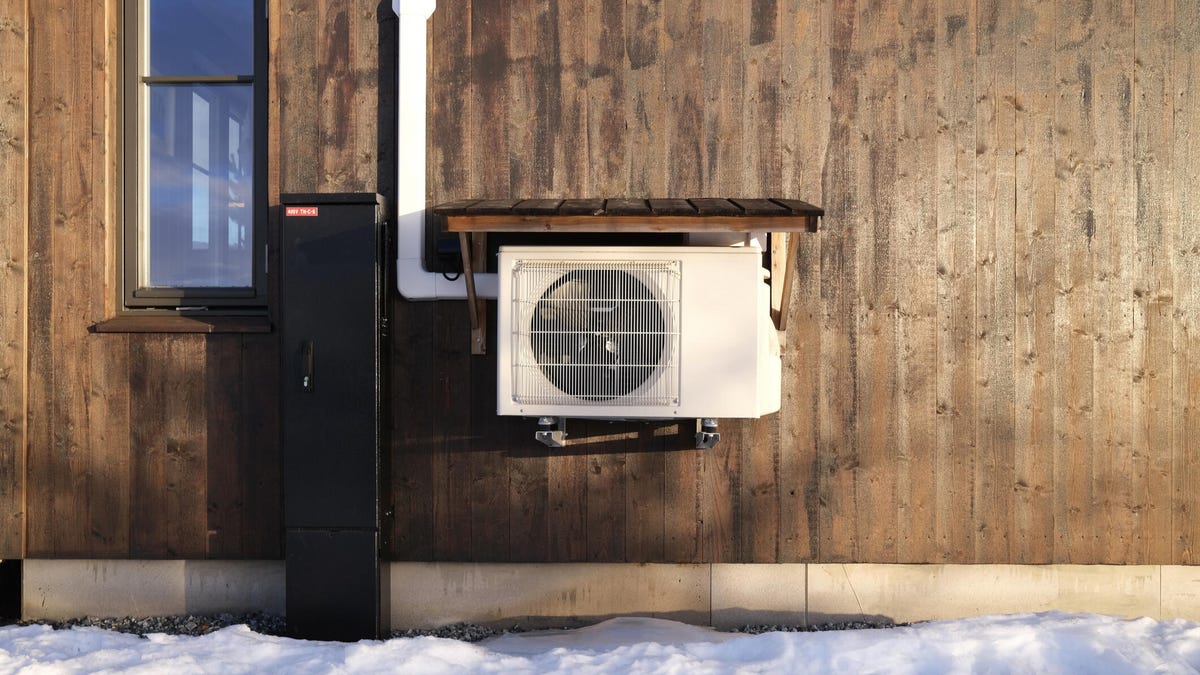
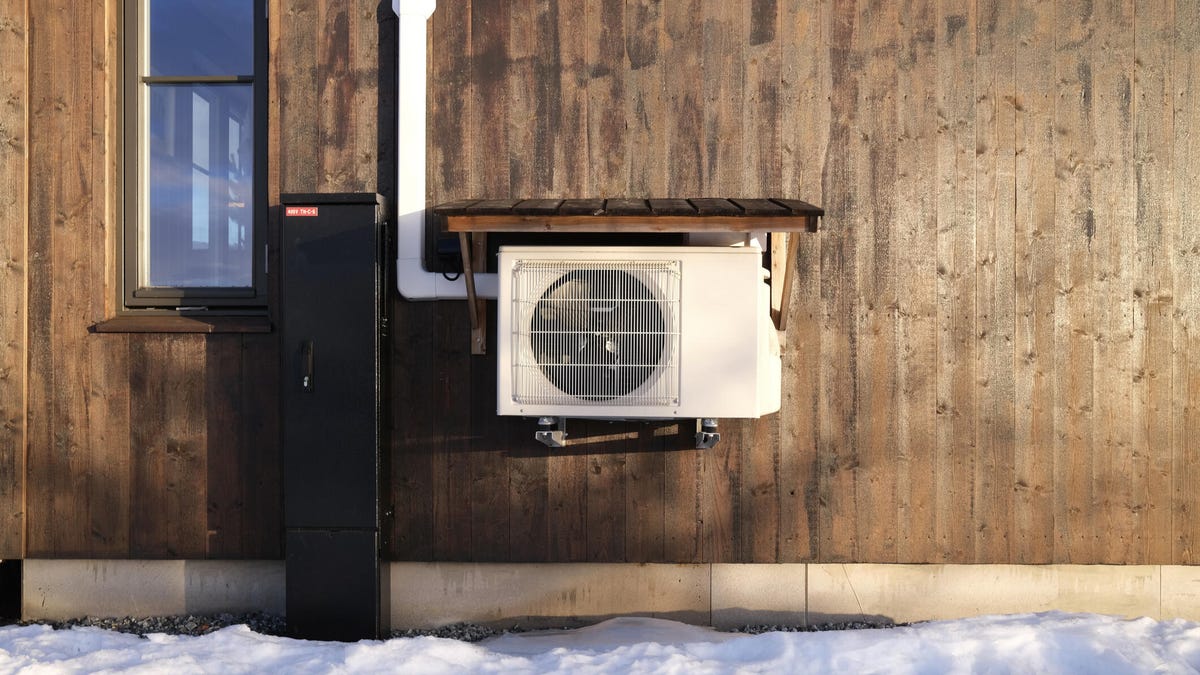
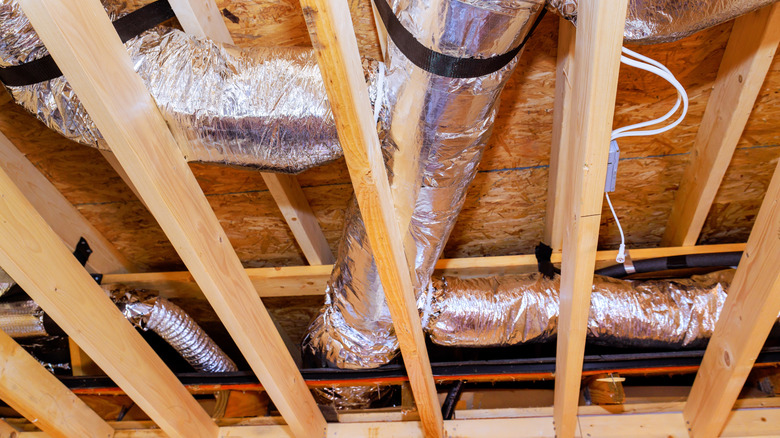
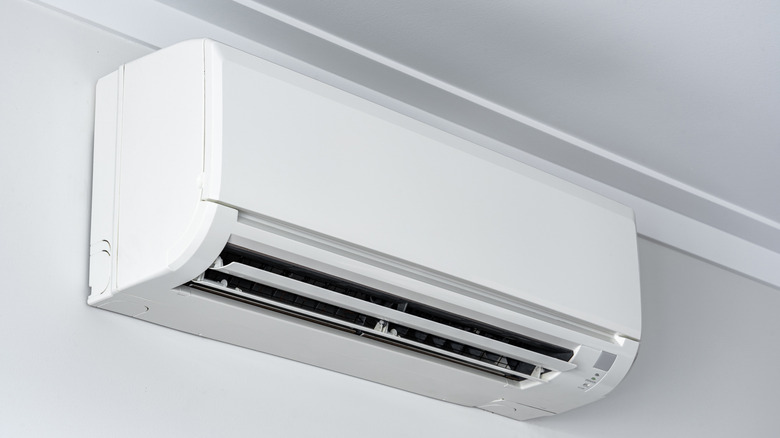
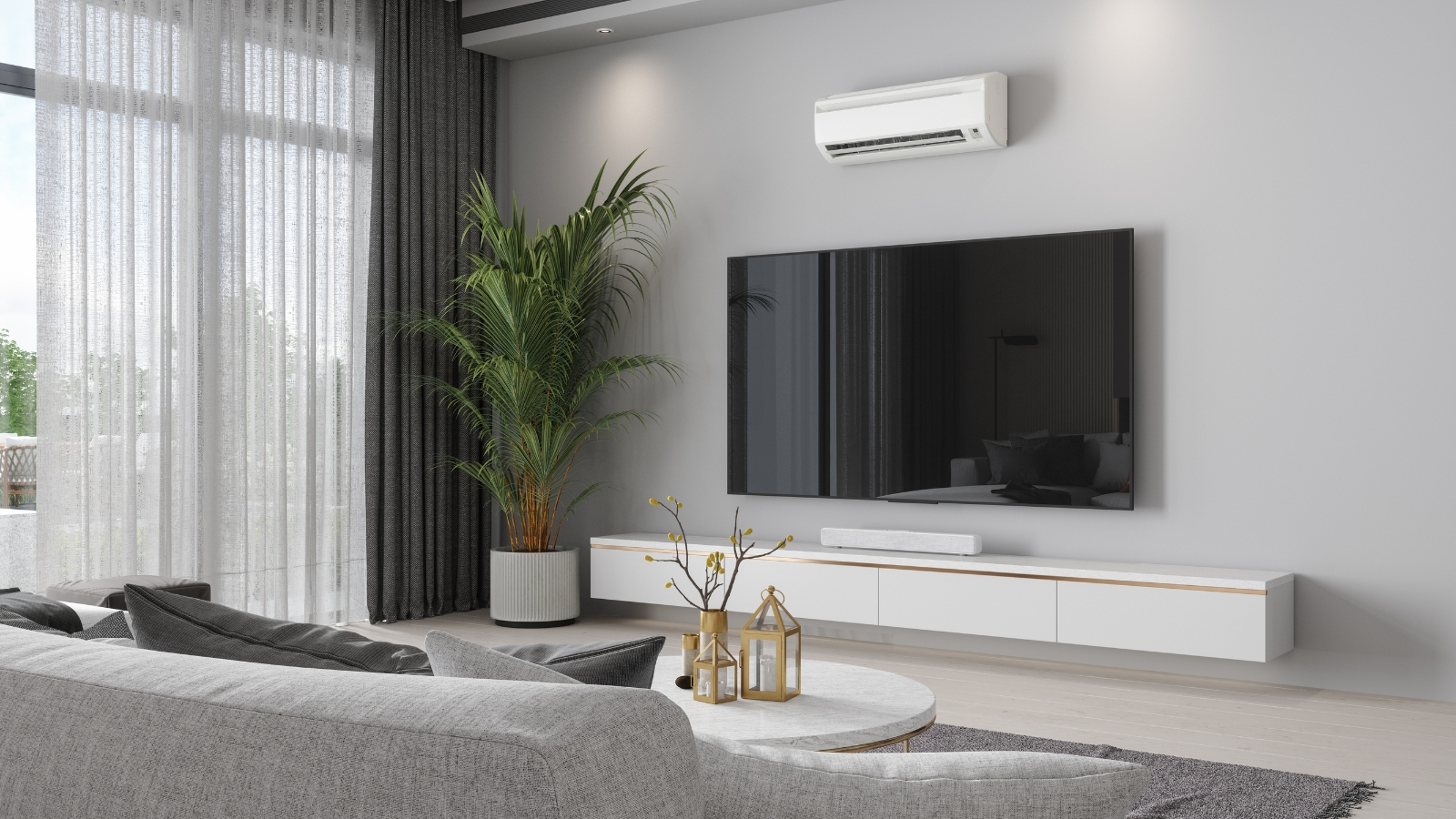
Alternative solutions offering better comfort and efficiency are gaining traction. Ductless split systems, for instance, provide "free air delivery" by discharging conditioned air directly into the space without restrictive ductwork. These systems utilize quiet yet powerful fans and advanced technologies like automatic swing dampers to ensure even air distribution and rapid temperature control. Small Duct High Velocity (SDHV) systems are another option, using smaller ducts and higher static pressure to deliver conditioned air through insulated flexible tubes to outlets, often placed in ceilings, using the principle of aspiration to create a draft-free environment.
As the industry moves towards net-zero energy buildings (ZEBs), advanced HVAC technologies become even more critical. Builders are beginning to incorporate smart ducting and other innovative HVAC systems to meet energy efficiency goals and enhance occupant comfort. For existing homes with outdated air distribution technology, ductless and SDHV systems offer affordable pathways to improve comfort and reduce energy consumption. HVAC professionals need to be well-versed in these workarounds and effectively communicate with homeowners about their lifestyle impacts on system performance to truly address comfort concerns.
#HVACSystems #HomeComfort #DuctworkEfficiency #ResidentialHVAC #EnergyEfficiency #DuctlessSystems #SmallDuctHighVelocity #NetZeroBuildings #HVACSystems #HomeComfort #DuctworkEfficiency #ResidentialHVAC #EnergyEfficiency #DuctlessSystems #SmallDuctHighVelocity #NetZeroBuildings
0 comment in total
 No comments yet
You may also like

Why is my upstairs always hot even with AC on? Experts reveal why and how to fix it

These Are the 5 Best Mini Split Brands, According to HVAC Experts

Ways To Heat A Basement Without An Electric Space Heater (And The Pros & Cons To Consider)
Practical Advice for Installing an Air Conditioner

I Thought I'd Found a $99 Fix for My Balky Air Conditioning. I Was Wrong. | Reviews by Wirecutter

The Best Heat Pumps for Cold Climates

HVAC and Indoor-Air Quality

You Might Be Able to Install a Heat Pump Yourself. You Probably Shouldn't

We Installed 5 U-Shaped Air Conditioners to Find the Best for Quiet, Efficient Cooling
Meet the HVAC System Customizing Comfort in Our 2025 Whole Home


What is a zoned heating HVAC system? We get the lowdown from the pros

Is Radiant Floor Heating the Best Way To Warm A Well-Insulated House?
The Future Of HVAC


The Best HVAC Service Companies in America
The Best Through-the-Wall Air Conditioners
Are Your Return Air Vents Facing the Wrong Way? They Could Be Making Your Home Hotter

HVAC pros reveal if you should close vents in unused rooms – the answer feels counter-intuitive but it's true
HVAC Buying Guide: What to Know When You're Shopping

Comfort: Heating & Cooling

Designing an HVAC System for a Passive House