1/7
Is a Heat Pump Right for Your Home? Here's What You Need to Know.
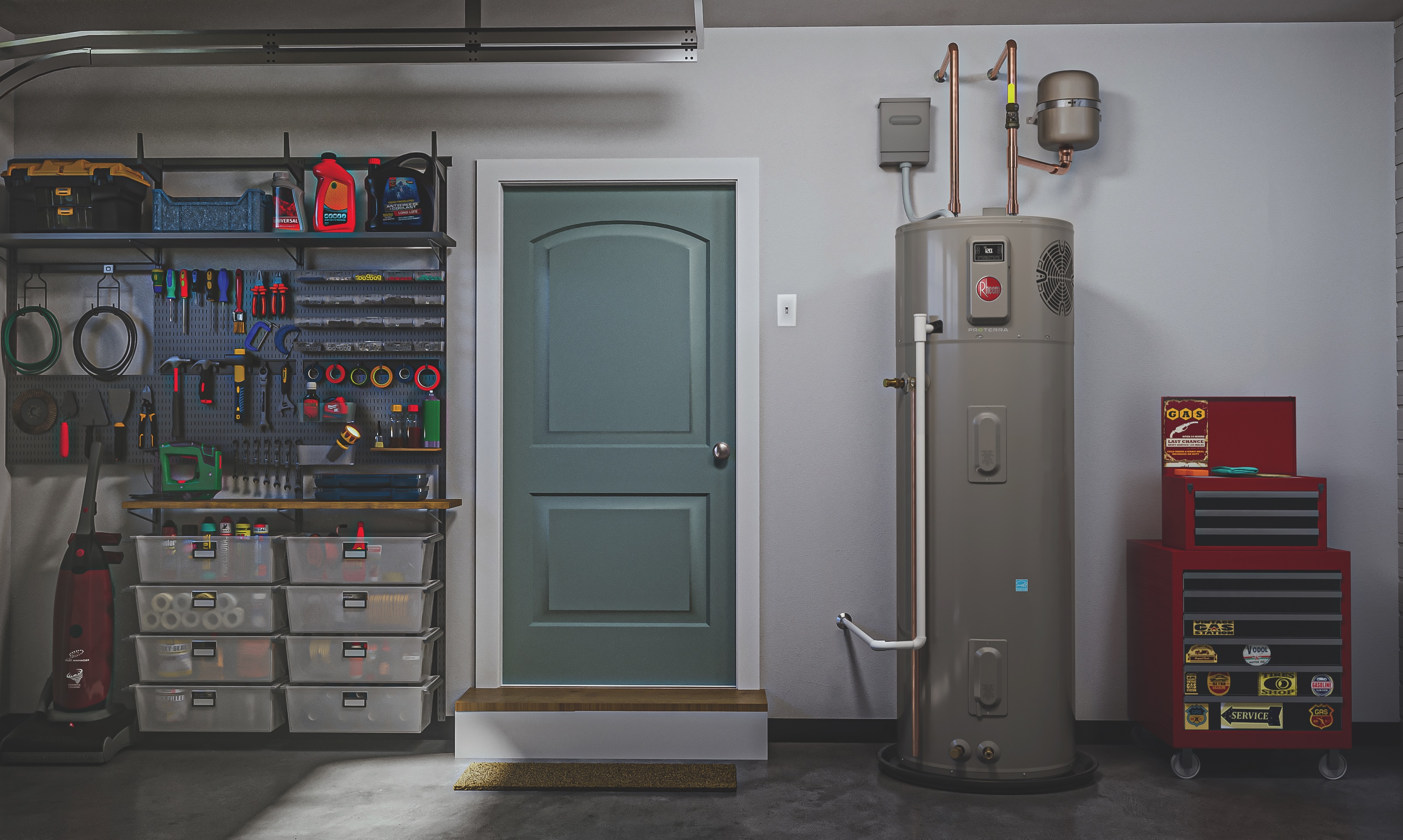
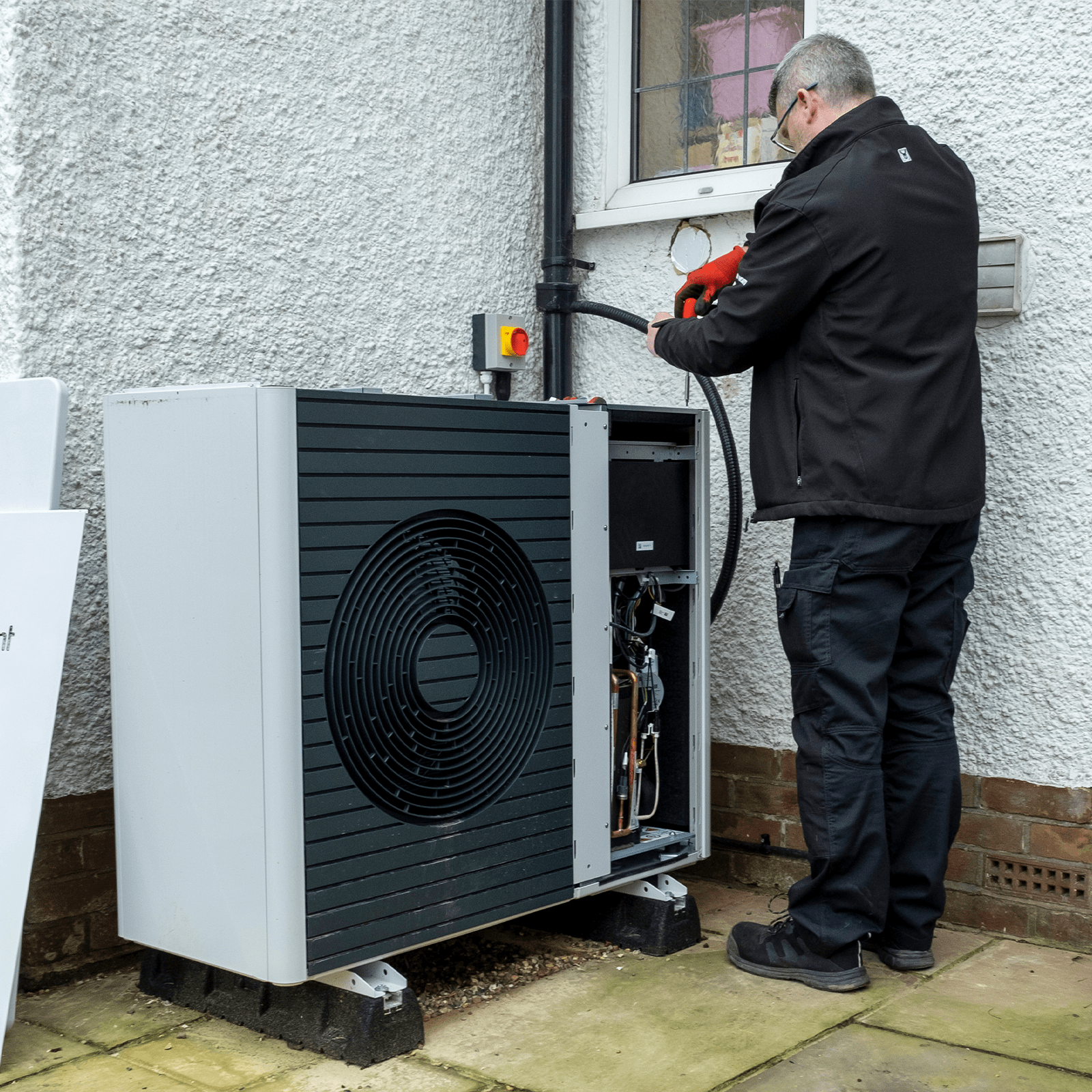
Heat pumps represent a significant advancement in home heating and cooling technology, offering a highly efficient, all-in-one solution for maintaining indoor climate. Despite their advantages, only about 15% of U.S. residences currently utilize heat pumps. This technology is gaining rapid recognition due to its improved capabilities in various climates and its potential to reduce carbon dioxide emissions by 38% to 53% compared to gas furnaces. Historically, heat pumps were less efficient below 40°F, but modern variable-speed compressors now enable effective operation down to -13°F. Beyond traditional HVAC, heat pump technology is increasingly integrated into other home appliances, including water heaters, clothes dryers, and combination washer/dryers.
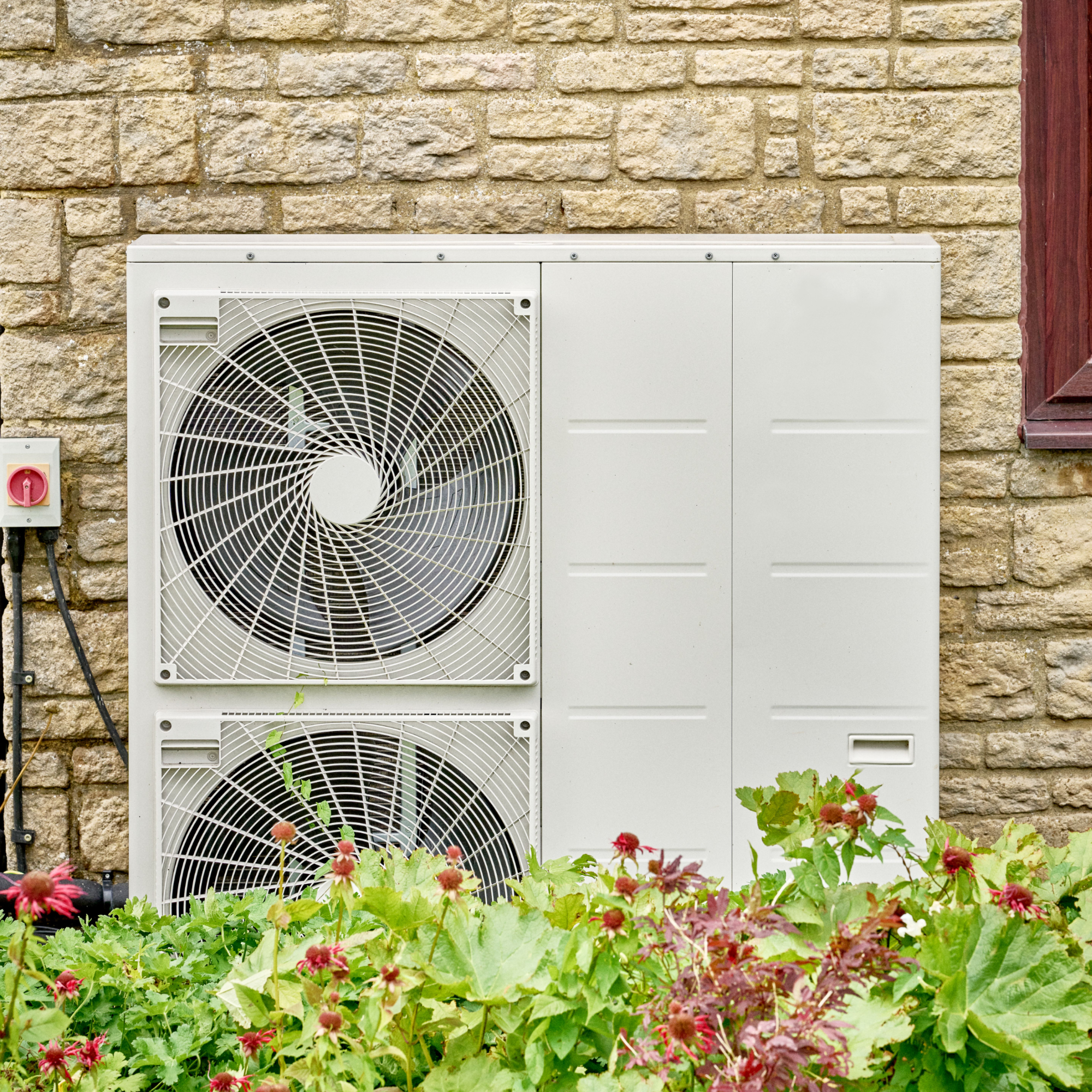
A heat pump operates by using electricity to transfer heat. In summer, it moves heat from inside the house to the outdoors, similar to an air conditioner. In winter, it extracts heat energy from the outside air, even on cold days, and transfers it indoors. This dual functionality eliminates the need for separate heating and cooling systems, offering a two-for-one value that helps offset the initial investment.
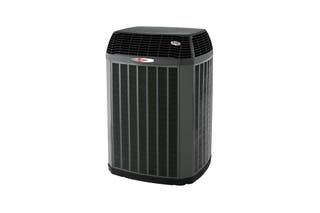
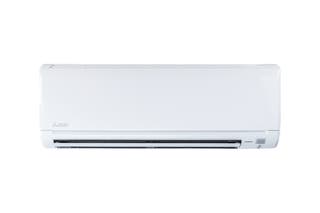
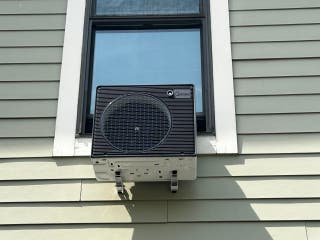
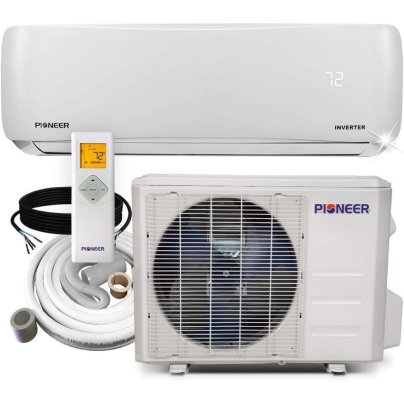
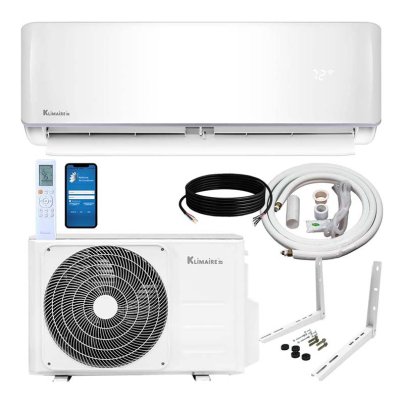
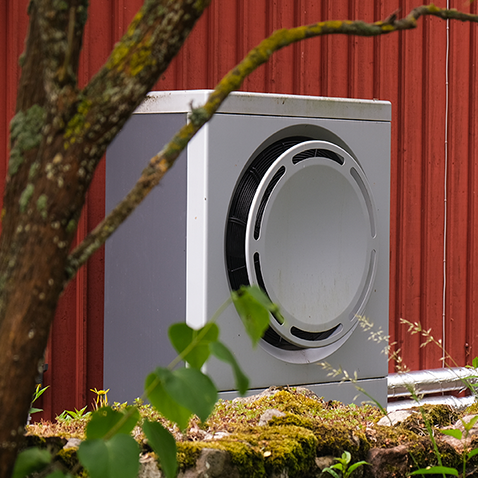
There are three primary types of heat pumps: air-source, ground-source (geothermal), and water-source. Air-source heat pumps are the most common in American homes and are further divided into ducted and ductless (mini-split) systems. Ducted systems resemble central AC units, using an outdoor compressor, an indoor unit, and existing ductwork to circulate conditioned air. While suitable for homes with pre-existing ducts and offering a discreet appearance, they can experience some air leakage. Ductless mini-split systems, conversely, use individual indoor air handlers connected to an outdoor compressor via small conduits, making them ideal for homes without existing ductwork and offering superior energy efficiency due to minimal air loss. However, their wall-mounted air handlers can be visually prominent.
Ground-source heat pumps, or geothermal systems, leverage the stable temperatures of the earth (50°F to 60°F year-round) through subterranean tubes. These systems are extremely efficient but involve significant installation costs and are generally not practical for typical residential lot sizes. Water-source heat pumps function similarly, using a body of water like a pond or lake for heat exchange, offering high efficiency and low maintenance if a suitable water source is available.
Several factors influence the decision to install a heat pump. The current heating fuel is a major consideration; homeowners using oil or electric resistance heating are likely to see significant savings with a heat pump. For those with inexpensive natural gas and a well-functioning furnace, the financial benefit might be less immediate. Heat pumps perform best in well-insulated, tightly sealed homes, as they are designed to maintain a steady temperature rather than providing rapid blasts of hot or cold air. Homeowners with solar panels or those considering them can further enhance the cost-effectiveness of an electric-powered heat pump, especially in states with high electricity rates. Heat pumps, particularly mini-splits, are also excellent for zoned heating and cooling, allowing different temperature settings in various parts of a large home.
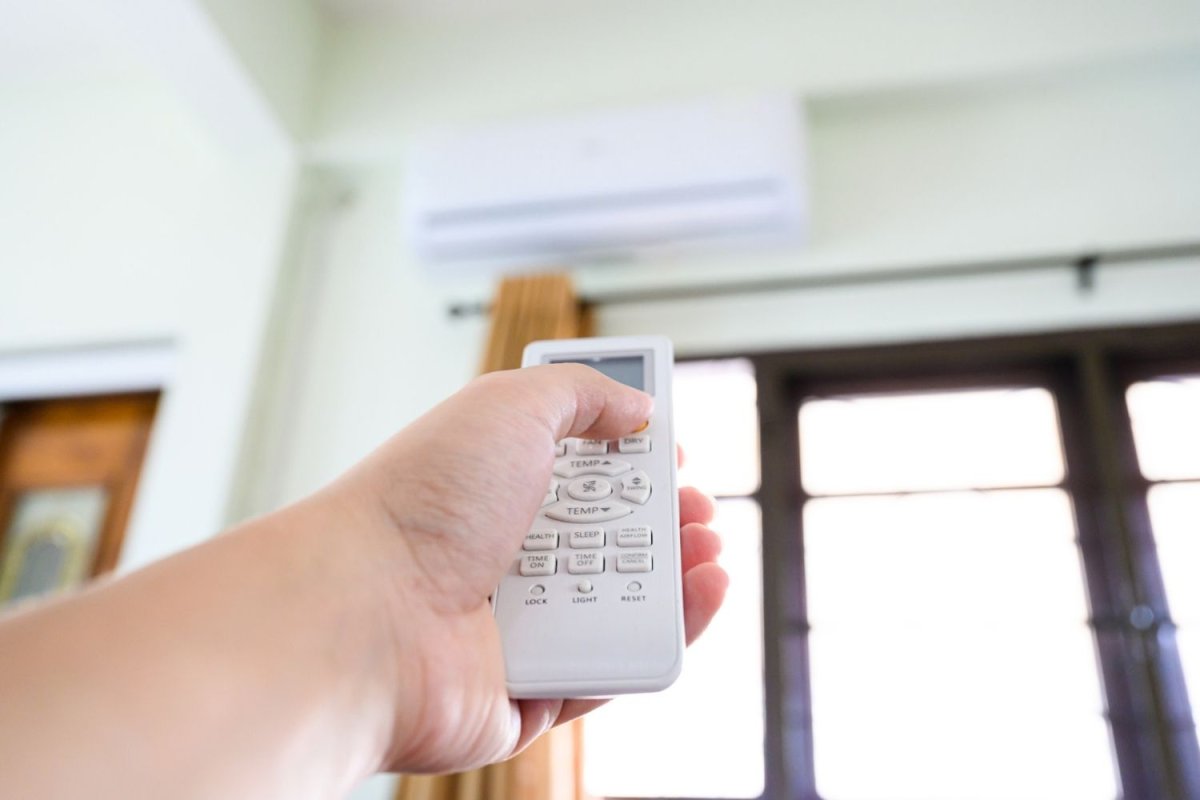
When selecting a heat pump, key specifications include size (measured in tons, with 1 ton equaling 12,000 Btu/hr), efficiency ratings (SEER2 for cooling and HSPF2 for heating), compressor design (variable-speed models offer optimal comfort and efficiency), and temperature performance (cold-climate certified models are crucial for harsh winters). Many modern heat pumps also feature Wi-Fi connectivity, allowing remote monitoring and operation via companion apps.
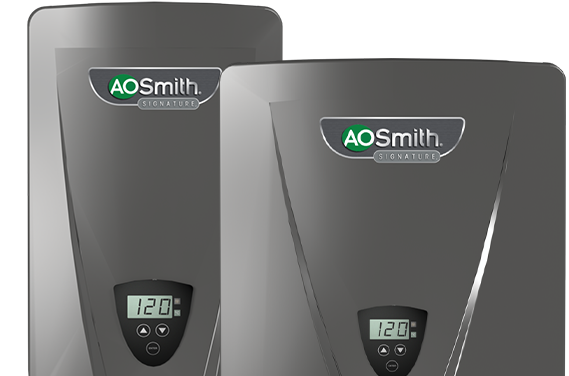
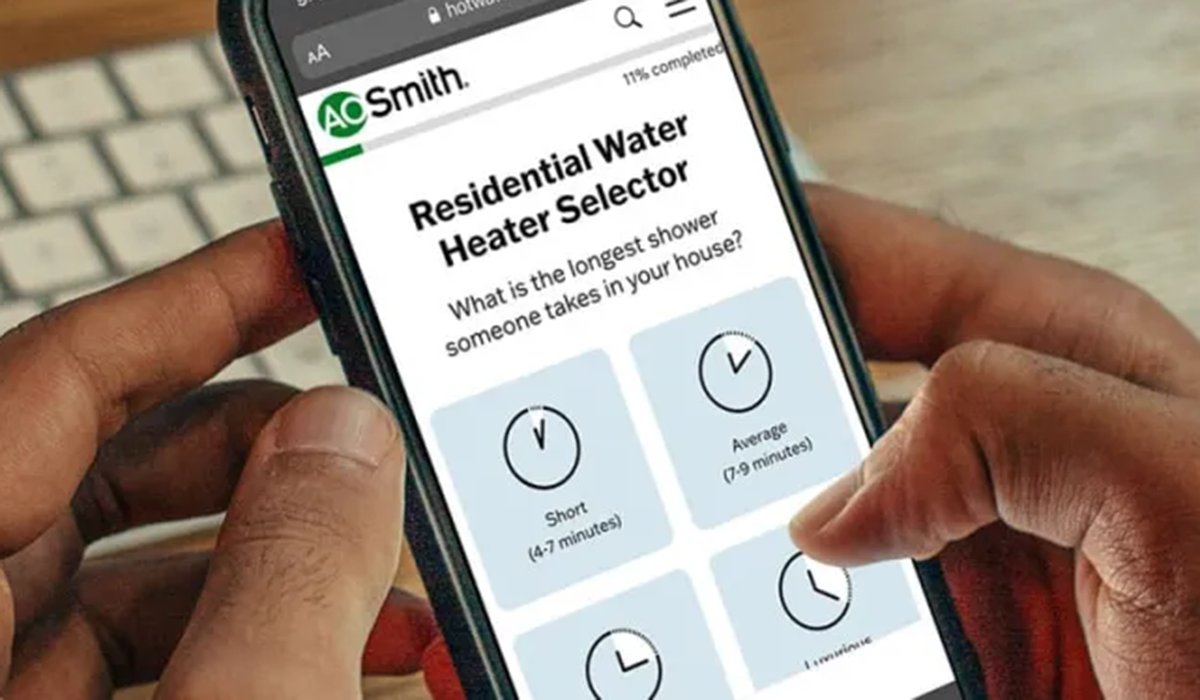
Heat pump installation costs vary widely, typically ranging from $7,120 to $36,000, with an average around $16,000. While a substantial investment, this cost covers both heating and cooling functions. Federal and state tax incentives, such as a 30% federal tax credit up to $2,000, can significantly reduce the net cost. Hybrid heat pump systems, which combine a heat pump with a backup furnace or boiler, can be a cost-effective solution, especially in areas with cheap gas prices or for supplemental heating in additions. Beyond HVAC, heat pump technology is being applied to water heaters, clothes dryers, and combo washer/dryers, leading to more energy-efficient appliances. Brands like A.O. Smith, Friedrich, Trane, GE Profile, and Miele are notable innovators in heat pump technology across various home appliances.
#HeatPump #HomeEfficiency #HVACTechnology #EnergySavings #SustainableLiving #HomeAppliances #ClimateControl #SmartHome #HeatPump #HomeEfficiency #HVACTechnology #EnergySavings #SustainableLiving #HomeAppliances #ClimateControl #SmartHome
0 comment in total
 No comments yet
You may also like

A Heat Pump Might Be Right for Your Home—Here’s What to Know | Reviews by Wirecutter


What’s the most efficient way to heat a house? How to heat your home for less, according to experts


6 of the best heater ideas to warm up your home this winter

Meet the HVAC System Customizing Comfort in Our 2025 Whole Home

The Best Heat Pumps for Cold Climates


Experts Urge Homeowners to Avoid This Radiator Mistake That 'Exaggerates' How Well It Will Heat Your Home

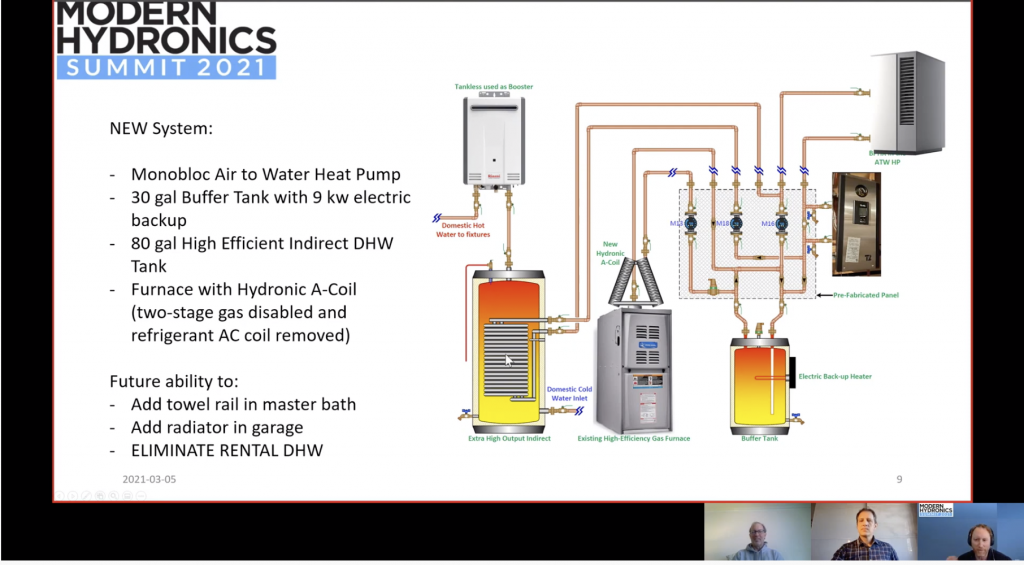
Air-to-Water Heat Pump Experience

How to choose the right fireplace for your home

Choosing a heater

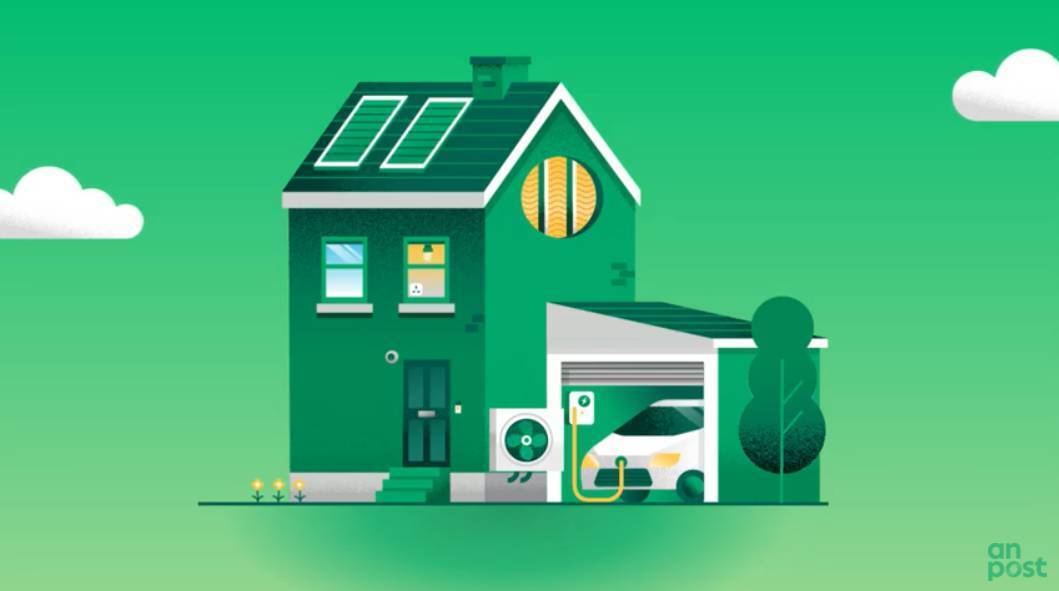
Upgrade your heating system to reduce bills and energy usage

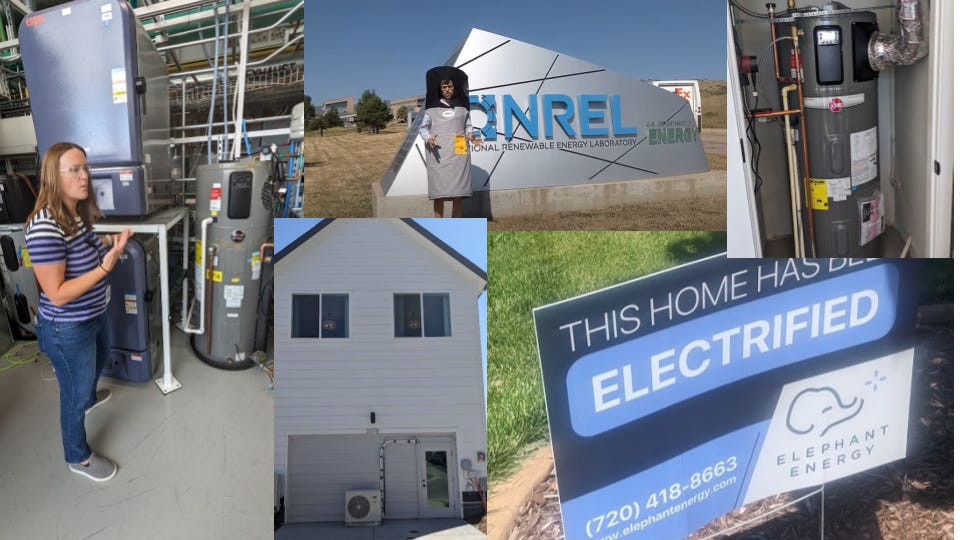
What Do a National Lab, a Home Builder, and an Elephant Have in Common?

How to choose the right fireplace for your home

The Ultimate Guide To Warmth: How To Choose The Best Room Heater For Your Home?

How to hide a heat pump - 4 ways to conceal your exterior unit without compromising on efficiency or functionality
Today's Water Heaters Aren't Built Like They Once Were—They're Better

The 7 Safest Space Heaters: Tested and Reviewed

Central heating - everything you need to know about heating your home
Our Favorite Energy-Efficient Space Heater Adds Style to Our Homes While Heating
The best space heaters in 2025

3 Eco-Friendly Heating Systems for Your Home in 2024