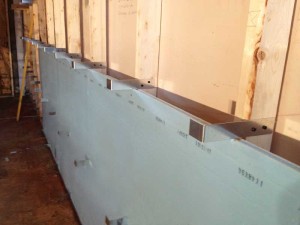

Spray Foam FAQ for Homeowners
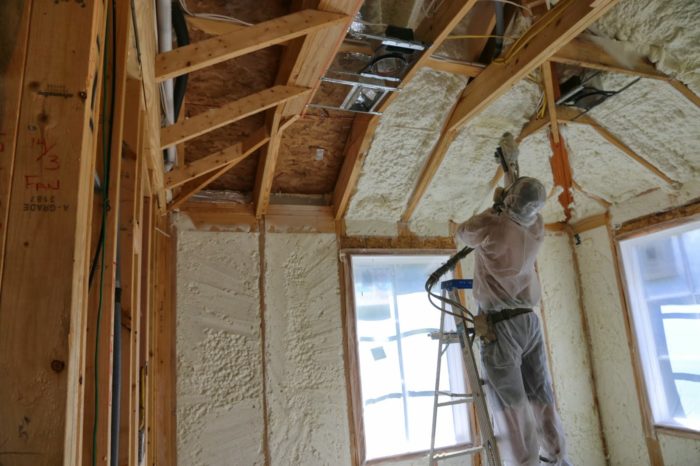
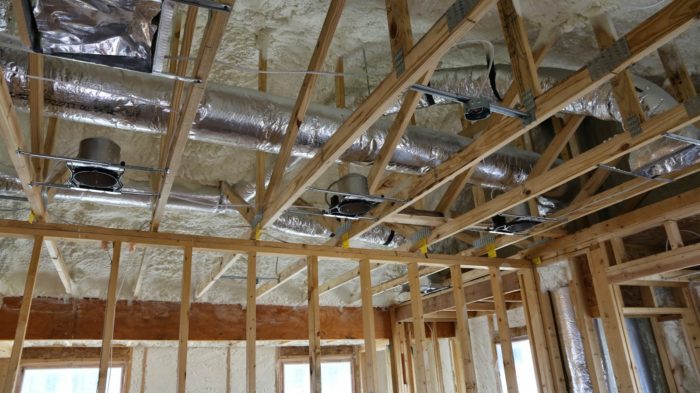
This comprehensive FAQ addresses common questions from homeowners regarding spray polyurethane foam (SPF) insulation. It begins by confirming that SPF insulation is code-approved, with building codes detailing its use in the Foam Plastic section, including requirements for thermal barriers. The optimal time for SPF application during construction is after rough plumbing, electrical, and HVAC installations, though sealing the entire exterior shell might necessitate earlier application in some areas.
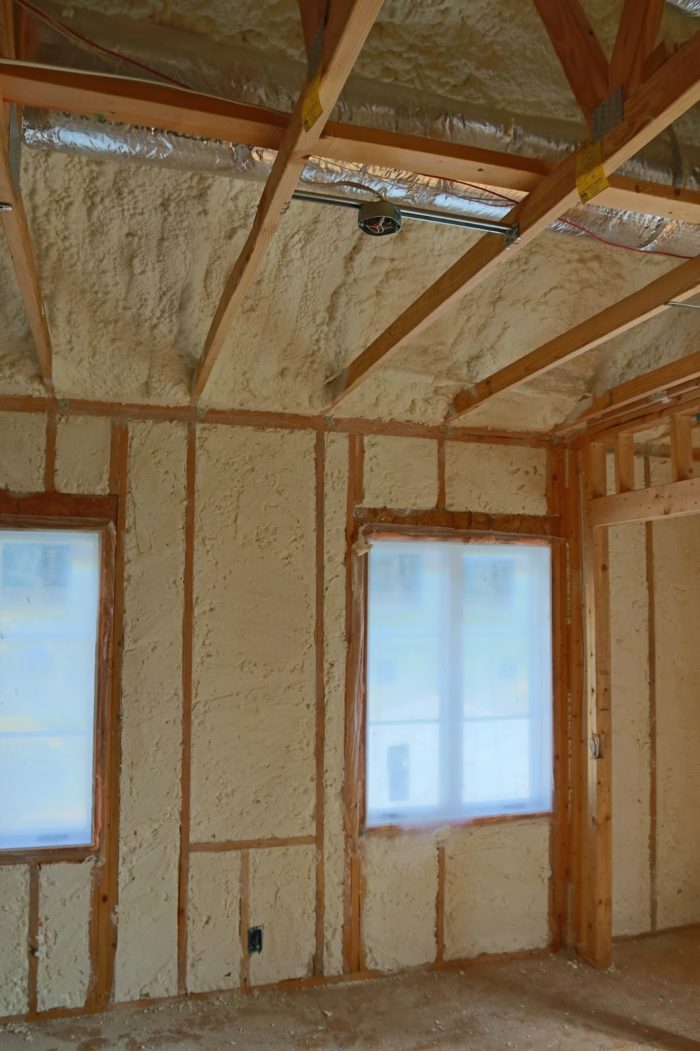
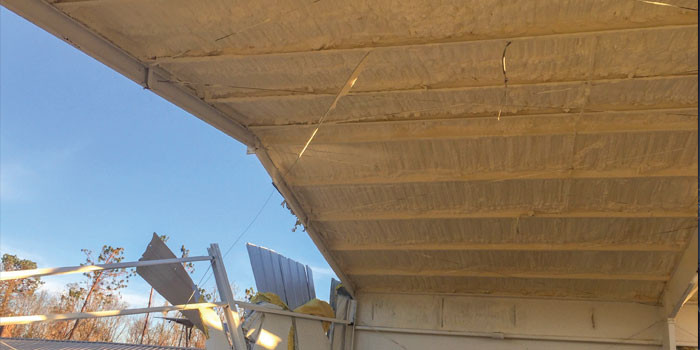
The article clarifies that windows are acceptable in unvented attics insulated with SPF at the walls and roof deck, although they act as thermal breaks, increasing energy load. Homeowners are advised against DIY SPF installation due to the complexity of equipment and the need for skilled, trained installers, though small kits exist for minor sealing tasks. For roofs with peel-and-stick moisture barriers, closed-cell SPF can be used under wood roof decks, but proper design is crucial, especially in cold climates, sometimes requiring ventilation chutes.
For homes in flood plains, closed-cell SPF is highlighted as a Class 5 Flood Damage-Resistant Material by FEMA, making it ideal for walls in flood-prone areas as it resists water damage and can be cleaned effectively. The FAQ also notes the compatibility of open-cell SPF with rock wool insulation in joist spaces, provided the combination meets climate zone and building code requirements. Canadian homeowners are informed that CCMC-approved foam is mandatory, and certification is obtained through manufacturers, not just a seller's training.
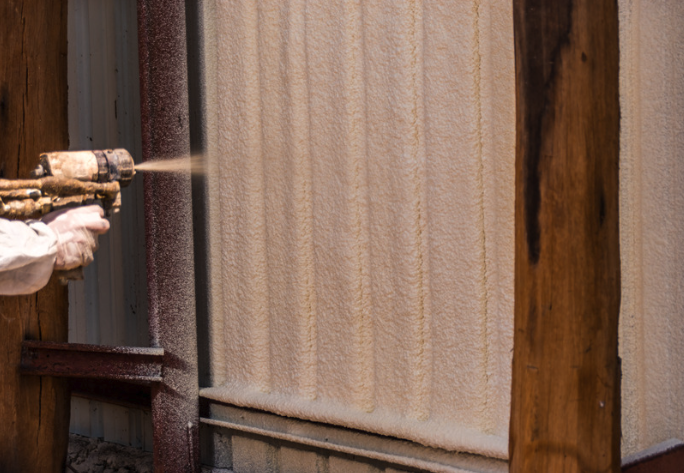
Regarding disposal, cured SPF is not recommended for garden soil due to unknown performance as soil fill, with standard disposal being in construction waste to a landfill. For crawl spaces prone to flooding, closed-cell SPF is a suitable choice, aligning with FEMA's Class 5 classification. When installing a wood stove in an SPF-insulated home, proper ventilation is critical, requiring consultation with the stove manufacturer and potentially a ventilation expert to ensure adequate air supply and prevent indoor air quality issues. The article also explains the mechanism of SPF, where a two-part mixture expands rapidly to fill voids and adhere to various construction materials.
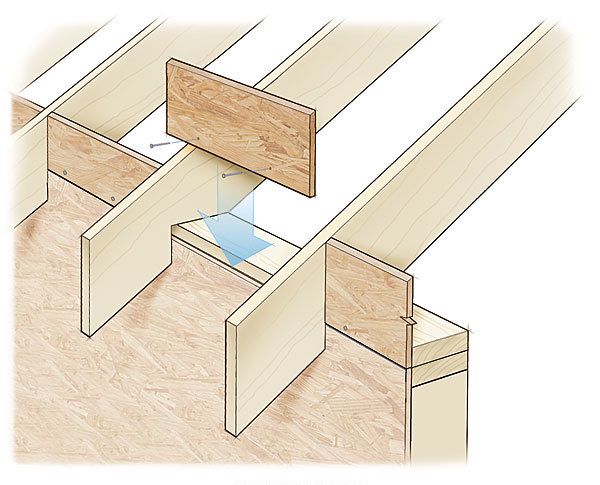
Insulating the underside of trailers or crawlspaces with SPF is recommended to improve energy efficiency, with the selection of appropriate product depending on the climate. Both open-cell and closed-cell SPF effectively reduce outside noise through walls, with the choice depending on climate zone. The decision to insulate attic rafters or floor joists depends on factors like HVAC placement in the attic, future attic finishing plans, or the need to increase wind uplift resistance in hurricane zones. Air-tight homes insulated with SPF may require special hood vents with dedicated makeup air systems for cooktops. Addressing existing batt insulation in attics, the article suggests its removal if the intent is to create a conditioned, unvented attic, as fiberglass insulation can harbor contaminants and odors that would otherwise be vented out.
Building a new roof with SPF involves applying closed-cell foam on the top side of the ceiling finish, ensuring the decking is tight and considering ventilation of the airspace between the foam and OSB roof deck, with weep holes for drainage. The expanding force of SPF can damage building materials, so it is not recommended to spray or pour it into existing wall cavities; installation should occur when sheathing is removed. The concern about SPF shortening asphalt shingle life due to increased heat in unvented attics is deemed exaggerated by research from Building Science Corporation, which indicates minimal temperature differences compared to other factors. For crawl spaces with termite concerns, an inspection strip of about 6 inches should be left on the walls if SPF is applied. SPF in garages or other areas needs to be protected by a thermal barrier like gypsum wallboard. Lastly, warranties for SPF insulation are directly through the foam manufacturer, and professional installation typically occurs after rough mechanicals but before interior walls, with some applications possible in older buildings. While SPF creates an airtight building, controlled ventilation through HVAC systems with air exchangers can maintain indoor air quality.
#SprayFoamInsulation #HomeInsulation #EnergyEfficiency #BuildingCodes #DIYHomeImprovement #FloodResistance #AtticInsulation #CrawlspaceInsulation #IndoorAirQuality #ConstructionTechniques #SprayFoamInsulation #HomeInsulation #EnergyEfficiency #BuildingCodes #DIYHomeImprovement #FloodResistance #AtticInsulation #CrawlspaceInsulation #IndoorAirQuality #ConstructionTechniques
0 comment in total
 No comments yet
You may also like
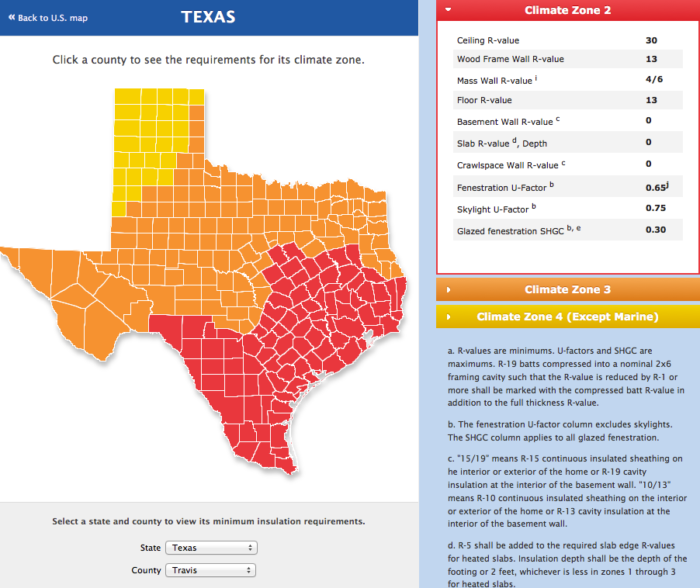
How to Use Spray Foam to Meet New Energy Codes in Warm Climates

9 basement insulation ideas


Spray Foam Insulation Contractor Expands to Serve More Homeowners and Businesses


Foam, Sealant & Caulking Guns


Are Weather Conditions OK to Spray Today?

6 types of attic insulation and how to pick one for your home
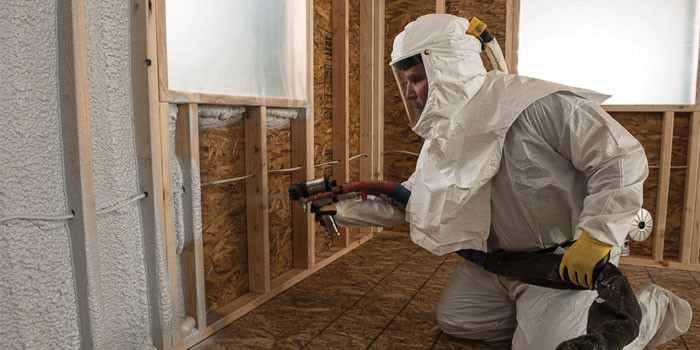
Making the Case for Spray Foam as a Continuous Solution
How To Spray Paint Safely

The Best Expanding Foams for Sealing Gaps, Tested

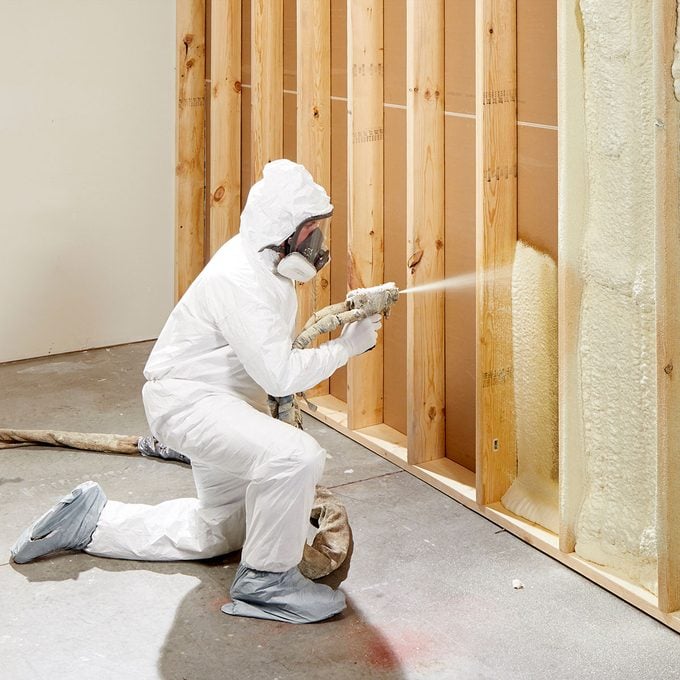
What Is Spray Foam Insulation?
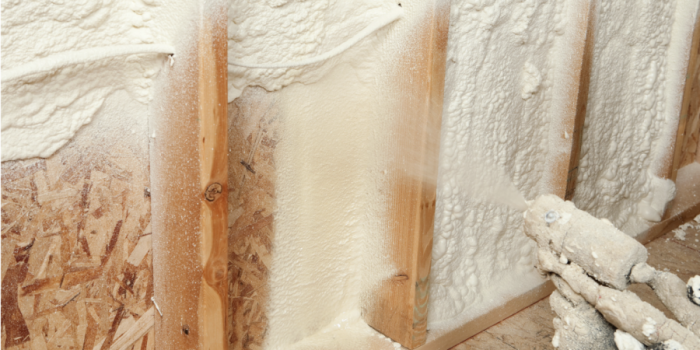
Closed-Cell Foam Vs. Open-Cell Foam
Should I Vent a Roof Insulated With Spray Foam?

Spray Polyurethane Foam Frequently Asked Questions FAQ by Homeowners
Home insulation materials


Spray Foam in Extreme Climates
Harrisonburg hot yoga studio keeps moisture out
Man on Fire

Spray Foam Insulation Expansion Reaches More Homes and Businesses


Spray Foam Insulation Contractor Extends Services to New Markets

Insulating an Old House from the Outside