Insulating an Old House from the Outside
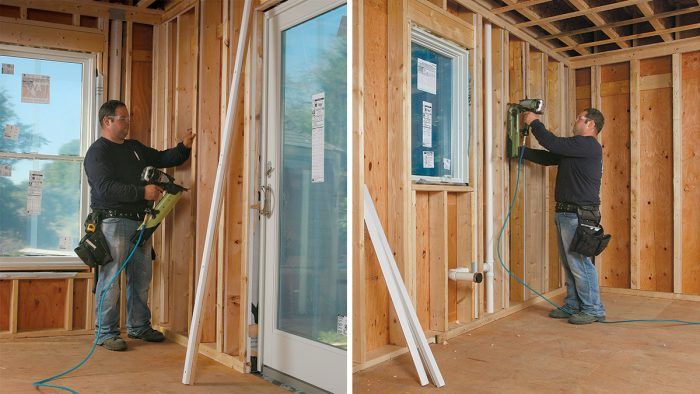
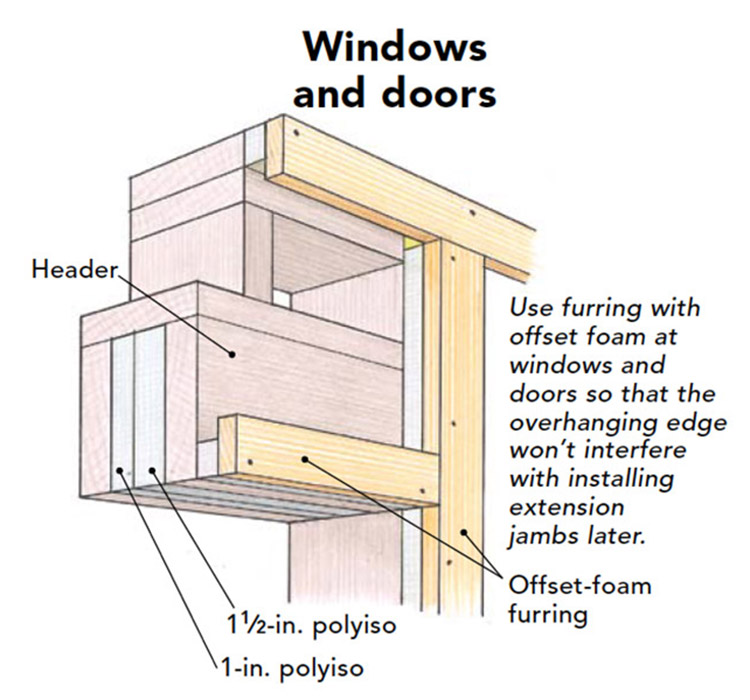
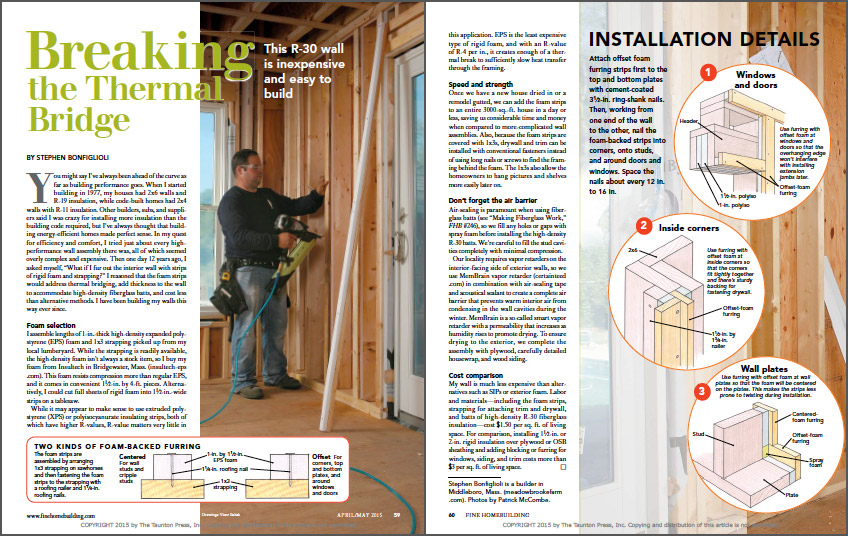
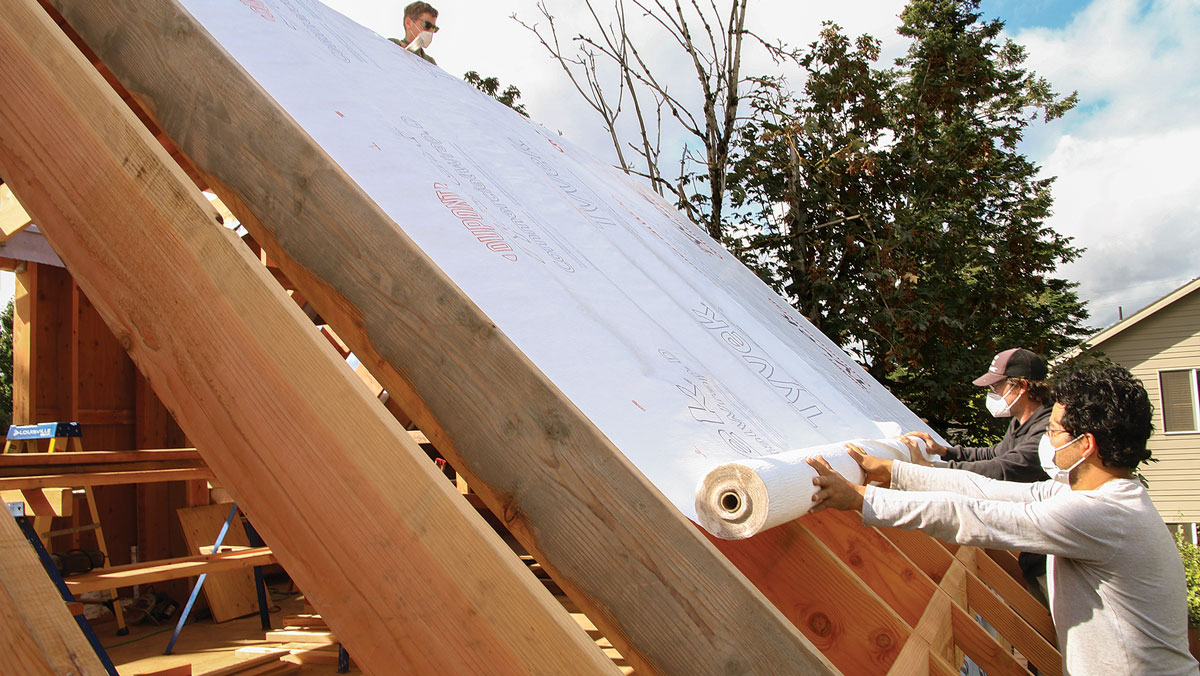
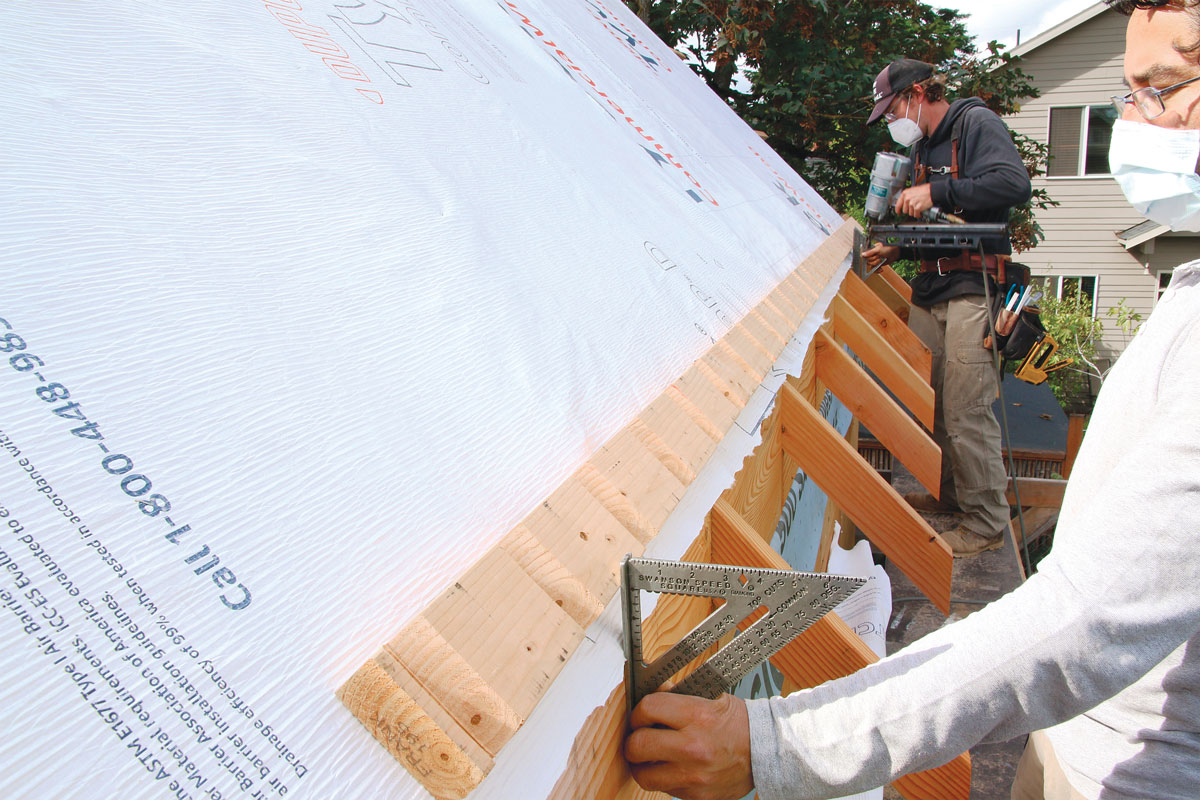
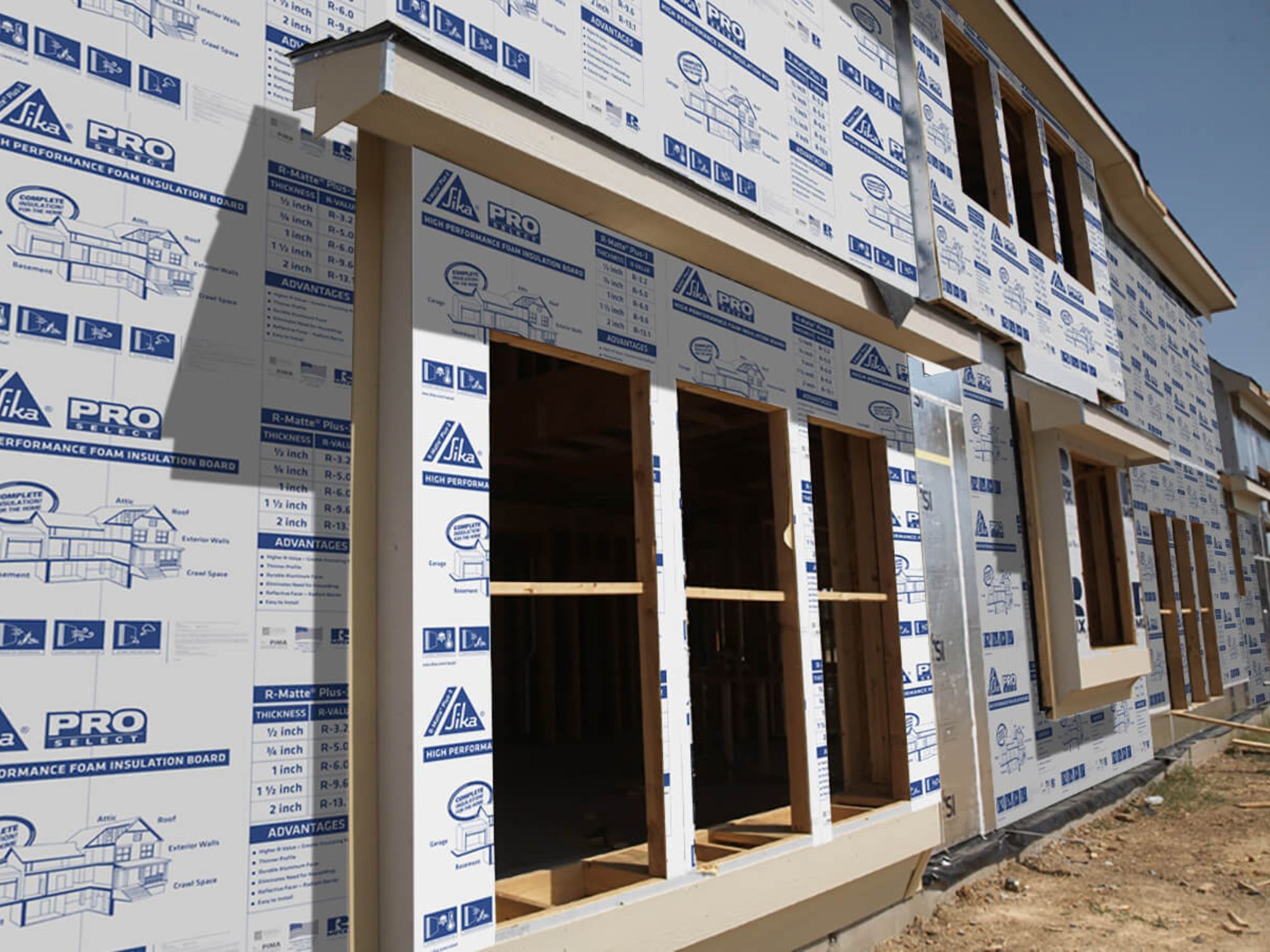
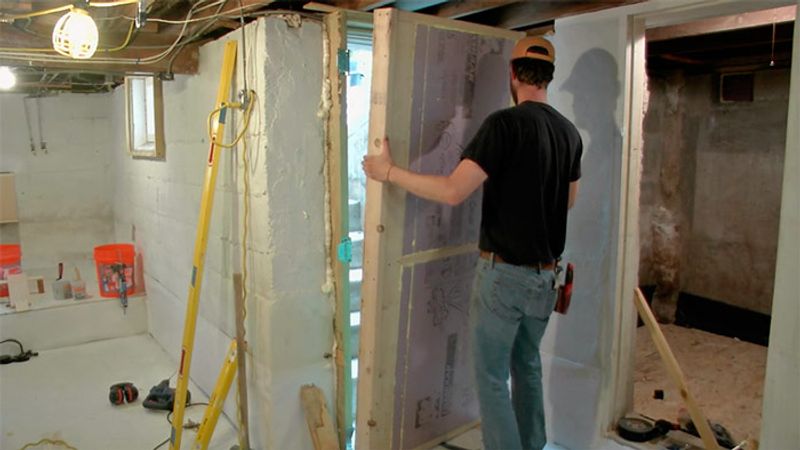
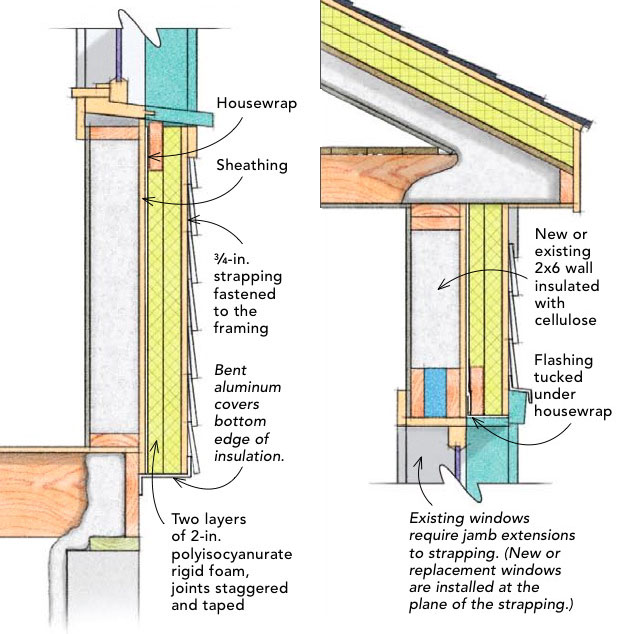
The article discusses the challenges and considerations of insulating an old house from the outside, a method often seen as ideal for upgrading poorly insulated homes. While rigid foam sheathing is widely promoted for this purpose, a common concern among builders and designers is the potential for moisture accumulation within the wall cavity when this method is applied. The article highlights a specific case from Gregg Skoraczewski in northern Wisconsin, who plans to remove existing hardboard siding and fiberboard sheathing from his 2x4 framed, batt-insulated house. His goal is to add new insulation from the exterior, thereby avoiding disruption to the interior walls. Skoraczewski, like many, has been advised to use rigid foam insulation on the exterior to mitigate thermal bridging through the framing. However, he raises a crucial question about whether this external insulation creates an air gap that could lead to moisture issues inside the walls.
This scenario brings to light a recurring debate within the building community: the optimal thickness of rigid foam when applied to a building's exterior to prevent condensation within the walls. The discussion points to the need for a balanced approach, where the right combination of cavity insulation and rigid foam is essential to alleviate concerns about moisture and condensation. The blog post references a Q&A; forum on GreenBuildingAdvisor, where these issues are further explored, suggesting that a comprehensive understanding of building science is necessary for successful external insulation retrofits on older homes. The article implicitly suggests that while the concept of insulating from the outside is appealing for its minimal interior disruption and potential for improved energy efficiency, it demands careful planning and execution to avoid unintended moisture-related complications. The discussion extends beyond mere R-value improvements, focusing on the hygroscopic behavior of wall assemblies when modern insulation techniques are applied to older structures. This includes considering the dew point within the wall and ensuring proper ventilation and moisture management.
Several comments from readers further elaborate on practical experiences and concerns. One commenter, stormando, shares their positive experience using 1-inch foil-faced polyiso over 1/2-inch OSB, carefully sealed and taped, in a milder climate. They note that even after two years, the OSB showed no signs of rot, despite constant worry about condensation. This suggests that with proper application and sealing, concerns about moisture can be managed. Another commenter, Bcramer, raises a specific detail about flashing at the bottom of the wall, questioning if the bent aluminum flashing should be behind the strapping and taped to the polyiso to prevent water from running backward into the house. This highlights the critical importance of proper flashing details in preventing water ingress and managing moisture when adding exterior insulation. Tyrerj agrees with Bcramer, emphasizing that flashing should never retain water and suggesting that the aluminum Z-flashing should be inverted to create a drip edge, possibly with insect screening to prevent pests while allowing water drainage. Jimswoodproducts shares a personal renovation challenge in a 1955 house with a persistent musty smell, seeking advice on insulating cathedral ceilings and addressing crawl space humidity, underscoring the complexity of renovating older homes for improved thermal performance and indoor air quality. These discussions collectively illustrate the practical considerations and expert insights required when undertaking such projects.
#HomeInsulation #OldHouseRenovation #ExteriorInsulation #RigidFoam #MoistureControl #CondensationPrevention #BuildingScience #EnergyEfficiency #RetrofitInsulation #HomeInsulation #OldHouseRenovation #ExteriorInsulation #RigidFoam #MoistureControl #CondensationPrevention #BuildingScience #EnergyEfficiency #RetrofitInsulation
0 comment in total
 No comments yet
You may also like

The 4 areas of your home pros say to always insulate to keep it toasty in colder weather – plus, where to never insulate

An Easy Way To Build a Well-Insulated House

How to insulate a cold wall from the inside, and why the type of wall you have matters
Prep for Winter Weather with These 8 Window Insulation Kits

Home insulation materials


How to draught-proof a front door — expert-approved tips to shut out the cold and prevent internal heat from escaping
Dear PoP – crawl space insulation

Old Drafty House Owners: The Pros and Cons of Retrofit Insulation


Should you insulate a basement ceiling? Expert advice for a comfortable home

6 Expert-Backed Ways to Keep Cold Air—and High Energy Bills—Out of Your House This Winter


A New Take on Insulating a Roof
The 6 Best Garage Door Insulation Kits for Temperature Control


How to insulate your period house

10 Expert-Recommended Products For Keeping Drafts Out
After Researching Over 20 Options for Exterior Walls Insulation, There is One Clear Winner
Podcast 428: Why Radiant Heat?, Proper Construction Sequencing, and Waterproofing Mansard Windows

These are the 7 ways I'm trying to keep my 110-year old house warm this winter – all without turning on the central heating

How to fix a drafty door – 6 ways to stop cold air getting through
The 8 Must-Have Products to Winterize Your Home
Insulate Your Basement, Part 2