1/3
The Complicated Path From Decking to Dirt
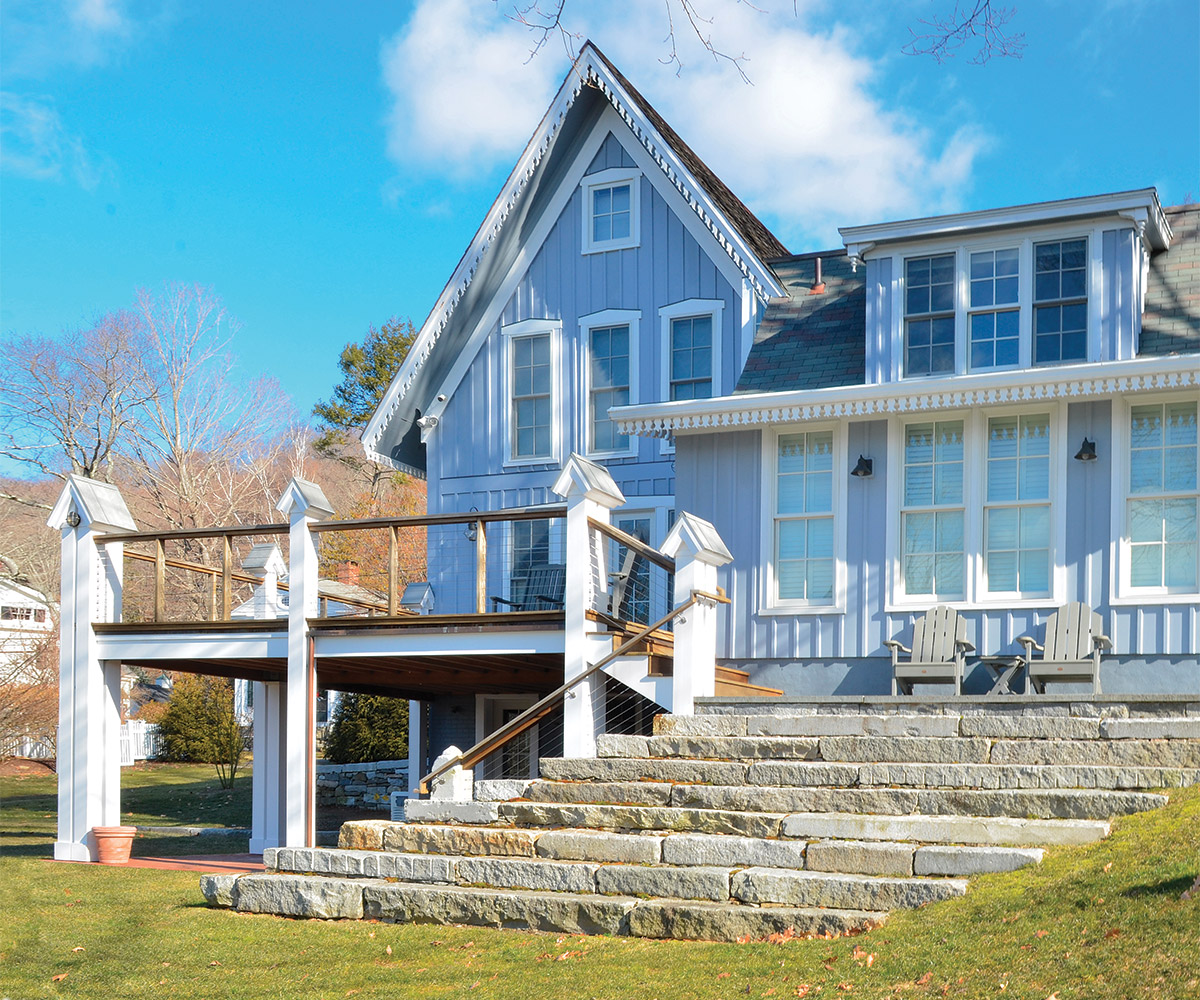
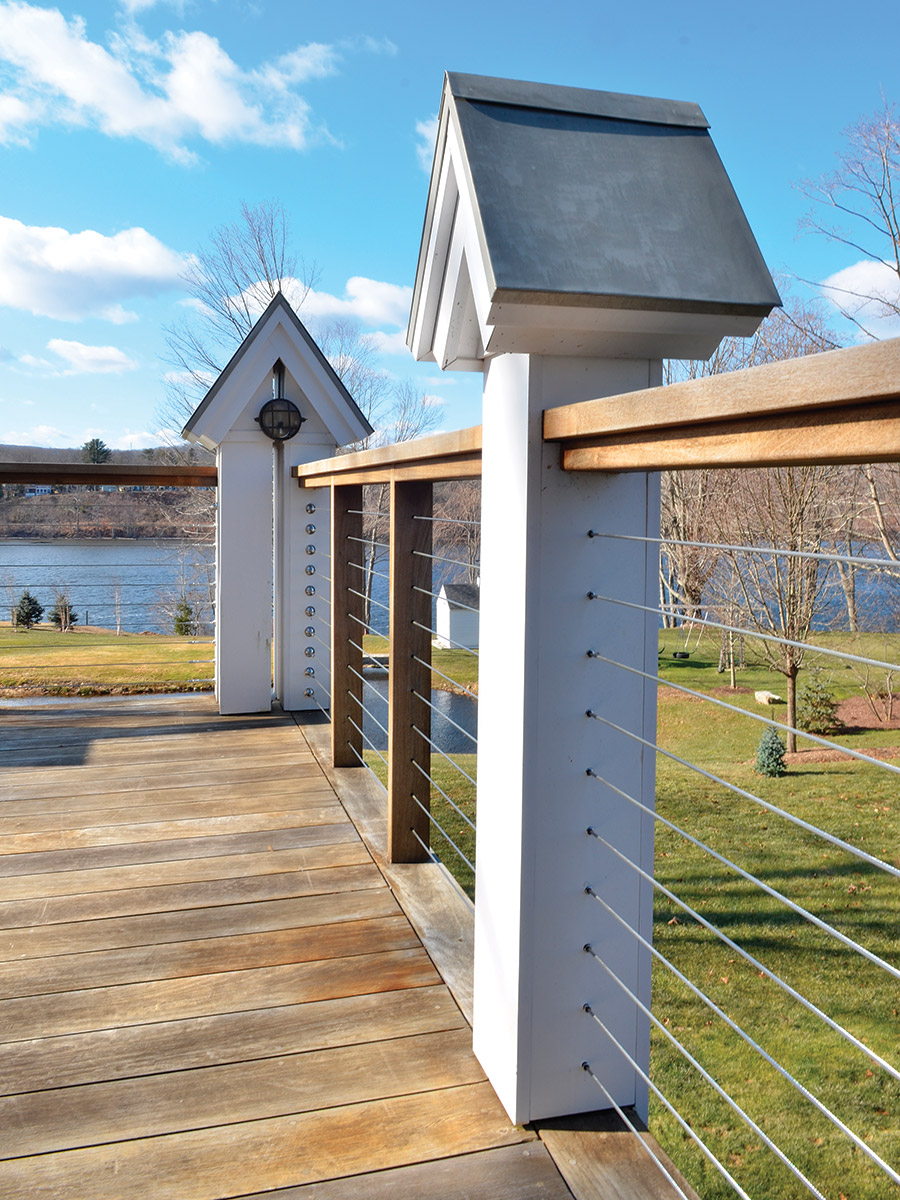
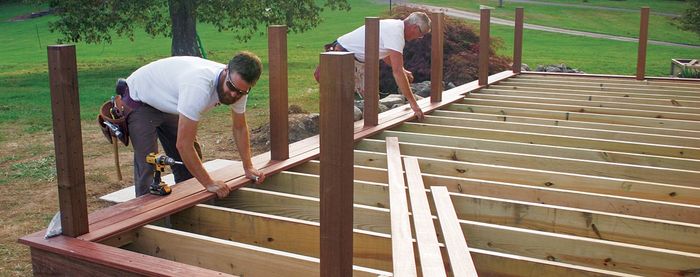
The International Residential Code (IRC) has significantly evolved its provisions for deck construction, moving from a near absence of structural guidelines to offering a comprehensive framework for prescriptive structural design. Historically, decks were an afterthought in building codes; for instance, the 1958 book 'Outdoor Living Rooms' made no mention of elevated outdoor structures. Structural code provisions for decks only began to appear in model codes decades later, with a fastening schedule for deck ledgers first included in the 2009 IRC. This evolution reflects an increased focus on ensuring safe and structurally sound deck construction, providing detailed guidance for components from the decking surface down to the foundational dirt.
For decking materials, the IRC references ASTM D7032 for manufactured products, mandating installation according to manufacturer instructions. This ensures performance aligns with testing, as span ratings and fastening requirements vary greatly. Wood decking spans are standardized through lumber design values, with tables assuming boards bear on at least three joists, a detail made explicit in the 2021 code. The code also accounts for diagonal decking layouts, which require reduced joist spacing. Fastening for wood decking specifies at least two fasteners per support. For joists, deck-specific span tables were introduced in the 2015 IRC, with the 2021 edition expanding these for various snow load regions. Cantilevers for deck joists, previously lacking specific guidance, were addressed in 2015, allowing them to extend up to one-fourth their span in many cases. Recent code revisions have refined these limits for greater accuracy, and the 2021 edition will base maximum cantilevers solely on the backspan.
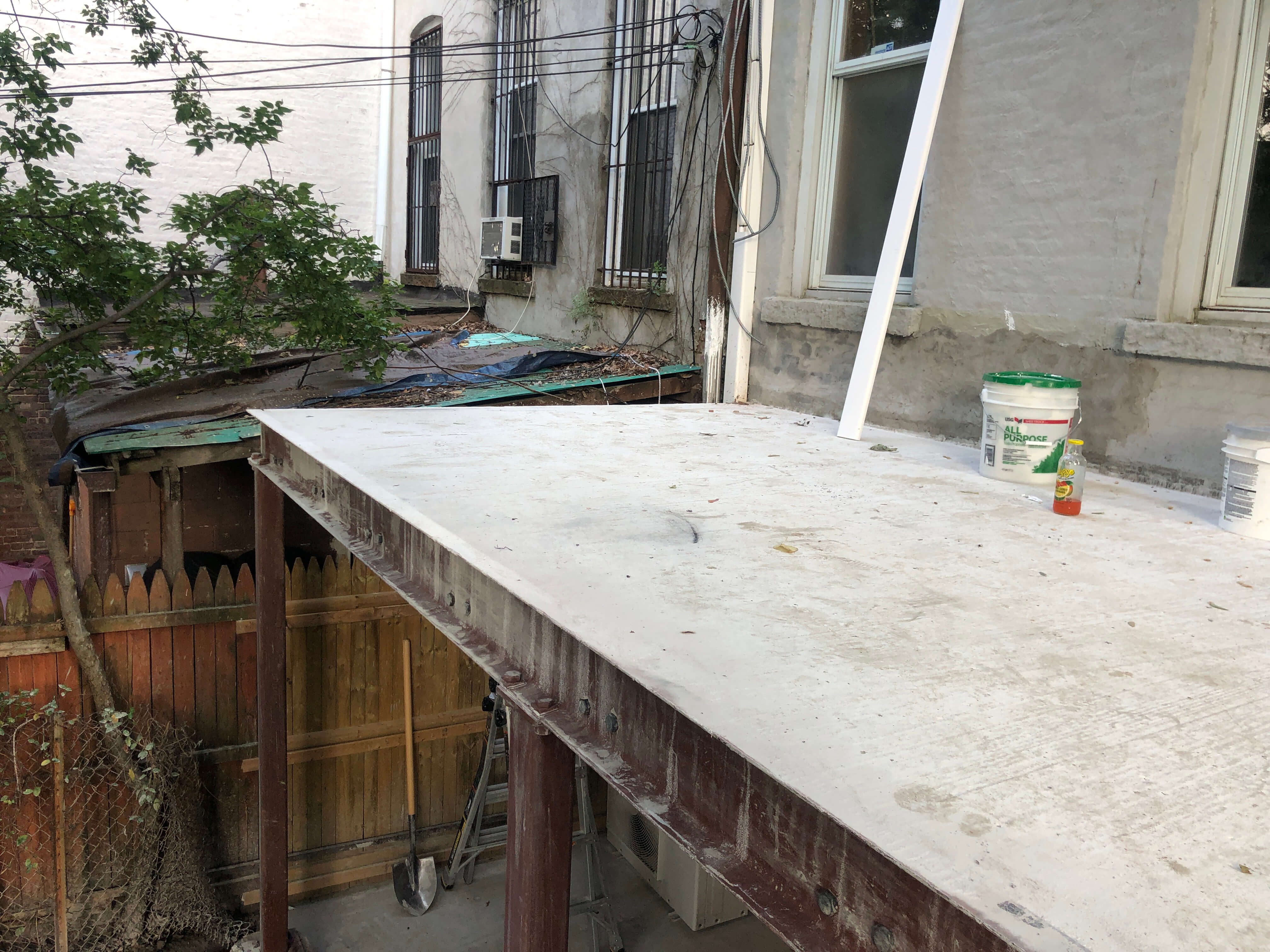
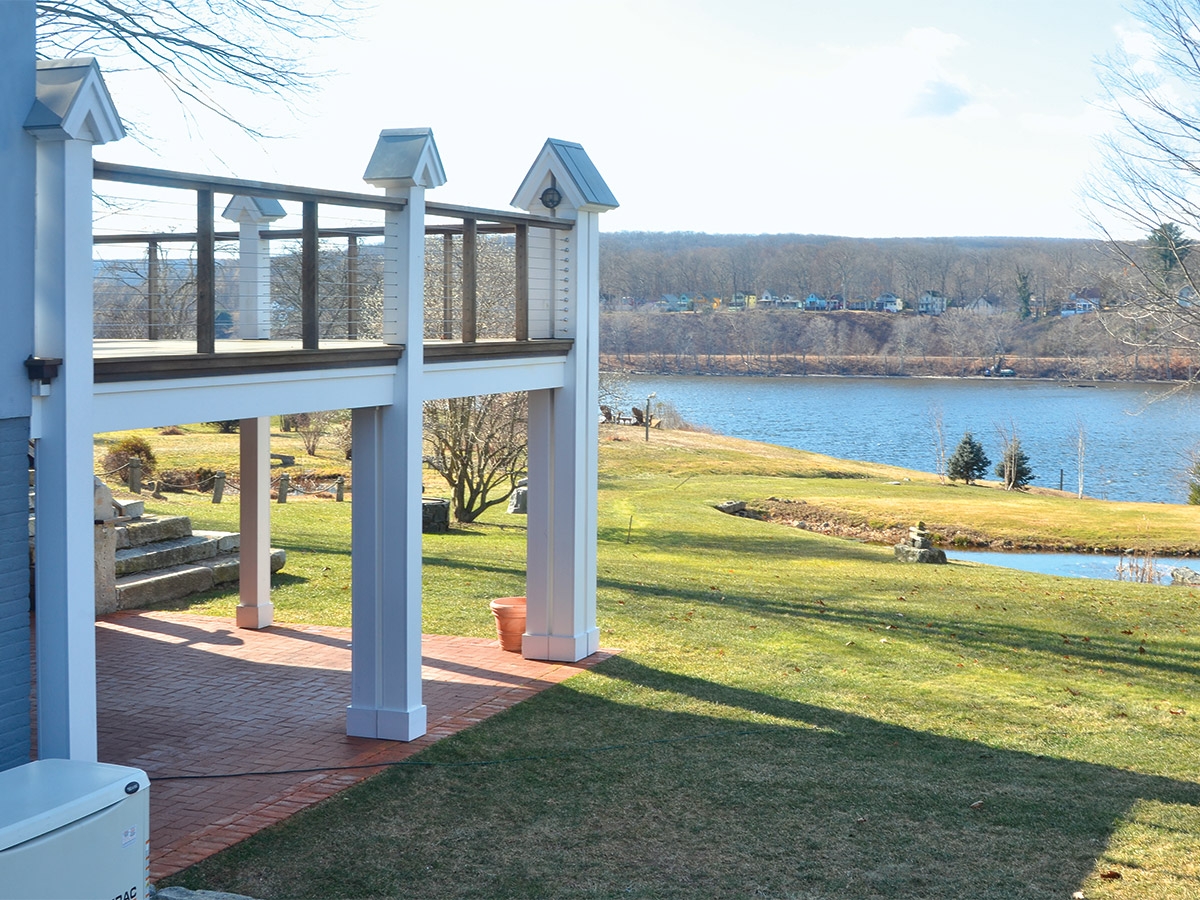
Deck beams present increasing complexity as loads accumulate. IRC Table R507.5, "Deck Beam Span Lengths," represents the load on the beam based on the joist span, assuming uniform loading from joists, including live and snow loads. This design does not account for concentrated heavy loads like hot tubs. While the IRC does not cover scenarios where one beam supports another, it does allow beams to cantilever beyond an end support post by up to one-fourth their span, affecting post and foundation sizing. The code's current beam-span table often leads to oversized beams by assuming a worst-case scenario with joist cantilevers. A new footnote in the 2021 IRC table aims to improve beam sizing accuracy by allowing modification of the joist span based on the span-to-cantilever ratio. For engineered lumber, which can achieve longer spans, alternate design documents are still required, though the 2021 IRC will include methods for sizing posts and footings to accommodate these larger spans.
Post provisions have also evolved. Prior to 2021, IRC Table R507.4, "Deck Post Height," was conservative, basing limits solely on post size (e.g., 8-ft. for 4x4 posts and 14-ft. for 6x6 posts) without considering actual loads or species. The 2021 IRC expands this table to include species, snow loads, and the tributary area loading each post, allowing for more precise and potentially taller post installations. Foundation sizing, a critical aspect, saw its first prescriptive table in the 2018 IRC, allowing calculation of tributary loads for individual footings based on soil-bearing capacity. This was a significant shift, as older practices often used slender pier-type footings, relying on empirical evidence despite lacking explicit IRC guidelines. The 2018 code's minimum 14-inch diameter footing for a 20 sq. ft. tributary area was larger than many builders were accustomed to, but the 2021 IRC will provide for tributary areas as small as 5 sq. ft., offering more flexibility. The International Code Council is releasing a new deck code book to further explain these provisions. It is crucial for builders to stay informed of these evolving codes, as local adoption and enforcement can lag behind the publication of new editions.
#DeckConstruction #BuildingCodes #IRCStandards #DeckingMaterials #JoistSpans #BeamDesign #PostSizing #FoundationDesign #HomeImprovement #DeckConstruction #BuildingCodes #IRCStandards #DeckingMaterials #JoistSpans #BeamDesign #PostSizing #FoundationDesign #HomeImprovement
0 comment in total
 No comments yet
You may also like

Walking On New Ground
Rethinking the Deck
Turning Remnants Into Rugs

From the Forum: Exposing Floor Joists on the Garden Level
Rammed Earth Construction

As Ocean Waste Piles Up, Coldharbour Tiles Propose a Backsplash

New-old flooring: cement tiling on its way back| Gulf Times

At one with nature: Liquid Layers by Moooi Carpet

Walk on by: flooring focus

Playful paving

Back to the land

Ask the Experts: Hard Surfaces 101

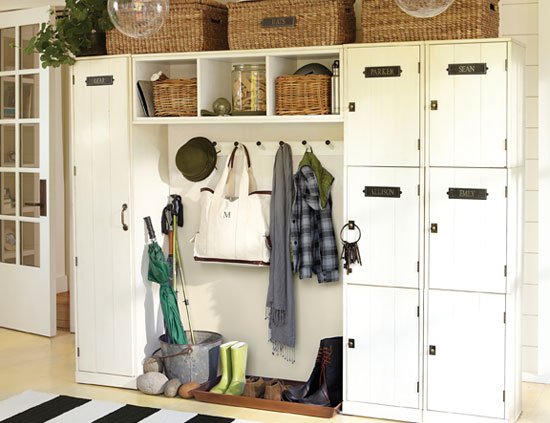
The Dirt on Mudrooms

Book Review: The Sediment Must Flow

Floors by Big-Game
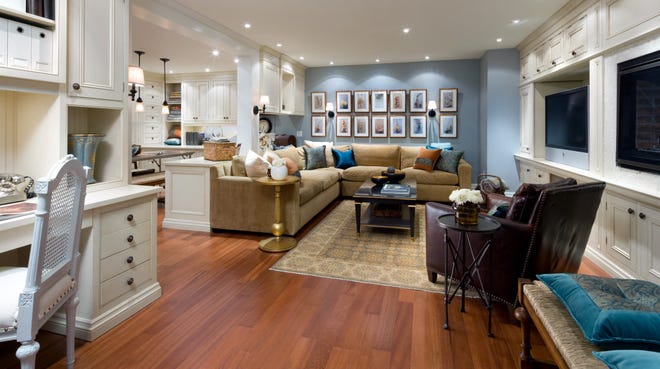
Divine Design: Basement crosses the finish line

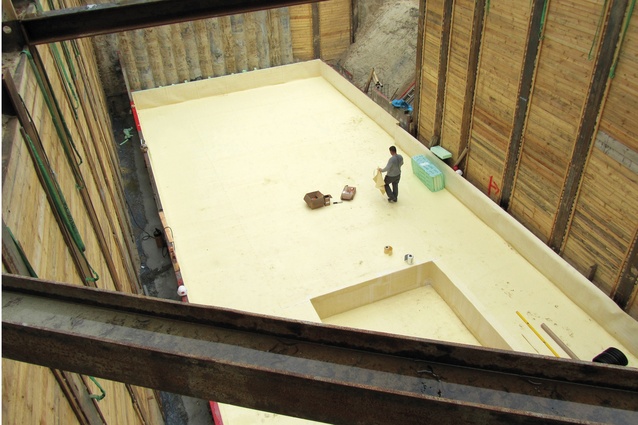
Below ground
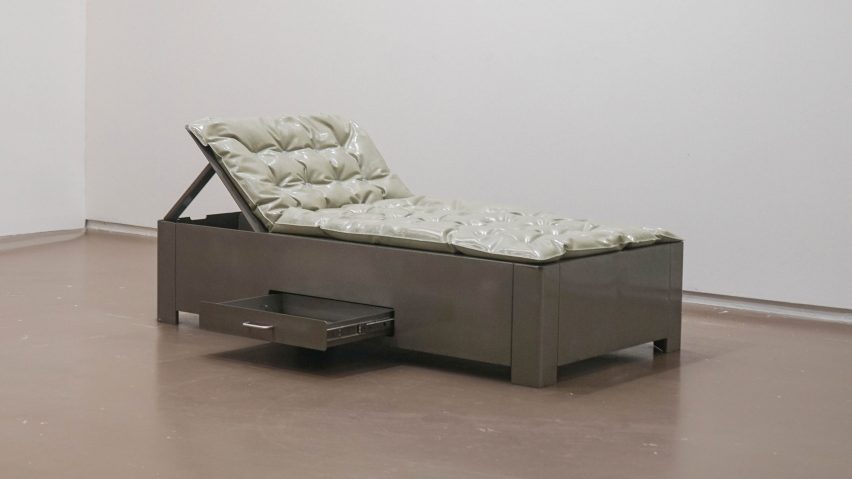
Wet clay replaces upholstery in squishy daybed by Niveau Zéro Atelier

From Concrete Slab to a Dining Oasis: This Driveway Serves a New Purpose

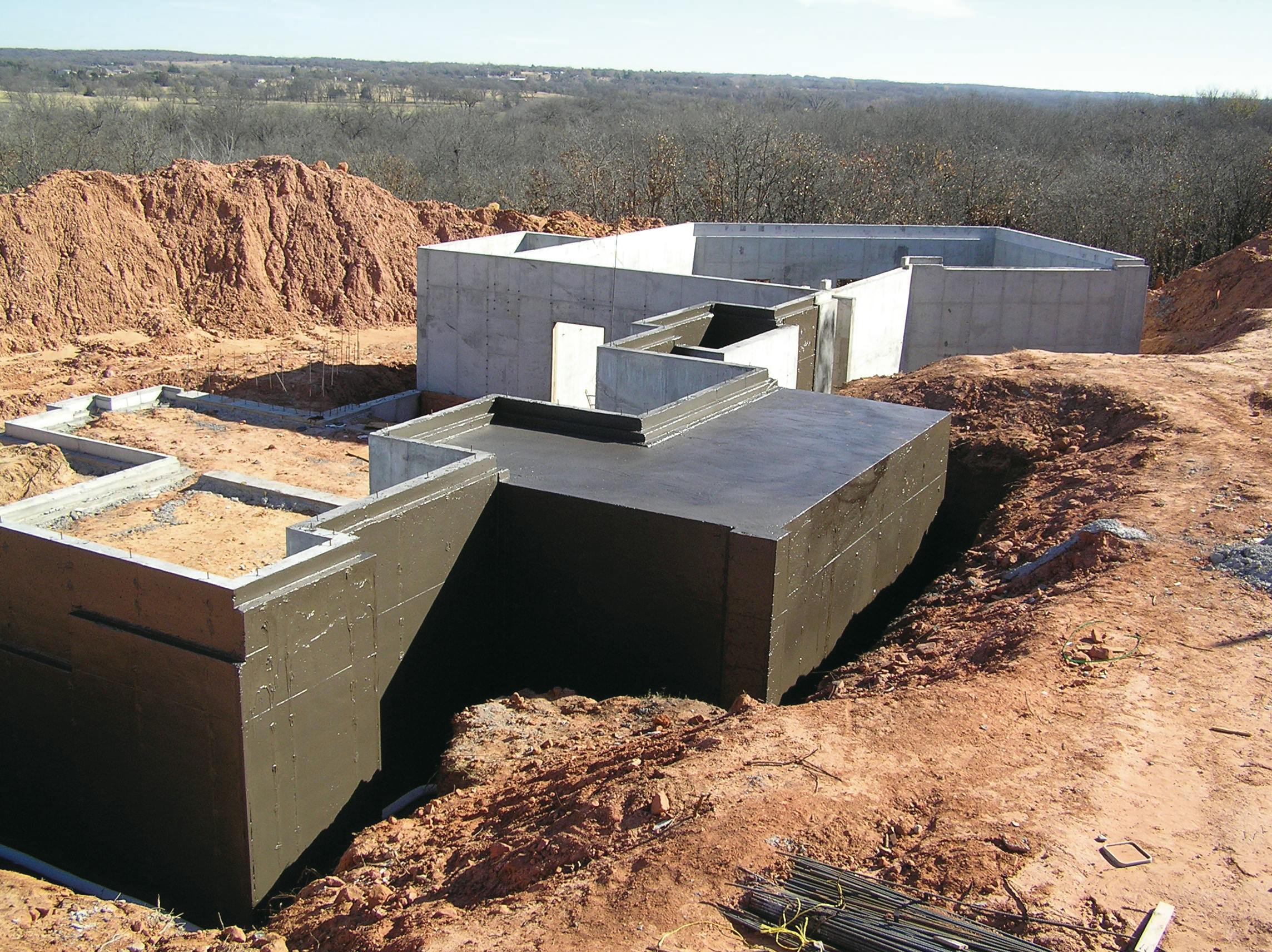
Basements and Beyond