Playful paving
This article explores creative ways to enhance garden paths and patios using tile fragments, adding color, movement, and personal expression to outdoor spaces. The concept of integrating decorative elements into hardscaping offers an opportunity to extend the aesthetic of a home's interior to its exterior, turning functional areas into artistic statements. The article highlights how these paving projects, while requiring some effort and imagination, can result in unique and inspiring garden features.
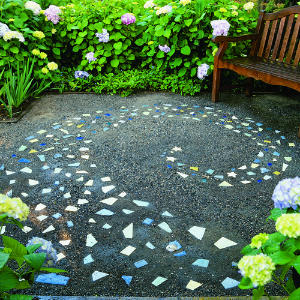
One featured project, dubbed "Stardust Sanctuary," showcases landscape designer Kathy Kane's celestial-patterned mosaic. This 10-foot by 10-foot "blue room" was created as a secluded space for contemplation, incorporating ceramic tile remnants broken into fragments to mimic stardust. Kane's process involved laying a 2-inch-thick base rock layer, outlining her design with spray paint, and then adhering the tile fragments to plastic netting before filling the gaps with decomposed granite. This project demonstrates that a visually impactful mosaic can be achieved affordably and relatively quickly, with Kane completing her design in two days for under $100.
Another example is a mosaic walkway inspired by Spanish architect Antoni Gaudí, designed by landscape designer Michelle Derviss and Liam O’Flaherty for their Marin County home. This walkway features a fallen-leaf pattern, reflecting the surrounding black oaks, set against a vibrant blue background chosen to complement bright planting schemes. Derviss emphasizes that special skills are not a prerequisite for working with tile, though larger projects demand a significant time commitment. Her walkway took five weekends to complete, illustrating the dedication required for such detailed work, but ultimately yielded a result that brings joy and inspiration.
For those interested in embarking on their own mosaic paving projects, the article provides several practical tips. It recommends starting with smaller projects, like decorating a steppingstone, to gain comfort with the process before tackling larger areas. Planning is crucial, especially for complex designs, and drawing a scaled version on grid paper can help visualize the outcome. The ideal surface for tile application is a smooth, level concrete pad. Chalk can be used to outline the design on the paved surface, which can then be reinforced with a marking pen once finalized. The article also advises selecting textured, nonskid tiles to ensure safety. Finally, safety precautions such as wearing safety glasses, rubber gloves, and covering tiles with a cloth are recommended when breaking tiles with a hammer. These projects offer a blend of creativity and DIY practicality, allowing homeowners to personalize their outdoor environments with artistic and functional paving.
#GardenDesign #MosaicArt #DIYProjects #OutdoorLiving #PavingIdeas #LandscapeDesign #TileCraft #HomeImprovement #GardenDecor #GardenDesign #MosaicArt #DIYProjects #OutdoorLiving #PavingIdeas #LandscapeDesign #TileCraft #HomeImprovement #GardenDecor
0 comment in total
 No comments yet
You may also like

Garden Paving & Walling | Front Garden Paving & Block Paving Grout

New products, trends create exciting time for outdoor living projects

How to lay a garden path

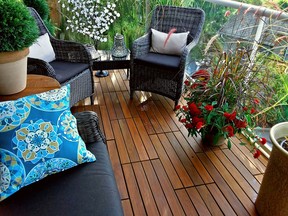
Give outdoor spaces a new life with tiles, colourful carpets and always-green grass
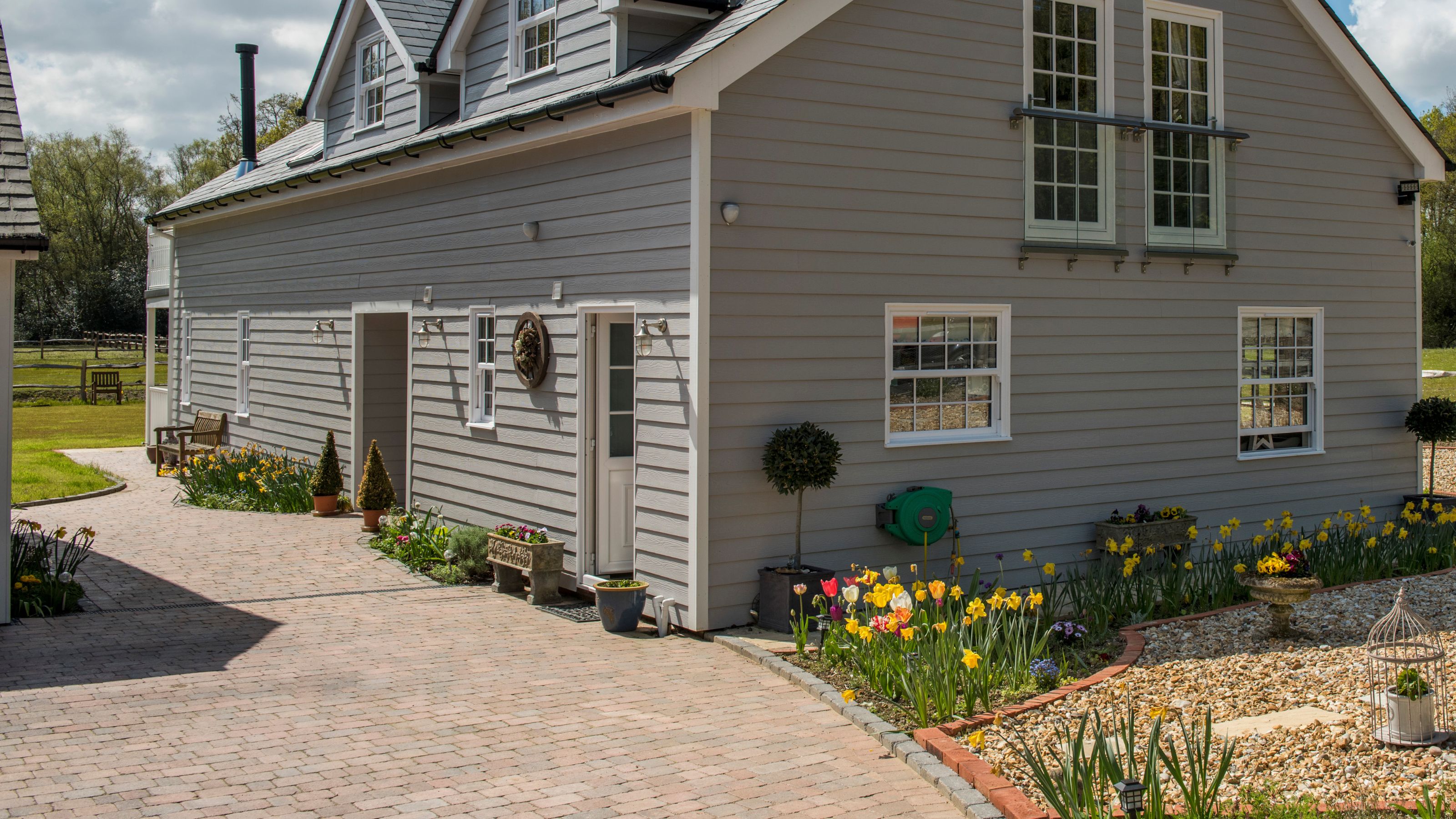
5 brilliant budget alternatives to paving slabs that won't cost the earth
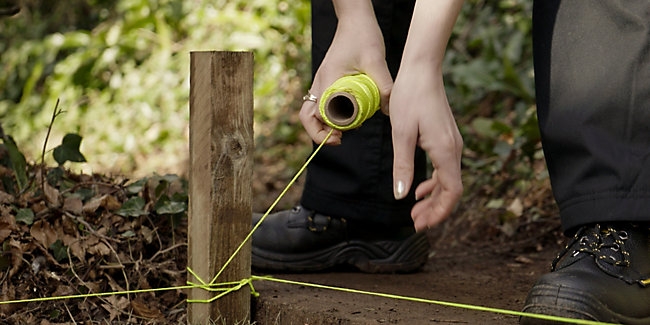
How to lay a patio
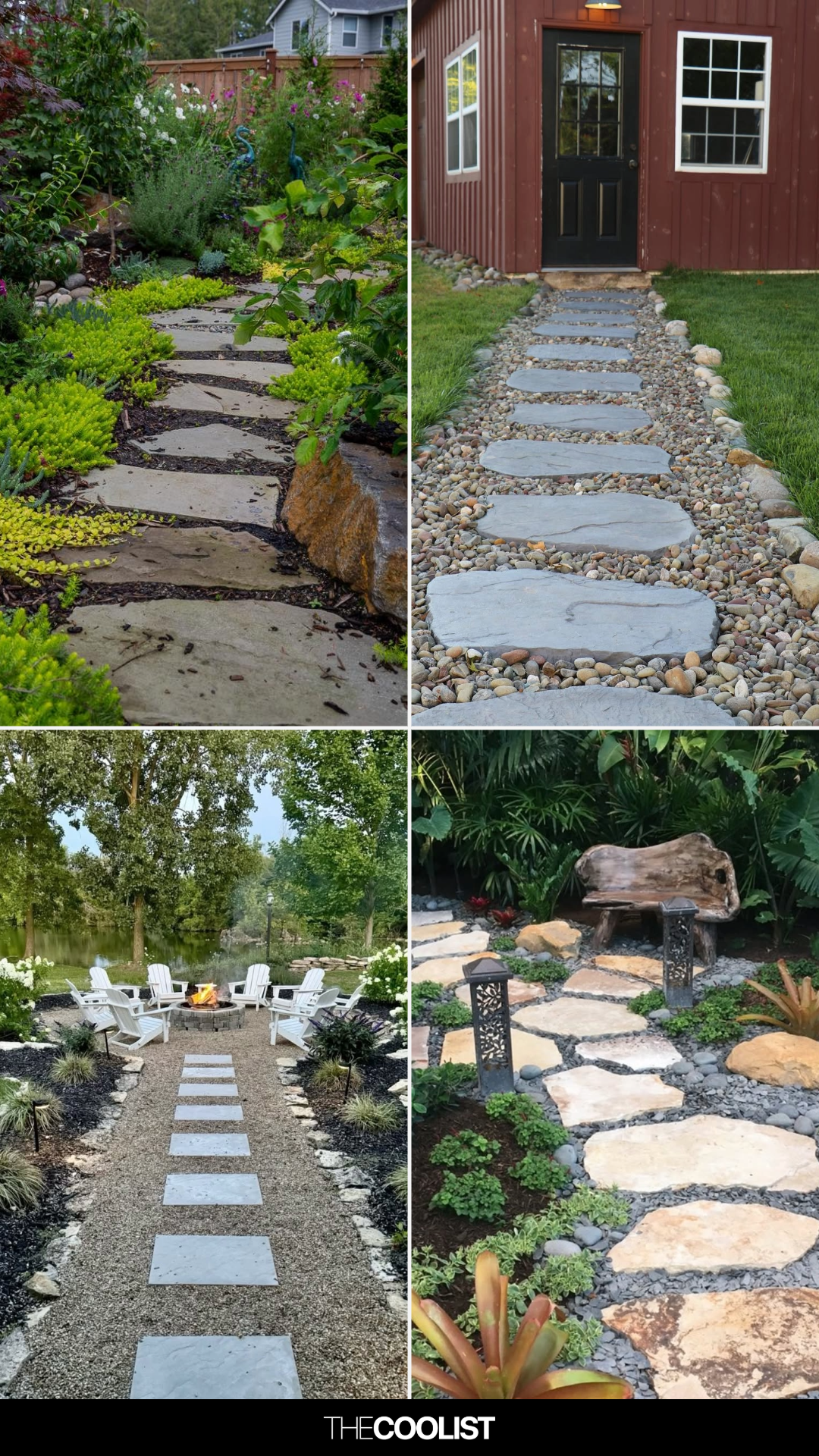
25 Stepping Stone Walkway Ideas in 2025 That Make Front Yards Feel Custom-Curated

Backyard playground ideas – 10 ways to create a fun area outdoors that kids will love

How to Install a Paver Patio Base

Pour some creativity into your driveway
15 Modern Patio Paver Ideas


How to lay out and stripe a helicopter landing pad

Piece by piece: Pros and cons of using pavers to spruce up your yard
Rammed Earth Construction

This 'dated' flooring I once considered ugly is having a renaissance both indoors and out – now, I love it


Cement
Crazy paving ideas to inspire a garden makeover


Decorative Stones & Gravel
From Concrete Slab to a Dining Oasis: This Driveway Serves a New Purpose

Paving, Japanese Style