
1/5
As Ocean Waste Piles Up, Coldharbour Tiles Propose a Backsplash
Emily Packer, a British/American videographer, identified a critical issue in global plastic recycling, noting that only about 9% of plastics are actually recycled in America, and observed significant waste accumulation in Kigali, Rwanda. This motivated her to shift from environmental storytelling to creating a tangible local impact. Partnering with Jake Calhoun, she co-founded Coldharbour Tiles, an initiative that transforms Rwanda's plastic waste into durable, stylish home decor materials.
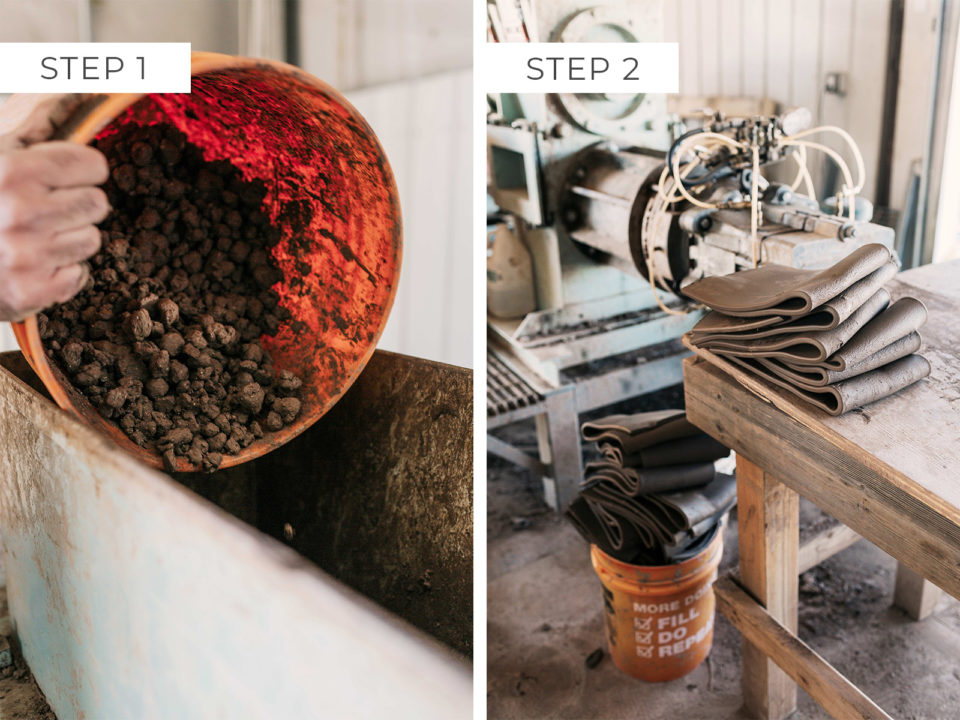
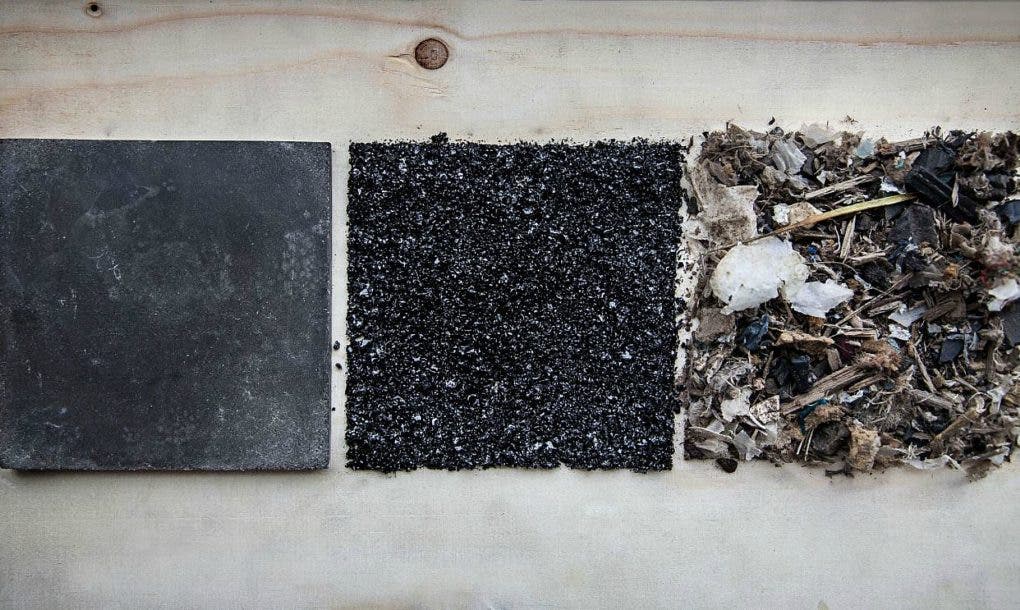
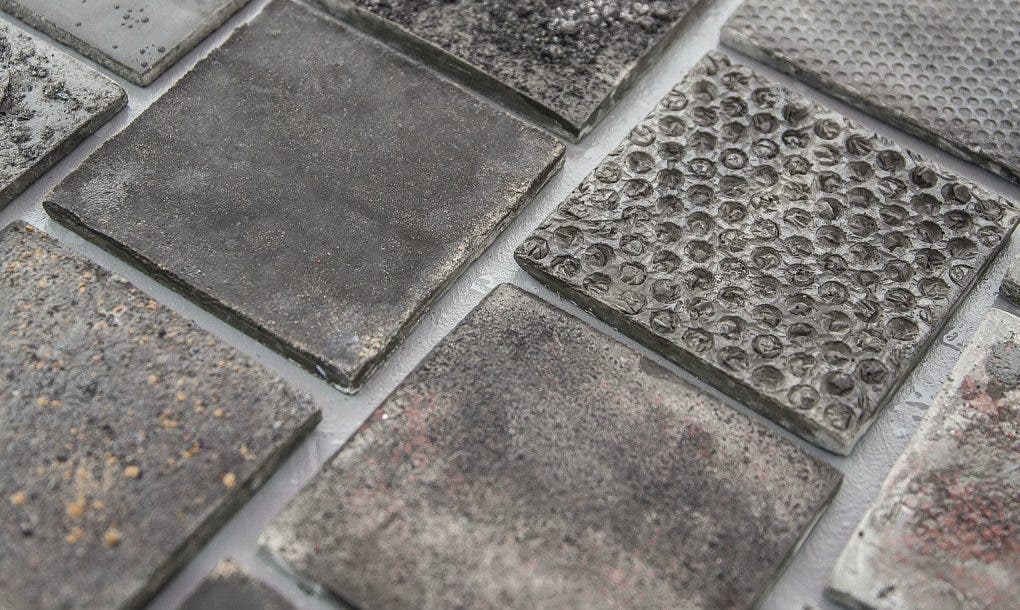
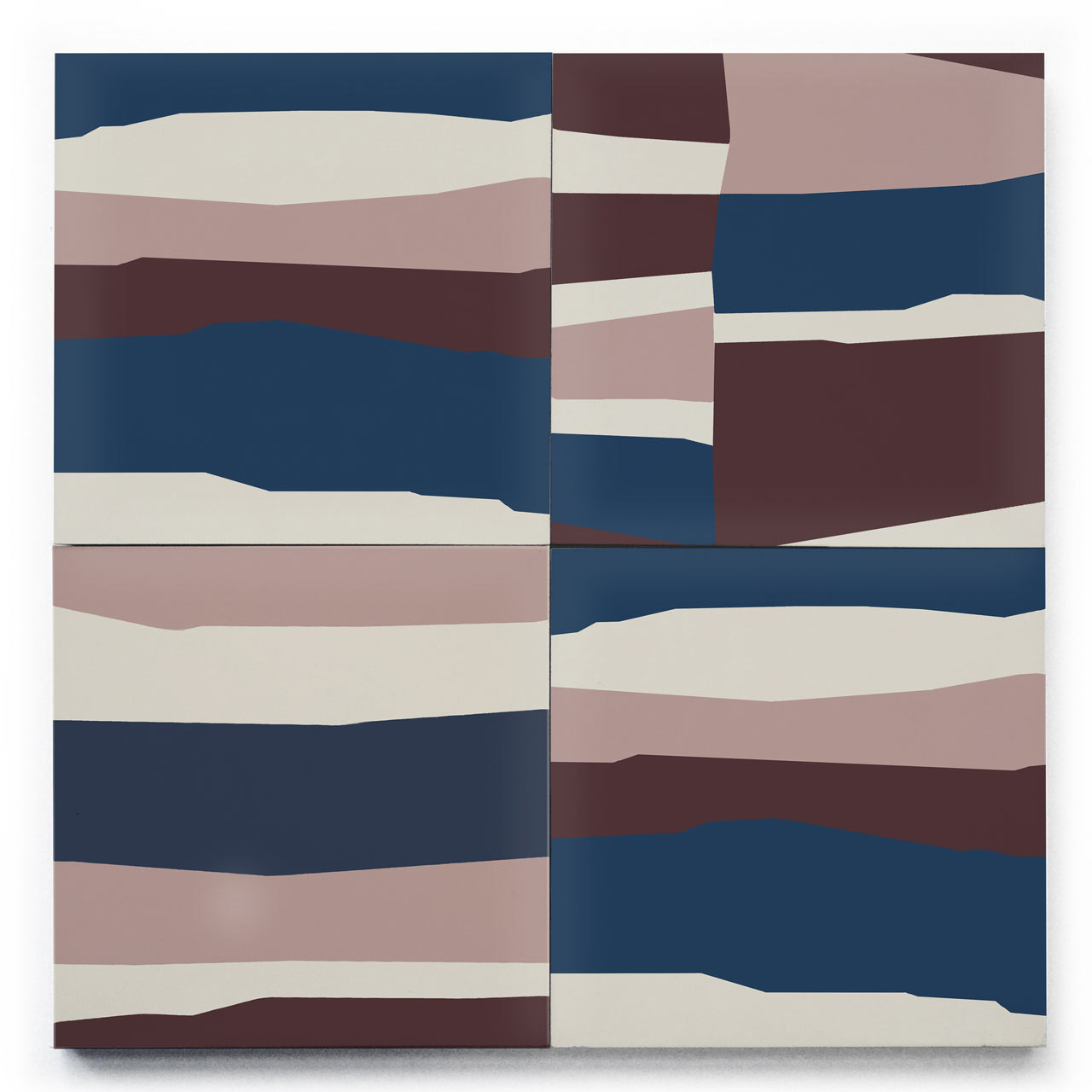
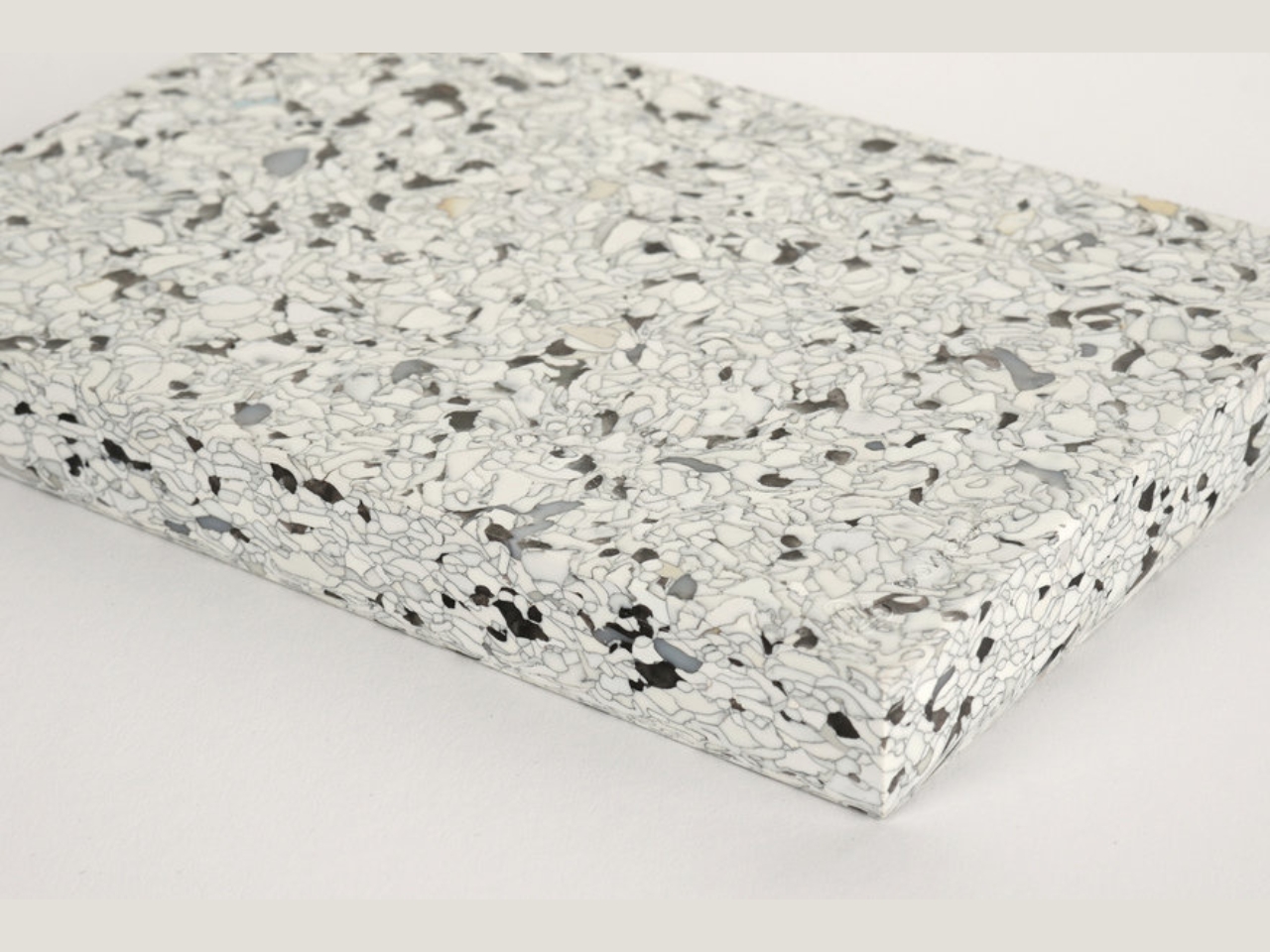
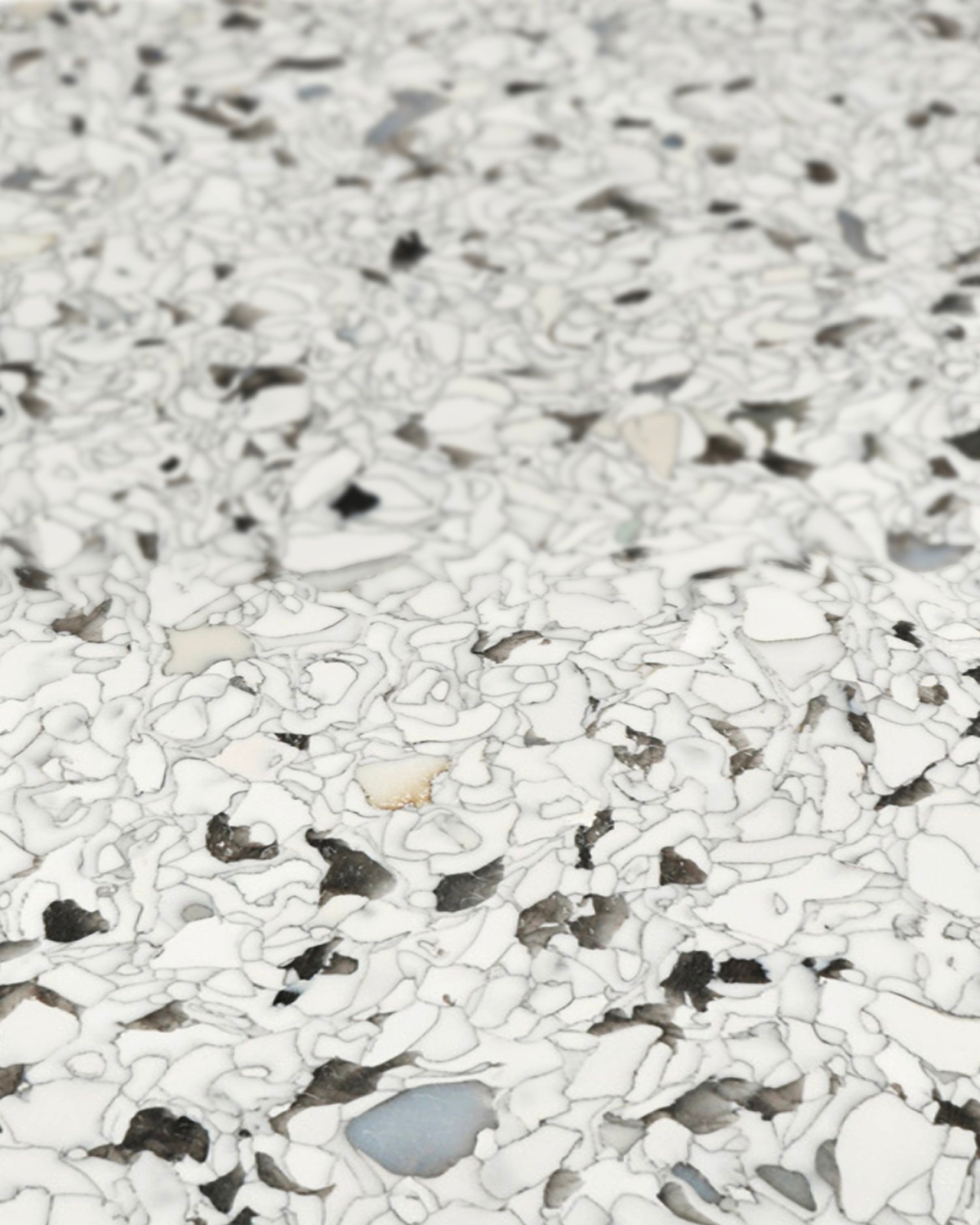
The project's core involves melting down high-density polyethylene (HDPE) plastics, primarily from bottle caps, to create decorative tiles. Approximately 50 bottle caps are required for each tile, demonstrating the significant volume of plastic that can be diverted from landfills and waterways through this process. Coldharbour Tiles are designed for various home applications, including backsplashes, and the team provides guidance and design ideas to customers through a free tile information brochure.
Packer's journey began after an internship with the United Nations Environmental Program, which highlighted the environmental consequences of inadequate waste management systems in developing countries. She recognized the pervasive nature of single-use plastics and the illusion of waste being simply 'thrown away,' realizing it often ends up in oceans, landfills, or other countries. Moving to Rwanda, she initially attempted to reduce plastic waste through a café that used biodegradable containers and bamboo straws, but soon recognized the unavoidable reliance on plastic in daily life, prompting her to seek a more impactful solution with long-term utility.
To establish Coldharbour Tiles, Packer collaborated with Jake Calhoun, who brought experience from a social enterprise and an online food delivery company. They partnered with Kigali's IPRC engineering school, which provided a warehouse facility and technical support from professors and students. Initially, Packer personally collected HDPE plastic from waste management sites, demonstrating the project's grassroots origins. Through extensive experimentation with color, temperature, cooking times, and mold designs, they refined their tile production process despite limited engineering experience and funding.
The team encountered challenges, particularly in scaling production. Their current facility, while effective for initial development, lacks the capacity for large-scale orders. The Kickstarter campaign aims to raise funds for essential equipment like a plastic-waste washing machine and commercial shredder, which would significantly boost production capabilities. The long-term vision for Coldharbour Tiles includes becoming a leader in the eco-tile industry, processing thousands of tons of plastic waste annually, and establishing manufacturing sites in Asia, Europe, the U.S., and Africa to address plastic waste globally and connect with diverse consumer markets. This expansion would also address the logistical challenges of operating in Rwanda, where access to advanced manufacturing technology is limited, necessitating creative, hands-on solutions for processes like mold design and fabrication.
#SustainableDesign #RecycledMaterials #HomeDecor #PlasticWaste #Rwanda #SocialEnterprise #Crowdfunding #EcoTiles #WasteManagement #SustainableDesign #RecycledMaterials #HomeDecor #PlasticWaste #Rwanda #SocialEnterprise #Crowdfunding #EcoTiles #WasteManagement
0 comment in total
 No comments yet
You may also like
Dwell and Concrete Collaborative Announce a New Line of Tiles Inspired by Surfboard Design

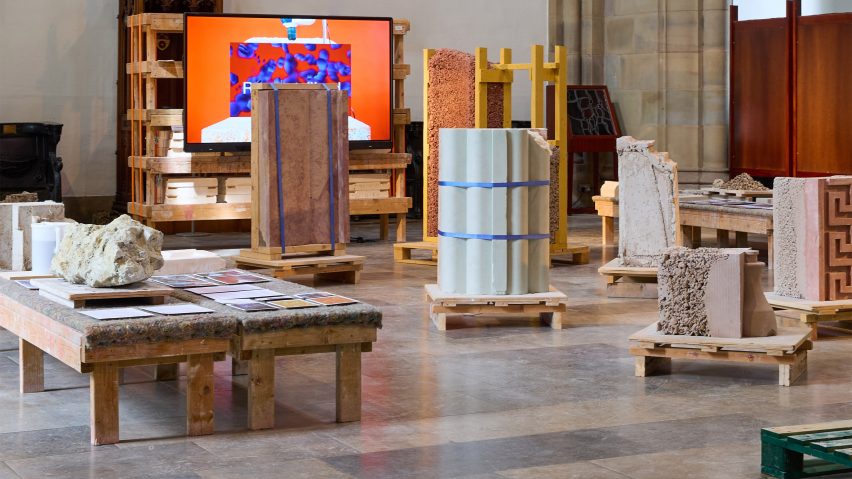
Poured Earth is a sustainable construction method modelled on concrete casting
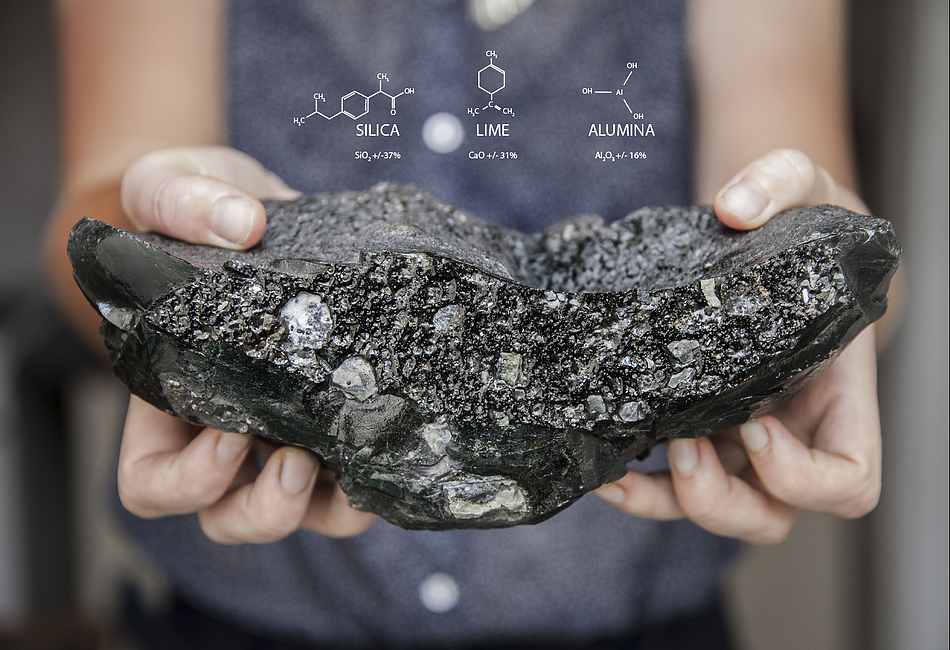
Eco-designer turns landfill waste into ‘plasma rock’ — a sustainable, all-purpose material

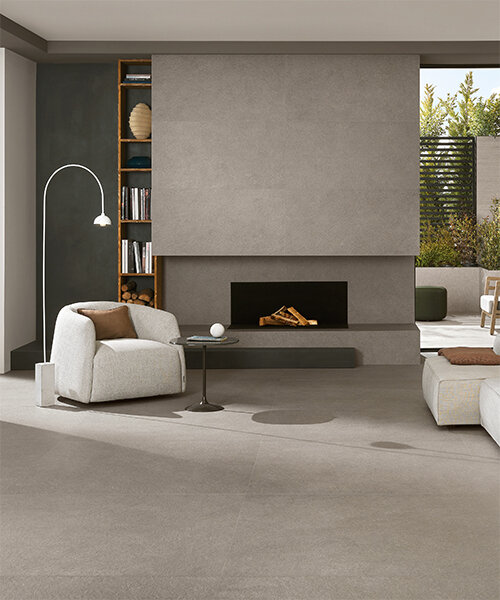
atlas concorde harmonizes in & outdoors with sedimentary stone-inspired tiles

How a Montrose Company Turns Reservoir Sediment into Gorgeous Tile

Turning Remnants Into Rugs
Landshapes by Daniel Arsham Tile Collection

Terrazzo-like table brings electronic waste to life with closed-loop design

Long-format brick slips from Klay Tiles and Facades
New-old flooring: cement tiling on its way back| Gulf Times
clé Launches Artist-Designed, Cement Tiles
Rammed Earth Fits Into Urban Architecture’s Sustainable Future
snøhetta makes tiles out of electronic waste glass in 'common sands – forite'
More Practical Than Plaster and Cement: This Material Is on Our Reno Radar
Armourcoat creates durable clay wall covering as "ecological alternative to paint"

Plasterboard

Ege Carpets Launches a Flooring Collection Fabricated from the Ocean’s Abandoned Nets


Wet clay replaces upholstery in squishy daybed by Niveau Zéro Atelier
MUT design: drops concrete tiles for entic design