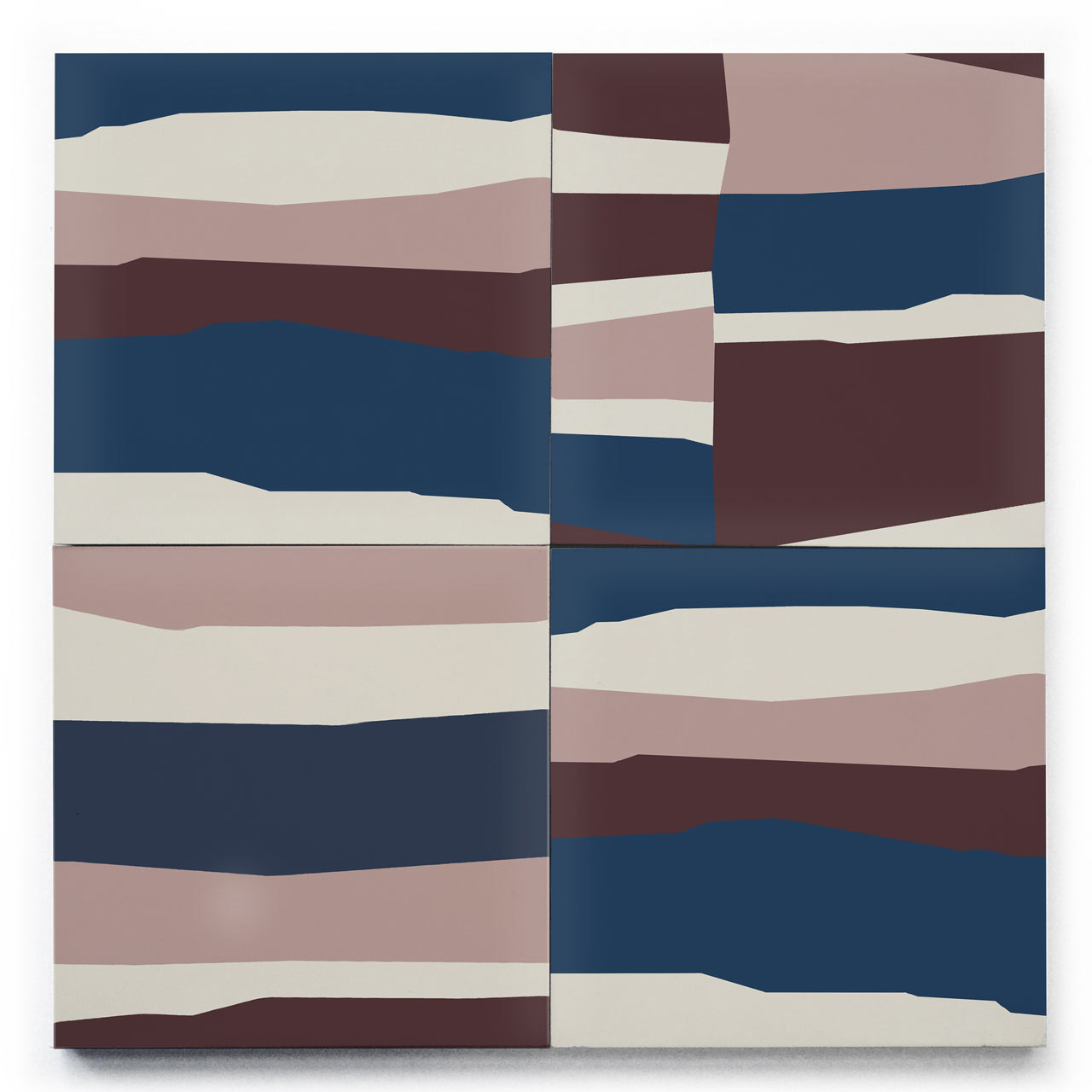
1/4
Gilles de Brock on hand building a CNC to print graphic glazes on ceramic tiles in a highly original design story
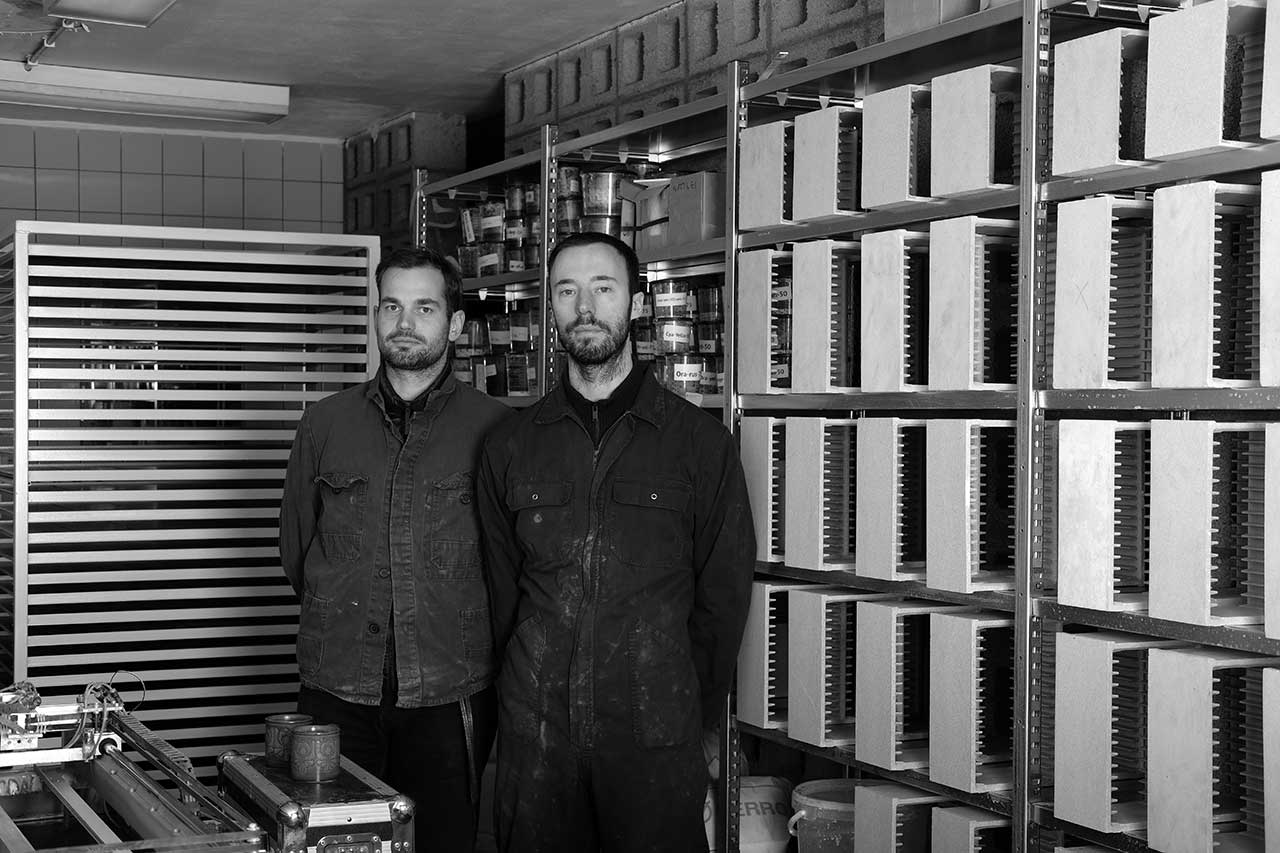
Gilles de Brock, a graphic designer based in Antwerp and Amsterdam, has embarked on an unconventional journey, transitioning from traditional graphic design to becoming a multi-faceted creative who also works as a ceramicist, rug maker, engineer, and electrician. This article details his latest endeavor: building a computer numerical control (CNC) ceramic printer capable of applying graphic glazes to ceramic tiles. This project follows his previous success in automating the design process through a machine that printed acrylic paint on paper and textiles, a venture he described as a metaphor for reclaiming the production process and democratizing automation tools. His earlier printer was envisioned to evolve into a five-head system for ceramic tiles, a goal he has now achieved.
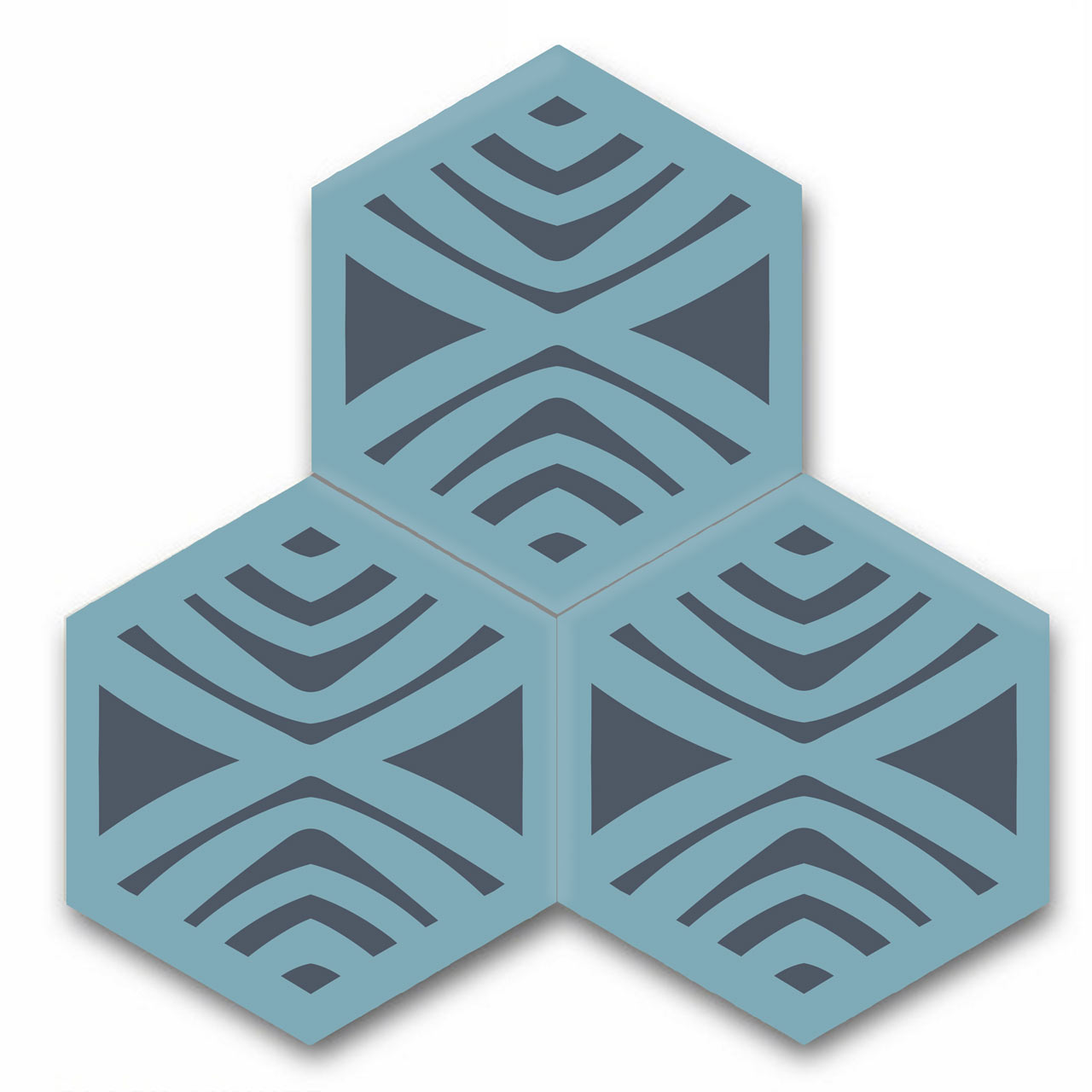
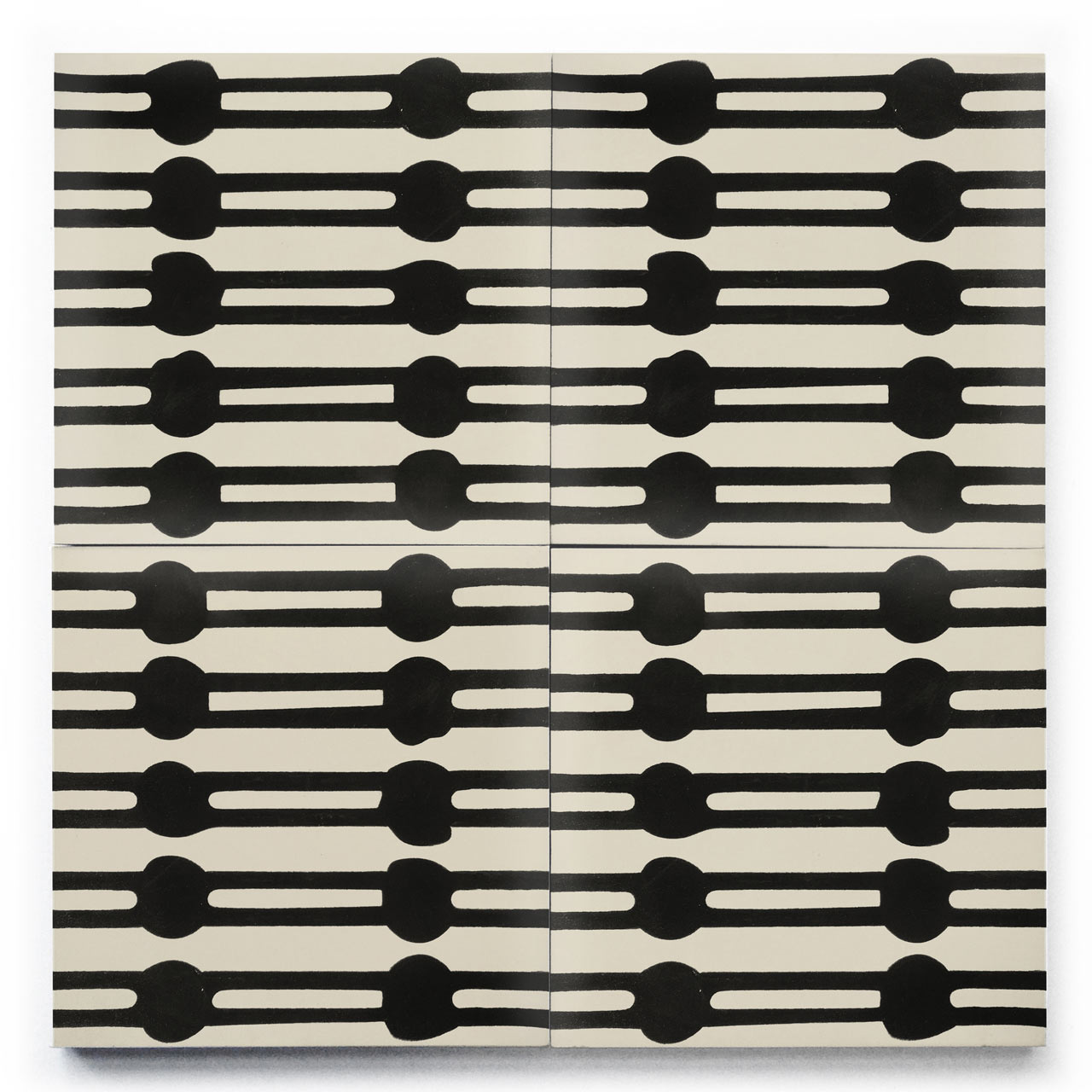
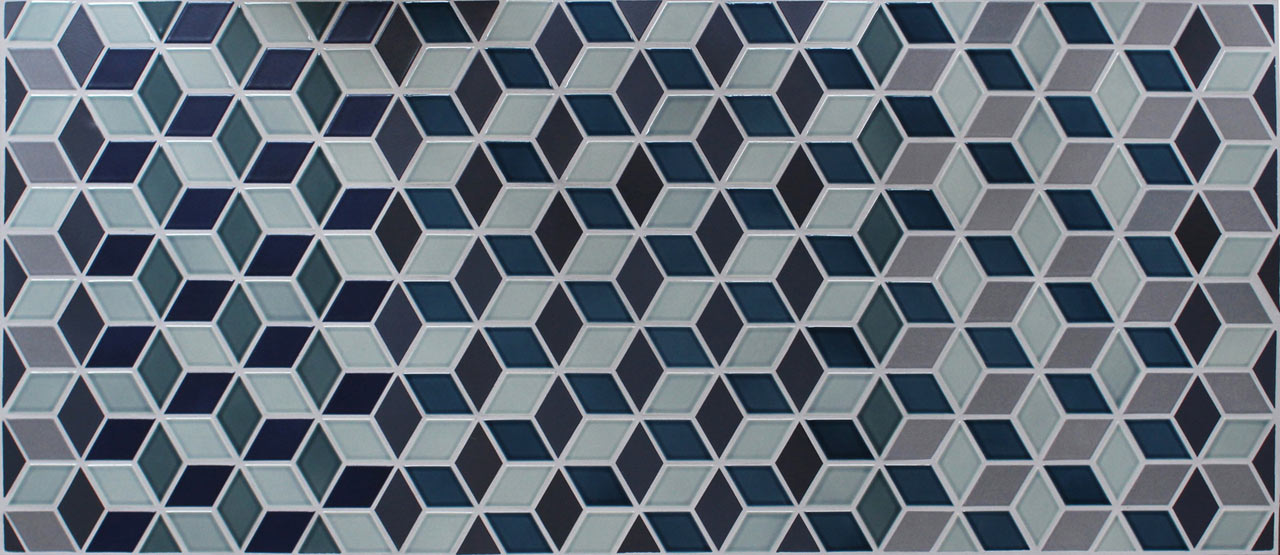
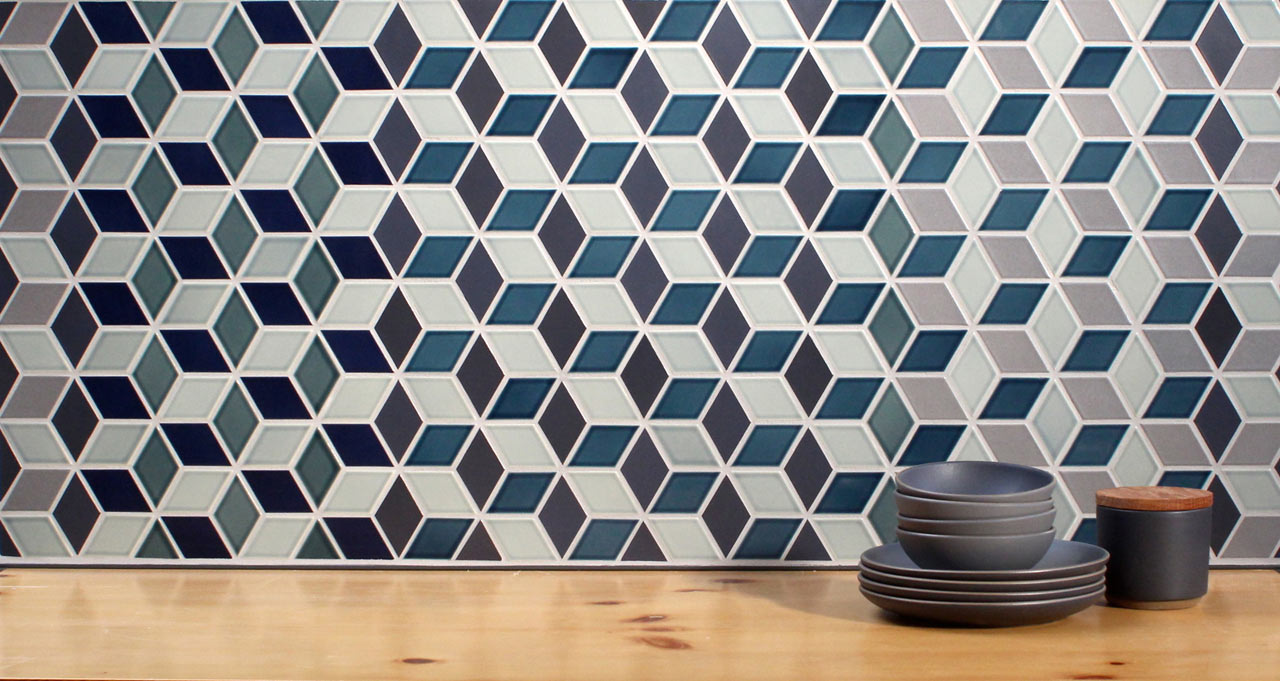
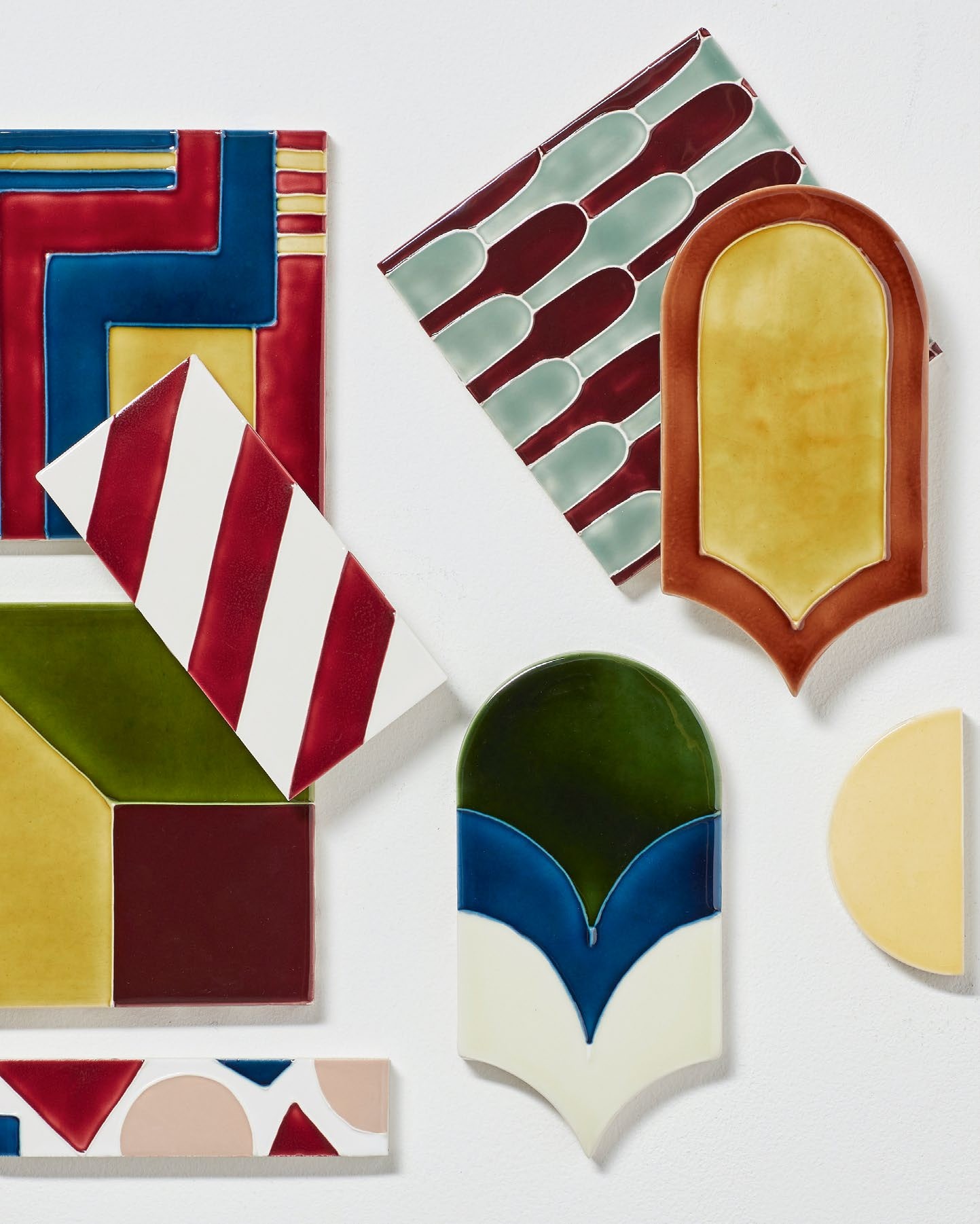
De Brock's CNC ceramic printer represents a modern reinterpretation of an ancient craft, blending the aesthetic of handmade items with the precision of mathematical machine processes. The development of this machine was a complex undertaking, presenting numerous frustrations and challenges, particularly given his background as a graphic designer with limited initial knowledge of ceramic glazing or CNC mechanics. He highlights the unusual nature of a graphic designer building such a machine, emphasizing his desire to imbue ceramic glazes with authenticity and depth while translating them into a graphic form. The resulting ceramic tile compositions successfully merge the physical qualities of ceramics with the structured order of graphic design.
Color has always been central to De Brock's practice, and the vibrancy of ceramic glazes was a natural progression from his earlier work with richly dyed rug fabrics. His exploration into the chemical aspects of oxides, color mixing, and staining for his ceramic tiles showcases years of dedication to color assessment and technical experimentation. The most significant hurdles during the CNC development involved debugging system glitches, an area where De Brock initially possessed no expertise. He reflects on his journey from knowing nothing about engineering and electronics to acquiring fundamental skills, which have become indispensable to his current practice.
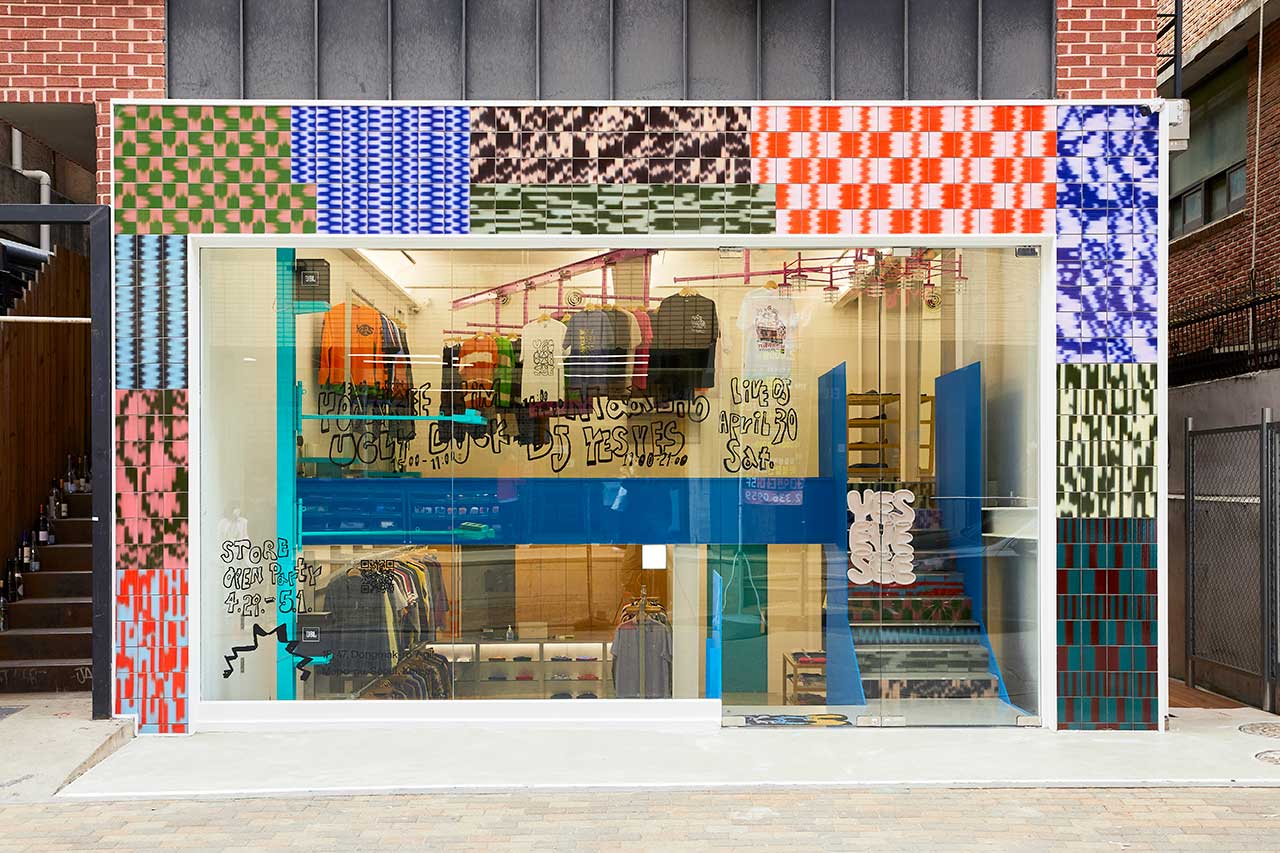
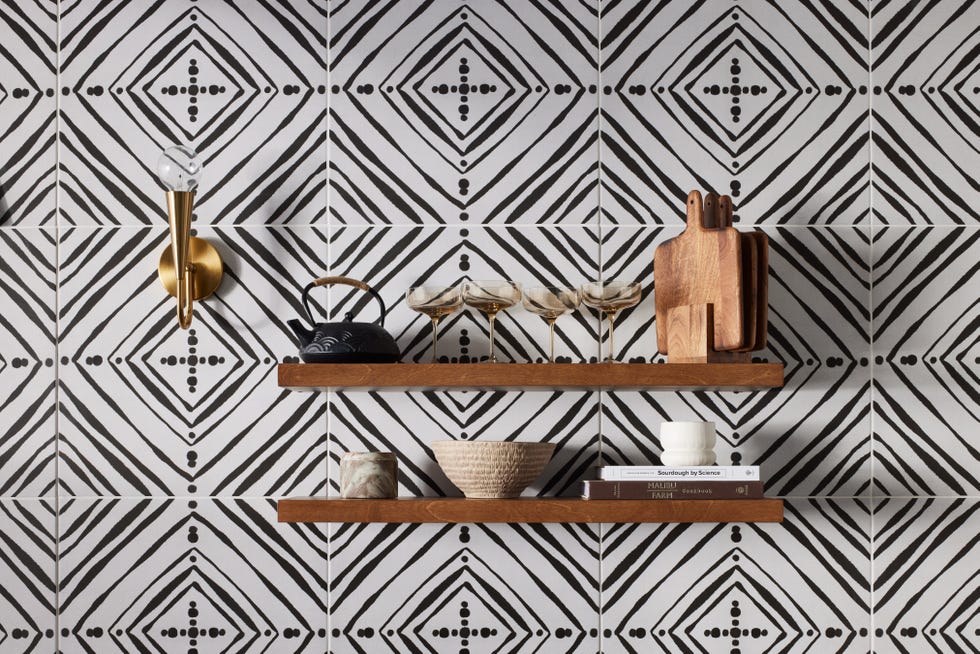
Once the machine became functional, De Brock shifted his focus from engineering to design, curating tiles into diverse compositions that each tell a unique story. The machine produces one-centimeter-thick lines, resulting in a low resolution of 70 to 100 pixels per print. This limitation, which he views as a liberation rather than a restraint, forced him to rethink his design approach, adapting his previous work to this specific aesthetic dictated by the medium. He appreciates how a tool can define an aesthetic, seeing it as a way to reduce the overwhelming possibilities of a blank canvas.
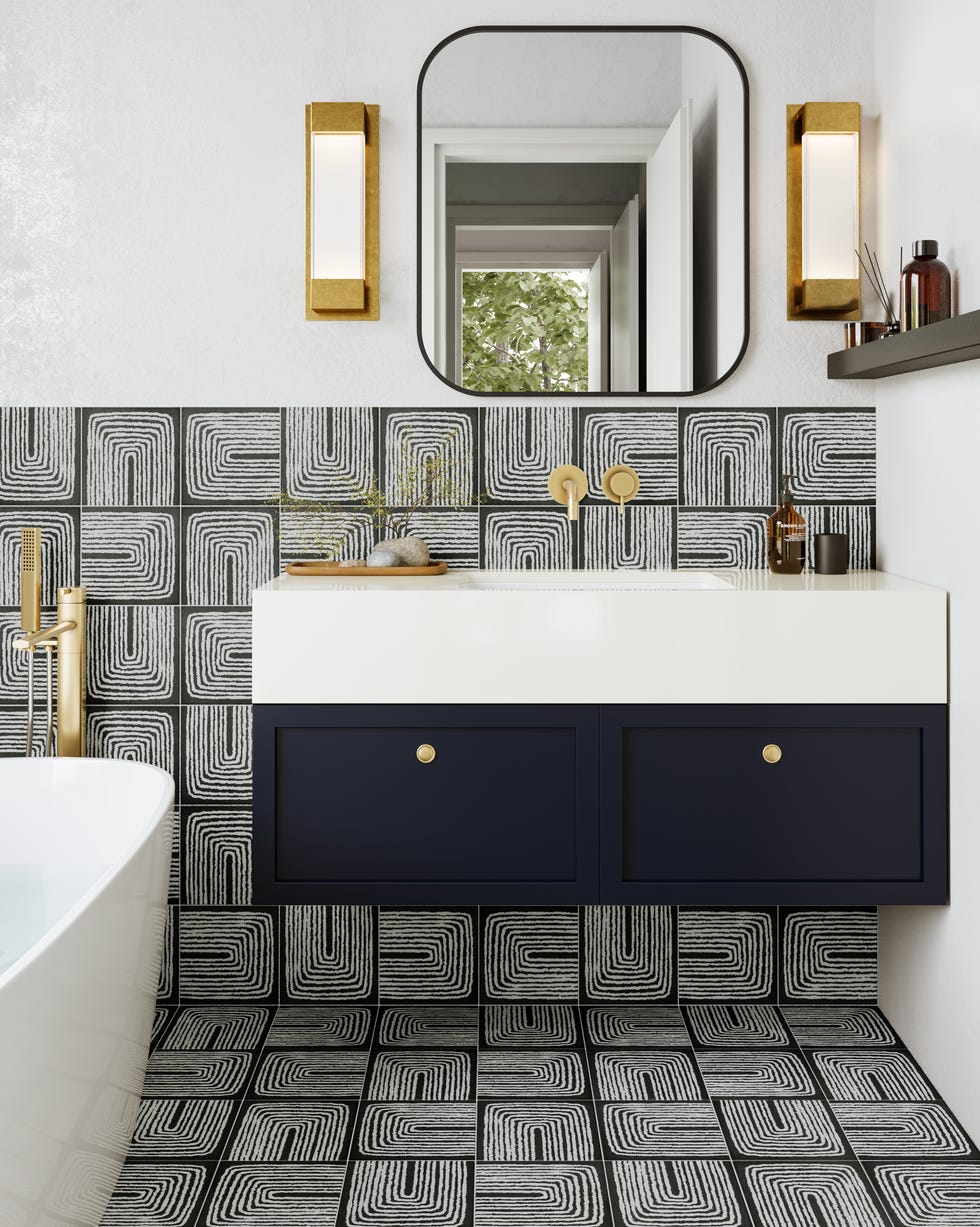
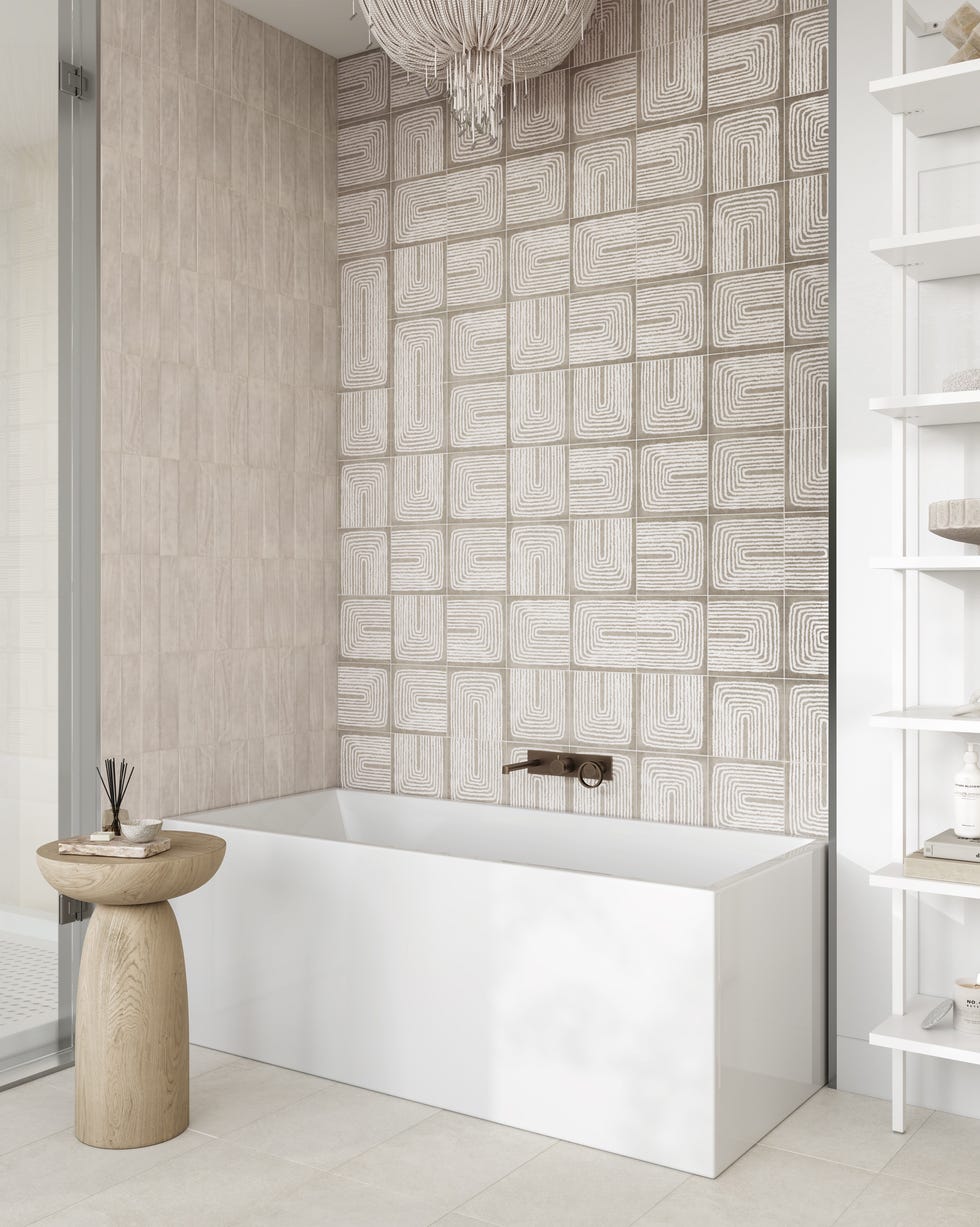
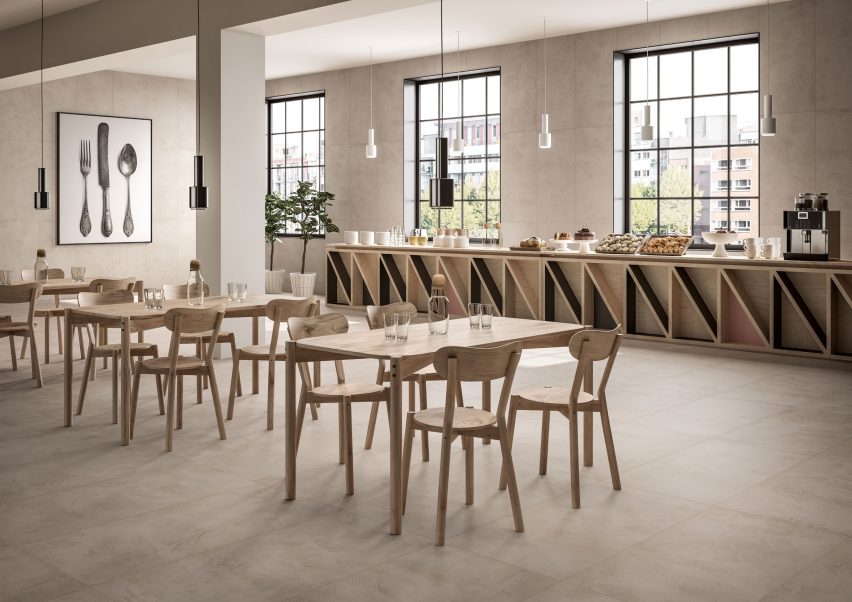
De Brock's ceramic tile compositions have recently gained recognition, being exhibited at Amsterdam's Unfair art show, an unexpected outcome for a trained graphic designer. While effective in an artistic context, he primarily envisions these compositions as applied designs for interiors, potentially adorning the walls of restaurants or hotels. Looking ahead, De Brock has several projects planned, including exhibitions at Portland’s Fisk Gallery, Gallery my Monkey in France, and Le Signs in 2022. He is also collaborating with the Seoul-based Risograph printers, Corners, on a new publication featuring his ceramic tiles.
#GraphicDesign #Ceramics #CNC #Automation #ProductDesign #Artisan #InteriorDesign #CreativeProcess #Technology #GraphicDesign #Ceramics #CNC #Automation #ProductDesign #Artisan #InteriorDesign #CreativeProcess #Technology
0 comment in total
 No comments yet
You may also like
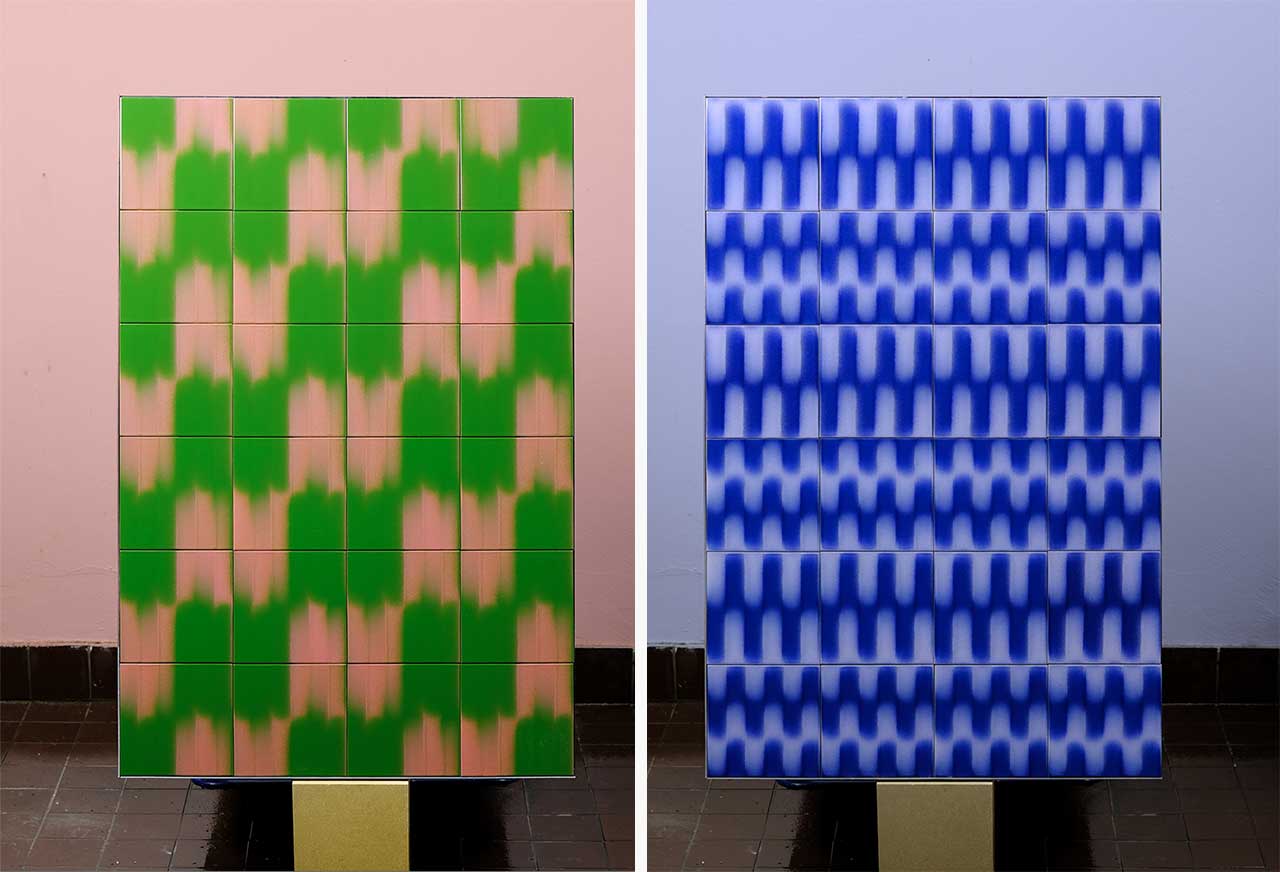
Colorful, Trippy Tiles Made on a Custom-Built Machine
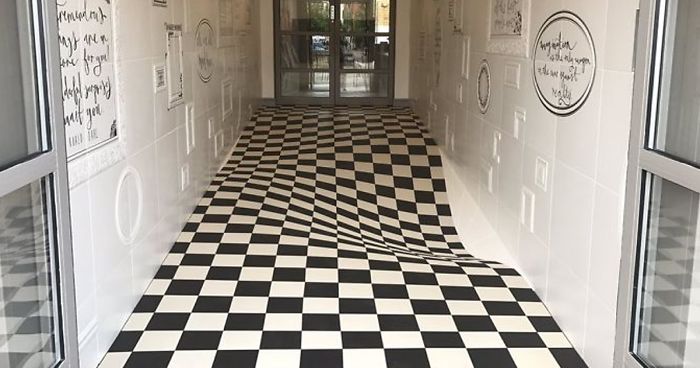
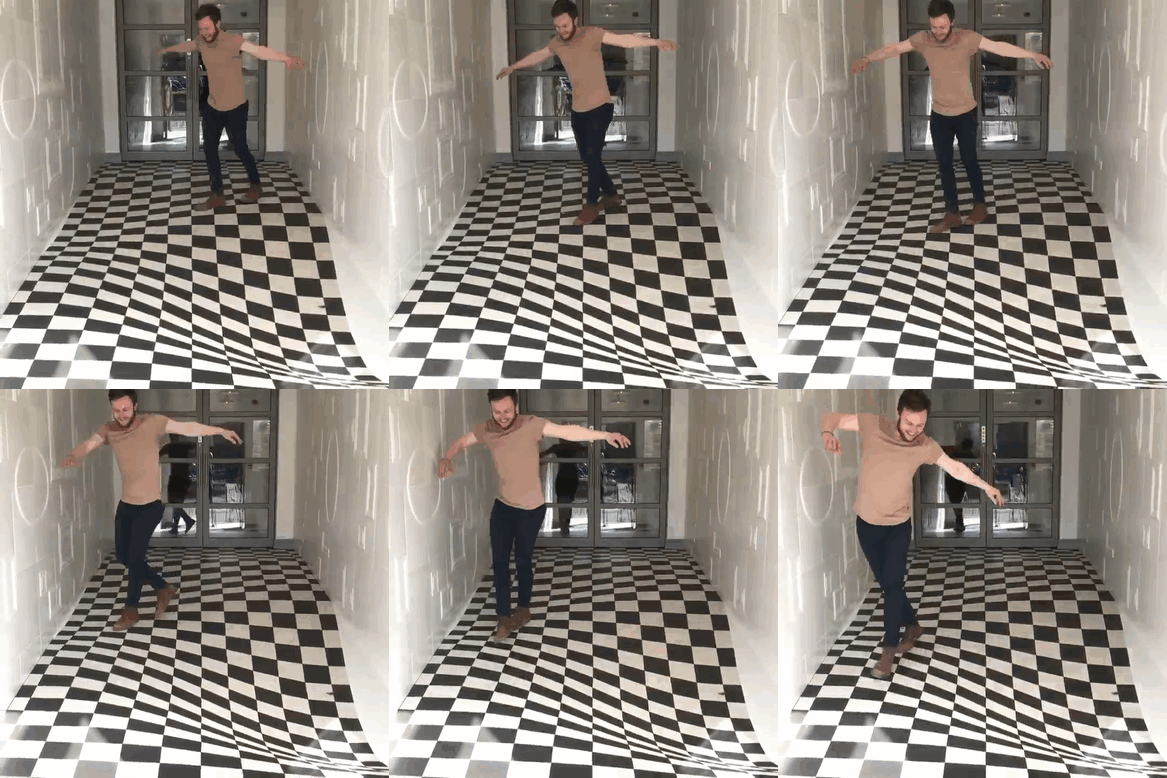
Genius Optical Illusion On This Floor Stops People From Running In The Hallway
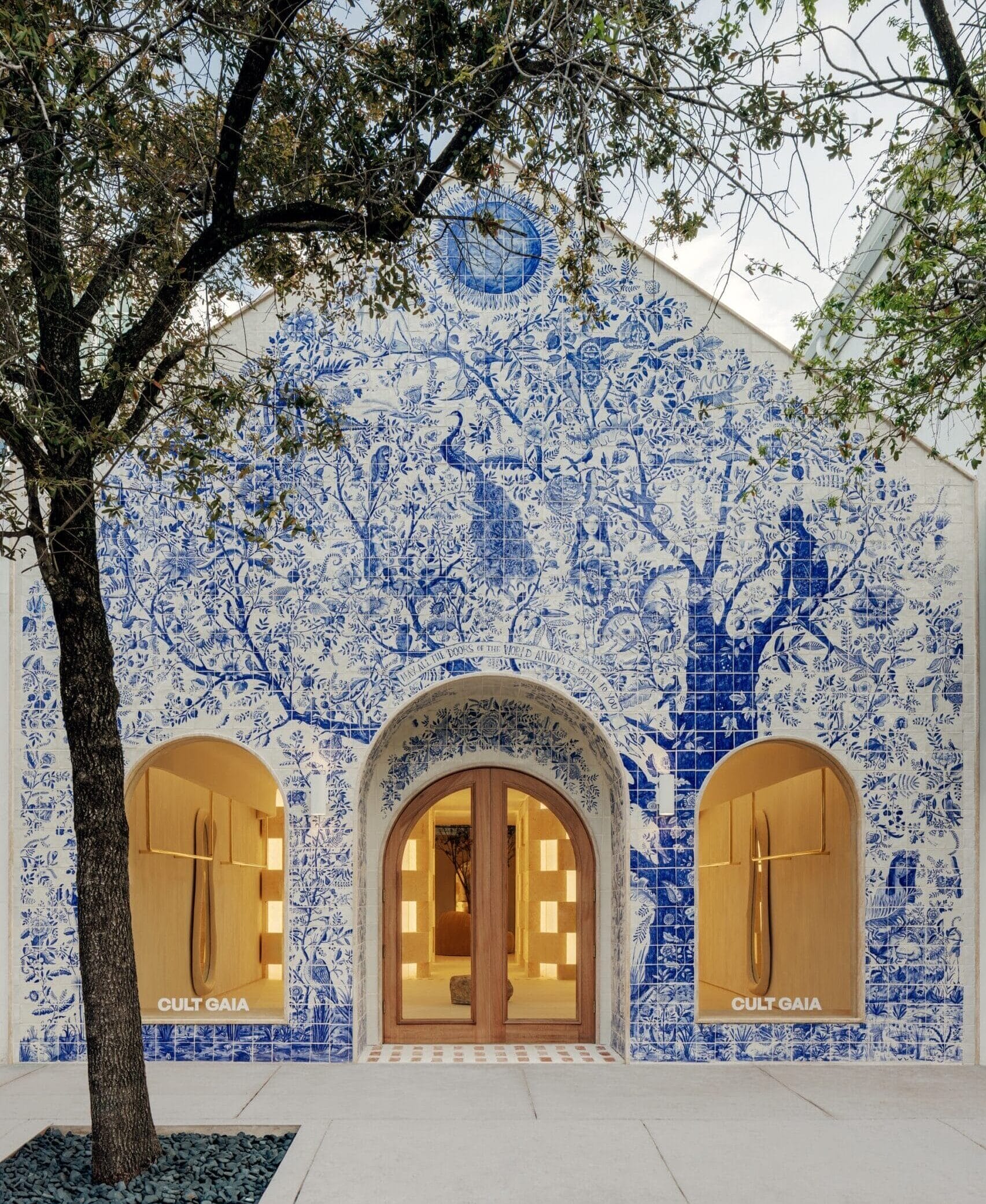
A Life-Giving Tree in Blue Sprawls Across a Mosaic Tile Facade by Michael Chandler

Jolie Ngo’s Ceramics Are Made for Instagram (And That’s A Good Thing)
clé Launches Artist-Designed, Cement Tiles
This New Collection Puts a Graphic Spin on Tile

A Work of Art

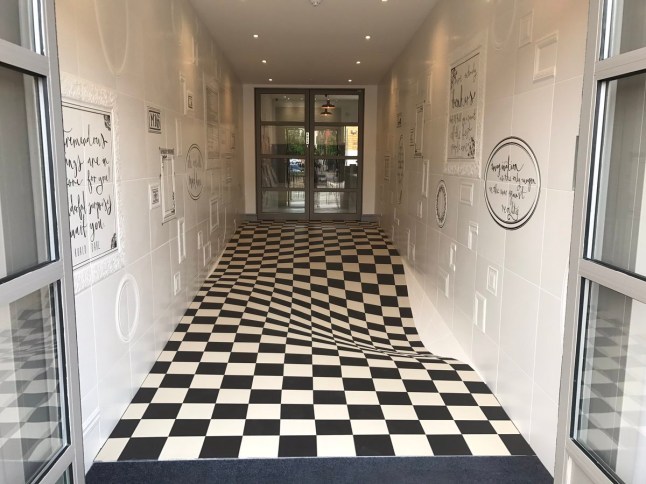
Tile company installs confusing optical illusion floor

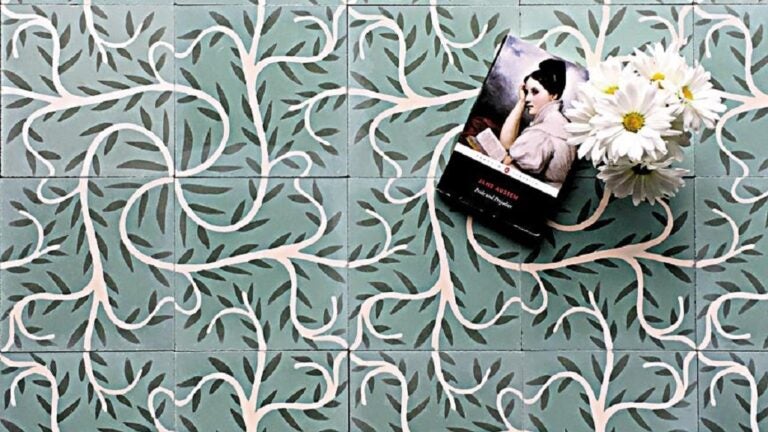
Designers flip over tile, go for the bold

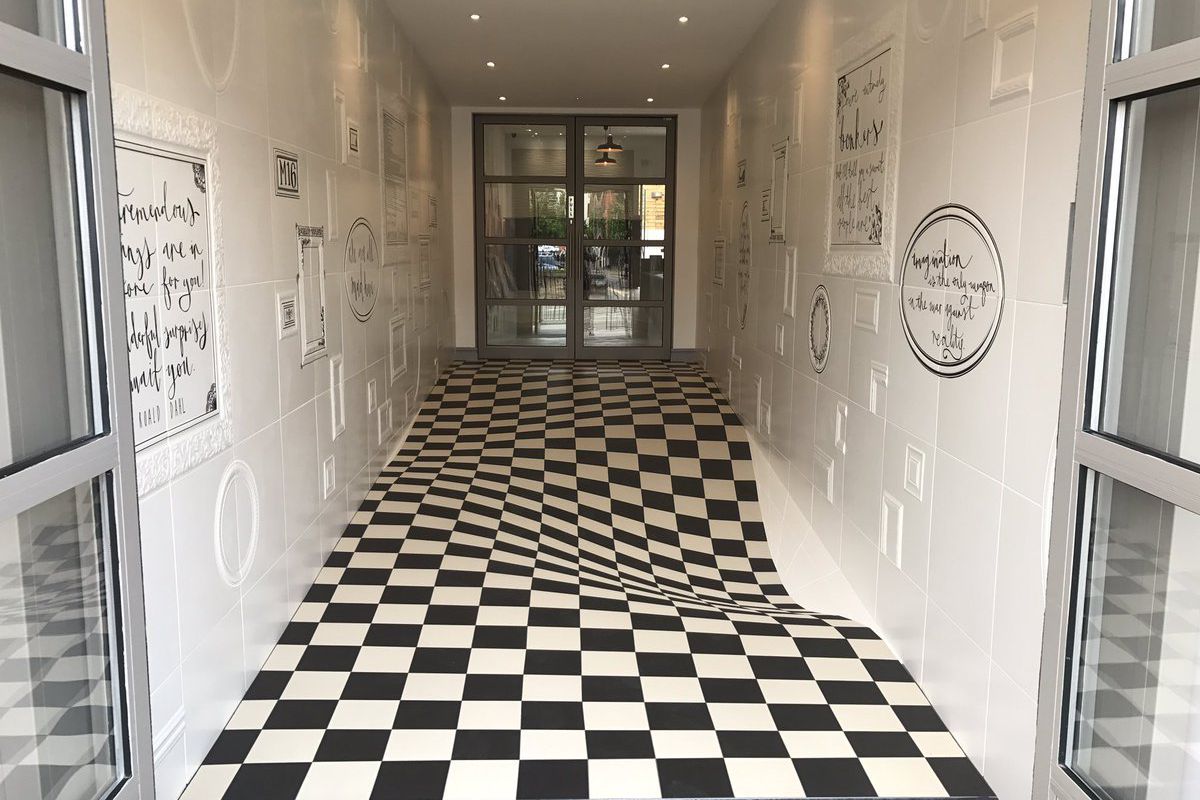
Tile design uses optical illusion to slow people down
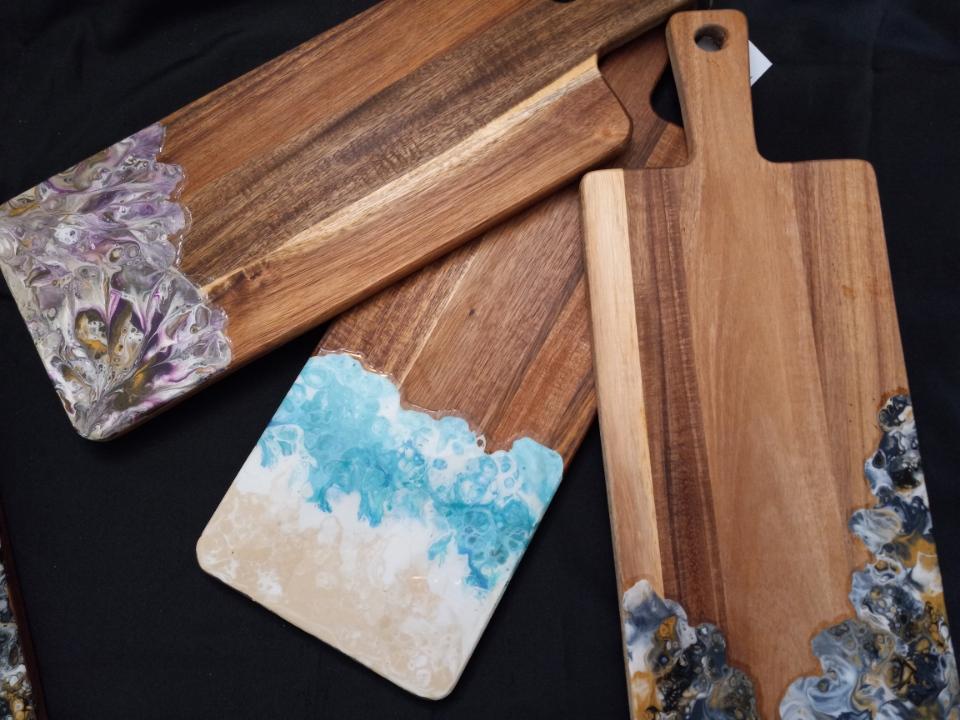
From cutting boards to coasters, maker brings signature swirl to handmade work
All fired up - 5 Jun 2025 - Period Living Magazine

studio RAP 3D-prints blue ceramic tiles for an undulating threshold in delft
Ceramiche Refin launches Craft tiles influenced by hand-applied cement surfaces
Devin Wilde on working with clay: 'It teaches me to see and appreciate the beauty in imperfection'

Material Innovation At Its Best: Explore Design Standouts

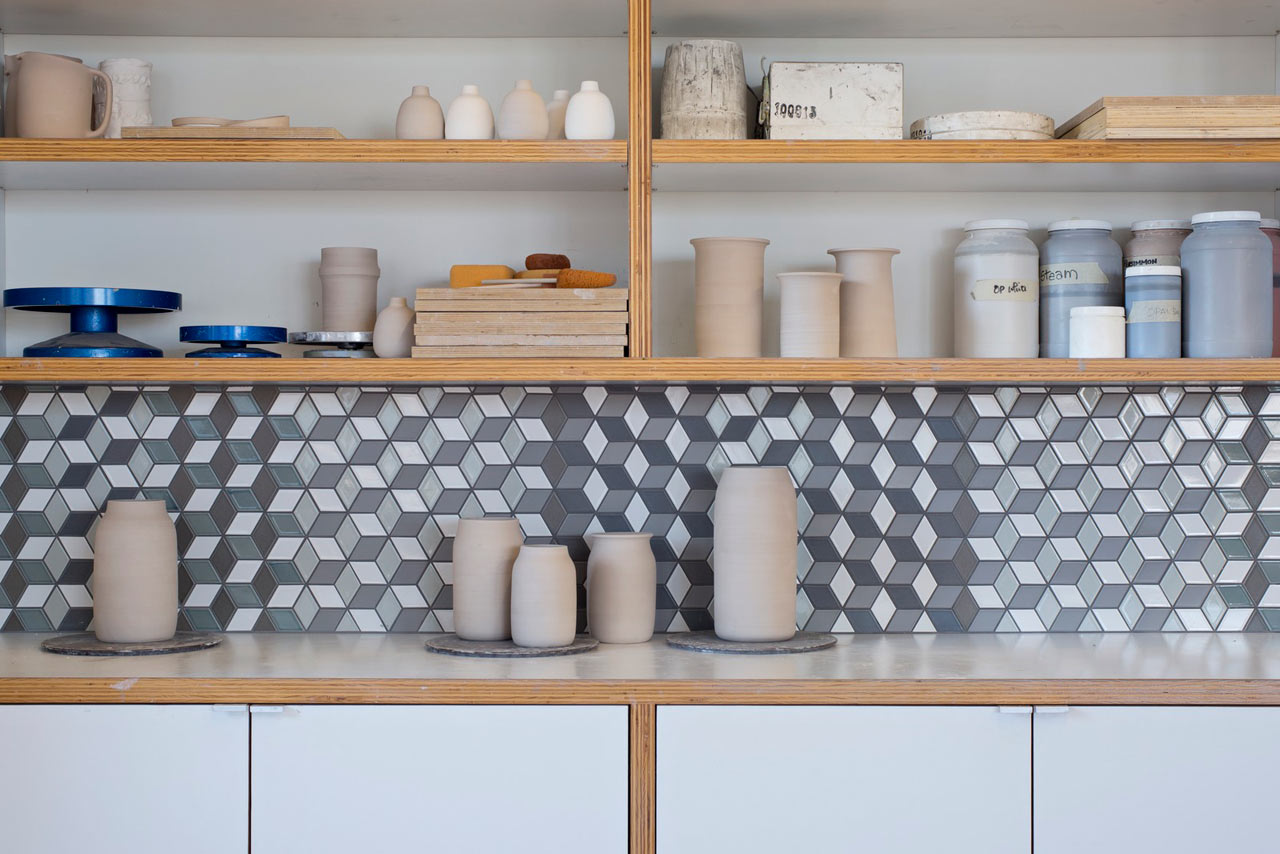
High-tech production creates a handcrafted look

Heath Ceramics Launches Mural, A Multidimensional Pattern
Ronan Bouroullec Transforms Ceramics Into Fabric With Adagio
3D Printing and Fabrics: The Unique Design Process Behind the Forma Fabrica Vase Collection