1/2
Jolie Ngo’s Ceramics Are Made for Instagram (And That’s A Good Thing)
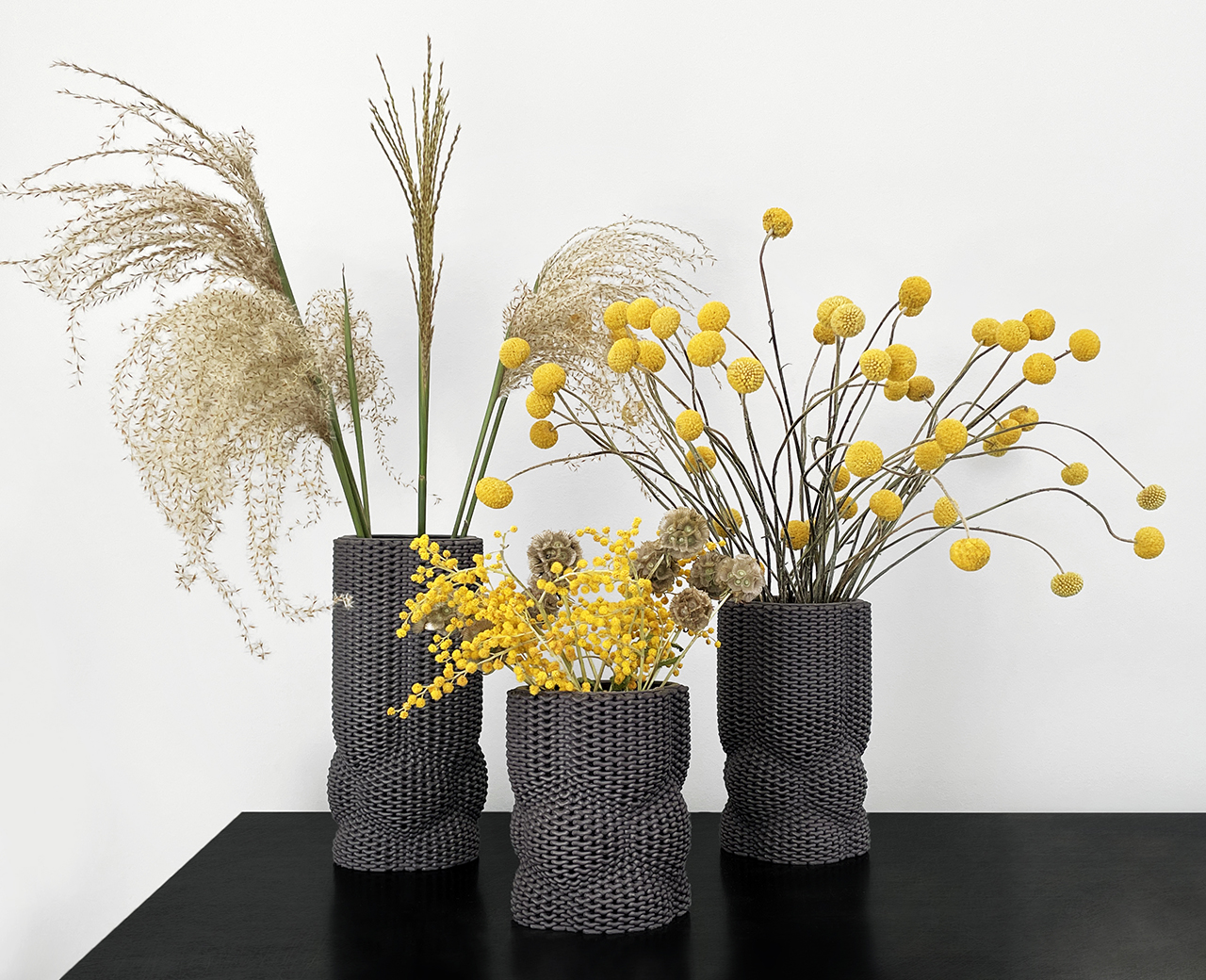
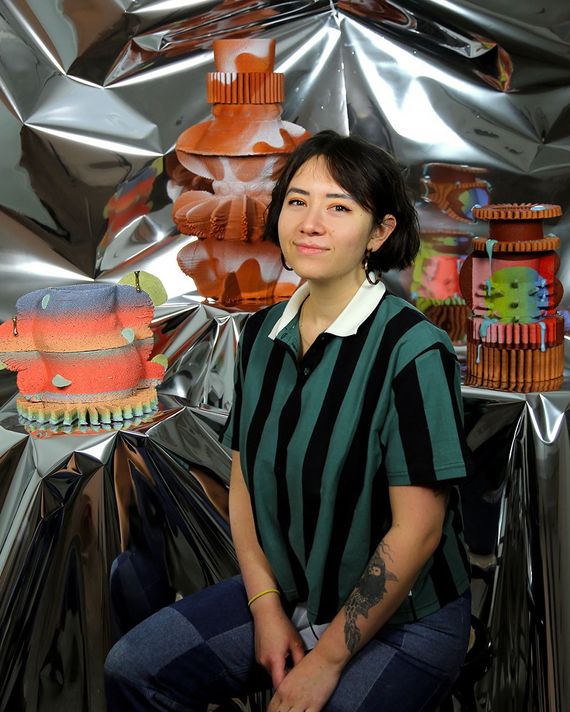
Jolie Ngo, a ceramic artist currently pursuing an MFA at Alfred University, has garnered significant attention for her unique, 3D-printed vessels, which she describes as designed to look like renderings and thrive online. Her work, characterized by blobby, rippled forms, lollipop-like piercings, and oozing glazes, was notably featured at Design Miami and quickly sold out after being highlighted on Instagram by curator Glenn Adamson.
Ngo's journey into ceramics began somewhat reluctantly. Initially disliking the traditional long process and glazing aspects of ceramics, she reconsidered the medium after observing the rise of contemporary ceramics and reading Adamson’s 2019 essay, “The Rise of the Hyper Pot.” This essay described a new type of pottery optimized for social media with "eye-popping color, a strong graphic silhouette, just the right balance of weirdness and familiarity," often exhibiting dripping surfaces, crackly finishes, and hyper-pigmented hues. While some artists might shy away from the term "hyper pot," Ngo embraces the challenge of creating work that resonates with digital algorithms.
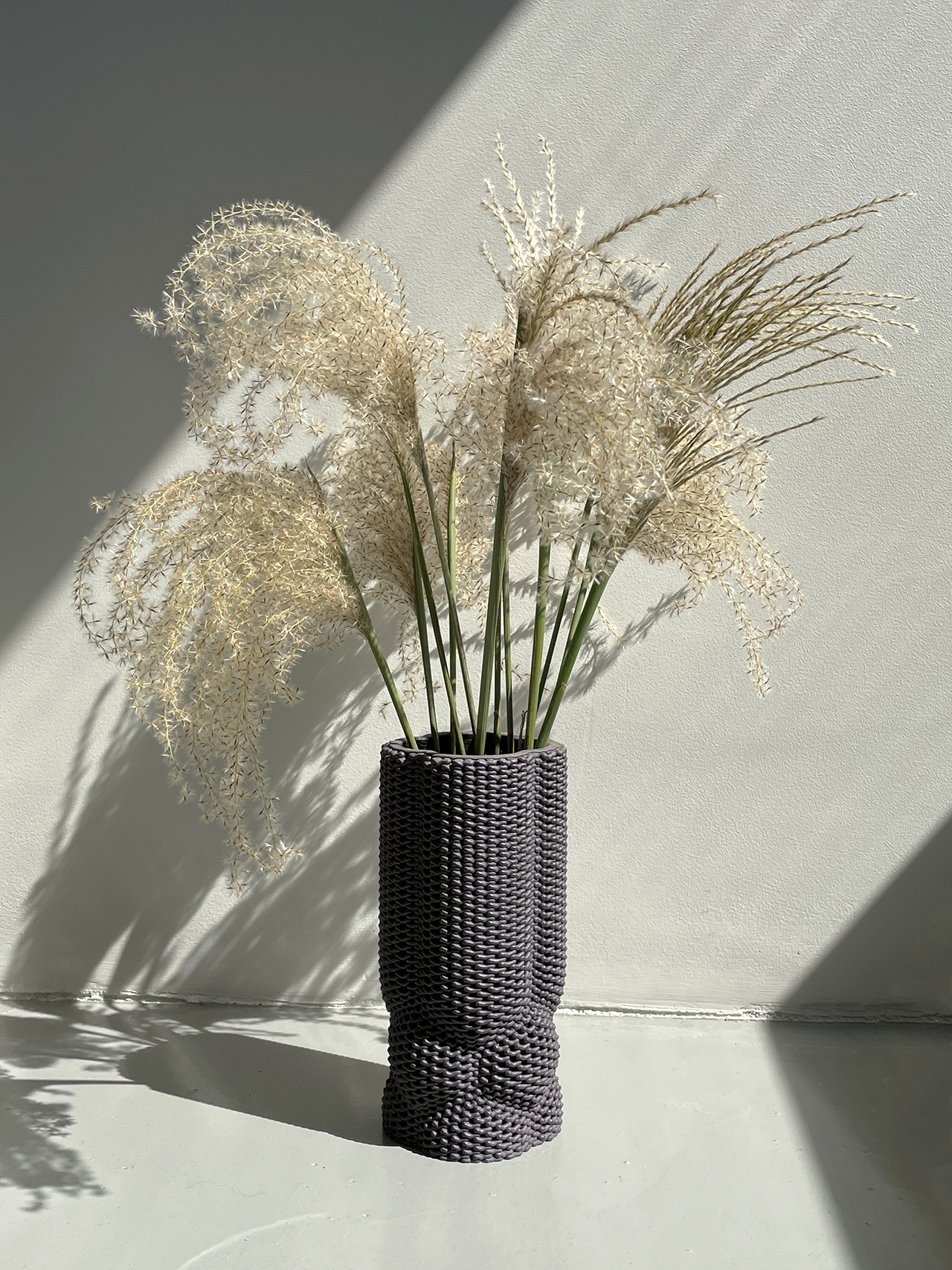
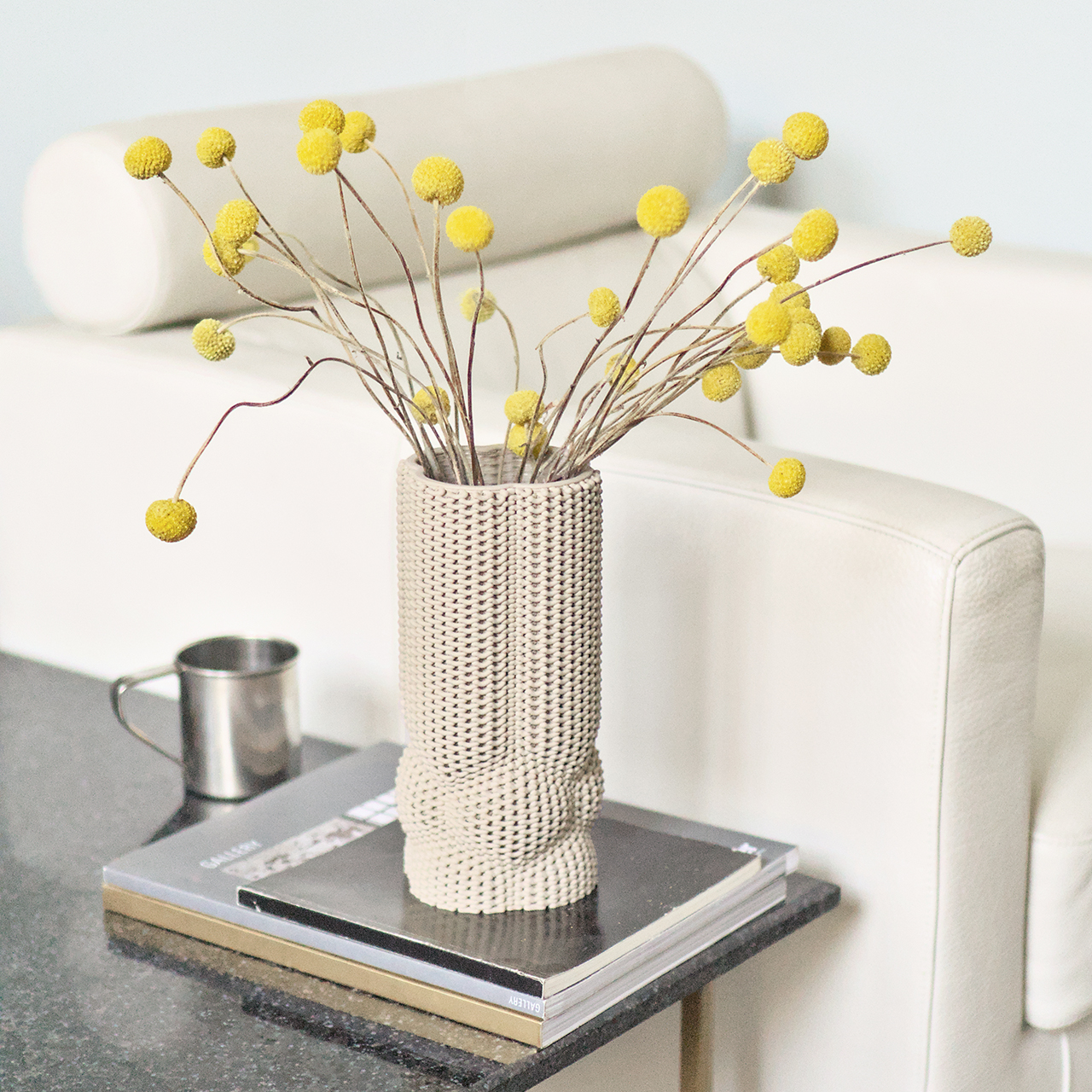
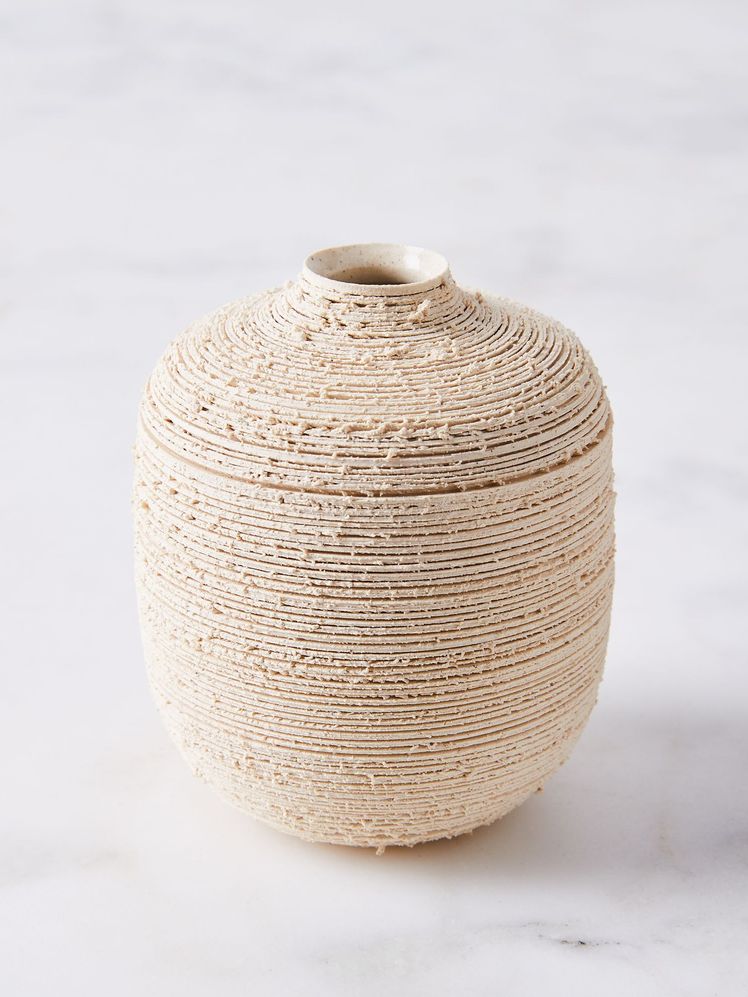
Her creative process involves using Rhino, a 3D-modeling program, to develop shapes and volumes. She then employs a potter bot—essentially a robotic syringe—to 3D-print her designs layer by layer, akin to a coil-pinch pot. Ngo intentionally pushes the material's limits, often creating and firing multiple iterations of a design with subtle tweaks until satisfied. A distinctive feature of her work is the preservation of the potter bot’s fabrication language, specifically the subtle ripples on the surface. She uses stencils and an airbrush to apply thin glazes, ensuring that this inherent texture remains visible, unlike other artists who might obscure it.
Ngo views digital fabrication not as an end in itself but as a tool to explore a "post-internet aesthetic," which examines the internet's influence on visual culture both online and in physical spaces. Her approach combines digital precision with an emotional, idiosyncratic sensibility, drawing inspiration from postwar ceramic artist Betty Woodman, known for her association with the Pattern & Decoration movement, which emphasized the complex meanings conveyed by surface. Ngo’s early series, _100 Vases_, exemplifies this experimentation, with each vessel uniquely ornamented to represent her personal journey, including her decision to become sober. The drippy, gloopy glazes on these pieces symbolize her evolving memories and past self.
Despite her success, Ngo, at 24, navigates the complexities of newfound fame while still a student. Her current work largely consists of small pieces, as her tools are limited to printing volumes up to 13 inches. She is currently exploring ways to scale up her creations, including a 3D-printed chair, which requires assembling multiple smaller parts. Ngo acknowledges the challenge of balancing experimental artistic development with the demands and opportunities that come with her increasing recognition, expressing a desire to expand her practice without turning down opportunities.
#JolieNgo #Ceramics #3DPrinting #HyperPot #DesignMiami #PostInternetAesthetic #Glaze #DigitalFabrication #ArtisticProcess #JolieNgo #Ceramics #3DPrinting #HyperPot #DesignMiami #PostInternetAesthetic #Glaze #DigitalFabrication #ArtisticProcess
0 comment in total
 No comments yet
You may also like
Material Innovation At Its Best: Explore Design Standouts

When Kendall Jenner Gives You Lemons…

Colorful, Trippy Tiles Made on a Custom-Built Machine
Organic Design
Gwyneth Paltrow’s Designer Just Dropped Lighting in the Form of Everyone’s Favorite Trend

Entler Studio Expands Their Ceramic Repertoire With Planters + Tables
manipulate glass with the 'touch-me' vase collection by matteo silverio + stefano bullo
Ceramicist Laetitia Rouget Talks Style, Inspiration & More
3D-Printed Ceramic Vases That Mimic Nature’s Patterns


Made in Japan Nagoya Mosaic-Tile collections now available
Vivid life: Hitomi Hosono’s ceramics animate a London showroom

From Bowls to Walls: How a Love of Ceramics Led to a Luxe Wallpaper Line

Why Olivia Dean’s Instagram is pink, and if you can change the colour of your profile
Find Out How the Stars Align for Your Pottery Personality
clé Launches Artist-Designed, Cement Tiles
Meet The Interior Designer: Alice Grace

Vivian Xu: Meet the London-based potter creating one-of-a-kind homewares
Fashion Designer Turned Ceramicist Léa Zana On Style & Inspiration
Cristina Celestino Unveils Ceramic Tiles In Two Geometric Patterns

Jenelle Lovings’s graphic mix of fluted marble, slatted oak and terrazzo tile