1/2
studio RAP 3D-prints blue ceramic tiles for an undulating threshold in delft
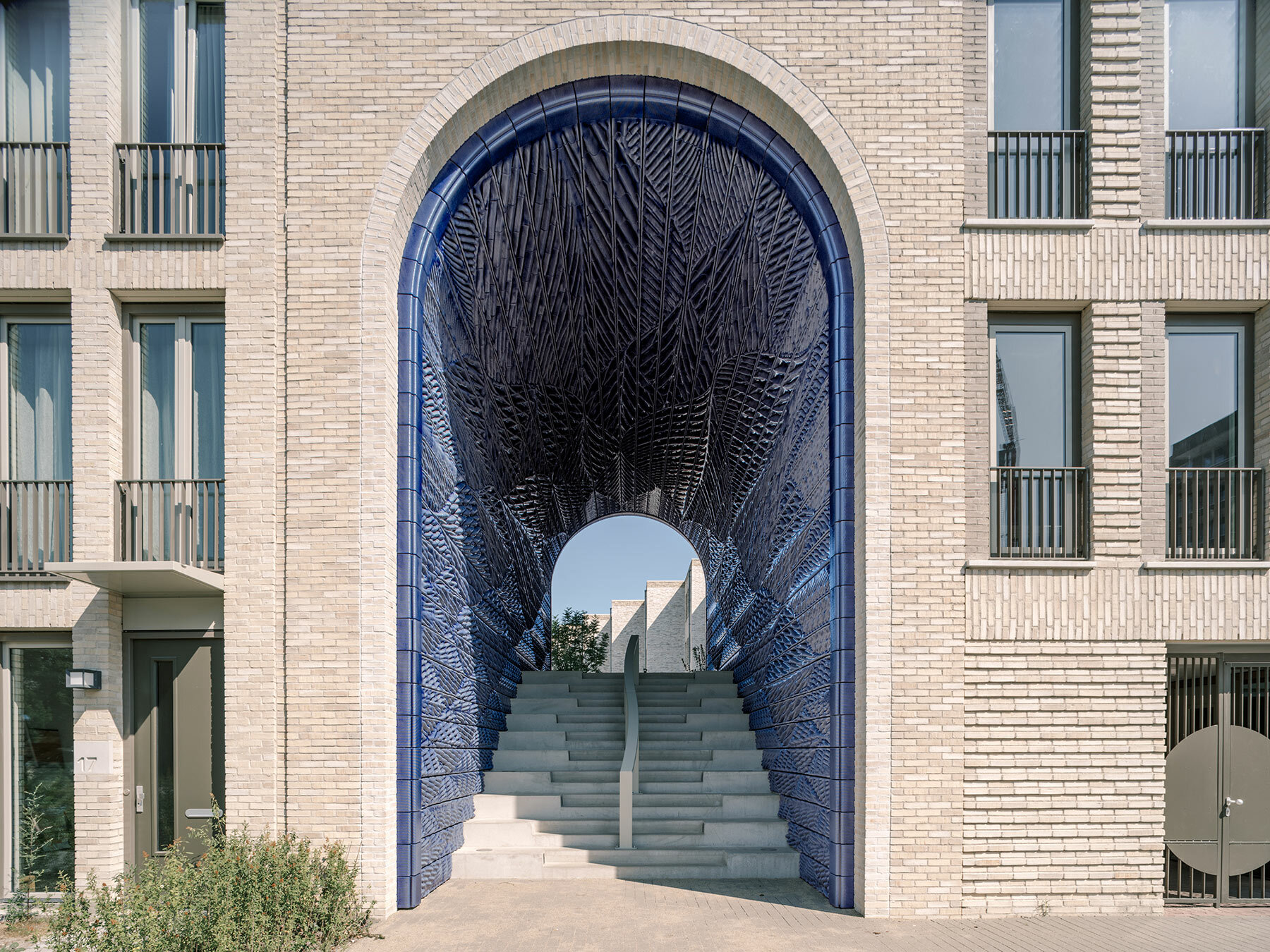
Studio RAP, a Dutch architectural practice, has completed an innovative project named 'New Delft Blue' which integrates computational design and fabrication with traditional ceramic craftsmanship. The installation serves as an entrance to a residential building block in Delft, a city in the western Netherlands renowned for its historical blue and white pottery production. The project was developed in collaboration with Dutch ceramics manufacturer Koninklijke Tichelaar and aims to redefine ceramic ornamentation in contemporary architecture.
New Delft Blue consists of two large entry gates, each measuring approximately four meters in width, eight meters in height, and twelve meters in depth. These gates are situated at the entrance of the PoortMeesters residential building block, part of the larger Nieuw Delft urban redevelopment project. The design is a modern reinterpretation of traditional Dutch city gates and pays homage to Delft's medieval trading history, enveloping a public staircase while also serving as a visual and functional threshold.
The design draws inspiration from the aesthetic principles of traditional Delft Blue porcelain plates, which have evolved from replicating Chinese and Japanese patterns to incorporating Dutch motifs. A consistent feature in these plates is the contrast between intricate, nature-inspired frames and serene, picturesque scenes. Studio RAP translates this concept into the New Delft Blue installation, with the gates acting as three-dimensional frames that feature algorithmically generated, nature-inspired patterns. These patterns are designed to guide visitors from the public area into the semi-public courtyard, symbolizing a transition into an idyllic oasis.
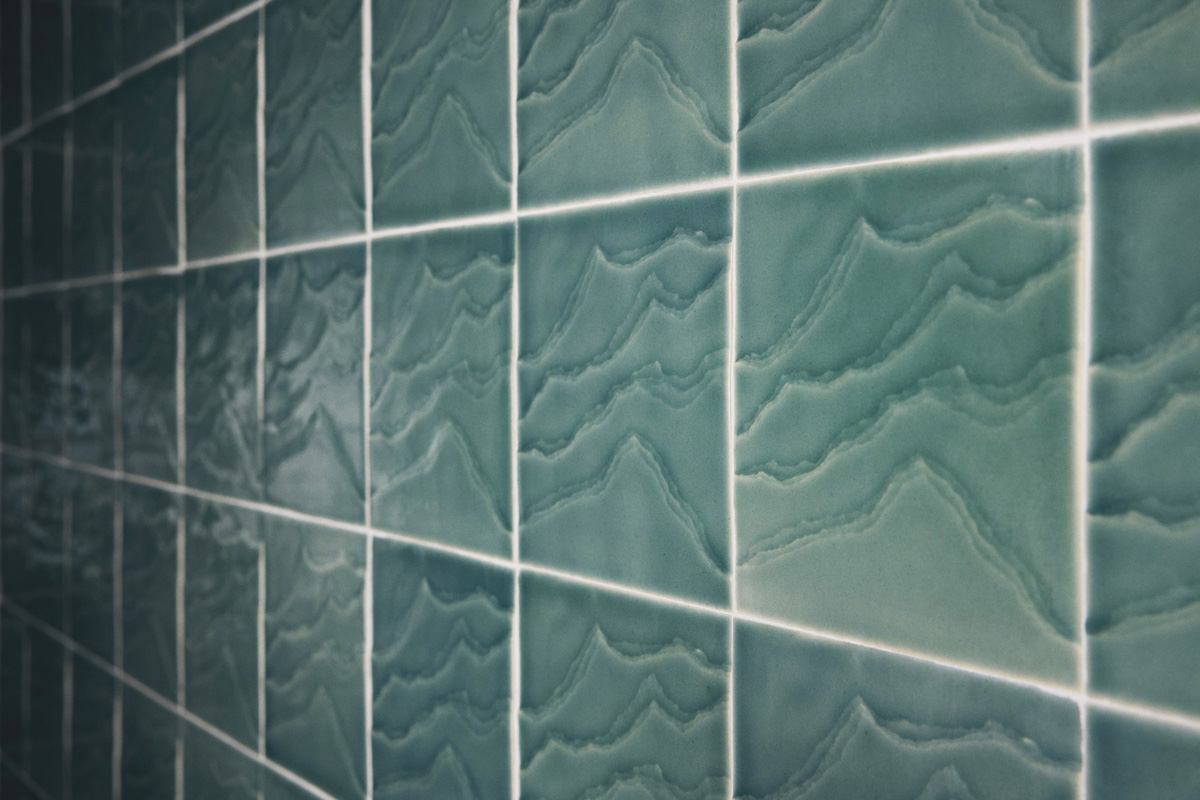
Studio RAP utilized algorithmic design to address the manufacturing constraints inherent in creating a large-scale curving surface. The geometric design of the tiles carefully incorporates parameters such as maximum overhang, width, height, depth, shrinkage, and internal support structures. This meticulous approach results in a fluid and sculptural composition that resembles a three-dimensional painting. A translucent blue glaze is applied to the surface of these 3D-printed modules, enhancing their visual impact. The glazing technique accentuates the convex contours with a light blue hue, while the concave sections feature deeper blue glaze pools. This creates a dynamic interplay of colors and textures, reflecting the city's canals and its famous porcelains, and is further enhanced by the contrast with the surrounding earth-toned brickwork.
#StudioRAP #NewDelftBlue #3DPrinting #CeramicTiles #Delft #ComputationalDesign #ArchitecturalInnovation #PublicArt #TraditionalCraft #StudioRAP #NewDelftBlue #3DPrinting #CeramicTiles #Delft #ComputationalDesign #ArchitecturalInnovation #PublicArt #TraditionalCraft
0 comment in total
 No comments yet
You may also like
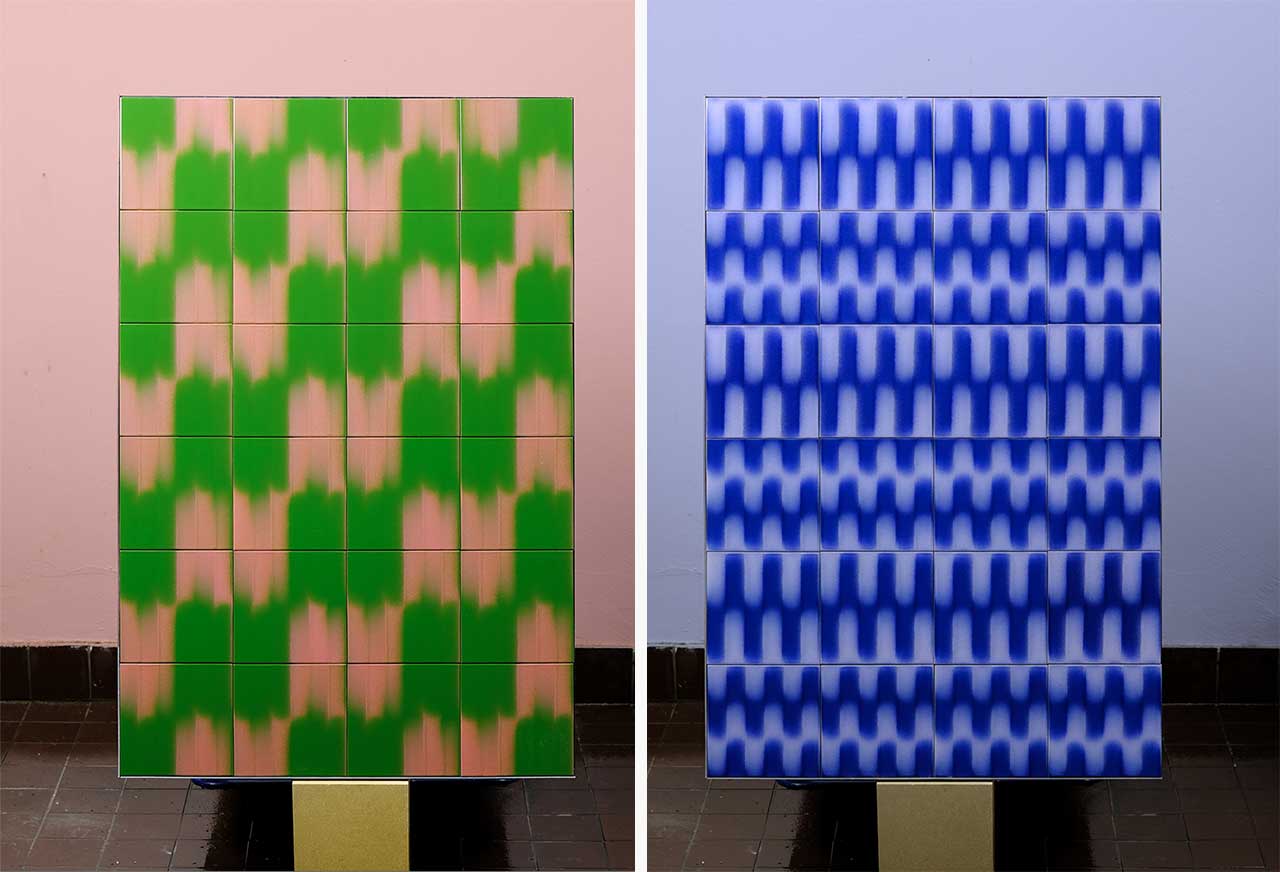
Colorful, Trippy Tiles Made on a Custom-Built Machine
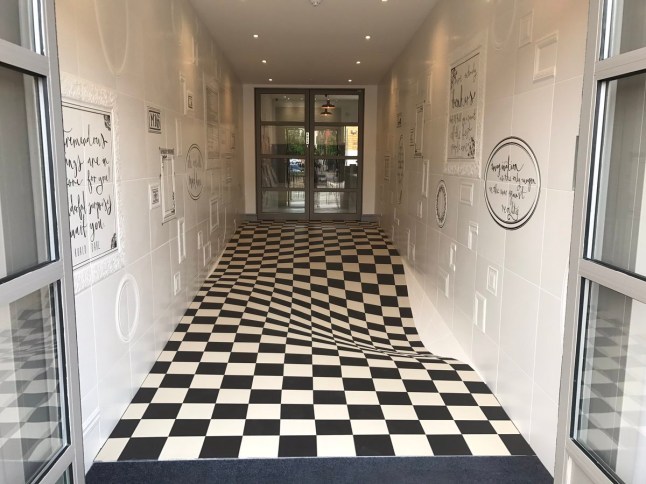
Tile company installs confusing optical illusion floor

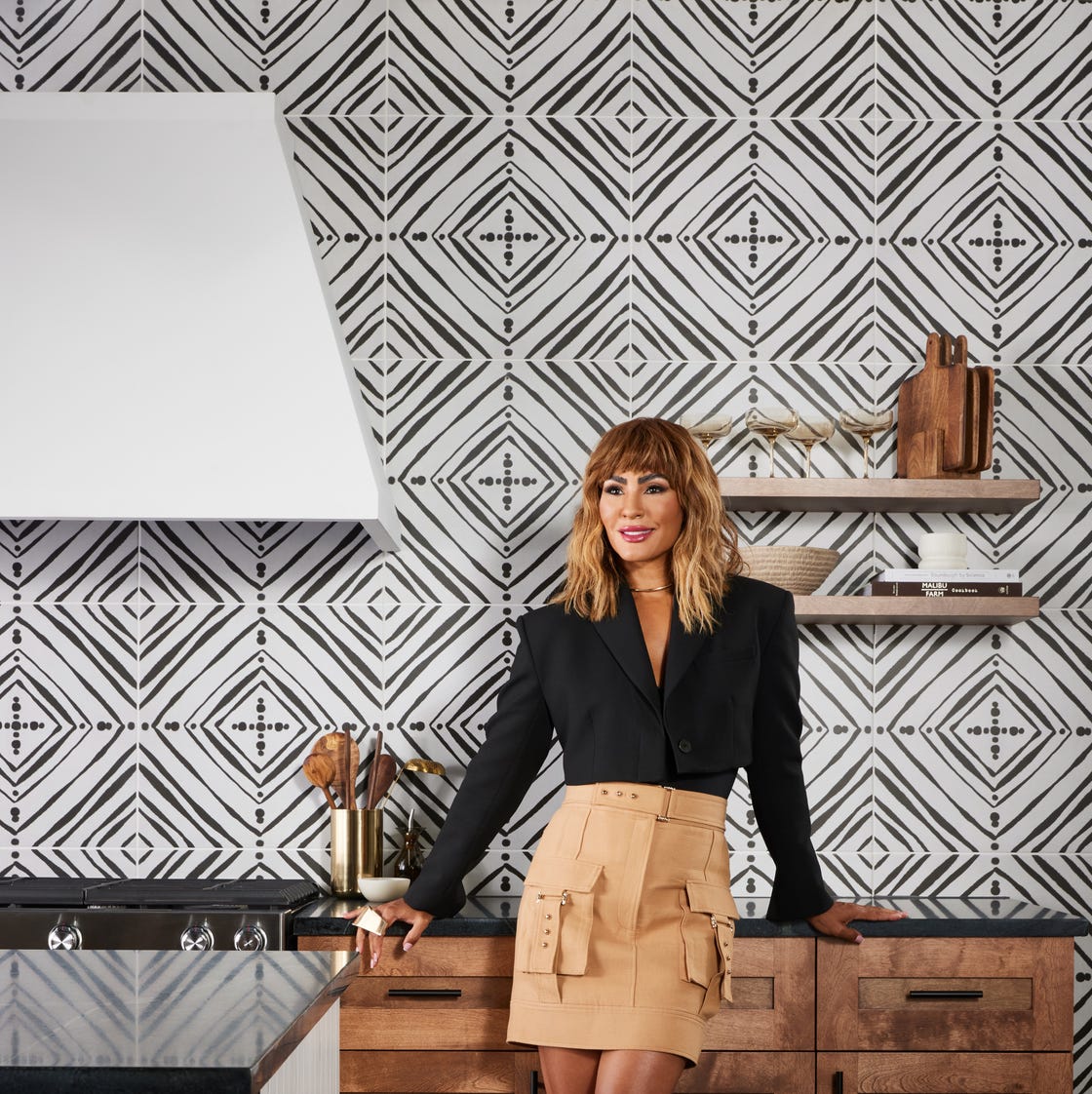
This New Collection Puts a Graphic Spin on Tile
Tiles take inspiration from fashion
Ceramiche Refin launches Craft tiles influenced by hand-applied cement surfaces
Dwell and Concrete Collaborative Announce a New Line of Tiles Inspired by Surfboard Design

3D Printing and Fabrics: The Unique Design Process Behind the Forma Fabrica Vase Collection
Ceramic Tile Provides A Durable Artistic Canvas For Architectural And Interior Designers

Design Industry ceramic tiles by Refin
Decimal Is Manufacturing 3D Printed Light Fixtures

Aztec Scenic Design Creates Custom 3D Printed Arabian-Inspired Ceiling and it’s Amazing!

HiRes Concrete Slab in the Empa NEST Dübendorf
MUT design: drops concrete tiles for entic design

Gilles de Brock on hand building a CNC to print graphic glazes on ceramic tiles in a highly original design story
Concrete Collaborative Unveils Playfully Patterned Tiles From Alex Proba
Genius Optical Illusion On This Floor Stops People From Running In The Hallway
clé Launches Artist-Designed, Cement Tiles
Designers flip over tile, go for the bold


Landshapes by Daniel Arsham Tile Collection