Tired of Touch-Ups? These 9 Paint Colors Are Forgiving and Designer-Approved
This article discusses paint colors recommended by professional designers for camouflaging scuffs, dings, and everyday wear on walls and baseboards. It highlights nine specific colors and explains why each is effective. The primary goal is to help homeowners select paint that maintains a fresh appearance despite daily use.
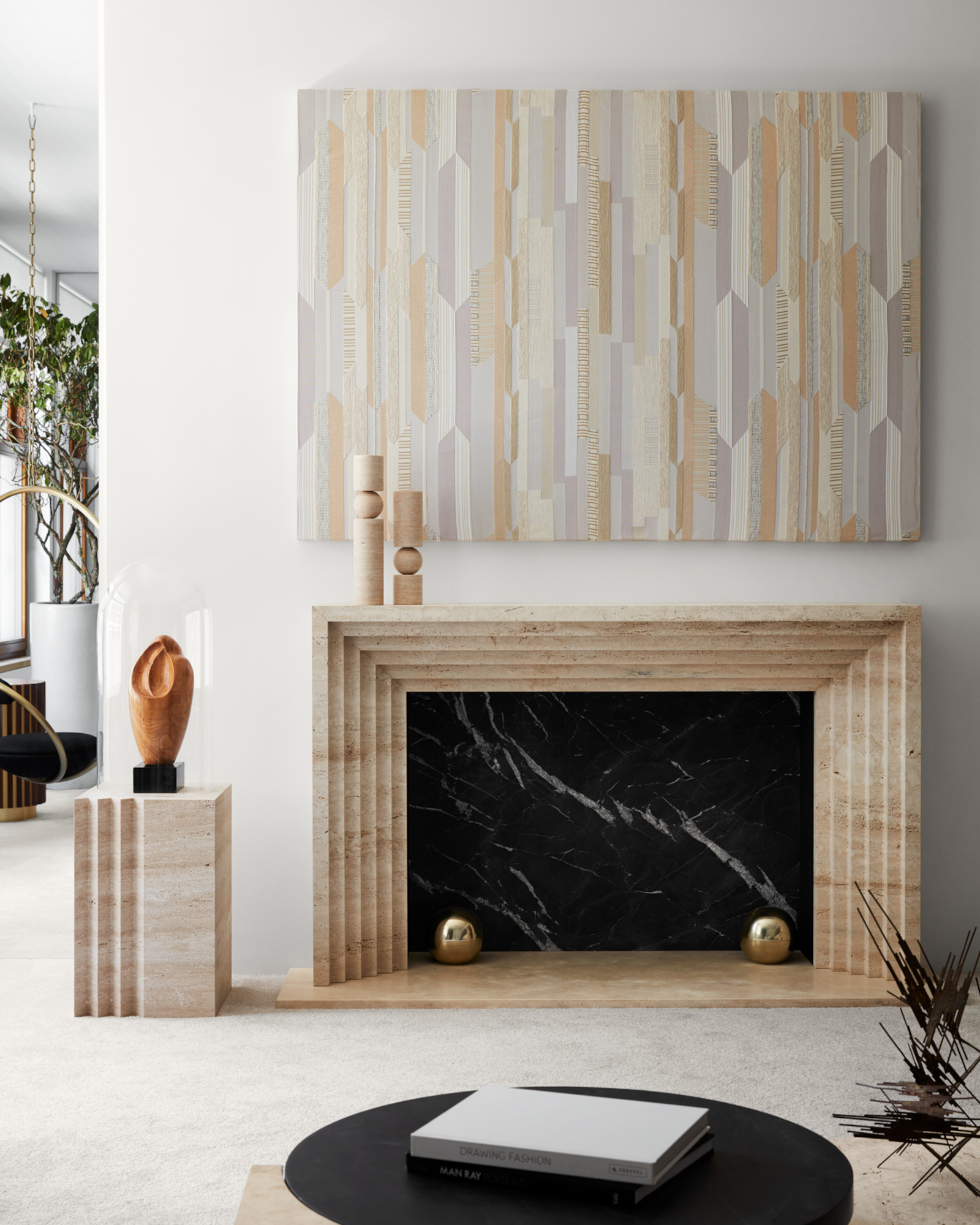
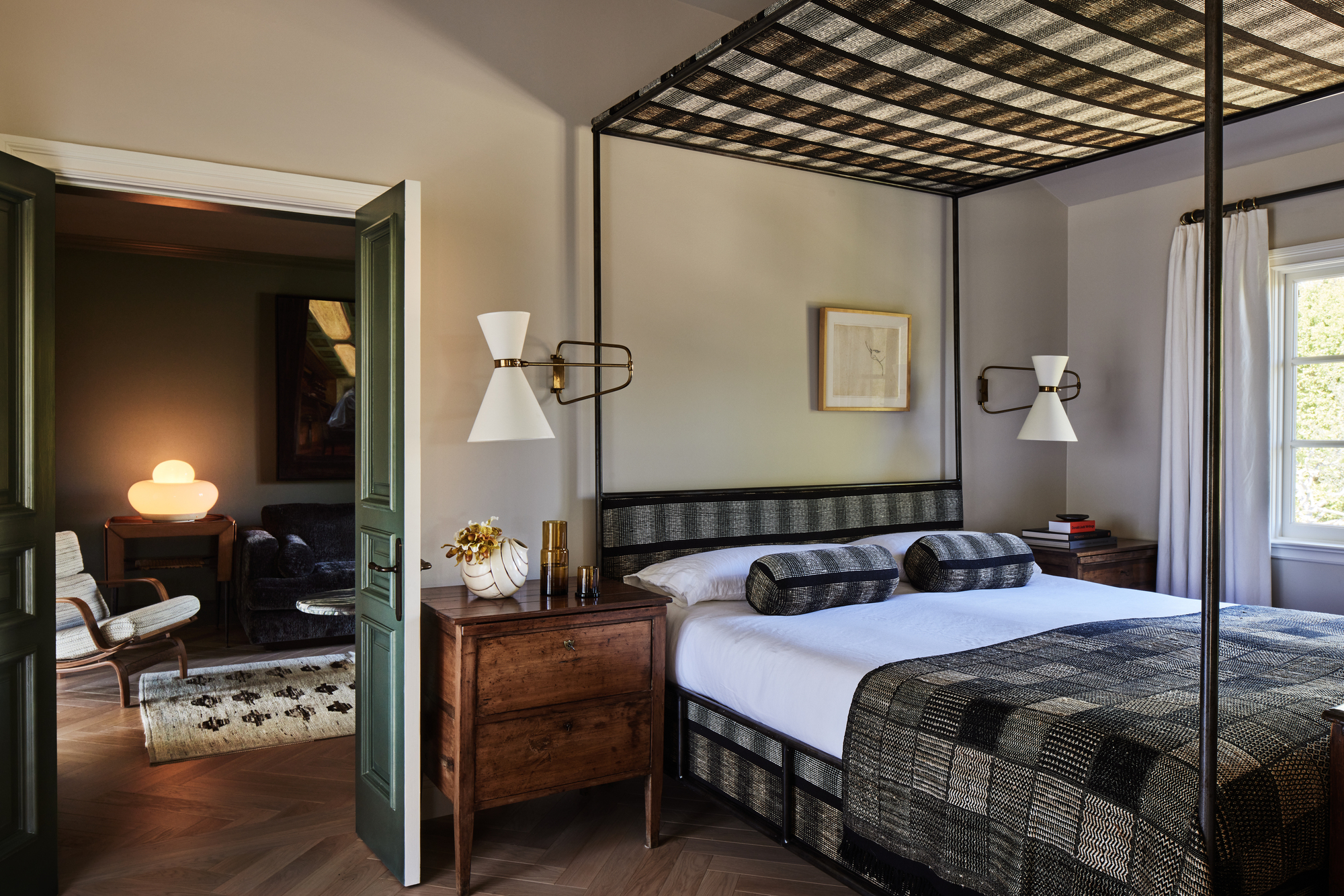
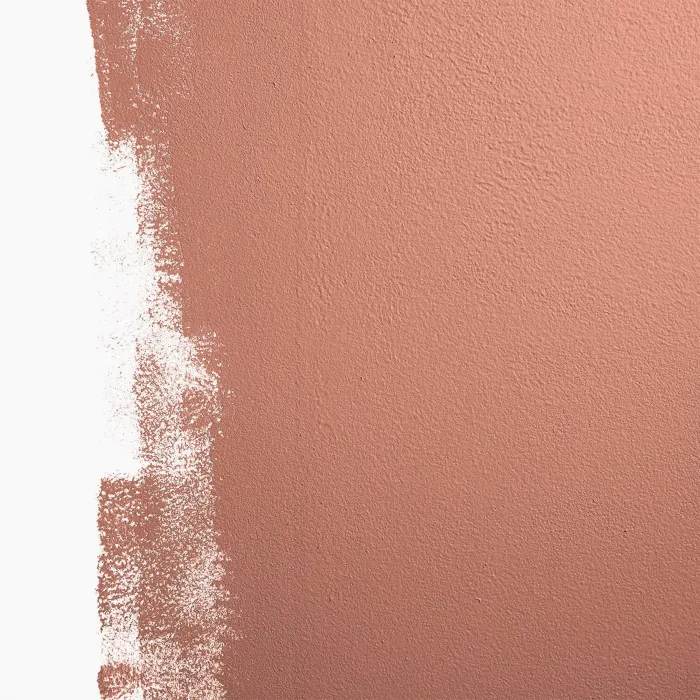
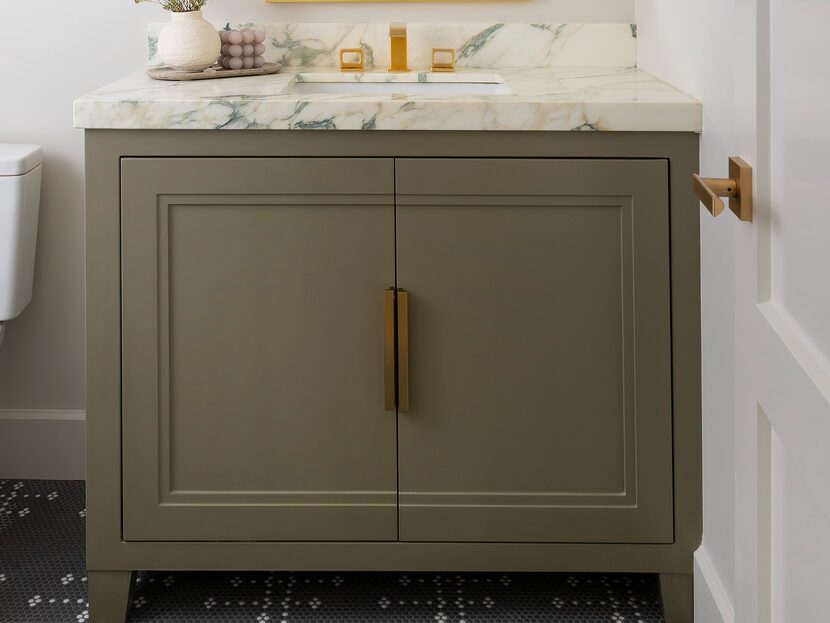
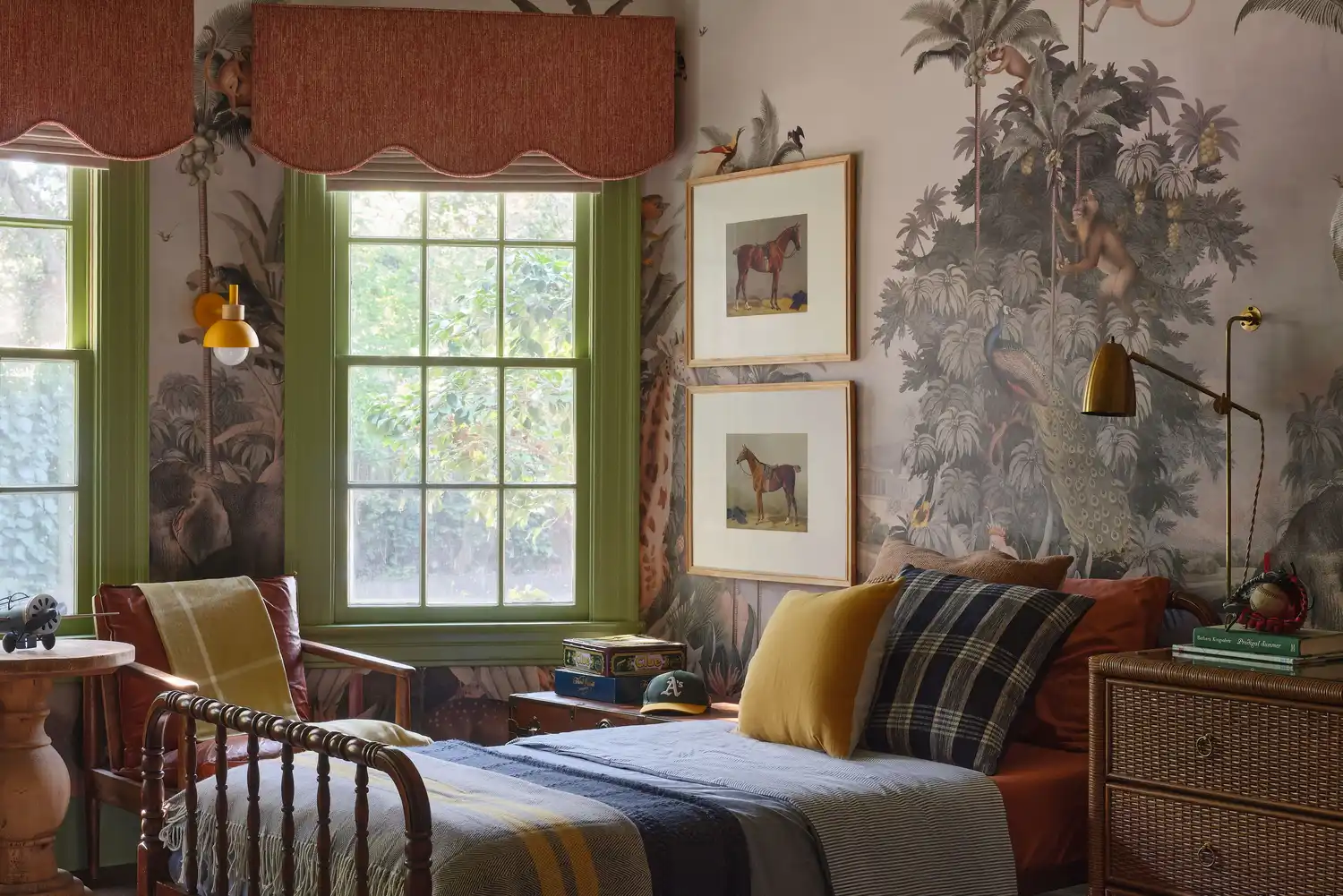
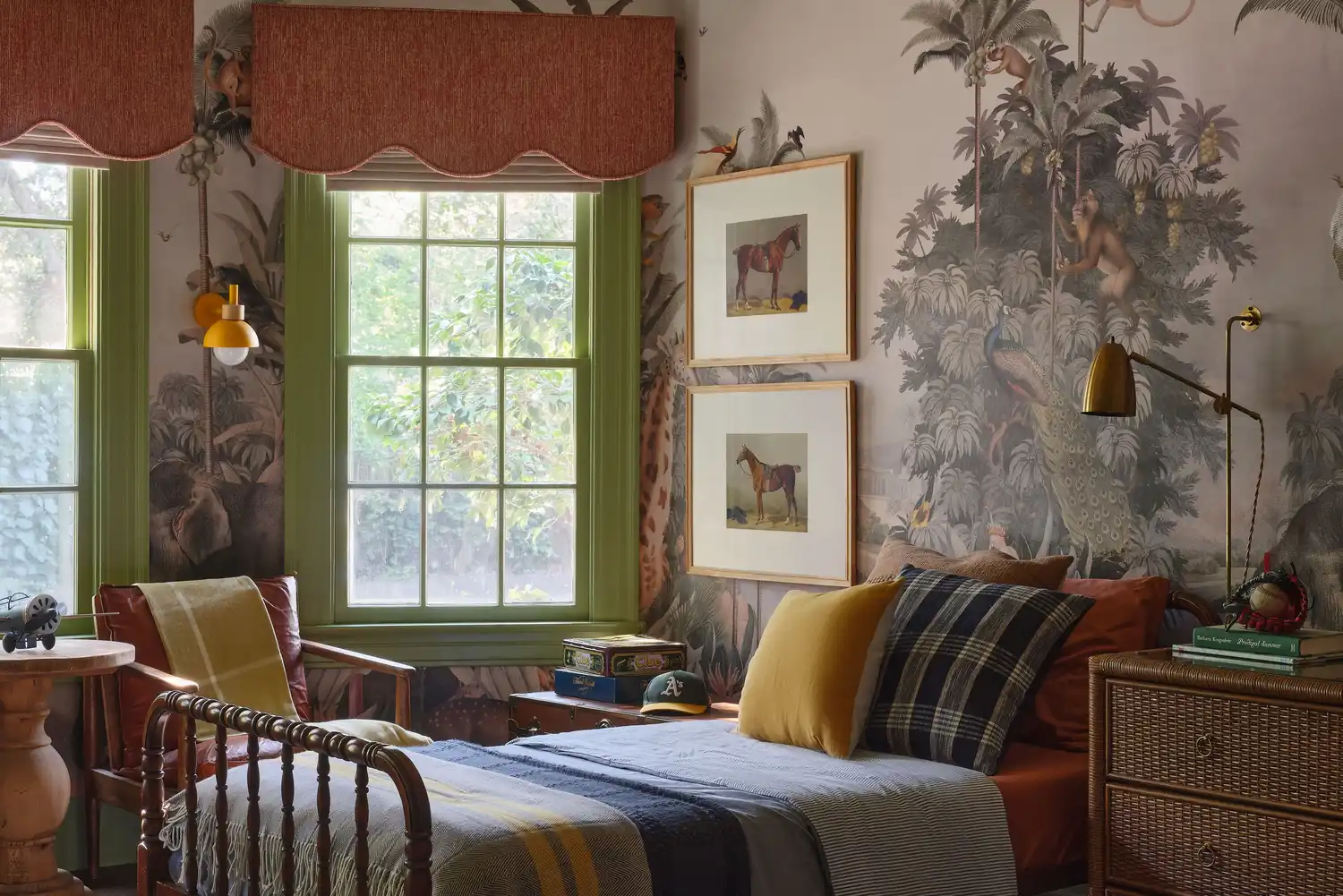
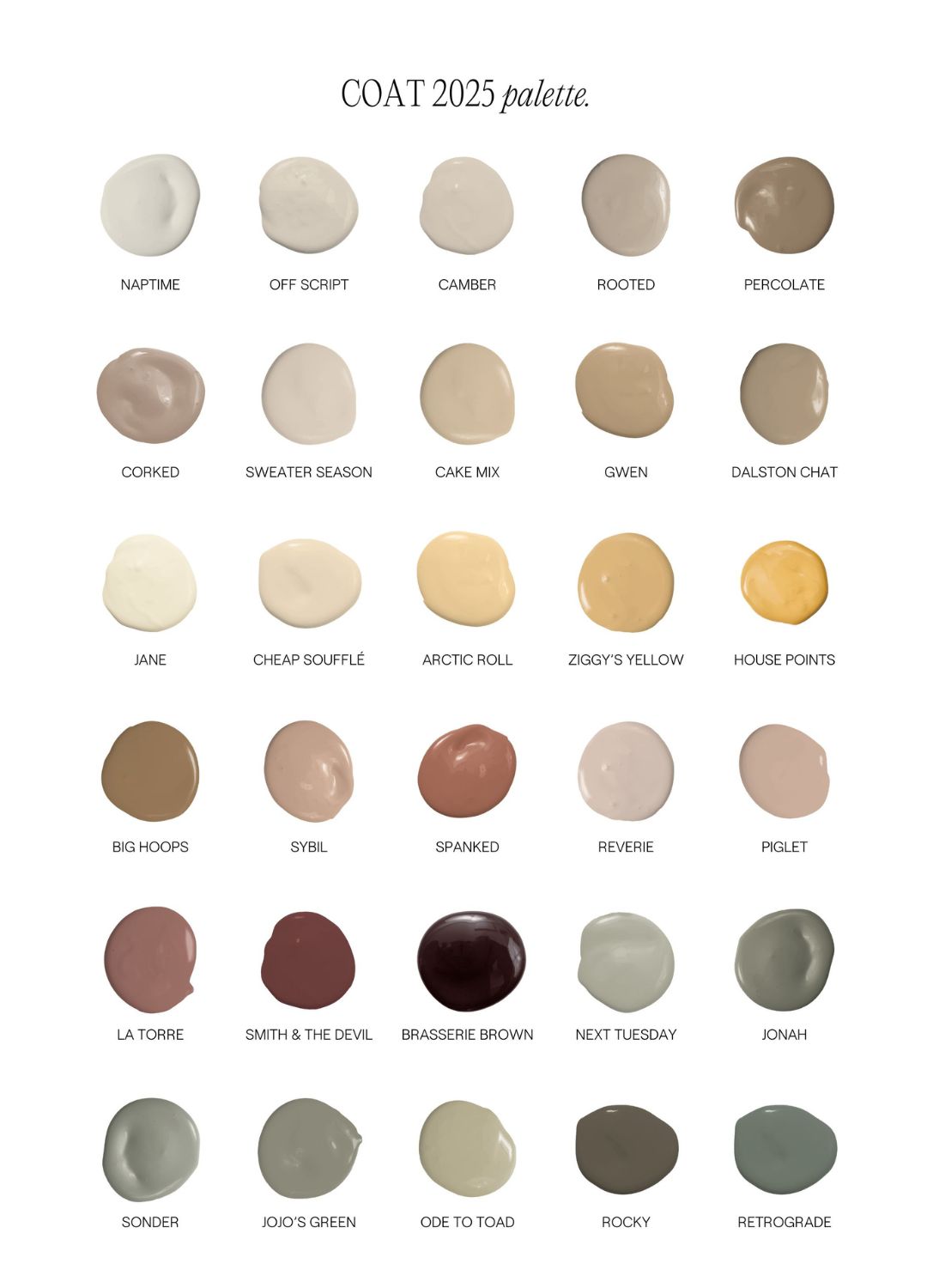
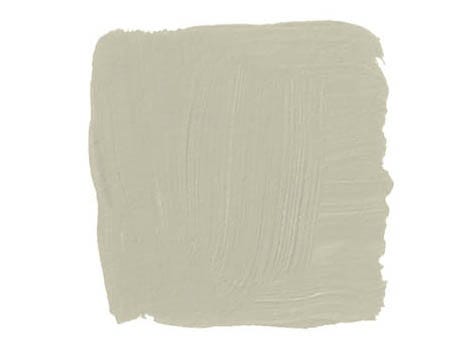
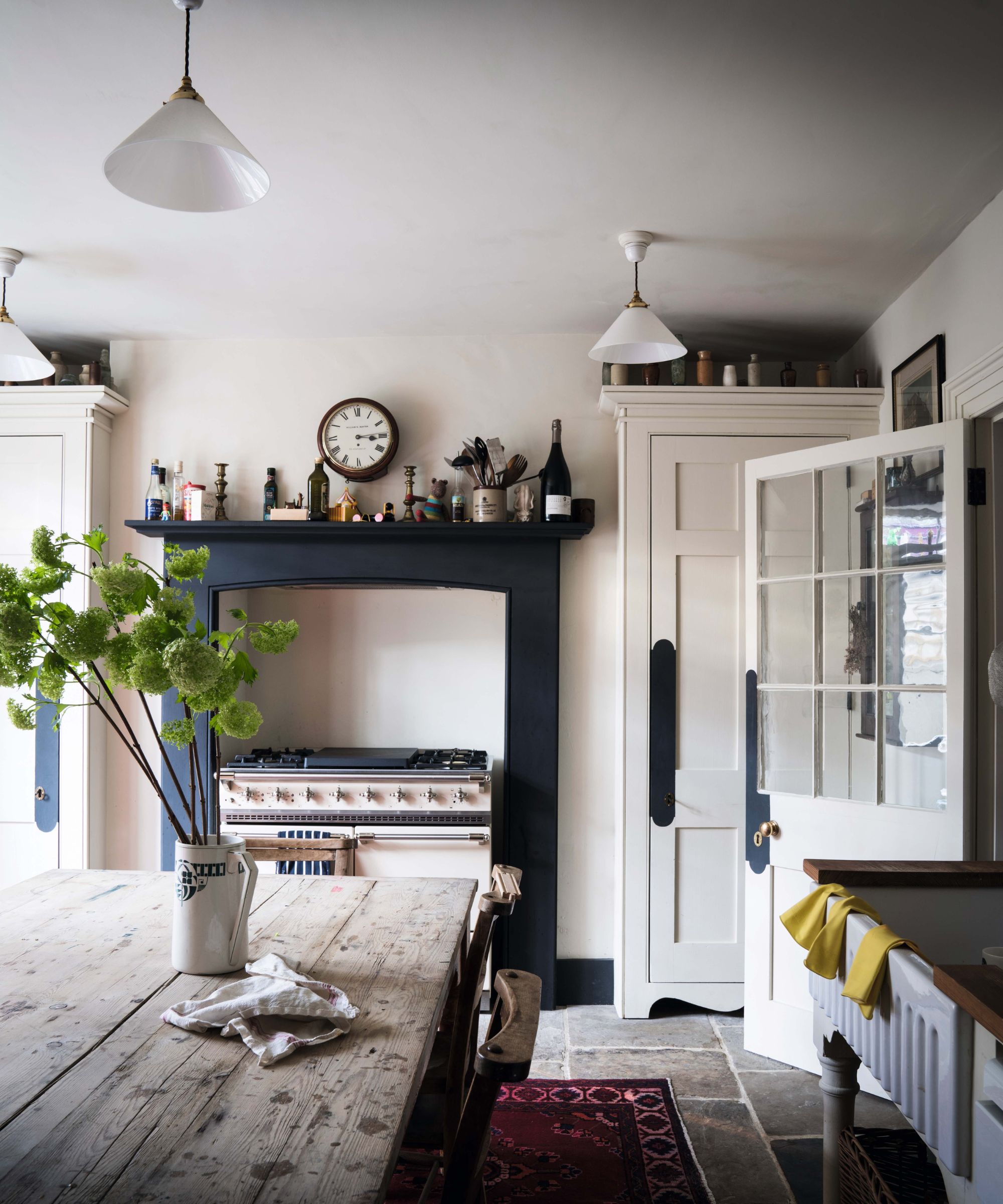
Shannon Kadwell, a kitchen and bath designer, frequently uses taupe for its ability to balance richness and reflectivity, making it dark enough to hide imperfections on baseboards while brightening walls with grounded elegance. Dallen Russell, a remodeling advisor, also advocates for taupe, describing it as warm and grounding. Kadwell further recommends brown, particularly clay-inspired hues, for its earthy effect and ability to conceal flaws, especially in smaller spaces. She advises using eggshell or satin finishes for walls to resist wear and simplify cleaning, and semi-gloss for trim to enhance architectural details and withstand damage. Peter Miles, principal of The Drawing Board, suggests beige or tan for mudrooms and laundry rooms due to their ability to absorb scuffs and create a warm, calming ambiance.
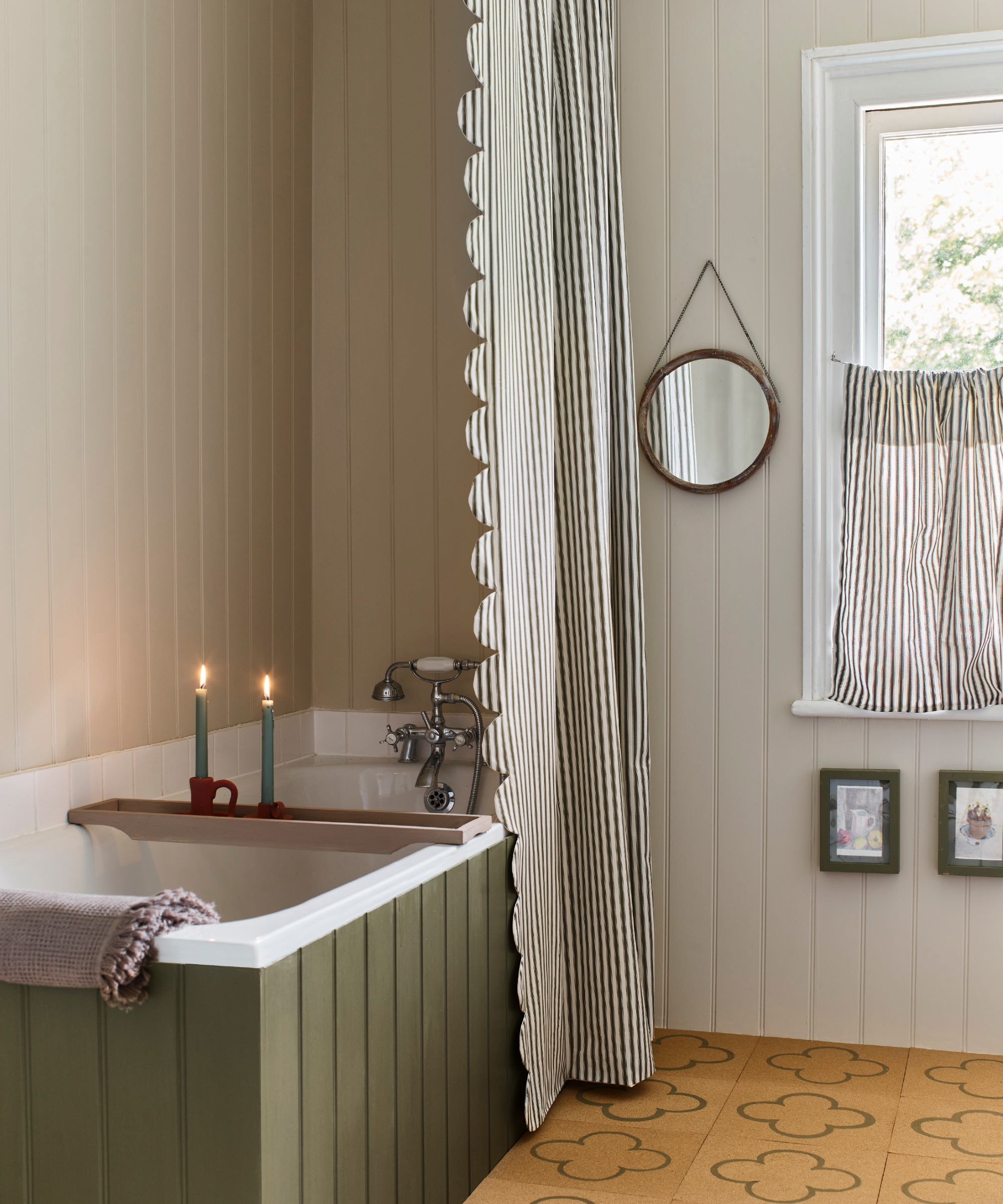
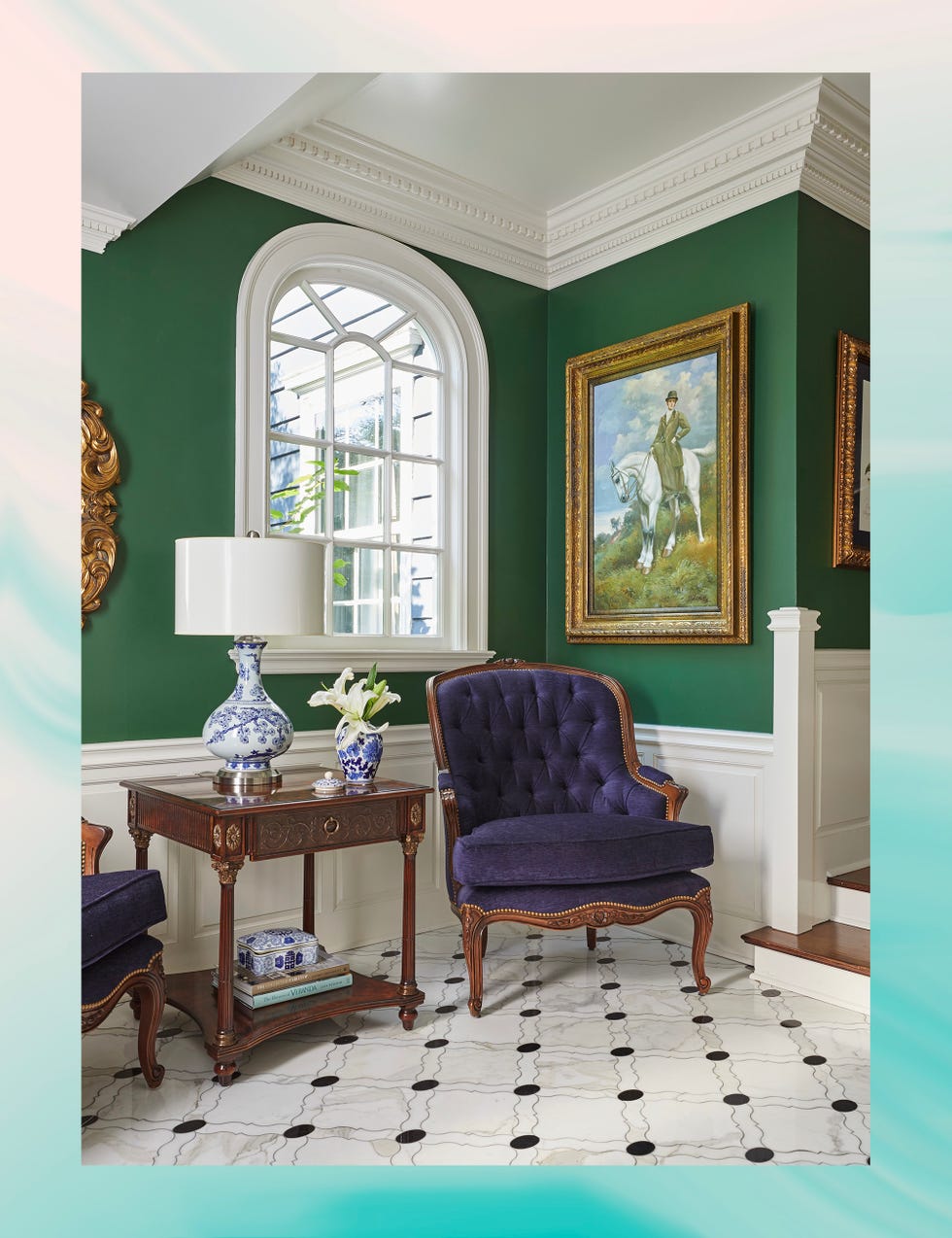
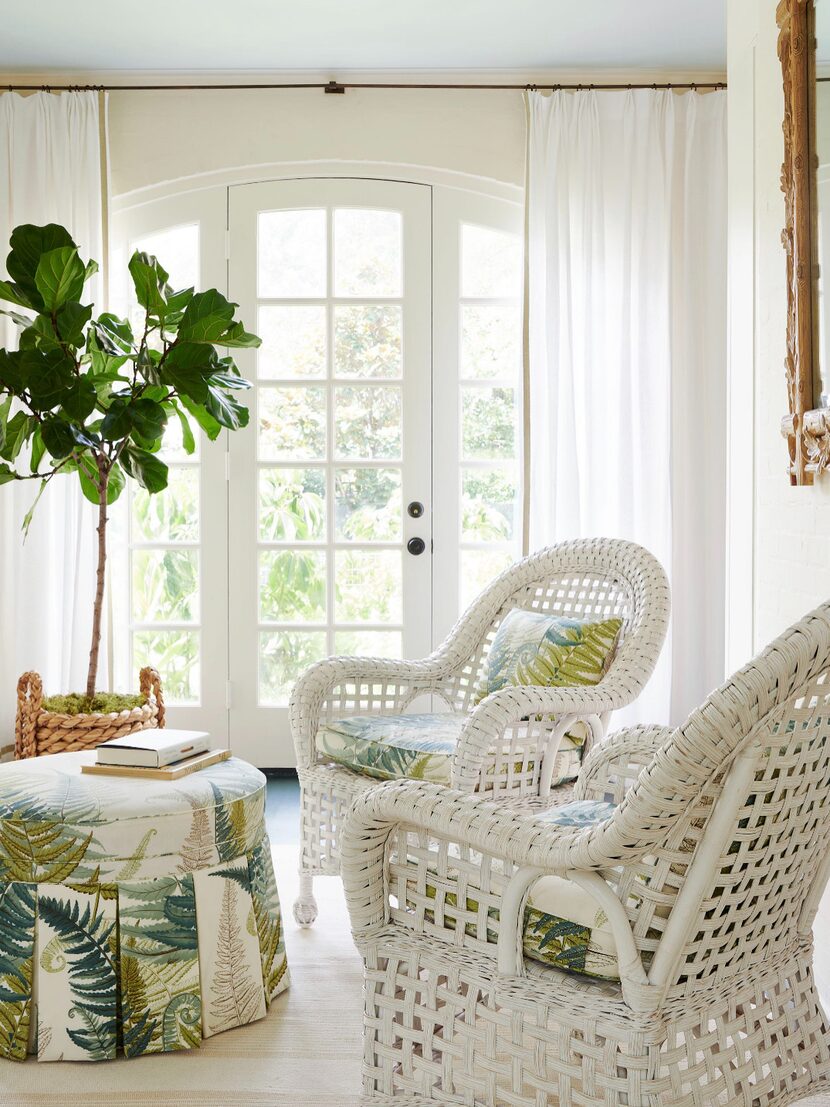
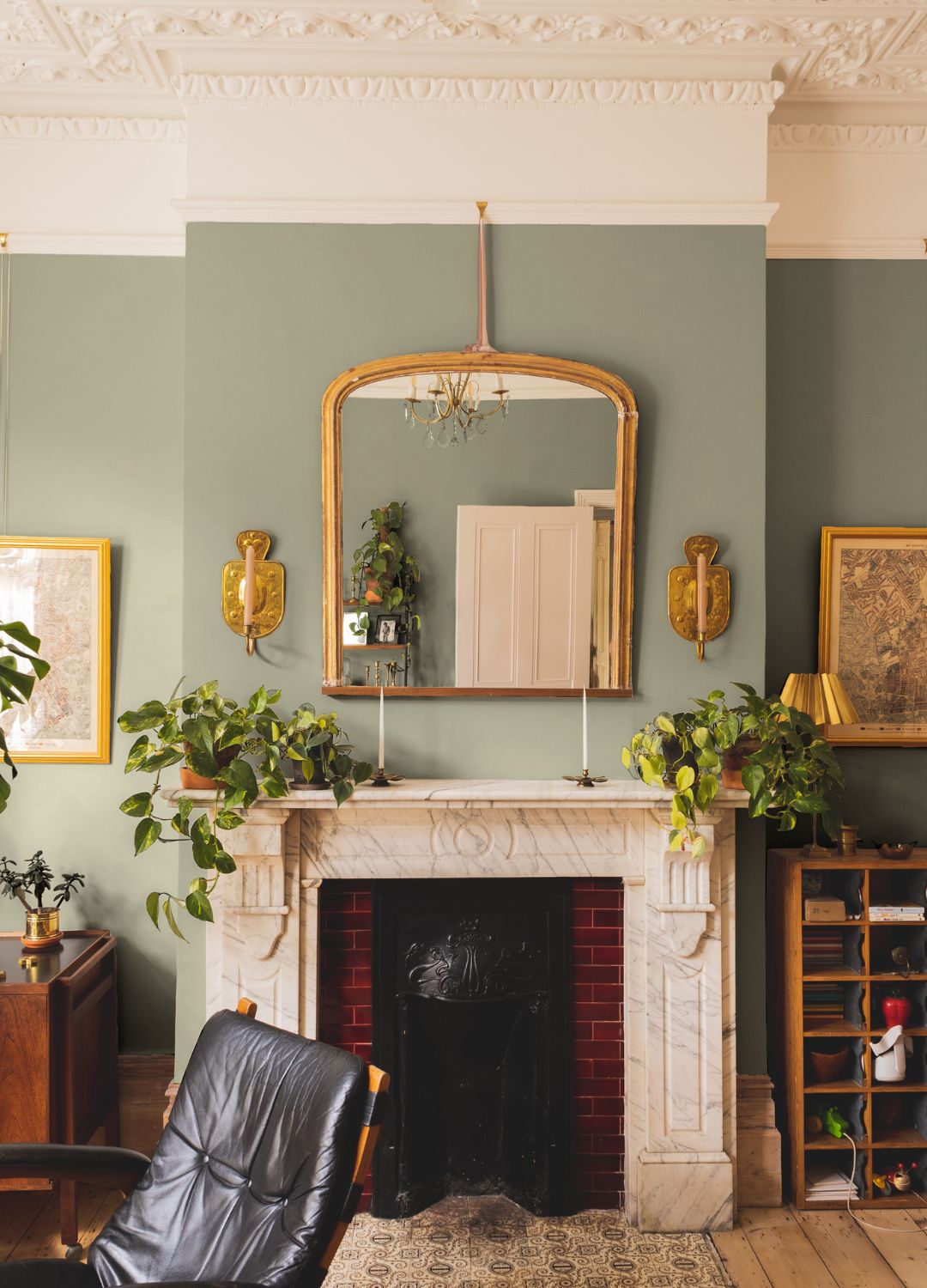
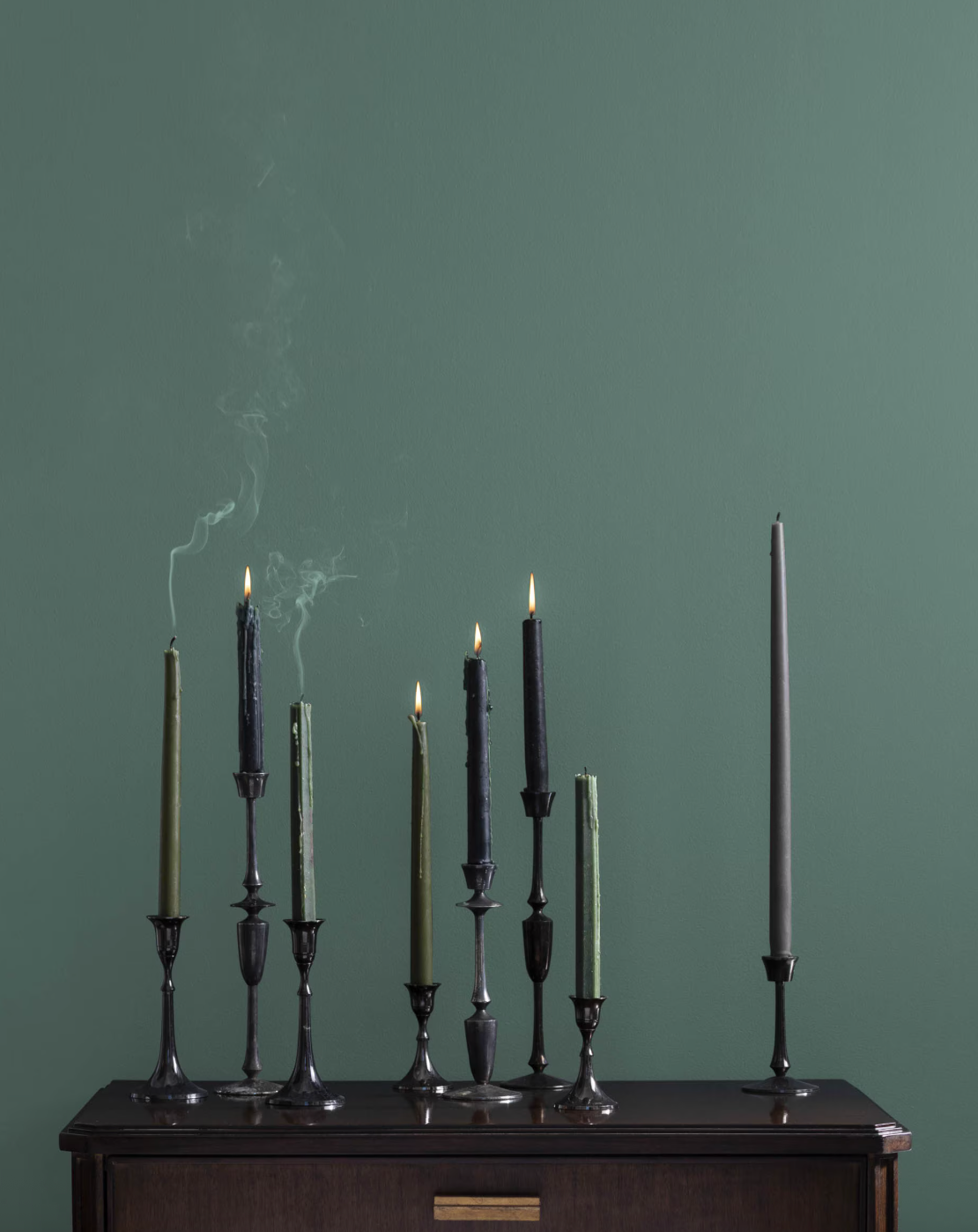
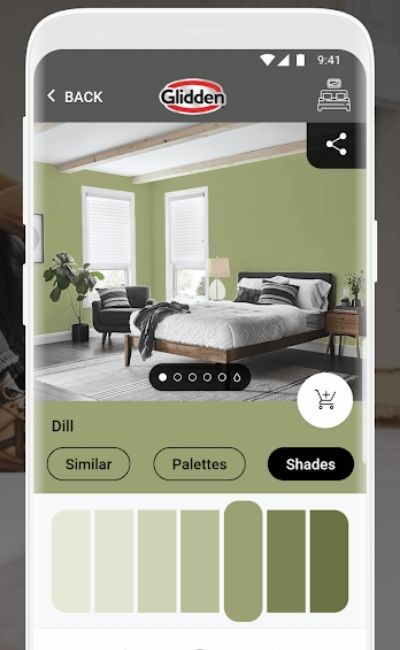
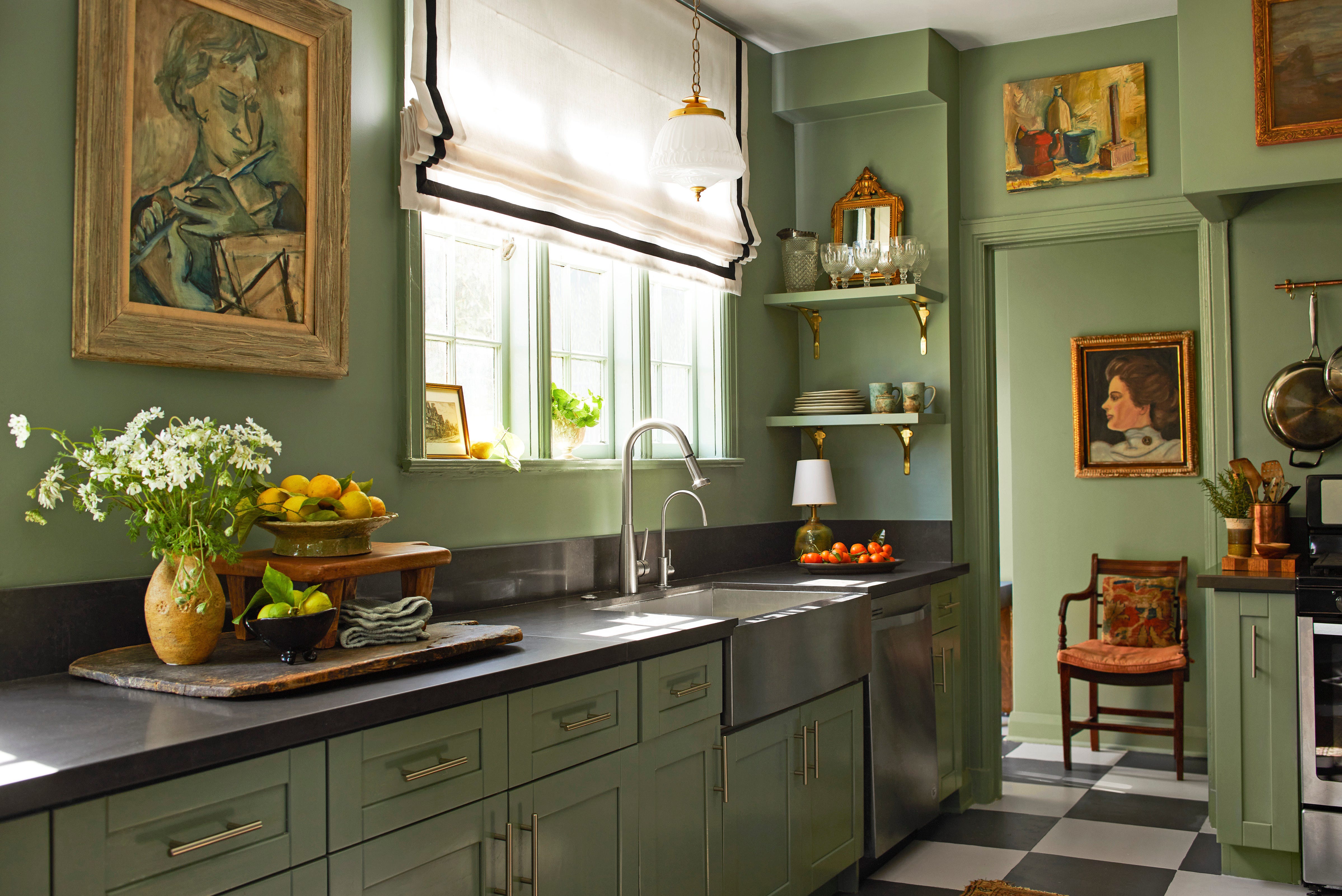
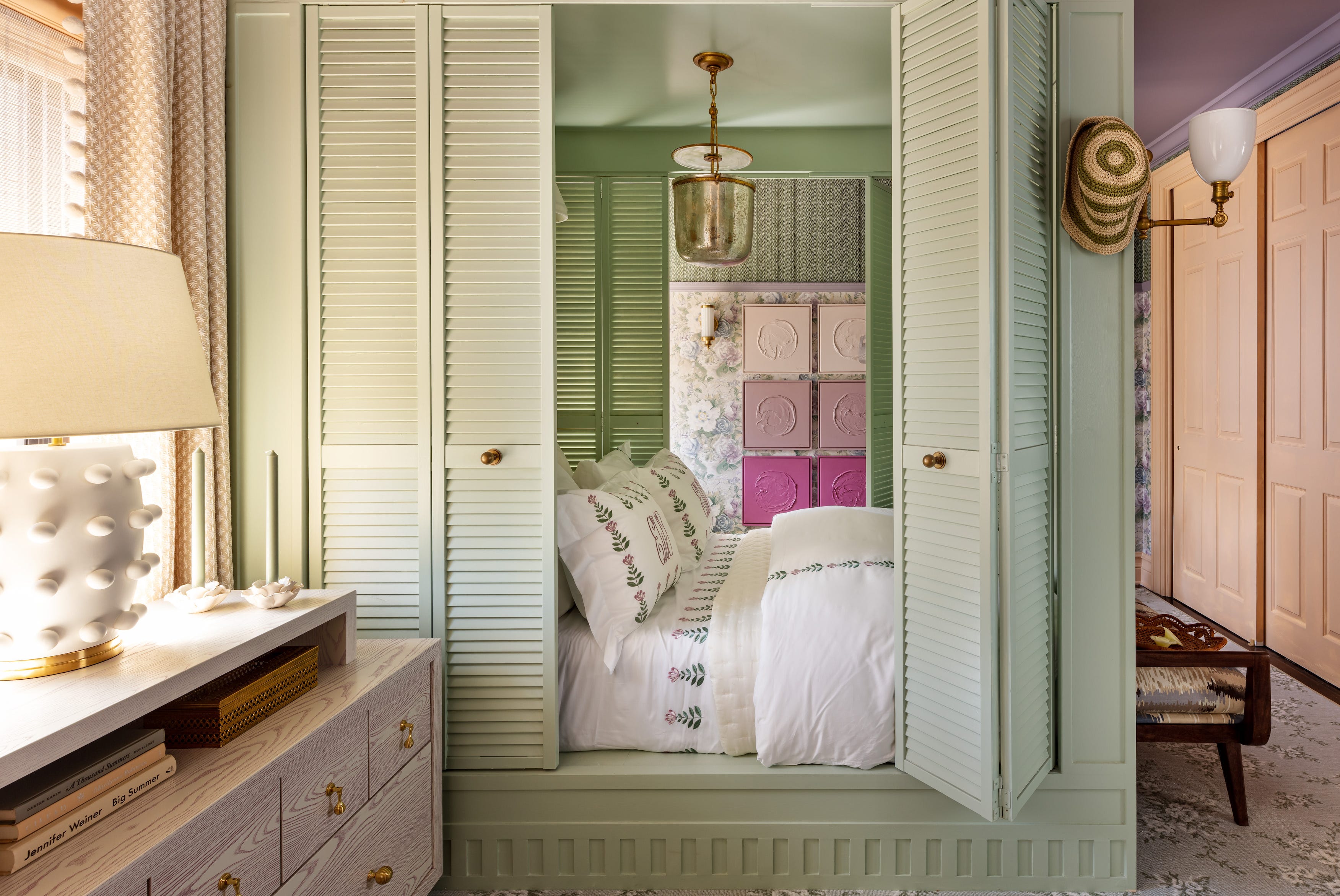
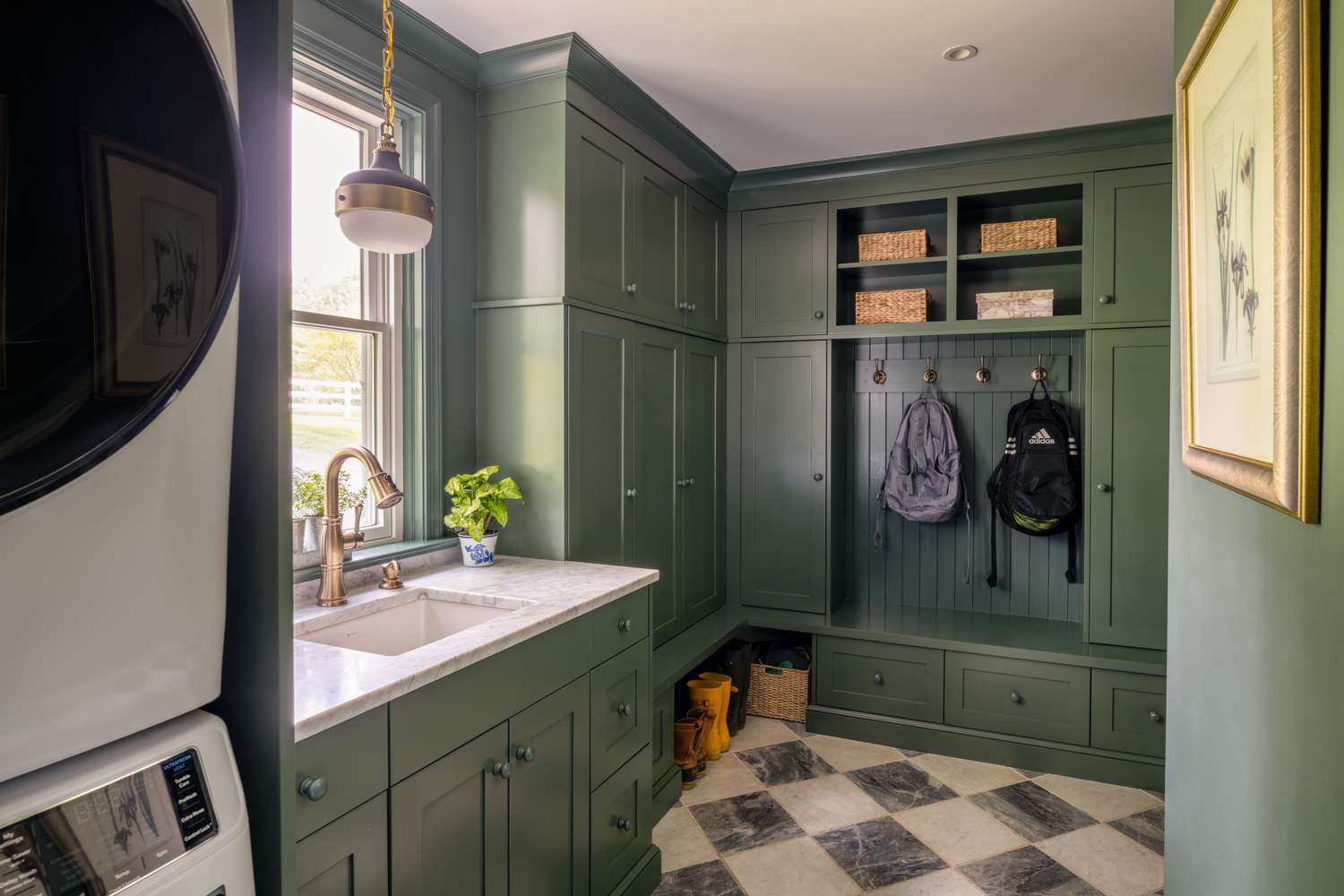
Green shades are also presented as strong contenders. Olive green, noted by Kadwell, is a popular choice for bringing nature indoors and pairs well with neutral furniture. Miles adds that olive green evokes a soothing, country estate or garden-like feel. Sage green, preferred by Russell, is praised for its earthy, muted tone that effectively hides dust and surface irregularities, particularly in naturally lit areas.
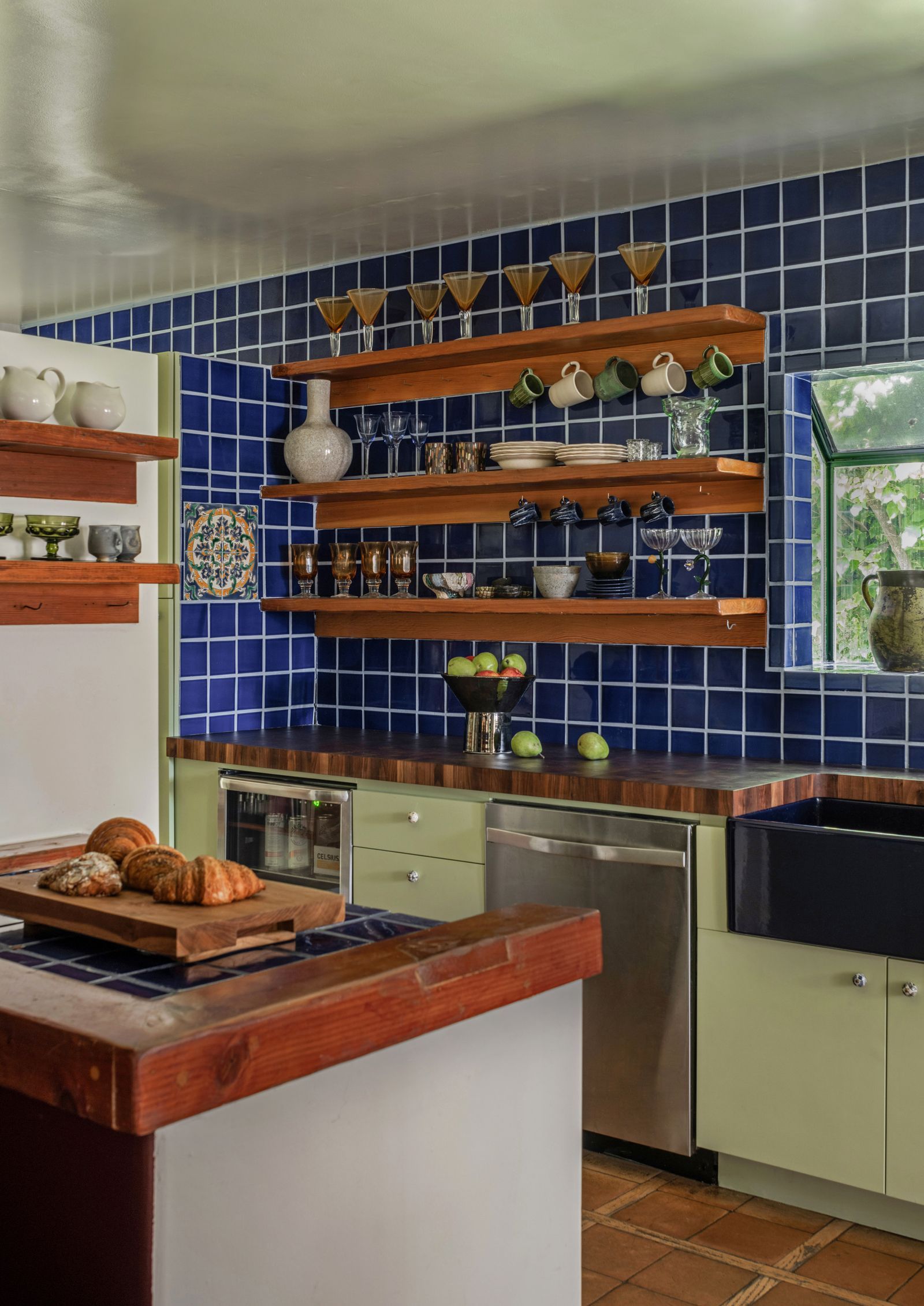
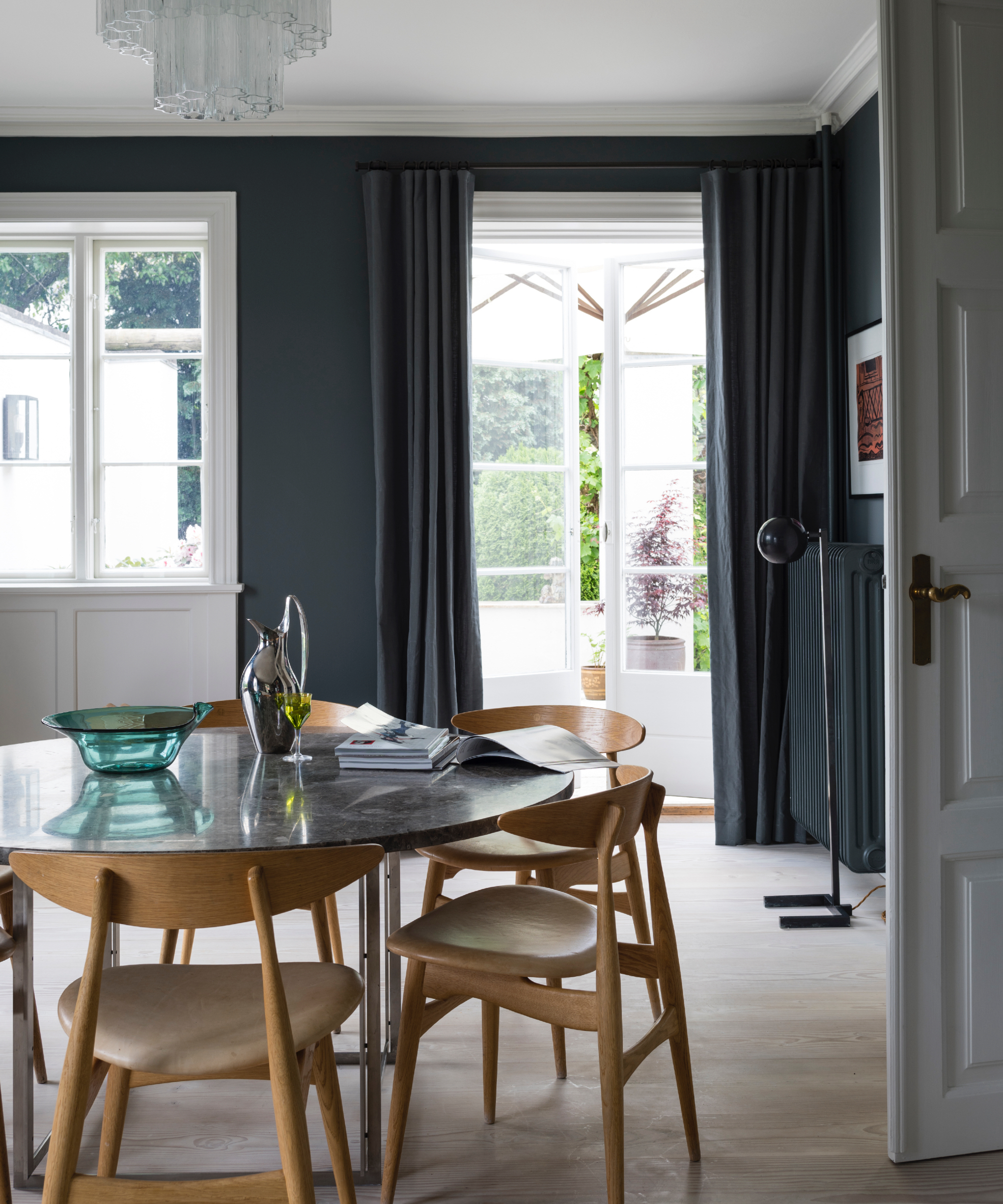
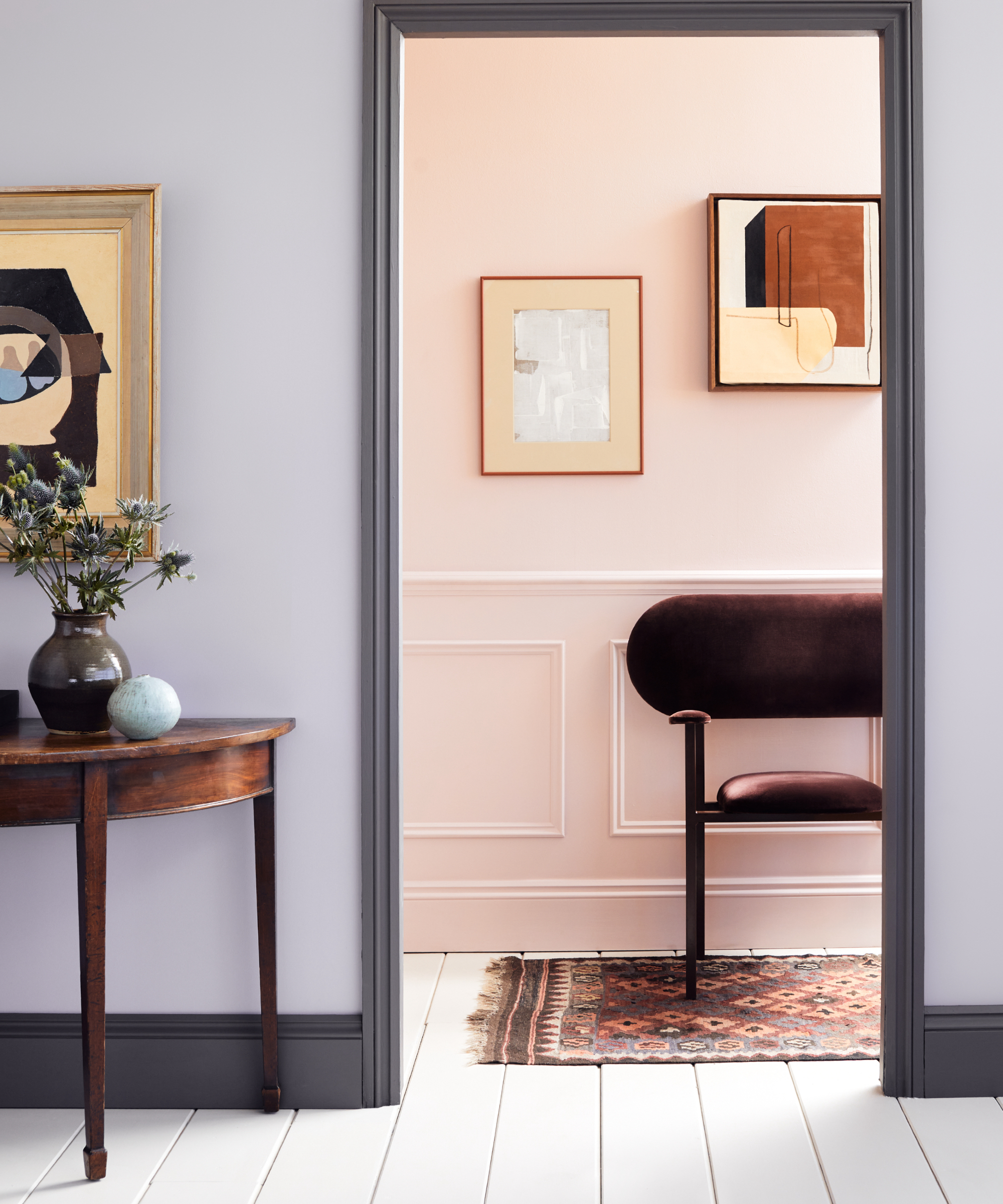
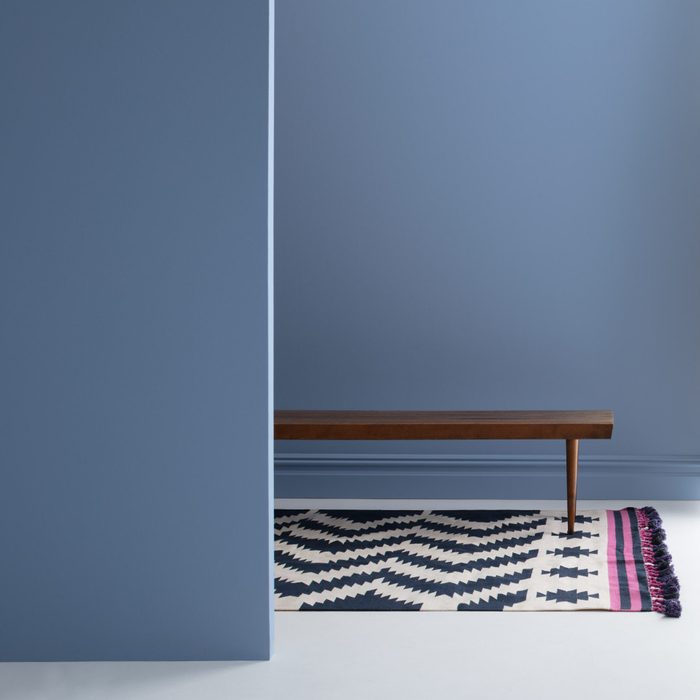
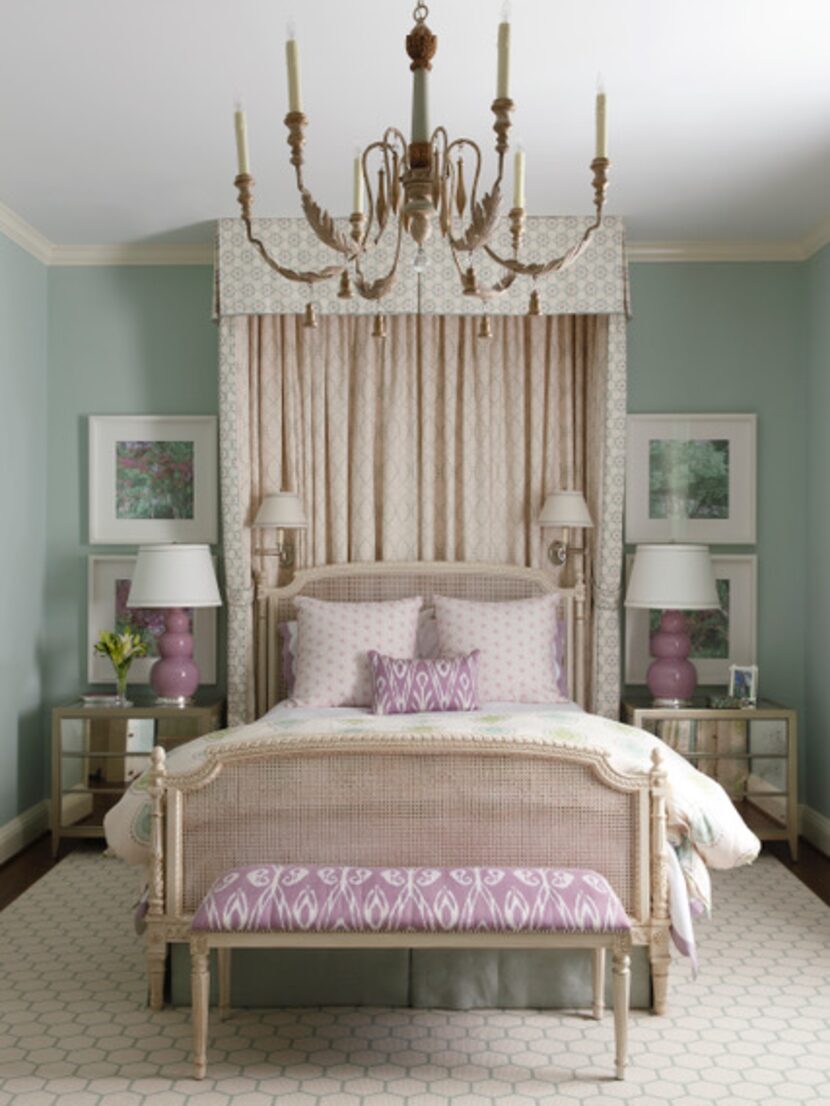
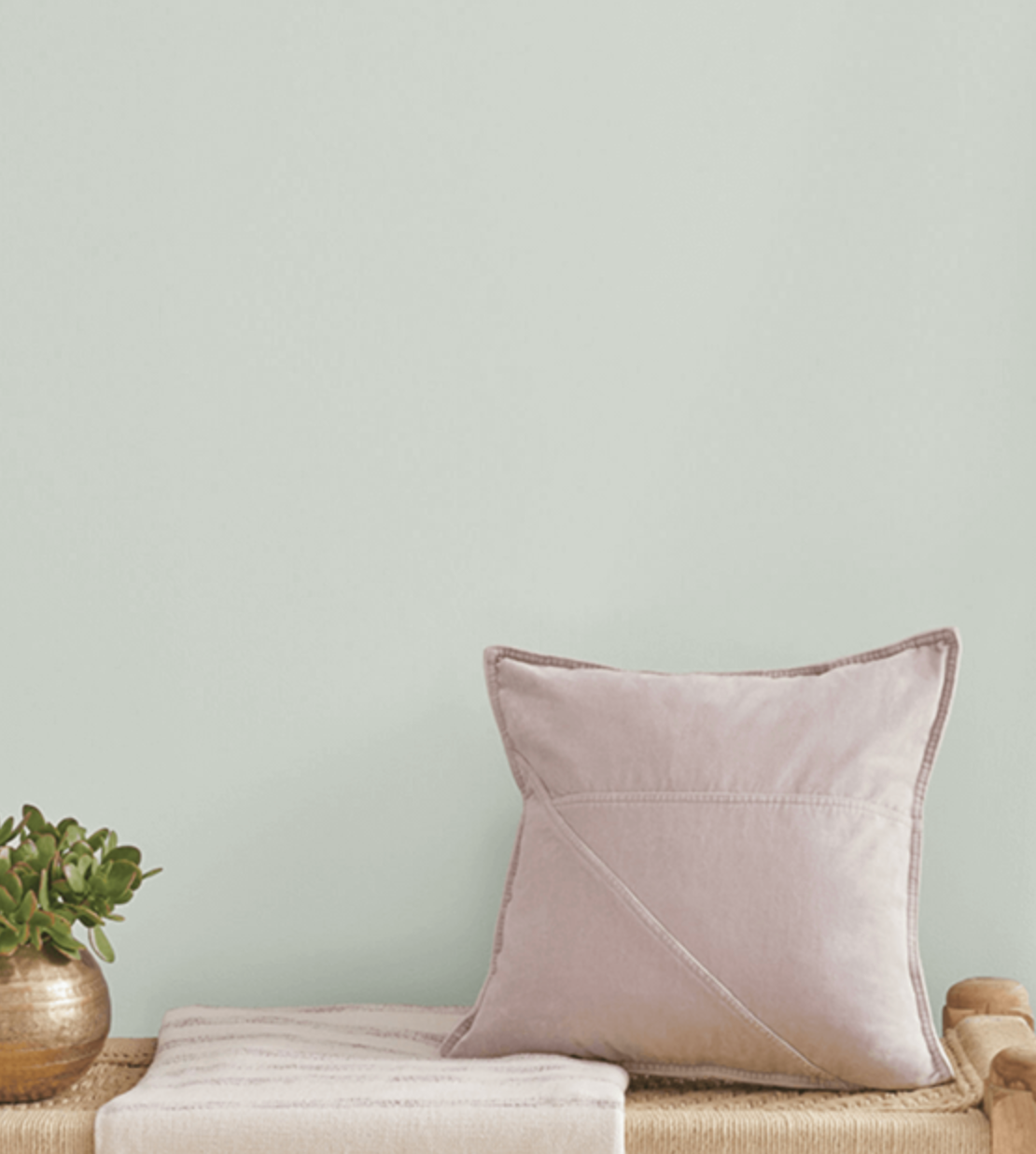
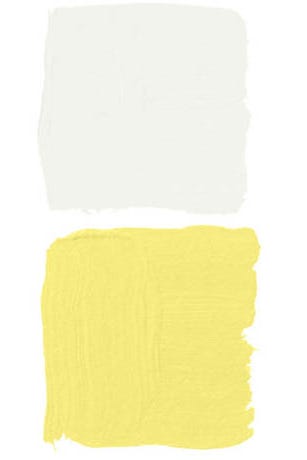
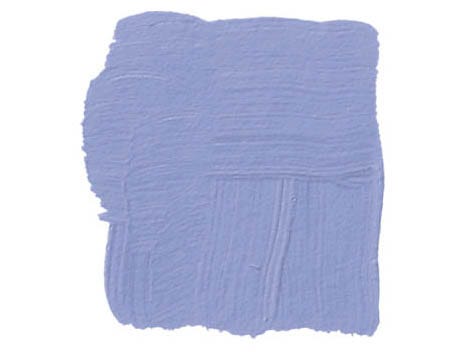
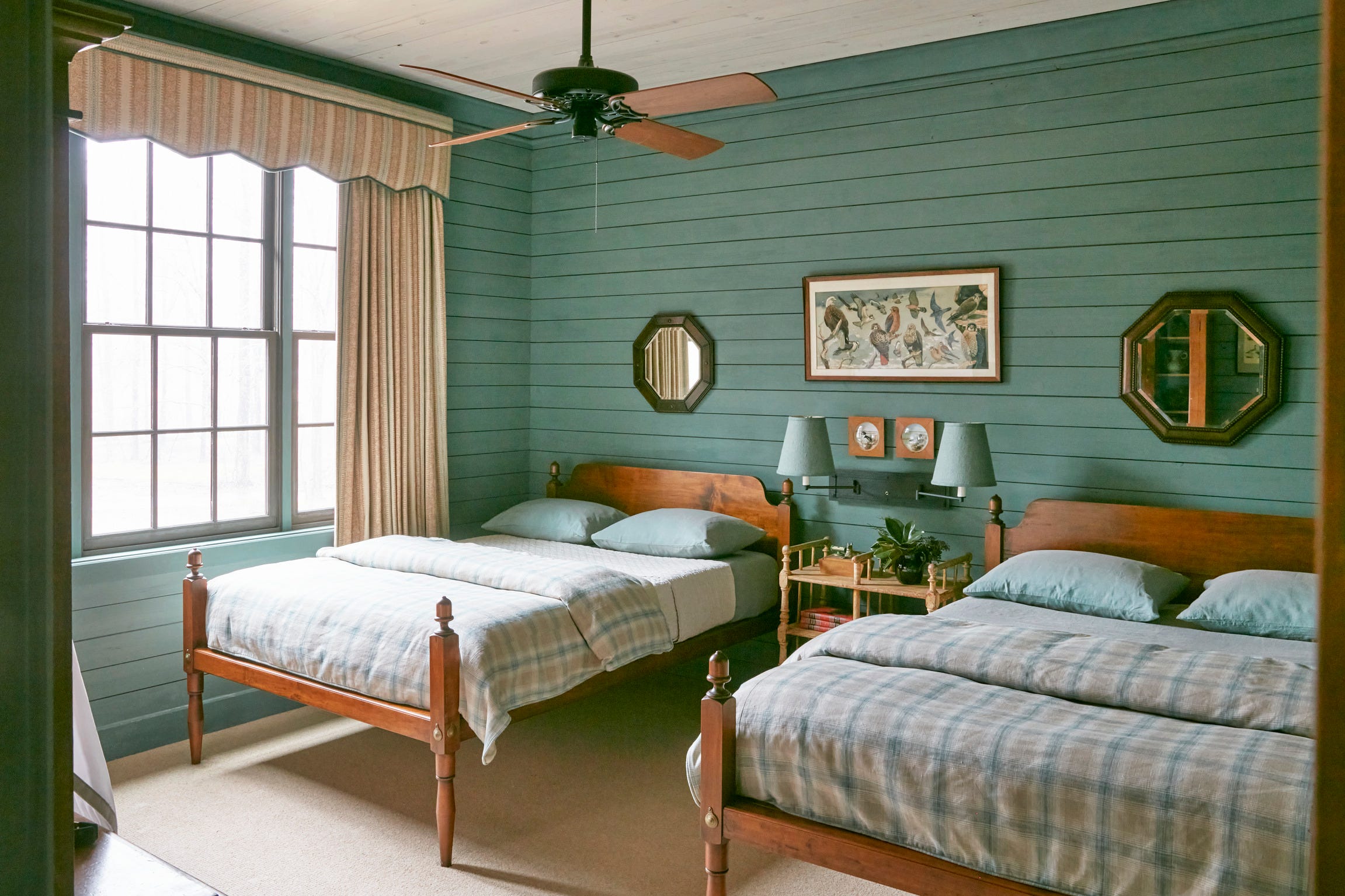
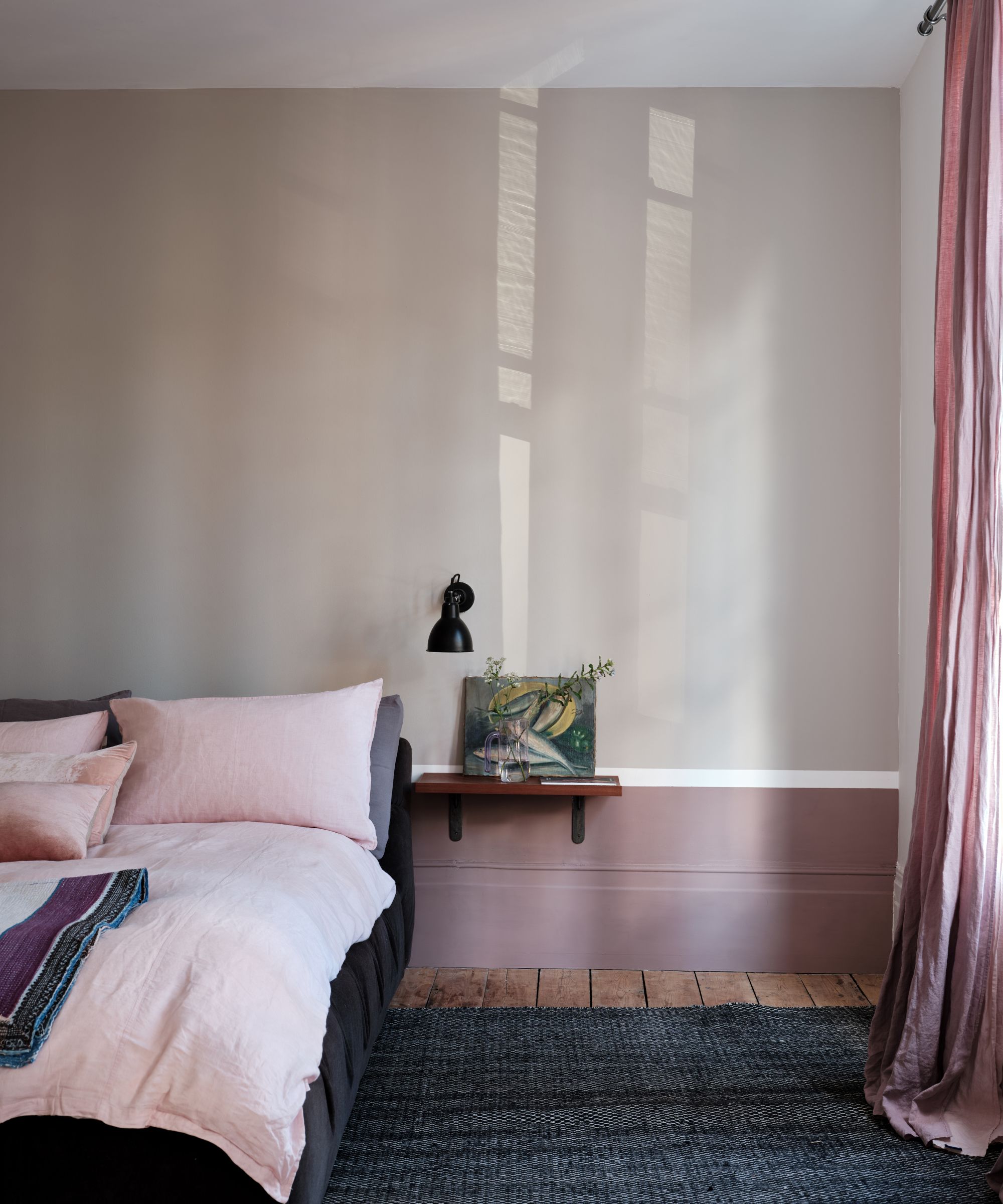
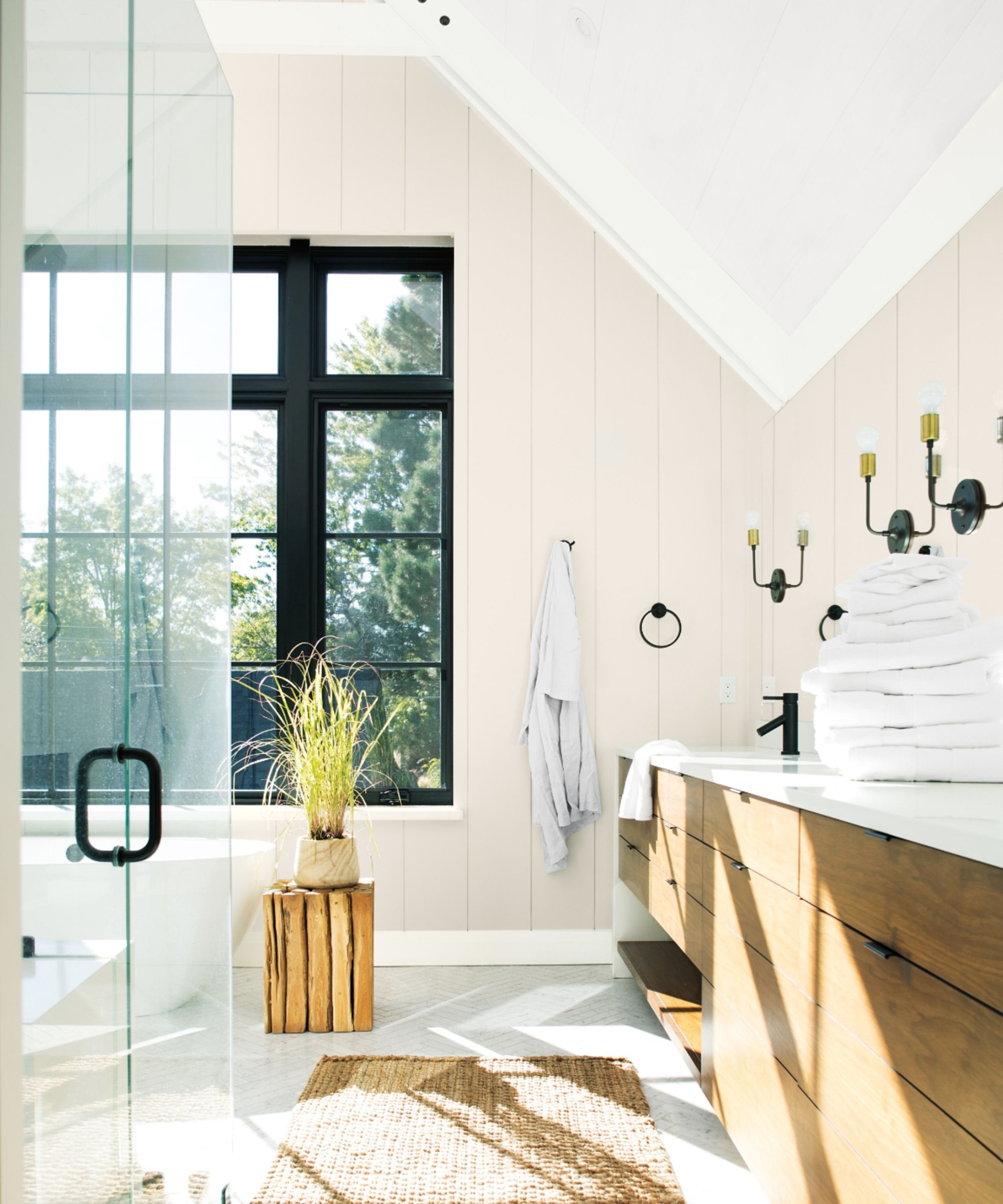
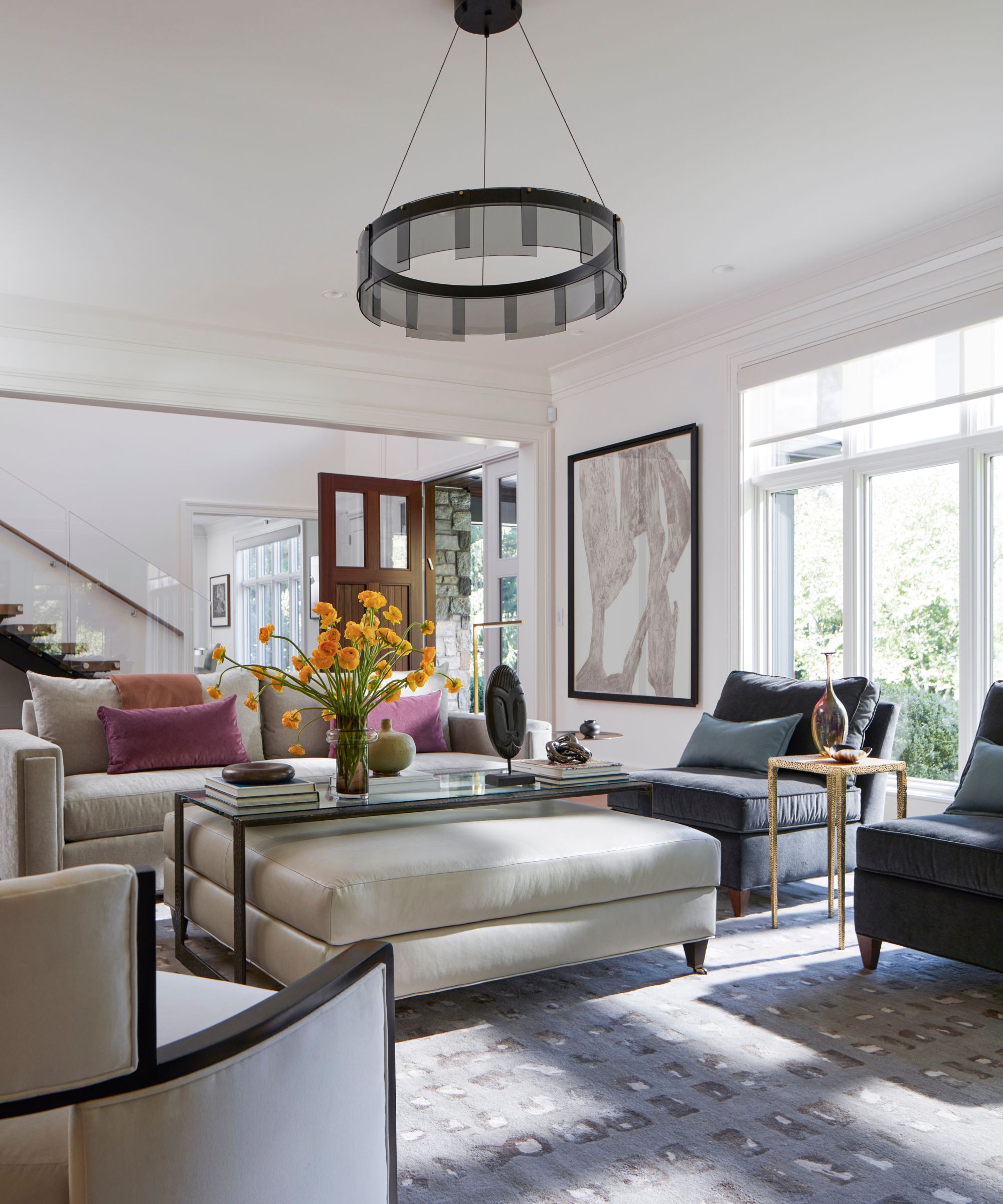
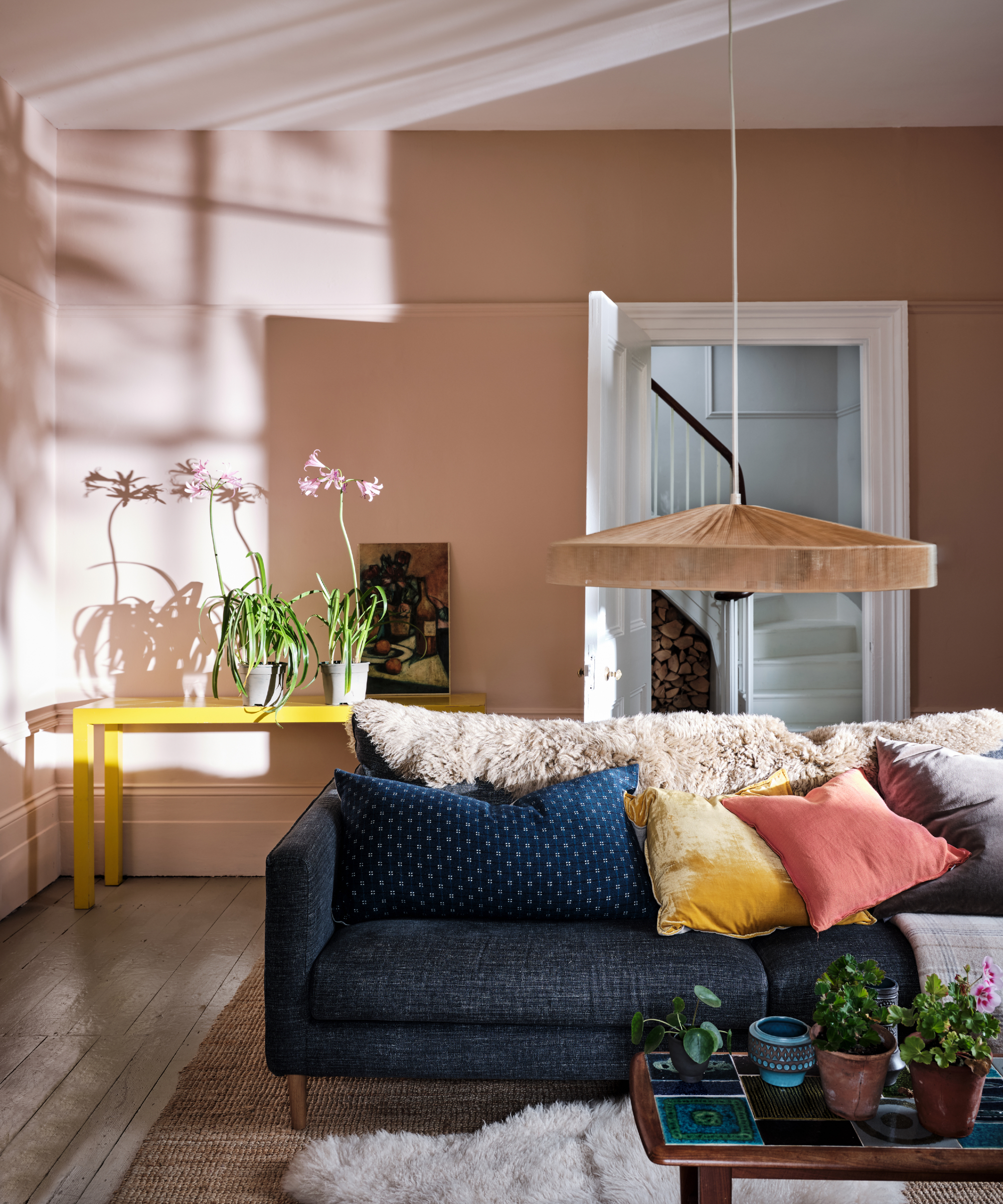
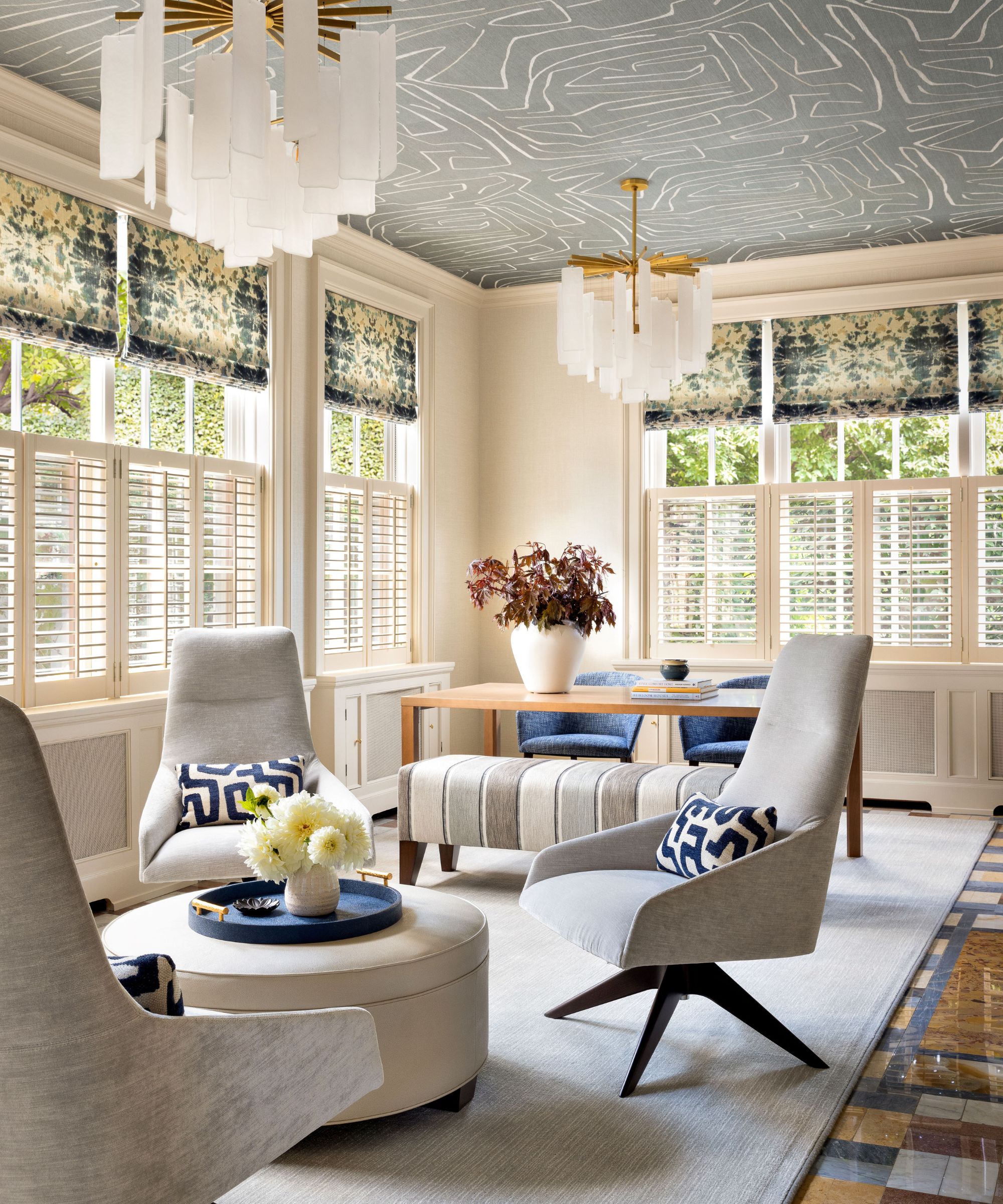
For classic and versatile options, gray is recommended by Kadwell for its ability to complement surroundings, serve as a neutral base, and subtly brighten a room without being overpowering. Russell also finds gray suitable for modernizing spaces. Pale pink, a choice from Russell, offers a soft, inviting warmth that diffuses flaws, making them less noticeable by reducing contrast. Muted blues are suggested for their relaxing aesthetic and capacity to absorb light, which helps minimize wall imperfections and maintain a fresher look on baseboards and trim over time. Lastly, for those committed to white, Miles advises using off-white to better hide marks compared to traditional bright whites, though he notes that lighter colors will still show more wear than darker, more saturated tones and are best suited for lower-traffic areas. The article emphasizes that selecting the appropriate paint color and finish can significantly impact the longevity of a room's pristine appearance.
#PaintColors #HomeMaintenance #InteriorDesign #DecoratingTips #WallScuffs #Baseboards #HomeImprovement #ColorPsychology #PaintColors #HomeMaintenance #InteriorDesign #DecoratingTips #WallScuffs #Baseboards #HomeImprovement #ColorPsychology
0 comment in total
 No comments yet
You may also like
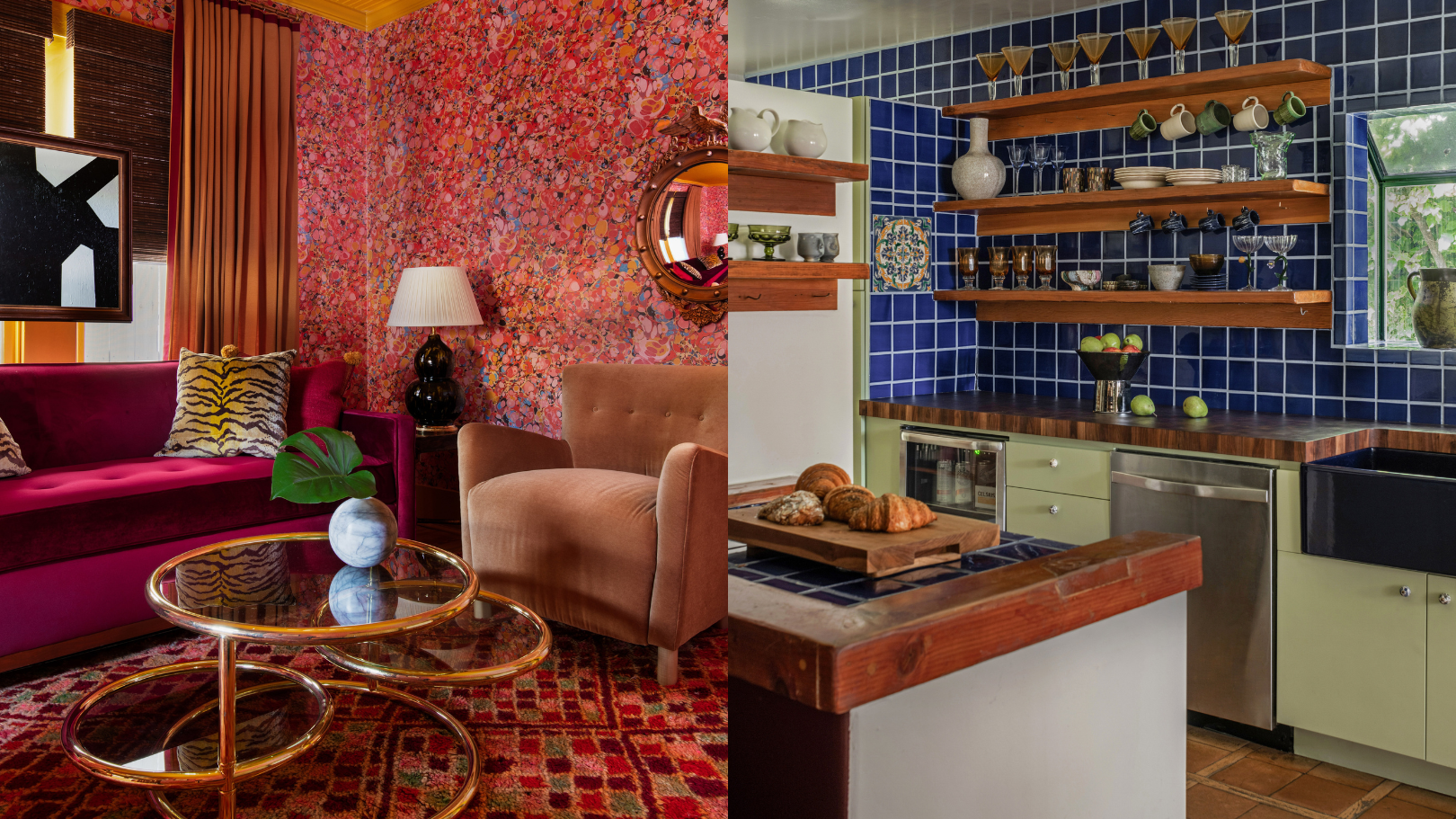
9 'good weird' paint colours approved by designers

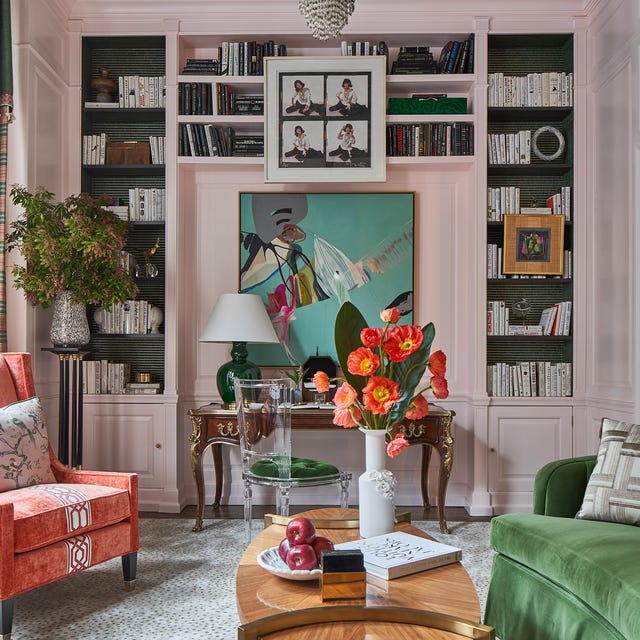
An A-List Designer’s Secrets To Picking Perfect Paint Colors

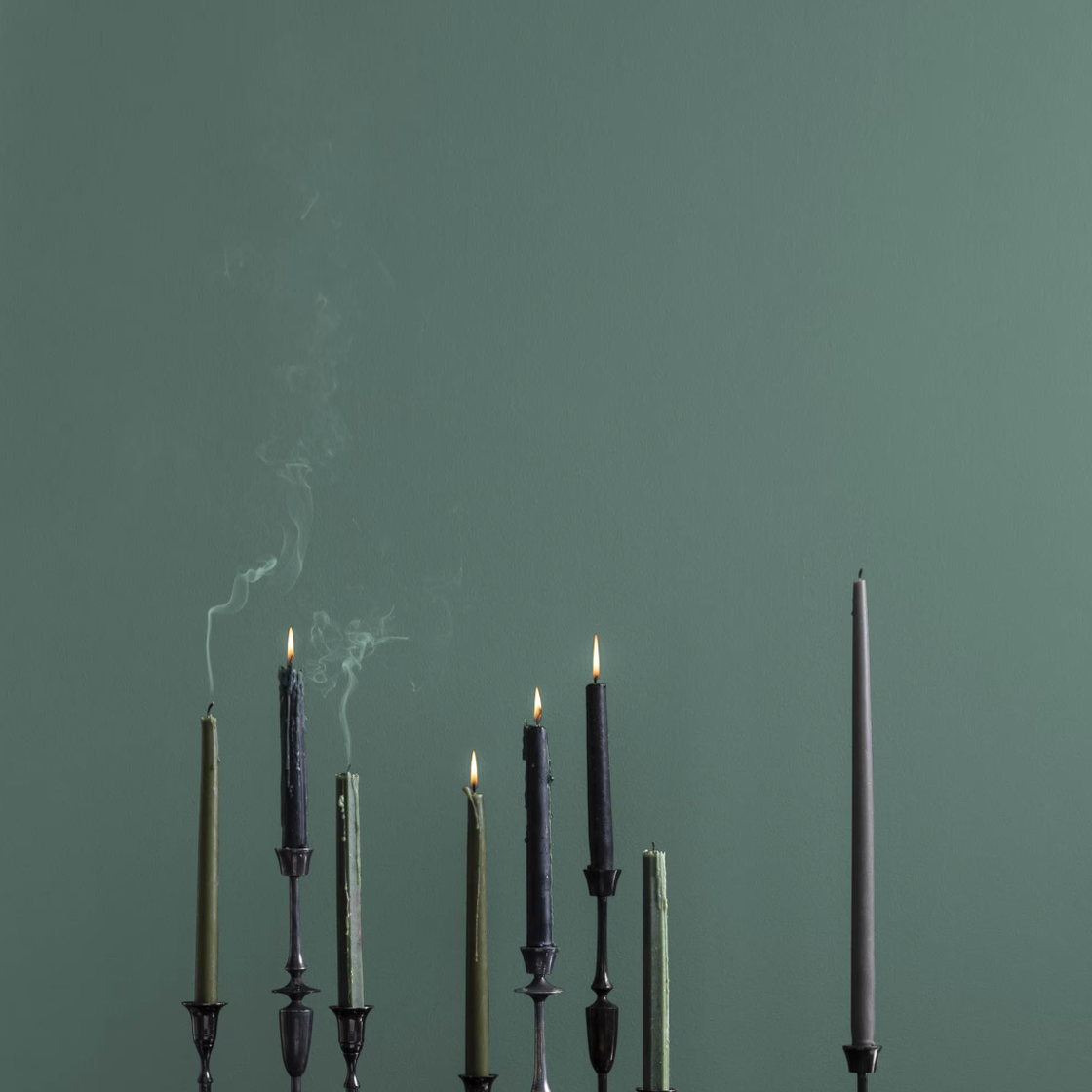
The 10 Best Blue-Green Paint Colors Designers Can't Stop Using
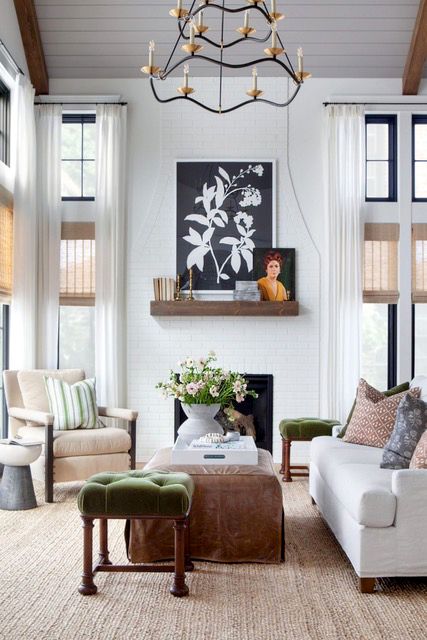
9 Ceiling Paint Colors Designers Love That Aren’t White

9 Neutral Paint Colors Designers Constantly Reach For — "It's My Tried-and-True"

19 go-to paint colors that Dallas designers love
10 Greige Paint Colors Designers Recommend Again And Again
Designers Swear By These 11 Sage Green Paint Colors

7 of the most versatile and easy to use paint colors according to designers

9 Paint Colors for When You Need a Fresh Start

Top Designers Reveal the 16 Best Purple Paint Colors They Absolutely Swear By
The most timeless paint colors according to designers
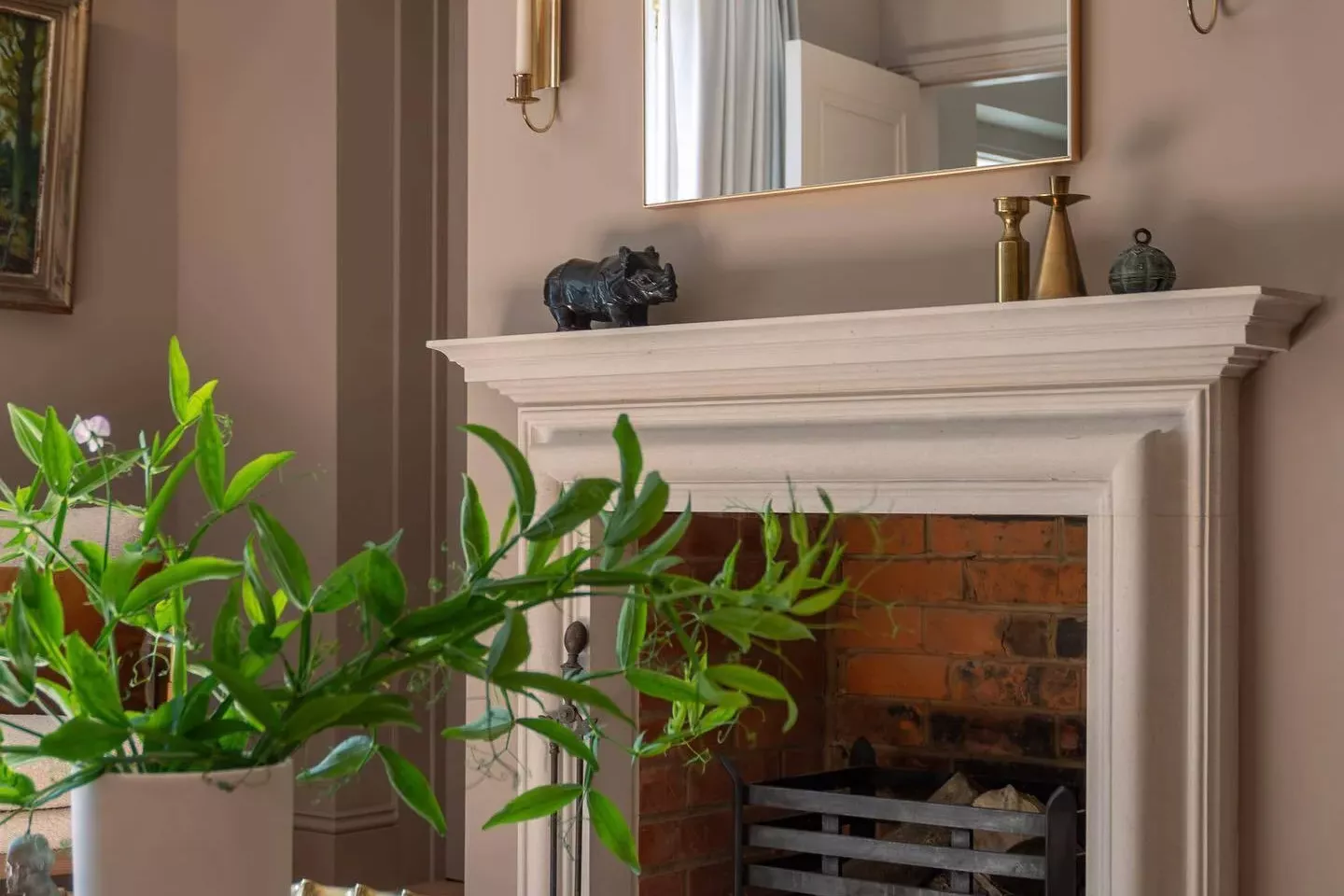
33 Absolutely Perfect Paint Colors Designers Love

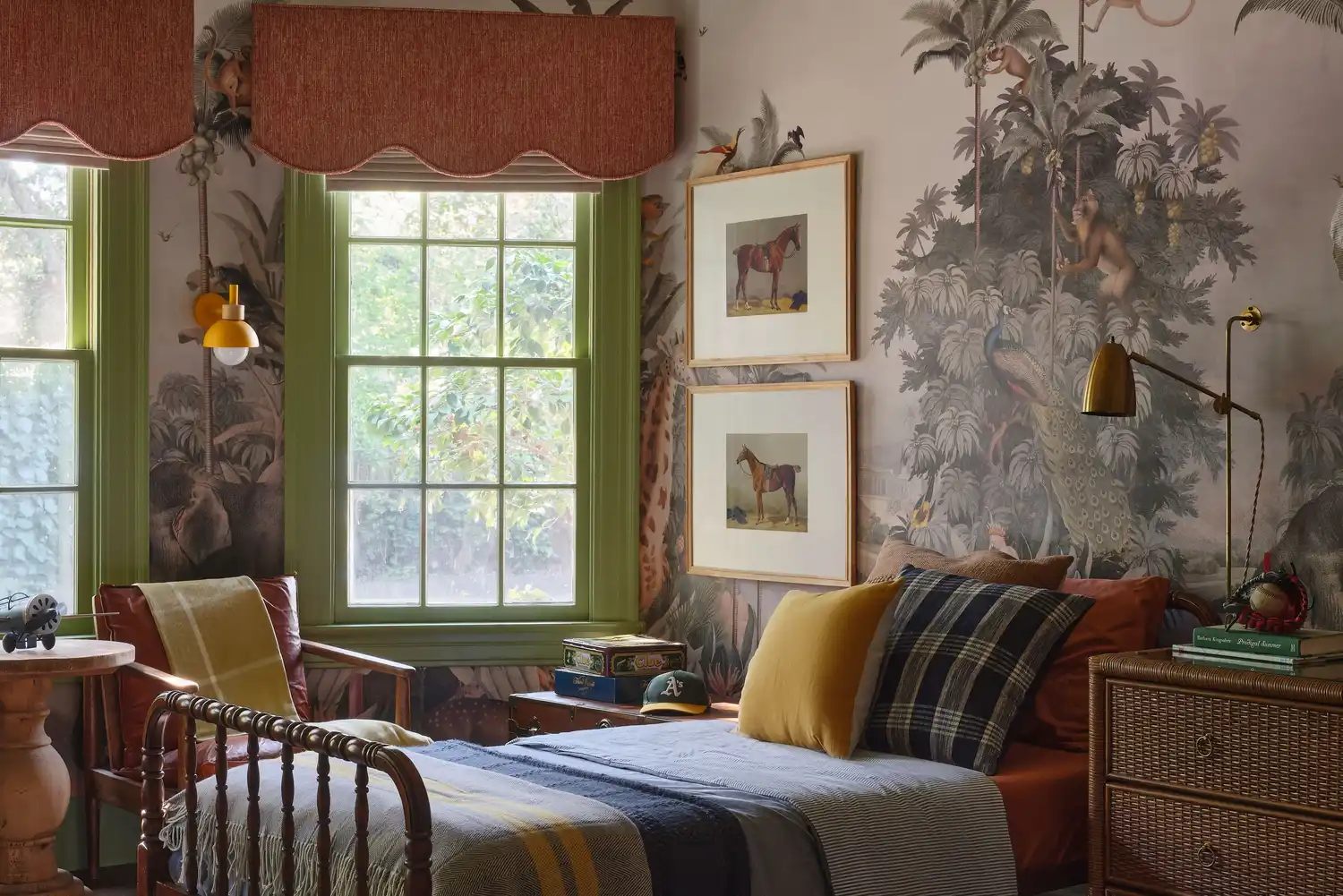
6 Paint Color Duos Designers Can't Get Enough of This Fall
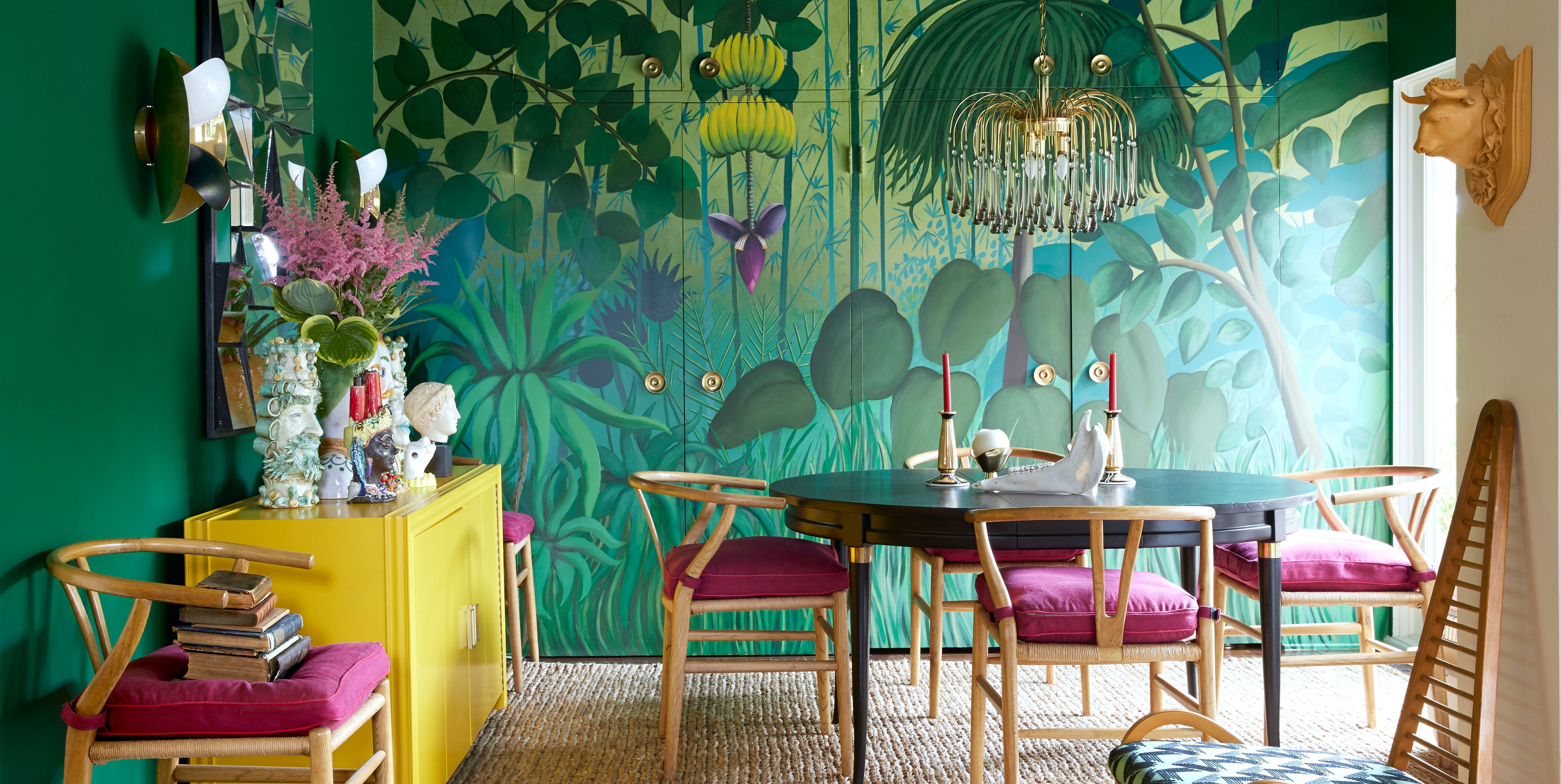
Need A Furniture Refresh? These Are Paint Colors That Top Designers Recommend
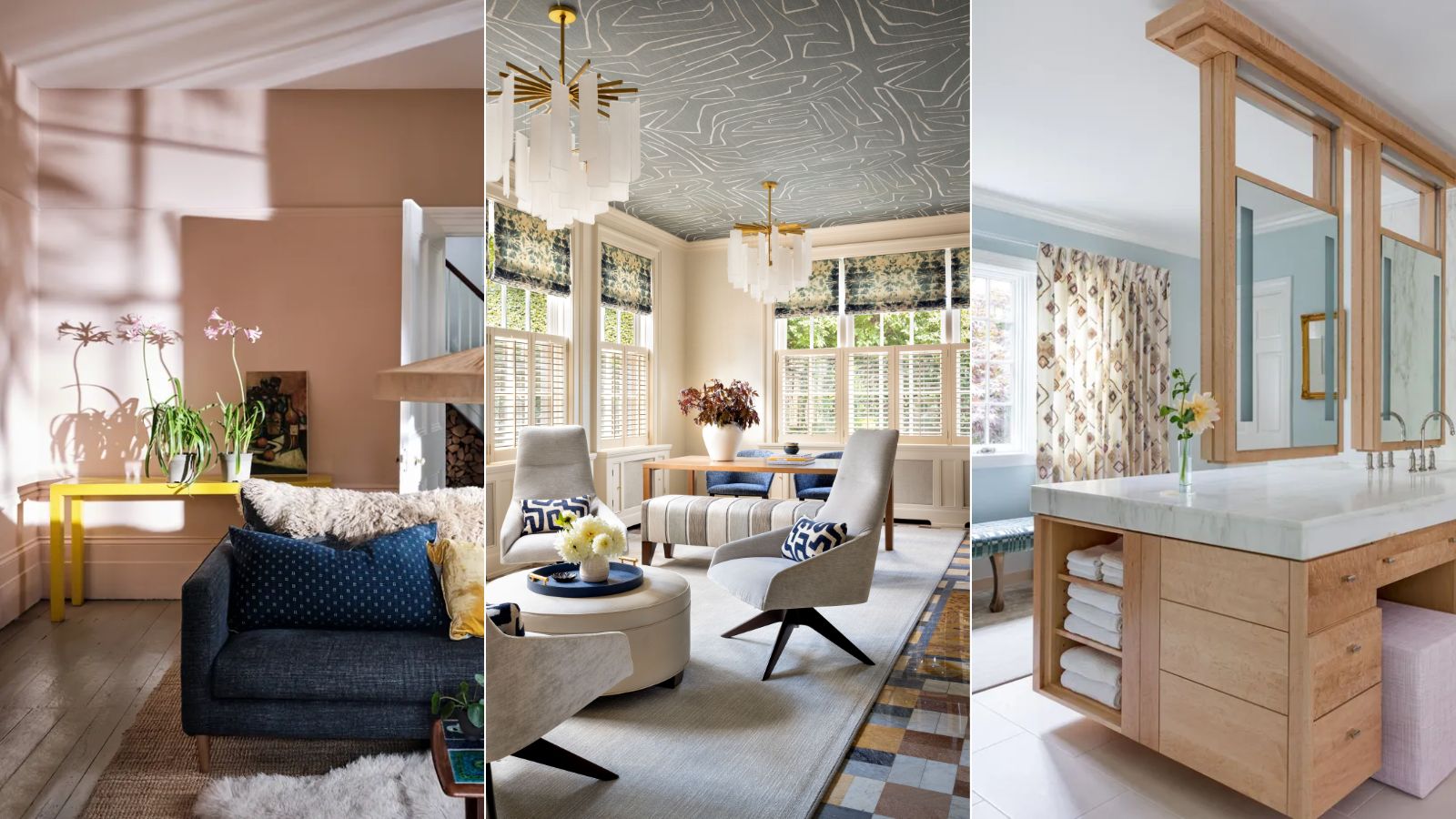
What makes a paint color flattering? Experts share their go-to shades for a universally complementary scheme
9 Best Interior Paint Colors

Make choosing paint easy with new 'natural light' colours


10 Paint Color Apps Every DIYer Should Know About

10 Wine-Inspired Paint Colors Designers Will Cheers To