1/4
Home Repair Experts Reveal the Surprising Dangers of Having Moss on Your Roof
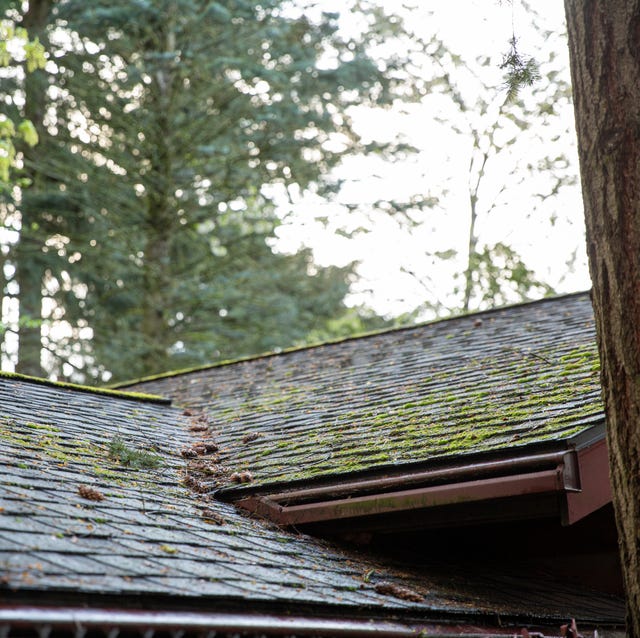
Moss, a low-growing plant that thrives in wet conditions, often appears on roofs, particularly in shady areas or on surfaces that retain moisture. While it may lend a picturesque, storybook-cottage aesthetic, home repair experts warn that its presence can lead to significant problems for a roof's integrity. Jay Pscheidt, PhD, a professor at Oregon State University, explains that moss spores are dispersed by wind and germinate in moist environments like shaded roofs. Nick Gromicko, founder of the International Association of Certified Home Inspectors (InterNACHI), emphasizes that moss can obstruct the proper drainage of water from a roof, counteracting the primary purpose of a sloped roof design. This water retention can cause further issues.
Moss typically appears as thick, plush green mounds, usually 2 to 3 inches thick. These mounds can turn brown and go dormant during dry periods but will rehydrate and resume growth when moisture becomes available. Several factors contribute to moss growth on roofs. Shady conditions, such as those caused by large overhanging trees, create an ideal environment by preventing the roof from drying quickly after rain. Moss is also more prevalent on the north-facing pitches of roofs, which receive less direct sunlight, and on shallow or flat roofs where water runoff is less efficient. Furthermore, certain roofing materials are more susceptible to moss; asphalt roofs and wood shakes are more prone to it than metal roofs. The age of a roof also plays a role, with new asphalt roofs generally remaining moss-free for the first few years. However, as shingles age and are exposed to UV rays, their surface matrix degrades, making them more vulnerable to moss colonization, as noted by Scott Johnson, President of the American Society of Home Inspectors.
While moss itself does not directly 'eat through' shingles, its presence indicates underlying wear. Shingles develop tiny nicks and imperfections over time that collect debris, providing an ideal substrate for moss to anchor and grow. If left unchecked, moss can grow between overlapping shingles, lifting them and creating pathways for debris and water to penetrate underneath. This can compromise the roof's waterproofing and lead to damage. Therefore, it is crucial to address moss growth promptly.
Fortunately, moss accumulation is a gradual process, often taking years to become a significant problem. However, it should not be ignored. To manage moss on a roof, several steps can be taken. One primary preventative measure involves trimming overhanging tree limbs that shade the roof and drop debris, which contributes to moisture retention. Regular cleaning of the roof to remove accumulated debris is also essential. For existing moss, mechanical removal, such as scrubbing or hosing, is necessary. However, experts advise against using pressure washers, as these can damage shingles. For safety, this task is often best left to professionals due to the slippery nature of moss and the inherent dangers of roof access.
After mechanical removal, applying a moss-killing product (mossicide) can prevent regrowth. These products are most effective when moss is actively growing and green, as dormant brown moss does not absorb them well. If a new roof is being installed, considering zinc or copper strips at the ridgeline can help prevent future moss growth. These metal strips, though not a removal solution, release ions that inhibit moss development. Consulting a professional for their installation is recommended to avoid potential leaks. Finally, if large areas of moss are present, particularly on older roofs, hiring a home inspector is advisable. Moss often signifies an aging roof nearing the end of its lifespan, and an inspector can assess the overall condition and determine the urgency of repairs or replacement, identifying potential issues that could otherwise be overlooked.
#RoofMaintenance #MossRemoval #HomeRepair #RoofDamage #HomeImprovement #PropertyCare #ShingleCare #ExpertAdvice #RoofMaintenance #MossRemoval #HomeRepair #RoofDamage #HomeImprovement #PropertyCare #ShingleCare #ExpertAdvice
0 comment in total
 No comments yet
You may also like
Rogue builders quoted over £15k for a repair job that cost £185 to fix - my lessons learnt
How to Fix a Roof Drip Edge

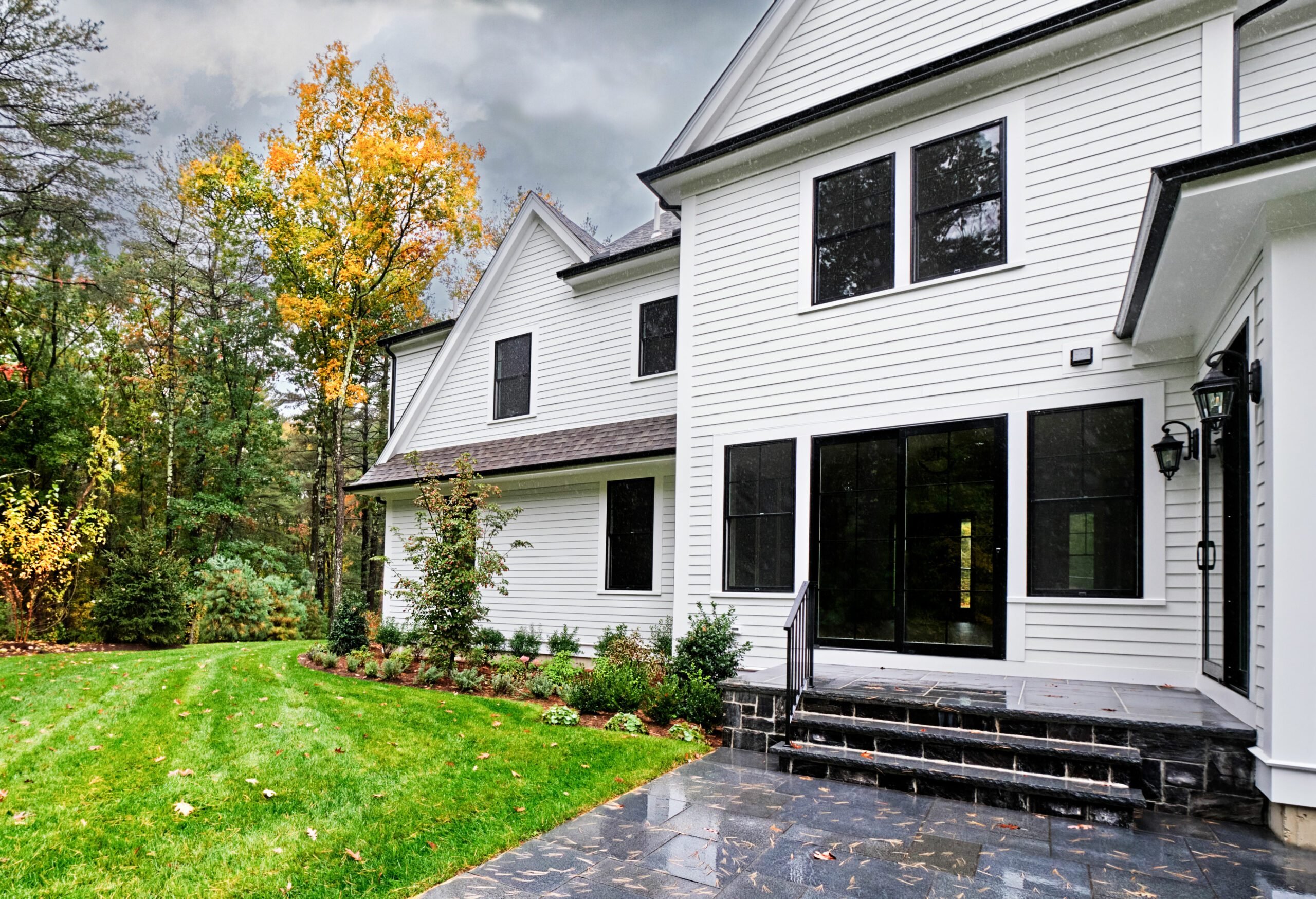
Why You Shouldn't Buy a House That Was Built in the Rain

Roofing Nails

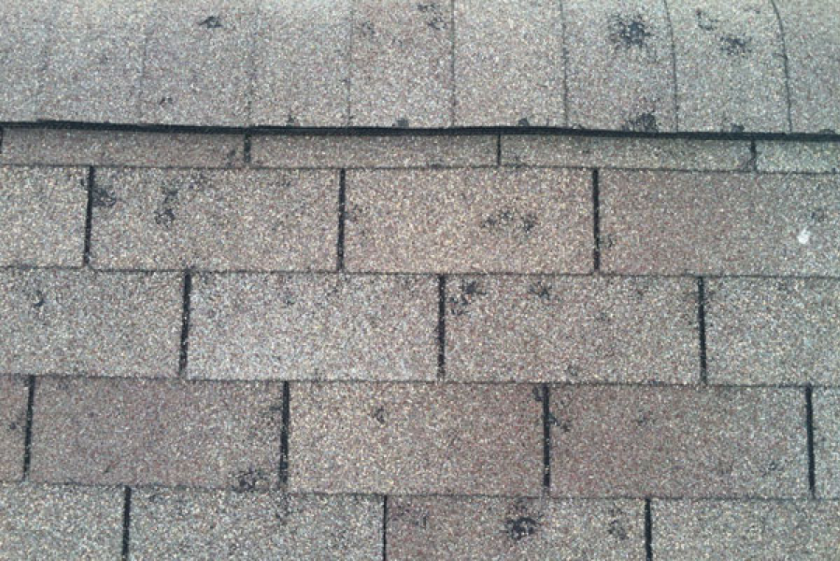
What to do When You Have Roof Damage From Hail


When Insulation in the Roof Isn’t There
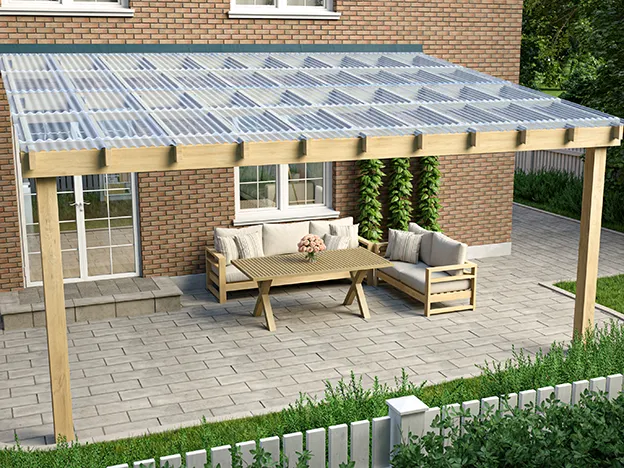
Roofing | Roofing Sheets | Roofing Supplies

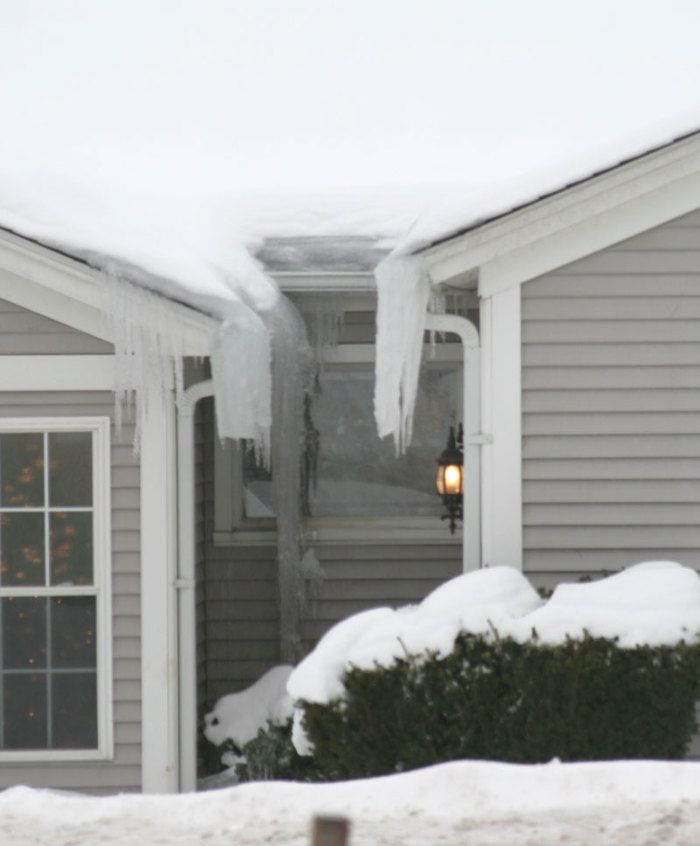
Ice Dams, Can Lights, Wet Walls, and Water Damage
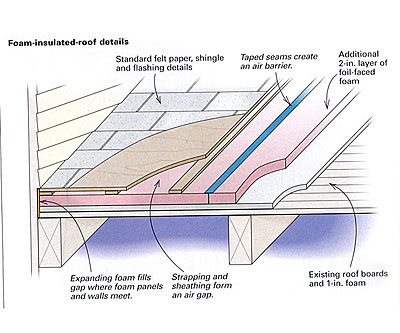
Upgrading a foam-insulated roof
Story from Arizona Painting Company: Heavy desert rain can create more home repair problems than just roof leaks


5 common types of water damage to your home – and how to fix them

Our Roof Repair Expert's Best Tips For Extending The Life Of Your Roof
How to Know When Your Roof Needs Replacing? A Roofing Expert Shares His Method