The Simple, Ancient Idea That Can Replace Concrete Walls
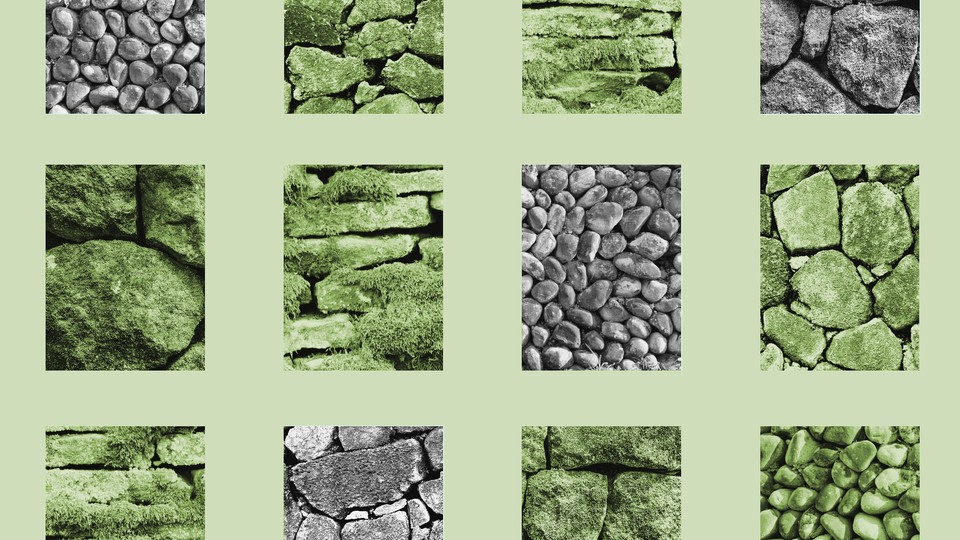
The article explores the viability and benefits of dry stone walling as an alternative to concrete construction, particularly in the context of addressing climate change and preserving cultural heritage. Dry stone walls, constructed using friction and gravity without mortar, represent one of the oldest building methods globally. In rural Japan, these walls are prevalent, shaping mountainous terrain for habitation and agriculture. However, modern infrastructure largely favors concrete, despite its environmental drawbacks.
Reo Kaneko, a civil engineer and advocate for dry stone walling, highlights the traditional method's efficiency, cost-effectiveness, and strength for farmers and ordinary people. He demonstrates this through his work rebuilding a 100-year-old farmhouse's retaining wall in Yamanaka Onsen, utilizing the original stones and incorporating techniques for drainage and pressure reduction. Kaneko, who co-runs the Dry Stone Walling School of Japan, became interested in this craft after witnessing its effectiveness during his undergraduate studies. He attributes the decline of dry stone walling in Japan to its incompatibility with modern civil engineering systems, which emerged during Japan's rapid industrialization post-1854, favoring Western-style concrete construction.
Concrete gained widespread appeal after World War II for rebuilding infrastructure and homes due to its uniformity, ease of engineering, and requirement for less skilled labor. Today, concrete is the most used construction material worldwide, with Japan being a significant adopter, using it extensively for infrastructure and public-works projects. However, concrete poses significant environmental challenges, accounting for 9% of global industrial water withdrawals and 8% of global carbon dioxide emissions. This is due to the sheer volume used, its energy-intensive production, and the chemical reactions involved in cement manufacturing.
The article argues that while new low-carbon concrete technologies are emerging, ancient methods like dry stone walling offer a sustainable alternative, especially in steep landscapes. Concrete retaining walls typically last 50 to 100 years, requiring disposal and new production, which generates substantial CO2. In contrast, dry stone walls can last for hundreds of years, are often built with locally sourced materials, and can be reused or left to decompose naturally when they collapse. Their flexibility allows them to withstand freezing, thawing, and even earthquakes without buckling.
In 2018, UNESCO recognized dry stone walling as an Intangible Cultural Heritage of Humanity, underscoring its harmonious relationship with nature. These walls promote biodiversity by providing habitats for insects, small animals, and plants. Efforts to preserve and promote dry stone walling are underway globally, emphasizing its ecological benefits and low carbon footprint. Projects like the restoration of Italy's Cinque Terre walls demonstrate how these traditional structures can enhance climate change resilience by improving drainage and preventing landslides.
Despite the clear advantages, the craft faces challenges. In Japan, most skilled dry stone wall builders are elderly, and there's a lack of willingness among modern construction companies to adopt the technique due to perceived labor intensiveness and difficulty in mathematically estimating engineered strength. Kaneko emphasizes the importance of human skill and discretion over objective numbers in this craft. He and Junko Sanada teach basic stone walling techniques in workshops, arguing that while mastery takes a lifetime, fundamental skills can be learned quickly. The article concludes by advocating for dry stone walling as a sustainable choice for future construction projects, highlighting its potential to mitigate global warming and habitat destruction in an era of increasing climate-related disasters.
#DryStoneWalling #SustainableConstruction #ClimateChange #TraditionalCraftsmanship #ConcreteAlternatives #JapaneseInfrastructure #EnvironmentalImpact #CulturalHeritage #DryStoneWalling #SustainableConstruction #ClimateChange #TraditionalCraftsmanship #ConcreteAlternatives #JapaneseInfrastructure #EnvironmentalImpact #CulturalHeritage
0 comment in total
 No comments yet
You may also like
7 Concrete Alternatives

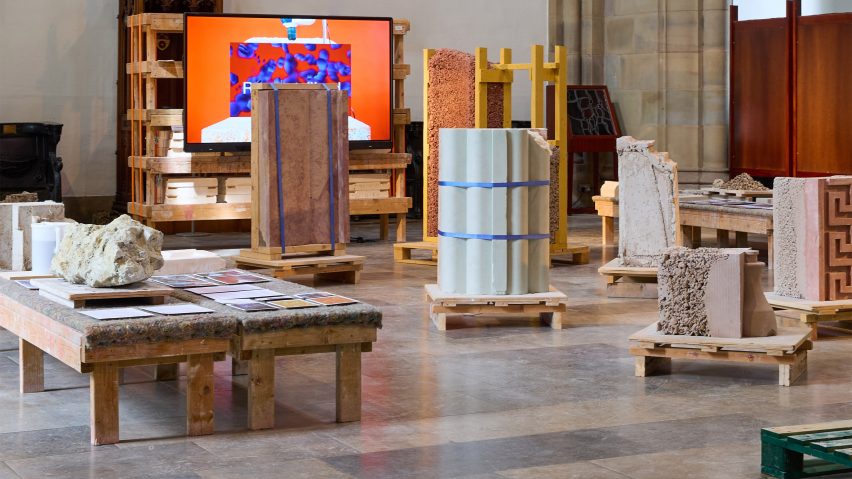
Poured Earth is a sustainable construction method modelled on concrete casting
Acme Brick, Tile and Stone – El Paso

Finding Sustainable Alternatives to Traditional Building Materials
More Practical Than Plaster and Cement: This Material Is on Our Reno Radar
Sustainable Concrete Panel Construction | Spotlight on Nexii and Vero Building Systems

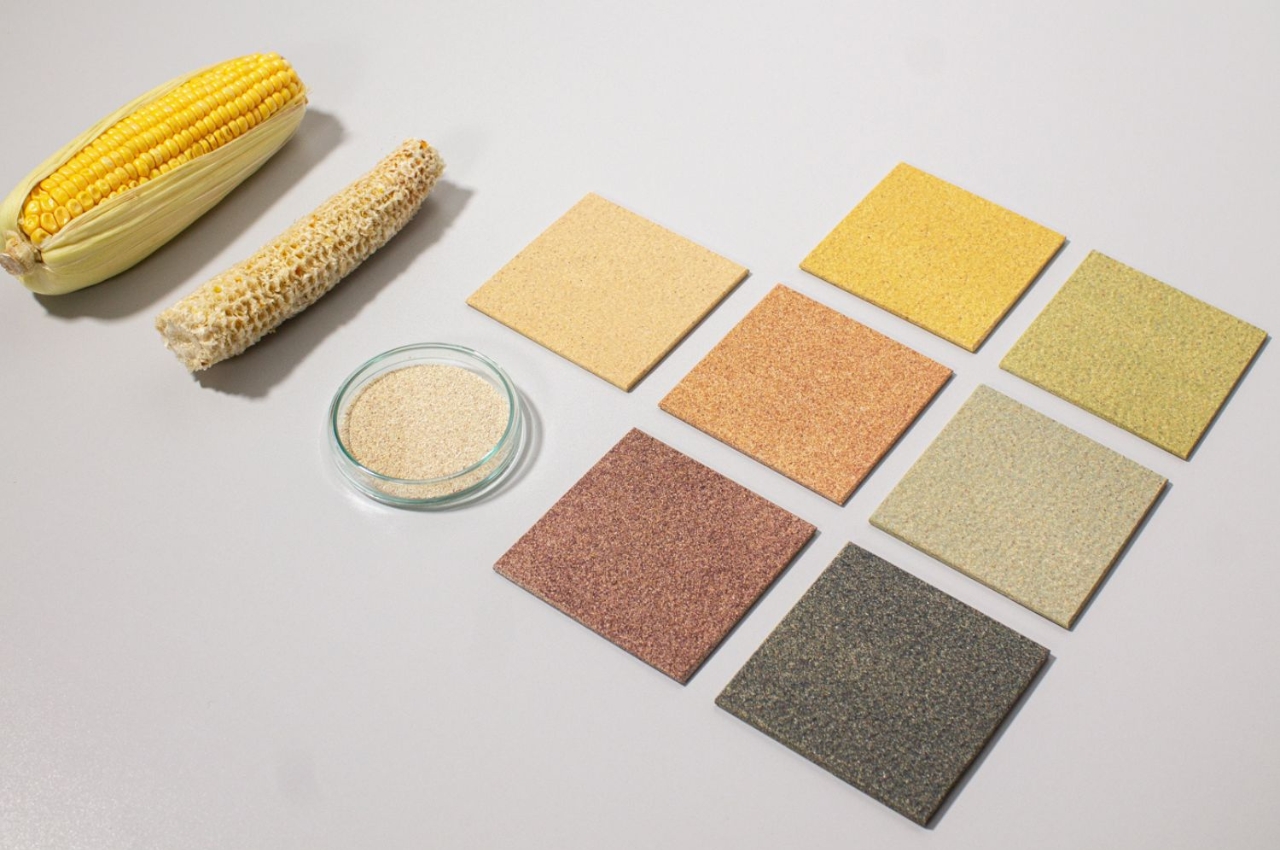
Wall cladding made from corn cob waste brings sustainable construction materials


Garden Paving & Walling | Front Garden Paving & Block Paving Grout

Masonry reinvented: One brick at a time
Is It Time to Hang Up on Hanging Drywall?
This Surprising NEW Trend Is Replacing Accent Walls

6 Wood Substitutes and When to Use Them

Discover 5 stunning options to use instead of brick facades

What Is Microcementing? A Complete Guide to Designers' Favorite Ultra-Durable Material


Trend Alert: Wood Walls Are BACK!
5 brilliant budget alternatives to paving slabs that won't cost the earth
Armourcoat creates durable clay wall covering as "ecological alternative to paint"
3D Printing Lightweight, Insulated Walls Using Cement-Free Mineral Foam


Wonder Walls
Designing Forms for Tall Concrete Walls