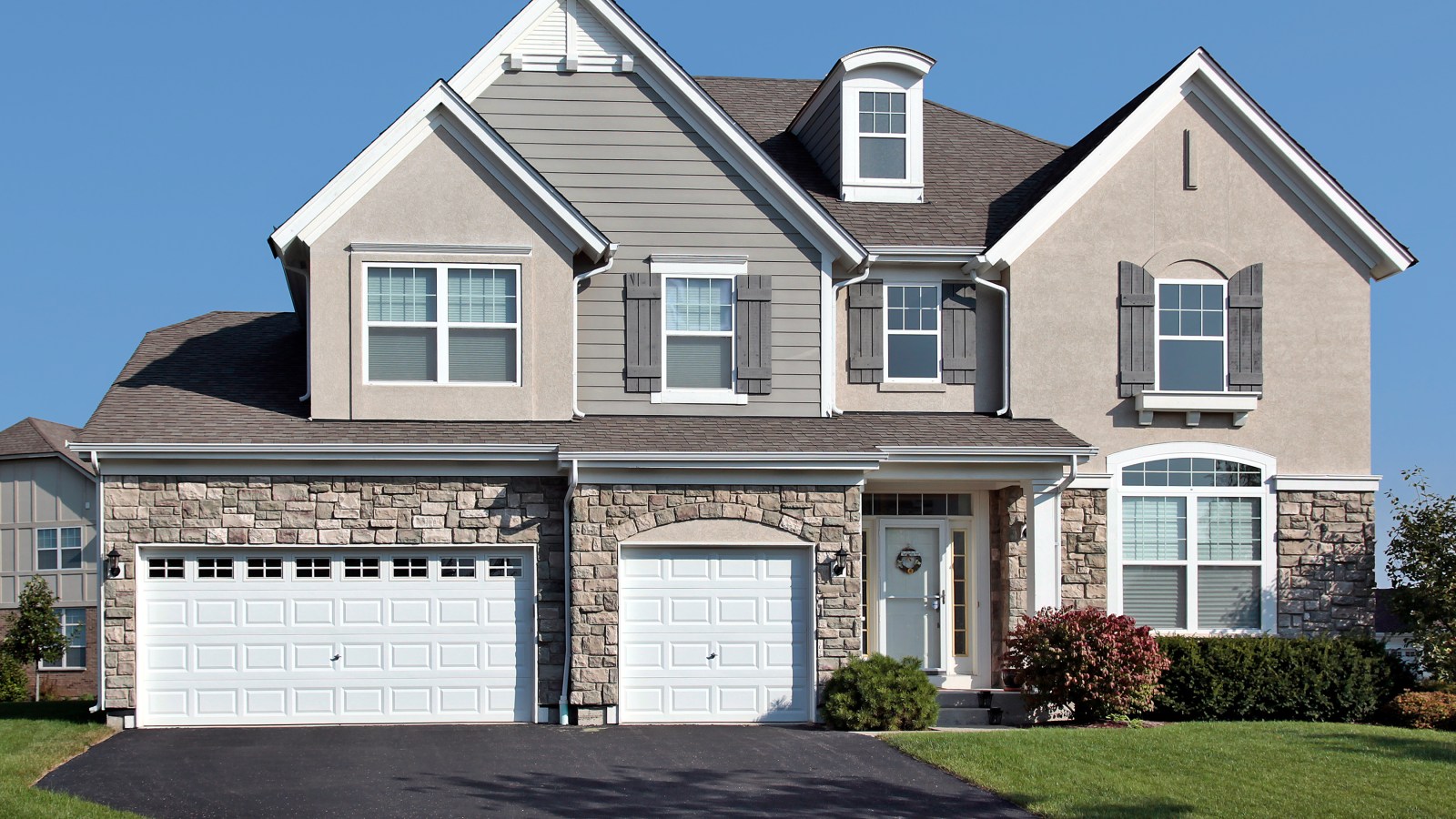
Discover 5 stunning options to use instead of brick facades
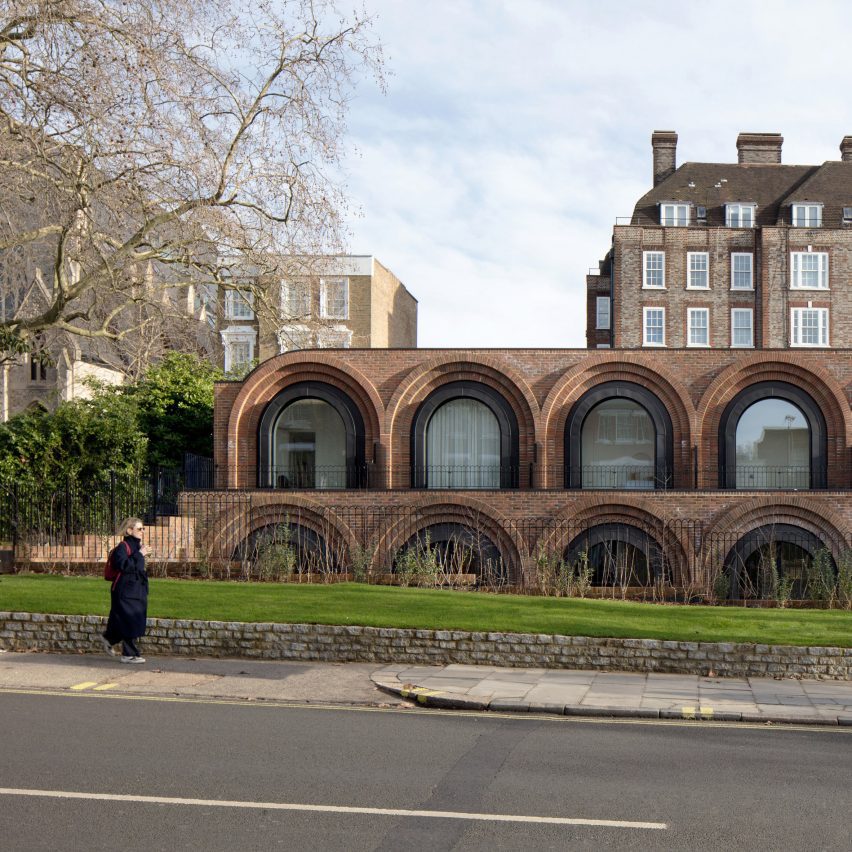
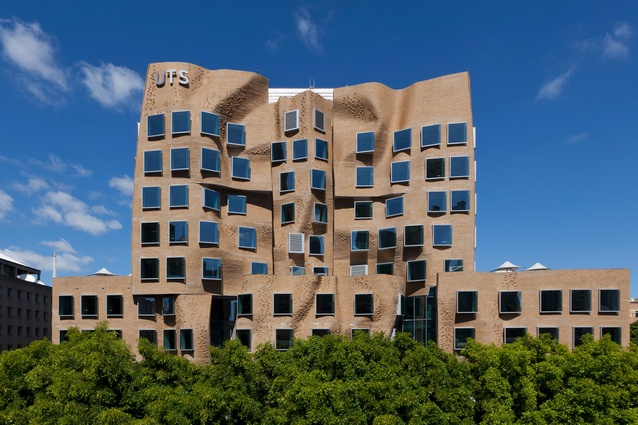
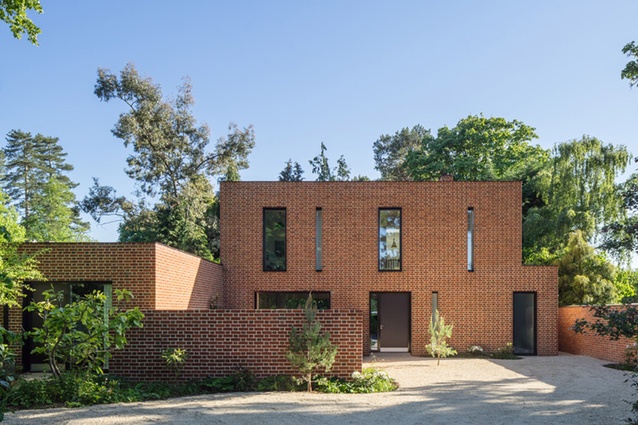
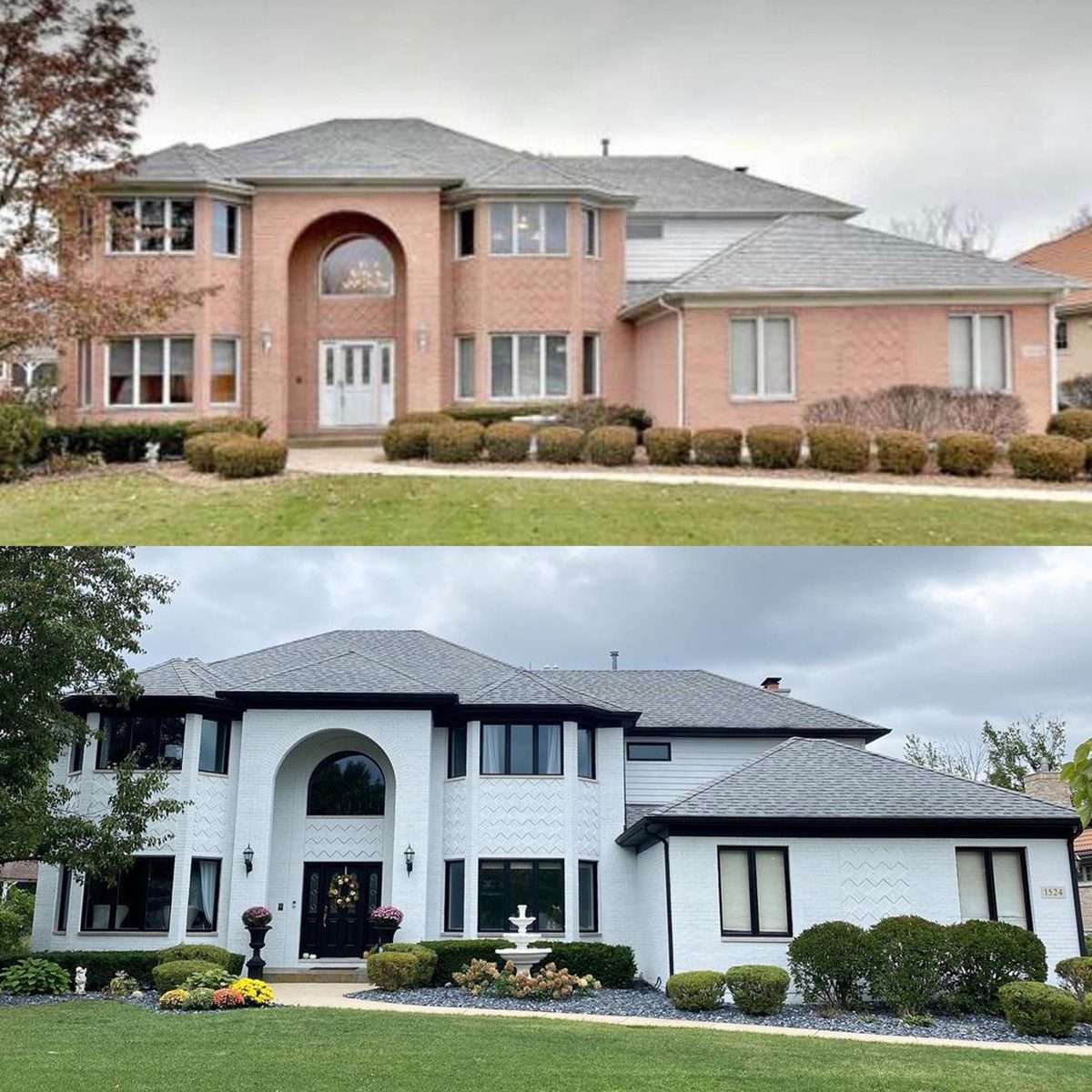
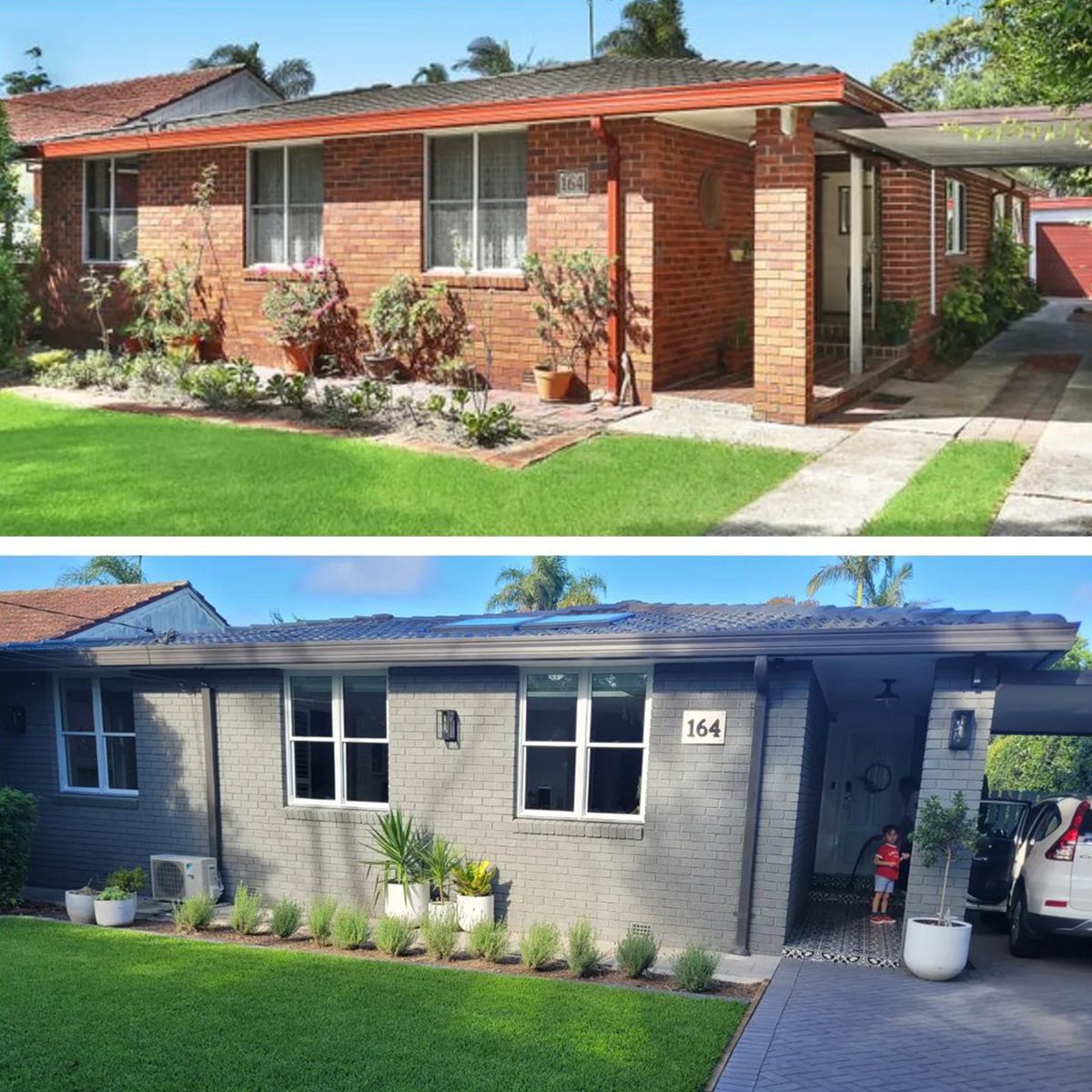
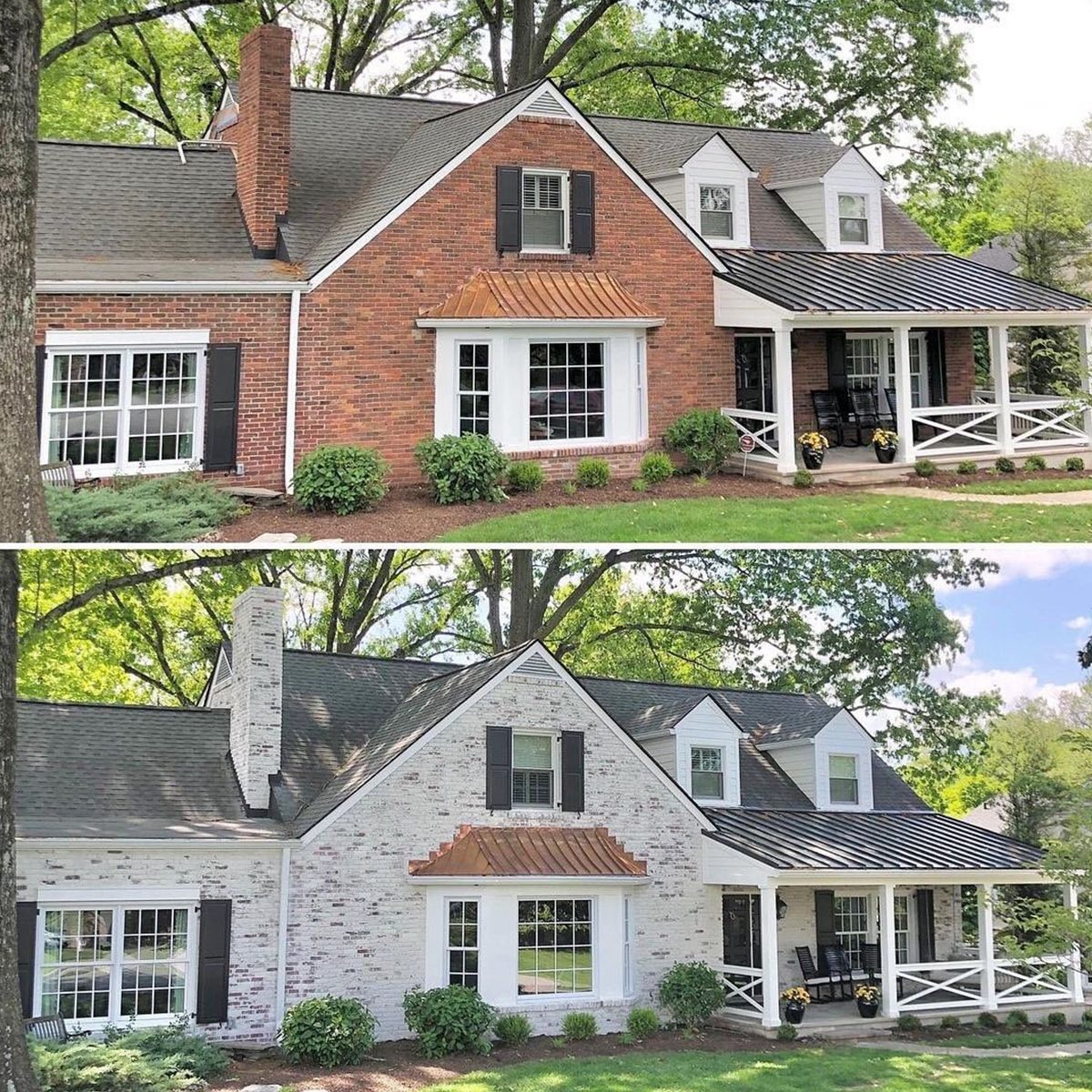
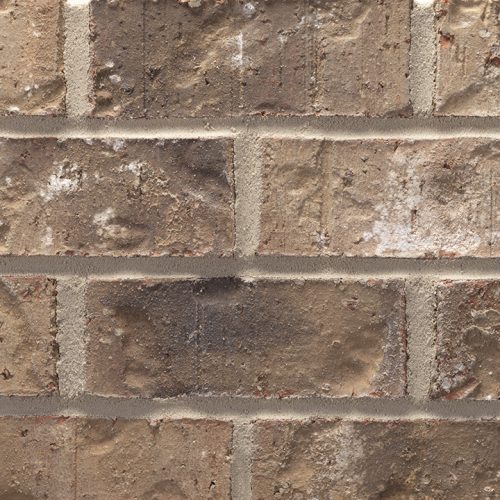
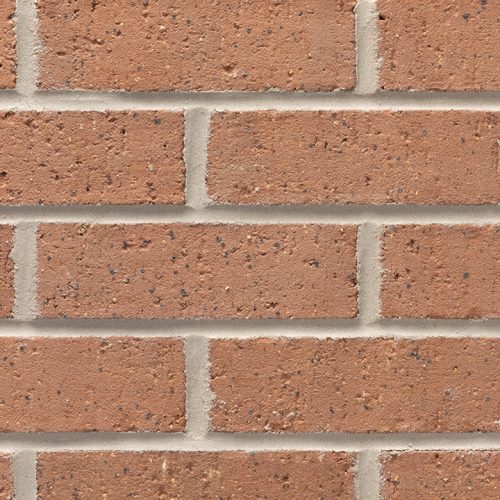
The diminishing popularity of traditional brick facades in home construction is attributed to evolving aesthetic preferences, cost considerations, and advancements in building materials. Instead of classic red brick, which is often perceived as dated, homeowners and builders are exploring a variety of modern alternatives. These include stone facades, rainscreen cladding, fiber cement siding, engineered wood, and brick veneer.
Stone facades offer significant benefits such as exceptional durability, appealing aesthetics, minimal maintenance requirements, and enhanced energy efficiency, capable of lasting for many decades. However, their installation can be more expensive due to the material cost, the need for additional structural support to manage their weight, and the demand for specialized, time-consuming labor. These factors contribute to a higher overall project cost, yet the long-term advantages often justify the initial investment.
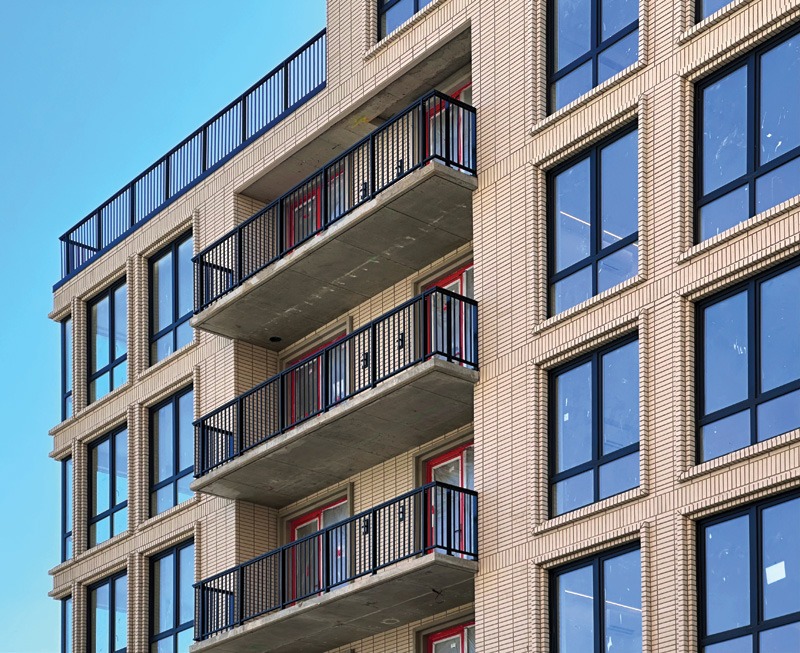
Rainscreen cladding presents an innovative solution that combines protection against moisture with effective air circulation between the exterior wall and the cladding material. This system creates a thermal buffer zone, which helps in regulating indoor temperatures by reducing heat loss in colder conditions and preventing overheating during warmer periods, leading to substantial energy savings. While rainscreens offer considerable design flexibility and performance benefits, their installation can be twice as costly as traditional brick due as they require specialized expertise and additional labor. Despite the higher upfront cost, the long-term energy efficiency and enhanced durability make them an attractive option.
Fiber cement siding, composed of cement, sand, and cellulose fibers, is another robust alternative known for its resistance to severe weather, including strong winds, heavy rain, and extreme temperatures. Unlike wood, it does not rot or warp, and its pre-painted, long-lasting finishes often eliminate the need for regular painting or sealing. Additionally, fiber cement siding provides excellent fire resistance. A drawback is its weight, which can make installation more challenging and costly compared to lighter materials like vinyl siding.
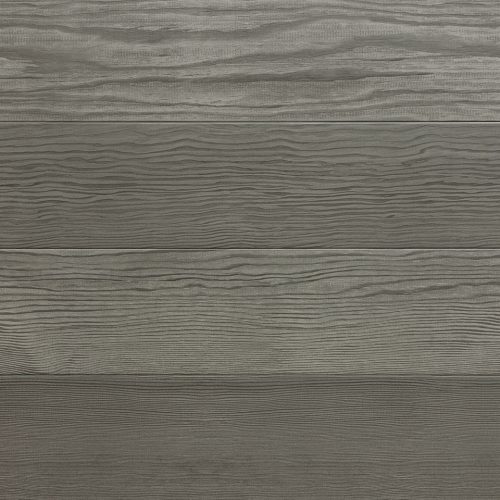
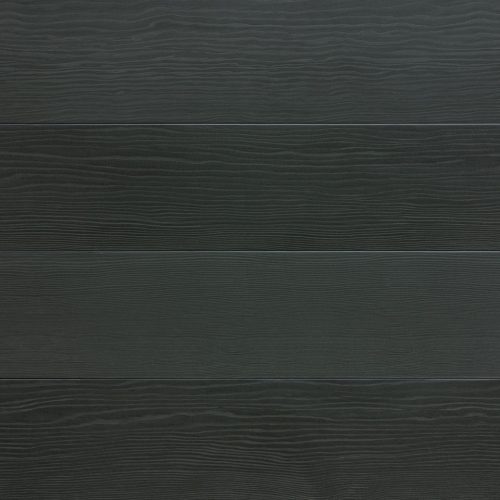
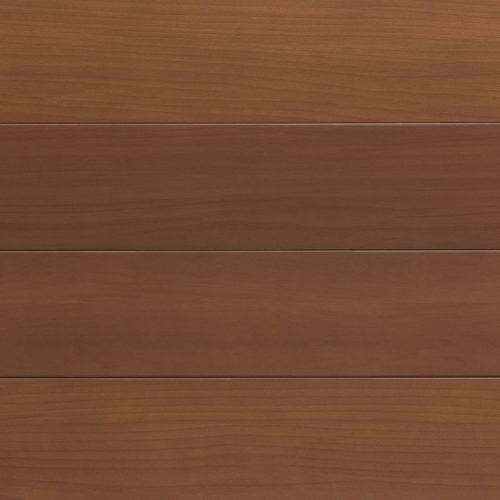
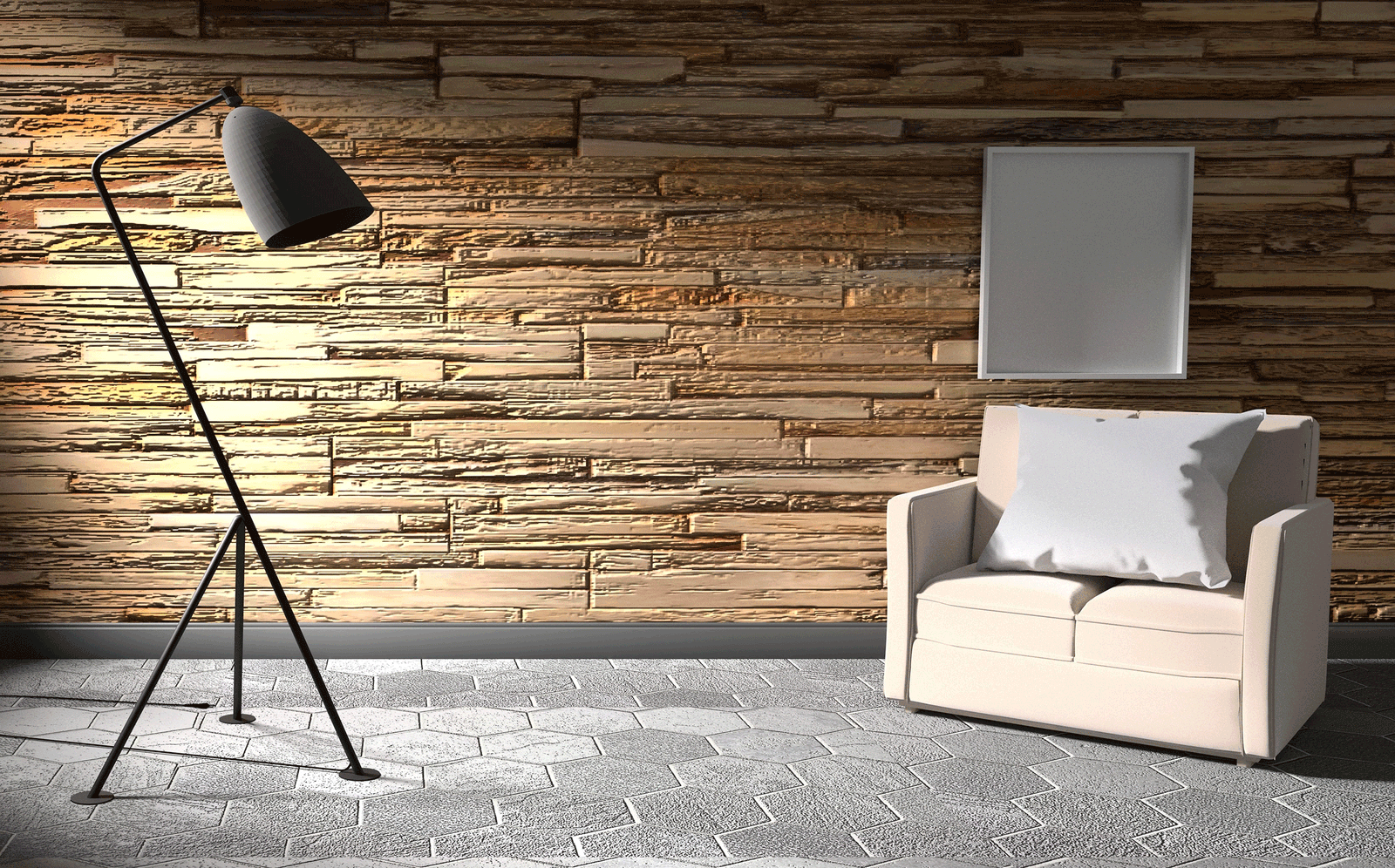
Engineered wood offers an eco-friendly and sturdy alternative, manufactured from recycled or sustainably sourced materials. Its lightweight nature simplifies installation, contributing to lower carbon emissions compared to traditional brick. Engineered wood is highly durable, capable of withstanding extreme weather conditions without warping or fading. With appropriate treatment, it can achieve the same level of fire resistance as brick exteriors, making it a versatile and sustainable choice.
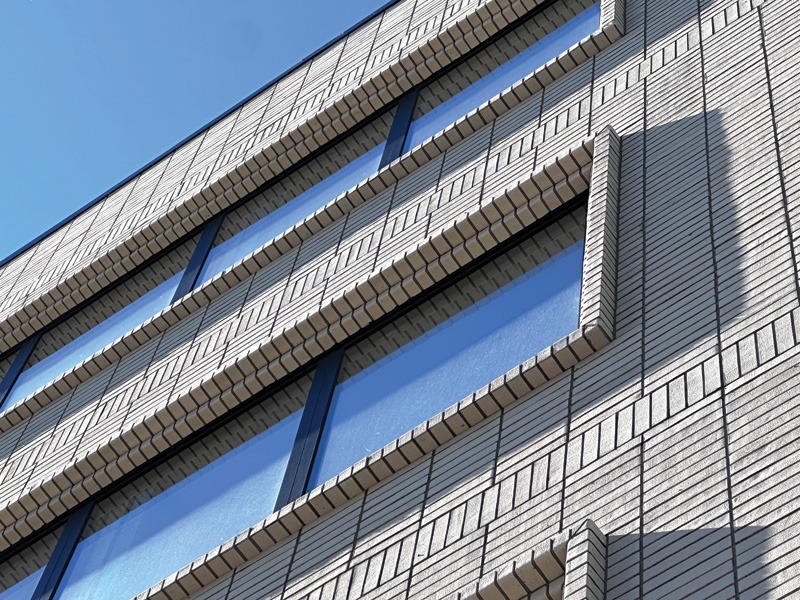
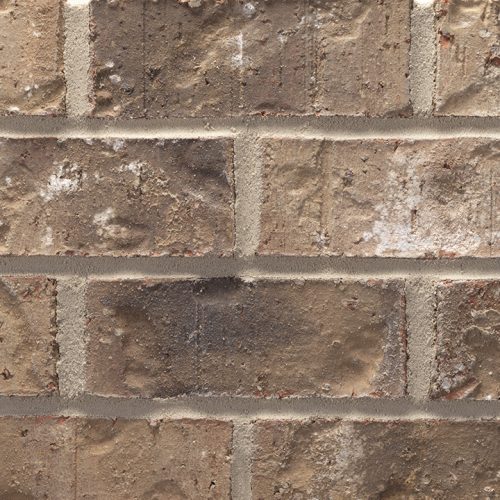
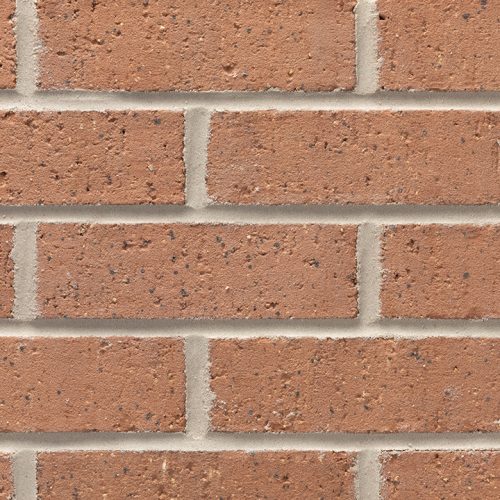
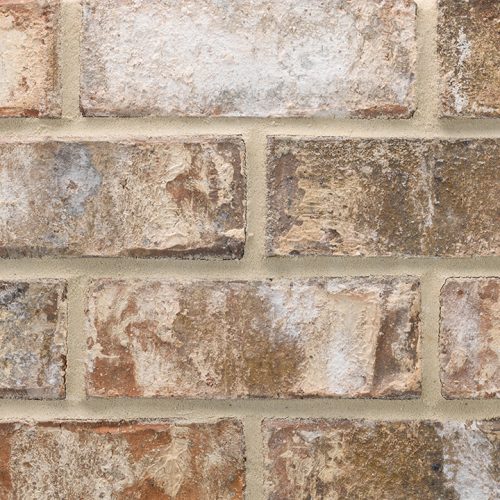
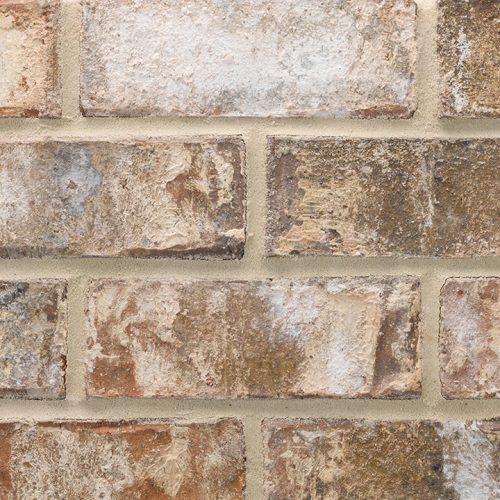
For those who appreciate the appearance of brick but seek a more economical option, brick veneer is an ideal choice. This material uses a single layer of bricks, made from cement or clay, to mimic the look of traditional bricks. Installed over a wooden or steel frame, brick veneer is cost-effective, easy to install, offers diverse design options, requires low maintenance, and provides energy efficiency. However, it is less durable and has a shorter lifespan than traditional brick, and it provides inferior water and fire resistance. This option balances aesthetic appeal with practical considerations for homeowners looking for the brick look without the full investment of traditional brickwork.
#FacadeAlternatives #HomeExterior #BuildingMaterials #StoneFacade #RainscreenCladding #FiberCementSiding #EngineeredWood #BrickVeneer #HomeDesign #FacadeAlternatives #HomeExterior #BuildingMaterials #StoneFacade #RainscreenCladding #FiberCementSiding #EngineeredWood #BrickVeneer #HomeDesign
0 comment in total
 No comments yet
You may also like
Brick Patio Ideas Don’t Have to Be Boring—Peep These 5 Outdoor Spaces

Another brick in the wall
Nexus Designs curates eight ‘styles’ for PGH Bricks and Pavers
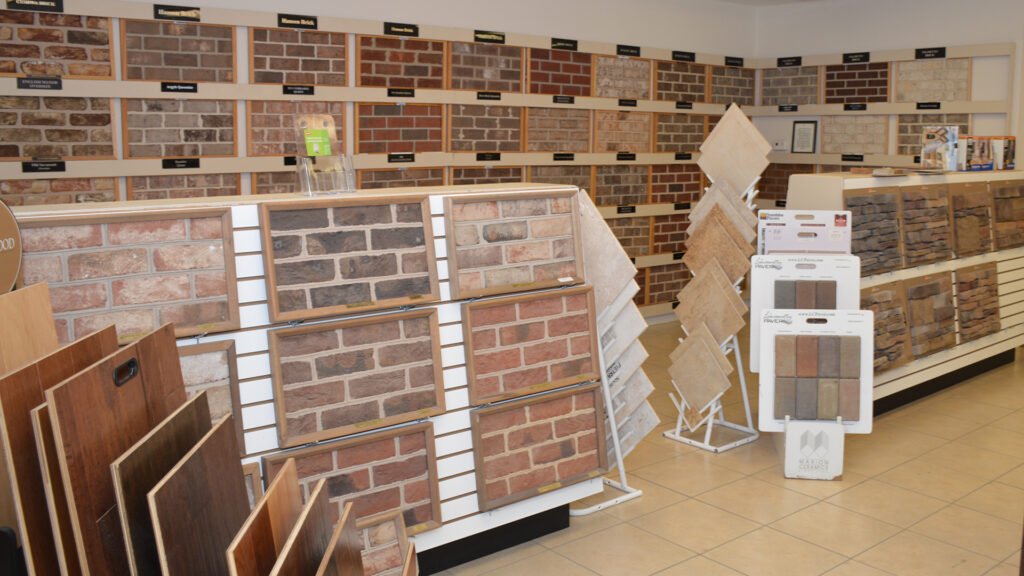
Acme Brick, Tile and Stone – Bluffton
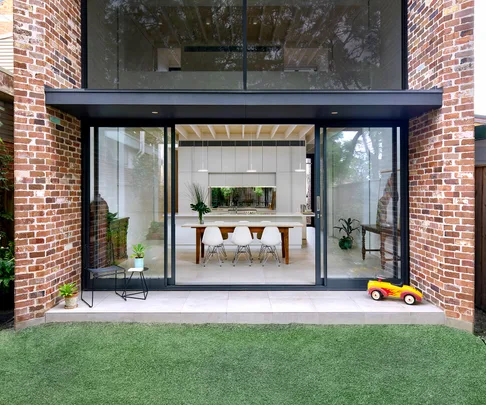
Statement bricks are the latest design trend

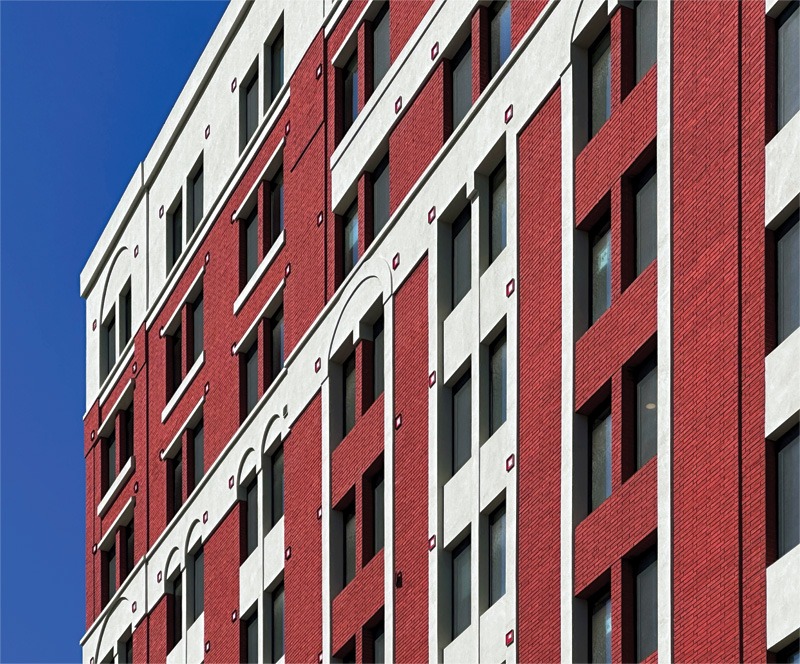
Masonry reinvented: One brick at a time
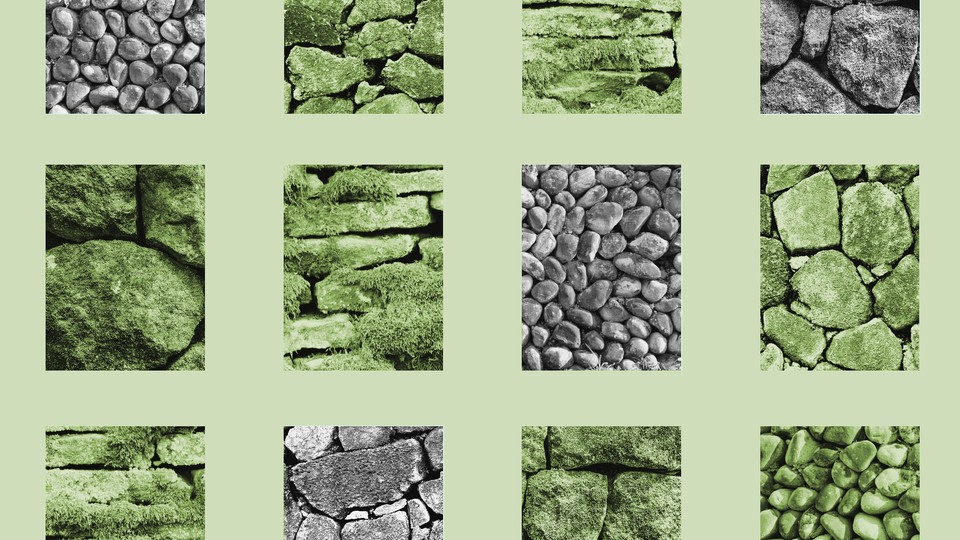
The Simple, Ancient Idea That Can Replace Concrete Walls

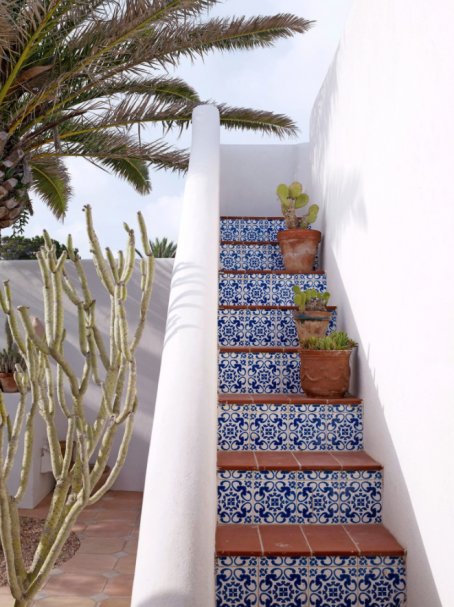
5 new ways to use tiles as decor rather than flooring

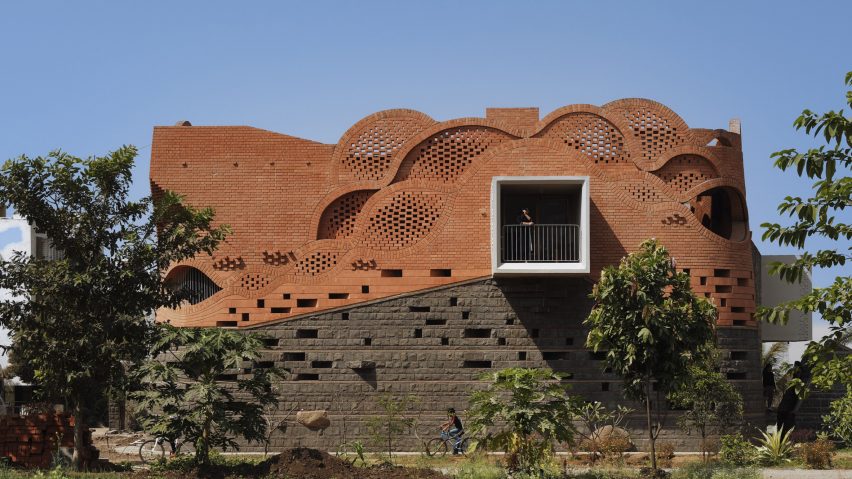
Ten buildings animated by expressive brick facades
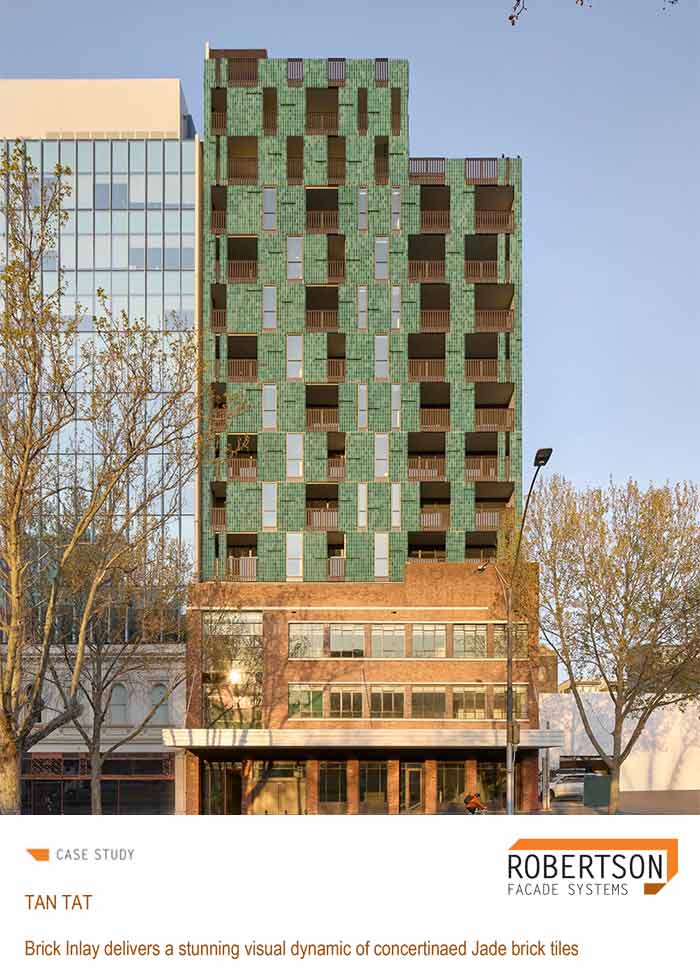
Case Study: Brick Inlay Delivers A Stunning Visual Dynamic Of Concertinaed Jade Brick Tiles

Acme Brick, Tile and Stone – Gulfport-Biloxi
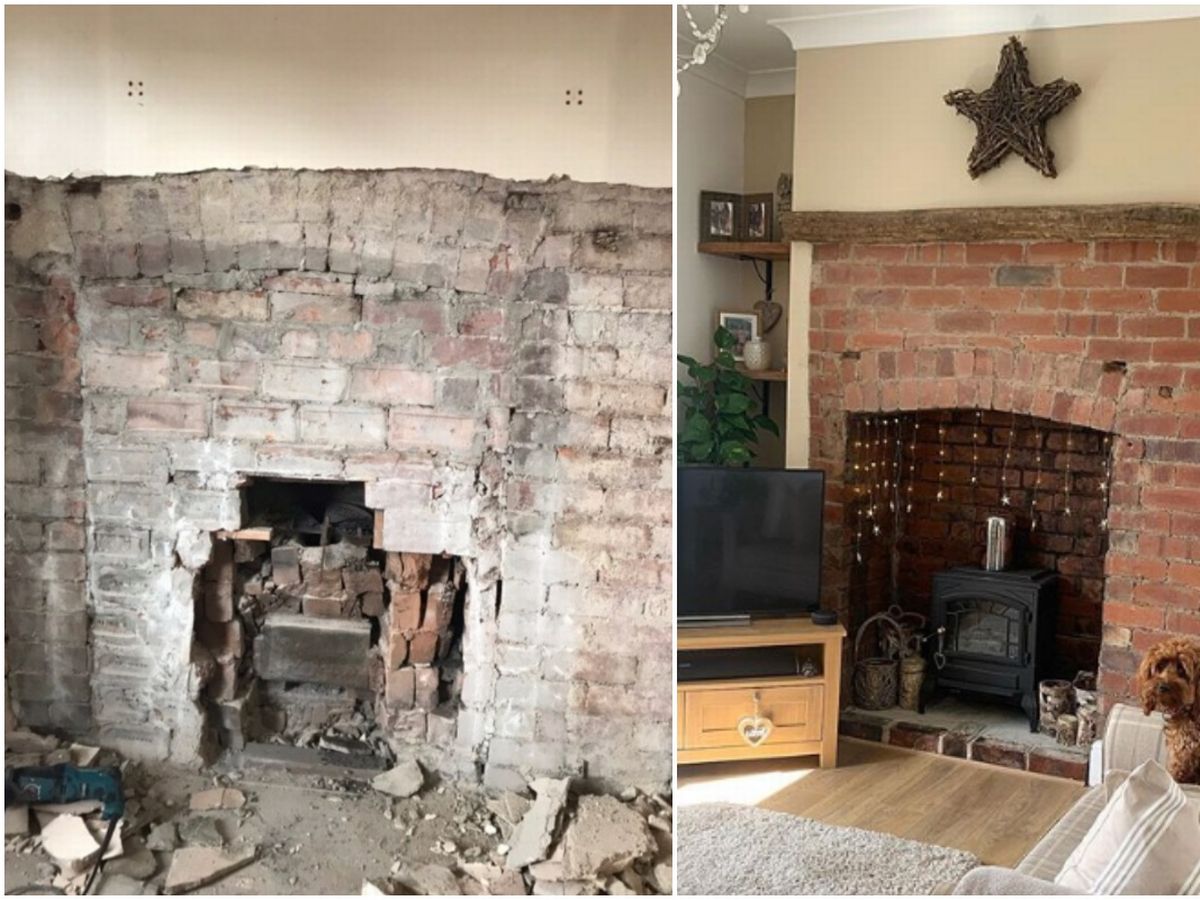
How to create an exposed brick feature wall or fireplace - and clean and maintain it like an expert
10 Ways to Update an Exposed Brick Wall—Beyond Just Painting It

8 Exterior Brick Paint Color Ideas To Transform Your Home

5 clever ways to use natural stone in home décor

Monroe
Acme Brick
10 of the most popular brick interiors on Dezeen's Pinterest boards
Acme Brick, Tile and Stone – El Paso

Finding Sustainable Alternatives to Traditional Building Materials