1/5
What Is Microcementing? A Complete Guide to Designers' Favorite Ultra-Durable Material
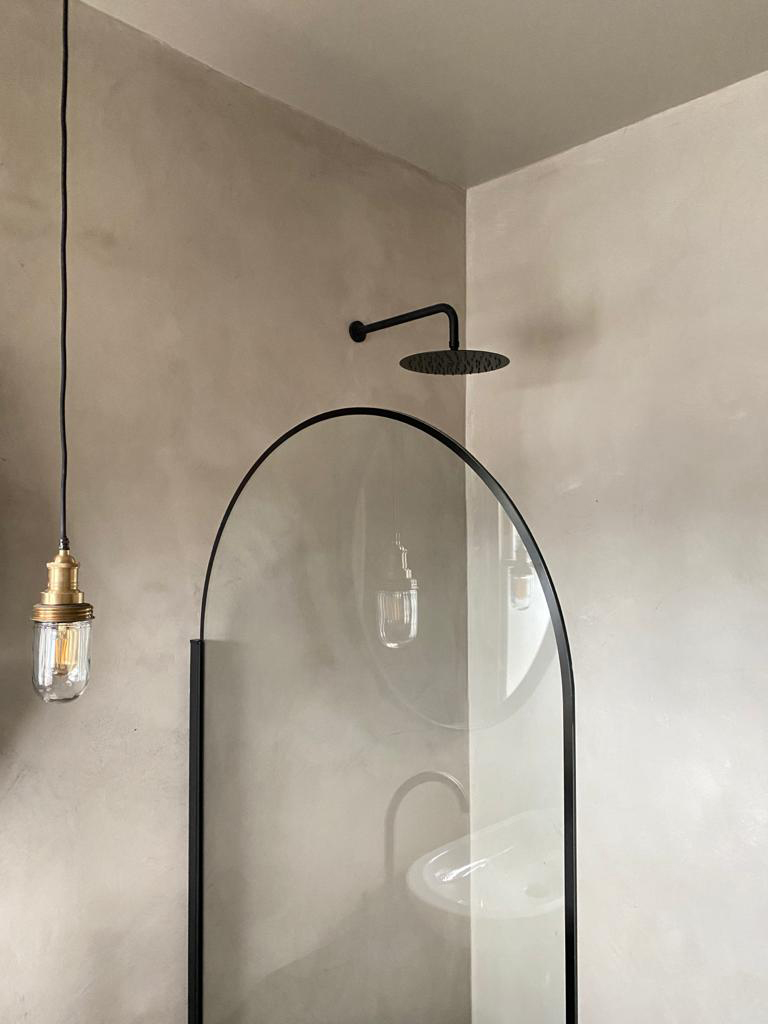
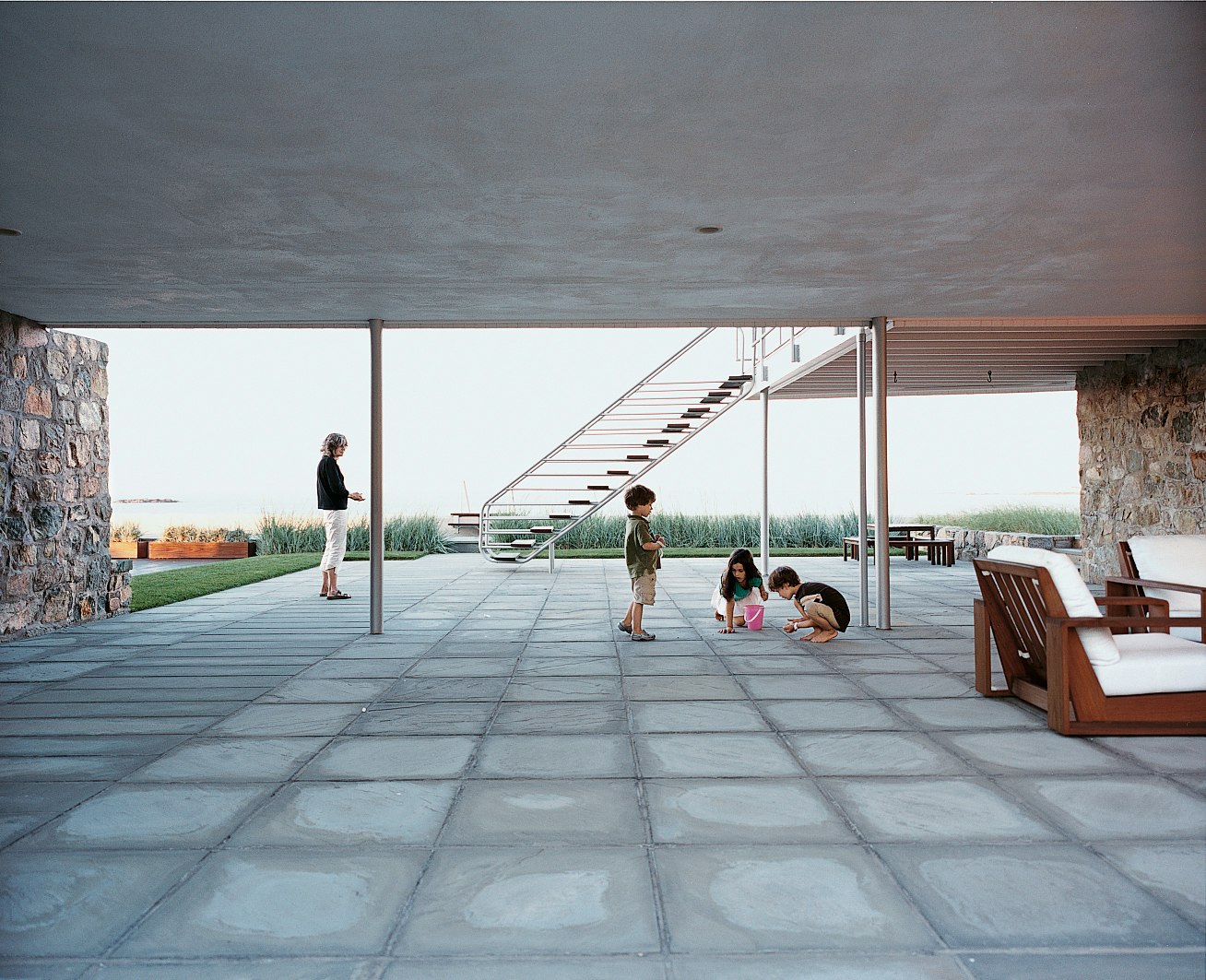
Microcement, a fine layer of render-type product, has emerged as a popular material in interior design, particularly for those who appreciate a rustic, warm-neutral aesthetic with rich textures and minimalist styling. While often mistaken for other textured wall coatings like limewash or Roman clay, microcement distinguishes itself through its exceptional durability and resistance to stains and scratches. Initially gaining traction in bathroom trends due to its waterproof properties, its versatility has led to its widespread adoption across various areas of designer homes.
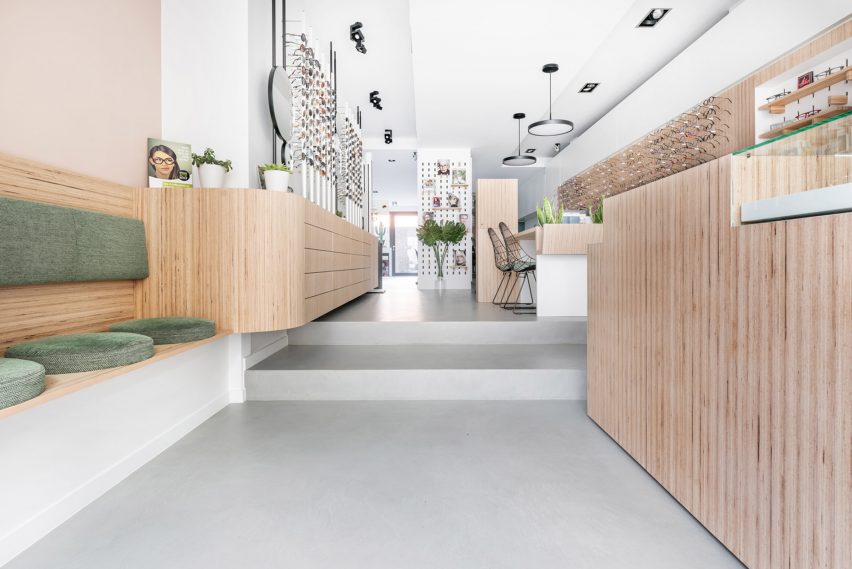
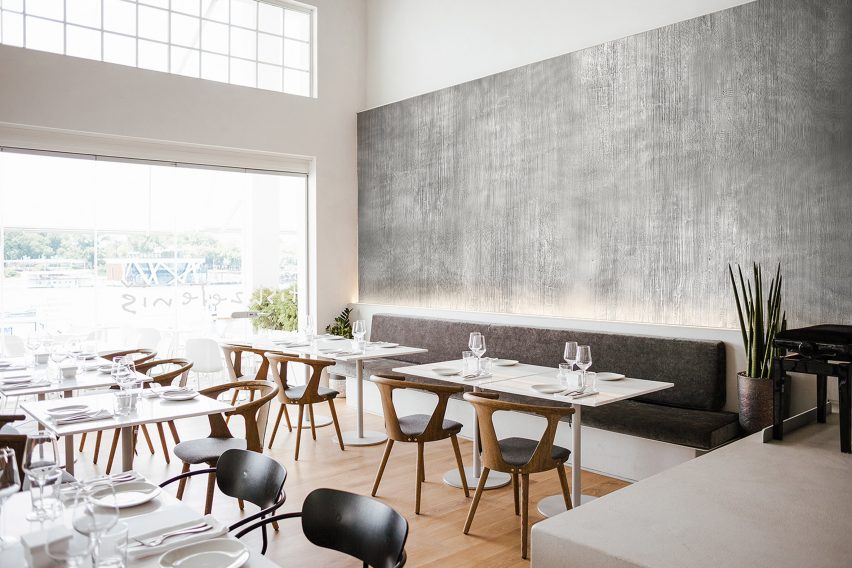
Microcement is composed of a cement powder combined with water-based resins, additives, and mineral pigments. This mixture is applied in multiple layers, typically three to four, resulting in a thin coating of 2-3mm. This unique composition makes it highly adaptable and resilient, suitable for a broad range of surfaces, including floors, walls, countertops, bespoke joinery, and ceilings. It provides a smooth, continuous surface, appealing to the desire for an effortlessly chic and 'undone' style of decoration, a hallmark of minimalist interior design.
Key differences exist between microcement and traditional cement. While cement is a binding substance primarily used for structural purposes and often as a component in concrete, microcement functions as a finishing material. Unlike traditional cement, which can be porous and prone to cracking and staining, microcement is waterproof and offers a much finer, smoother grain. This characteristic makes it suitable for environments where traditional cement would not be ideal, such as bathrooms. Furthermore, traditional cement, when used to make concrete, is heavy and cannot be applied to pre-existing vertical surfaces, whereas microcement is lightweight and can easily coat various substrates, including concrete, tiles, plaster, and even wood-based materials like ply and MDF, both internally and externally.
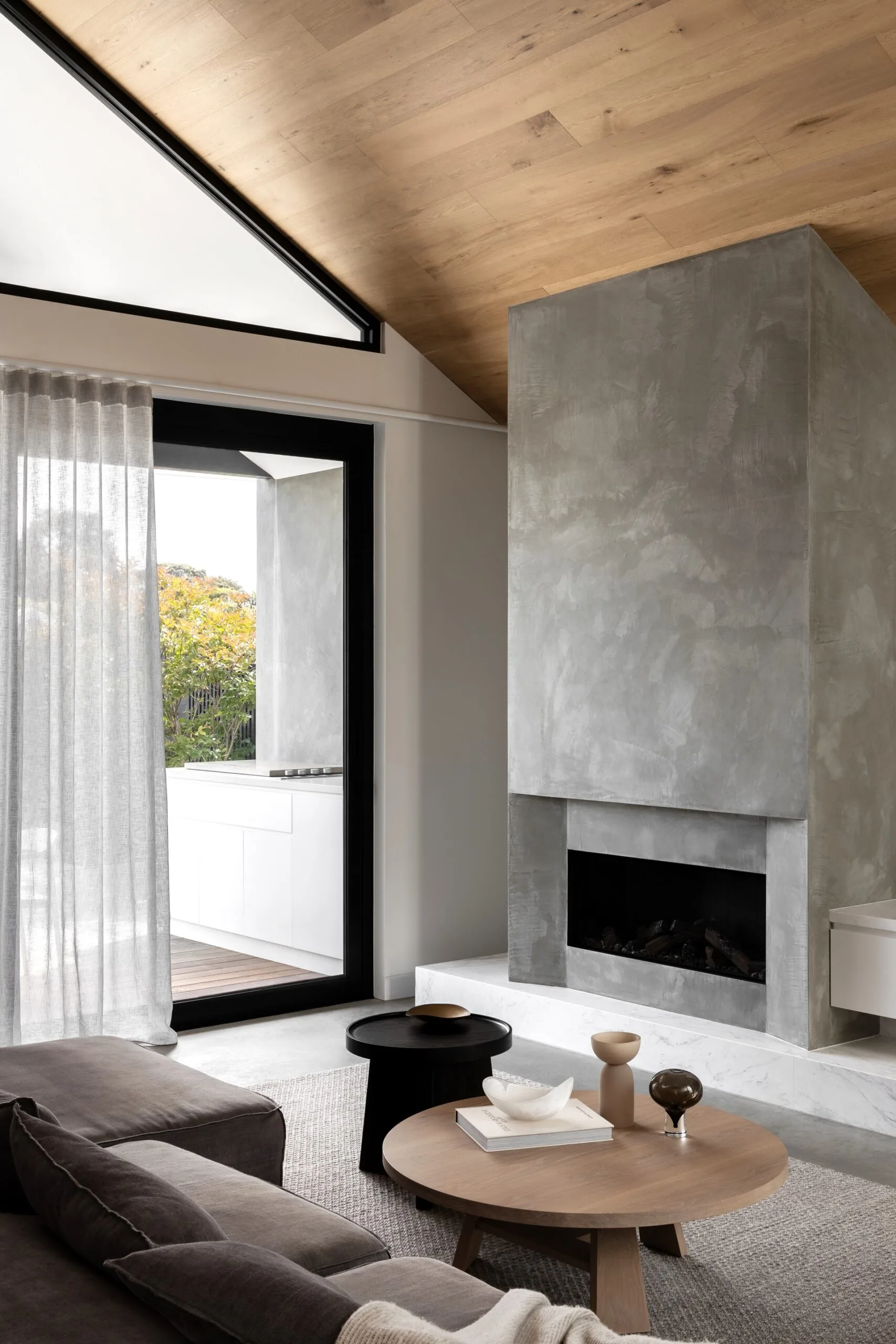
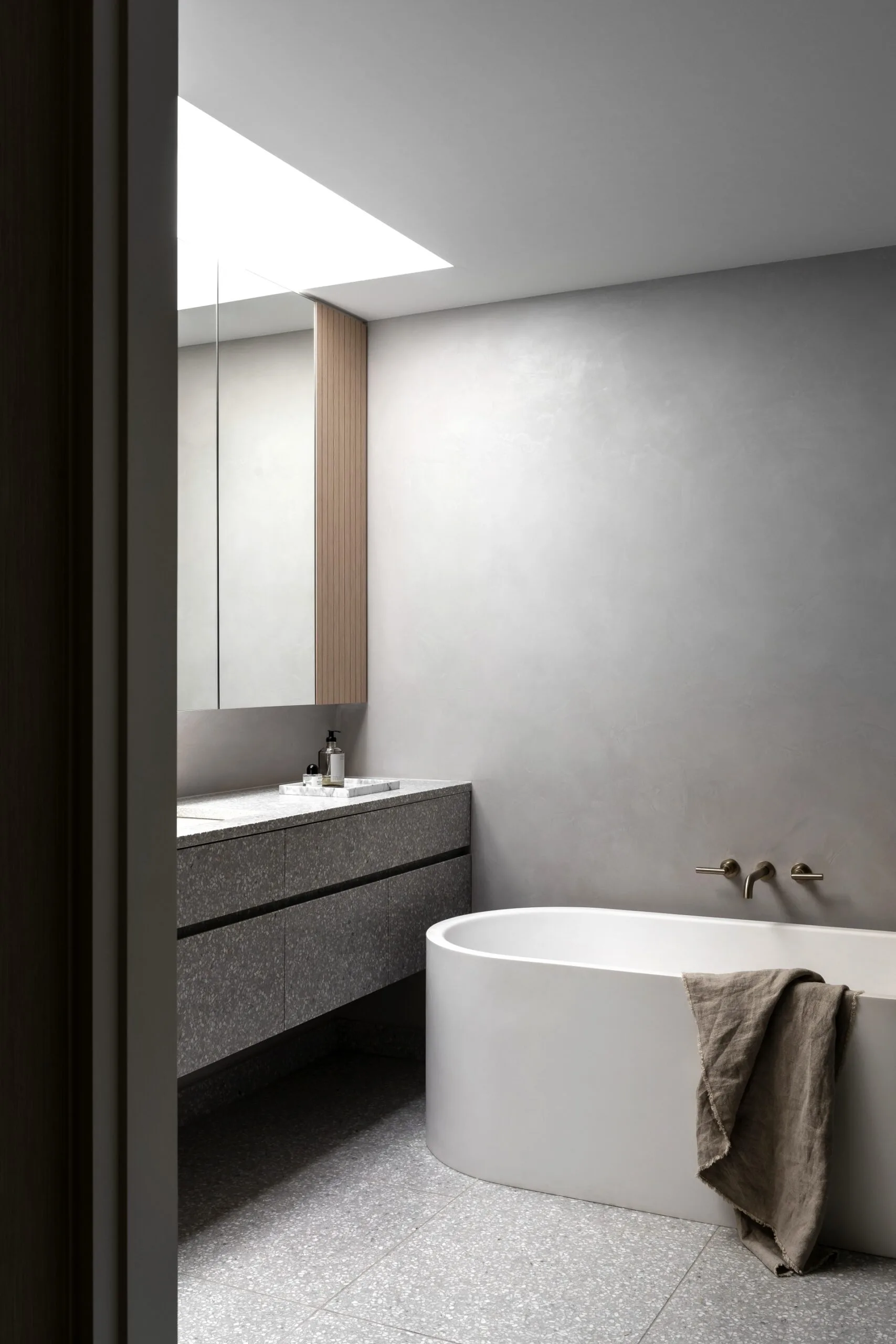
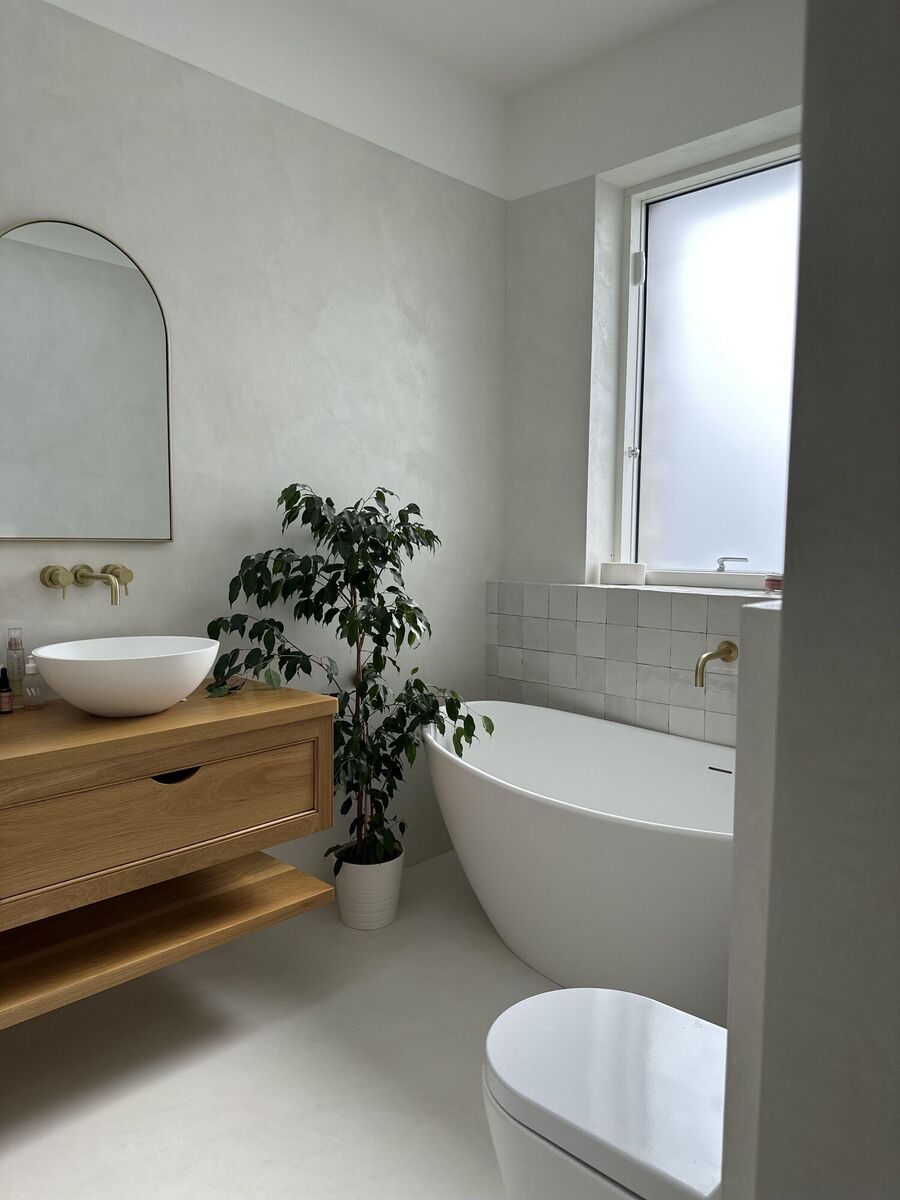
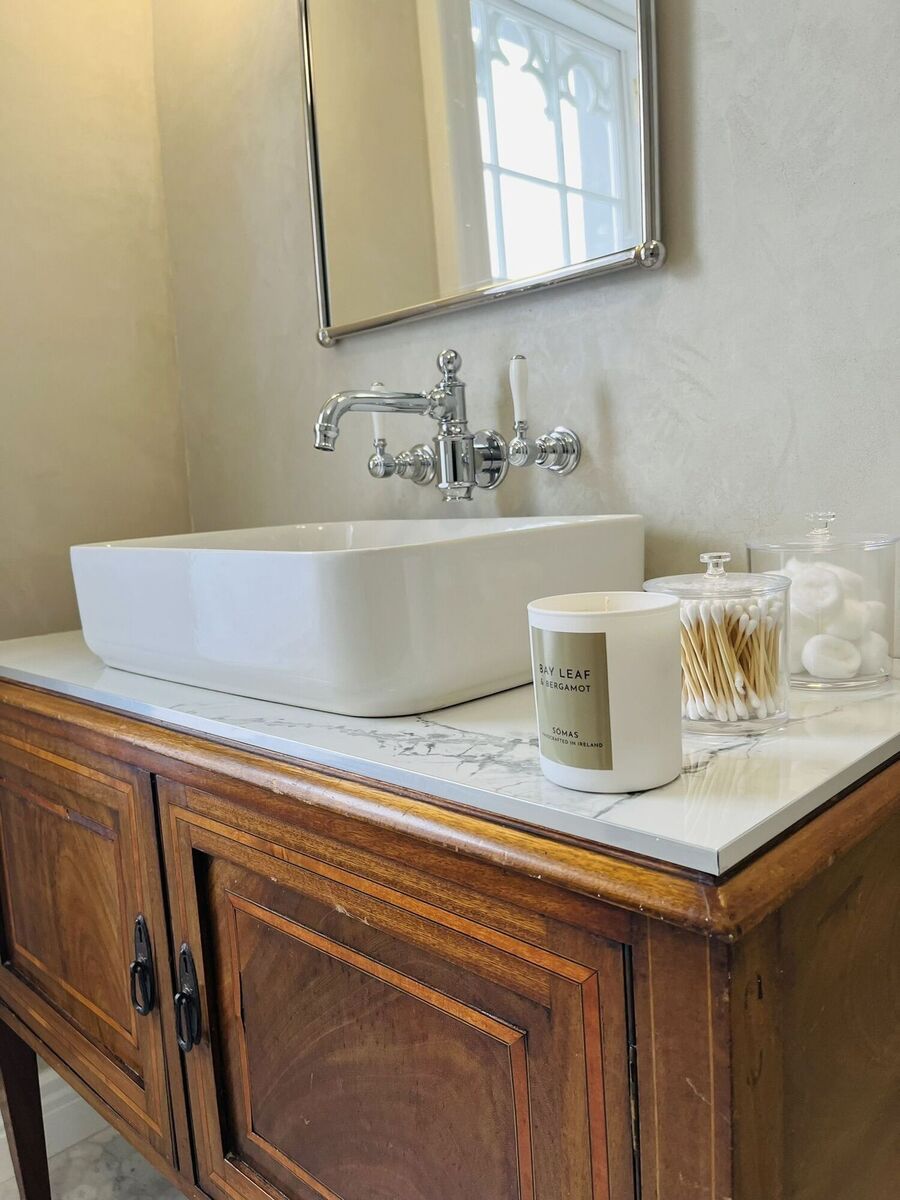
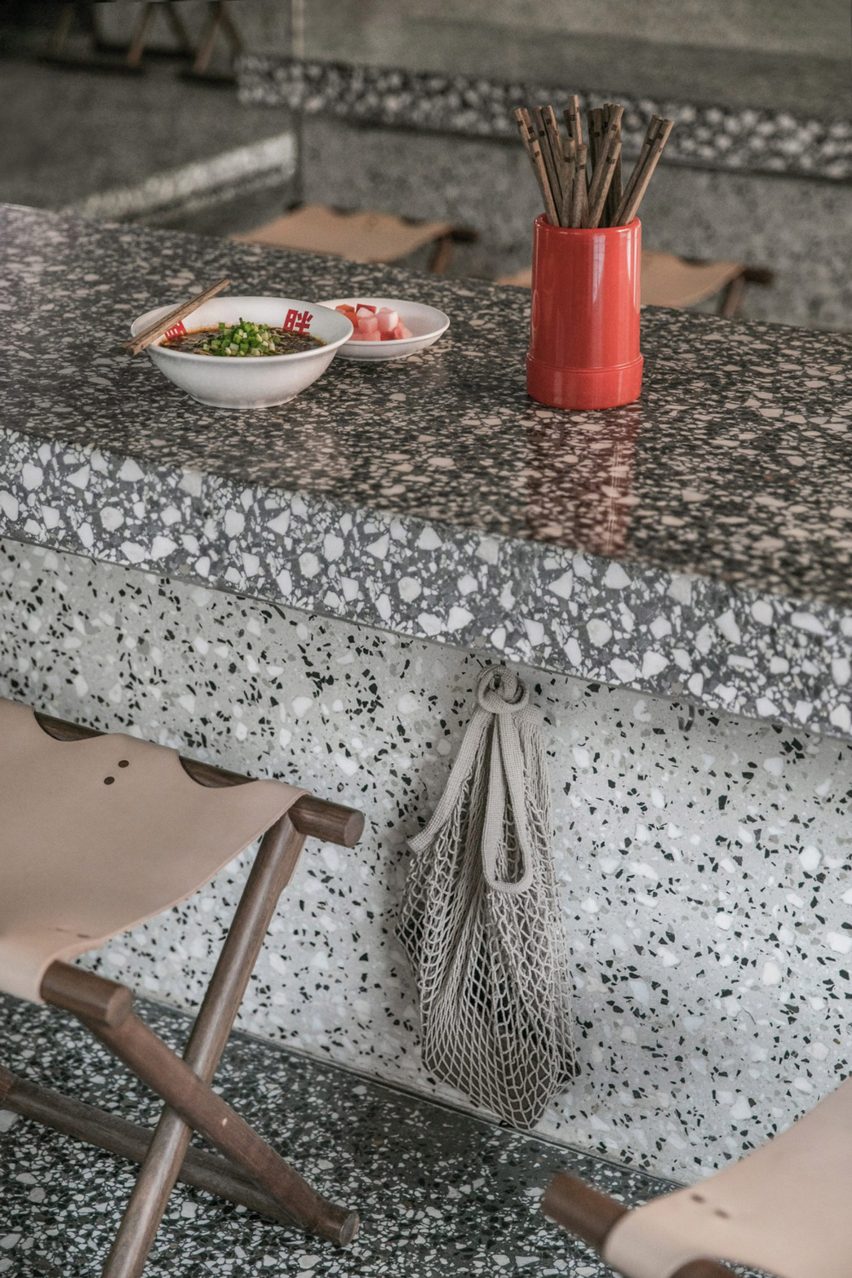
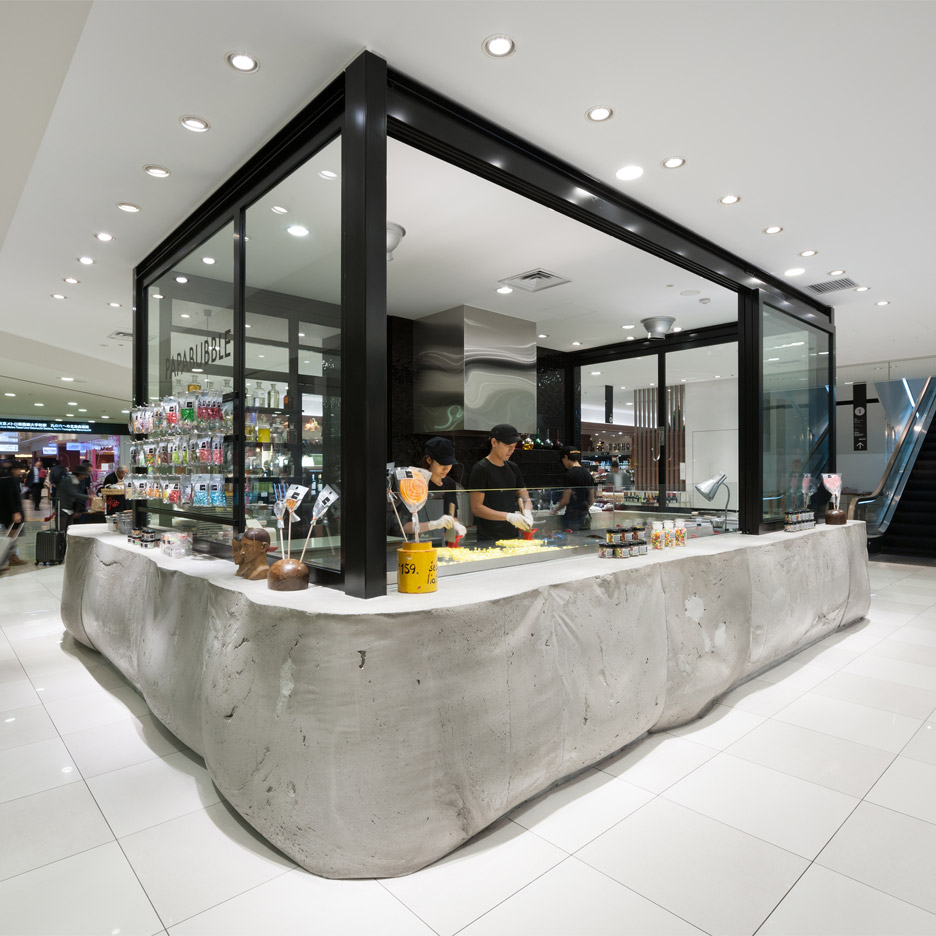
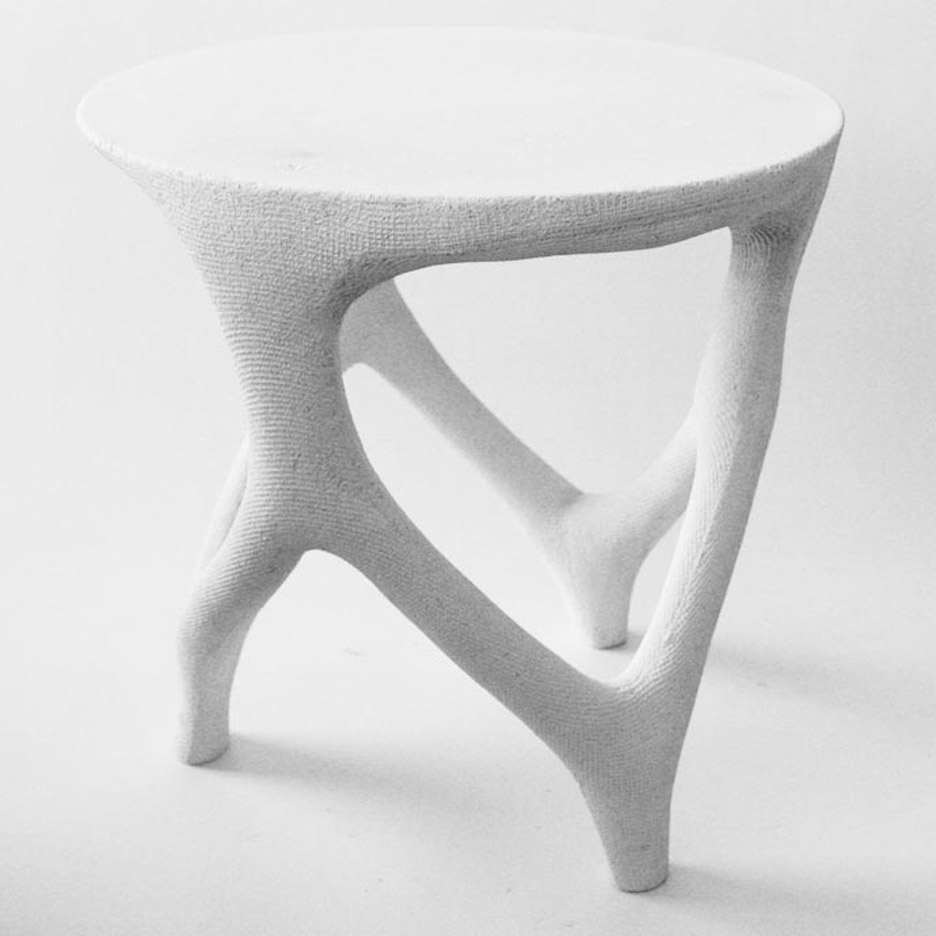
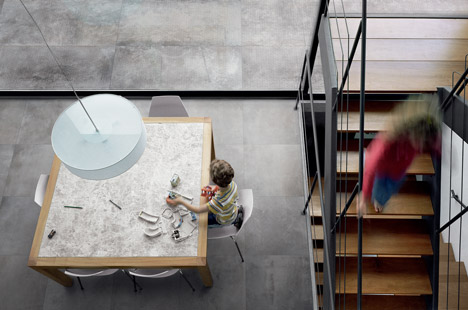
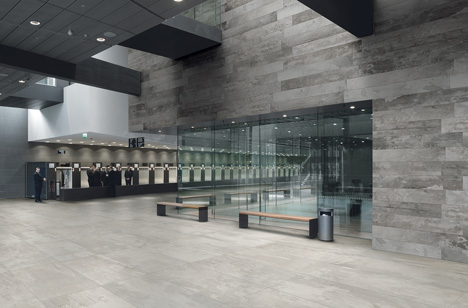
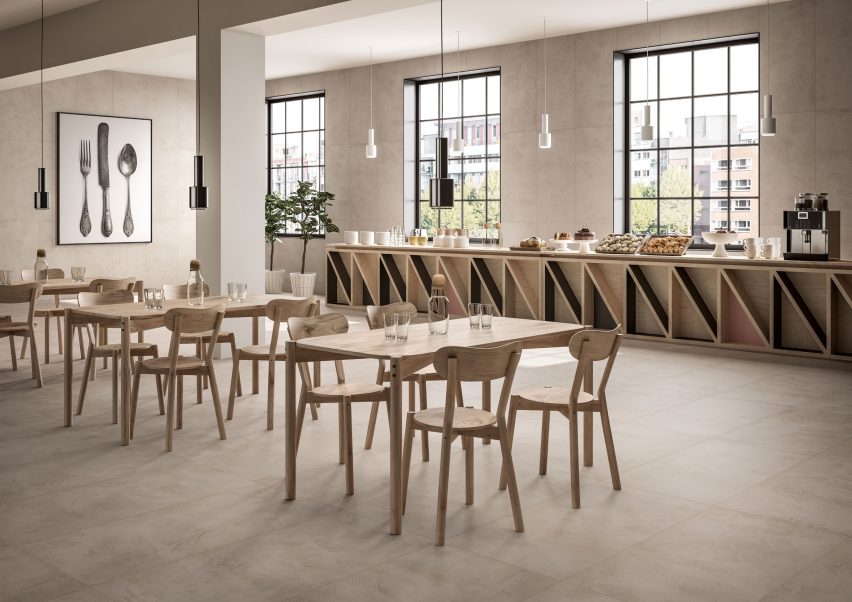
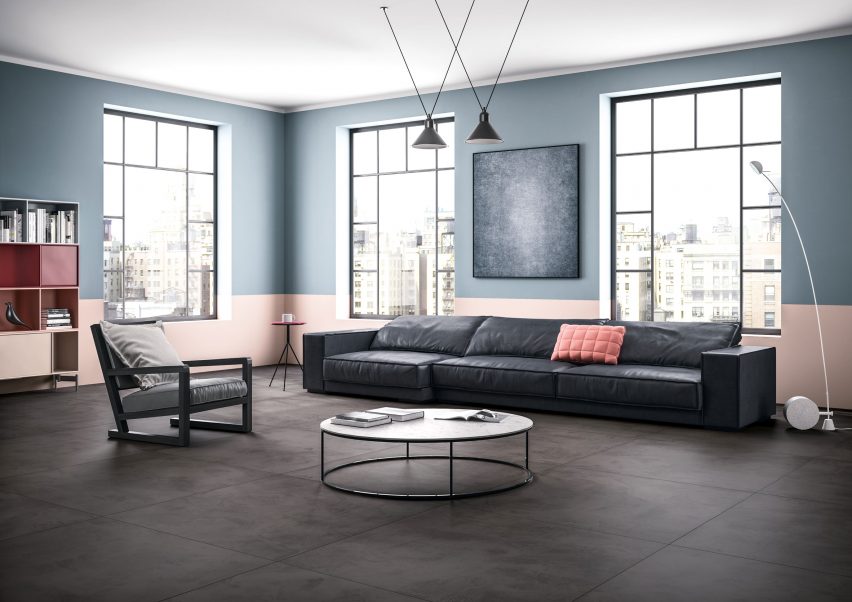
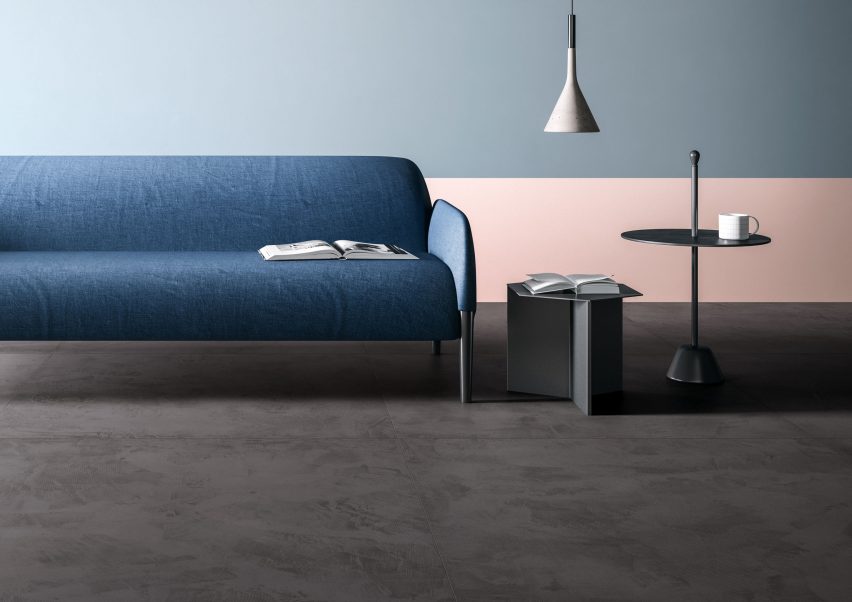
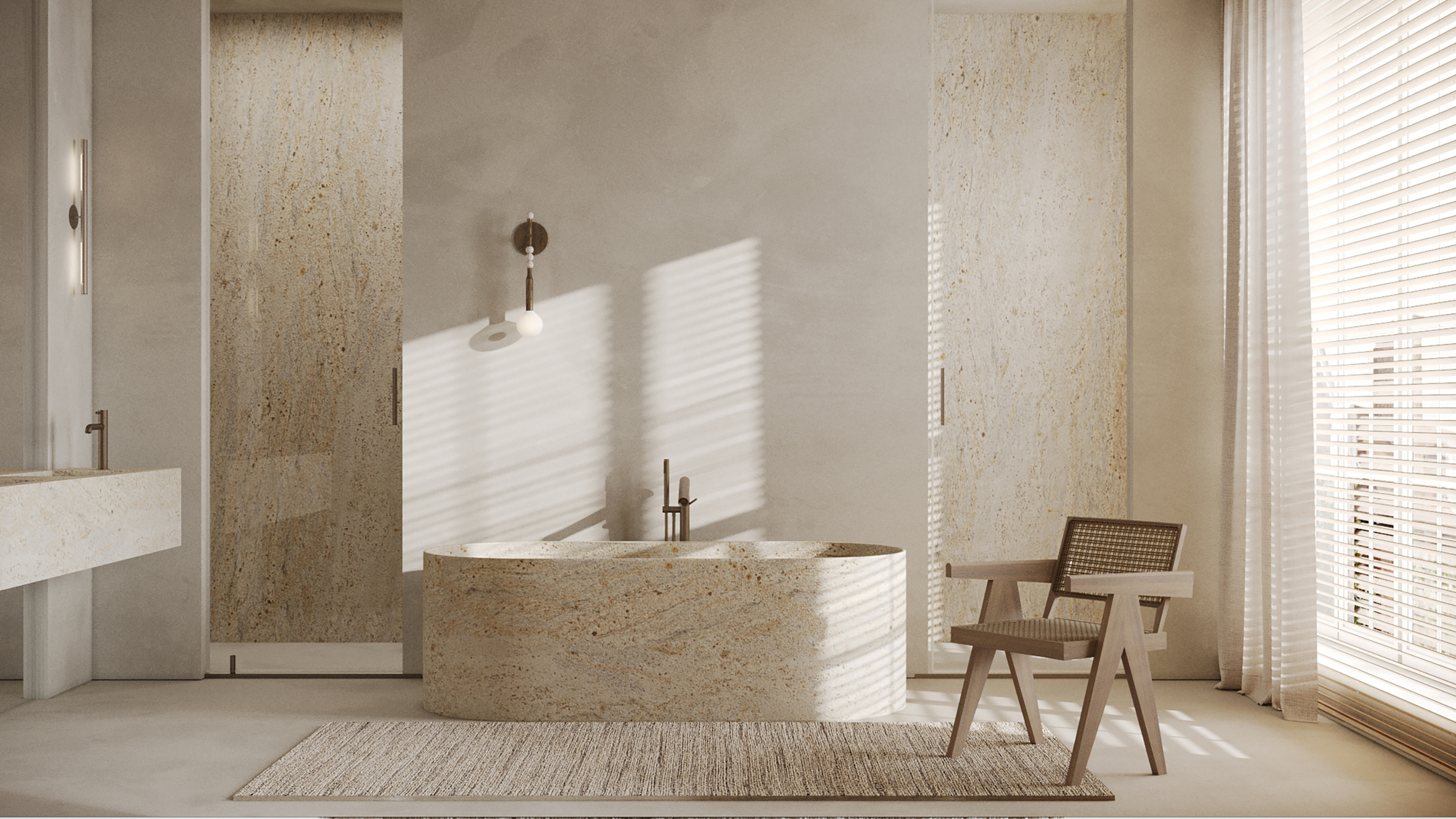
Designers often favor microcement for its ability to create seamless finishes, eliminating grout lines found with tiles and contributing to a sense of greater spaciousness. It can be utilized to achieve a sleek, almost Space-Age interior look without appearing sterile. Examples include custom vanities and large elongated basins without visible joins. Bathrooms and wet rooms are particularly popular applications due to the material's waterproof nature, and residential flooring projects also benefit from its ease of maintenance and aesthetic appeal. Additionally, microcement offers a wide range of colors and different finish types, allowing for unique feature creations such as fireplaces, media walls, or even dining tables.
Before undertaking a microcement project, several considerations are important. The application of microcement is not inexpensive, primarily because it requires skilled contractors to ensure a seamless and high-quality finish. It is strongly advised to hire a professional rather than attempting a DIY application due to the technical expertise involved. While highly versatile, microcement may not be suitable for all areas. Experts recommend avoiding its use in heavy traffic zones like stairs or for exterior applications, and on substrates prone to movement, such as timber elements. However, with these caveats in mind, microcement remains a highly innovative, aesthetic, and durable choice for transforming interior spaces, offering a modern, industrial interior design aesthetic.
#Microcementing #InteriorDesign #HomeDecor #BuildingMaterials #BathroomTrends #MinimalistDesign #DurableMaterials #Renovation #TexturedWalls #Microcementing #InteriorDesign #HomeDecor #BuildingMaterials #BathroomTrends #MinimalistDesign #DurableMaterials #Renovation #TexturedWalls
0 comment in total
 No comments yet
You may also like
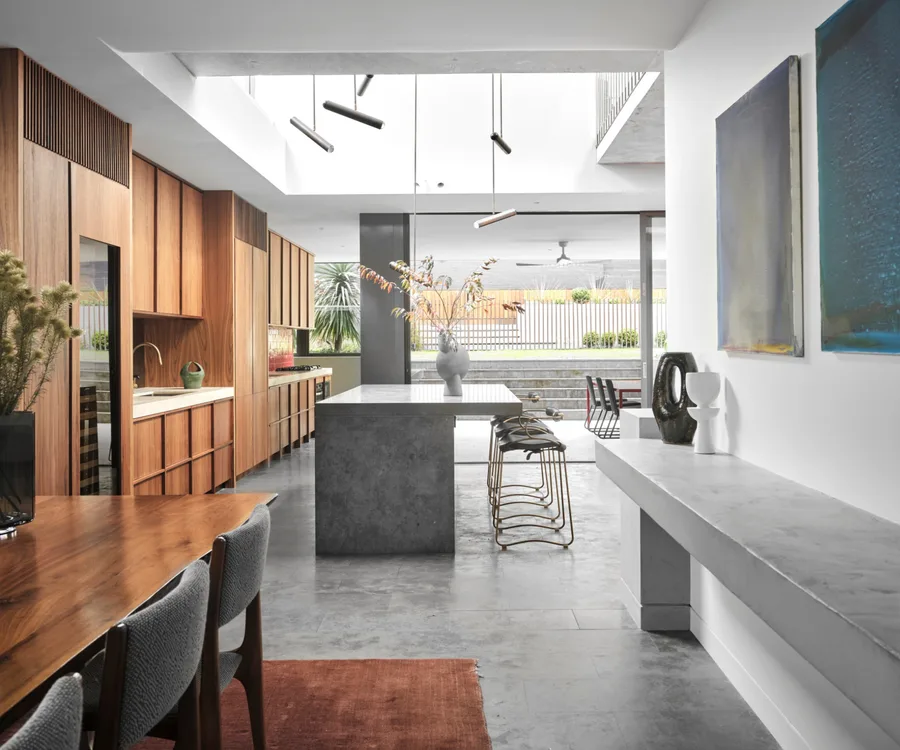
Meet microcement, the minimalist finish you’re seeing everywhere

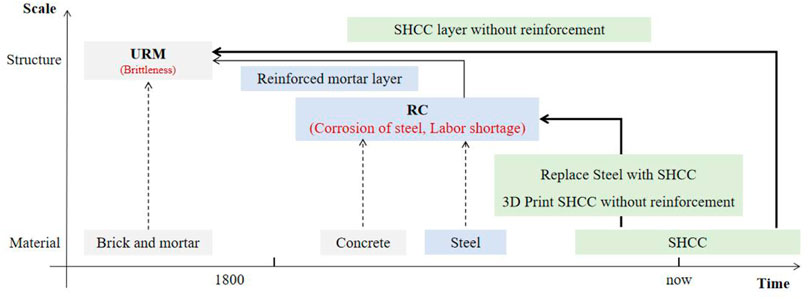
Tensile strain-hardening cementitious composites and its practical exploration without reinforcement: A review
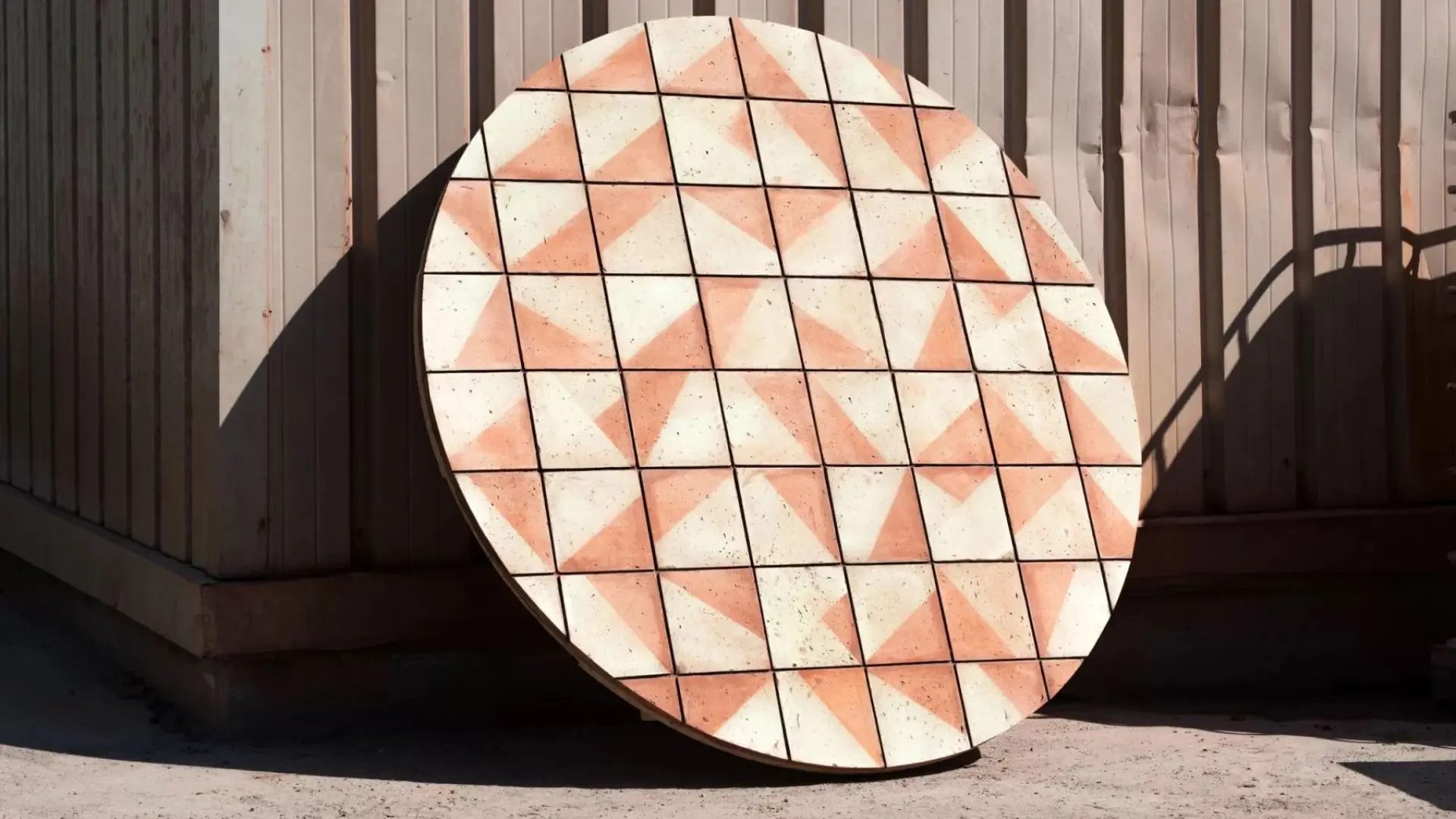
When it comes to terracotta, we need to think big

Concrete solutions for attractive, durable finishes

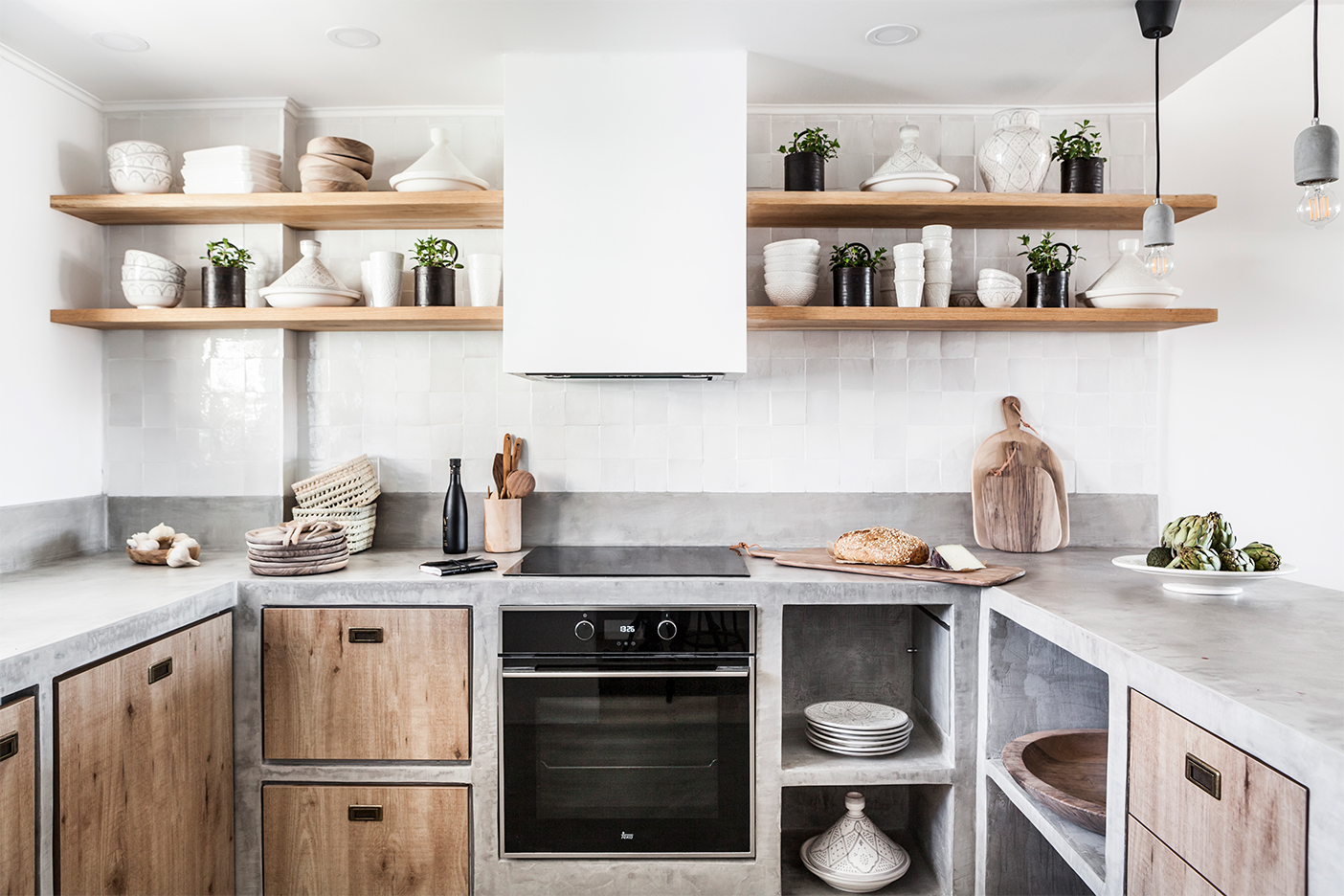
More Practical Than Plaster and Cement: This Material Is on Our Reno Radar
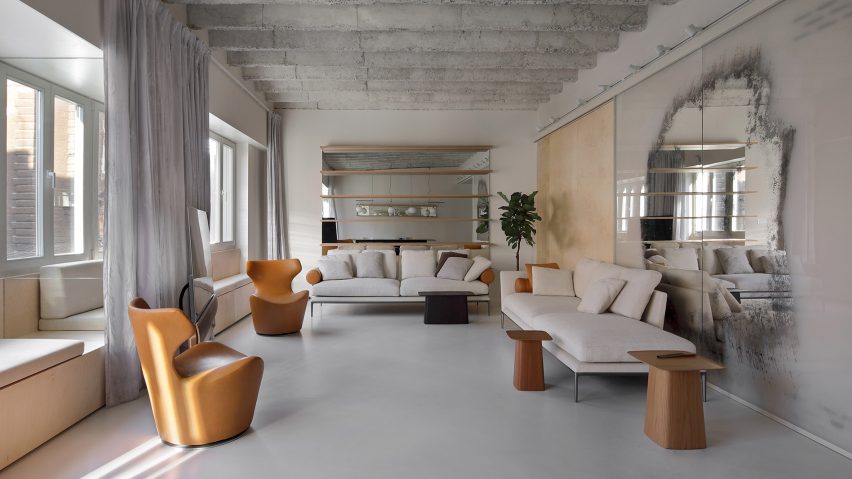
Ideal Work showcases innovative finishes, coatings and flooring on Dezeen Showroom

Concrete Podcast Report: 4 Podcasts To Check Out


The Circular Potential of Fiber Cement Cladding

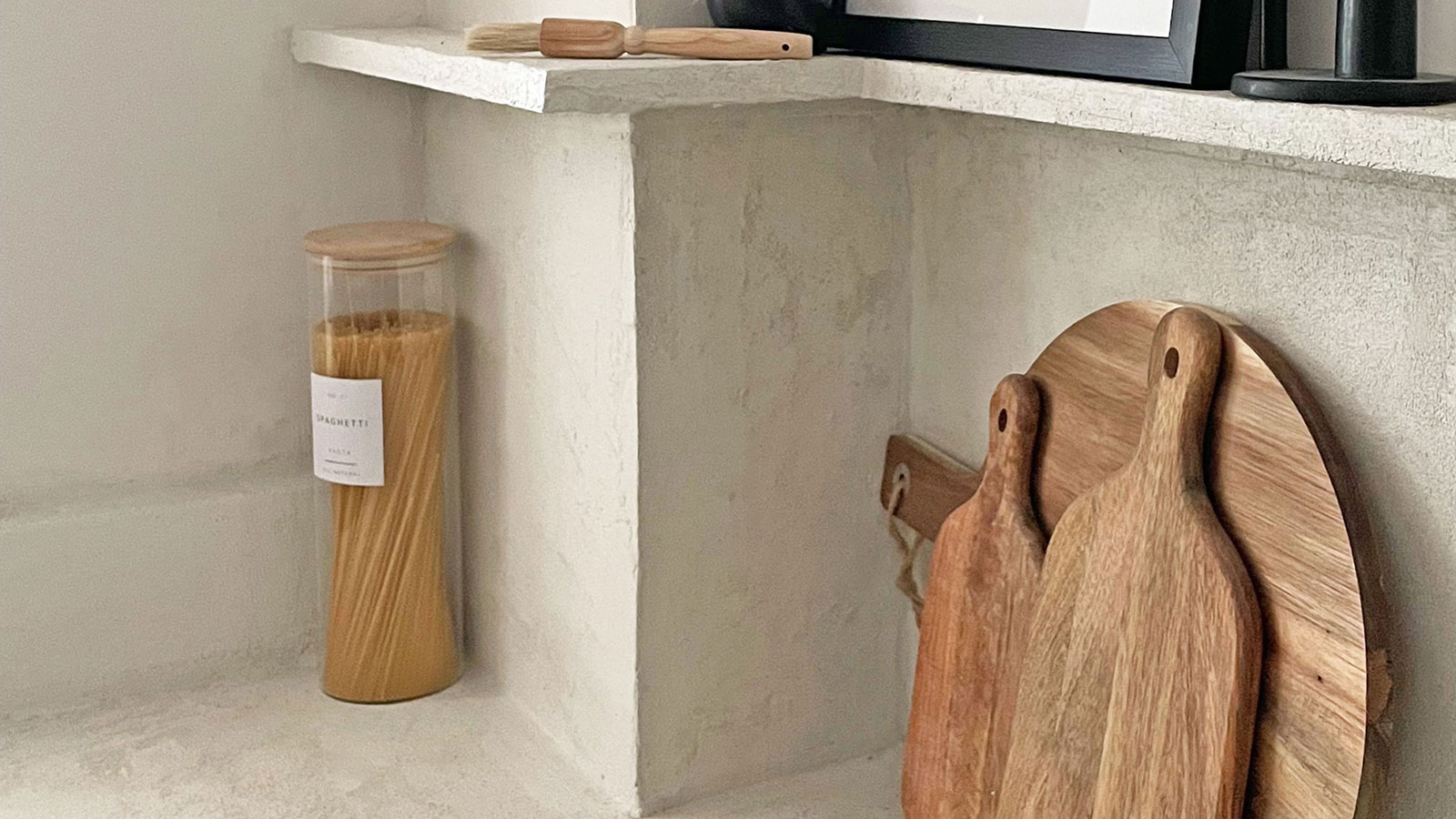
10 stylish ways to use microcement in your home and garden


5 Concrete Technologies to Reduce Carbon Footprint
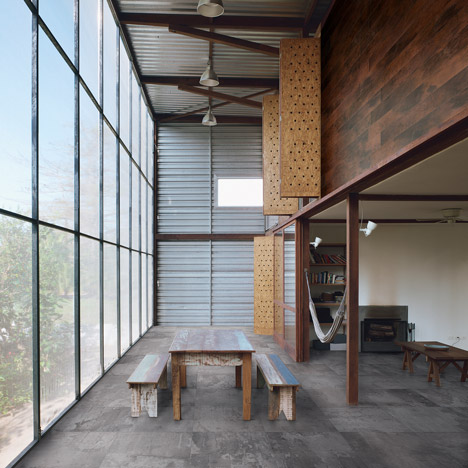
Design Industry ceramic tiles by Refin
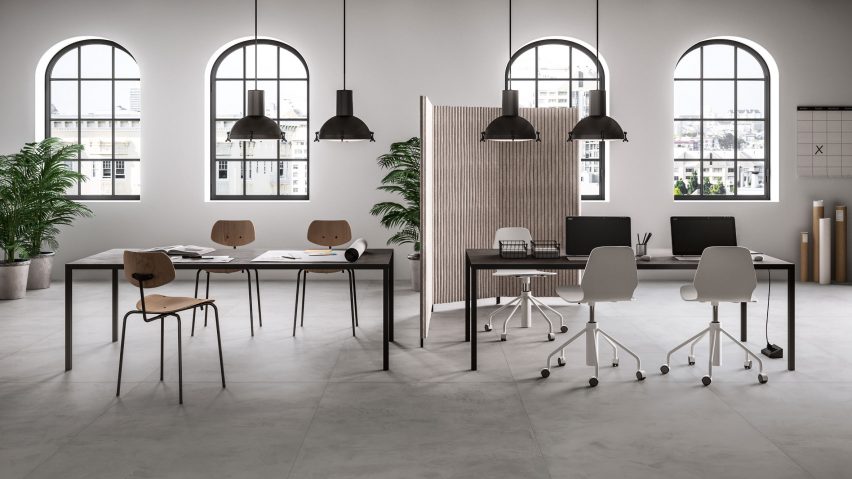
Ceramiche Refin launches Craft tiles influenced by hand-applied cement surfaces
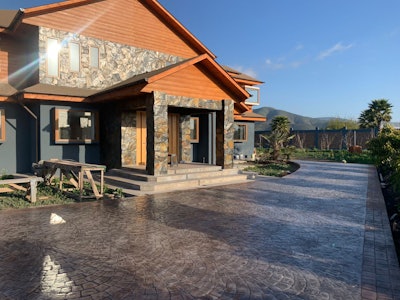
Building Into Luxury Concrete

Six examples of fabric-cast concrete that are breaking the mould
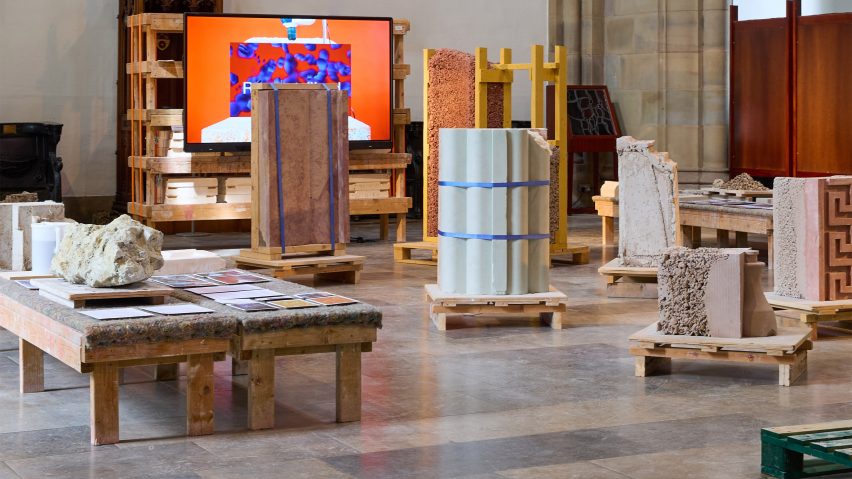
Poured Earth is a sustainable construction method modelled on concrete casting
Another brick in the wall
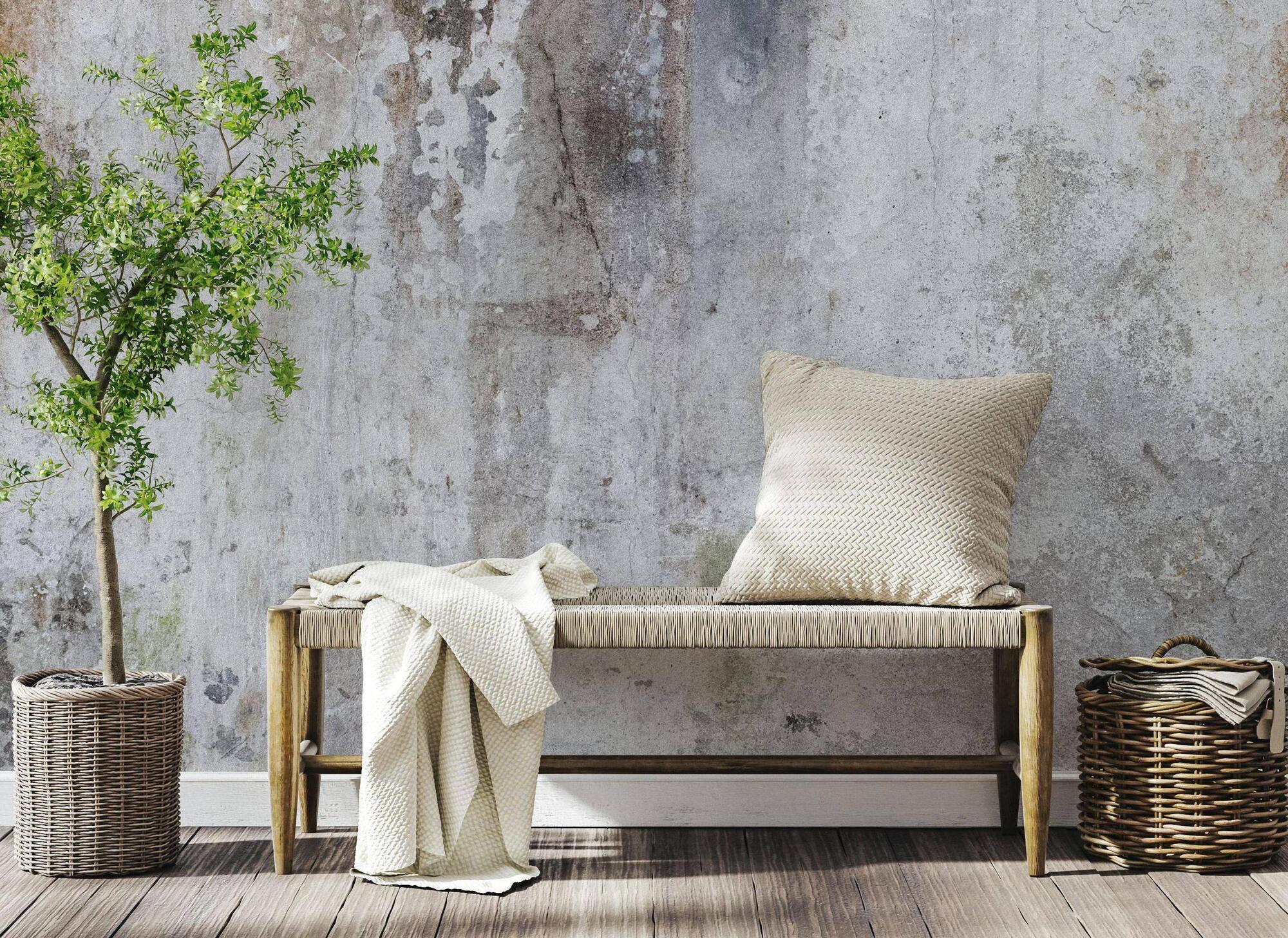
Microcement is transforming our homes into havens of quiet luxury


Material Guide: The Benefits of Building With Concrete

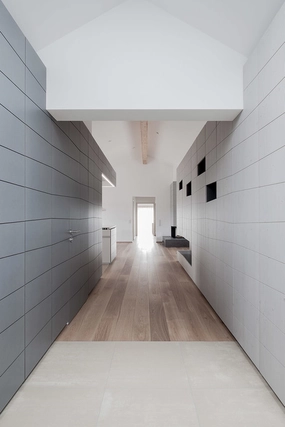
Fiber Cement Panel - Swisspearl Interior from Swisspearl
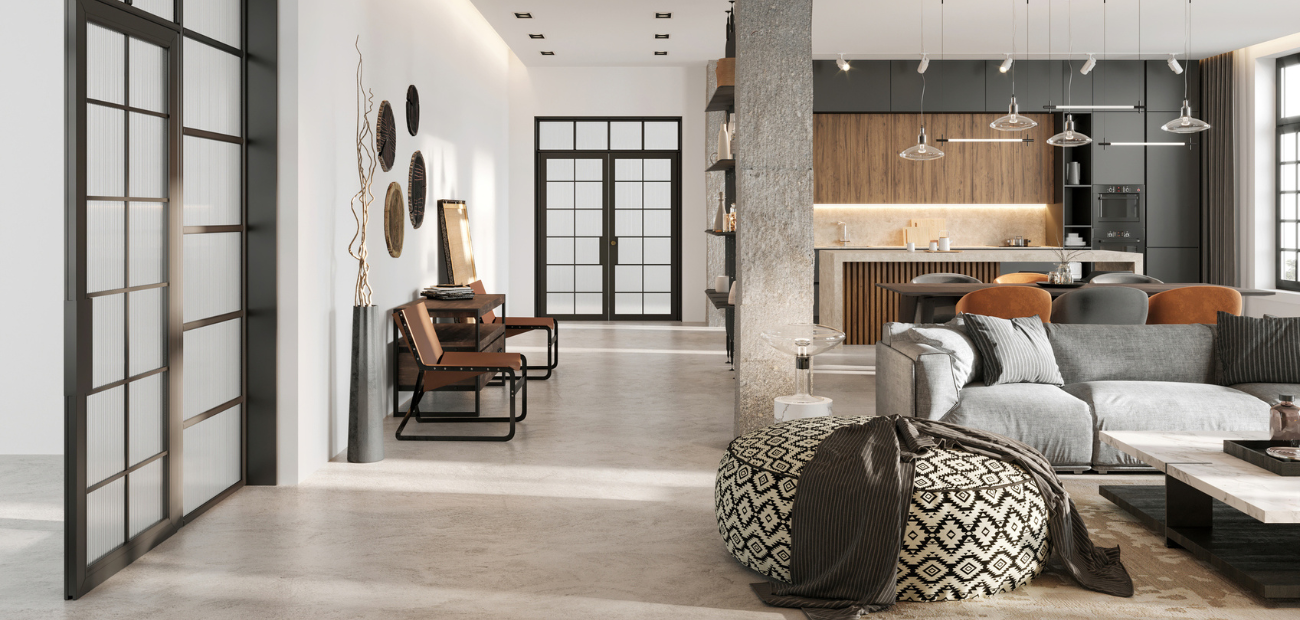
Sustainable Material Spotlight: Concrete