1/5
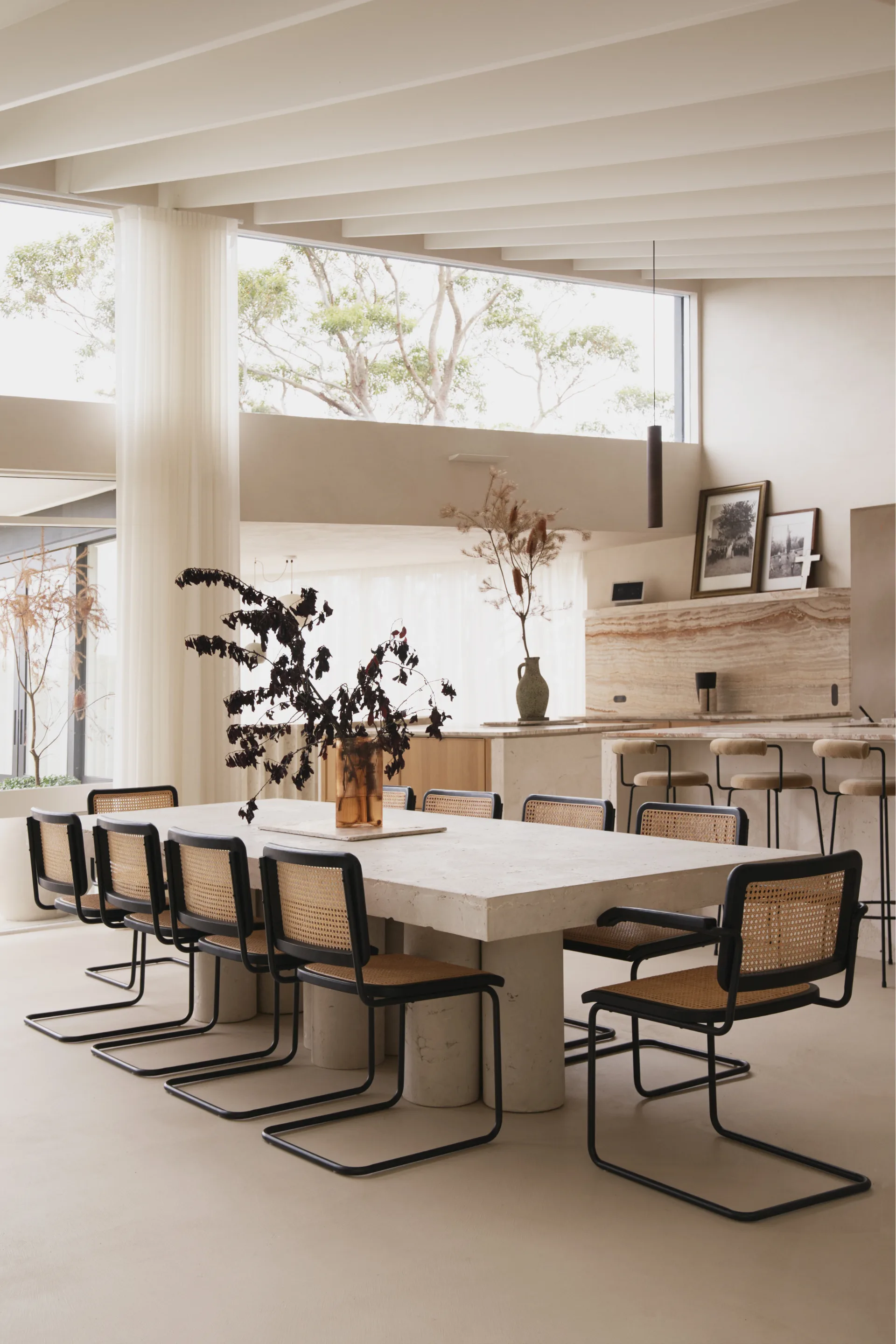
Microcement is transforming our homes into havens of quiet luxury
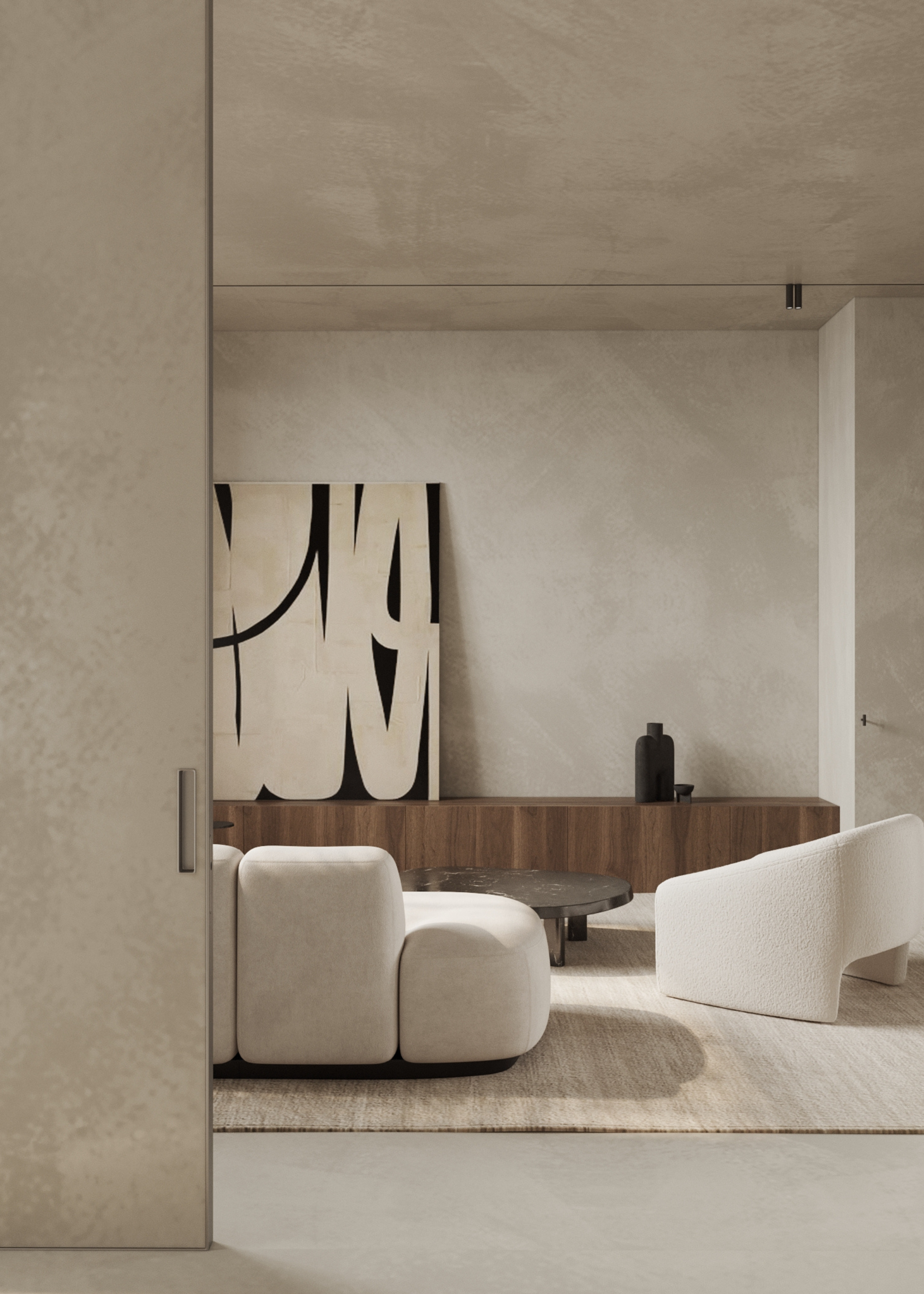
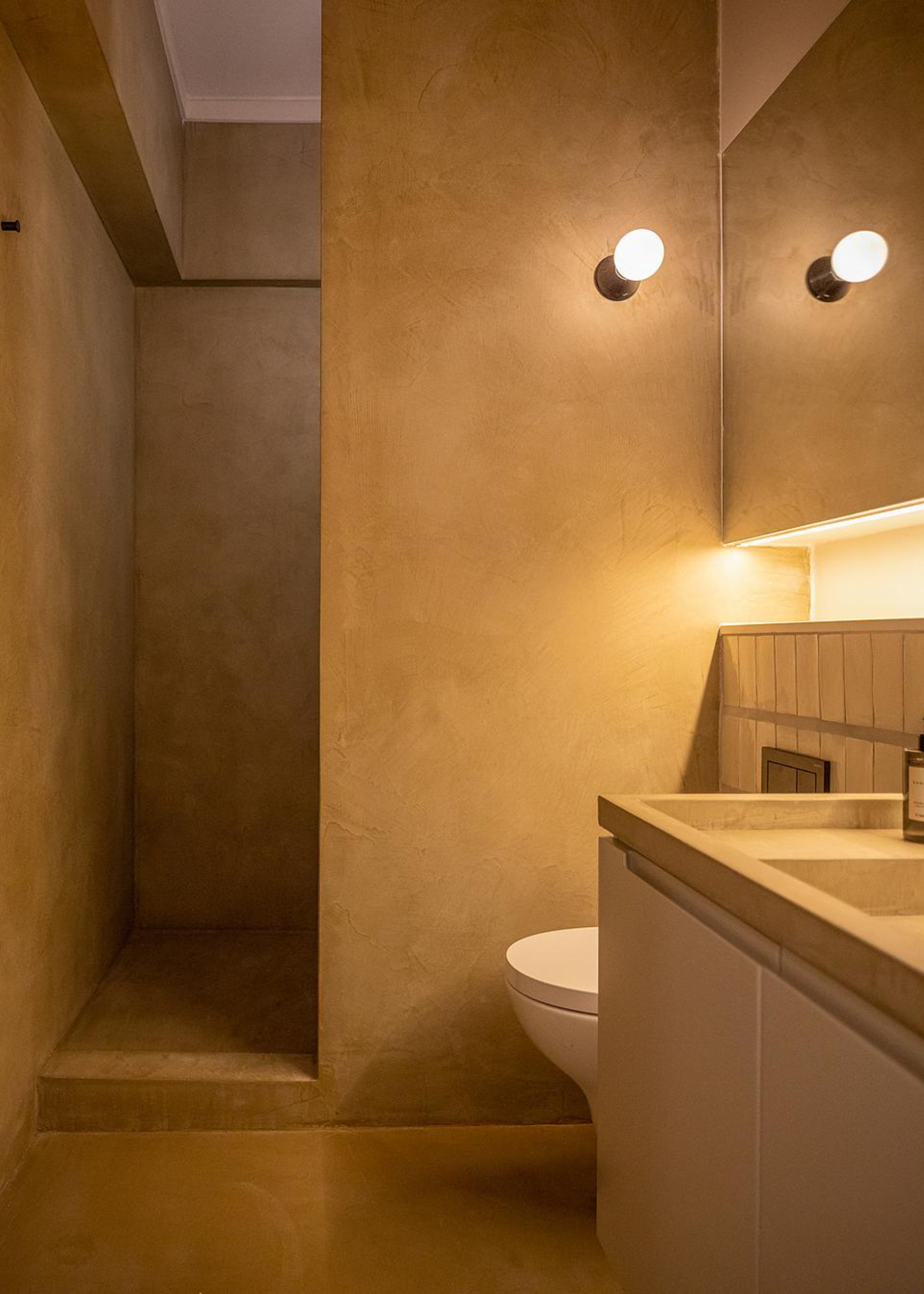
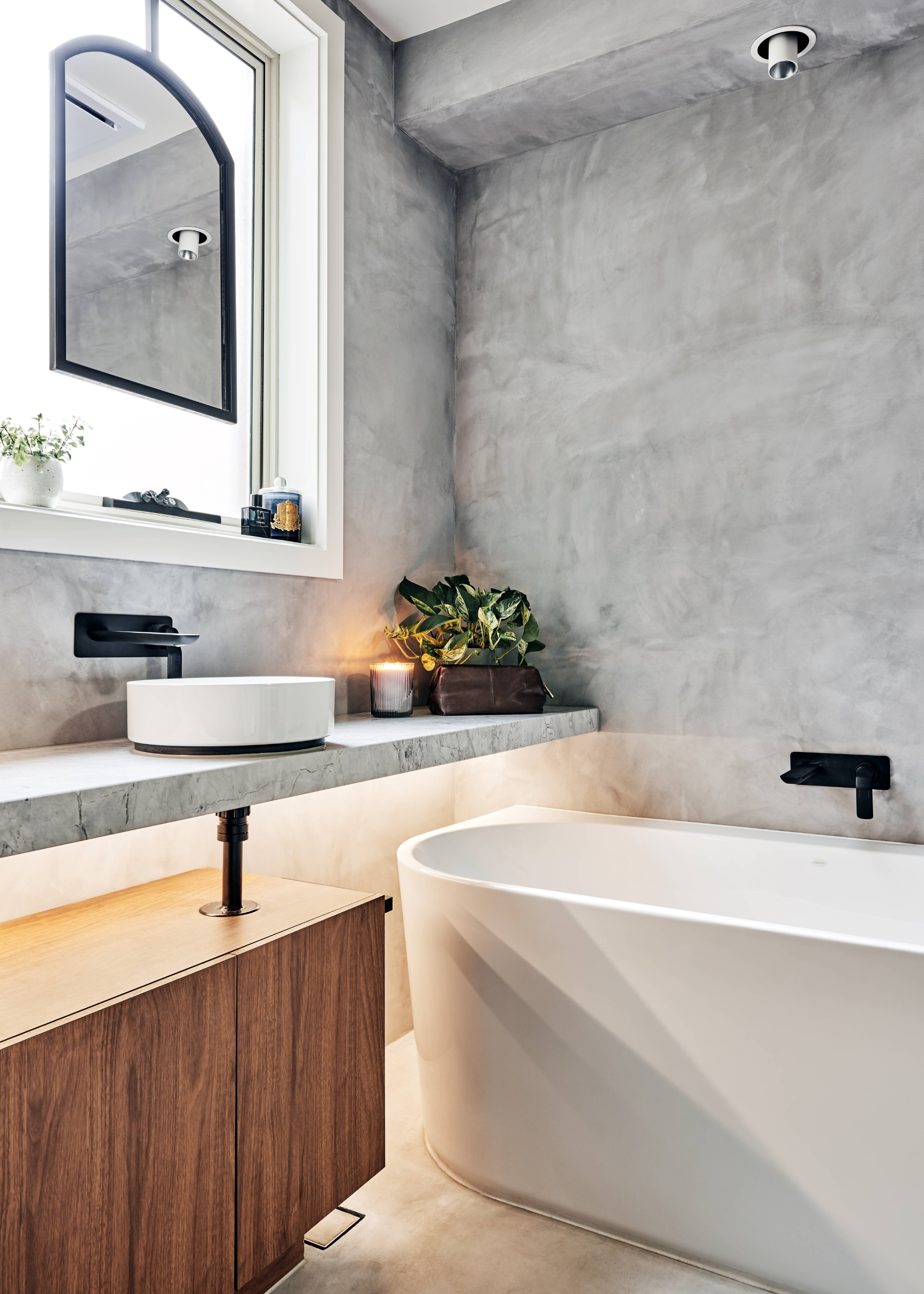
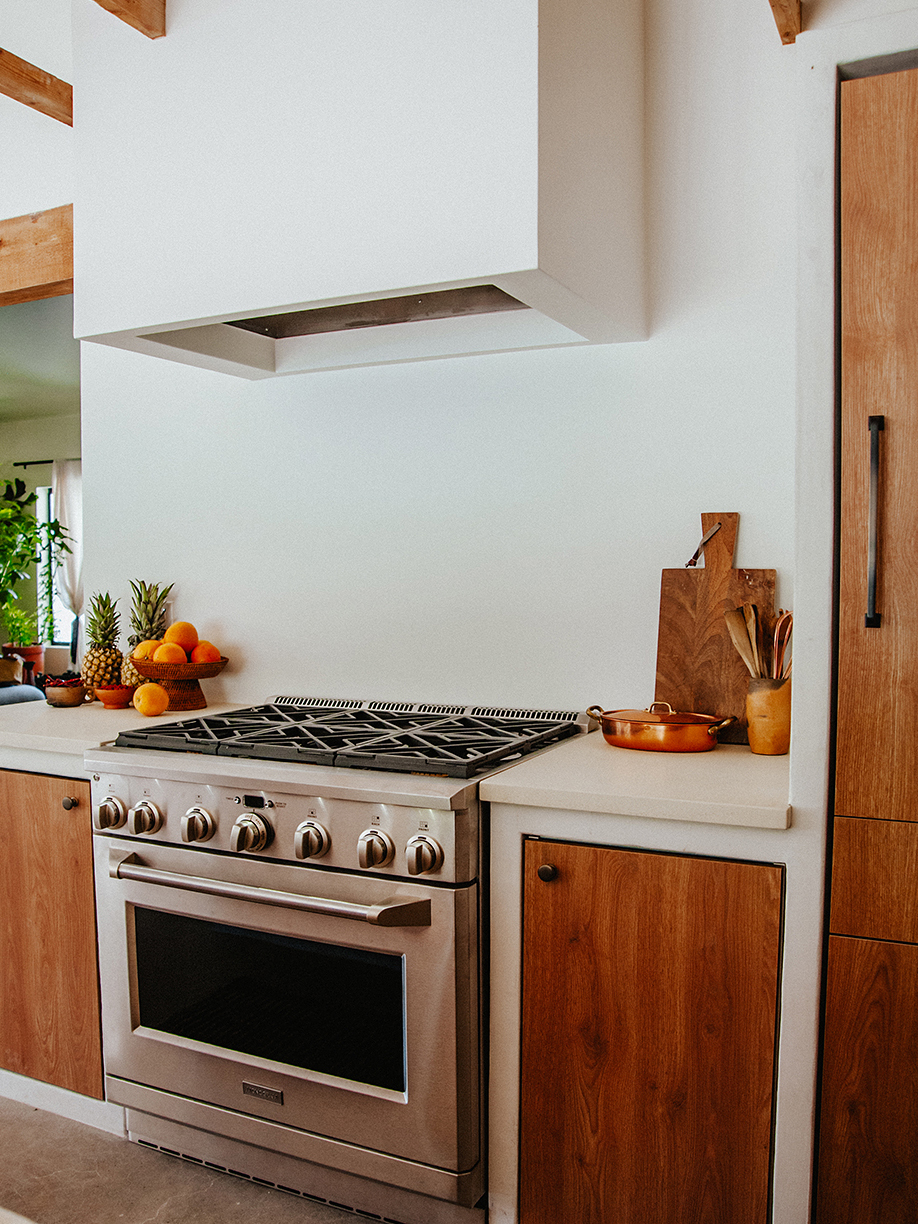
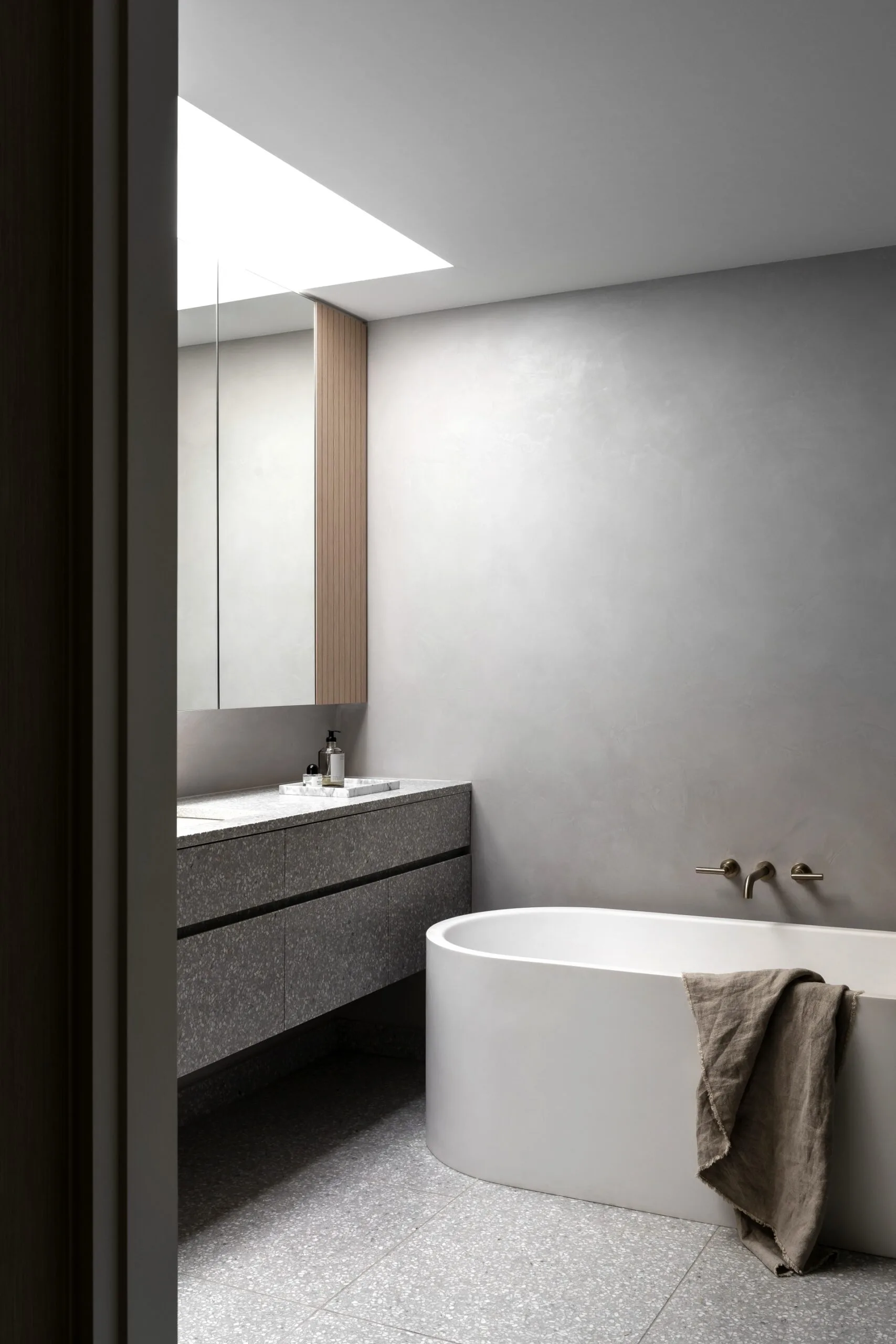
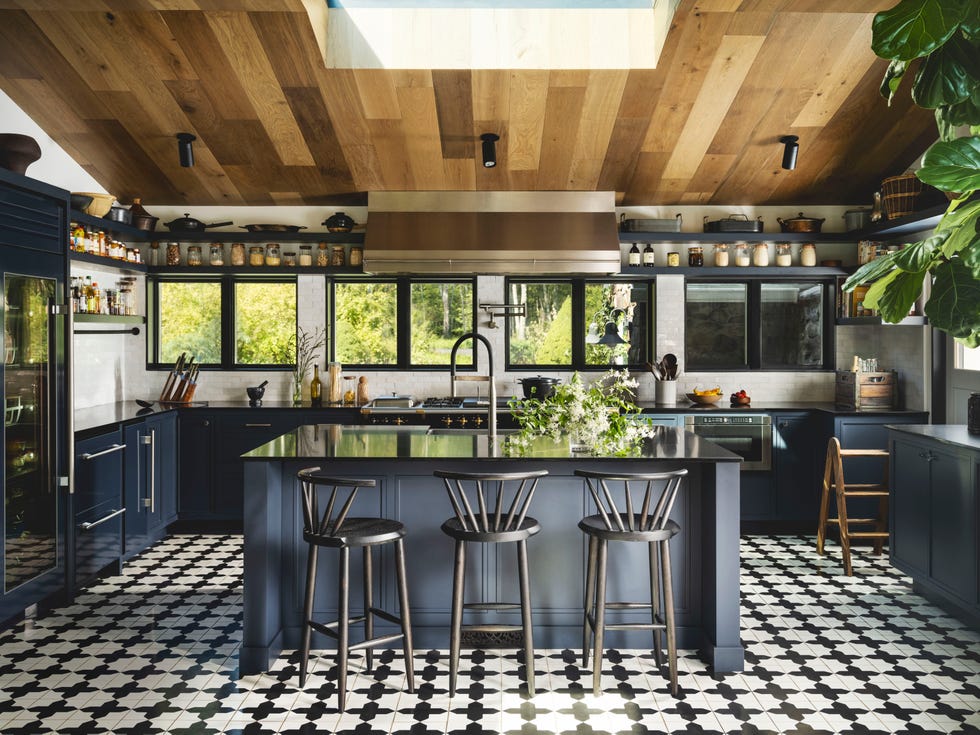
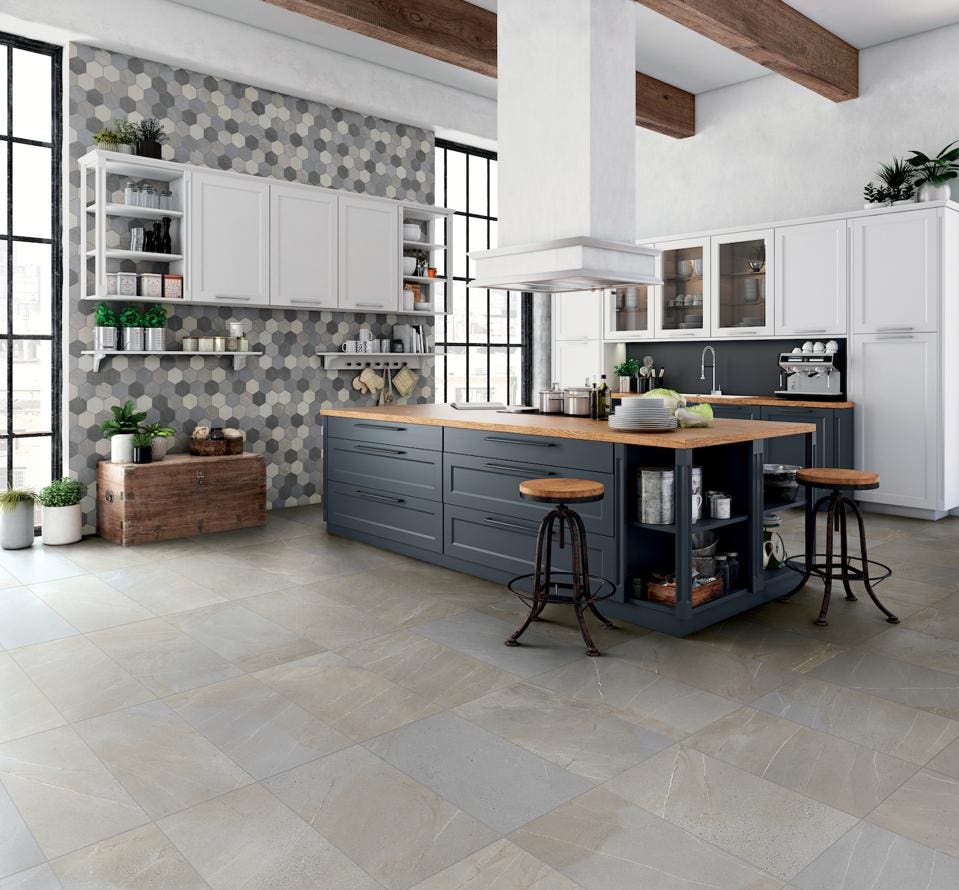
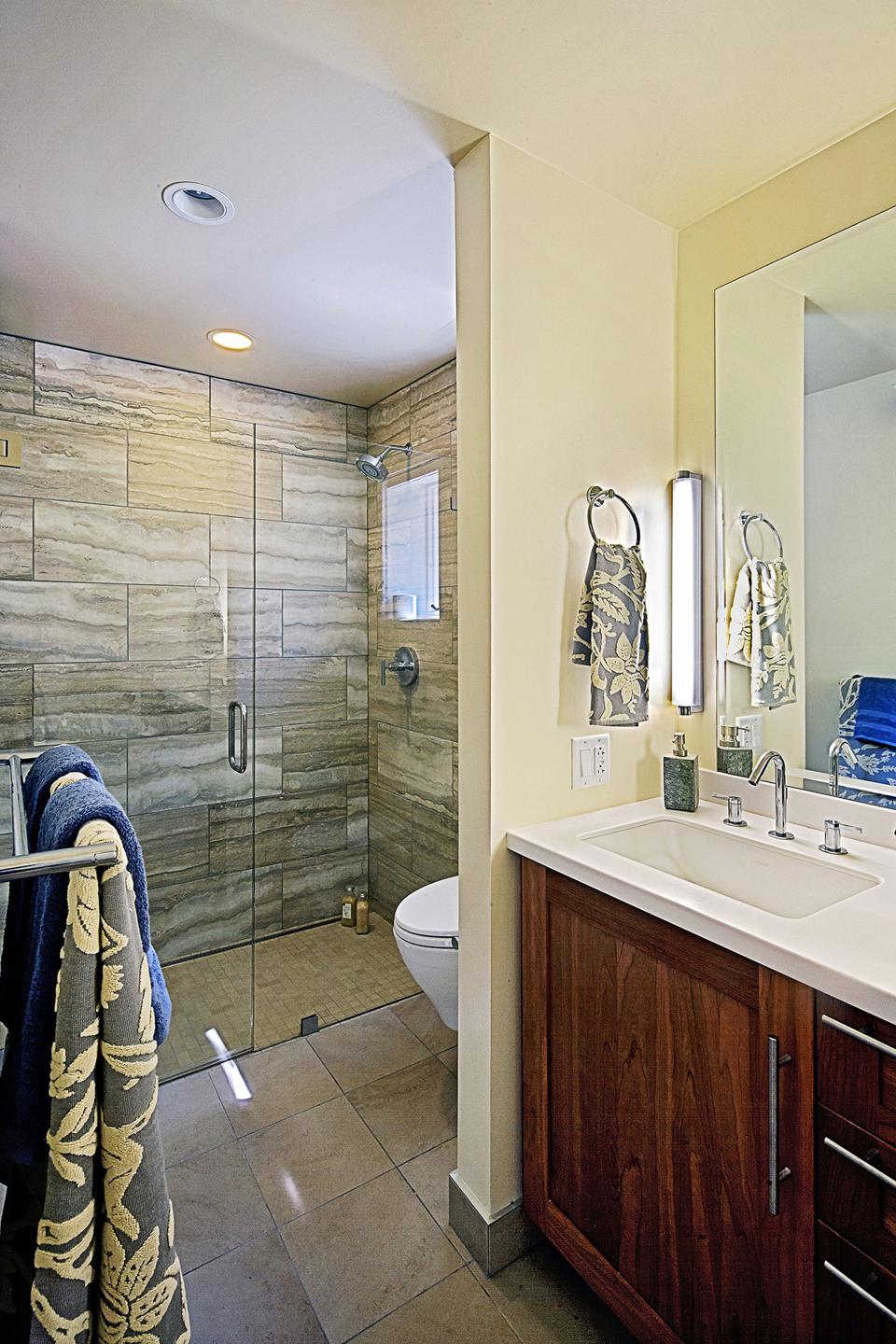
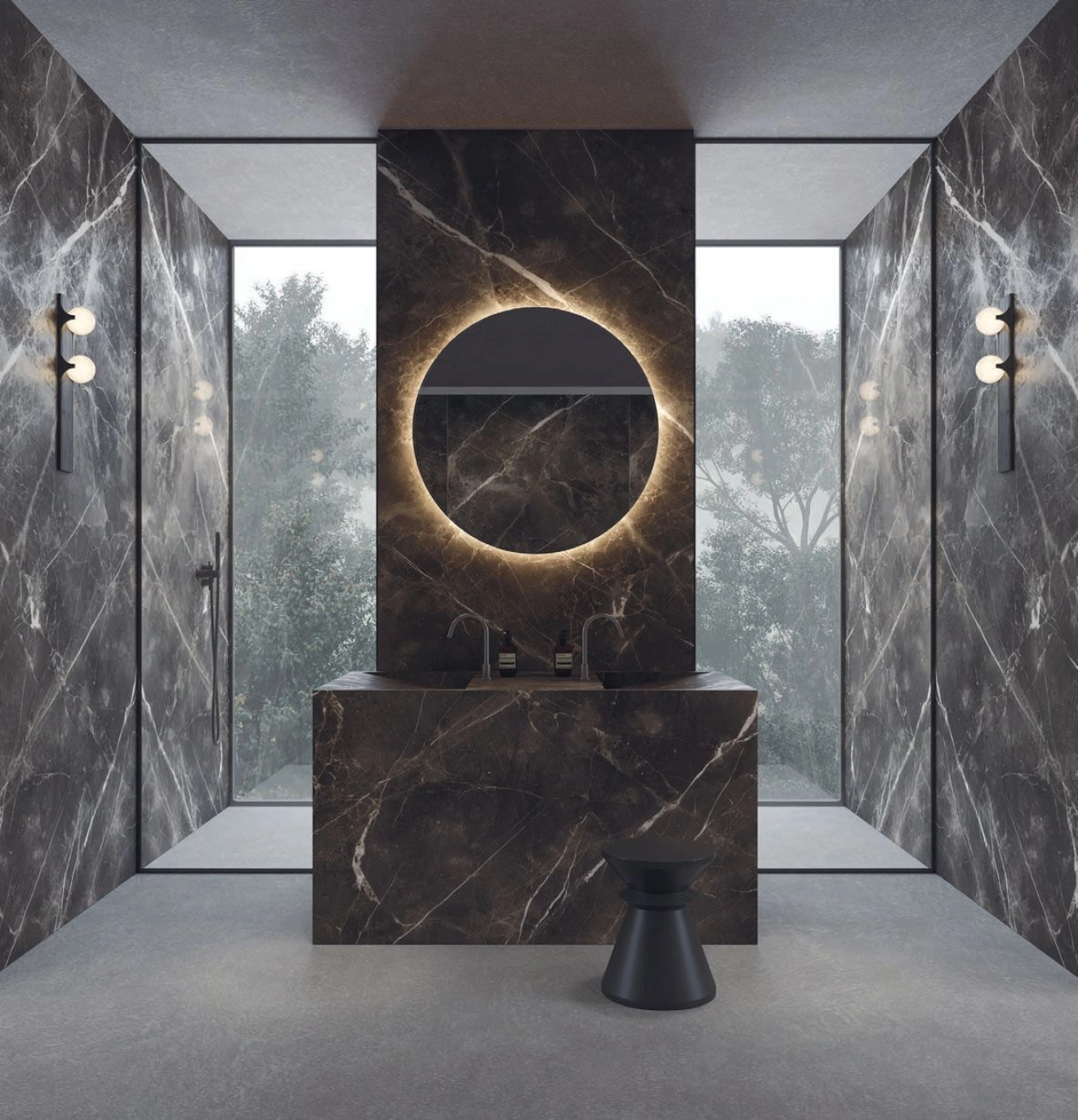
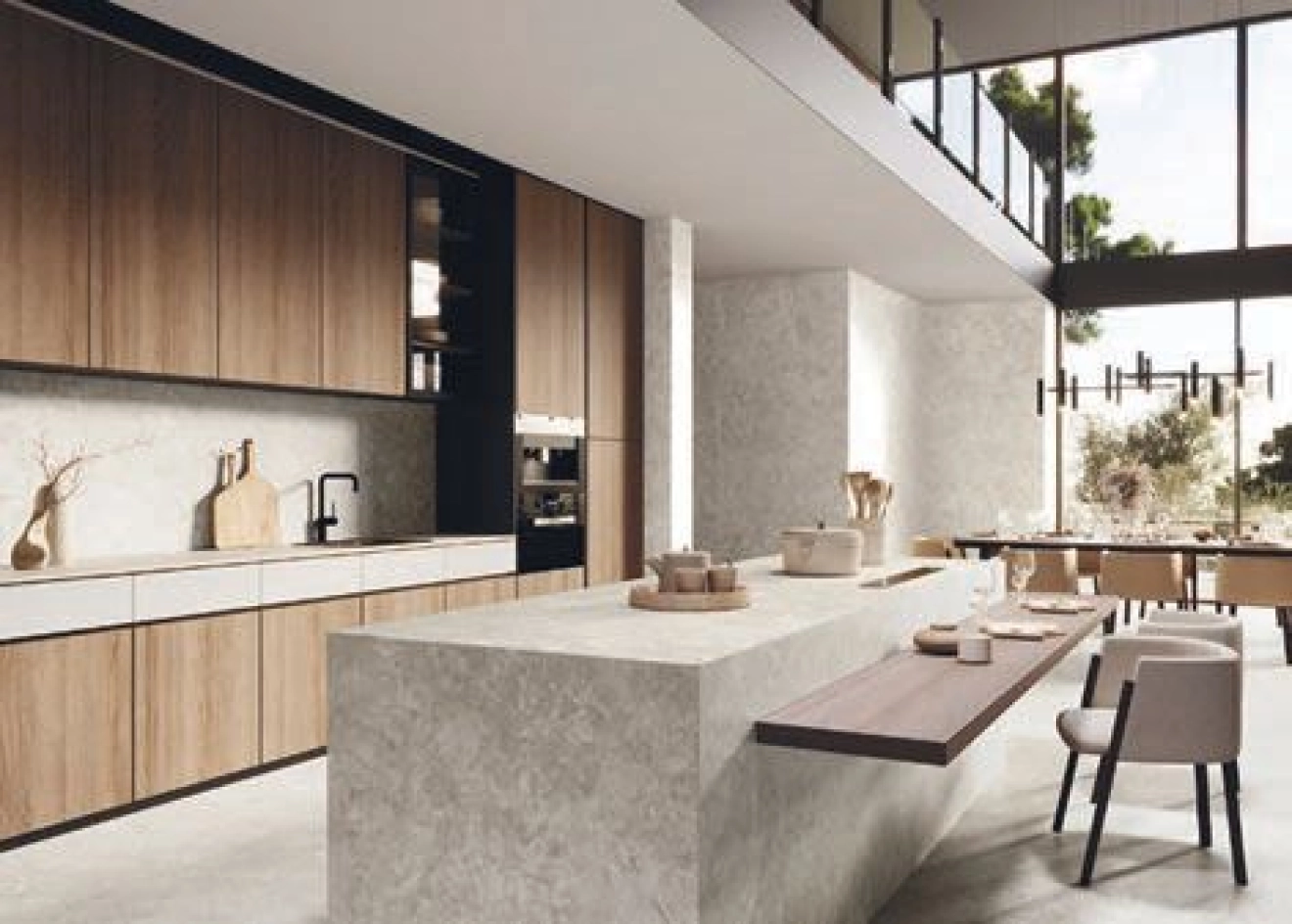
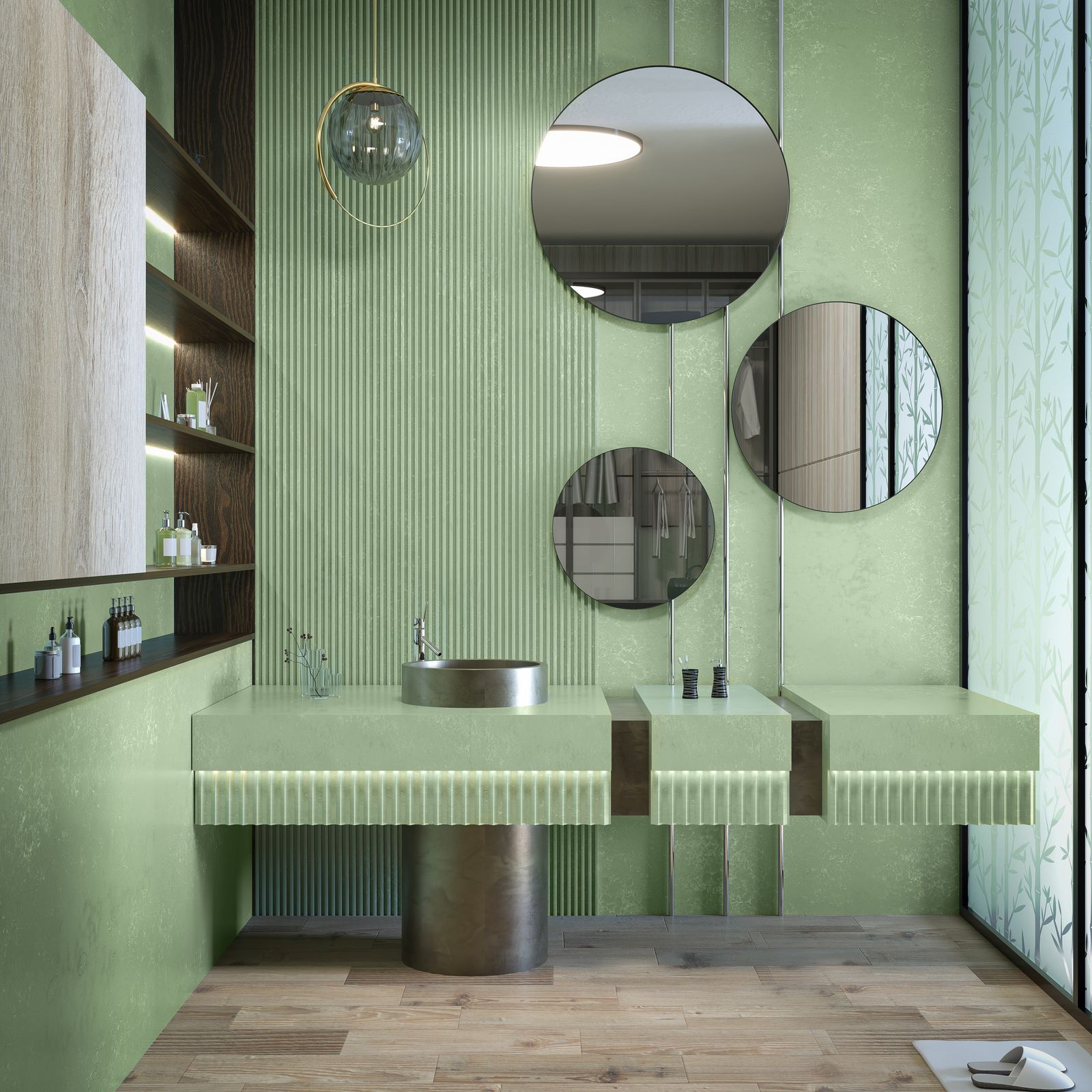
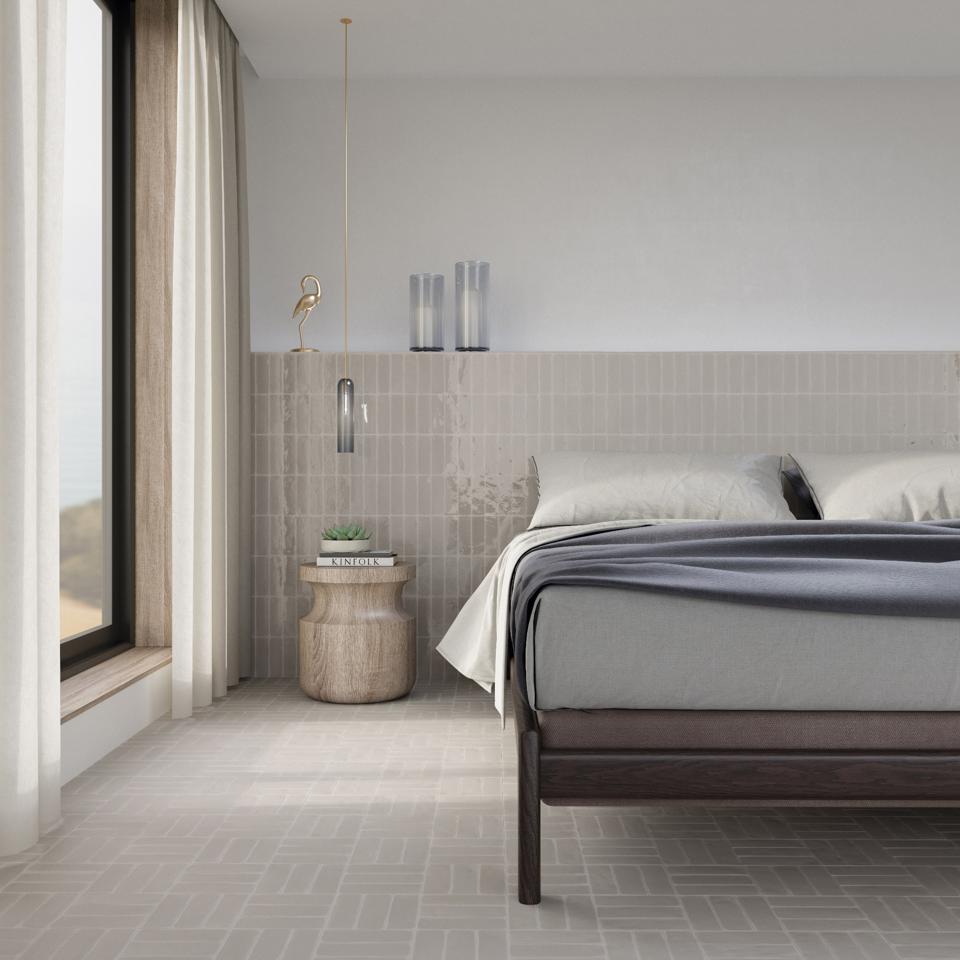
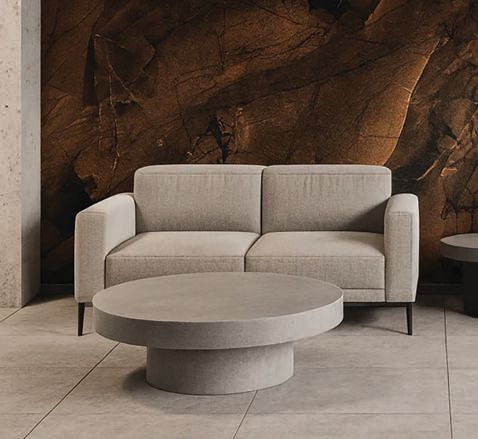
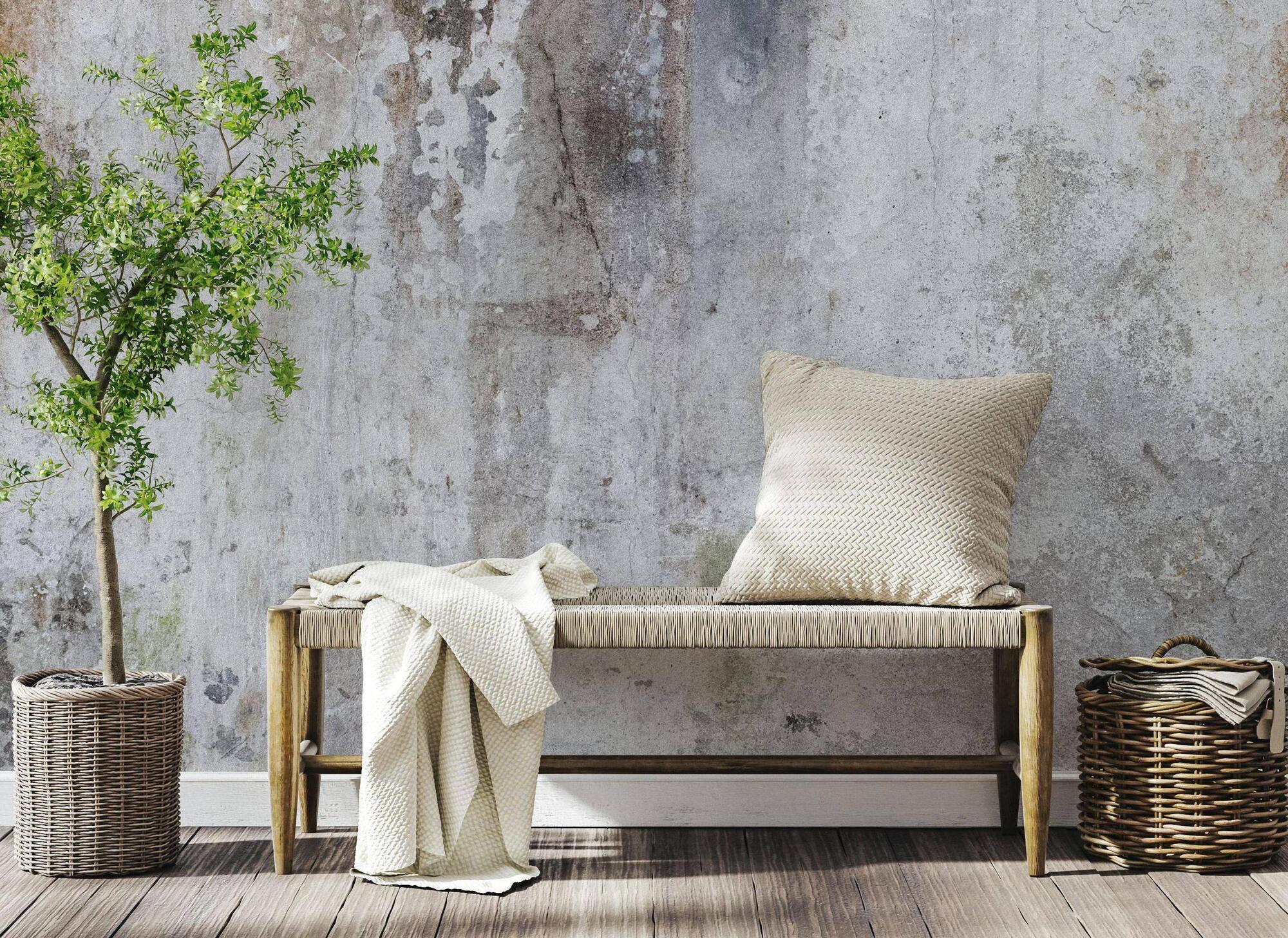
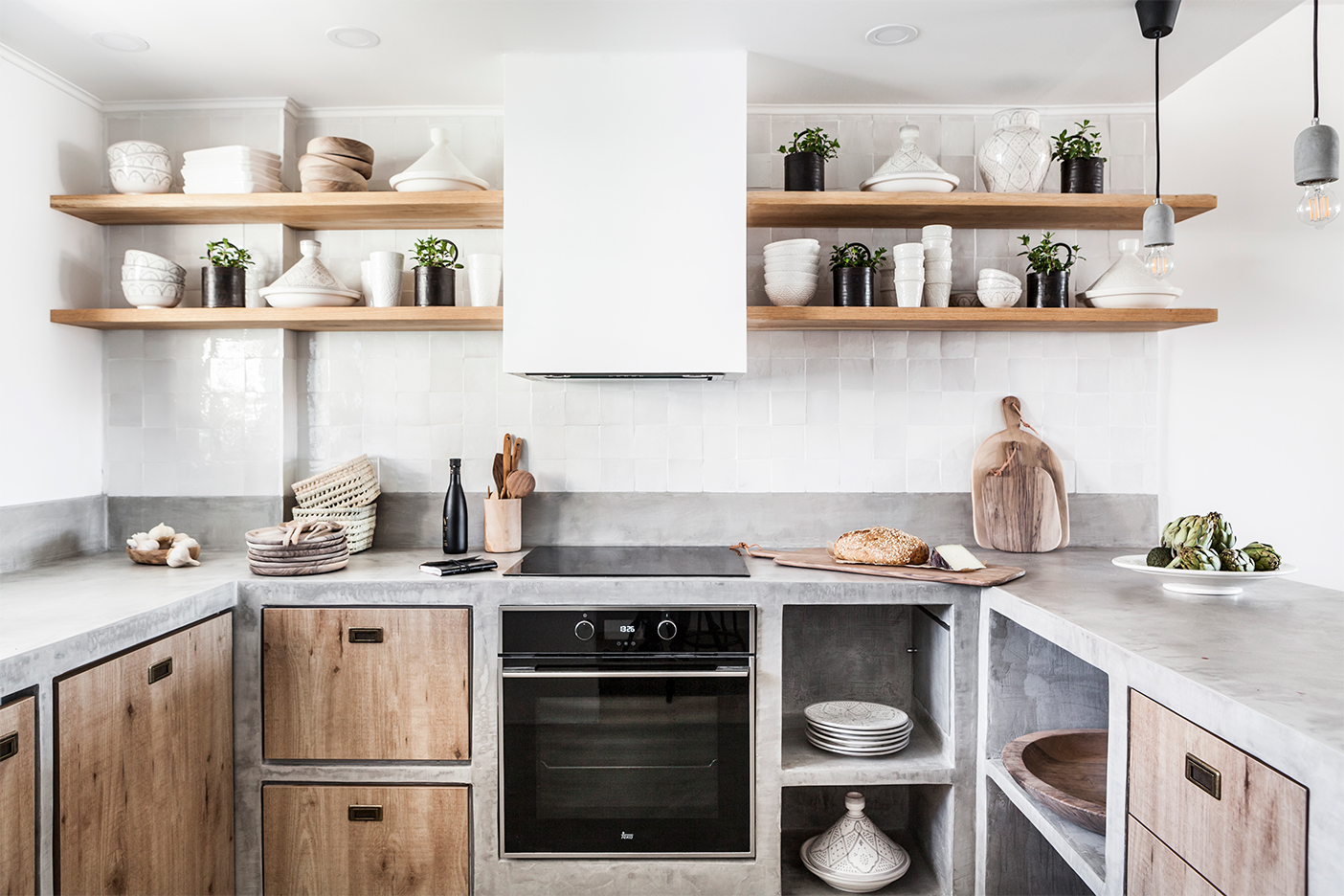
Microcement, a material composed of cement powder, quartz powder, and a resin mix, is gaining popularity as an alternative to traditional tiling in home interiors, particularly in bathrooms and kitchens. This versatile material offers a high-end aesthetic, often described as industrial chic combined with polished concrete, and can be applied in thin layers to various surfaces, including kitchen worktops. Unlike conventional concrete, microcement comes with a wide range of color options and can achieve different textures, from stone-like finishes to smooth, glass-like surfaces.
One of the key advantages of microcement is its sustainability and cost-effectiveness compared to tiling. Interior designers like Elise Peng of EP Interiors note that it eliminates the need for adhesives and grouting, and produces no waste from off-cuts, making it a more environmentally friendly and economical choice. Furthermore, microcement can be applied directly over existing tiles during renovations, simplifying the process and providing a quick refresh without the need for extensive demolition, provided the underlying surface is properly waterproofed.
Professionals in the field, such as Gintaras Bendaravicius of Mymicrocement, have shifted their focus entirely to microcement due to its growing demand and numerous benefits. He highlights its flexibility, endless color choices, and low maintenance, as it never needs painting. From a practical standpoint, microcement's thin 4mm application makes it ideal for renovations, especially when underfloor heating is present, as it allows for quicker heat transfer compared to thicker concrete.
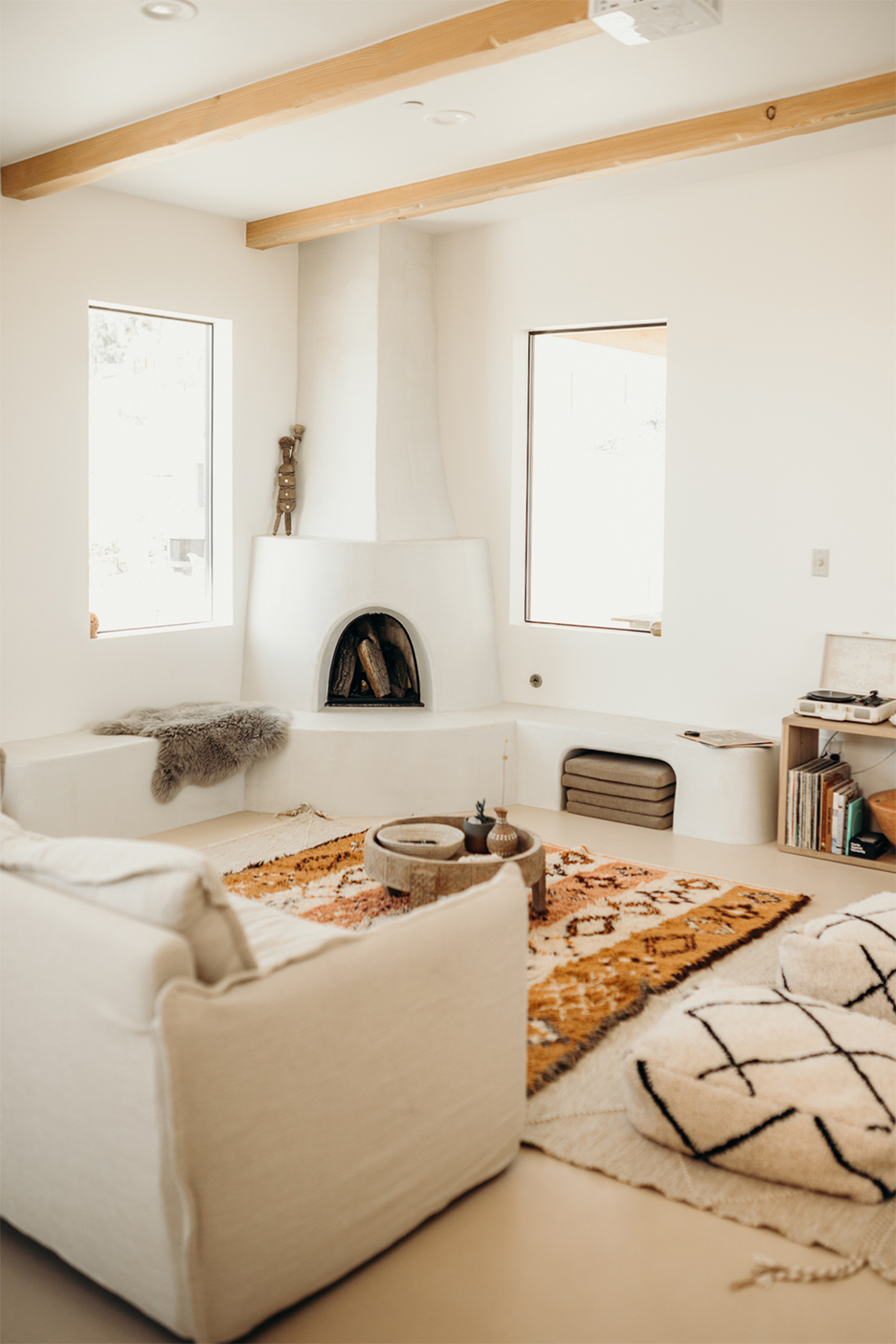
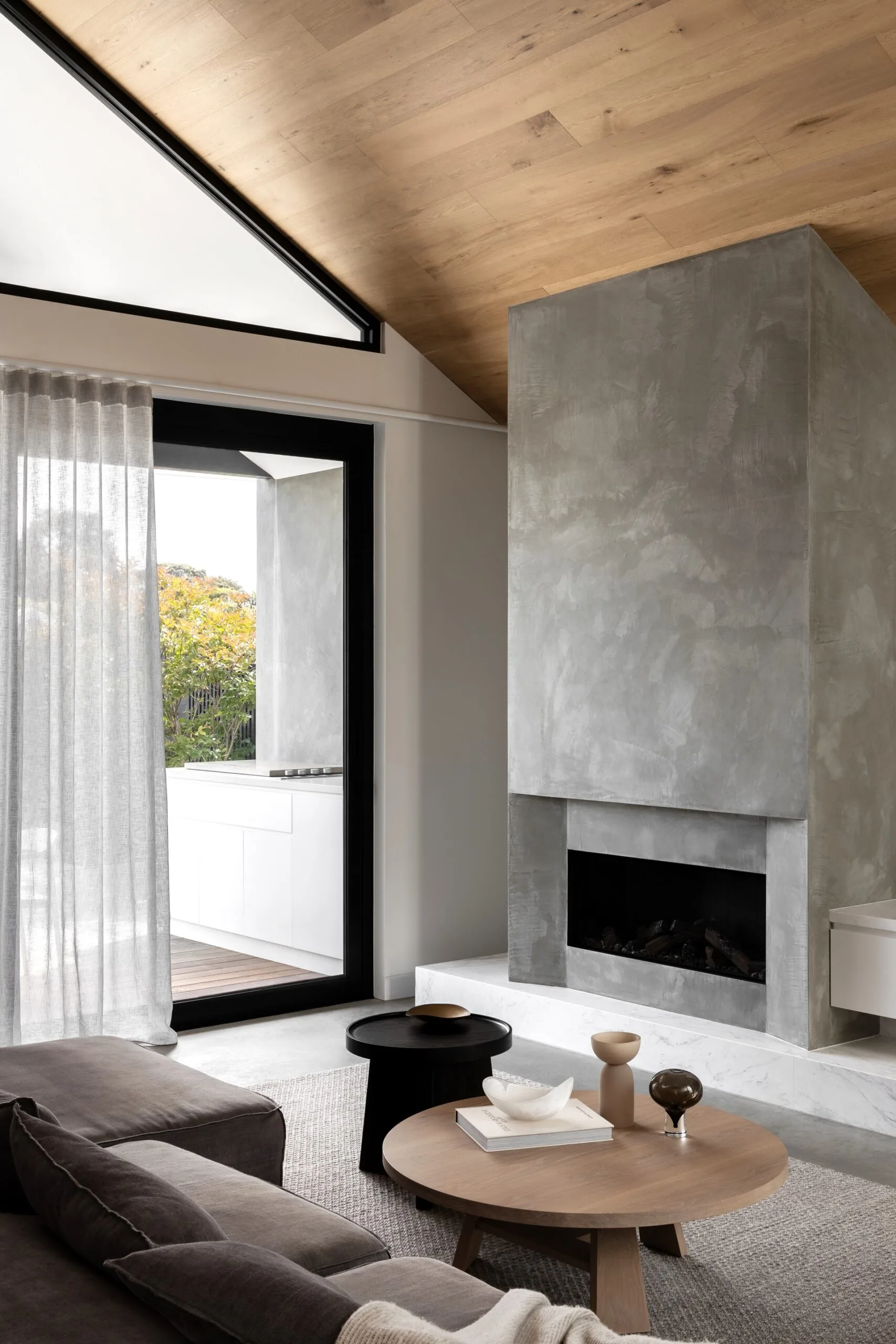
Anna Bougharbel of Maison Anna B, a microcement and lime paint specialist, introduced the material to her own home in Ireland after discovering its widespread use in France. She was drawn to its seamless look, absence of grout lines, and unique texture, which she describes as transporting. Her positive experience led her to establish her business, emphasizing that while the application requires skill, patience, and attention to detail, the result is a beautiful and low-maintenance finish suitable for bathrooms, backsplashes, fireplaces, and kitchen counters. She advises that it typically needs resealing after seven years or more.
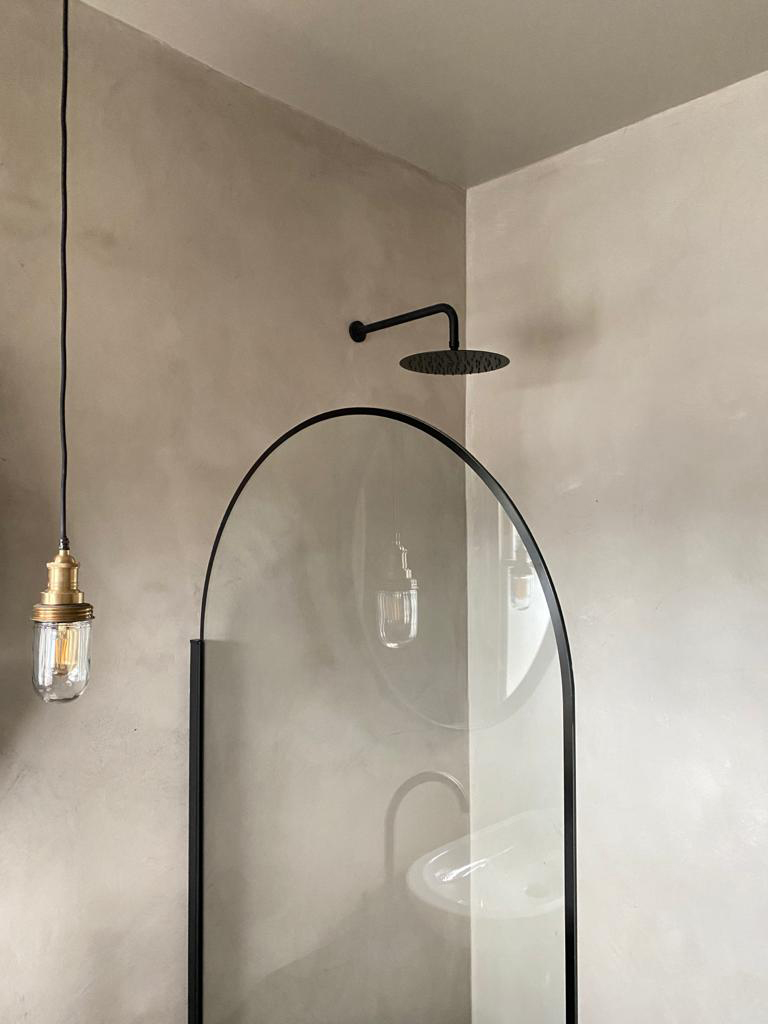
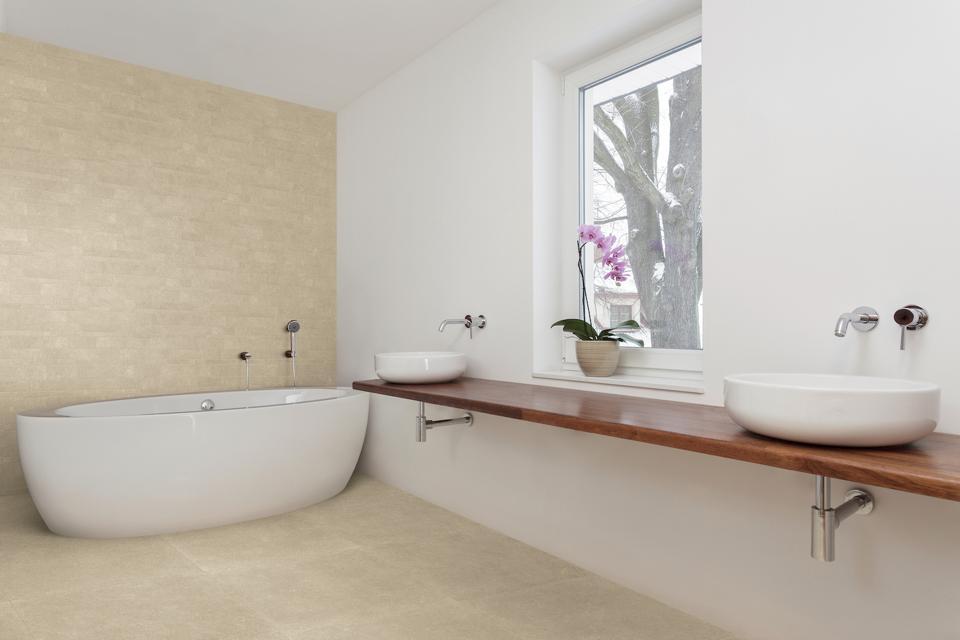
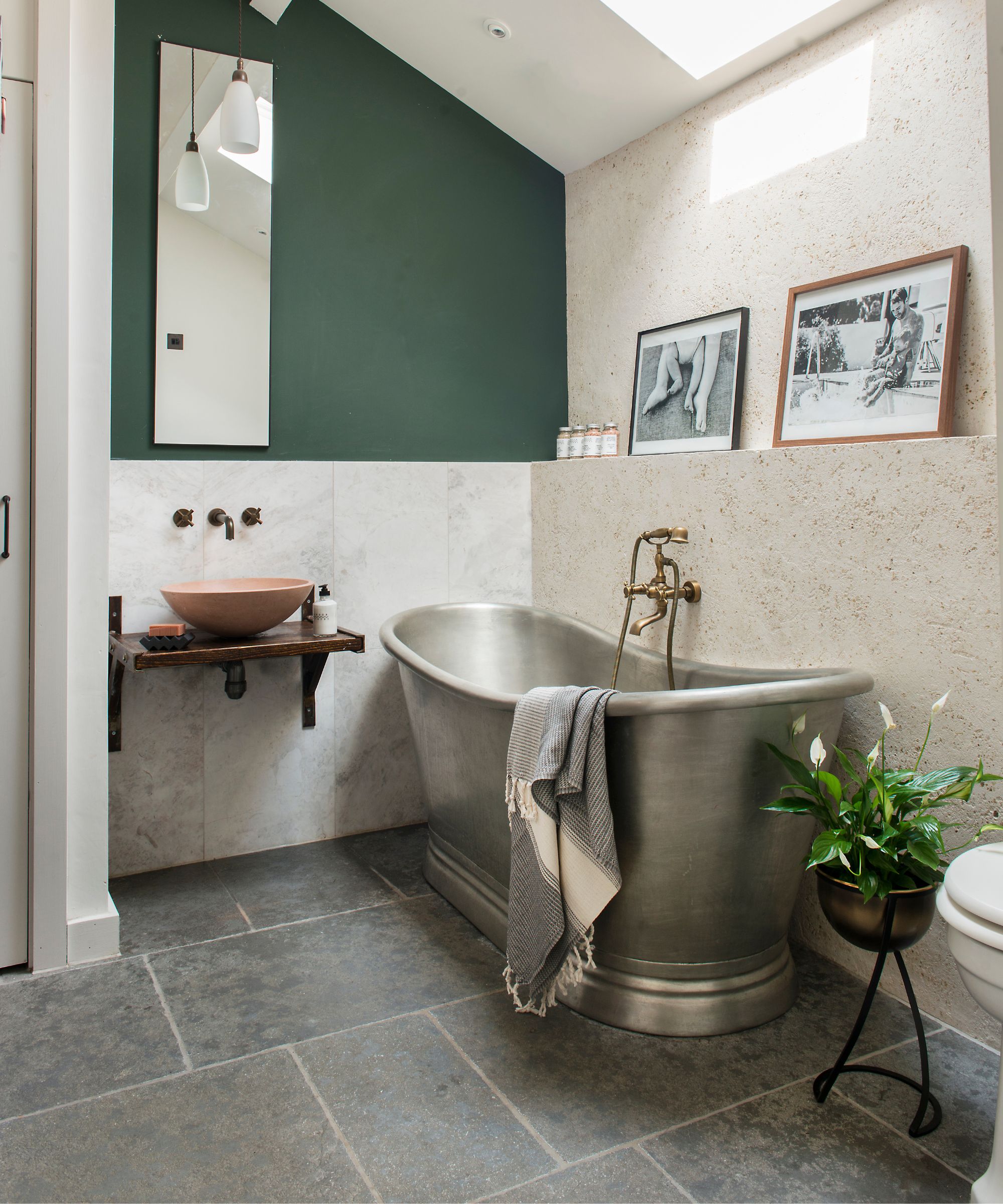
Homeowners like Rob Hennessy have embraced microcement for its aesthetic appeal and practicality. In his period home in Passage West, Co Cork, he chose microcement for his en-suite bathroom walls to avoid tiles. He appreciates the wide array of color choices, opting for a light cream to brighten the small space. Hennessy successfully blended the contemporary feel of microcement with vintage elements, such as a repurposed washstand, creating a unique and personal aesthetic. His advice for prospective users is to ensure the surface is skimmed with a standard plaster finish before application. After eight months of living with microcement, he expresses satisfaction, particularly with the ease of maintenance and the absence of grout cleaning, and plans to incorporate it into other areas of his home.
#Microcement #HomeInteriors #QuietLuxury #InteriorDesign #SustainableLiving #Renovation #BathroomDesign #KitchenDesign #SurfaceFinishes #Microcement #HomeInteriors #QuietLuxury #InteriorDesign #SustainableLiving #Renovation #BathroomDesign #KitchenDesign #SurfaceFinishes
0 comment in total
 No comments yet
You may also like
What Is Microcementing? A Complete Guide to Designers' Favorite Ultra-Durable Material


7 Trending Features That EVERY Homebuyer Wants Right Now

2023 Tile Trends Feature Wellness, Sustainability And Resilience

Biophilic Design Helps Homeowners Connect to Nature
More Practical Than Plaster and Cement: This Material Is on Our Reno Radar
Why Homeowners Should Install High Definition Porcelain Tiles In Their Home
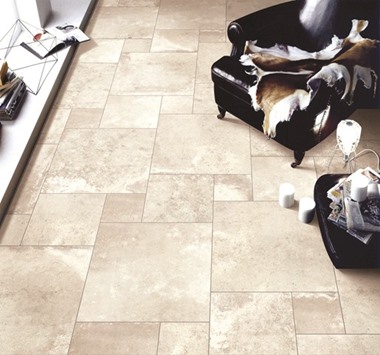
New-old flooring: cement tiling on its way back| Gulf Times
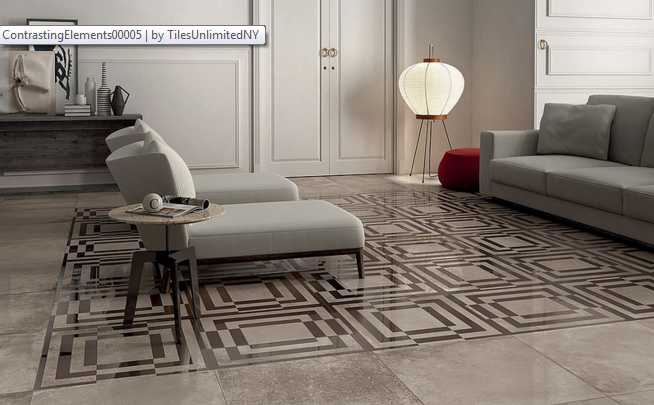
Tiles Unlimited of Queens has the latest 2016 trends and they’ll blow your mind

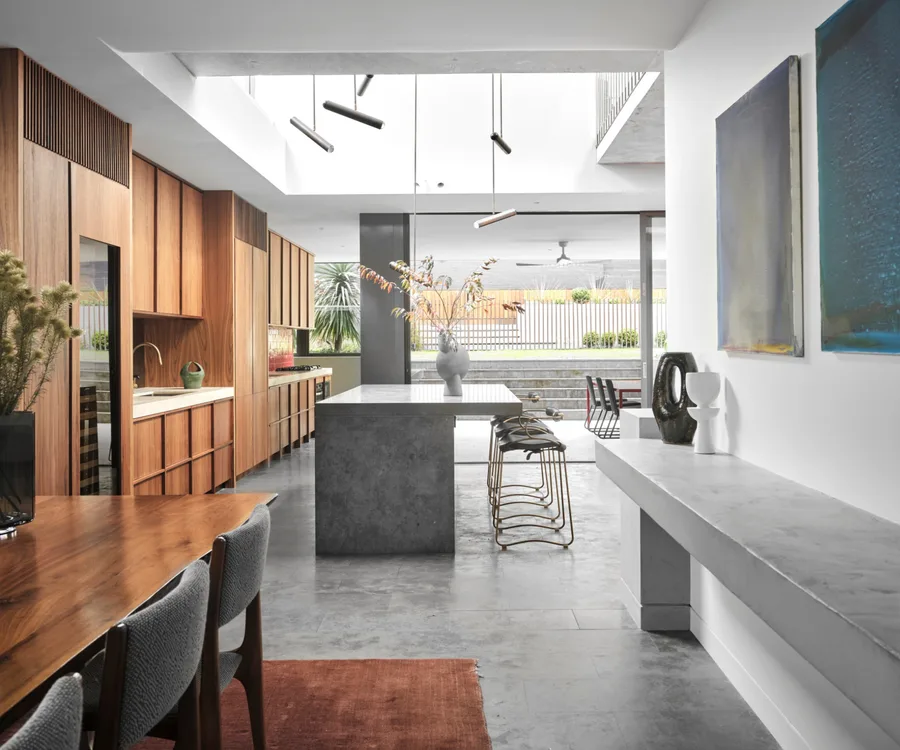
Meet microcement, the minimalist finish you’re seeing everywhere

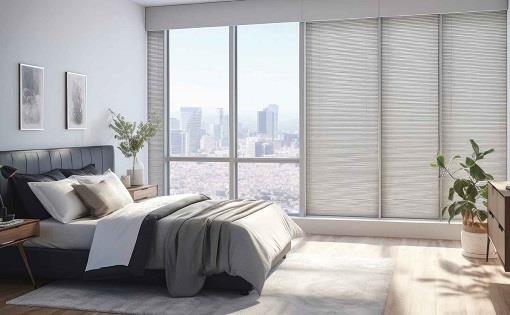
Transforming Home Comfort
Dunya Home Design Redefines Interiors With Innovative Materials
15 bathroom flooring ideas designers always return to

Sustainable Material Spotlight: Concrete
Discover The Top 10 Tile Trends Discusses at Coverings 2025

How They Pulled It Off: A Terrace House Gets a Sustainable Glow-Up—With Help From Its Homeowners

Designers flip over tile, go for the bold

10 stylish ways to use microcement in your home and garden

5 brands that are transforming the architectural surfaces of your home

Fiber Cement Panel - Swisspearl Interior from Swisspearl

Home Trends