Wall cladding made from corn cob waste brings sustainable construction materials
The construction industry constantly seeks sustainable alternatives for building materials and processes. A recent development introduces CornWall, an innovative interior wall cladding derived from organic corn cobs. This material addresses the need for eco-friendly construction by repurposing agricultural waste that would otherwise be left in fields, fermented, or burned as biomass. CornWall is the result of a collaboration between StoneCycling and Studio Nina van Bart, aiming to offer a sustainable solution for interior design.
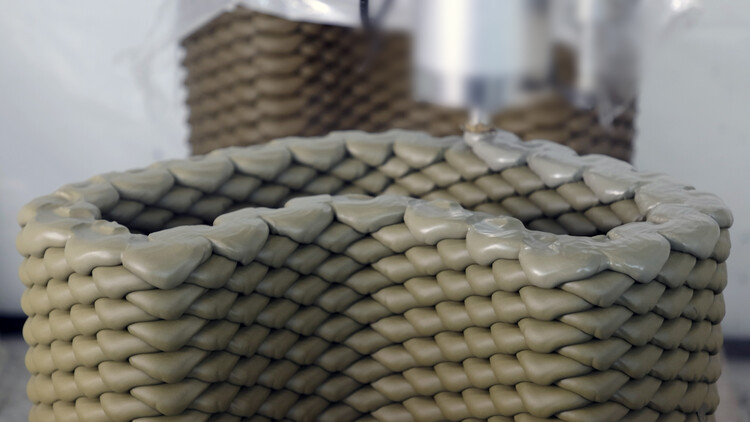
The production of CornWall involves subjecting organic corn cobs to temperatures up to 150 degrees Celsius. This heating process activates and creates strong bonds within the material, transforming the cobs into durable wall cladding. A significant aspect of its sustainability is the energy source for this process; the electric heating relies entirely on solar panels installed on the factory's roof. This approach ensures that both the raw materials and the manufacturing process contribute minimally to carbon emissions, potentially leaving no carbon footprint.
Traditional wall cladding materials, such as ceramic or high-pressure laminate (HPL) composites, often have a more substantial environmental impact. CornWall presents a superior alternative due to its inherent carbon storage capacity. The corn cobs naturally absorb carbon dioxide during their growth, and this stored CO2 remains sequestered within the cladding material, contributing to a net reduction in atmospheric carbon. Furthermore, the material is designed for circularity, being 100% reusable. It can be easily removed from interiors through a demountable anchoring system, facilitating its recovery and potential re-use or recycling at the end of its life cycle.
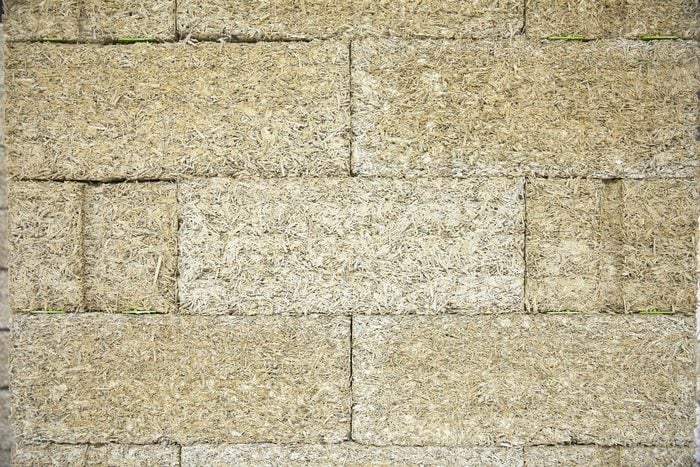
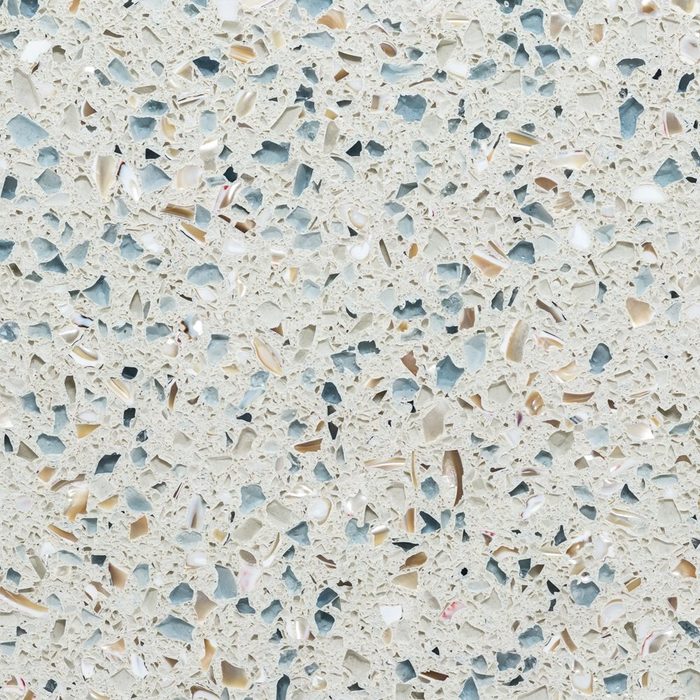
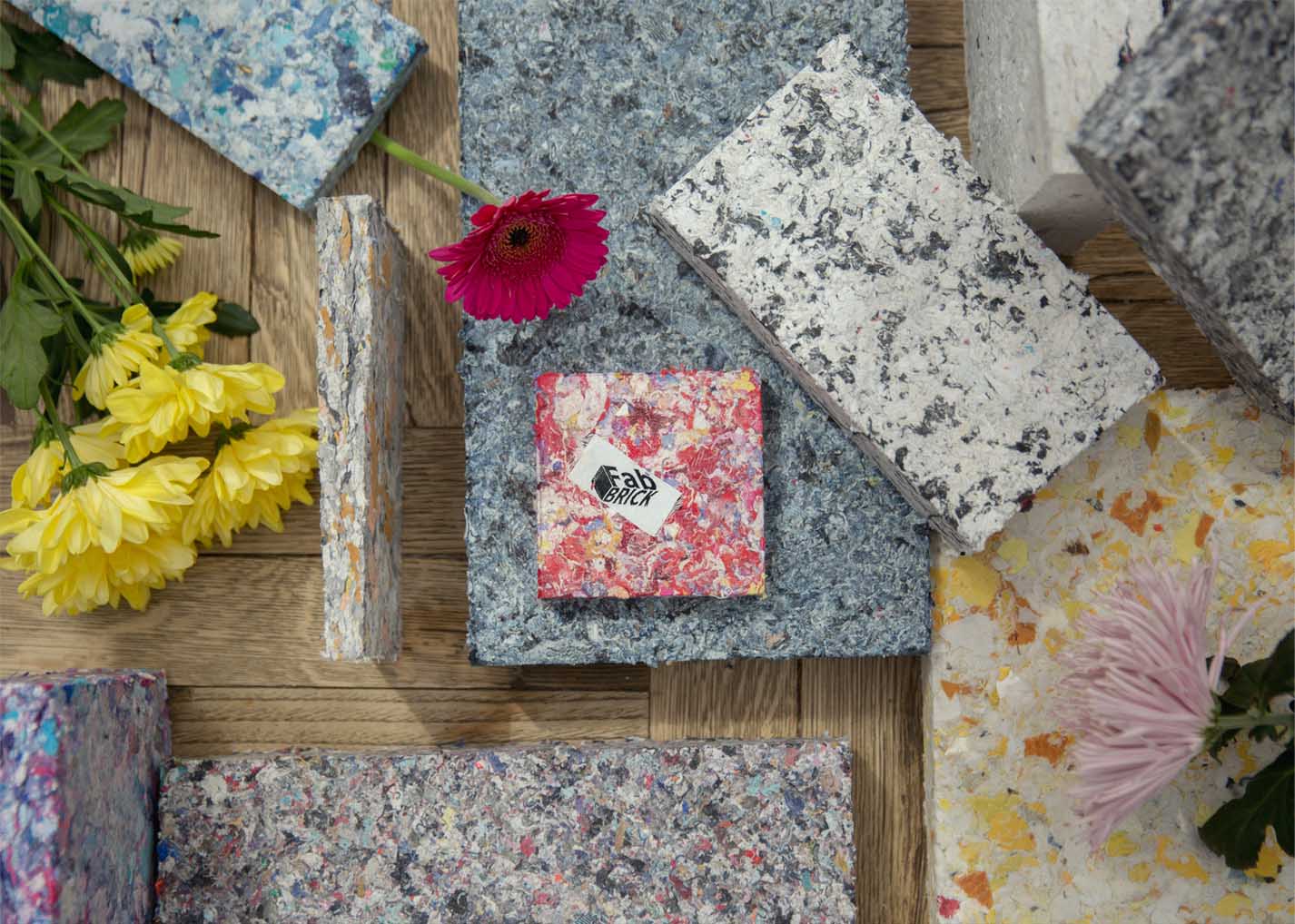
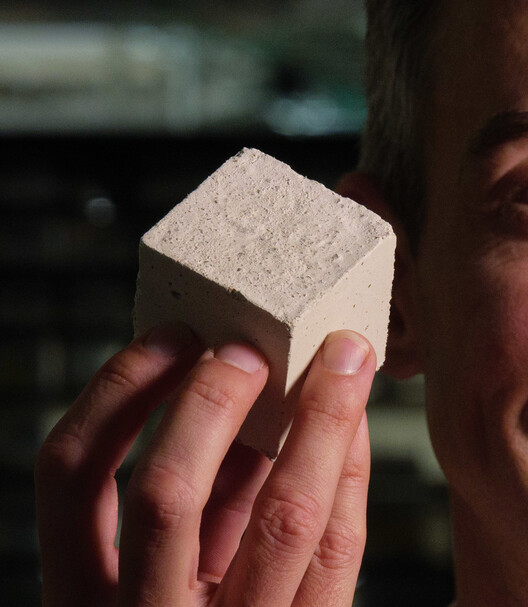
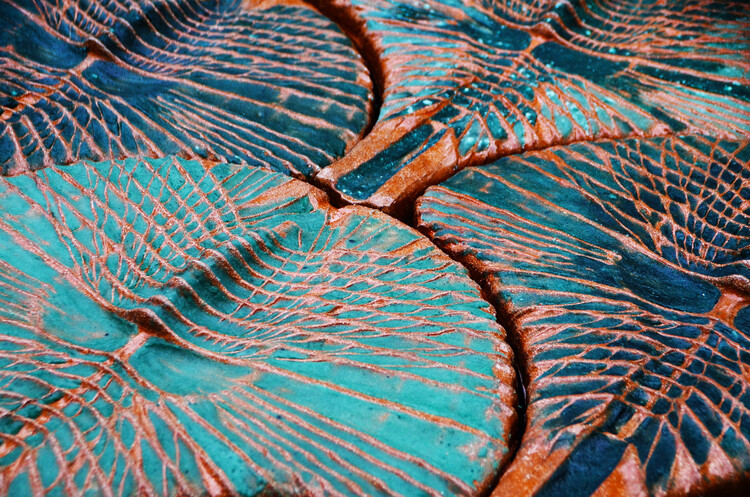
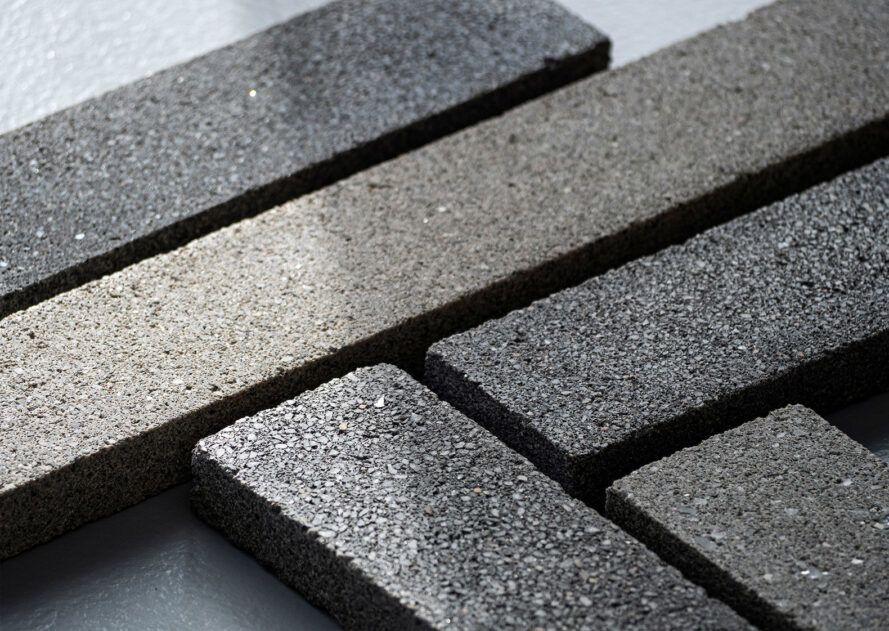
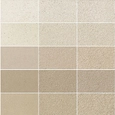
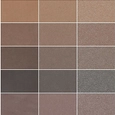
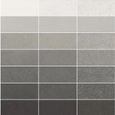
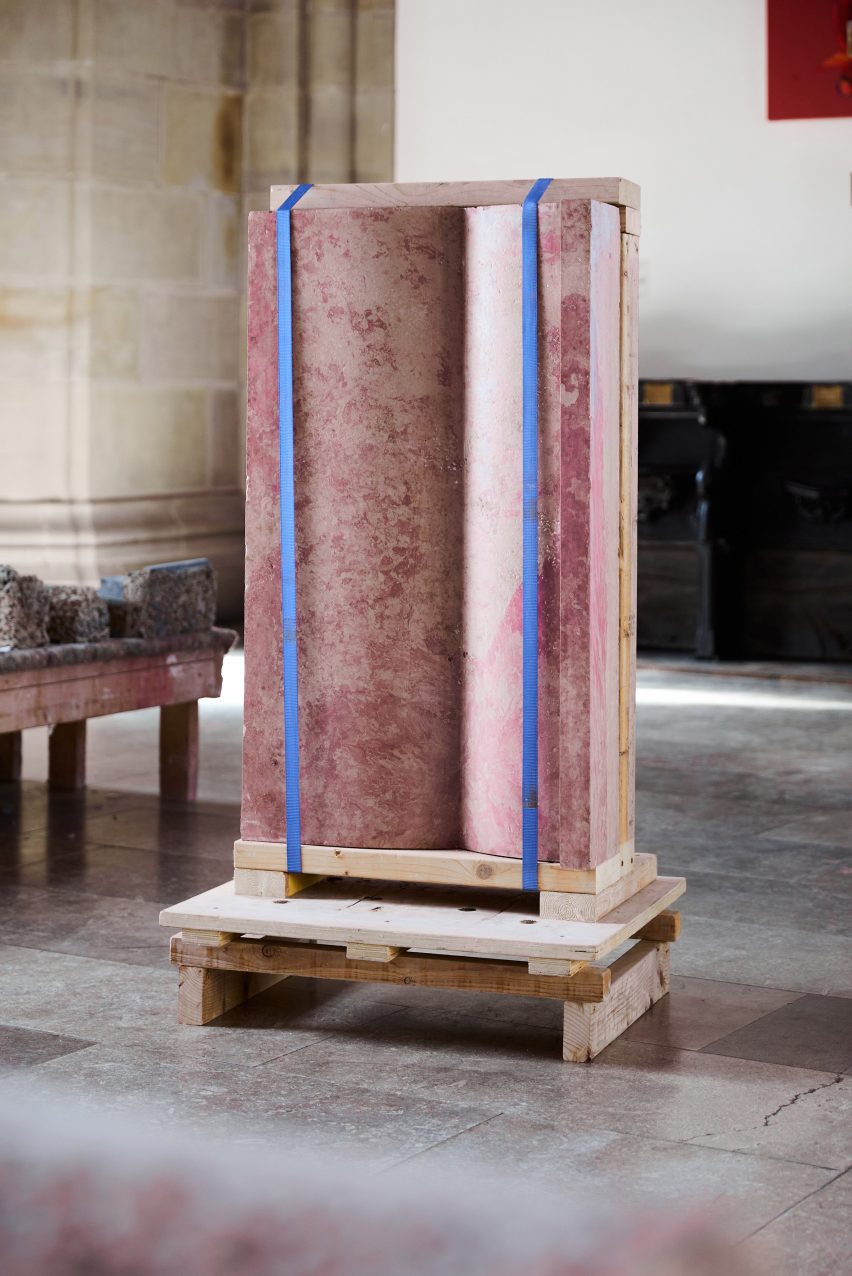
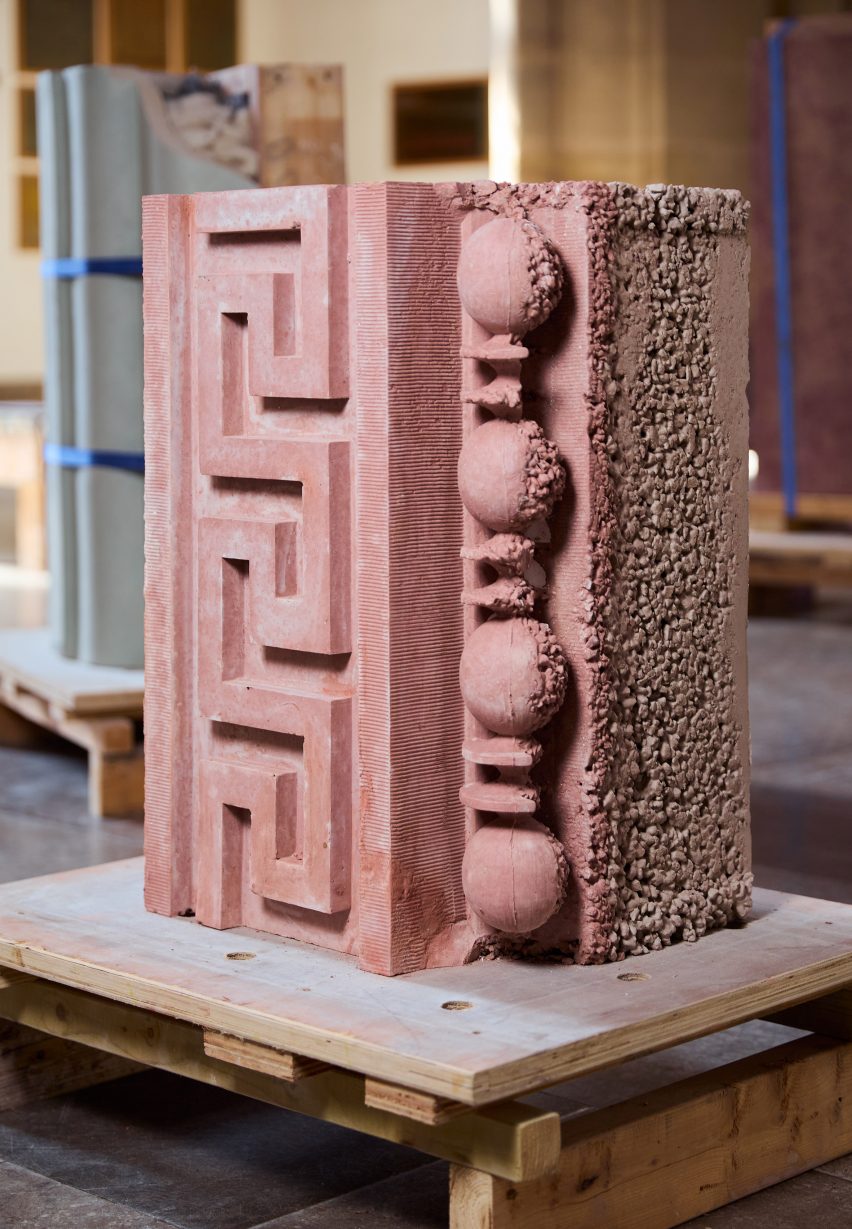
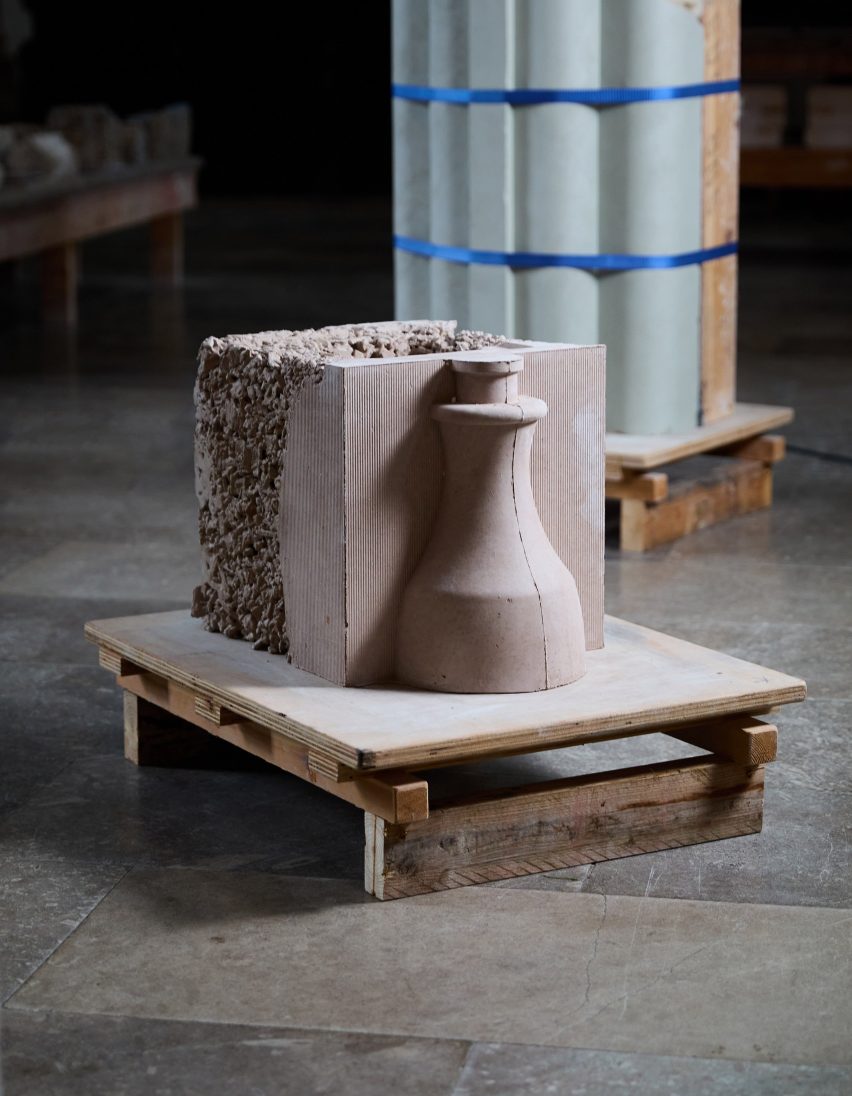
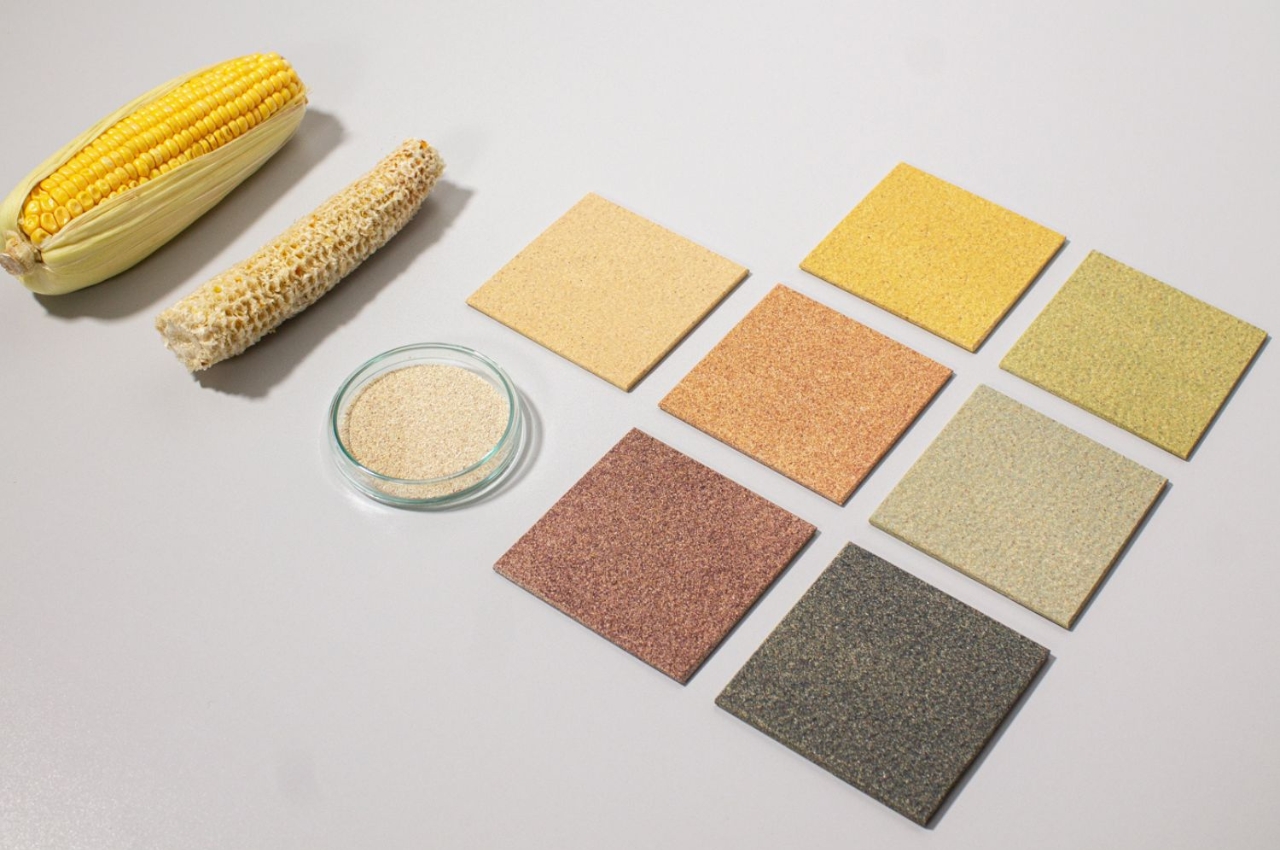
Visually, CornWall maintains an aesthetic comparable to conventional wall cladding. Product photos indicate a texture and appearance similar to cork coasters, offering various color options such as DarkBlue, MustardYellow, and TerracottaPink. This aesthetic versatility allows it to integrate into diverse interior design schemes without compromising on visual appeal. The development of materials like CornWall highlights a growing trend in the construction sector towards utilizing waste products and implementing renewable energy sources to create building solutions that are both functional and environmentally responsible. The goal is to foster an industry that is more eco-friendly through sustainable materials and processes.
#constructionMaterial #EcoFriendly #Wall #sustainableDesign #recycledMaterials #interiorDesign #greenBuilding #constructionMaterial #EcoFriendly #Wall #sustainableDesign #recycledMaterials #interiorDesign #greenBuilding
0 comment in total
 No comments yet
You may also like
7 Concrete Alternatives

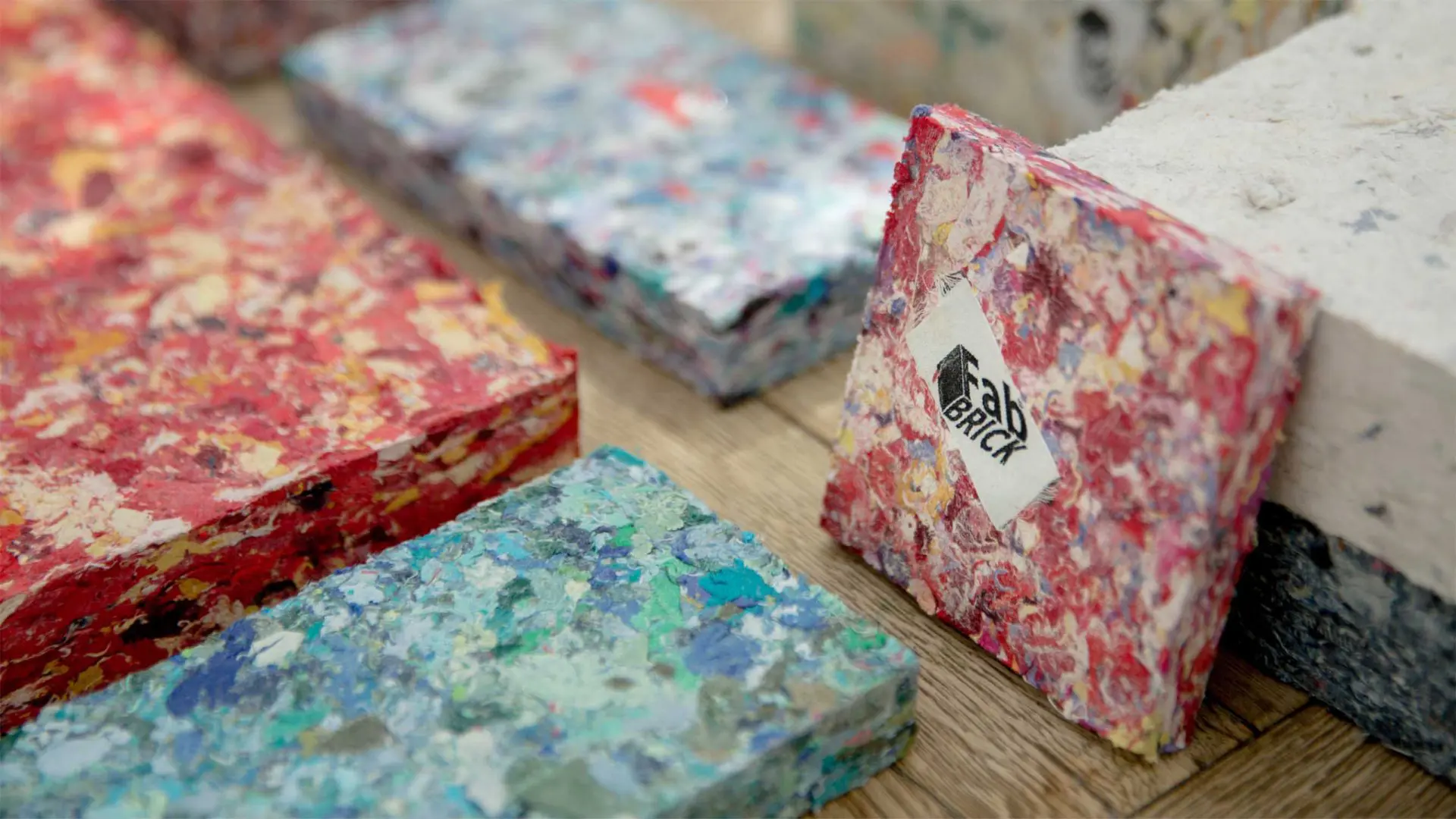
FabBRICK reinvents construction materials with recycled textile waste

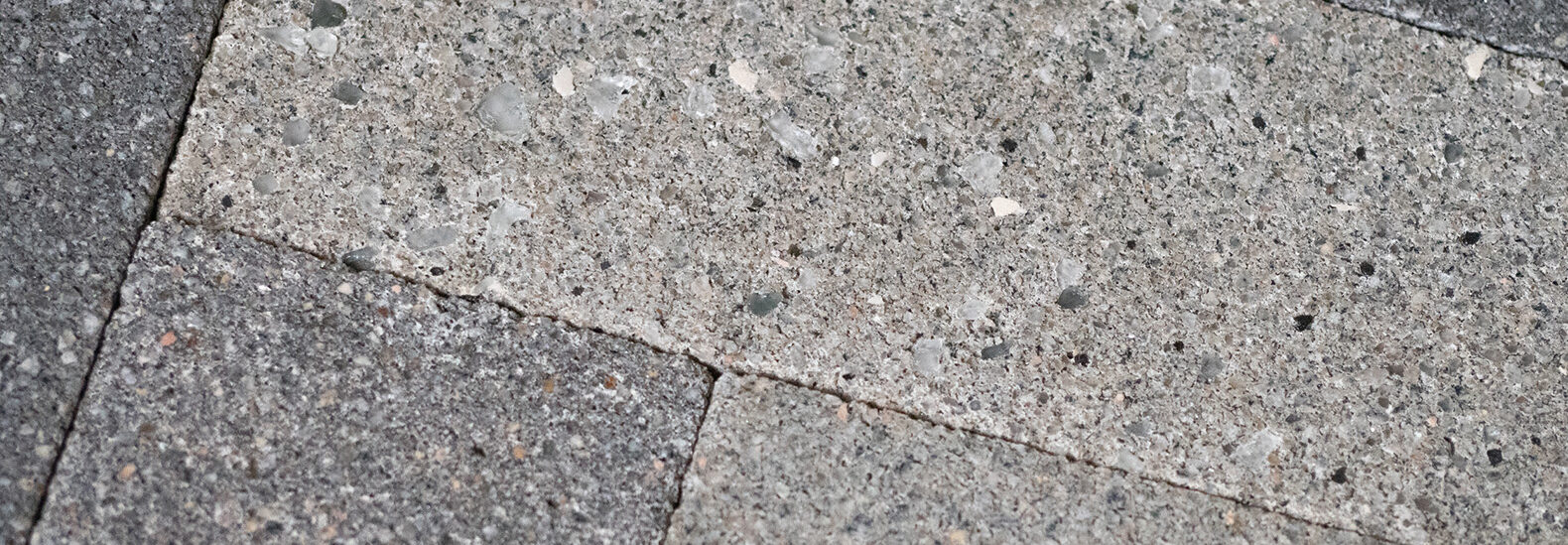
The BioBased concrete tiles cut carbon emissions and waste

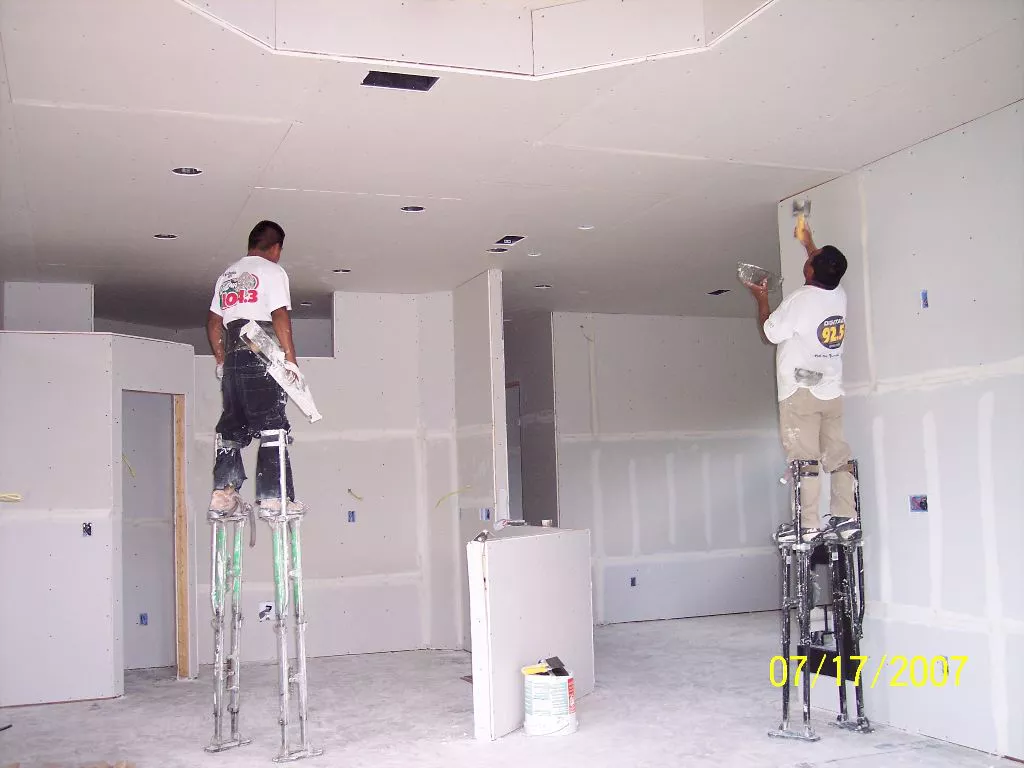
Is It Time to Hang Up on Hanging Drywall?
Sustainable Concrete Panel Construction | Spotlight on Nexii and Vero Building Systems

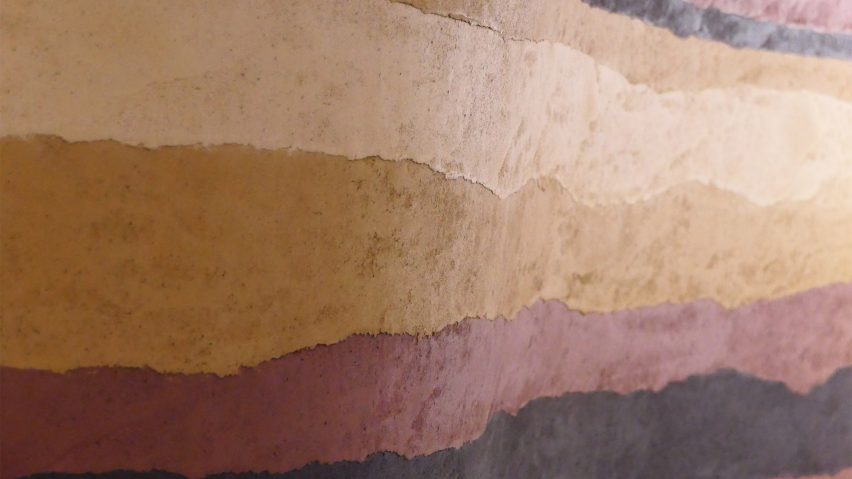
Armourcoat creates durable clay wall covering as "ecological alternative to paint"

Sustainable Cladding: 5 Best Eco-Friendly Wall Cladding Options Available in Australia
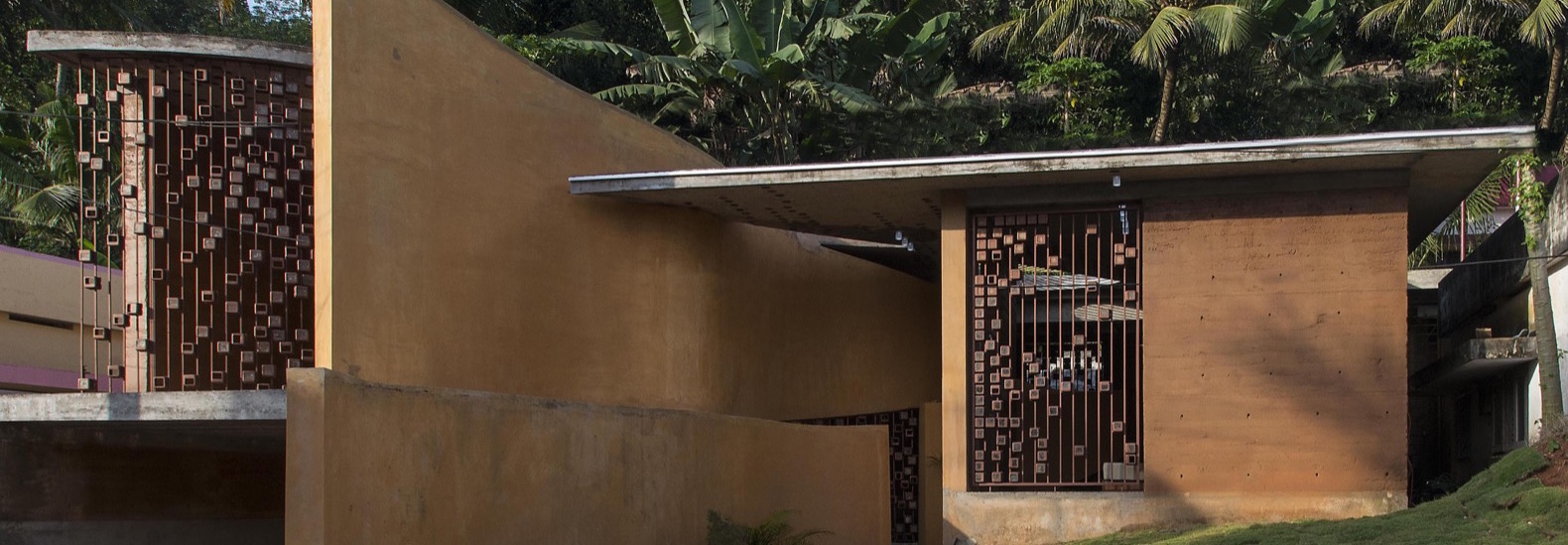
This rammed earth home in India uses recycled materials throughout

10 Innovative Materials Poised to Make Home Building More Sustainable


Finding Sustainable Alternatives to Traditional Building Materials
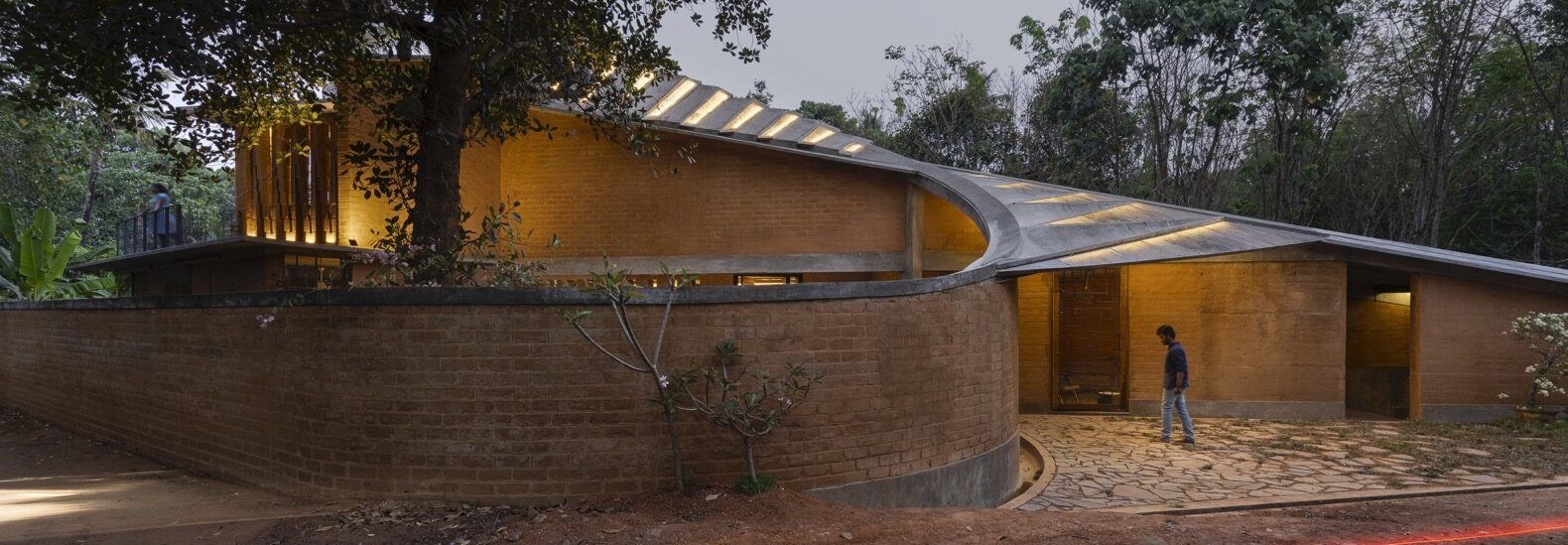
Twisting rammed earth home wraps around a grand jackfruit tree
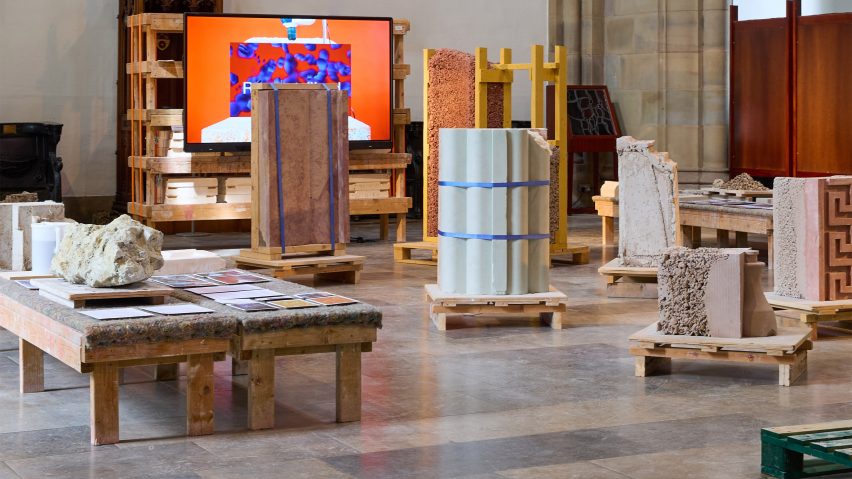
Poured Earth is a sustainable construction method modelled on concrete casting
re:shell uses discarded eggshells to create modular, biodegradable building bricks

Building Materials - Building Supplies

Facade Panel – Twine from Rieder Smart Elements GmbH & Co KG

3D Printing Lightweight, Insulated Walls Using Cement-Free Mineral Foam

11 Recycled Building Materials Made From Trash
10 Start-ups Creating Innovative and Sustainable Building Materials, from Mycelium Bricks to Water Purifying Tiles
The Circular Potential of Fiber Cement Cladding
The future of sustainable building materials