
7 things upper middle class parents never allow in their living room
The living room of an upper-middle-class family serves as a setting for values, routines, and unspoken rules. What is allowed and what is not allowed in this space reveals a lot about what parents want their children to learn. Seven specific aspects are typically excluded from these carefully curated spaces.
First, junk food wrappers are prohibited. These parents understand that a tidy living room reflects good family habits and fosters an environment of balance and order, rather than chaos. This approach aligns with research indicating that children of actively involved parents tend to perform better academically, socially, and motivationally. Simple actions, like setting standards for shared spaces, contribute to this involvement.
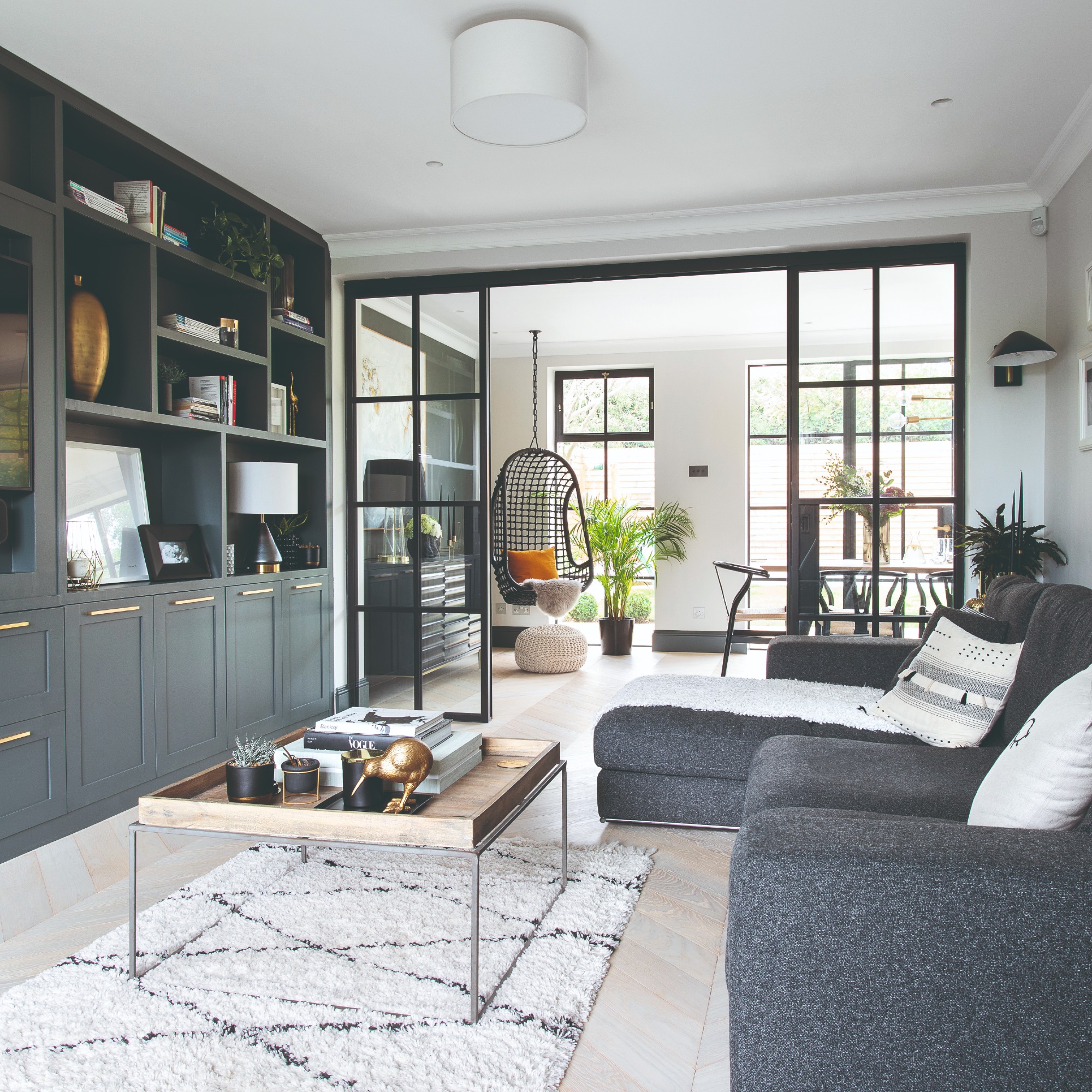
Second, overwhelming screen time is restricted. While a television or smart projector may be present, it is not the main focus. Instead of allowing children to be engrossed in endless cartoons or parents to scroll in silence, screen time is limited. This could mean one show after homework or family movie nights on weekends. The living room is intended as a social hub where conversation, music, or board games are prioritized over constant digital stimulation. This emphasis on interaction is consistent with child development research.
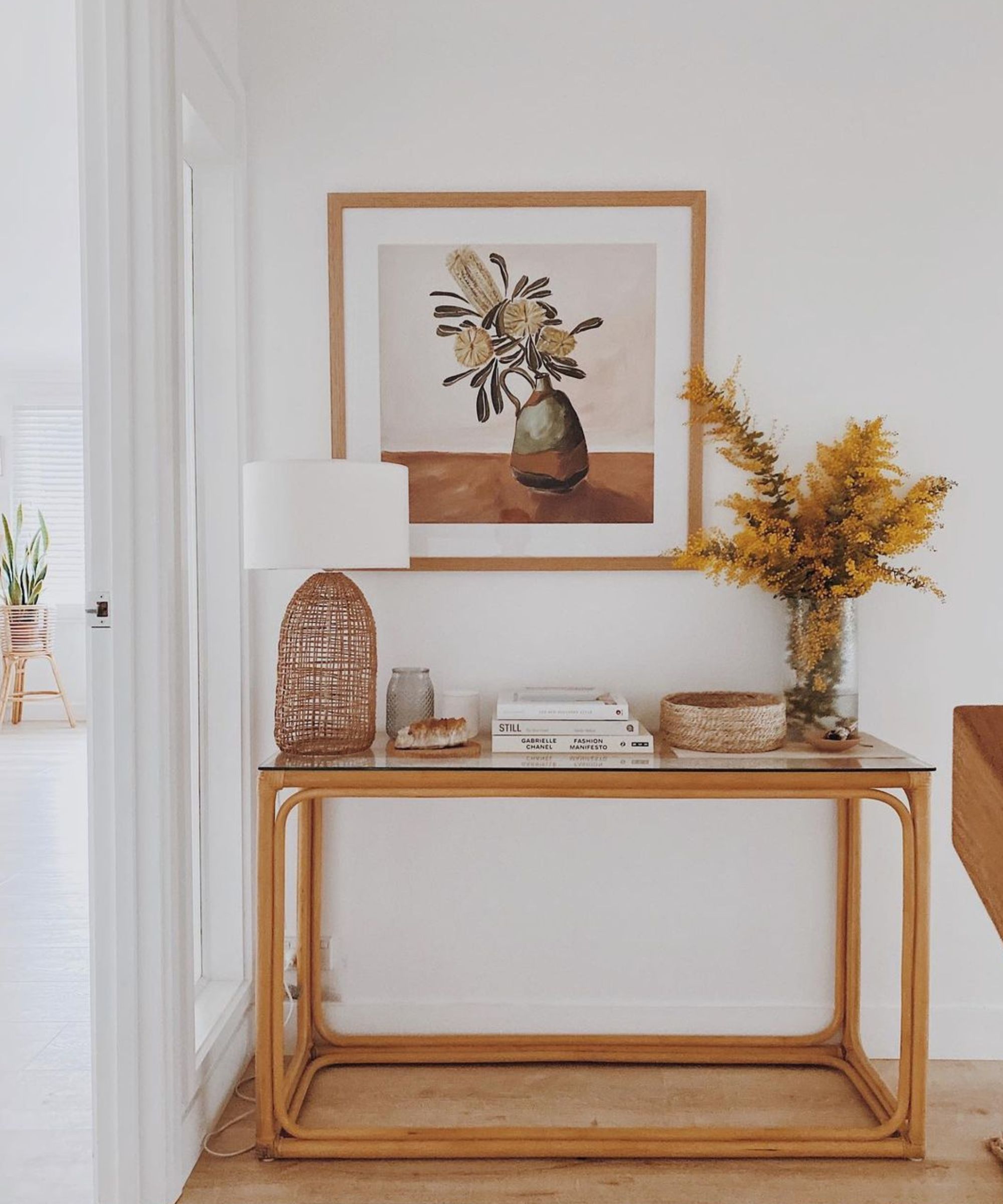
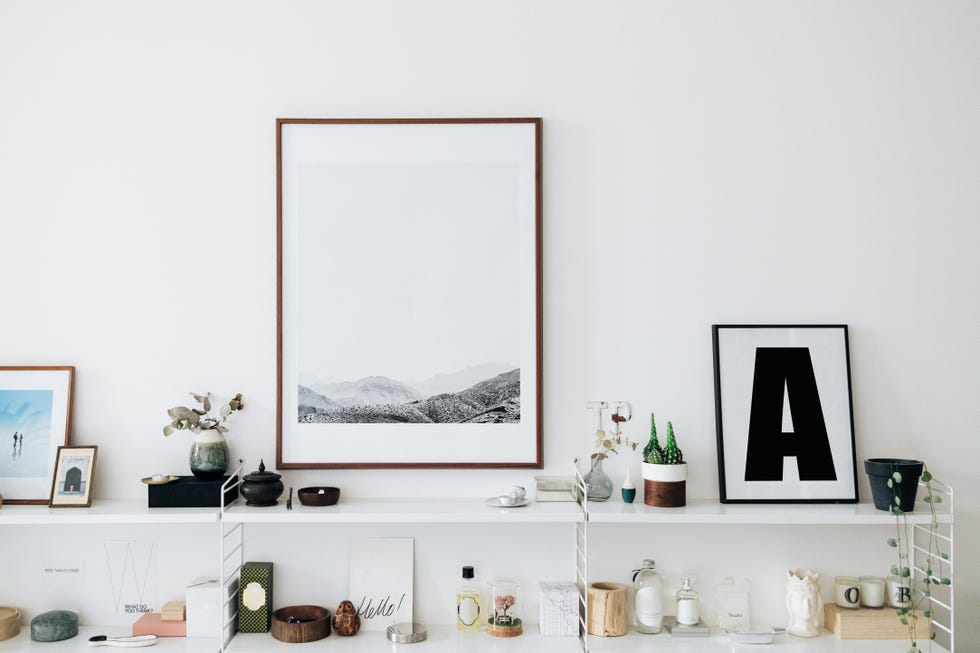
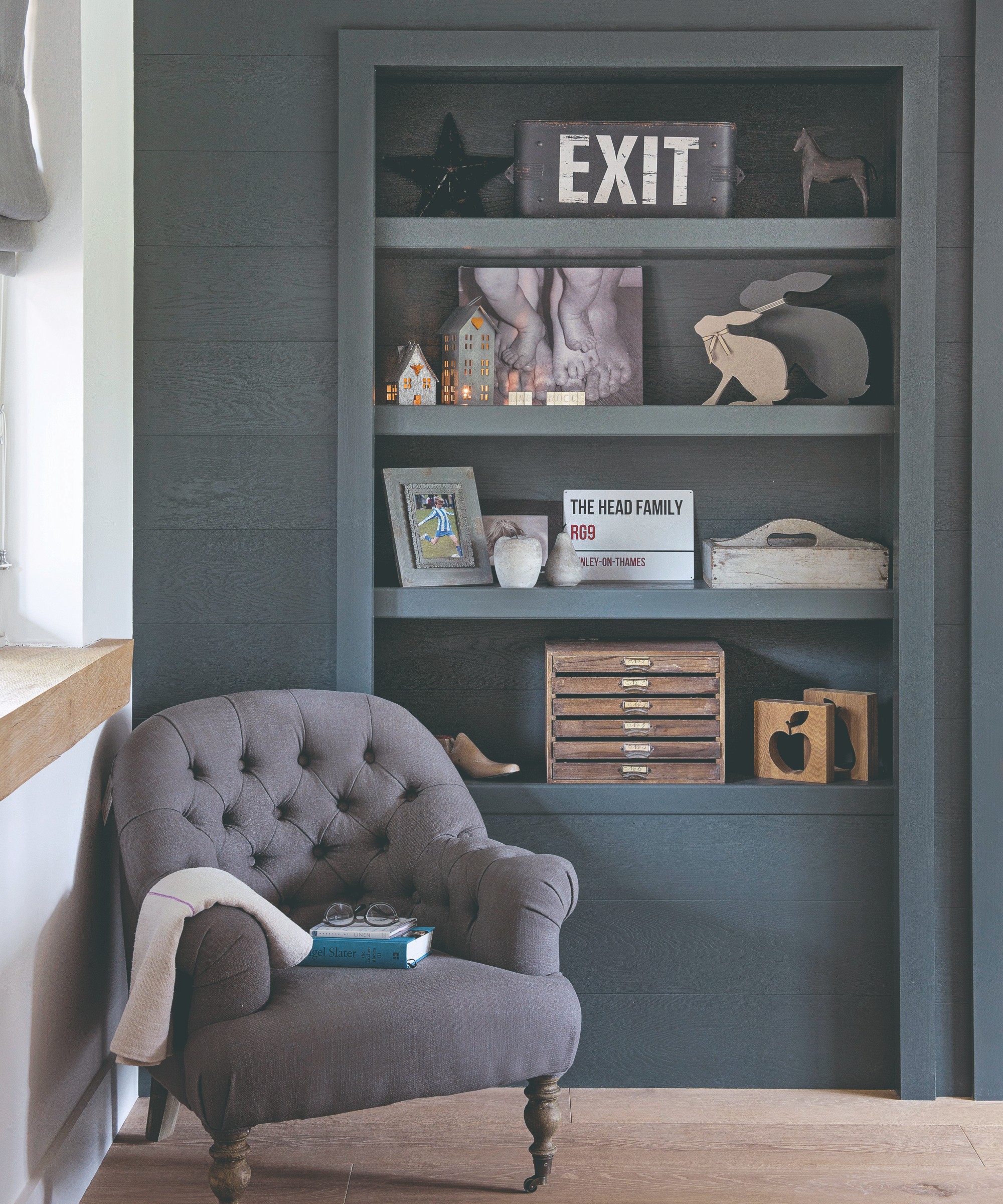
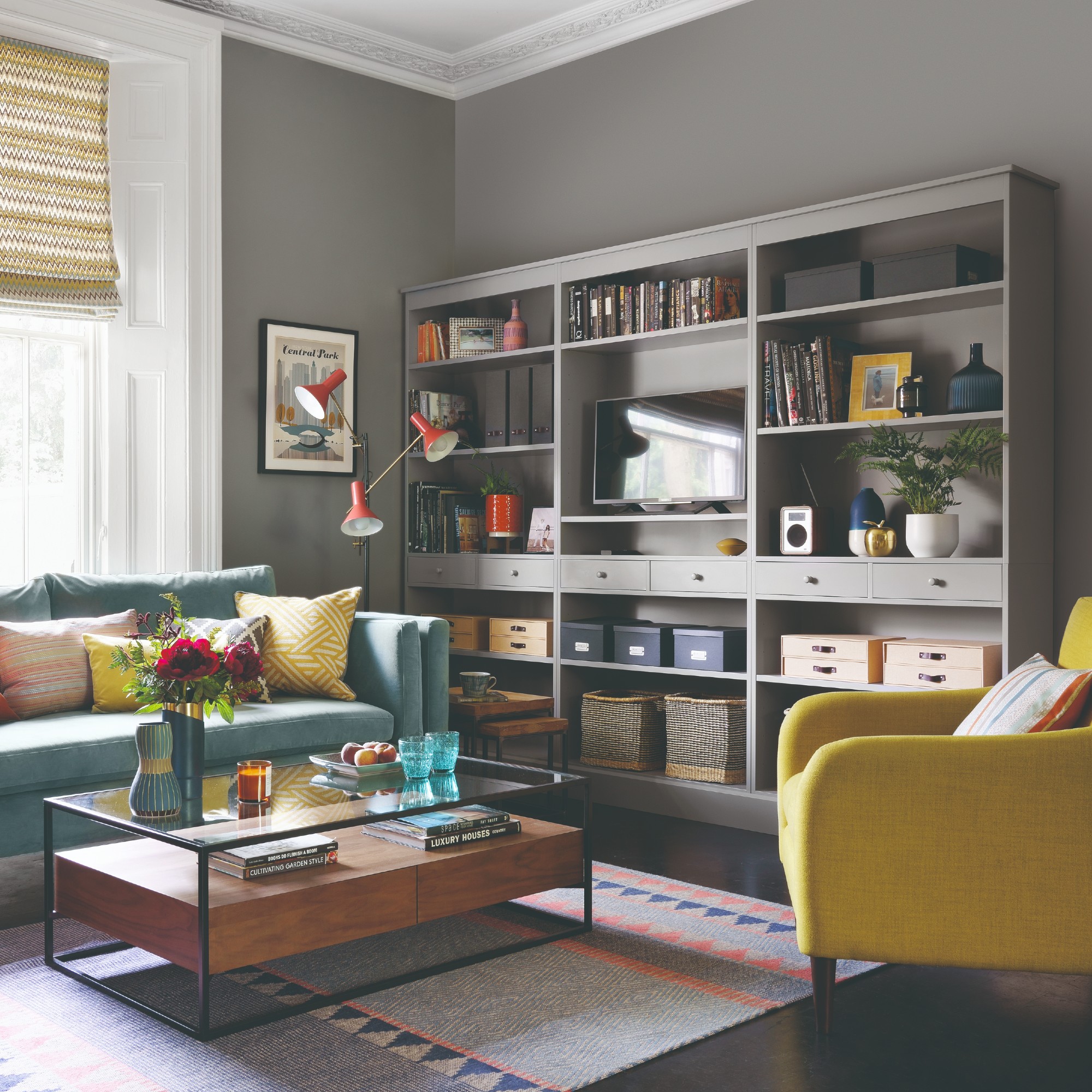
Third, purposeless clutter is avoided. These parents are selective about what is displayed, often featuring items like art books, travel mementos, or framed family photos. The absence of random clutter encourages discipline and pride in one's environment, subtly shaping a child's perception of order. A well-ordered space can lead to a clearer mind and better focus, as children tend to mirror the energy of their surroundings.
Fourth, meals eaten in isolation are discouraged. Full dinners are typically reserved for the dining table, treating communal eating as a core family ritual. This practice is supported by evidence that children who regularly eat meals with their families experience long-term physical and mental health benefits. By keeping meals out of the living room, parents preserve this tradition, even if it entails extra cleanup at the dining table.
Fifth, loud arguments are taken elsewhere. Disputes among family members are not conducted in the living room, which is considered a safe zone for guests and a place for children to learn social cues. Explosive conflict in this area would undermine the calm and open atmosphere parents aim to cultivate. This approach doesn't mean avoiding tough conversations, but rather establishing boundaries for when and where these discussions occur, fostering healthier conflict management.
Sixth, toys are not permanently left out. Toys are present but are stored in baskets or cabinets after playtime. This practice teaches children responsibility and respect for shared spaces, instilling the idea of enjoying a space and then restoring it to order. This is akin to a chef cleaning and organizing tools, ensuring they are ready for future use.
Seventh, gossip and negativity are rarely heard. Upper-middle-class parents are mindful of the adult conversations children overhear in the living room. Instead of gossip, complaining, or toxic chatter, discussions often revolve around school projects, weekend plans, or constructive debates about current events. This careful approach influences how children learn to speak and think. The overarching theme is that these rules are about intentionality, demonstrating how environmental choices, though seemingly minor, can significantly shape behavior and convey powerful messages about values and discipline.
#Parenting #UpperMiddleClass #FamilyValues #HomeEnvironment #ChildDevelopment #Lifestyle #Discipline #FamilyRituals #Parenting #UpperMiddleClass #FamilyValues #HomeEnvironment #ChildDevelopment #Lifestyle #Discipline #FamilyRituals
0 ความคิดเห็นรวม
 ยังไม่มีความคิดเห็น
คุณอาจจะชอบอีกด้วย
12 Things That People Over 30 Should NEVER Have In Their Kitchen

6 things you should never put on your dining room table, according to interior designers

7 cheap and tacky interior design errors rich people never make — ban these aesthetic atrocities from your home
10 Things To Keep Out Of Your Living Room, According To Designers
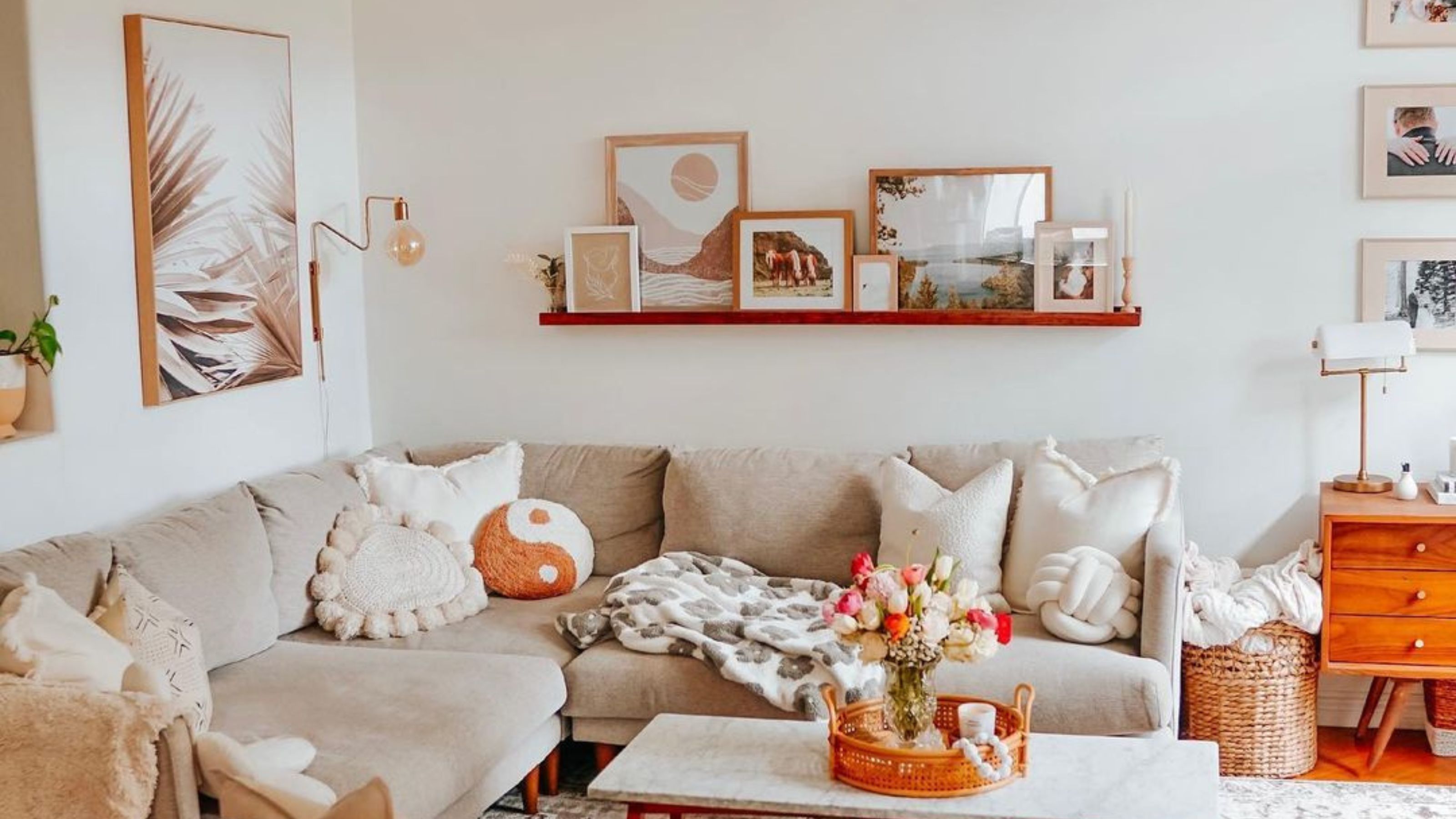
7 things interior designers never have in small living rooms

10 things decluttering experts won't keep in their kitchen cupboards
7 Living Room Items Not Worth Splurging On, According To Designers
6 Things You Should Never Keep on Your Kitchen Counter

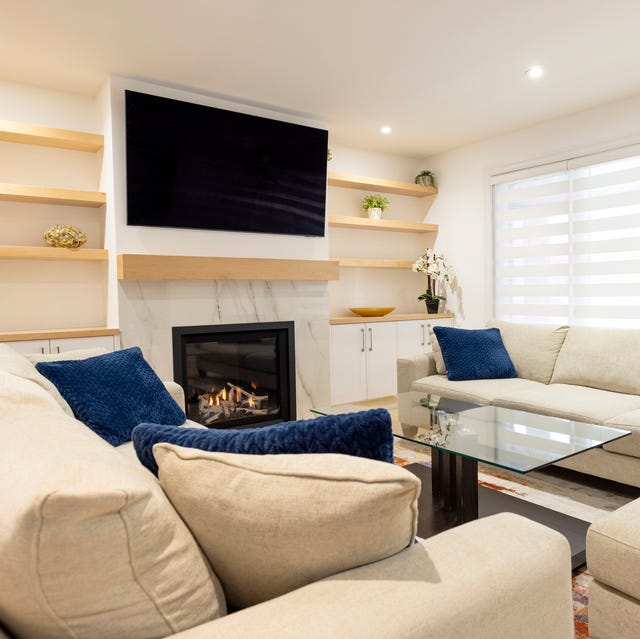
9 Outdated Things People Over 40 Should NEVER Have in Their Homes
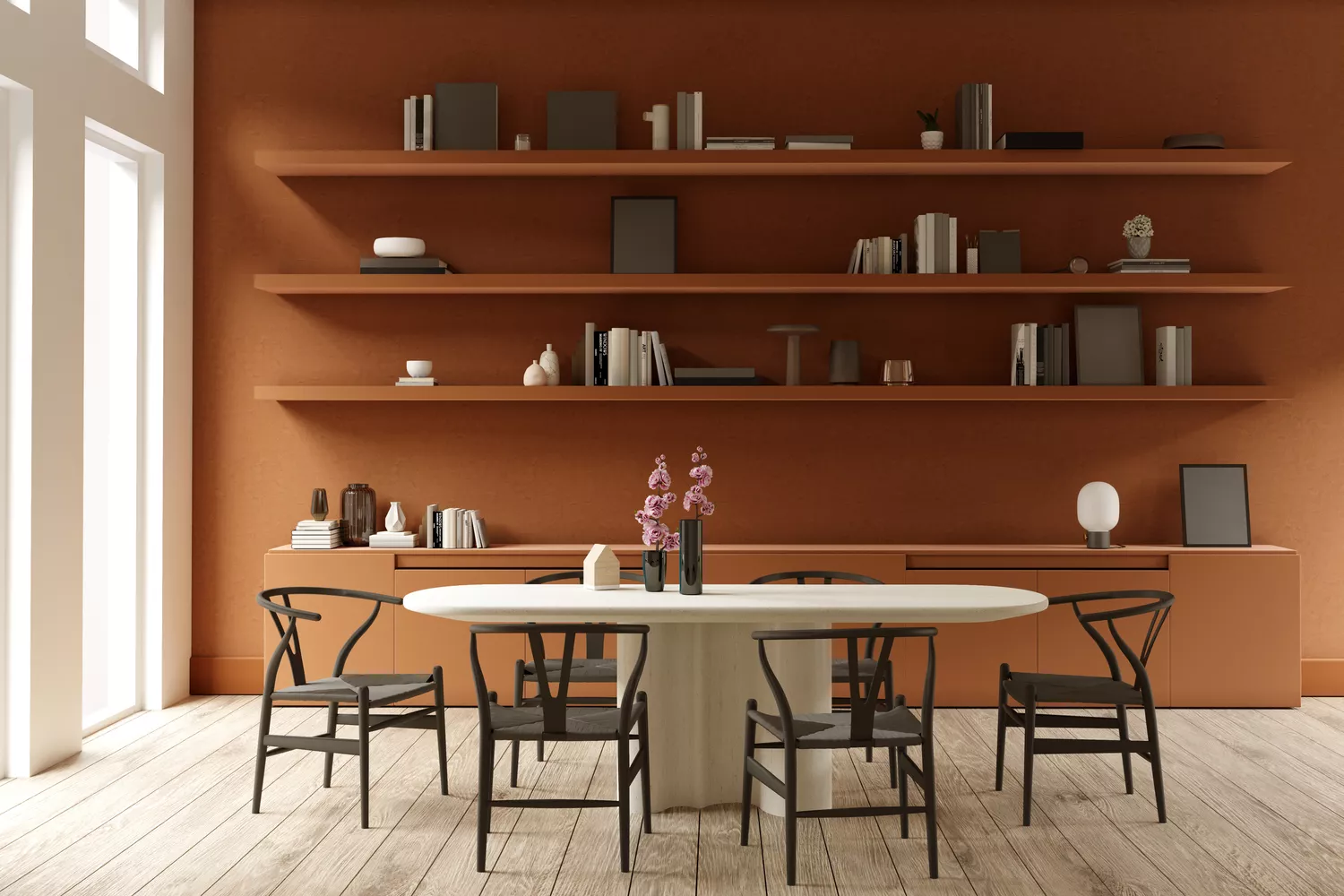
14 Controversial Things Interior Designers Would Never Have in Their Homes

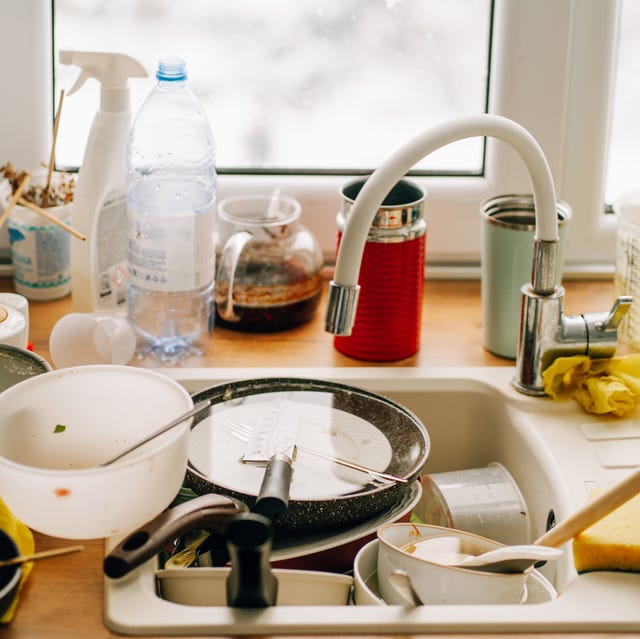
8 Things You Should NEVER Keep On Your Kitchen Counter
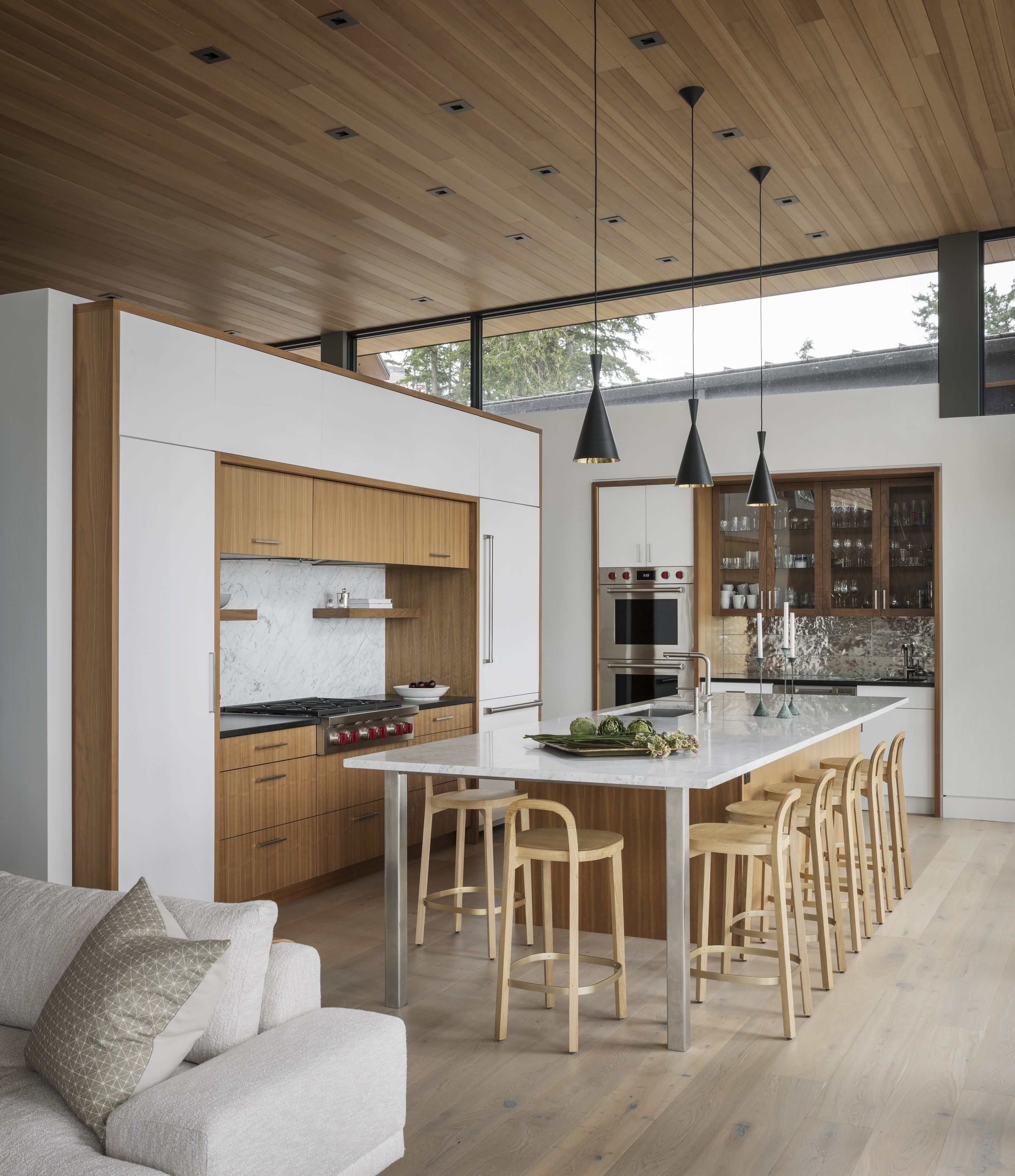
7 Kitchen Storage Trends That Designers say are Best Avoided

7 Things Minimalists Would Never Put in Their Living Room
6 things to never put in an entryway, according to interior designers
5 things designers say you should never put on a mantel
9 things experts say you should never include in a nursery
5 things to never put on your kitchen island, according to interior designers
12 common family living room mistakes that pros warn against
Never store these 6 things on open kitchen shelving, warn pro organisers
Interior designers share 6 things you should never have in your bedroom