When Your Dream Apartment Keeps Flooding
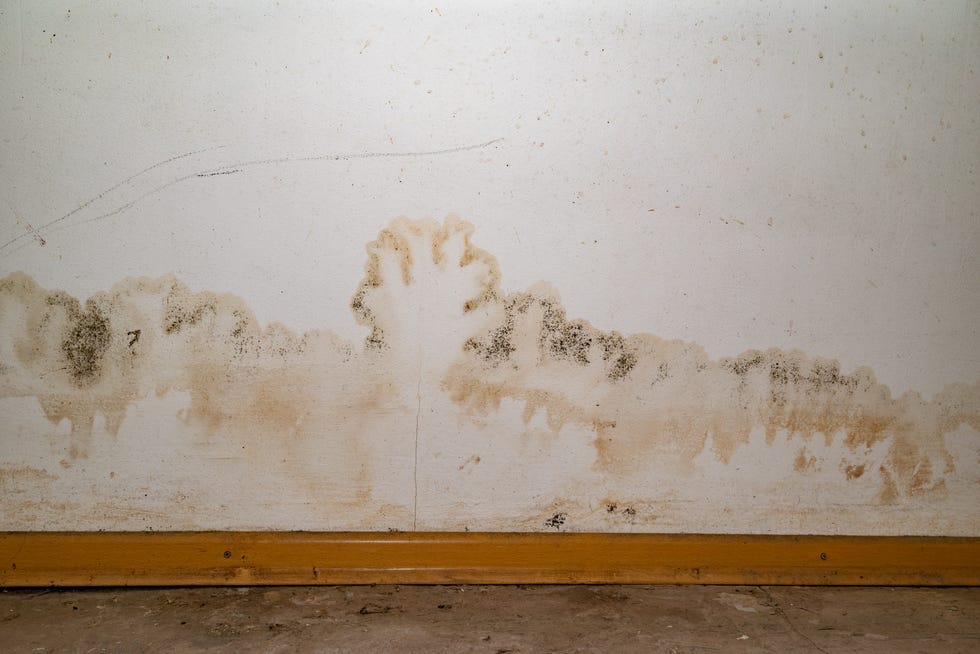
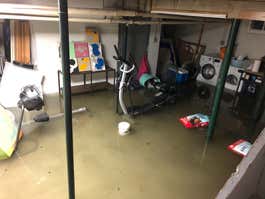
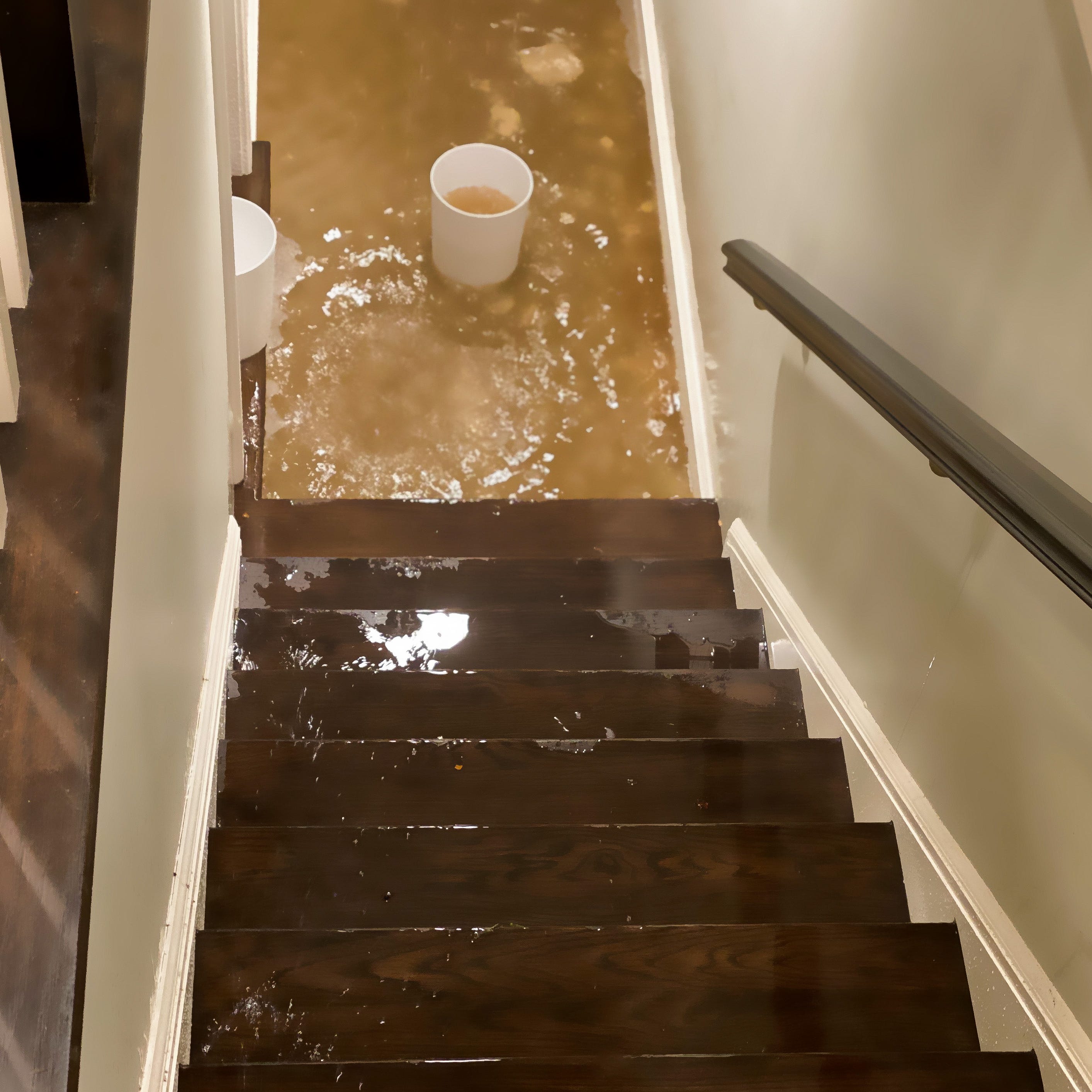
This article delves into the increasing challenges faced by residents of basement and garden-level apartments in New York City, particularly in brownstone Brooklyn neighborhoods, due to recurrent flooding. It highlights how climate change, characterized by more intense rainfall, is overwhelming the city's aging sewer system, leading to chronic inundation of these lower-level units. The piece features personal accounts of residents like Brit Worgan, a photographer in South Slope, who has adapted to a new normal of flood preparedness after three consecutive years of significant flooding, including an incident during Hurricane Ida that caused substantial financial losses not covered by her renter's insurance. Despite the stress and property damage, Worgan and her family remain in their 1,100-square-foot stabilized apartment with a $3,200 rent, as comparable, non-flood-prone housing in their desired school district is largely unaffordable or carries similar risks. This situation is echoed by other residents, who, despite their attachment to their homes, are contemplating the difficult decision of staying or moving, often finding themselves in a tight and expensive housing market.
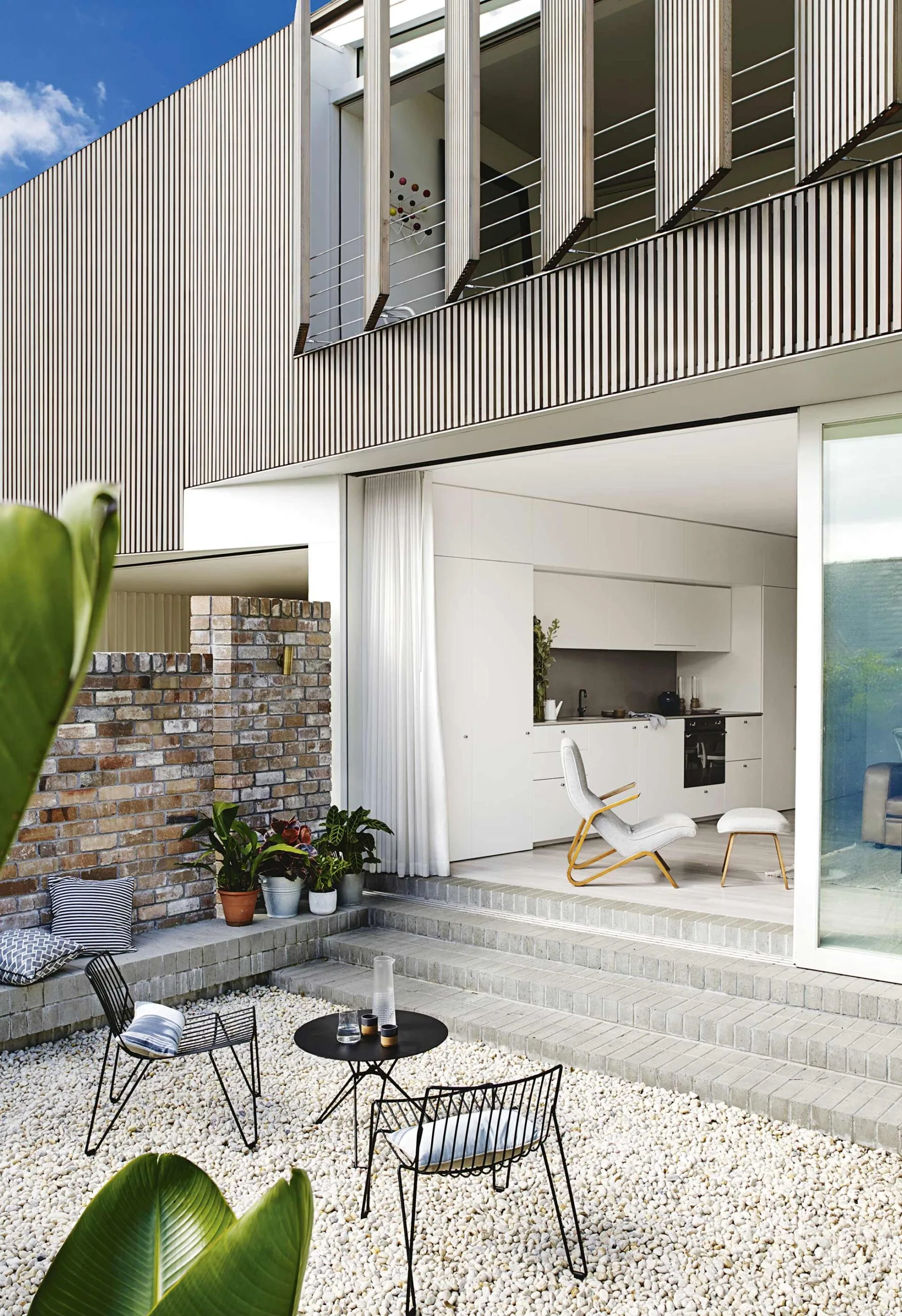
Contractors like Mohammad Islam confirm a shift in call patterns from leaky roofs to flooded basements, indicating a broader systemic issue rather than isolated incidents. The article points out that the tight housing market in areas like Park Slope, where median rents for two- and three-bedroom apartments are $4,200 and nearly $6,000 respectively, compels people to utilize every available space, including basements previously used for storage. The renovation trend of transforming basements into living spaces, complete with amenities like wine cellars and play areas, has exacerbated the problem, as these spaces were not originally designed to withstand intense water intrusion. A former renter recounts her experience with a beautifully renovated duplex featuring a sunken backyard and large glass doors, which, despite its aesthetic appeal, became a constant source of anxiety during rainstorms due to frequent flooding. These design choices, while visually appealing, proved impractical in the face of rising water levels.
The complexities of fixing flooding issues are also explored, ranging from backyard grading and drainage problems to rising water tables and backflowing sewer systems. Property owners who have invested in solutions like improved drainage and plumbing valves have seen some success, but a comprehensive solution remains elusive, especially when considering the broader impact on the overwhelmed public sewer infrastructure. For tenants, the reliance on landlords to implement costly and often uncertain flood-prevention measures adds another layer of difficulty. The article mentions recent legislative efforts, such as new bills requiring disclosure of flood risks to tenants and buyers in New York State, aimed at better informing prospective residents about potential issues. However, despite these measures and ongoing city initiatives to improve storm sewers, the Department of Environmental Protection acknowledges that fully protecting every home from all types of flooding is an unrealistic aspiration.
The overall sentiment conveyed is one of resignation and adaptation among New Yorkers living in flood-prone areas. Residents like Stephen Gross, who operates a printing studio in his duplex's lower level, continue to face thousands of dollars in losses and the disruption of proposed, potentially ineffective, structural modifications. The difficulty of securing alternative, affordable live-work spaces keeps him rooted, even as his perception of subterranean real estate has drastically changed. The article concludes by highlighting that while New York City is actively exploring options to legalize more basement apartments to address housing shortages, this move is met with controversy, especially after tragic basement-apartment deaths during past floods. The city's current strategy focuses on making these units safer with improved egress and precautions, recognizing that people will continue to inhabit them regardless of their legal status. The increasing precipitation forecasts for the coming decades underscore that living with frequent flooding will likely remain a persistent reality for many urban dwellers.
#HousingMarket #Flooding #BasementApartments #ClimateChange #NewYorkCity #UrbanPlanning #RealEstate #TenantRights #Infrastructure #HousingMarket #Flooding #BasementApartments #ClimateChange #NewYorkCity #UrbanPlanning #RealEstate #TenantRights #Infrastructure
0 ความคิดเห็นรวม
 ยังไม่มีความคิดเห็น
คุณอาจจะชอบอีกด้วย
When Rivers Rise Fast – Flood-Smart Living: Simple Steps to Protect your Home

7 ways to flood-proof your home during Thailand’s storm season

You'll Want to Move Into This Magical Floating House ASAP

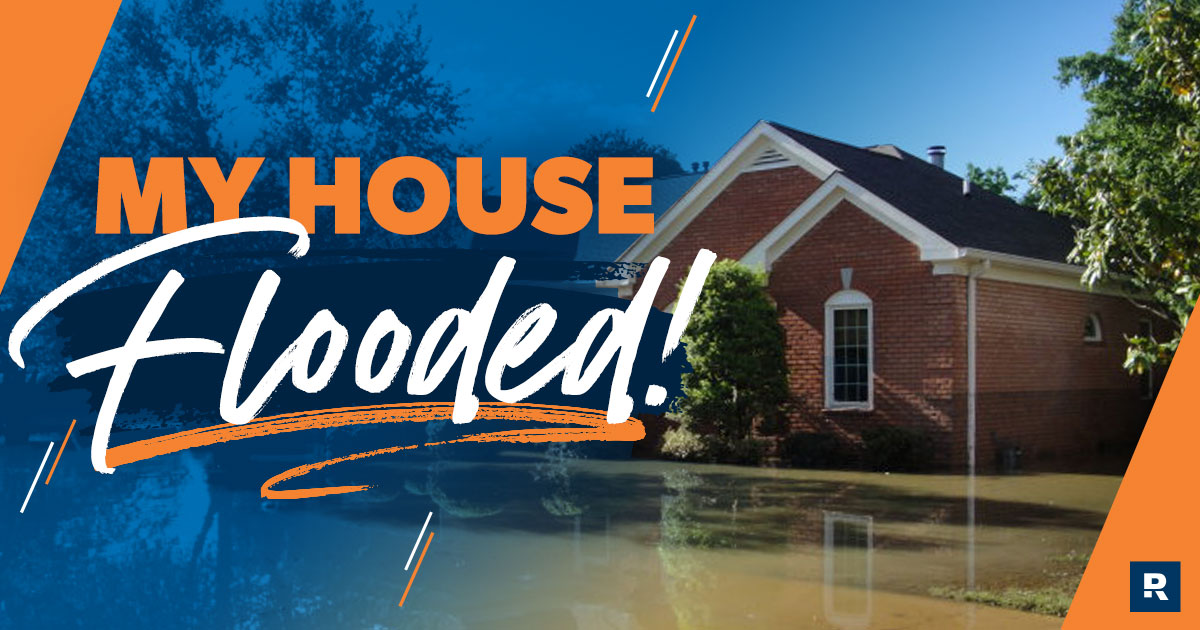
My House Flooded . . . Now What?
Worried about your basement flooding? Install these temporary measures before heavy rainfall

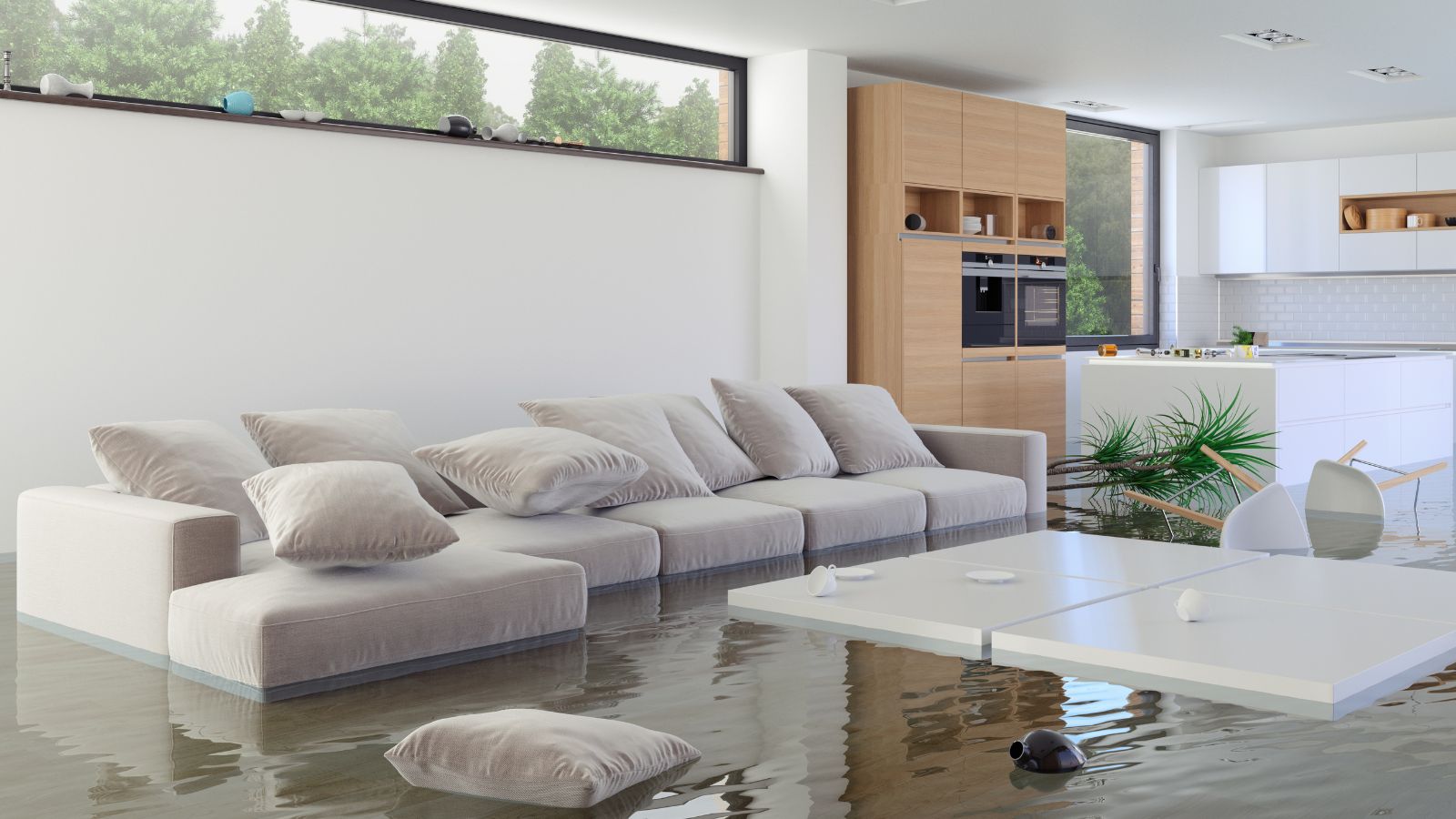
Ways to protect your home from flooding – safeguard your space from storms
What to Do If Your Basement Floods During a Storm, According to Experts
5 common types of water damage to your home – and how to fix them

Living with water: four buildings that will withstand flooding

My Basement Flooded…What I Wish We’d Have Known to Better Prepare, and What We Learned


Everything I Did to Flood-Proof My Old House | Reviews by Wirecutter
How To Avoid a Flooded Laundry Room Upstairs

So Your Basement Is Severely Flooded. Now What?
Solved! Here's What to Do About Water Leaking Into the Basement After Heavy Rain

Before & After: A Flooded Basement Kicked Off a Family’s Whole-Home Renovation in Montana

Advice on Damp problems – are these damp specialists trying to make a quick buck?
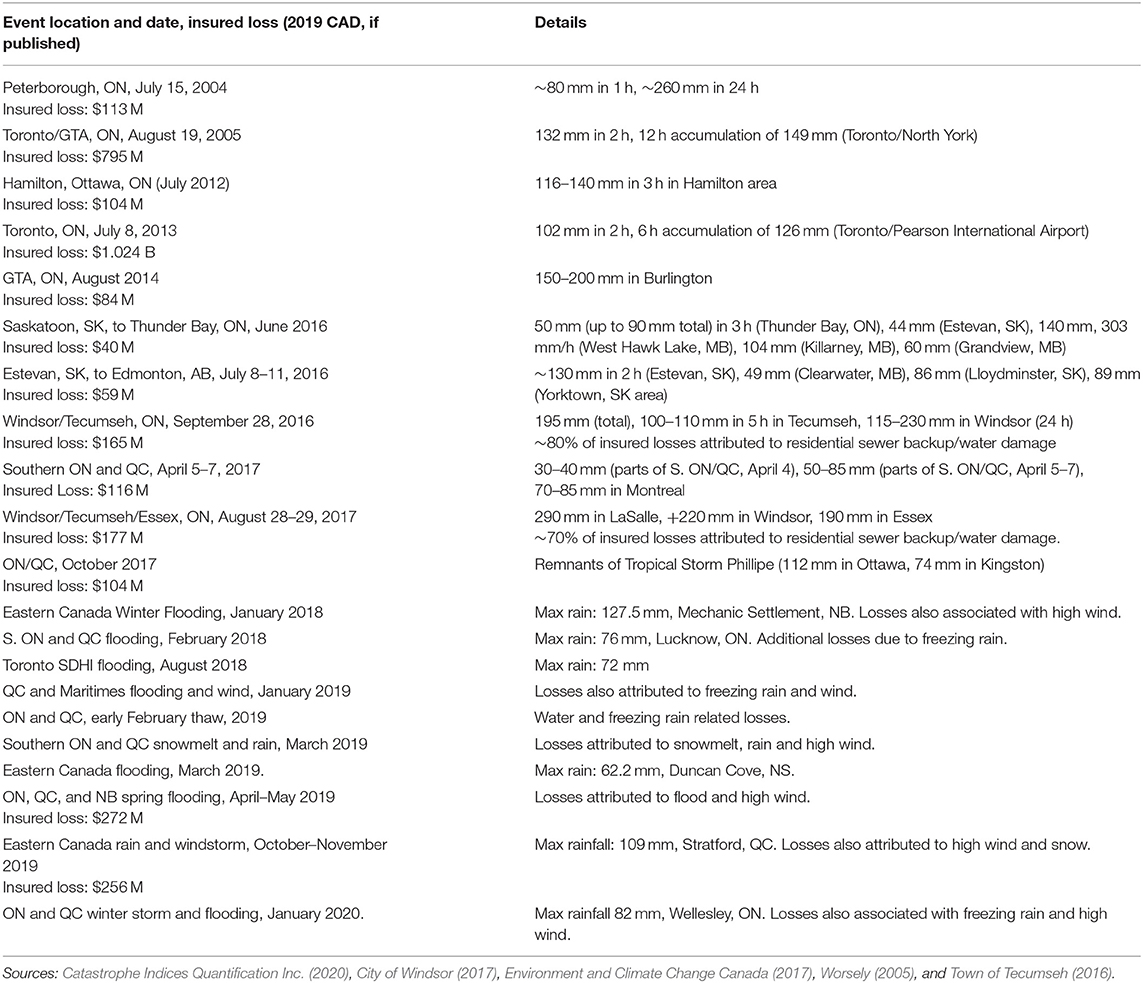
Reducing Urban Flood Risk Through Building- and Lot-Scale Flood Mitigation Approaches: Challenges and Opportunities
Here’s What to Do With Your Carpets After a Flood
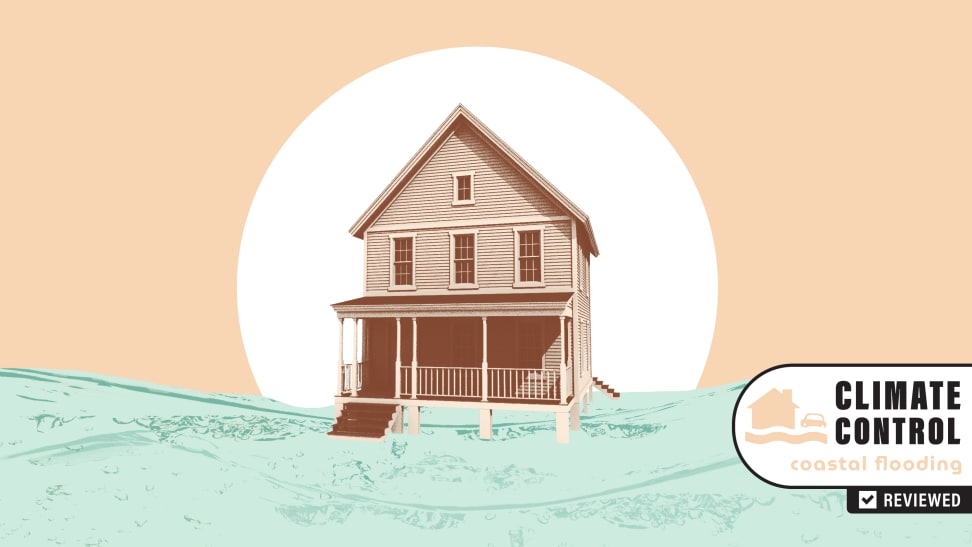
Sea levels are rising, here’s how to floodproof your home

Top 5 Things That Go Wrong in Too-Fast Construction