1/2
How To Avoid a Flooded Laundry Room Upstairs
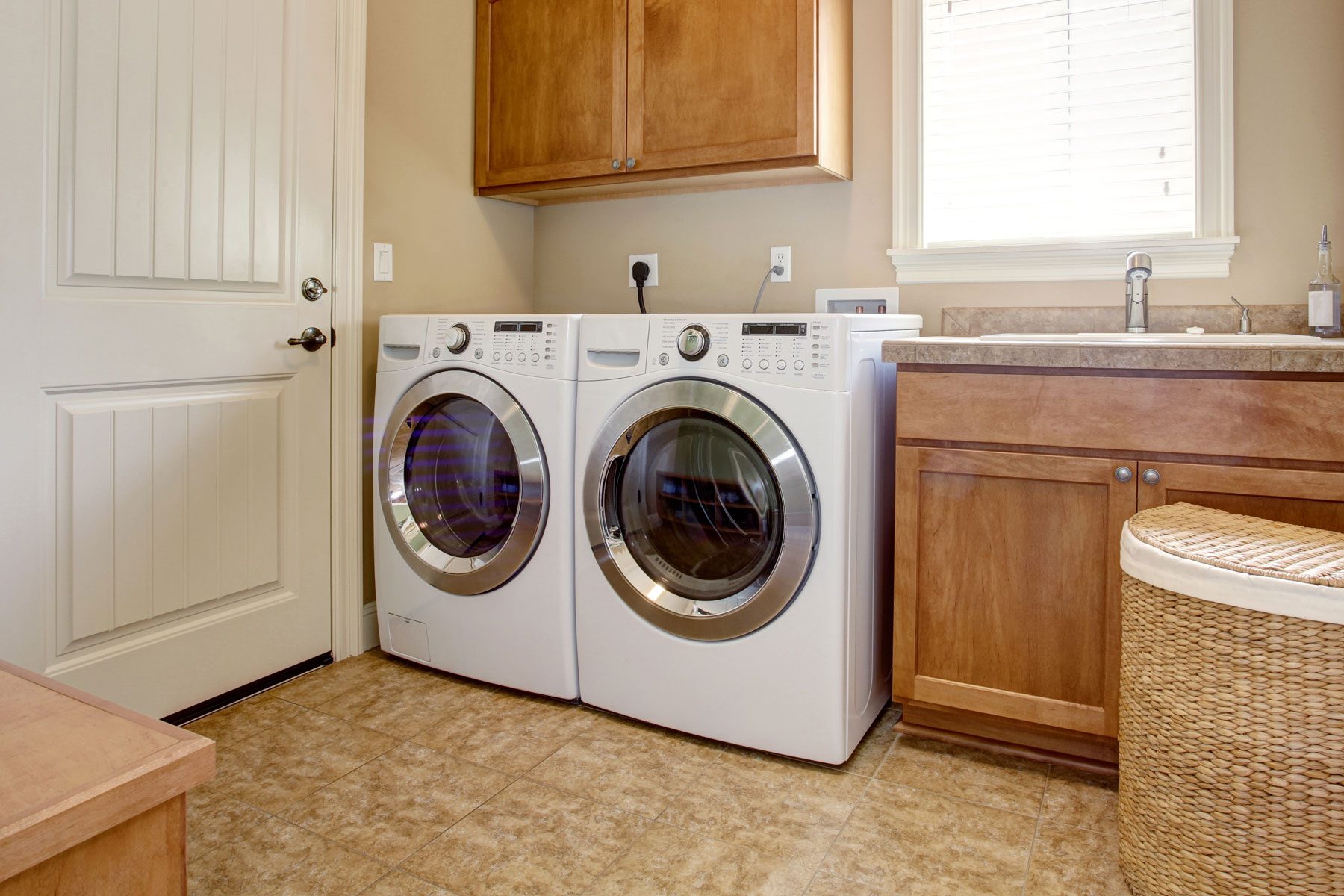
Upstairs laundry rooms, while convenient, pose a significant risk of water damage due to potential leaks and overflows. This article outlines common causes of flooding and provides practical prevention and cleanup strategies. The primary culprits behind washing machine leaks and floods include dislodged, ruptured, or disconnected hoses, clogged floor drains, loose valves with faulty seals, and, less frequently, internal machine failures. Overfilling the washing machine or using excessive detergent can also contribute to these problems.
To prevent laundry room flooding, maintaining the washing machine's hoses is crucial. Hoses and tubes can wear out over time, leading to ruptures under pressure or during draining. It is recommended to regularly inspect and replace worn hoses, considering 'no-burst' versions reinforced with braided stainless steel. Proper installation with new hose washers and hand-tightening, followed by a leak check, are also important steps. Additionally, responsible washing habits, such as washing smaller loads with less detergent and regularly cleaning filters and drains, can mitigate risks.
Technological solutions like moisture meters connected to shut-off control valves or recessed washer boxes can provide early detection and prevention. Recessed washer boxes, installed directly behind the washing machine, integrate plumbing fittings with shutoff valves for water supply hoses and a dedicated drain for the discharge hose. These units should be mounted at a height that allows easy access to the control panel and include built-in shutoff valves. Another preventative measure is creating a catch basin, such as a drain pan placed under the washer, which can be plumbed to the home's waste line, a laundry tub, a floor drain, or even routed outside through the walls. This basin should fit snugly against the back wall framing, with drywall extending down to it.
A simple yet effective prevention method is to turn off the water supply to the washing machine's hoses when not in use. This can be achieved by installing a single-lever shut-off valve on the supply hoses or by utilizing a recessed washer box that includes this feature. In the event of a minor flood, immediate steps involve unplugging electrical devices, shutting off the water supply, removing excess water with towels or a wet-dry vacuum, and thoroughly drying the area with fans or dehumidifiers to prevent mold and mildew.
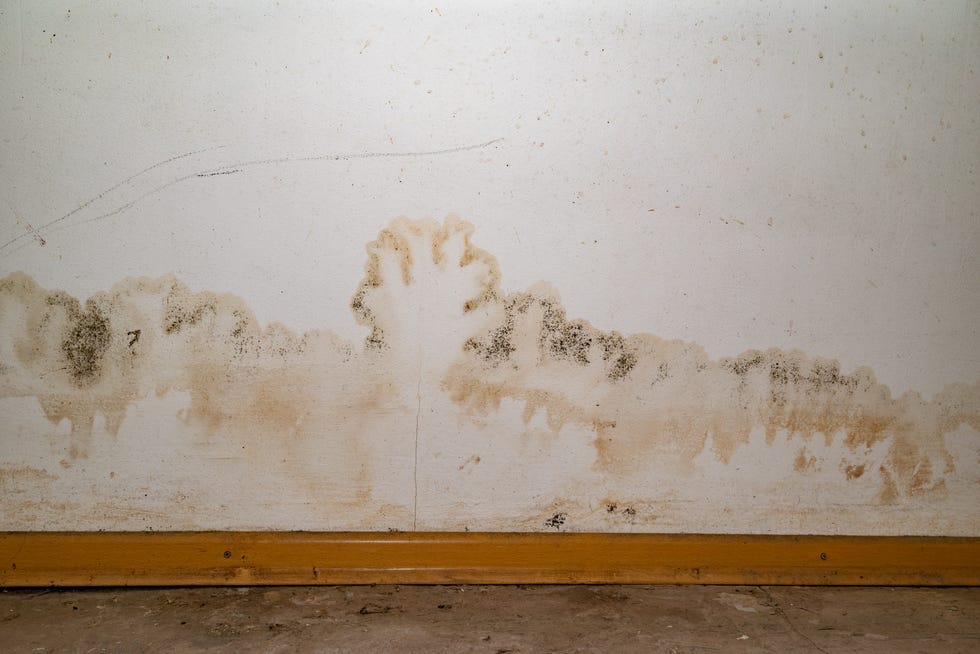
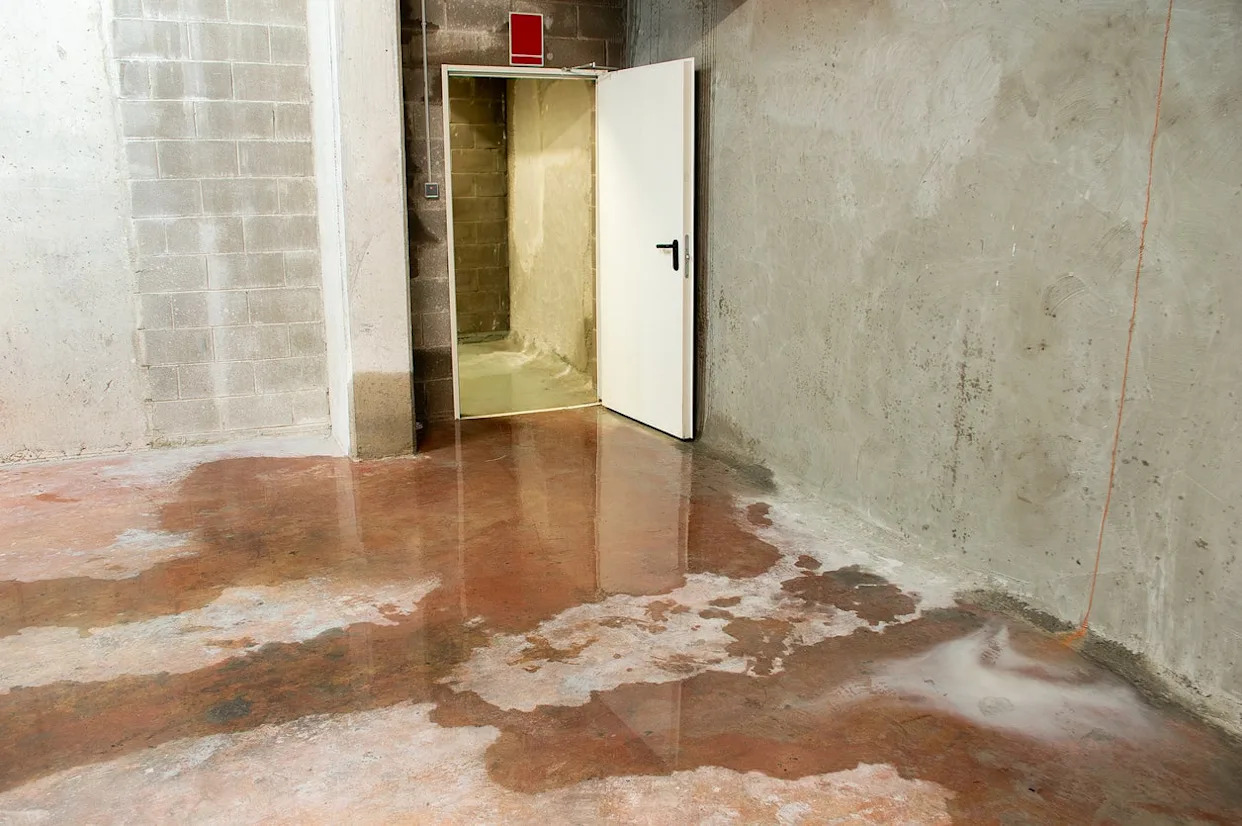
For more significant or unaddressed floods, professional intervention may be necessary. If water has penetrated walls or flooring, particularly in humid climates, mold growth is a serious concern. This may necessitate removing carpeting, cutting drywall up to two feet above the flood line, and sanding down wall studs to prevent mold contamination. Repeated flooding indicates an ongoing issue that requires immediate attention to prevent further damage. When the source of a leak cannot be identified, or if extensive water damage is suspected, calling a water damage restoration professional is advisable. These specialists have access to industrial-grade equipment like air movers, dehumidifiers, and water extraction tools, which are essential for effective and thorough cleanup, often involving insurance claims for comprehensive restoration.
#LaundryRoom #FloodPrevention #HomeMaintenance #WashingMachine #WaterDamage #Plumbing #DIYHomeImprovement #HouseholdSafety #LaundryRoom #FloodPrevention #HomeMaintenance #WashingMachine #WaterDamage #Plumbing #DIYHomeImprovement #HouseholdSafety
0 comment in total
 No comments yet
You may also like
How To Keep Floodwaters From Entering The House Through The Front Door And Bathroom

How Can Architecture Combat Flooding? 9 Practical Solutions

How to make the most of your laundry room, according to a professional organiser

My Basement Flooded…What I Wish We’d Have Known to Better Prepare, and What We Learned


Worried about your basement flooding? Install these temporary measures before heavy rainfall


How to prevent mould in wardrobes - expert-approved tips to protect your furniture and your clothes
When Your Dream Apartment Keeps Flooding

Ways to protect your home from flooding – safeguard your space from storms

How to stop damp in a bedroom - 10 foolproof ways to keep mould at bay
What to Do If Your Basement Floods During a Storm, According to Experts


5 Closet Systems That Will Prevent Clothes From Piling Up

10 Laundry Room Organization Ideas That’ll Make Folding Socks Your Favorite Part of the Day

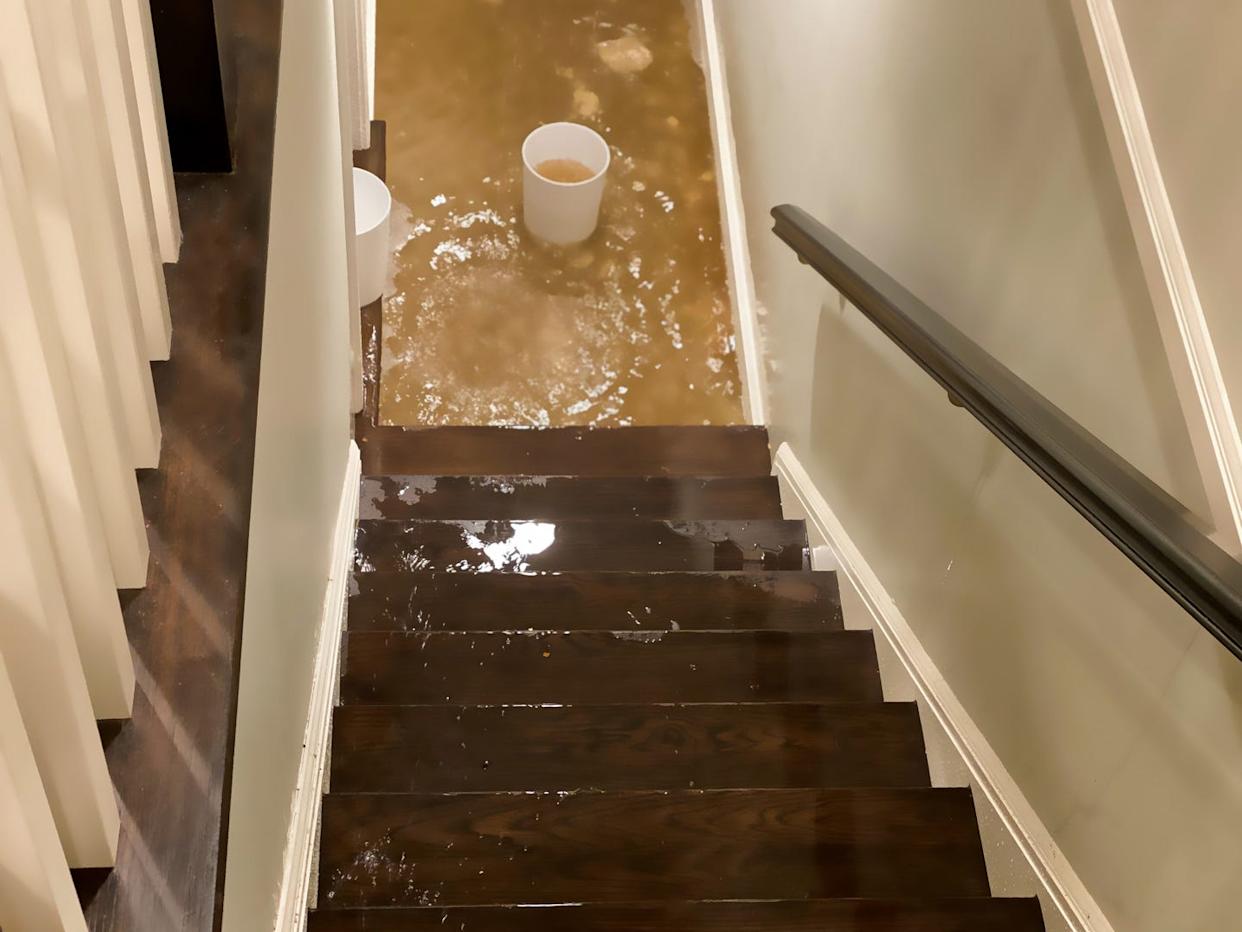
So Your Basement Is Severely Flooded. Now What?
The Best Laundry Room Hacks

4 Top Trends to Optimize Your Laundry Room


6 bedroom storage mistakes that could be causing mould – and what to do instead
Laundry room design mistakes and how to avoid them according to experts

Solved! Here's What to Do About Water Leaking Into the Basement After Heavy Rain
Clever Built-Ins Hide All the Clutter in This Basement Laundry Room
6 Things You Should Never Store in Your Laundry Room, According to Pro Organizers