1/9
Did Covid Ruin Home Renovations?
The COVID-19 pandemic significantly altered the landscape of home renovations, introducing new challenges and trends that homeowners and contractors continue to navigate. The article highlights ten key aspects of these changes and provides advice for those planning renovation projects. During the pandemic, lead times for materials became unexpectedly long, labor shortages became common, and material prices, particularly for lumber, surged. Even as the immediate crisis subsides, many of these effects persist, necessitating a flexible approach to renovation projects.
One of the primary impacts is the inevitability of changes and delays. Contractors emphasize the importance of clients maintaining an open mind and flexibility regarding plans, vendors, layouts, and timelines. For instance, if an 18-inch cabinet is out of stock, clients should be open to using 15-inch or 12-inch alternatives. Delays are now a common expectation, and homeowners should understand that these are often frustrating for contractors as well, as a single project delay can cascade and affect multiple other scheduled jobs. Professional contractors are now booked much further in advance, with some having schedules full for six months to a year. This means homeowners planning a renovation should contact professionals much earlier than they might have before the pandemic, ideally while still in the initial conceptualization phase of their project.
The demand for renovations has remained high, partly due to increasing mortgage interest rates, which encourage homeowners to invest in their current properties rather than moving. This sustained demand means that contractors can be more selective about the projects they undertake, often prioritizing those that are more ambitious and personally fulfilling. This implies that homeowners with a more substantial budget and a unique vision might have an easier time securing their preferred contractor. Despite the ongoing challenges, there is no significant advantage to waiting for market conditions to improve further, as many of the shifts seem to be long-term. If finances permit, starting a renovation now is generally advisable.
While the actual work duration hasn't necessarily increased, the pre-construction waiting period has. Lead times for big-ticket items like windows, masonry, appliances, and cabinets are still longer than pre-pandemic levels, although they are slowly normalizing. For example, cabinetry lead times, which once ballooned to 25 weeks, are now typically 9 to 12 weeks. Delays can still occur due to seemingly minor missing components, such as floor thresholds, which can halt a project for weeks. To mitigate these issues and ensure efficiency, many professionals now opt to wait until all materials are on-site before beginning demolition or construction, preventing work stoppages and optimizing subcontractor schedules.
Regarding costs, building material prices have increased by an average of 33% since the pandemic began. Some materials, such as concrete block and brick, have seen stabilized prices. However, lumber costs, while lower than their peak in 2021 and early 2022, remain 20% to 30% higher than 2019 levels. These persistent higher costs for essential materials continue to impact overall renovation budgets. Therefore, individuals embarking on home renovations in the current climate need to factor in increased costs, longer planning phases, and a need for greater flexibility in their project expectations.
#HomeRenovations #PostPandemicTrends #ConstructionIndustry #MaterialCosts #LaborShortages #ProjectManagement #HomeImprovement #ContractorSelection #HomeRenovations #PostPandemicTrends #ConstructionIndustry #MaterialCosts #LaborShortages #ProjectManagement #HomeImprovement #ContractorSelection
0 комментариев всего
 Комментариев пока нет
Вам также может понравиться

Home Remodeling Projects That Pay Back The Most In Happiness


Remodeling
12 Before-And-After Home Renovation Photos That Will Either Make You Angry Or Envious


These Features Instantly Kill a Home’s Renovation Potential
Psychologists Reveal the MAJOR Impact of Home Renovations on Your Mental Health
5 Spooky Home Improvement Horror Stories That Will Send Goosebumps Down Your Spine

From Touchless Tech To Vinyl Floors, Here’s How Coronavirus Will Change Home Design


5 "Tariff-Proof" Home Renovations That Experts Recommend in 2025

Home Renovation Projects That Are (Mostly) Tariff-Proof


Home Renovations That Are Worth Your Time And Money

Before & After: They Turned a ’70s Tract House Into a Quirky Desert Dream Home


If you don't yet know the home renovation trends for 2025, your project might just be missing out

Home Renovations That Can Make A Big Impact, According To Experts

Budget Breakdown: It Took $1.6M and Less Than a Year to Reboot This ’70s Ojai Ranch House

This Former 1930s Hunting Lodge Was Updated for Family Living
Here's What Nobody Tells You About Buying and Renovating a Historic Home

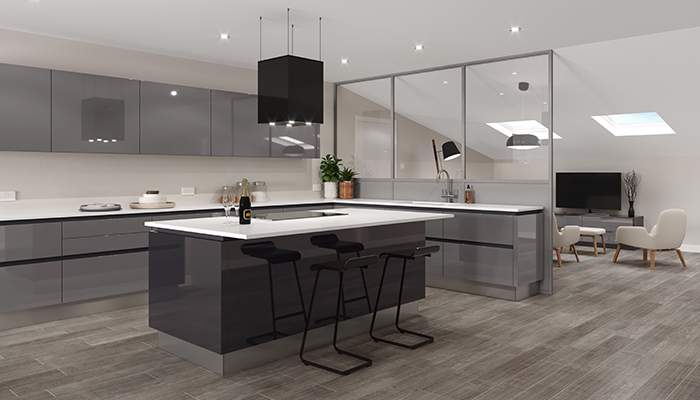
Broken dreams: Has COVID called time on open-plan kitchen designs?

5 renovation projects that will add value to your home in 2024


Artwork, plants & wallpaper top list for Zoom office backgrounds

Now is the worst possible time to renovate your home. Here's why.