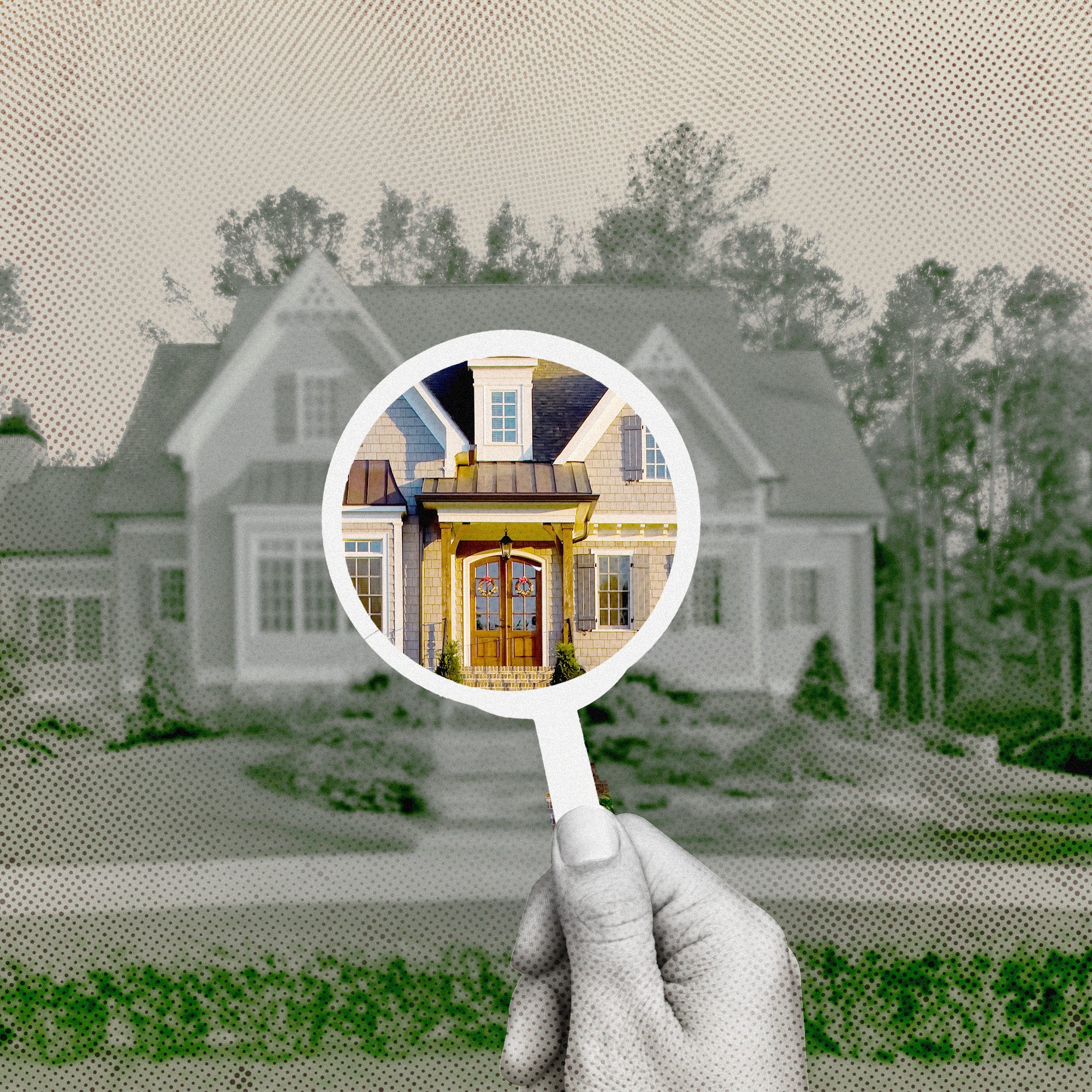
These Features Instantly Kill a Home’s Renovation Potential
The article discusses how to evaluate whether a home is a worthwhile investment for renovation, according to experts in interior design and construction. Lauren Liess, founder and principal designer of Lauren Liess Interiors and a real estate brokerage, emphasizes that while any house can be made beautiful with sufficient funds, the key is to ensure the investment is economically sound. Often, the cost of fixing up a severely dilapidated house can exceed its market value, making it an unfavorable position for the homeowner.
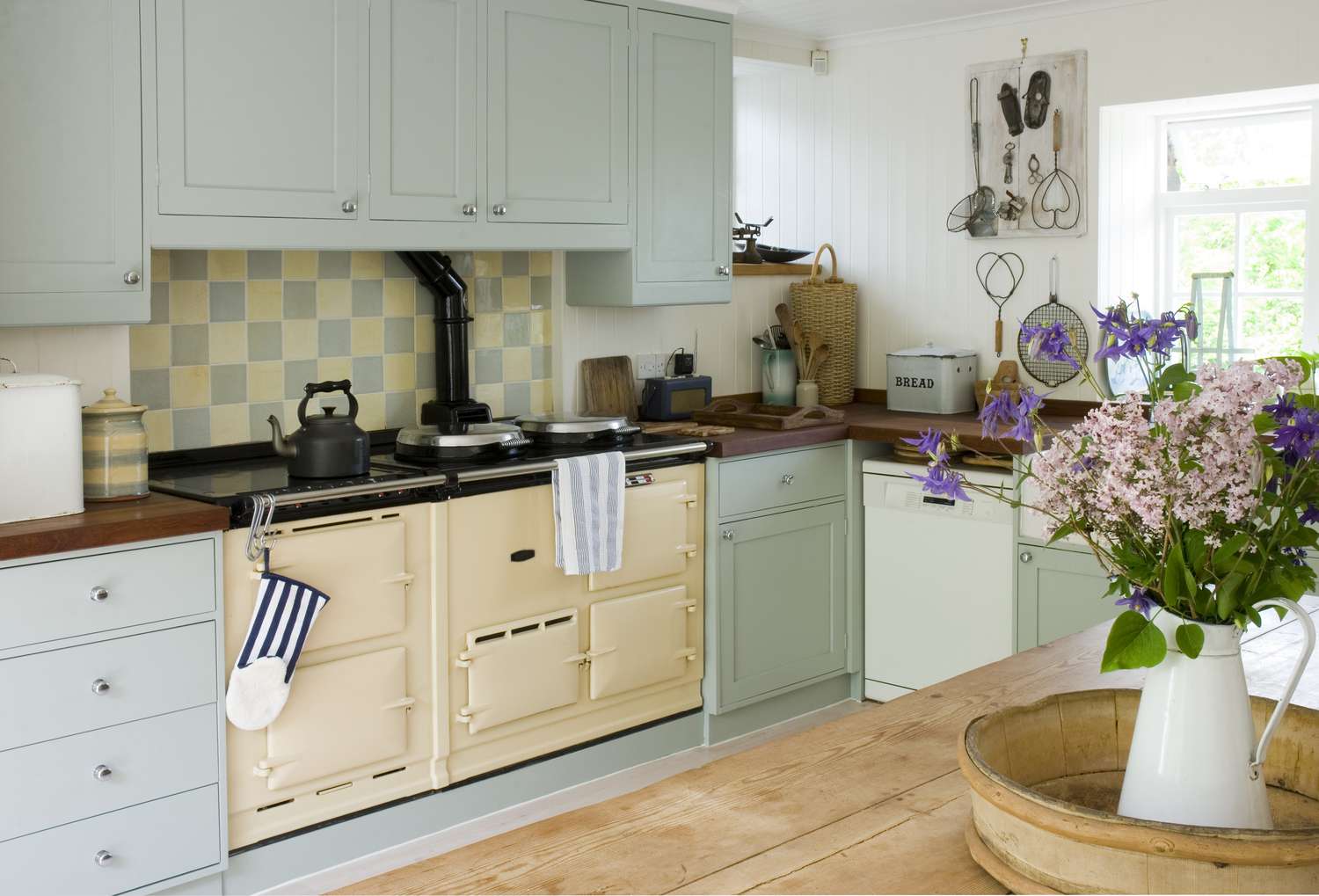
Experts advise prospective renovators to look for undervalued homes with inherent charm or architectural character, or properties that can easily be transformed into a blank canvas for new architectural details without extensive and costly structural changes. Liess specifically recommends seeking out homes that have not been renovated at all, or those that are outdated and unappealing to most buyers. She quips that "unfortunate tile and terrible paint colors are your best friends," as these cosmetic issues are typically inexpensive to remedy and allow for significant value addition.
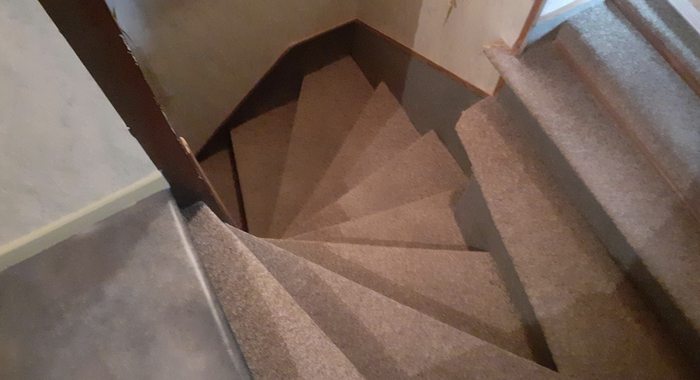
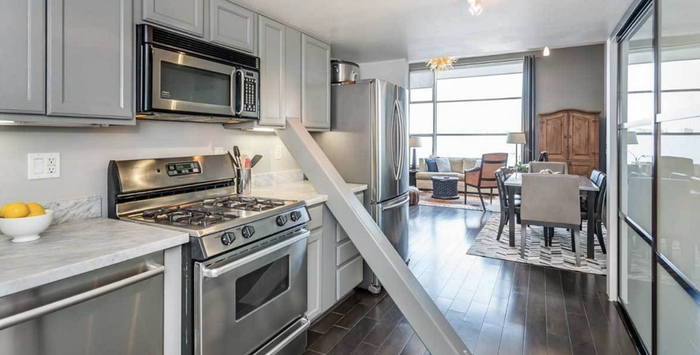
Several factors can significantly diminish a home's renovation potential. Philip Thomas Vanderford of Studio Thomas James highlights that low ceilings are a major dealbreaker because they are difficult and expensive to alter. Structural problems, such as an unsound foundation or faulty electrical and plumbing systems, also pose substantial financial risks, potentially consuming the entire renovation budget. A poorly conceived floor plan can also be a significant challenge, as extensive room rearrangement can quickly escalate costs. Stephen Pallrand, founder of Home Front Build, notes that single-story homes are generally easier for extensive remodels than multi-story properties, where altering lower-story walls can incur higher structural costs.
Furthermore, Liess cautions against homes already priced above market value, as they offer little room for profit or equity building after renovation. This is why she tends to avoid recently renovated homes, as they are often overpriced and undoing previous work feels wasteful.
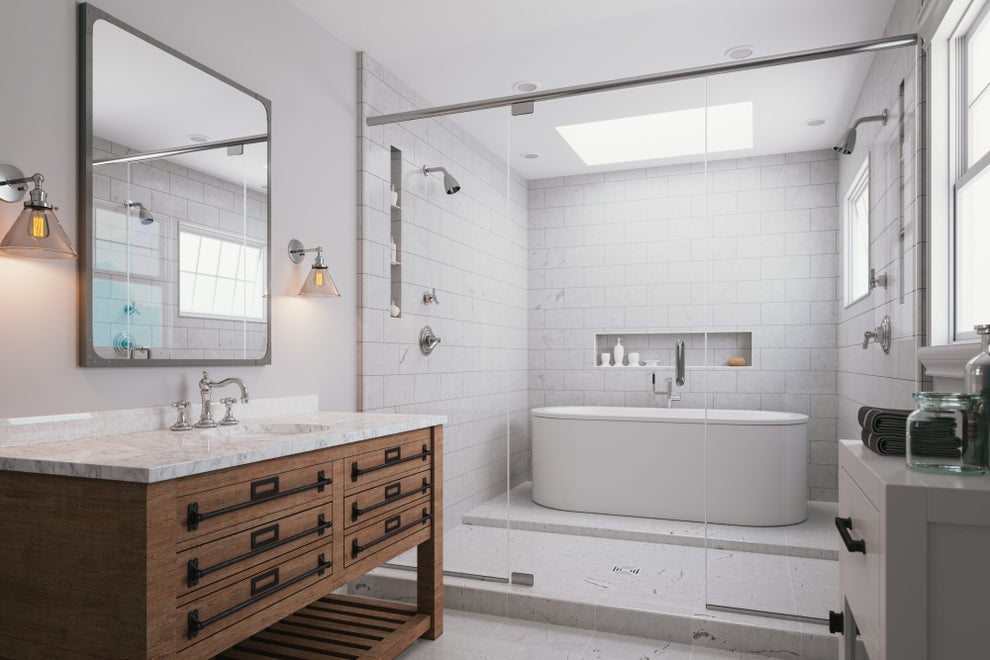
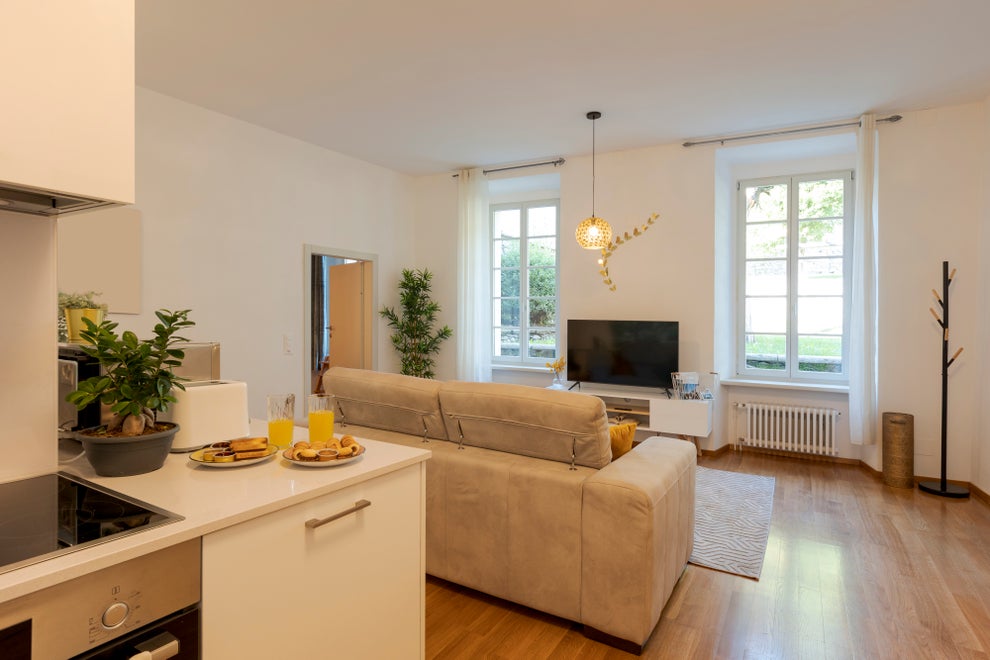
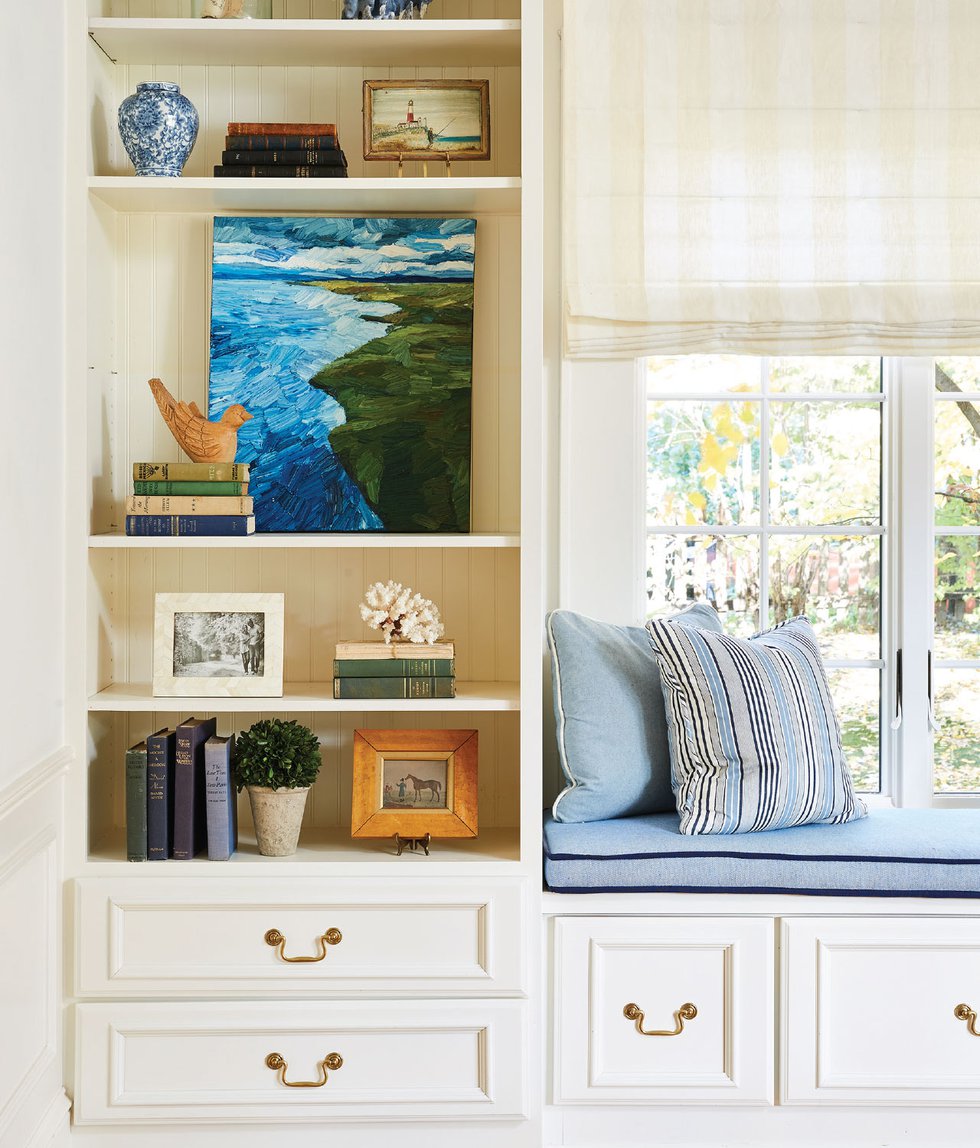
Conversely, many issues that deter average homebuyers can be overlooked by experienced renovators. Cosmetic imperfections like outdated paint colors or worn carpets are minor in the grand scheme of a renovation. Experts suggest that features such as a lack of natural light can be addressed by adding windows, mold can be remediated, and architectural details can be introduced to plain homes. Liess states that anything outdated can be stripped away to make room for timeless elements. Pallrand encourages buyers to visualize rooms as blank canvases, focusing on fundamental aspects like natural light, size, and views, rather than being put off by superficial finishes like vinyl cabinets or dark granite countertops. He stresses that the buyer is essentially acquiring a shell to personalize.
For those seriously considering a renovation project, Liess advises spending time in the home, mentally or physically sketching out floor plan changes, and listing all necessary modifications. It is crucial to get ballpark estimates for all projects, add these to the home's purchase price (including a buffer for unexpected costs), and compare the total to the market value of newly renovated homes in the area. If the renovated value aligns with market rates and the buyer intends to live in the home, it can be a worthwhile investment. However, for those planning to flip the property, the total cost of acquisition and renovation must be substantially below the market value of a newly renovated home to ensure profitability. If uncertainty about renovation costs or potential hidden problems persists, bringing a contractor for a more accurate assessment is highly recommended.
#HomeRenovation #RealEstate #InteriorDesign #HomeRemodeling #PropertyInvestment #ArchitecturalCharacter #RenovationBudget #PropertyValue #HomeRenovation #RealEstate #InteriorDesign #HomeRemodeling #PropertyInvestment #ArchitecturalCharacter #RenovationBudget #PropertyValue
0 comment in total
 No comments yet
You may also like

Money-wasting home improvements to avoid

“I Regret Not Installing A Ceiling Fan” 5 Real-Life Renovation Regrets Shared By Singaporeans
The 14 Best Bathroom Renovation Tips We've Picked Up From Unsellable Houses

5 Tacky Home Decor Items That Instantly Make a Home Look Bad, According to Designers

'Potential buyers may see it as a DIY job gone wrong' – this popular interior trend may be devaluing your home
9 common home renovation mistakes to avoid

This Design Mistake Could Lower The Resale Value Of Your Home

Experts warn these 7 DIY home improvements will devalue it – plus what to do instead

"Frankly, It's Tacky": People Are Revealing Common Home And Kitchen Design Trends They Can't Stand
10 Home Improvements That Experts Say Are a Waste of Money
21 Home Design Fails That Are As Upsetting As They Are Impractical


After More Than 500 Home Makeovers, the Property Brothers Warn Against This Feature They "Hate, Hate, Hate"


Now is the worst possible time to renovate your home. Here's why.
7 Renovations Homeowners Regret the MOST, According to the Experts Who Fix Them
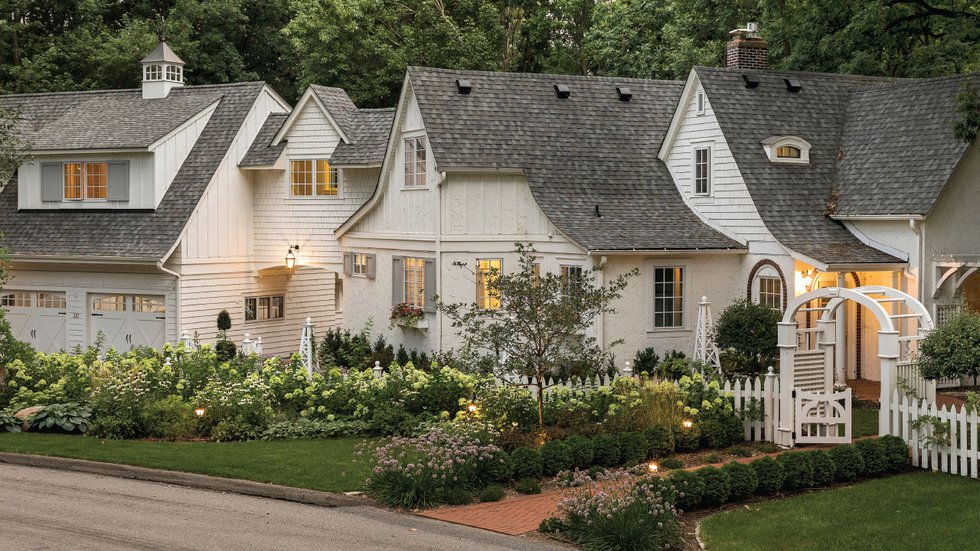
Once Upon a Time

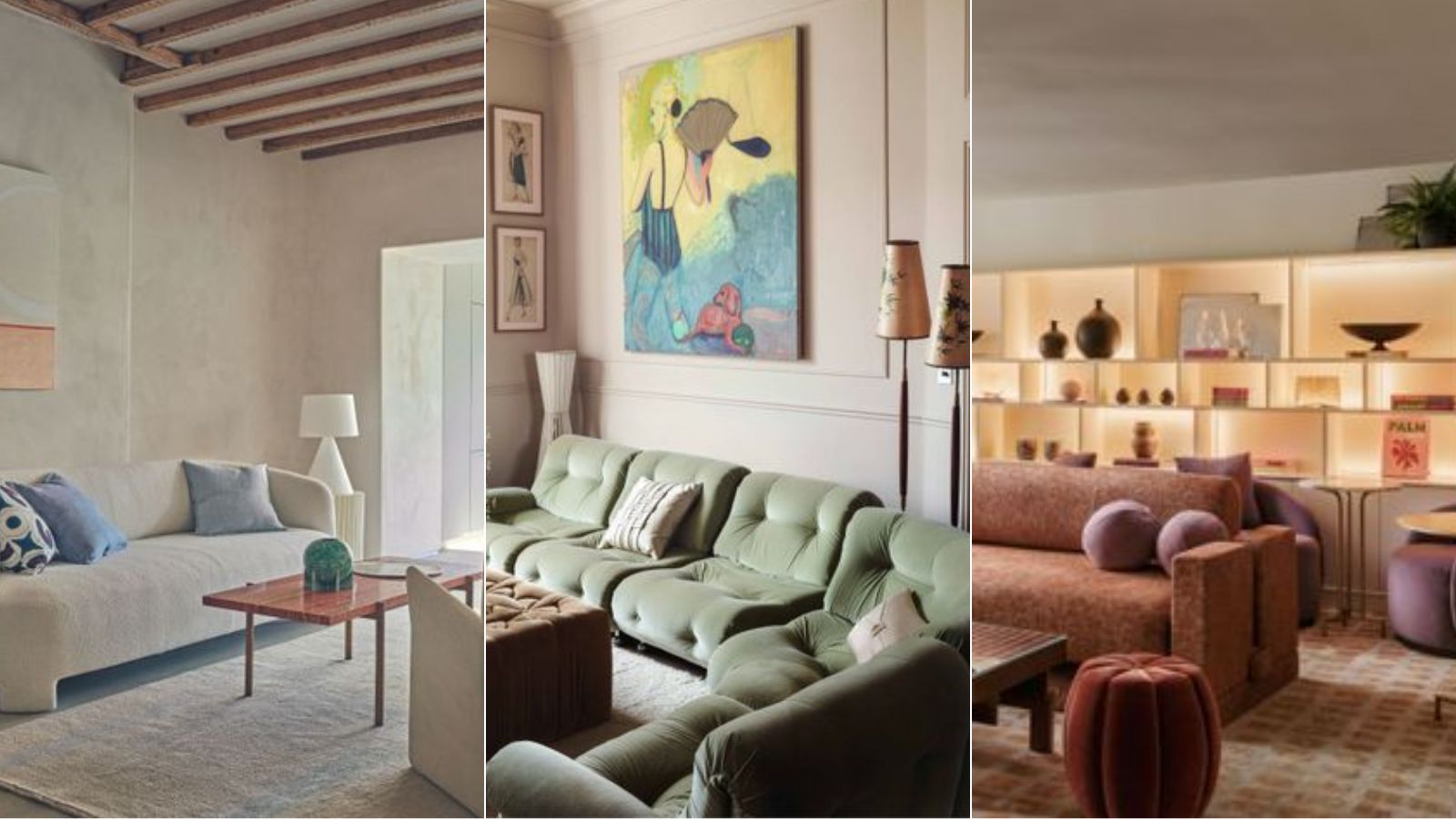
Dream living room upgrades homeowners always come to regret – according to the experts

10 retro design trends that could be devaluing your property by thousands
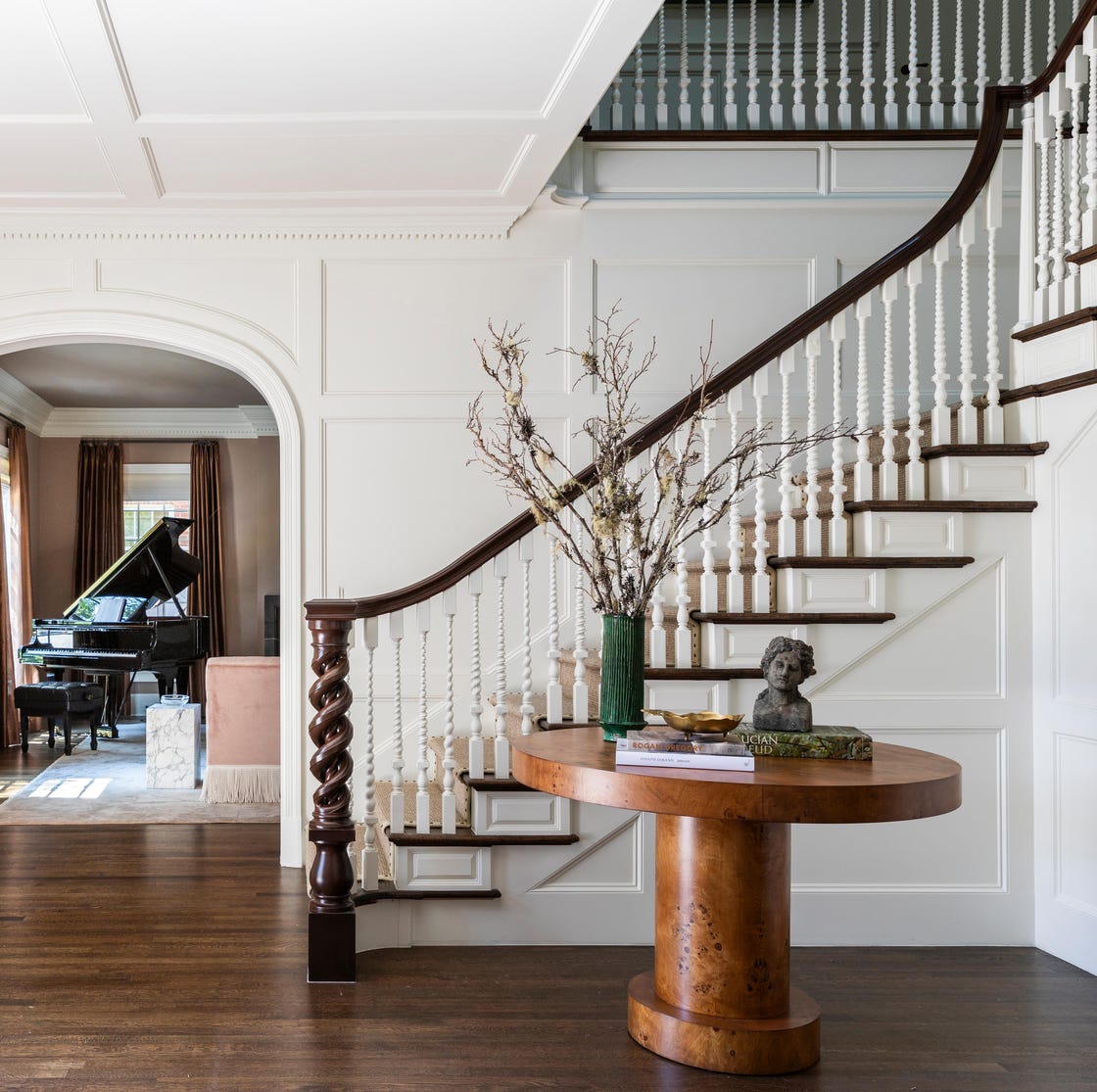
Upgrading THIS Simple Feature Makes Your Home Look More Expensive, According to Designers
Renovation
5 Tacky Kitchen "Upgrades" That Instantly Make a Home Look Bad, According to Designers