Now is the worst possible time to renovate your home. Here's why.
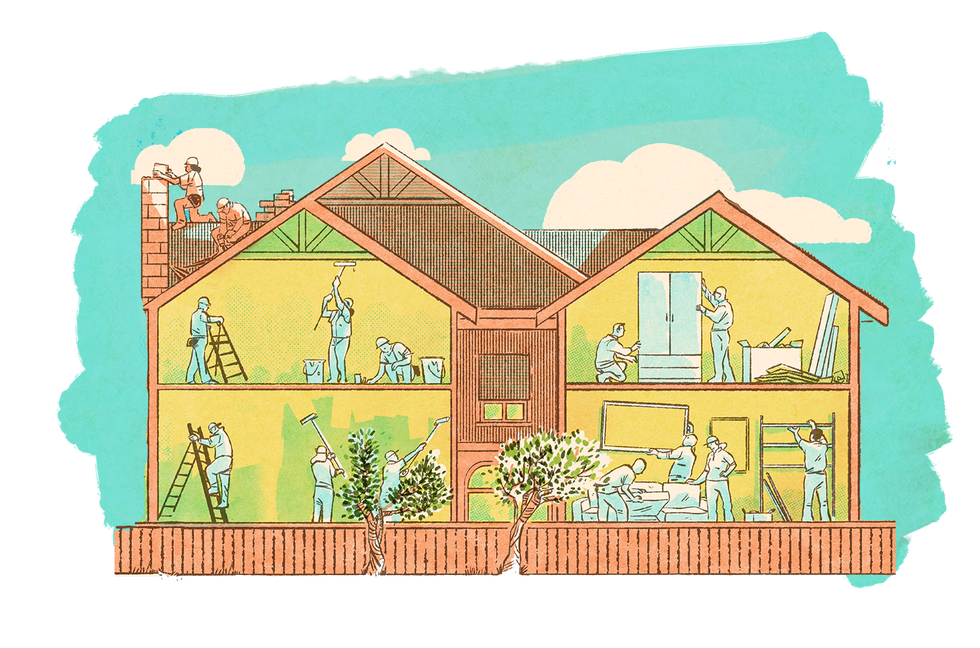
Home renovation projects are currently experiencing significant delays and cost increases due to a confluence of economic factors, including labor shortages, supply-chain disruptions, and inflation. A personal account details the challenges faced during the renovation of a 130-year-old Michigan cottage, which started in September 2020 with an initial plan for completion by June 2021. However, by August 2022, the project was still an estimated six months from completion, with the budget more than doubling.
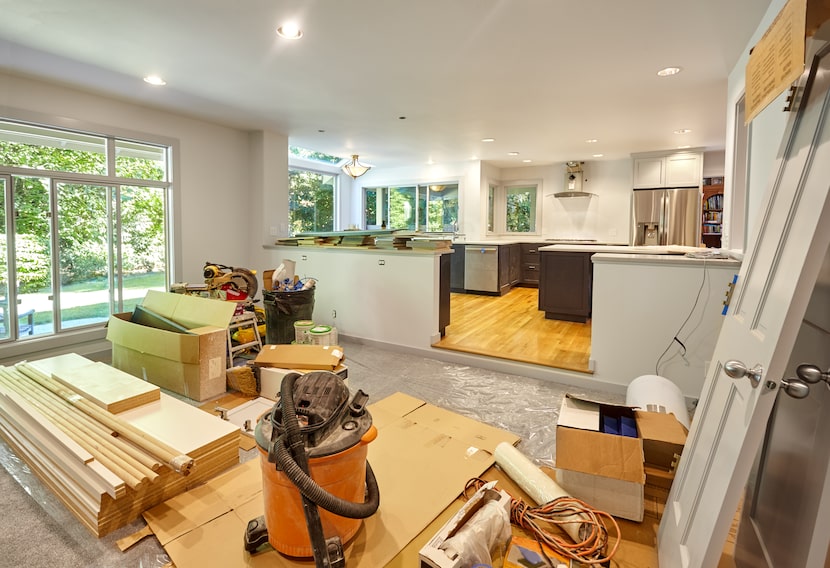
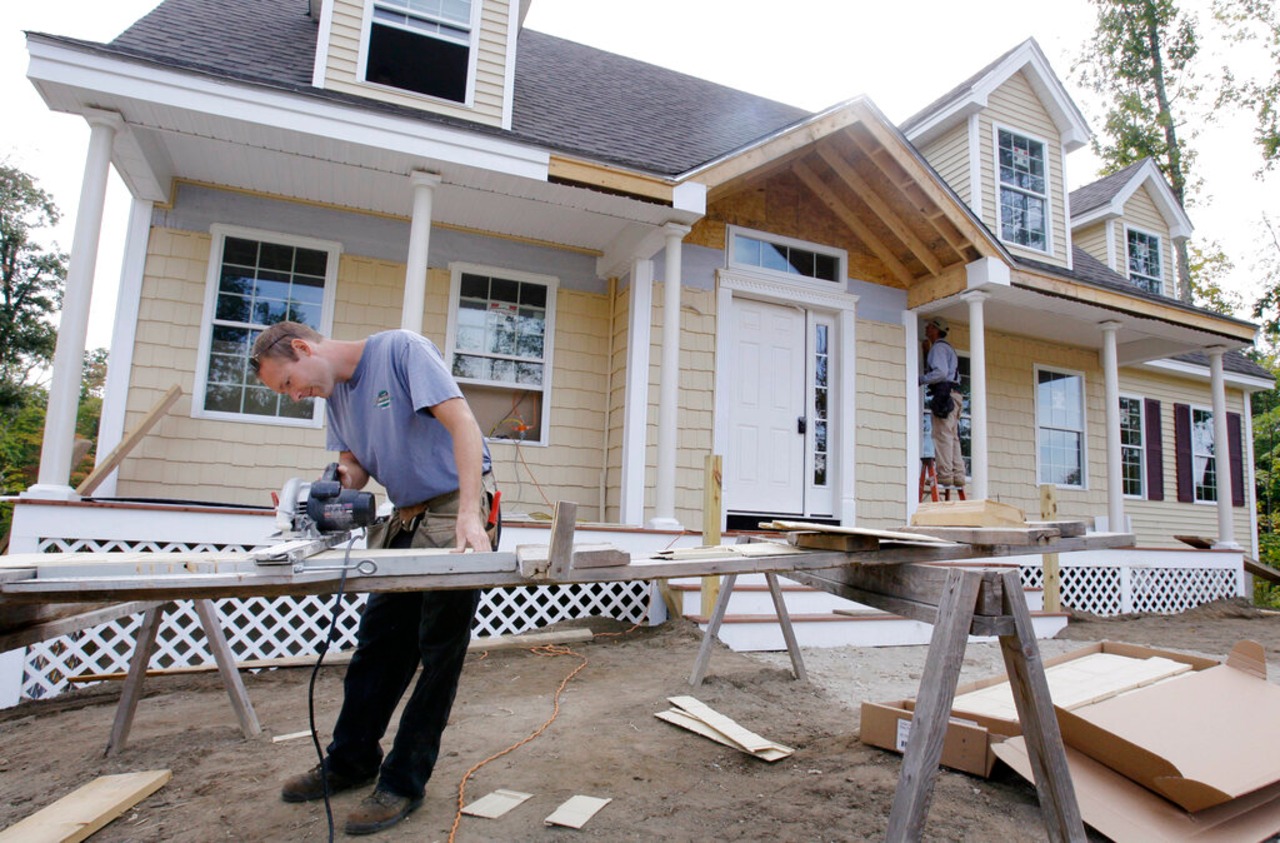
The renovation of the Michigan cottage was initially expected to be straightforward, addressing minor issues like a dated kitchen, an old furnace, and a stone chimney. However, the project quickly escalated into a massive gut renovation due to unforeseen problems discovered as construction progressed, such as a rotting foundation and septic issues. Additionally, an unexpected incident involving a delivery truck damaging the newly built porch added further delays. These individual mishaps combined with broader economic issues to create a challenging renovation environment.
The widespread labor shortage, particularly in rural areas like northern Michigan, is a significant contributor to the delays. Many skilled tradespeople, including carpenters, plumbers, and electricians, left the industry or moved to more economically robust areas after the 2008 housing crisis. This trend was exacerbated by the COVID-19 pandemic and an aging workforce. The reduced availability of workers has led to increased demand for their services and higher wages, pushing up overall renovation costs. Contractors often face difficulties scheduling specialized workers, and a delay in one trade can cascade, postponing subsequent stages of the project for weeks or months.
Supply-chain issues further compound the problem. The pandemic led to a global slowdown in manufacturing while simultaneously boosting demand for consumer goods, including construction materials. This resulted in material shortages, such as for appliances, framing lumber, and oriented strand board (OSB). The unpredictability of material availability means that certain products become scarce, then plentiful, then scarce again. International trade complexities, like increased tariffs on Canadian lumber, have also contributed to price volatility and shortages. The article highlights an instance where windows took 20 weeks to arrive, significantly longer than the typical six to eight weeks, and a back door was still awaited five months after ordering. These delays in material delivery often mean that scheduled craftsmen are no longer available, leading to further postponements.
Despite the challenges, the extended timeline for the cottage renovation, being a second home, inadvertently provided some benefits. The absence of a strict deadline allowed the homeowners and contractor to make more thoughtful decisions regarding design and materials. This extended period also provided extra time to manage the unexpectedly rising costs. The contractor noted that the prolonged timeline enabled a thorough understanding of the house's structural weaknesses, facilitating a more effective redesign and ensuring the home's longevity and structural integrity for potentially another 130 years.
#HomeRenovation #HousingMarket #SupplyChain #LaborShortage #Inflation #ConstructionDelays #MichiganRealEstate #EconomicImpacts #CottageRenovation #HomeRenovation #HousingMarket #SupplyChain #LaborShortage #Inflation #ConstructionDelays #MichiganRealEstate #EconomicImpacts #CottageRenovation
0 comment in total
 No comments yet
You may also like

We’re Calling It: This Is the Year for a Kitchen Renovation


‘Home Improvement’ Wasn’t Cancelled For The Reasons You Think

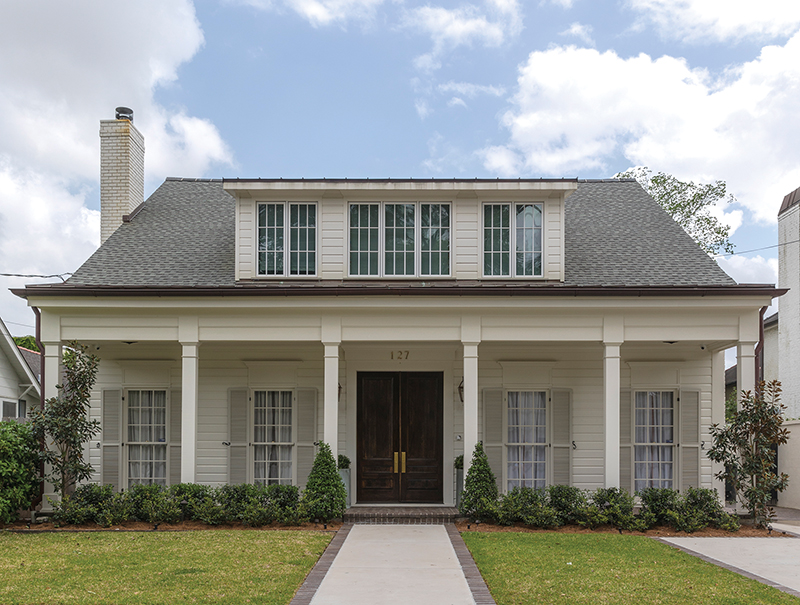
Renovation of the Year


Renovate your home or buy a new one? Here's what experts suggest

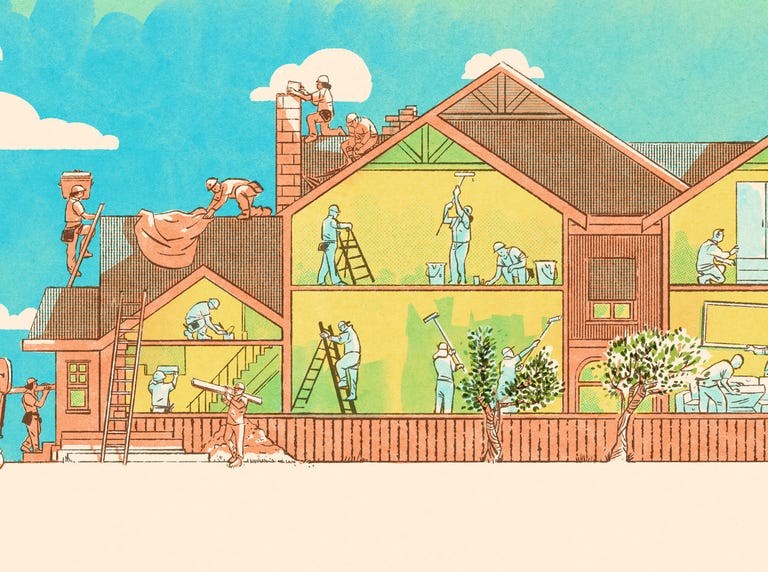
Did Covid Ruin Home Renovations?

7 Renovations Homeowners Regret the MOST, According to the Experts Who Fix Them
Don't Wait Much Longer—This Is the Best Time of Year to Paint a House, Reno Pros Say


Renovation

If you don't yet know the home renovation trends for 2025, your project might just be missing out
11 costliest home renovation mistakes you should avoid

Experts warn these 7 DIY home improvements will devalue it – plus what to do instead


7 things you should repair instead of replace in your home

These Features Instantly Kill a Home’s Renovation Potential

You should try to avoid these 10 common home remodeling mistakes, urge experts

How to Revamp Your Home in 2025


Remodeling

9 common home renovation mistakes to avoid


9 Things You Need to Know Before Renovating Your Home, According to Experts

Money-wasting home improvements to avoid


Designers Say This Room in Your Home Is Officially Outdated