5 Tacky Kitchen "Upgrades" That Instantly Make a Home Look Bad, According to Designers
When undertaking a kitchen renovation, homeowners often seek upgrades to enhance both style and value. However, certain design choices, while seemingly appealing at first, can quickly become dated or appear cheap, diminishing the overall aesthetic and worth of the home. Interior designers Sarah Trop, Hannah Griffiths, and Conor Shanley identify five such “tacky” kitchen upgrades that are best avoided.
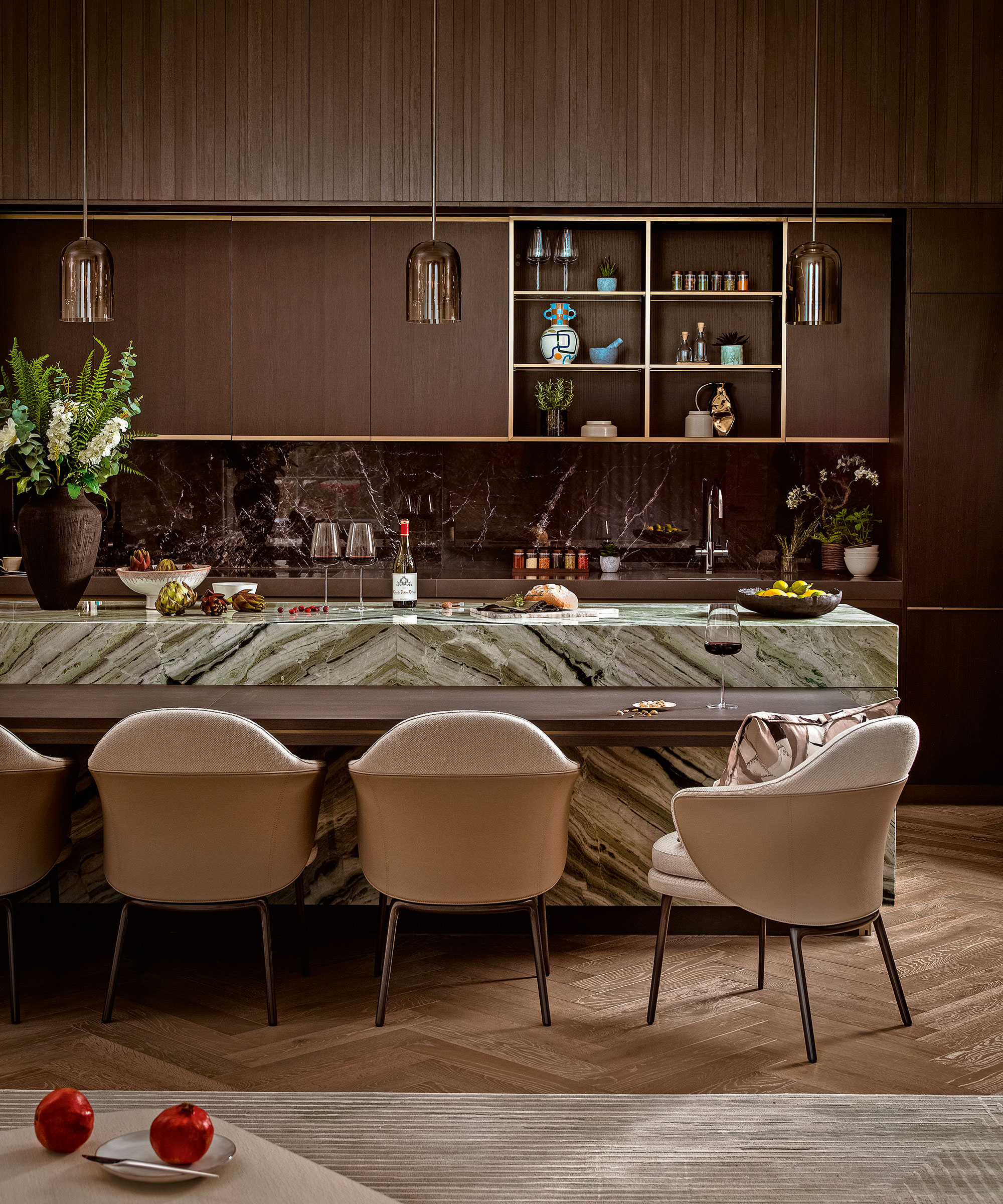
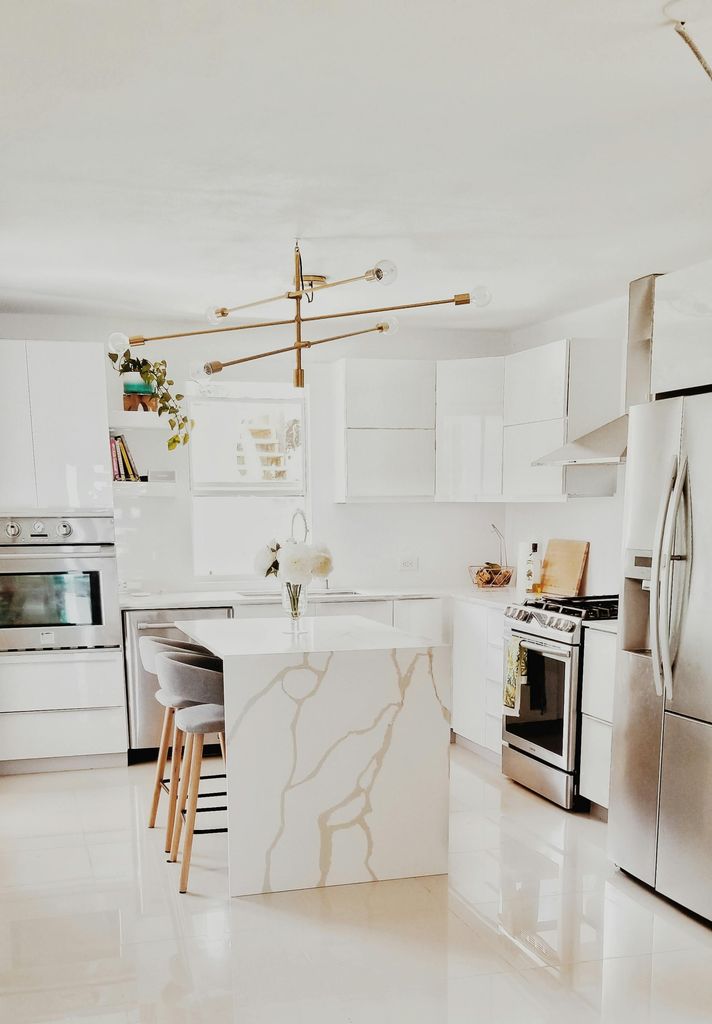
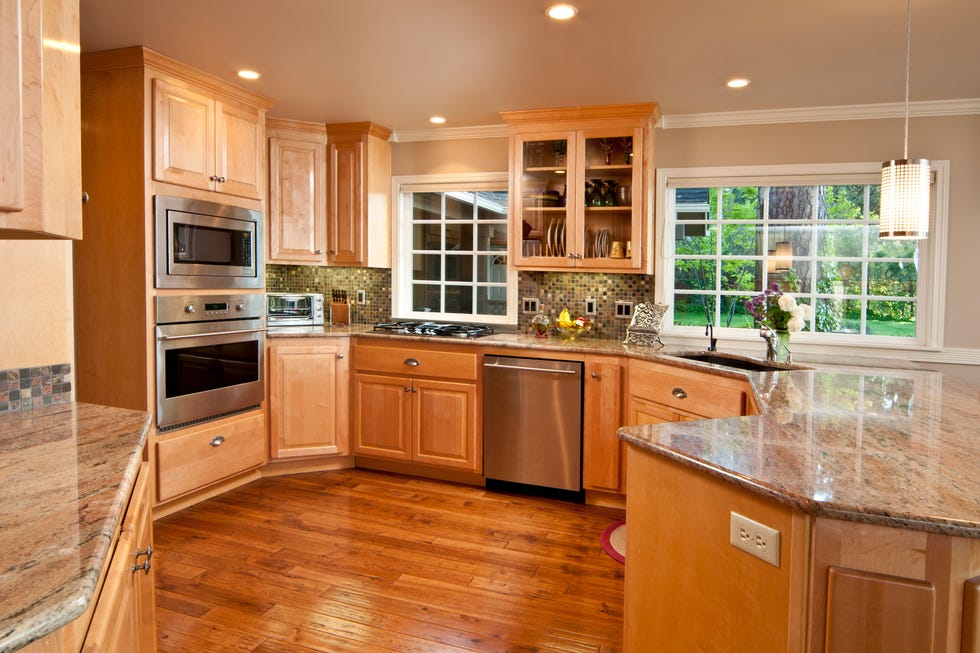
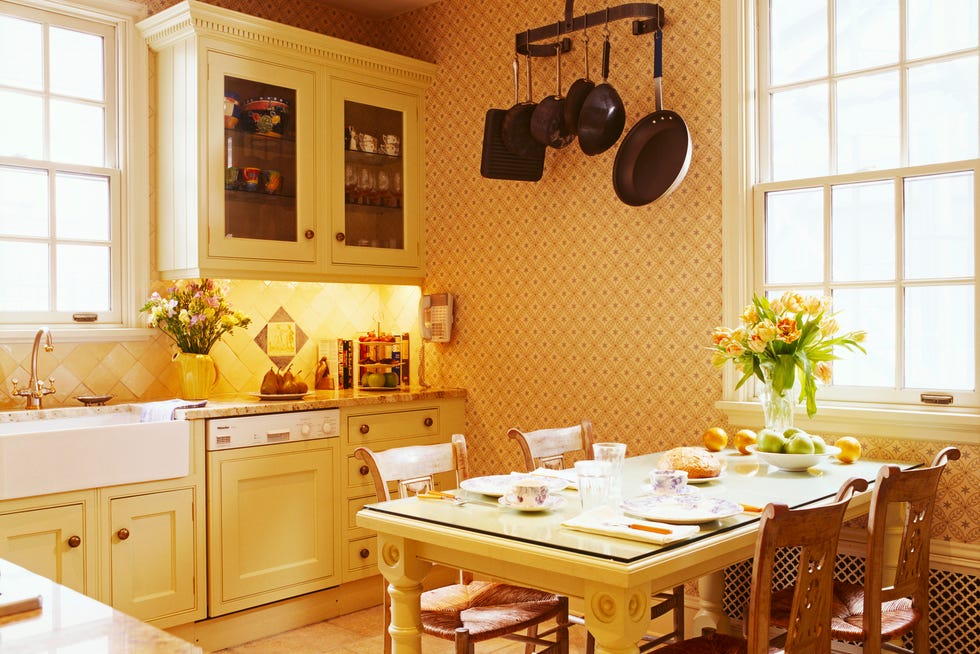
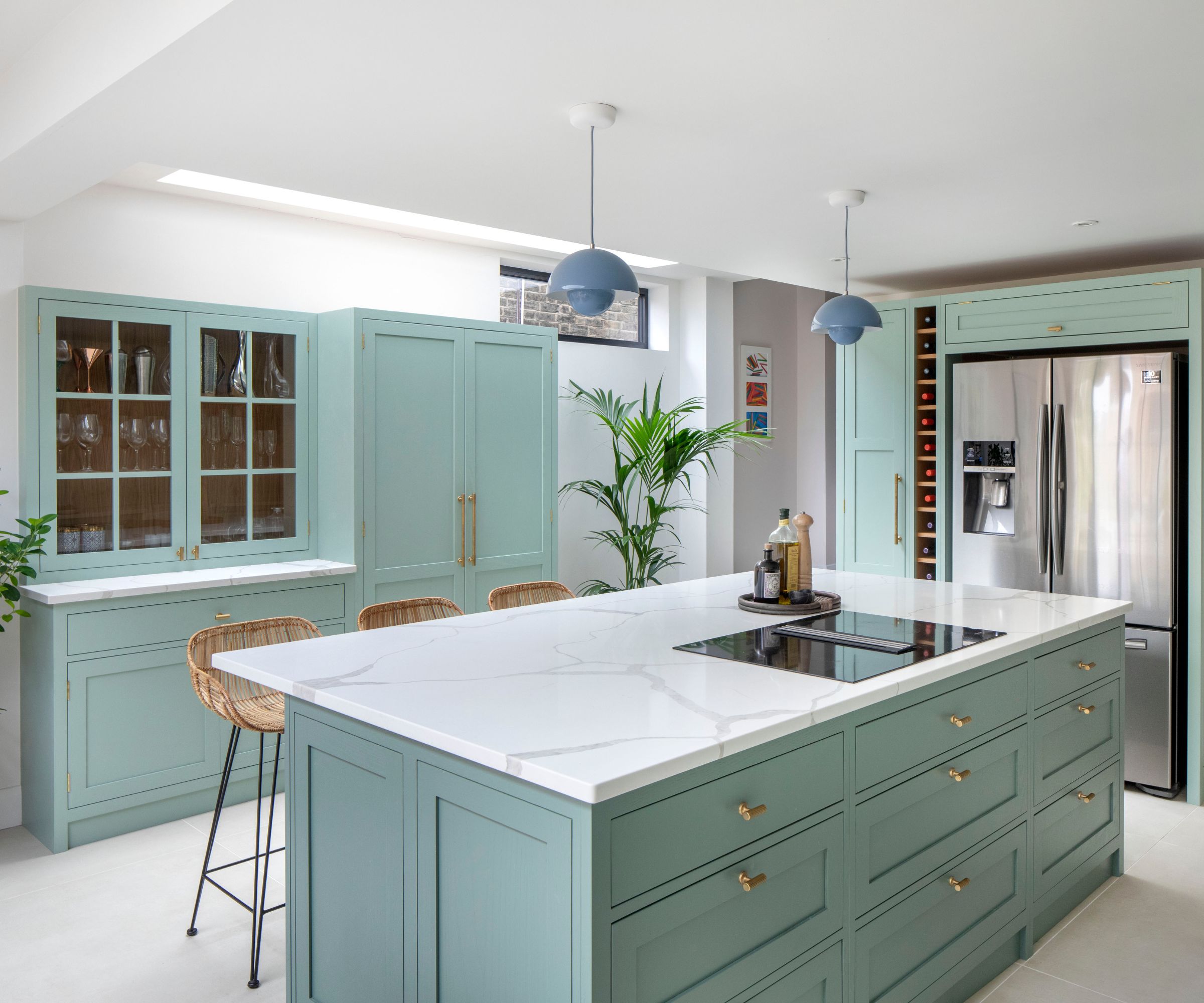
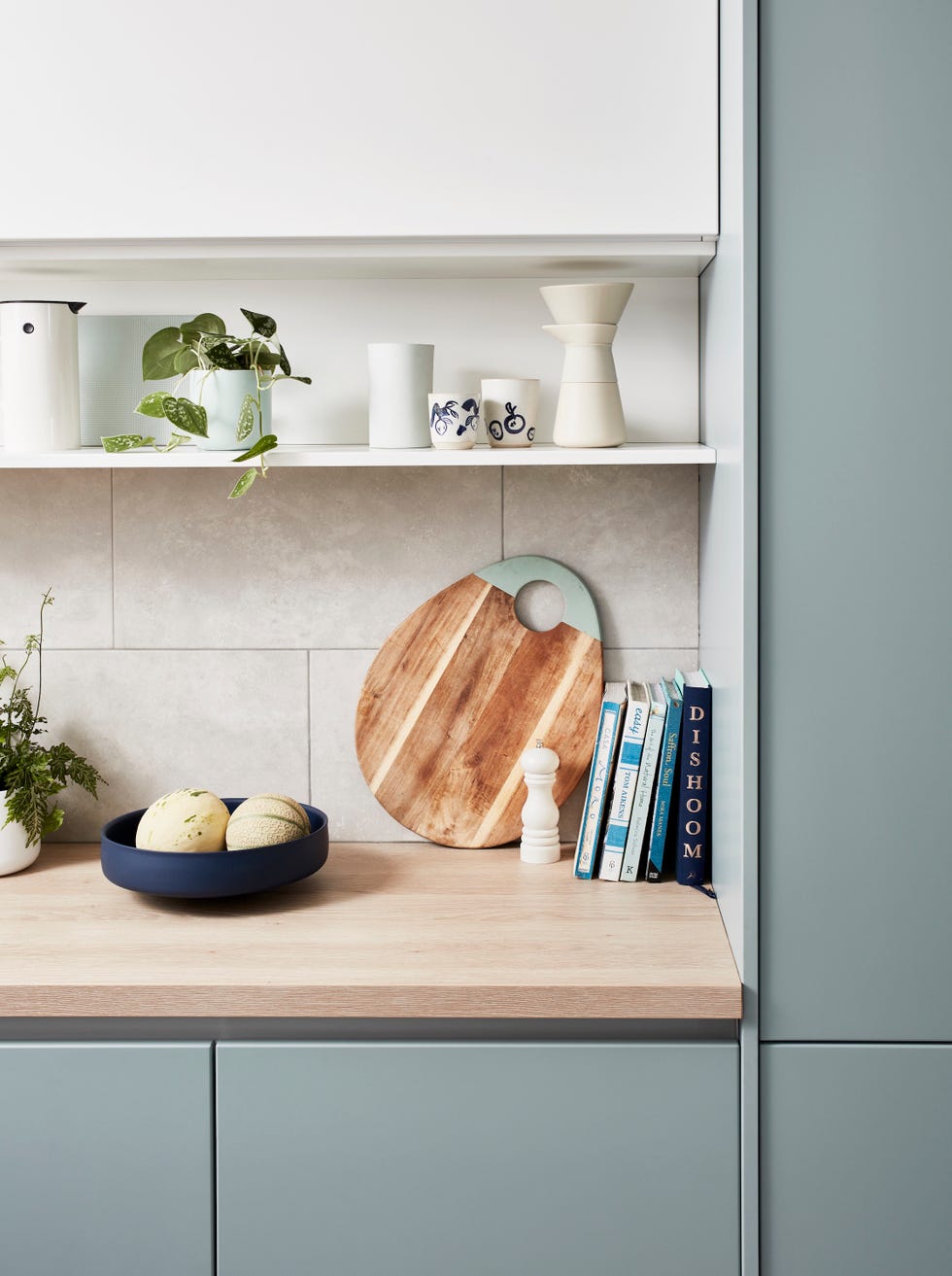
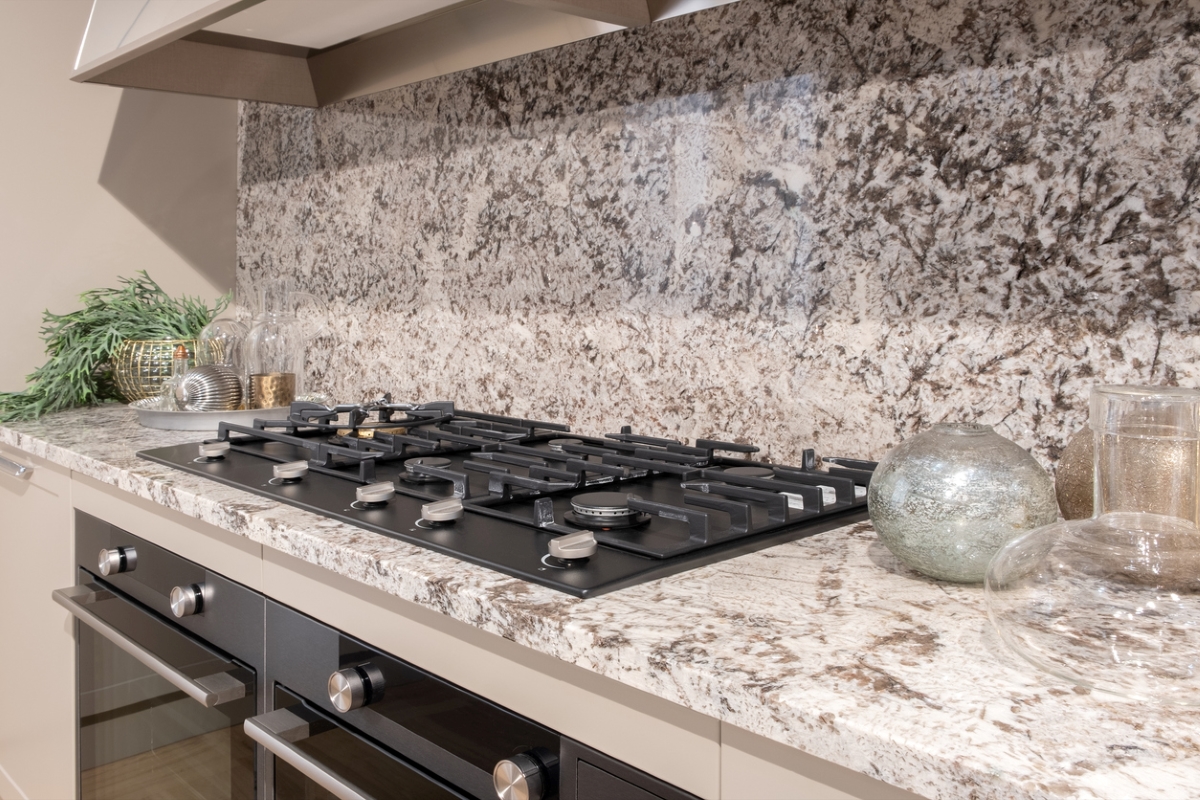
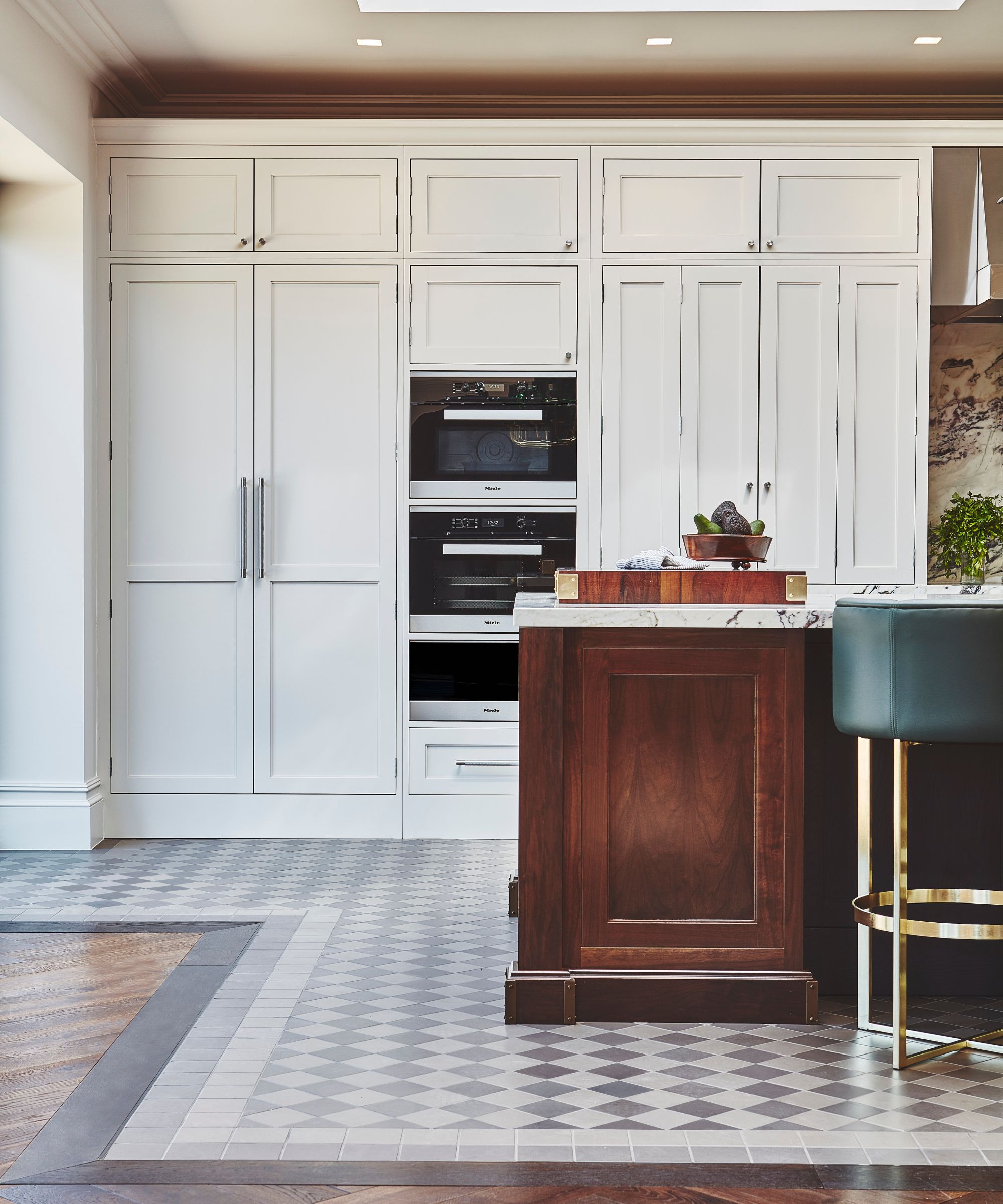
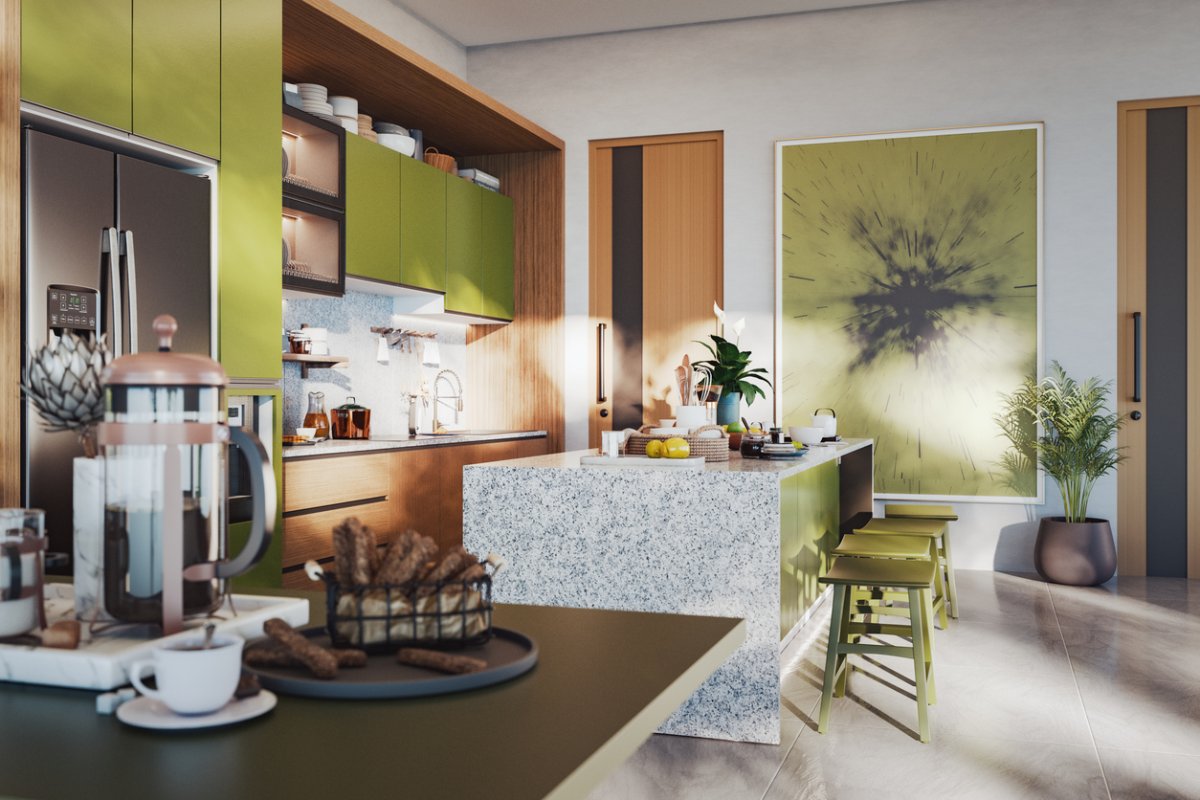
Flashy countertops, characterized by busy granite patterns, faux finishes, or overly bold designs, are a common misstep. These can overwhelm the space, especially if the kitchen already features numerous colors or decorative accents. To achieve a timeless elegance, designers recommend opting for subtler choices like quartz or honed stone, which provide a neutral and sophisticated foundation that complements rather than competes with other design elements. Simplicity in surface selection allows for greater flexibility in decorating and ensures a more enduring appeal.
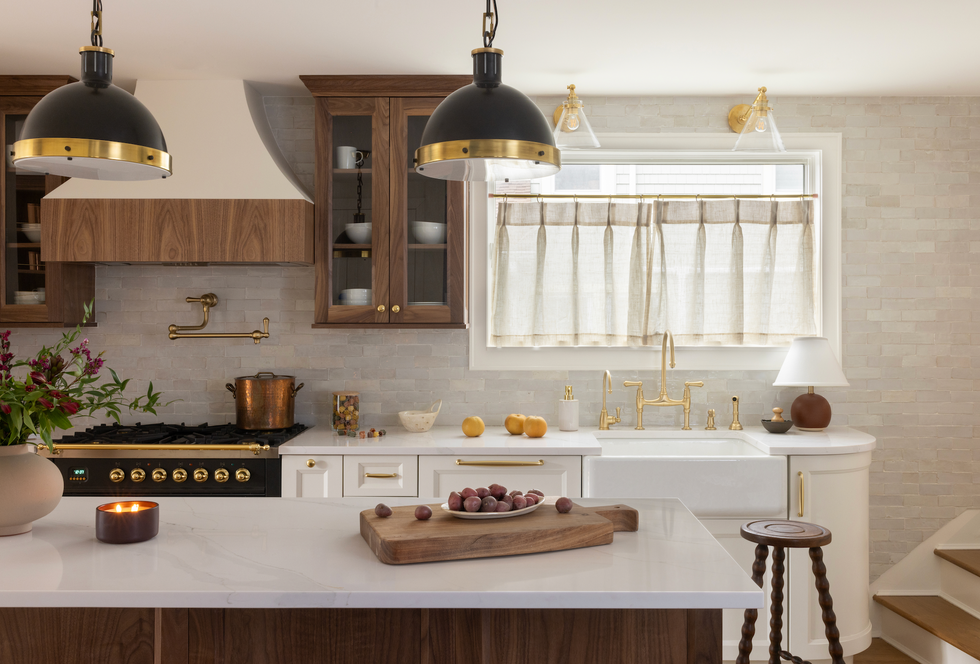
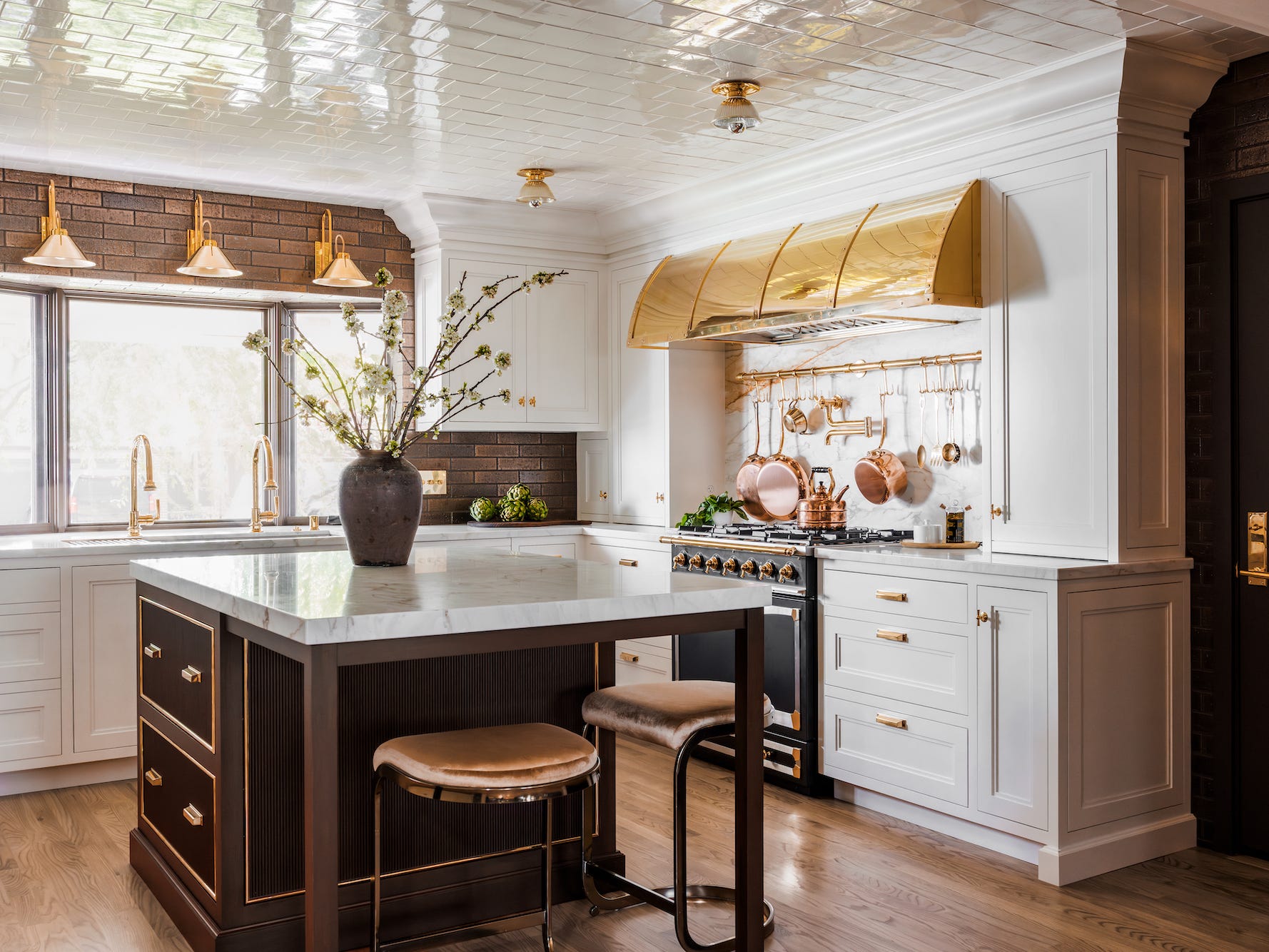
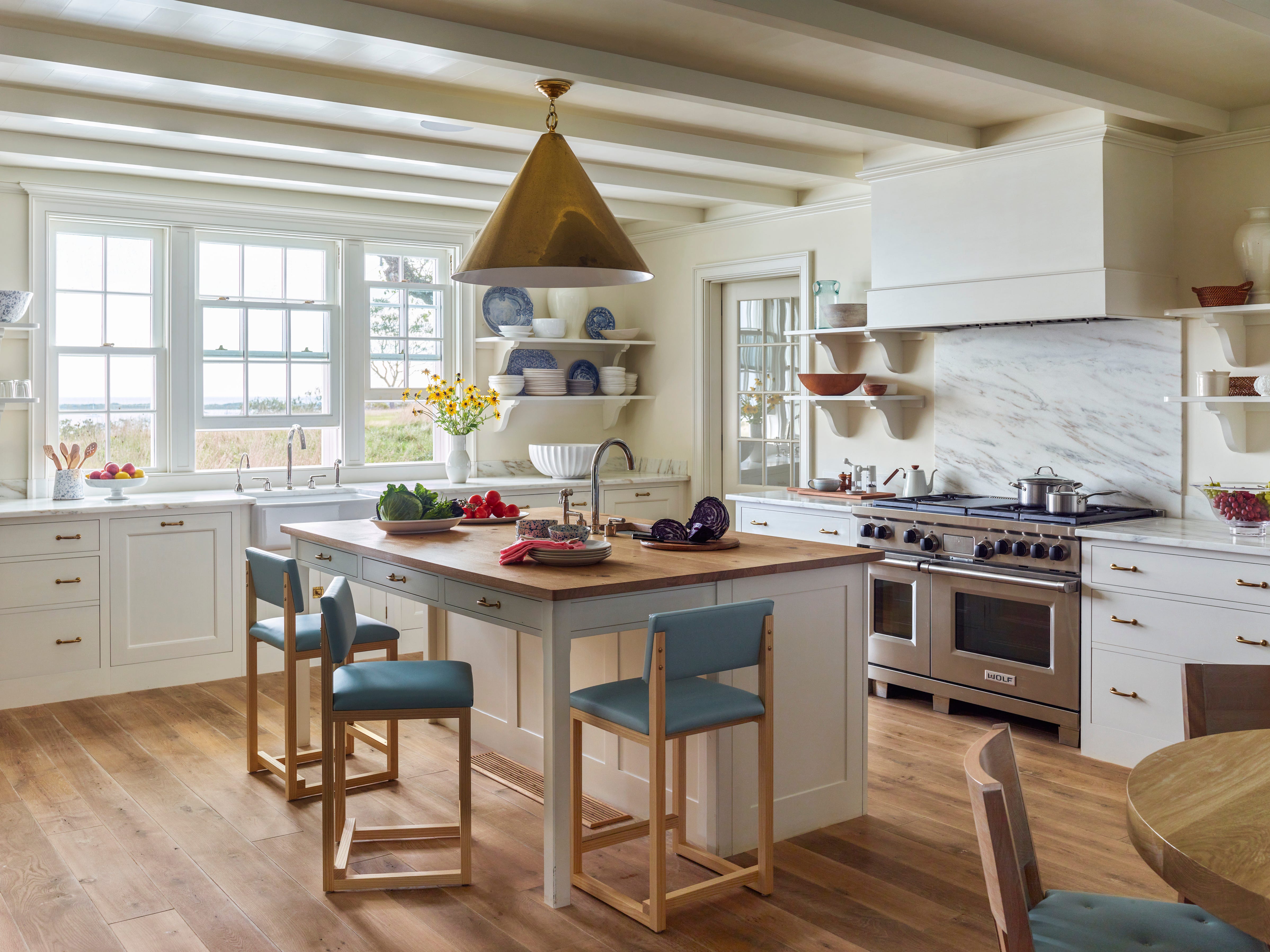
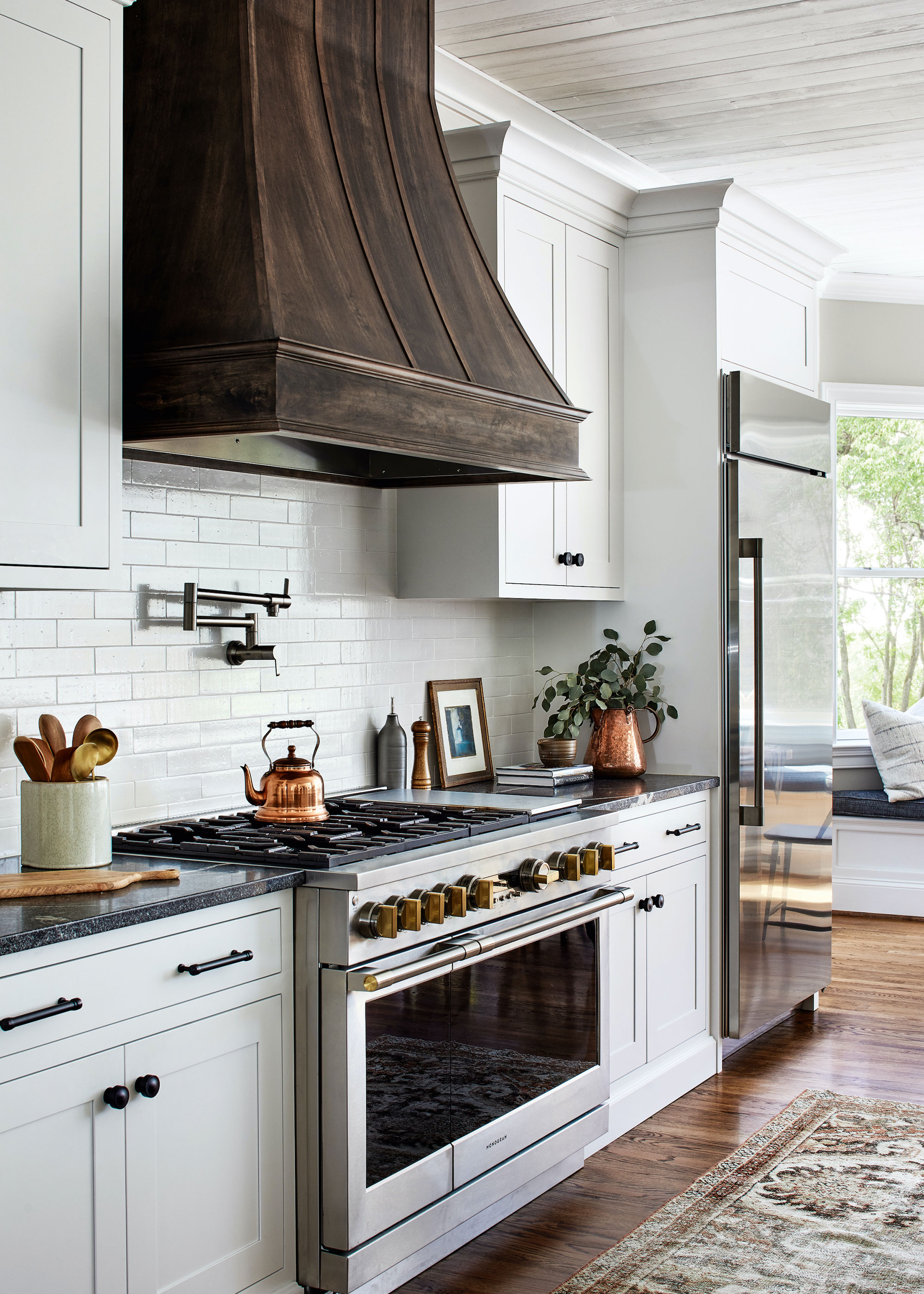
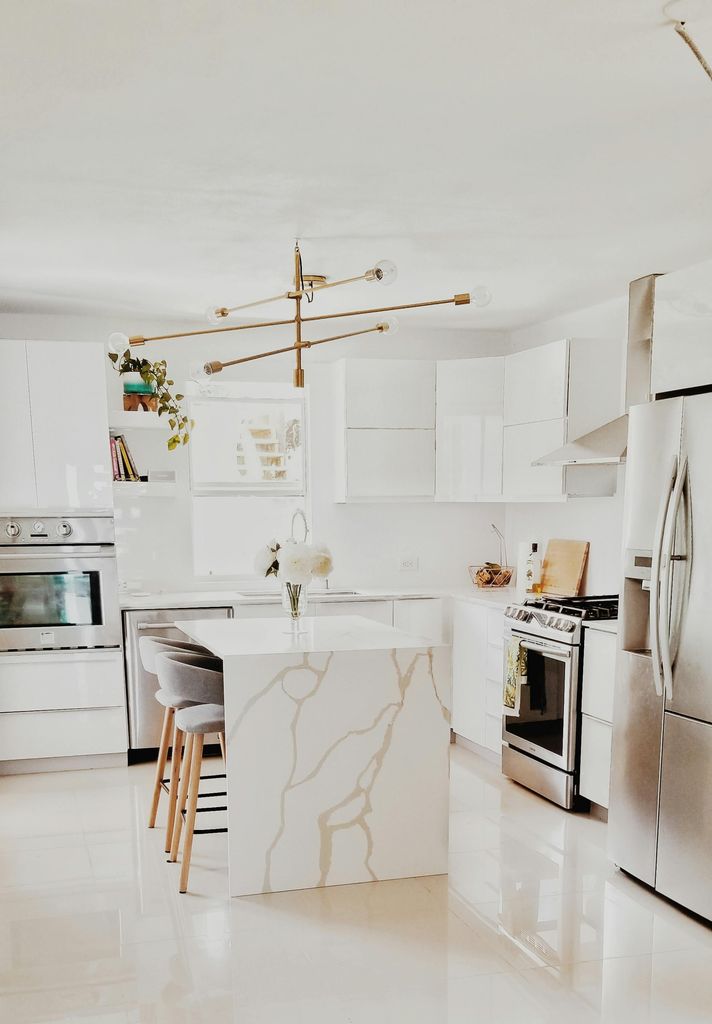
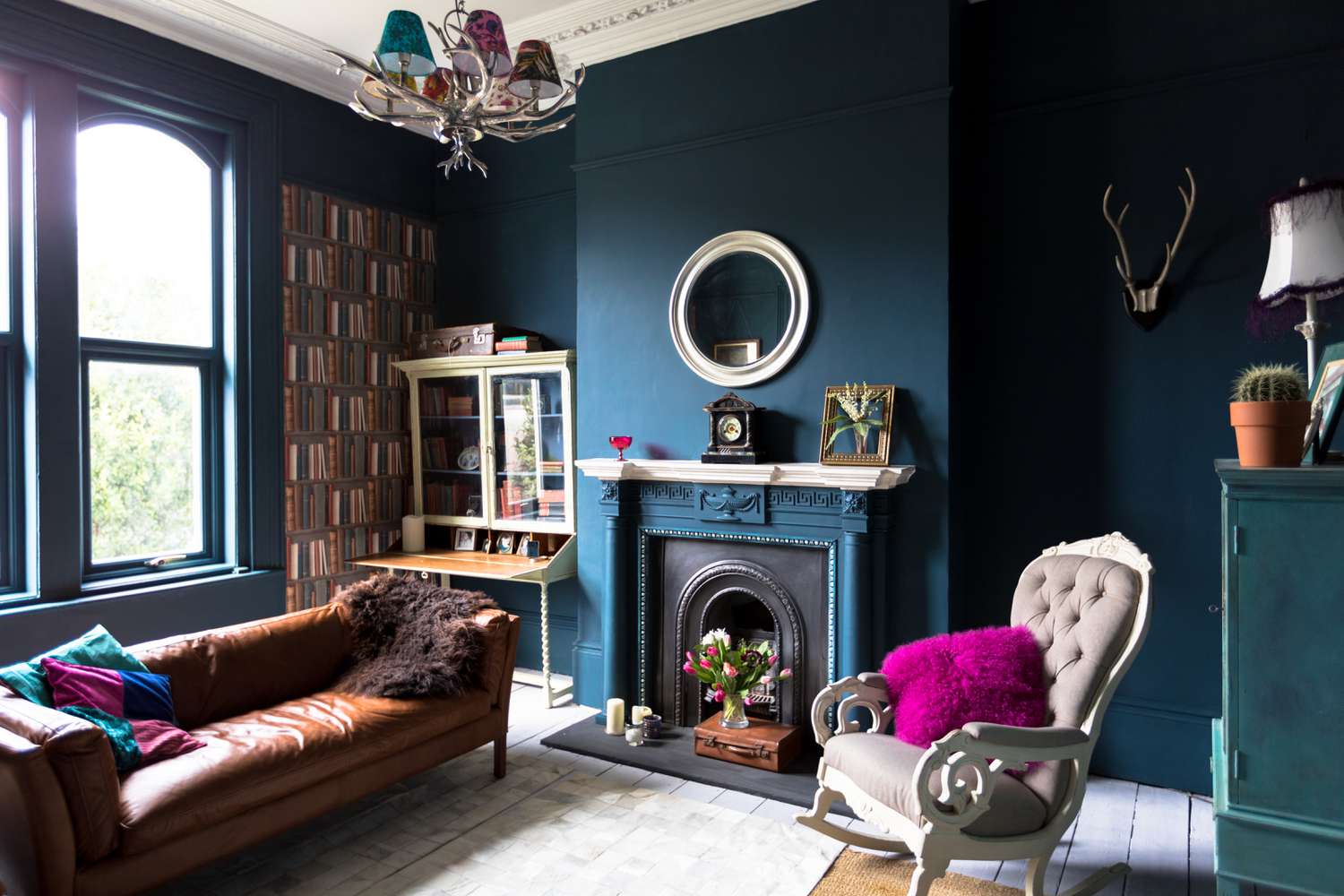
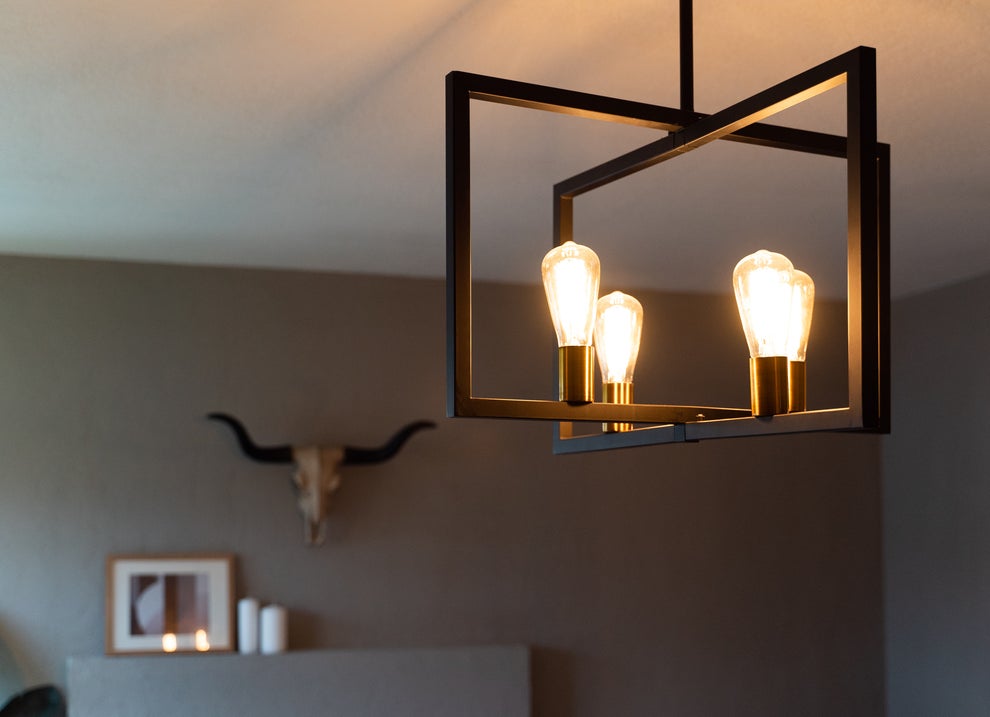
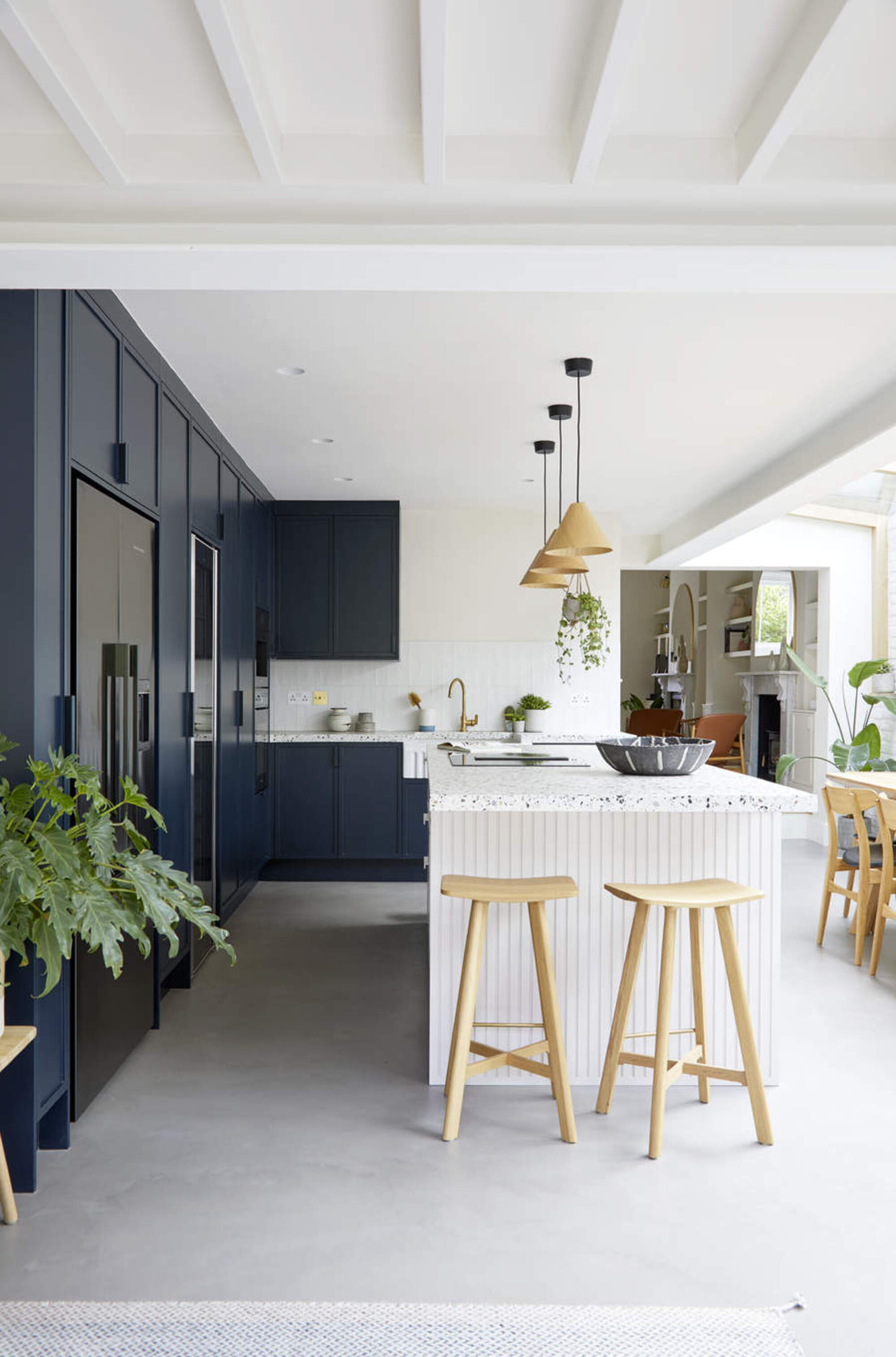
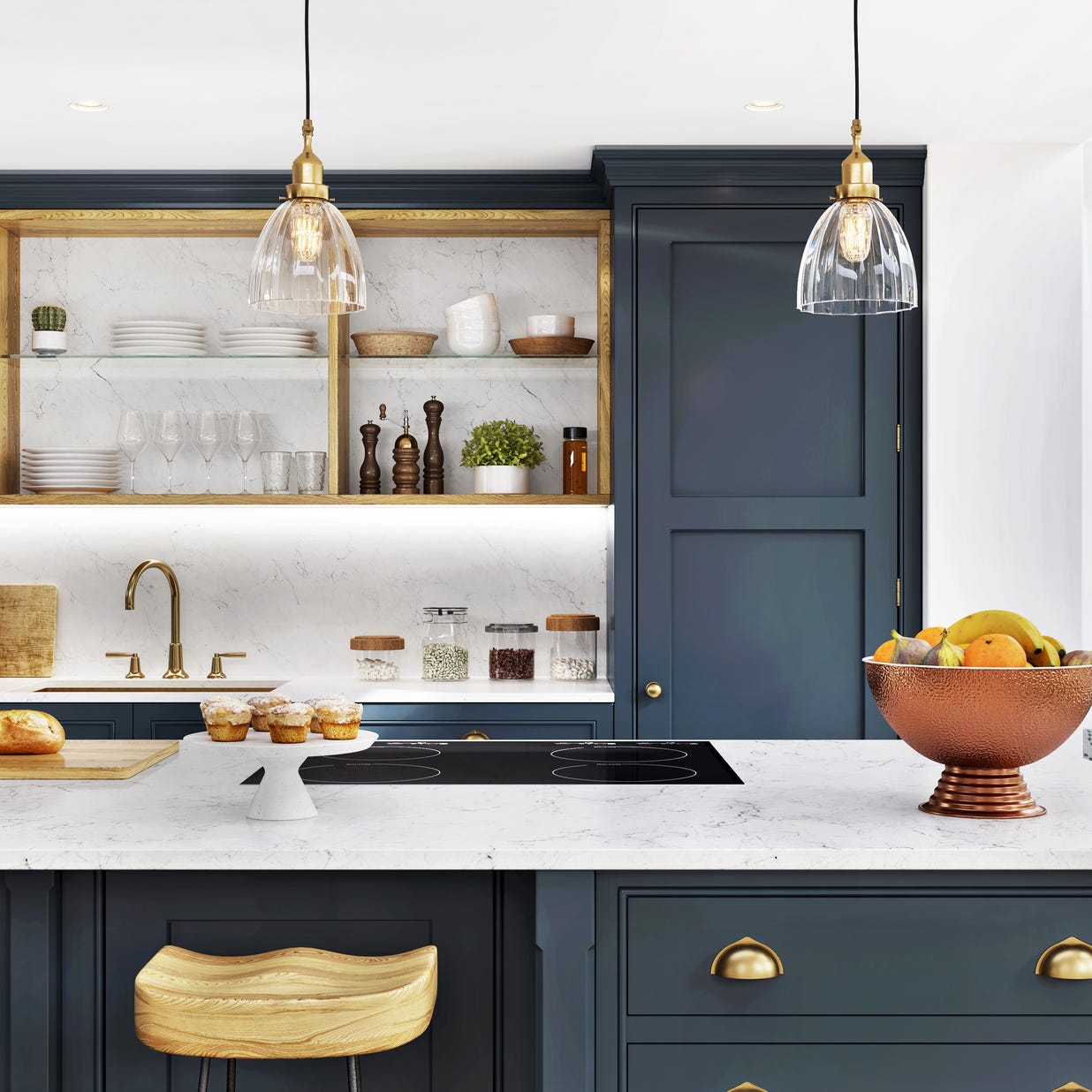
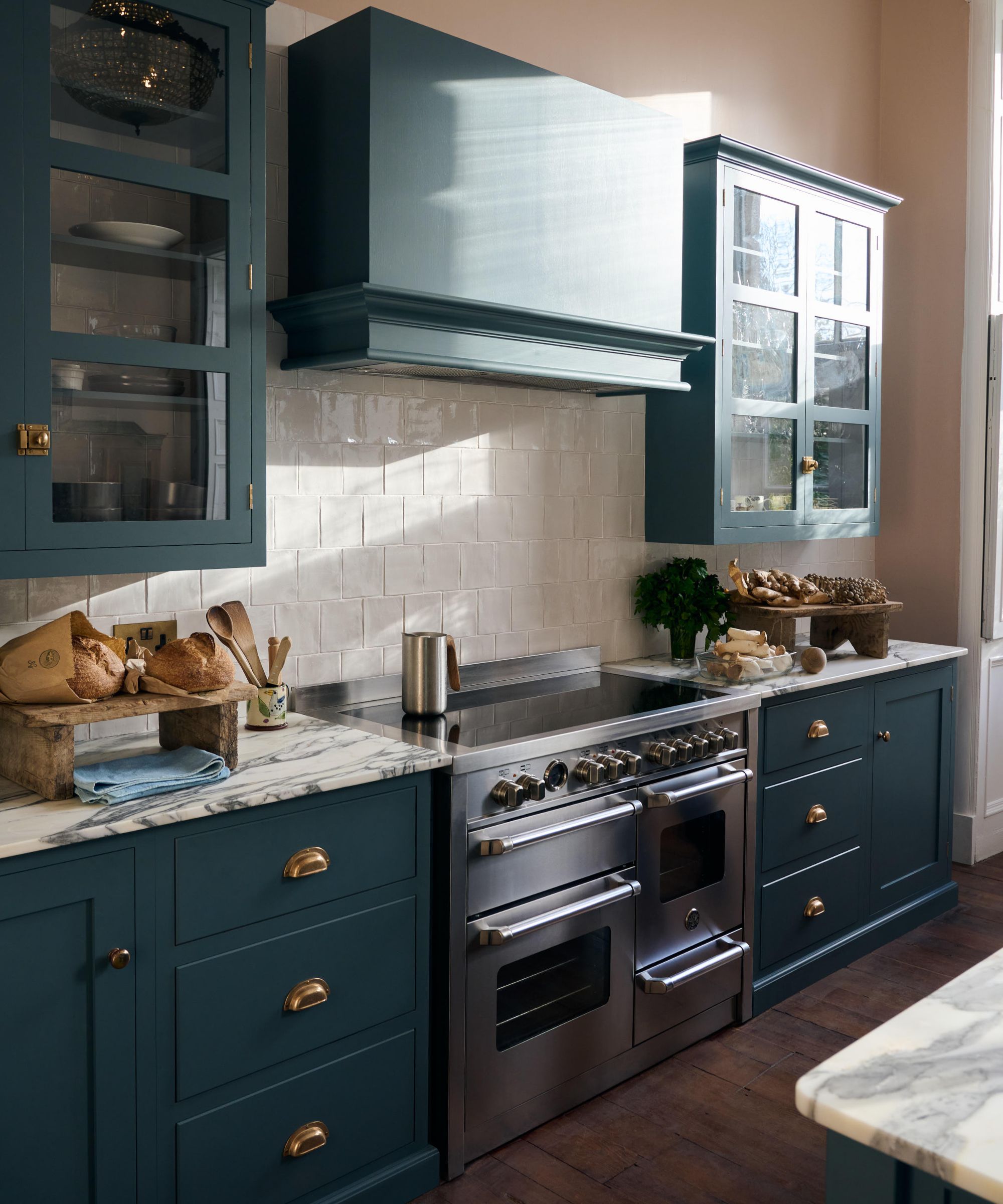
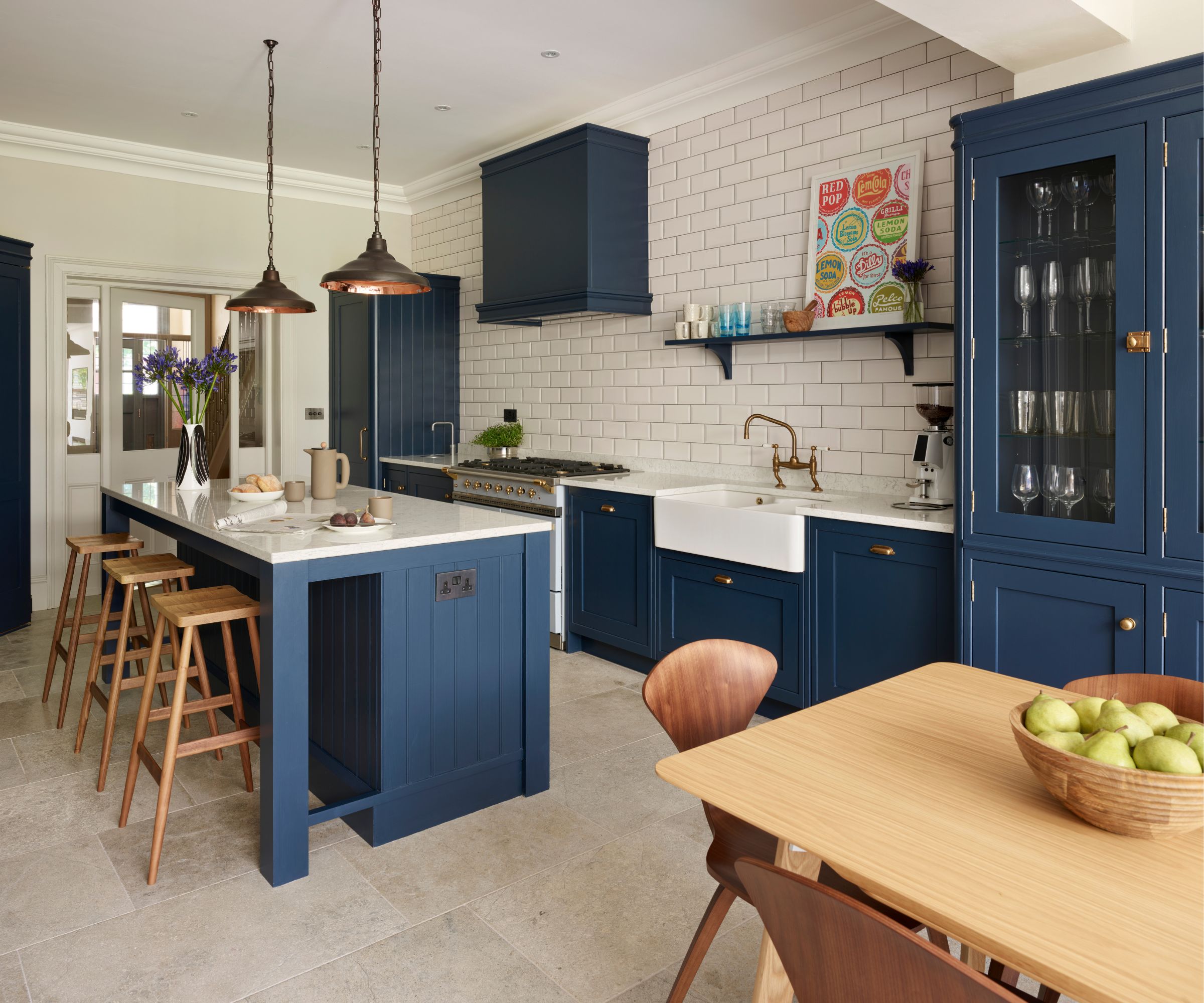
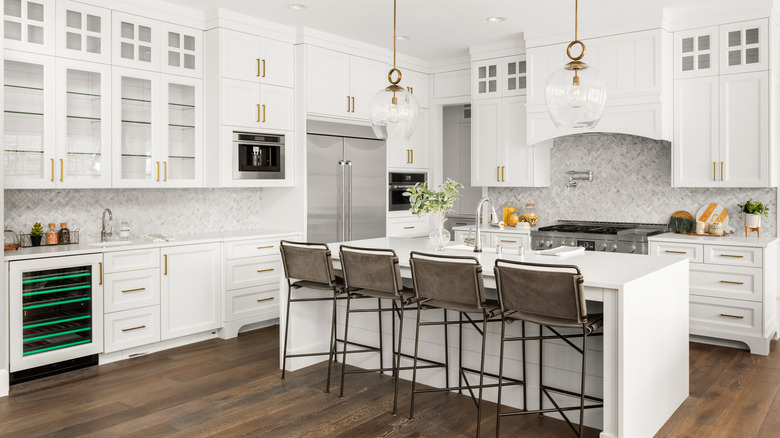
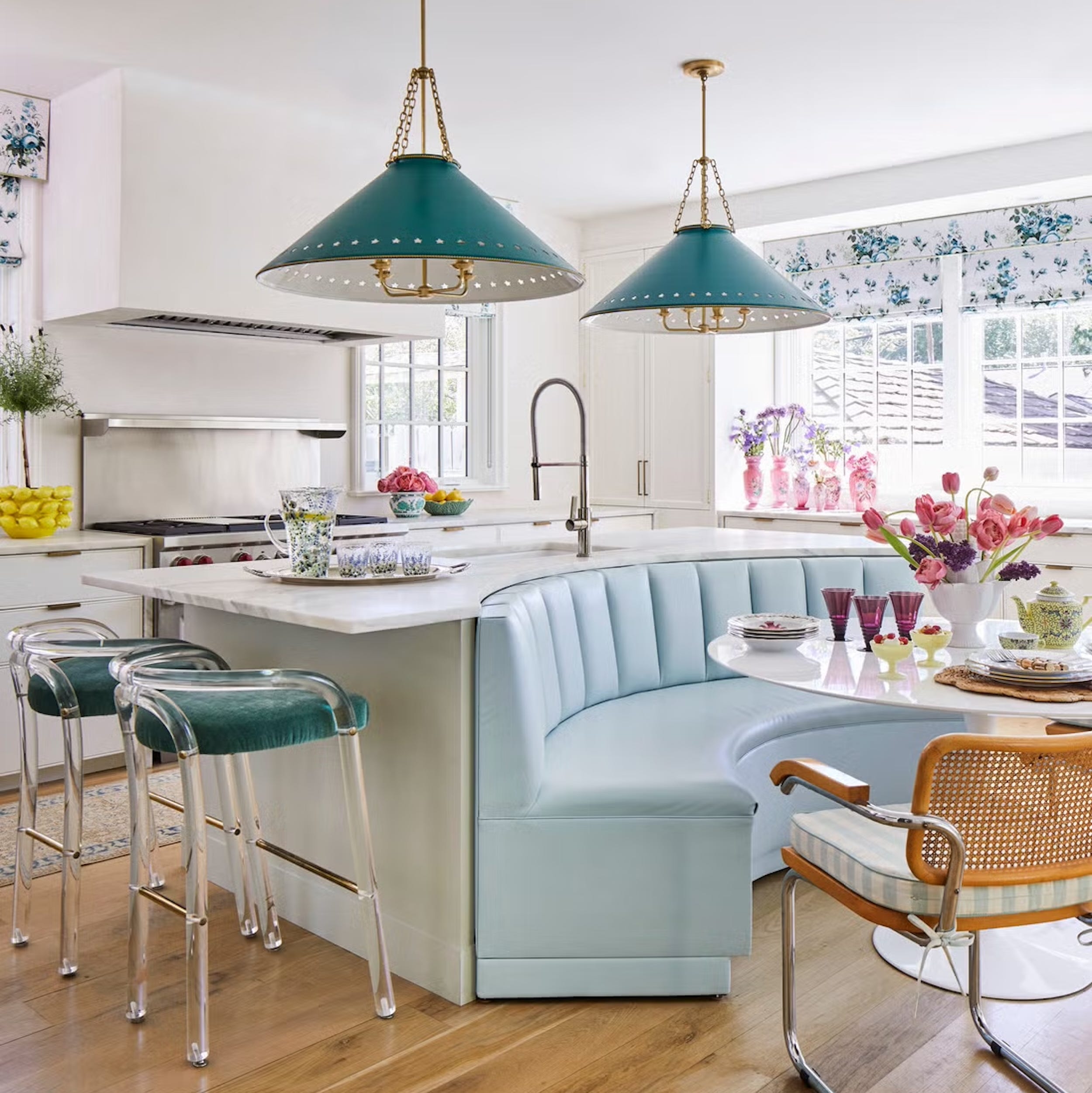
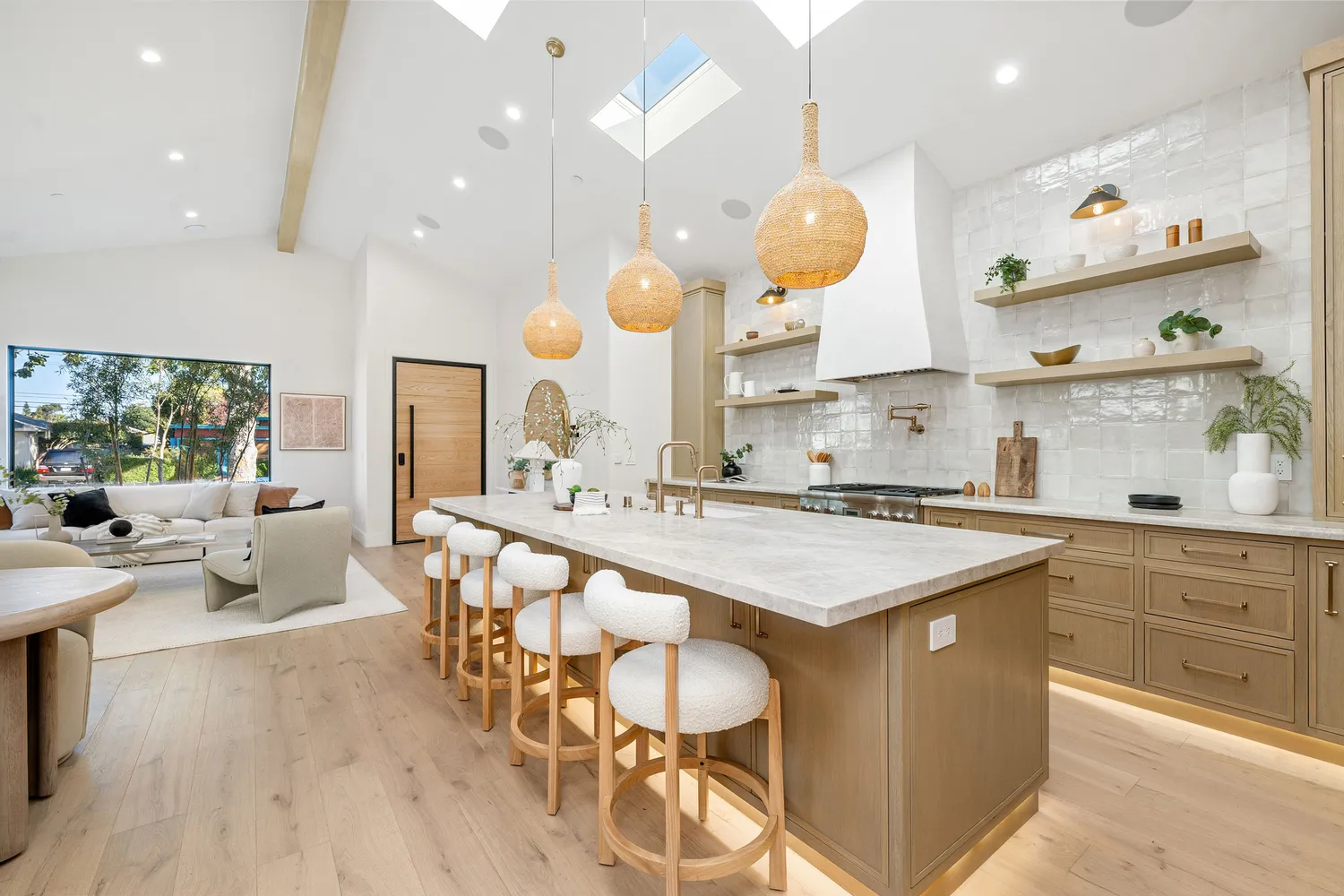
Poor lighting is another critical factor that can detract from a kitchen's ambiance. Ornate chandeliers or harsh fluorescent fixtures can create an uncomfortable and uninviting atmosphere. Instead, thoughtful lighting design is essential. Under-cabinet lighting is highly recommended for its functionality in task lighting and its ability to soften the space. However, careful attention must be paid to the color temperature of the lights; a temperature around 2700K is ideal for a warm, inviting glow, while anything above 4000K can result in a stark, commercial appearance. Proportionality is also key: oversized pendants or bulky range hoods in a small kitchen can make the space feel cramped and awkward rather than luxurious.
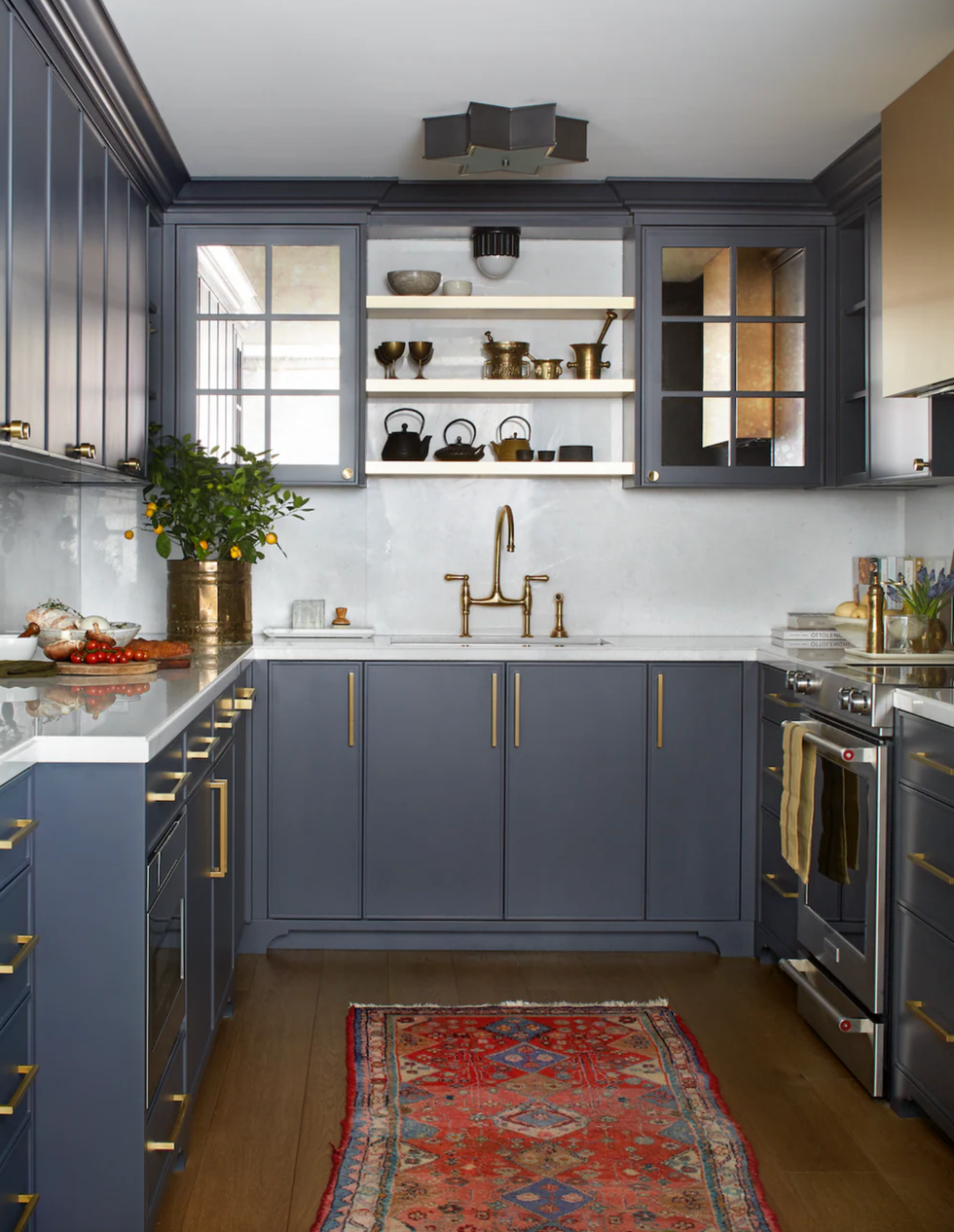
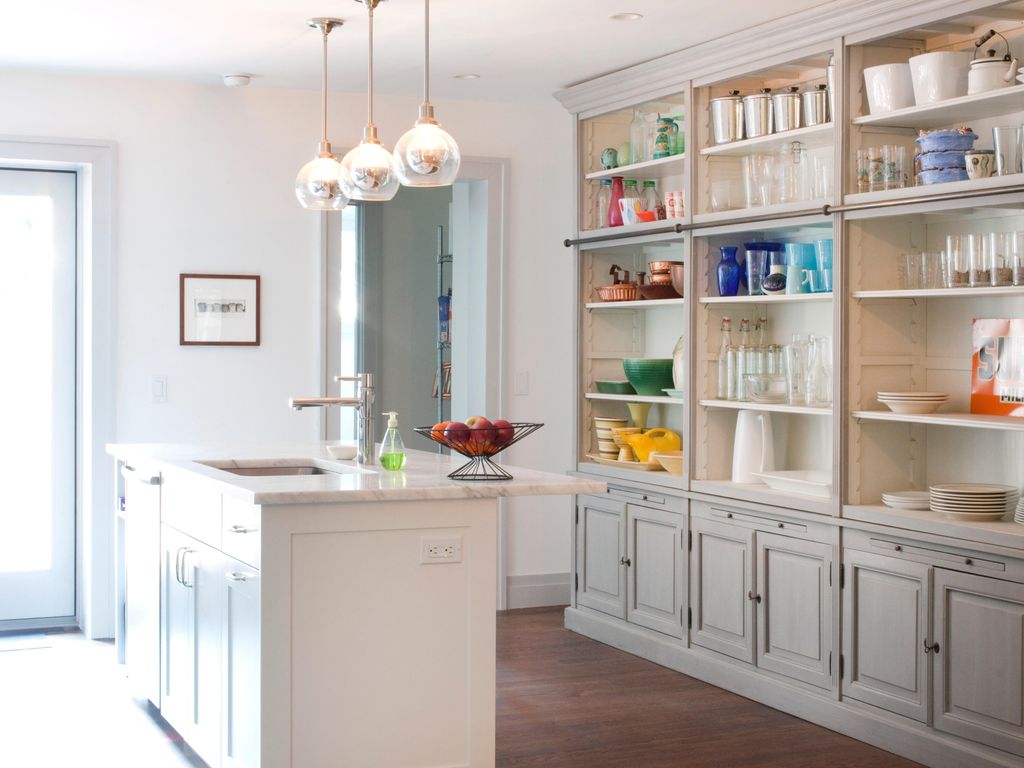
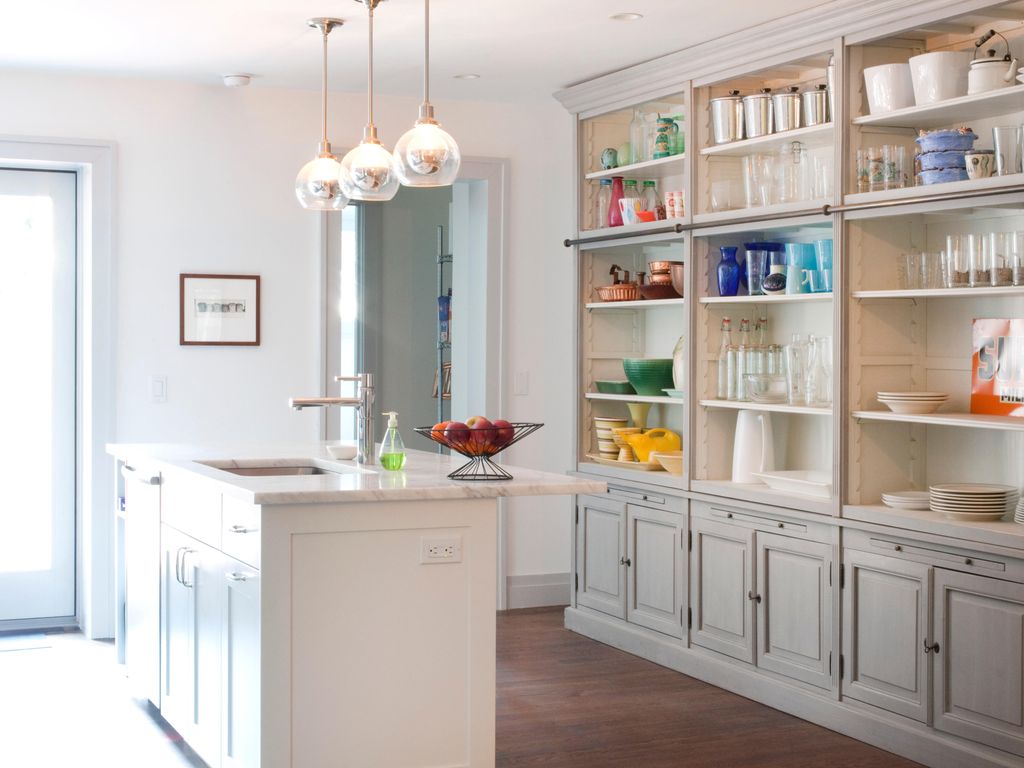
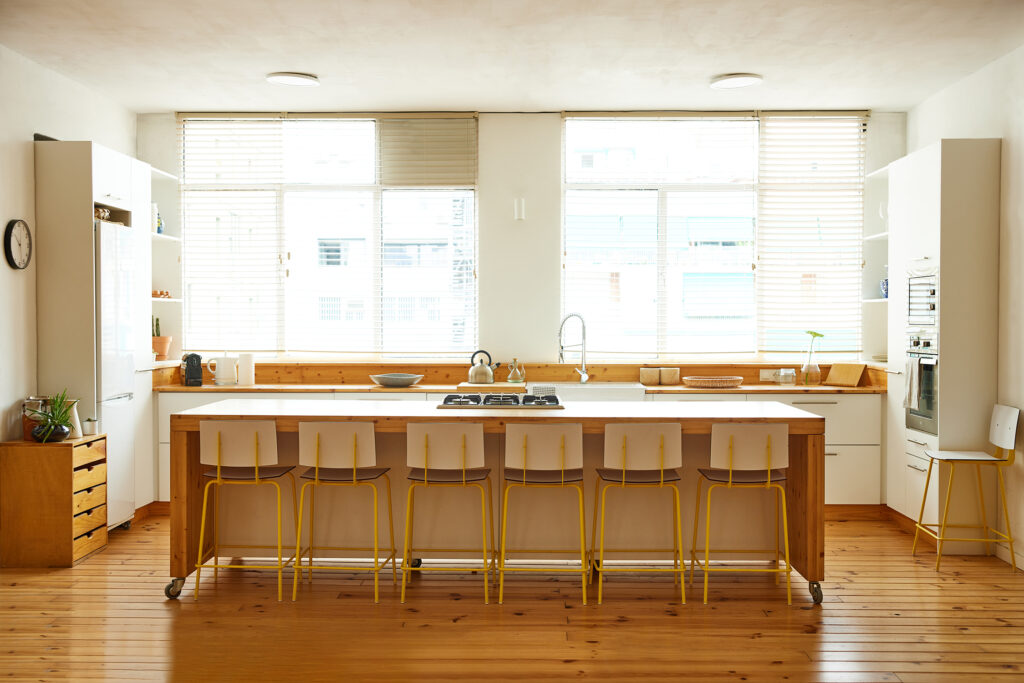
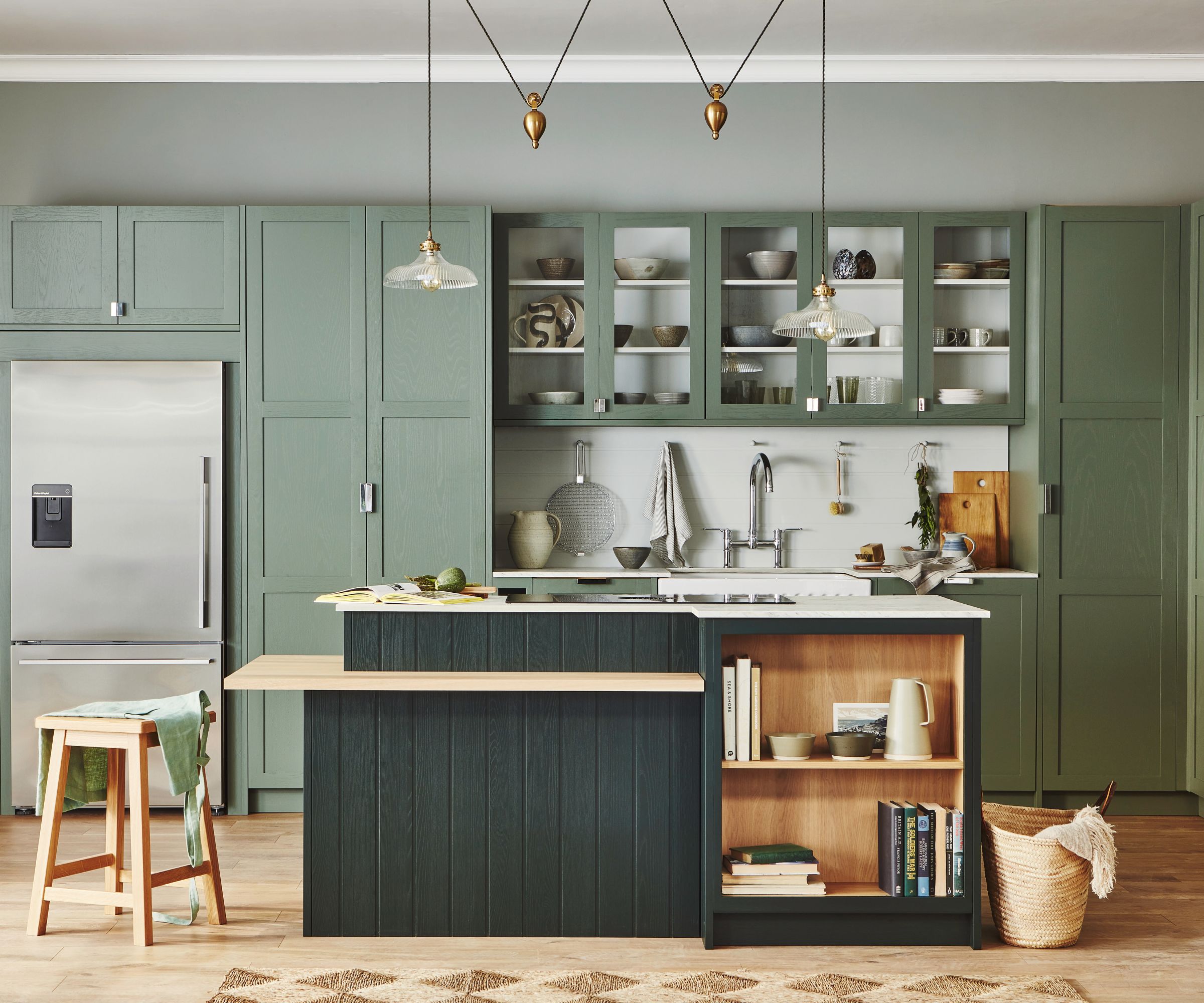
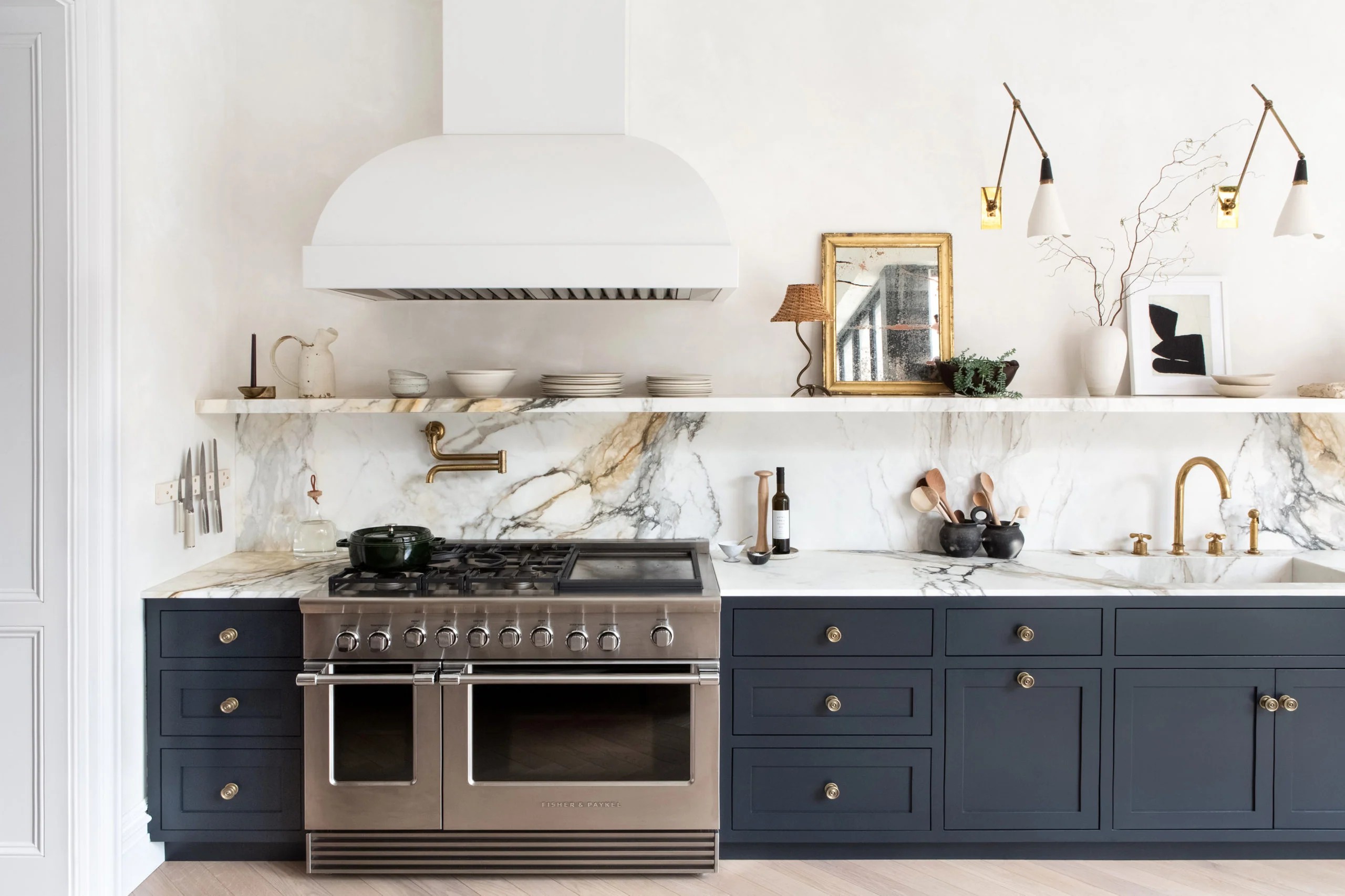
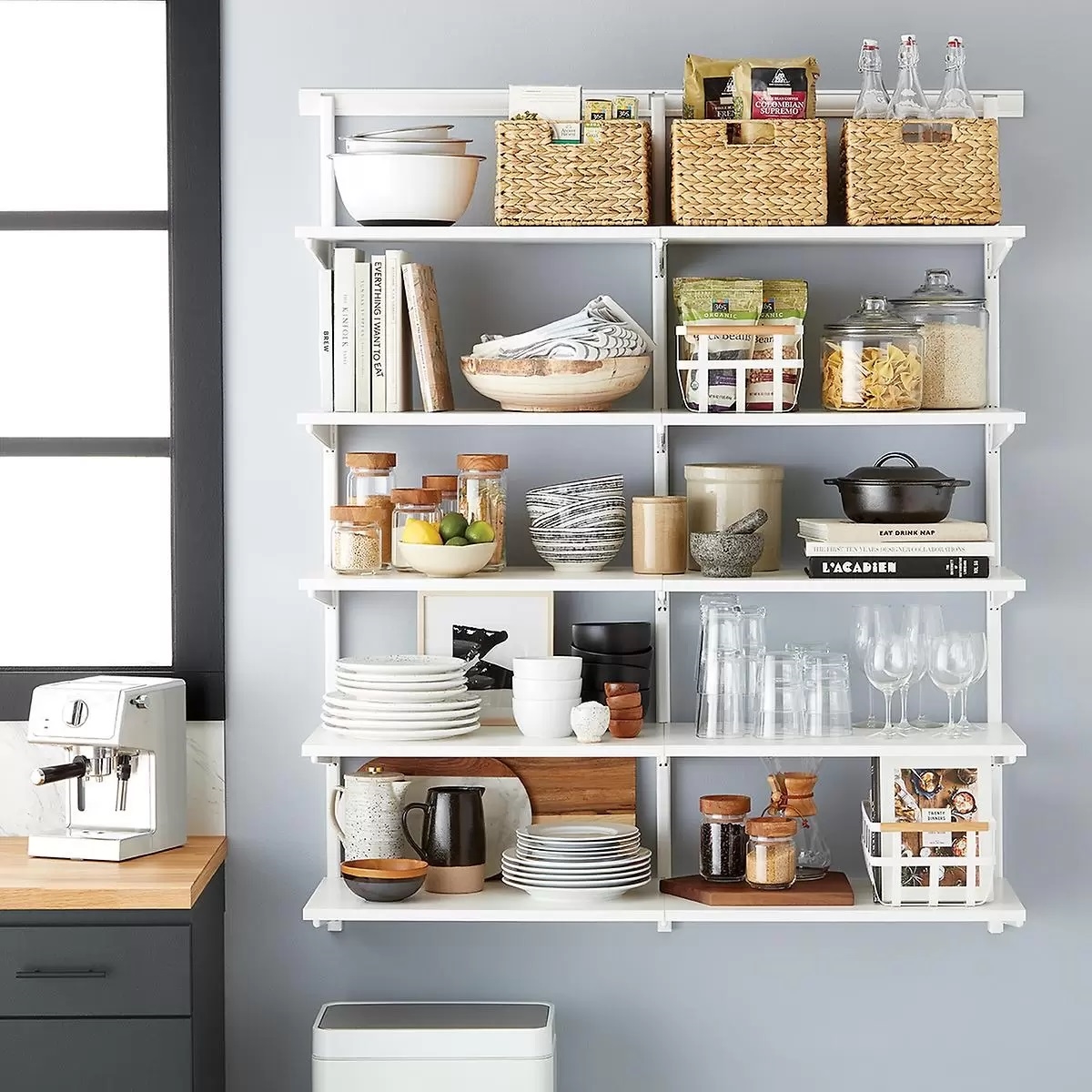
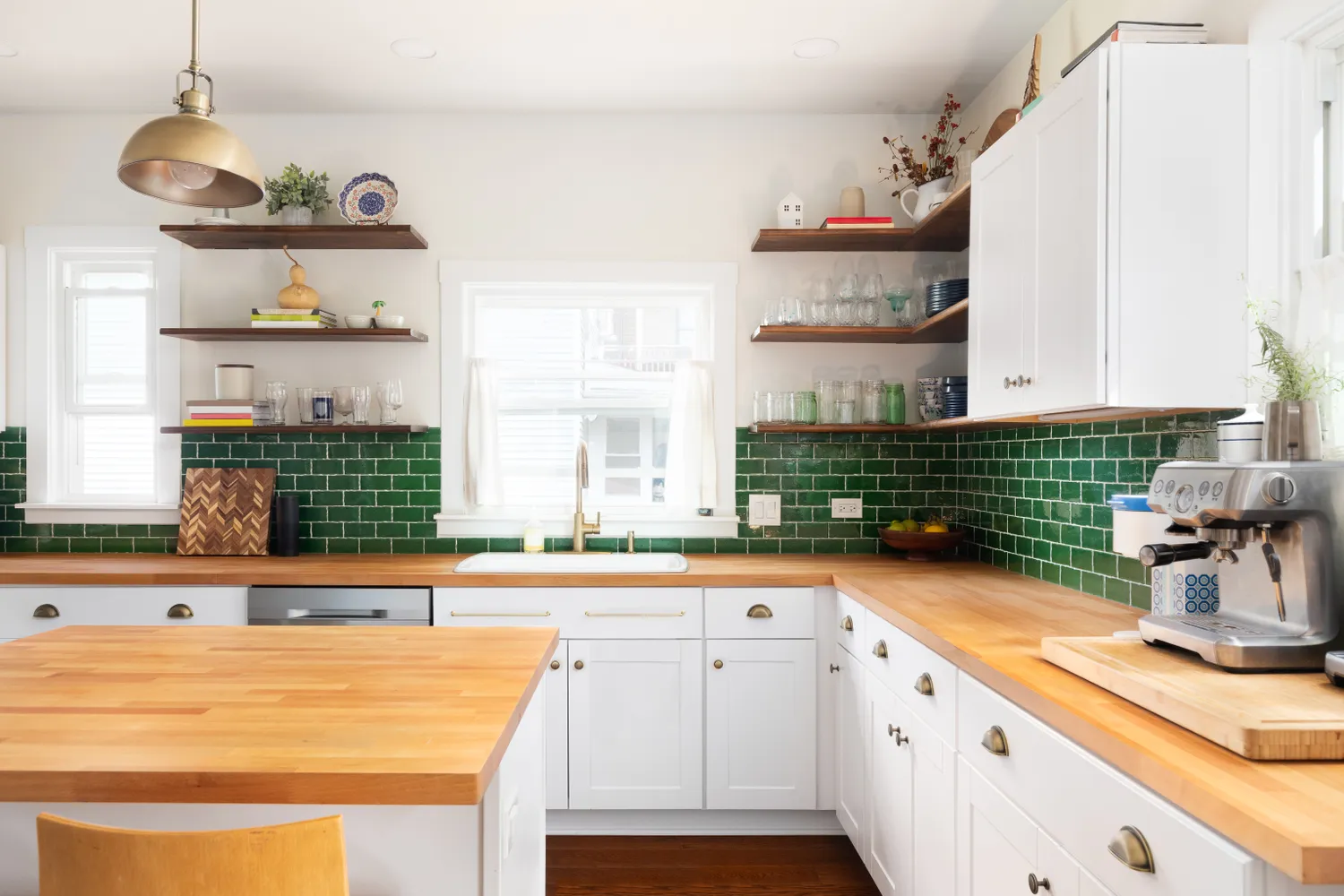
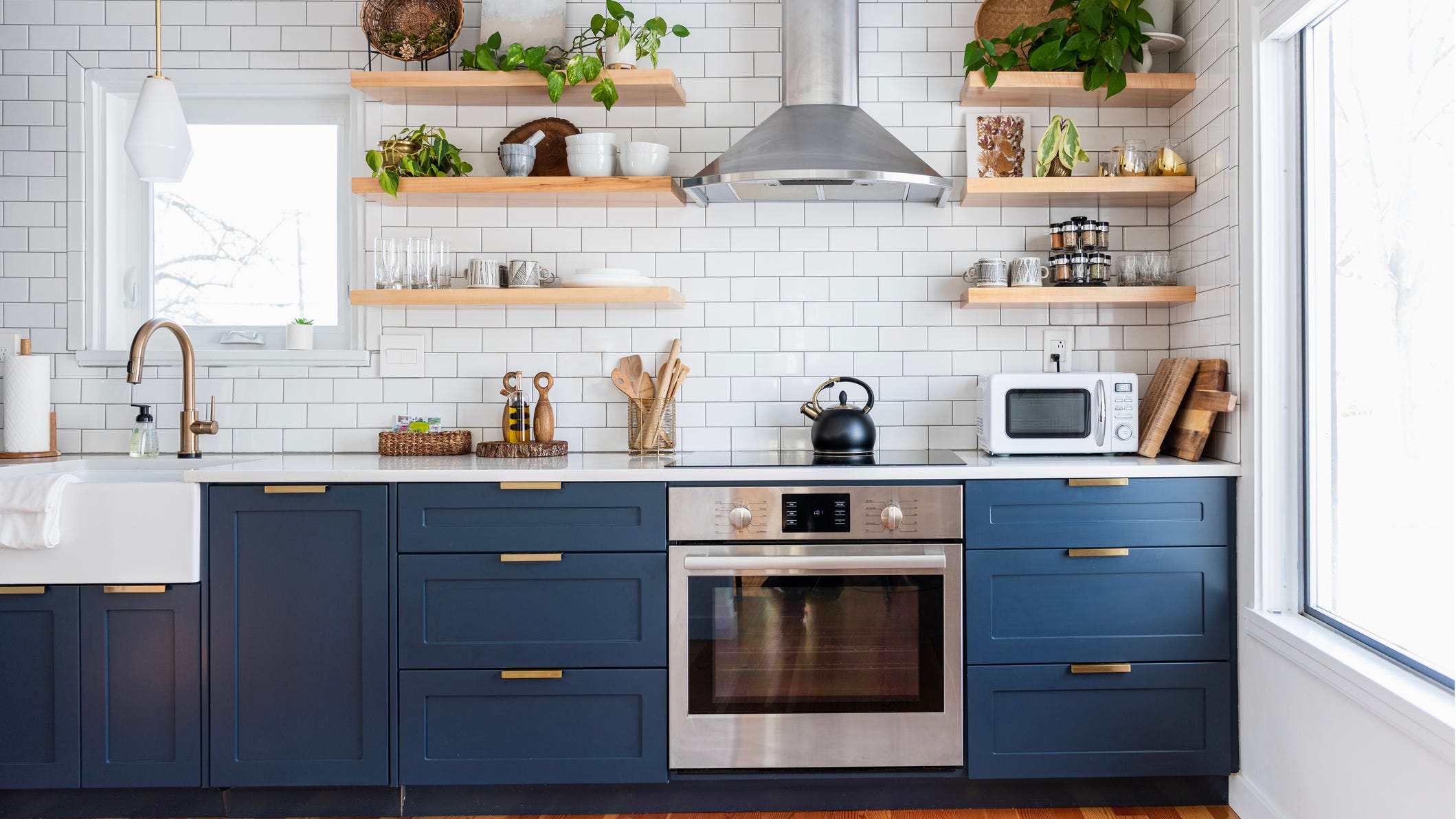
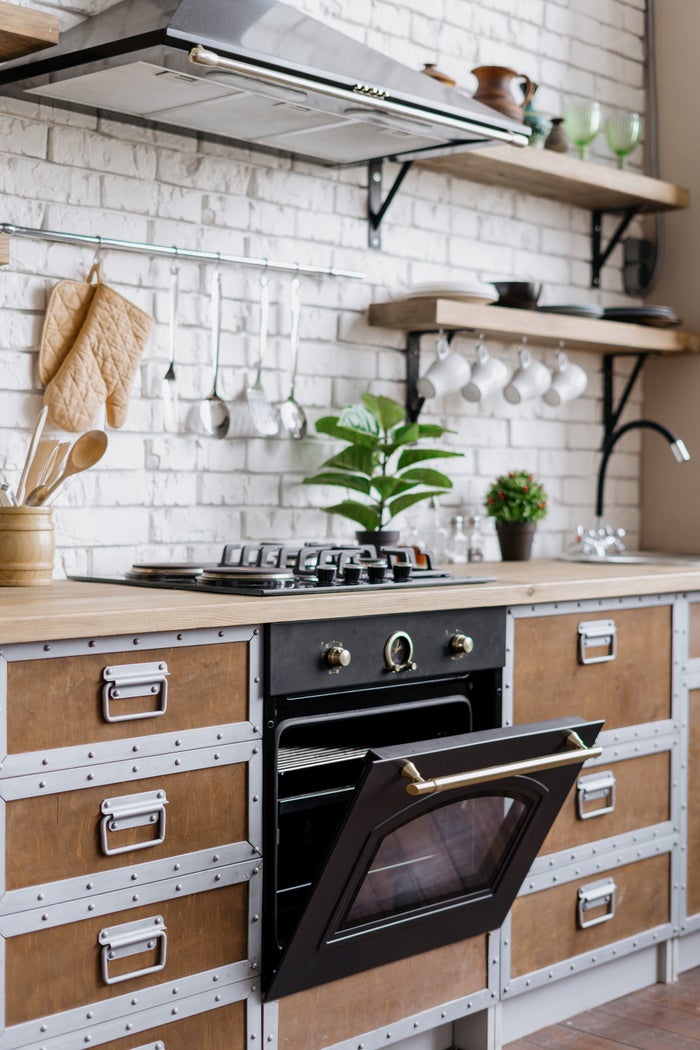
Open shelving, while aesthetically pleasing in design magazines, can quickly become problematic in real-life kitchens. Designers caution against replacing all upper cabinets with open shelving, as this significantly reduces crucial storage and functional space. Although open shelves can look attractive when meticulously styled, they often lead to clutter in family homes, making the kitchen appear messy and incomplete. True visual openness is achieved through deliberate styling and organization, not merely by removing cabinet doors.
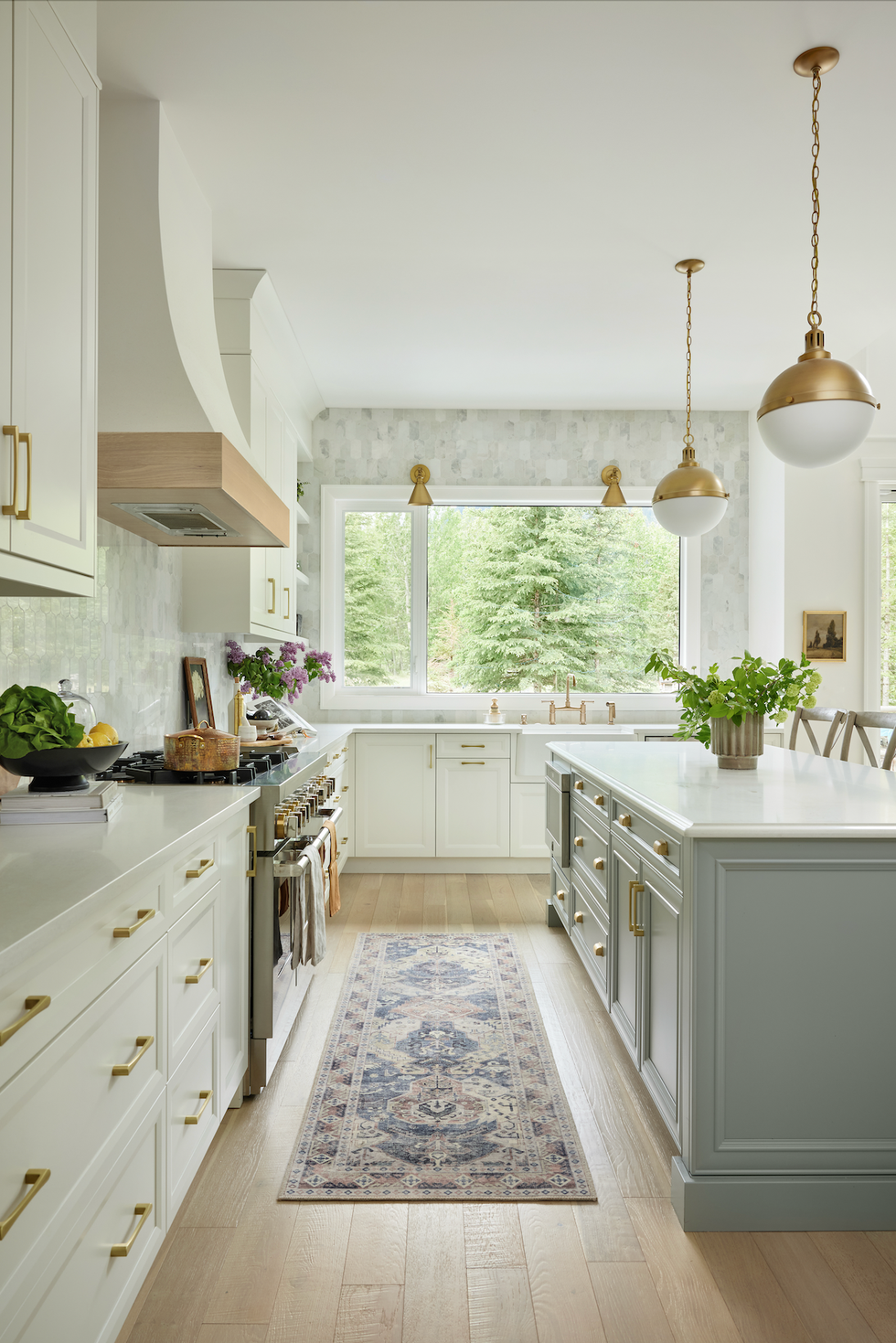
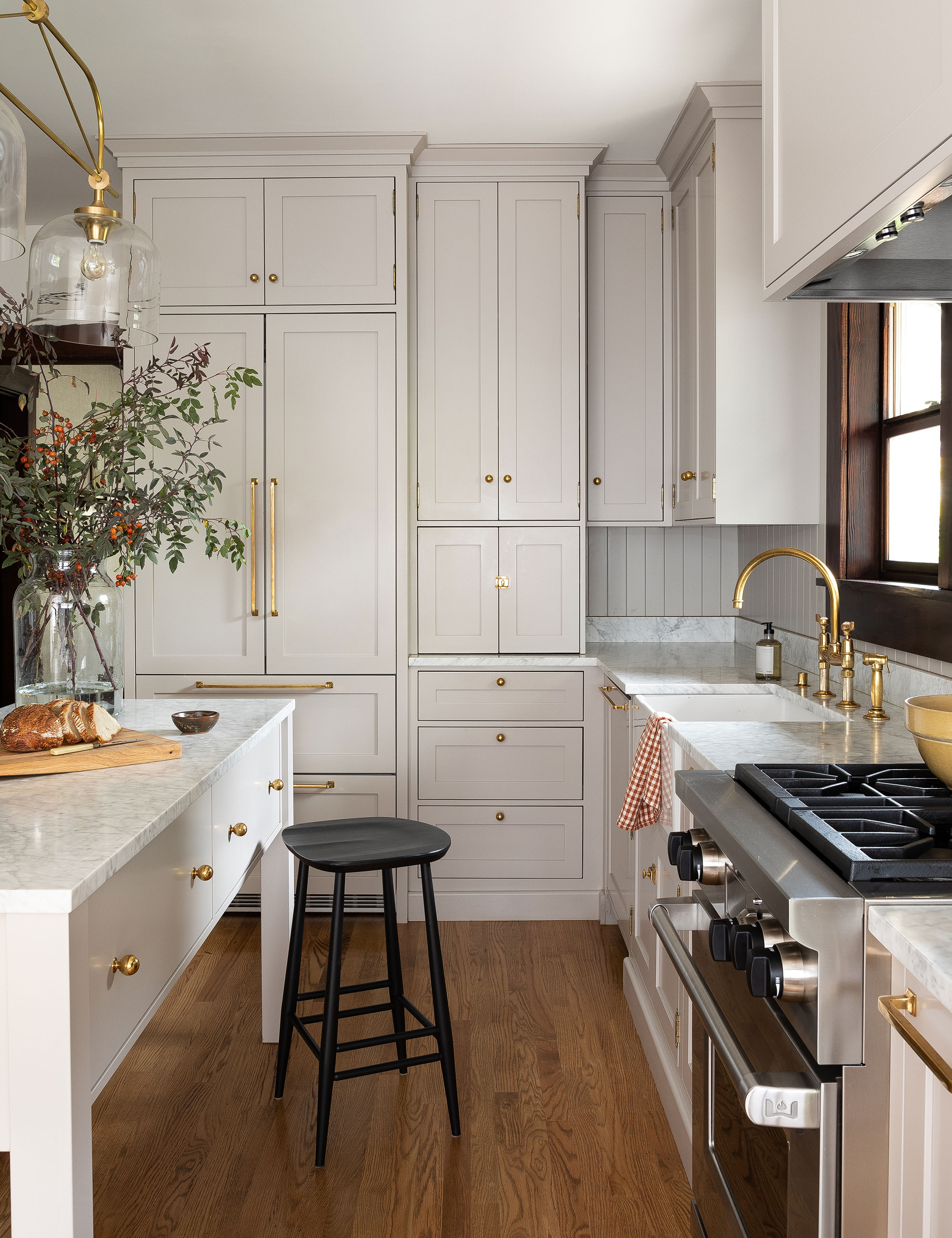
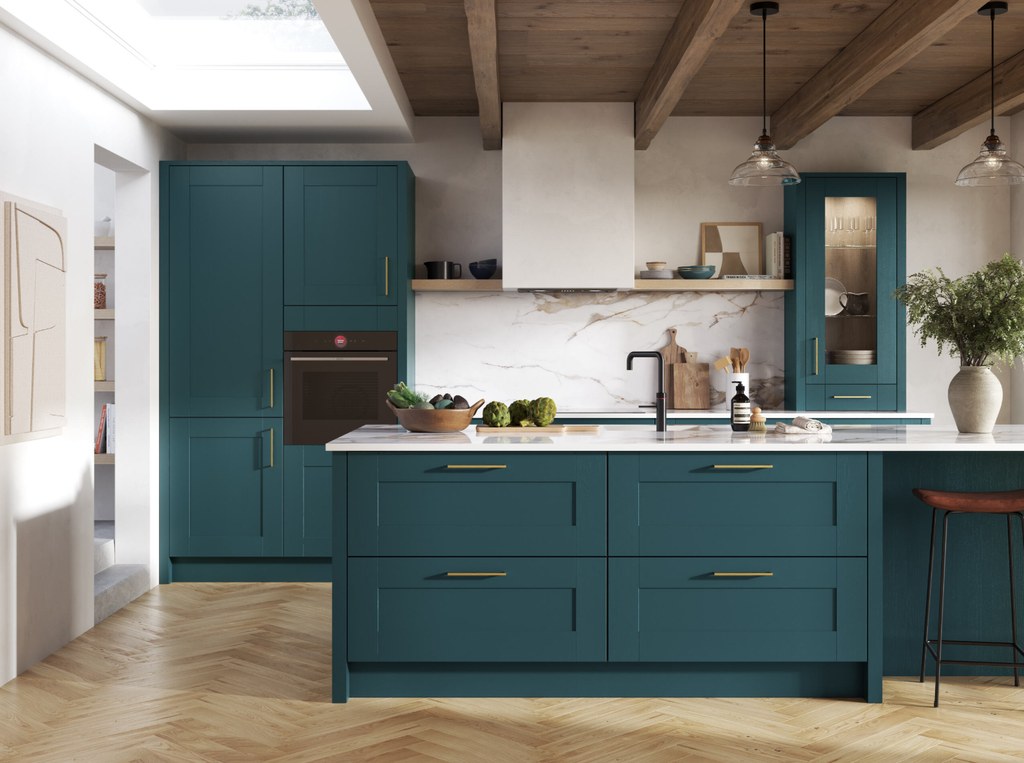
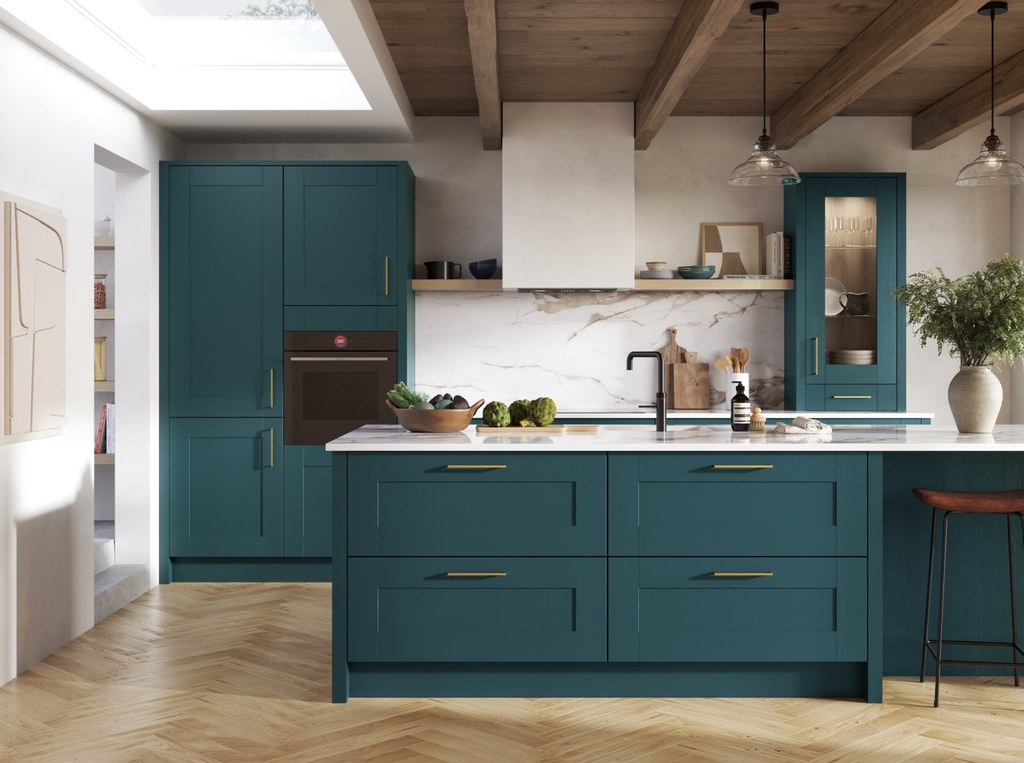
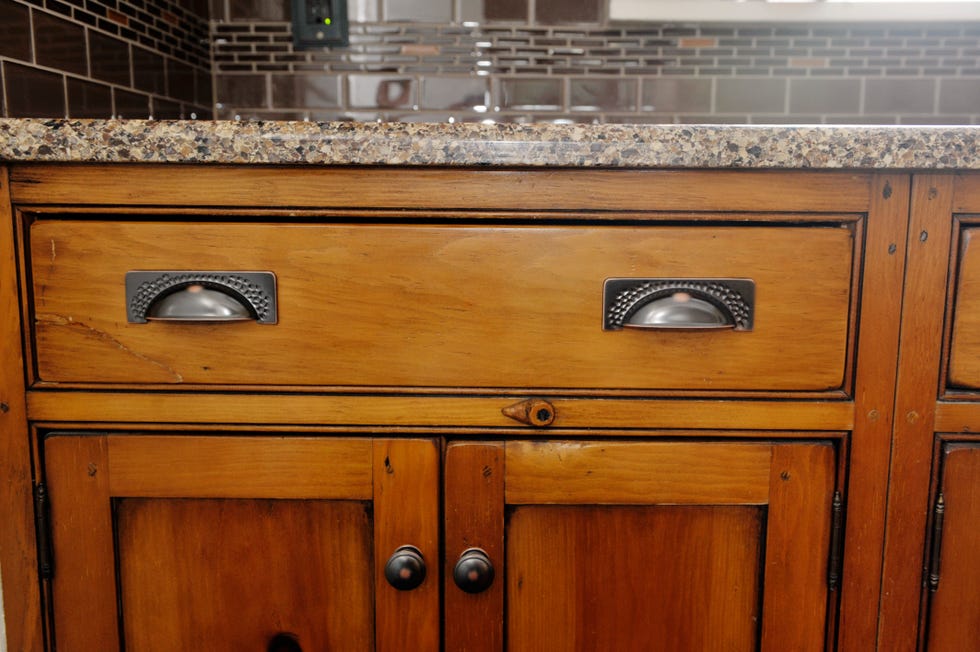
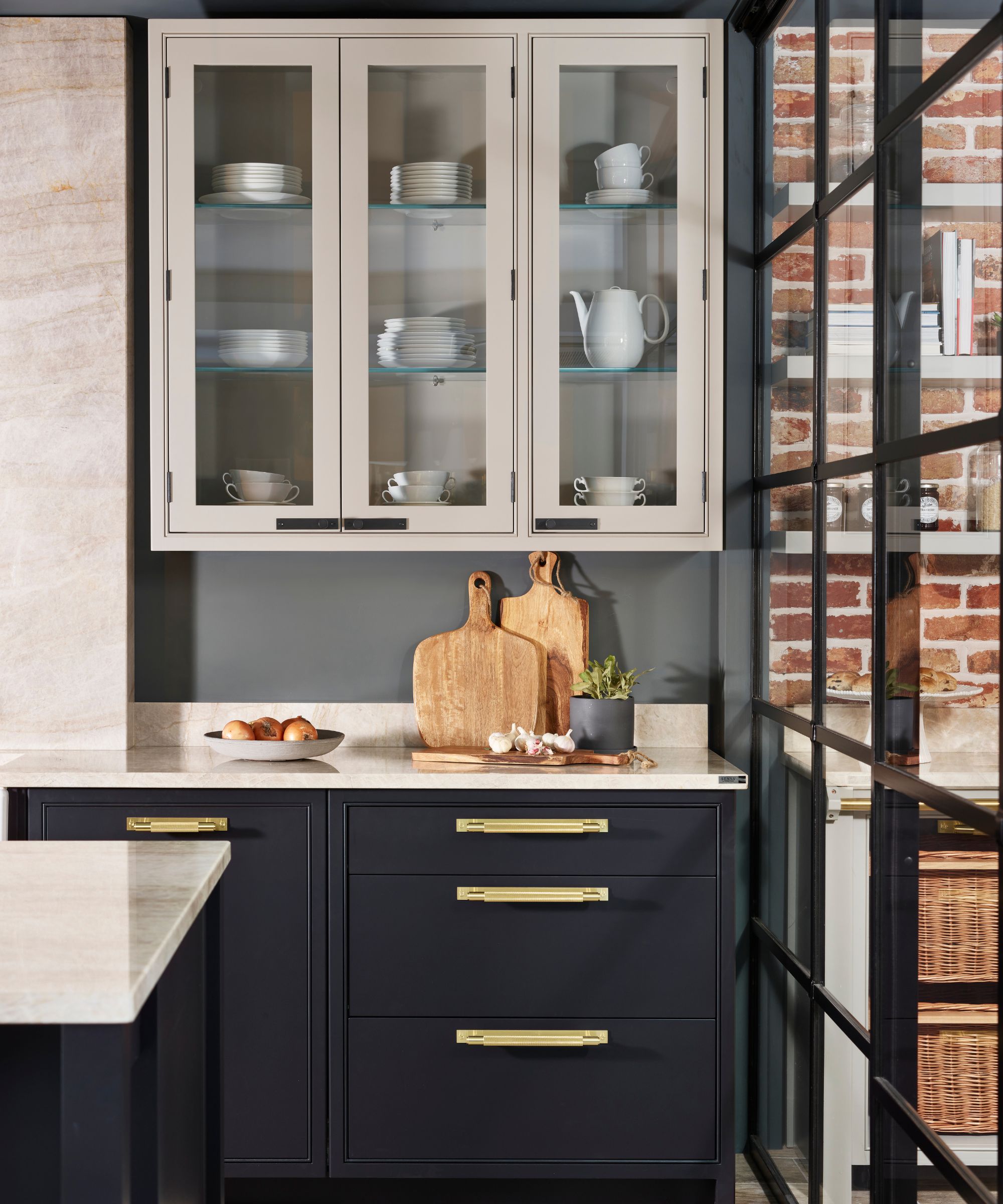
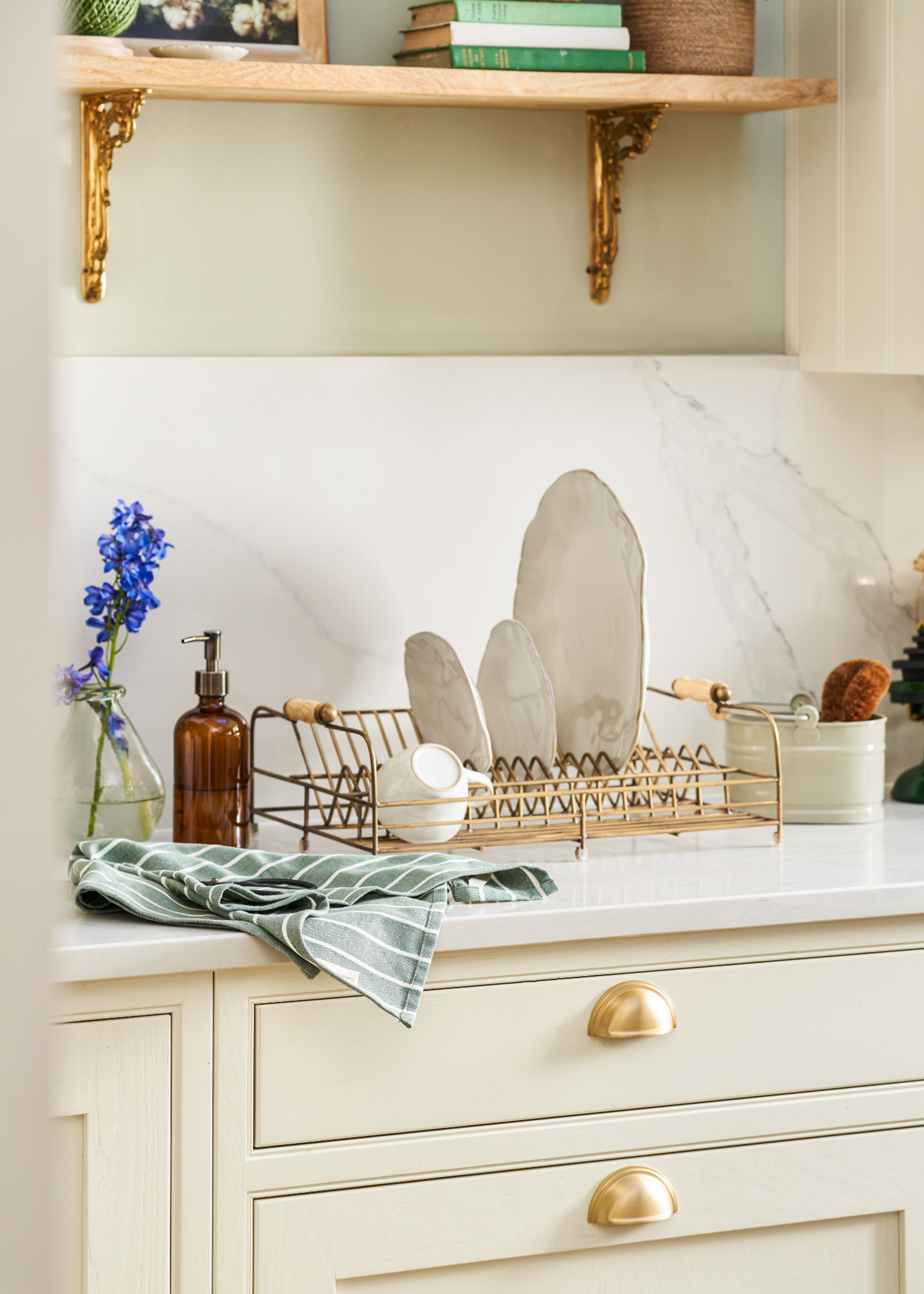
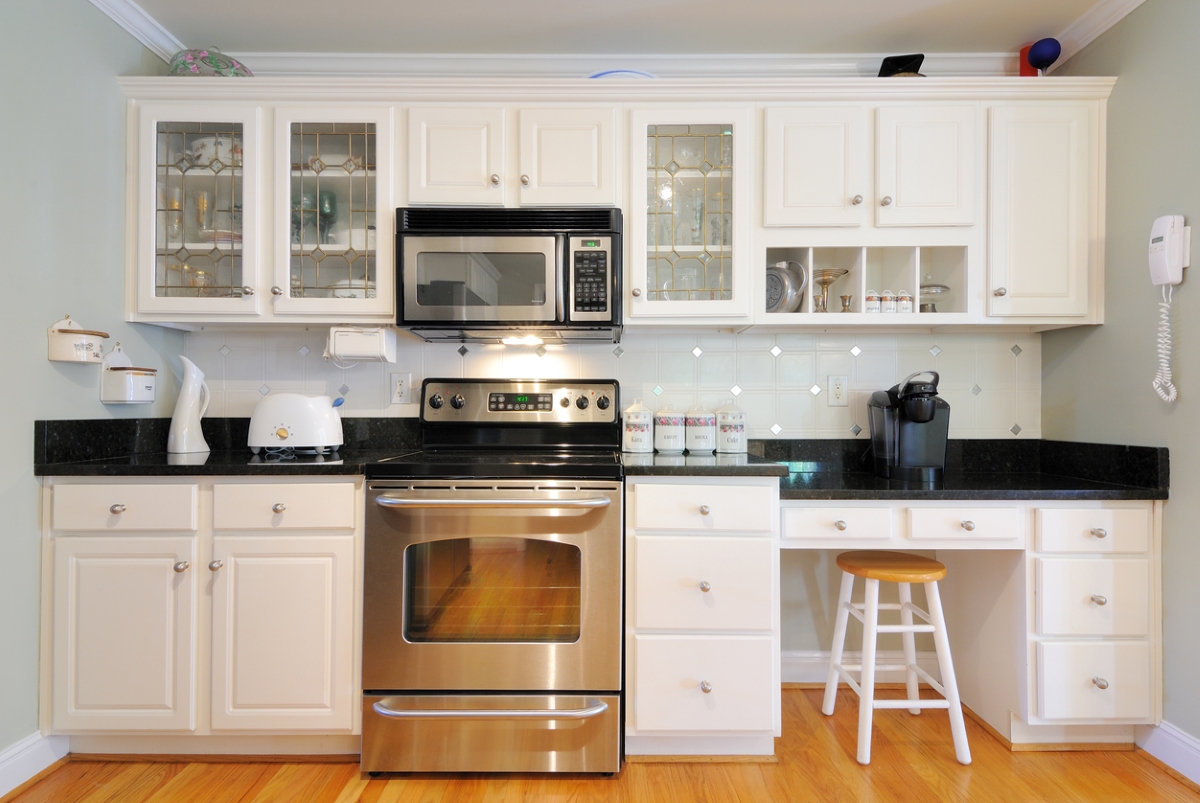
Distracting hardware is a subtle yet impactful element that can undermine a kitchen's design. While changing hardware is a quick way to refresh a space, selecting oversized handles or trendy, brightly colored knobs can create a disproportionate and distracting effect. Hardware should serve as an elegant accent, complementing the cabinetry rather than dominating the visual field. The goal is a cohesive look where hardware enhances the overall design without drawing undue attention to itself.
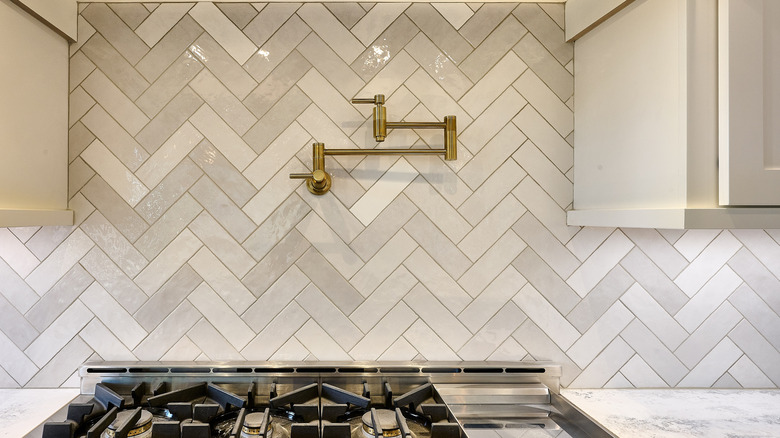
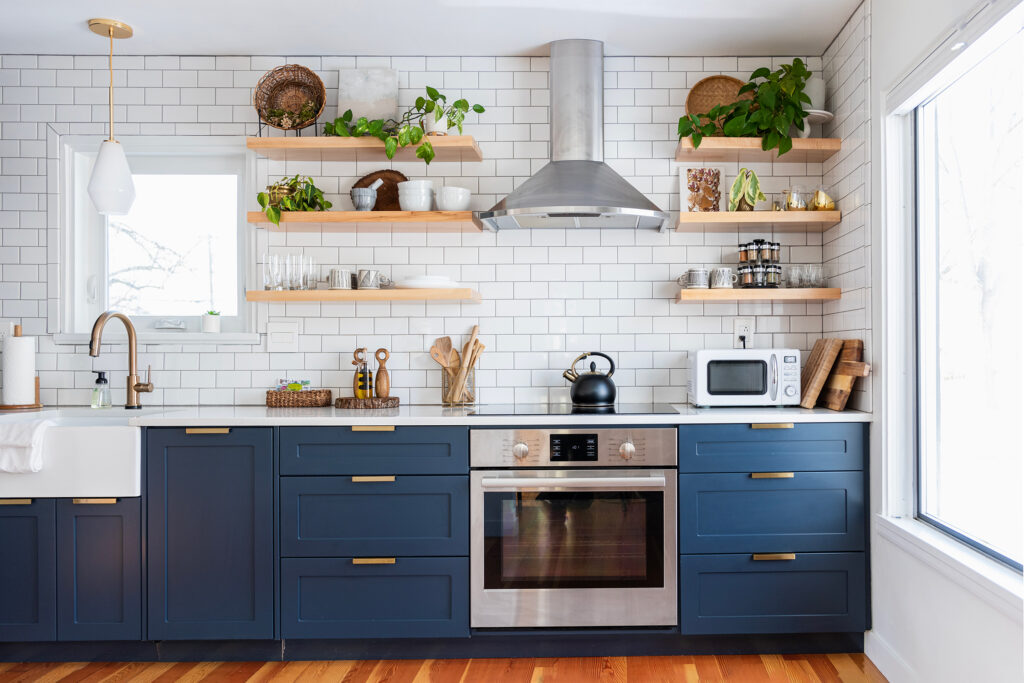
Finally, busy or DIY tile work is often cited as a tacky upgrade. Overly patterned tiles, mosaics, or faux-stone designs tend to age poorly and can quickly render a newly renovated kitchen dated. Similarly, attempting cabinet refacing with stick-on veneers or DIY covers, while seemingly cost-effective, results in a lack of durability, leading to peeling and chipping. For a truly lasting and beautiful finish, professional painting or full cabinet replacements are advised, ensuring both quality and aesthetic longevity. Avoiding these common pitfalls can help homeowners create a kitchen that remains stylish and valuable for years to come.
#KitchenDesign #HomeRenovation #InteriorDesign #KitchenUpgrades #DesignTips #Countertops #KitchenLighting #OpenShelving #KitchenHardware #KitchenDesign #HomeRenovation #InteriorDesign #KitchenUpgrades #DesignTips #Countertops #KitchenLighting #OpenShelving #KitchenHardware
0 comment in total
 No comments yet
You may also like
5 Kitchen Renovation Moves That Make Designers CRINGE

8 shockingly common kitchen design mistakes according to a pro

5 dated kitchen hardware trends that could be bringing down the look of your kitchen

8 Things That Make Your Kitchen Look Tacky, According to Interior Designers
6 Pricey Kitchen Upgrades That Aren't Worth It

8 shockingly common kitchen design mistakes according to a pro

6 Tacky Living Room "Upgrades" That Instantly Make Your Home Look Bad, Designers Say

11 WORST Kitchen Design Mistakes You're Probably Making

5 Ways to Make Your Kitchen Look Instantly More Expensive, According to Designers

5 Tacky Home Decor Items That Instantly Make a Home Look Bad, According to Designers
"Frankly, It's Tacky": People Are Revealing Common Home And Kitchen Design Trends They Can't Stand
25 Kitchen Trends You Might Regret + Photos
5 Tacky Dining Room "Upgrades" That Instantly Make a Home Look Bad, According to Designers
7 Kitchen Design Trends Chefs Say Are Totally Bogus
5 Pieces of Decor You Need to Remove From Your Kitchen Today — "They're Bulky and Eyesores," Say Designers

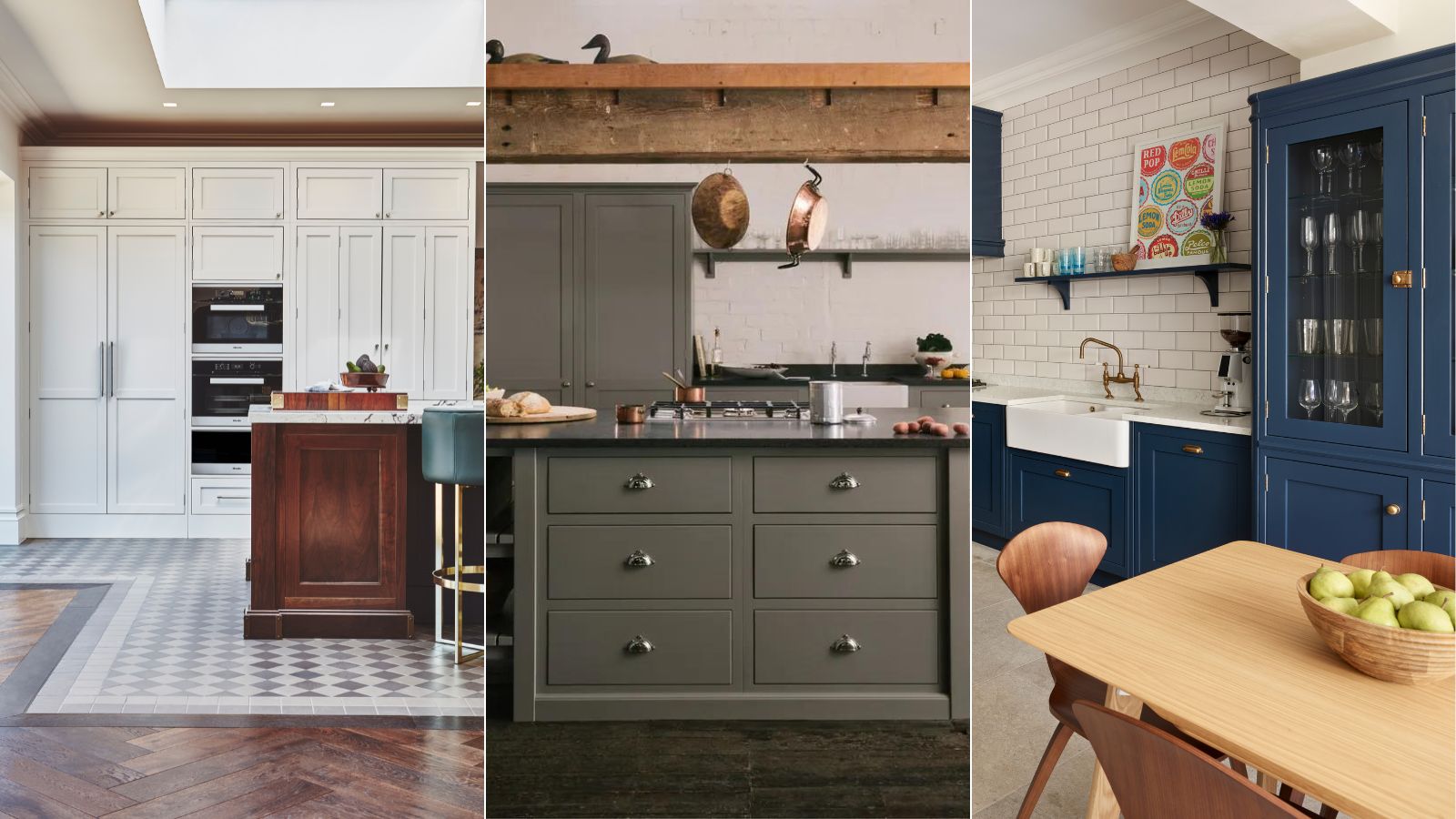
5 kitchen hardware mistakes interior designers say homeowners always make, and how to fix them
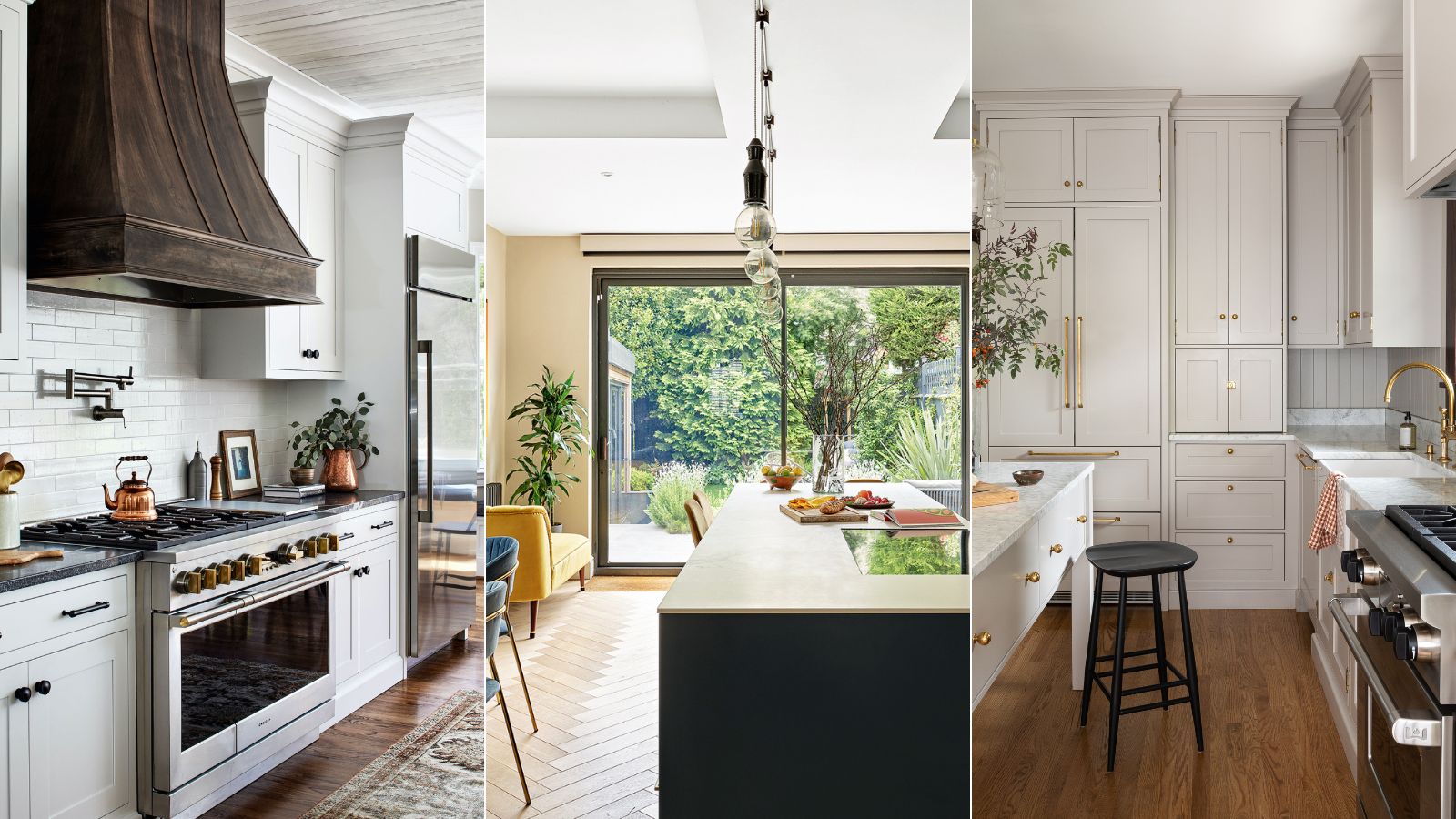
Outdated kitchen trends – 5 overdone looks that designers like to avoid, and here's why you should too
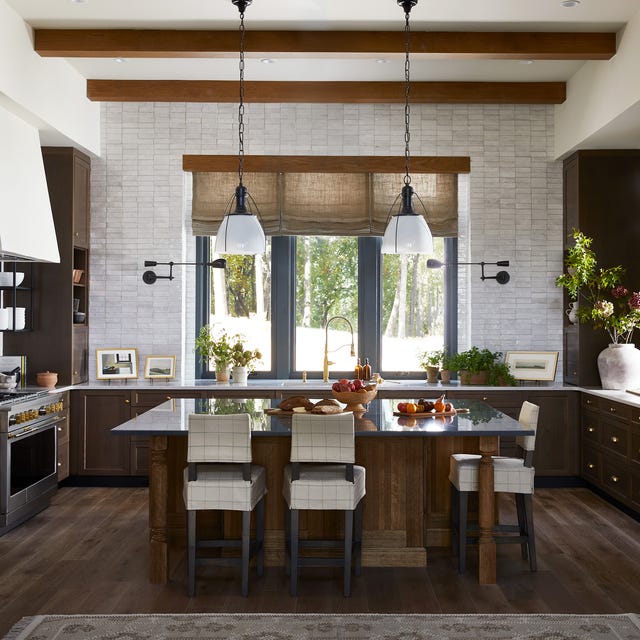
5 Kitchen Upgrades to SKIP if You're Trying to Sell Your Home, Warn Designers

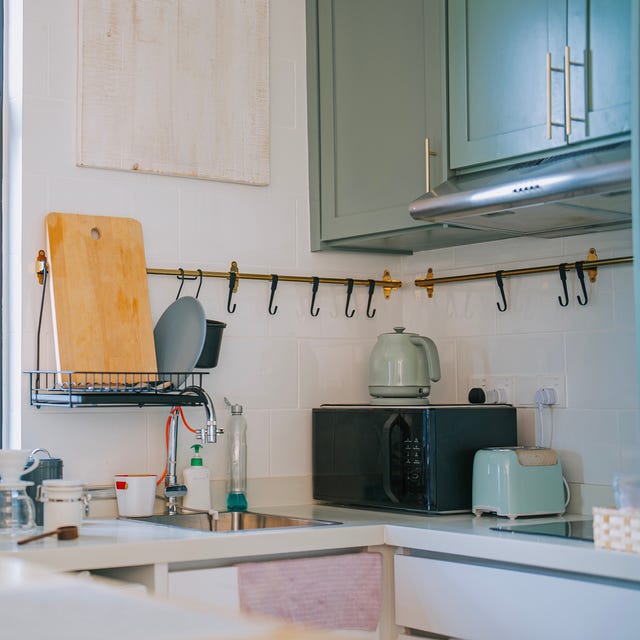
15 Outdated Things You Should Avoid In Your Kitchen, According To Designers
5 Kitchen Design Choices That Actually Make Cooking Harder, According to Designers