5 Kitchen Design Choices That Actually Make Cooking Harder, According to Designers
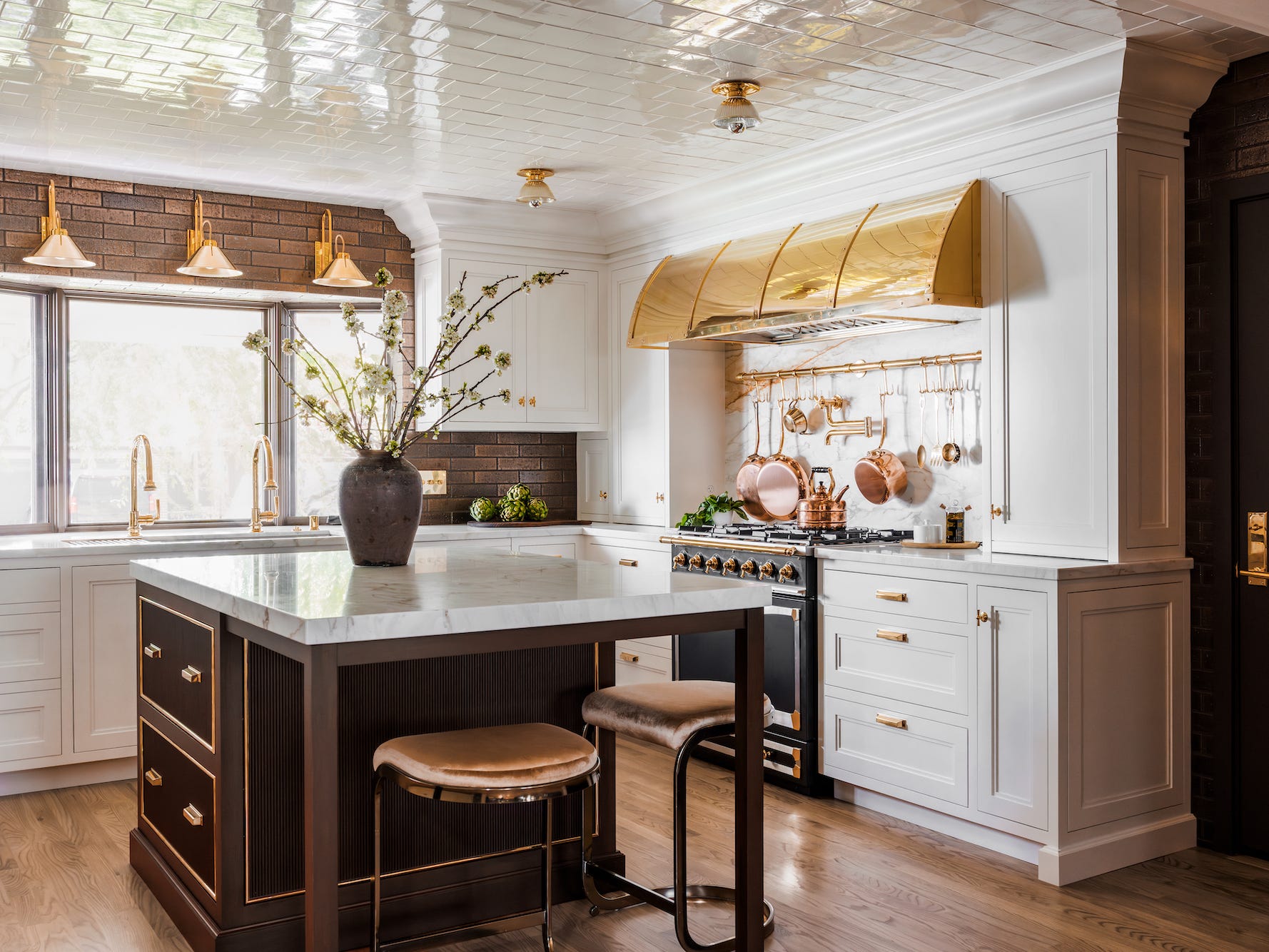
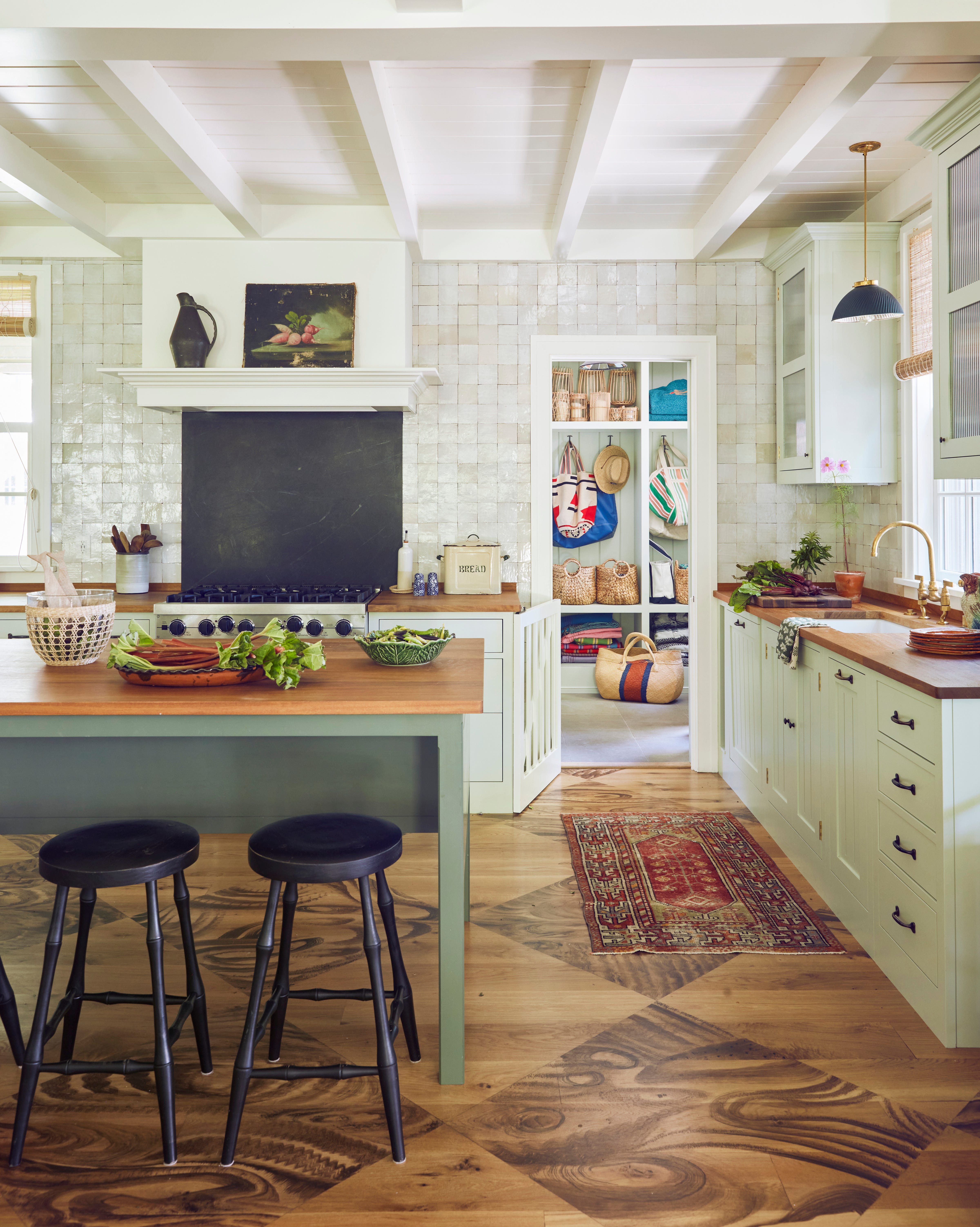
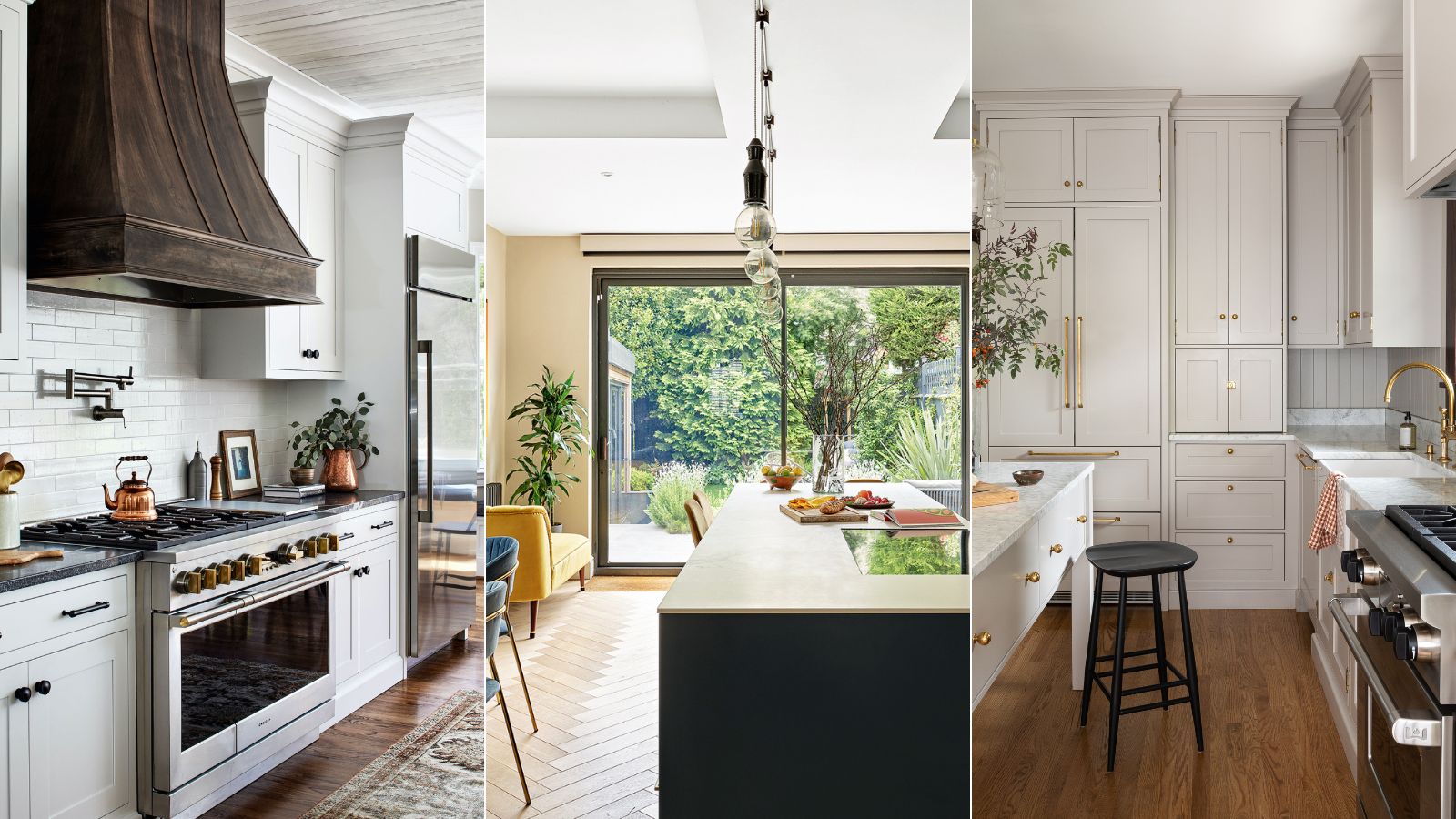
A well-designed kitchen optimally balances aesthetic appeal with practical functionality, yet certain design choices can inadvertently complicate daily cooking tasks. Interior designers Brittny Button of Button Atelier and Yvonne Harty highlight five common kitchen design pitfalls to avoid. These include inefficient appliance placement, particularly for dishwashers, refrigerators, and stoves; problematic open shelving near cooking zones; oversized islands lacking functional planning; and inadequate task lighting. Addressing these issues can transform a kitchen into a more user-friendly and enjoyable space.
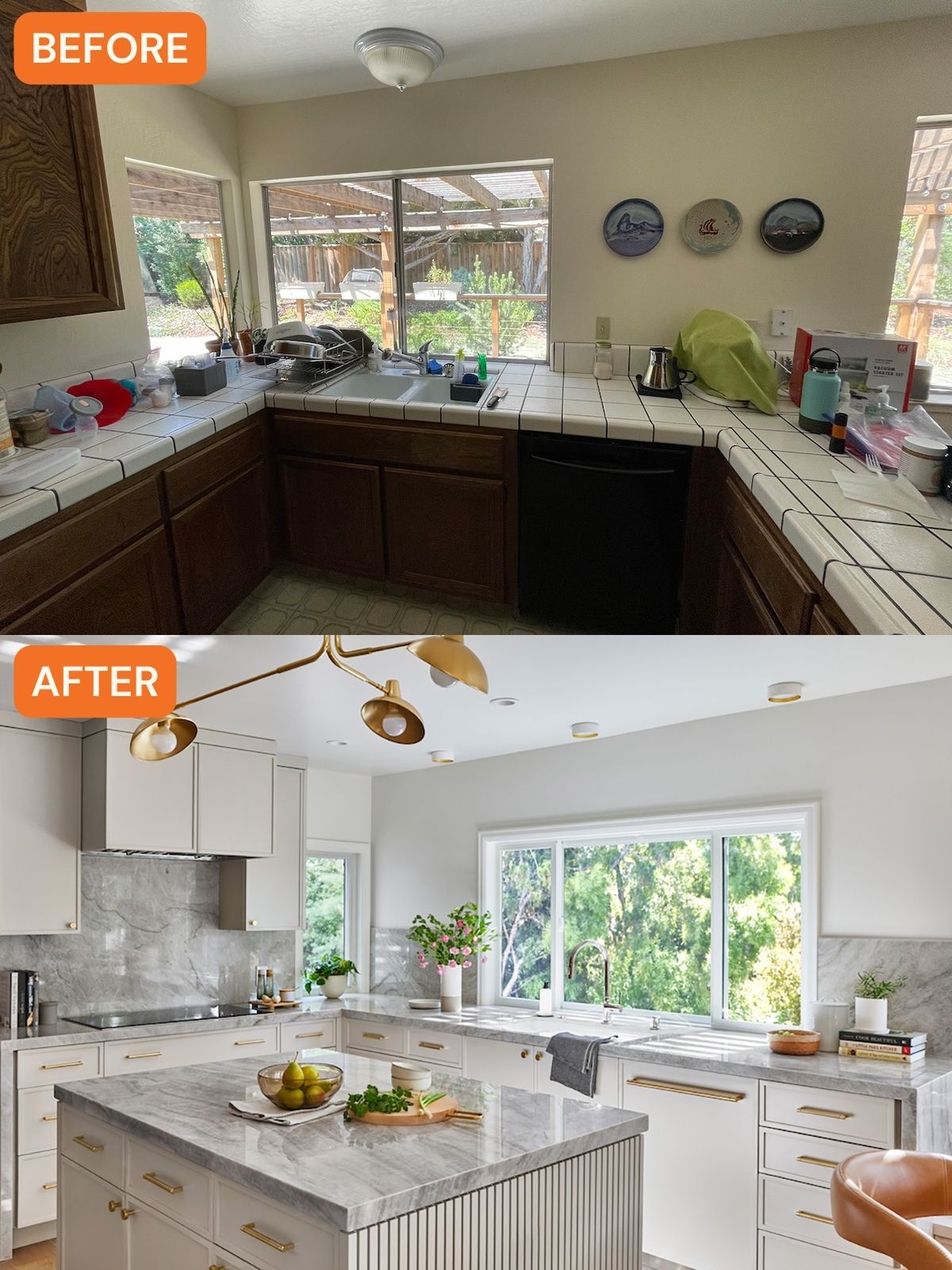
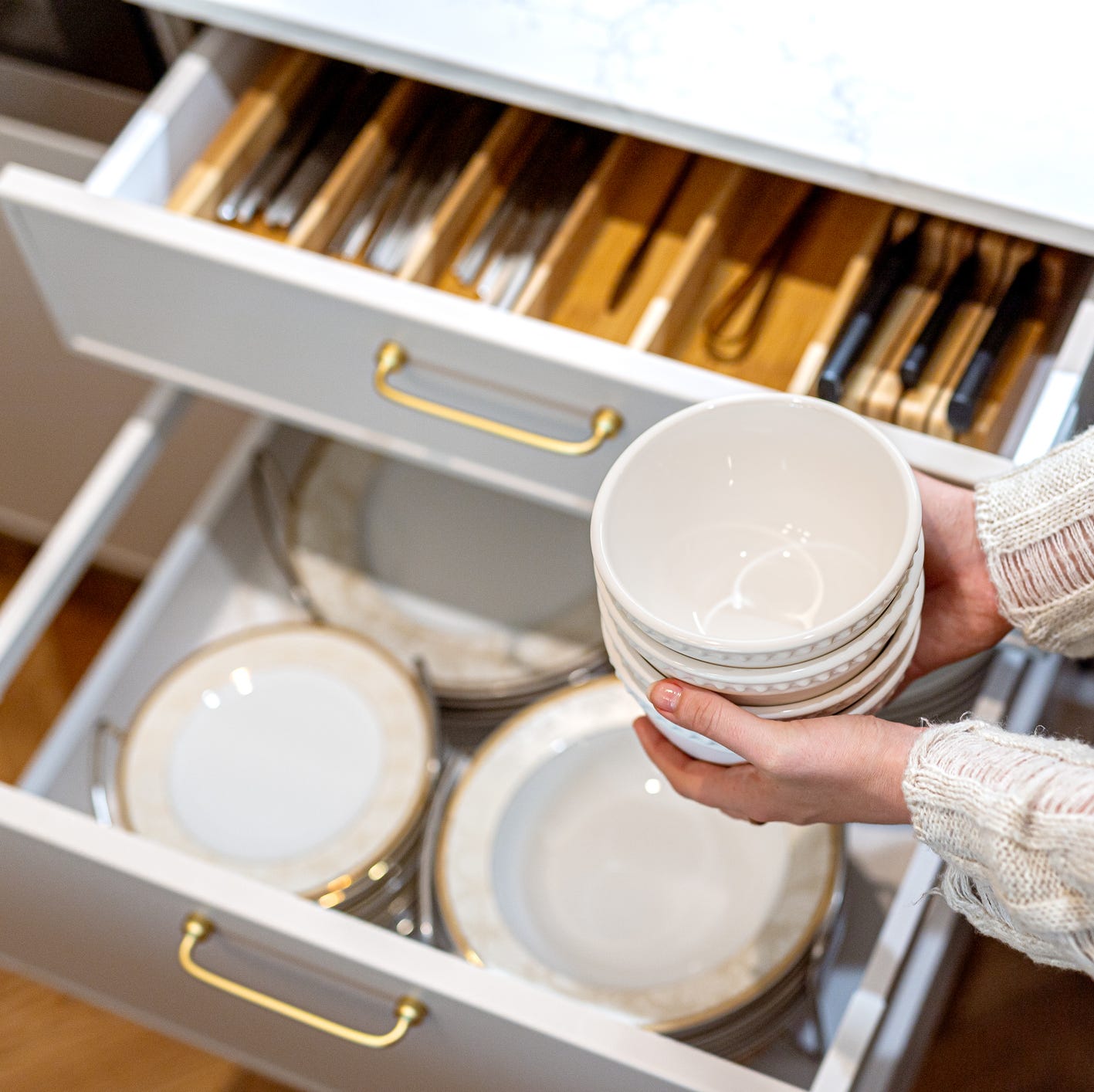
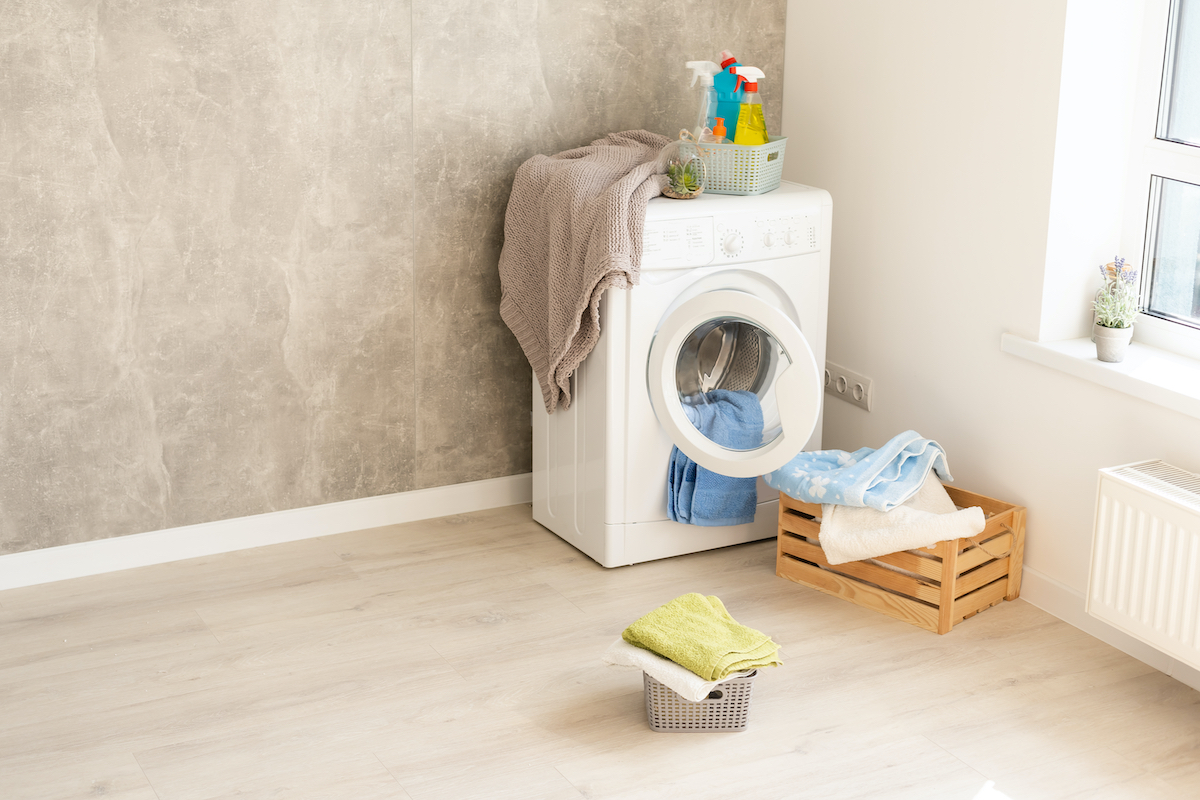
Dishwasher placement is a crucial, yet often overlooked, aspect of kitchen design. Designers advise positioning the dishwasher close to the sink, ideally adjacent to it, to facilitate easy transfer of dirty dishes and minimize movement. Button emphasizes that locating it under an island next to the sink is frequently the most effective solution. Placing it far from the main work areas, in what she calls “no man’s land,” leads to daily frustration and inefficient workflows.
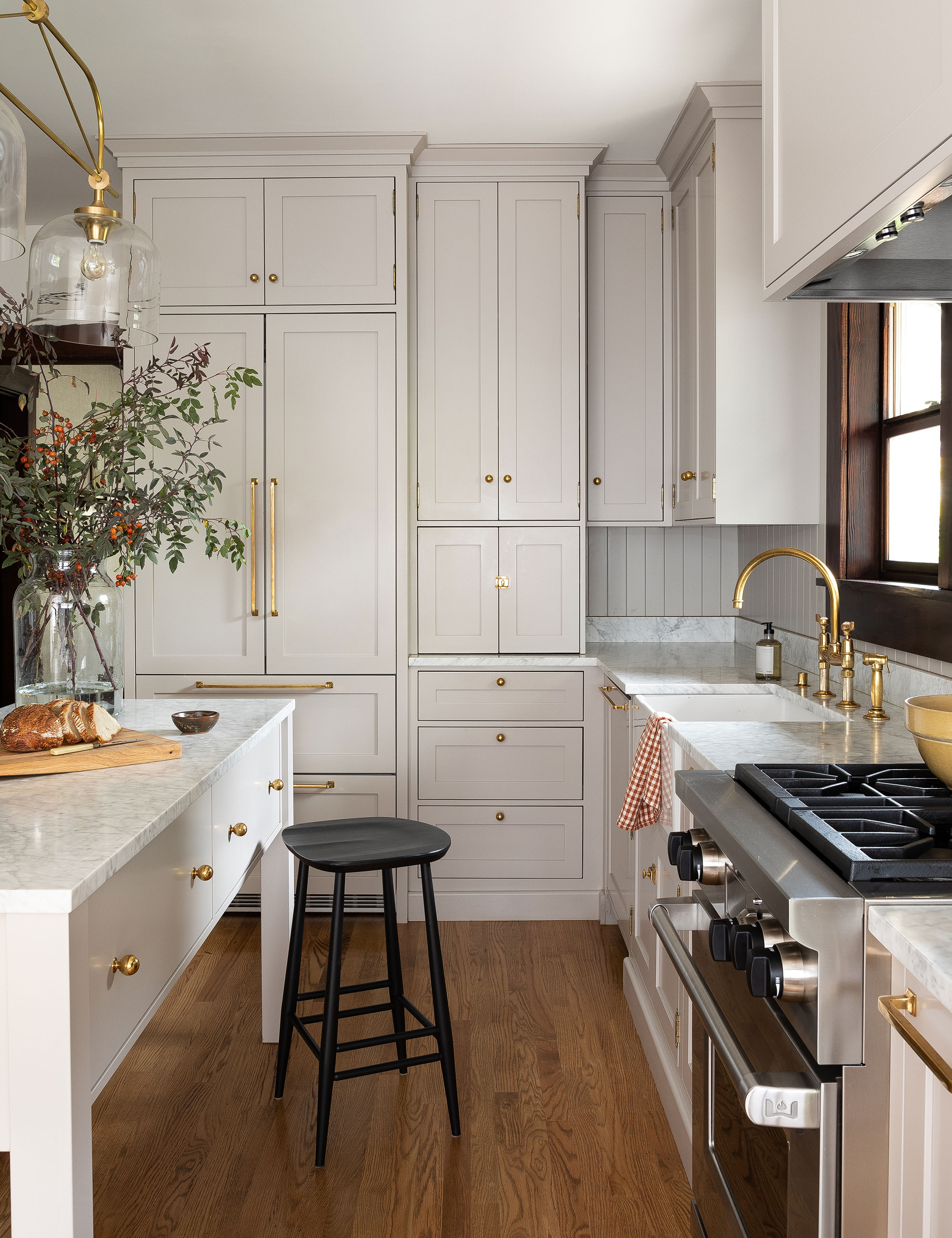
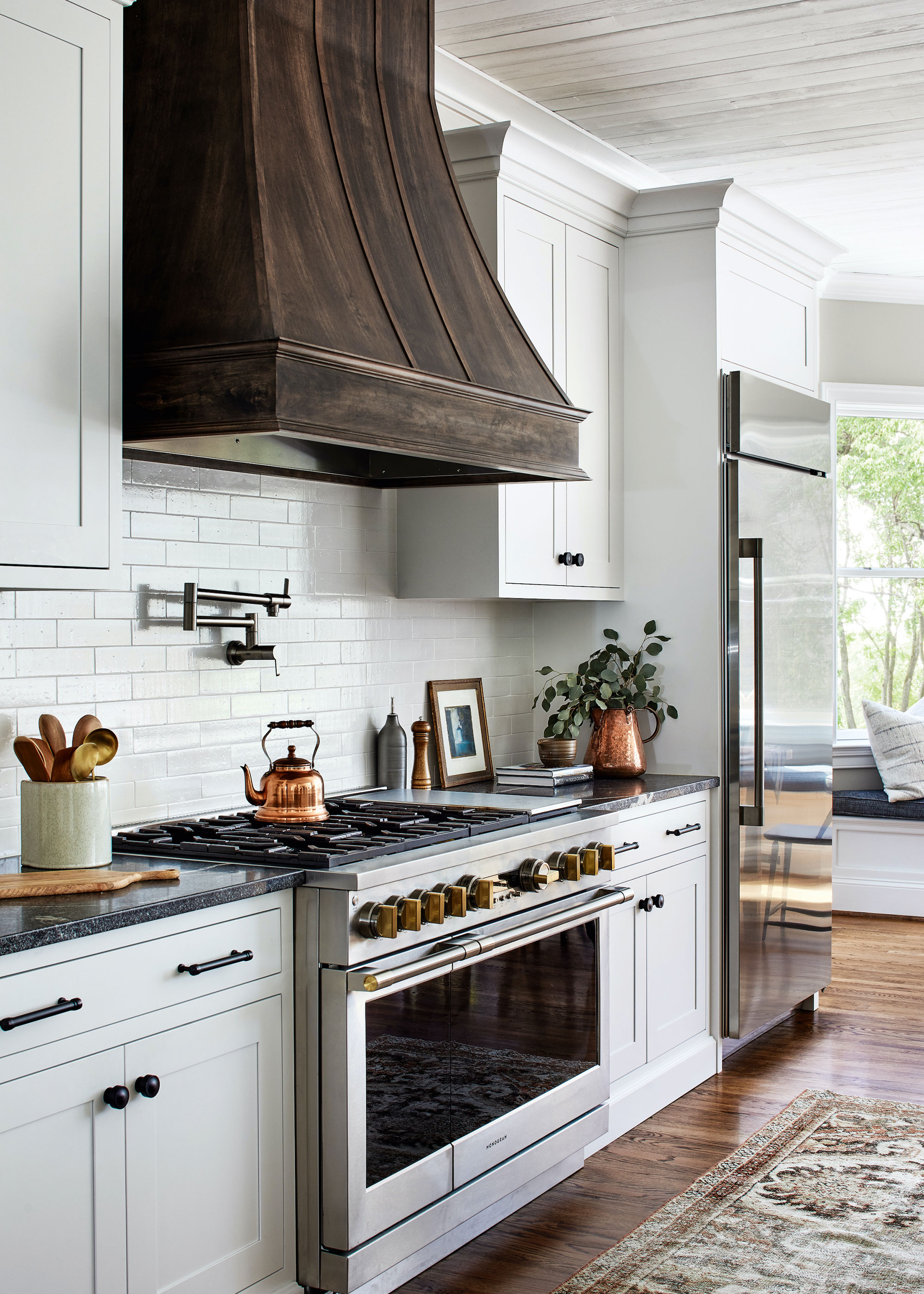
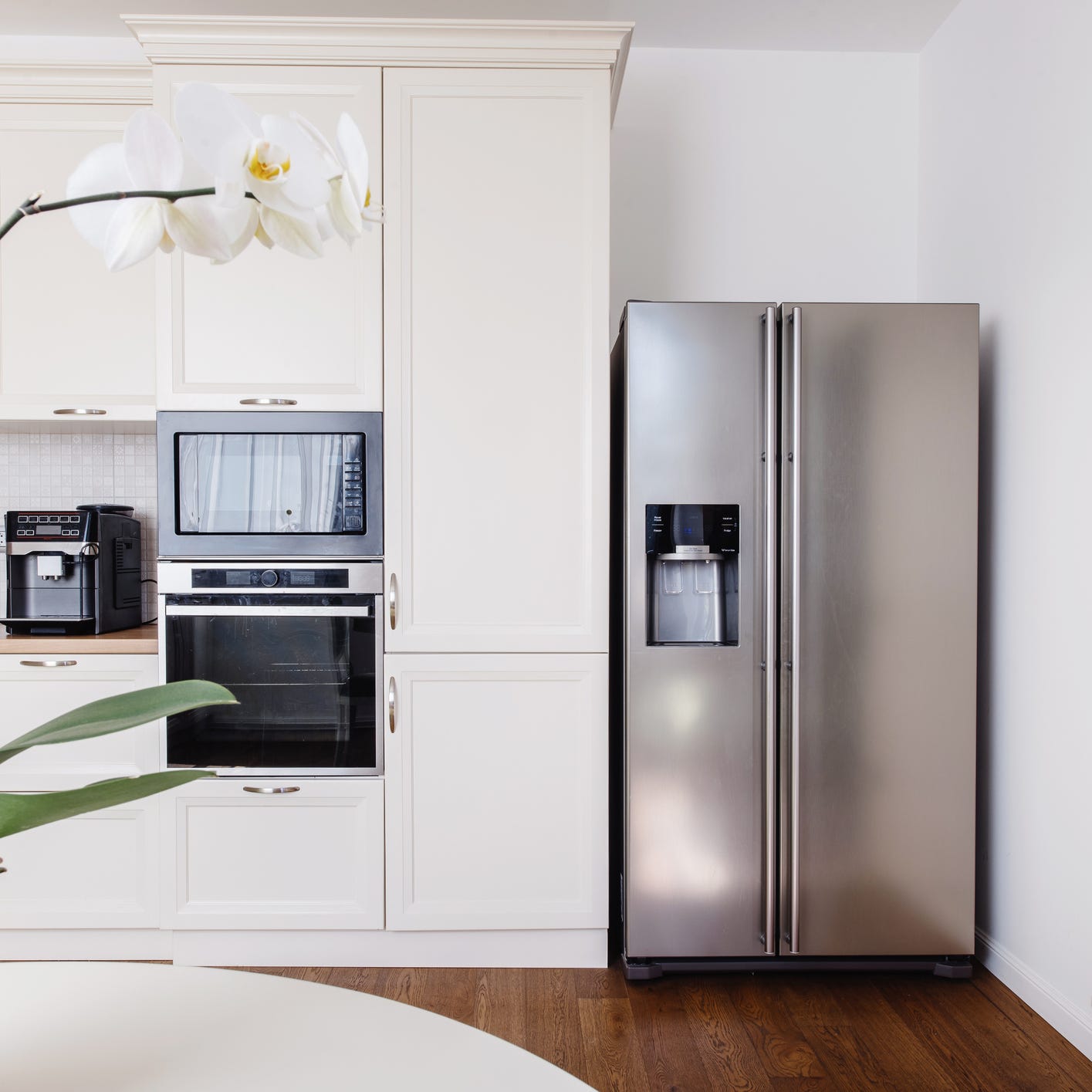
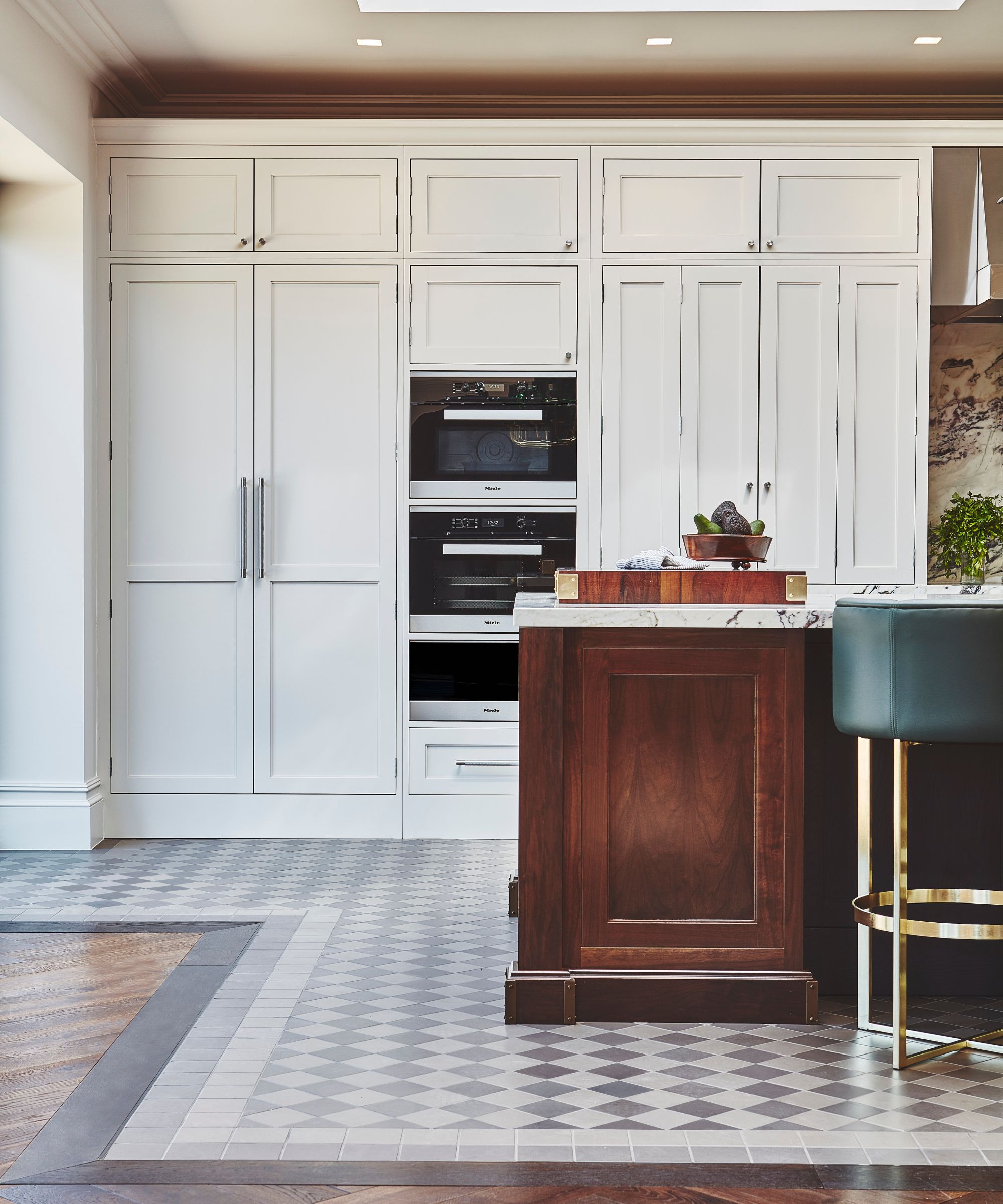
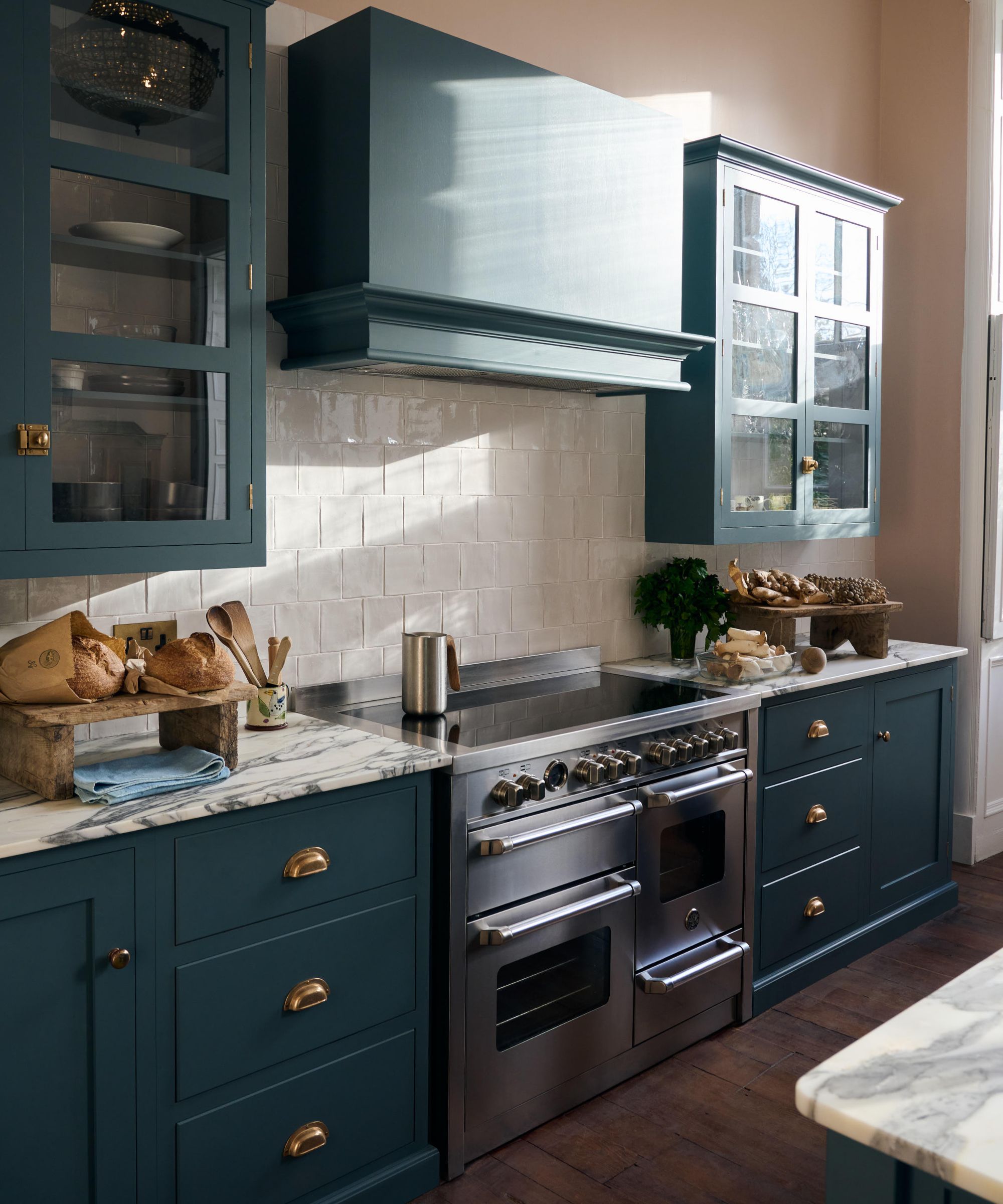
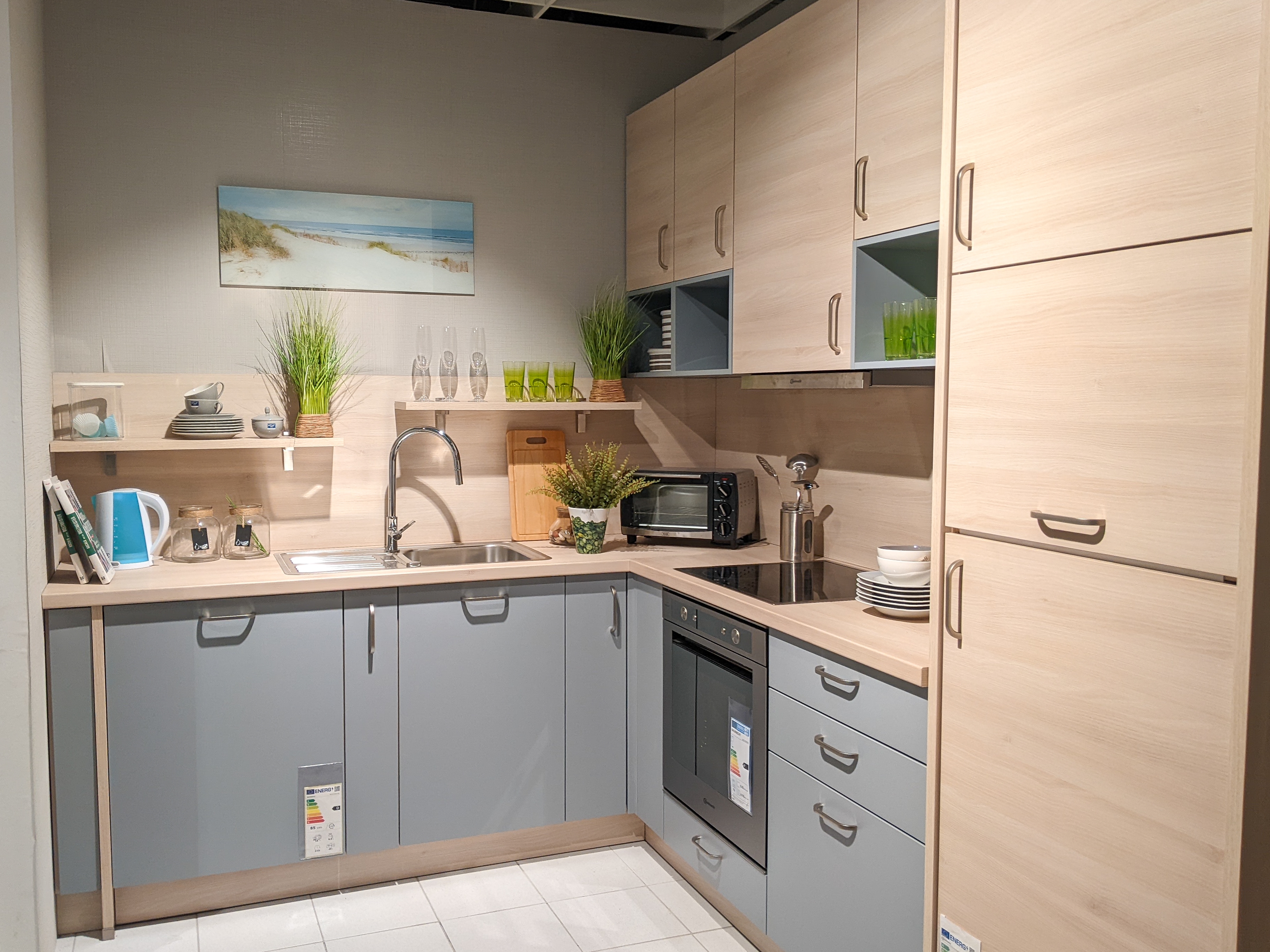
Similarly, the proximity of the refrigerator and stove is vital for an efficient cooking triangle. When these core appliances are too far apart, cooking becomes a chore due to excessive back-and-forth movement. Button recommends keeping the fridge and stove within about four feet of each other to create an effortless workflow, making food preparation more seamless and less physically demanding.
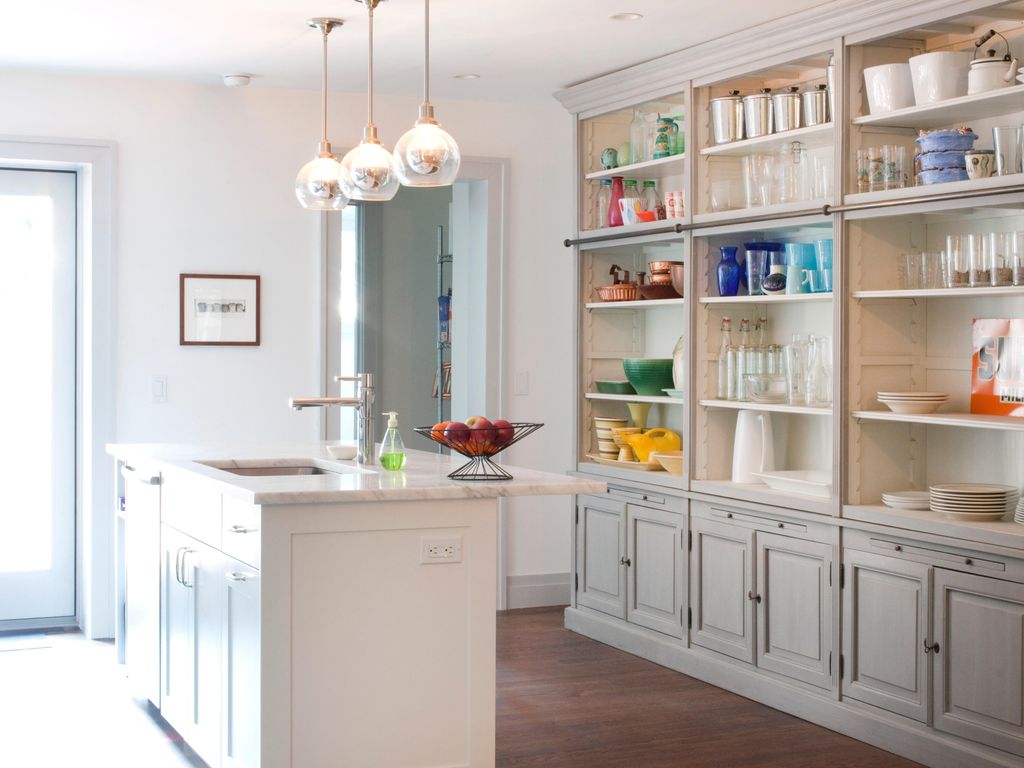
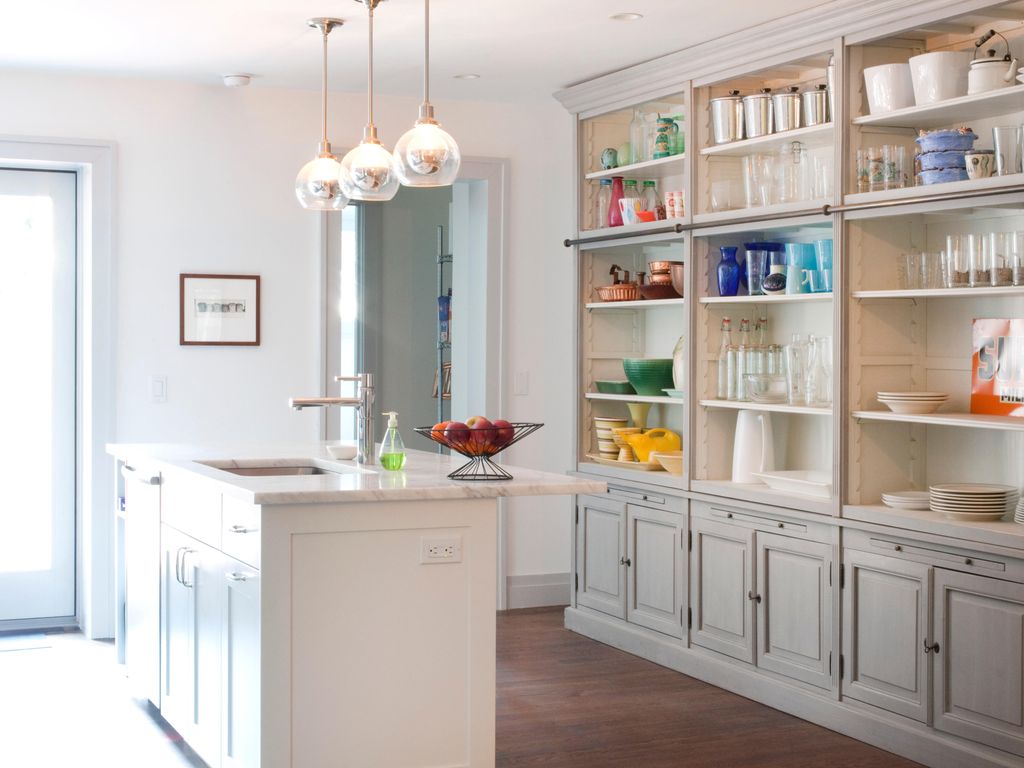
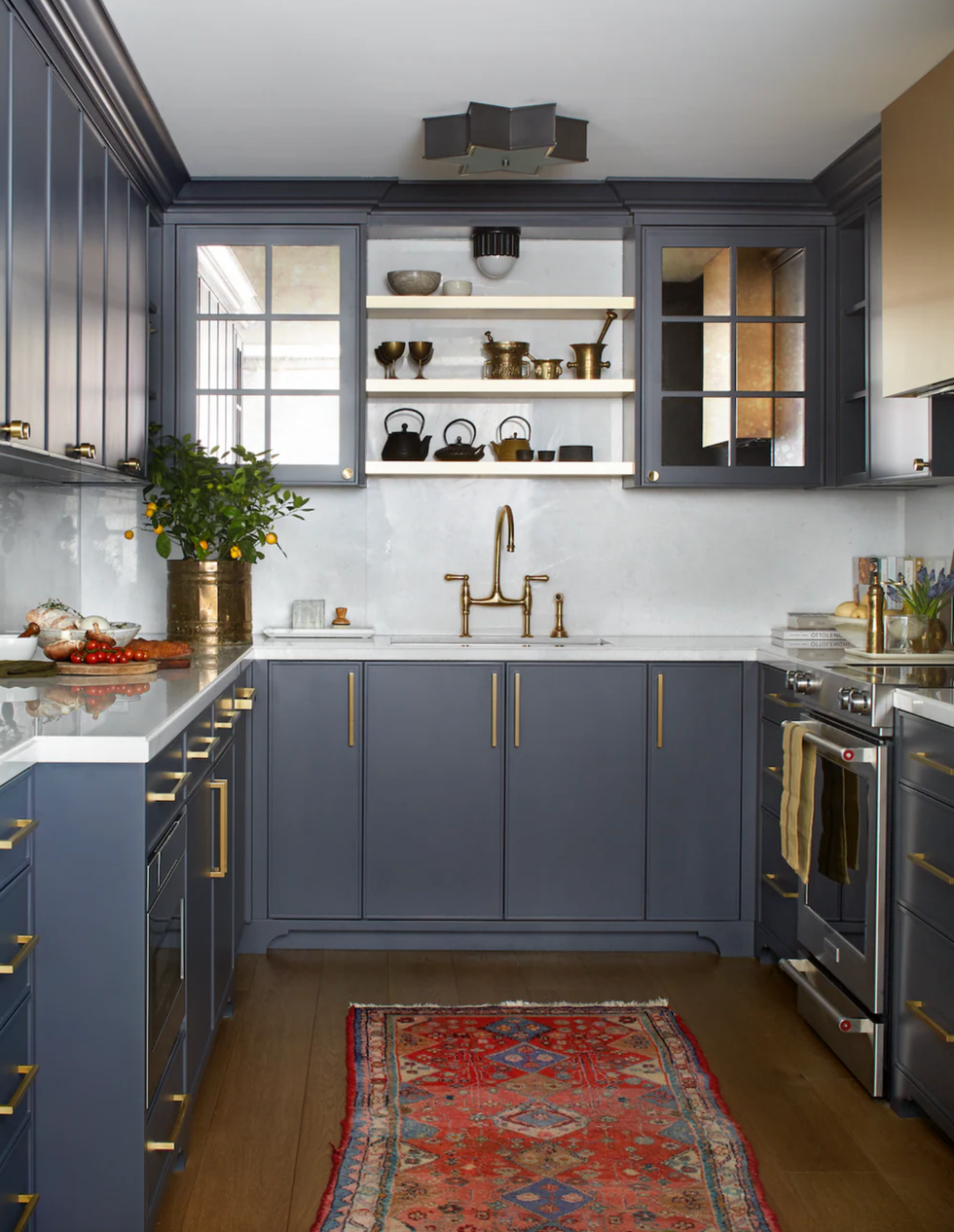
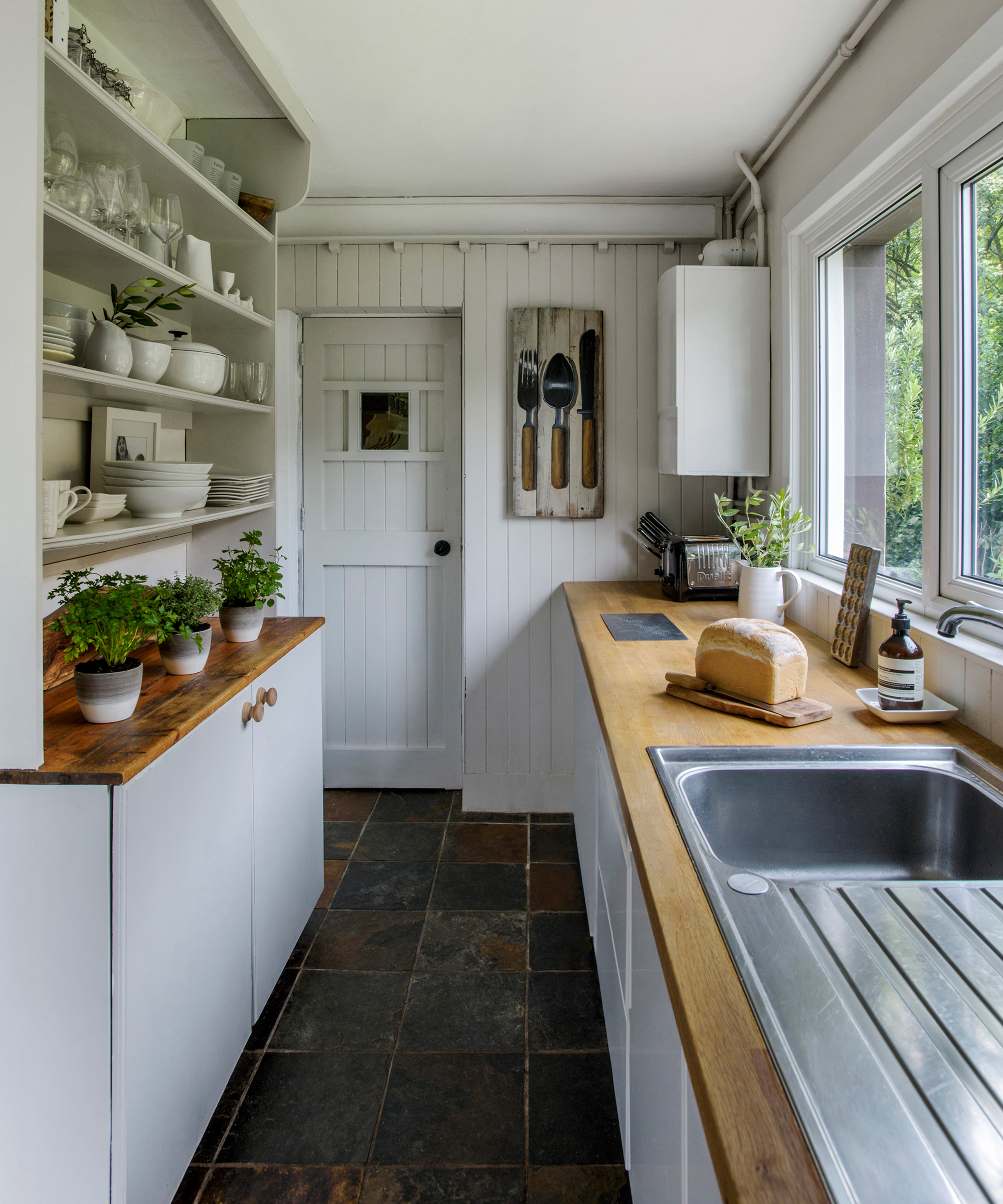
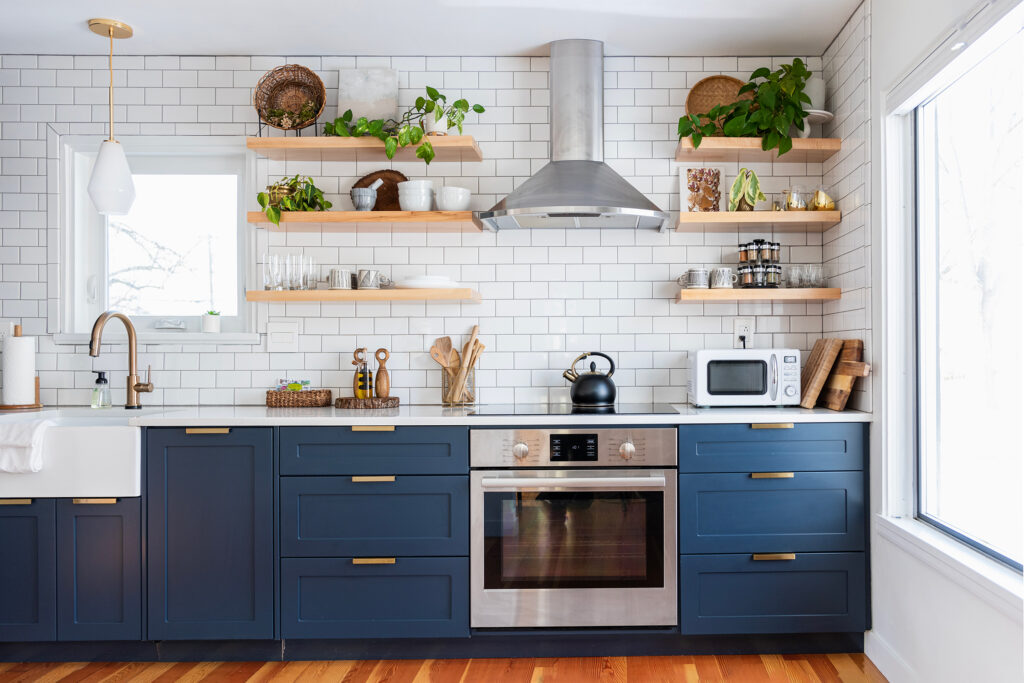
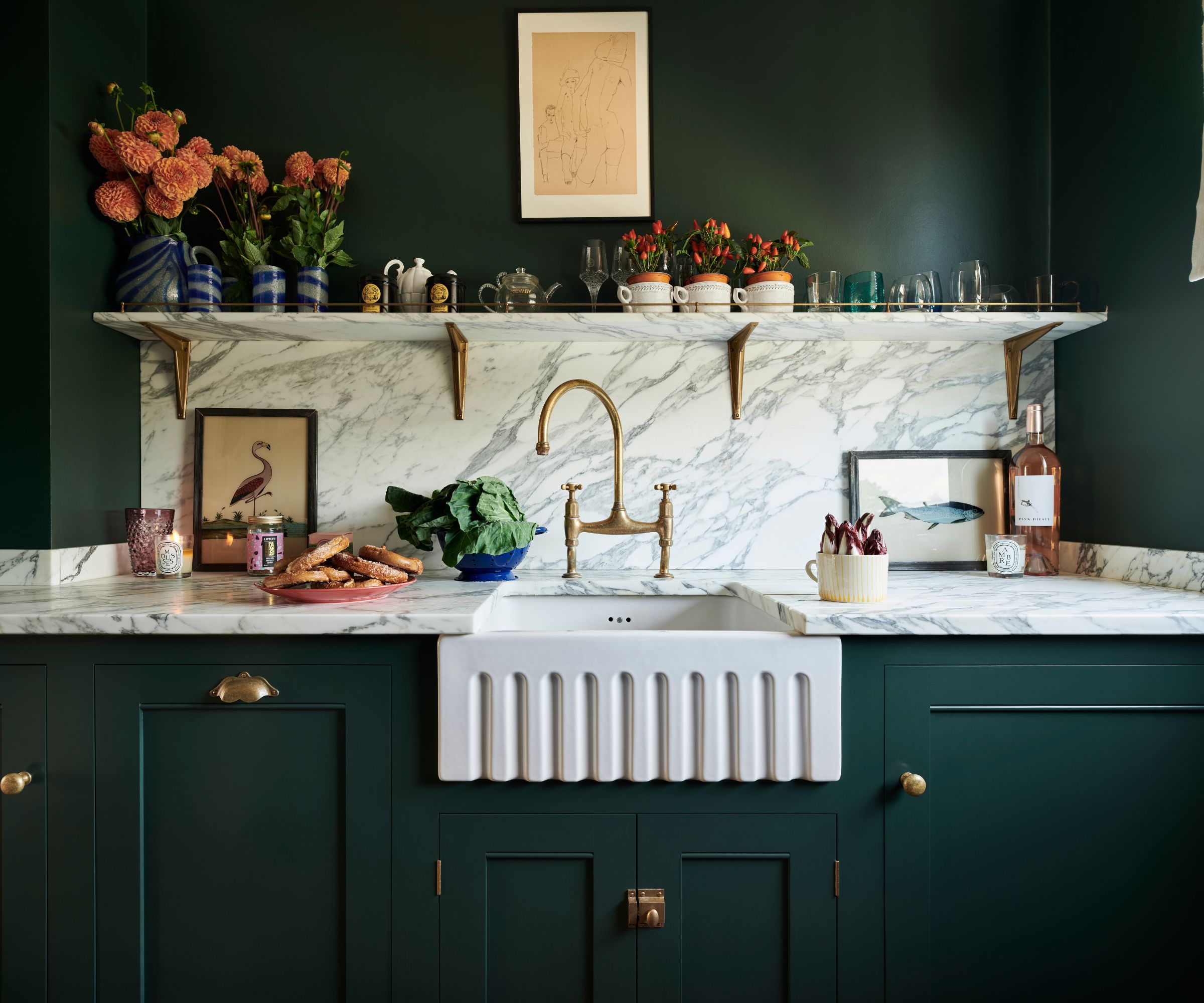
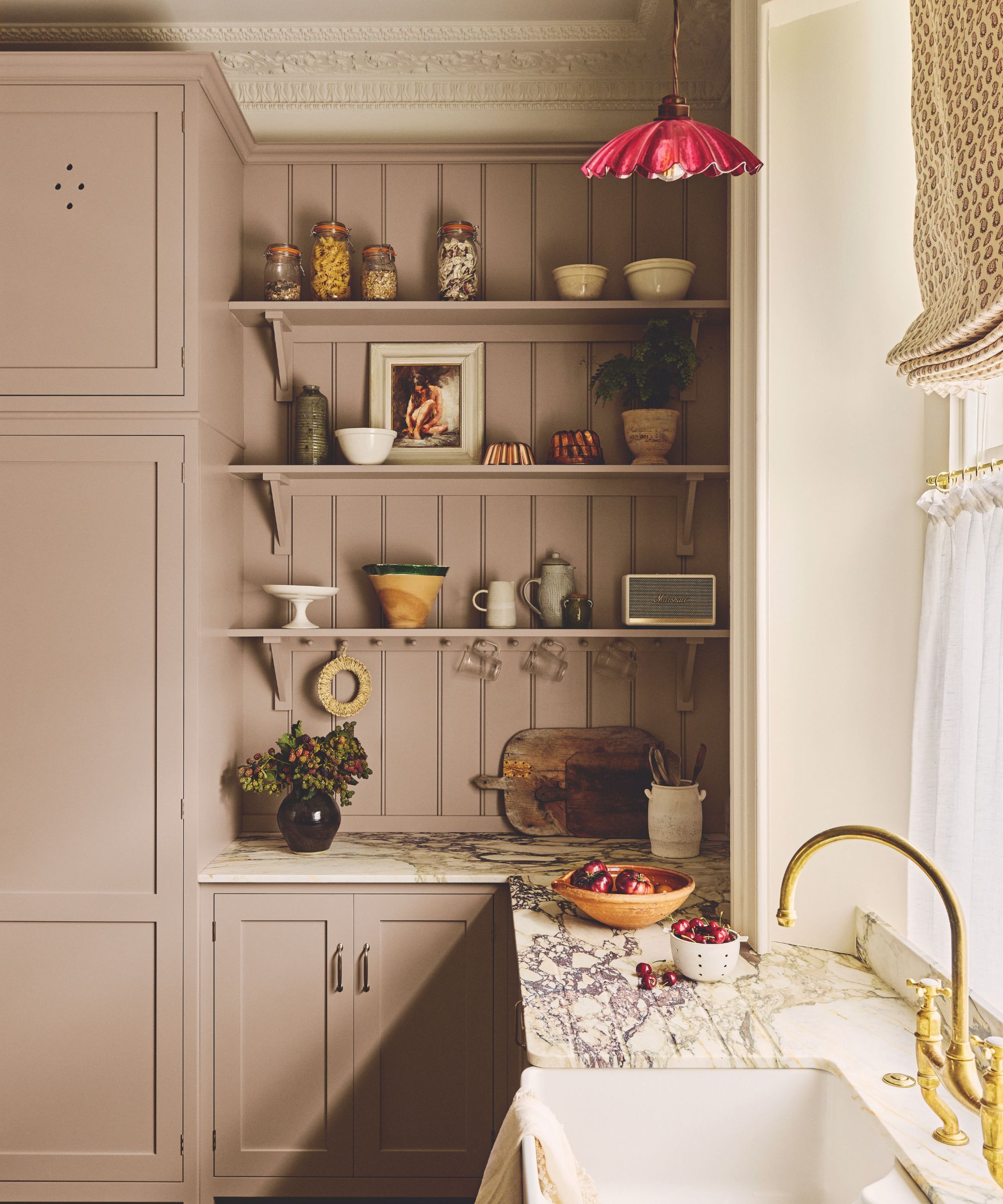
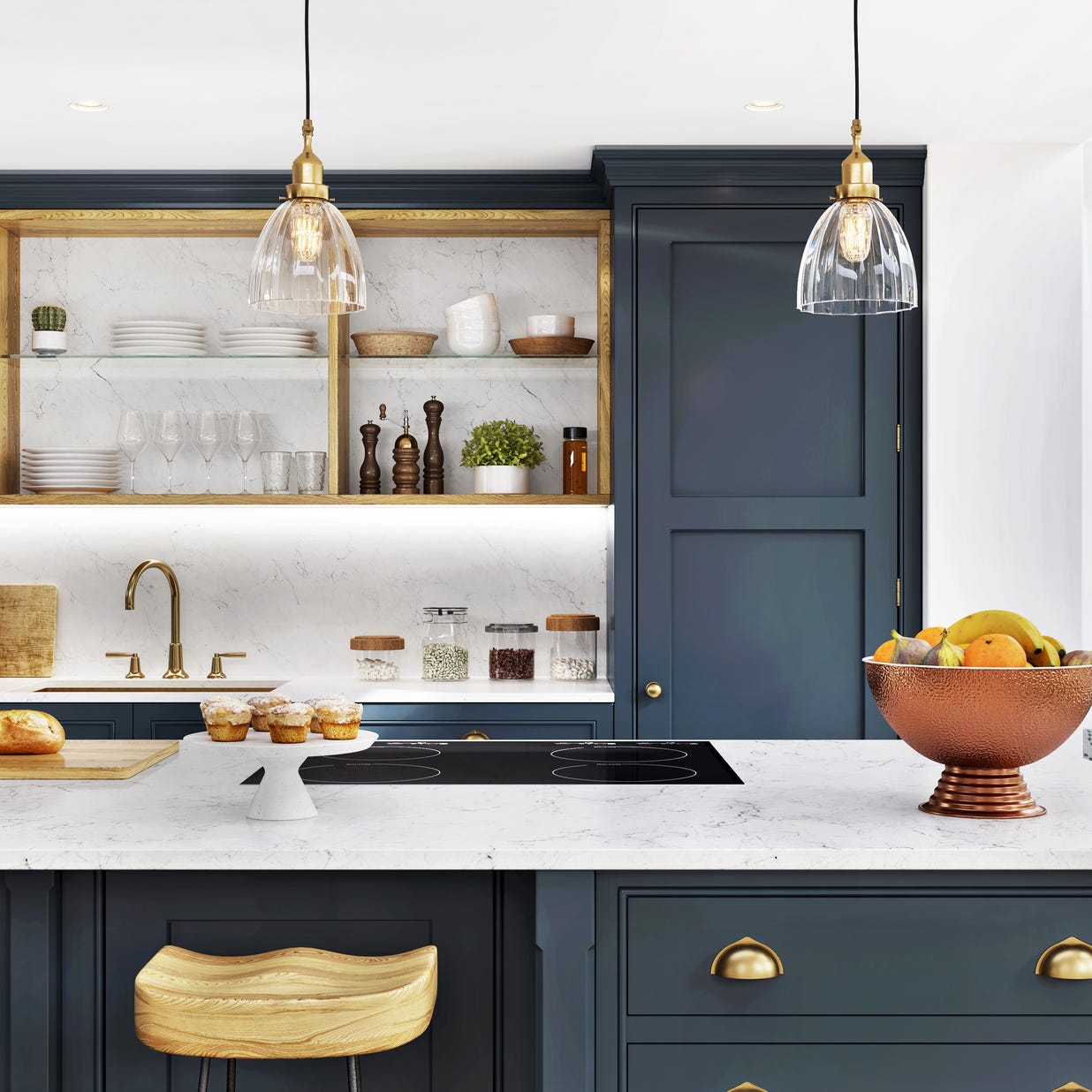
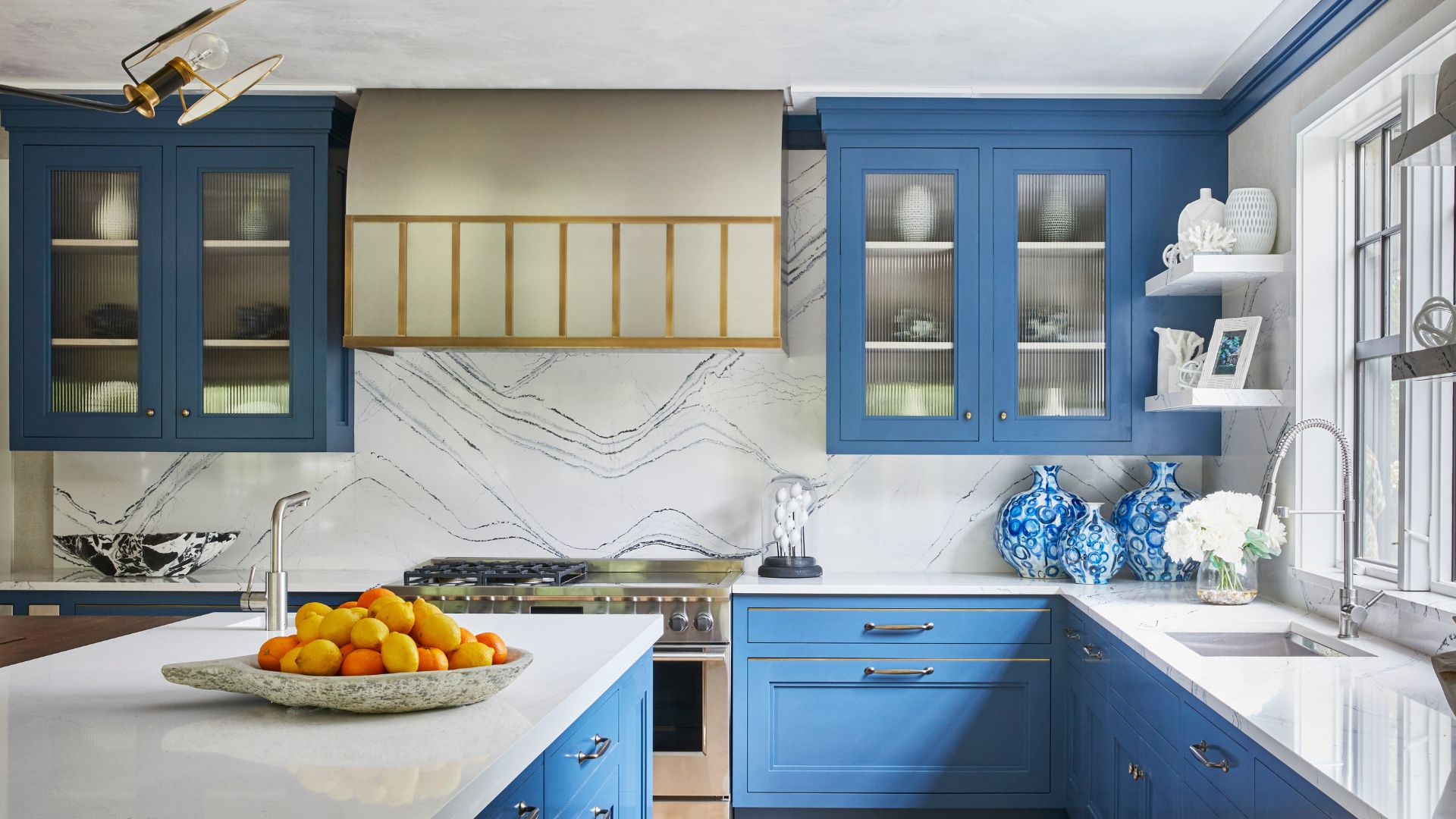
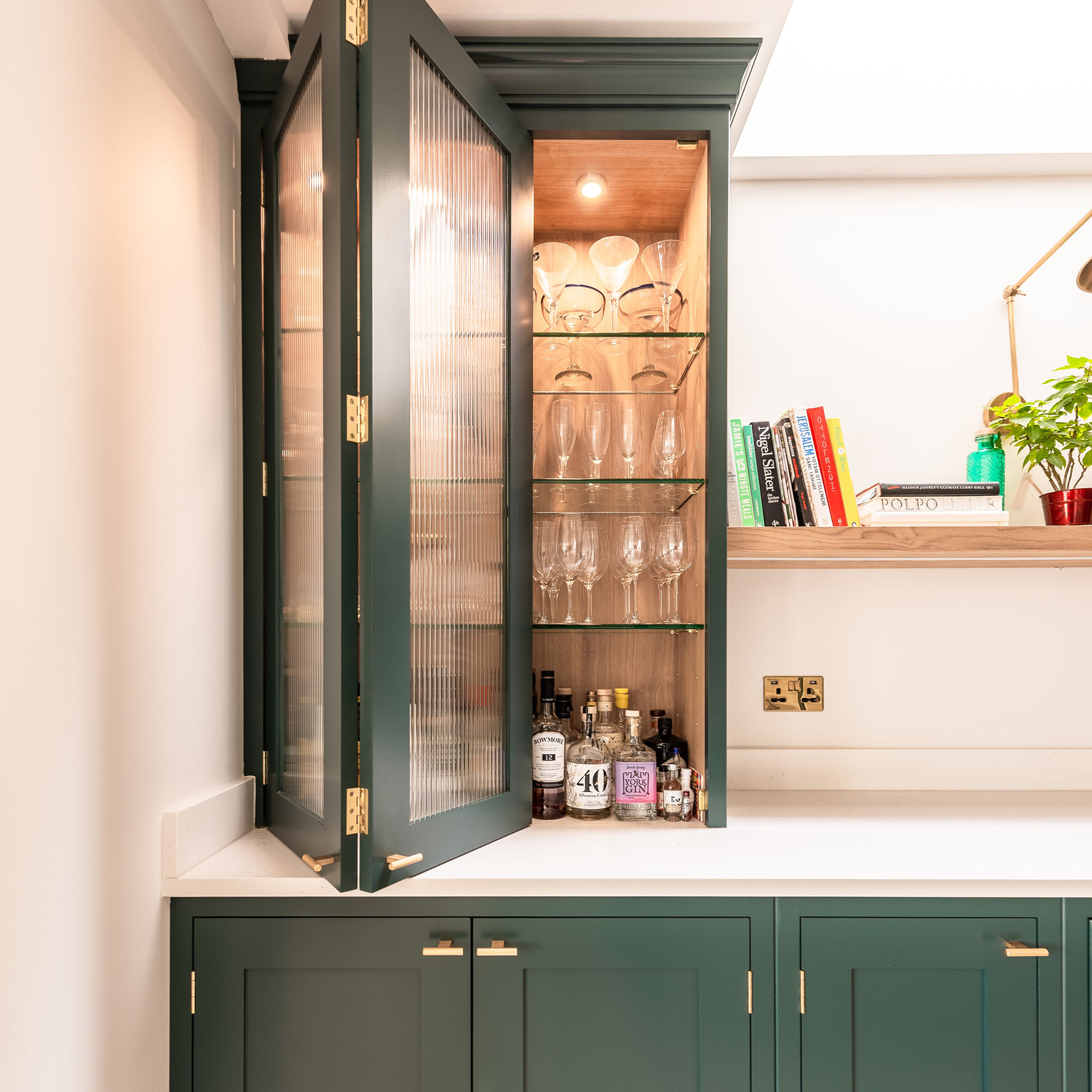
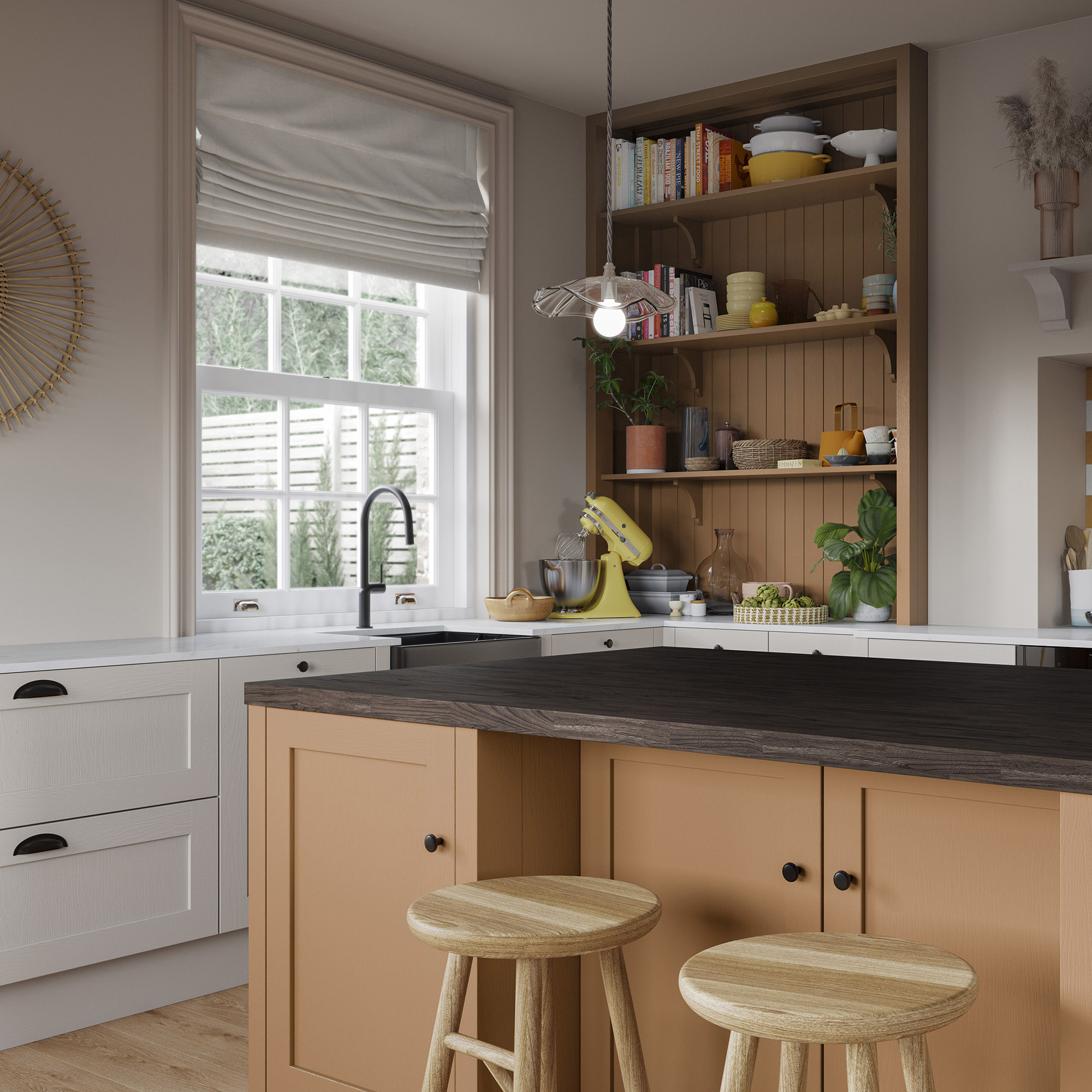
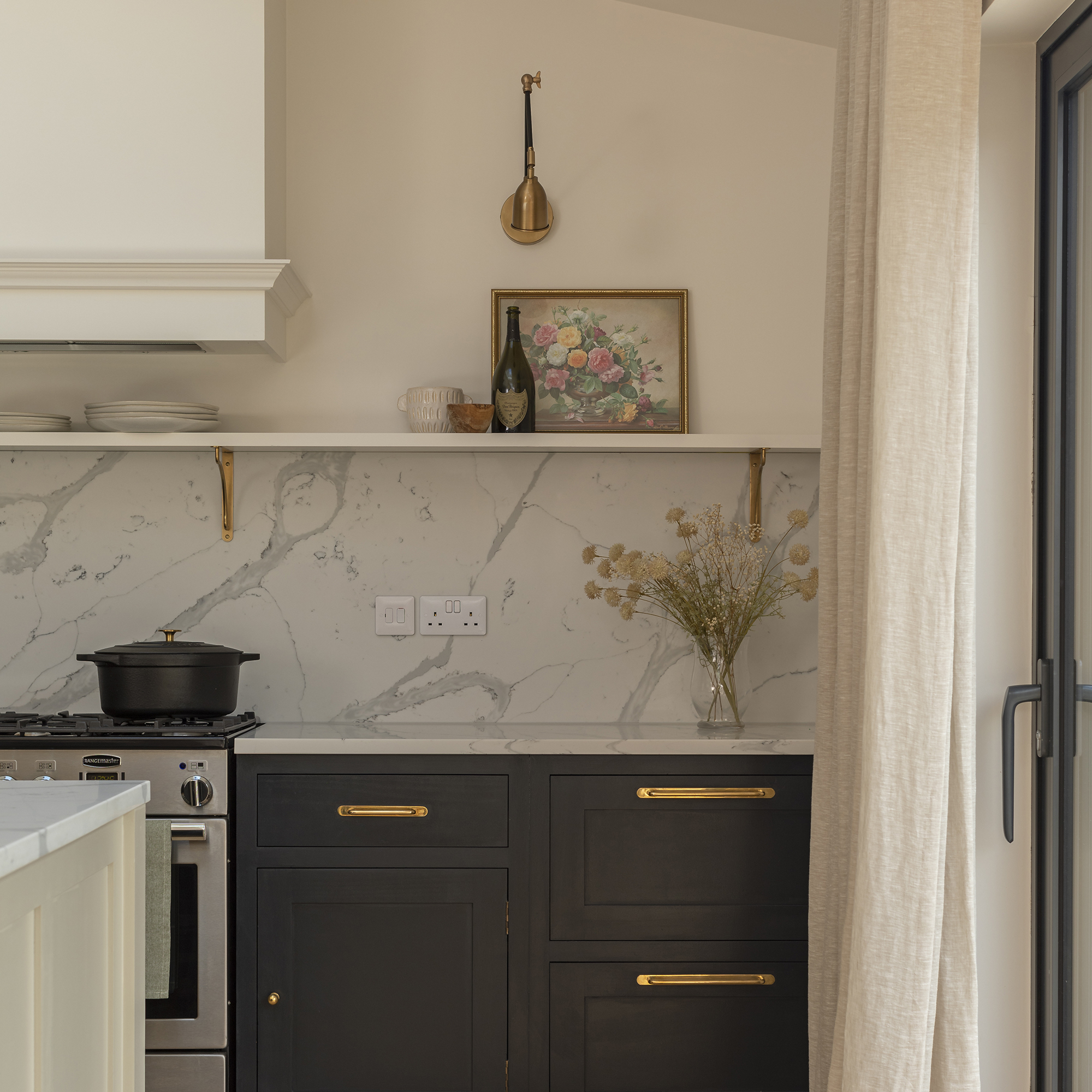
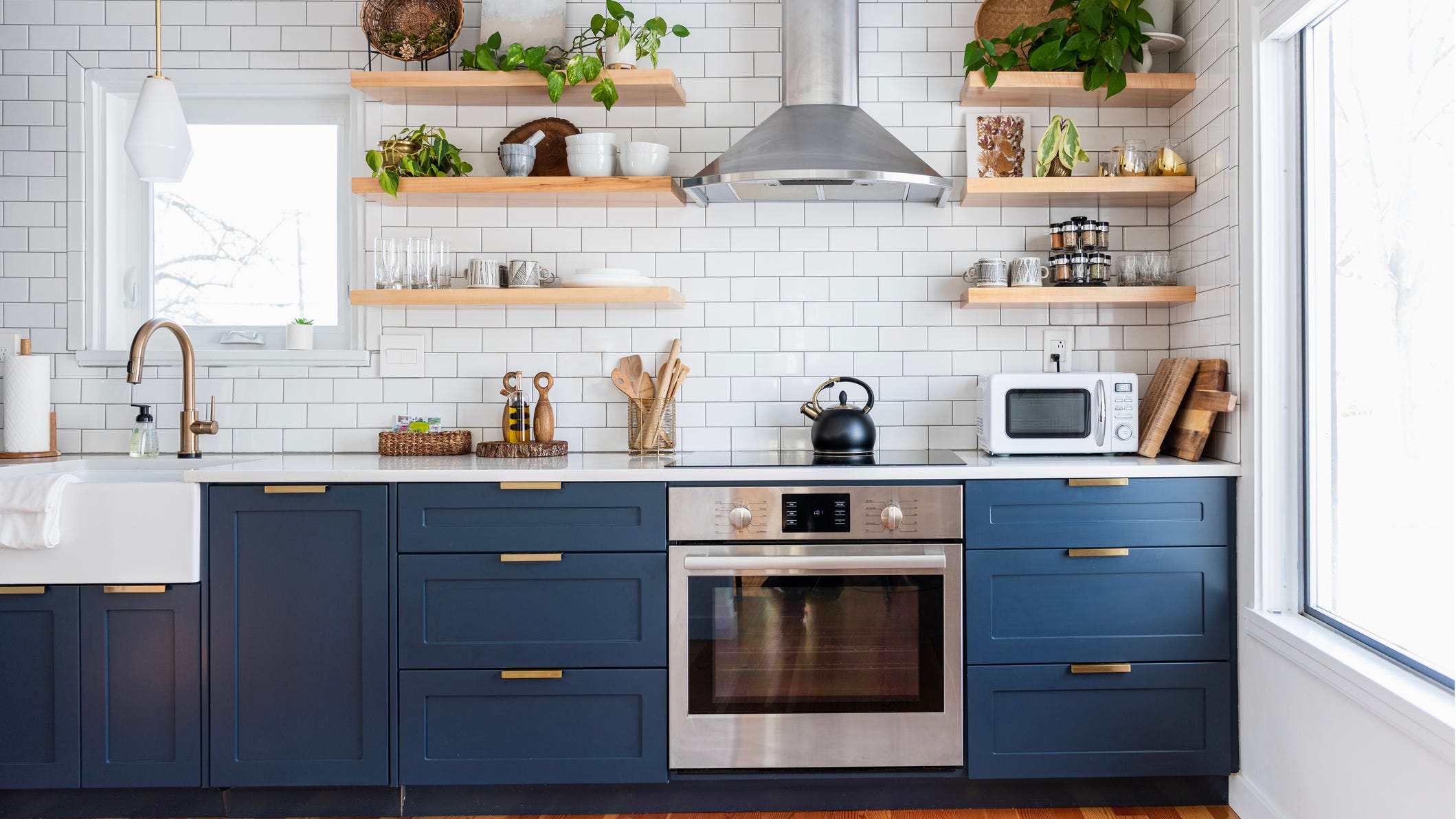
Open shelving, while aesthetically pleasing, can be a functional drawback, especially when installed near the cooktop. Harty explains that cooking generates grease and fine oil mist that can accumulate on shelves and their contents, requiring constant cleaning. To mitigate this, open shelving should be reserved for areas away from the cooktop, or homeowners can opt for glass-front cabinets, which offer a similar open feel without the rigorous maintenance demands.
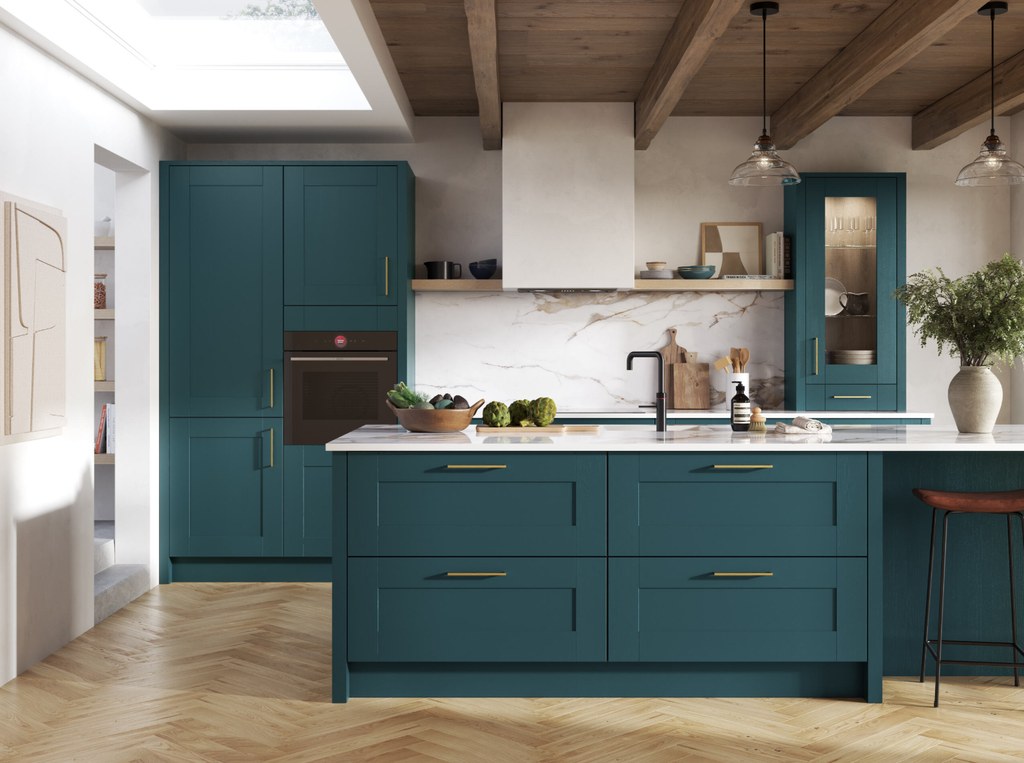
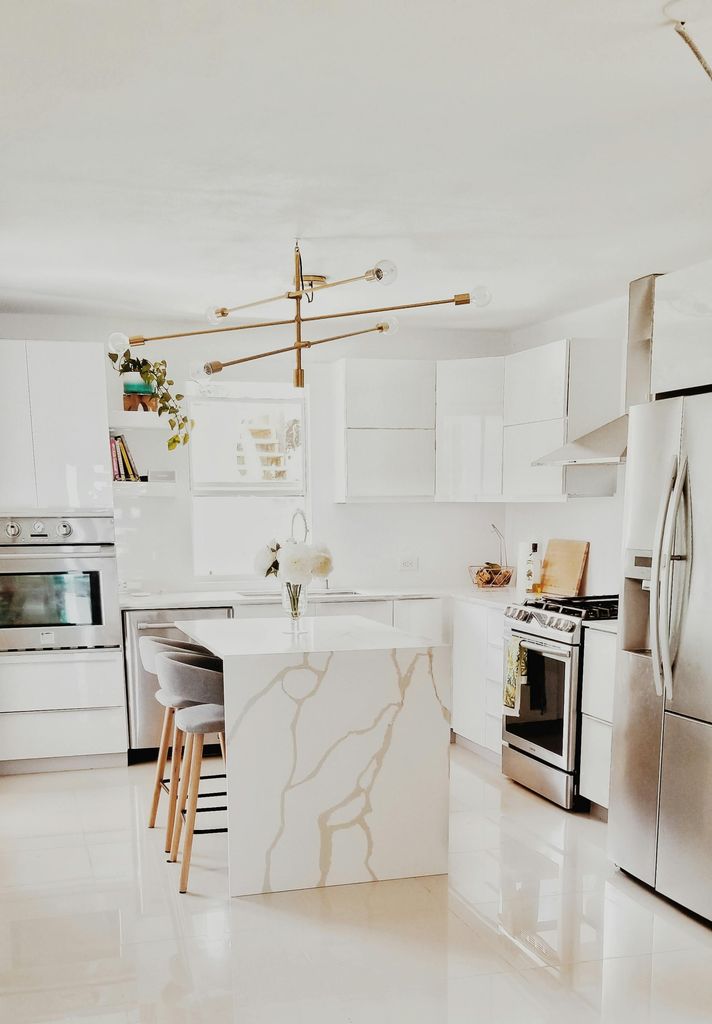
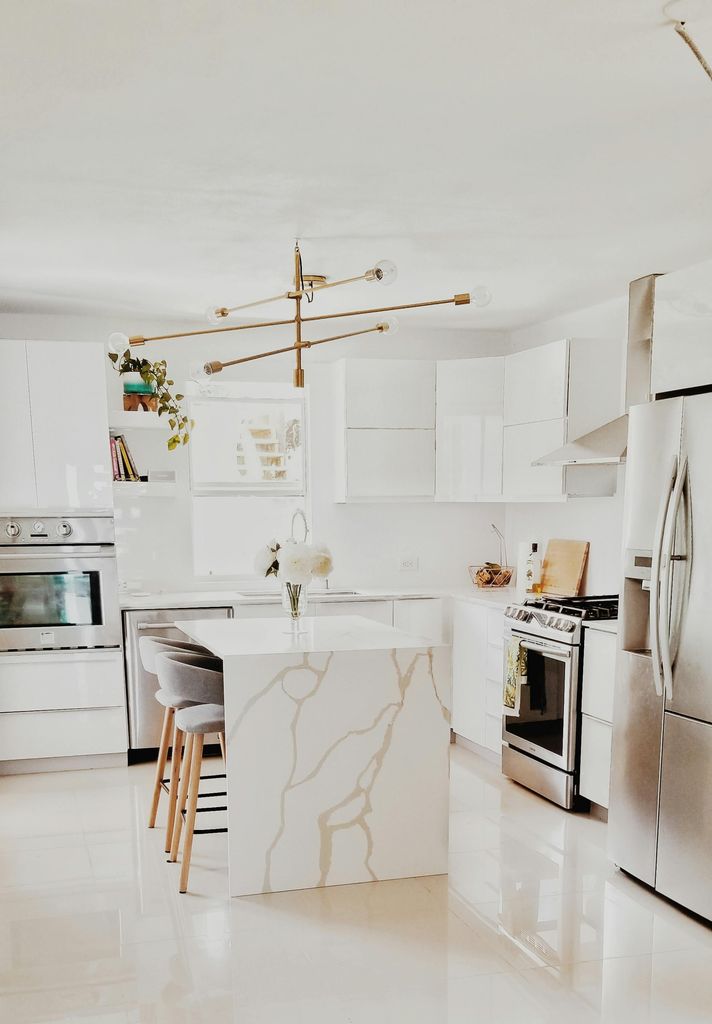
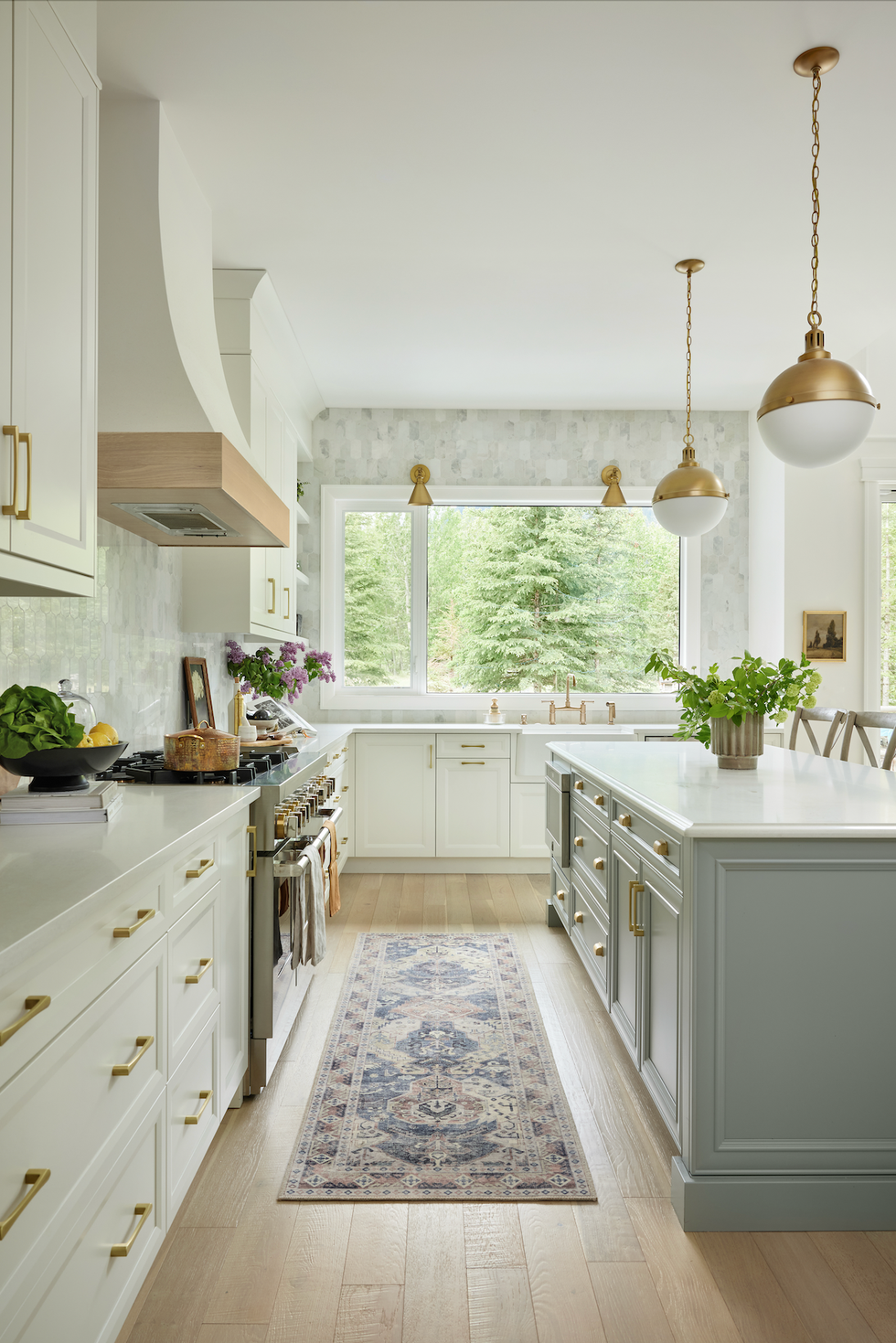
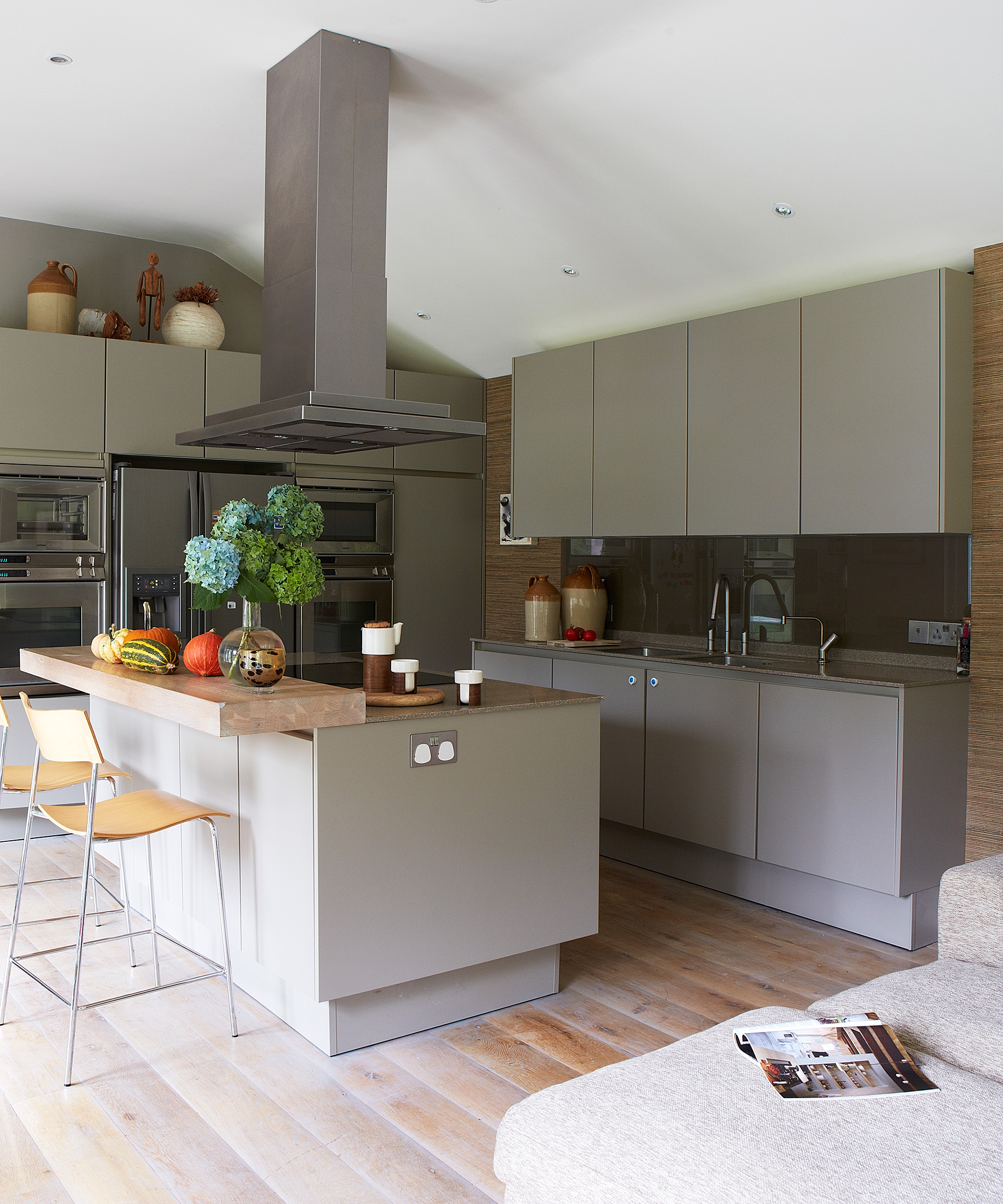
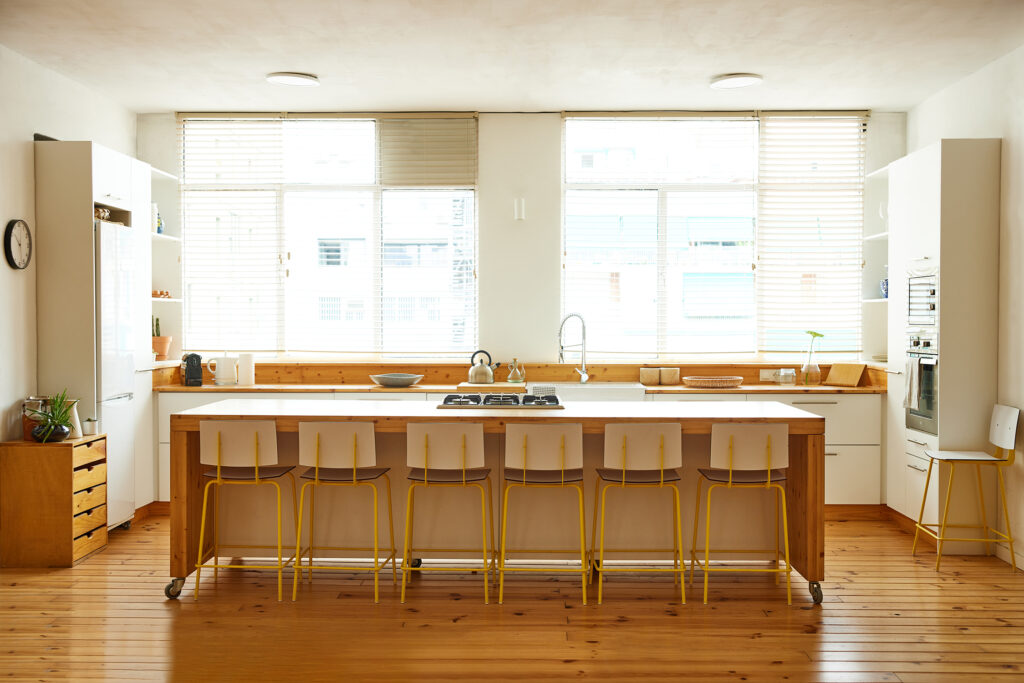
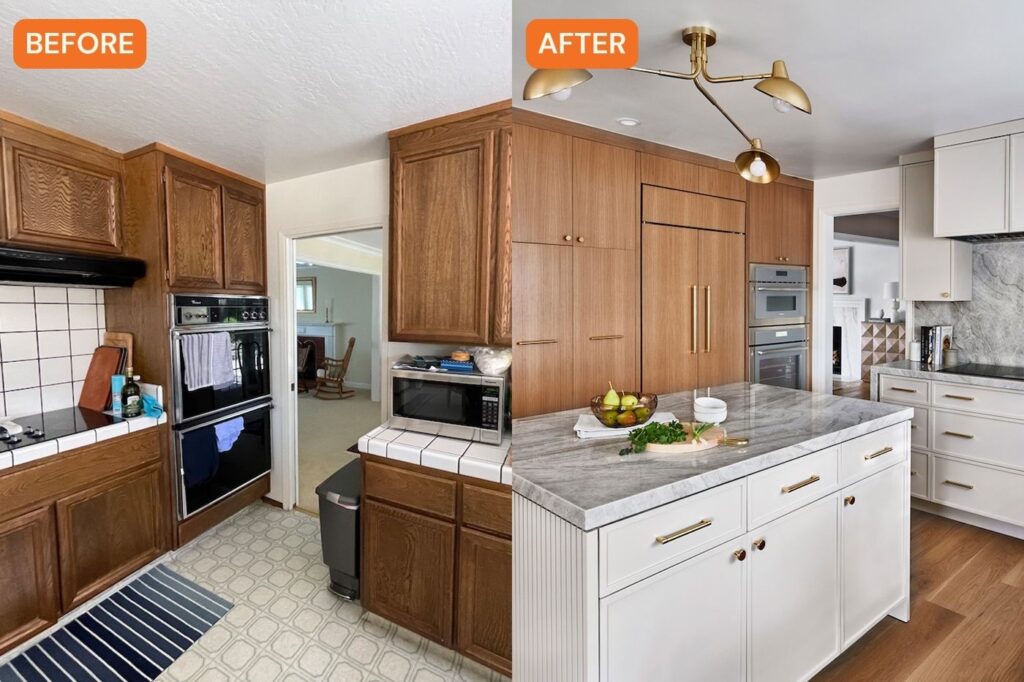
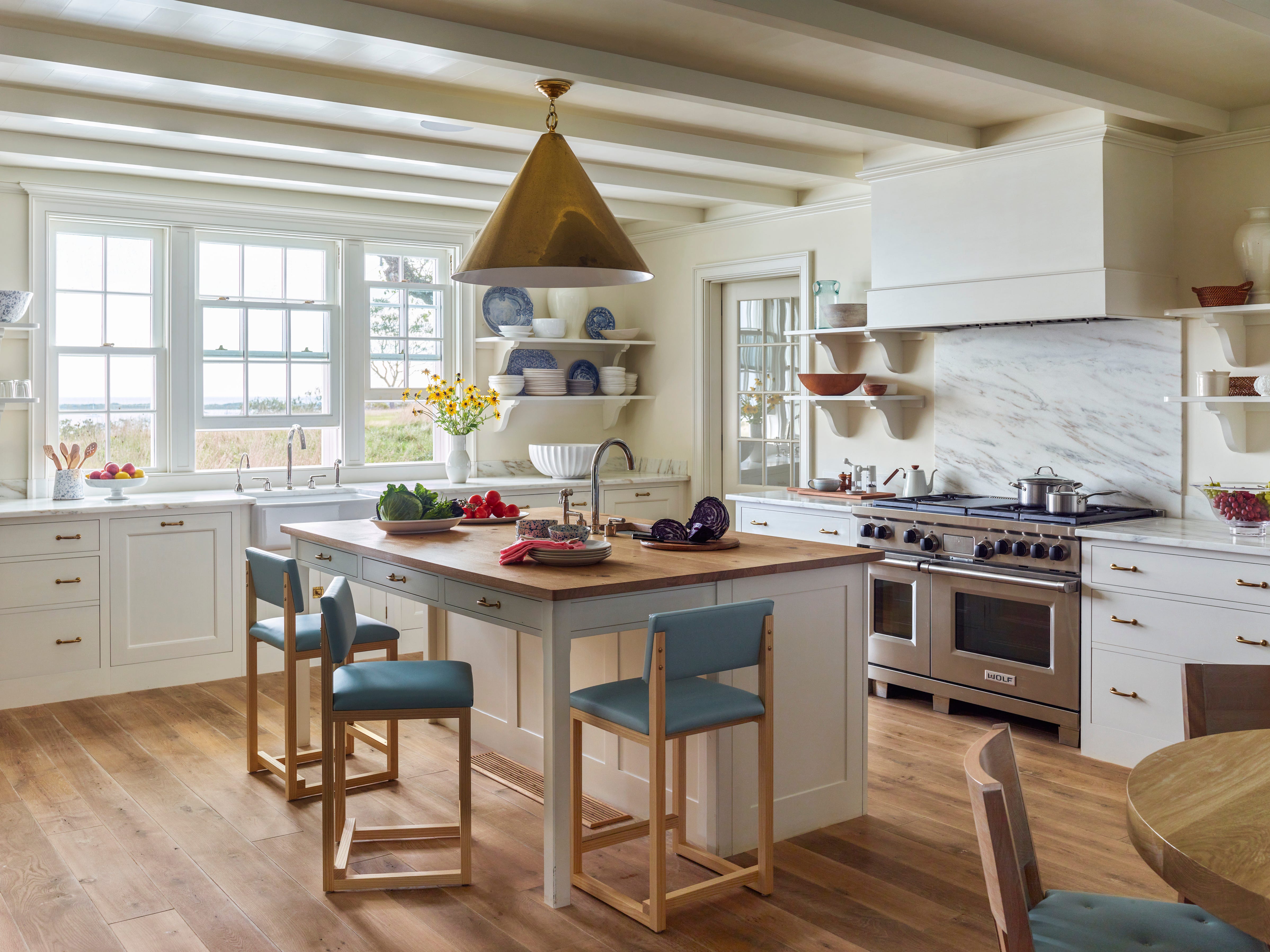
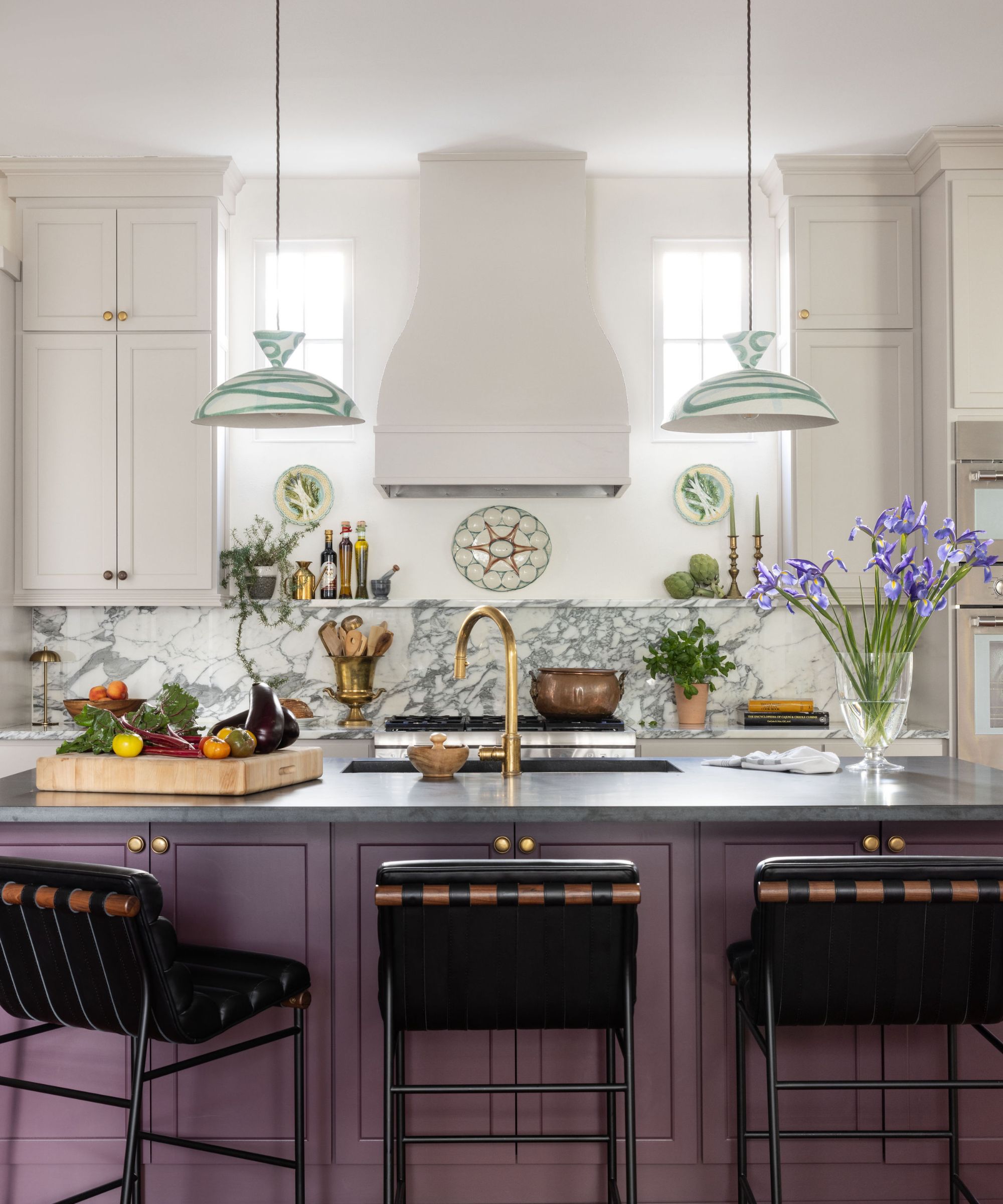
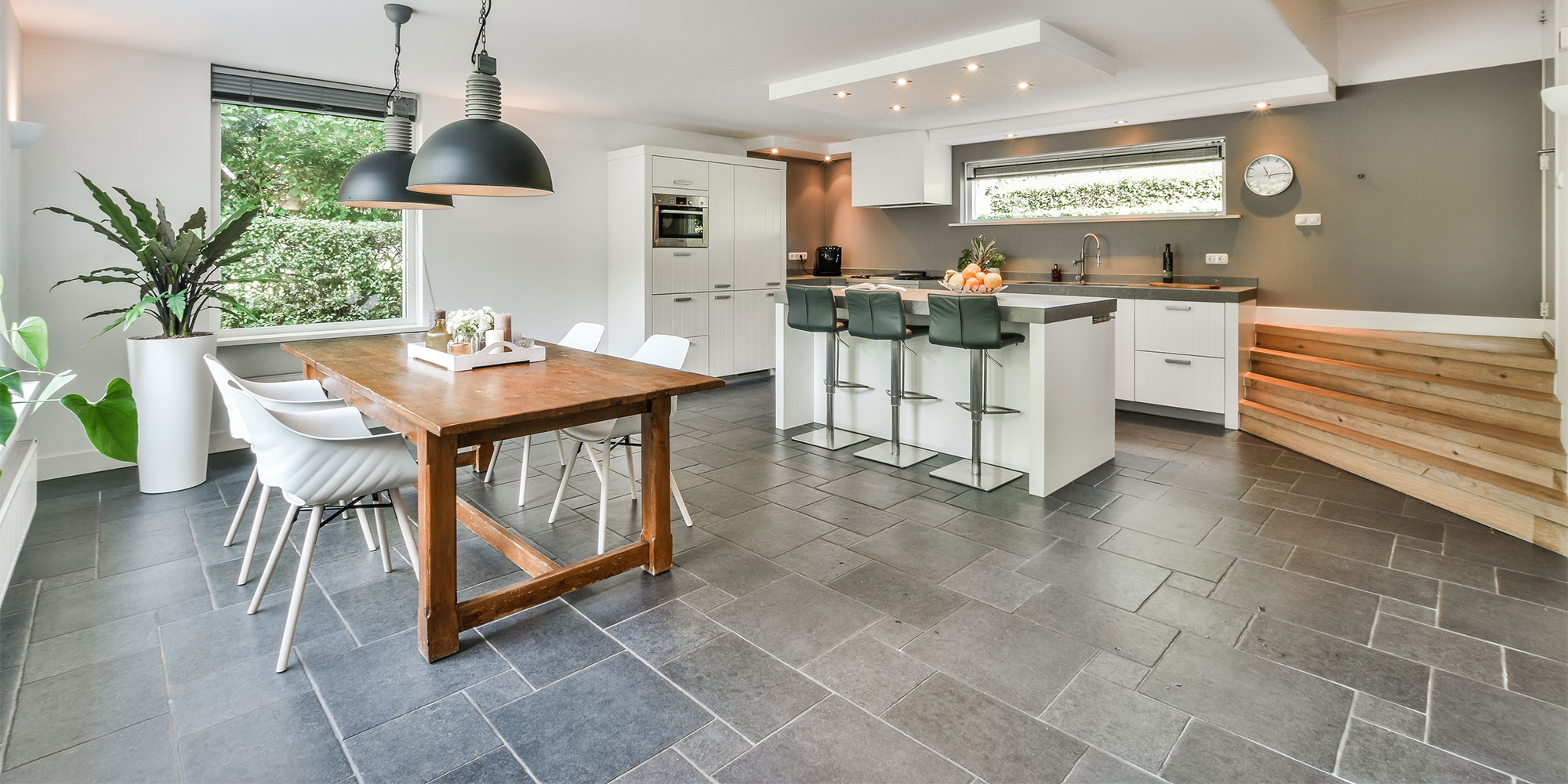
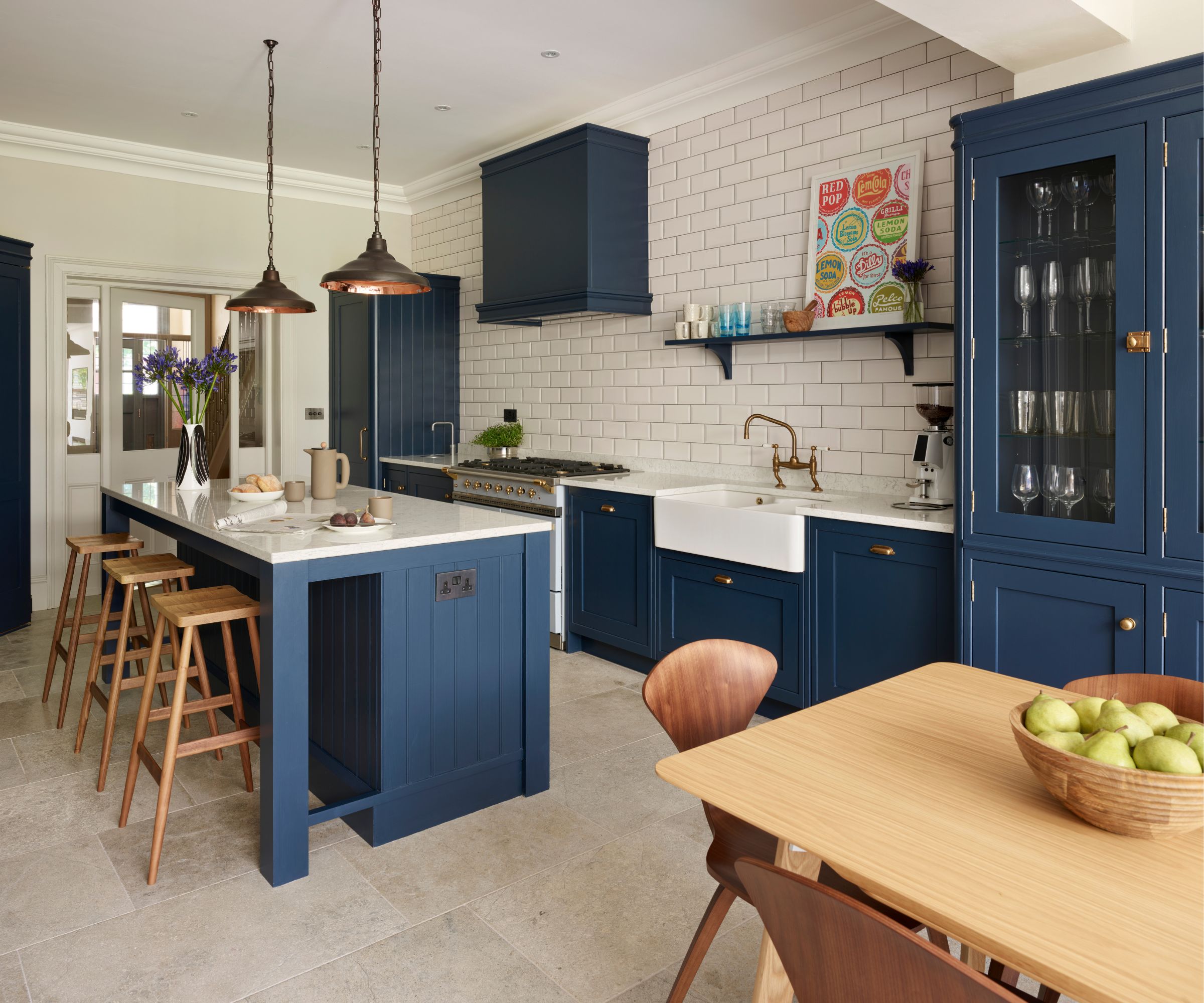
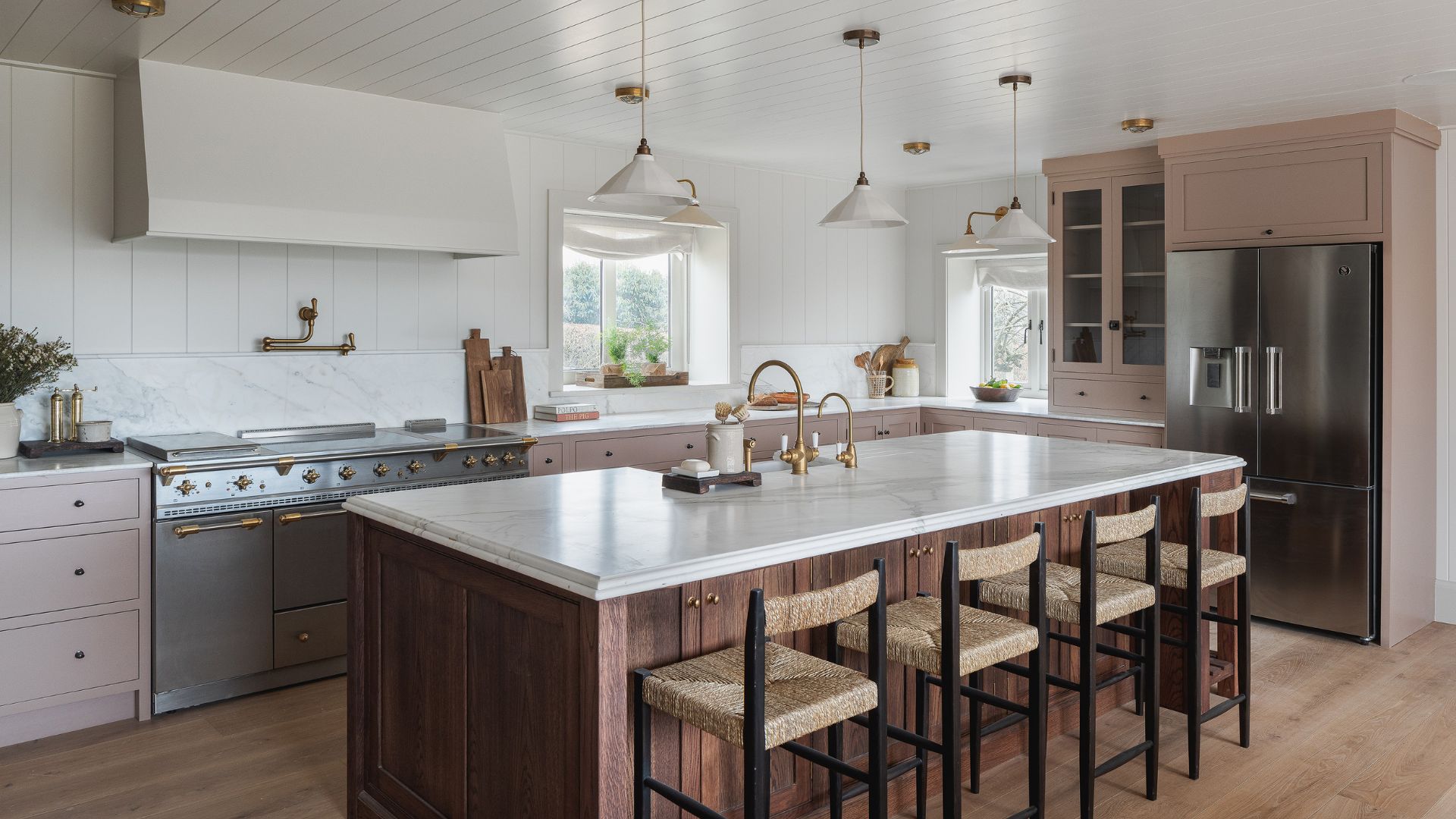
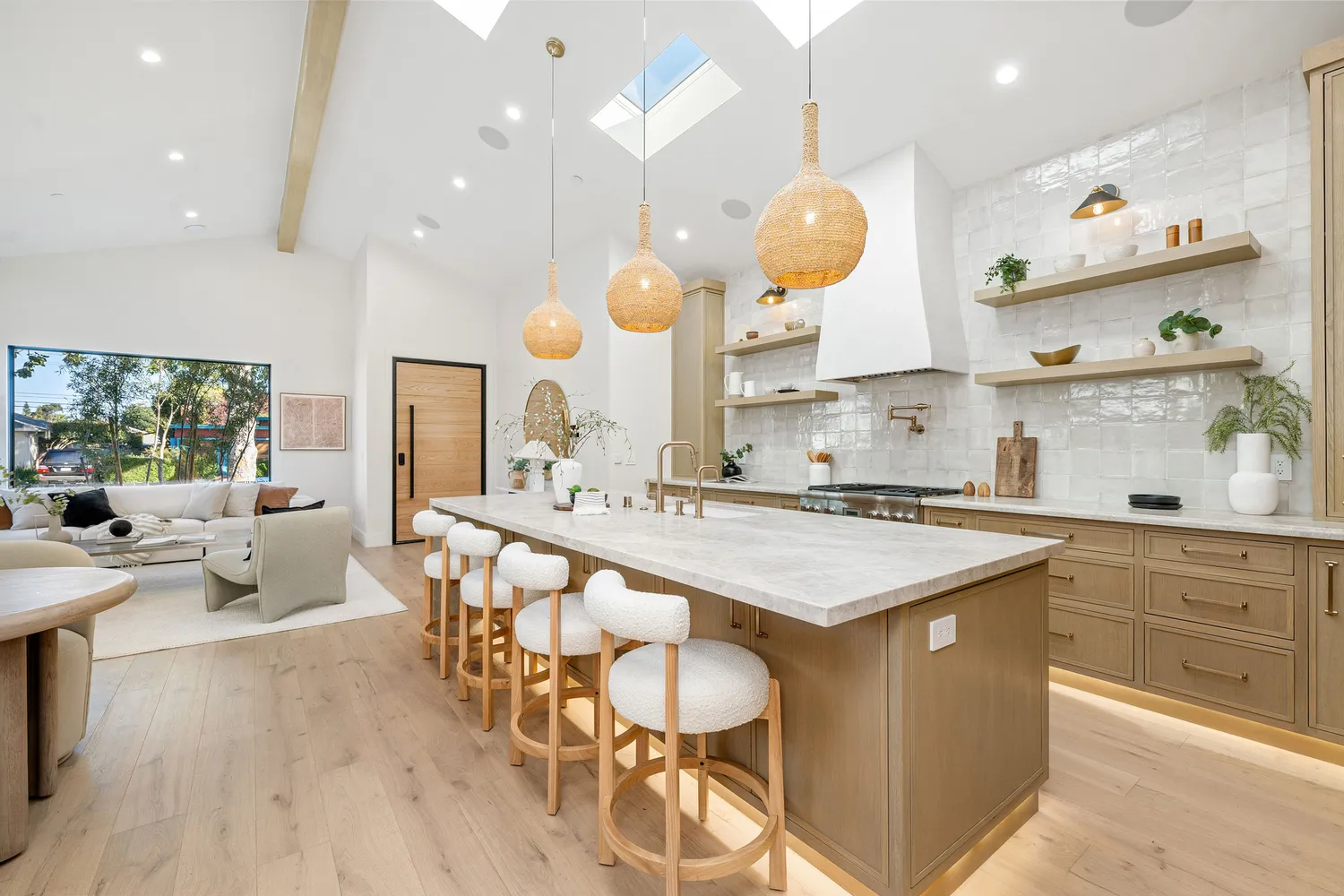
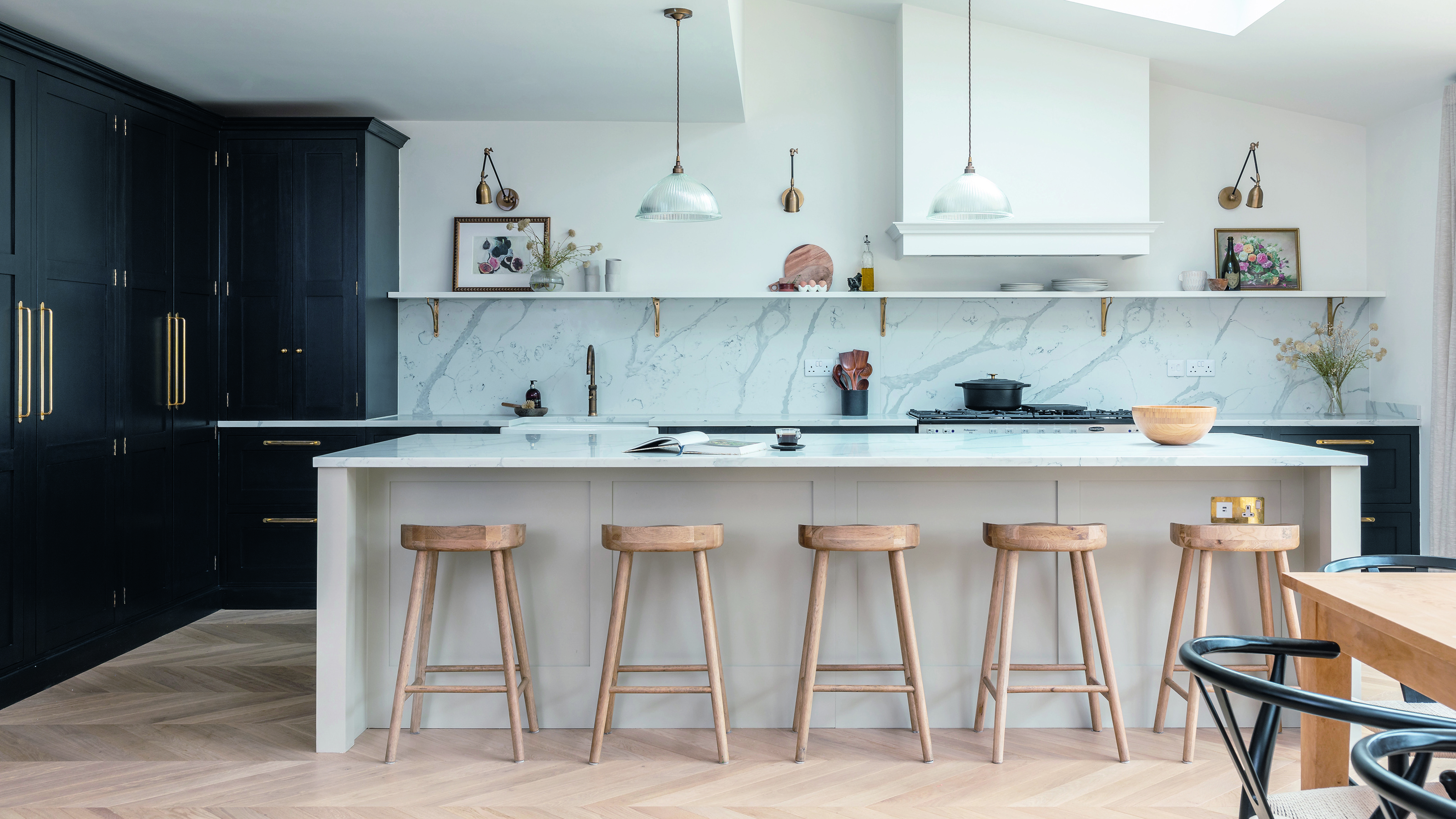
Oversized kitchen islands are a popular trend, but without careful consideration, they can hinder rather than help. Harty warns that excessively large islands, particularly those without designated work zones, increase walking distances between tasks and reduce overall efficiency. An island that is too deep can create an unusable “dead zone” in the center, making it difficult to reach and clean. Effective island design involves incorporating features like a prep sink, integrated trash pull-out, or dedicated seating areas to support specific cooking habits and maximize functionality within the available space.
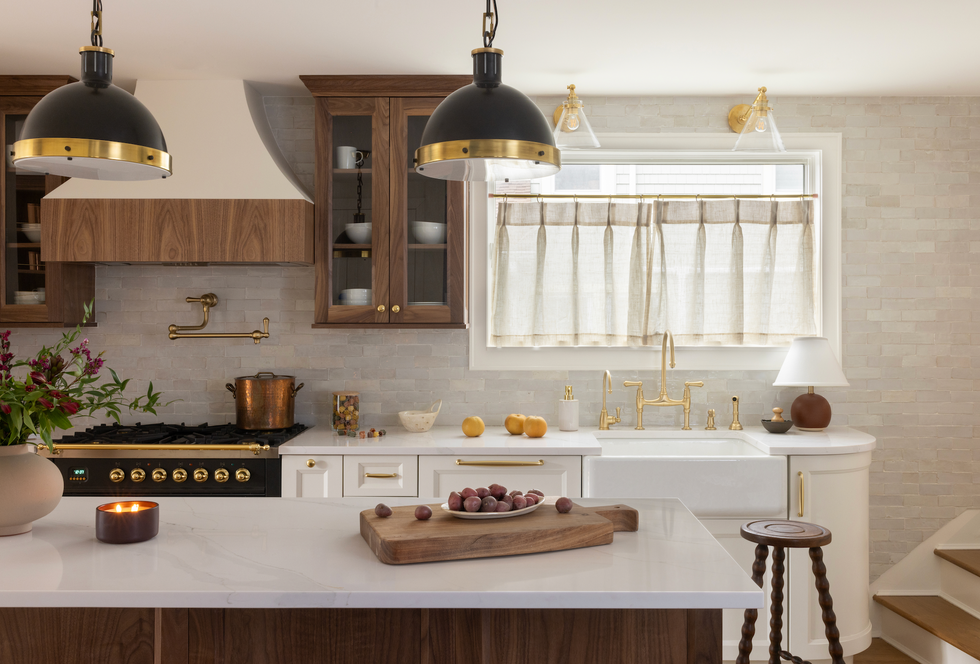
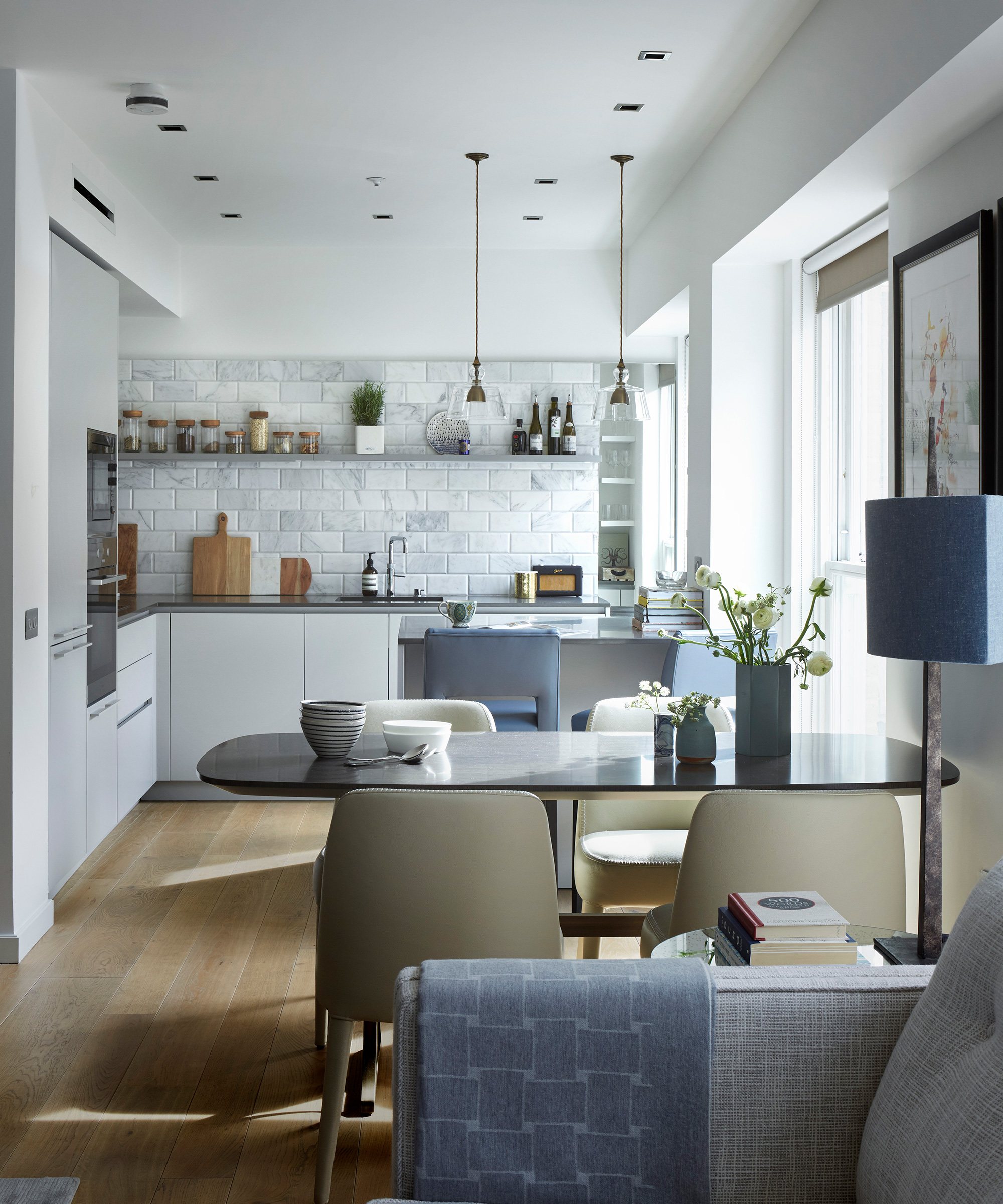
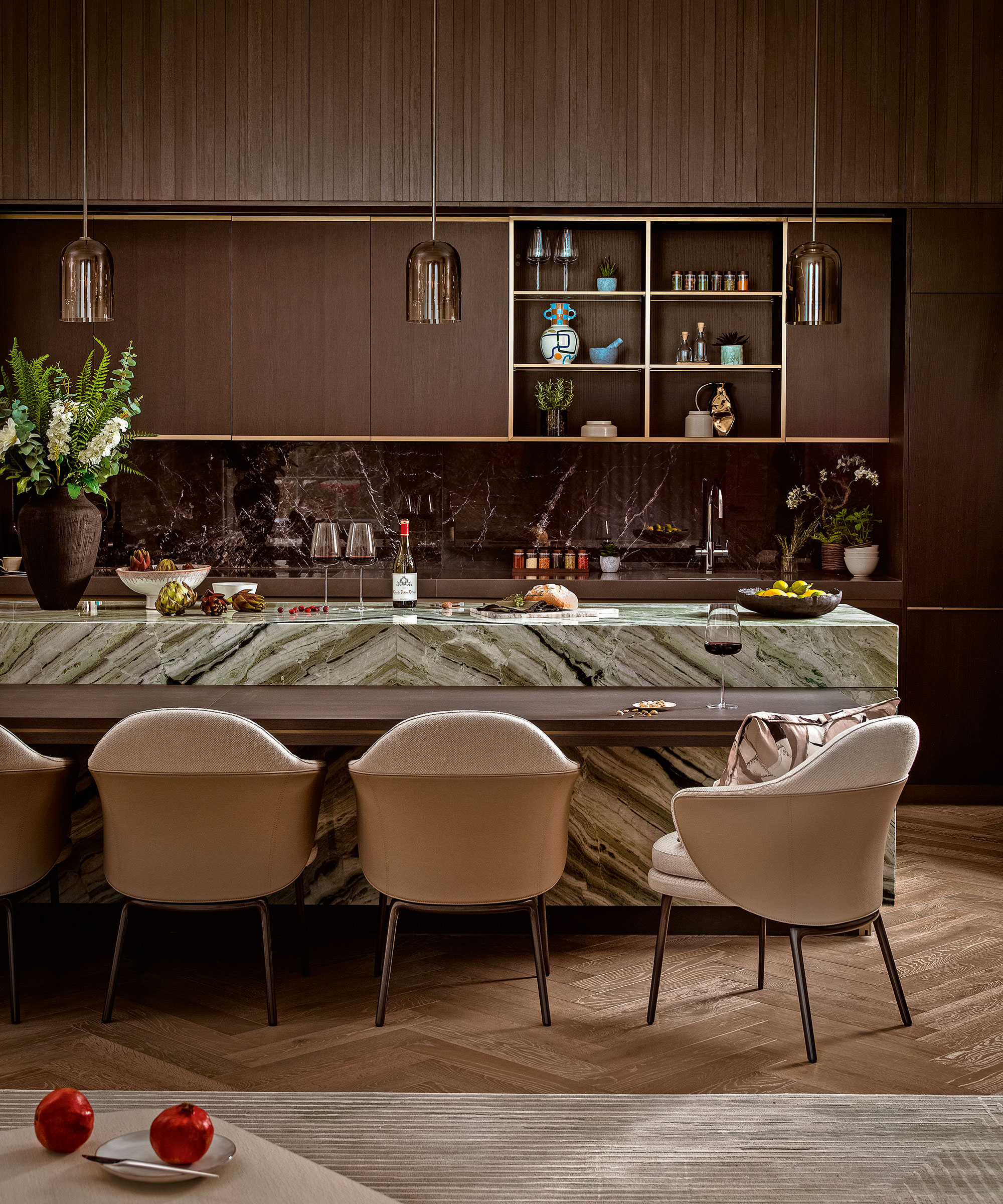
Finally, lighting often receives insufficient attention in kitchen design. While decorative pendant lights and chandeliers add style, task lighting is paramount for safety and efficiency. Harty stresses the importance of layered lighting in the kitchen, where sharp objects and hot surfaces are routinely handled. Recessed lighting provides general illumination, under-cabinet lighting illuminates countertops for food preparation, and decorative fixtures add personality. This multi-layered approach ensures adequate visibility for all kitchen activities, preventing accidents and enhancing the overall cooking experience.
#KitchenDesign #HomeImprovement #InteriorDesign #KitchenLayout #FunctionalDesign #AppliancePlacement #KitchenLighting #KitchenIslands #KitchenDesign #HomeImprovement #InteriorDesign #KitchenLayout #FunctionalDesign #AppliancePlacement #KitchenLighting #KitchenIslands
0 comment in total
 No comments yet
You may also like
8 shockingly common kitchen design mistakes according to a pro

7 Kitchen Design Trends Chefs Say Are Totally Bogus
5 kitchen countertop mistakes designers warn to avoid

7 Kitchen Details That Always Give Designers the Ick—and What to Do Instead

8 shockingly common kitchen design mistakes according to a pro

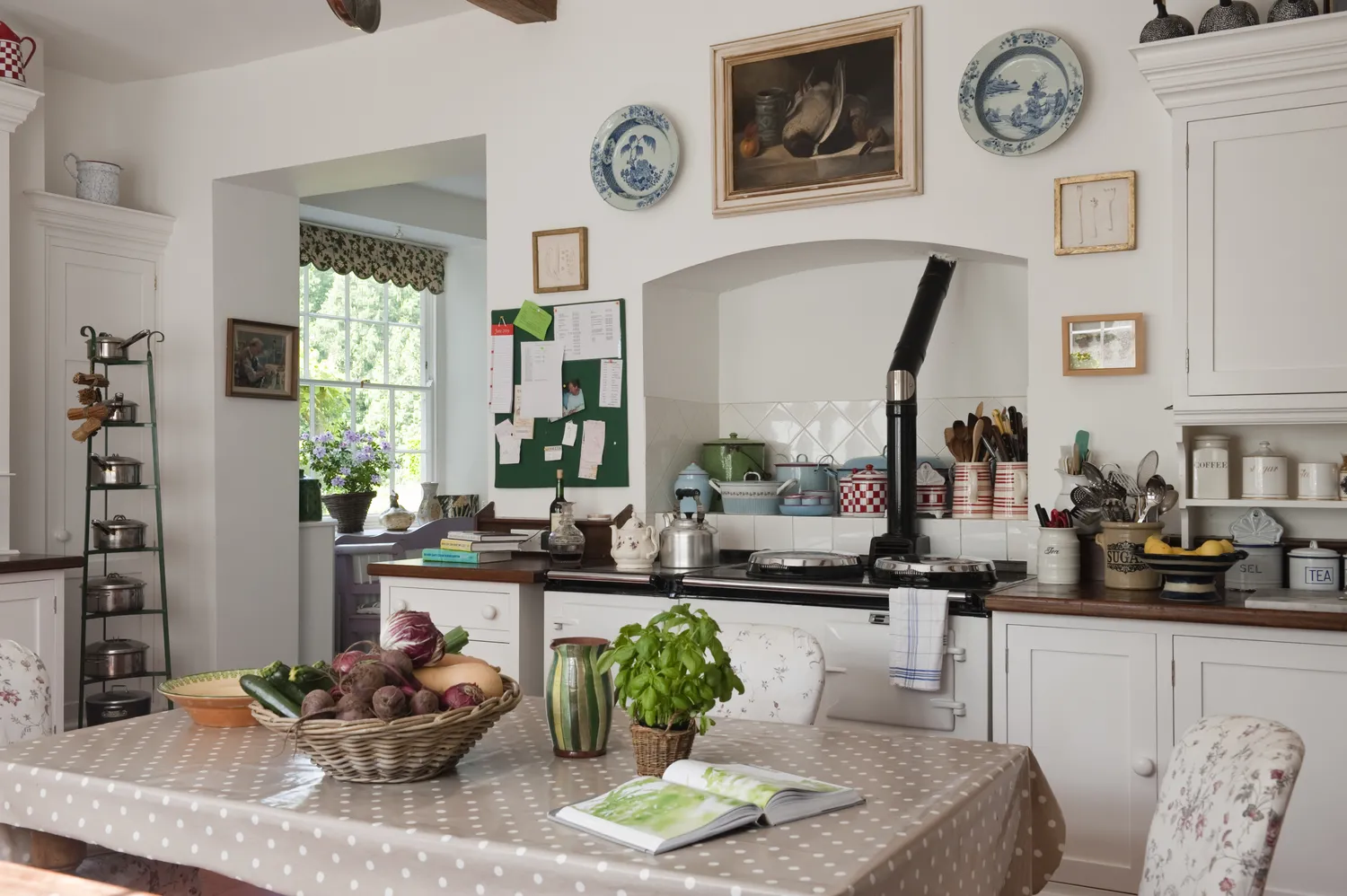
Outdated kitchen trends – 5 overdone looks that designers like to avoid, and here's why you should too
8 Things That Make Your Kitchen Look Tacky, According to Interior Designers
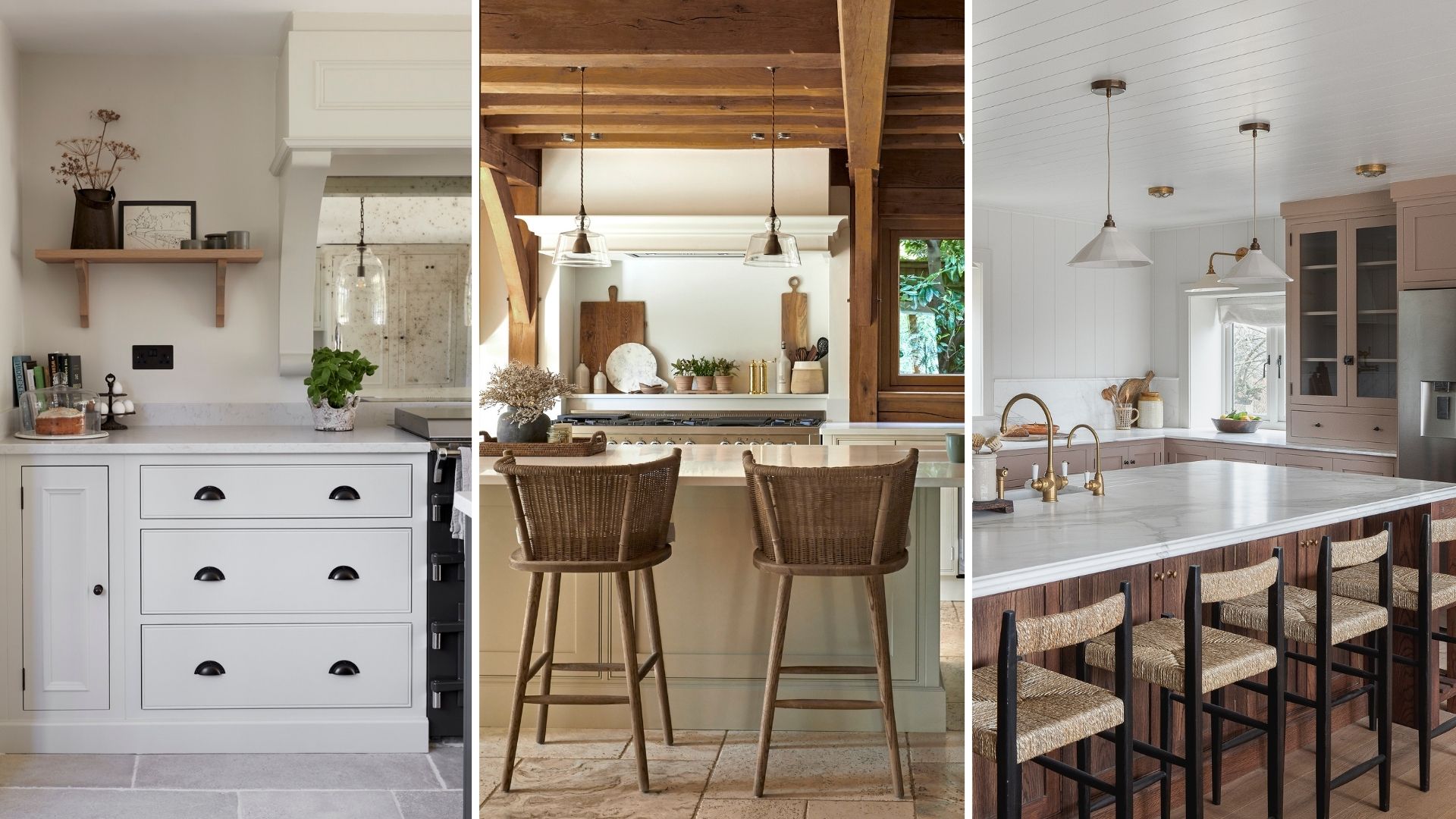
6 design rules worth breaking for a more characterful kitchen

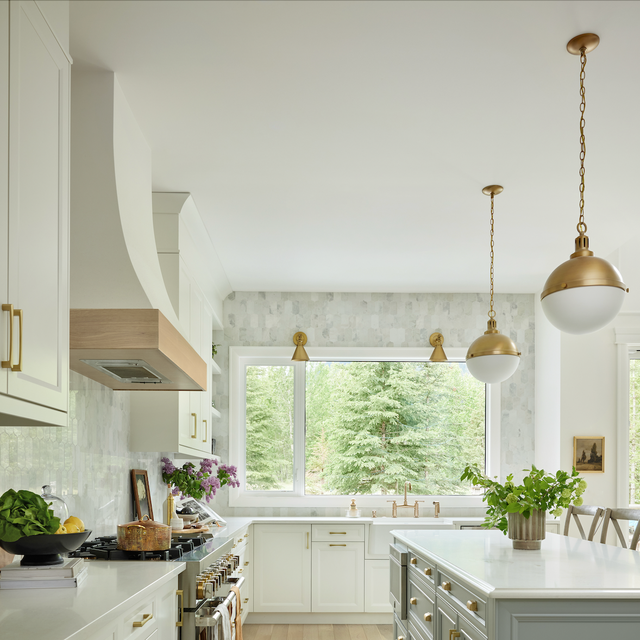
5 Kitchen Renovation Moves That Make Designers CRINGE

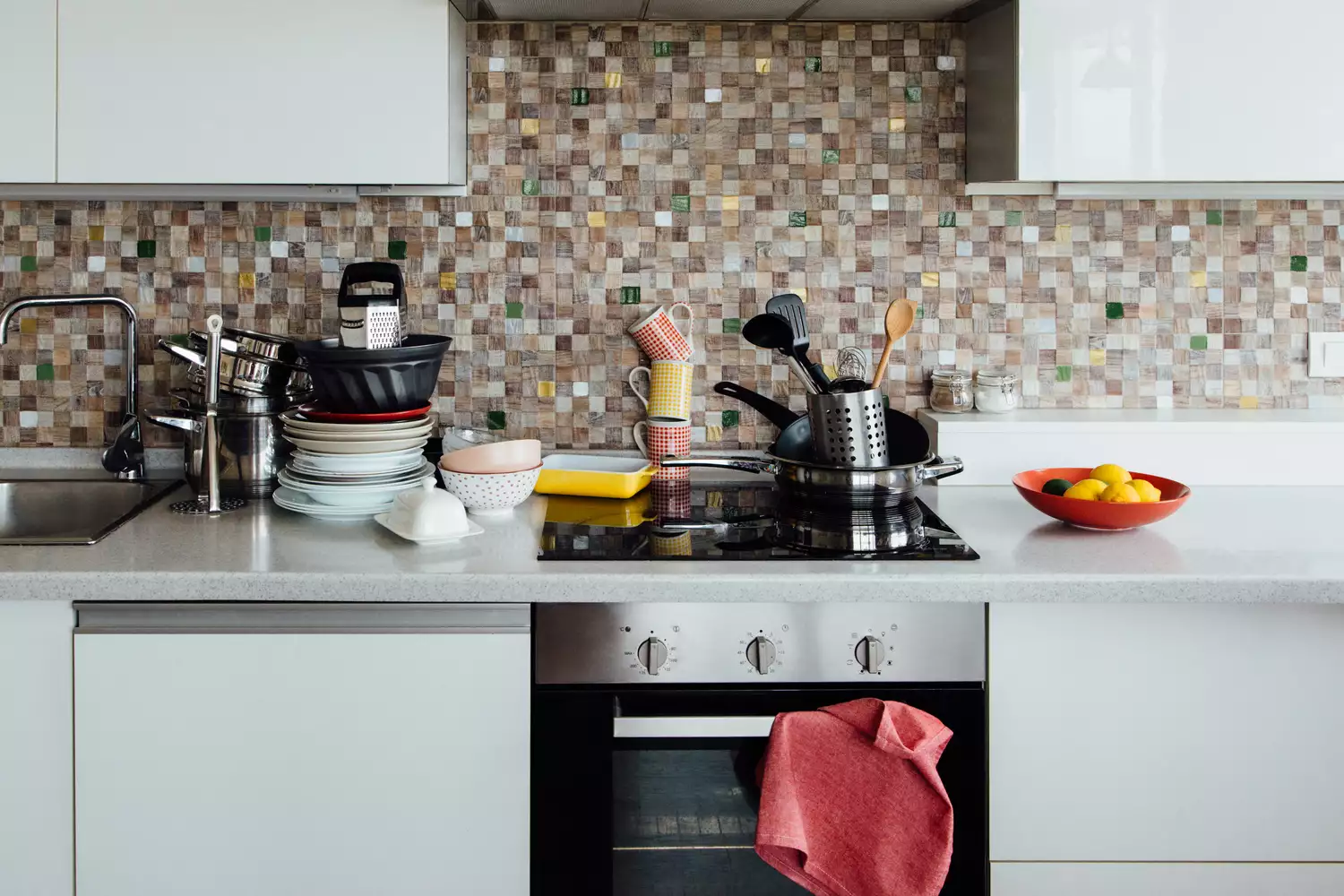
7 Common Kitchen Features That Actually Give Designers the "Ick"

7 things people regret most about their kitchen design
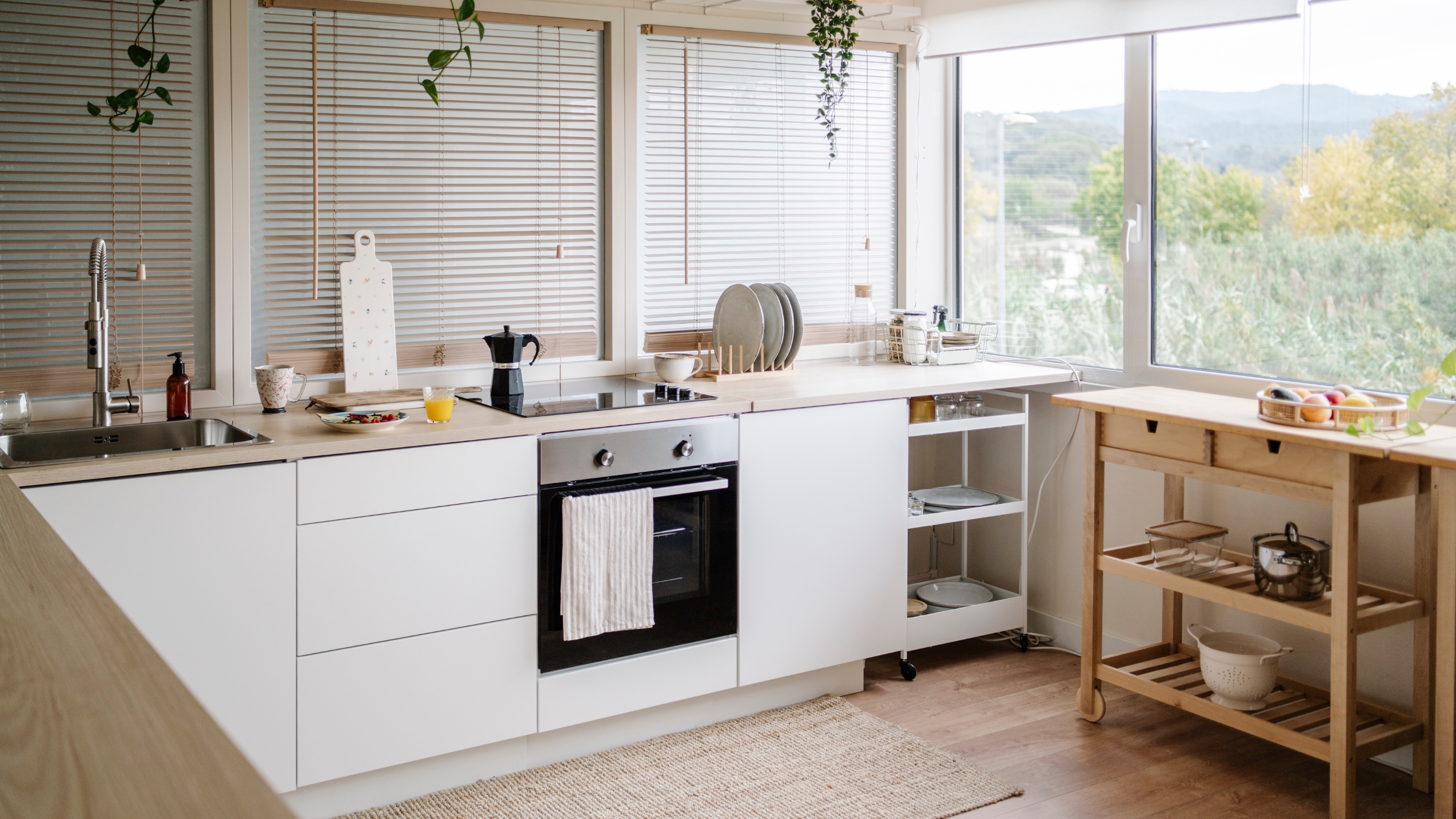
8 small kitchen design mistakes to avoid, according to an interior designer

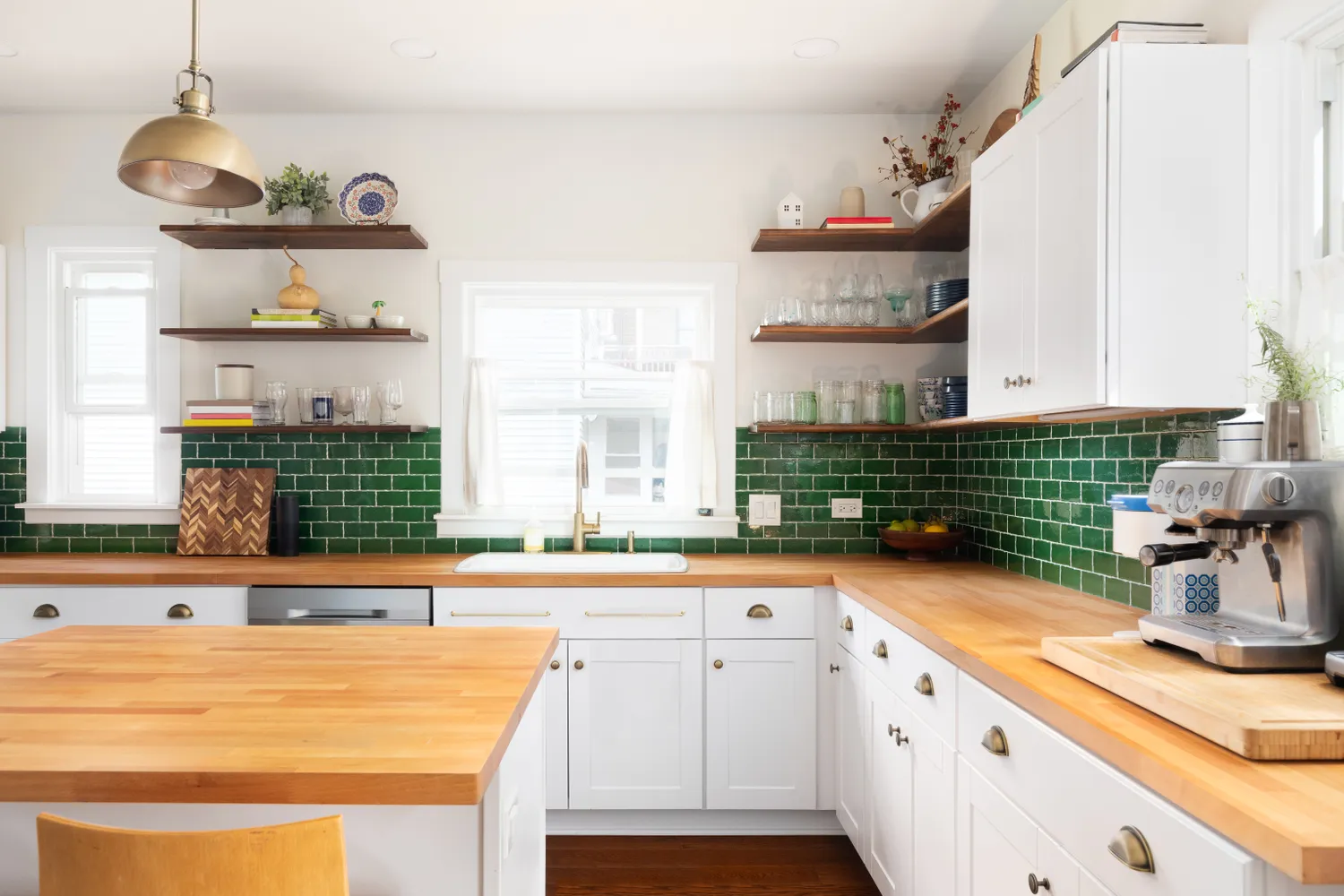
5 Tacky Kitchen "Upgrades" That Instantly Make a Home Look Bad, According to Designers
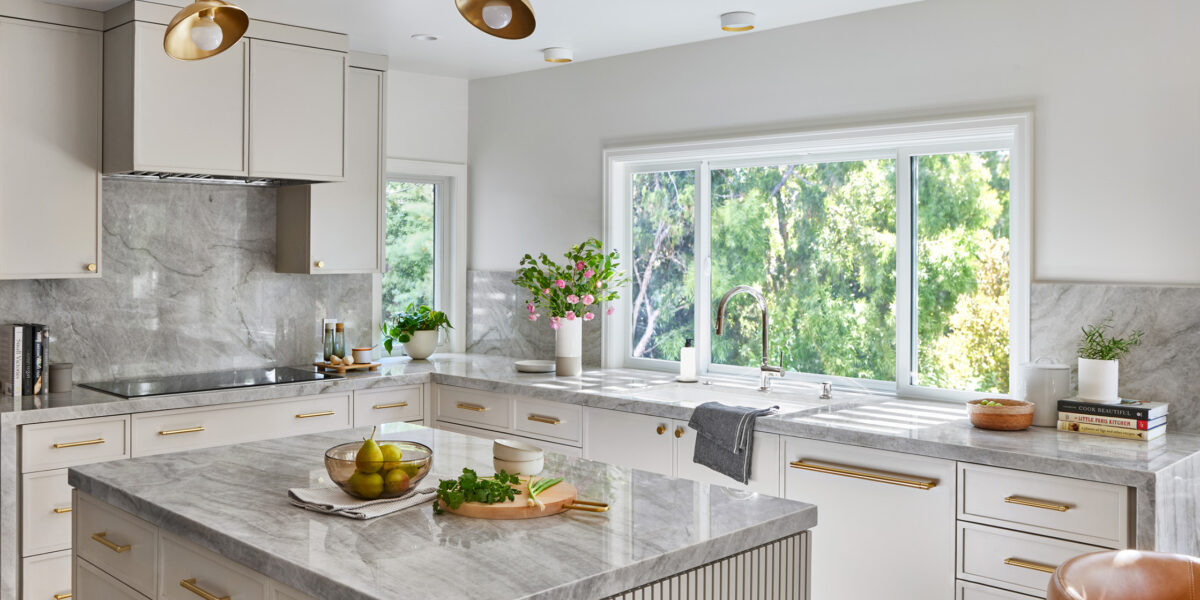
This Once-Popular Kitchen Trend Is Actually a Huge Pain—Here’s One Designer’s Solution
11 WORST Kitchen Design Mistakes You're Probably Making

5 kitchen trends to avoid for a unique and timeless design
These are the worst kitchen layouts according to designers (and the tips on how to work with them)
5 Ways to Make Your Kitchen Look Instantly More Expensive, According to Designers

5 kitchen hardware mistakes interior designers say homeowners always make, and how to fix them
Designers Say They Secretly Hate This Popular Kitchen Design Trend