7 Kitchen Details That Always Give Designers the Ick—and What to Do Instead
Kitchens often serve as central gathering places for cooking, dining, and socializing, making an inviting atmosphere crucial. However, common design and decor mistakes can instantly detract from a kitchen's appeal. Interior designers identify several significant 'icks' that can make a kitchen feel less welcoming, functional, or aesthetically pleasing.
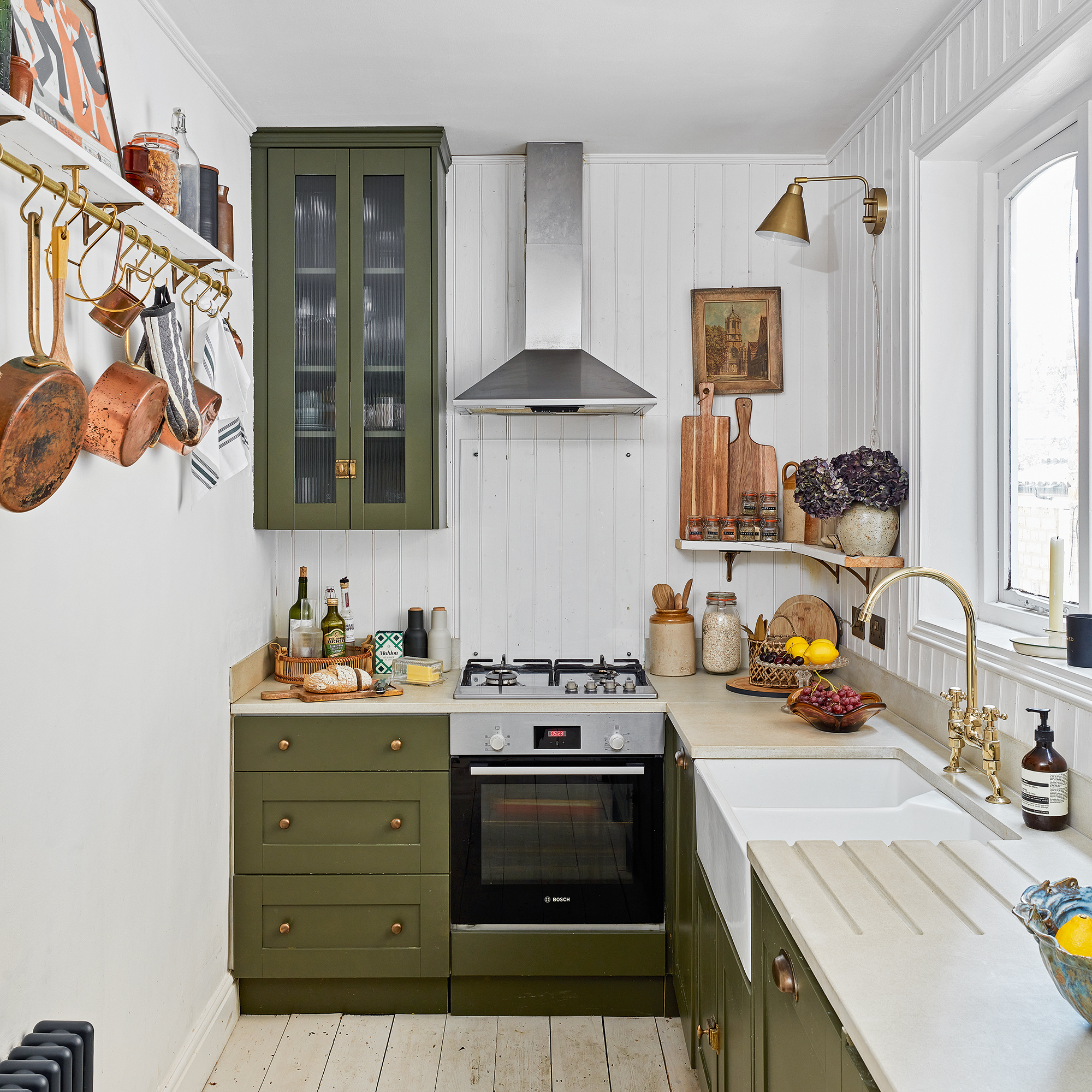
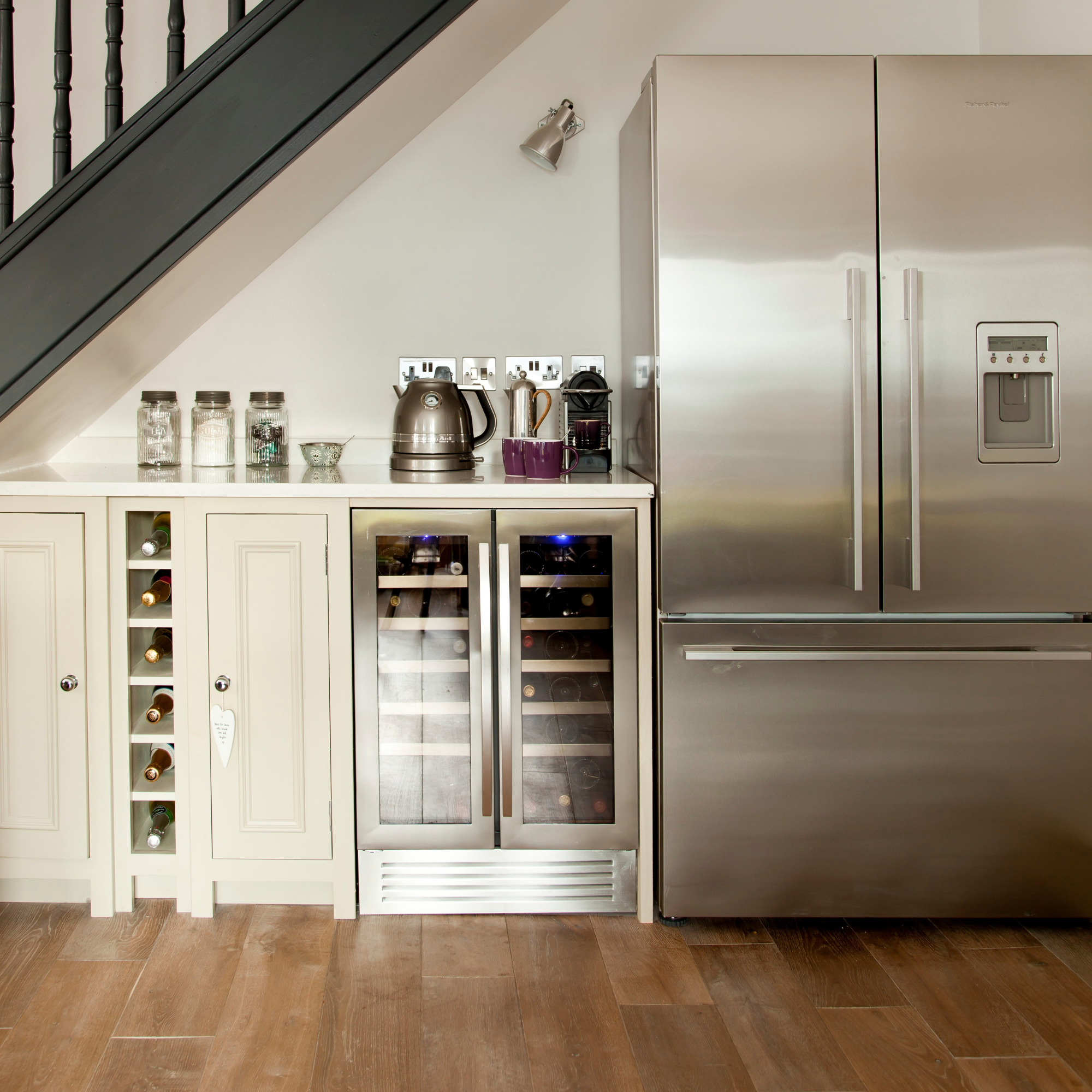
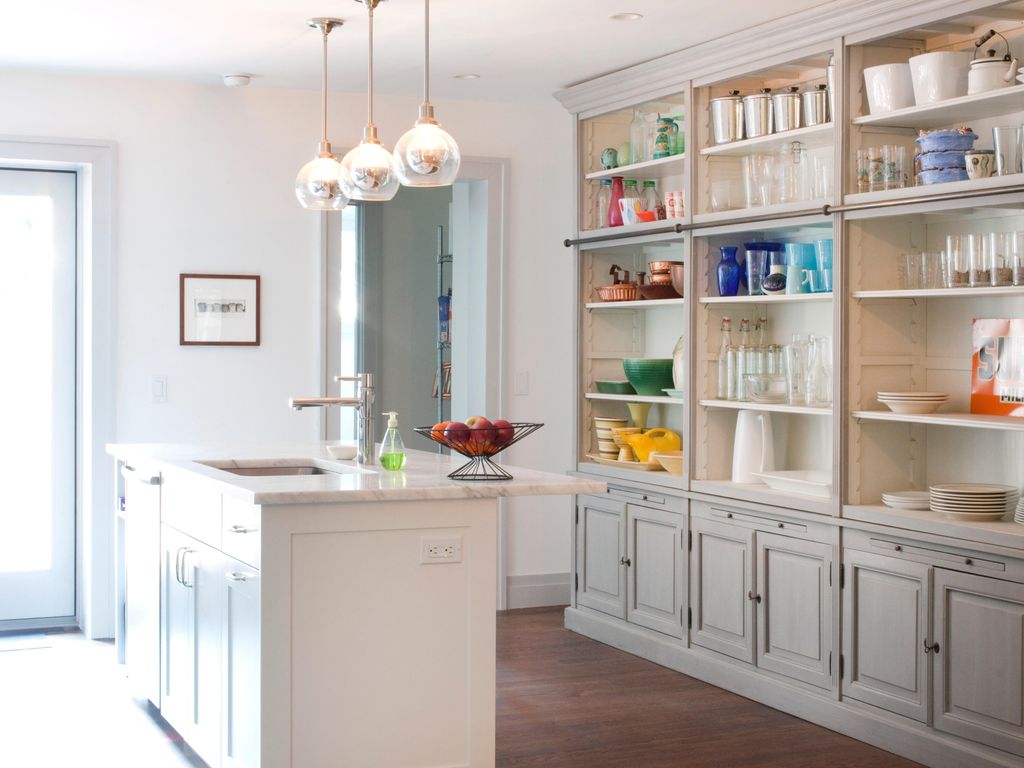
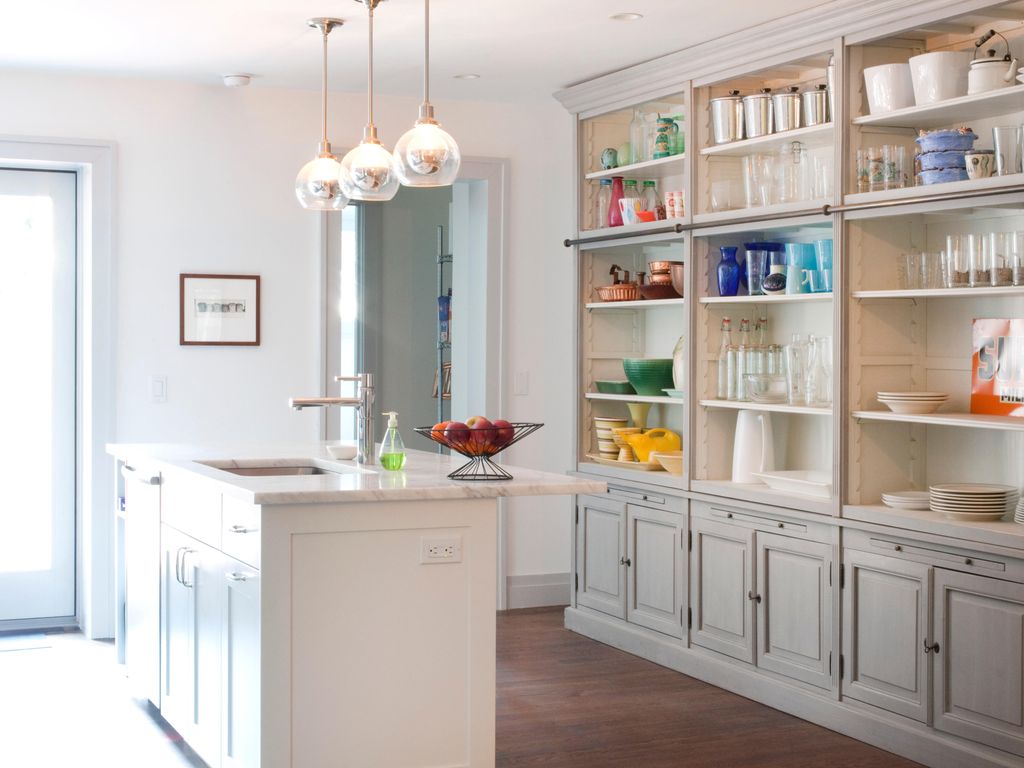
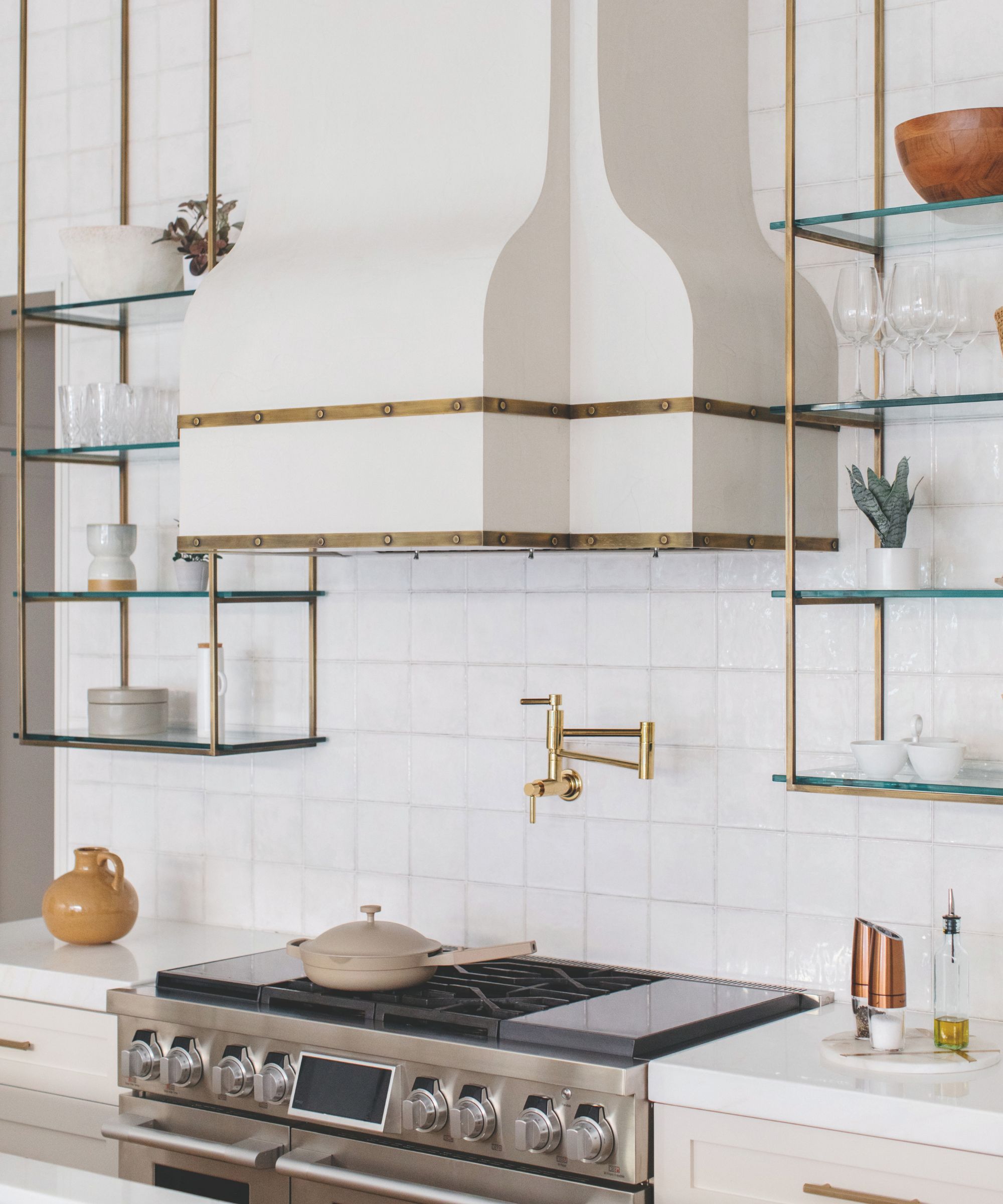
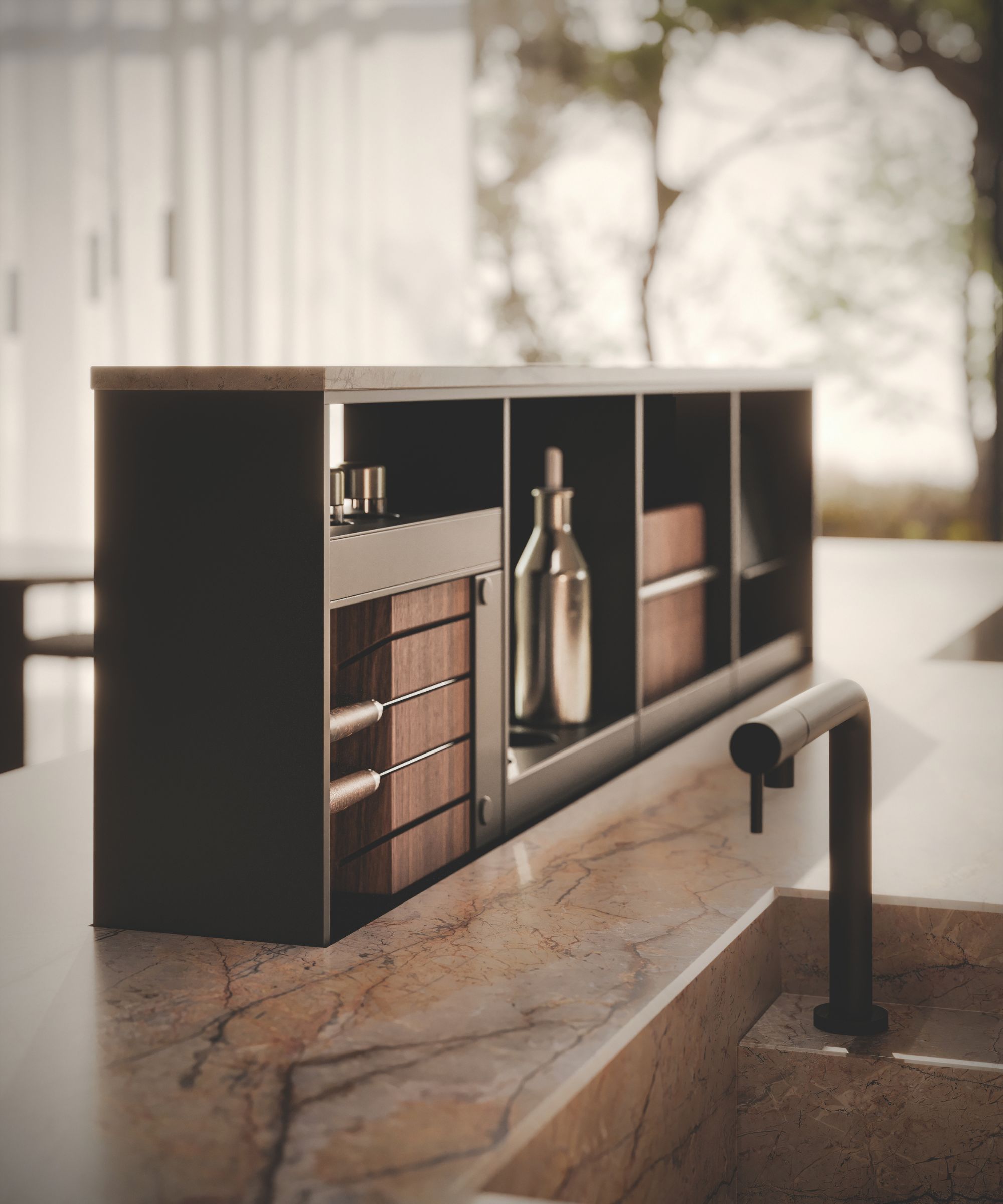
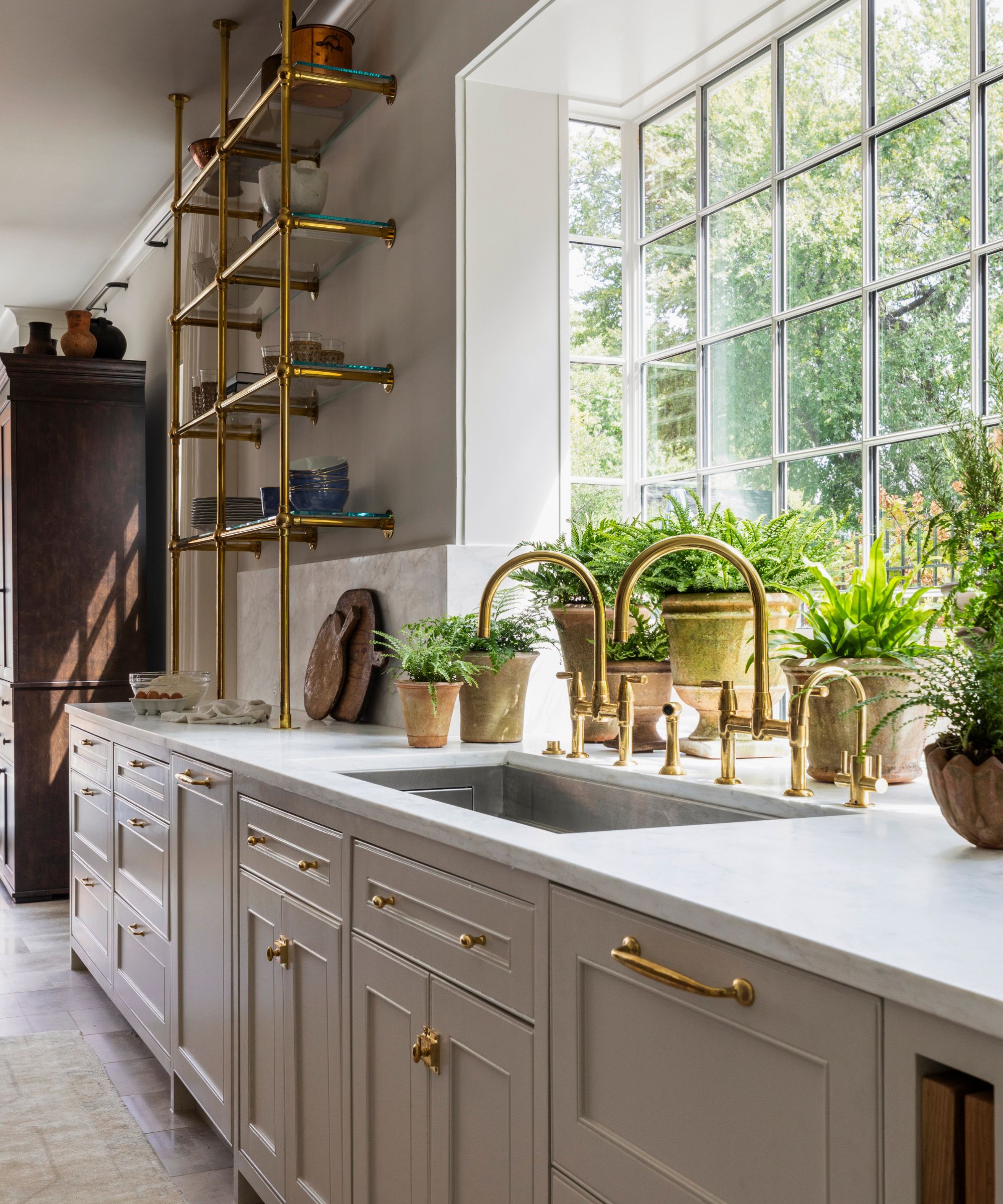
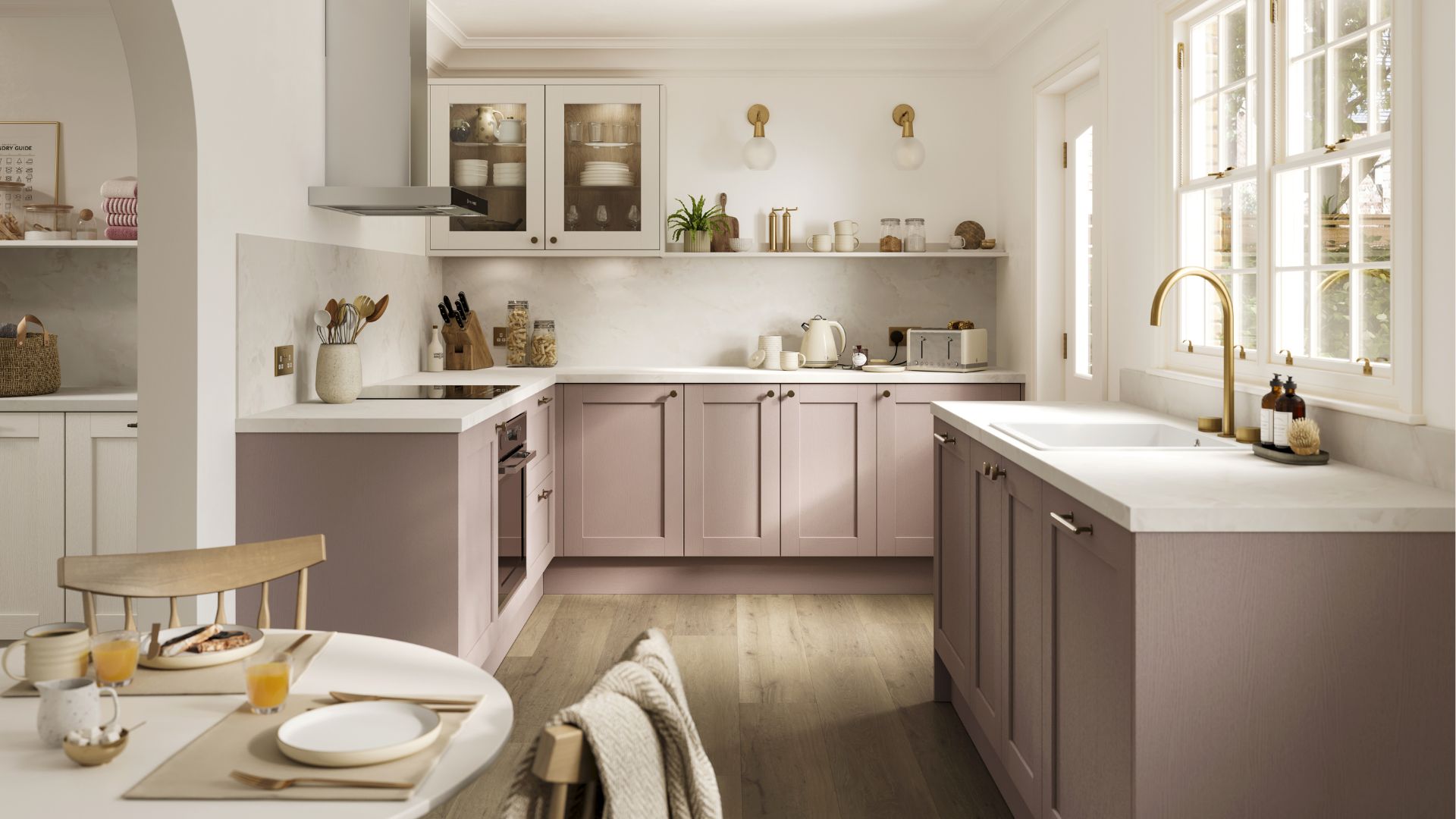
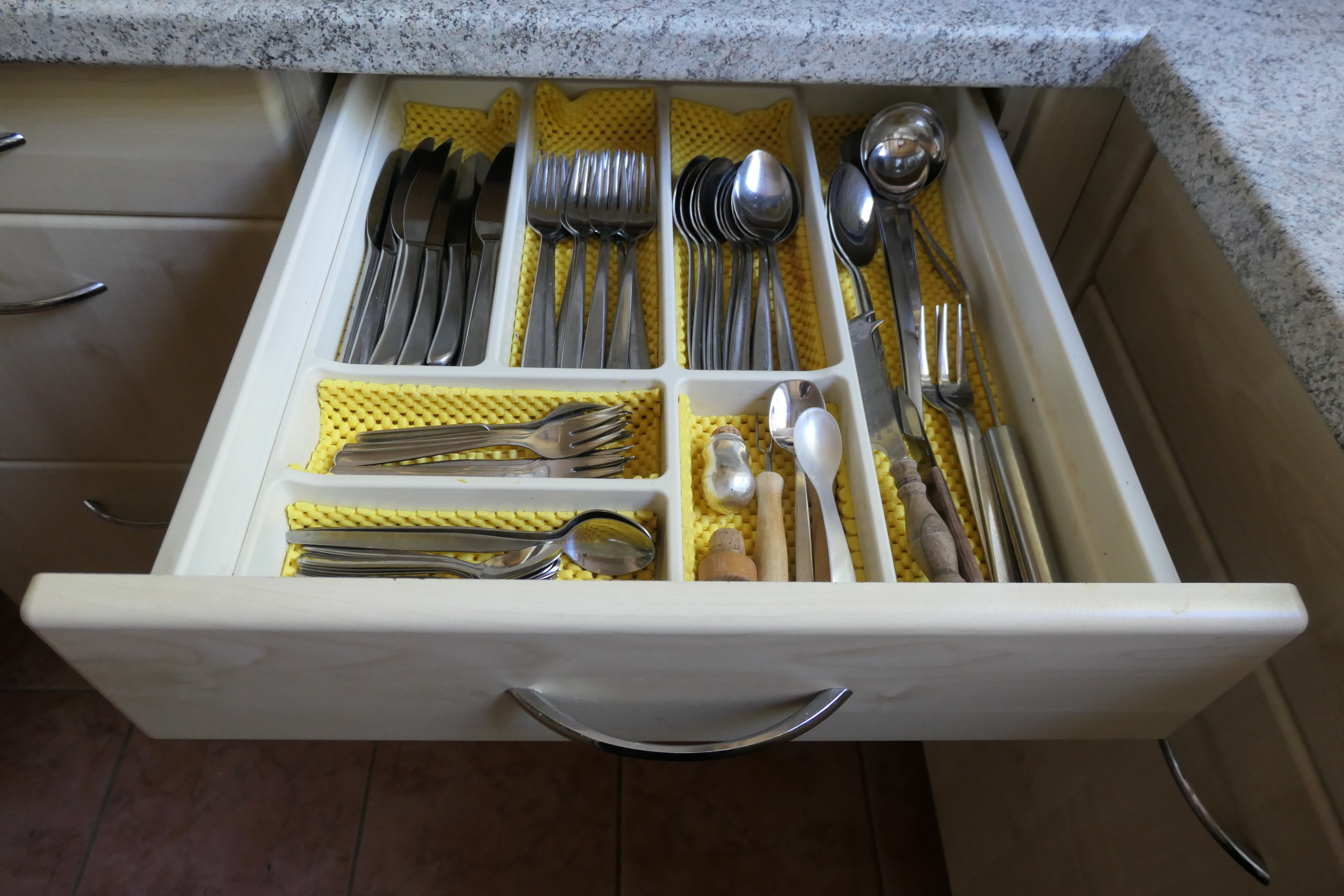
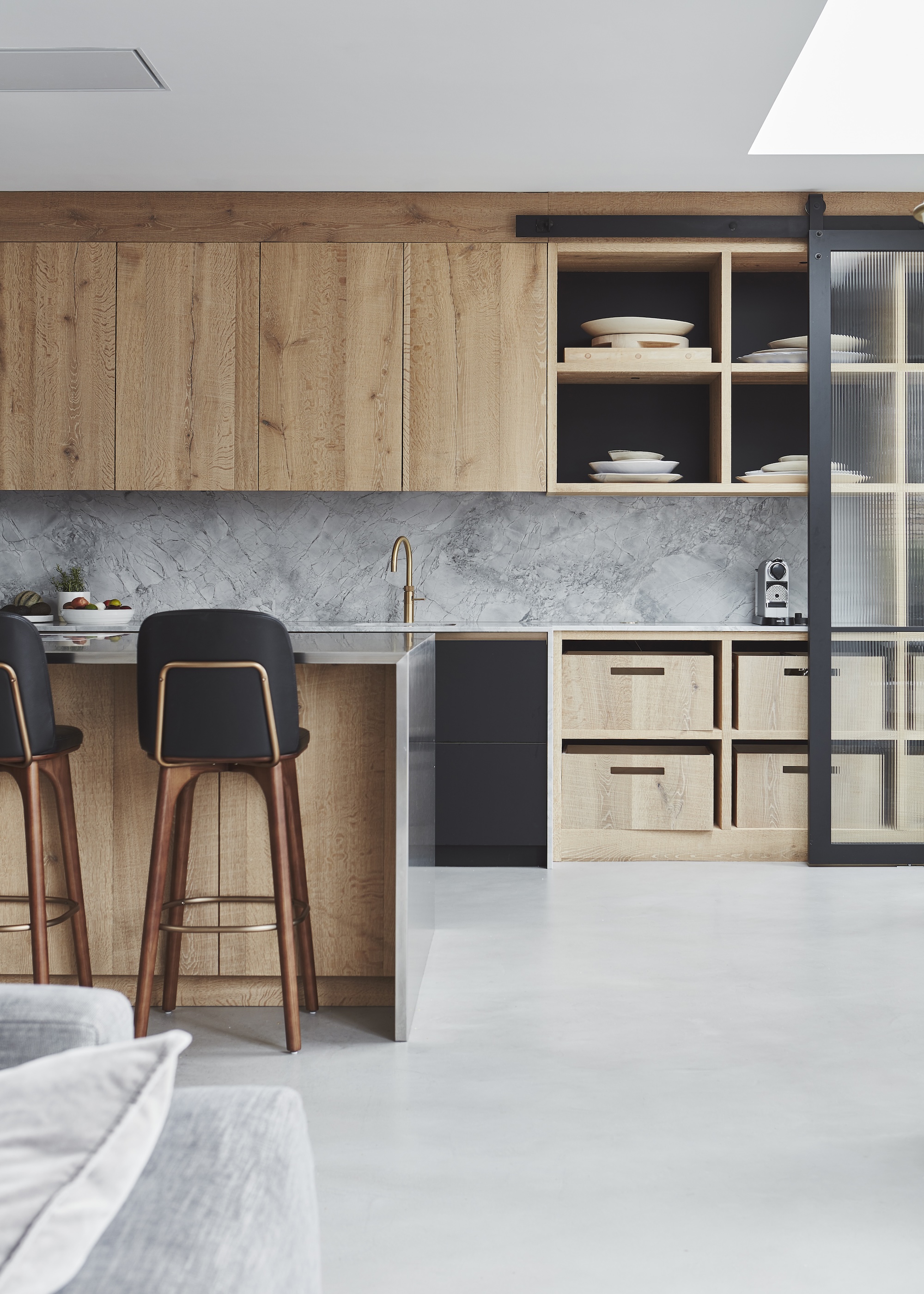
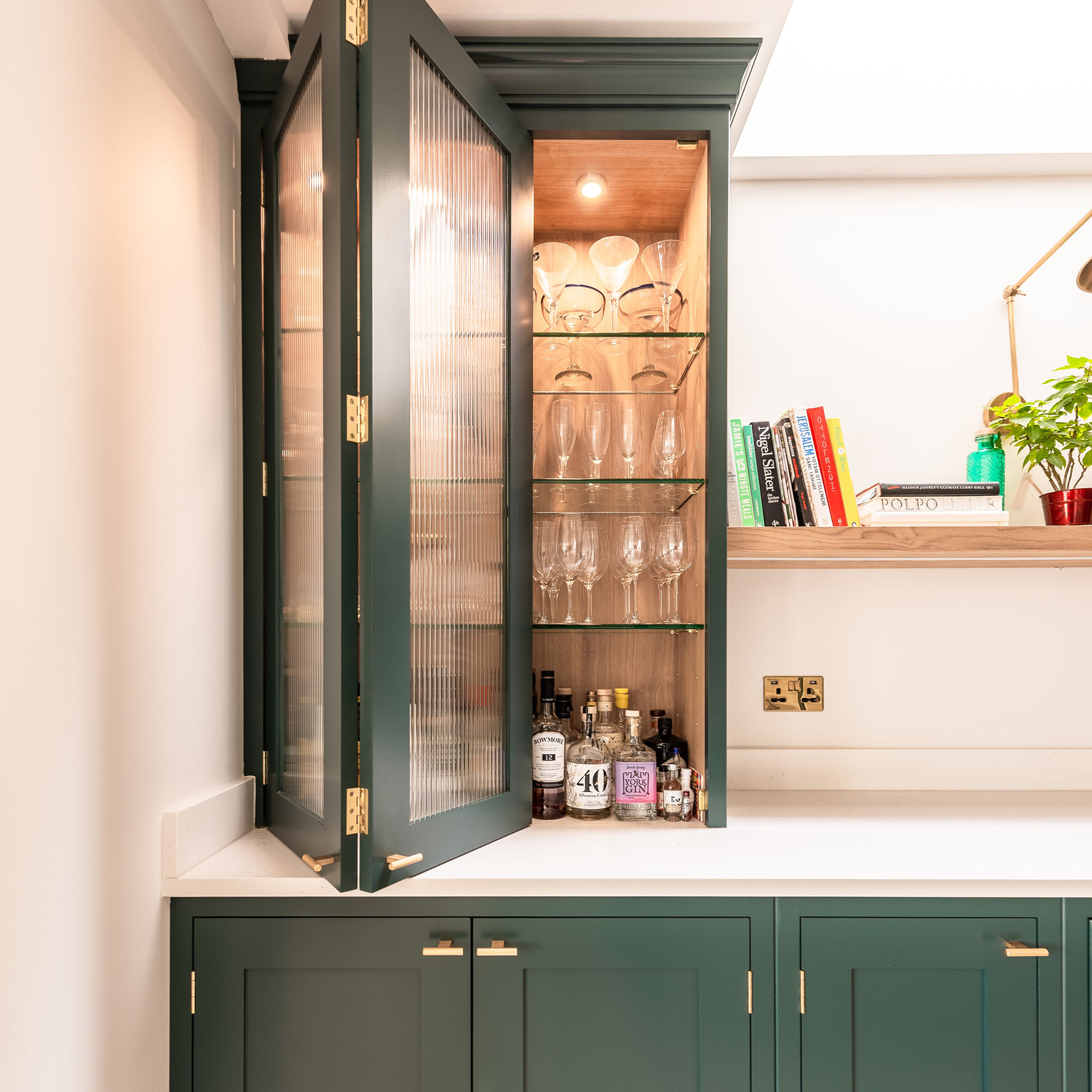
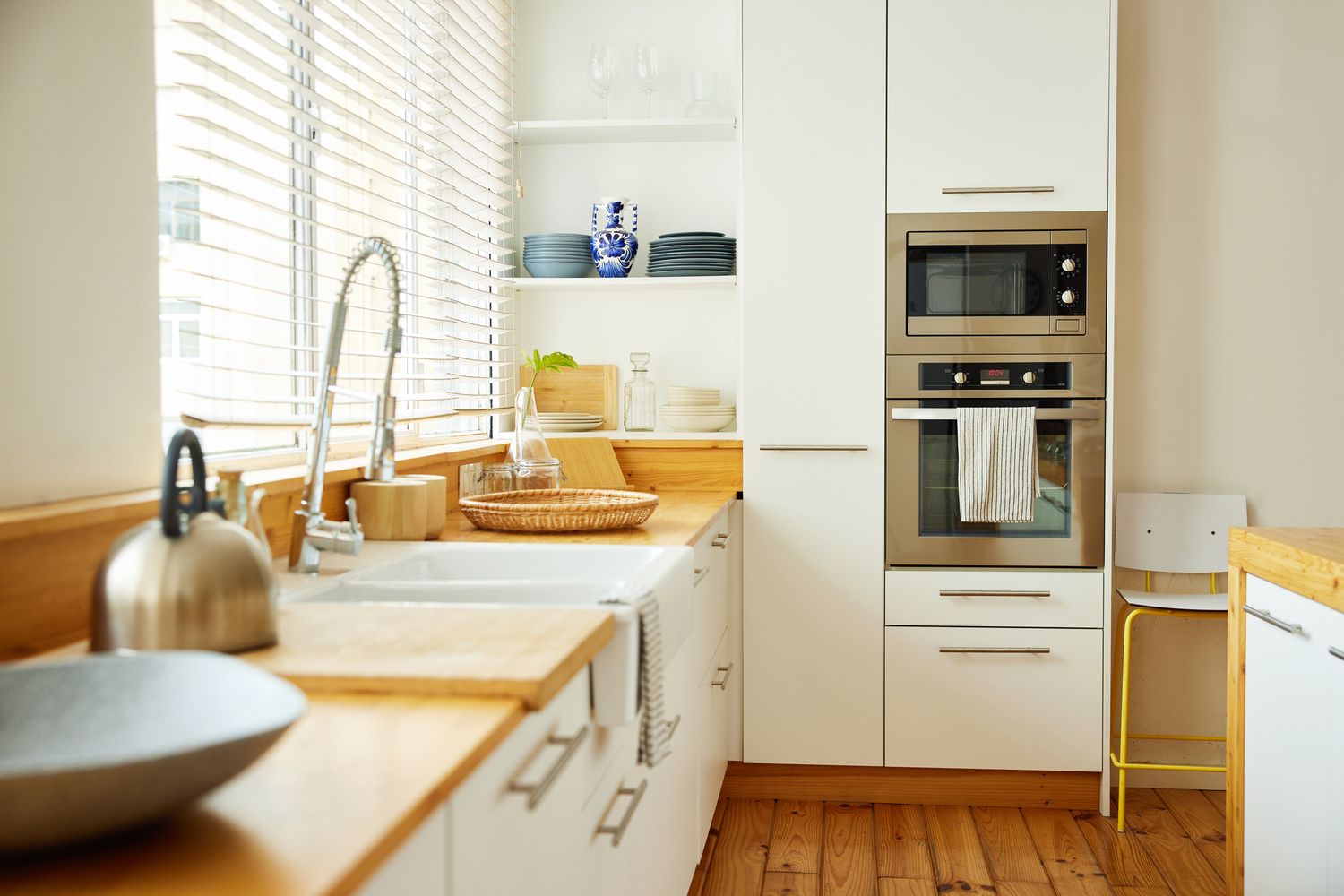
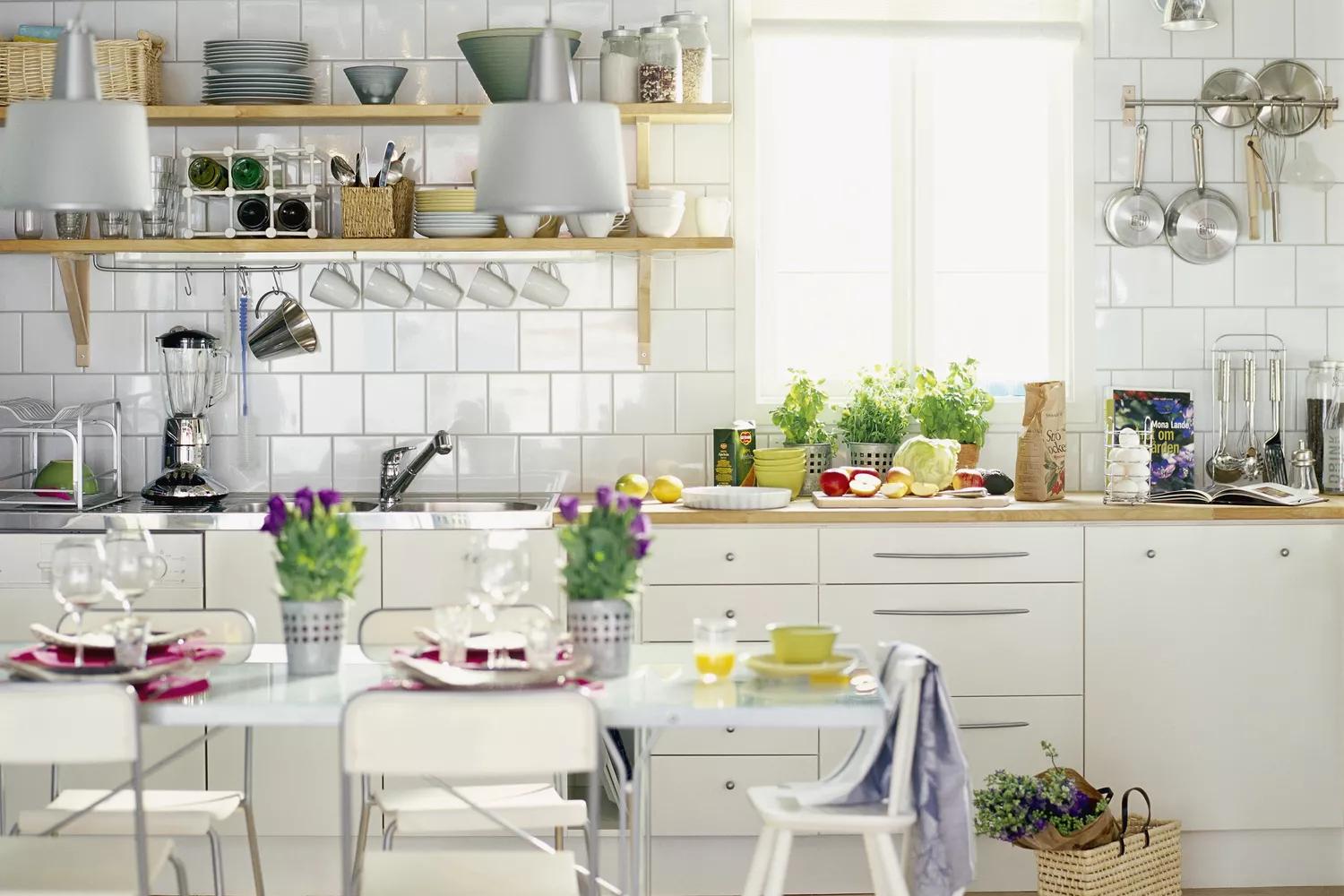
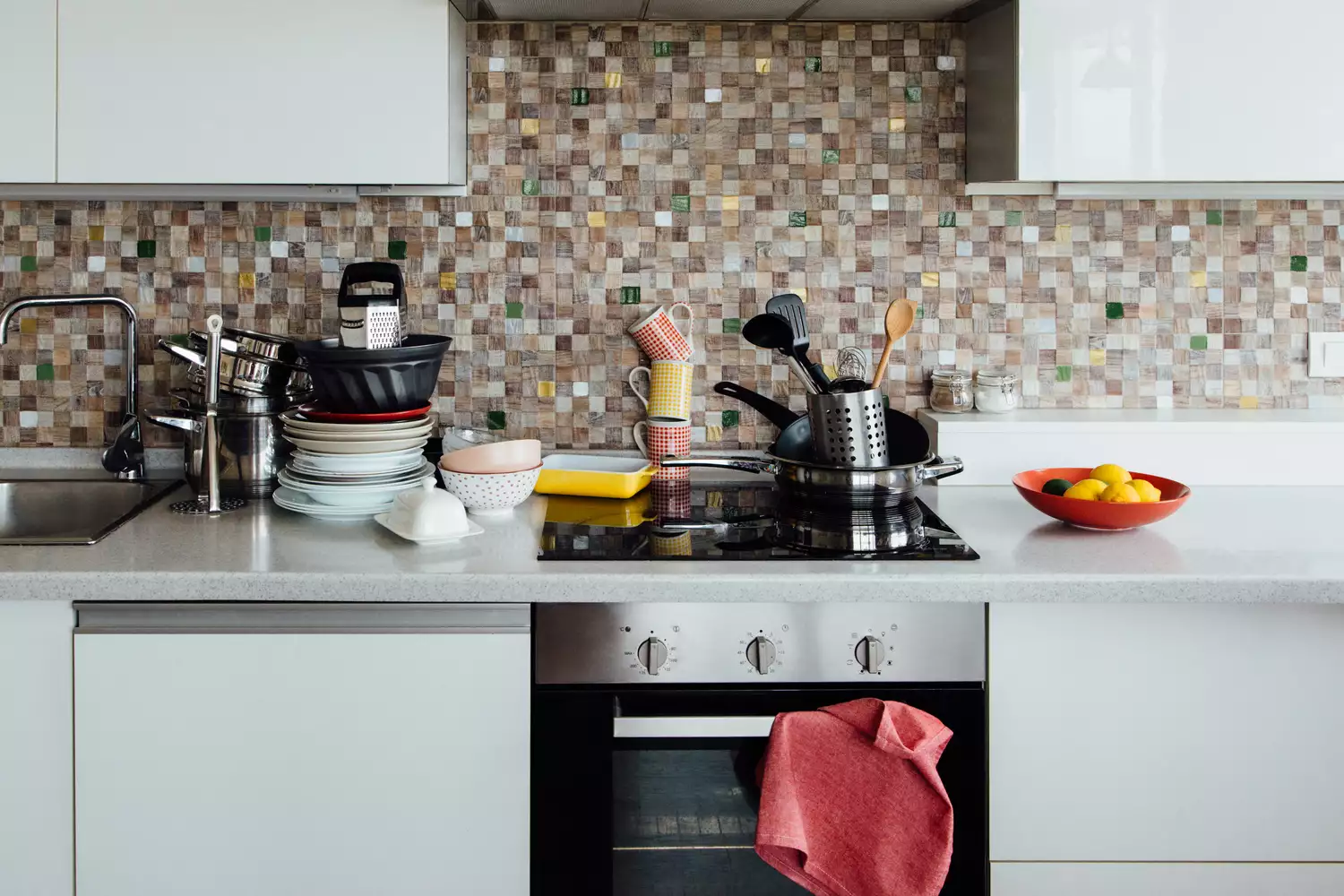
One common design flaw is overloaded open shelving. While open shelving can offer a minimalist aesthetic, it frequently becomes a cluttered dust collector. To avoid this, designers recommend limiting open shelving to a single statement area, such as above the sink, and using it for decorative display rather than general storage. Similarly, cluttered countertops are a major pet peeve for designers. Appliances and utensils left visible on countertops can make a kitchen feel less clean and chaotic. The suggested fix is to store as many items as possible out of sight in cabinets, creating a more serene and organized workspace.
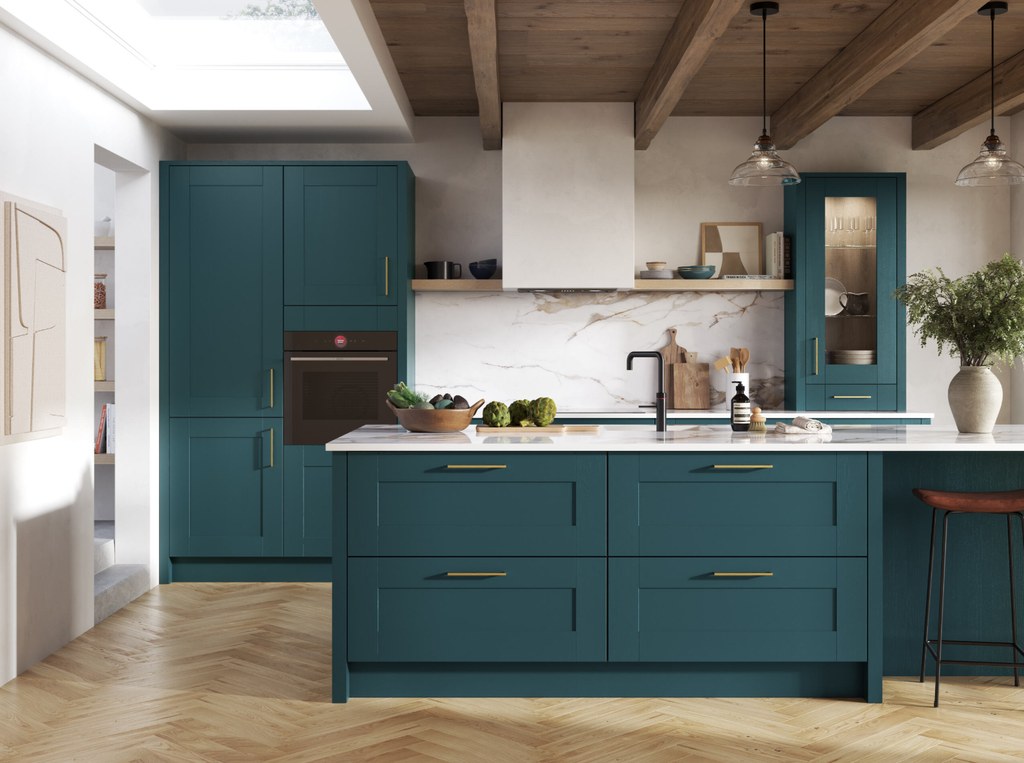
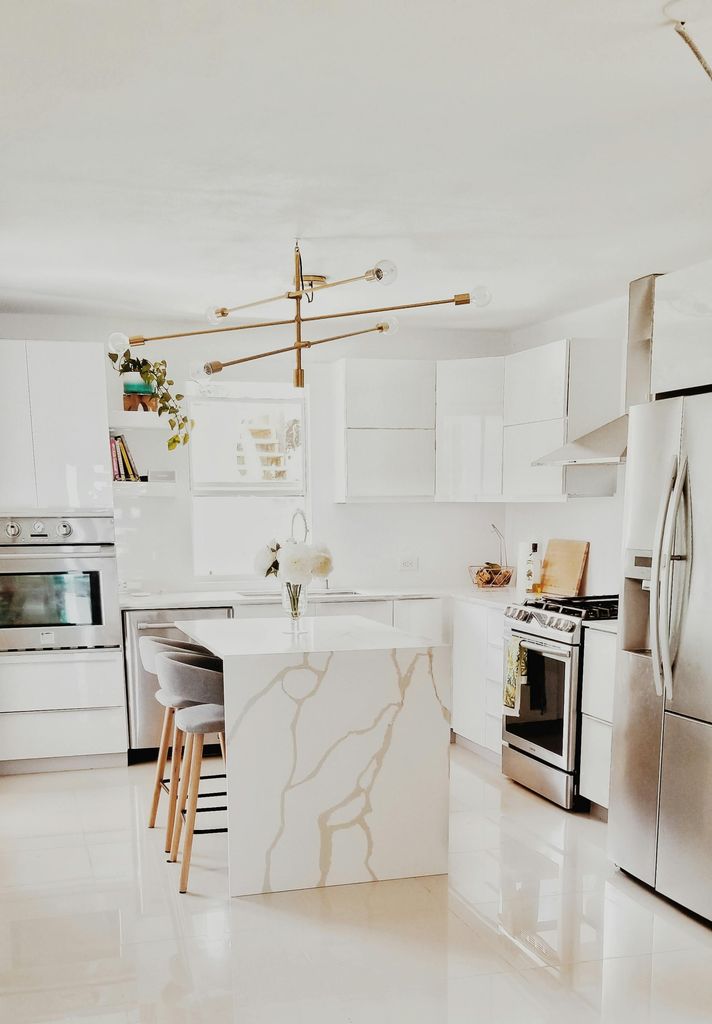
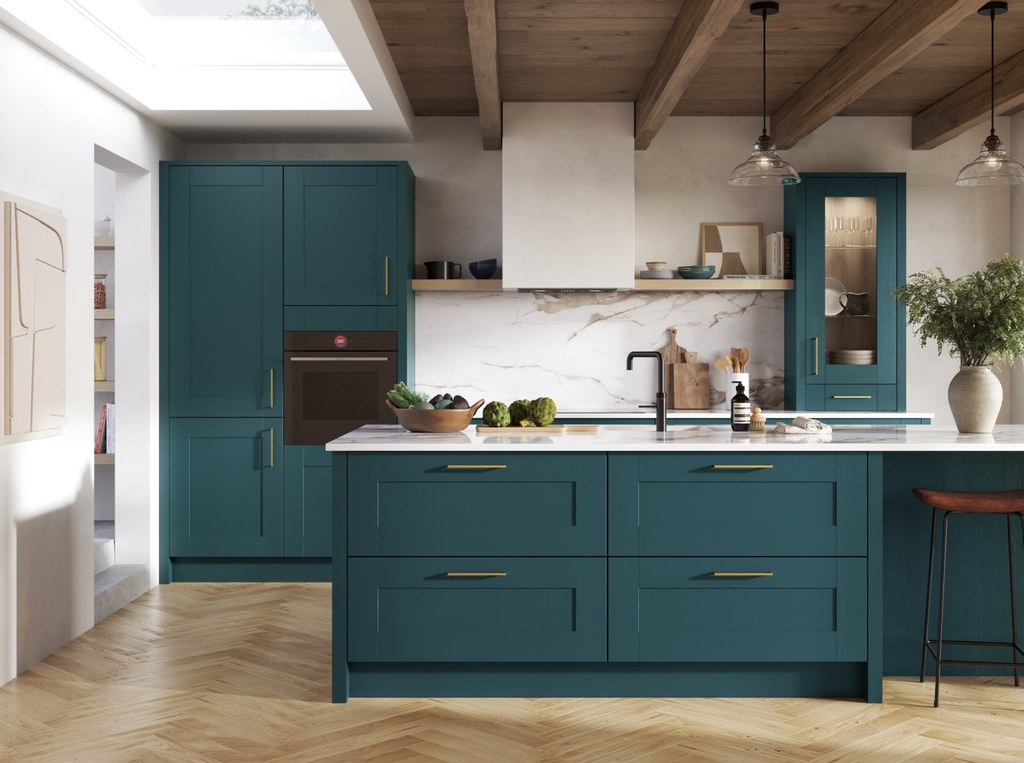
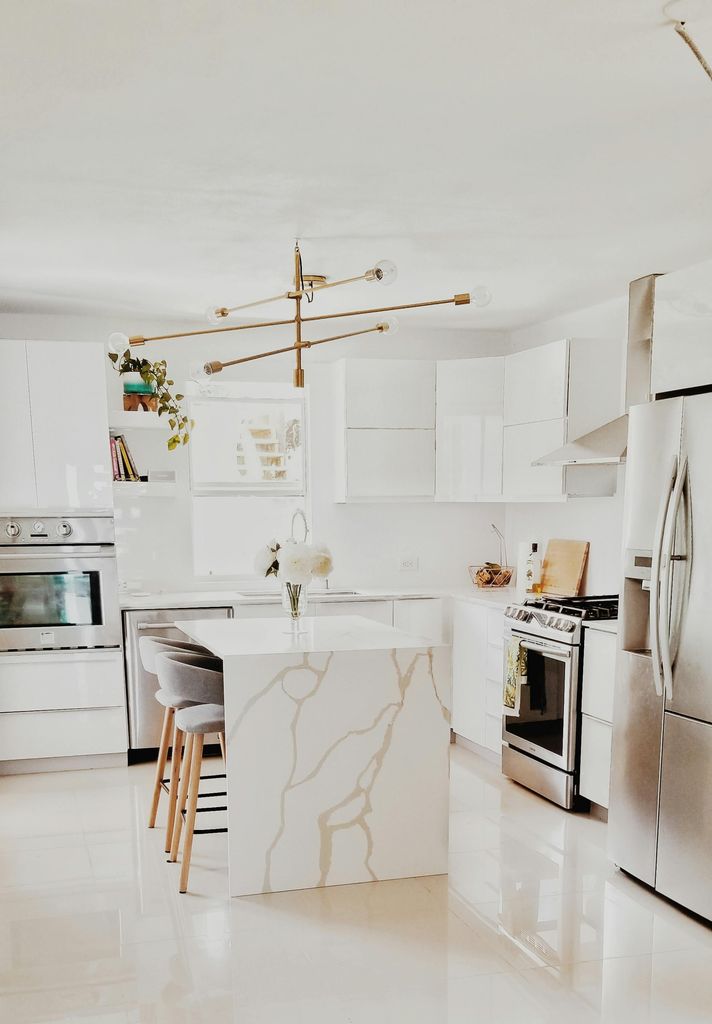
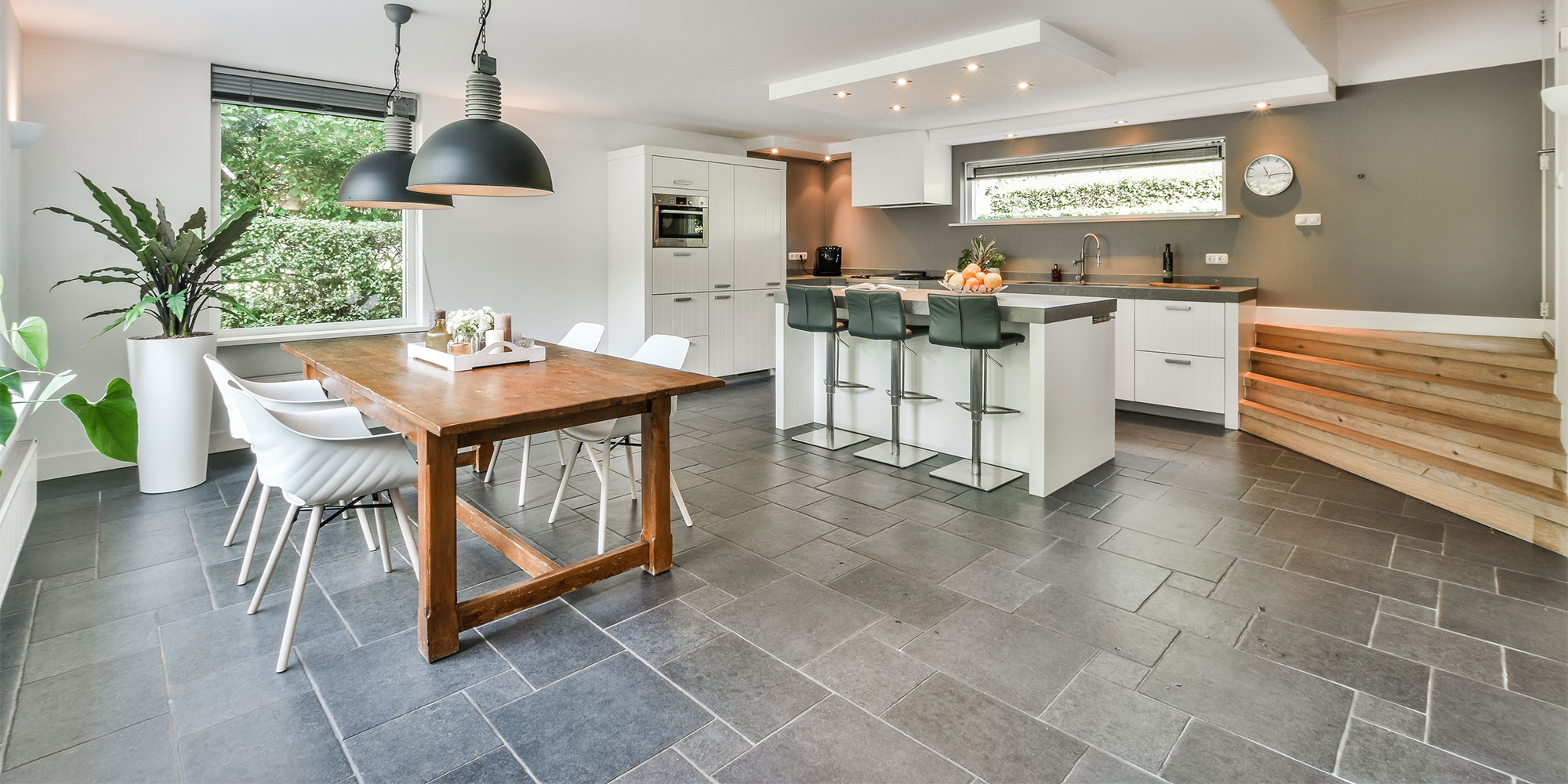
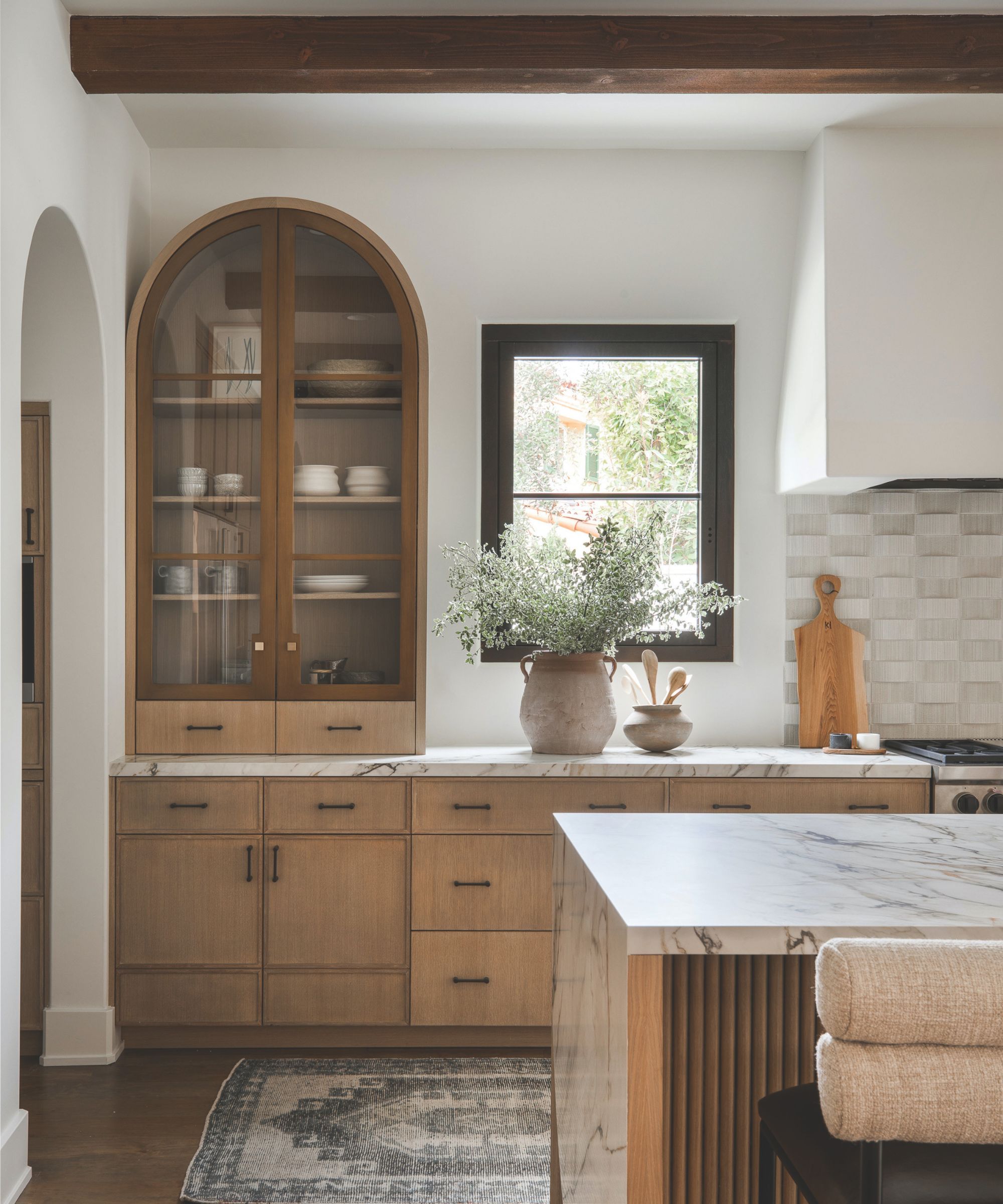
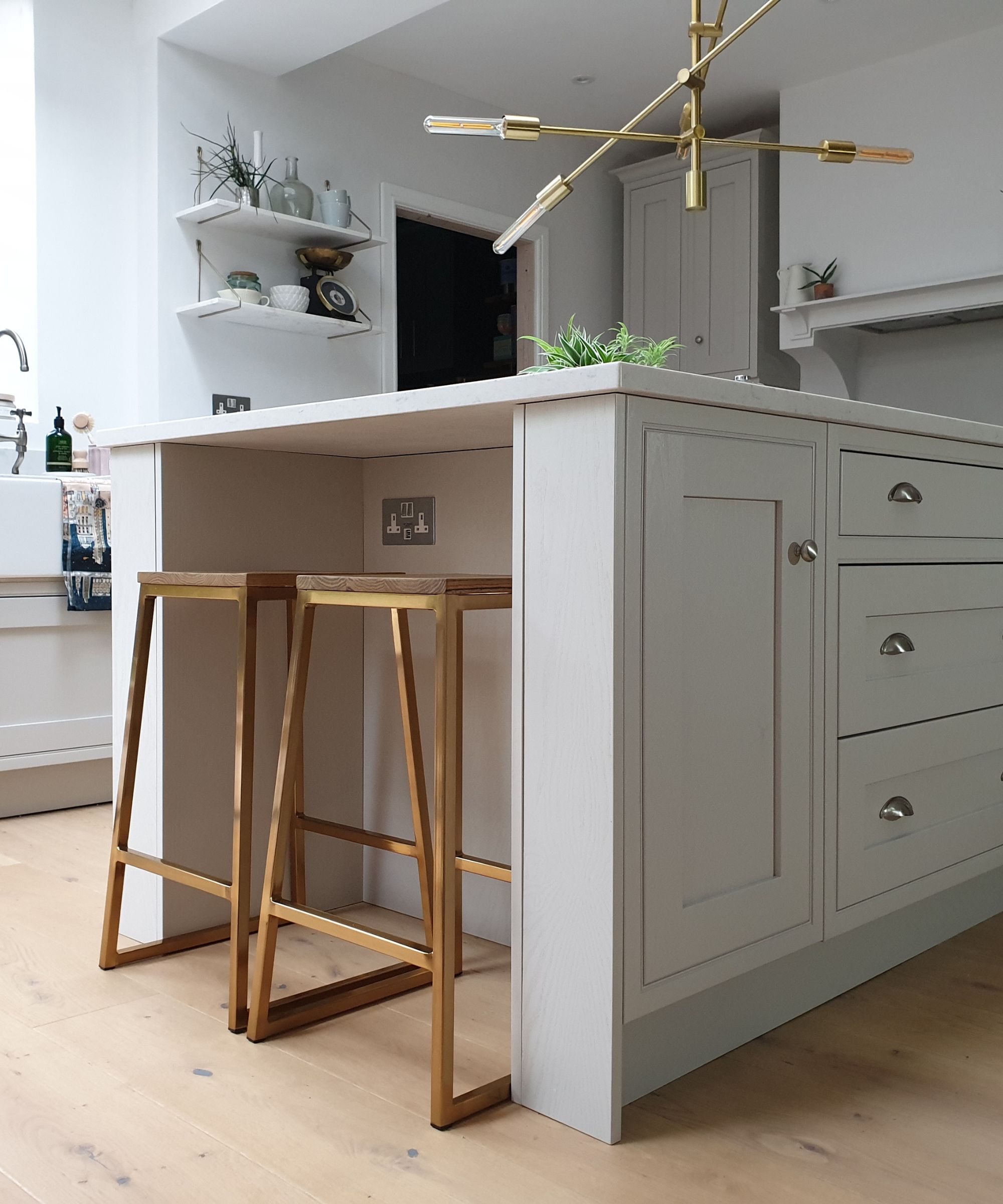
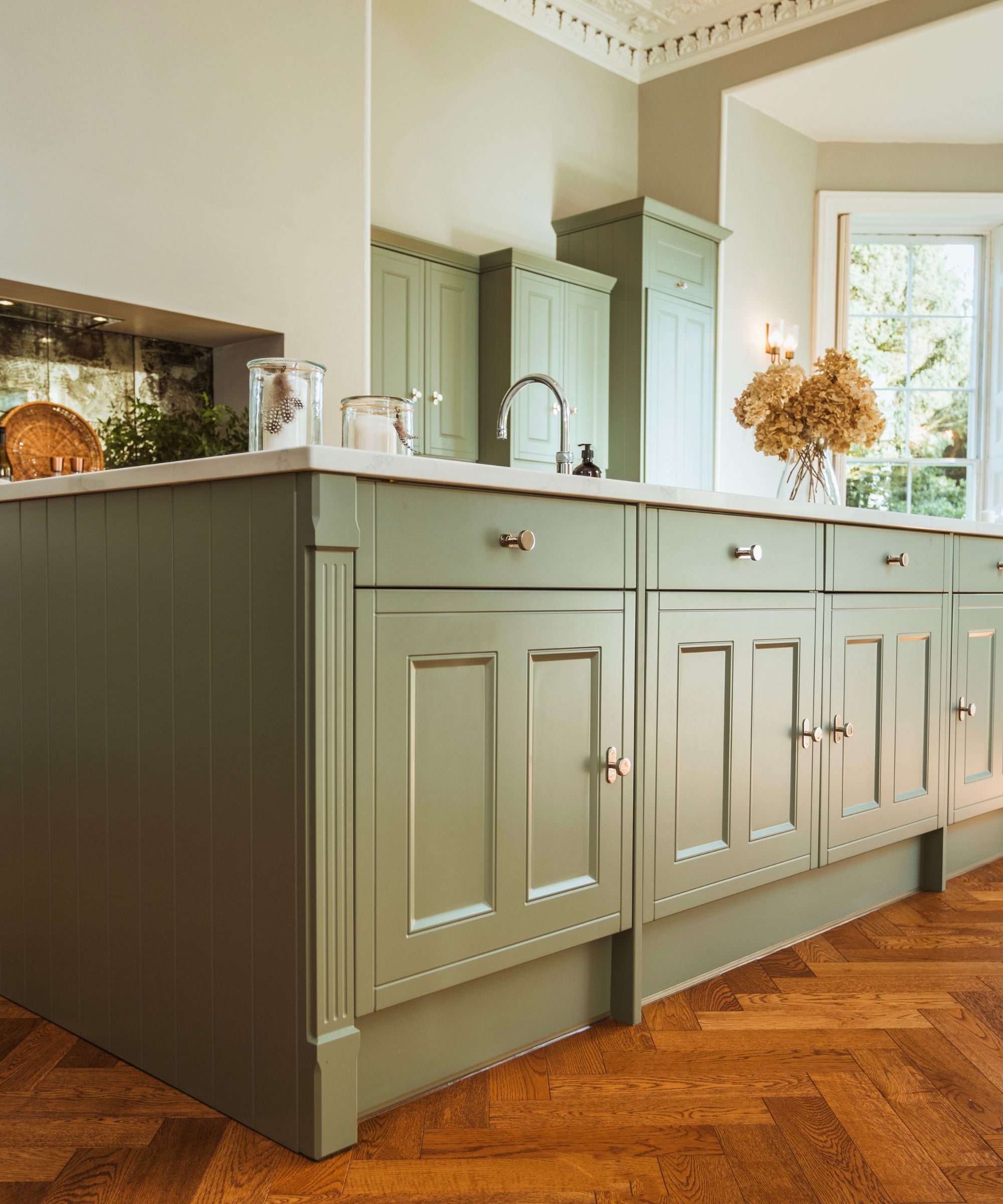
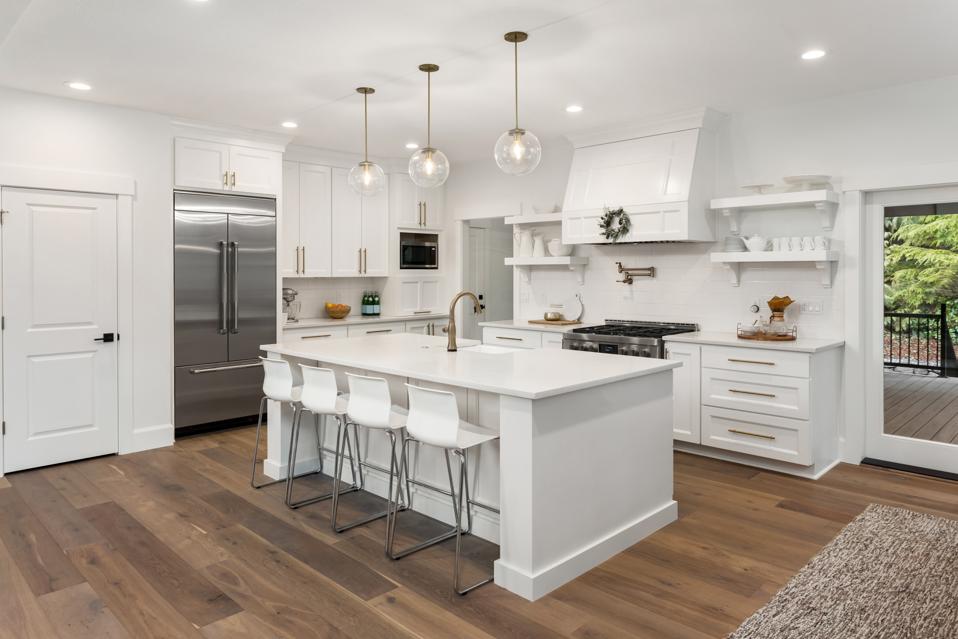
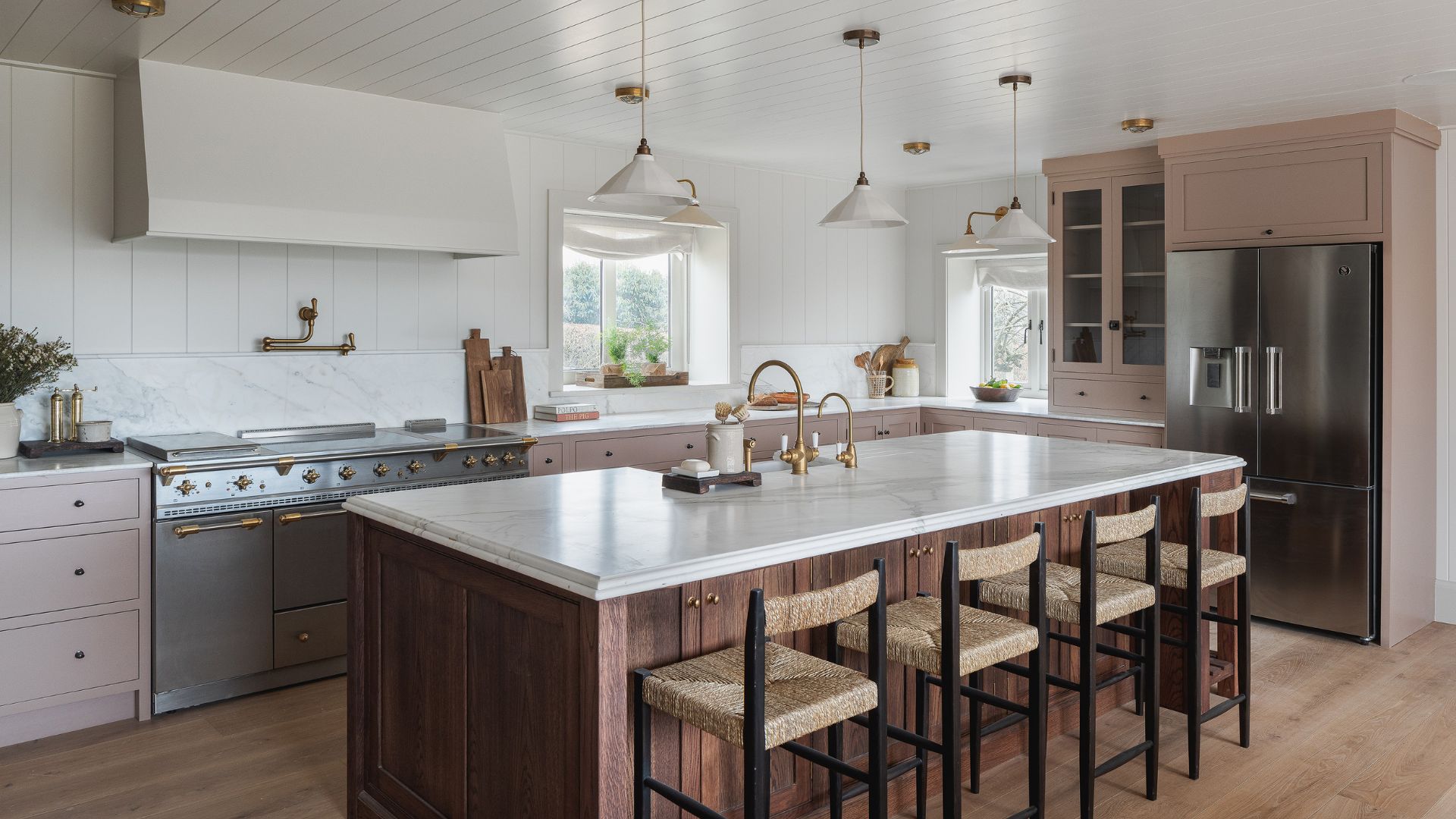
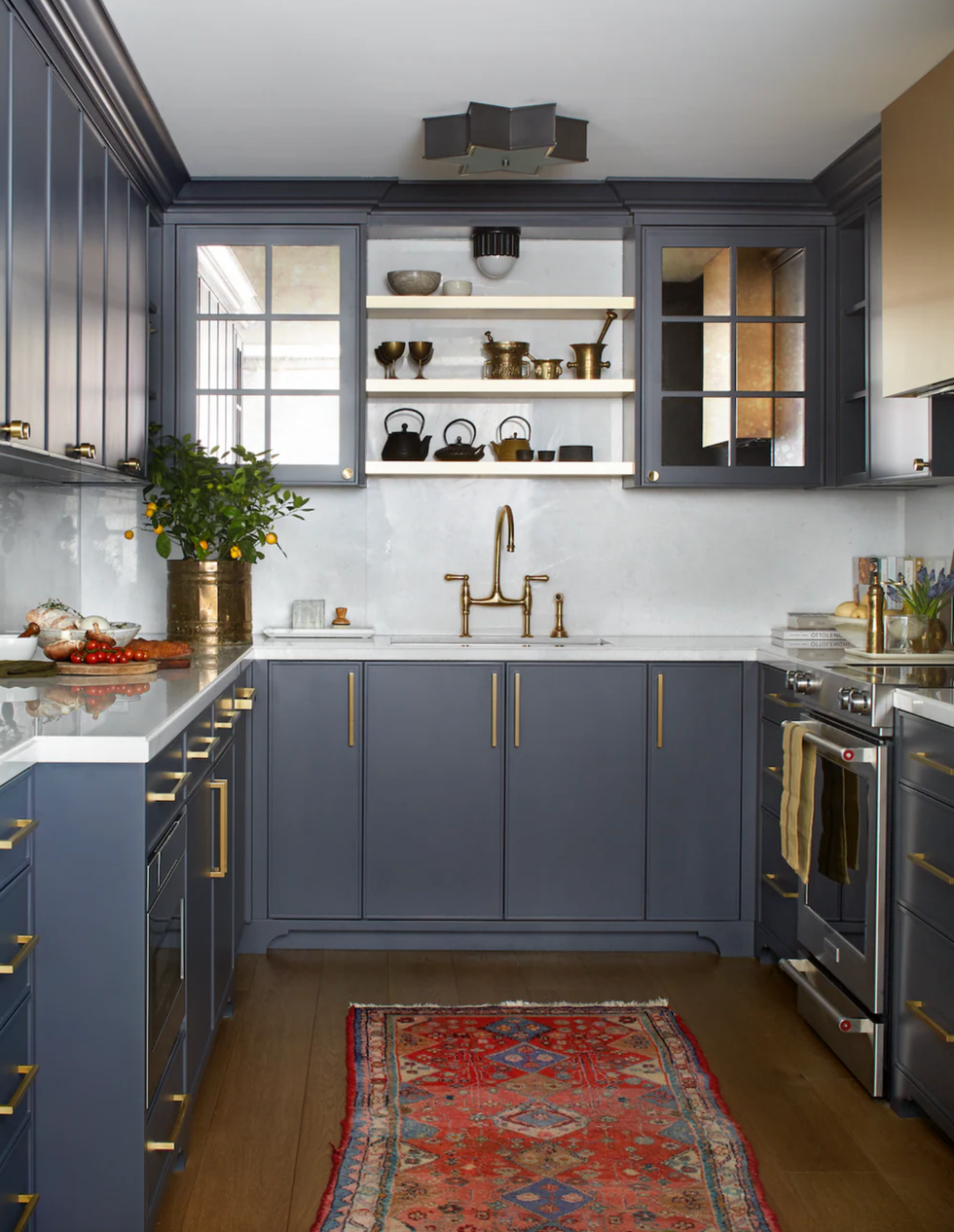
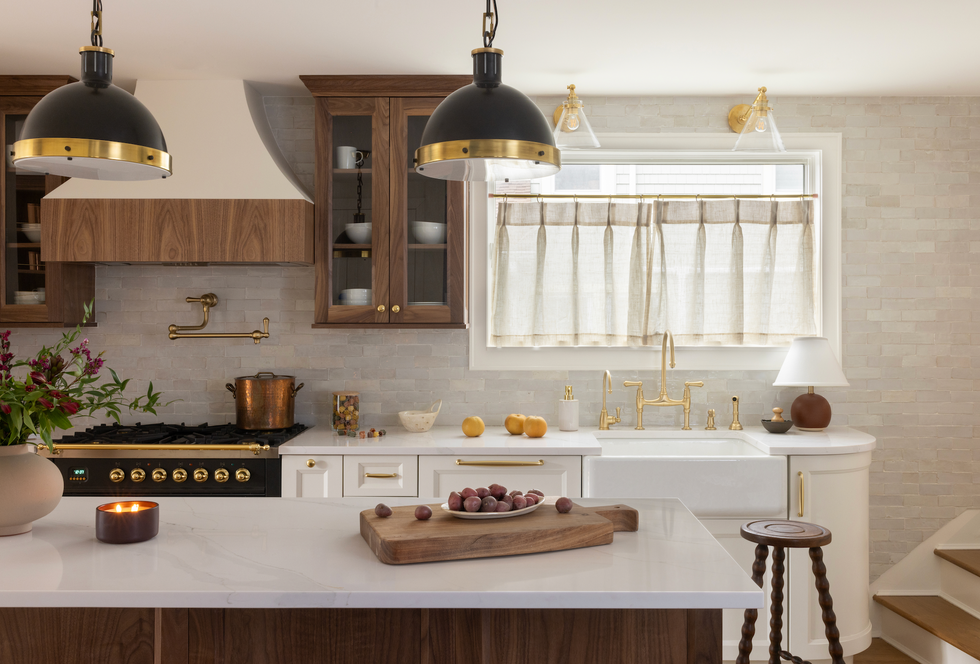
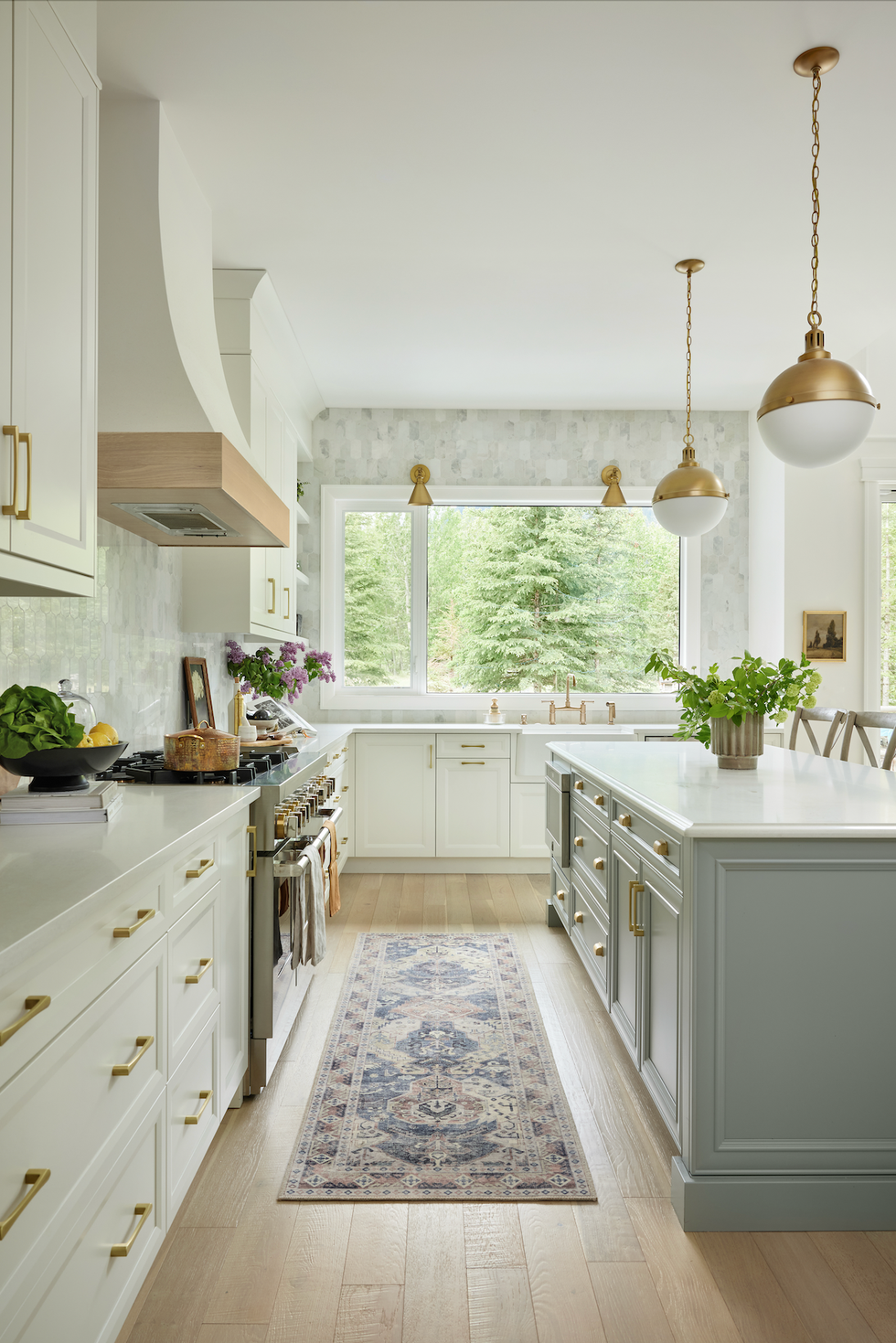
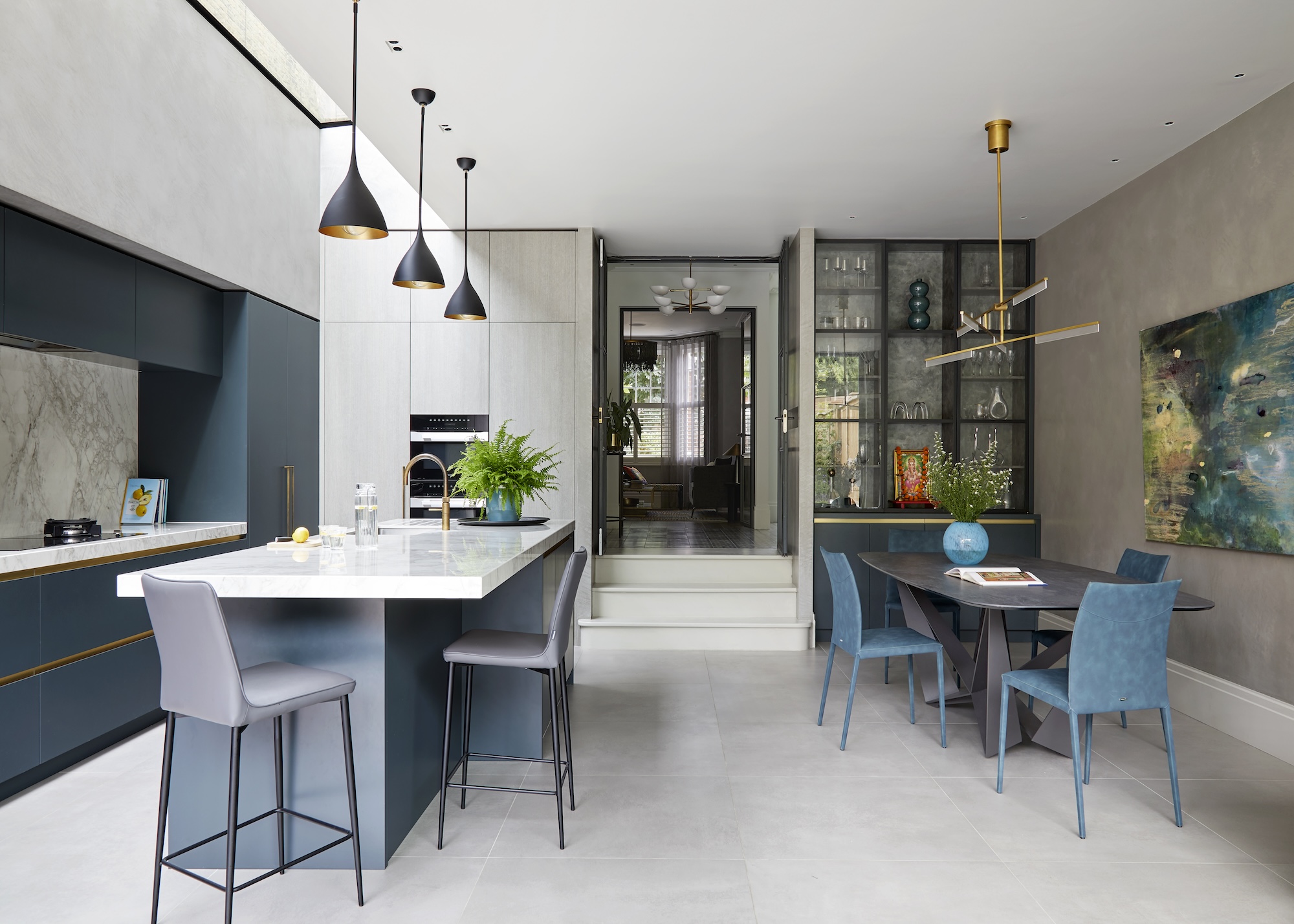
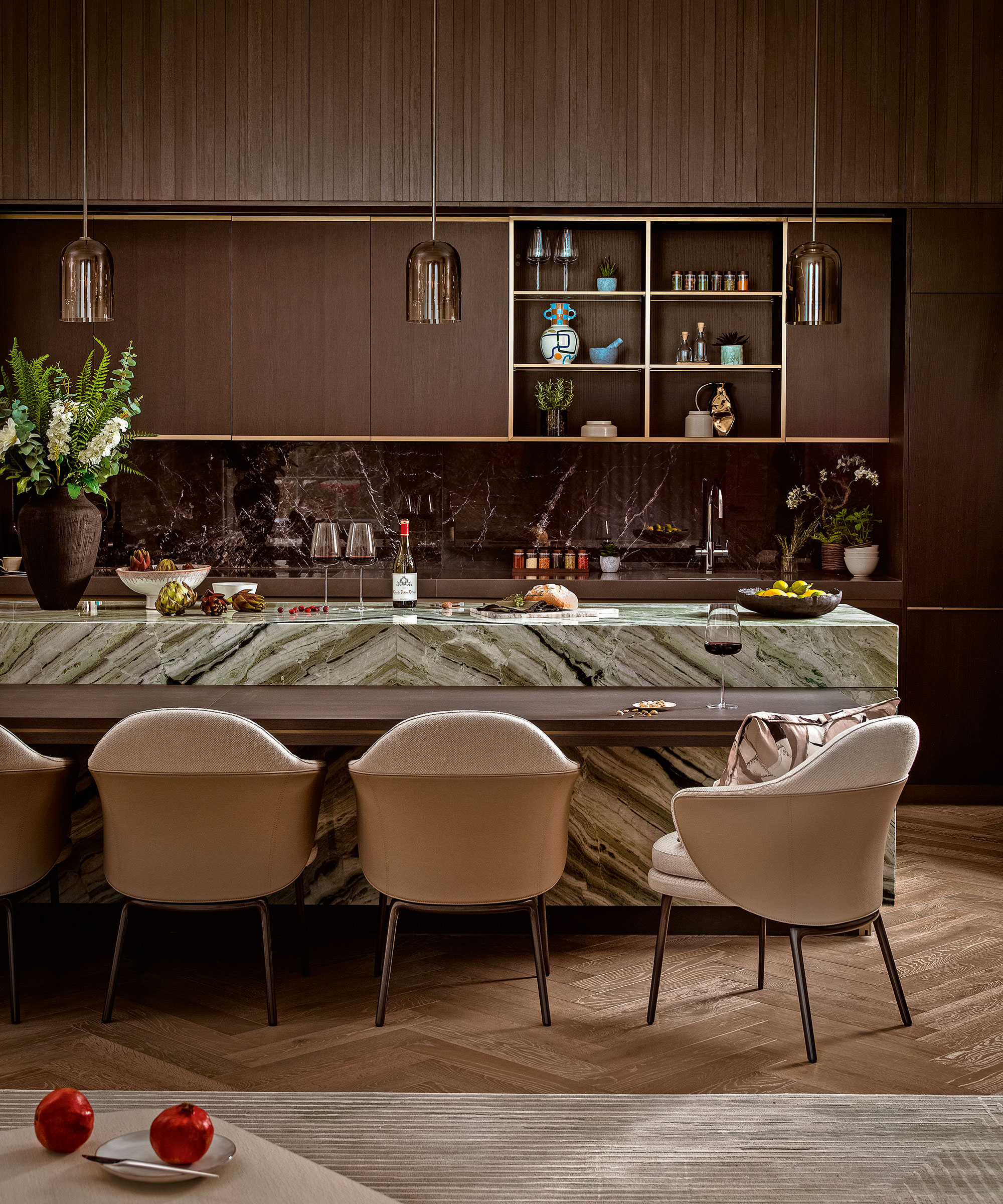
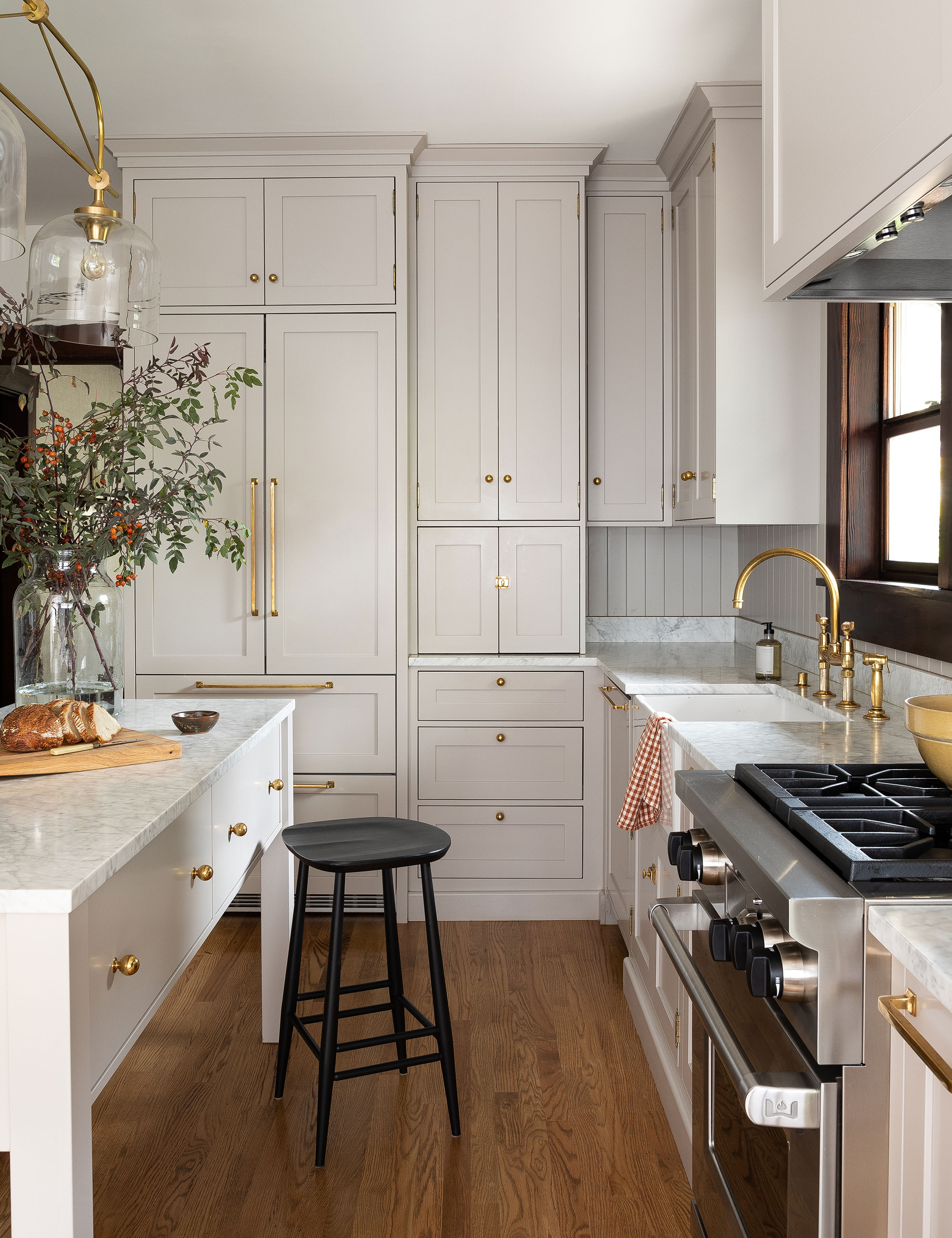
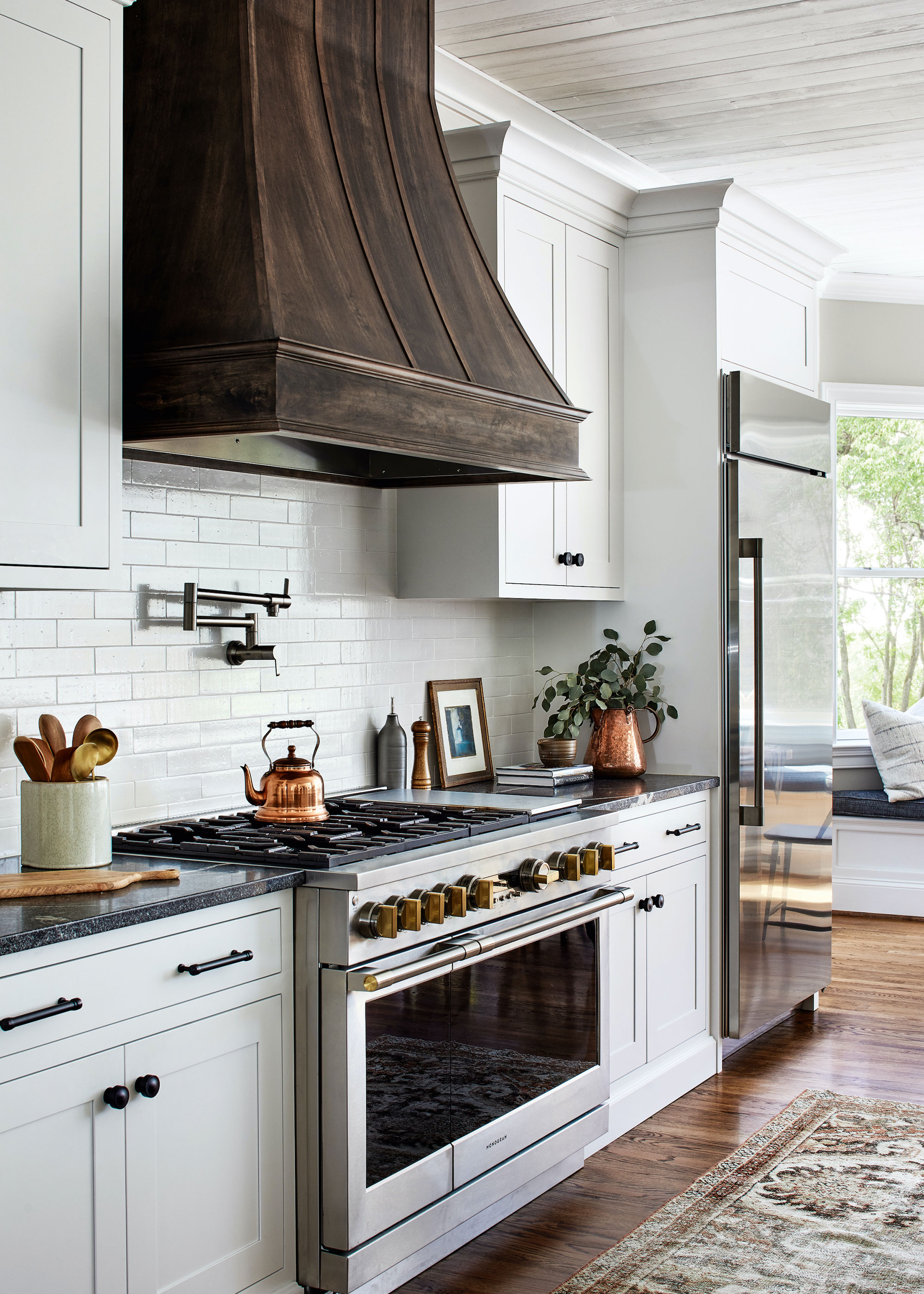
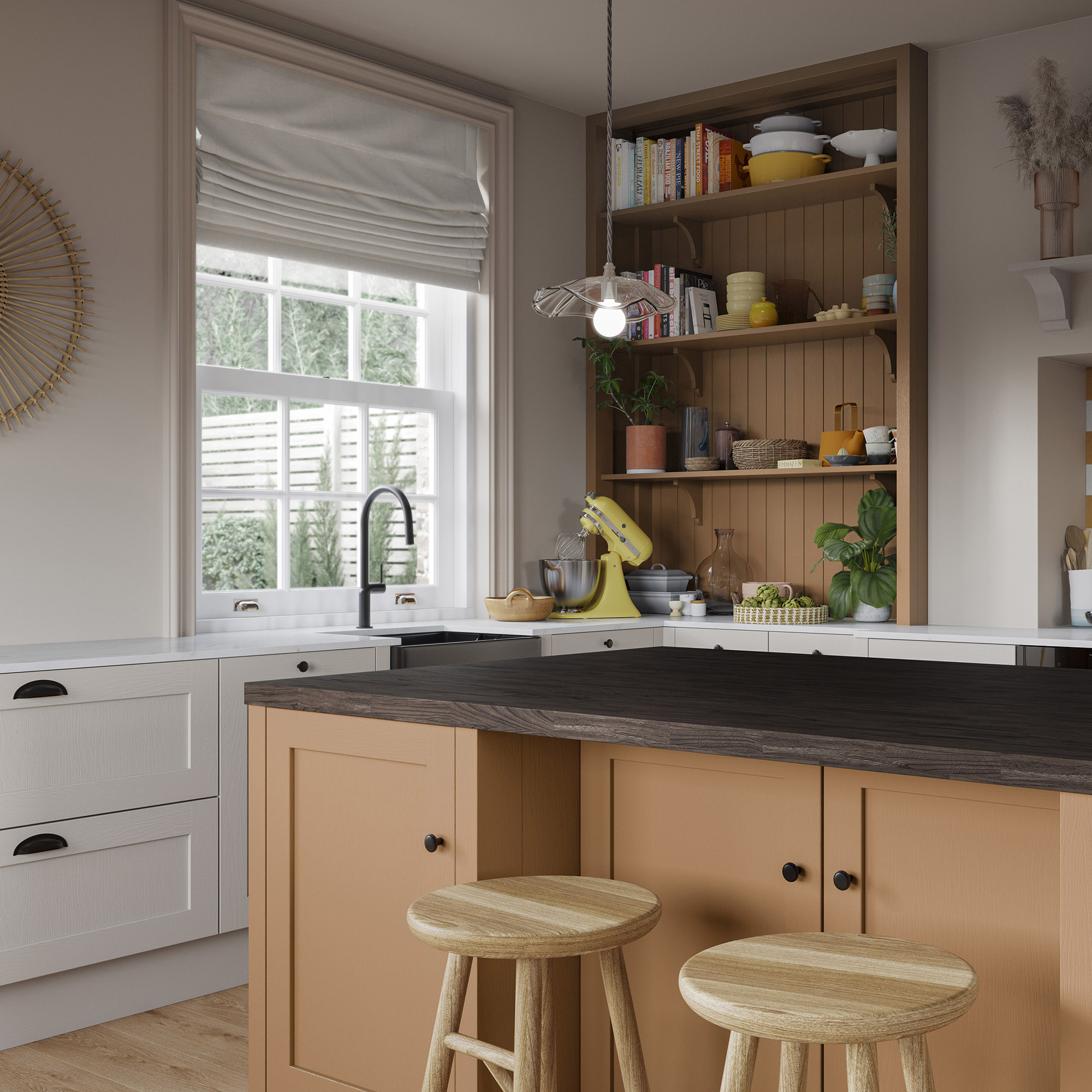
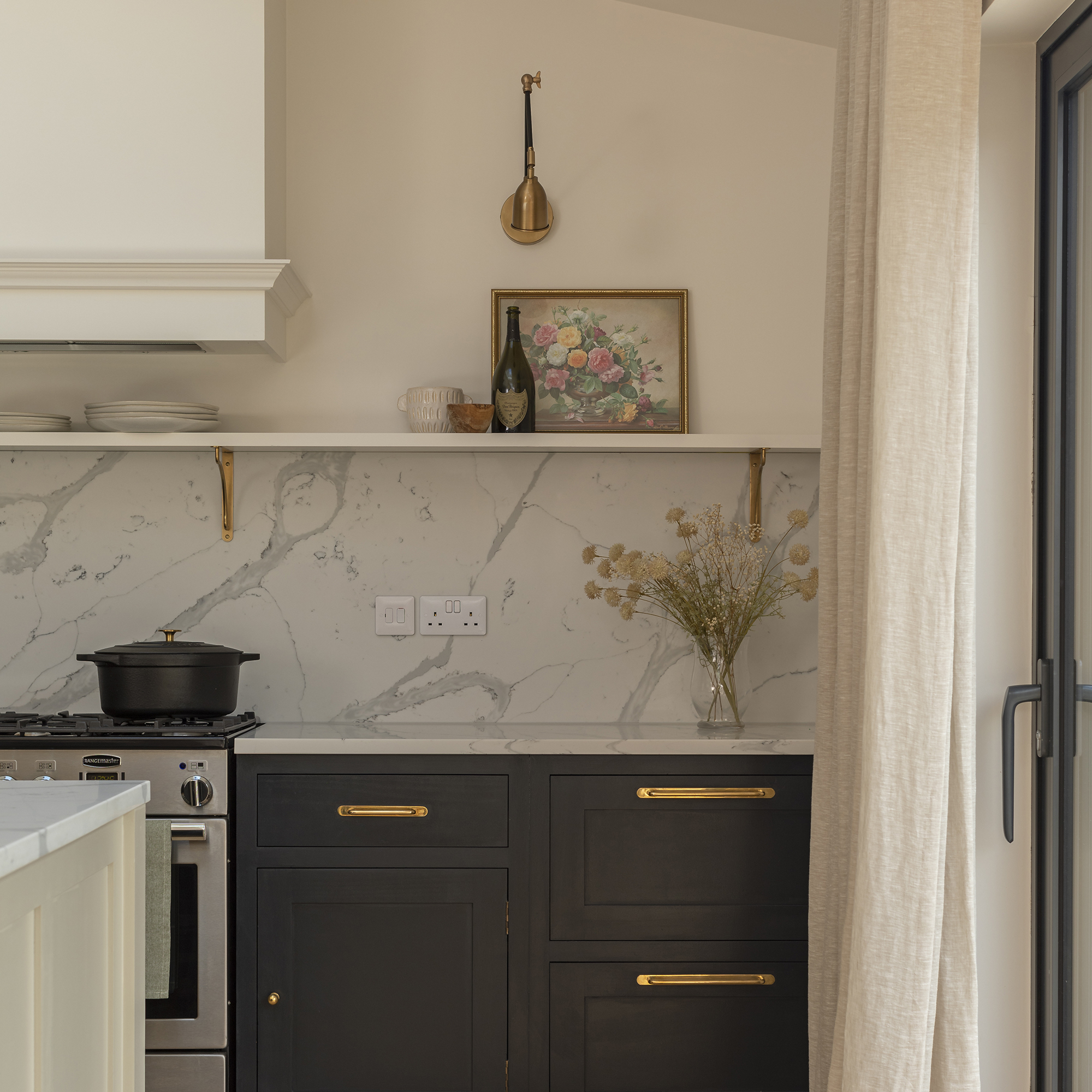
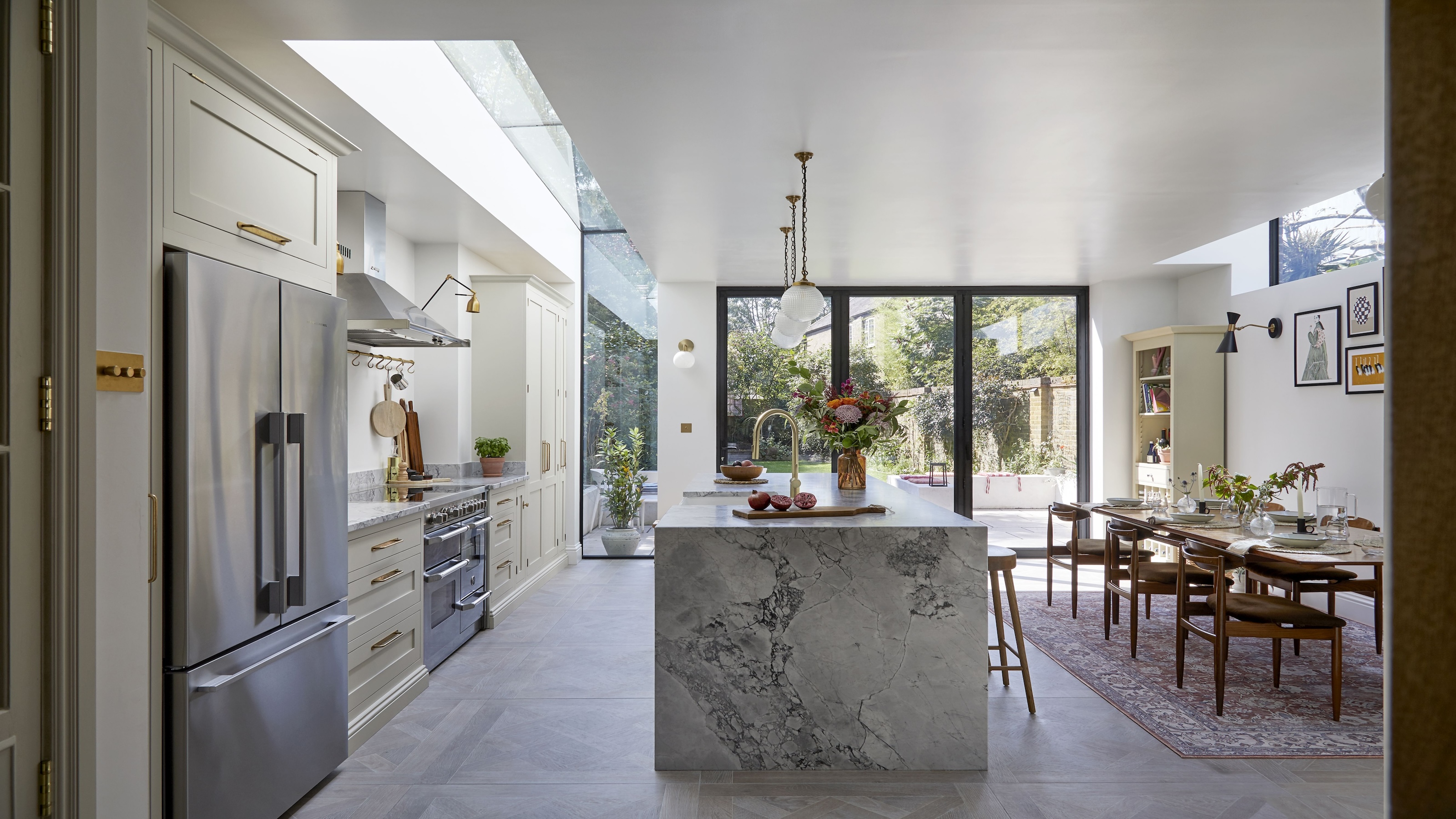
Another contentious design element is the oversized kitchen island. While popular in renovations, excessively large islands can render a kitchen less usable and appear tacky or showy, rather than functional. Designers advise making kitchen islands more approachable by reducing the number of bar stools and incorporating decorative elements like lamps and trays to soften their appearance and enhance their dual purpose. Cabinet hardware, while an easy upgrade, can also be a source of design 'ick' if not chosen carefully. Ornate, oversized, or mismatched hardware can make a kitchen look heavy, dated, or jarring. A balanced approach involves using one finish for larger elements like faucets and lighting, and a complementary finish for cabinet hardware, with matte black, brass, champagne bronze, and brushed nickel being popular choices for sleek, modern designs.
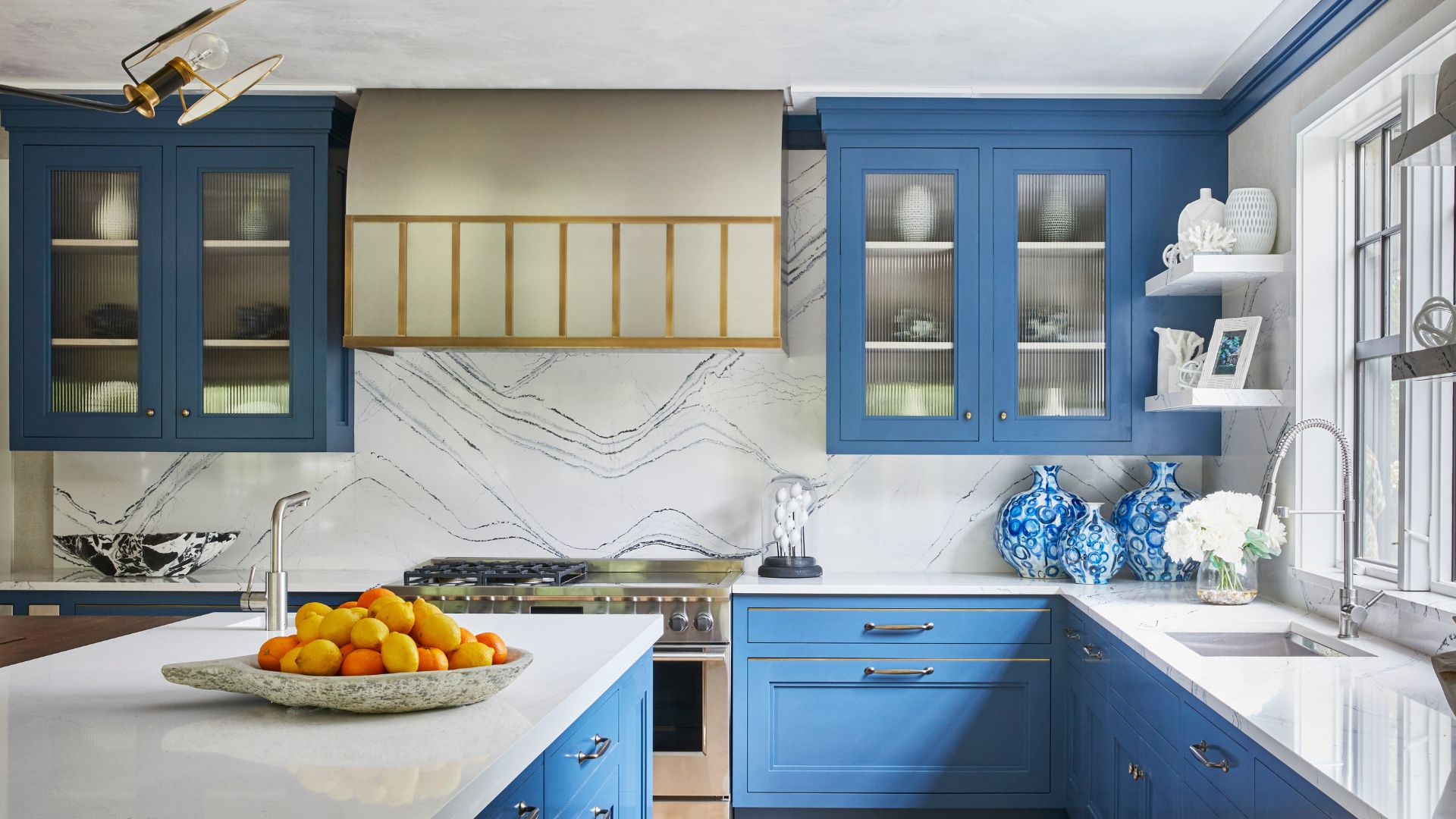
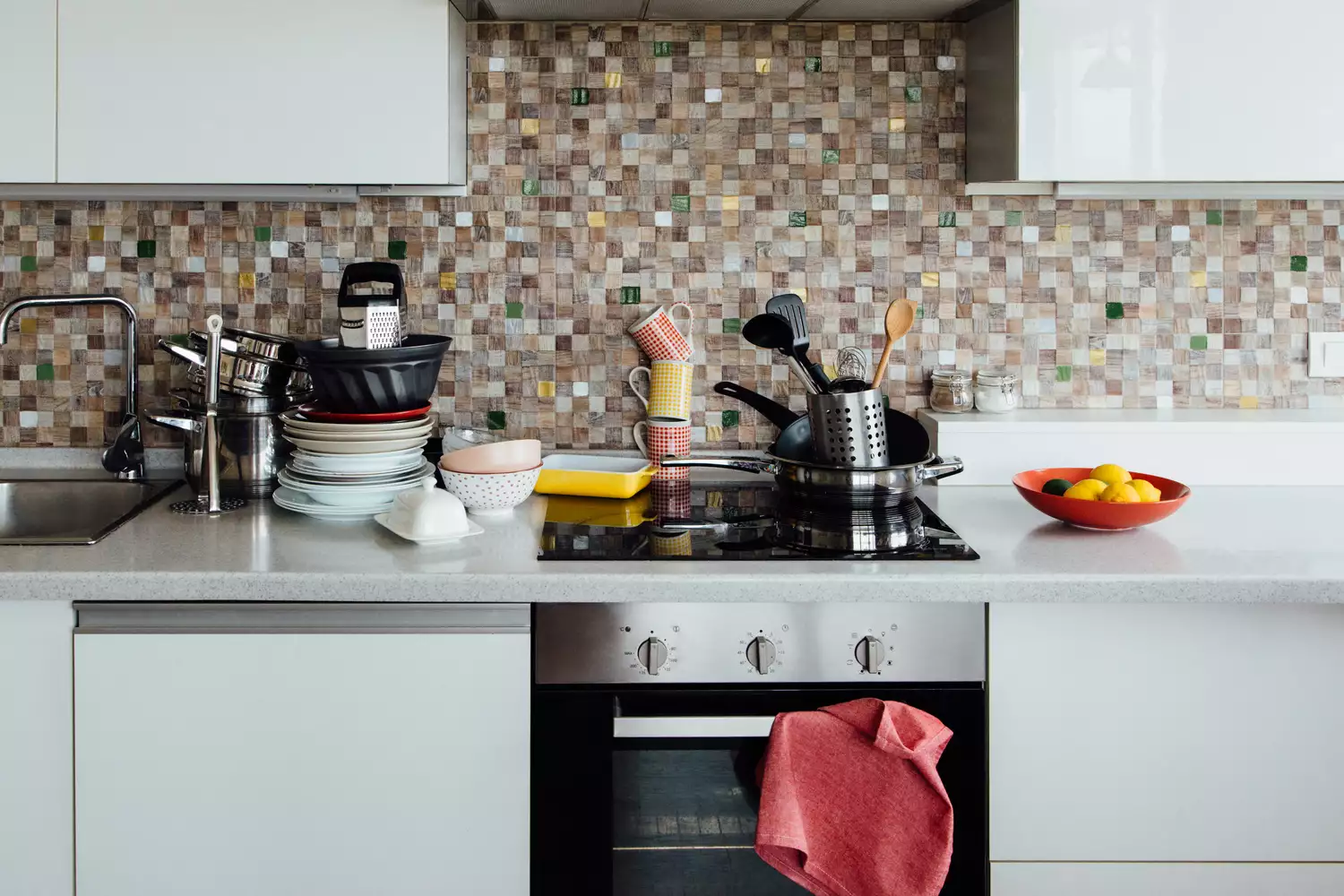
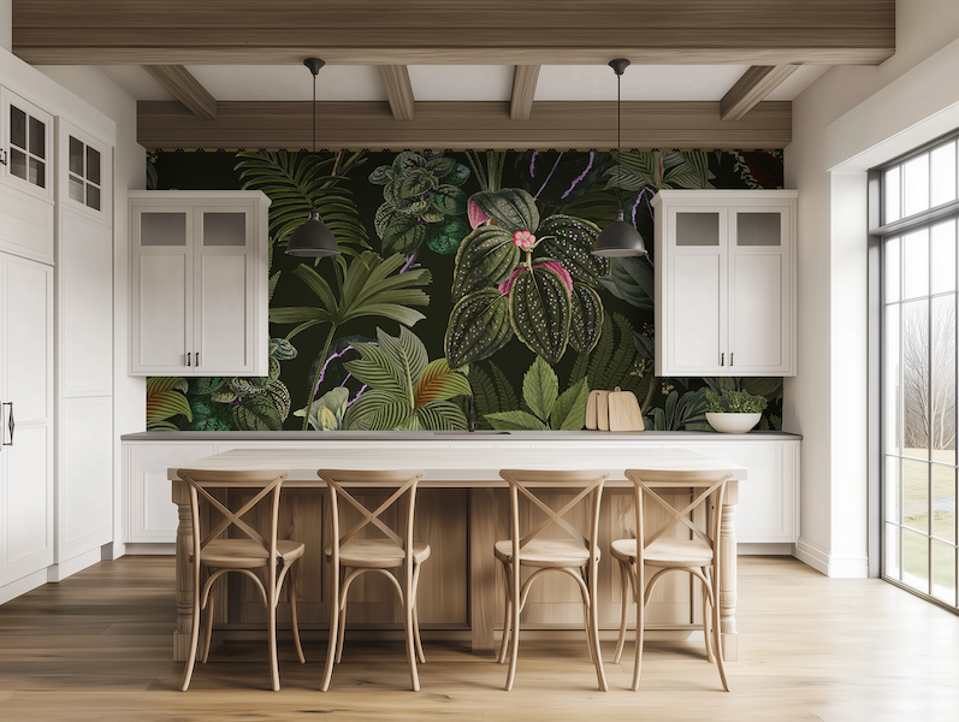
Backsplashes, though intended to add personality, can also go wrong when patterns are too intricate or colors too loud, leading to an overwhelming and clashing effect with other kitchen elements. Instead of bold colors and patterns, designers suggest focusing on texture and subtle tonal variations through materials like ceramic subway tiles, brick, or stone to create visual interest. Harsh overhead lighting is another element that can make a kitchen feel cold and uninviting. The recommendation is to opt for indirect light sources, such as pendant lights over an island or motion-activated LED strips under cabinets, to create a cozier, more inviting ambiance with better control over mood lighting.
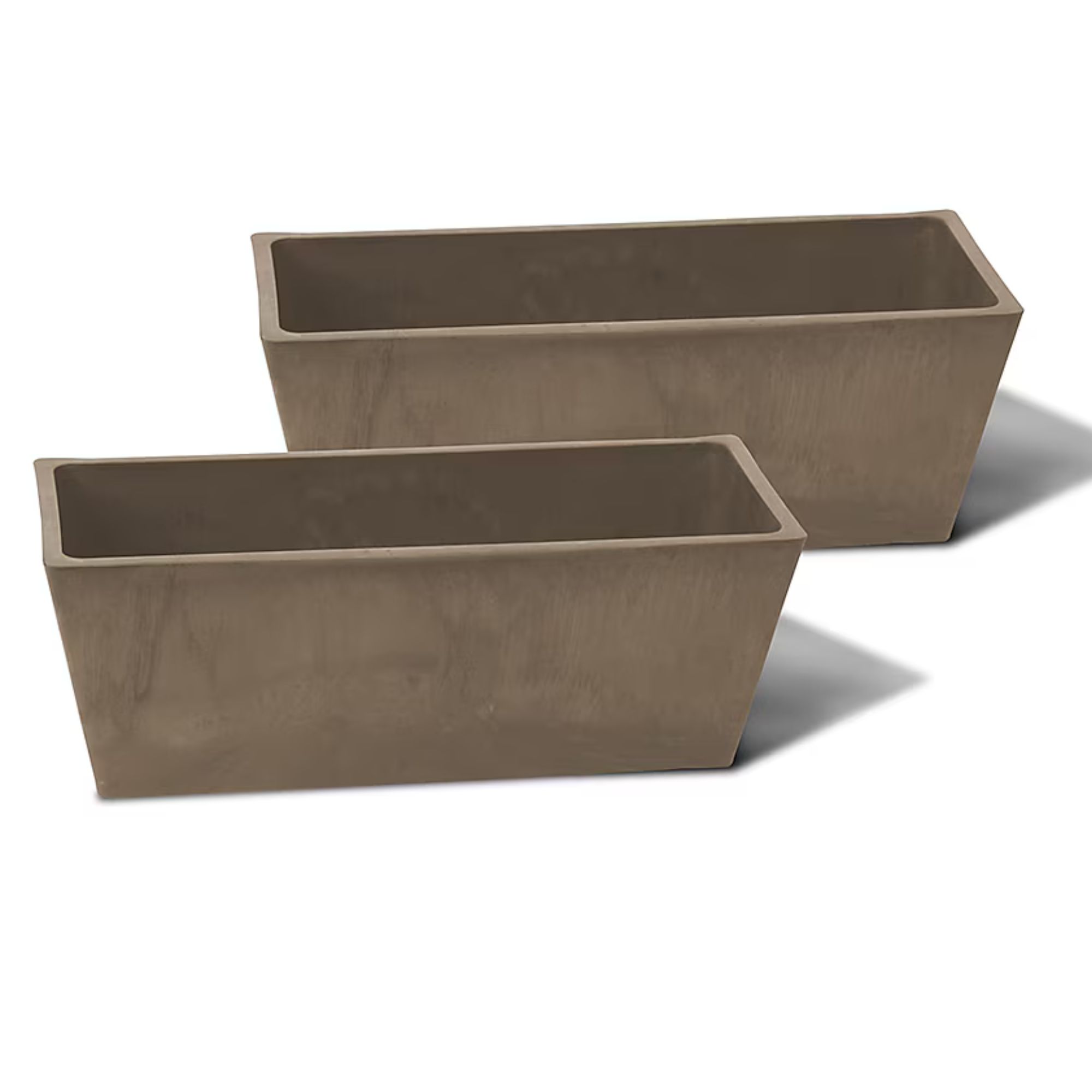
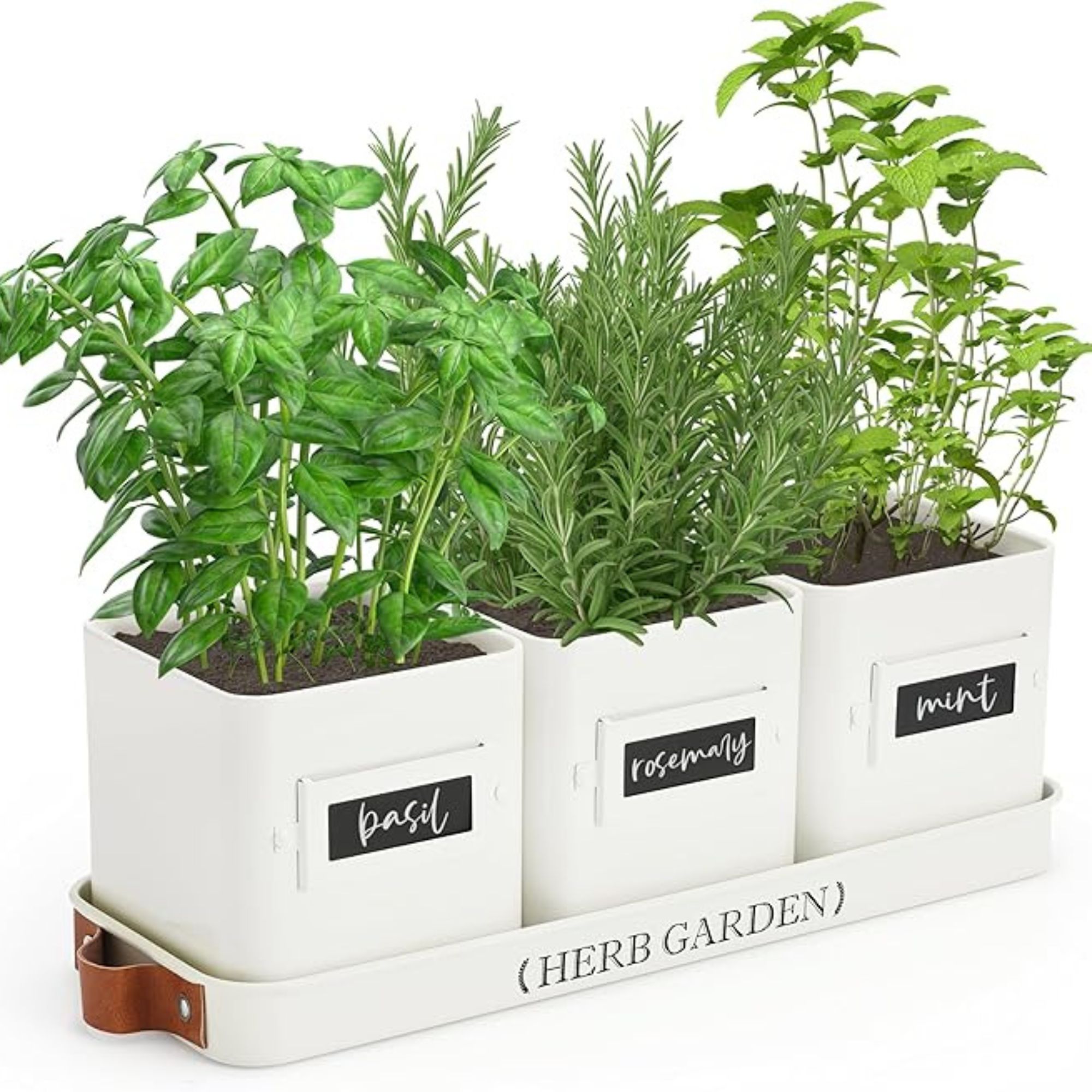
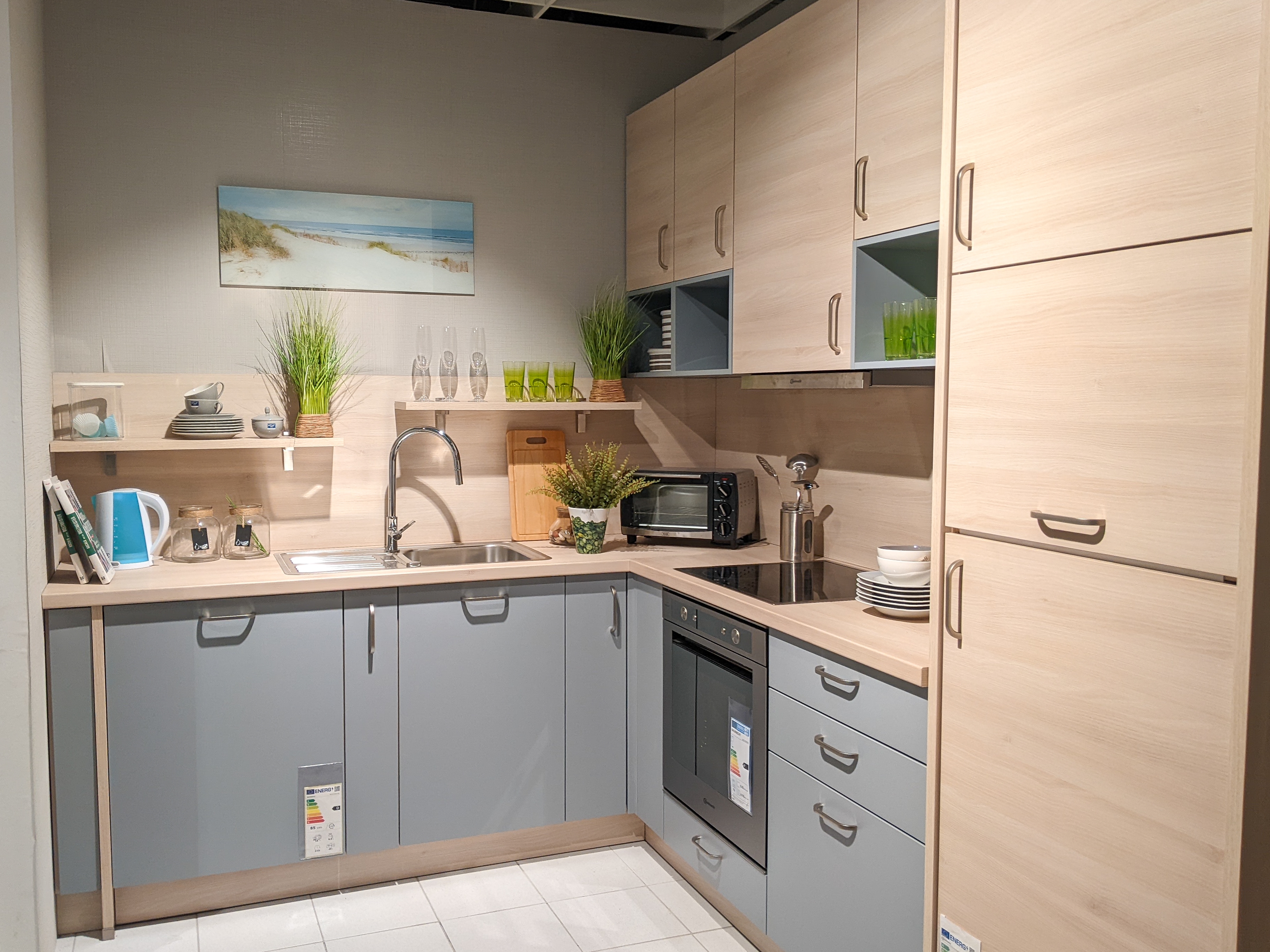
Finally, artificial plants and greenery, while attempting to bring nature indoors, often collect dust and appear inauthentic. Designers prefer low-maintenance natural elements, such as fresh herbs or houseplants that thrive in low light, like pothos varieties, which add genuine decorative value and can even serve a practical purpose. By addressing these common design missteps, kitchen spaces can be transformed into more inviting, functional, and aesthetically pleasing environments.
#KitchenDesign #HomeDecor #InteriorDesign #KitchenRenovation #DesignTips #ClutterControl #LightingDesign #CabinetHardware #BacksplashIdeas #KitchenDesign #HomeDecor #InteriorDesign #KitchenRenovation #DesignTips #ClutterControl #LightingDesign #CabinetHardware #BacksplashIdeas
0 comment in total
 No comments yet
You may also like
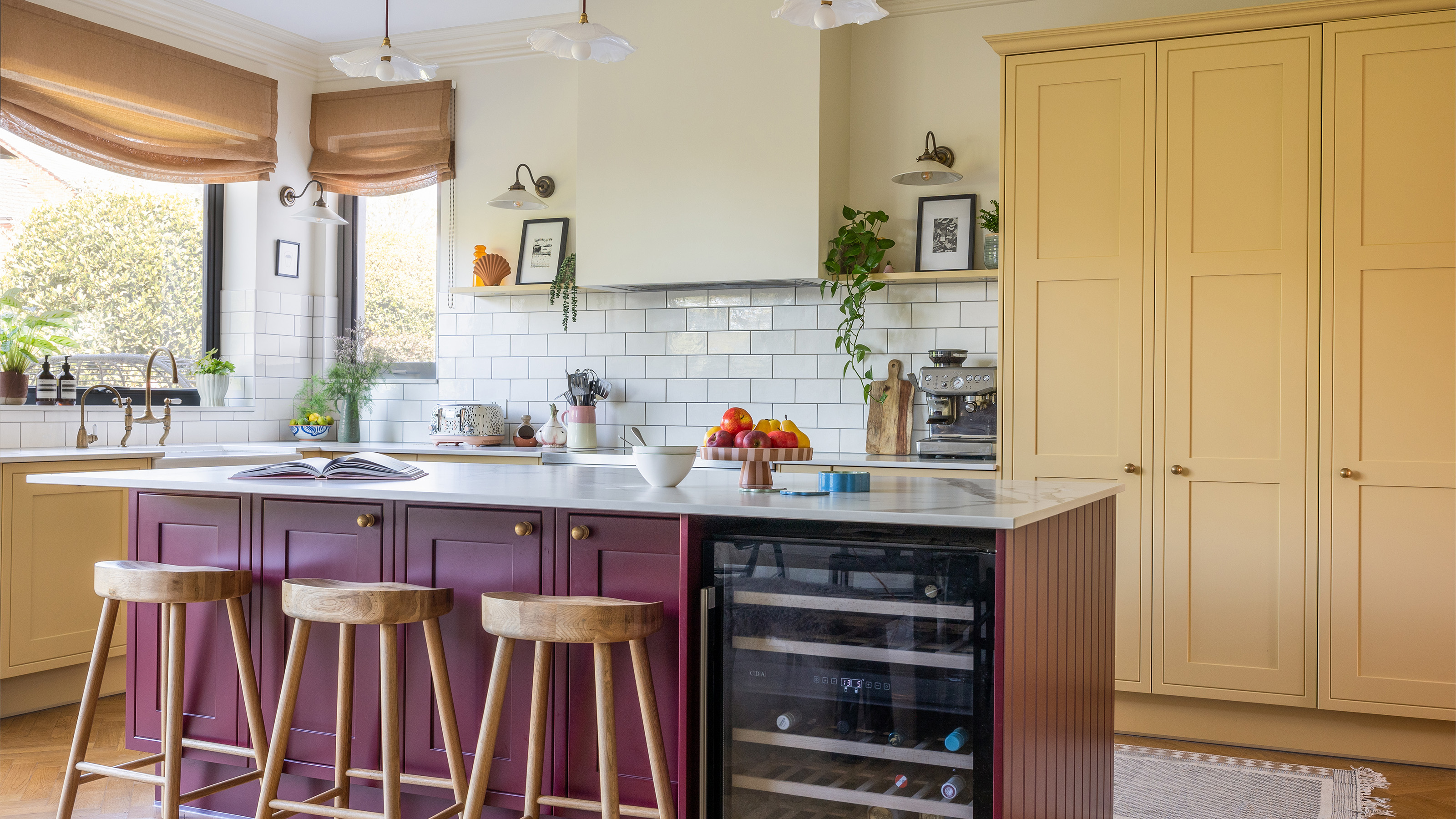
Designers all agree that these 7 kitchen features are always eyesores – and what you should do about them
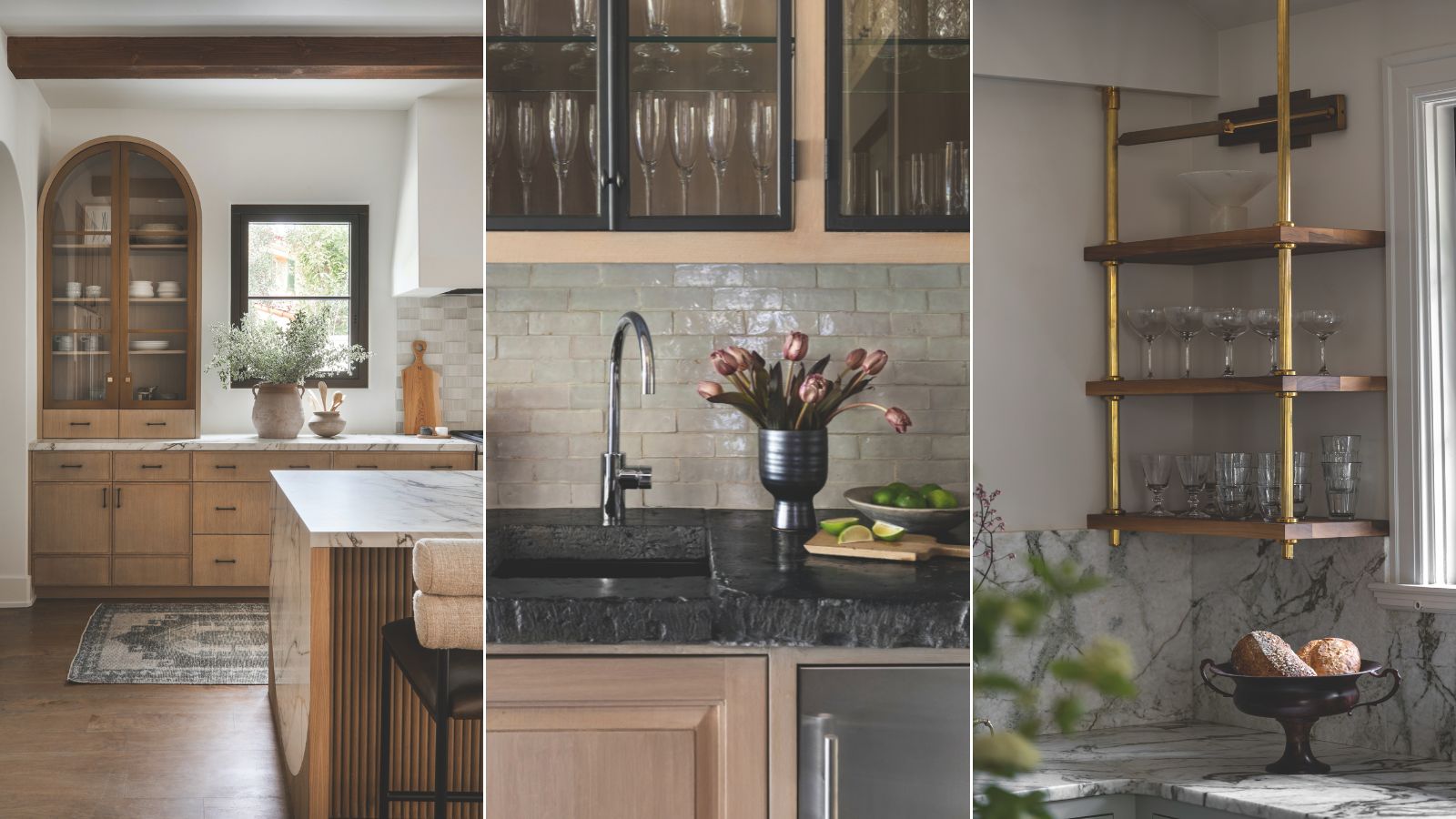
7 small kitchen details that will make the biggest difference to your space, according to interior designers

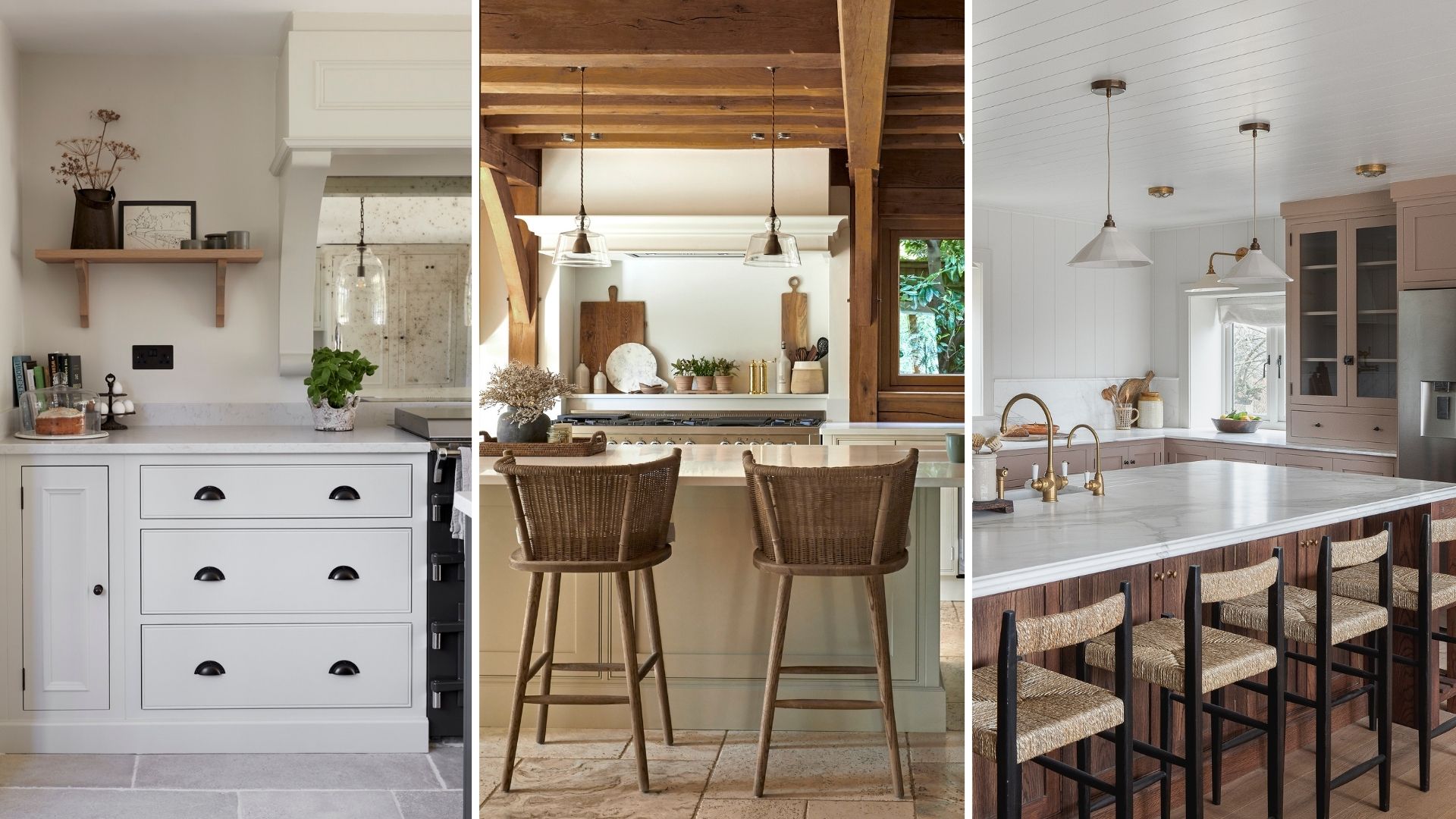
6 design rules worth breaking for a more characterful kitchen


The Kitchen Detail You've Been Overlooking That Can Have A Major Impact

8 shockingly common kitchen design mistakes according to a pro

7 underrated kitchen features that are sure to make your life easier, according to interior designers
8 Things That Make Your Kitchen Look Tacky, According to Interior Designers
10 Small Kitchen Layout Mistakes Designers Will Always Urge You to Avoid for a Better Working Space

8 shockingly common kitchen design mistakes according to a pro

7 Impractical Kitchen Trends Designers Never Recommend to Their Clients

8 small kitchen design mistakes to avoid, according to an interior designer

Outdated kitchen trends – 5 overdone looks that designers like to avoid, and here's why you should too
7 Common Kitchen Features That Actually Give Designers the "Ick"

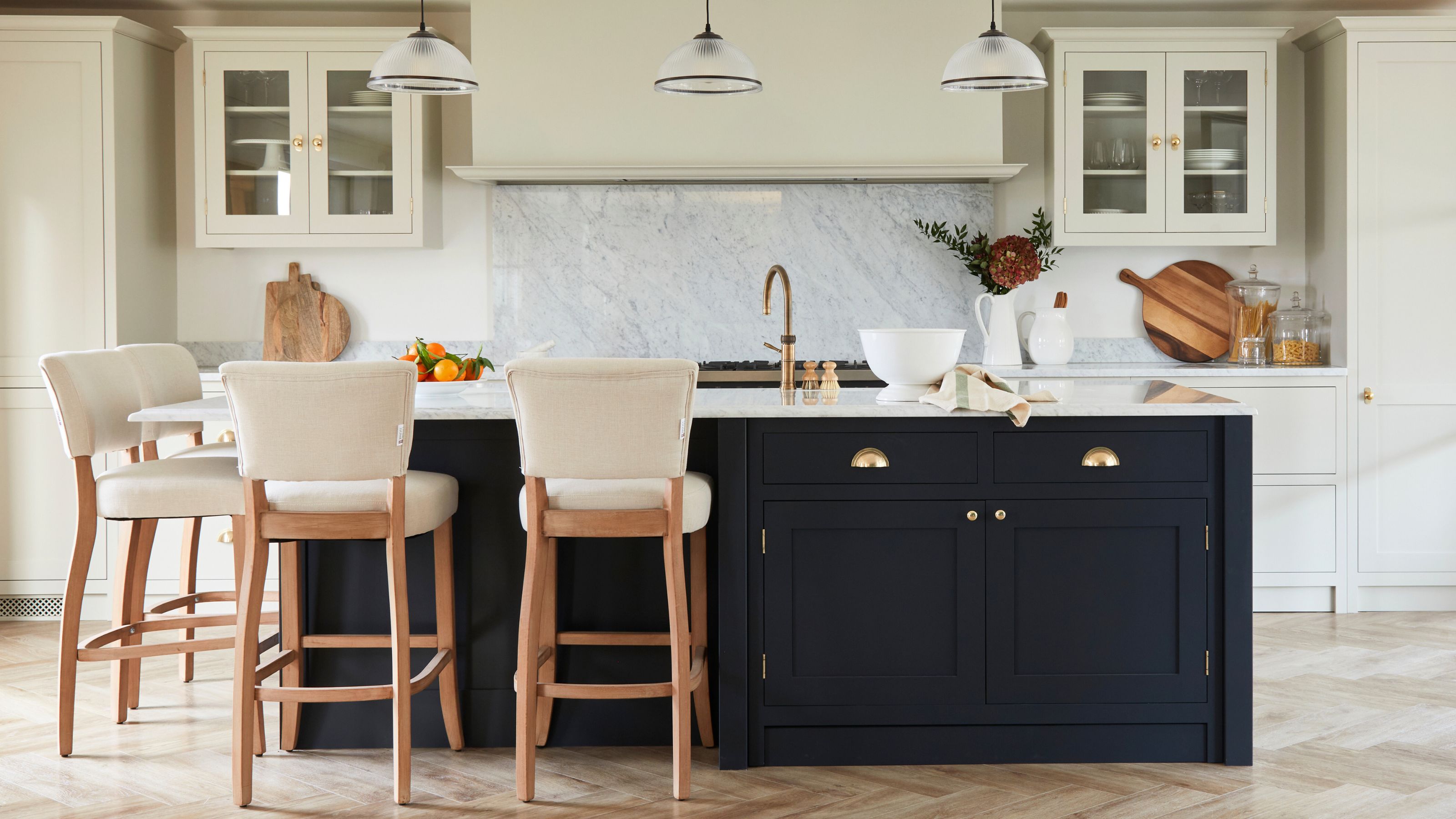
The 7 kitchen island mistakes designers always avoid — and what you can try instead
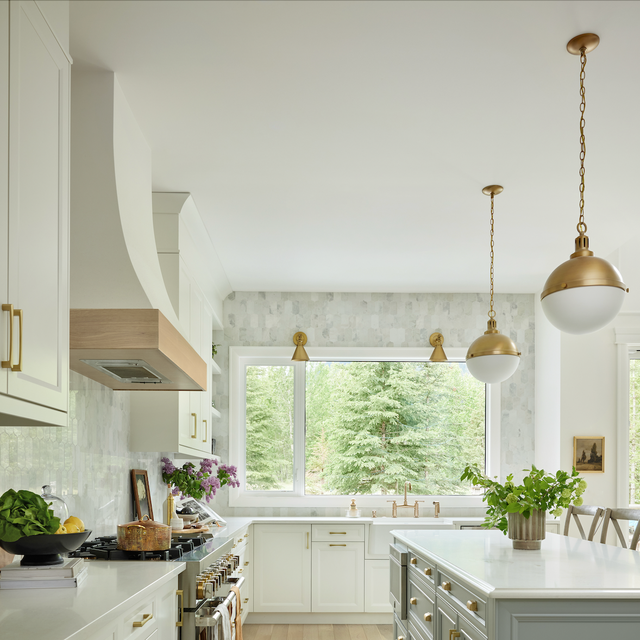
5 Kitchen Renovation Moves That Make Designers CRINGE

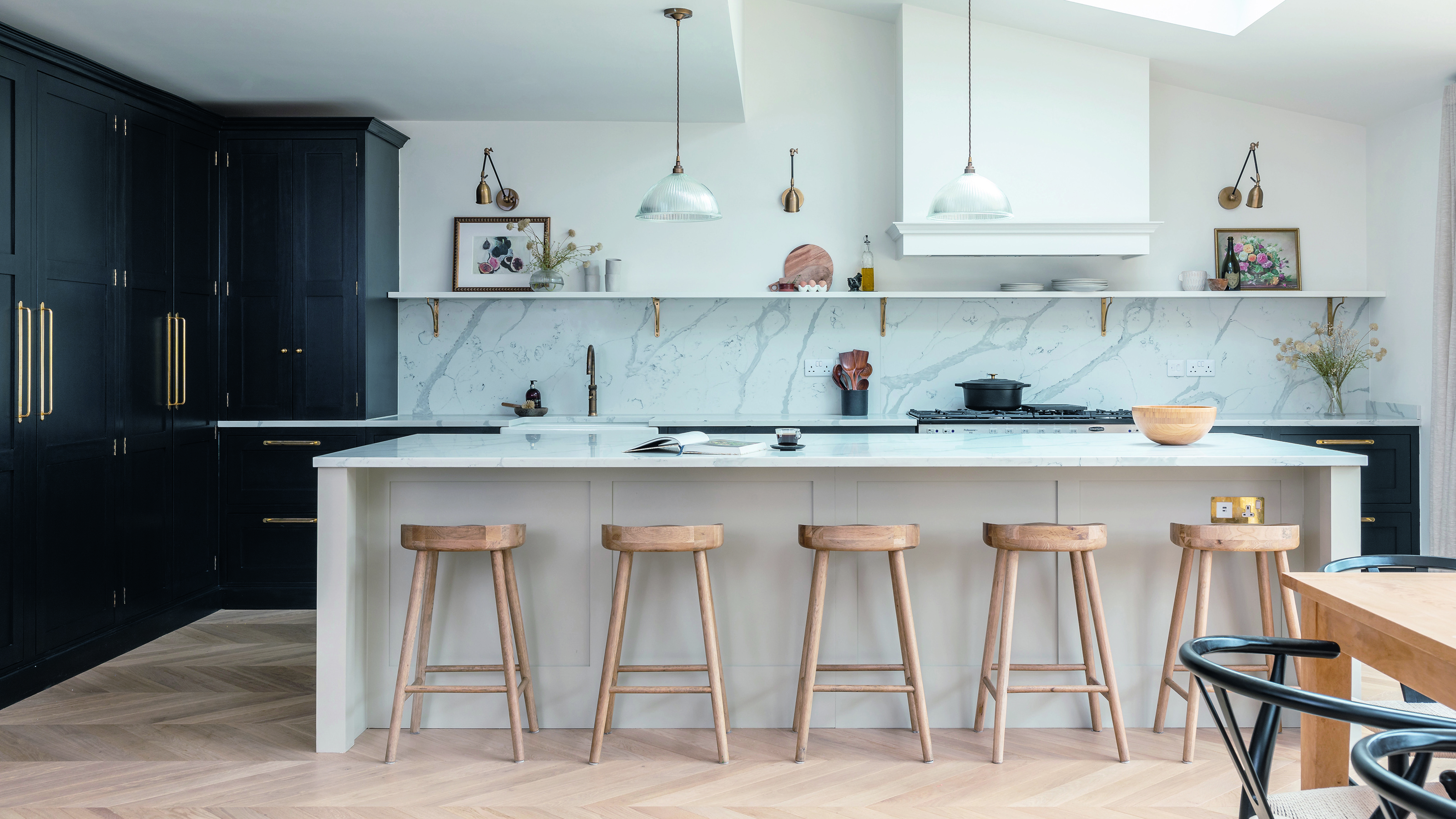
5 kitchen trends to avoid for a unique and timeless design
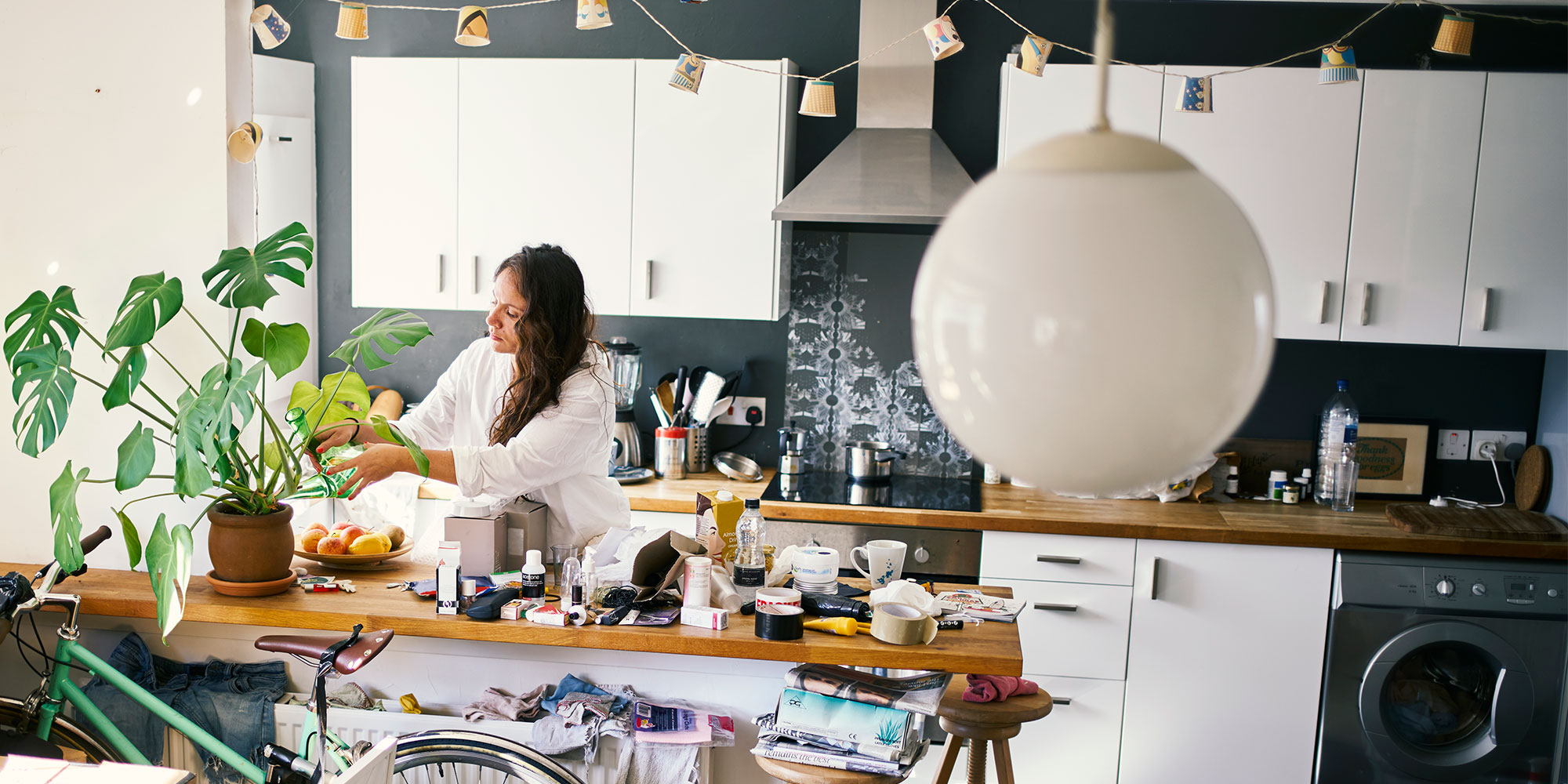
7 things people regret most about their kitchen design
7 Design Mistakes Interior Designers Always Notice

7 Kitchen Planning Mistakes That Amateurs Always Make, According to London's Best Kitchen Designers
Designers Have Spoken: This Kitchen Feature Is Always an Eyesore—But There's an Easy Fix