1/2
6 Tacky Living Room "Upgrades" That Instantly Make Your Home Look Bad, Designers Say
The article discusses six common design mistakes that, while often perceived as upgrades, can actually detract from the aesthetic appeal and functionality of a living room. Interior designers Brittny Button and Emily LaMarque provide insights and advice on how to avoid these pitfalls, ensuring a more cohesive and welcoming space.
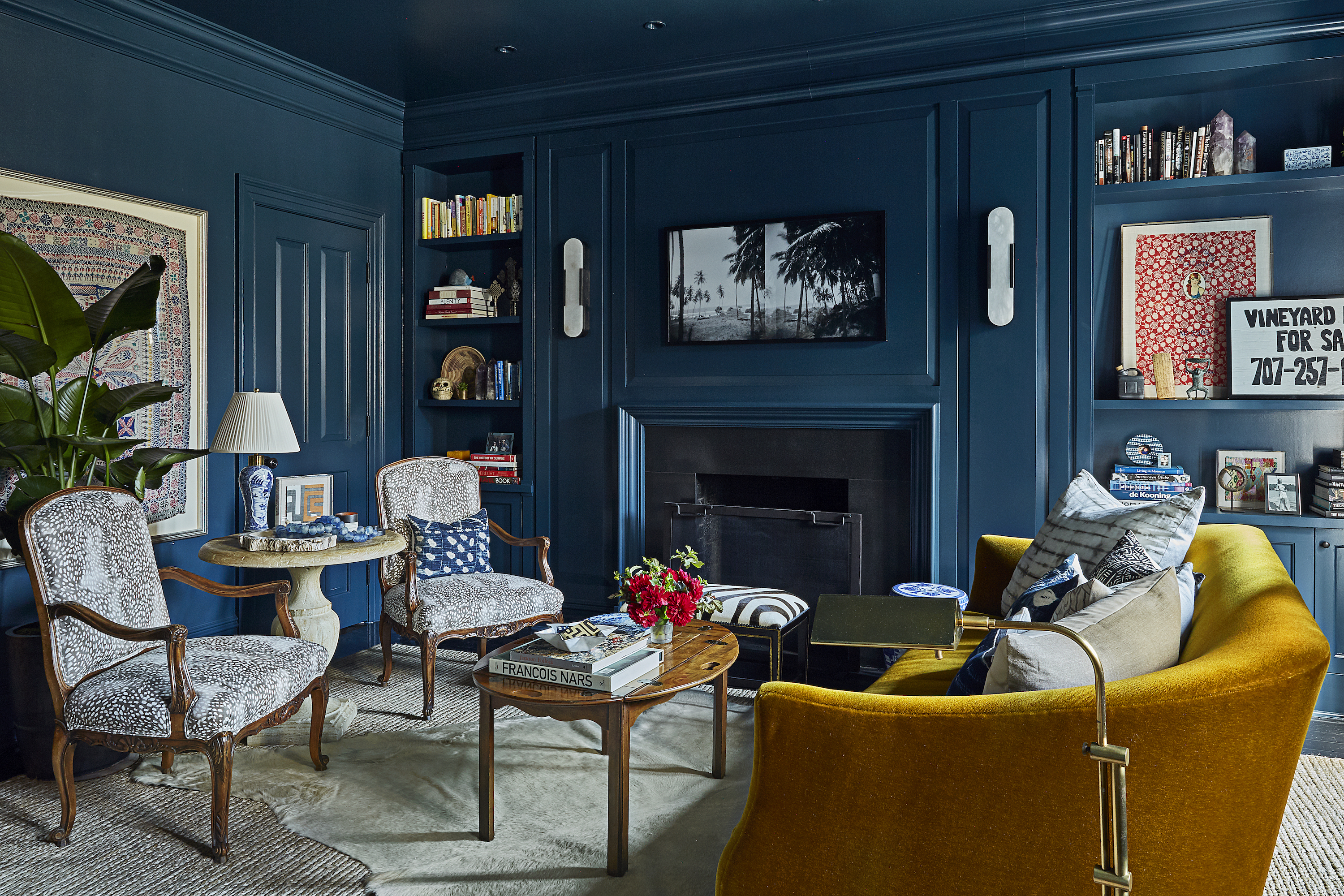
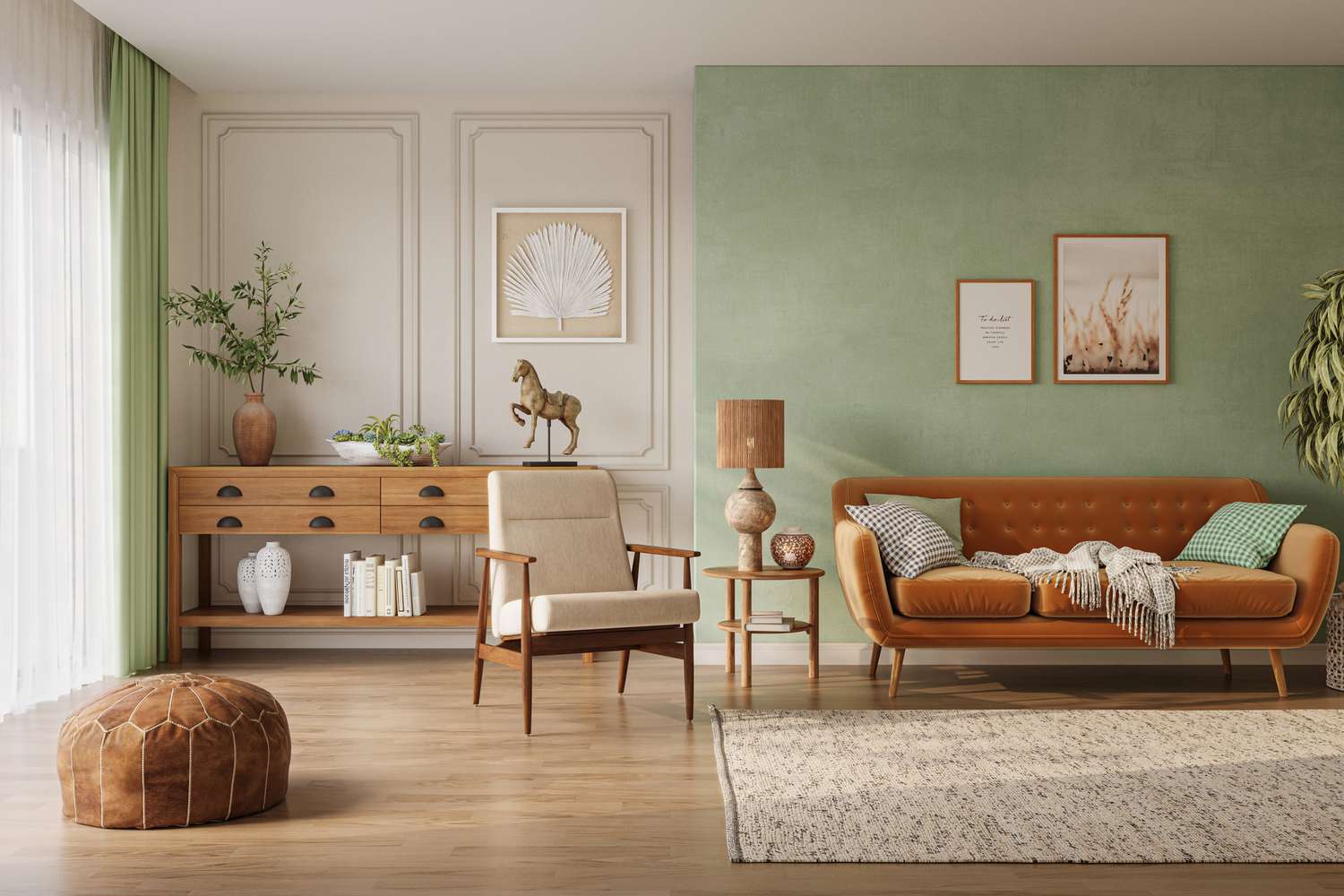
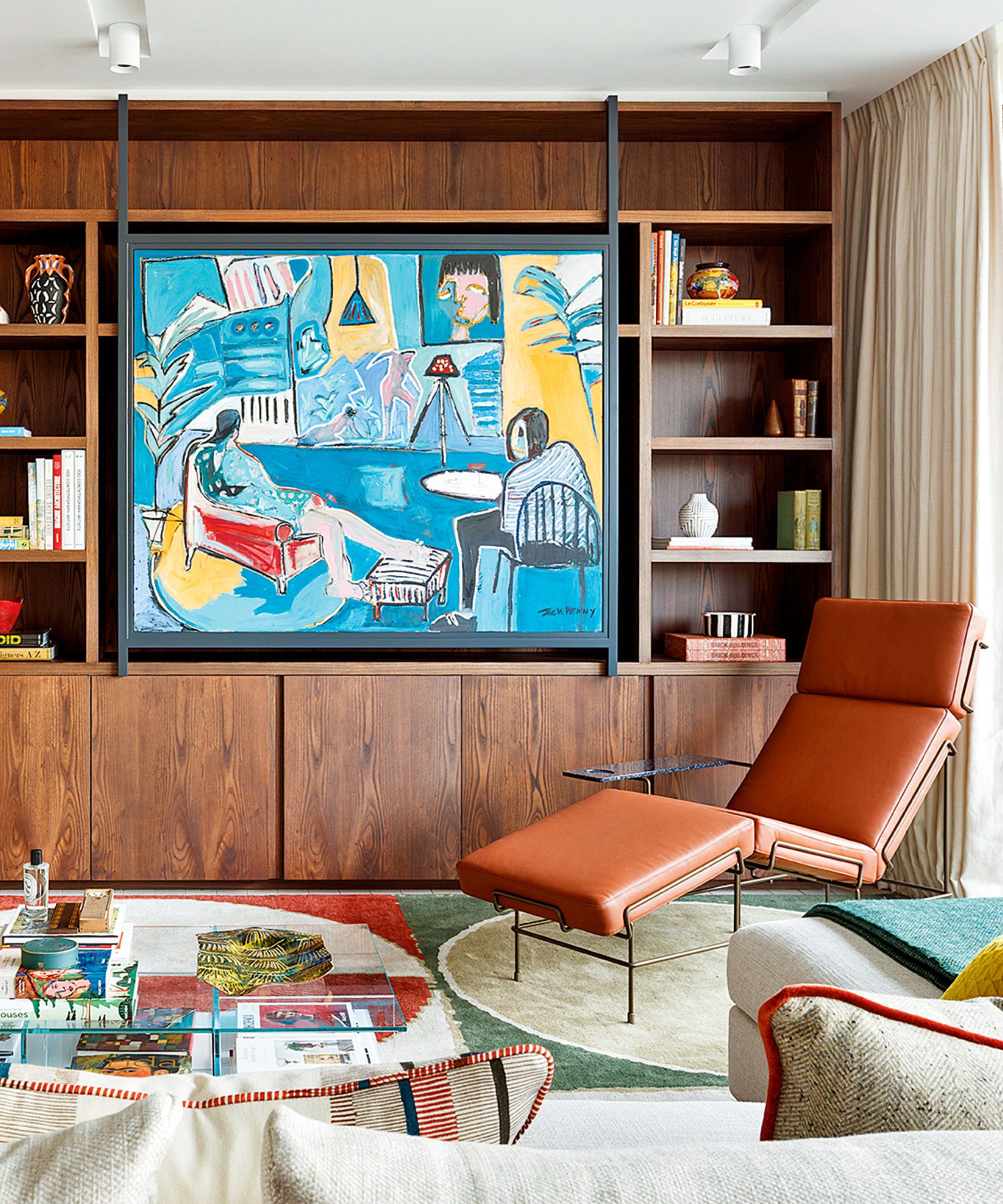
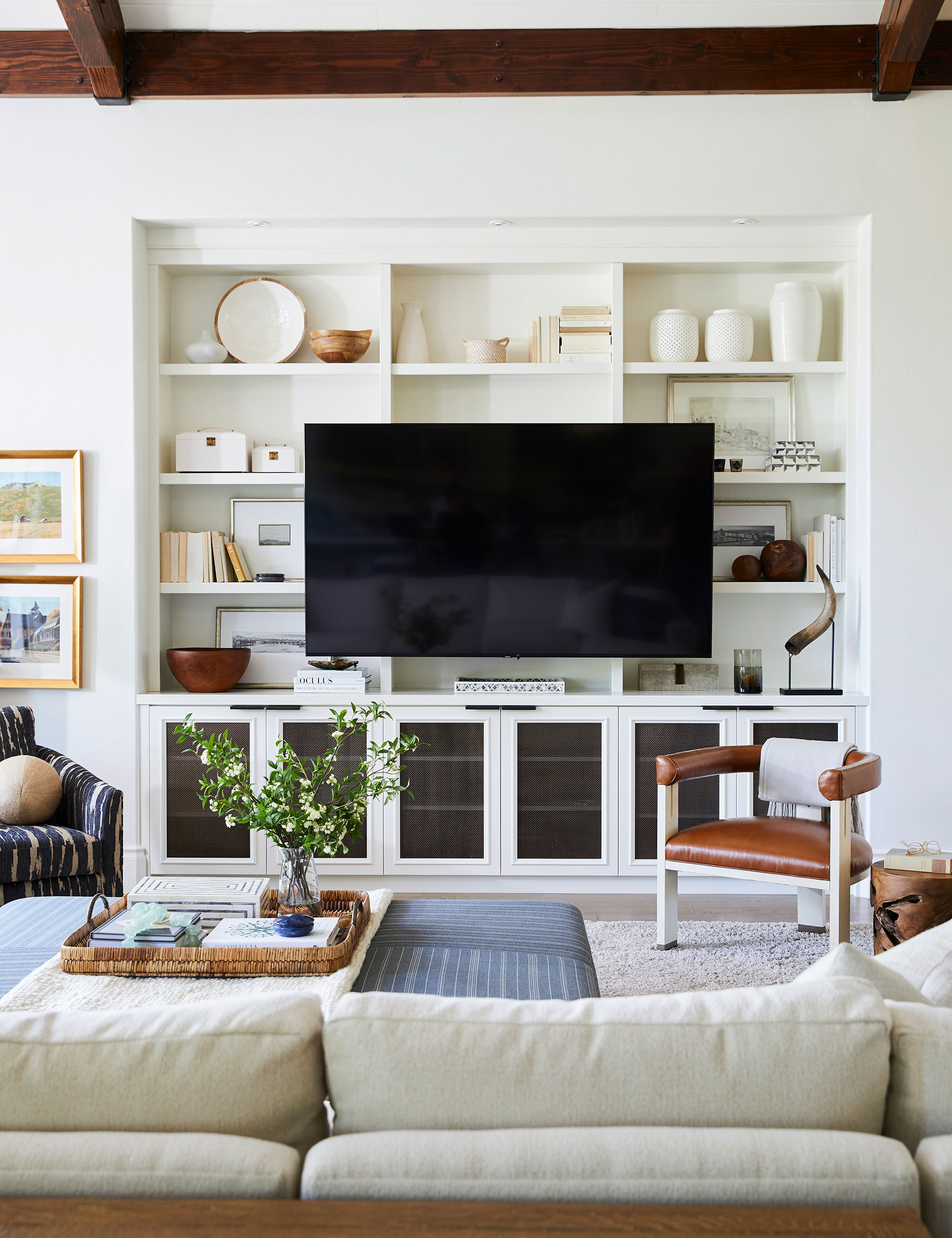
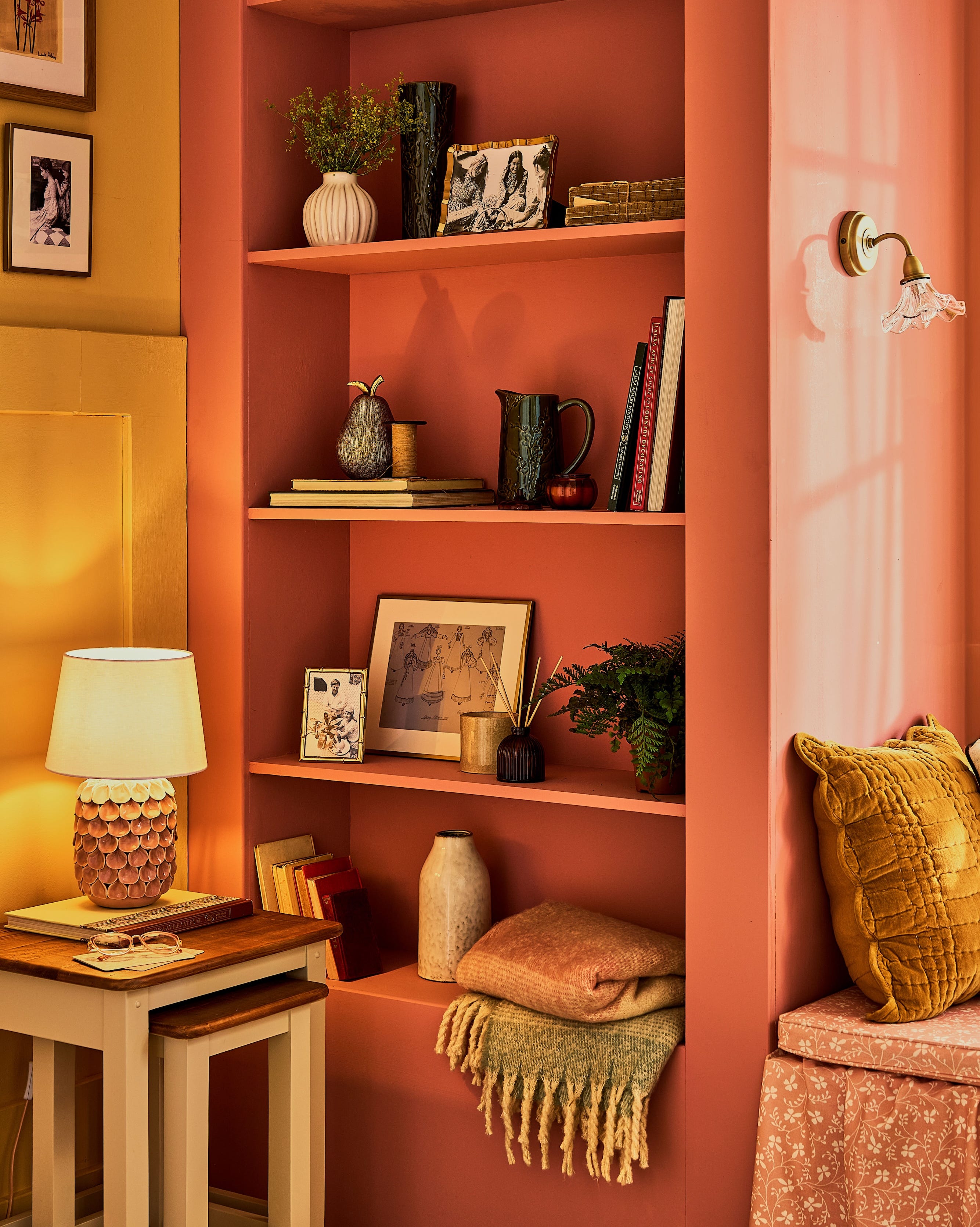
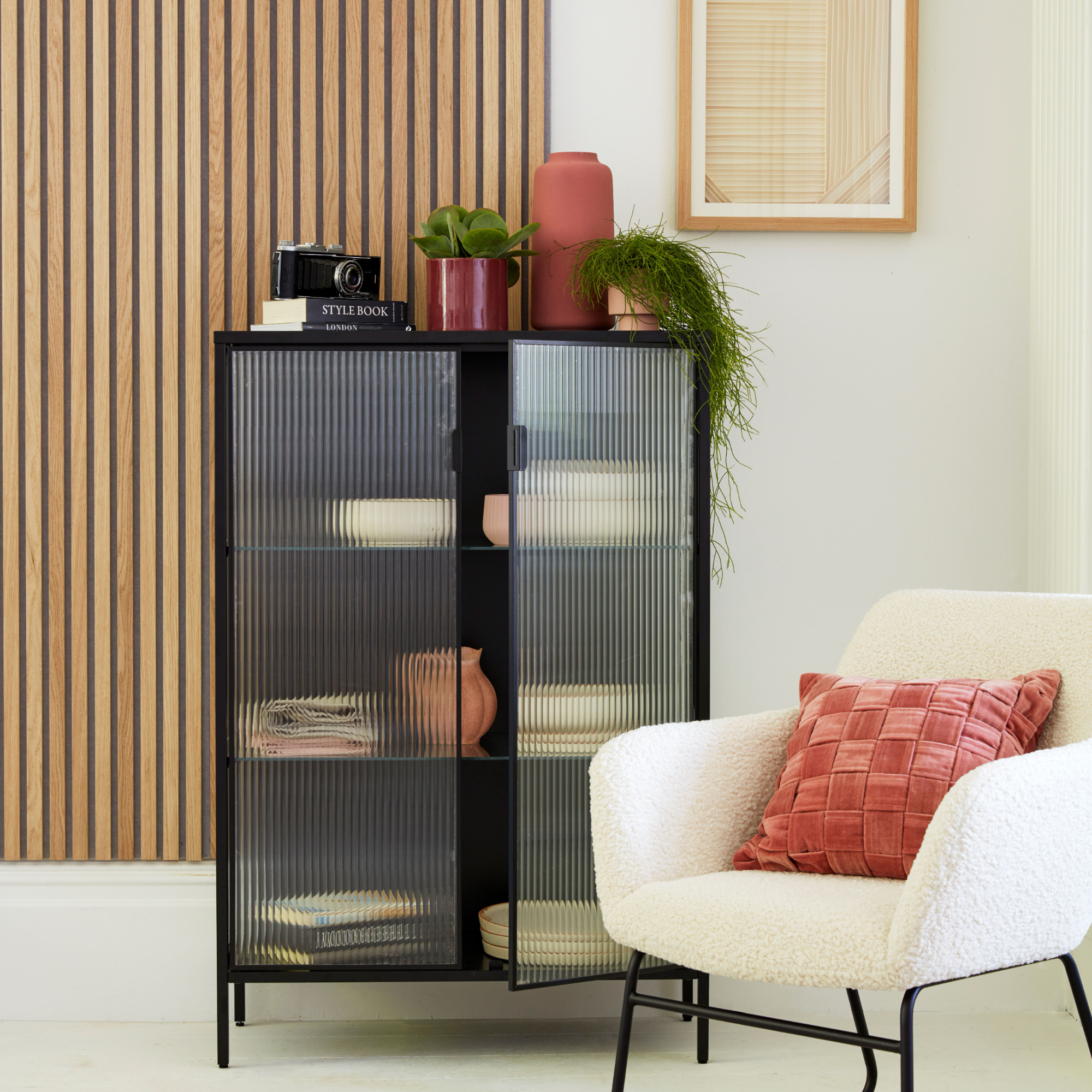
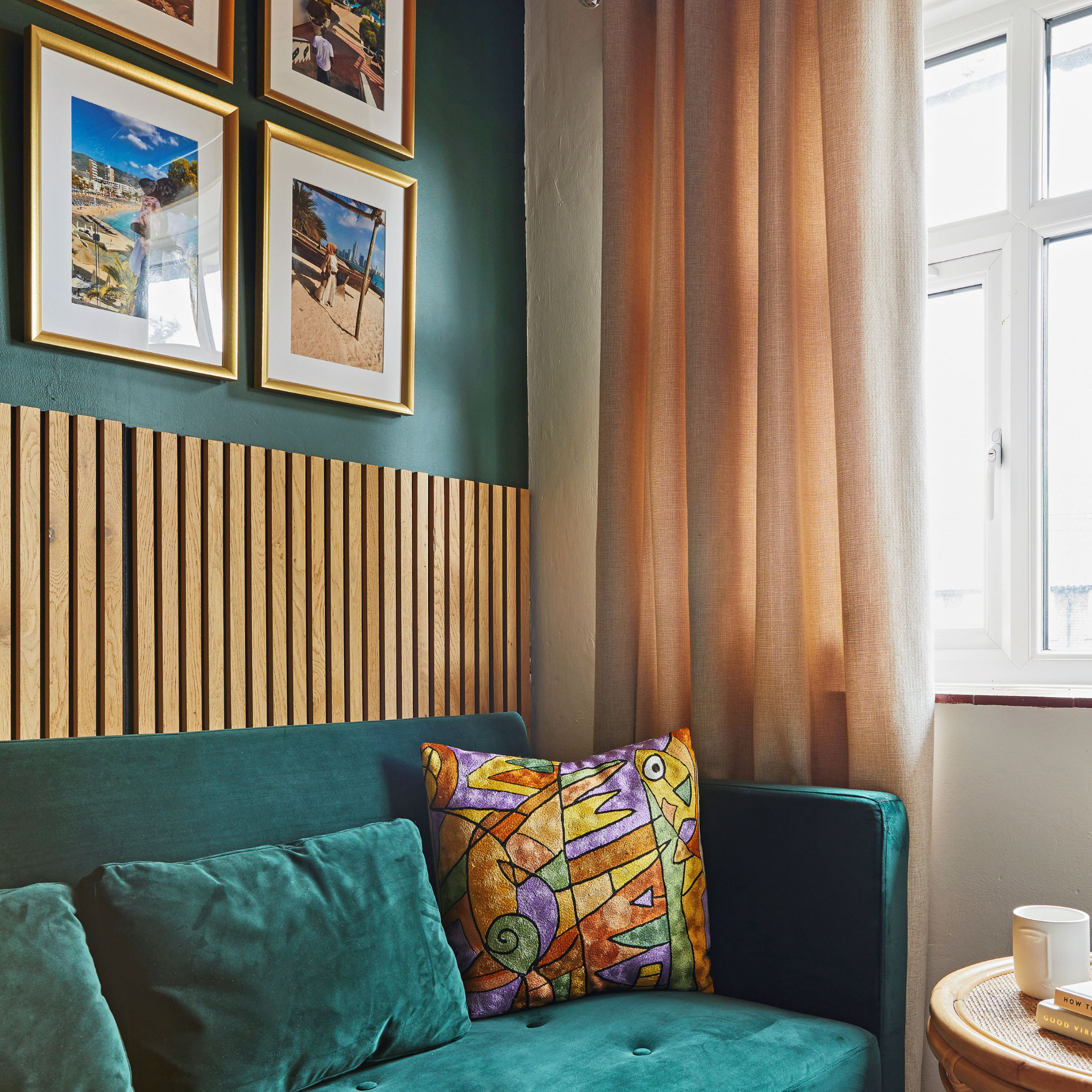
One significant point of discussion is the use of accent walls. While once a popular trend, designers now caution against them, particularly when combined with built-in furniture. Brittny Button explains that accent walls can create an imbalanced look, making a room appear lopsided and smaller due to visual weight. Instead, she recommends integrating built-ins on adjacent walls, especially around door openings, to foster symmetry and a sense of openness.
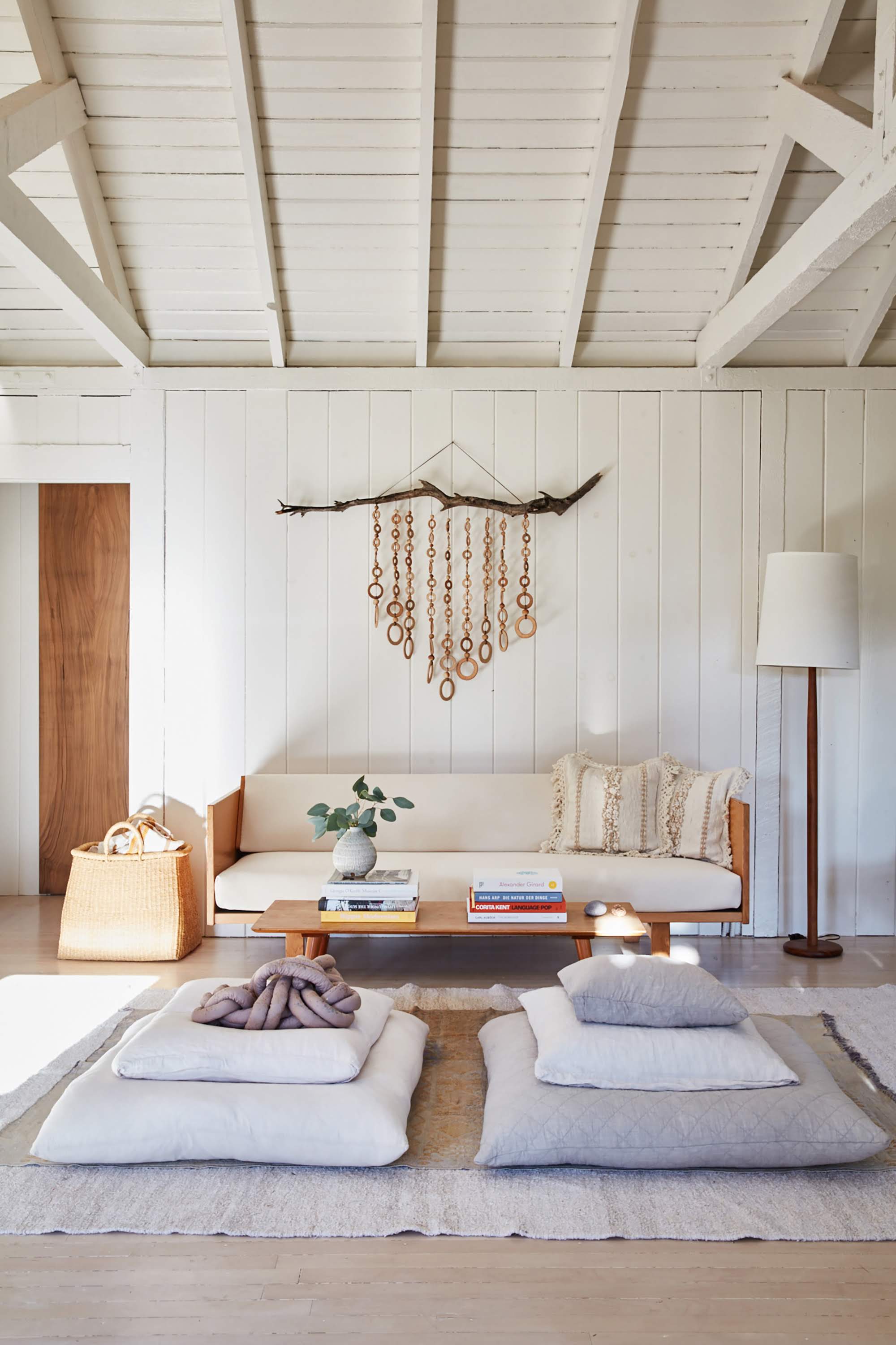
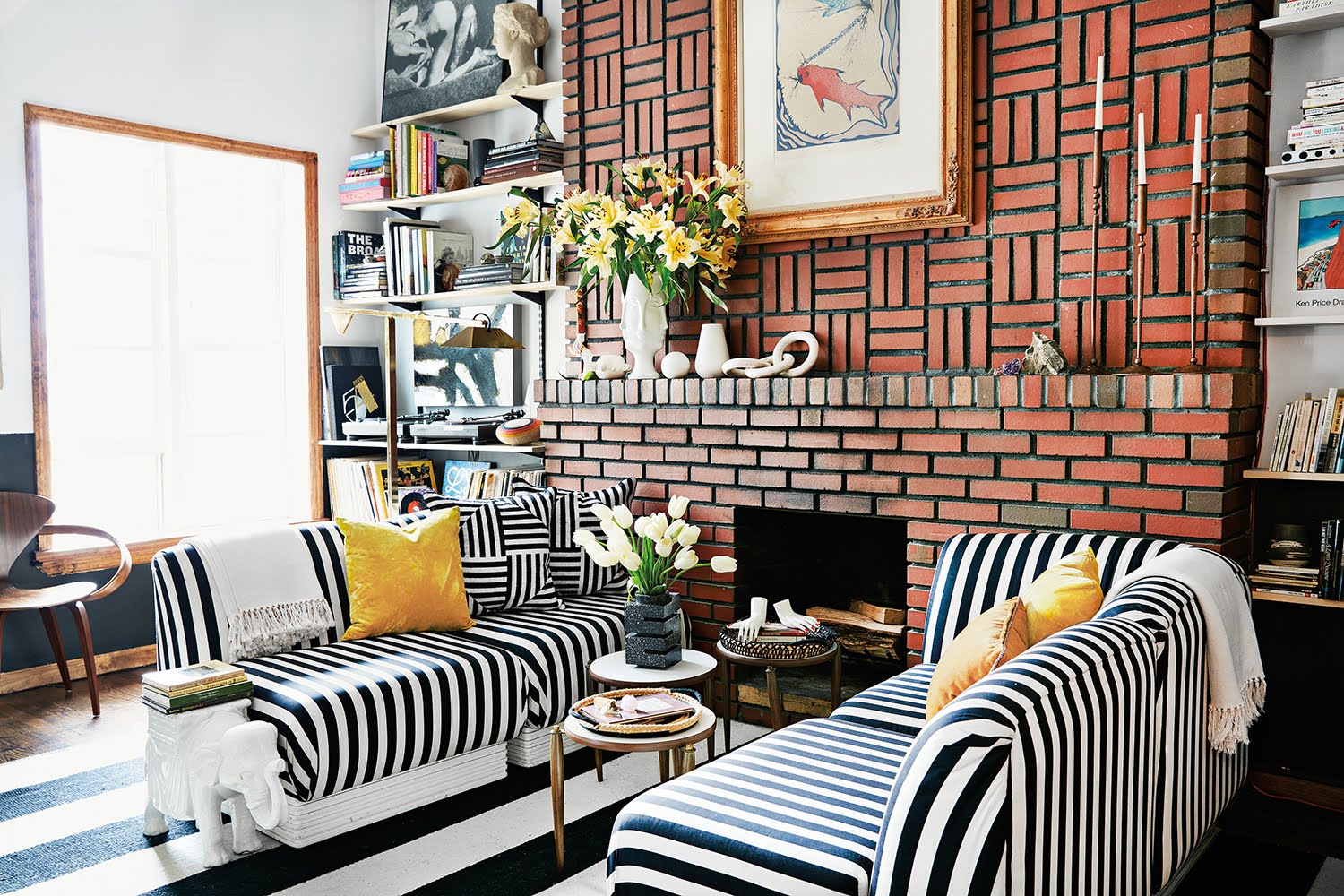
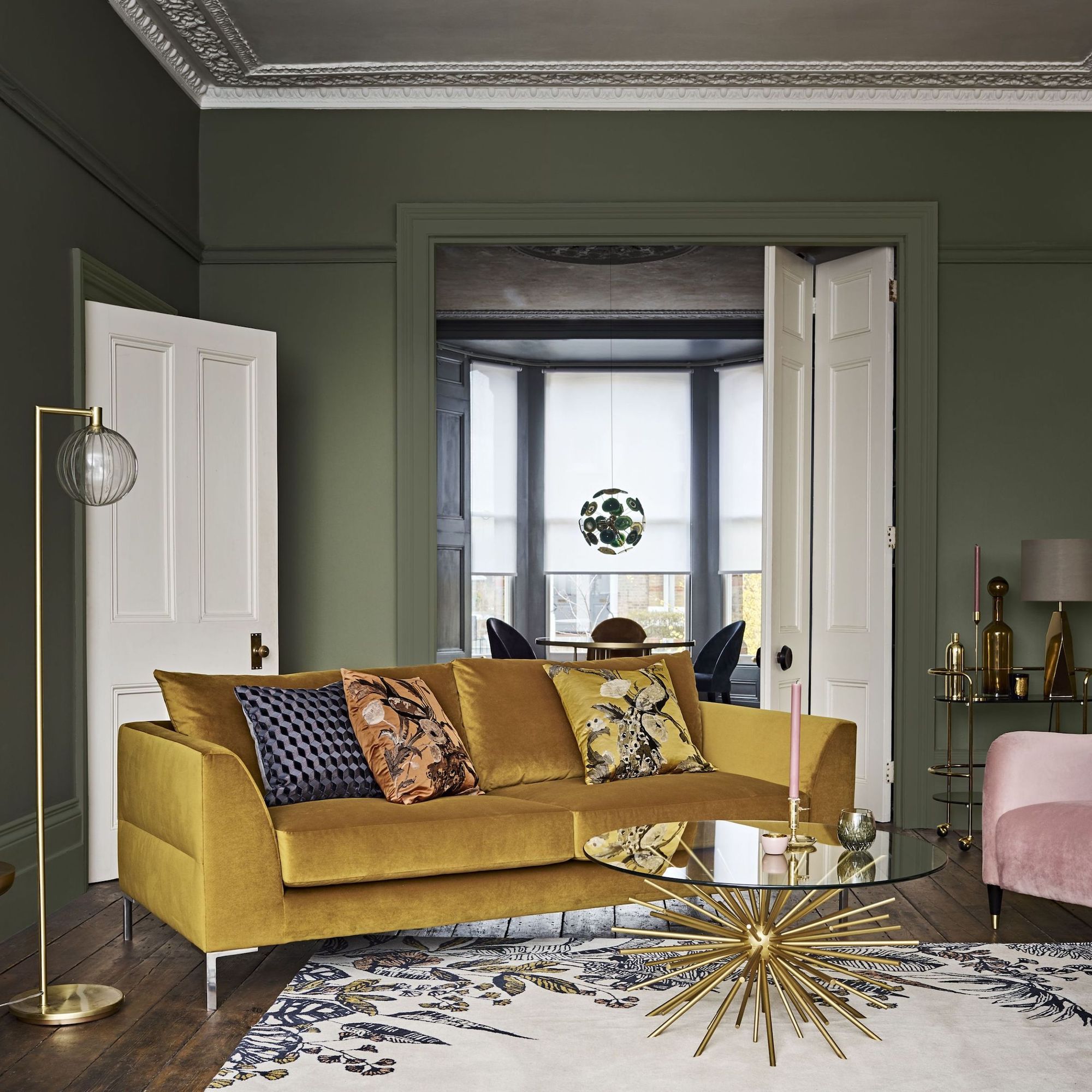
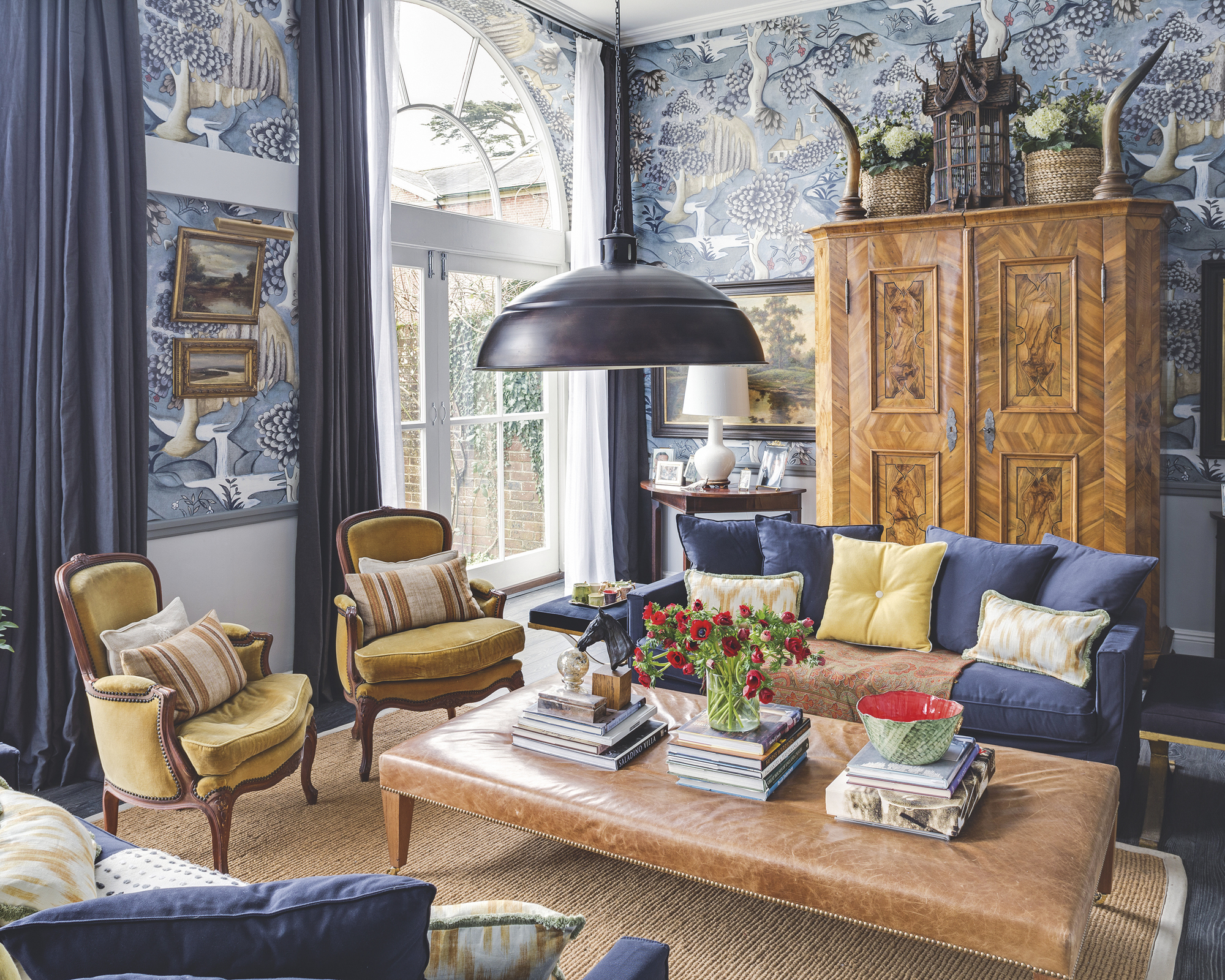
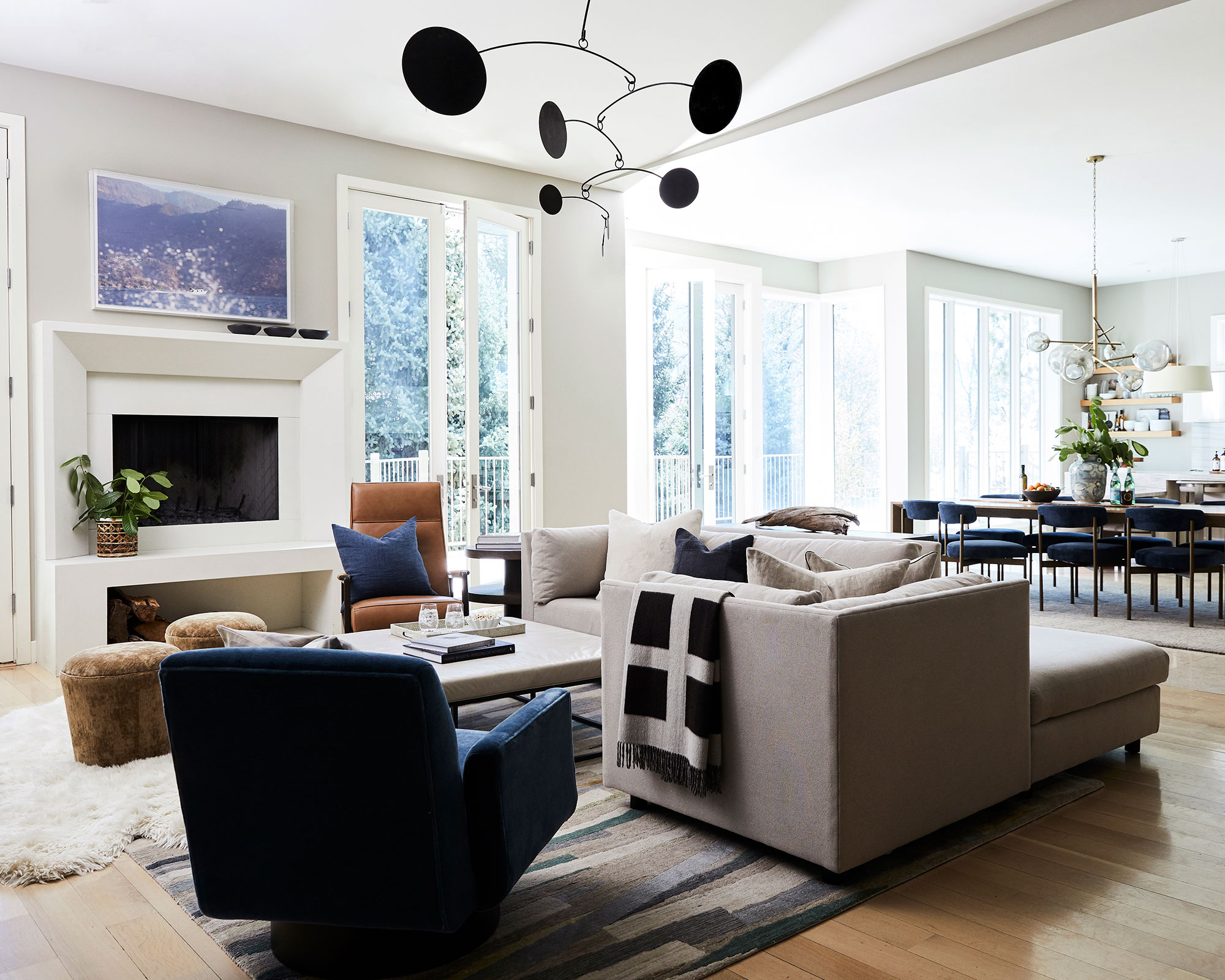
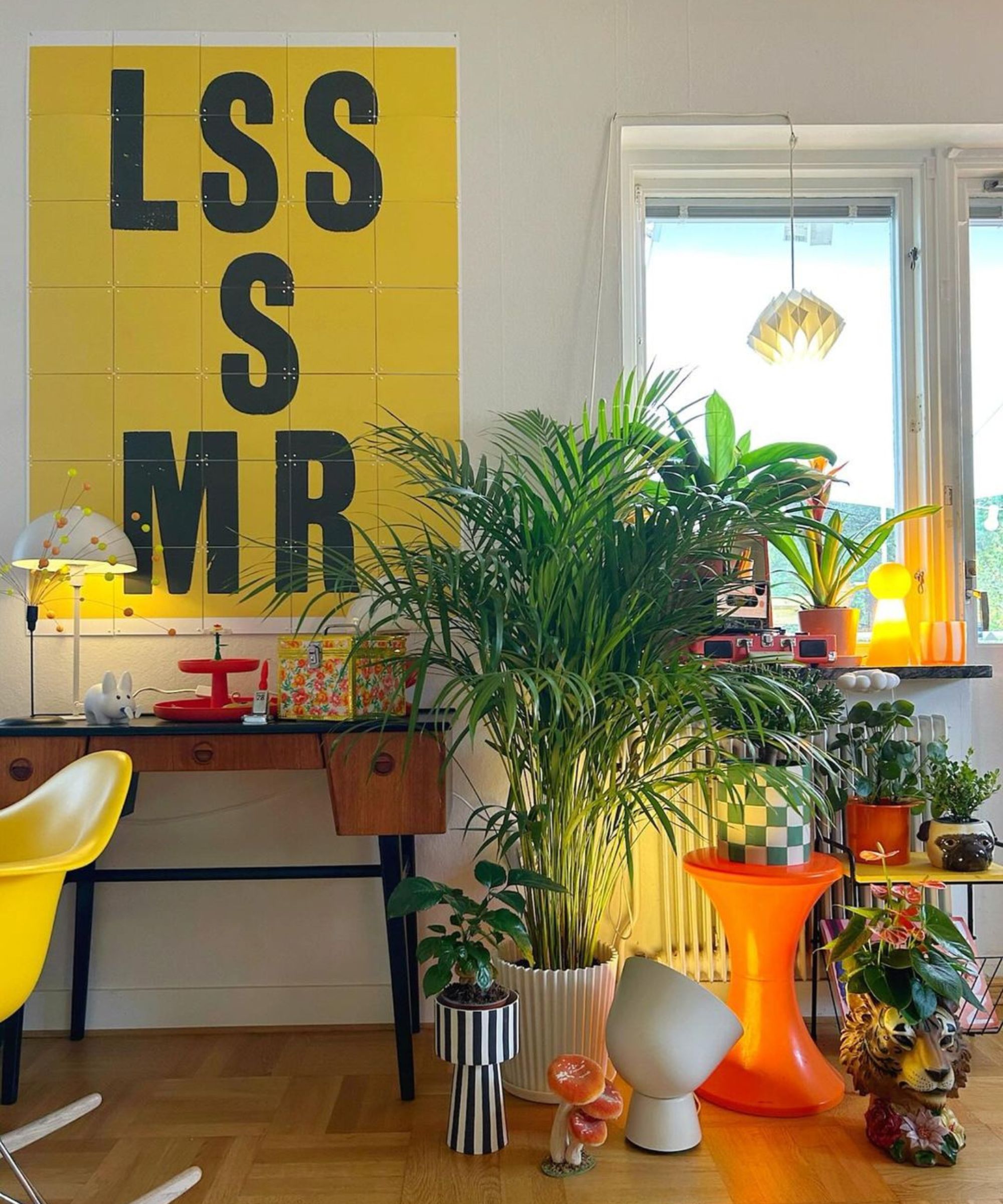
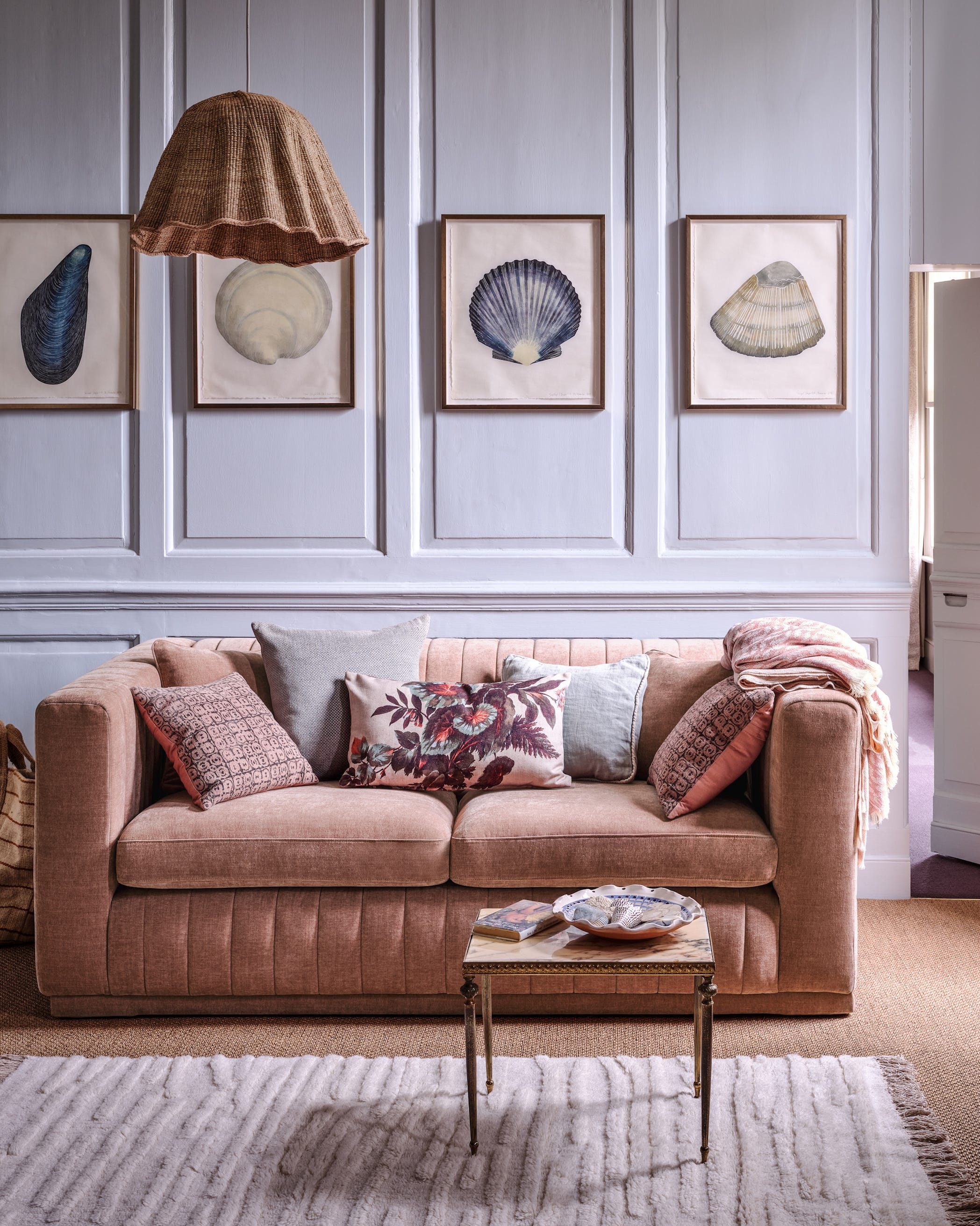
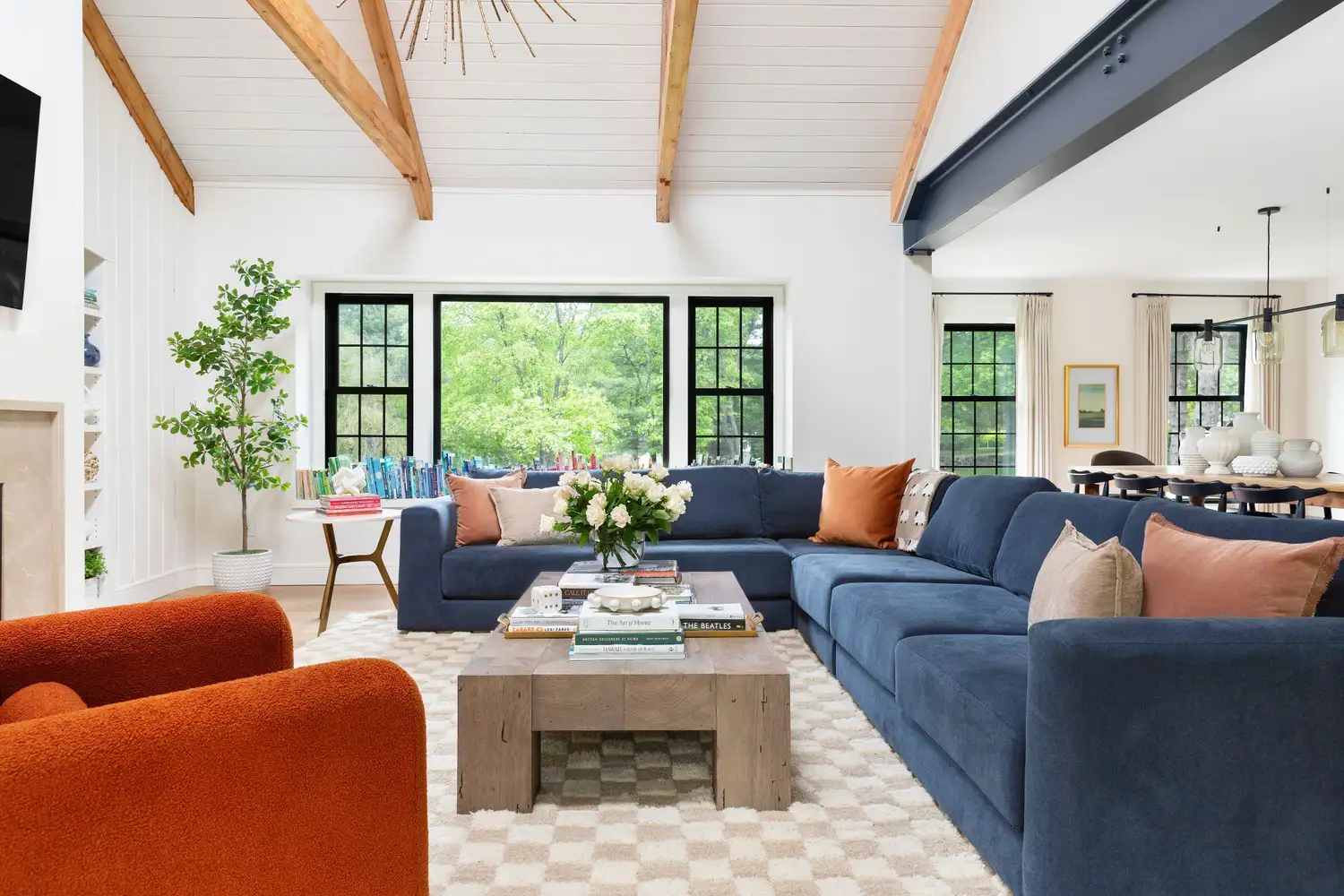
Another perceived upgrade that often backfires is the purchase of matching furniture sets. Emily LaMarque highlights that while these sets offer a sense of cohesion, they can result in a sterile, “cookie-cutter” appearance. LaMarque advocates for a more eclectic approach, encouraging homeowners to mix new pieces with vintage finds, and to incorporate varied colors and textures. This method allows for a more personalized and collected feel, making the living room much warmer and more inviting.
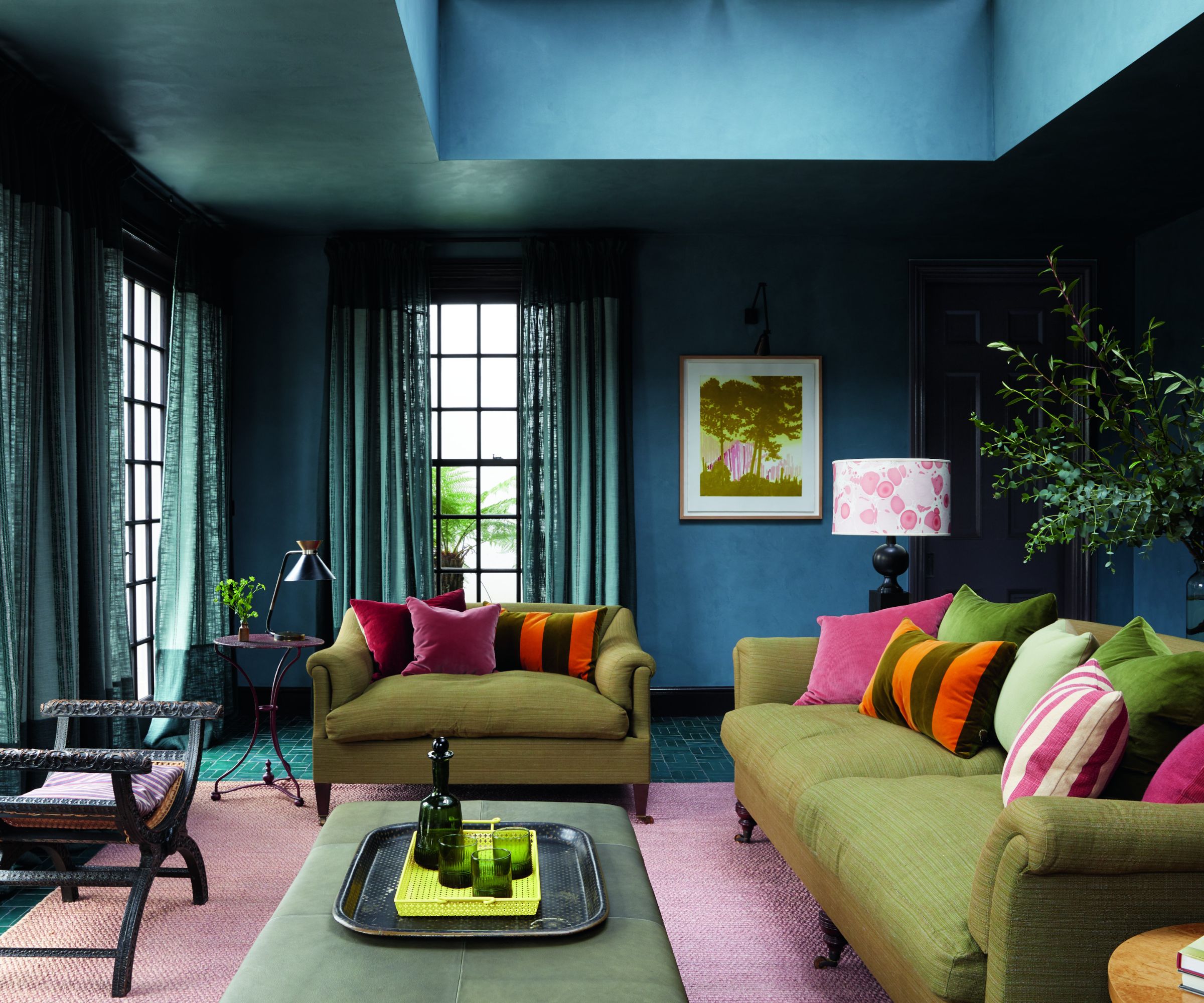
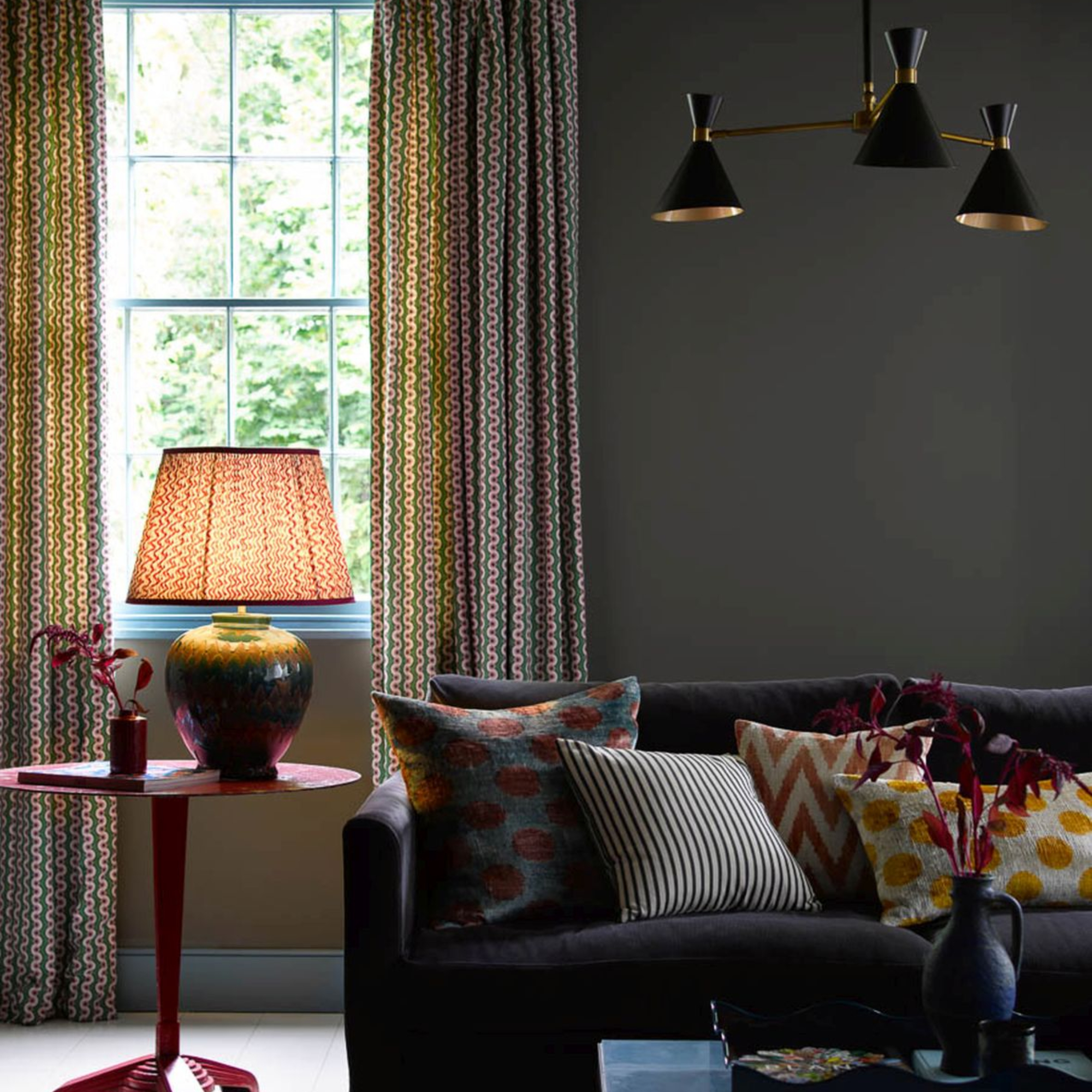
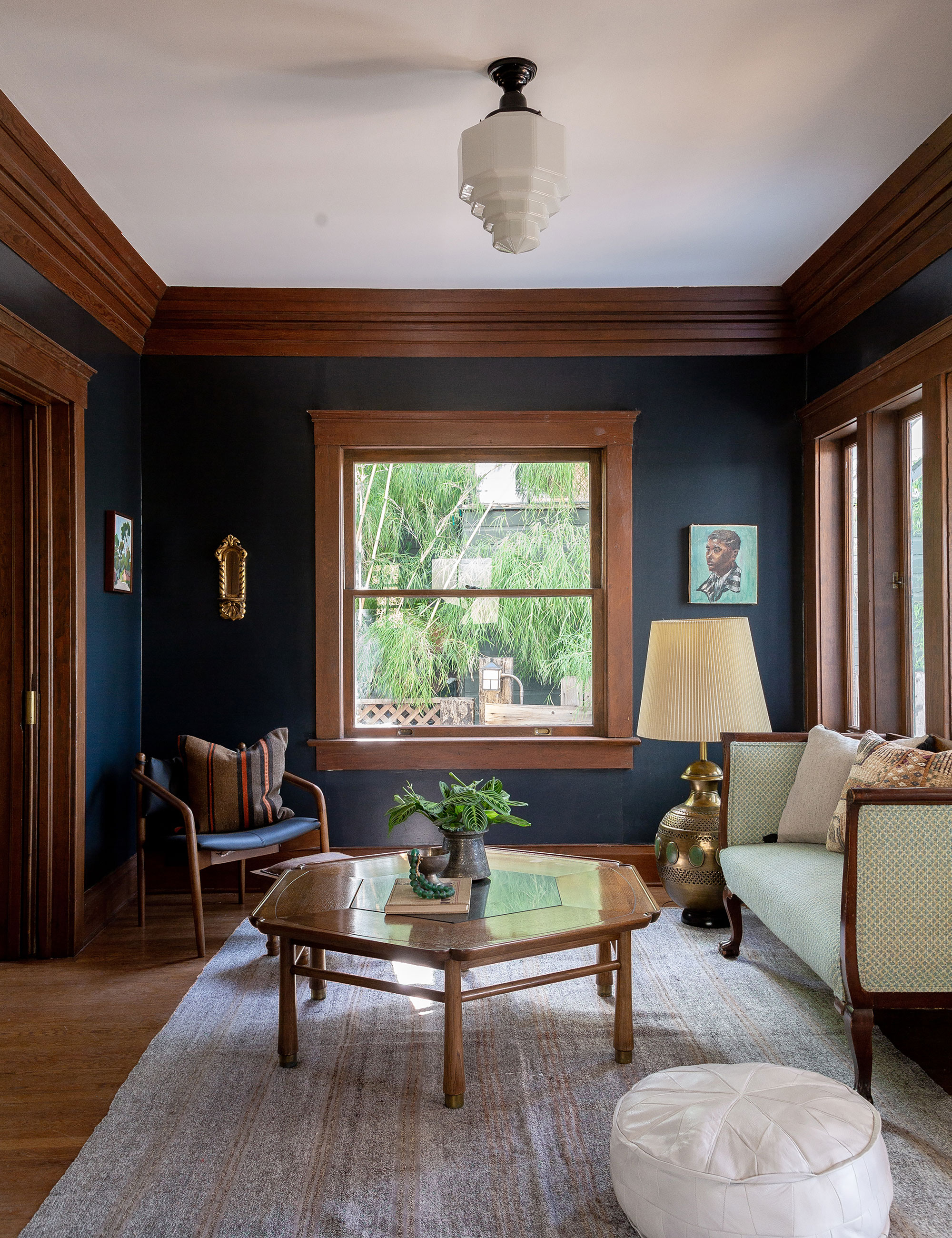
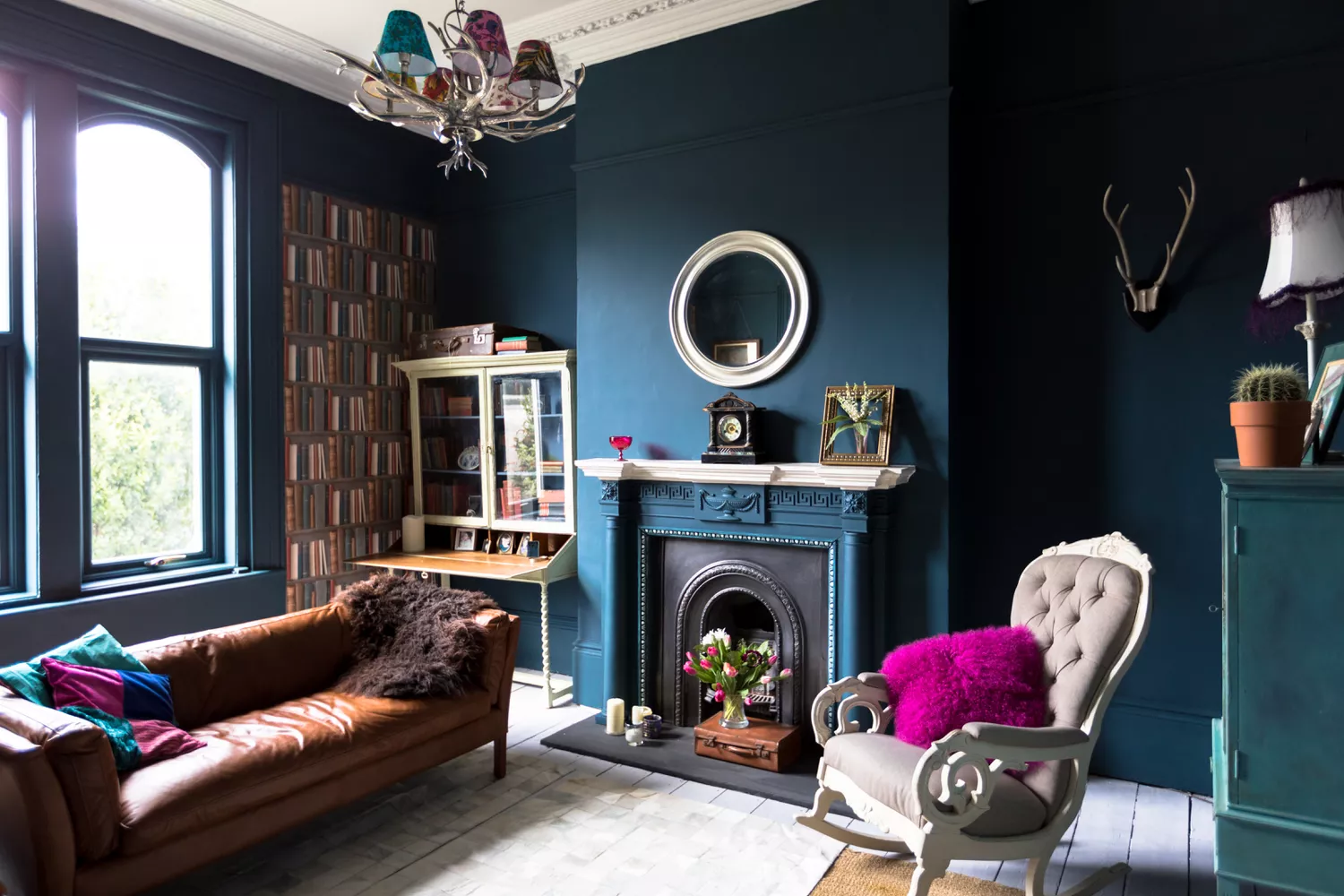
Paint colors also come under scrutiny, specifically dark shades used inappropriately. Button warns that applying dark colors in rooms with limited natural light can make the space feel “cave-like,” especially if the ceiling is painted the same color. She advises a cautious approach, suggesting testing paint patches and observing them throughout the day before committing to a full application. This allows for a better assessment of how the color interacts with the available light and impacts the overall mood of the room.
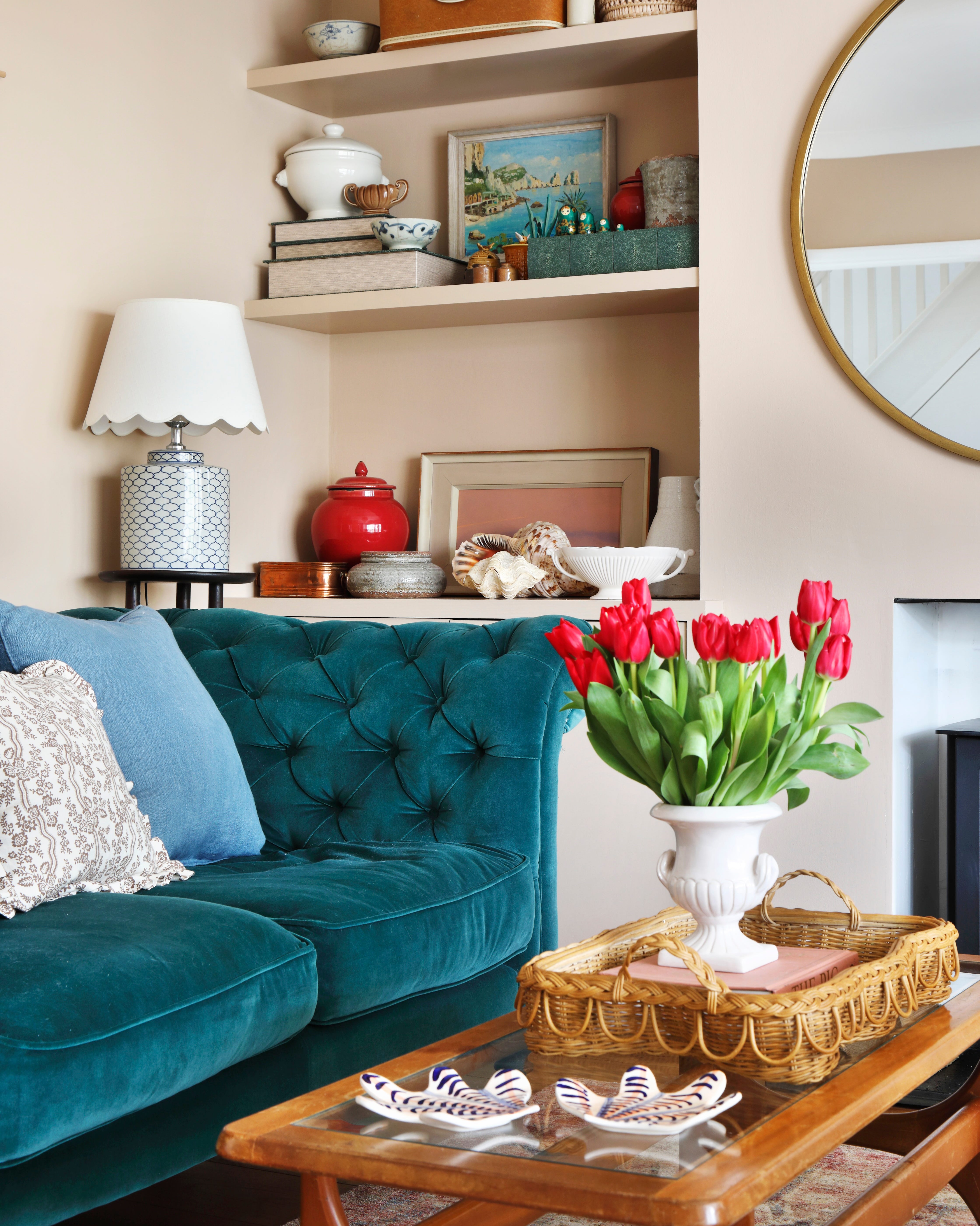
The article also addresses the overuse of recessed lighting. While functional for task illumination, excessive directional down-lighting can make a living room feel cold and impersonal. LaMarque suggests supplementing or replacing some recessed lights with decorative fixtures such as sconces, floor lamps, and table lamps. This layering of light sources helps create a more intimate and atmospheric ambiance, adding depth and warmth to the space.
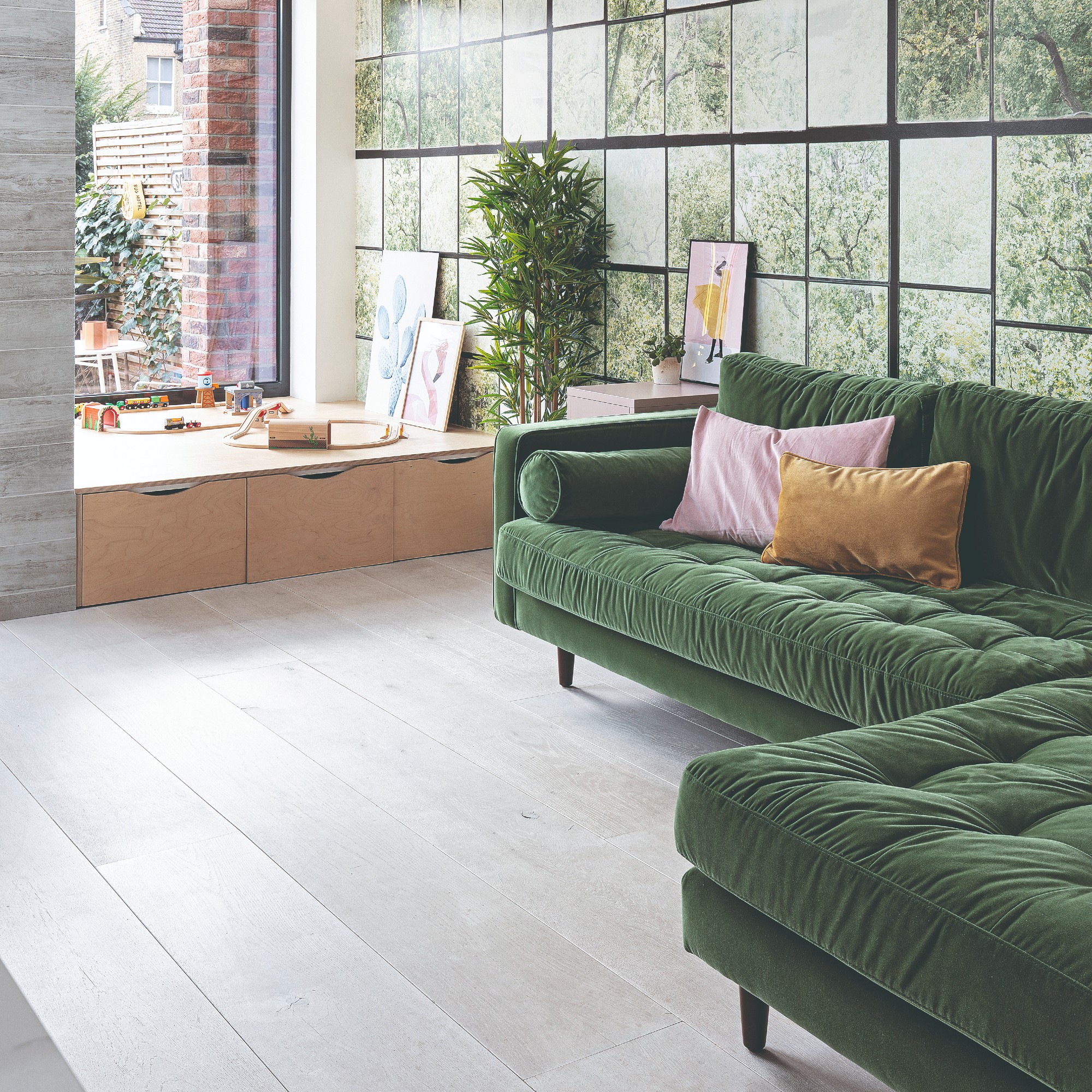
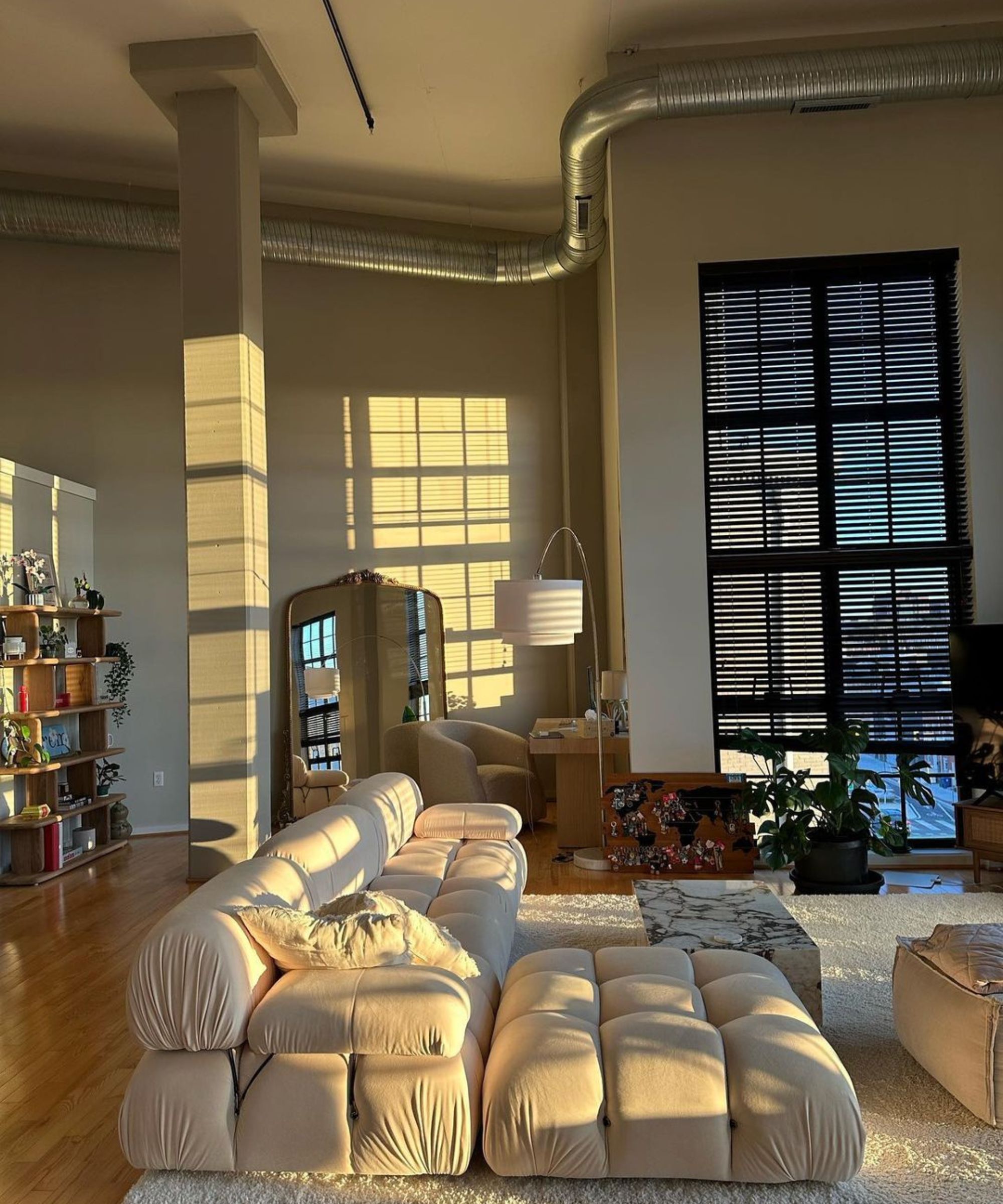
Distinctive flooring patterns, such as those with alternating colors or accents, are another area of concern. Button explains that these can visually fragment a space, disrupting the sense of flow and cohesion. She recommends maintaining consistent flooring throughout most areas to ensure a continuous and expansive feel. As an alternative to traditional materials, Button points to advancements in ceramic tiles that mimic wood, offering durability and ease of maintenance without compromising aesthetic appeal.
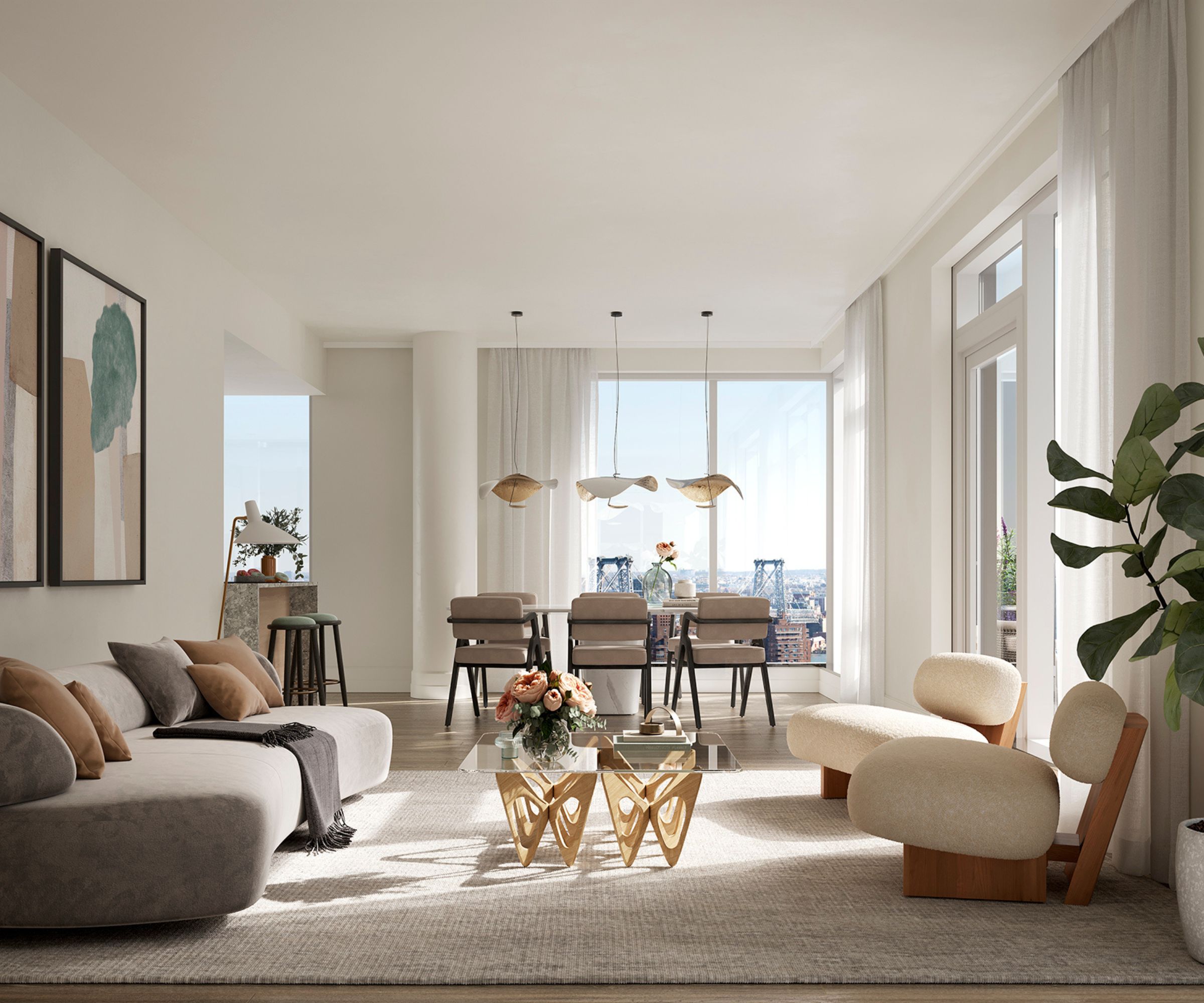
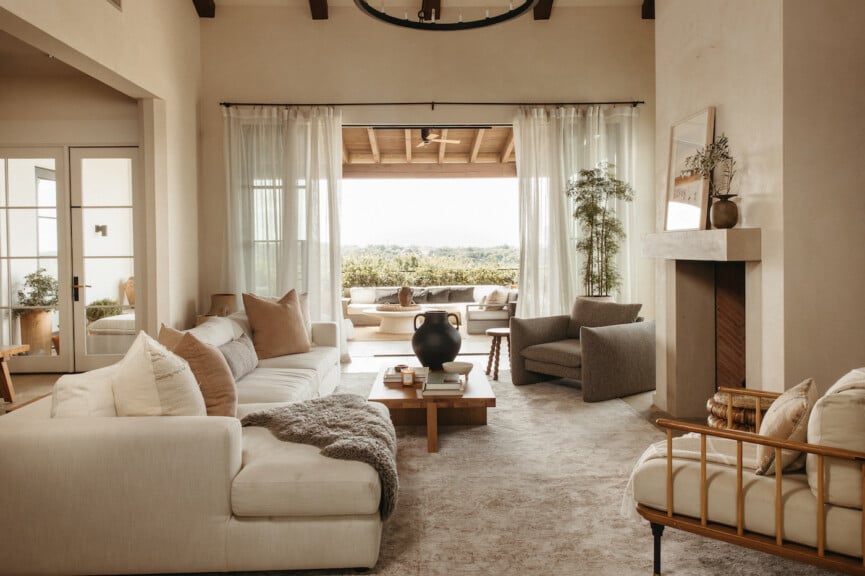
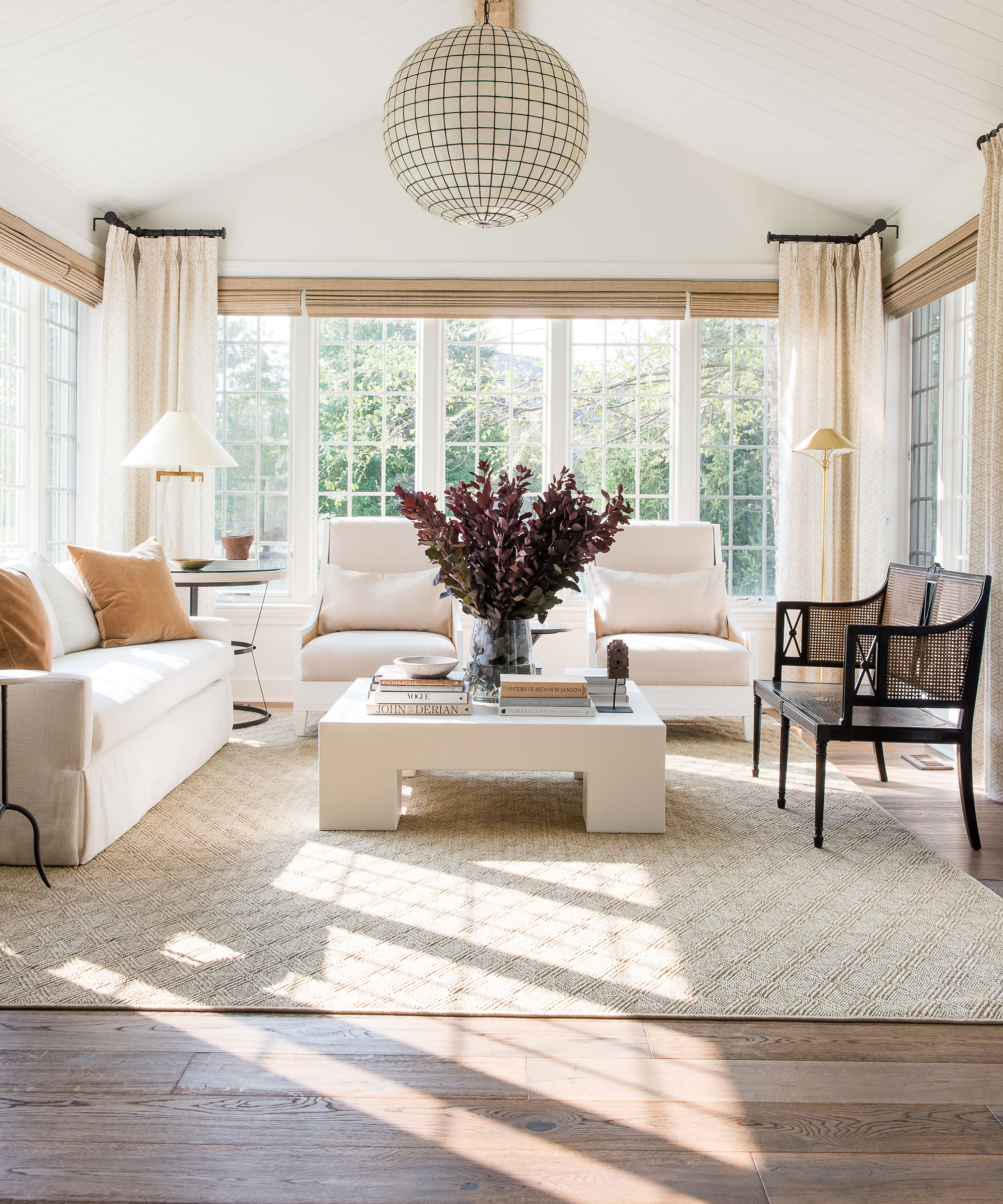
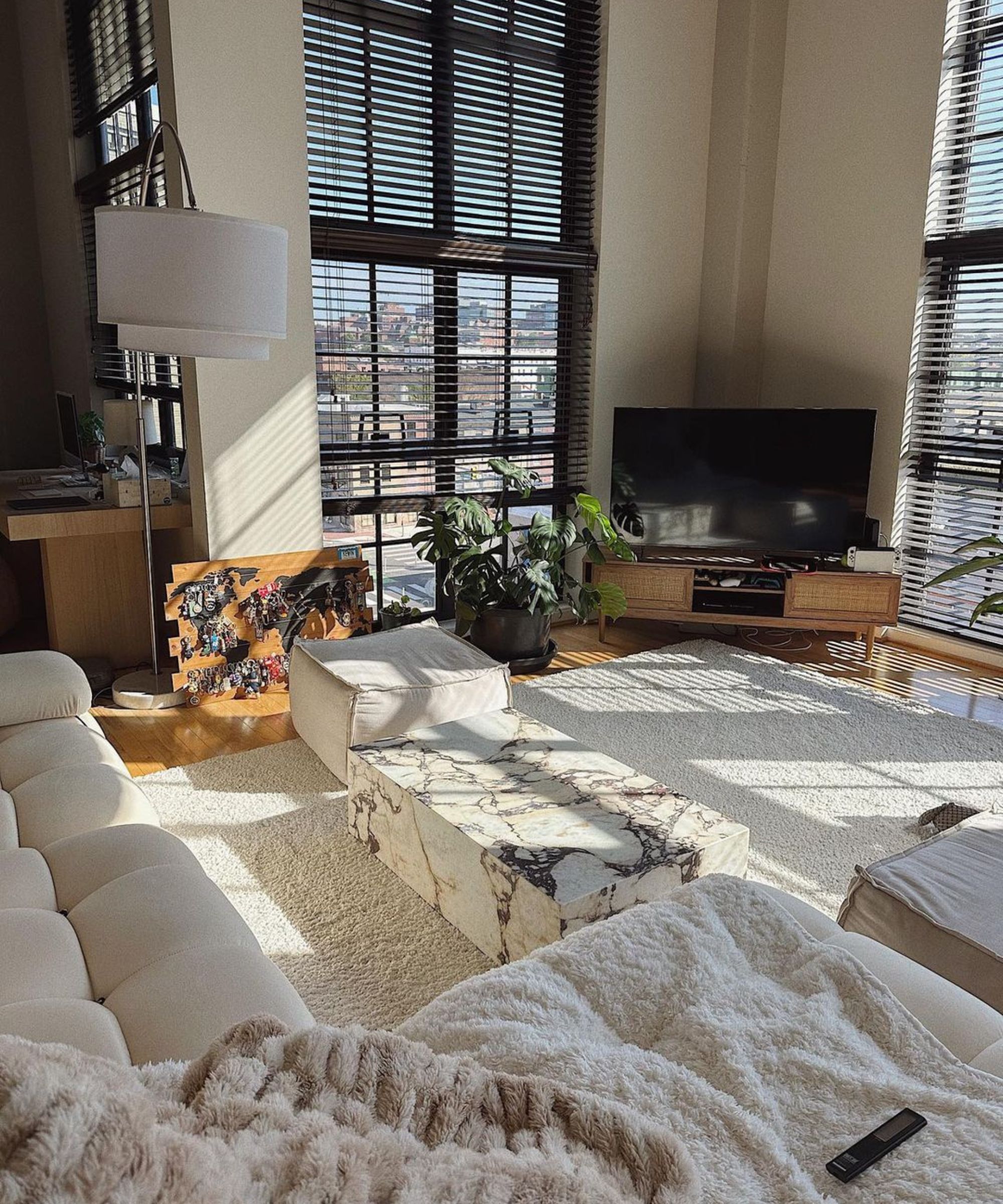
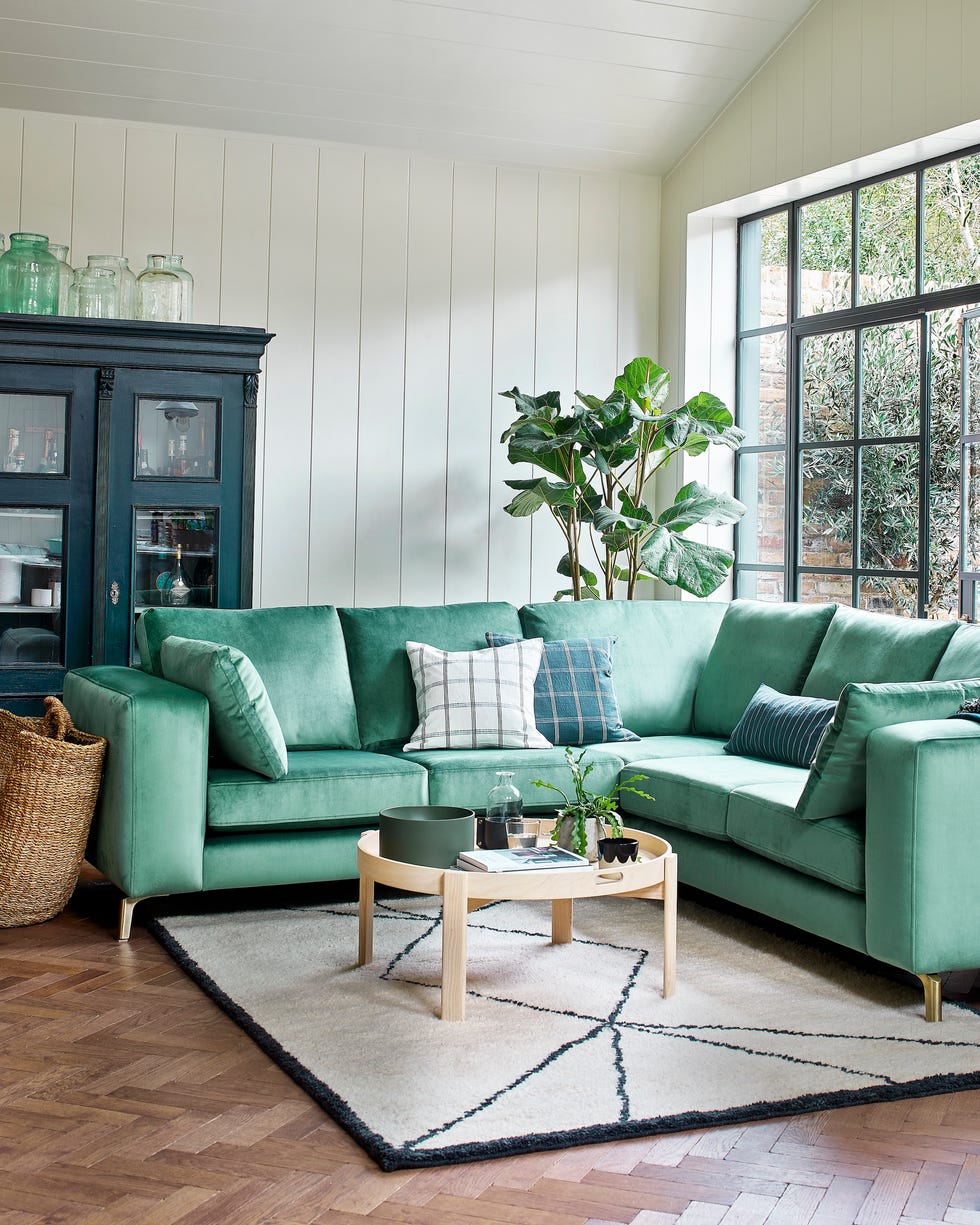
Finally, the article identifies rugs that are too small as a common and easily avoidable mistake. LaMarque notes that undersized rugs can appear as an afterthought, diminishing the visual impact of the room. She advises selecting an area rug of appropriate dimensions, typically 8x10 or 9x12 feet for many living rooms. The key is to ensure that furniture, especially sofas, sits at least halfway onto the rug, or ideally, that the entire furniture grouping is anchored by the rug. This correct sizing helps define conversation areas, creates visual balance, and enhances the overall design of the living room, contributing to a well-proportioned and thoughtfully arranged space.
#LivingRoomDesign #HomeDecor #InteriorDesignTips #AccentWalls #FurnitureSelection #PaintColors #LightingDesign #FlooringChoices #AreaRugs #LivingRoomDesign #HomeDecor #InteriorDesignTips #AccentWalls #FurnitureSelection #PaintColors #LightingDesign #FlooringChoices #AreaRugs
0 comment in total
 No comments yet
You may also like
Dream living room upgrades homeowners always come to regret – according to the experts

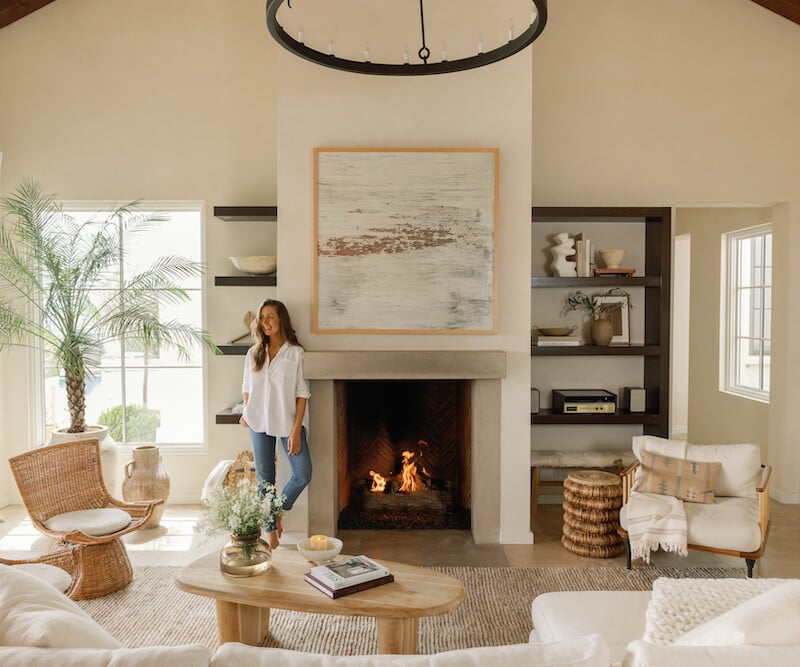
Designers Say This Is the #1 Living Room Mistake Everyone Makes

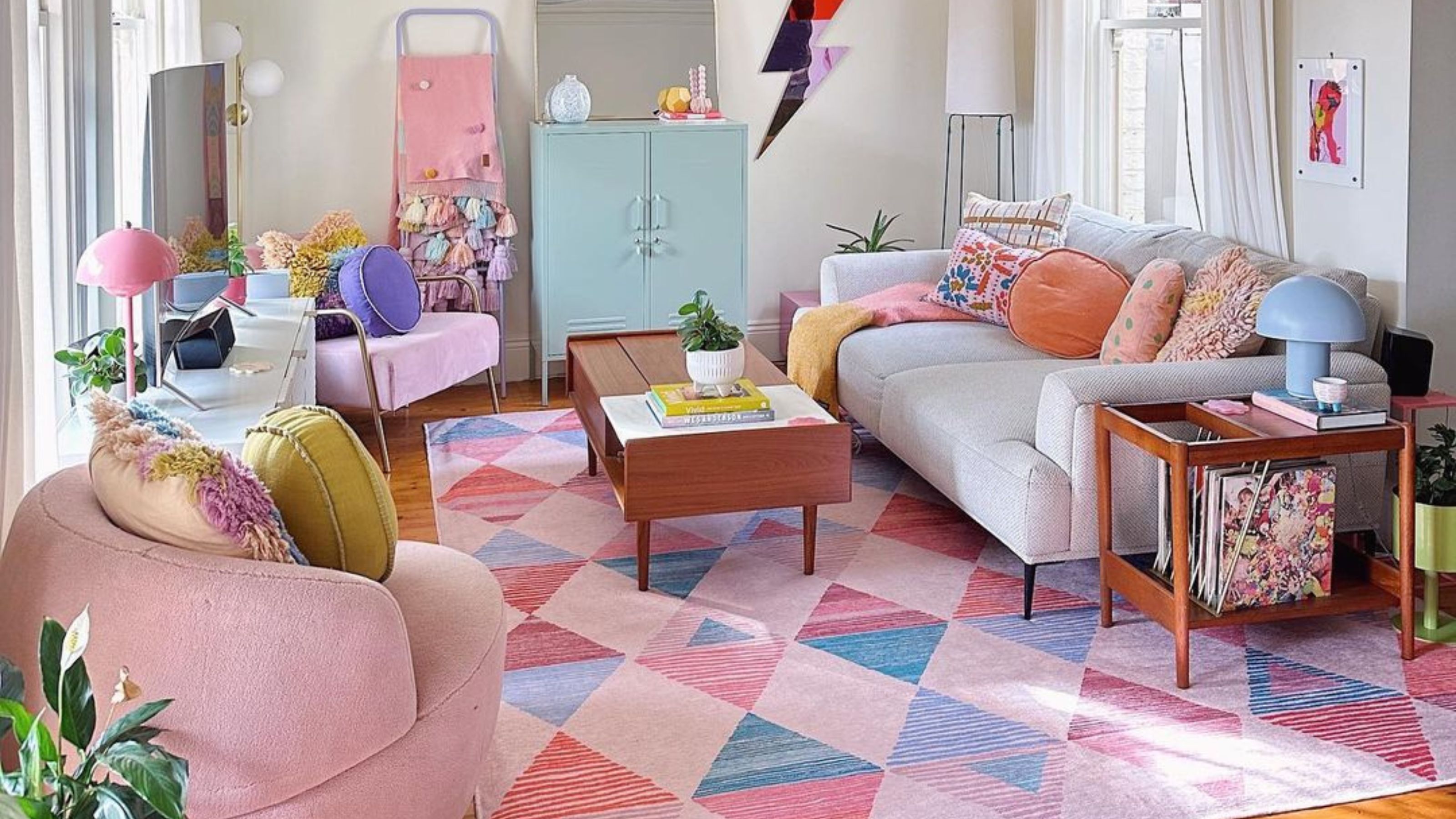
6 furniture items that will make a living room look bigger, according to design experts

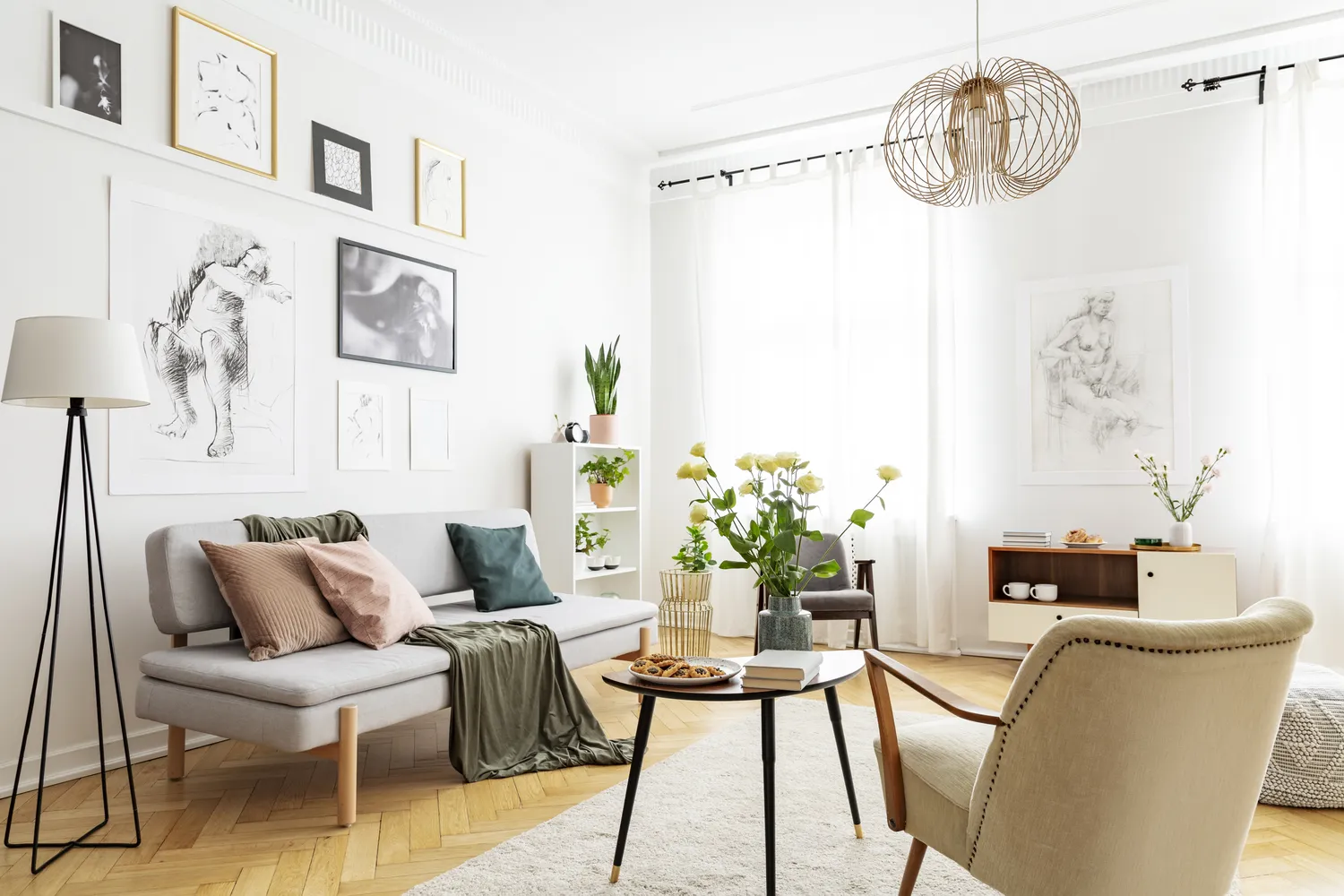
5 Tacky Home Decor Items That Instantly Make a Home Look Bad, According to Designers
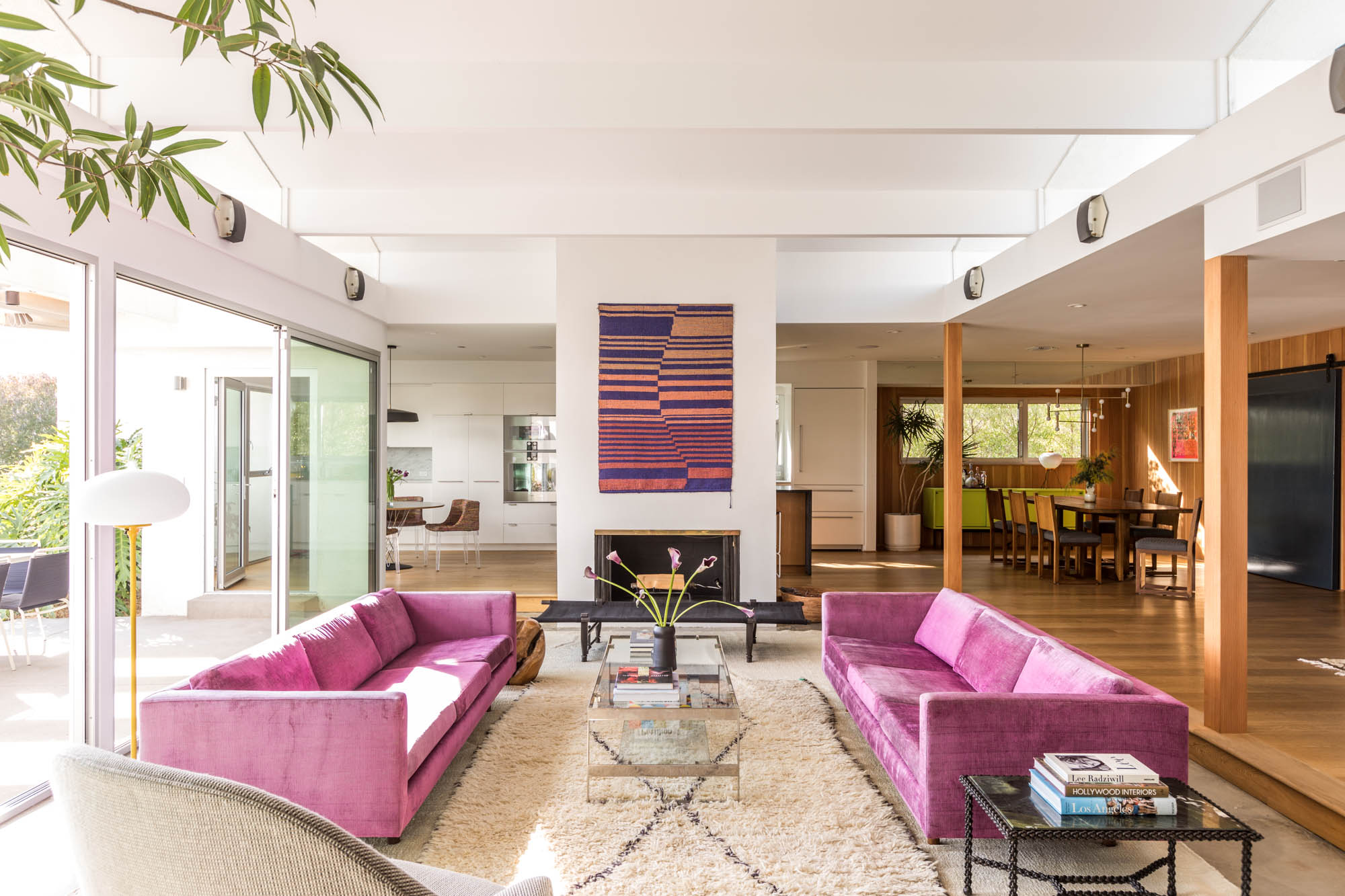
Warning: These Living Room Ideas Will Make You Want to Redecorate
6 Pricey Kitchen Upgrades That Aren't Worth It

5 Tacky Kitchen "Upgrades" That Instantly Make a Home Look Bad, According to Designers

"Frankly, It's Tacky": People Are Revealing Common Interior Design Trends They Can't Stand

6 Things That Make Your Entryway Look TACKY, According to Designers

5 Tacky Dining Room "Upgrades" That Instantly Make a Home Look Bad, According to Designers
5 Living Room Design Mistakes You Didn't Know You Were Making
"It's Like I'm On An HGTV Acid Trip": People Are Denouncing The Worst Home Design Features
7 Things That Immediately Make Your Living Room Look Bad, According to Designers
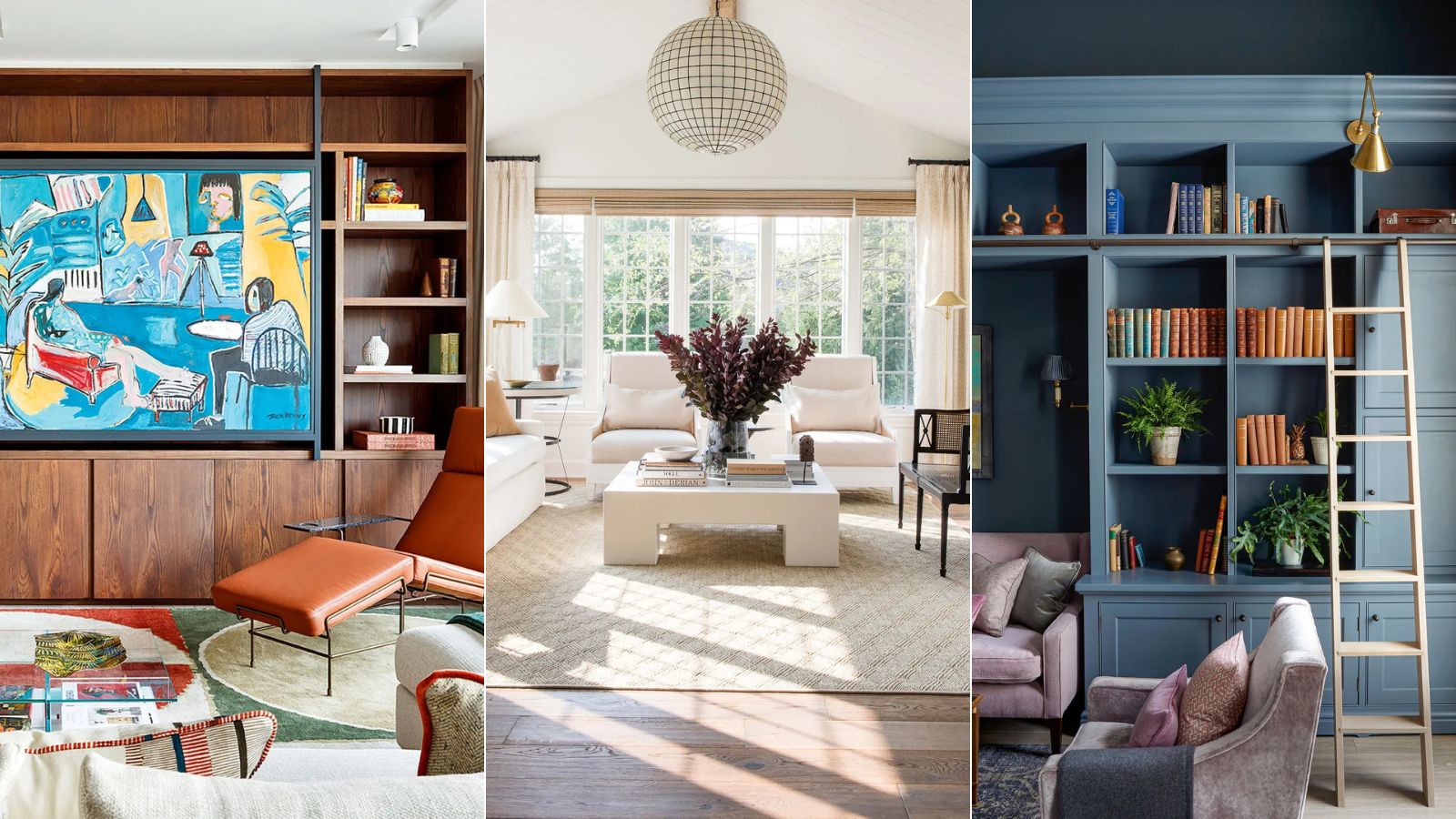
6 things making your living room furniture look cheap – explore the key mistakes to avoid and what designers do instead
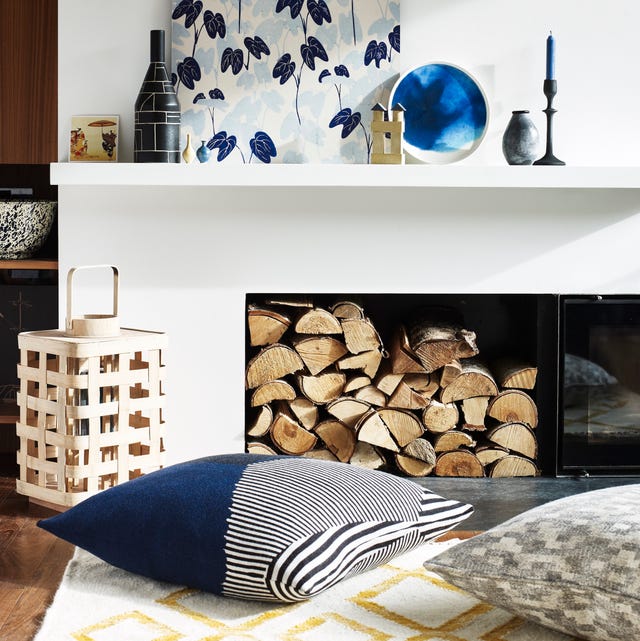
6 mistakes design experts instantly notice in your home – and how to fix them
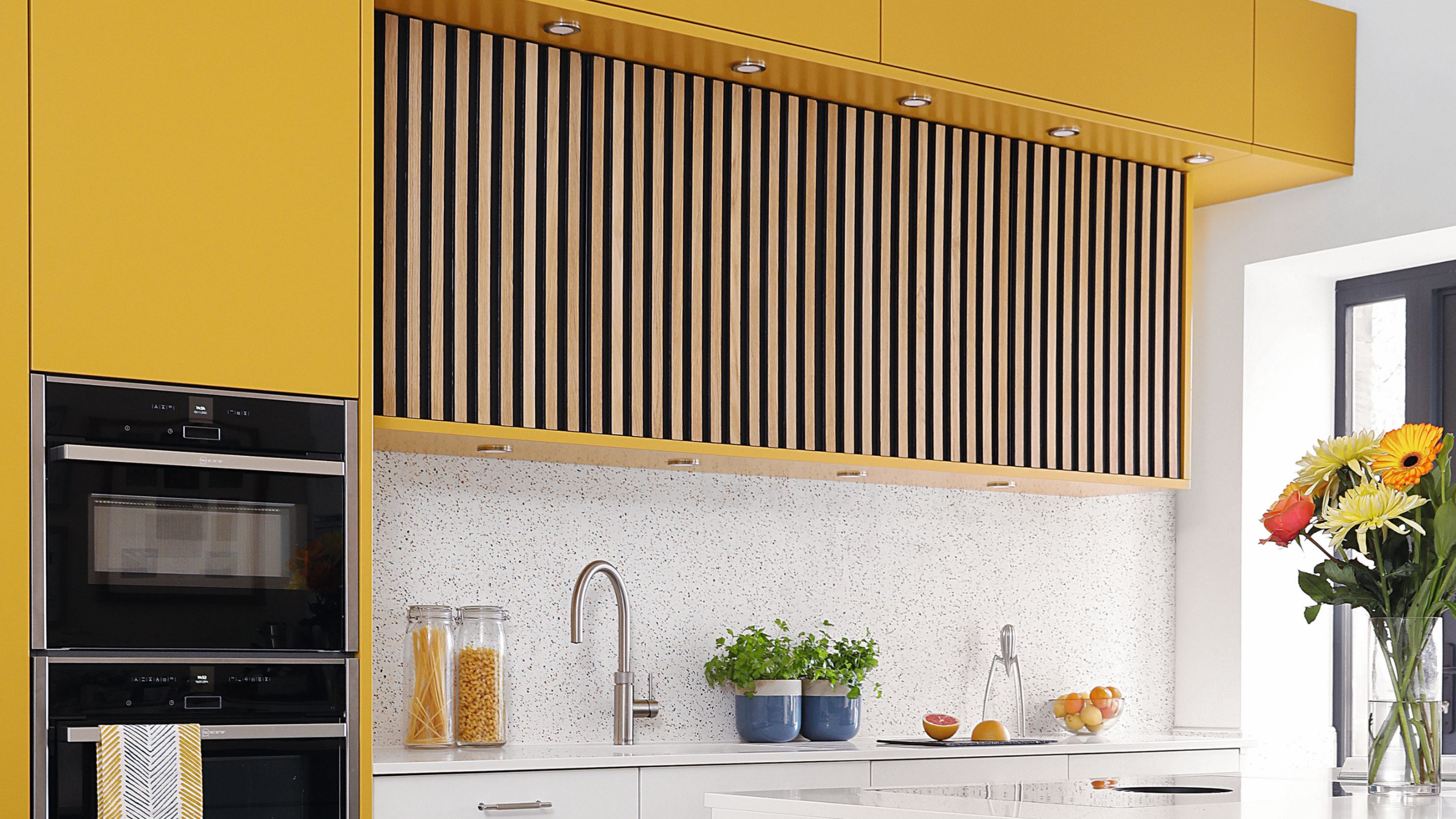
'Potential buyers may see it as a DIY job gone wrong' – this popular interior trend may be devaluing your home
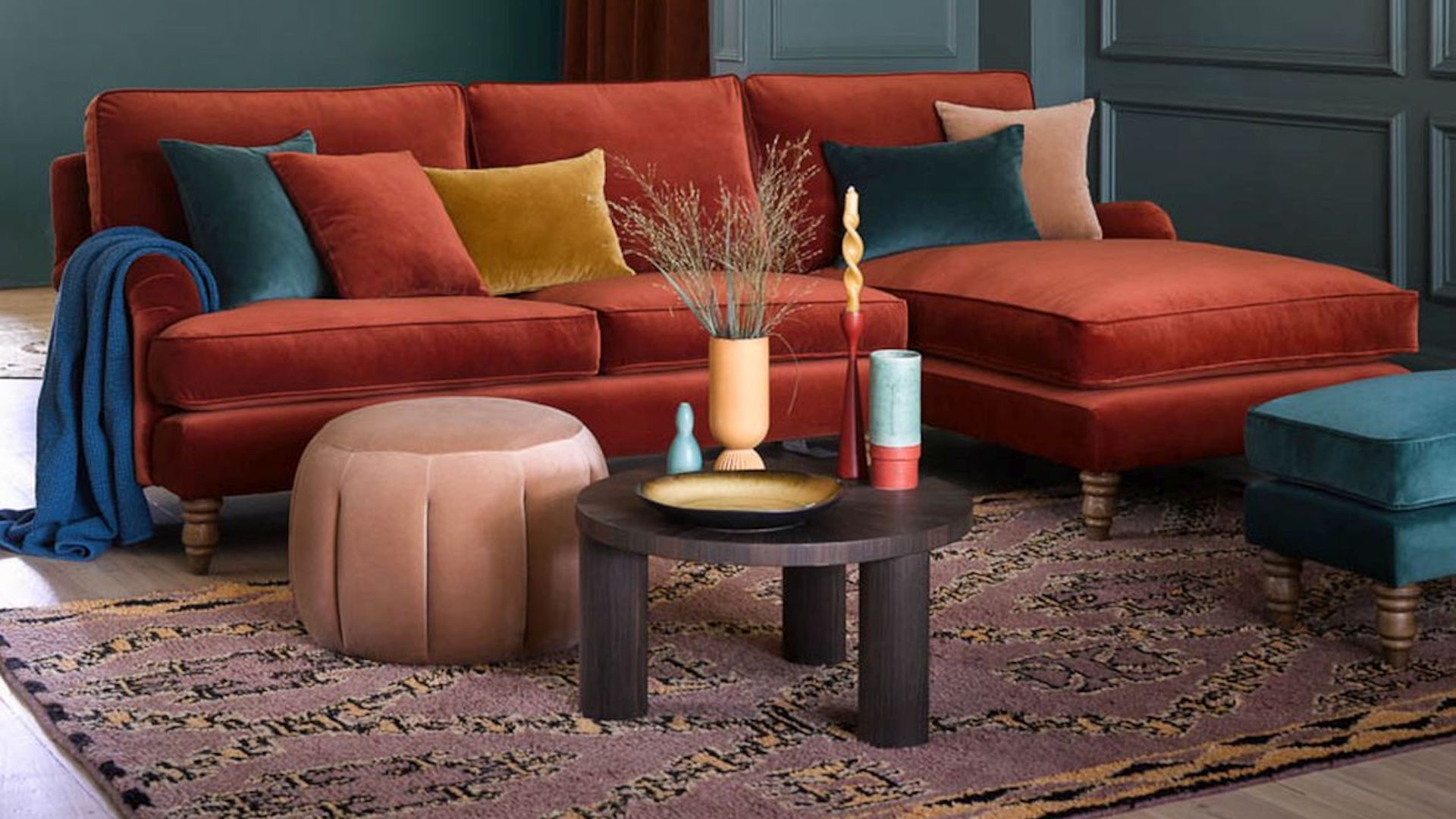
10 common living room design disasters experts warn against falling for
5 small living room mistakes – designers share the worst decorating disasters that we need to stop doing right now
Upgrading THIS Simple Feature Makes Your Home Look More Expensive, According to Designers
6 Easy Living Room Upgrades That Instantly Make Your Home Look Good, According to Designers