1/7
6 Pricey Kitchen Upgrades That Aren't Worth It
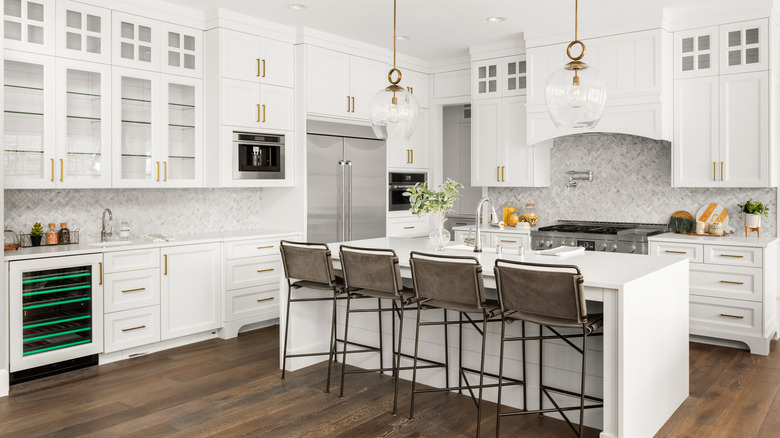
When designing or renovating a kitchen, numerous appliance and fixture upgrades promise aesthetic and functional enhancements. However, not all expensive upgrades deliver sufficient value for their cost. Interior designer Brandy Rinehart of Habitar Design identifies several such upgrades that are often underutilized, unnecessary, or costly to maintain, suggesting more practical and cost-effective alternatives.
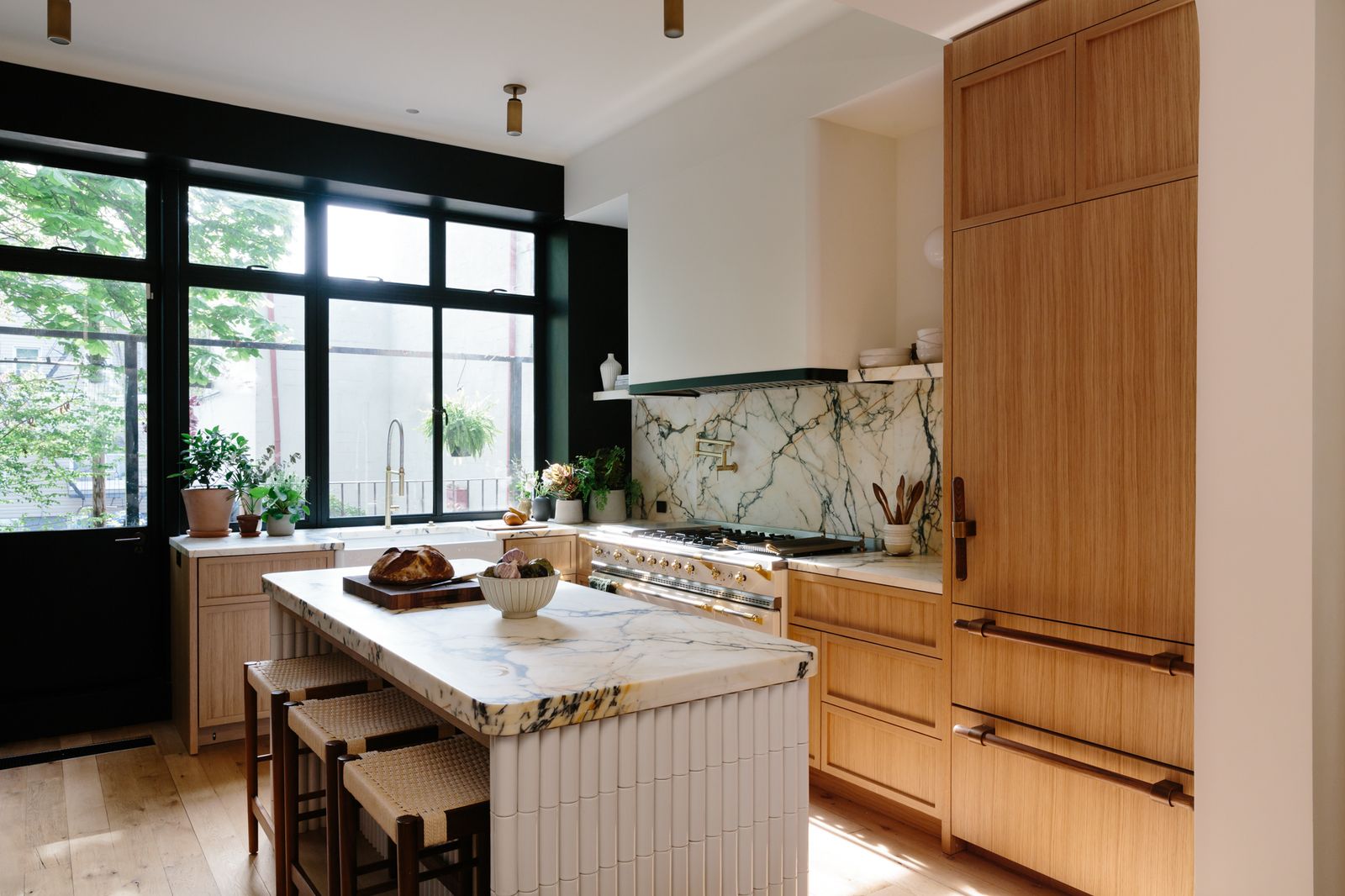
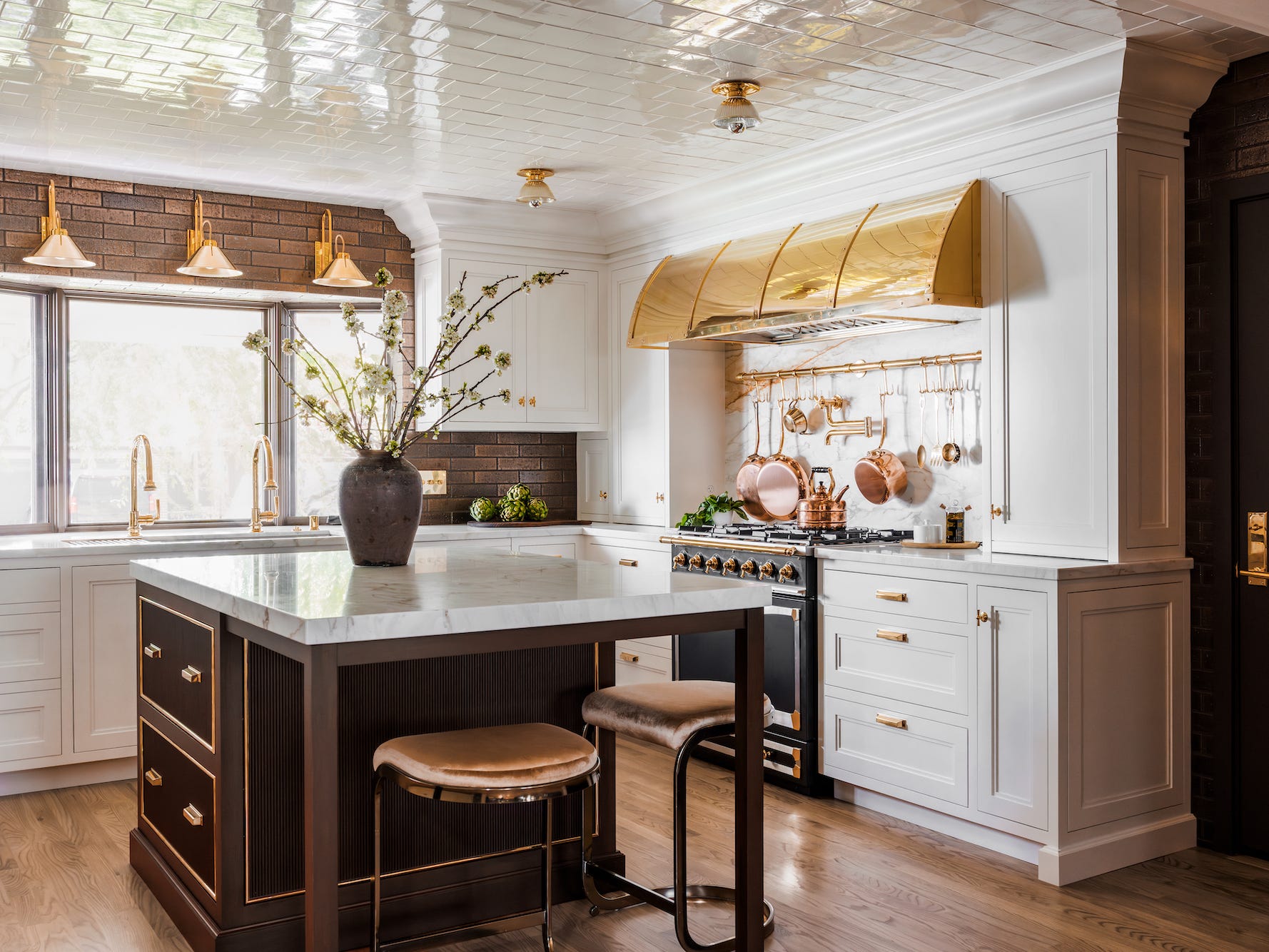
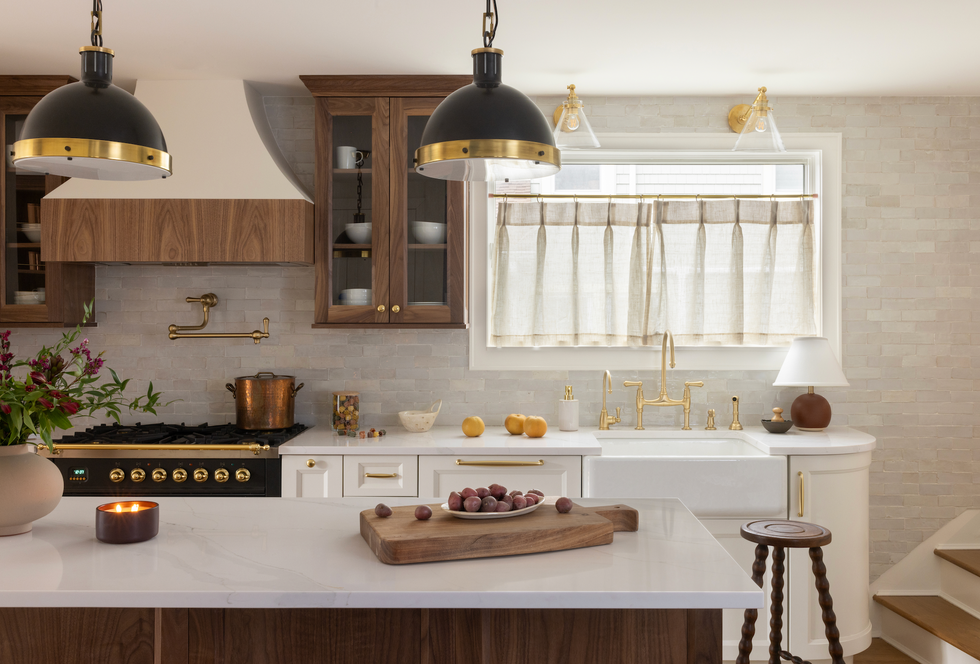
One such upgrade is the pot filler faucet, installed above the stovetop for convenient pot filling. While it eliminates the need to carry heavy pots of water from the sink to the stove, Rinehart argues that its high cost, ranging from $500 to $1,200 for the fixture and $1,000 to $2,500 for installation, is rarely justified by its usage frequency. The installation involves significant plumbing work and wall modification. Furthermore, it doesn't solve the problem of carrying hot, heavy pots back to the sink for draining. Instead, Rinehart advises using a high-arc pull-out faucet at the sink, which offers similar reach and convenience without the added plumbing complexity and expense. Alternatively, filling a large pitcher at the sink and then pouring it into the pot on the stove is a simpler solution.
Separate steam ovens represent another pricey upgrade that may not be worth the investment. These built-in appliances use steam to cook food, preserving moisture, nutritional value, and flavor. While beneficial for reheating, baking bread, and healthier cooking, Rinehart considers them niche appliances prone to underuse. With unit costs between $2,000 and $5,000, plus $500 to $1,000 for installation, their expense is considerable. Many modern ranges now integrate steam cooking functions, making a separate unit redundant. For those seeking steam cooking capabilities without a new range, countertop steam ovens like the BALMUDA The Toaster or dedicated steam machines such as the Cuisinart CookFresh Digital Glass Steamer offer similar performance at a fraction of the cost.
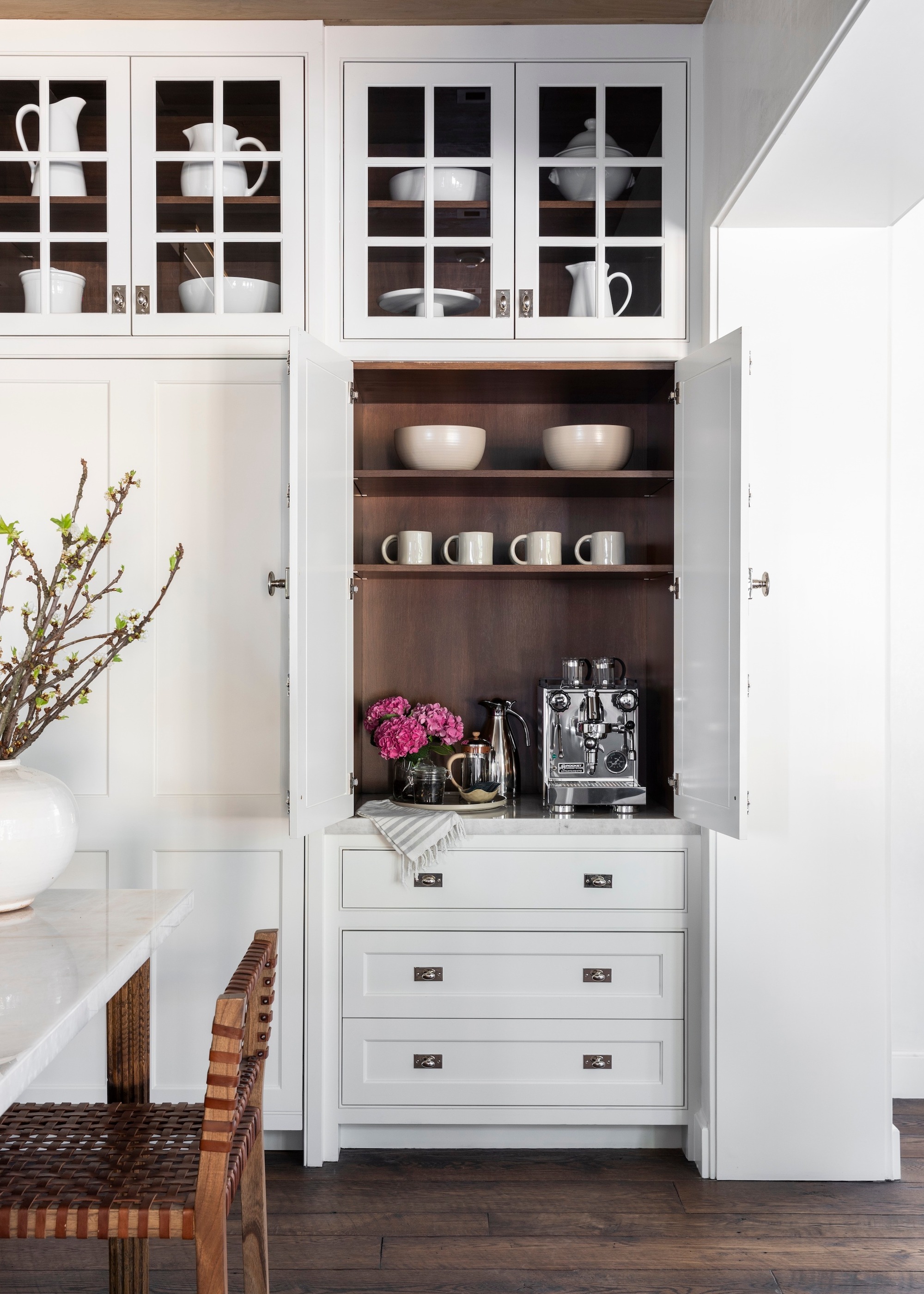
Built-in coffee systems, mounted into cabinetry for a sleek aesthetic and saved countertop space, come with a hefty price tag of $3,000 to $7,000 for the machine alone, not including installation. Rinehart highlights a steep learning curve, frequent maintenance requirements, and potential repair headaches as significant drawbacks. For coffee enthusiasts, she suggests high-quality countertop espresso machines like the Breville Barista Pro or the Jura E4 Piano Black. These alternatives are considerably cheaper, offer comparable functionality, and can be easily moved or replaced, avoiding the commitment and cost associated with a built-in system.
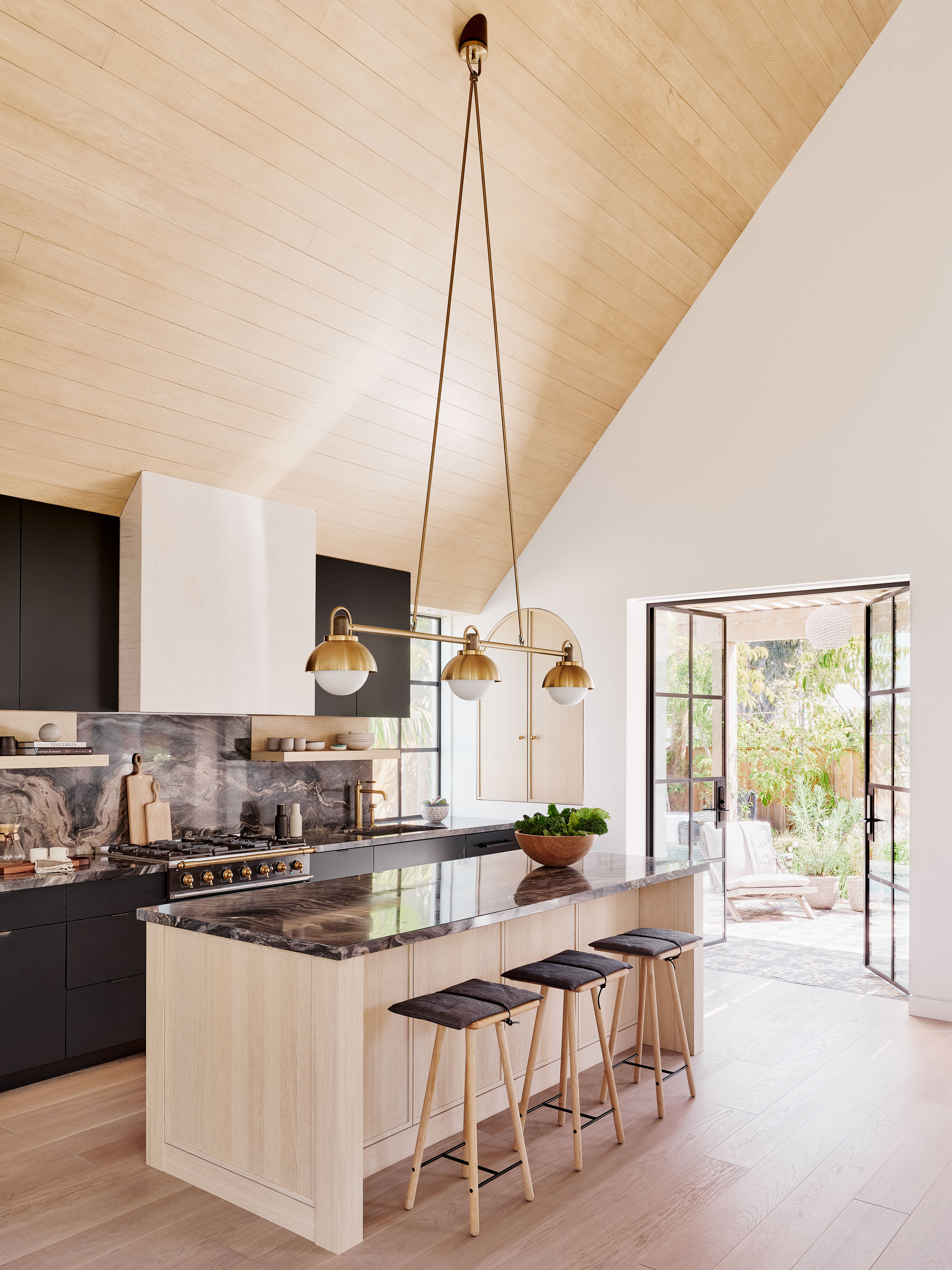
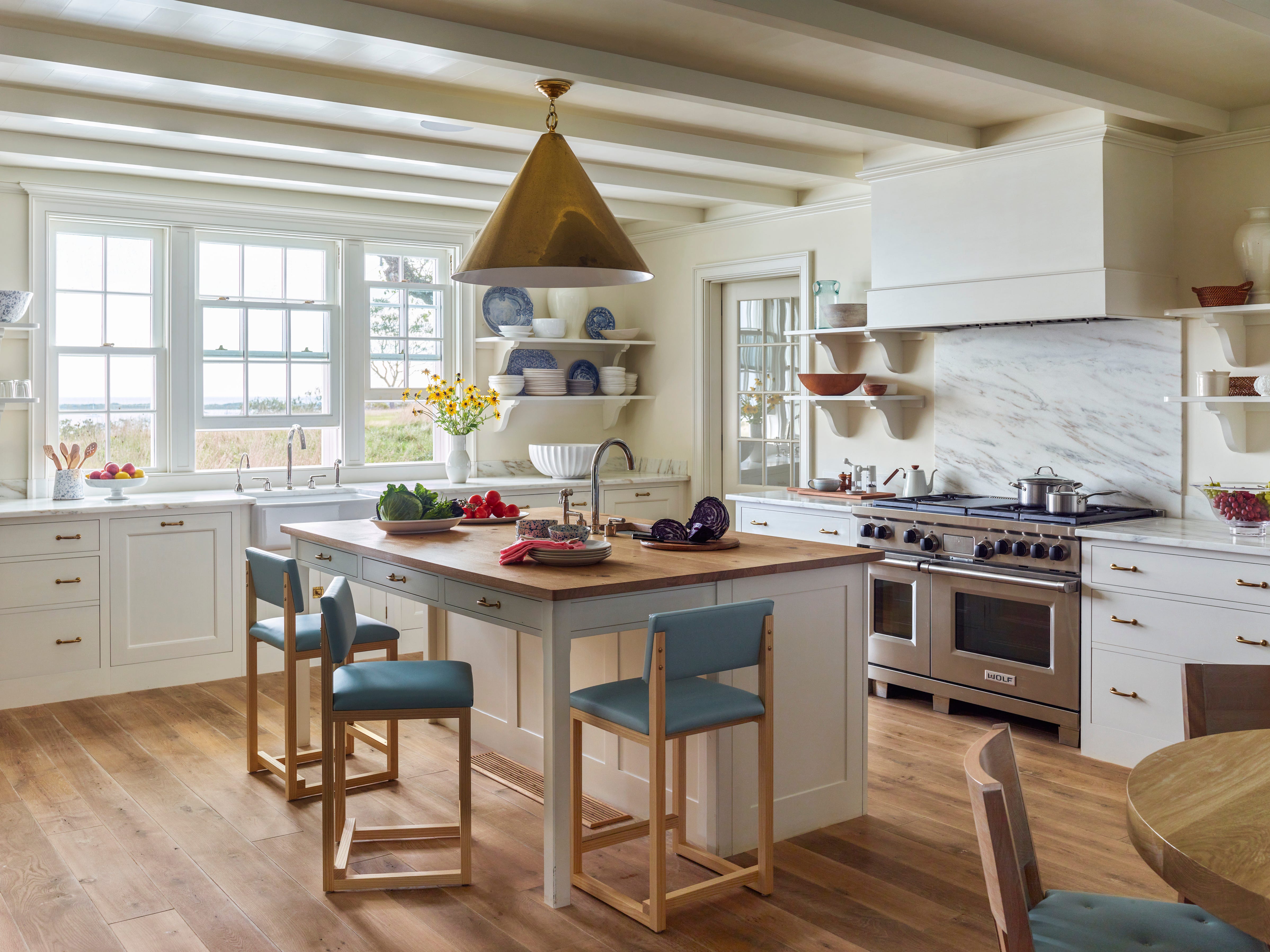
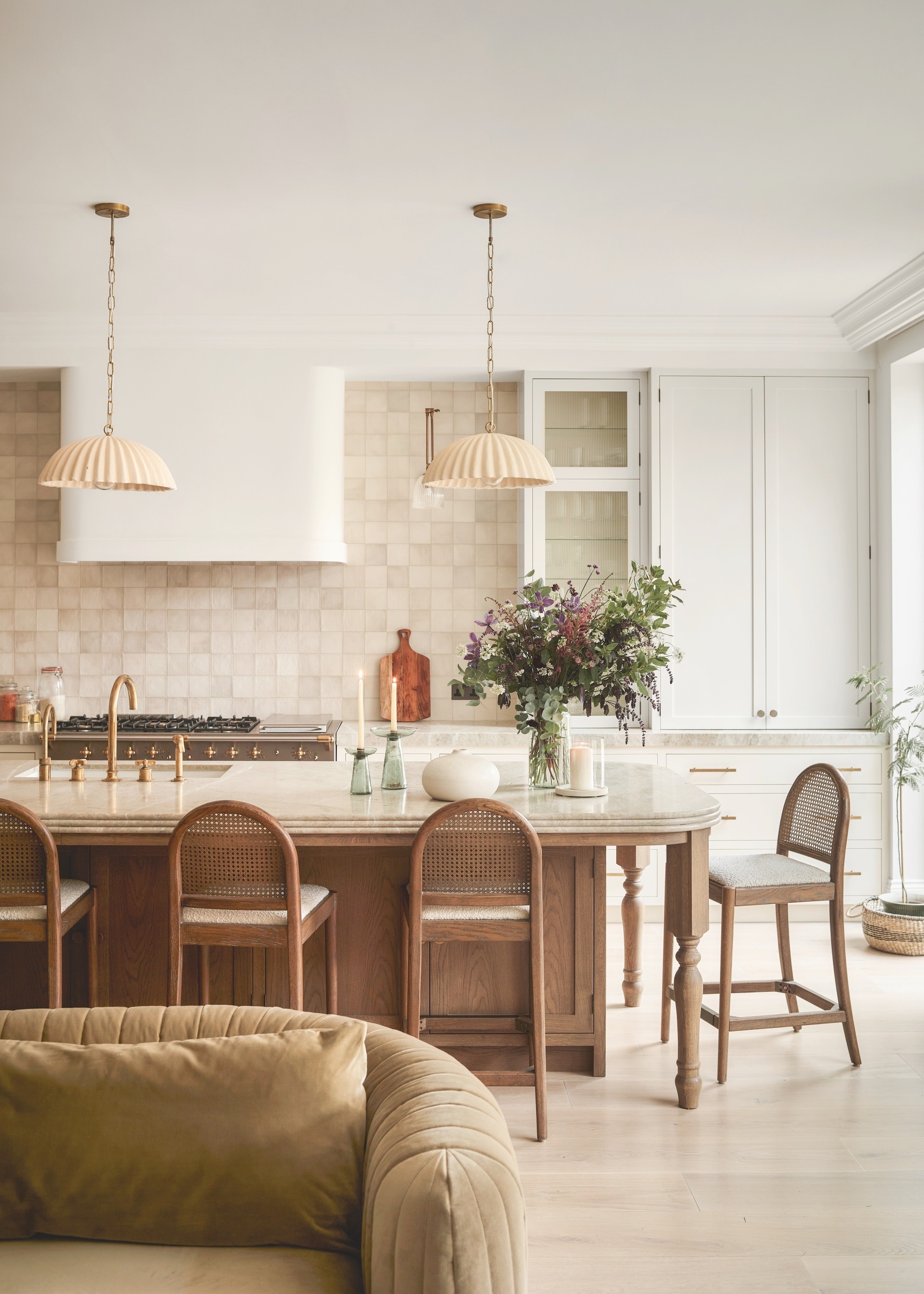
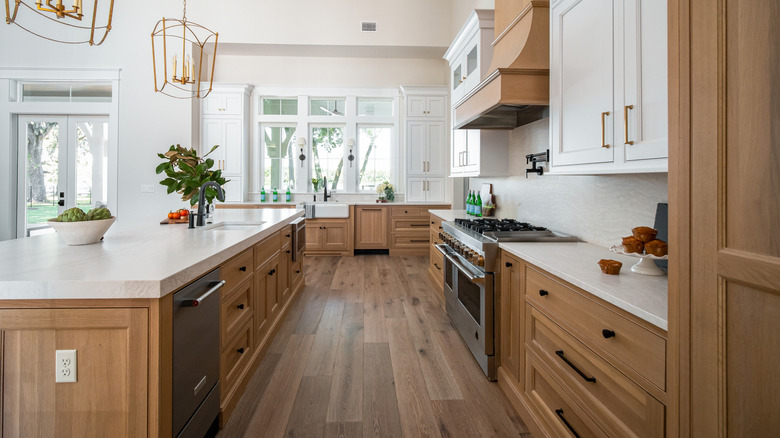
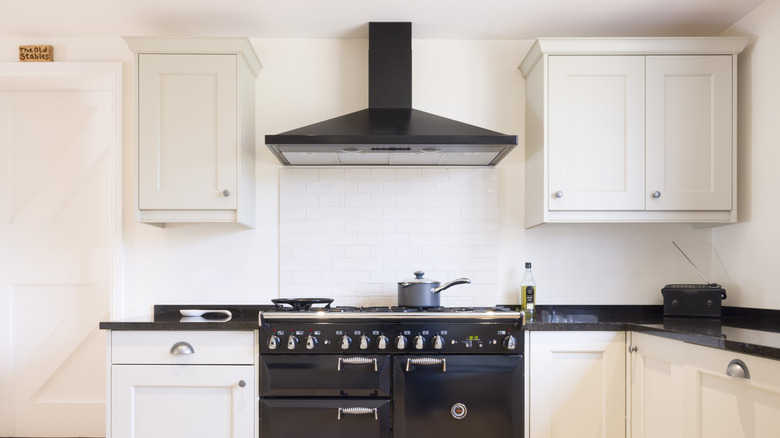
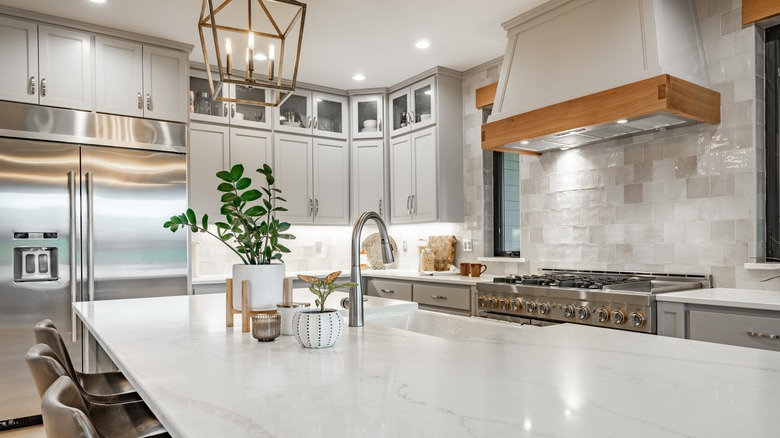
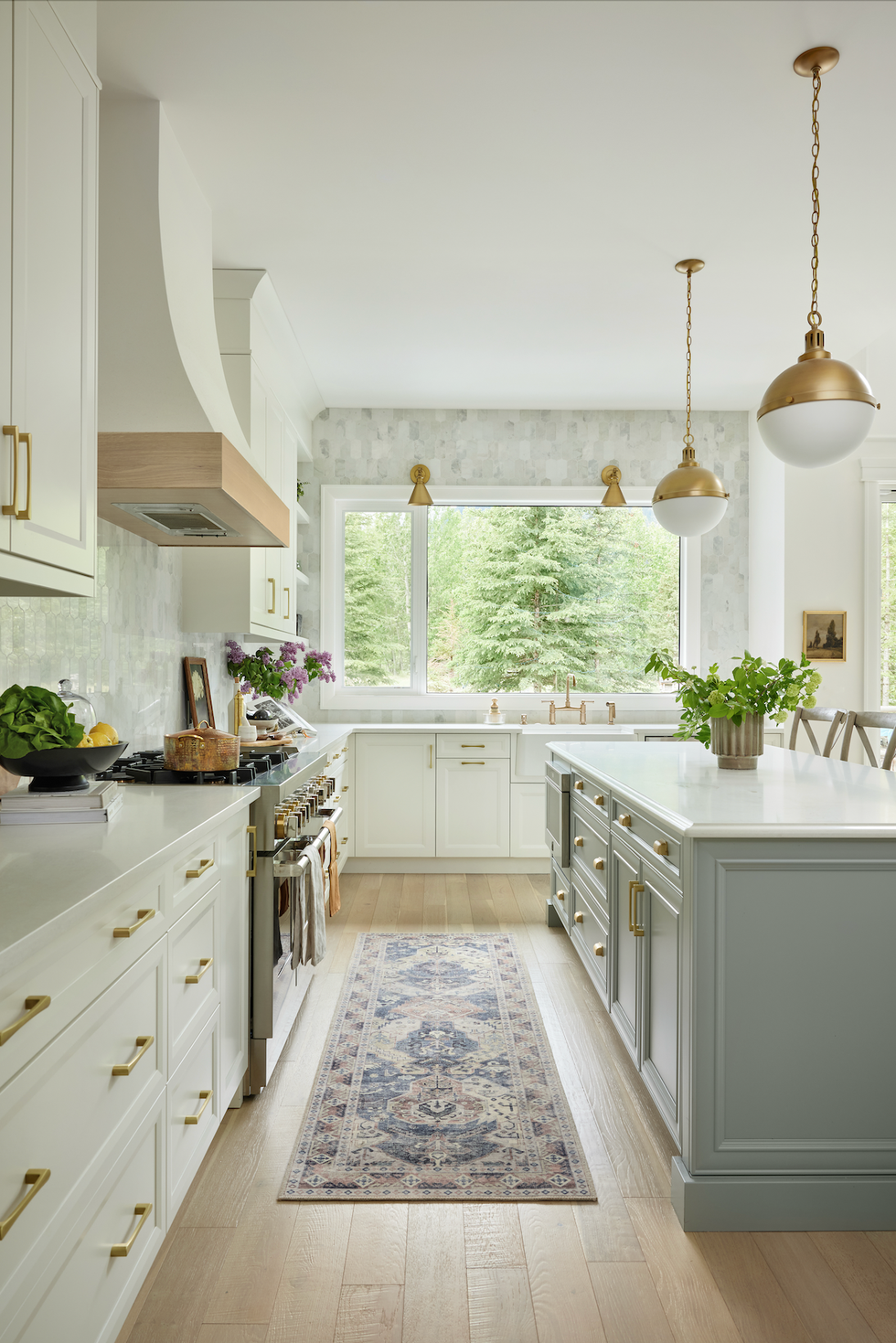
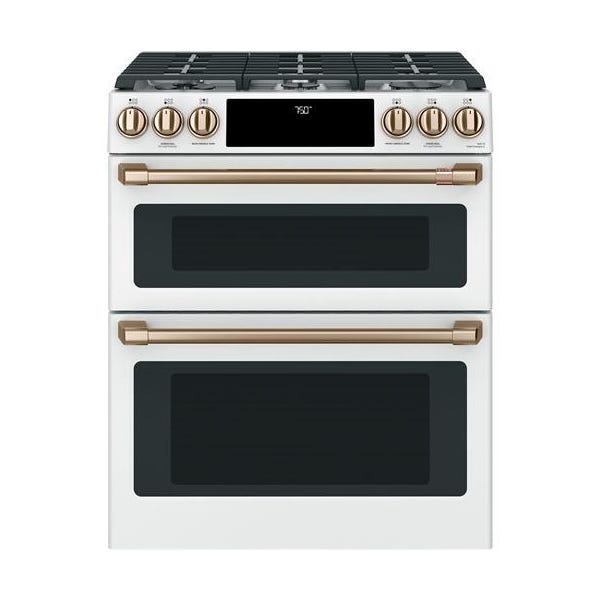
Professional-grade ranges, featuring multiple burners, griddles, grills, and dual ovens, cater to serious home cooks but often come with more features than most individuals utilize. These ranges cost $8,000 to $15,000 or more, potentially requiring expensive electrical or gas upgrades. Rinehart warns that they can heat up the entire kitchen and necessitate large, high-capacity range hoods that consume valuable kitchen space. The required ventilation system must match the range's width and BTU rating, further impacting design and cost. Instead, she recommends mid-range 30-inch slide-in ranges with convection and air-fry features, such as those from the Cafe line by GE Appliances or Bosch, which offer versatility without the excessive heat or bulk of professional models.
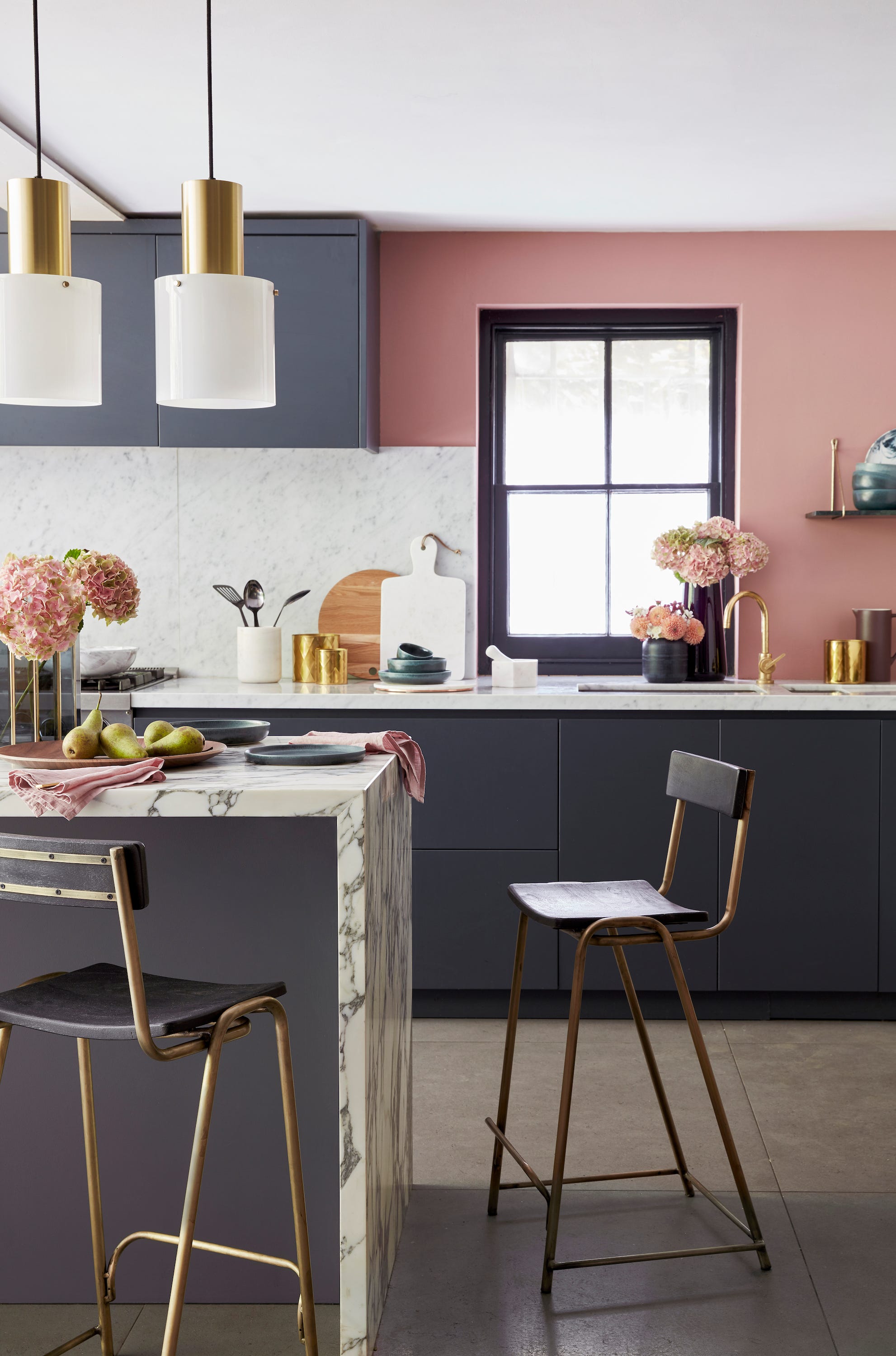
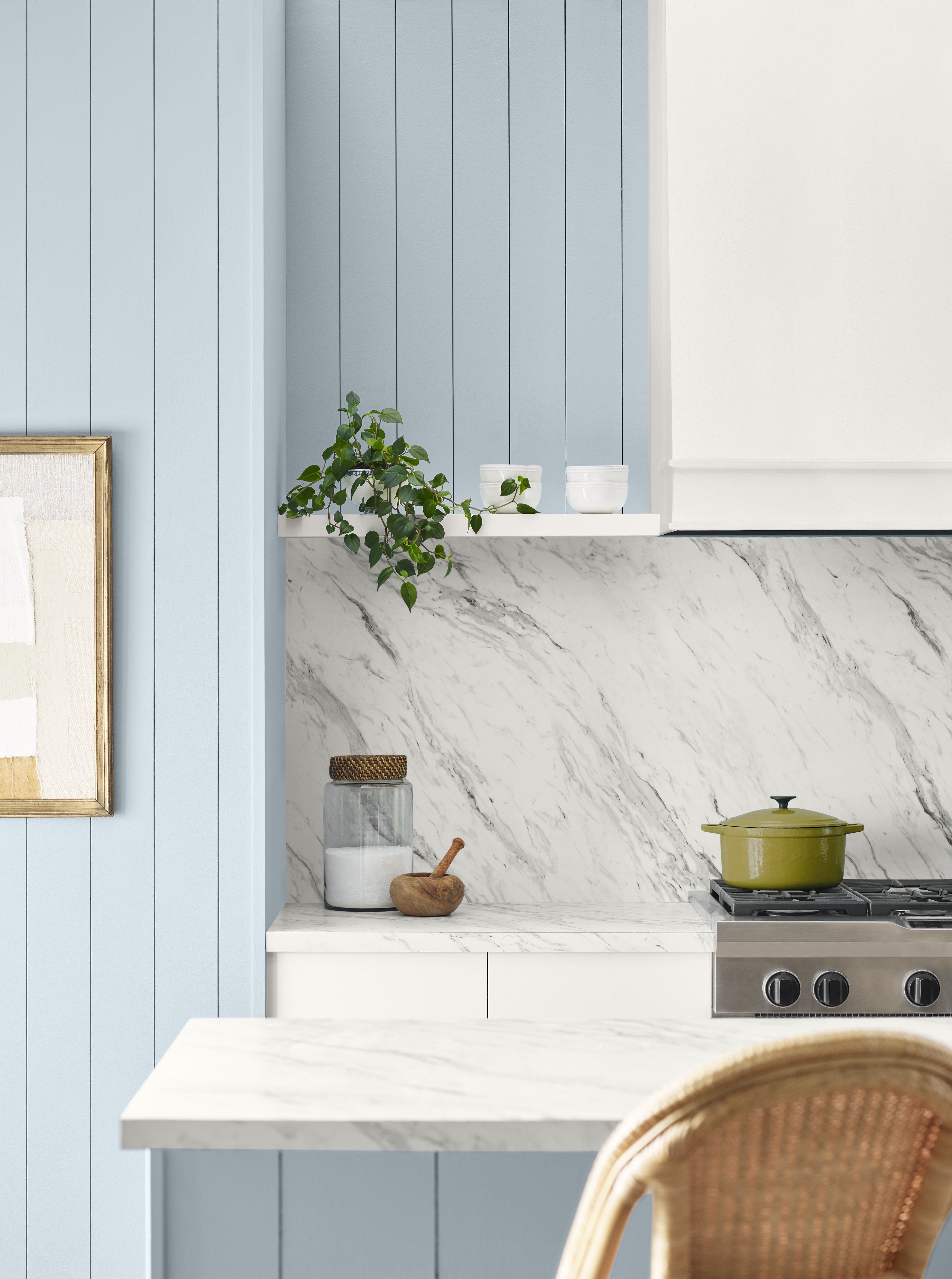
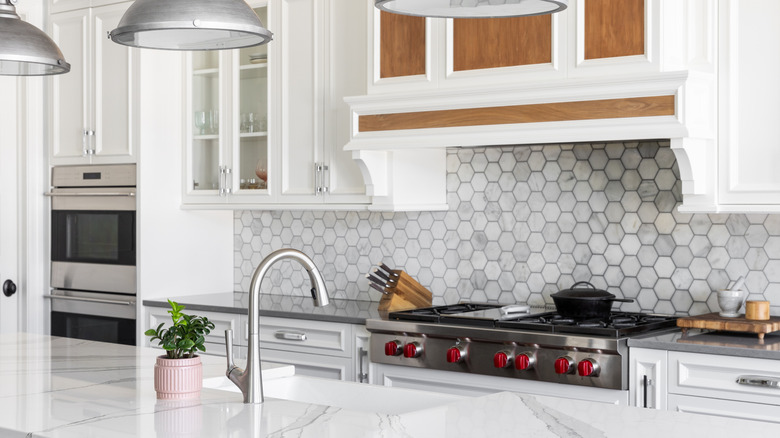
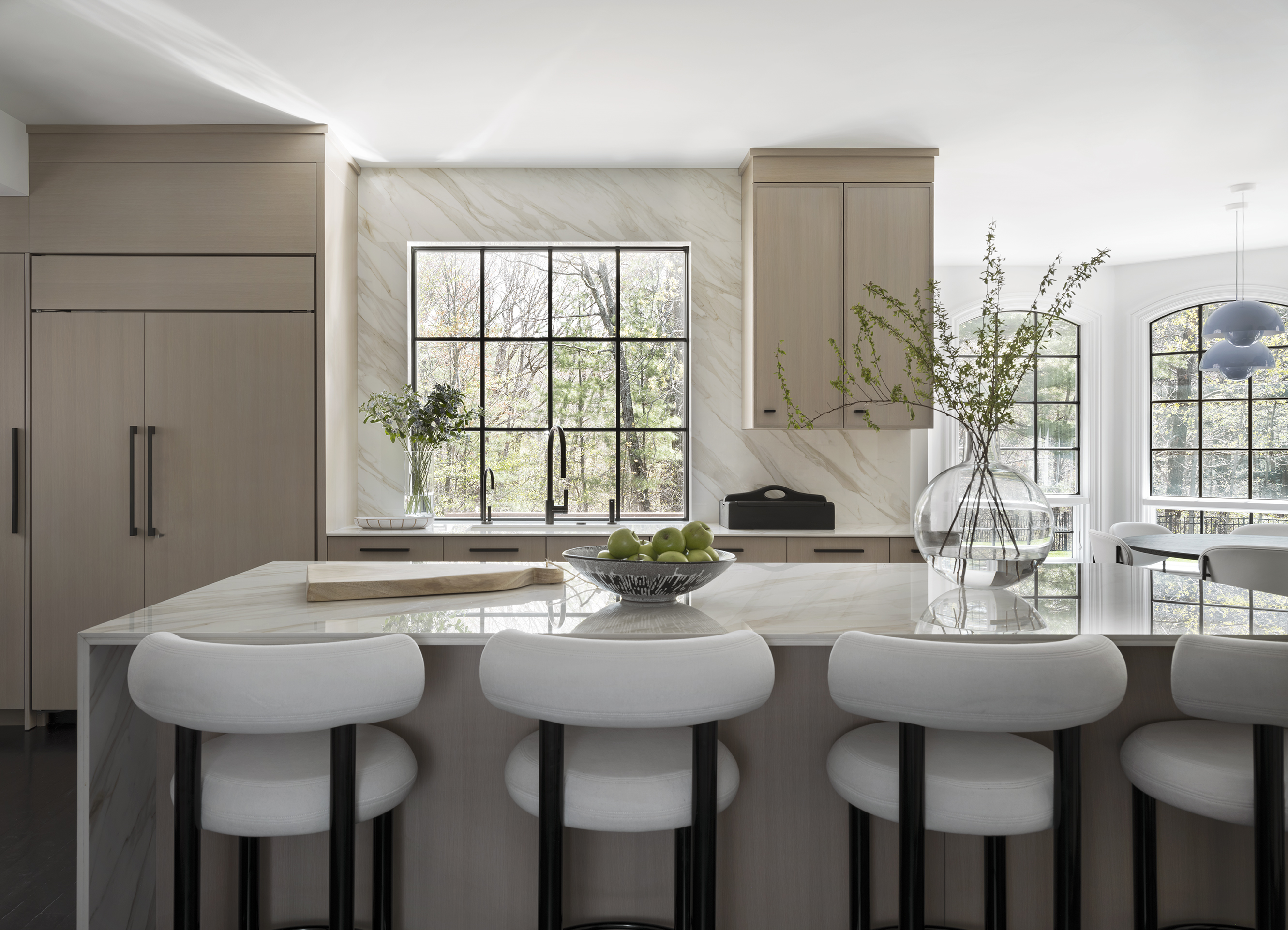
Single-slab Italian marble countertops, particularly Calacatta and Carrara, are prized for their luxurious appearance. However, Rinehart points out their significant practical disadvantages: marble is porous, prone to staining, scratching, and etching, making it high-maintenance, especially in busy kitchens. The cost, $100 to $250 per square foot plus $2,000 to $5,000 for fabrication and installation, is substantial for a material that requires such diligent care. As a more durable and cost-effective alternative, she suggests quartz countertops that mimic the look of marble. Quartz is non-porous, durable, and generally half the cost in the long run due to lower maintenance requirements.
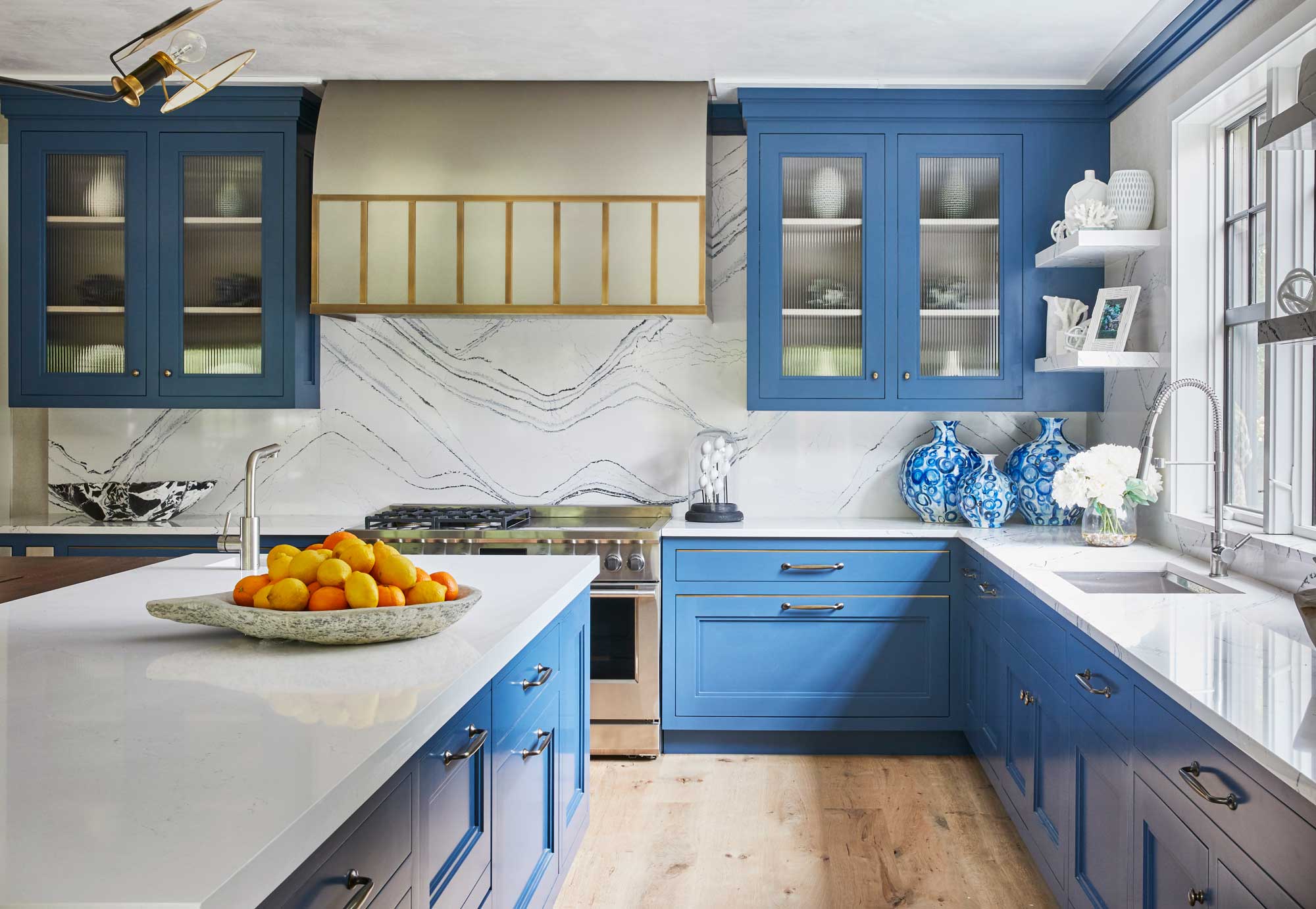
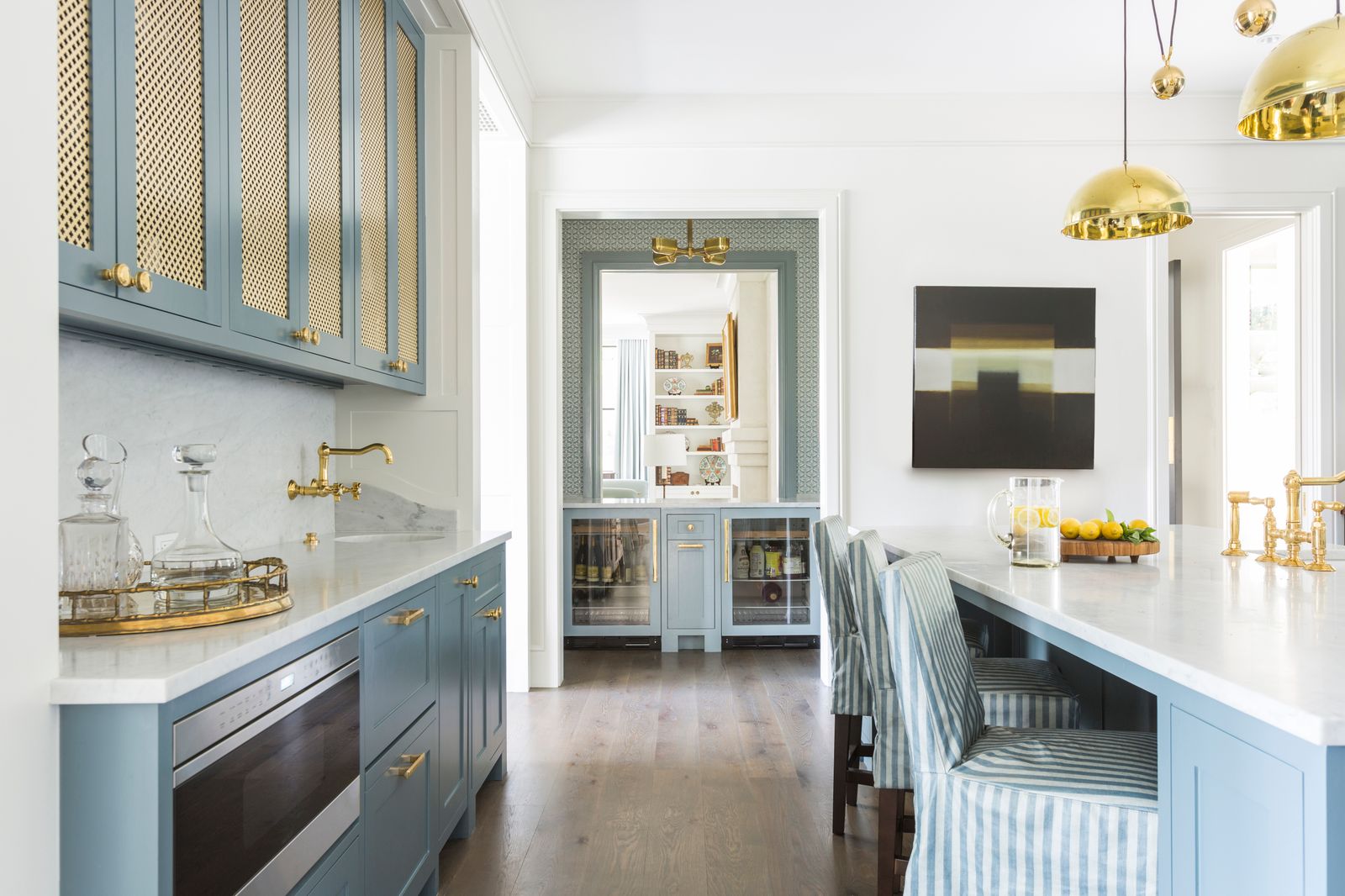
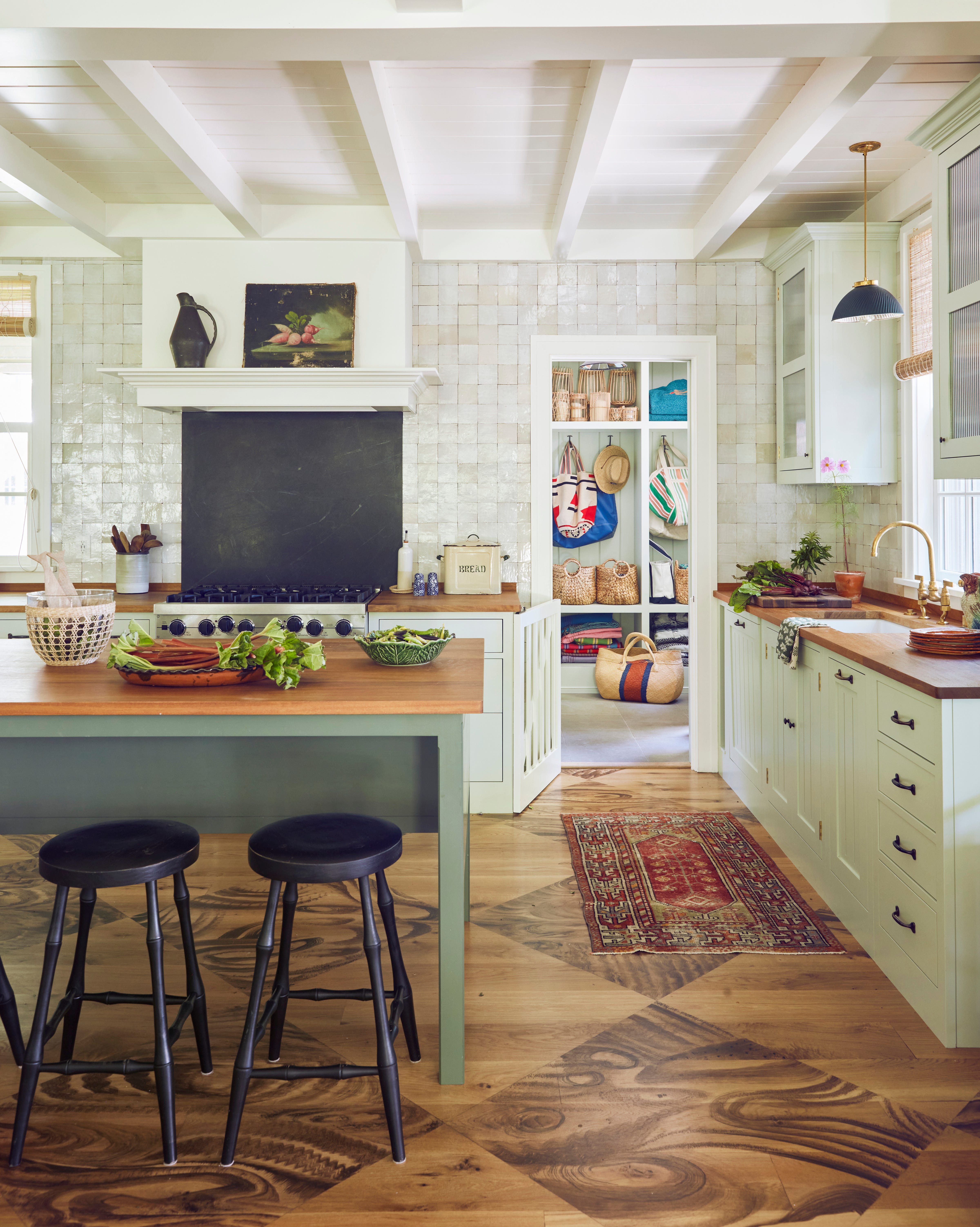
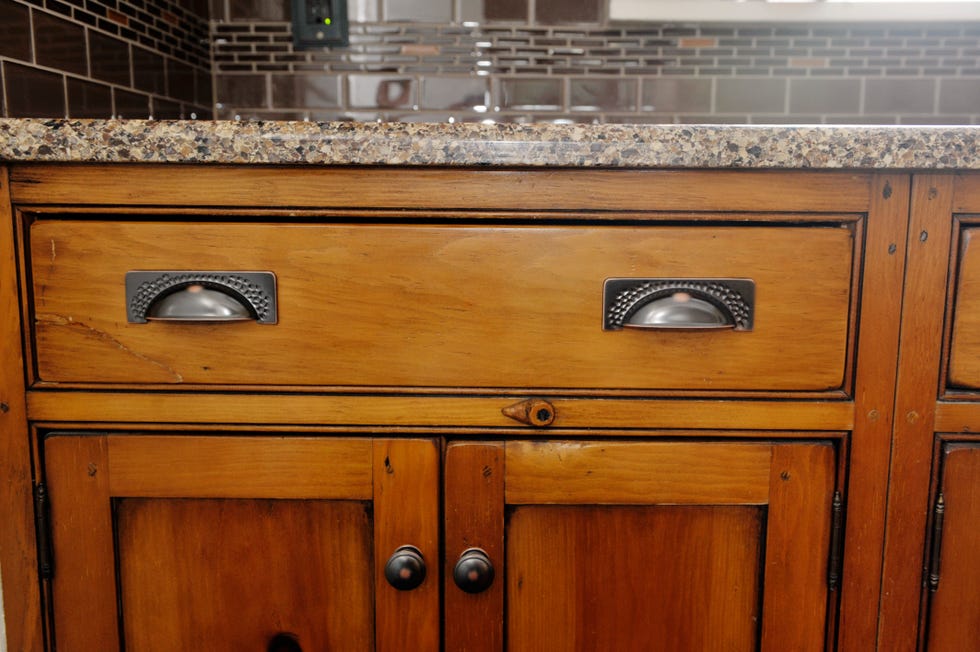
Finally, over-the-top custom cabinets, crafted from exotic woods with intricate millwork, offer a high degree of personalization and luxury. However, their cost, ranging from $25,000 to $75,000 or more for fully custom designs, often yields diminishing returns on resale. Rinehart notes that their designs can quickly become dated, and increased cost doesn't always translate to improved functionality. A more sensible approach involves choosing semi-custom cabinetry or high-quality stock cabinets. These options allow for customization of layout and finishes without exceeding the budget, and can be enhanced with smart inserts and organizers like clear canisters, tiered risers for spices, and turntables for everyday items, improving functionality without the exorbitant expense of fully custom builds.
#KitchenUpgrades #HomeRenovation #InteriorDesign #ApplianceReviews #KitchenAppliances #CostSavingTips #KitchenDesign #CountertopMaterials #Cabinetry #KitchenUpgrades #HomeRenovation #InteriorDesign #ApplianceReviews #KitchenAppliances #CostSavingTips #KitchenDesign #CountertopMaterials #Cabinetry
0 comment in total
 No comments yet
You may also like

Money-wasting home improvements to avoid

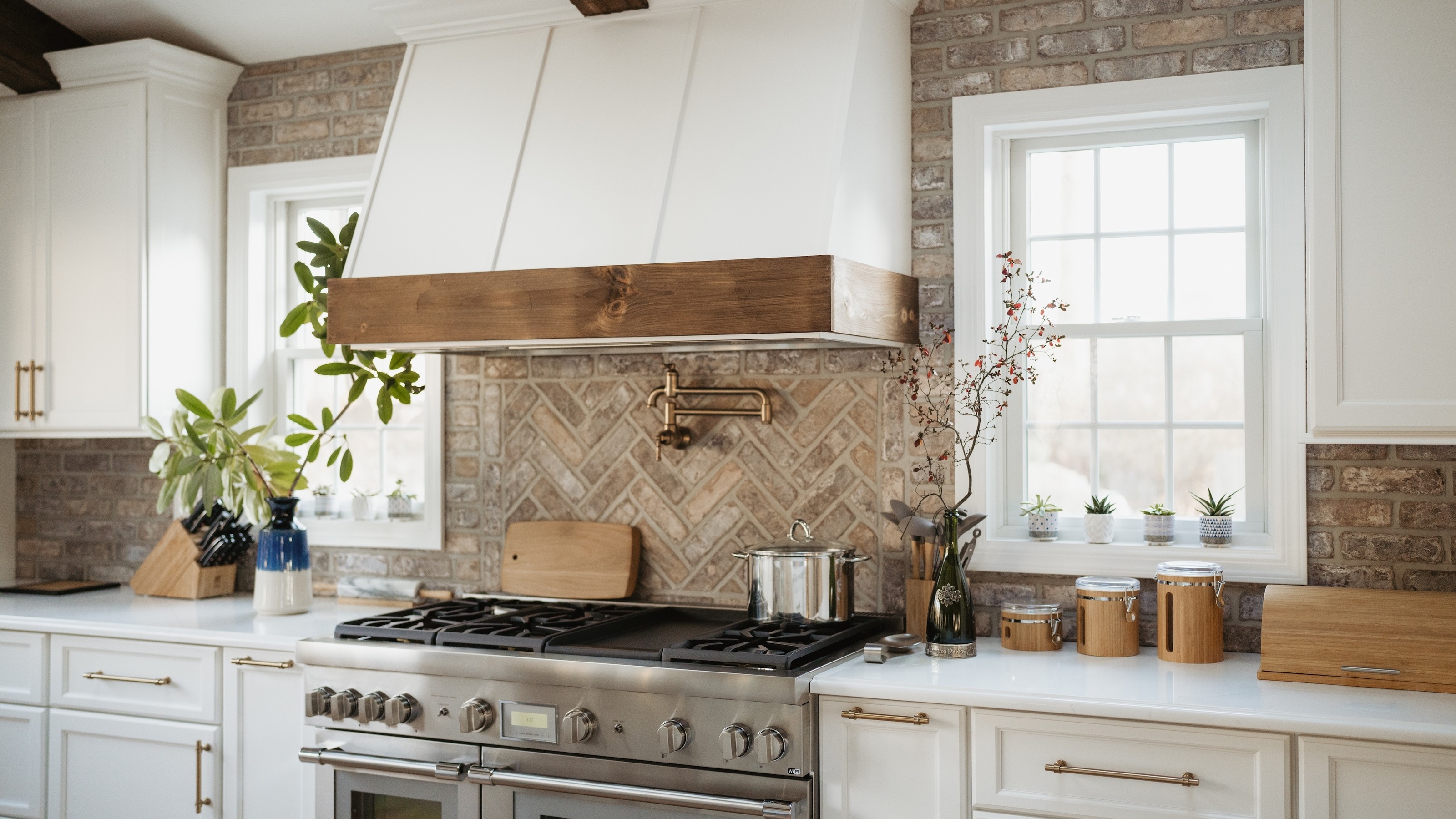
5 Kitchen Appliances You Don't Need to Spend Money on If Money is Tight


12 Kitchen Upgrades That Are Worth Every Penny, According To HGTV's Mike Holmes
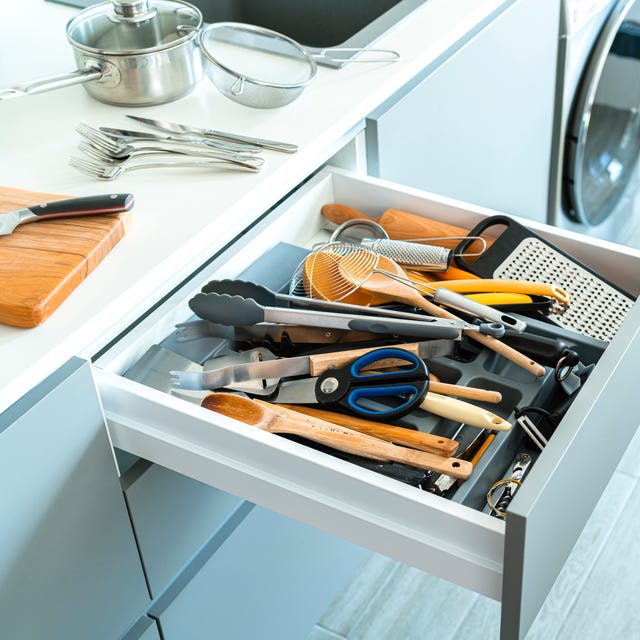
13 Kitchen Items That Are Wasting Your Money—And What To Buy Instead
6 Things That are Making Your Kitchen Look Cheap, and How to Fix Them According to Designers
6 Mistakes That Are Making Your Kitchen Tiles Look Cheap and Not Elevated — And What You Can Do Instead

10 Home Improvements That Experts Say Are a Waste of Money
5 Kitchen Upgrades to SKIP if You're Trying to Sell Your Home, Warn Designers
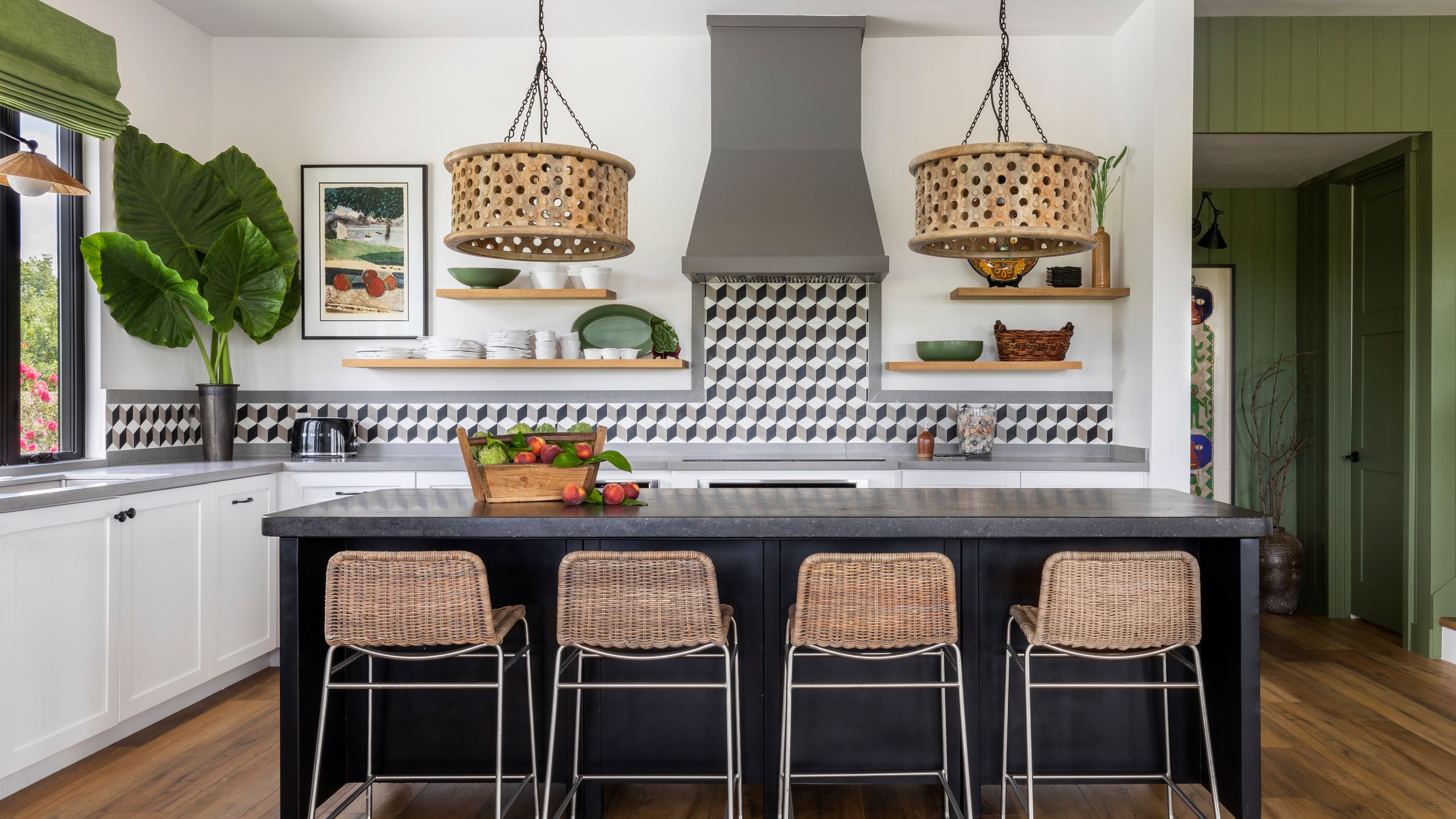
9 Thoughtful Kitchen Upgrades That Don’t Require a Full-On Renovation

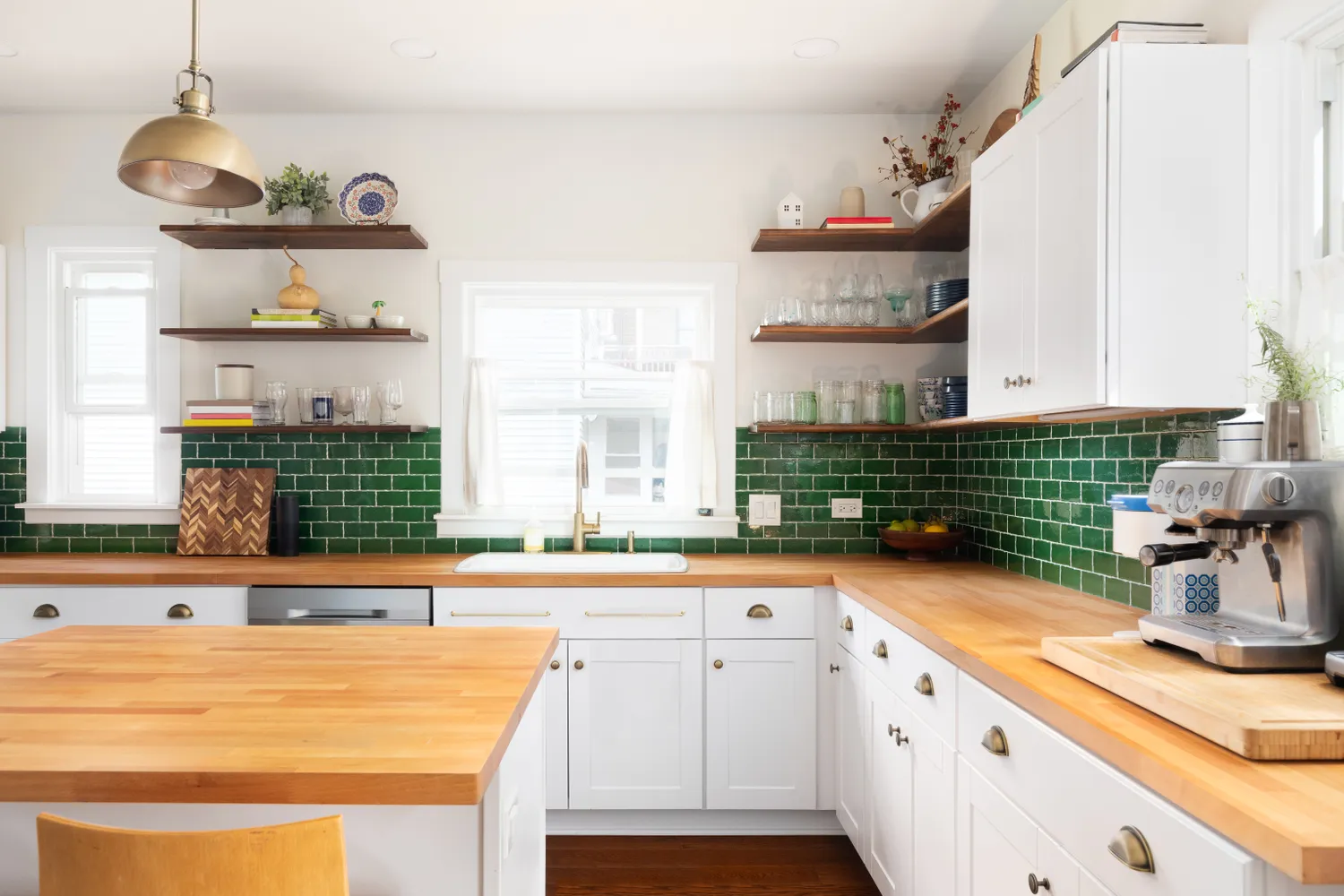
5 Tacky Kitchen "Upgrades" That Instantly Make a Home Look Bad, According to Designers

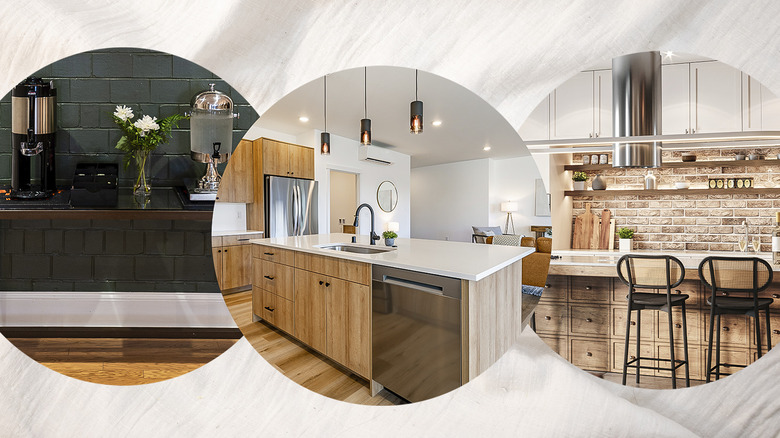
15 Kitchen Upgrades To Increase The Value Of Your Home

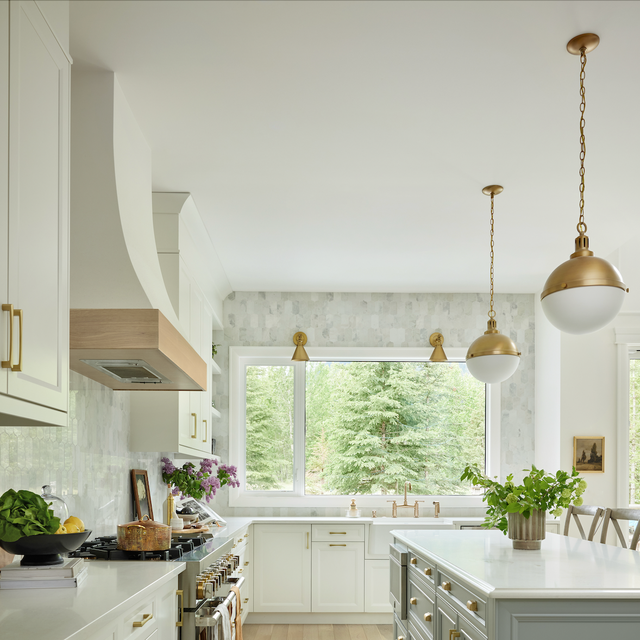
5 Kitchen Renovation Moves That Make Designers CRINGE

6 “High-End” Kitchen Features That Aren't Worth the Money, Designers Say
Bathroom Upgrades That Aren’t Worth the Hype, and What To Do Instead

No renovation needed: 11 stylish, low-cost kitchen updates to try this weekend
10 DIY kitchen upgrades to boost your home's value, according to real estate experts and designers
5 Ways to Make Your Kitchen Look Instantly More Expensive, According to Designers

Kitchen Renovations Can Be Expensive, But Your Cabinets Don’t Have to Be
6 expert-approved ways to add value to your kitchen
5 Ways to Make Your Kitchen Look Instantly More Expensive, According to Designers